
 ENG
ENG
 English
 русский
 Español
 Tiếng Việt
 ไทย
ไทย
Article Directory
- 1 Why Polymer Dose Changes Screw Press Results So Quickly
- 2 The Two Failure Modes: Underdosing and Overdosing
- 3 Key Performance Indicators That Shift With Polymer Dosage
- 4 Field Data: How Much Cake Solids Can Polymer Add?
- 5 How to Find the Optimum Polymer Dose for Your Sludge
- 6 Polymer Preparation and Dosing Accuracy: The Equipment Side
- 7 Screw Press Design and How It Interacts With Polymer Demand
- 8 Practical Optimization Workflow
Polymer dosage is the fastest-moving adjustment you can make on a screw press installation, and it is also the easiest to get wrong. Underdose the sludge, and the press pushes fine solids through the screen. Overdose it, and the polymer bill climbs while the cake stays wet. Get the dose right, and the same machine can produce noticeably drier cake and clearer filtrate in the same shift, without a single mechanical change. This article explains what changes when polymer dosage moves, which performance numbers respond first, and how to establish a dosing window that keeps the press stable and costs under control.
Why Polymer Dose Changes Screw Press Results So Quickly
A screw press sludge dewatering machine works differently from a belt press or centrifuge. Sludge enters the feed zone and is conveyed along a tapered shaft, where increasing pressure forces water out through the gaps between fixed and moving rings. The floc structure created by polymer conditioning determines how the cake releases that water. If the flocs are small and weak, they pass through the screen gaps and end up in the filtrate. If the flocs are oversized and slippery, they trap water inside the cake, and the compression zone cannot squeeze it out. The polymer dose, in other words, decides whether the press operates in a stable window or drifts toward one of two failure modes.
The Two Failure Modes: Underdosing and Overdosing
Underdosing: Weak Flocs, Dirty Filtrate
When the polymer dose is too low, particles are not fully neutralized or bridged. Flocs stay small, shear easily in the mixing zone, and pass through the screen. The first visible warning is a cloudy filtrate and rising suspended solids in the return stream. In severe cases, solids capture can fall below 70 percent, which means the plant recirculates the same pollution load to the head of the works and treats it a second time. The cake also comes out wetter and tends to break apart at the discharge end because the weak floc structure collapses under compression.
Overdosing: Excess Polymer, Wet Cake
Overdosing is more deceptive. Extra polymer coats the flocs, making them slippery, so the cake slides through the compression zone without releasing water. Free water stays locked inside the floc network, and cake dryness plateaus or drops. The filtrate turns cloudy again, but this time the turbidity comes from dissolved polymer rather than raw solids. Polymer consumption per dry ton climbs, foam appears in the dosing tank and filtrate channel, and the screen needs more frequent cleaning. Residual polymer in the filtrate can also interfere with downstream biological or membrane processes.
Key Performance Indicators That Shift With Polymer Dosage
The best way to see how polymer dose affects a screw press is to compare the three dosing states side by side.
| Dose level | Solids capture | Cake solids | Polymer cost per dry ton | Operating impact |
|---|---|---|---|---|
| Underdosed | Low; filtrate is cloudy | Below expected; cake crumbles | Deceptively low | Frequent screen cleaning; solids recirculate |
| Optimum | High; filtrate is clear | Maximum for the given sludge | Balanced total cost | Stable run; self-cleaning screen |
| Overdosed | High, but residual polymer in filtrate | Plateau or decline | Higher than necessary | Screen fouling; screw slippage; foaming |
The practical optimum sits near the boundary between optimum and overdosed. The lowest dose that keeps cake dryness on the plateau and filtrate clear is also the lowest total cost dose. Pushing the dose higher from that point adds chemical expense without improving the results.
Field Data: How Much Cake Solids Can Polymer Add?
A municipal installation in the United States ran the same screw presses at two polymer dose rates and recorded the difference in normal production. At 45 active pounds of polymer per dry ton of sludge, the press averaged 18.85 percent cake solids. At 36 active pounds per dry ton, the average was 17.73 percent. That 1.1 percentage point gain came from roughly 25 percent more polymer, so the plant had to weigh the lower hauling cost against the higher chemical cost.
Broader field reference data points in the same direction. With the right polymer type and the right dose, a screw press can gain 3 to 8 percentage points of dry solids on the same machine, with no capital investment. The same reference data also shows that the wrong polymer, or the right polymer at the wrong dose, can erase that advantage completely. This is why polymer dosage is one of the first things to check when a screw press underperforms its specification.
How to Find the Optimum Polymer Dose for Your Sludge
Start With a Floc Test, Not a Full-Scale Trial
Take a one-liter sample of the actual feed sludge, add the polymer solution at the concentration you plan to use, and mix gently. Look for three things: floc size, floc strength, and supernatant clarity. Healthy flocs form within seconds, survive light agitation, and leave clear water. If the water stays cloudy, the dose is too low. If the water contains visible fluff or the flocs feel sticky, the dose is already too high.
Confirm With a Controlled Ramp-Up on the Press
Start at 60–70 percent of the dosage suggested by the floc test. Hold the feed flow constant and wait 15–20 minutes for the press to stabilize. Increase the dose in steps of roughly 10–15 percent every 20–30 minutes, and record filtrate turbidity, cake dryness, and press current at each step. Cake dryness will rise, then plateau, then stay flat or decline. The dose just before the plateau begins is the practical optimum. For daily operation, back it off by 5–10 percent to leave room for variations in sludge quality.
Monitor the Right Signals
Filtrate suspended solids, cake dryness, polymer cost per dry ton, screen differential pressure, and cleaning frequency are the five numbers that tell you whether the dose is still correct. Do not chase cake dryness alone. If the filtrate turns cloudy while cake solids increase, you are simply converting a filtrate problem into a cake metric. The filtrate is the early warning system; the cake is the financial result.
Polymer Preparation and Dosing Accuracy: The Equipment Side
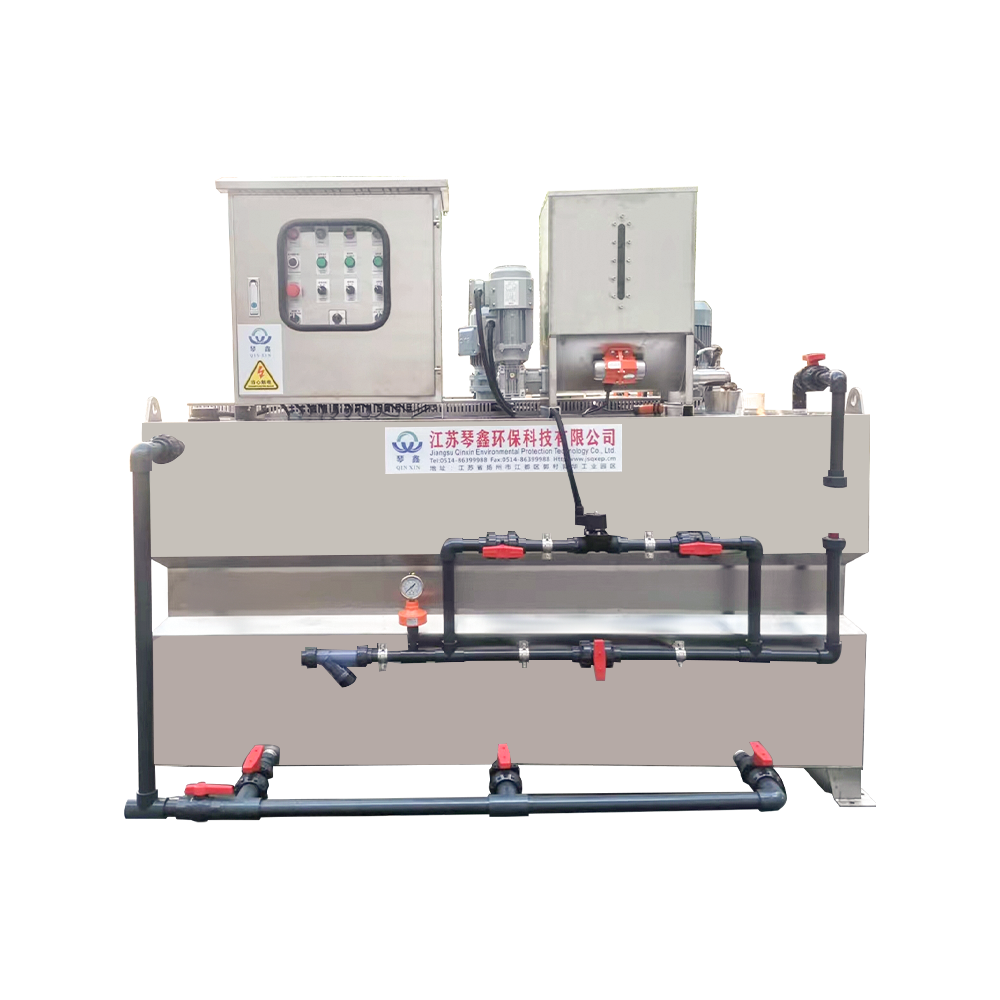
Even the correct theoretical dose fails if the polymer is poorly aged, unevenly diluted, or pumped at a rate that does not match the incoming sludge flow. Manual valves drift, and operators cannot watch them every minute. An automated dosing unit solves the problem because it prepares the stock solution, dilutes it to the target concentration, and meters the output continuously in proportion to the feed flow. For installations where sludge concentration varies during the day, an integrated polymer dosing system with variable-frequency control is a practical investment that protects both filtrate quality and polymer consumption. Plants with identical presses can produce different results only because one has accurate dosing equipment and the other does not.
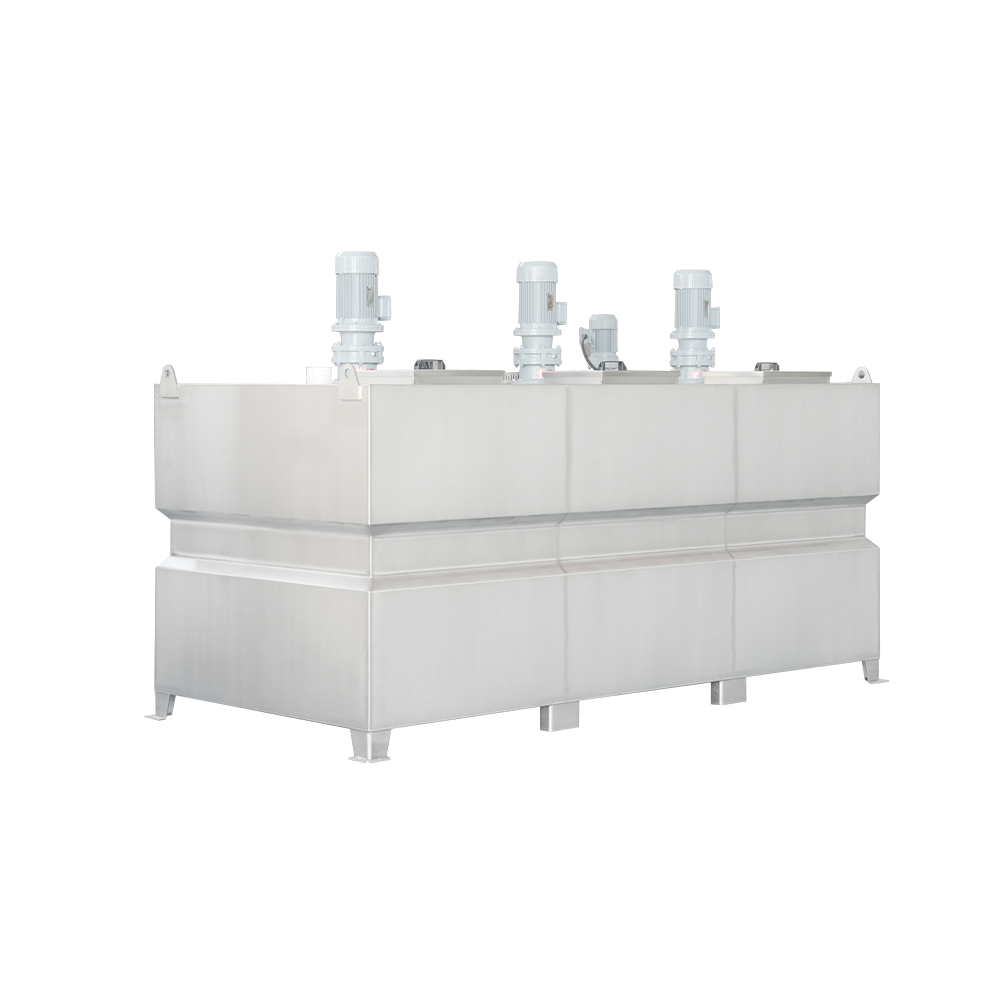 Custom Automatic Integrated Powder Chemical Dosing Variable Frequency Dosing DevYangzhou Qinxin Environmental Protection Technology Co., Ltd. Is China Custom Automatic Integrated Powder Chemical Dosing Variable Freque...View Product →
Screw Press Design and How It Interacts With Polymer Demand
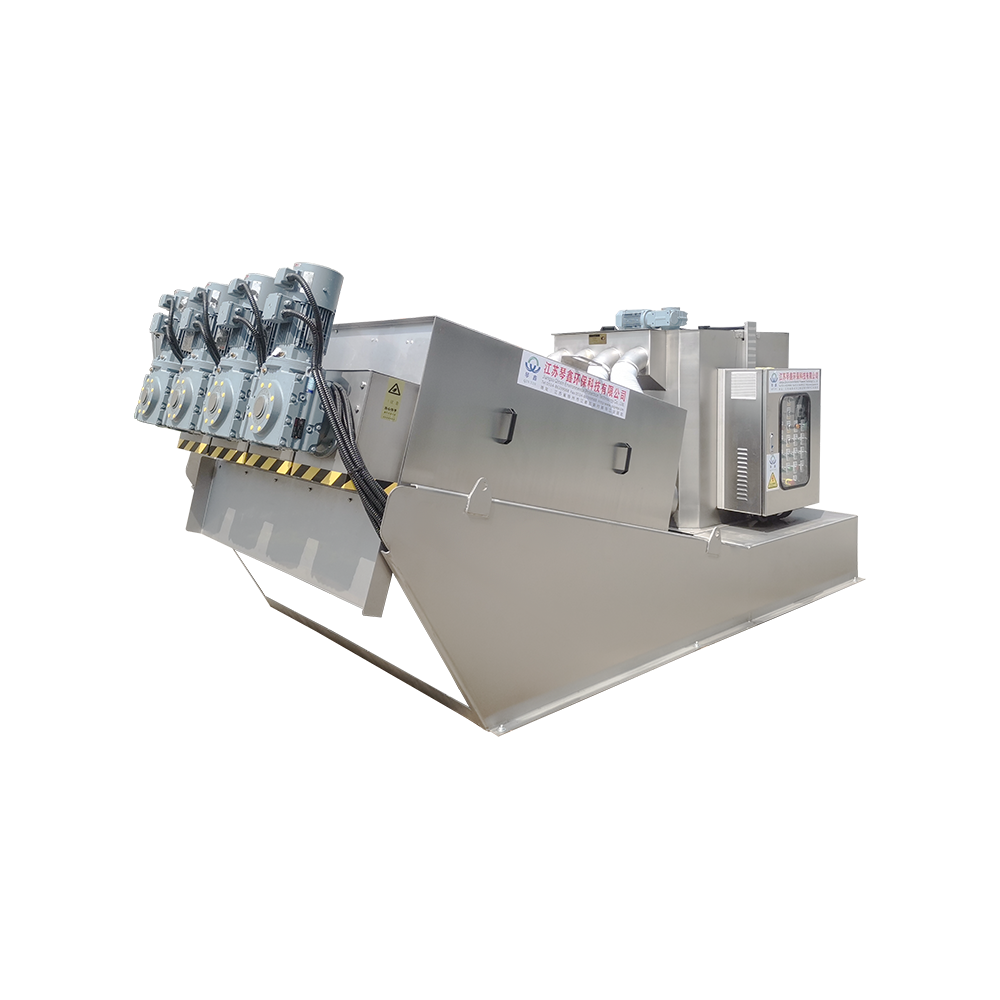
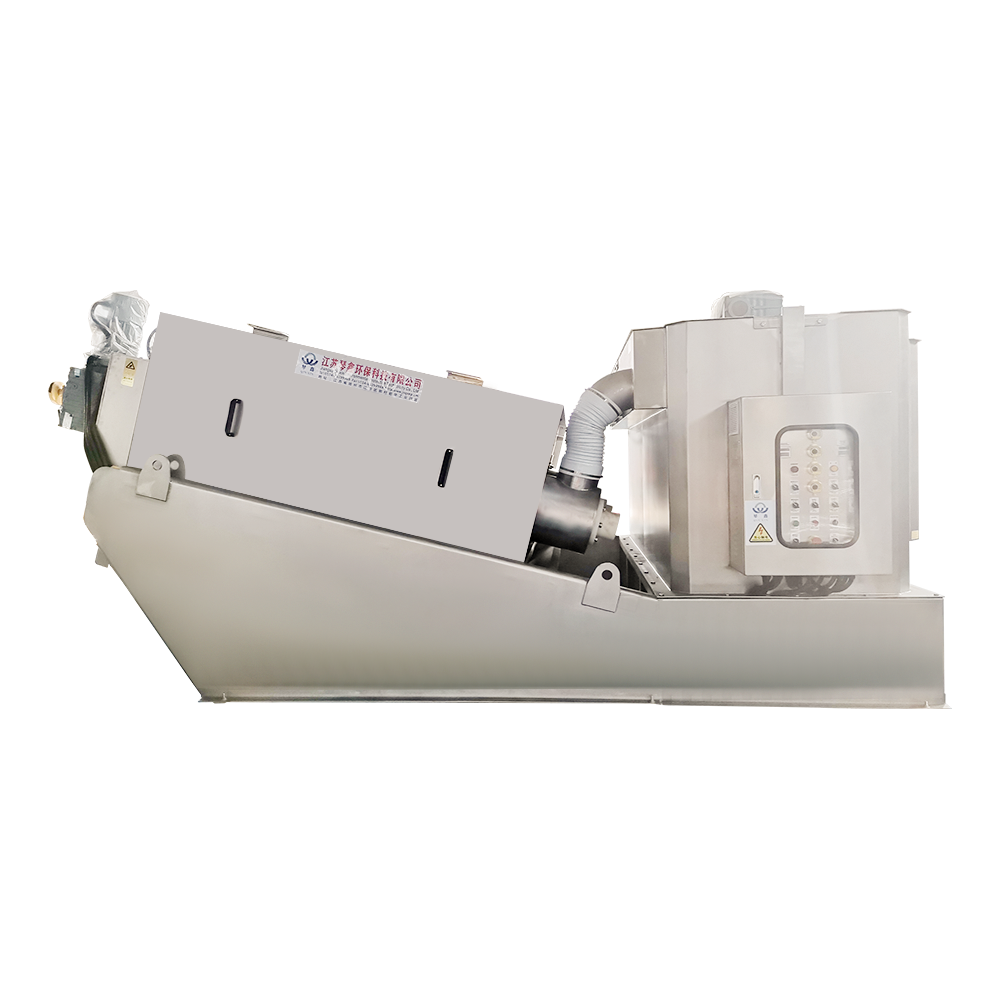
The mechanical design of the press also affects how sensitive the process is to dose changes. A short compression zone reacts fast to every change in polymer quality, while a multi-disc screw press sludge dewatering machine with a long compression zone gives the cake more time on the screen and absorbs minor dose deviations. That is why the same sludge can dewater differently on two different presses at the same dose.
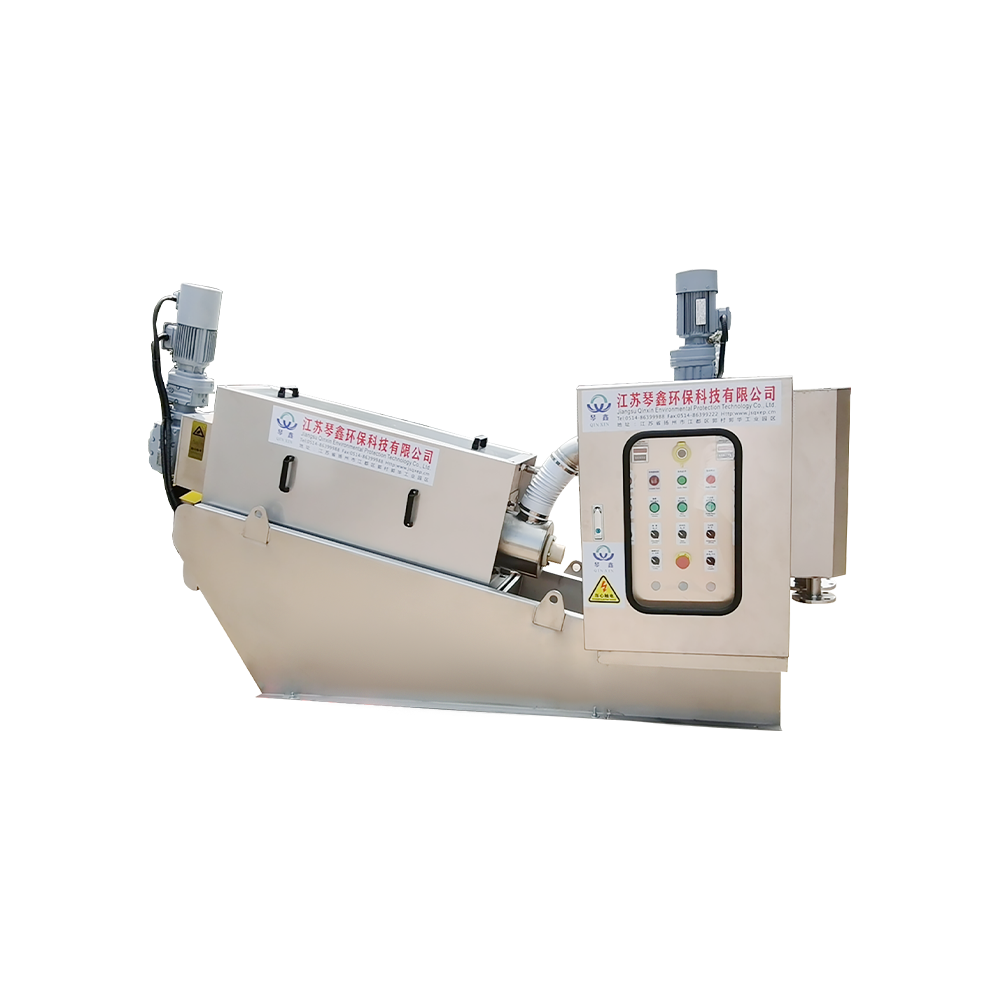
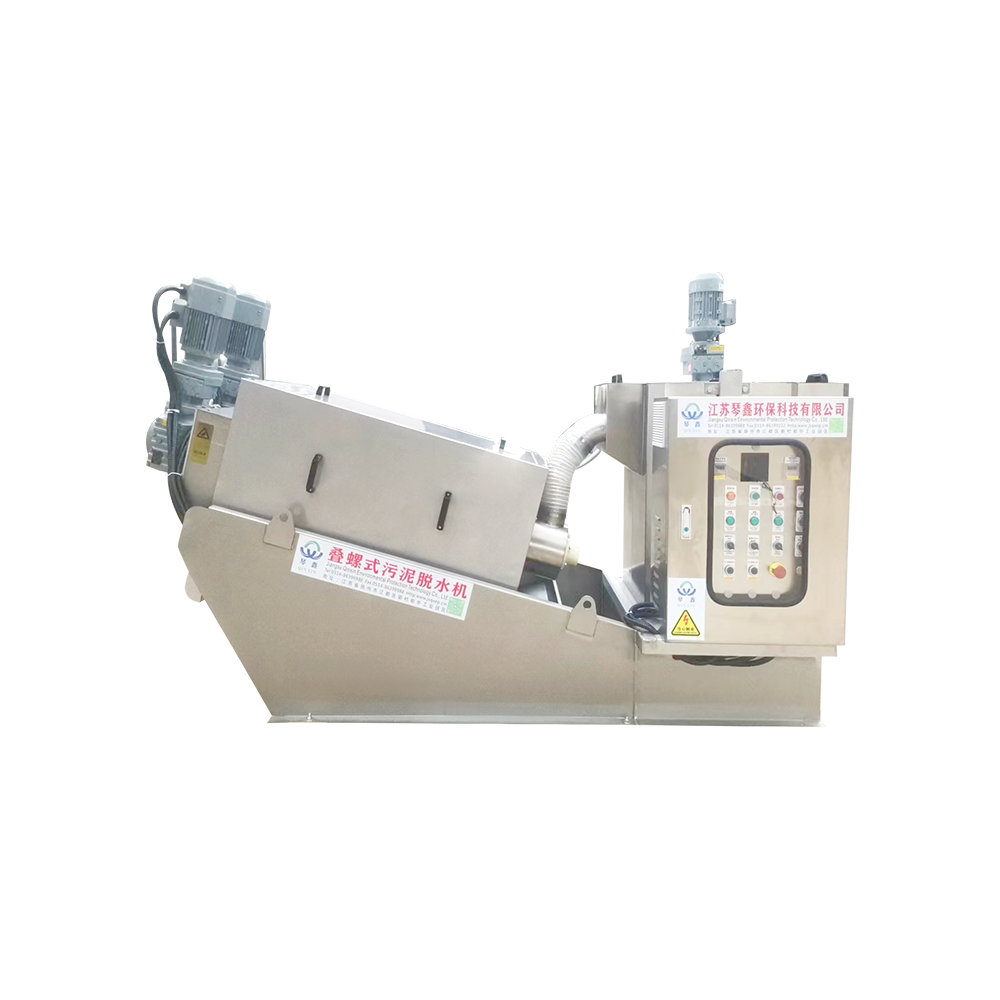
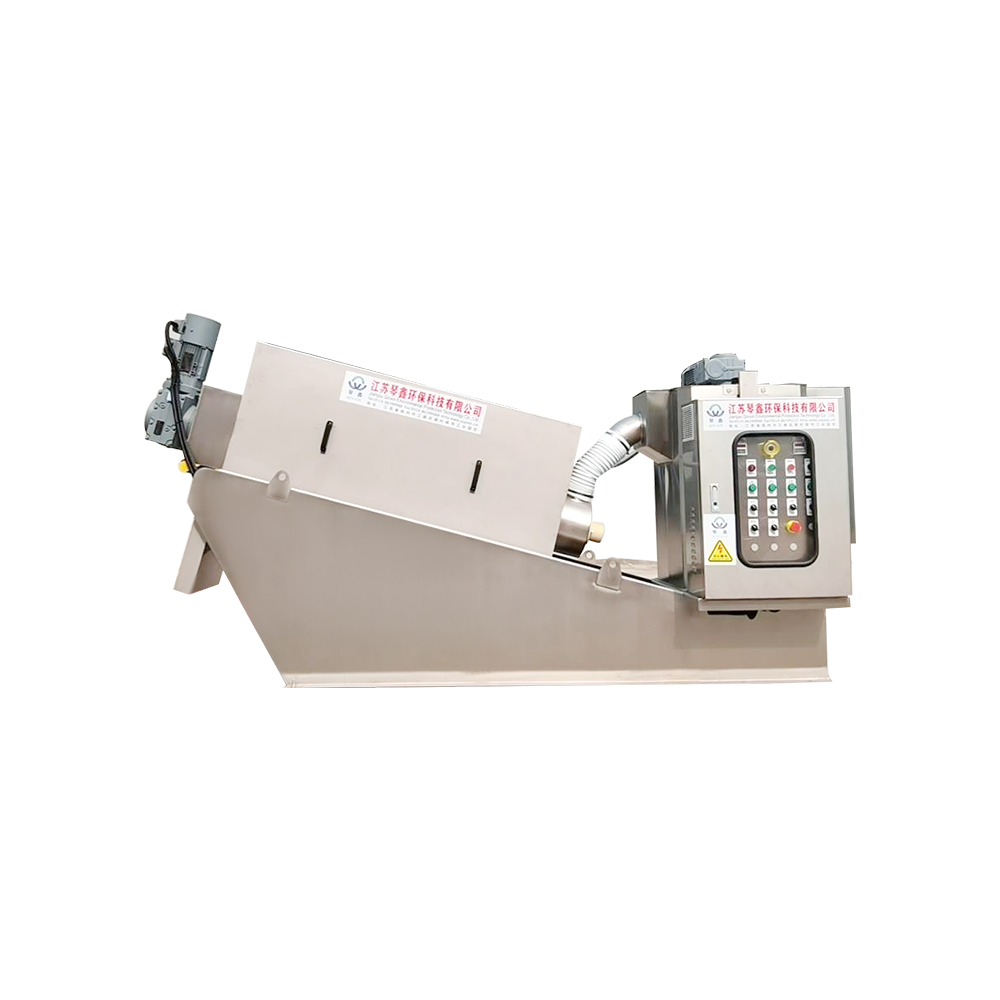
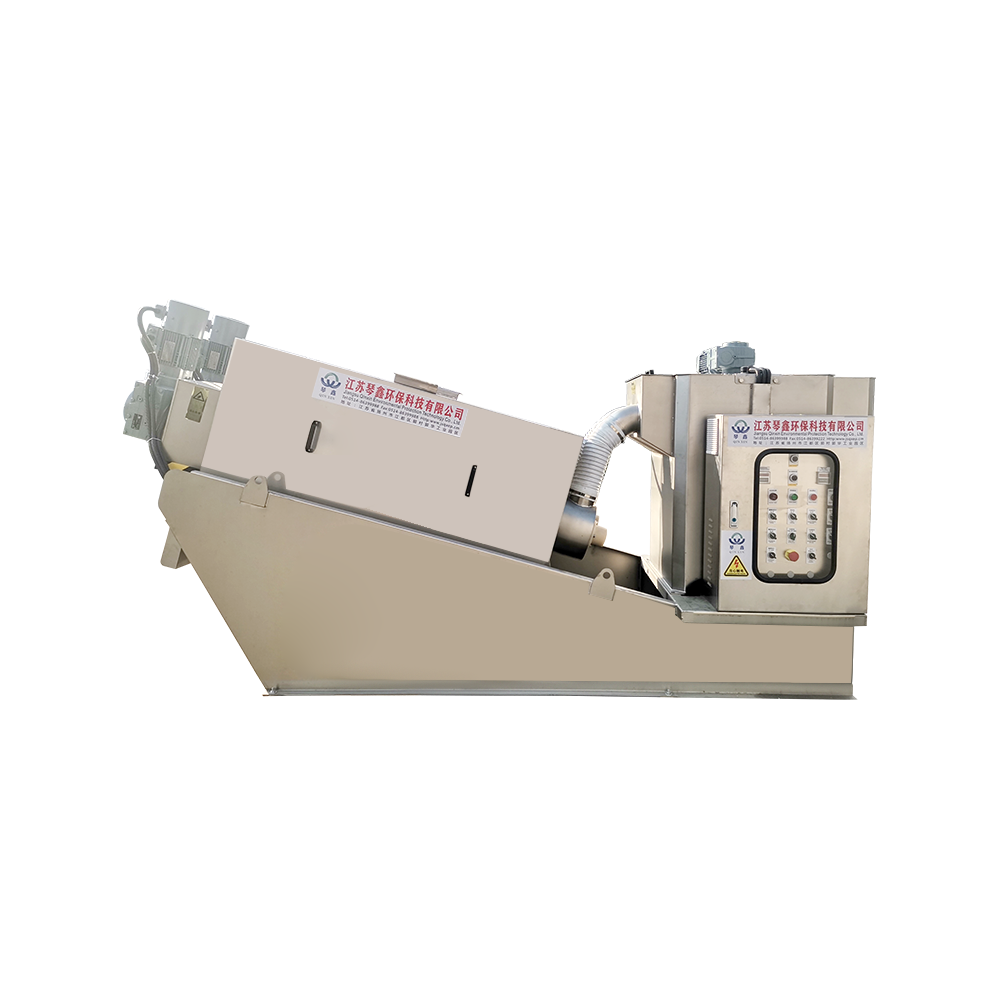
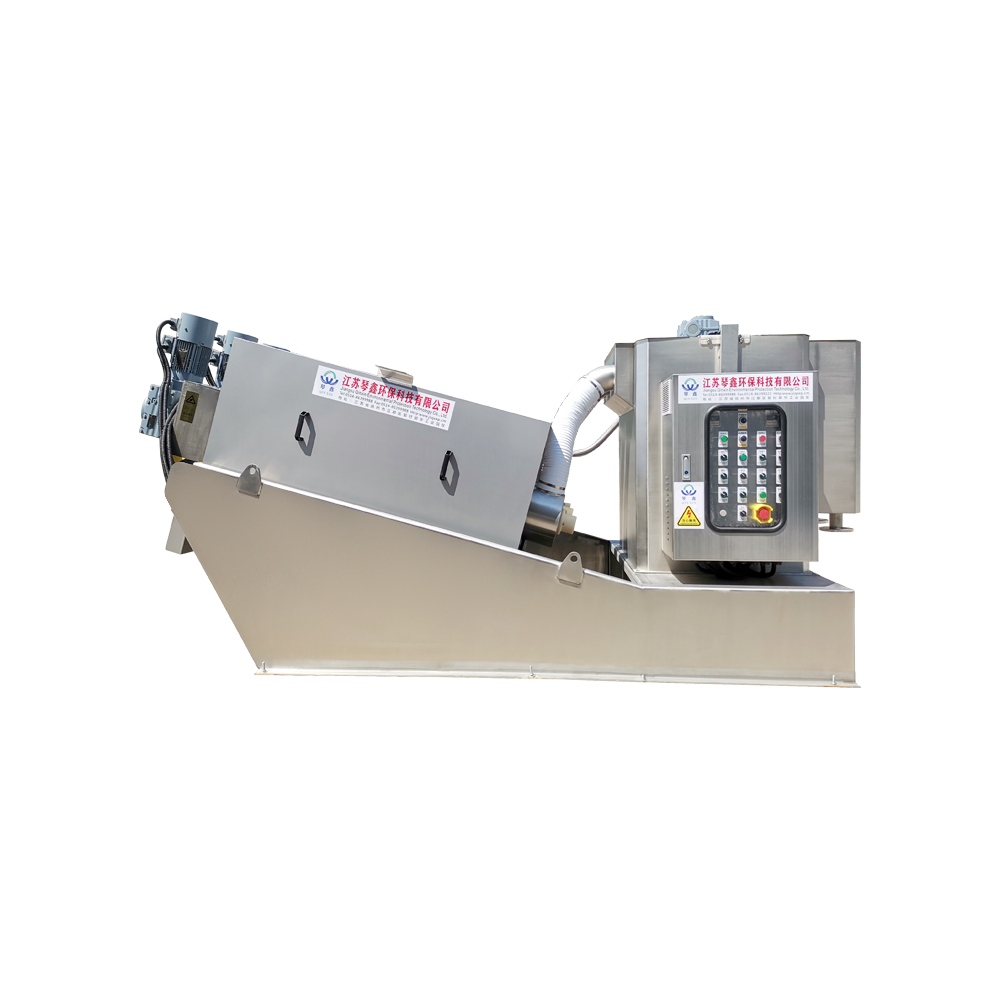
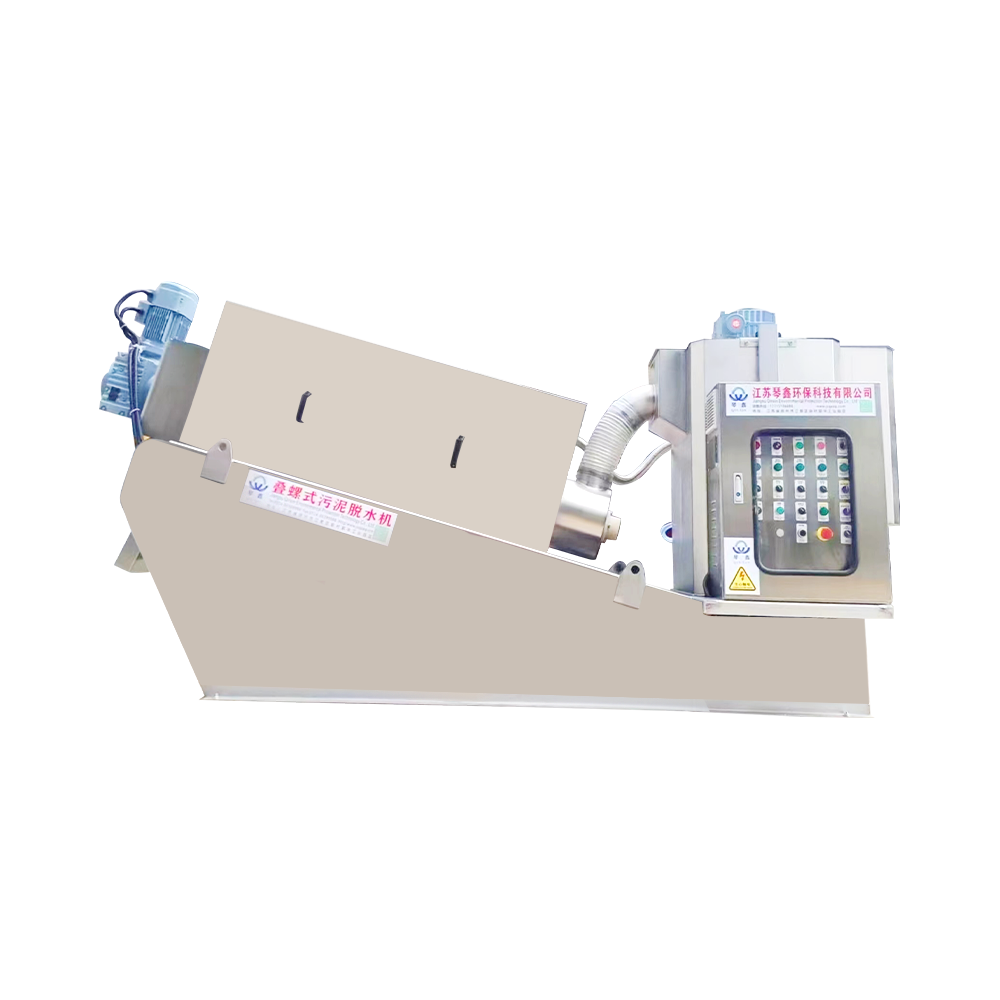
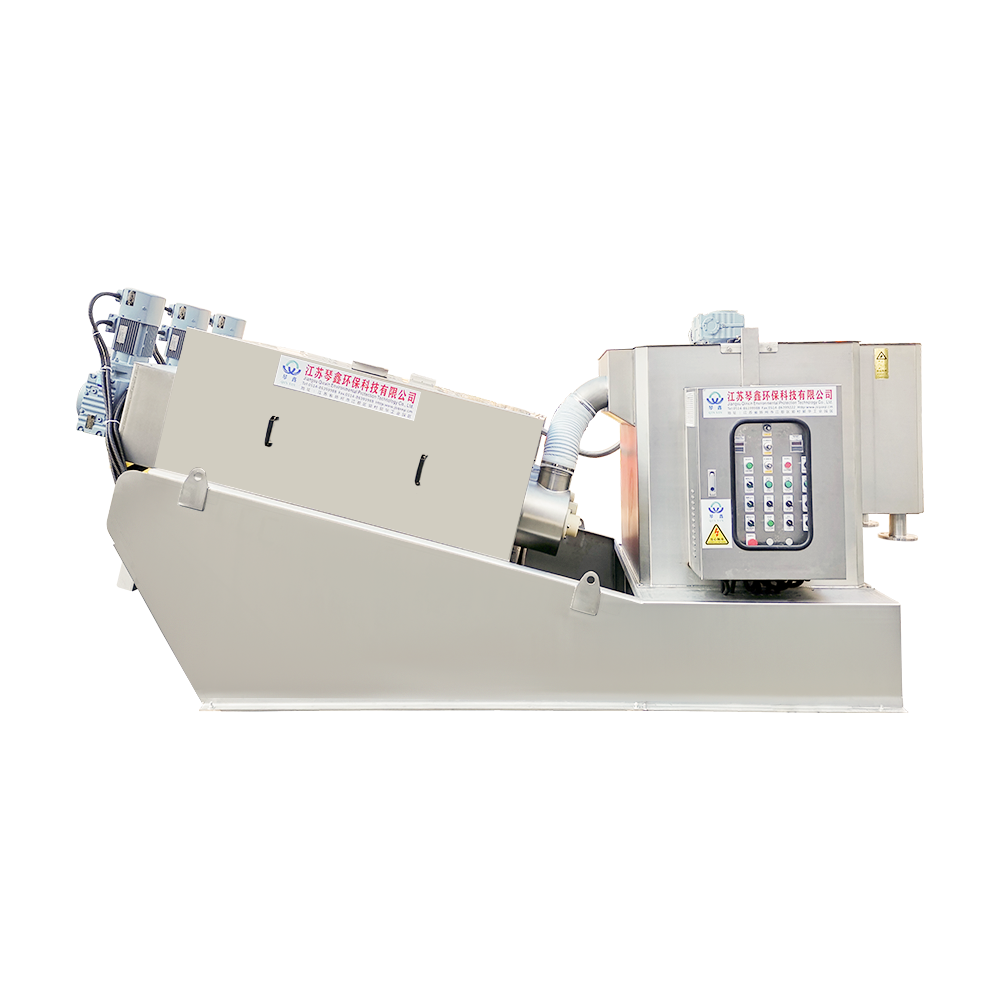
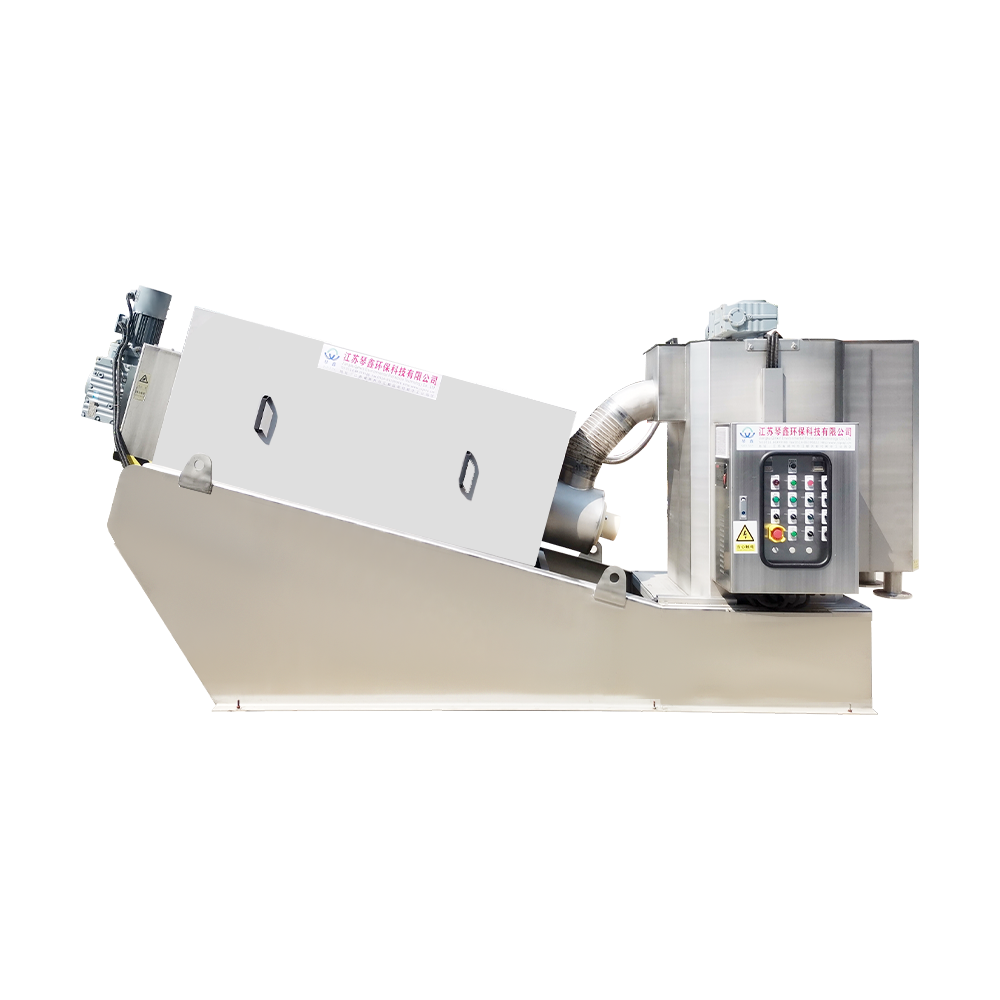
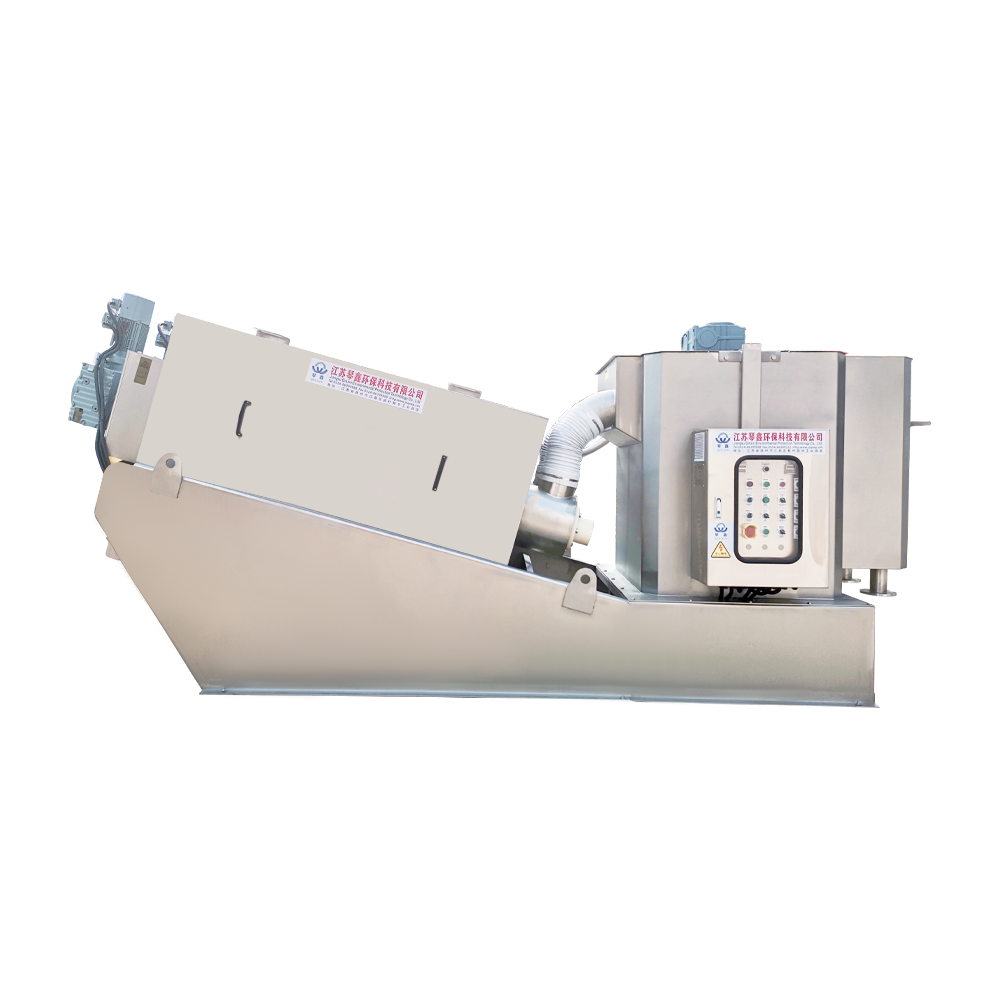
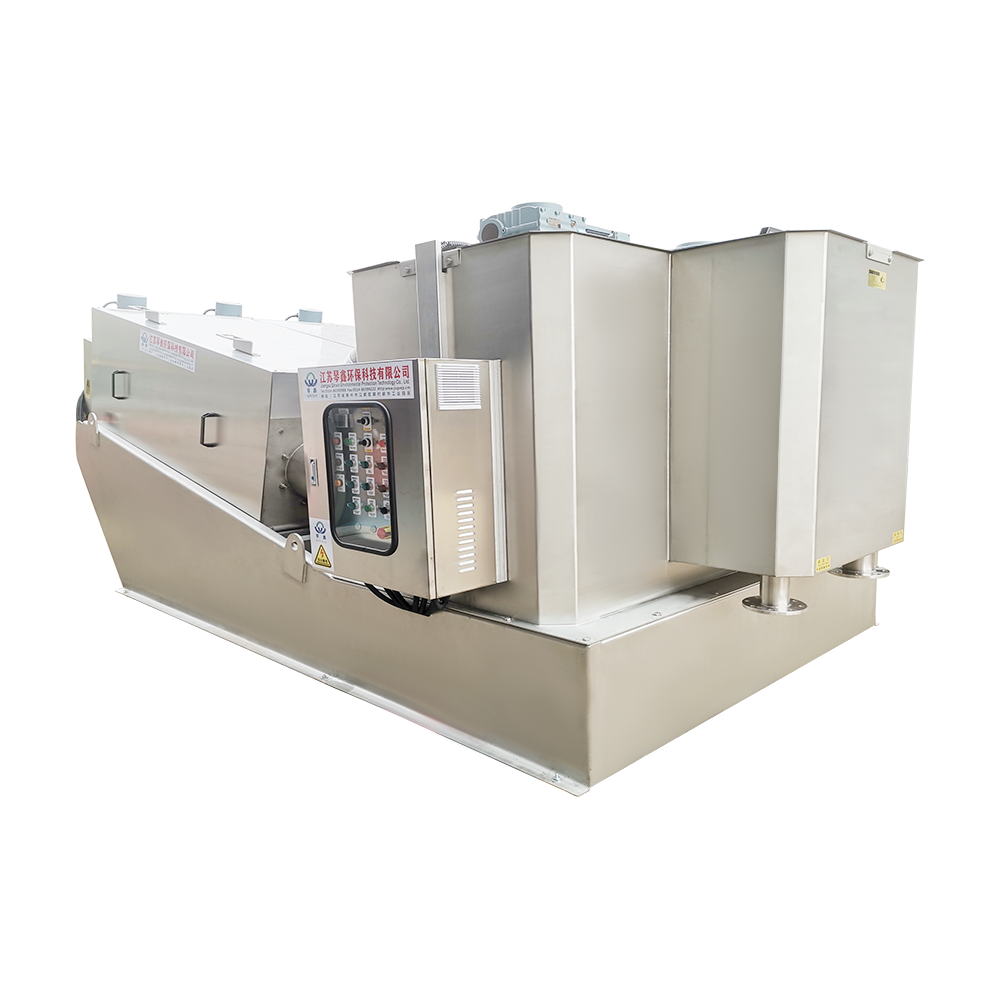
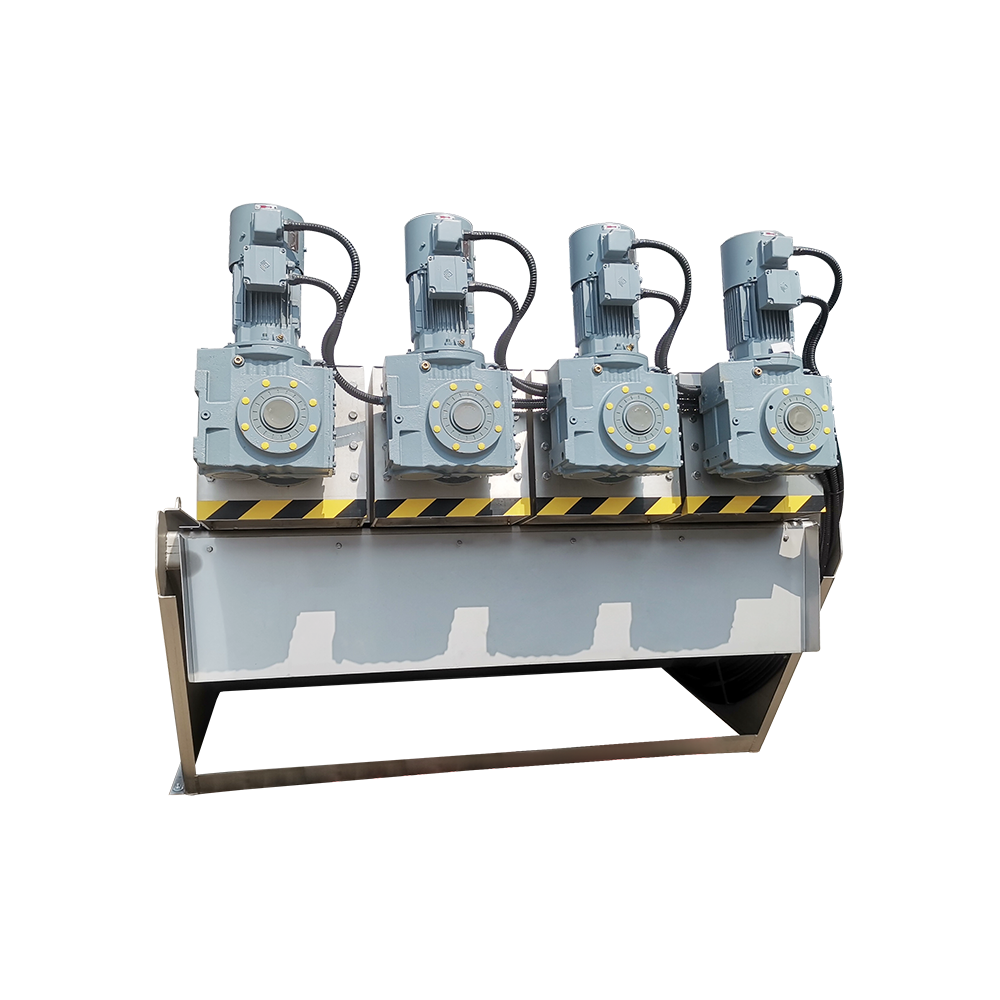 Custom Waste Water Treatment Eco-friendly Spiral Screw Sludge Dewatering MachineYangzhou Qinxin Environmental Protection Technology Co., Ltd. Is China Custom Waste Water Treatment Eco-friendly Spiral Screw Sludge Dewa...View Product →
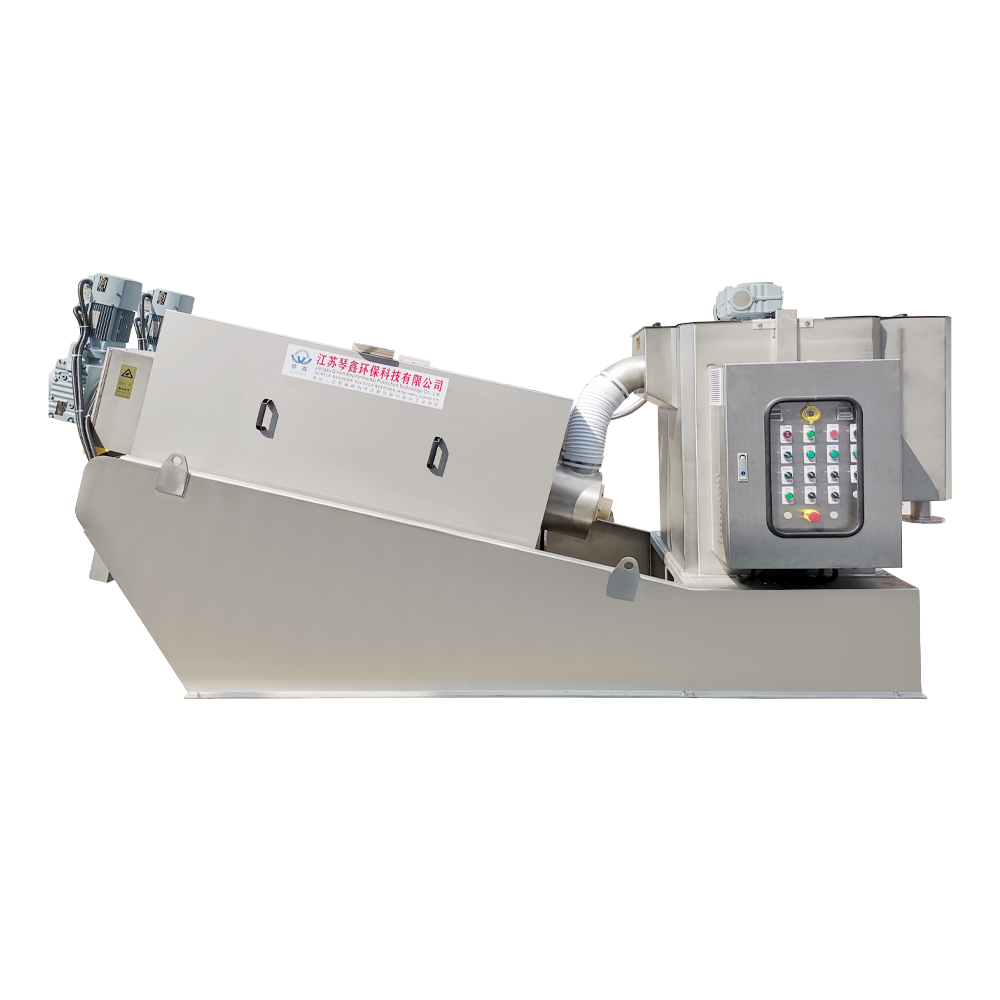
For industrial wastewater, sludge composition changes throughout the day, and the press has to absorb those changes without constant operator attention. An industrial screw press built for energy-saving wastewater treatment, with a robust screen and a wider feed opening, gives you more tolerance for dose deviations.
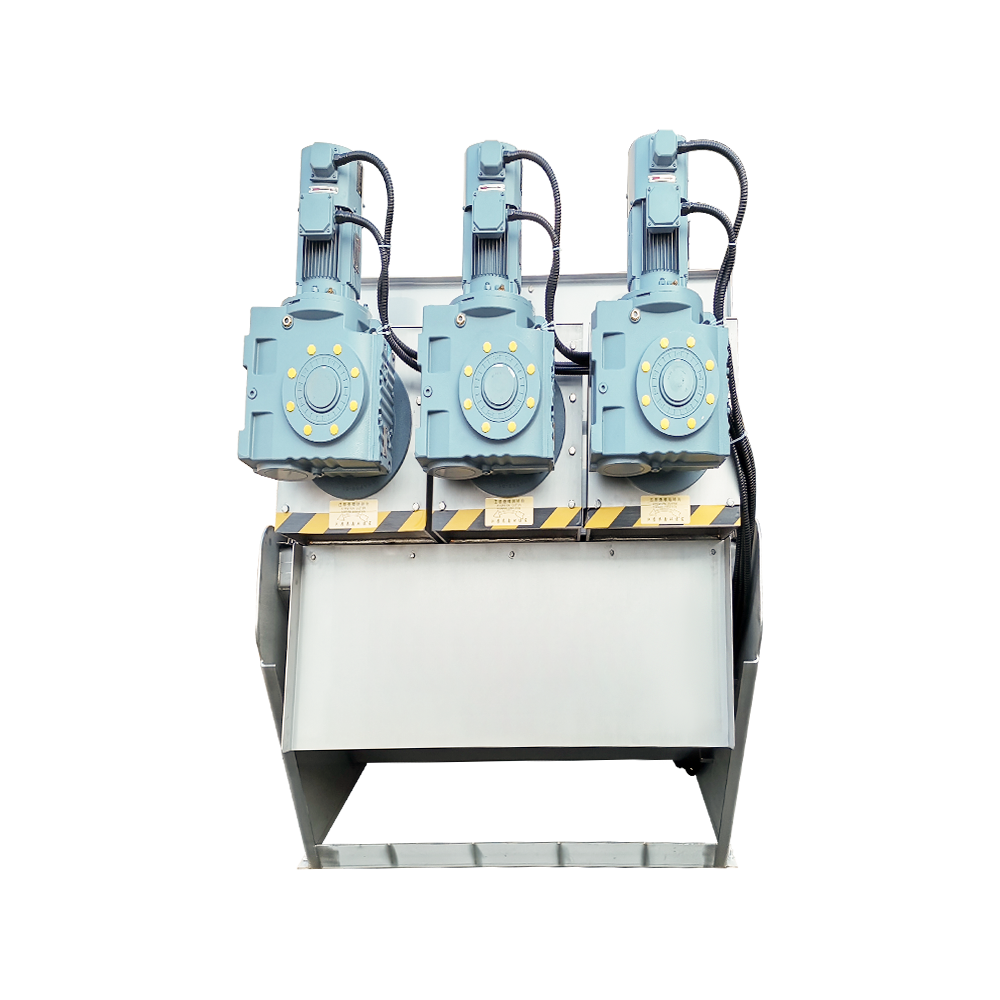 Large Stainless Steel Screw Press Sludge Dewatering Machine - High EfficiencyOptimize your wastewater treatment with our large, high-efficiency stainless steel screw press. This machine provides superior dewatering...View Product →
Do not expect any mechanical design to compensate for a wrong polymer dose. The best press still returns a cloudy filtrate when the chemistry is wrong. When you compare machines, look at the feed zone geometry, the length of the dewatering section, and the materials of construction, and check how to choose screw sludge dewatering machines based on your sludge type, solids concentration, and polymer budget.
Practical Optimization Workflow
- Establish a baseline: record feed solids, filtrate solids, cake dryness, polymer dose, and polymer cost per dry ton.
- Run a floc test on the actual feed sludge to get a first estimate.
- Run a controlled dose ramp at constant feed flow and plot the response curve.
- Set the operating dose 5–10 percent below the point where cake dryness peaks or filtrate clarity worsens.
- Review the data weekly and re-run the ramp whenever sludge characteristics change.
Plants that follow this sequence usually find that optimizing screw press sludge dewatering is more about feed control than about mechanical changes. The biggest gains come from small, constant corrections rather than one-time adjustments.
On the operating cost side, a polymer and energy cost analysis across screw press installations shows why dose optimization pays for itself: polymer is typically the second-largest dewatering cost after energy, and even a small daily overdose becomes a significant line item over a year.
Polymer dosage is not a set-and-forget parameter. It moves with sludge quality, chemical batch, temperature, and press condition. Operators who get the best results from a screw press treat the dose as a live setpoint: they check the floc, watch the filtrate, and adjust in small steps. The return shows up as drier cake, clearer filtrate, lower chemical cost, and a press that keeps running instead of demanding attention every shift.

 TOP
TOP