
 ENG
ENG
 English
 русский
 Español
 Tiếng Việt
 ไทย
ไทย
Article Directory
- 1 I. The Operational Economics of Sludge Treatment
- 2 II. Flocculant Dynamics: Dosage and Mixing Requirements
- 3 III. Quantifying Operating Costs (OpEx) for Screw Dewatering
- 4 IV. Technical Advantages of Screw Press Systems in OpEx Control
- 5 V. Conclusion: Sustainable Solutions for Environmental Engineering
- 6 VI. Frequently Asked Questions (FAQs)
- 6.1 Q1: How do you ensure the lowest sludge dewatering polymer consumption rate for the screw sludge dewatering machine?
- 6.2 Q2: What is the main factor making chemical consumption the largest OpEx component?
- 6.3 Q3: How is the energy efficiency analysis of stacked screw dewatering quantified?
- 6.4 Q4: What role does the final sludge cake dryness play in quantifying operating cost of sludge dewatering equipment?
- 6.5 Q5: Does the integrated design of the screw sludge dewatering machine and dosing system offer any non-cost benefits?
I. The Operational Economics of Sludge Treatment
The screw sludge dewatering machine is a cornerstone technology for reducing sludge volume and mass across diverse sectors, including municipal, food, petrochemical, and pharmaceutical industries. For B2B procurement specialists and process engineers, the initial capital expenditure (CapEx) is often secondary to the long-term Operating Cost (OpEx). Optimizing chemical consumption, specifically flocculants (Polyacrylamide or PAM), alongside managing energy and water use, is paramount to achieving a favorable quantifying operating cost of sludge dewatering equipment. At Yangzhou Qinxin Environmental Protection Technology Co., Ltd., we combine industry and trade expertise, specializing in advanced environmental protection equipment like stacked screw dewatering machines and integrated PAM dosing devices. Adhering to numerous quality and environmental management system certifications, our R&D focus is on delivering equipment that excels in performance while driving down OpEx. Our equipment, mainly exported to Southeast Asian countries, stands as a critical component in their sewage treatment infrastructure.

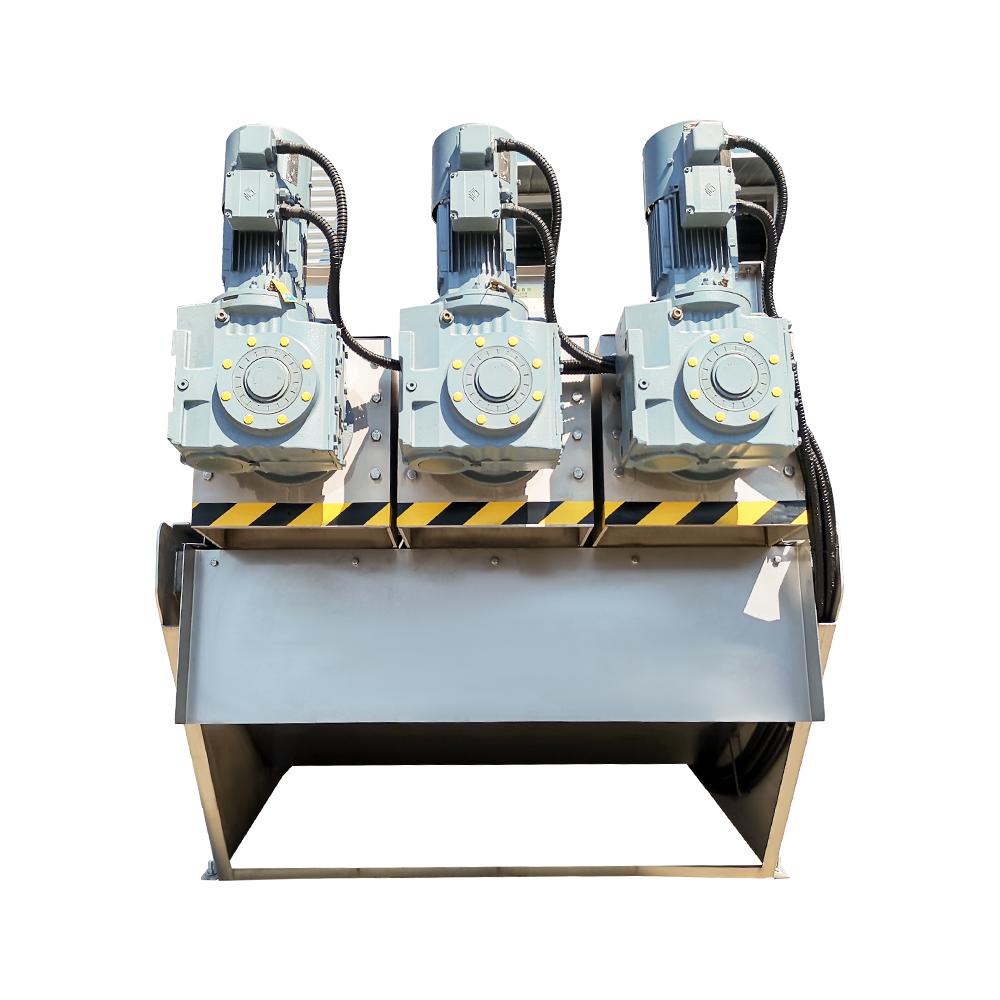
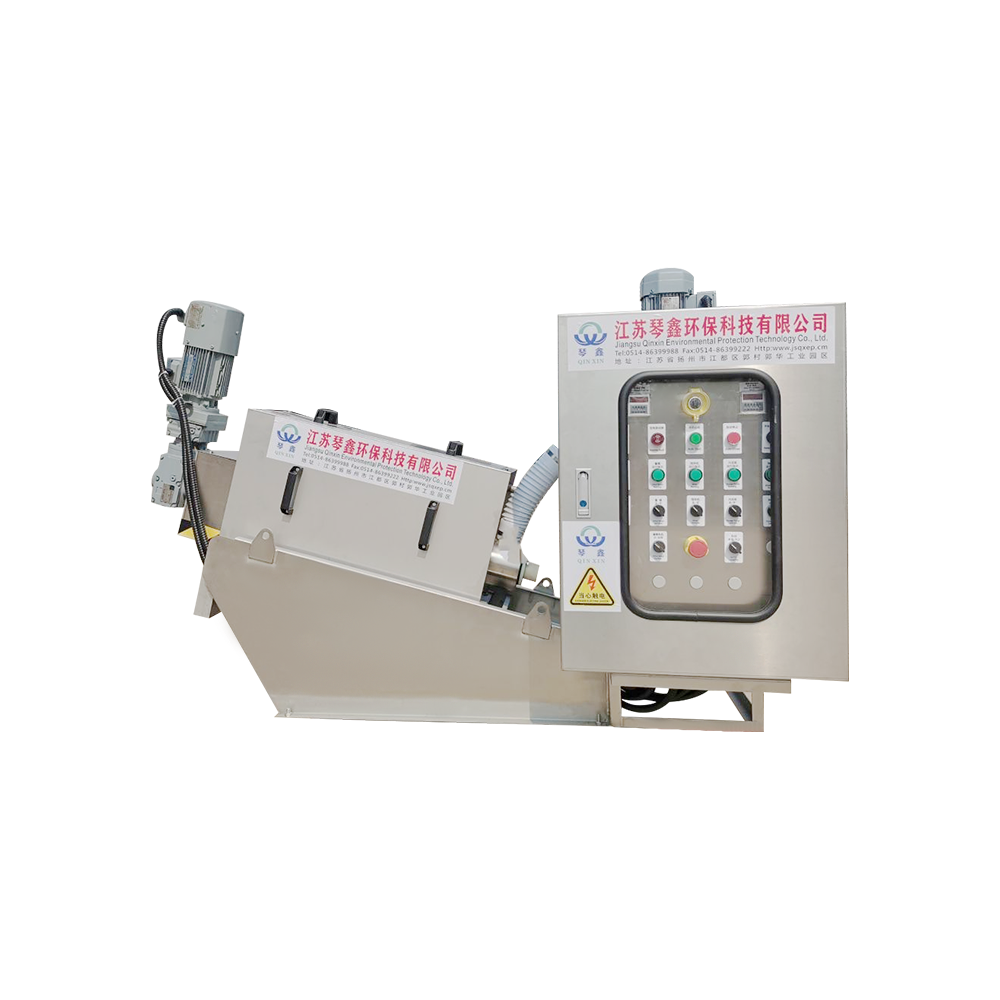
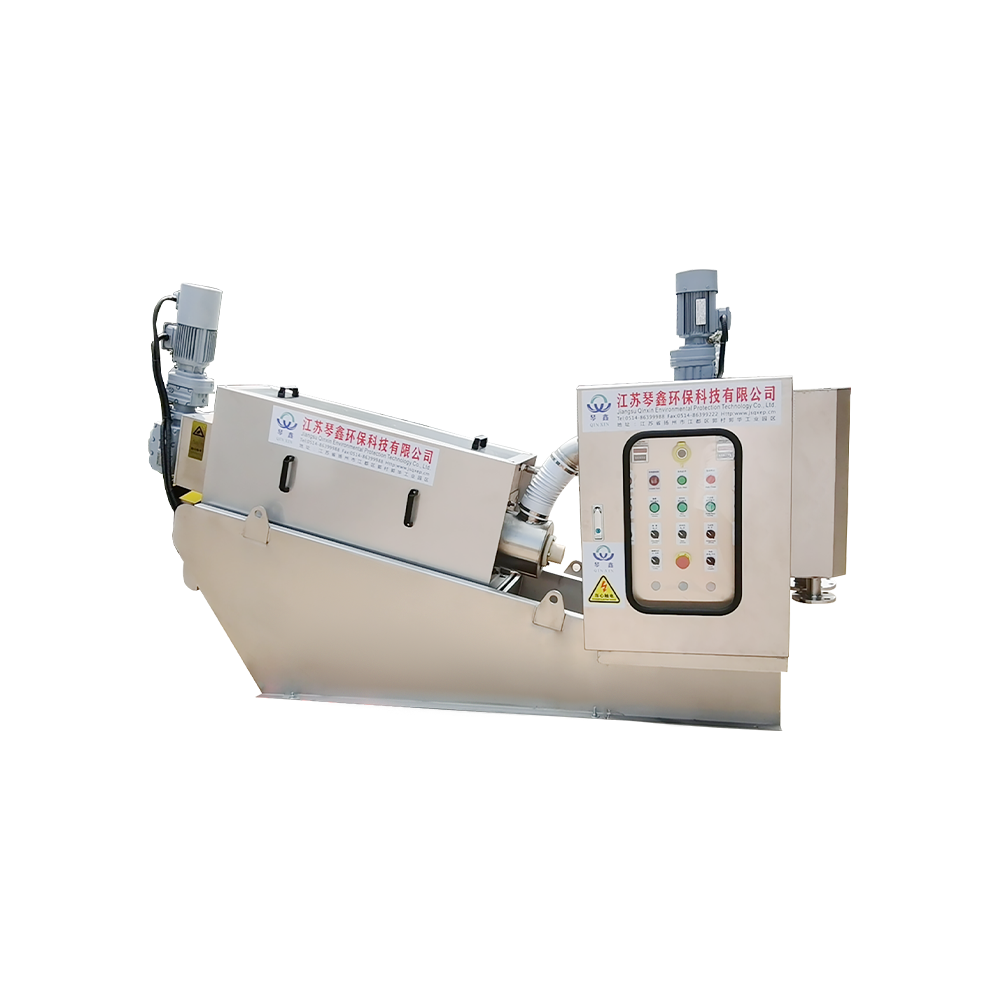
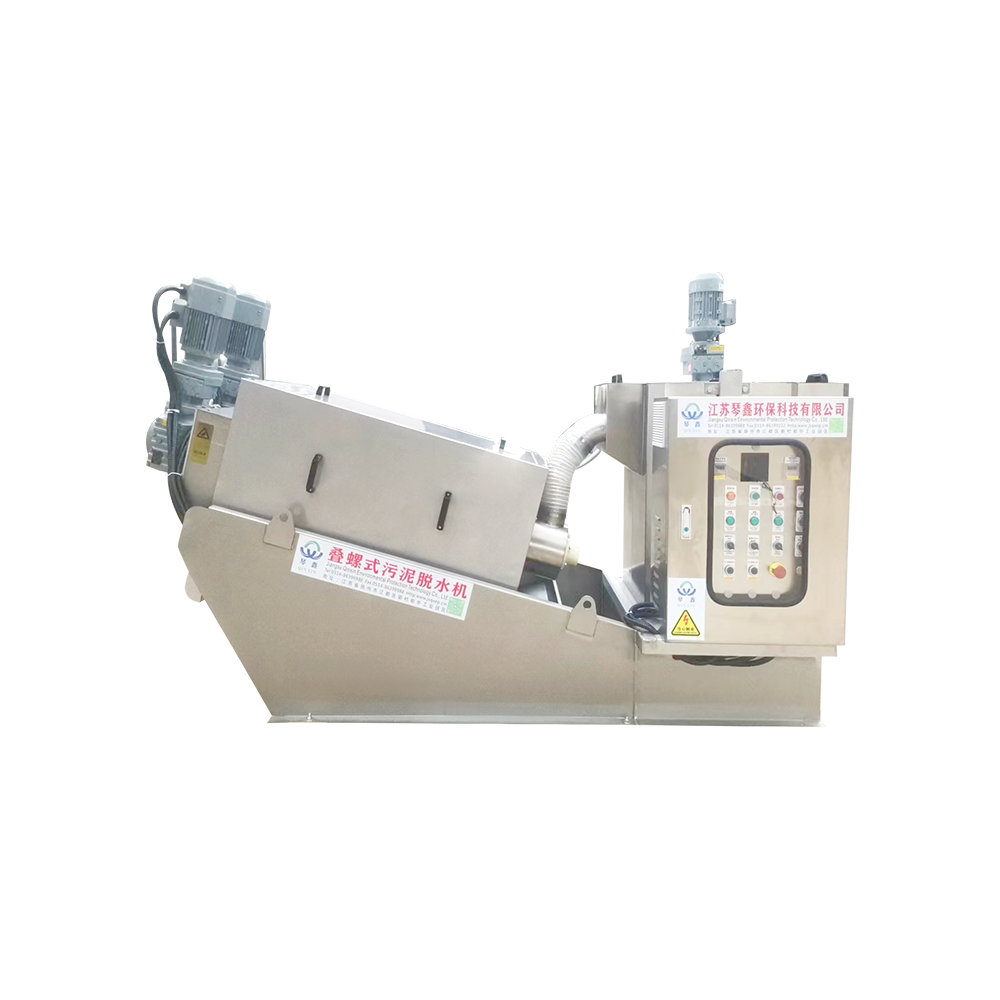
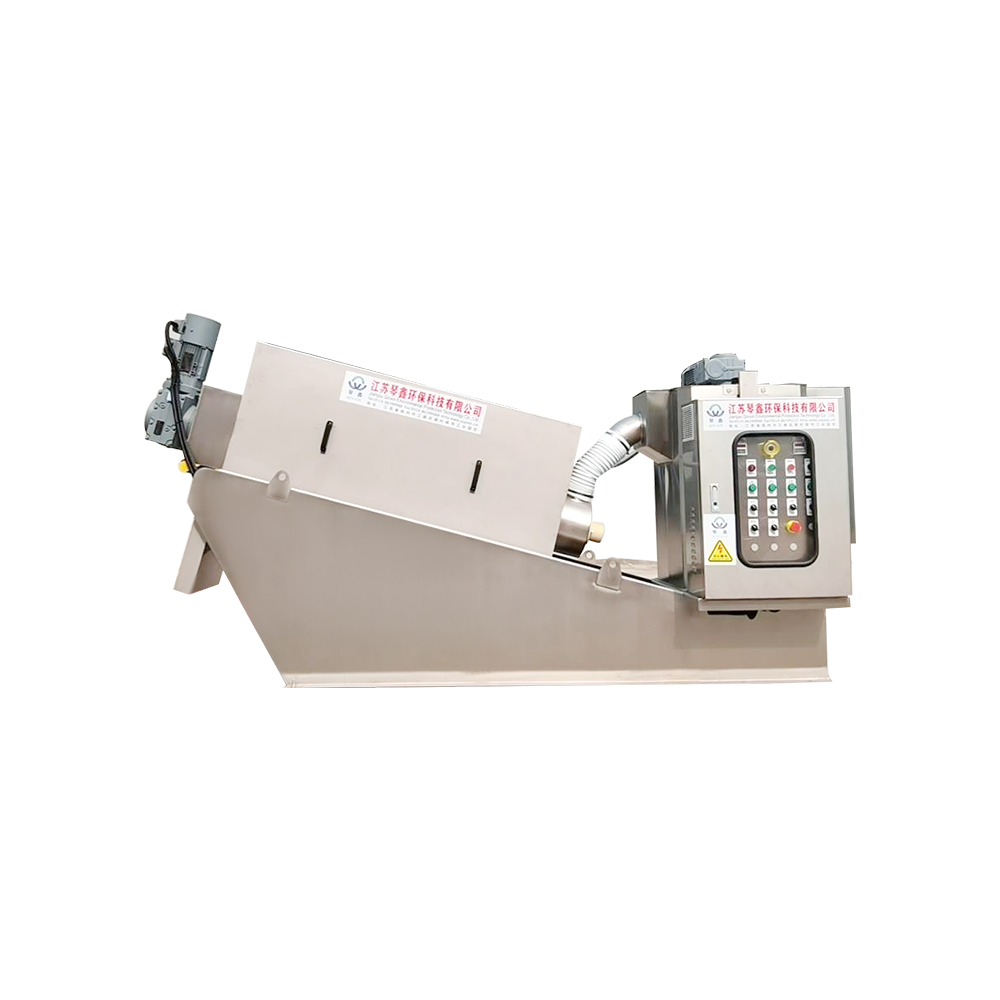
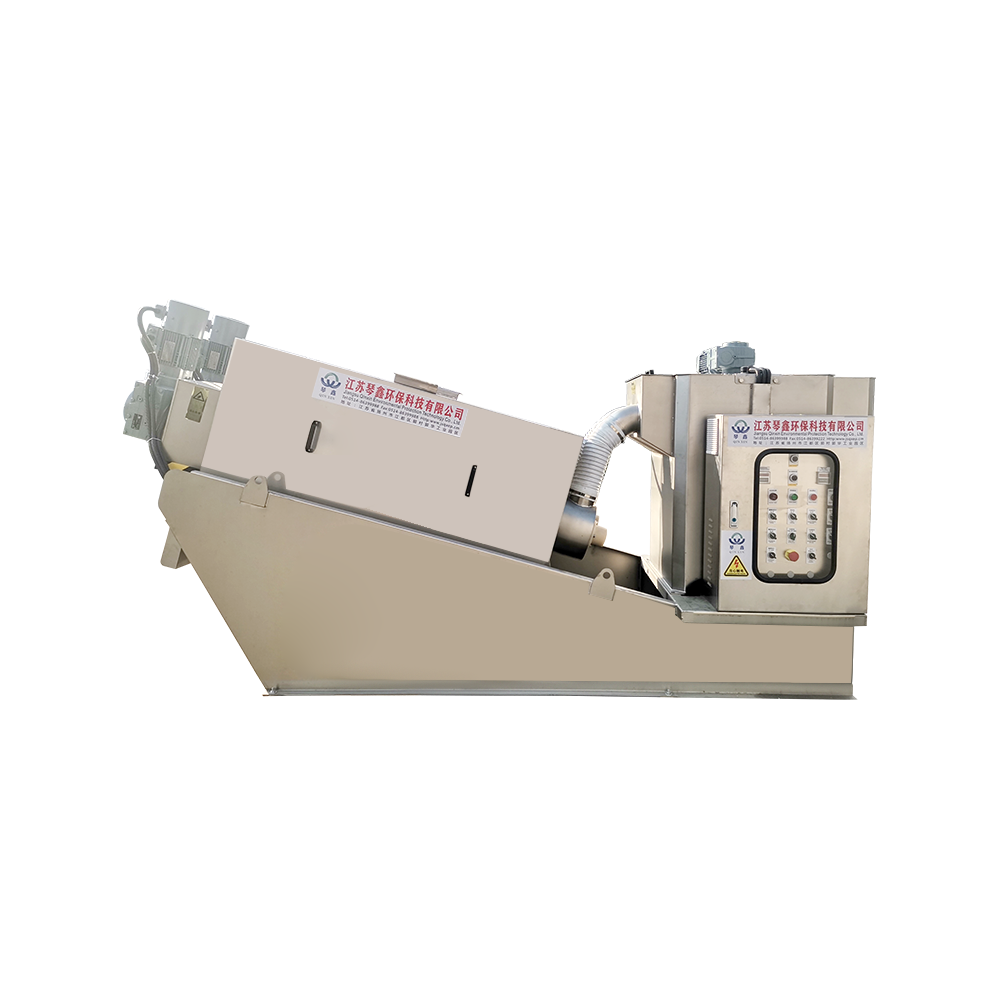
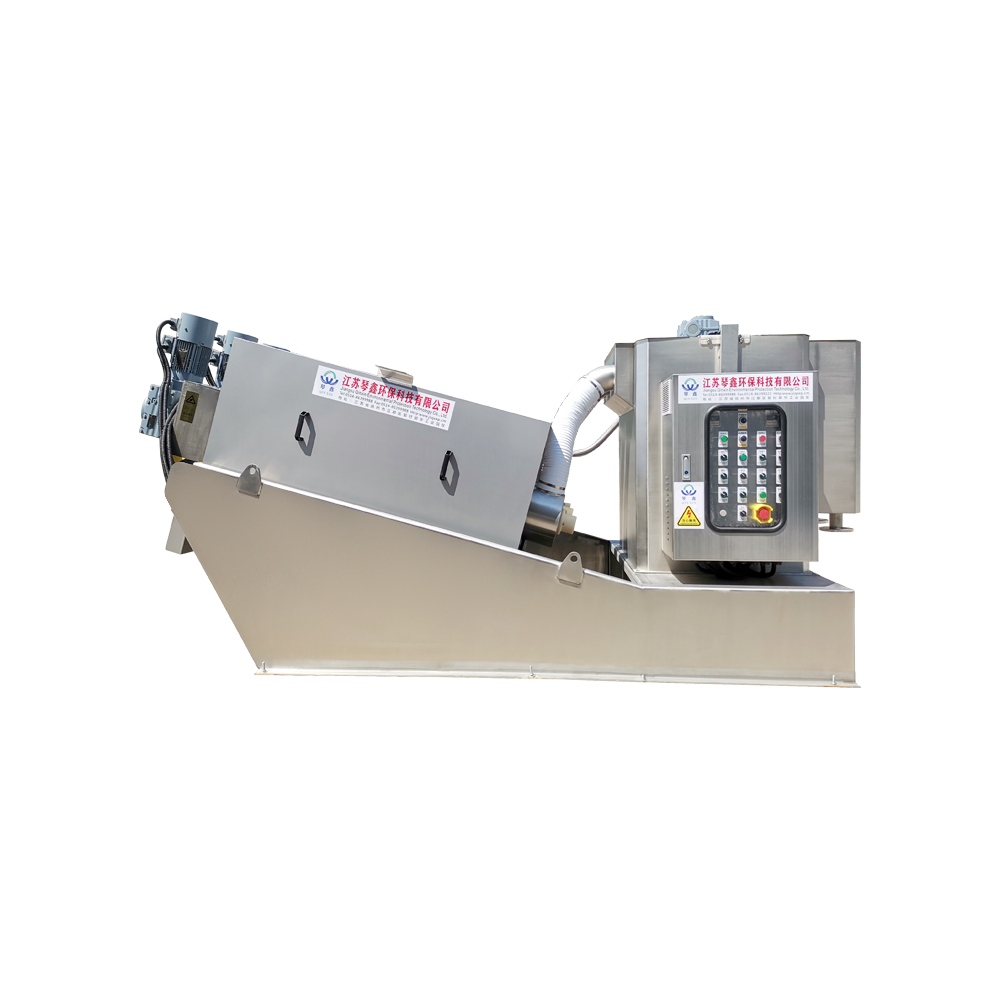
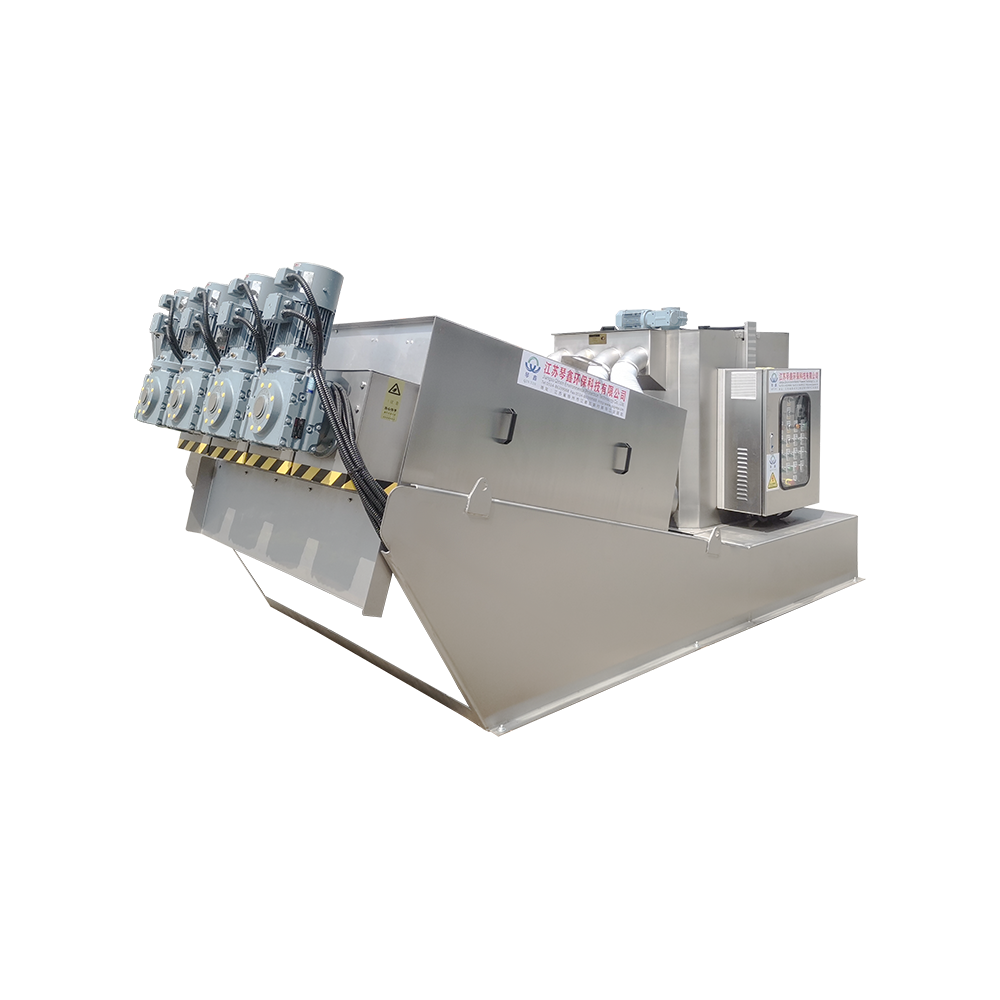
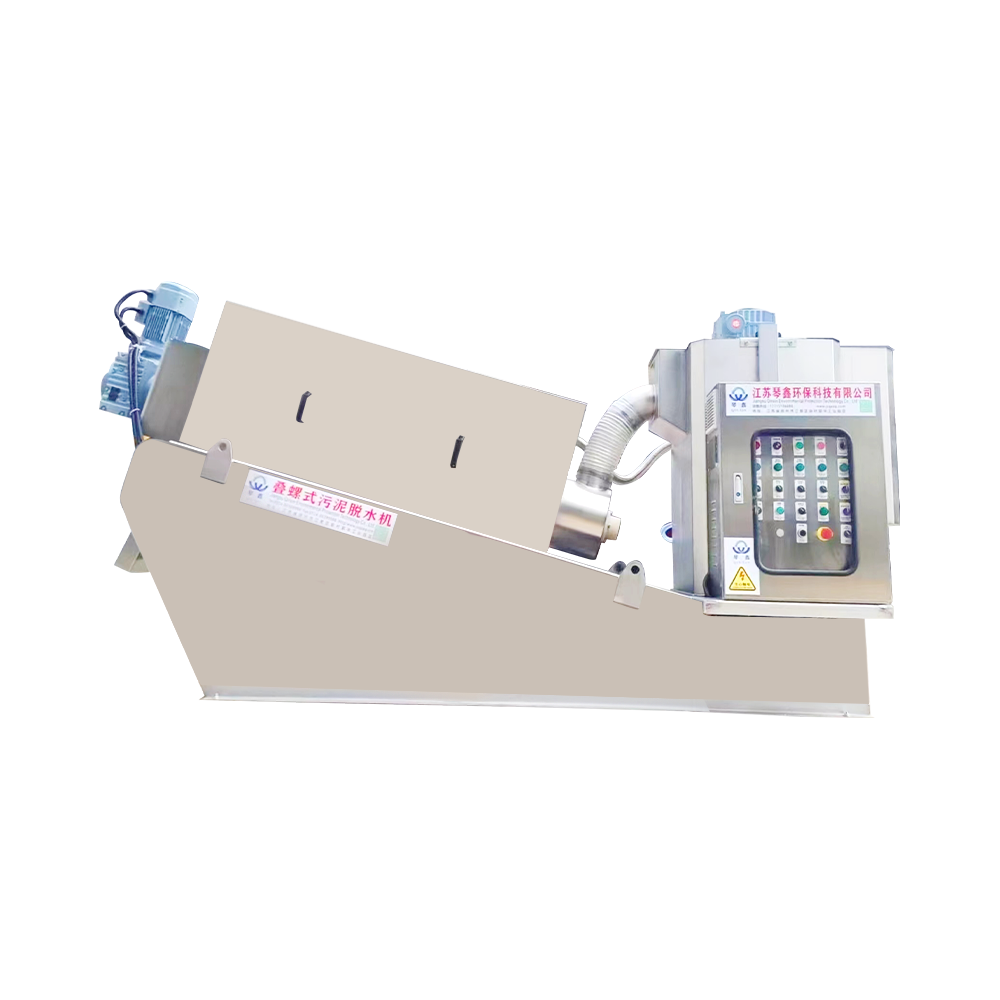
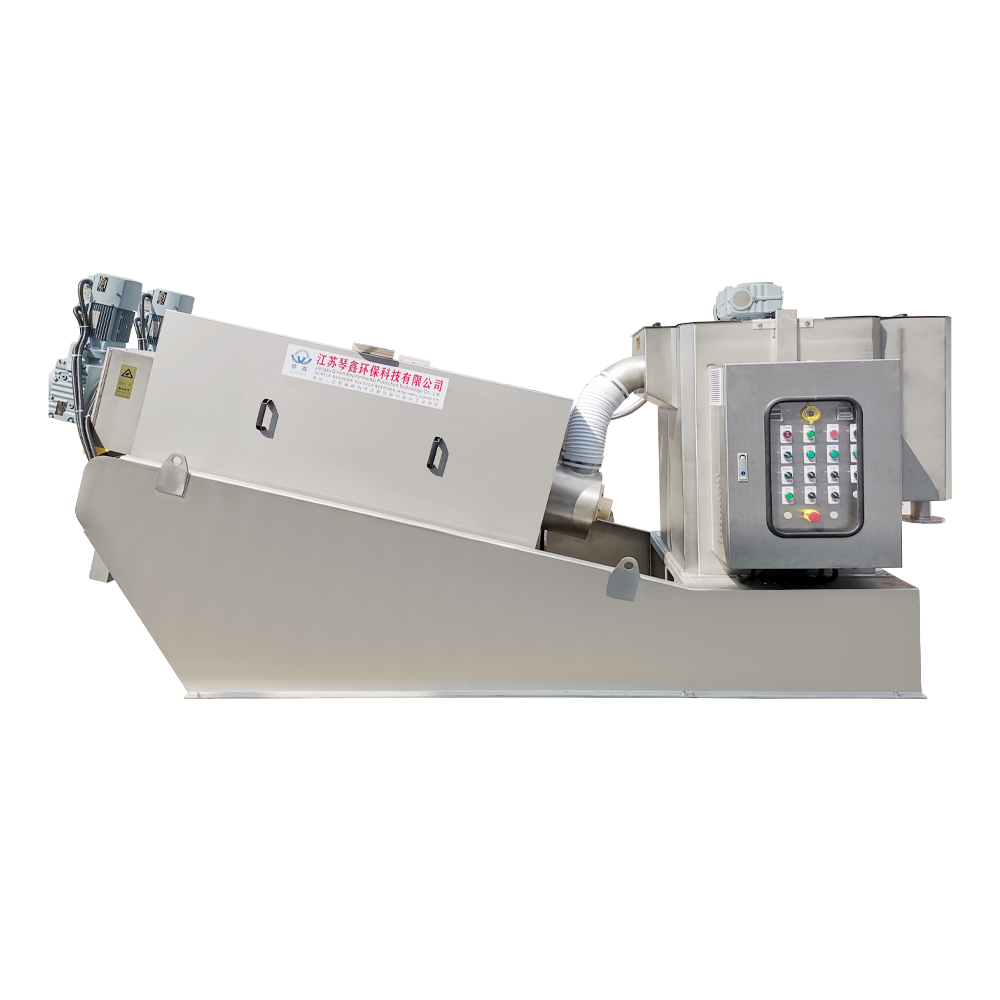
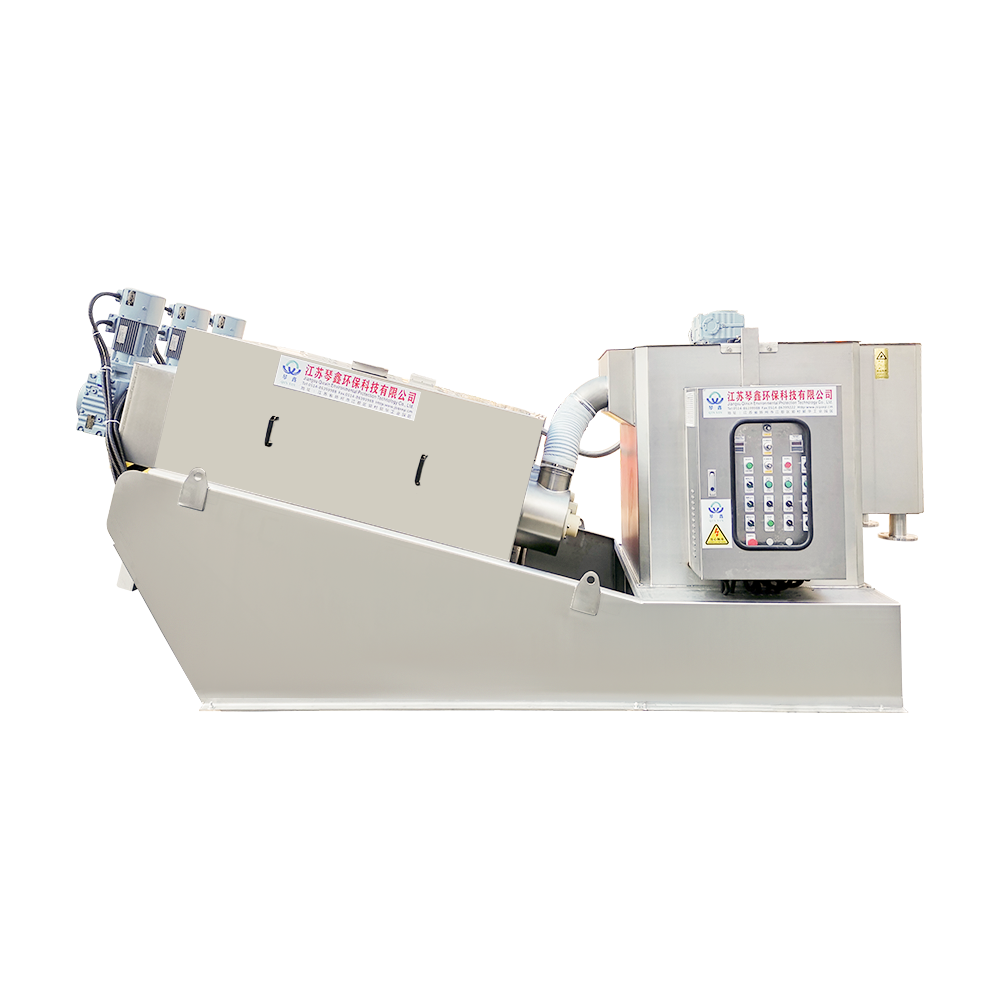
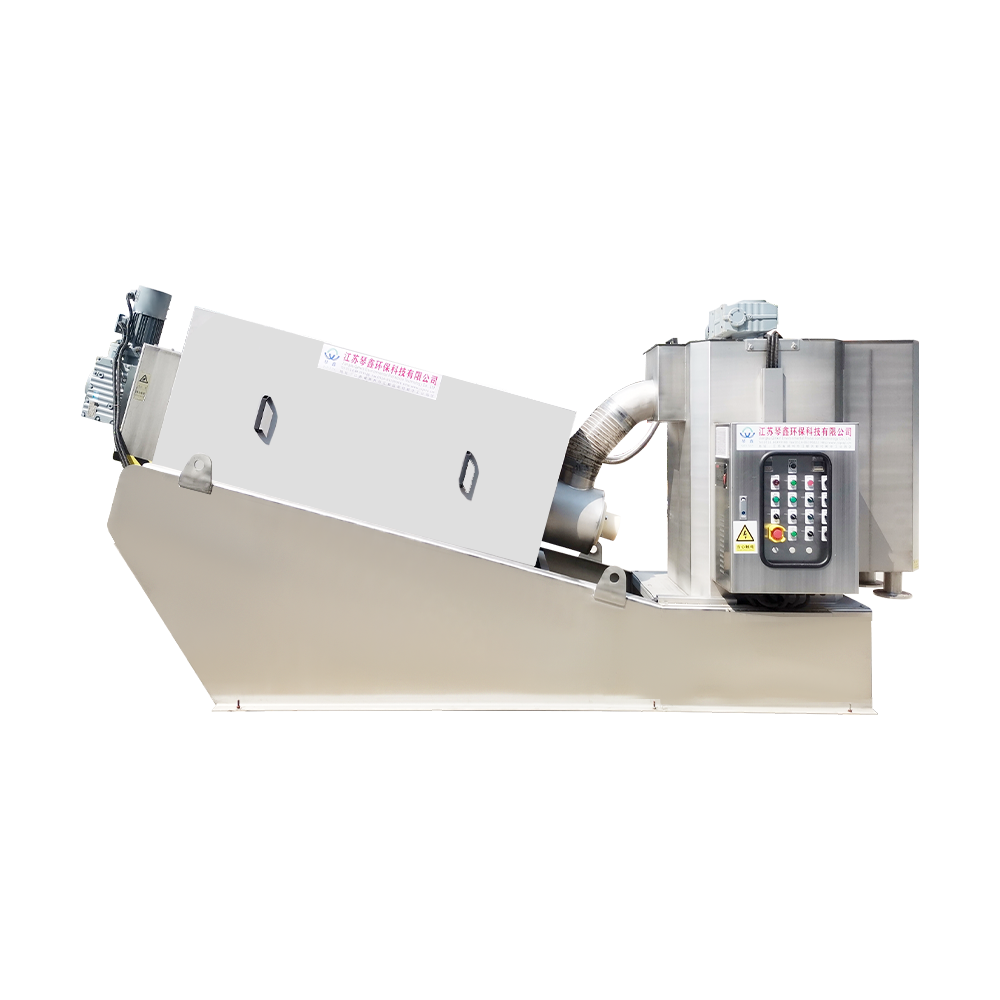
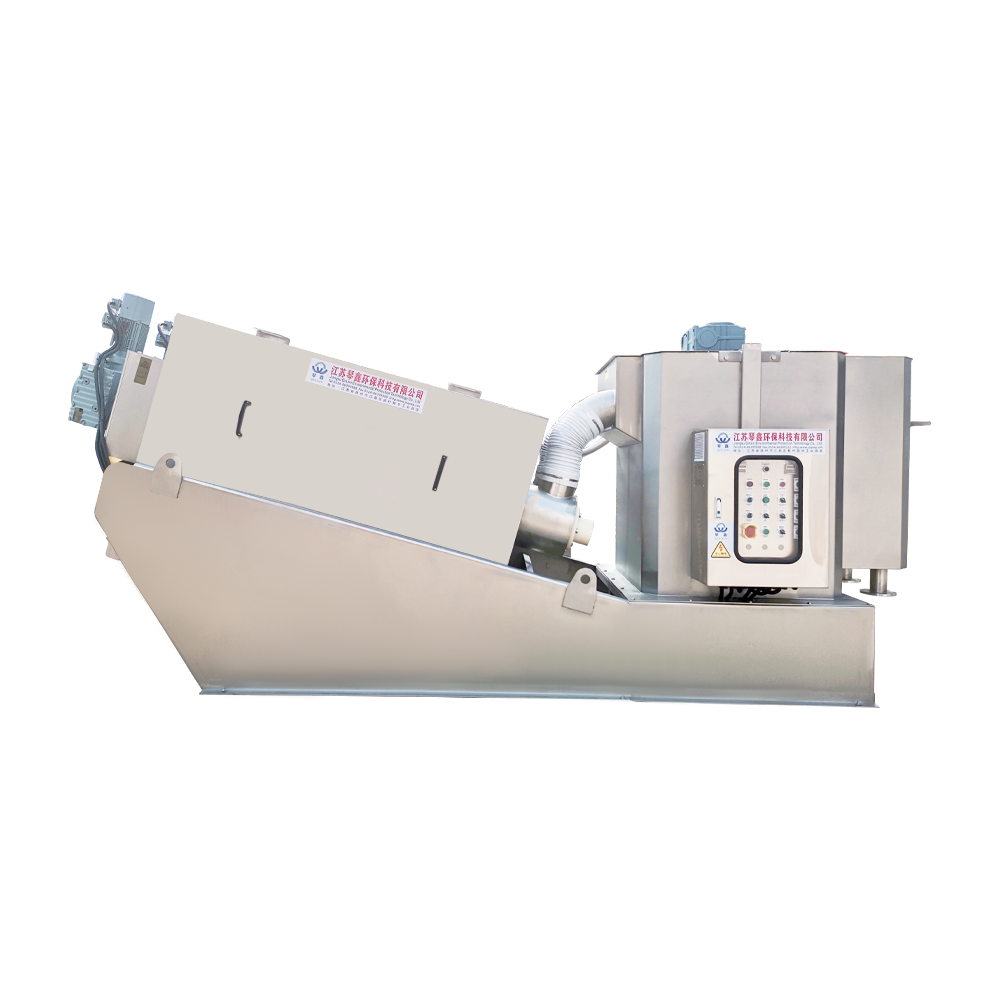
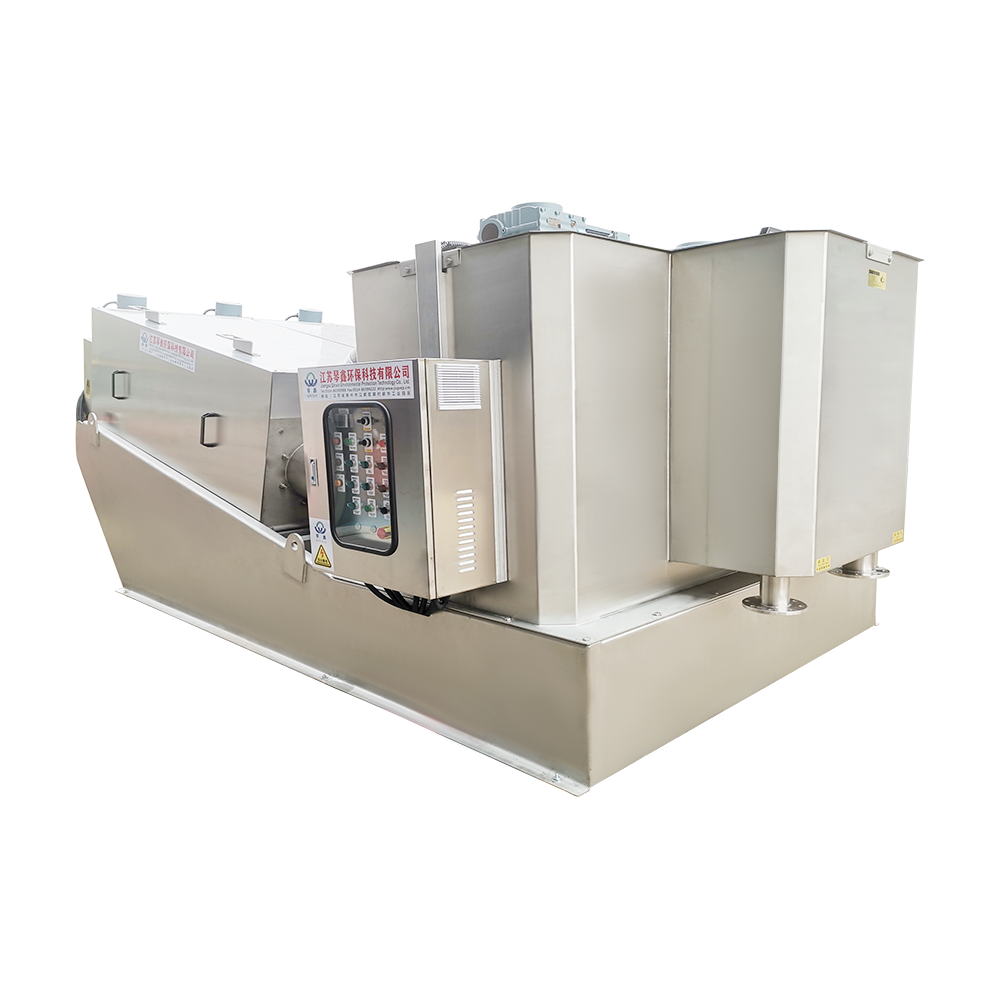
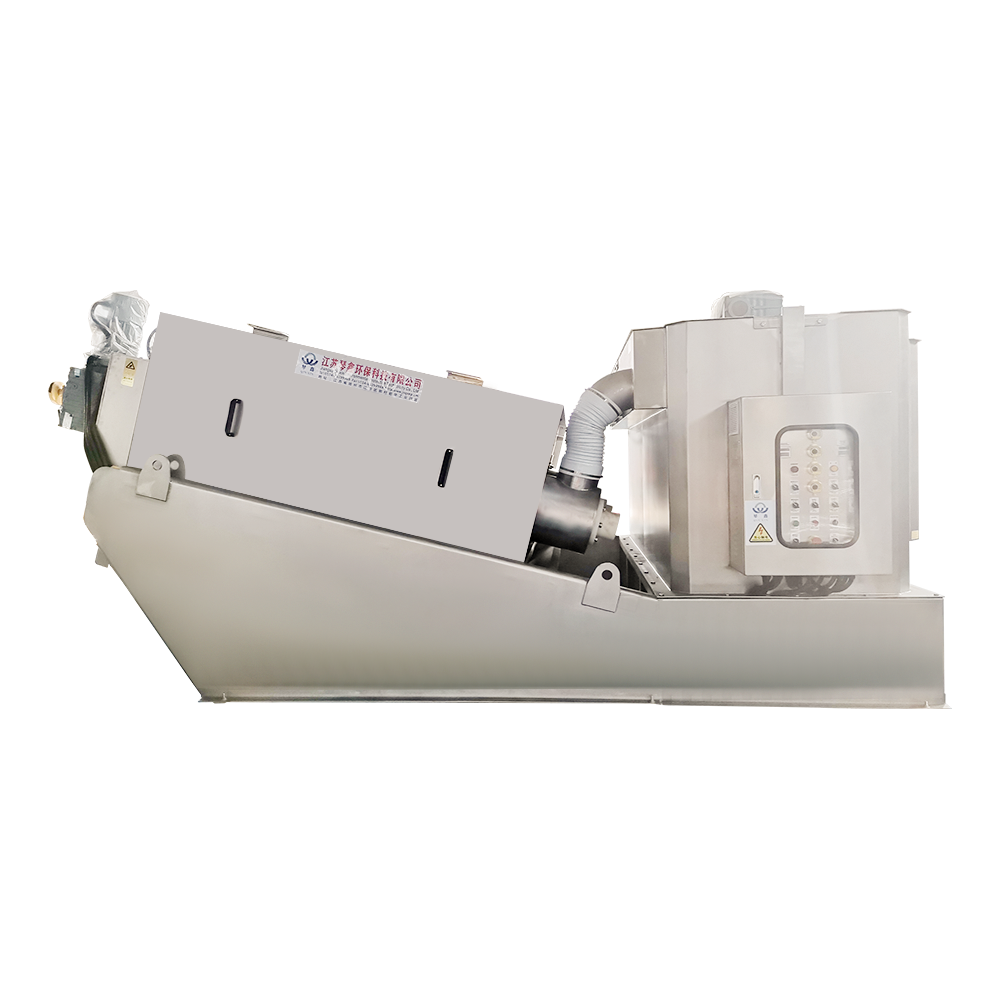
Eco-friendly Solid-Liquid Separation Spiral Screw Sludge Dewatering Machine QXDL-301
II. Flocculant Dynamics: Dosage and Mixing Requirements
Effective dewatering relies heavily on the conditioning stage, where high-molecular-weight polymers (flocculants) are used to neutralize the sludge surface charge, allowing small solid particles to aggregate into robust, shear-resistant flocs. The success of the screw sludge dewatering machine directly correlates with the efficiency of this flocculation process. The machine requires a carefully calculated and consistent polymer feed rate, necessitating precision for polymer dosing optimization for screw press. Over-dosing wastes expensive chemicals, while under-dosing leads to poor cake dryness and high solids content in the filtrate, demanding re-processing. The ideal dosage is specific to the sludge type (e.g., the higher organic content of food sludge requires different PAM characteristics than mineral-rich papermaking sludge). The sludge conditioning unit design for screw press must ensure rapid, yet low-shear, mixing. High shear forces, resulting from excessive agitation, can break apart newly formed flocs, rendering the chemical treatment ineffective—a phenomenon known as 'shear break.' The design typically employs an in-line mixing chamber that uses static elements or slow agitation to achieve homogeneity.
A. Polymer Dosage Rate Specification
The sludge dewatering polymer consumption rate is typically expressed as kilograms of active polymer per ton of dry solids (kg/t DS) or parts per thousand (ppt) based on the wet sludge volume. Different sludge types exhibit varying polymer demand due to differences in particle size, bound water content, and organic fraction. Here is a general comparison of typical dosage ranges for various sludge types:
| Sludge Origin Type | Characteristics | Typical Polymer Dosage (kg/t DS) | Dewatering Challenge |
|---|---|---|---|
| Primary Sludge (Municipal/Industrial) | High inorganic content, good particle size | 3 - 8 | Relatively easier dewatering |
| Secondary Sludge (Biological/Activated) | High organic content, fine particle size, high bound water | 8 - 20 | High dosage needed due to fine, hydrophilic particles |
| Mixed Sludge (Primary + Secondary) | Variable, common in municipal treatment | 5 - 15 | Requires flexible polymer dosing optimization for screw press |
B. Assessing Flocculant Mixing Efficiency
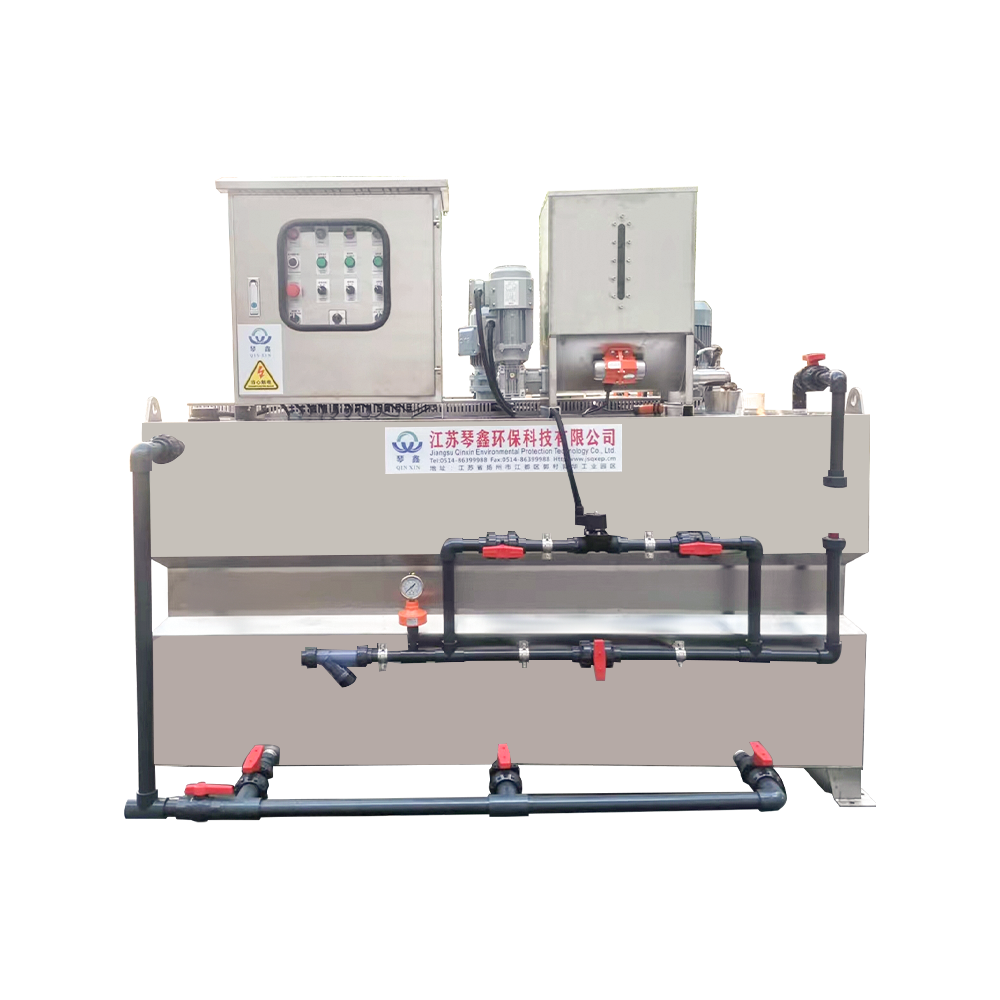
Optimal flocculation involves achieving charge neutralization and bridging without causing shear break. An optimal sludge conditioning unit design for screw press should aim for a Floc Size Index (FSI) that balances floc integrity with sufficient size for gravity separation and screw compression. Our integrated PAM dosing devices are designed to prepare the polymer solution with the exact concentration required for efficient chemical utilization, minimizing waste and ensuring precise mixing ratios.
III. Quantifying Operating Costs (OpEx) for Screw Dewatering
To accurately assess the total cost of ownership, B2B buyers must move beyond CapEx and focus on the technical factors driving OpEx. This involves a rigorous quantifying operating cost of sludge dewatering equipment based on chemical, energy, and water consumption rates over a long-term operational period.
A. Chemical Cost Impact: The Largest Variable
Chemical consumption, governed by the sludge dewatering polymer consumption rate, often accounts for 60% to 70% of the total OpEx. A system that can achieve a 2% reduction in polymer dosage translates to substantial annual savings. Furthermore, a highly efficient screw sludge dewatering machine that increases cake dryness by even a small margin (e.g., from 18% to 20%) dramatically reduces the volume and weight of sludge requiring disposal, which represents the second-largest operational cost. The formula for annual chemical cost is: Annual Chemical Cost=Sludge Tonnage×Polymer Dosage (kg/t DS)×Polymer Cost per kg
B. Energy and Water Consumption Analysis
Screw presses are inherently low-speed, high-efficiency machines, providing a strong advantage in energy efficiency analysis of stacked screw dewatering. The power consumption is primarily driven by the screw motor and the ancillary pump systems. Compared to high-speed centrifuges, which can consume significant energy for rotation, the screw press's slow, continuous rotation keeps motor power requirements exceptionally low. Water consumption, mainly for screen cleaning (wash water), is another OpEx factor. The screw sludge dewatering machine uses a relatively low volume of wash water, often relying on the rotational action for self-cleaning. This is a technical advantage over equipment like belt filter presses, which require large volumes of high-pressure wash water.
| OpEx Component | Screw Press Advantage | Comparison with Centrifuge (Typical) |
|---|---|---|
| Chemical Consumption | Precise control, lower shear leads to lower sludge dewatering polymer consumption rate. | Centrifuges often require higher polymer dosages due to high shear forces. |
| Energy Consumption | Low-speed motor (typically 1.5 - 4 kW), low power consumption (Excellent energy efficiency analysis of stacked screw dewatering). | High-speed motor (often 20+ kW) with significantly higher power consumption. |
| Water Consumption | Low wash water volume, often relies on filtrate or clean water for occasional cleaning. | Minimal water consumption, but energy required is much higher. |
IV. Technical Advantages of Screw Press Systems in OpEx Control
The design of the screw sludge dewatering machine—specifically the stacked screw press—offers direct technical benefits for OpEx control. The variable diameter and pitch of the screw, combined with the continuous, multi-stage compression zone, allow for gradual dewatering, preventing floc damage and maximizing cake dryness. This self-cleaning, low-speed operation fundamentally reduces maintenance time and component wear. Our expertise at Yangzhou Qinxin Environmental Protection Technology Co., Ltd. extends beyond the dewatering machine itself. We also provide complementary equipment, such as sludge low-temperature drying systems, which, when paired with our highly dewatered cake, drastically lowers the energy required for the final drying stage, completing a comprehensive OpEx optimization strategy. Our compliance with technical standards and commitment to a high-grade market ensures that our equipment becomes an important supplier for long-term, reliable sewage treatment.
V. Conclusion: Sustainable Solutions for Environmental Engineering
Choosing a screw sludge dewatering machine requires a rigorous technical evaluation centered on lifecycle costs. The key to OpEx reduction lies in the precision of polymer dosing optimization for screw press, the efficiency of the sludge conditioning unit design for screw press, and the inherent low energy demand of the screw technology. By partnering with a technically robust enterprise like Yangzhou Qinxin Environmental Protection Technology Co., Ltd., B2B buyers gain access to equipment and expertise that ensure maximum dewatering efficiency, minimal sludge dewatering polymer consumption rate, and highly favorable quantifying operating cost of sludge dewatering equipment.
VI. Frequently Asked Questions (FAQs)
Q1: How do you ensure the lowest sludge dewatering polymer consumption rate for the screw sludge dewatering machine?
- A: Optimization starts with precise polymer preparation using an integrated dosing device and a low-shear sludge conditioning unit design for screw press. By preventing floc shear break, we maximize the polymer's effect, often reducing the dosage required compared to high-shear dewatering technologies.
Q2: What is the main factor making chemical consumption the largest OpEx component?
- A: Polymer flocculants are high-cost consumables, and they must be added continuously and proportionally to the sludge flow. Even small percentage variations in the required dosage have a substantial financial impact over a year of operation, emphasizing the need for robust polymer dosing optimization for screw press.
Q3: How is the energy efficiency analysis of stacked screw dewatering quantified?
- A: Energy efficiency is quantified by measuring the specific energy consumption, typically expressed as kWh per ton of dry solids (kWh/t DS). Screw presses excel here due to their slow rotational speed and direct-drive mechanisms, resulting in significantly lower power requirements than high-speed centrifuges.
Q4: What role does the final sludge cake dryness play in quantifying operating cost of sludge dewatering equipment?
- A: Cake dryness (percent solids) is crucial. Higher dryness means less water content, directly reducing the volume and weight of sludge that must be hauled away for final disposal. Since disposal fees are charged by weight/volume, increasing cake dryness by even 1-2% leads to considerable OpEx savings.
Q5: Does the integrated design of the screw sludge dewatering machine and dosing system offer any non-cost benefits?
- A: Yes. It ensures the polymer is always prepared to the correct concentration and mixed optimally, leading to stable, predictable dewatering performance. This reliability reduces operator intervention, minimizes downtime, and guarantees consistent effluent quality, a key technical requirement for environmental compliance.

 TOP
TOP