
 ENG
ENG
 English
 русский
 Español
 Tiếng Việt
 ไทย
ไทย
Article Directory
- 1 Structural Characteristics of screw sludge dewatering machine
- 2 Self-Cleaning Mechanism: How Moving and Fixed Rings Work Together
- 3 Low Water Consumption Cleaning and Anti-Scaling Performance
- 4 Prevention of Calcium Phosphate and Inorganic Scaling
- 5 Maintenance Cycle and Replacement Frequency of Core Components
- 6 Engineering Value for Long-Term Stable Operation
- 7 Frequently Asked Questions (FAQ)
- 7.0.1 1. Does the self-cleaning mechanism eliminate the need for manual cleaning?
- 7.0.2 2. How effective is the system against calcium phosphate scaling?
- 7.0.3 3. Is low water consumption suitable for long-term operation?
- 7.0.4 4. How often should the screw shaft be replaced?
- 7.0.5 5. Is this equipment suitable for high-phosphorus industrial wastewater?
Structural Characteristics of screw sludge dewatering machine
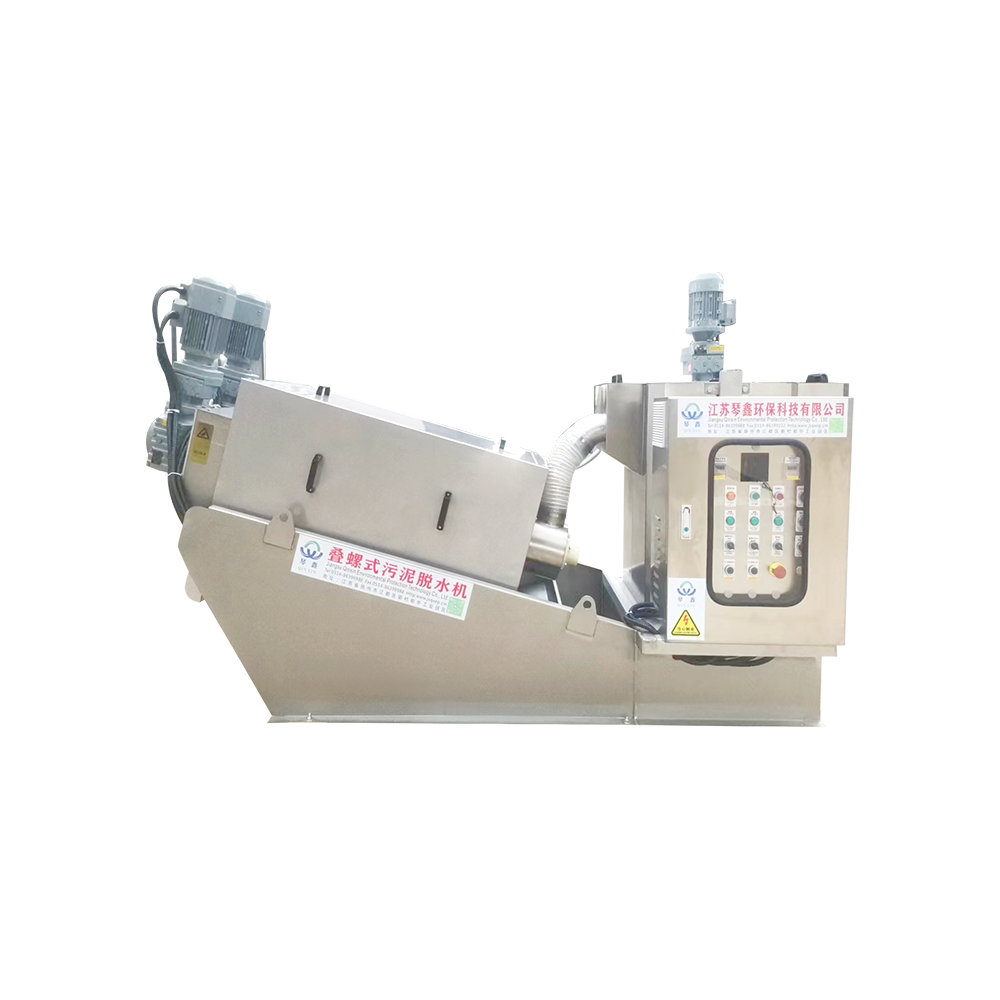
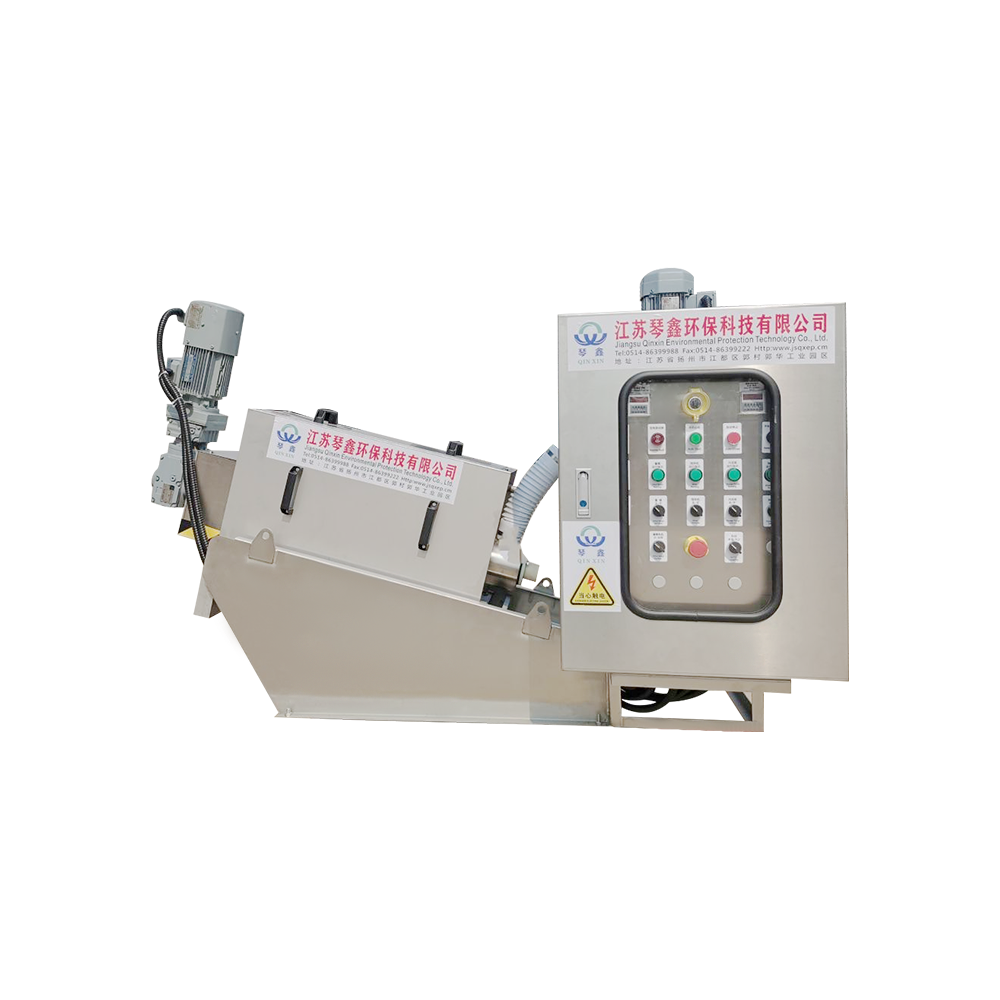
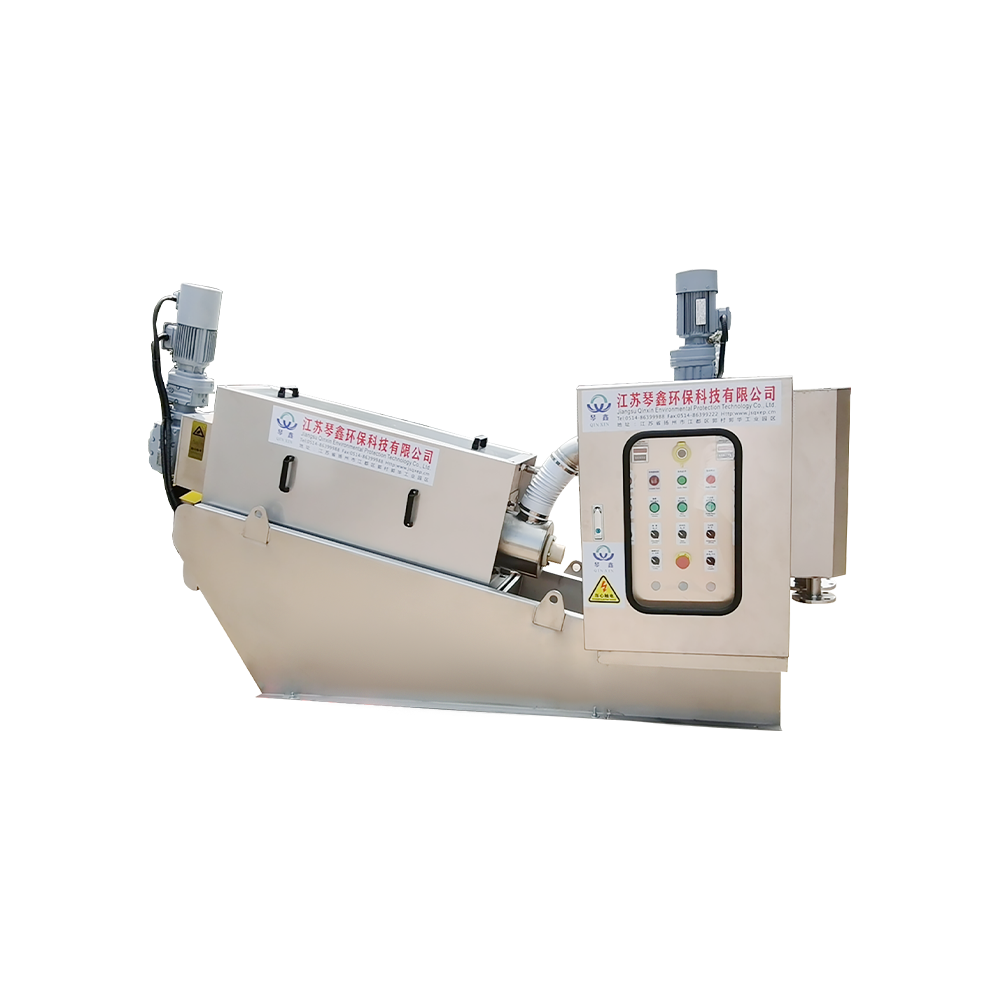
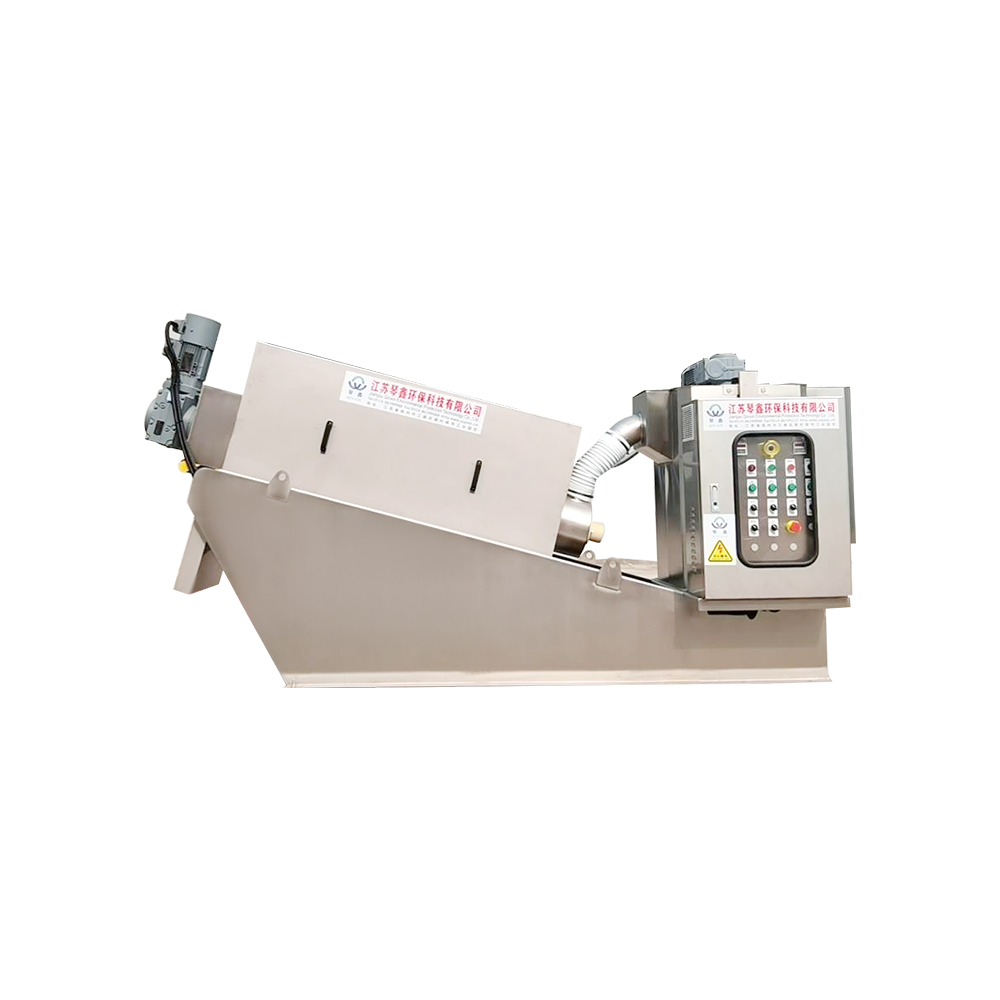
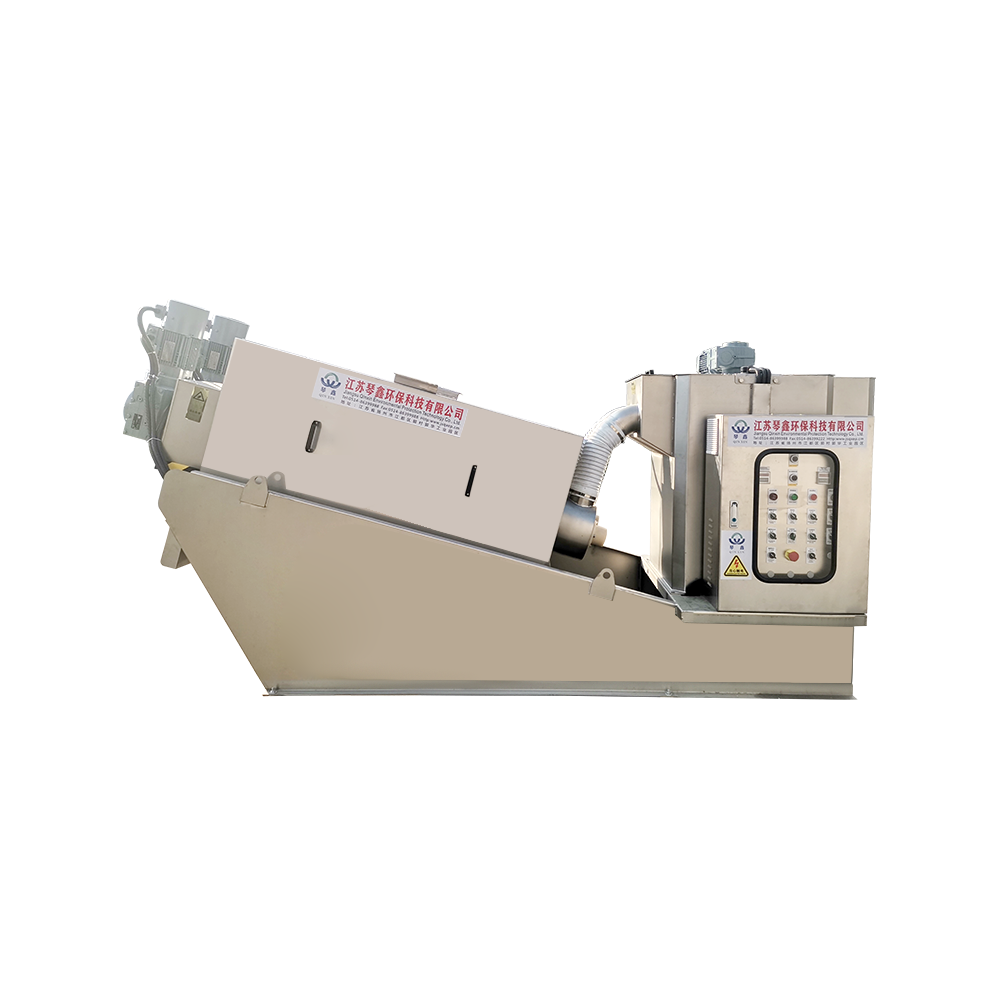
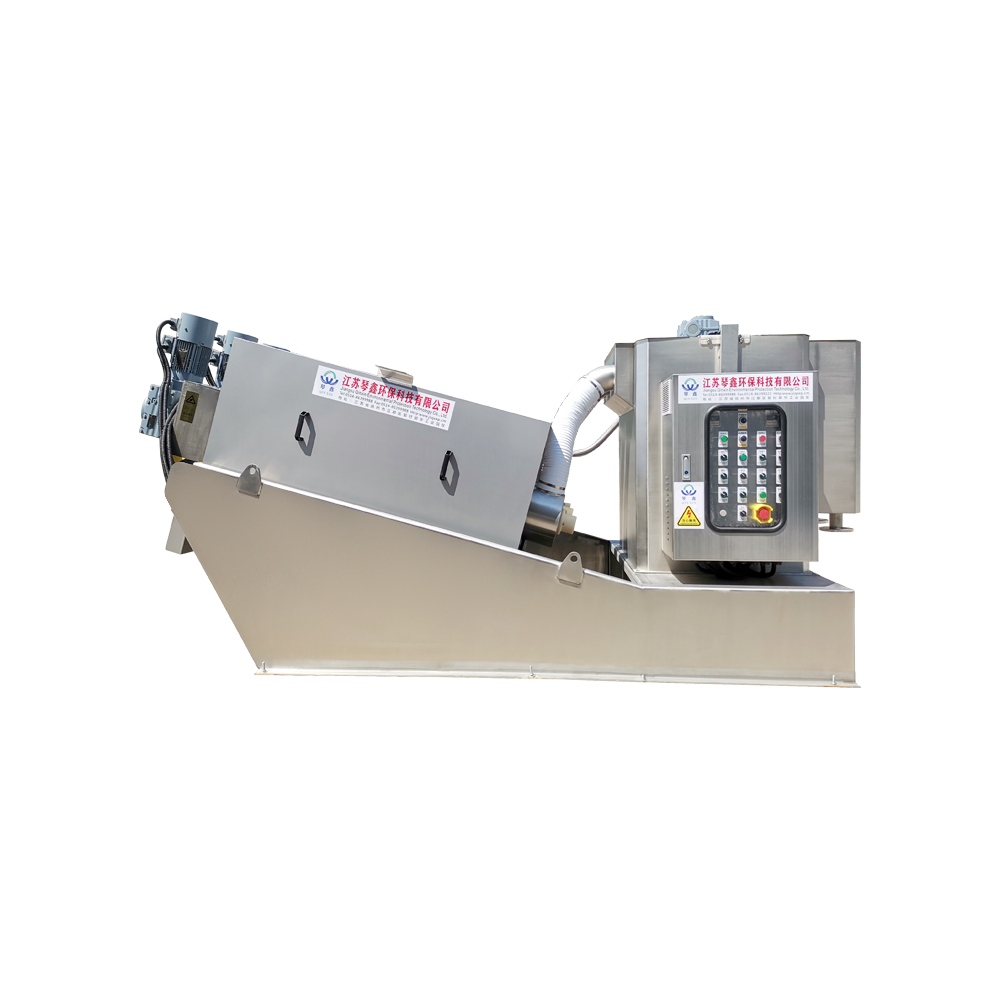
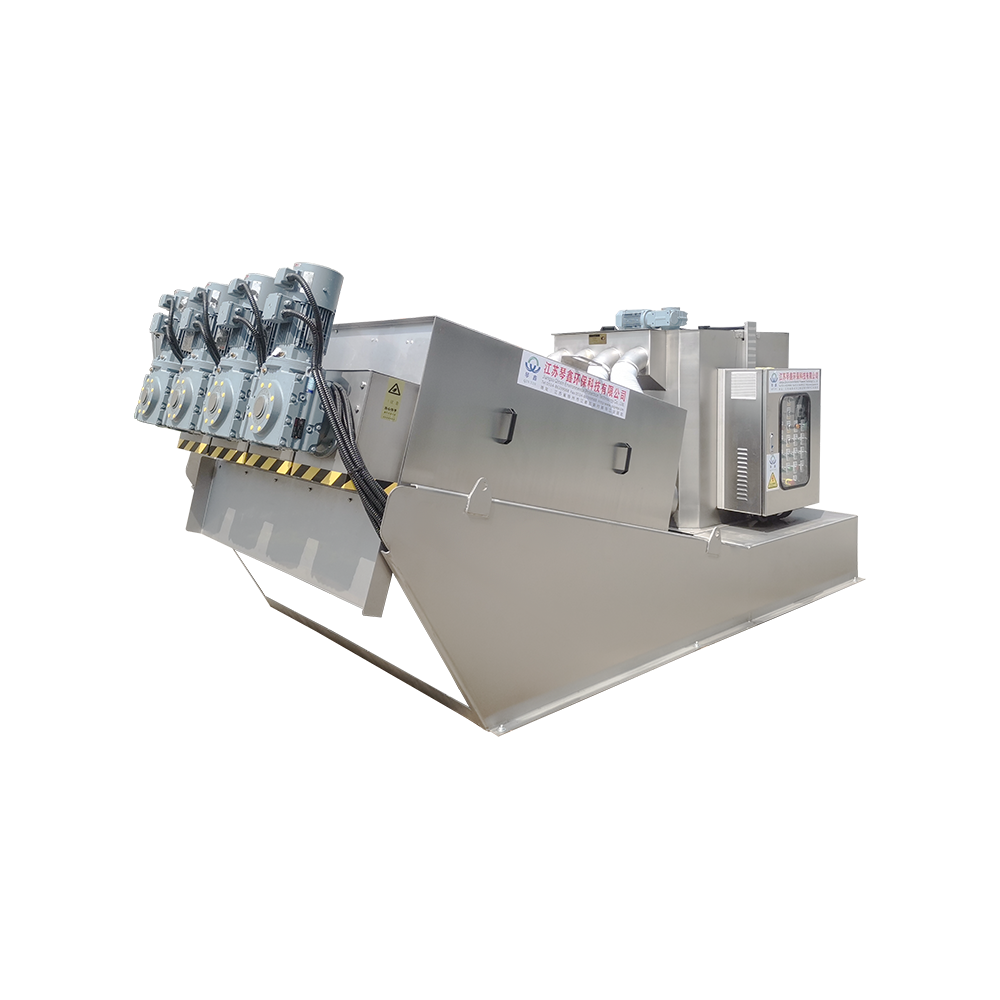
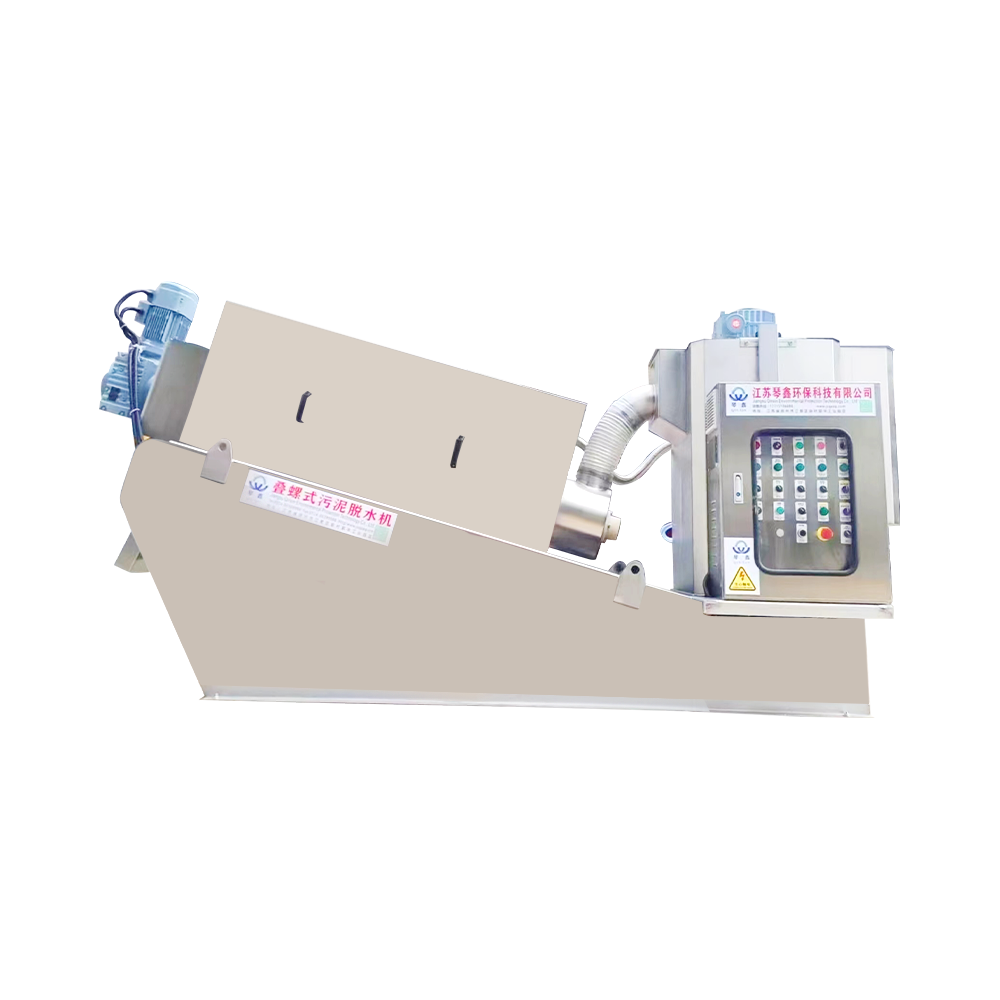
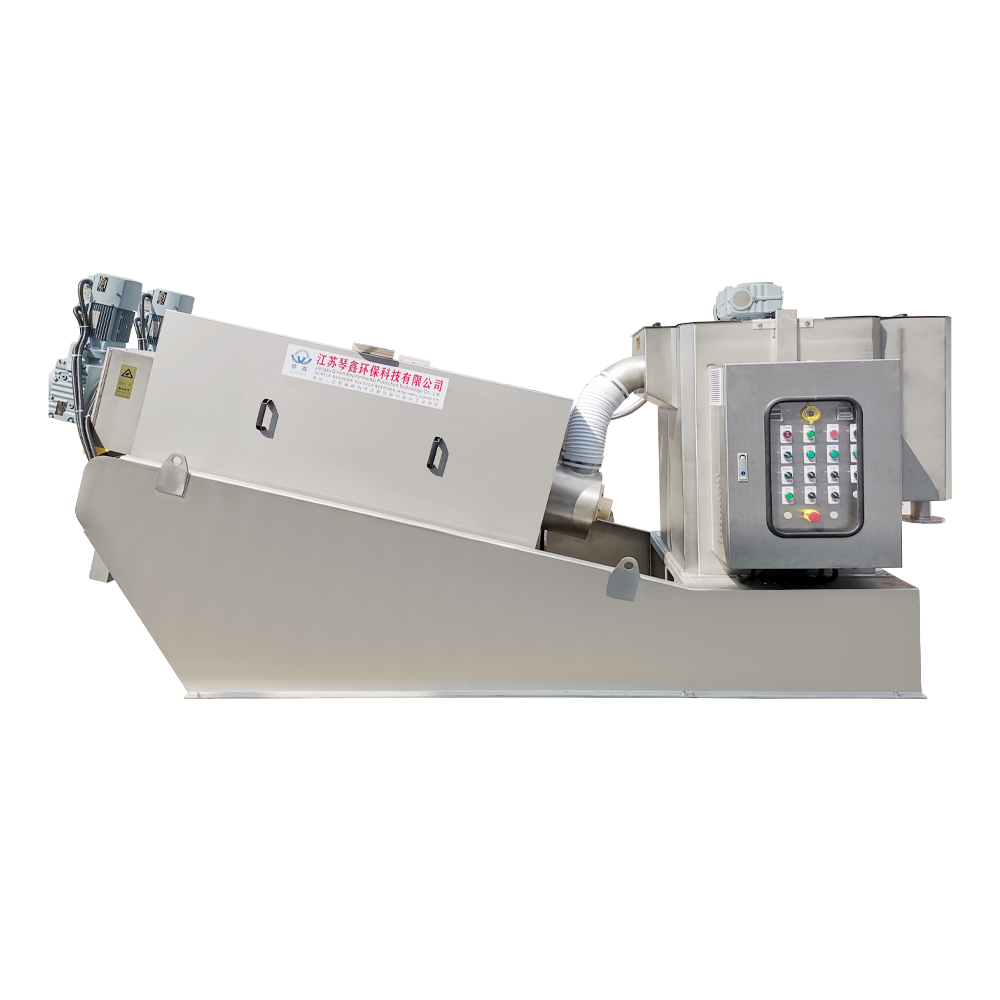
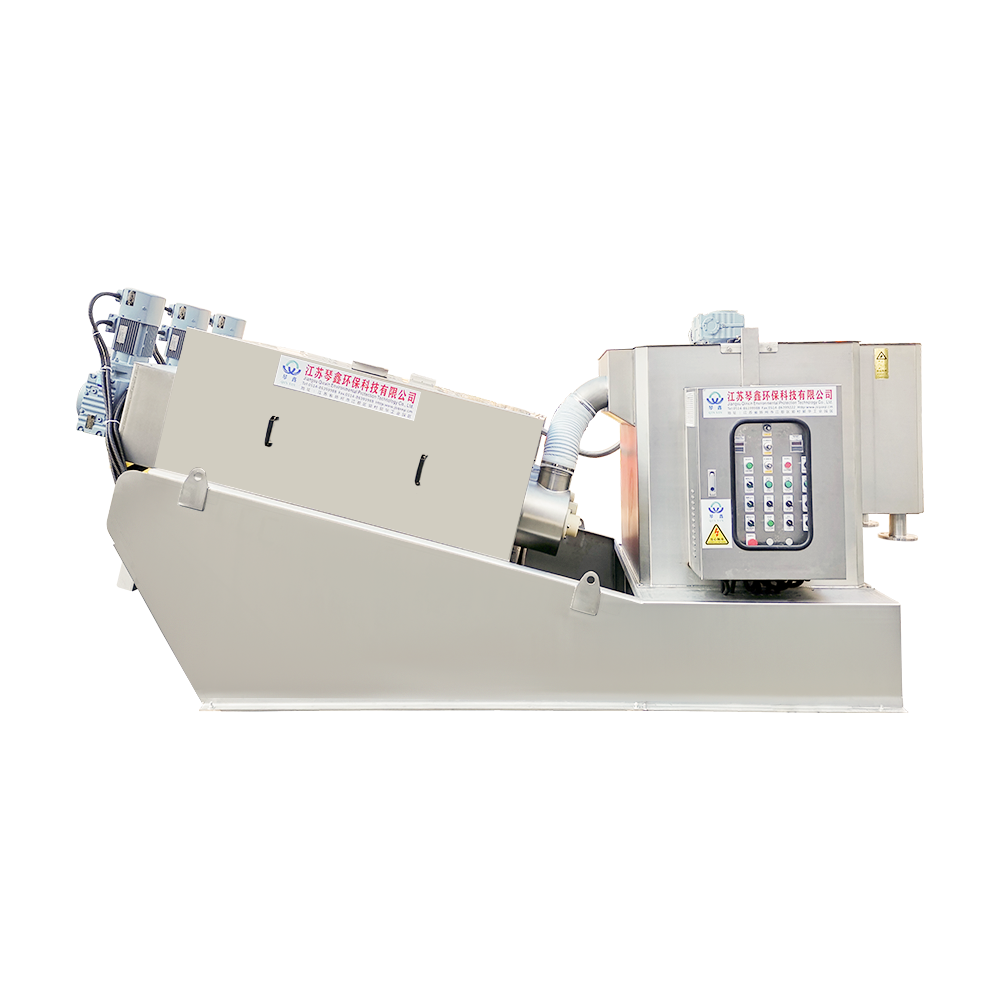
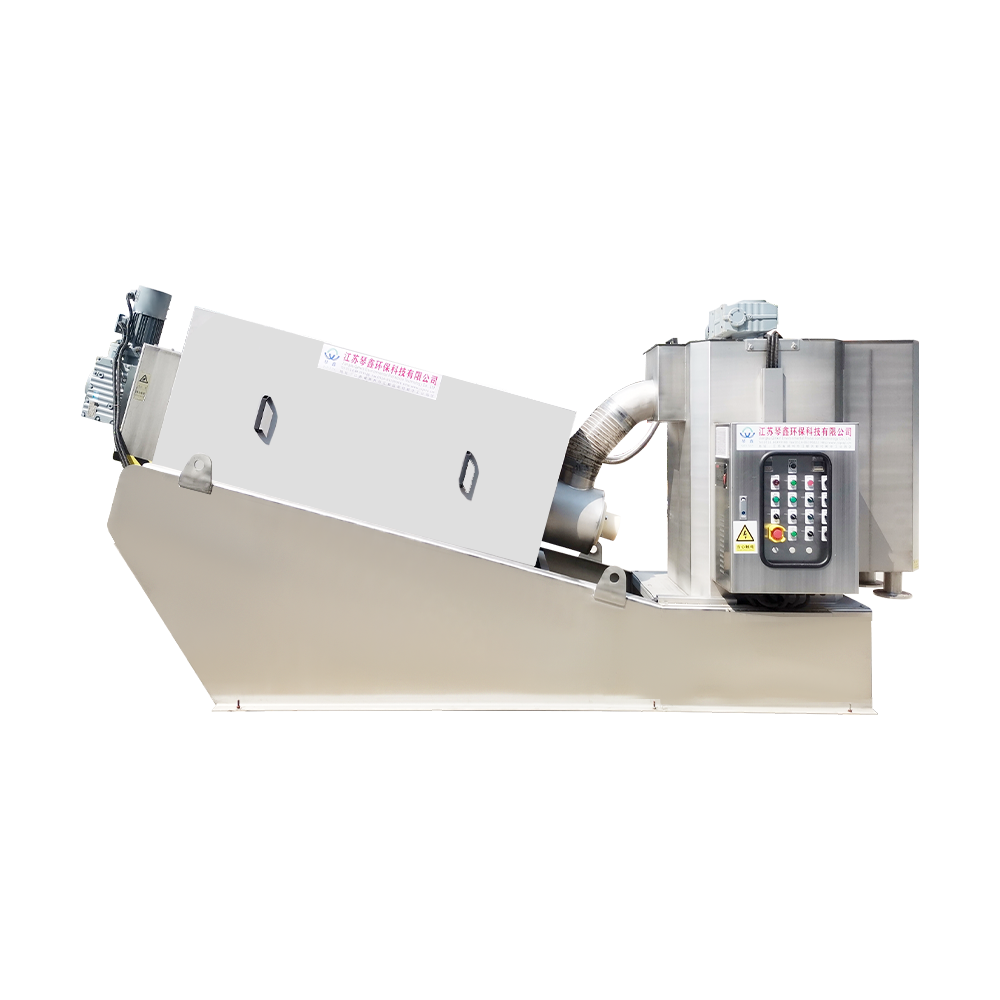
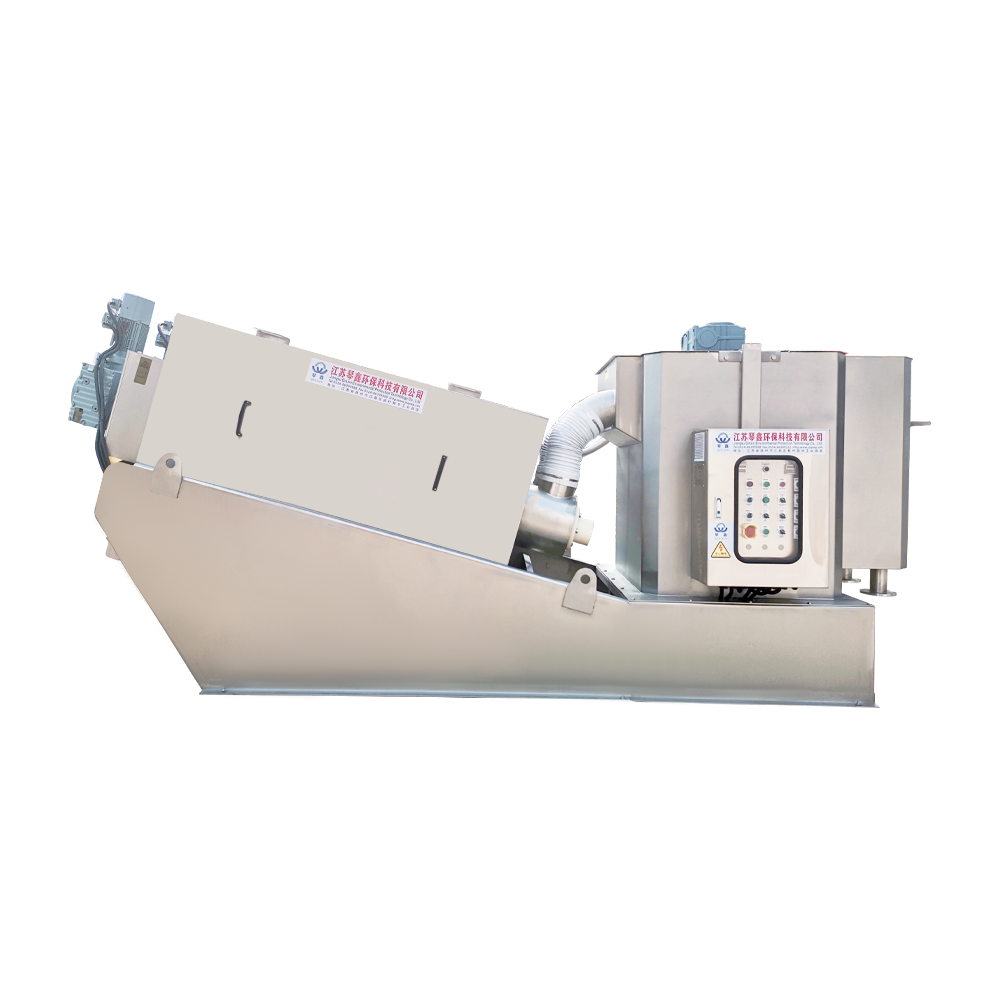
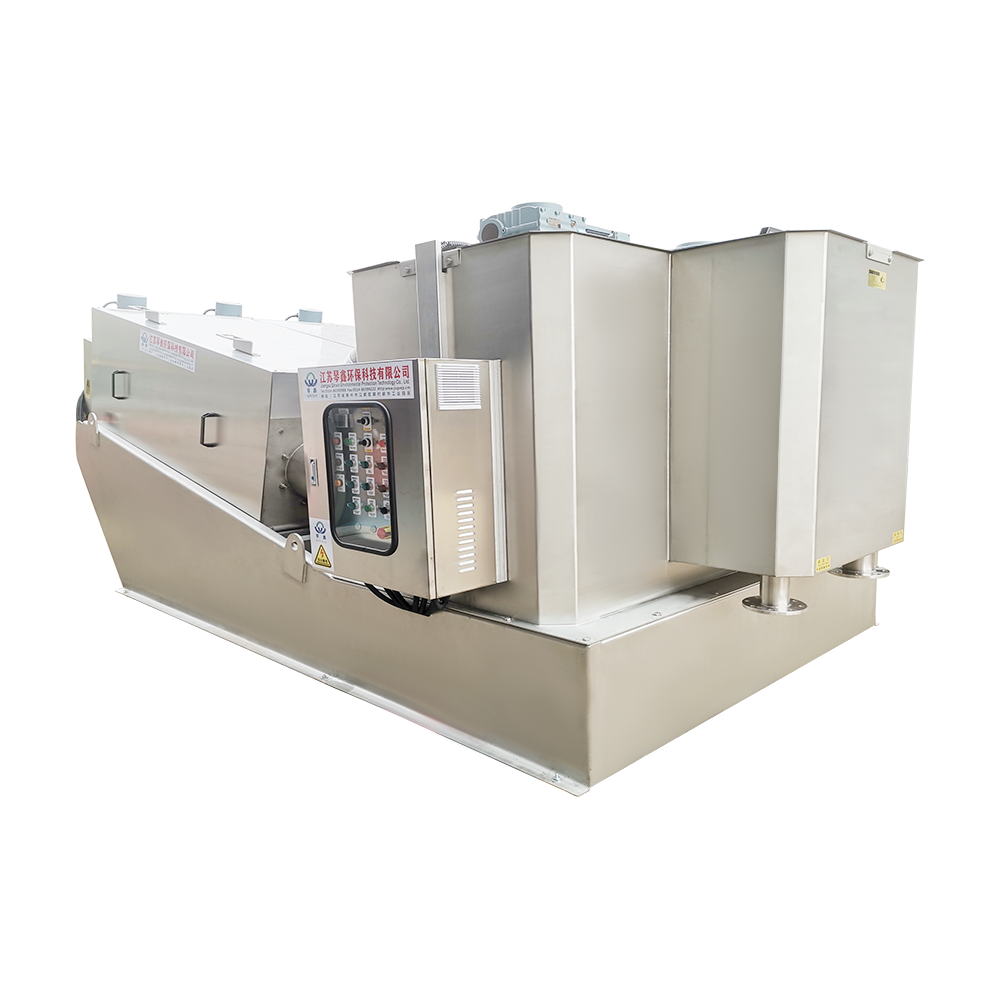
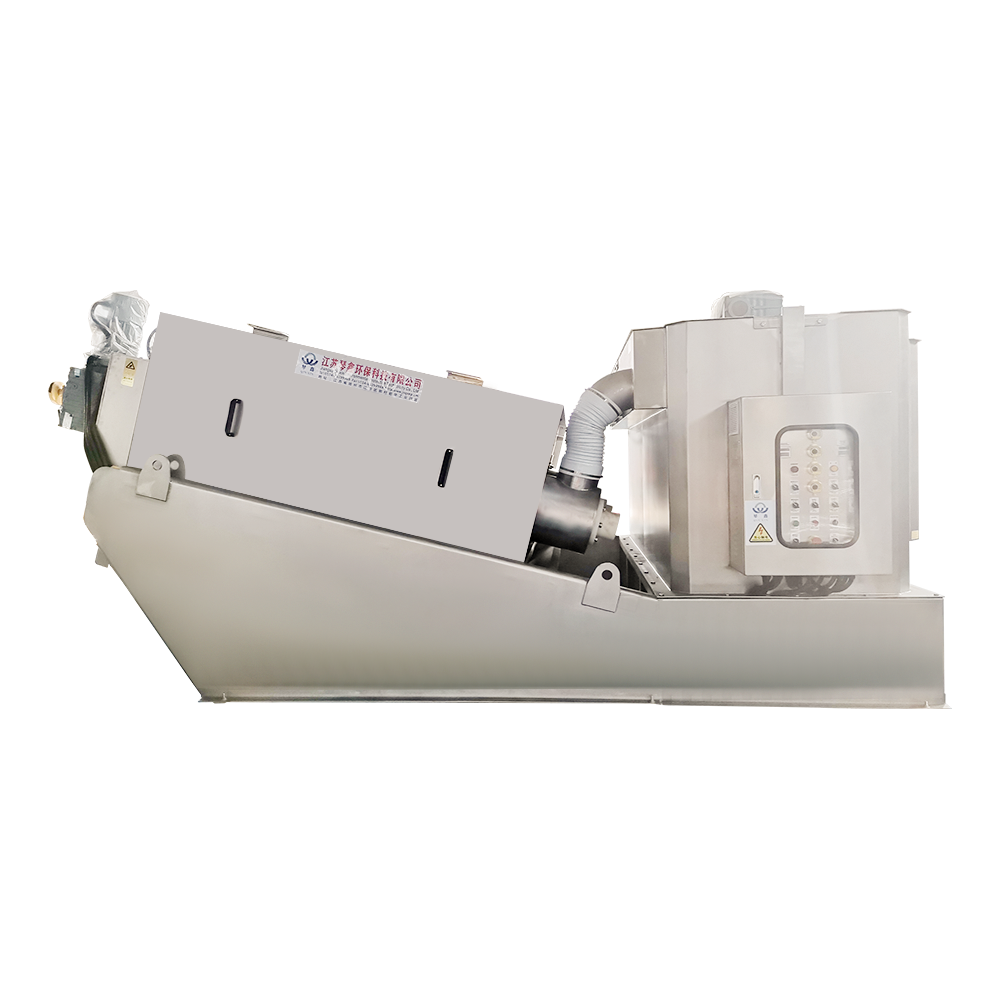
A screw sludge dewatering machine is designed with a low-speed screw shaft, alternating moving rings and fixed rings, and a gradually decreasing gap structure. Unlike traditional belt or centrifuge systems, this configuration enables continuous sludge thickening and dewatering under low rotational speed and low energy consumption.
The compact stacked design makes it particularly suitable for municipal and industrial wastewater treatment applications where stable operation and minimal operator intervention are required, which is why stacked screw sludge dewatering machine design has become increasingly adopted.
Self-Cleaning Mechanism: How Moving and Fixed Rings Work Together
The self-cleaning mechanism relies on the relative movement between moving rings and fixed rings. As the screw shaft rotates, the moving rings perform slight axial and radial movements, continuously scraping the surface of adjacent fixed rings.
| Feature | Traditional Filter-Based Systems | Self-Cleaning Screw System |
| Clogging Risk | High | Very Low |
| Need for High-Pressure Washing | Frequent | Minimal |
| Operational Stability | Fluctuating | Stable |
This dynamic interaction prevents sludge particles from adhering and accumulating, ensuring continuous filtration even under high organic or inorganic load conditions. This is the core advantage of a self cleaning screw sludge dewatering machine.
Low Water Consumption Cleaning and Anti-Scaling Performance
Because the mechanical self-cleaning action is the primary anti-clogging method, the system requires only minimal intermittent water flushing. This design significantly reduces auxiliary water consumption compared with conventional equipment.
| Parameter | High-Pressure Wash Systems | Low Water Screw System |
| Cleaning Water Volume | High | Low |
| Operational Cost | Higher | Lower |
| Scaling Probability | Medium | Low |
This characteristic makes the equipment well-suited as a low water consumption sludge dewatering machine, particularly in regions with limited water resources.
Prevention of Calcium Phosphate and Inorganic Scaling
In wastewater streams containing high concentrations of phosphorus, calcium phosphate scaling is a common operational challenge. The continuously changing gap between moving and fixed rings prevents stable crystallization zones from forming.
Compared with static filter media, the dynamic ring structure disrupts crystal growth, reducing adhesion of inorganic salts. As a result, the machine functions effectively as anti scaling sludge dewatering equipment, even in chemical, pharmaceutical, and food processing wastewater.
Maintenance Cycle and Replacement Frequency of Core Components
Screw Shaft Inspection and Replacement
The screw shaft operates at low rotational speed, typically below 5 rpm, which significantly reduces mechanical wear. Under normal operating conditions, inspection is recommended every 12 months.
| Component | Inspection Cycle | Typical Replacement Interval |
| Screw Shaft | 12 Months | 5–8 Years |
This long service life directly reduces lifecycle cost, an important factor when evaluating screw sludge dewatering machine maintenance cycle.
Moving Rings and Fixed Rings
Rings are typically manufactured from wear-resistant and corrosion-resistant materials. Due to self-cleaning movement, wear is uniform and predictable.
| Component | Wear Characteristics | Replacement Interval |
| Moving Rings | Uniform Wear | 3–5 Years |
| Fixed Rings | Low Wear | 5–8 Years |
Engineering Value for Long-Term Stable Operation
Yangzhou Qinxin Environmental Protection Technology Co., Ltd. integrates research, development, manufacturing, and sales of environmental protection equipment. With extensive experience in sludge treatment systems, the company focuses on stable mechanical structures, certified management systems, and long-term operational reliability.
The self-cleaning design philosophy aligns with the needs of municipal and industrial users seeking reduced downtime, predictable maintenance schedules, and lower operational costs.
- Reduced clogging risk under high solid load
- Effective control of inorganic scaling
- Extended service life of core components
- Lower water and energy consumption
Frequently Asked Questions (FAQ)
1. Does the self-cleaning mechanism eliminate the need for manual cleaning?
In most operating conditions, manual cleaning frequency is significantly reduced due to continuous mechanical self-cleaning.
2. How effective is the system against calcium phosphate scaling?
The dynamic ring movement disrupts crystal growth, greatly reducing calcium phosphate adhesion.
3. Is low water consumption suitable for long-term operation?
Yes, mechanical cleaning ensures stable filtration without relying on frequent water flushing.
4. How often should the screw shaft be replaced?
Typically after 5–8 years, depending on sludge abrasiveness and operating conditions.
5. Is this equipment suitable for high-phosphorus industrial wastewater?
Yes, it is widely applied in chemical, pharmaceutical, and food processing wastewater treatment.

 TOP
TOP