
 ENG
ENG
 English
 русский
 Español
 Tiếng Việt
 ไทย
ไทย
Article Directory
- 1 Corrosion Characteristics of High-Corrosion Industrial Sludge
- 2 Key Corrosion-Sensitive Components in screw sludge dewatering machine
- 3 Stainless Steel Grade Selection for Stacked Rings
- 4 Stainless Steel Selection for Screw Shaft Under Corrosive Conditions
- 5 Surface Treatment and Material Enhancement for Long-Term Corrosion Resistance
- 6 Engineering Value for Industrial Sludge Treatment Projects
- 7 Frequently Asked Questions (FAQ)
- 7.0.1 1. Is SUS304 suitable for chemical sludge applications?
- 7.0.2 2. Why is SUS316 preferred for electroplating sludge?
- 7.0.3 3. Does surface polishing really improve corrosion resistance?
- 7.0.4 4. Can mixed materials be used in one machine?
- 7.0.5 5. How does proper material selection affect lifecycle cost?
Corrosion Characteristics of High-Corrosion Industrial Sludge
High-corrosion industrial sludge commonly originates from electroplating, chemical processing, pharmaceutical manufacturing, and printing and dyeing industries. These sludges often contain strong acids, alkalis, chloride ions, and heavy metals, which create a harsh chemical environment for mechanical equipment.
Compared with municipal sludge, electroplating and chemical sludge show significantly higher corrosivity, making material selection a critical factor when designing a chemical sludge dewatering machine for long-term operation.
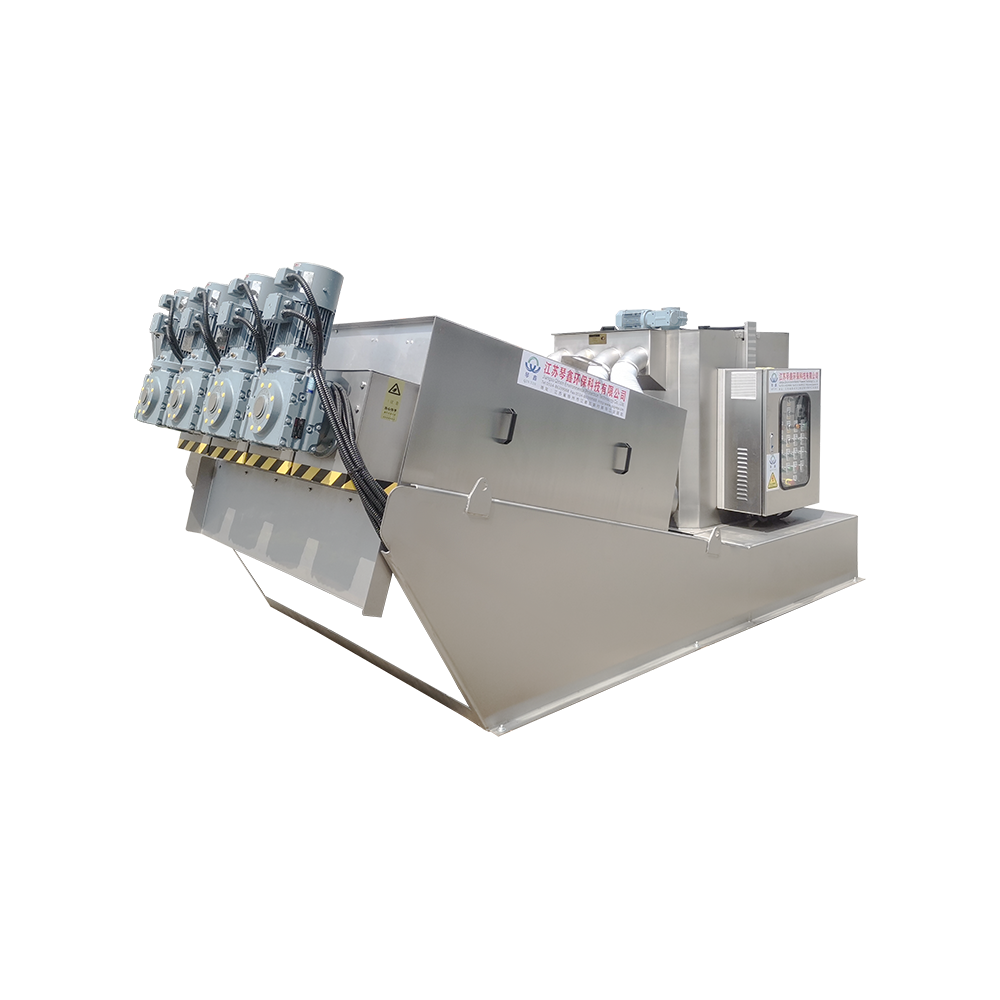
Key Corrosion-Sensitive Components in screw sludge dewatering machine
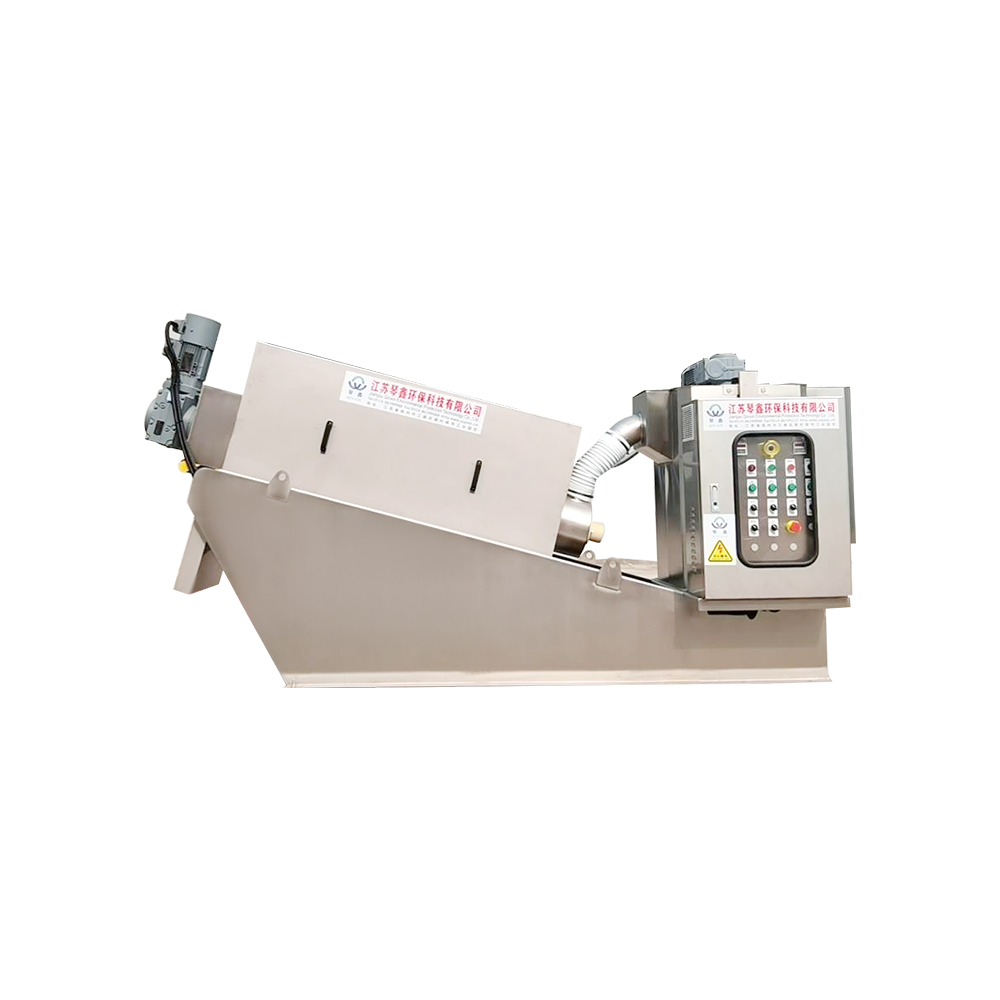
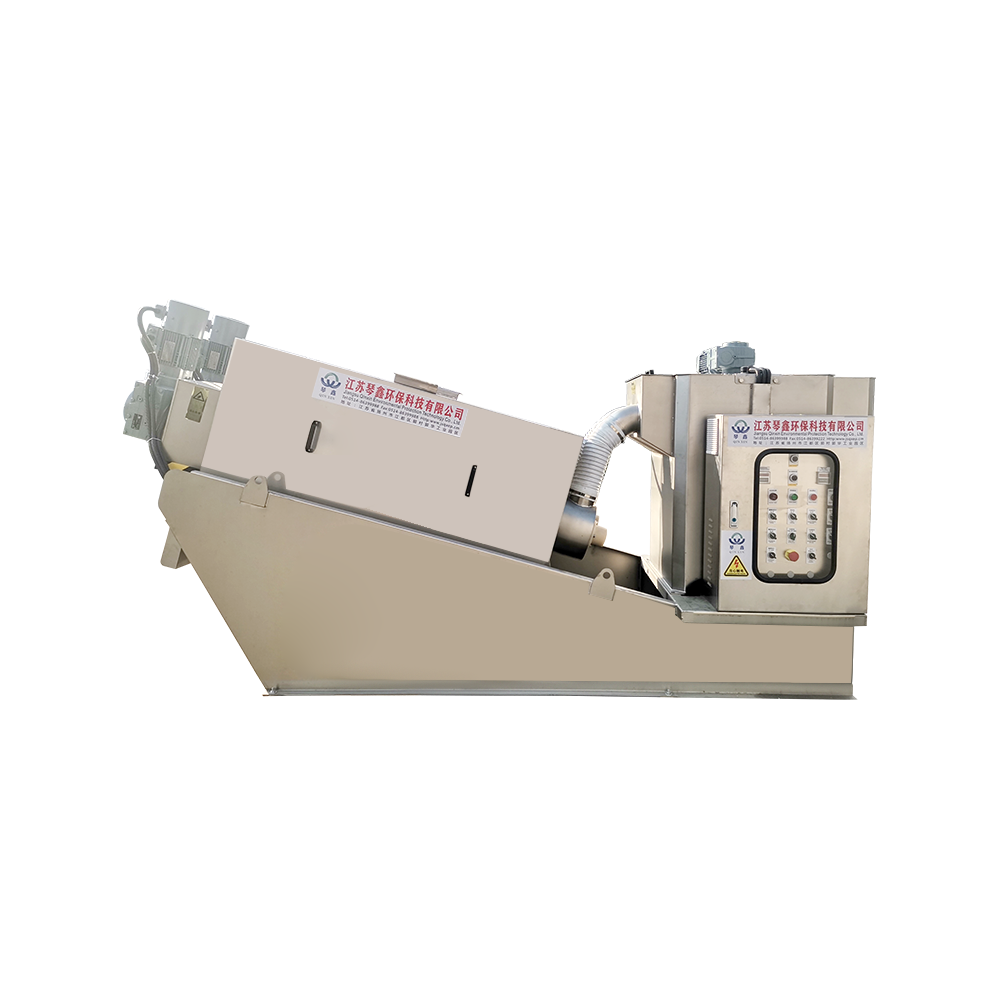
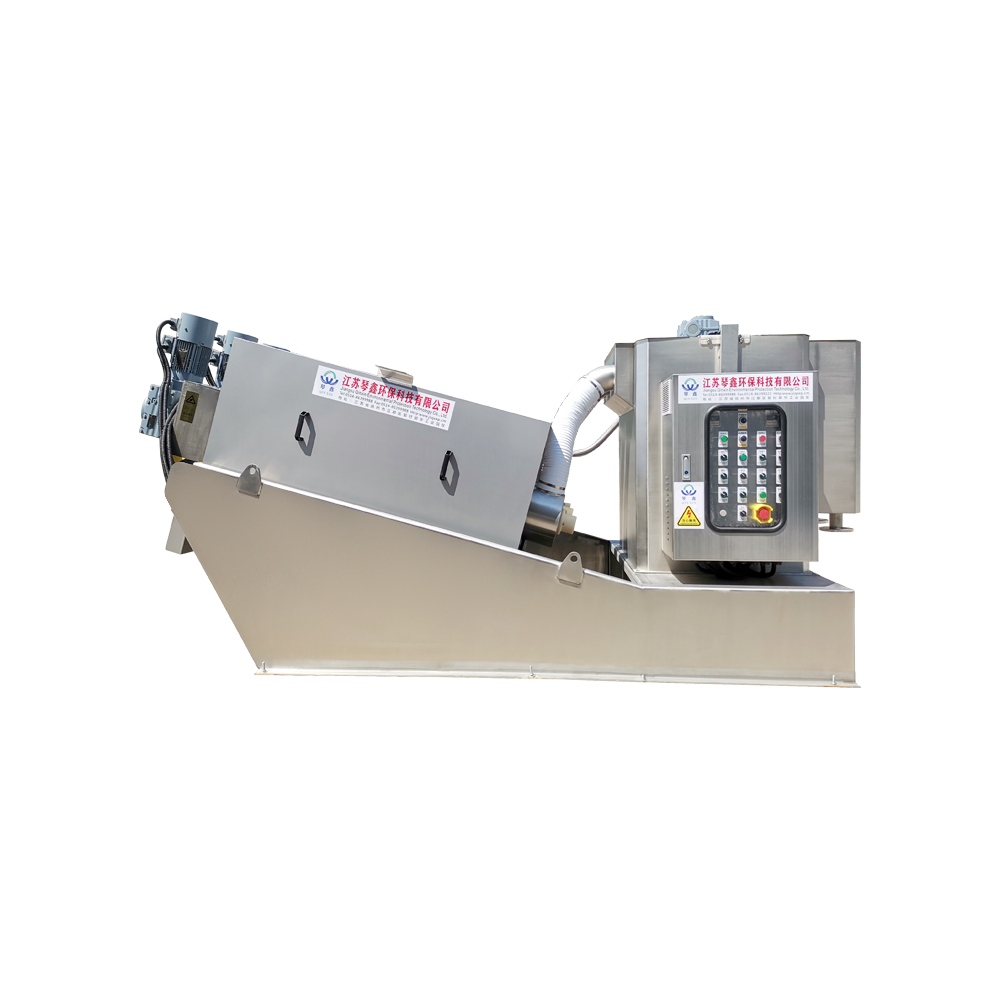
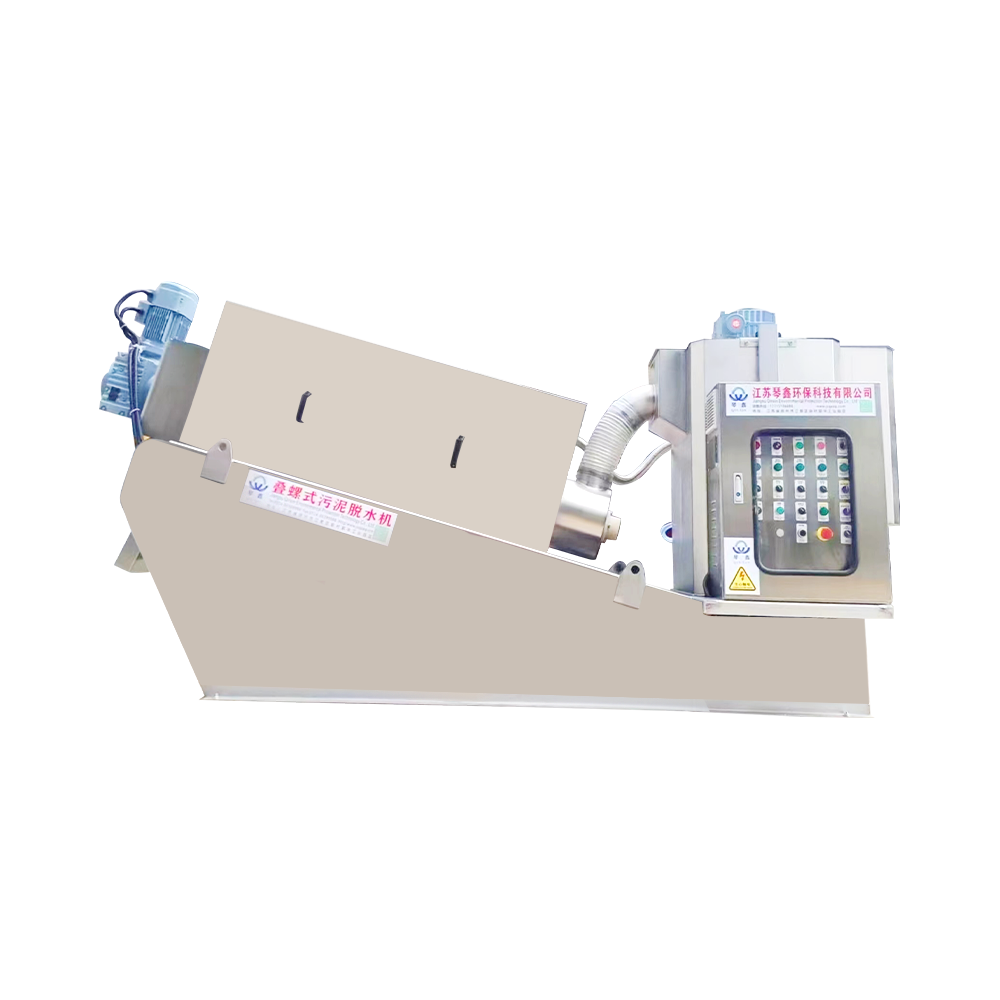
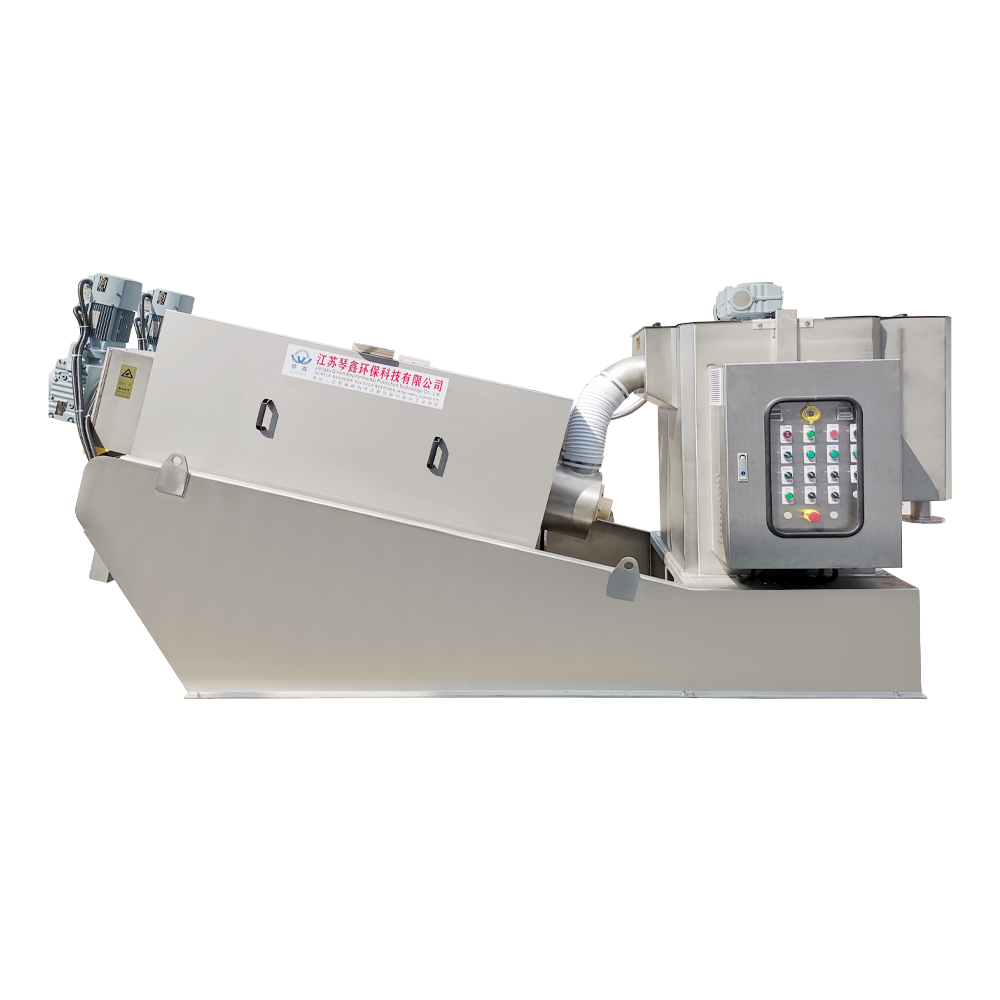
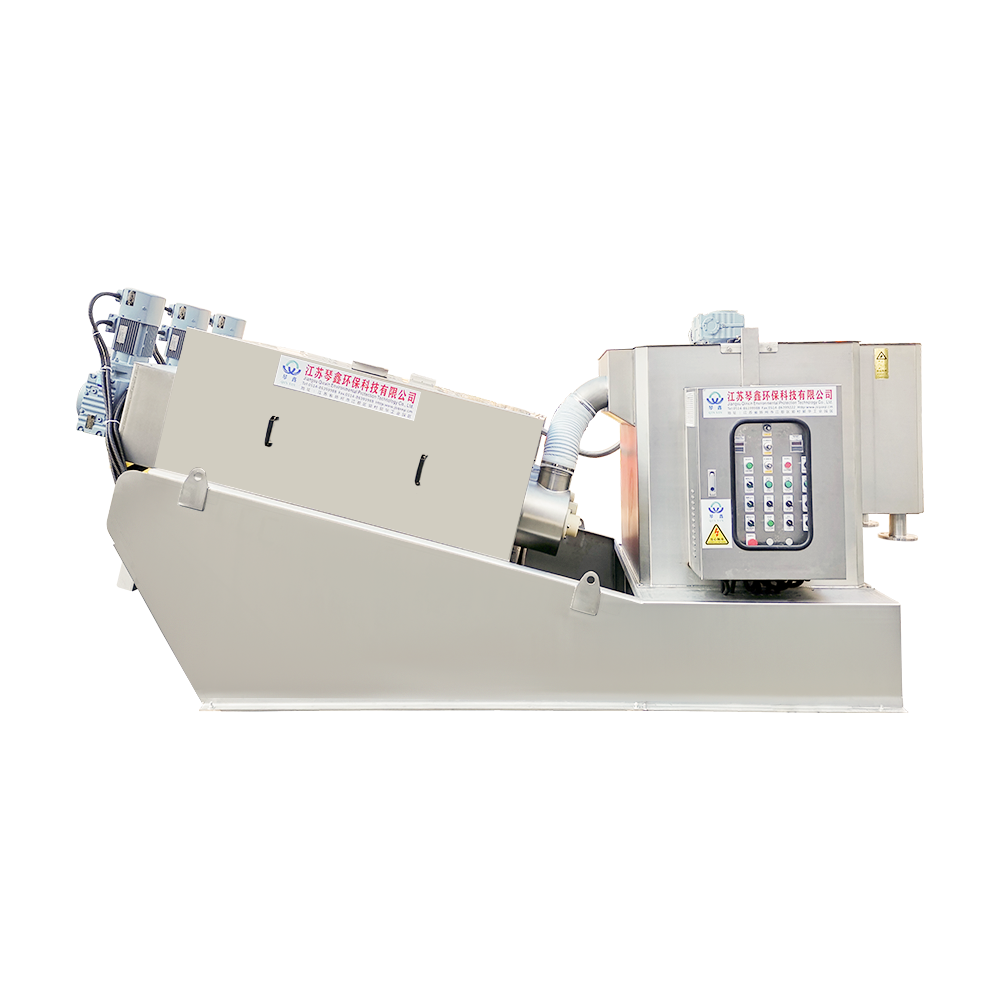
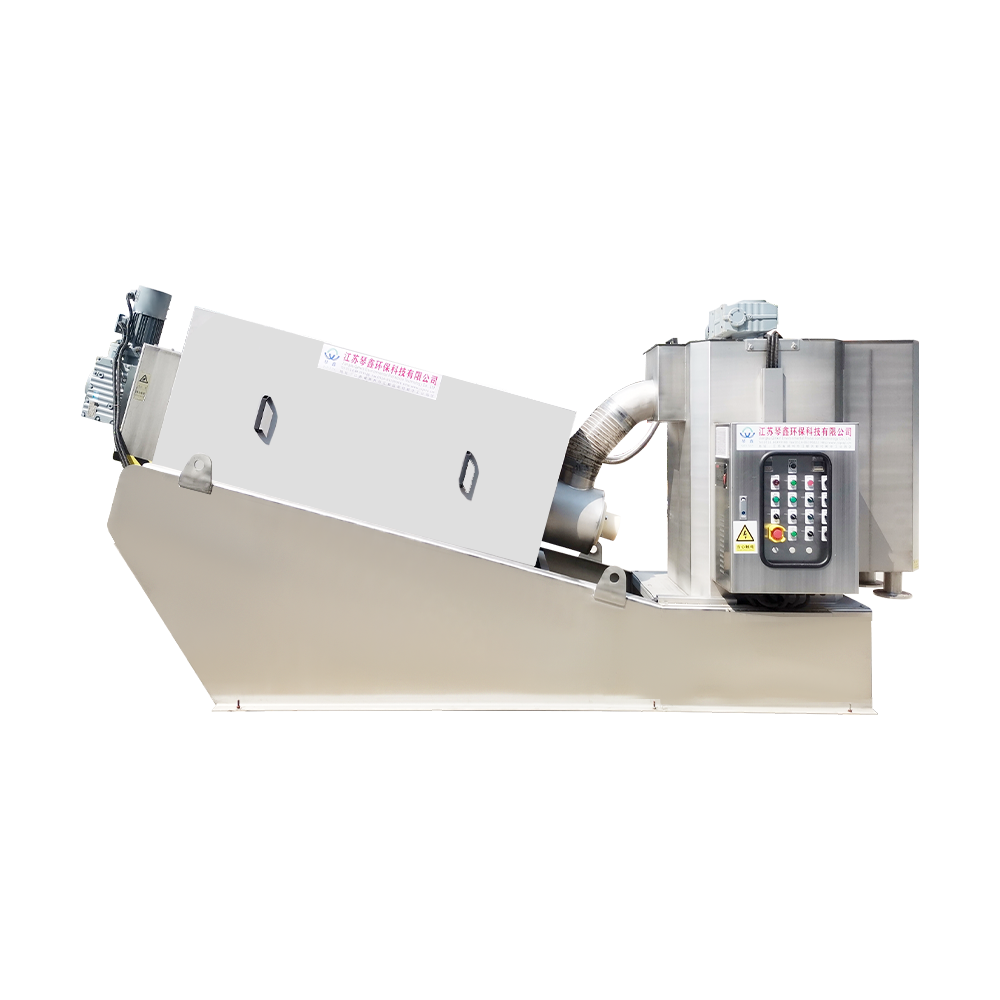
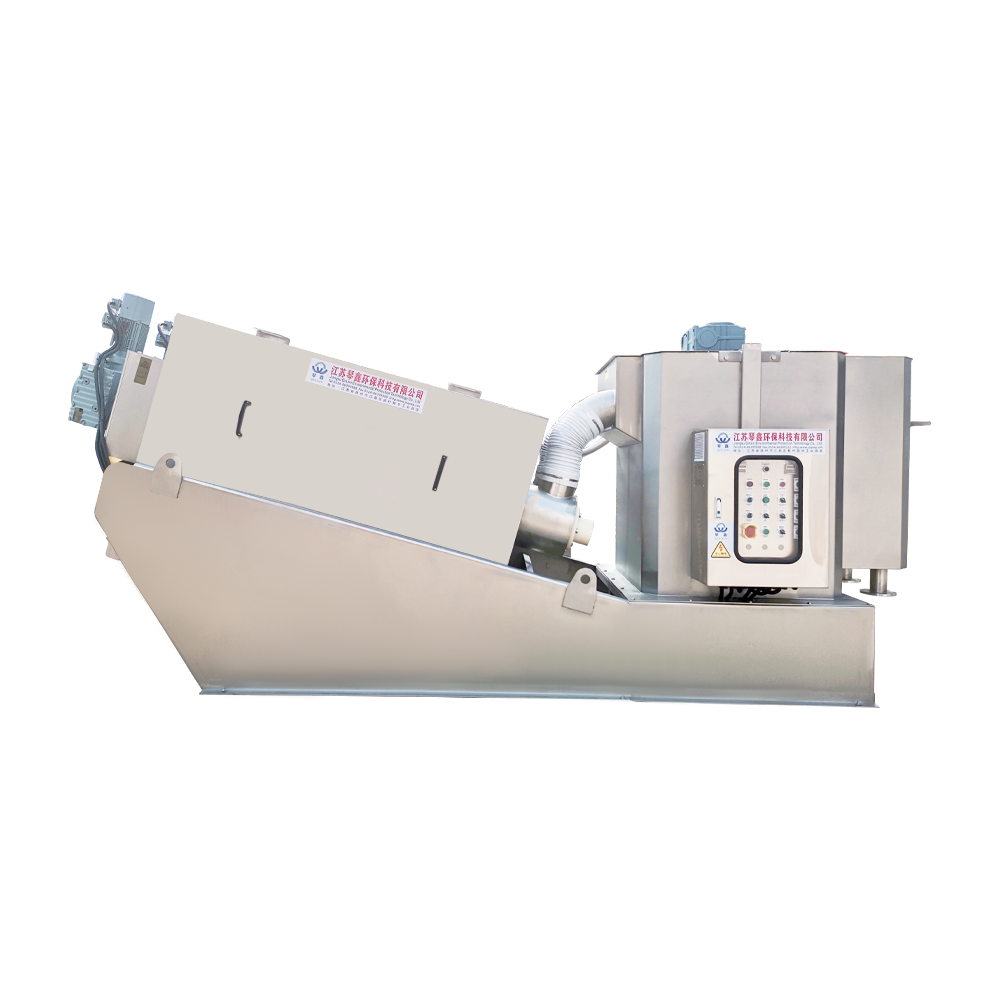
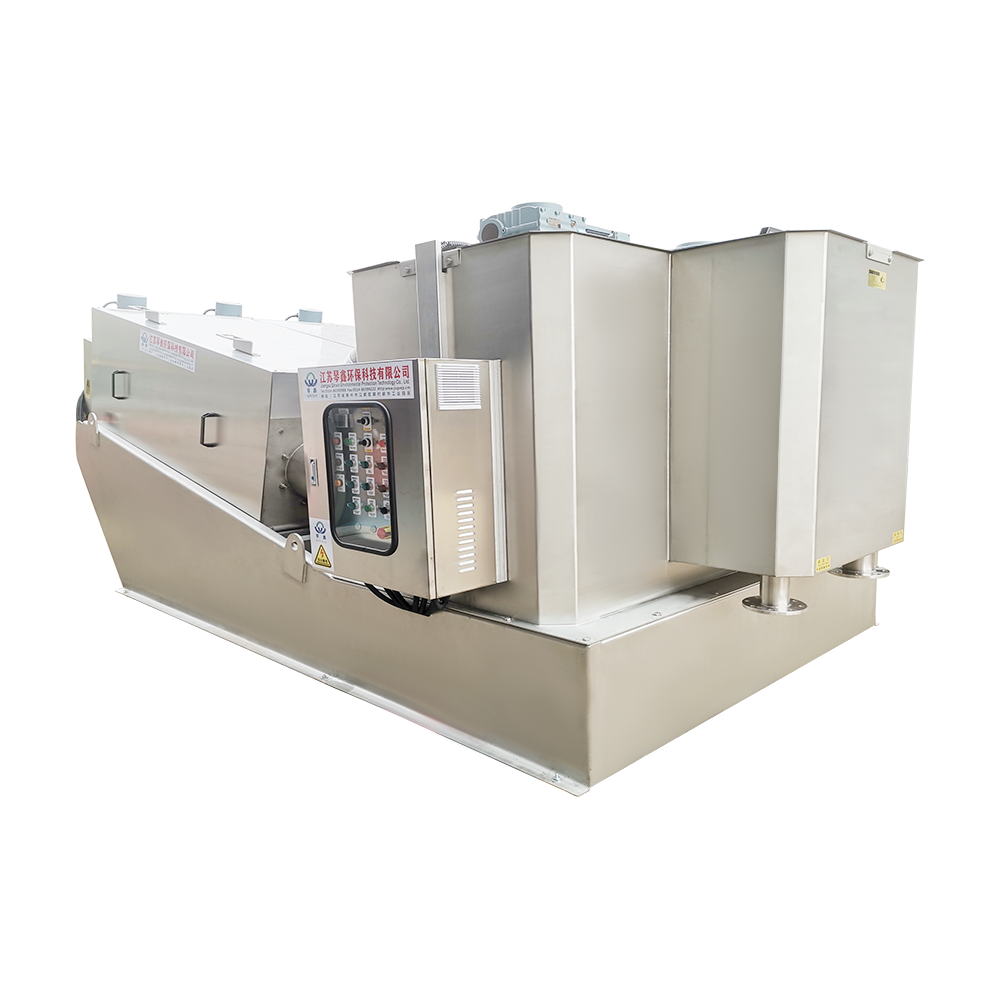
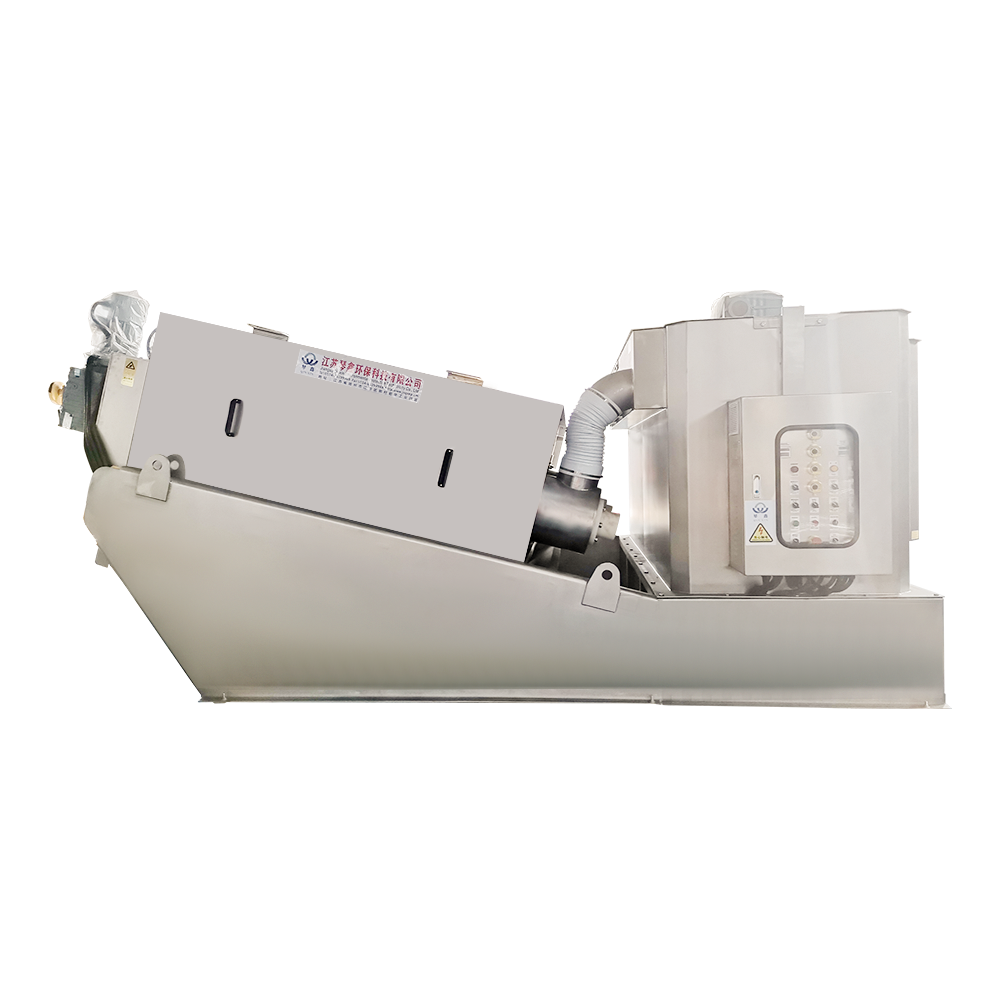
In a stacked screw sludge dewatering system, the components most exposed to corrosive media are the stacked rings and the screw shaft. These parts remain in continuous contact with sludge during thickening and dewatering.
| Component | Exposure Level | Corrosion Risk |
| Stacked Rings | Continuous Contact | Very High |
| Screw Shaft | Continuous Contact | High |
Therefore, stainless steel grade selection directly determines the service life of a corrosion resistant screw sludge dewatering machine.
Stainless Steel Grade Selection for Stacked Rings
SUS304 Performance Analysis
SUS304 stainless steel offers good general corrosion resistance and mechanical strength. It performs reliably in mildly corrosive environments, such as food processing or low-salinity industrial wastewater.
| Property | SUS304 | Application Suitability |
| Chloride Resistance | Moderate | Limited |
| Acid Resistance | Moderate | Conditional |
| Cost Efficiency | High | Good |
However, SUS304 may suffer from pitting corrosion when exposed to high chloride or acidic sludge for extended periods.
SUS316 Performance Analysis
SUS316 stainless steel contains molybdenum, significantly improving resistance to chloride-induced corrosion and chemical attack. This makes it a preferred choice for SUS316 screw sludge dewatering machine designs used in electroplating and chemical industries.
| Property | SUS316 | Application Suitability |
| Chloride Resistance | High | Excellent |
| Acid and Alkali Resistance | High | Excellent |
| Service Life | Long | Optimal |
Stainless Steel Selection for Screw Shaft Under Corrosive Conditions
The screw shaft experiences both chemical corrosion and mechanical abrasion. For industrial sludge with strong corrosivity, SUS316 is strongly recommended to ensure structural stability and long-term reliability.
Compared with SUS304, SUS316 screw shafts show slower material degradation and reduced maintenance frequency, making them suitable for electroplating sludge dewatering equipment.
| Material | Wear Resistance | Corrosion Resistance |
| SUS304 | Good | Moderate |
| SUS316 | Very Good | High |
Surface Treatment and Material Enhancement for Long-Term Corrosion Resistance
In addition to base material selection, surface treatment plays a crucial role in extending equipment lifespan. Polishing, passivation, and precision machining reduce surface roughness and minimize corrosion initiation points.
- Mirror polishing reduces sludge adhesion
- Passivation enhances oxide layer stability
- Precision machining ensures uniform stress distribution
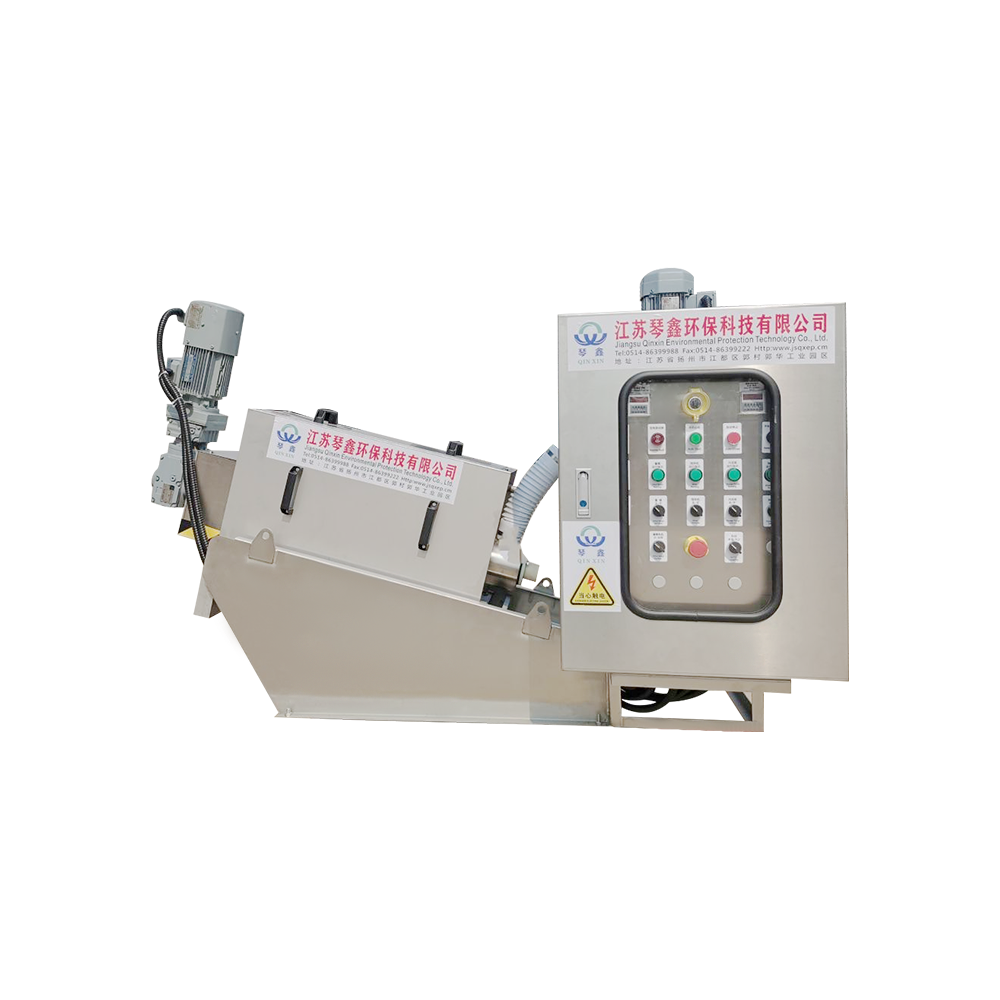
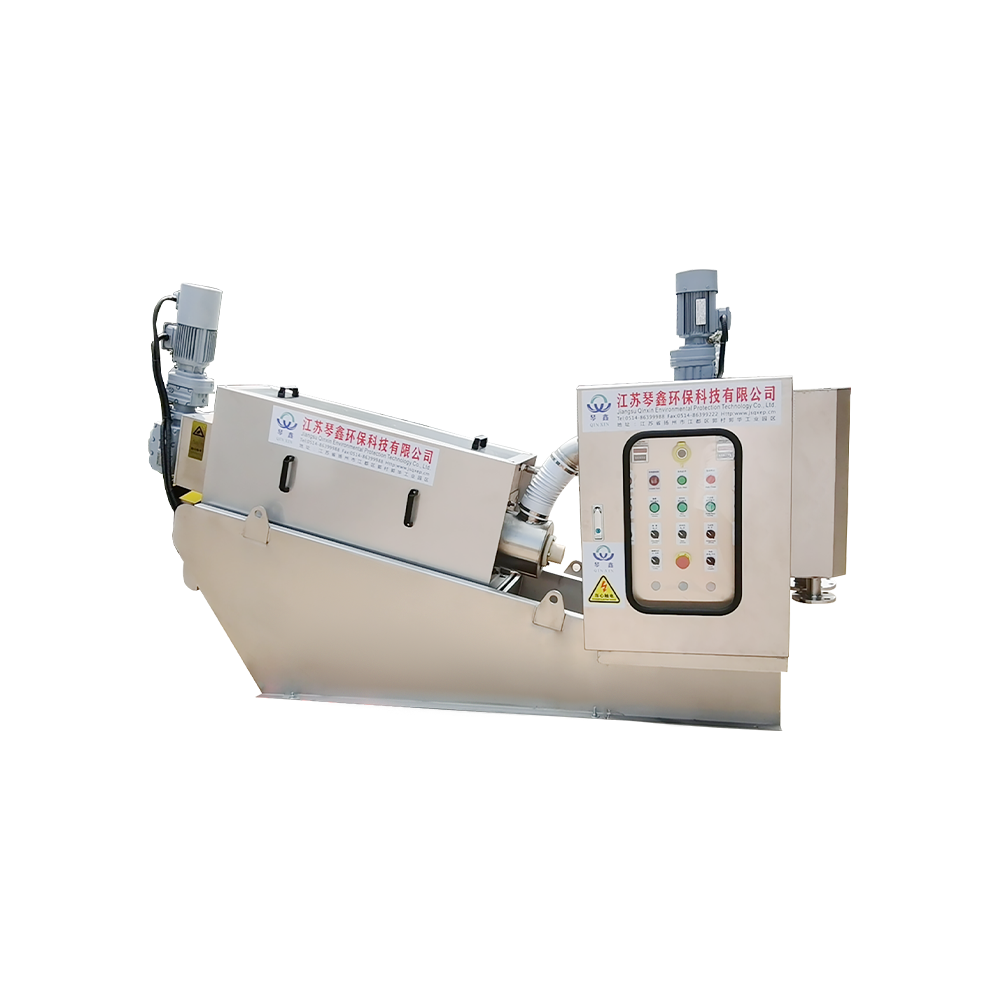
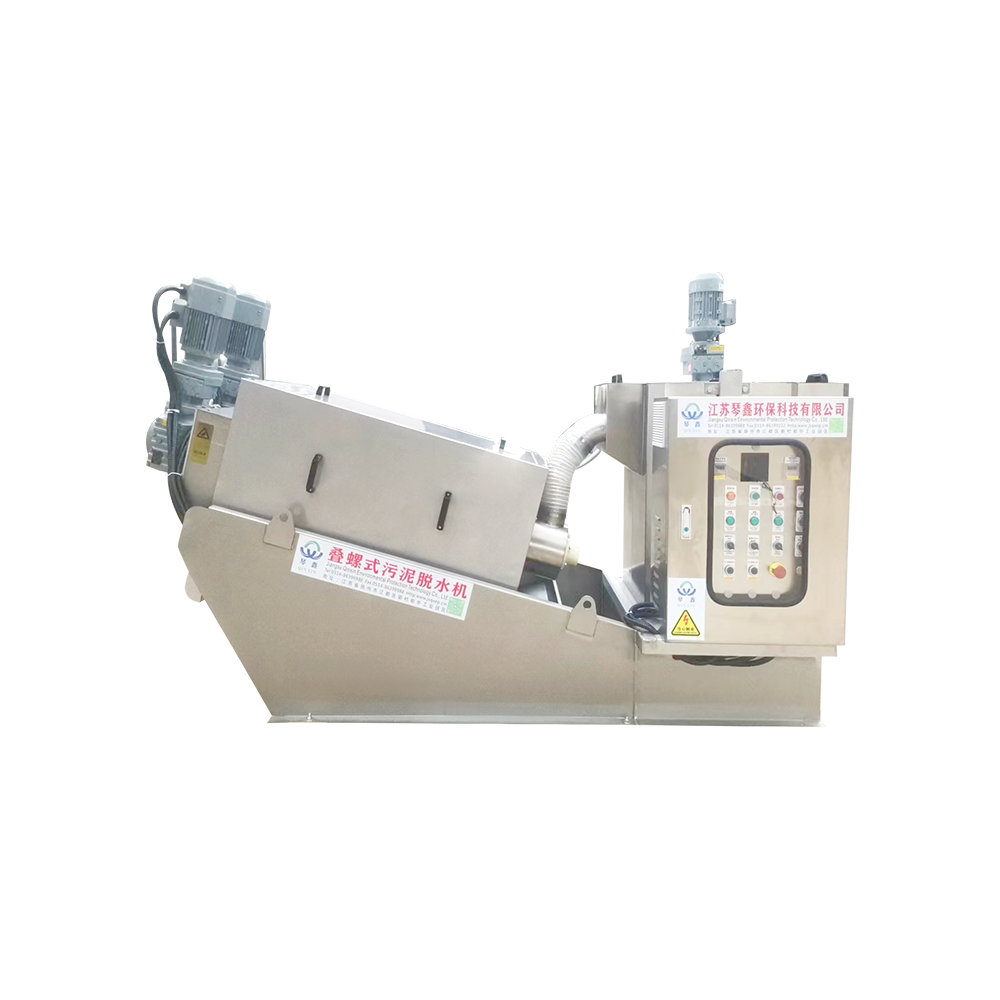
Through combined material and surface optimization, a stainless steel screw sludge dewatering machine can maintain stable performance under long-term acid and alkali exposure.
Engineering Value for Industrial Sludge Treatment Projects
Yangzhou Qinxin Environmental Protection Technology Co., Ltd. integrates research, development, manufacturing, and sales of environmental protection equipment. With extensive experience in stacked screw sludge dewatering systems, the company focuses on material engineering, certified manufacturing processes, and application-driven design.
By selecting appropriate stainless steel grades and implementing advanced surface treatments, the equipment meets the demanding requirements of chemical, pharmaceutical, and electroplating industries.
- Extended equipment service life
- Reduced maintenance and downtime
- Improved operational safety
- Stable long-term dewatering performance
Frequently Asked Questions (FAQ)
1. Is SUS304 suitable for chemical sludge applications?
SUS304 can be used in mildly corrosive environments but is not recommended for high chloride or strong acid sludge.
2. Why is SUS316 preferred for electroplating sludge?
SUS316 offers superior resistance to chloride and acid corrosion due to its molybdenum content.
3. Does surface polishing really improve corrosion resistance?
Yes, smoother surfaces reduce corrosion initiation points and sludge adhesion.
4. Can mixed materials be used in one machine?
Yes, but critical contact components should maintain consistent corrosion resistance to avoid galvanic corrosion.
5. How does proper material selection affect lifecycle cost?
Higher-grade materials reduce maintenance frequency and extend service life, lowering total ownership cost.

 TOP
TOP