
 ENG
ENG
 English
 русский
 Español
 Tiếng Việt
 ไทย
ไทย
Article Directory
- 1 Defining Performance: Target Optimal moisture content for screw press sludge by Type
- 2 Process Dynamics: Sludge type impact on screw dewatering efficiency
- 3 Technical Control: Screw shaft speed optimization for dewatering
- 4 Fine-Tuning Performance: Adjusting ring gaps in stacked screw dewatering
- 5 Yangzhou Qinxin Environmental Protection Technology Co., Ltd.: Driving Sludge Treatment Innovation
- 6 Frequently Asked Questions (FAQ)
- 6.1 1. Why is the Optimal moisture content for screw press sludge generally higher for municipal sludge than industrial sludge?
- 6.2 2. What is the main trade-off when performing Screw shaft speed optimization for dewatering?
- 6.3 3. How does the polymer flocculation process affect the Sludge type impact on screw dewatering efficiency?
- 6.4 4. What critical function is controlled by the final pressure zone and by **Adjusting ring gaps in stacked screw dewatering**?
- 6.5 5. What does a Technical comparison of screw sludge press efficiency emphasize besides final moisture content?
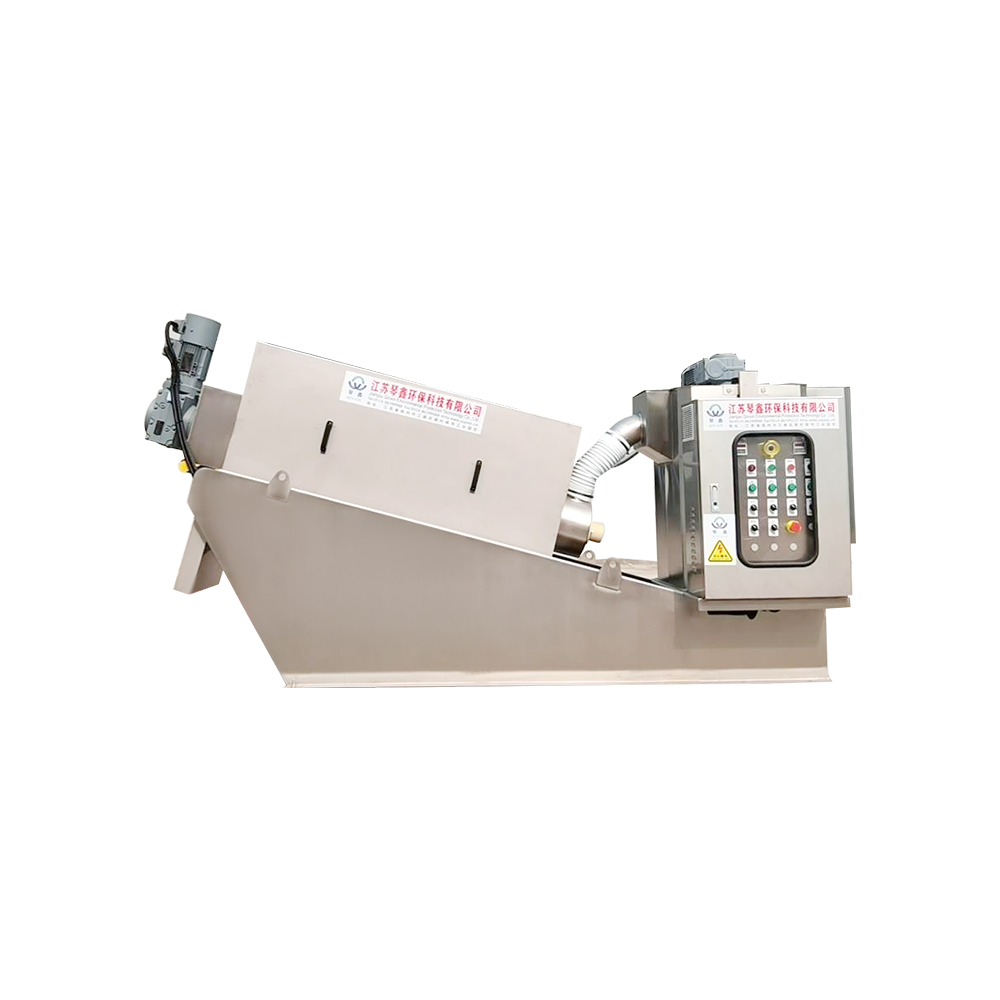
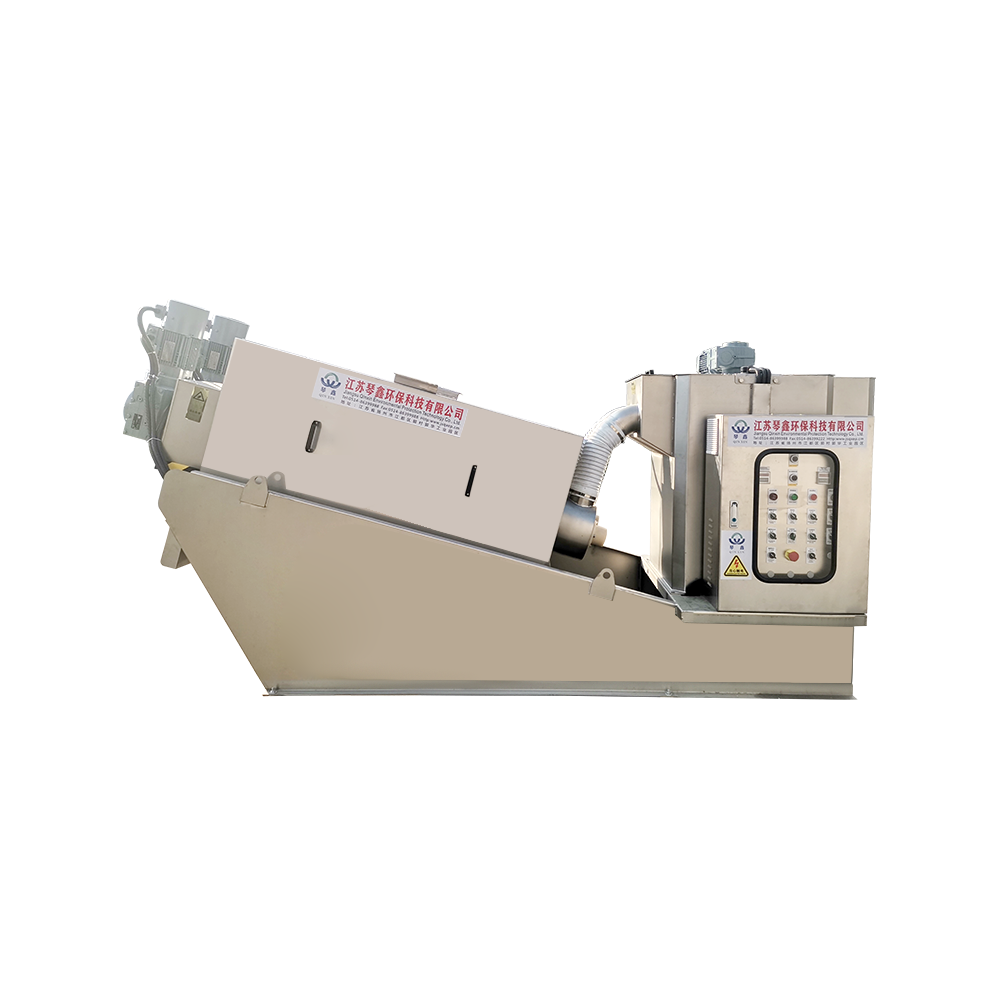
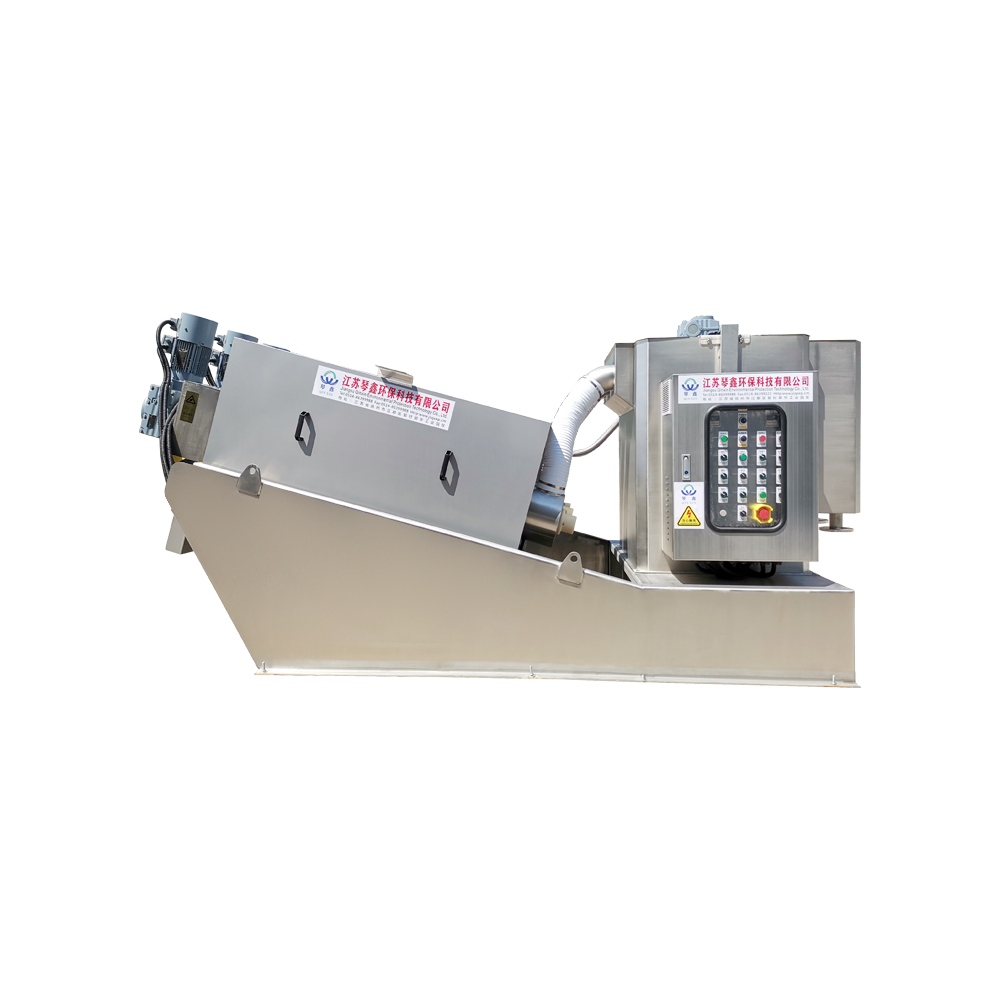
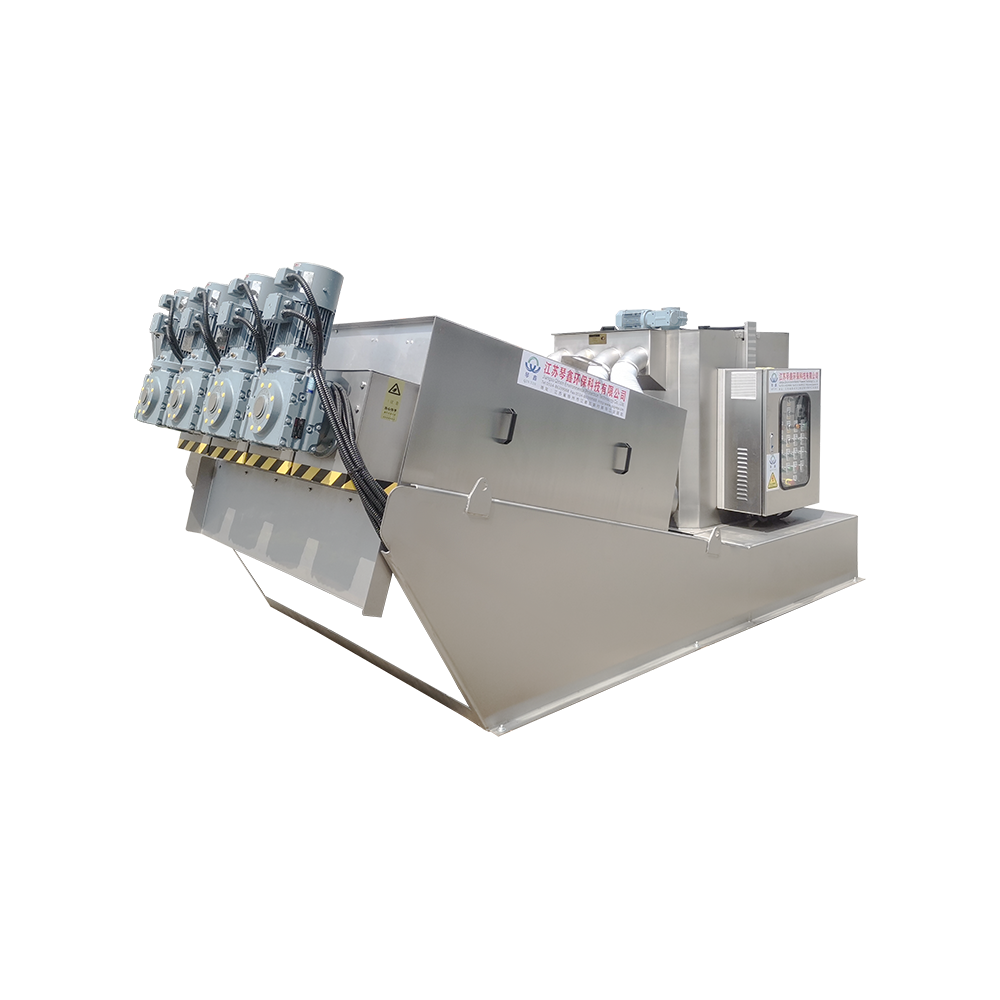
The **screw sludge dewatering machine** is favored in the wastewater treatment industry for its low energy consumption, continuous operation, and self-cleaning ability. However, achieving the lowest possible sludge cake moisture content—a key economic driver—requires precise control and optimization of operating parameters based on the specific sludge characteristics. The target Optimal moisture content for screw press sludge and the technical means to achieve it are crucial for engineering procurement decisions.
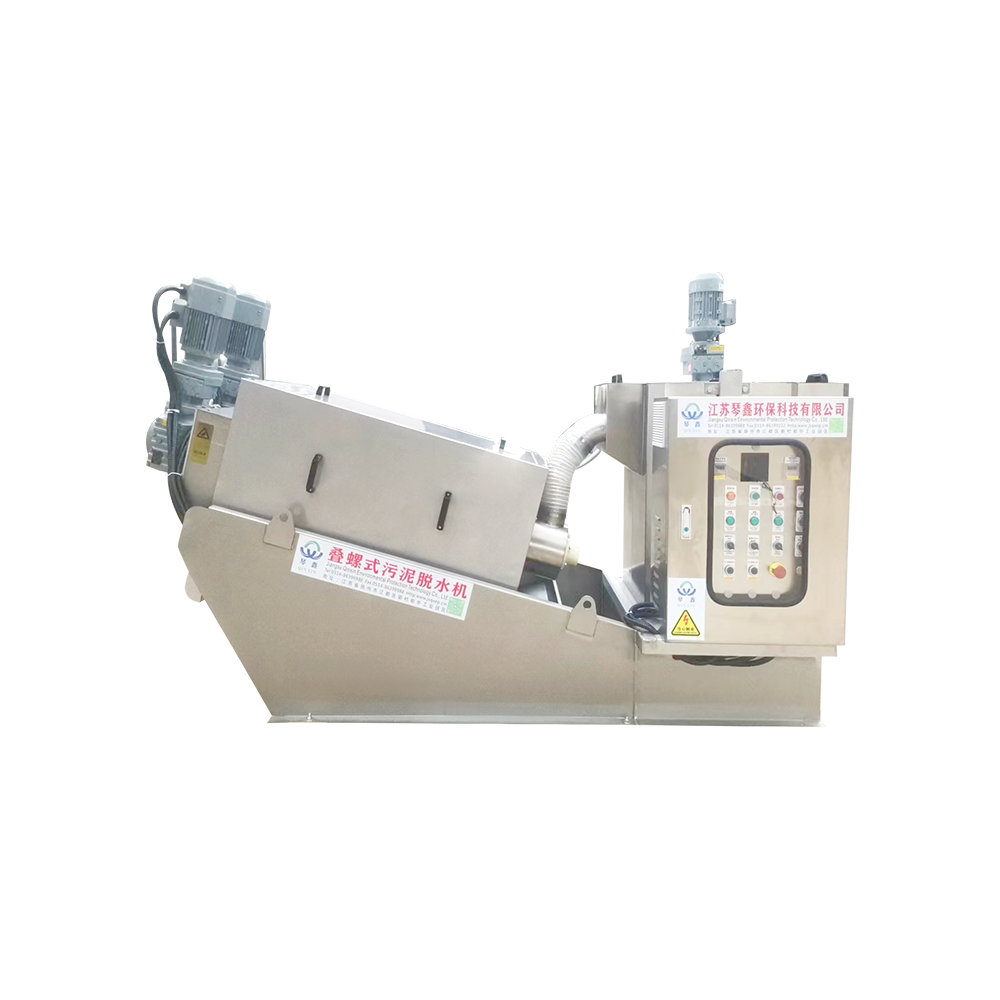
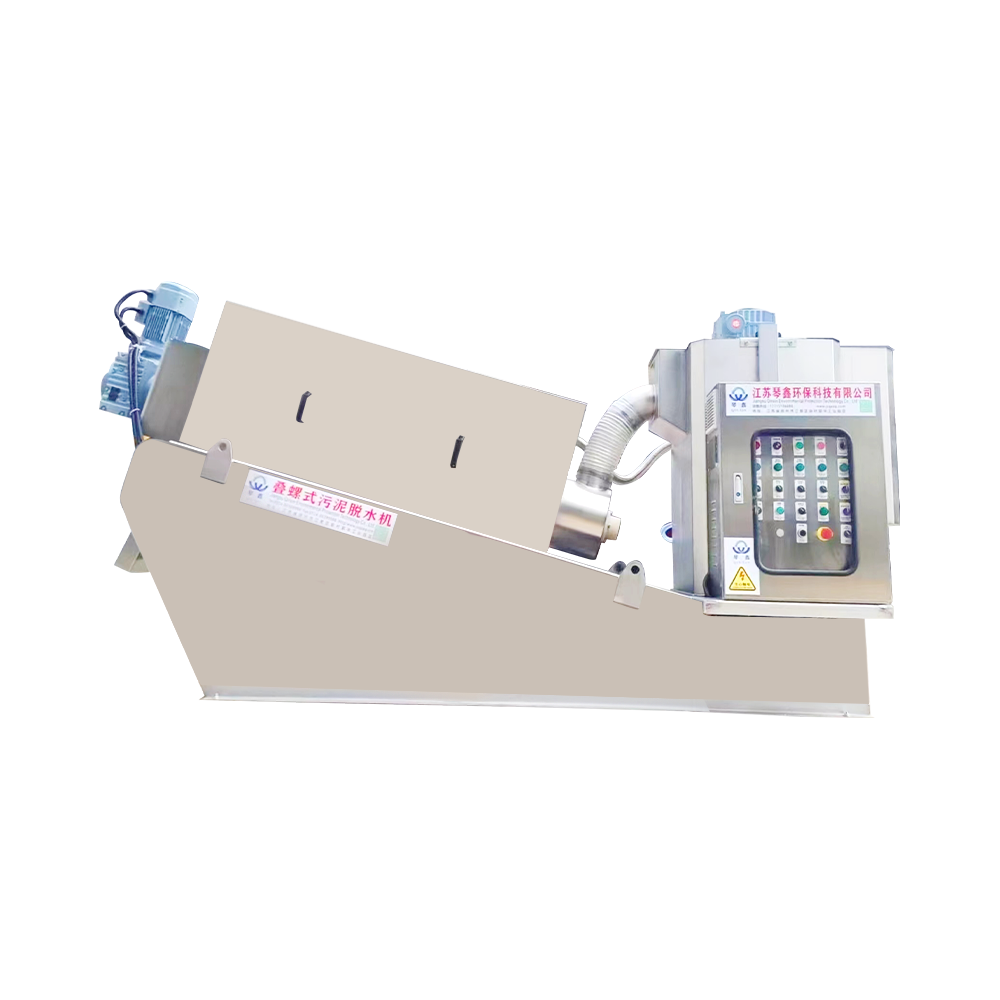
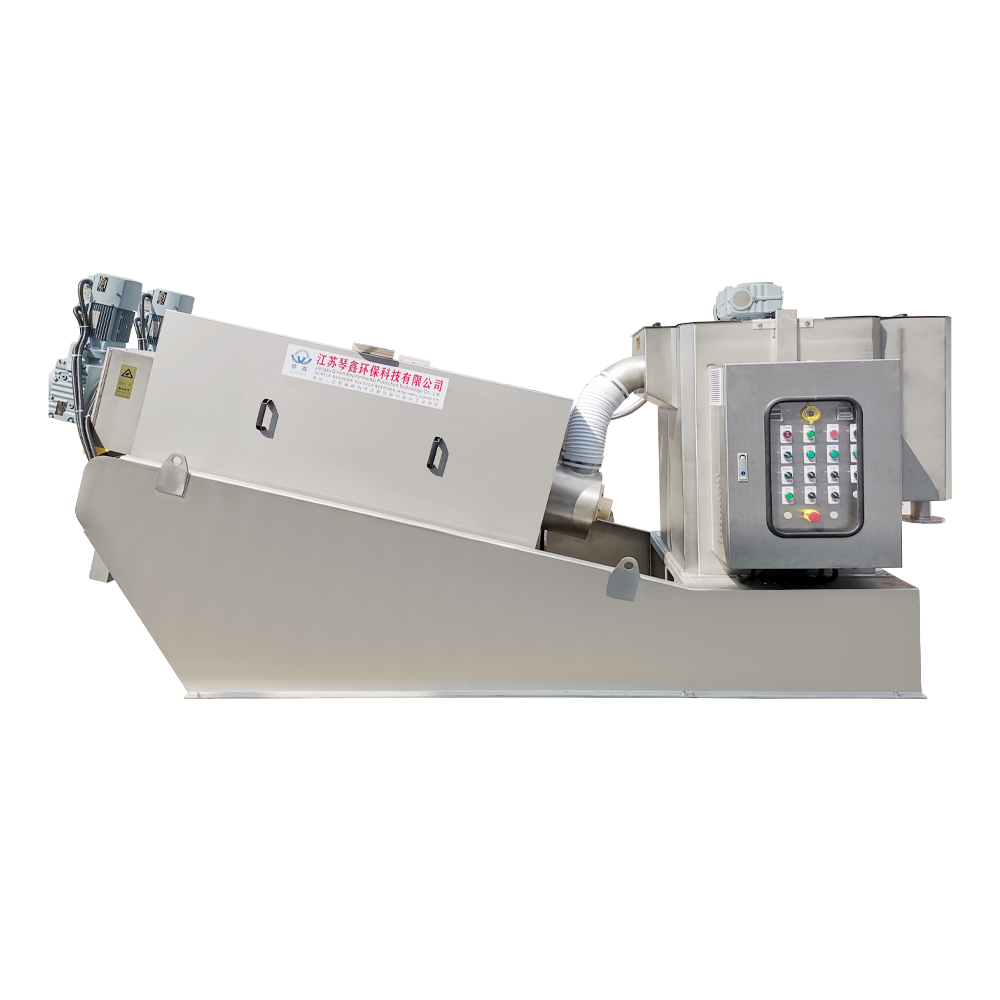
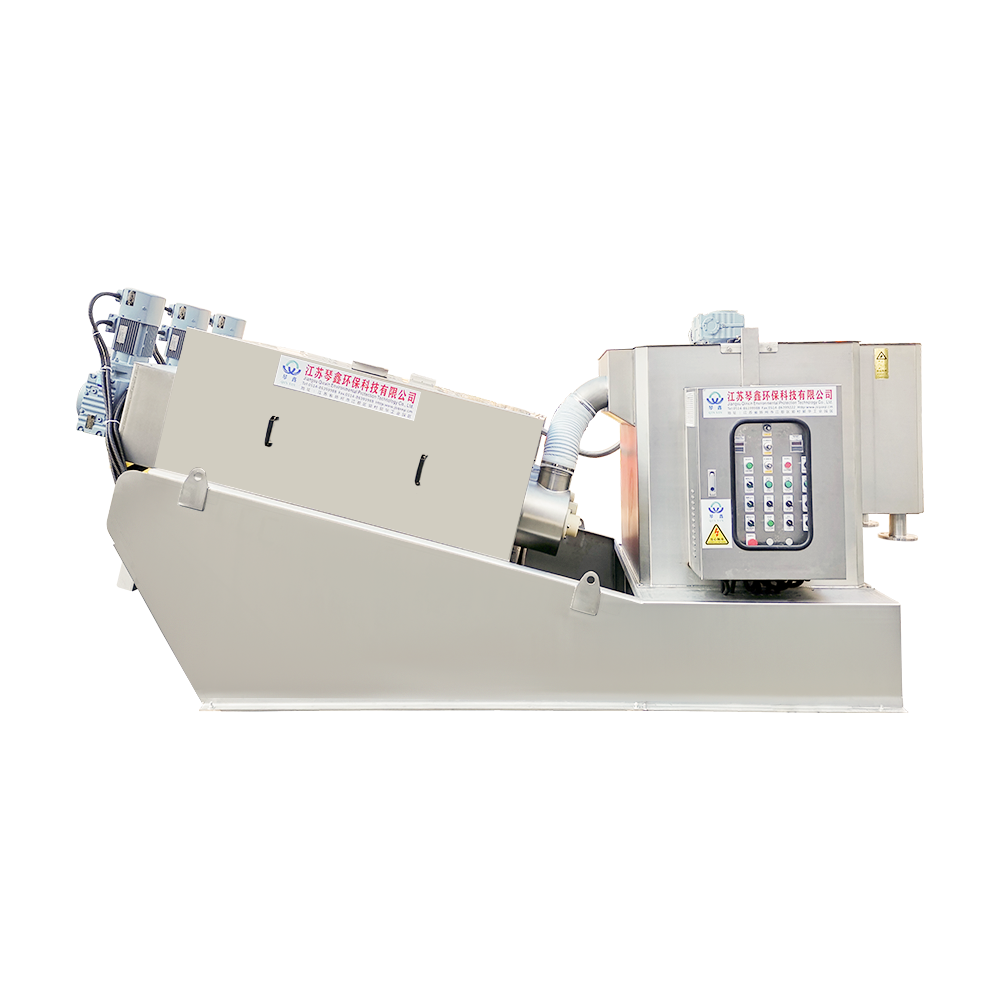
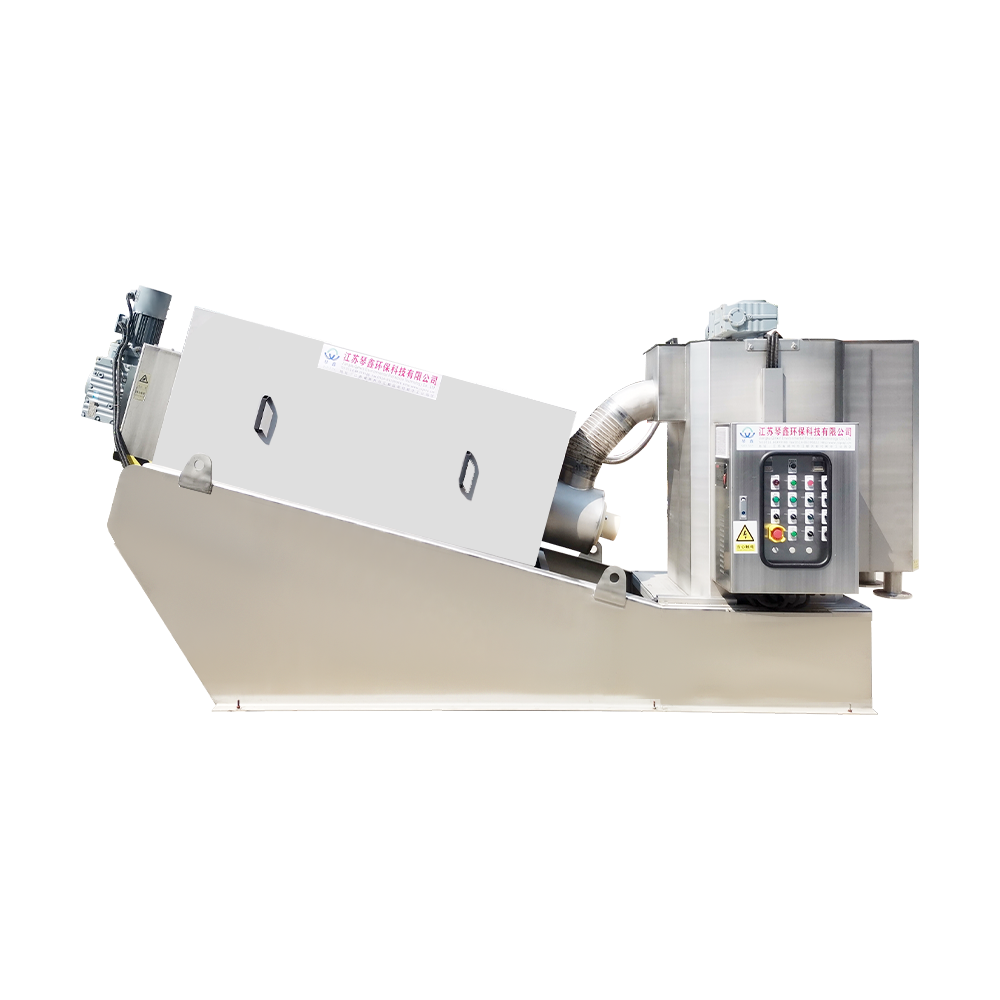
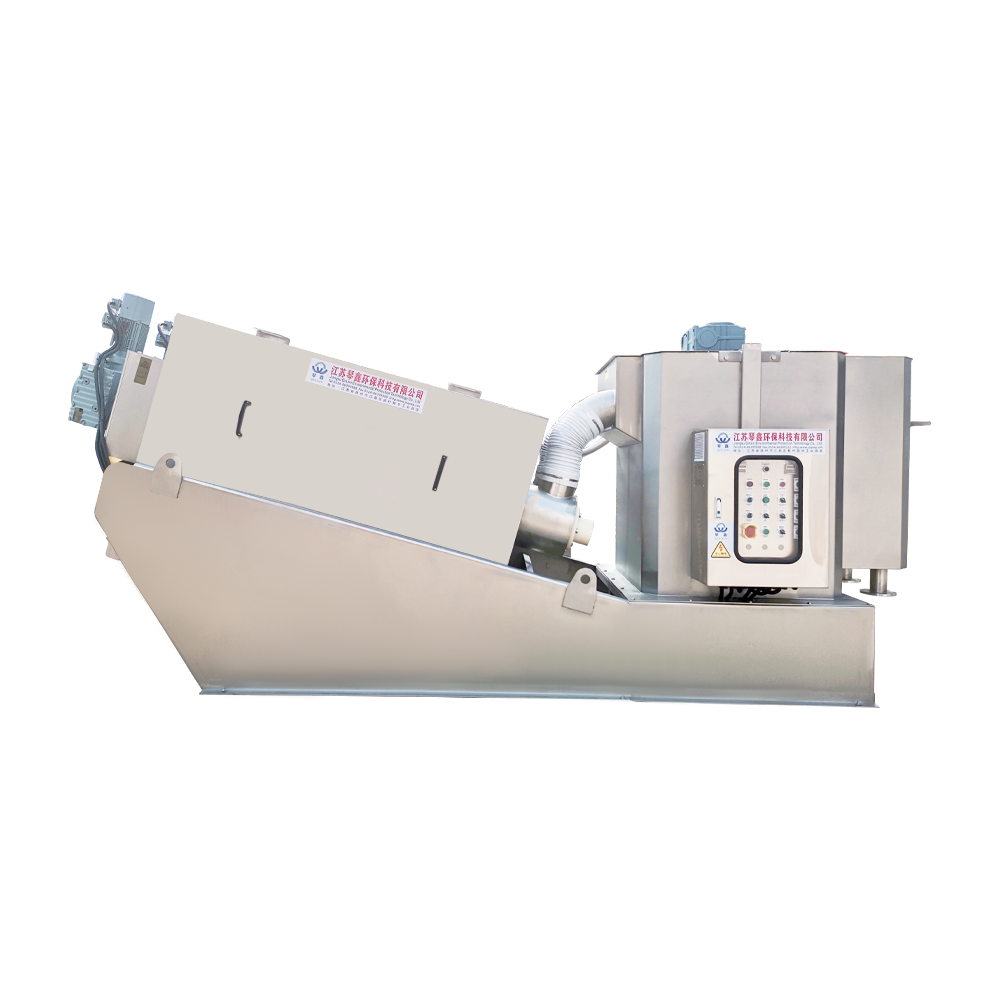
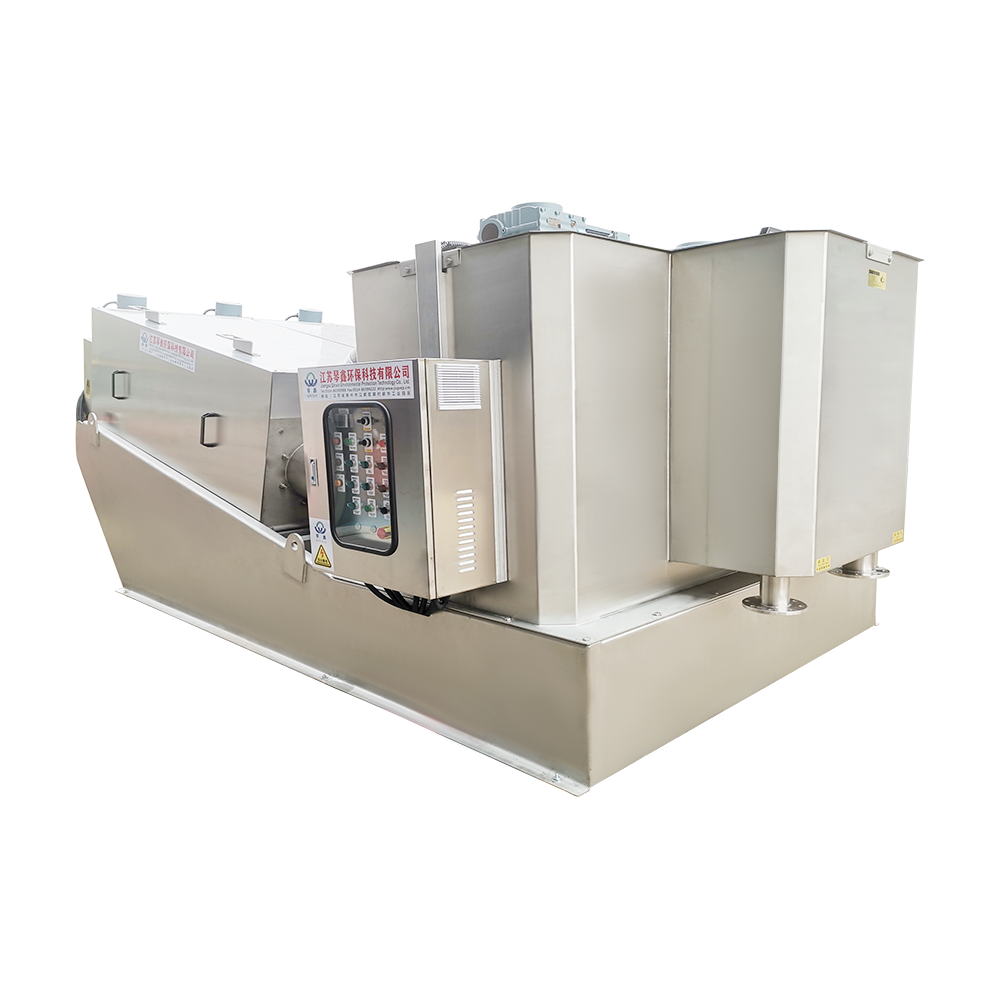
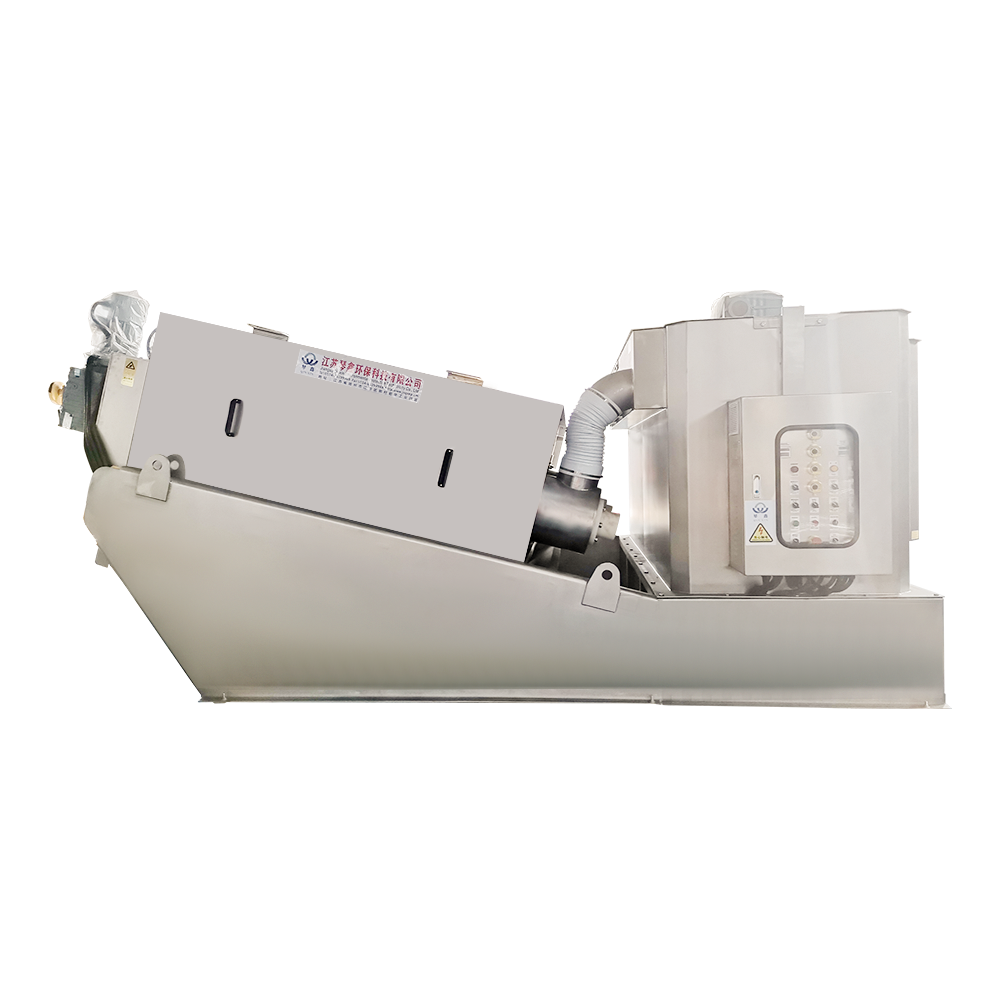
Integrated Horizontal Food Grade Spiral Screw Sludge Dewatering Machine QXDL-252
Defining Performance: Target Optimal moisture content for screw press sludge by Type
The minimum achievable moisture content is not static; it is heavily dependent on the sludge origin, specifically its hydrophilicity (water affinity) and compressibility.
The Role of Sludge Properties (Hydrophilicity and Compressibility)
- **Hydrophilicity:** Sludge derived from biological processes (e.g., municipal sewage) tends to be highly hydrophilic, meaning the water is chemically bound to the flocs, making it more difficult to separate and resulting in higher minimum moisture content.
- **Compressibility:** Industrial sludge (e.g., mineral processing) is often less compressible, making mechanical pressure more effective at releasing interstitial water, which can lead to a lower Optimal moisture content for screw press sludge.
Expected Moisture Content: Municipal vs. Industrial Sludge
A **screw sludge dewatering machine** is expected to deliver different results depending on the application. Generally, industrial sludges yield a drier cake than municipal sludges due to differences in organic content and particle structure.
Sludge Type vs. Expected Dewatering Performance Table
| Sludge Type | Primary Composition | Expected Moisture Content (Lowest Range) |
|---|---|---|
| Municipal/Biological | High Organic/Microbial | 75% – 85% |
| Petrochemical/Chemical | Medium Organic/Inorganic | 68% – 78% |
| Mineral/Inorganic | High Inorganic Solids | 65% – 75% |
Process Dynamics: Sludge type impact on screw dewatering efficiency
The efficiency of the **screw sludge dewatering machine** must be managed relative to the specific Sludge type impact on screw dewatering efficiency.
Polymer Flocculation and Pre-treatment Sensitivity
- **Flocculation:** Proper flocculation is the most critical pre-treatment step. If the polymer dosage (type and amount) is incorrect, flocs will be either too weak (shearing under pressure) or too large (blocking the rings), severely limiting dewatering effectiveness.
Factors Hindering Low Moisture Content Achievement
Sludges with a high content of fine, non-filterable solids (like colloidal particles) can saturate the filtration gaps, hindering water release regardless of pressure. This often requires chemical pre-treatment optimization before the **screw sludge dewatering machine** can achieve its maximum potential.
Technical Control: Screw shaft speed optimization for dewatering
The rotational speed of the central screw shaft is the primary control variable that determines the pressure application and residence time within the machine.
Correlation Between Screw Speed and Filtration Zone Time
- **Lower Speed:** A slower speed increases the sludge residence time in the filtration and compression zones, allowing more time for water to drain and for compression to occur, generally leading to a drier cake.
- **Higher Speed:** A higher speed increases throughput (capacity) but reduces residence time and may induce shear forces that break apart fragile flocs, resulting in slightly wetter sludge but higher volume processing. Therefore, Screw shaft speed optimization for dewatering is a direct trade-off between capacity and dryness.
Balancing Shear Force and Filtration Rate
The **screw sludge dewatering machine** uses the differential speed between the screw and the rings to provide self-cleaning. If the speed is too high, the shear force can destroy the polymer flocs, releasing bound water and severely worsening the dewatering outcome, a key factor in Sludge type impact on screw dewatering efficiency.
Fine-Tuning Performance: Adjusting ring gaps in stacked screw dewatering
The annular gap between the moving and fixed rings is a secondary control mechanism for pressure and filtration efficiency.
Role of Fixed/Moving Ring Gaps in Pressure and Backwash
- **Gap Reduction:** As the sludge progresses toward the discharge end, the pitch of the screw reduces, and the gap between the rings tightens. This creates the necessary back pressure for final dewatering. Improper **Adjusting ring gaps in stacked screw dewatering** can lead to either cake blow-out (too loose) or rapid blockage (too tight).
Comprehensive Technical comparison of screw sludge press efficiency factors
A full Technical comparison of screw sludge press efficiency confirms that successful dewatering is the product of optimizing three key variables simultaneously: **(1)** Polymer dosage/type, **(2)** Screw shaft speed optimization for dewatering for residence time, and **(3)** the final back pressure controlled by the gap and the end plate. All three must be calibrated according to the specific sludge being processed.
Yangzhou Qinxin Environmental Protection Technology Co., Ltd.: Driving Sludge Treatment Innovation
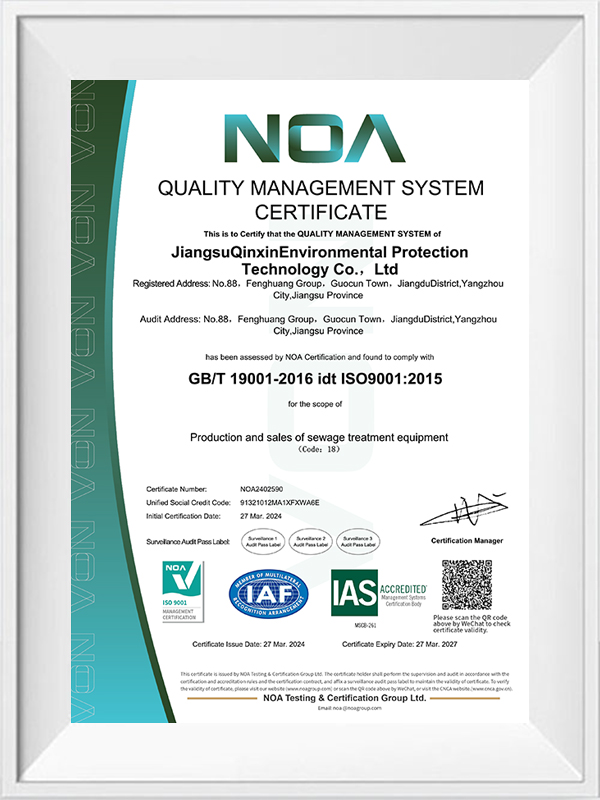
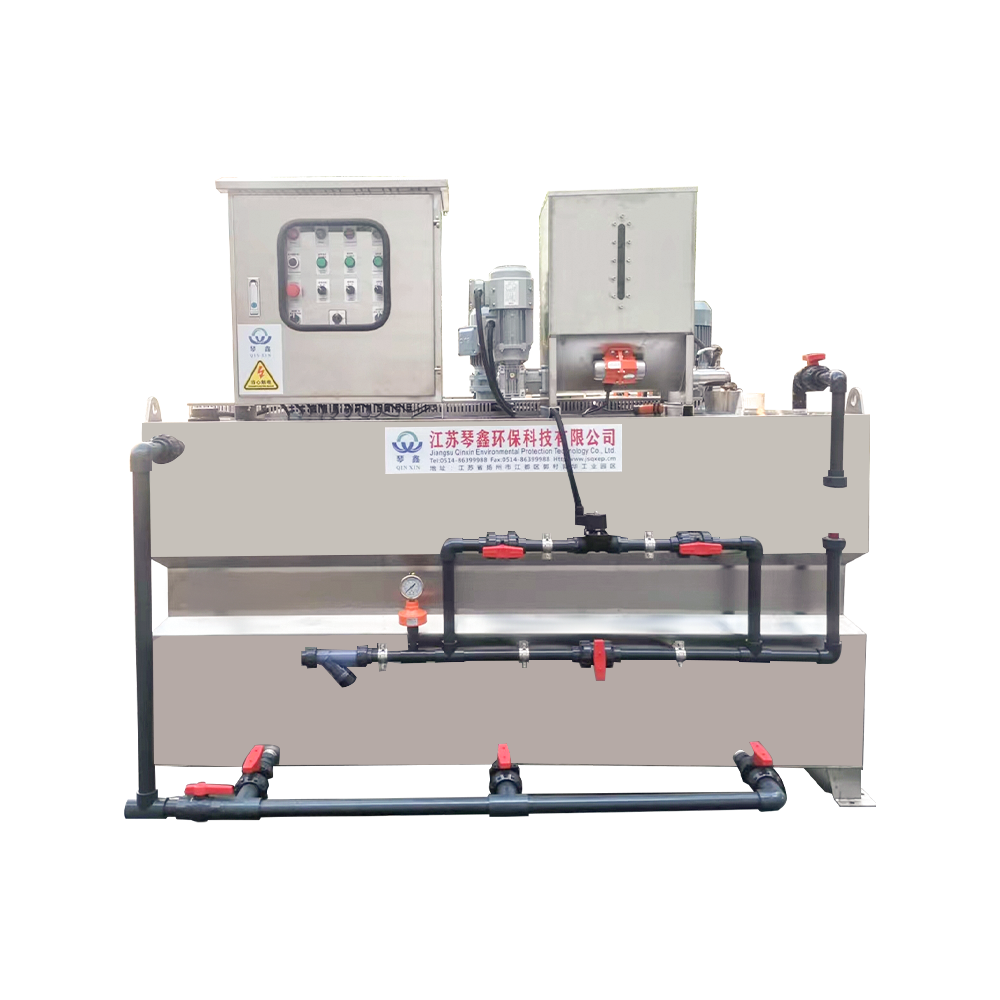
Yangzhou Qinxin Environmental Protection Technology Co., Ltd. is an integrated industry and trade enterprise committed to the research, development, and sales of environmental protection equipment. Our core products, including **screw sludge dewatering machine** and PAM integrated dosing devices, serve critical sectors like municipal, food, petrochemical, and pharmaceutical industries. Adhering to many years of practical experience and research, we hold multiple patents and comprehensive management system certifications. We leverage our technical expertise to guide clients on achieving the lowest Optimal moisture content for screw press sludge by precisely advising on factors like Screw shaft speed optimization for dewatering and the correct initial polymer dosage. Our high-grade equipment is mainly exported to Southeast Asian countries, positioning us as an important supplier of sewage treatment equipment. We are committed to achieving customer trust through strong technical force, advanced service awareness, and strict adherence to quality.
Frequently Asked Questions (FAQ)
1. Why is the Optimal moisture content for screw press sludge generally higher for municipal sludge than industrial sludge?
Municipal sludge has a higher organic and microbial content, making it highly hydrophilic (water-loving). This chemically binds water to the solids, making mechanical separation more difficult and leading to a higher minimum moisture content.
2. What is the main trade-off when performing Screw shaft speed optimization for dewatering?
The main trade-off is between sludge cake dryness and processing capacity. Slower speeds generally yield a drier cake (lower moisture content) due to longer residence time, but at the expense of lower hourly throughput (capacity).
3. How does the polymer flocculation process affect the Sludge type impact on screw dewatering efficiency?
Proper polymer flocculation is essential. Incorrect dosage or polymer type can lead to weak flocs that shear under the pressure of the **screw sludge dewatering machine**, releasing water and drastically reducing dewatering efficiency regardless of mechanical settings.
4. What critical function is controlled by the final pressure zone and by **Adjusting ring gaps in stacked screw dewatering**?
The final pressure zone controls the back pressure necessary for the last stage of mechanical dewatering. The adjustable gap mechanism controls this pressure, ensuring the sludge is compressed sufficiently without blocking the gaps or causing sludge 'blow-out.'
5. What does a Technical comparison of screw sludge press efficiency emphasize besides final moisture content?
The comparison also heavily emphasizes operational costs, specifically the consumption rates of the high-cost polymer flocculants, energy consumption (kW/h per ton of dry solid), and the required maintenance intervals.

 TOP
TOP