
 ENG
ENG
 English
 русский
 Español
 Tiếng Việt
 ไทย
ไทย
Article Directory
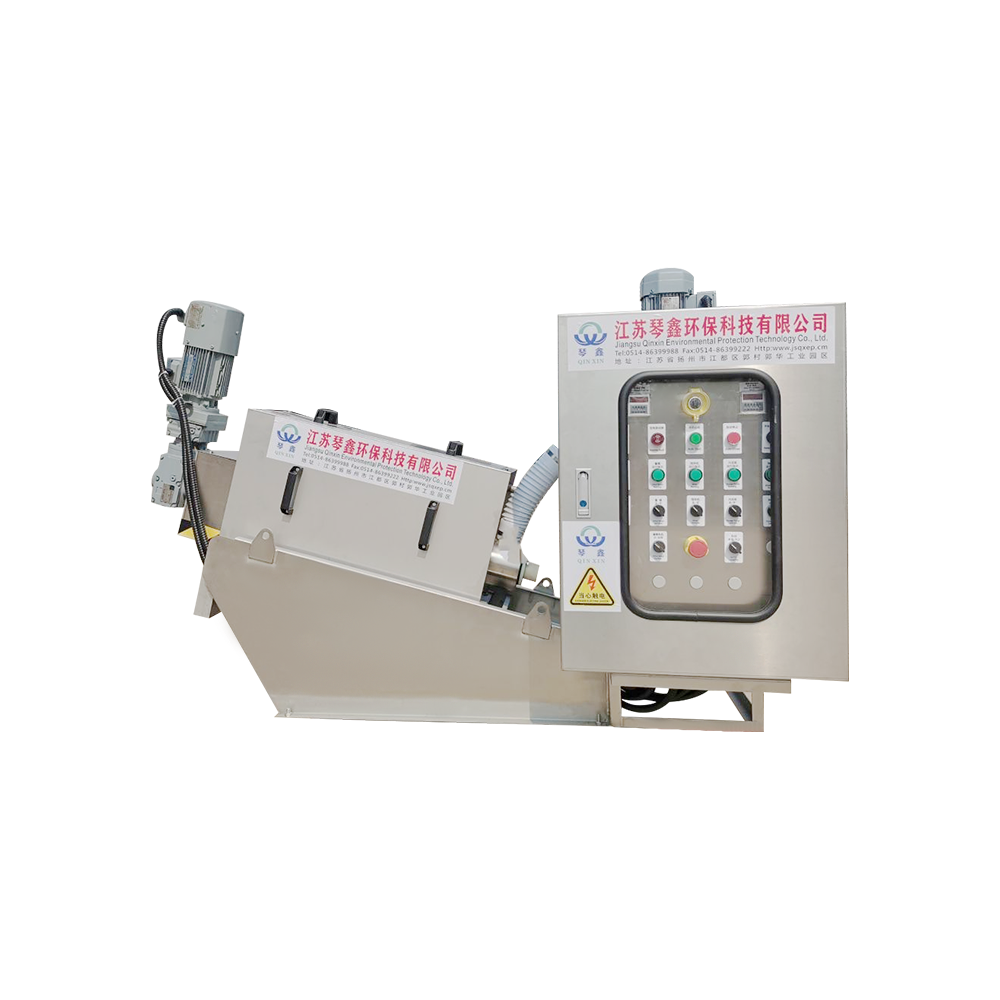
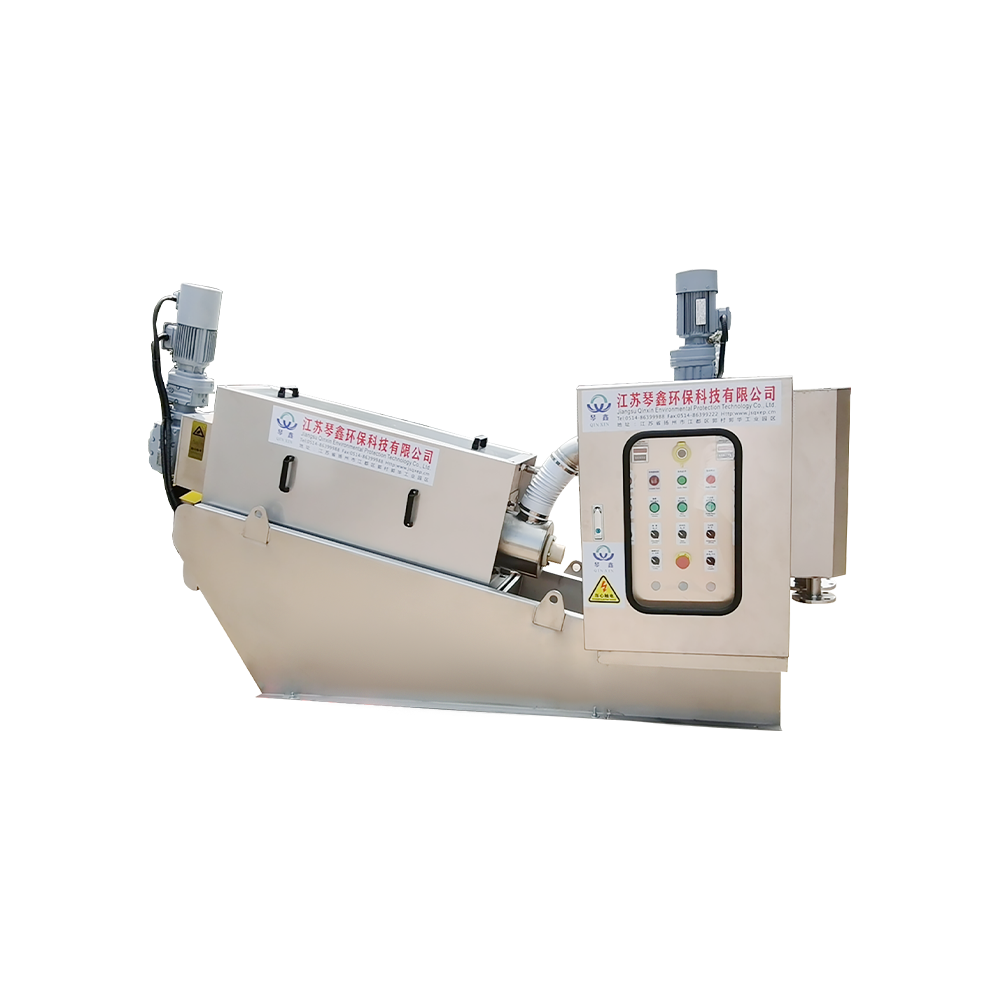
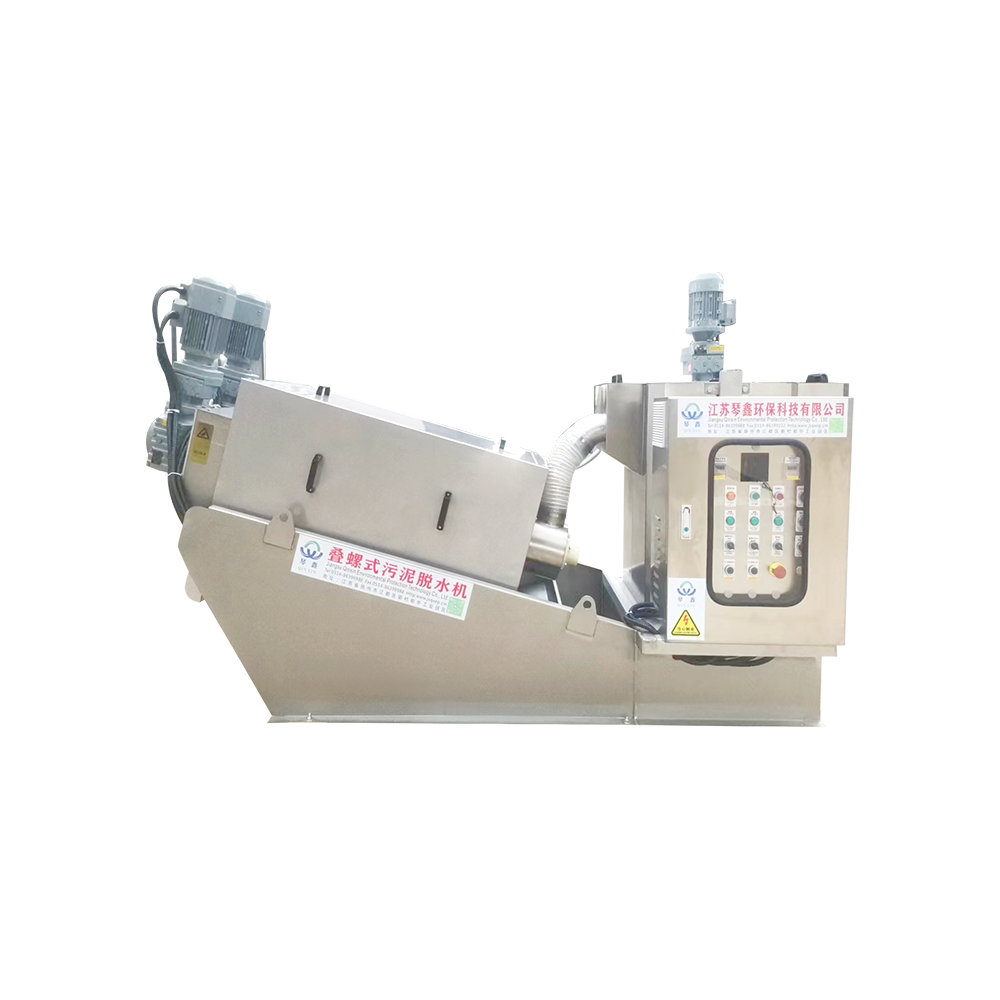
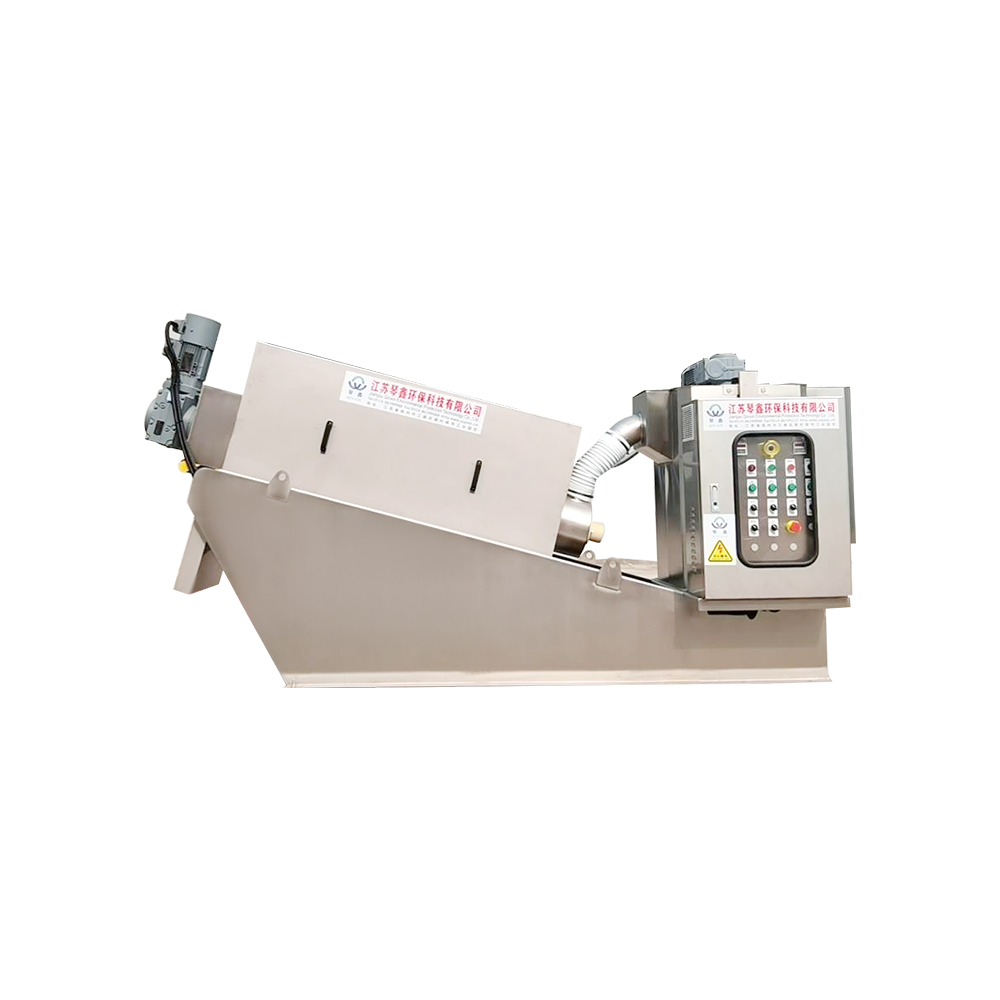
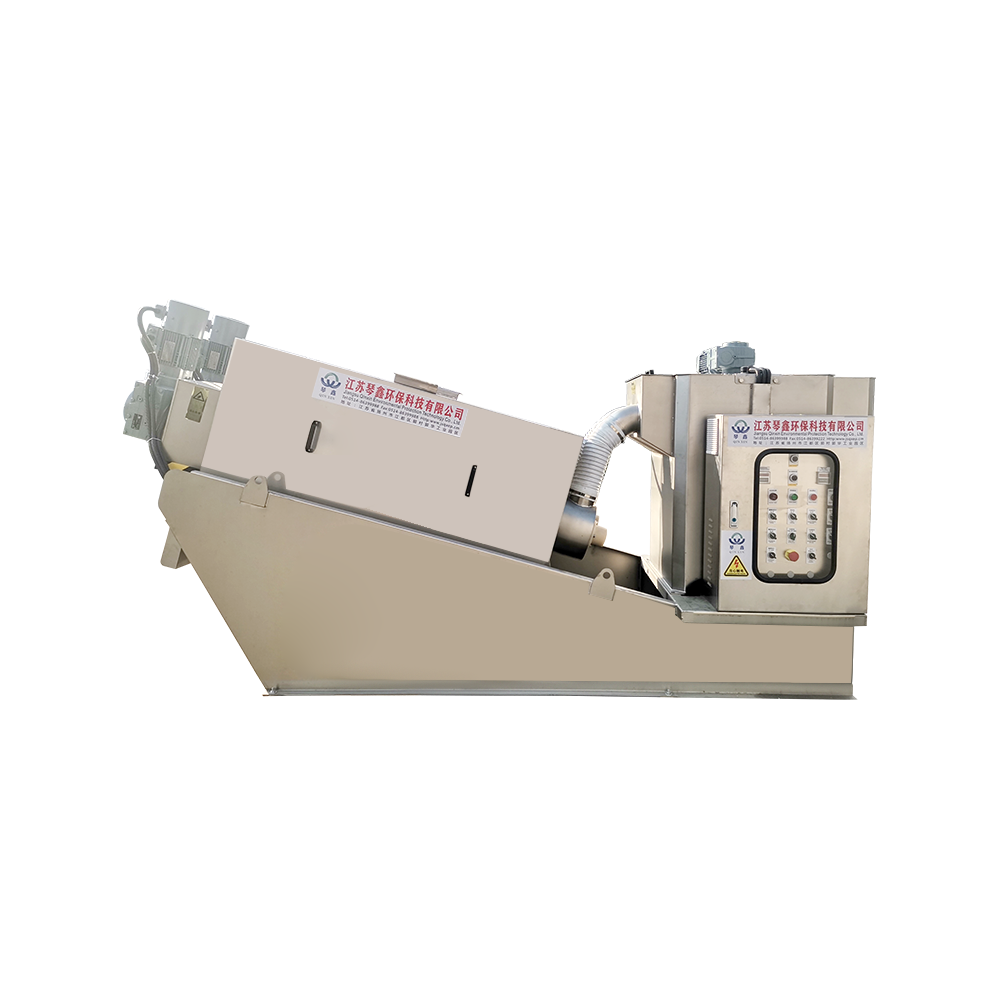
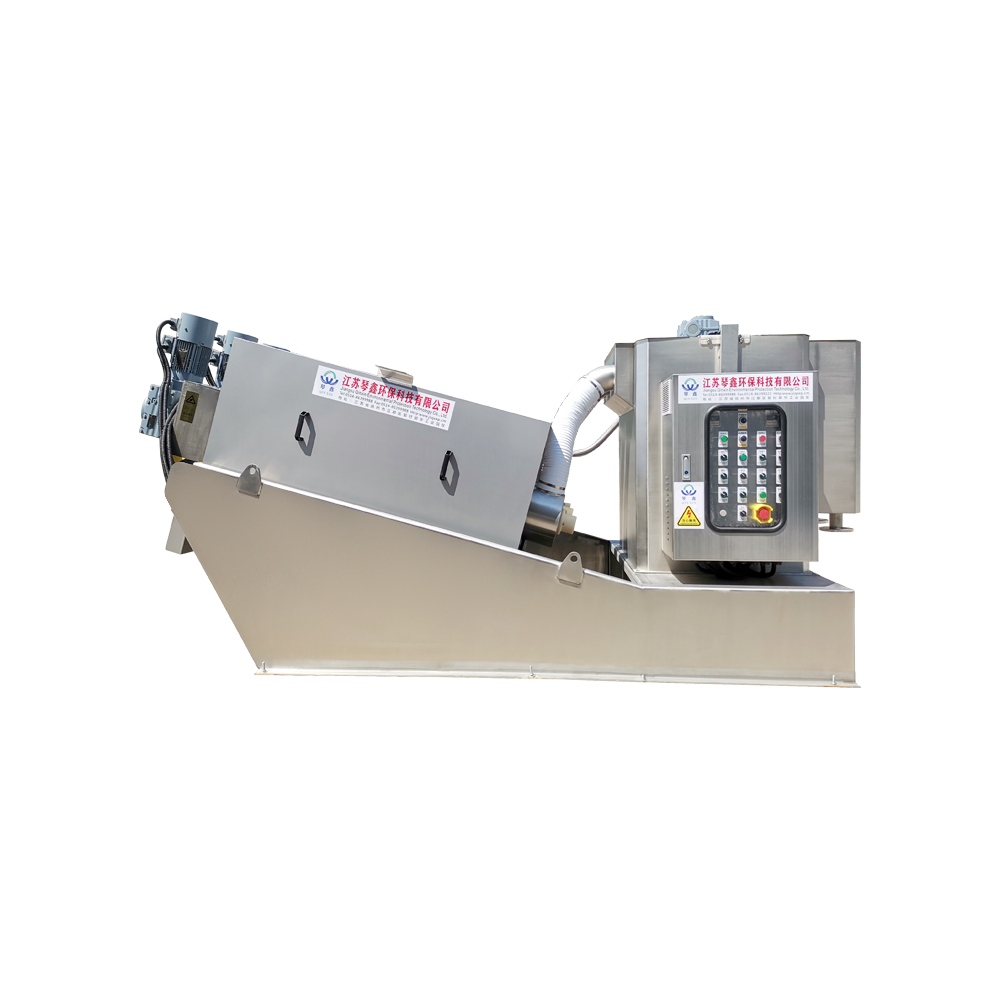
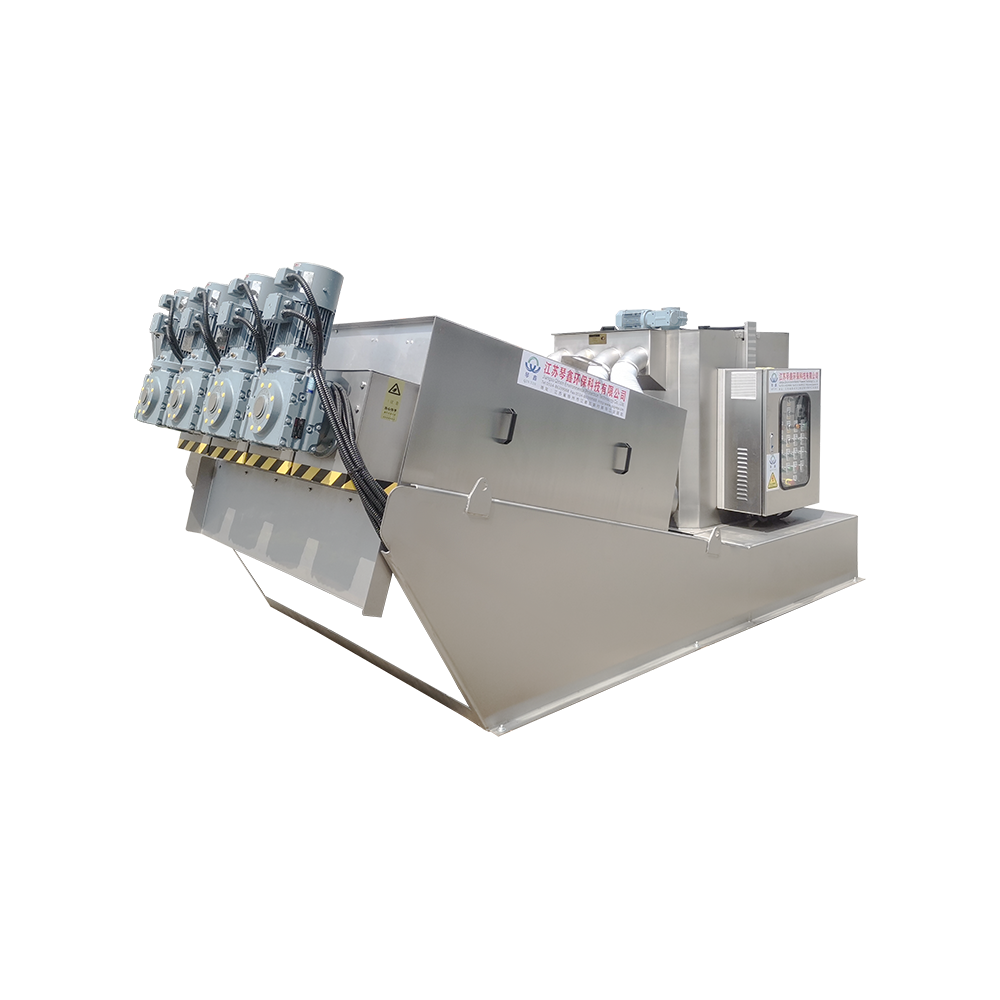
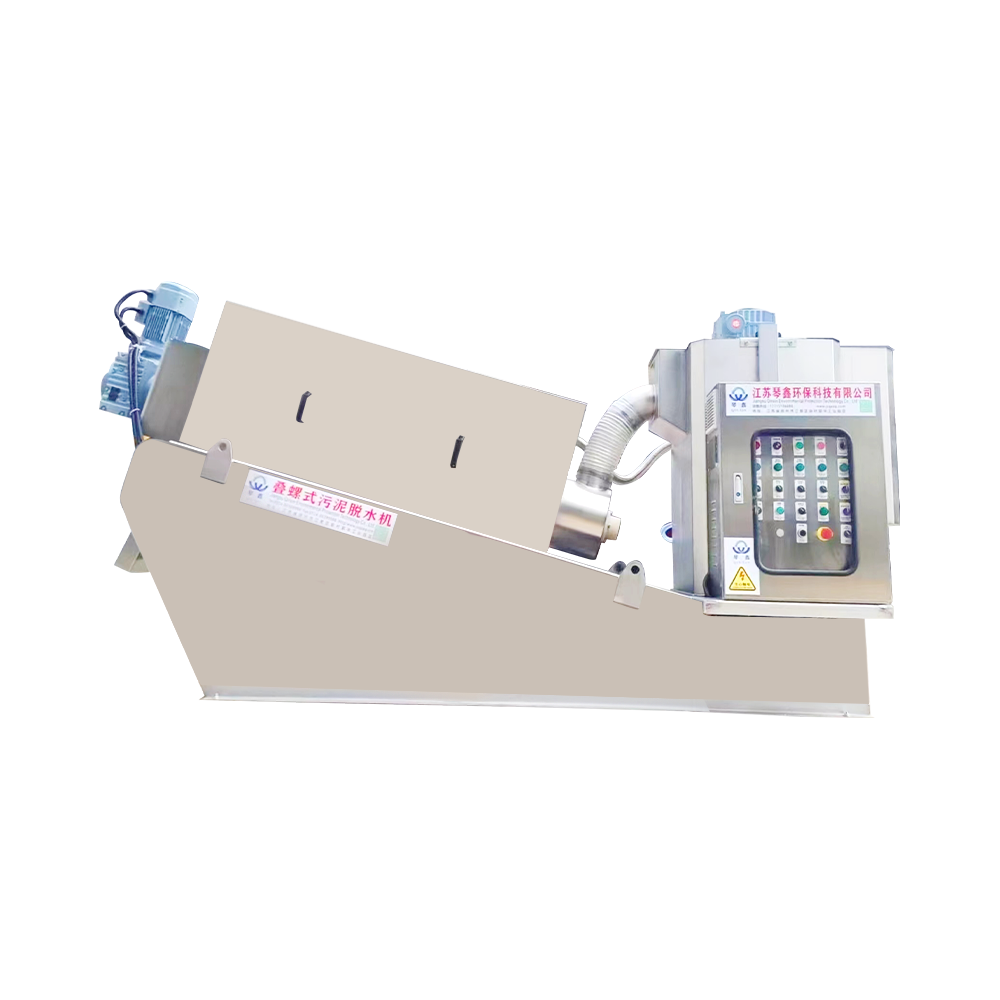
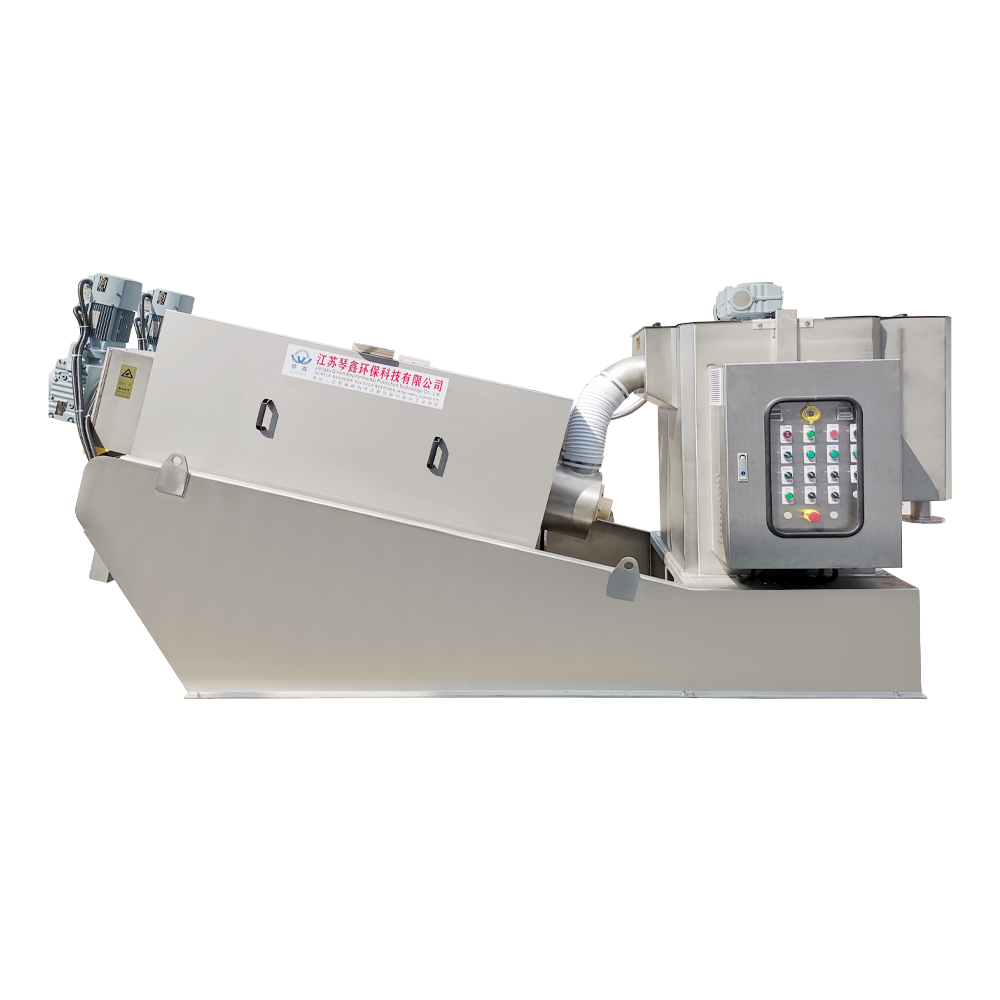
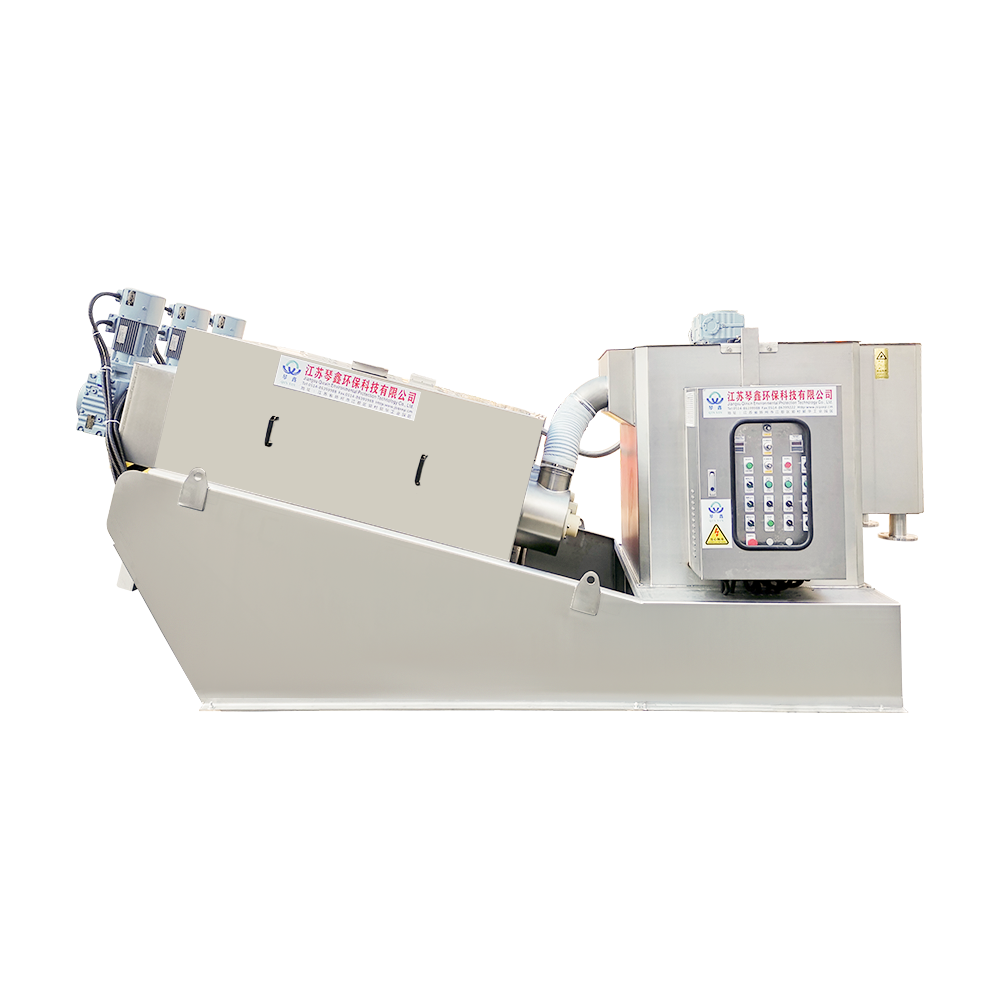
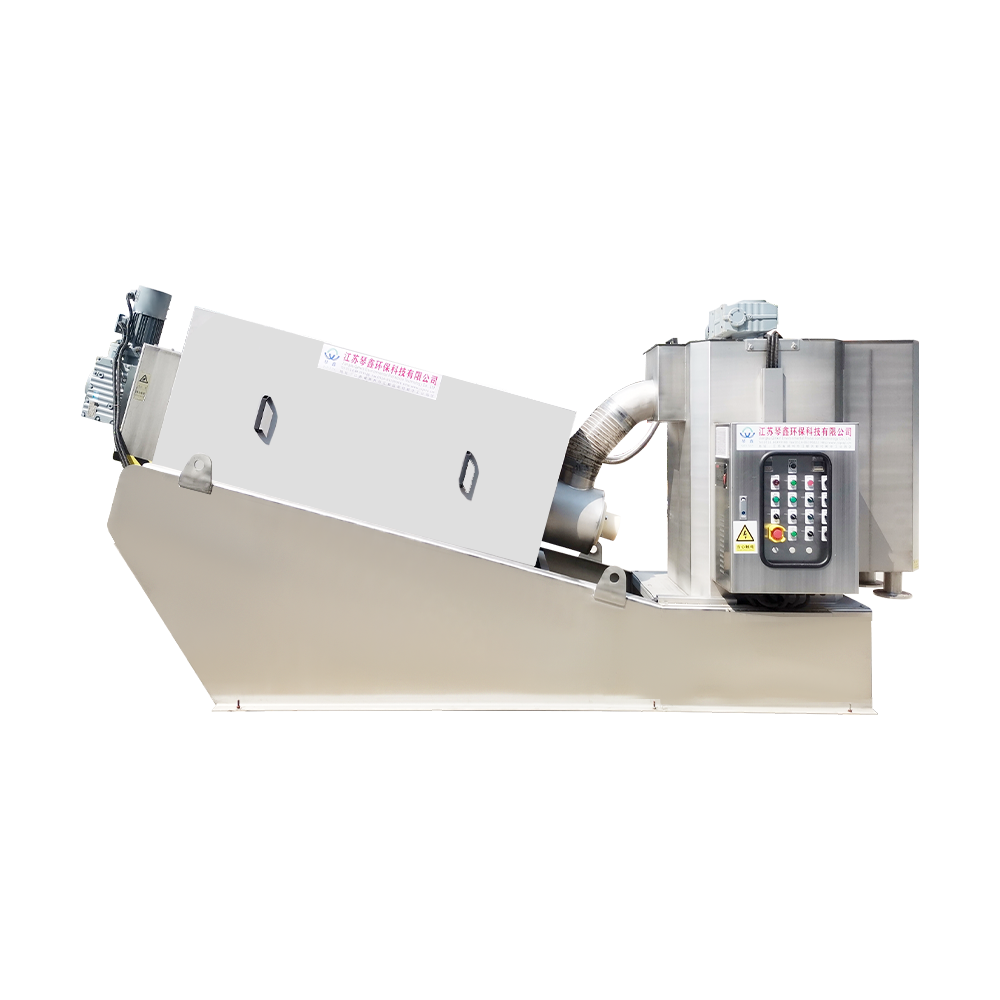
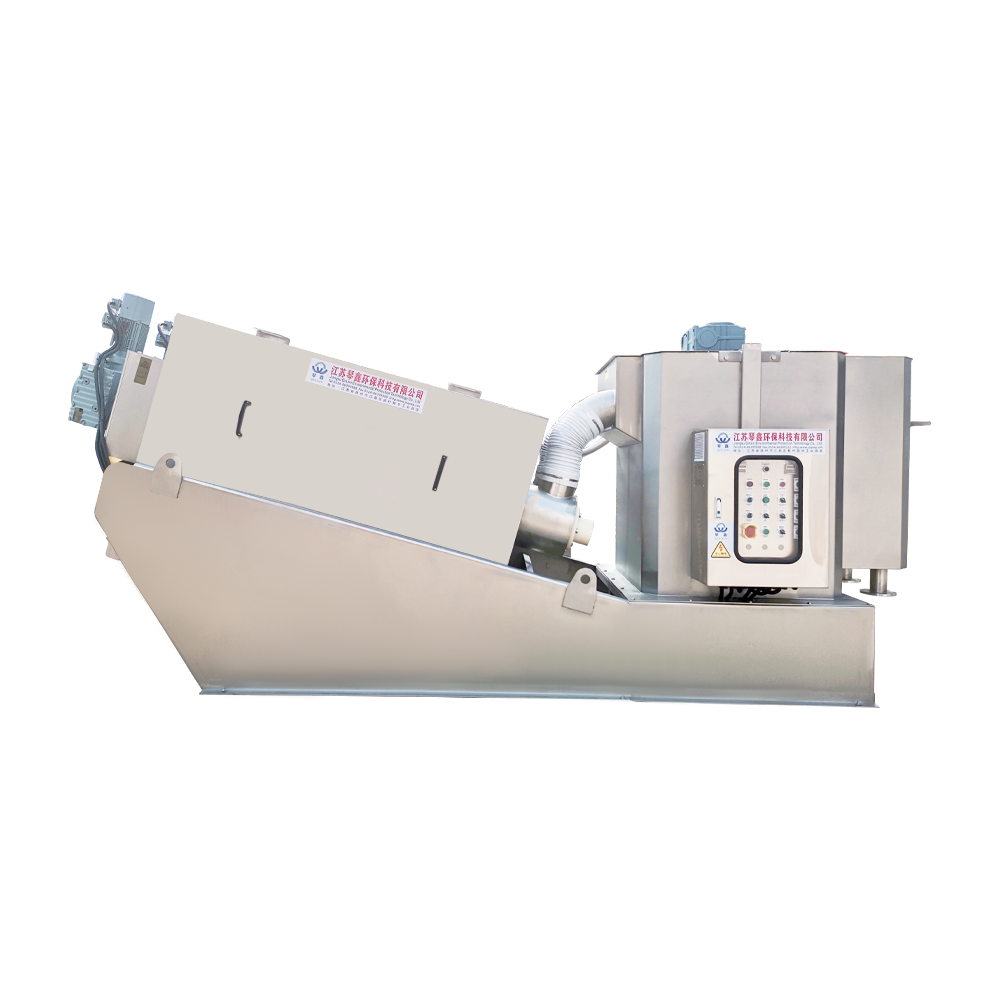
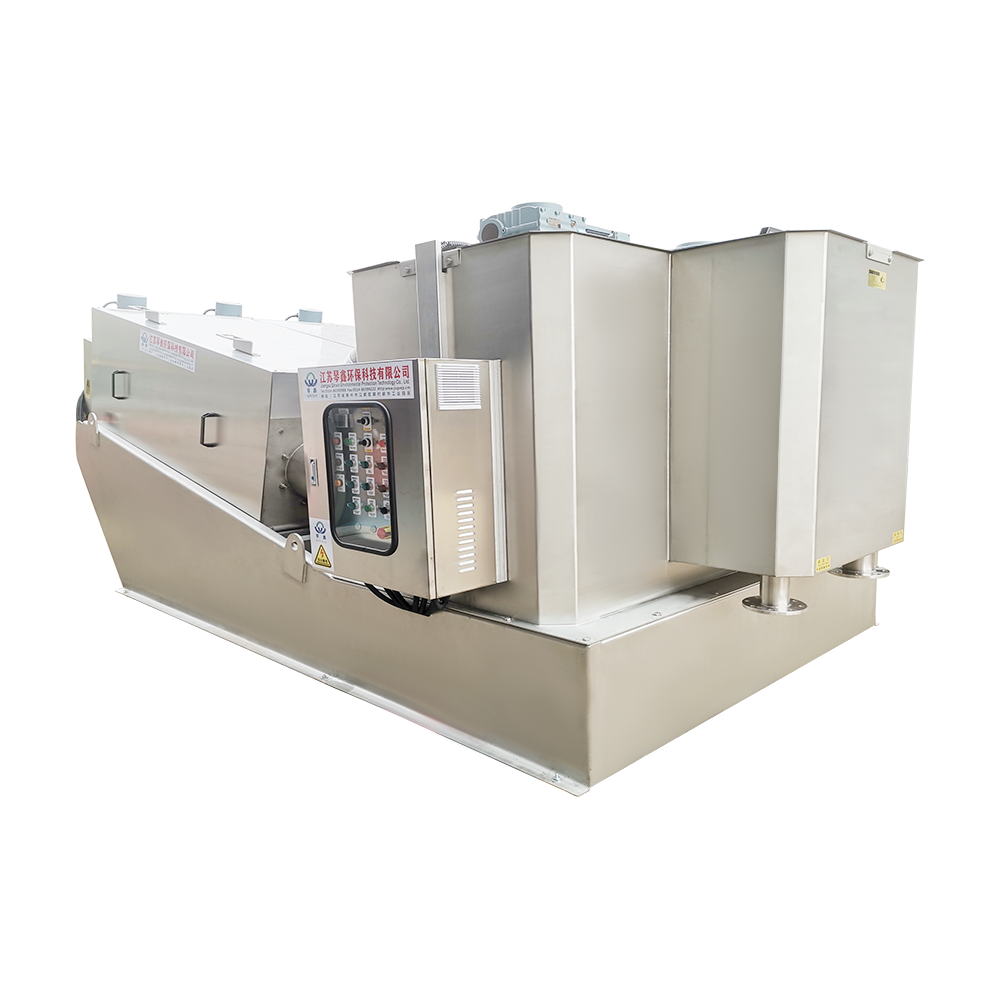
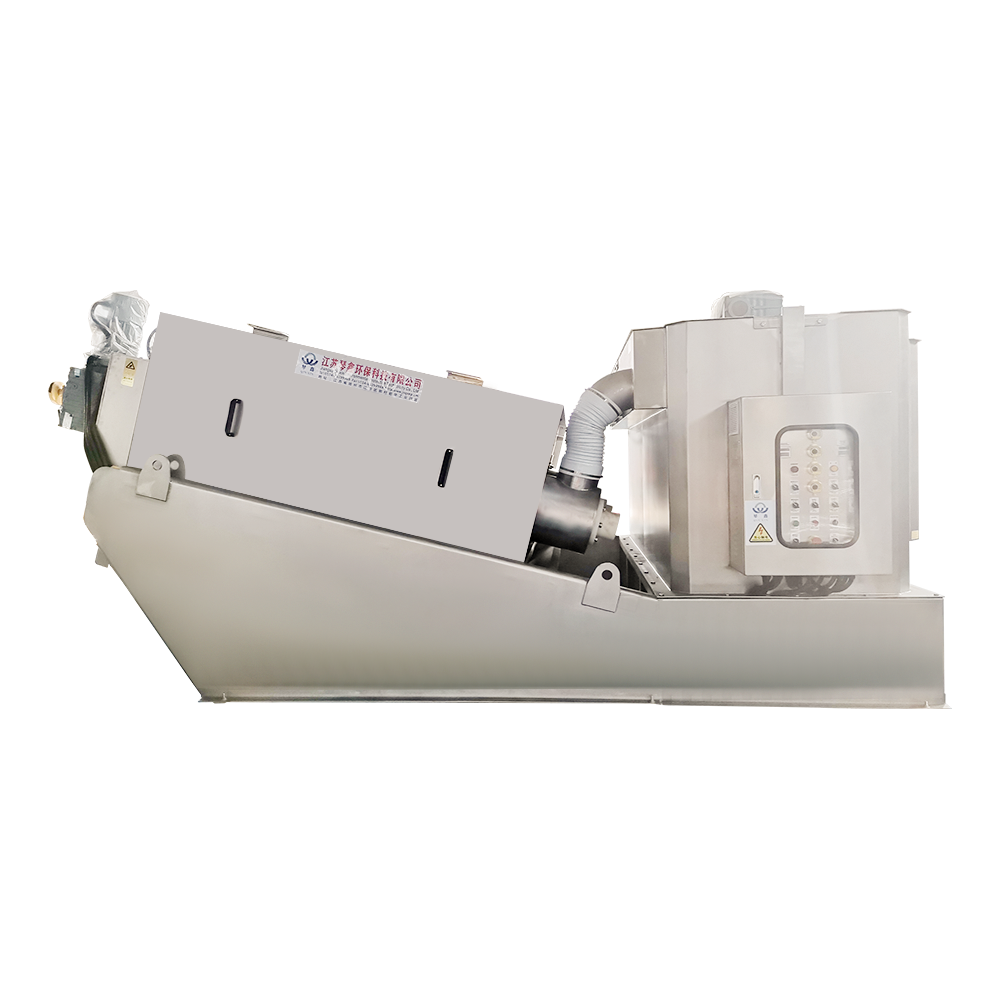
A screw sludge dewatering machine is mechanical equipment that reduces the water content of sludge by compressing it through a rotating screw within a filtering chamber, producing a drier cake for disposal or further processing. For wastewater treatment companies, municipal engineering contractors, and industrial environmental equipment suppliers, selecting the right dewatering system affects sludge cake dryness, operating cost, and how much manual intervention the process requires. This guide covers the main equipment types used in sludge dewatering, the treatment scenarios where screw press systems are typically applied, the performance properties worth evaluating, and how the system operates from feed to discharge.
GuideTypes of Screw Sludge Dewatering Machines
A useful types of screw sludge dewatering machine systems comparison starts with the internal filtering structure, since this determines both dewatering capacity and how the equipment handles different sludge characteristics.
- Multi Disk Screw Press. Uses a series of fixed and moving stainless steel disks along the screw shaft, creating a self-cleaning filtration path well suited to fibrous and variable sludge without frequent screen clogging.
- Sludge Dewatering Press. A broader category covering screw-based compression equipment designed to progressively reduce sludge volume as material moves through a tapering internal chamber.
- Mechanical Dewatering Equipment. Encompasses screw press systems alongside related mechanical dewatering technologies, distinguished from gravity or chemical-only dewatering methods by active compression.
- Industrial Sludge Dehydrator. Typically sized and reinforced for higher throughput industrial applications compared to smaller municipal or package treatment plant units.
- Continuous Screw Press System. Operates without batch interruption, feeding, compressing, and discharging sludge in an ongoing cycle suited to facilities requiring uninterrupted processing.
Multi disk screw press vs belt press comparison generally favors the screw press design for lower water consumption and reduced odor exposure, since the enclosed disk structure limits the open surface area associated with belt filtration systems. Continuous sludge dewatering screw press design has become a standard choice across many screw sludge dewatering machine installations because it reduces the operator attention required compared to batch dewatering equipment. Industrial sludge dehydration equipment types vary primarily in throughput capacity and disk or screen material, while wastewater sludge dewatering machine models are generally selected based on the specific solids loading and sludge characteristics of the source treatment process.
GuideApplications of Screw Sludge Dewatering Machines
Screw sludge dewatering machines are used across municipal, industrial, food processing, and paper industry treatment systems, with equipment sizing and configuration adjusted to the sludge type and volume produced.
Municipal Wastewater Treatment
Screw sludge dewatering machine for municipal plants installations are among the most common applications, where Wastewater Treatment Plant Equipment needs to process sludge volumes reliably with minimal operator involvement. Municipal Sludge Treatment programs increasingly favor continuous screw press systems over batch alternatives because they integrate more easily into automated plant control systems.
Industrial Wastewater and Sludge Management
Industrial wastewater sludge dewatering system applications often involve higher solids loading and more variable sludge composition than municipal systems. Industrial Sludge Management programs need equipment capable of handling this variability without frequent operator intervention or unplanned downtime, making robust screw press construction a priority in equipment selection.
A screw sludge dewatering machine mechanically compresses sludge through a rotating screw and filtering chamber, reducing water content to produce a drier cake suitable for disposal or further processing.
Food Processing Wastewater Treatment
Food industry sludge dewatering equipment use presents specific challenges related to sludge composition, since Food Processing Wastewater Treatment sludge often contains higher organic content than municipal sludge, affecting both dewatering performance and odor management requirements.
Paper Mill Sludge Dewatering
Paper mill sludge treatment screw press applications deal with fibrous sludge that behaves differently from biological municipal sludge. Paper Mill Sludge Dewatering equipment benefits particularly from multi disk screw press designs, since the self-cleaning disk mechanism resists the fiber buildup that can clog conventional screen-based systems.
Continuous Processing Facilities
Continuous sludge dehydration system applications extend across all of the above sectors wherever uninterrupted processing is preferred over batch operation, particularly in facilities where sludge generation is constant rather than scheduled in discrete batches.
GuideKey Performance Properties Buyers Should Evaluate
Evaluating a screw sludge dewatering machine requires looking at dry solids output, energy consumption, maintenance requirements, and the level of automation built into the system.
The percentage of solids remaining in the discharged cake, a primary indicator of dewatering effectiveness.
Power consumption relative to sludge throughput, affecting long-term operating cost.
Frequency and complexity of required servicing, including screen or disk cleaning and wear part replacement.
Degree of automatic operation for feeding, polymer dosing, and cleaning cycles without manual intervention.
Dry Solids Content and Cake Quality
Screw sludge dewatering machine dry solids rate is typically the single most referenced performance metric, since higher dry solids content directly reduces the volume and weight of sludge requiring disposal or further processing. Dry Solids Content Performance depends on sludge characteristics, polymer conditioning quality, and the specific screw press design, so buyers should evaluate performance data specific to their sludge type rather than general industry figures alone.
Energy Consumption and Operating Cost
Energy saving sludge dewatering performance is an increasingly important evaluation criterion as treatment facilities focus on reducing operating expenses. An Energy Efficient Dewatering System typically achieves this through lower motor power requirements relative to throughput, though actual energy consumption depends heavily on sludge characteristics and required dry solids target.
Maintenance Requirements and Downtime
Low maintenance screw press system benefits are closely tied to the self-cleaning capability of multi disk designs, which reduce the manual cleaning frequency required compared to screen-based dewatering equipment. A Low Maintenance Screw Press design reduces both direct maintenance labor and the operational downtime associated with cleaning and wear part replacement.
Automation and Process Control
Continuous sludge dewatering efficiency comparison across different equipment options often comes down to automation level as much as raw mechanical performance. Automatic Operation Sludge System designs integrate feeding, polymer dosing, and cleaning functions into a coordinated control sequence, reducing the operator attention required for day-to-day operation. High performance sludge dehydration equipment generally combines strong dry solids output with this kind of automated process control rather than achieving performance through manual operator adjustment alone.
| Equipment Type | Cleaning Method | Typical Sludge Type |
| Multi Disk Screw Press | Self-cleaning disk rotation | Fibrous, variable municipal sludge |
| Screen-Type Screw Press | Periodic manual/automatic flush | Consistent biological sludge |
| Belt Press | Belt wash system | High-volume municipal sludge |
GuideOperation and System Design Considerations
How screw sludge dewatering machine works in practice depends on the coordinated operation of feeding, conditioning, compression, and cleaning stages.
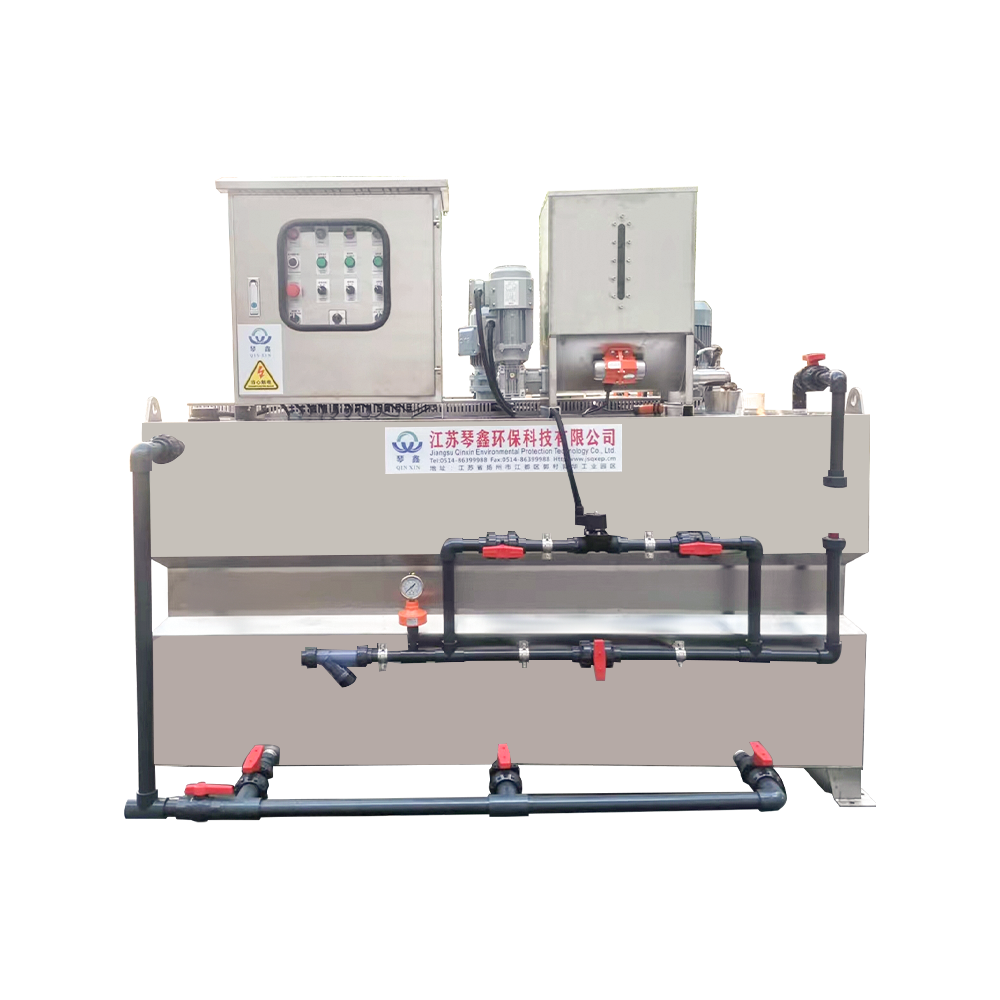
Sludge feed pump integration needs to deliver a consistent, controllable flow rate into the dewatering chamber, since inconsistent feeding can affect both dry solids performance and equipment wear over time. Sludge dewatering polymer dosing optimization is closely linked to feed consistency, as a Polymer Dosing System calibrated for one flow rate may under- or over-dose sludge arriving at a different rate, reducing flocculation quality. Screw press sludge feeding system design should account for this relationship rather than treating feed pump and dosing system as independent components. The Screw Compression Mechanism itself progressively reduces the internal chamber volume as sludge moves along the screw, building pressure gradually to extract water without excessive mechanical stress on a single point. Automatic cleaning system for sludge press equipment periodically flushes or rotates filtering surfaces to prevent buildup, and this Automatic Cleaning System function is a major contributor to the reduced manual maintenance associated with modern screw press designs. Wastewater sludge handling system integration extends beyond the dewatering unit itself to include upstream thickening and downstream cake handling, and buyers should evaluate how a given screw press fits into this broader system rather than assessing the dewatering unit in isolation.
FAQ
What is a screw sludge dewatering machine?
A screw sludge dewatering machine is mechanical equipment that reduces sludge water content by compressing it through a rotating screw within a filtering chamber, producing a drier cake for disposal or further treatment.
How does screw sludge dewatering work?
Screw sludge dewatering works by feeding conditioned sludge into a chamber where a rotating screw progressively compresses the material against a filtering surface, squeezing out water while the remaining solids form a discharged cake.
What is dry solids content in sludge dewatering?
Dry solids content refers to the percentage of solid material remaining in the sludge cake after dewatering, with higher percentages indicating more effective water removal and reduced sludge volume for disposal.
Is a screw press better than a belt press?
Screw press systems generally offer lower water consumption, reduced odor exposure due to enclosed operation, and lower maintenance requirements compared to belt press systems, though the best choice depends on specific sludge characteristics and throughput needs.
How often does a sludge dewatering machine need maintenance?
Maintenance frequency depends on sludge characteristics and equipment design, with self-cleaning multi disk screw press systems generally requiring less frequent manual intervention than screen-based dewatering equipment.
Can a screw press handle industrial sludge?
Yes, screw press systems are widely used for industrial sludge management, though equipment sizing and configuration should be matched to the specific solids loading and sludge composition of the industrial process generating the sludge.
Final Thoughts
Selecting the right screw sludge dewatering machine depends on matching filtration design, dry solids performance, and automation level to the specific sludge type and treatment scenario, whether that is a municipal plant, industrial facility, or food and paper processing operation. Multi disk designs generally offer stronger self-cleaning performance for fibrous and variable sludge, while overall system efficiency depends as much on feed pump and polymer dosing integration as on the dewatering unit itself. Balancing dry solids output, energy consumption, and maintenance demand against operational priorities supports a dewatering system that performs reliably over the long term.

 TOP
TOP