
 ENG
ENG
 English
 русский
 Español
 Tiếng Việt
 ไทย
ไทย
Article Directory
- 1 How Screw Press Sludge Dewatering Achieves High Efficiency
- 2 Throughput Capacity: Matching the Machine to the Flow
- 3 Energy Consumption: The Screw Press Advantage Over High-Speed Alternatives
- 4 Maintenance Profile: Low Intervention by Design
- 5 Screw Press vs Belt Filter Press: A Direct Comparison
- 6 Screw Press Sludge Dewatering for Wastewater Treatment: Application Fit
- 7 Key Selection Parameters When Specifying a Unit
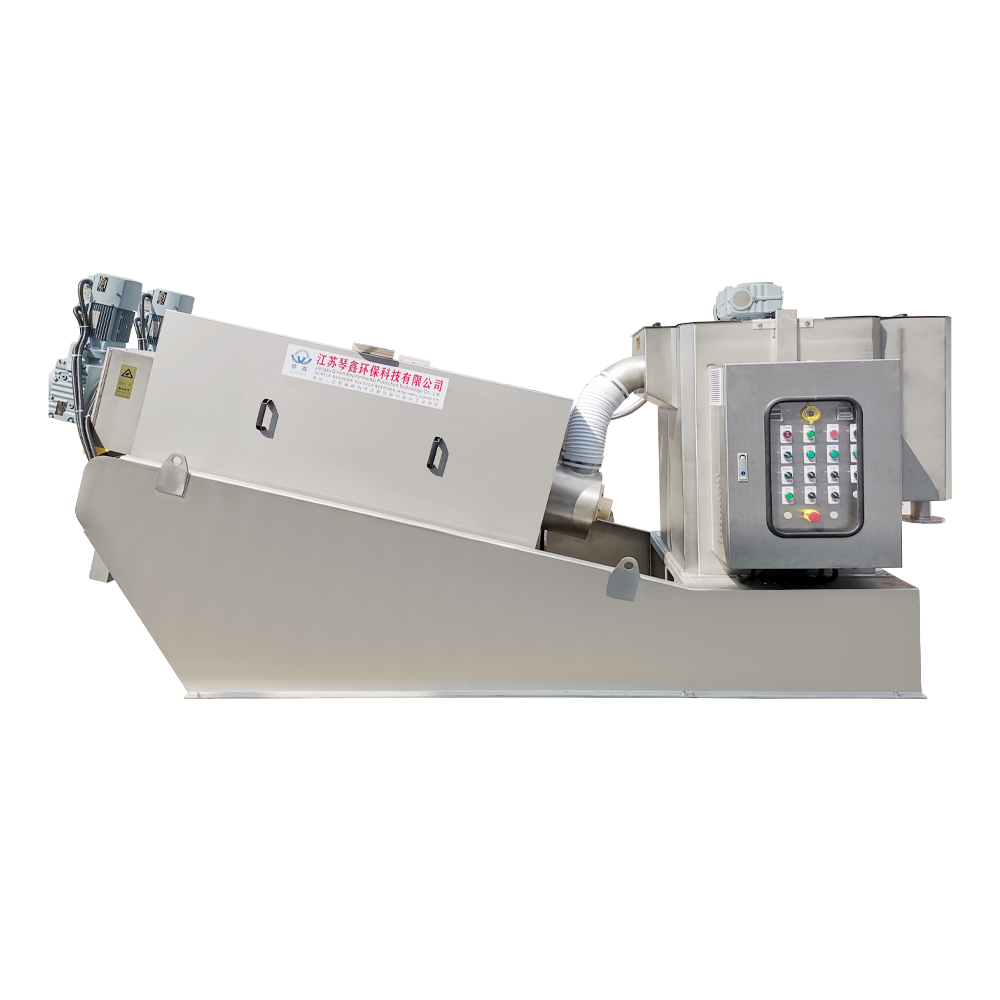
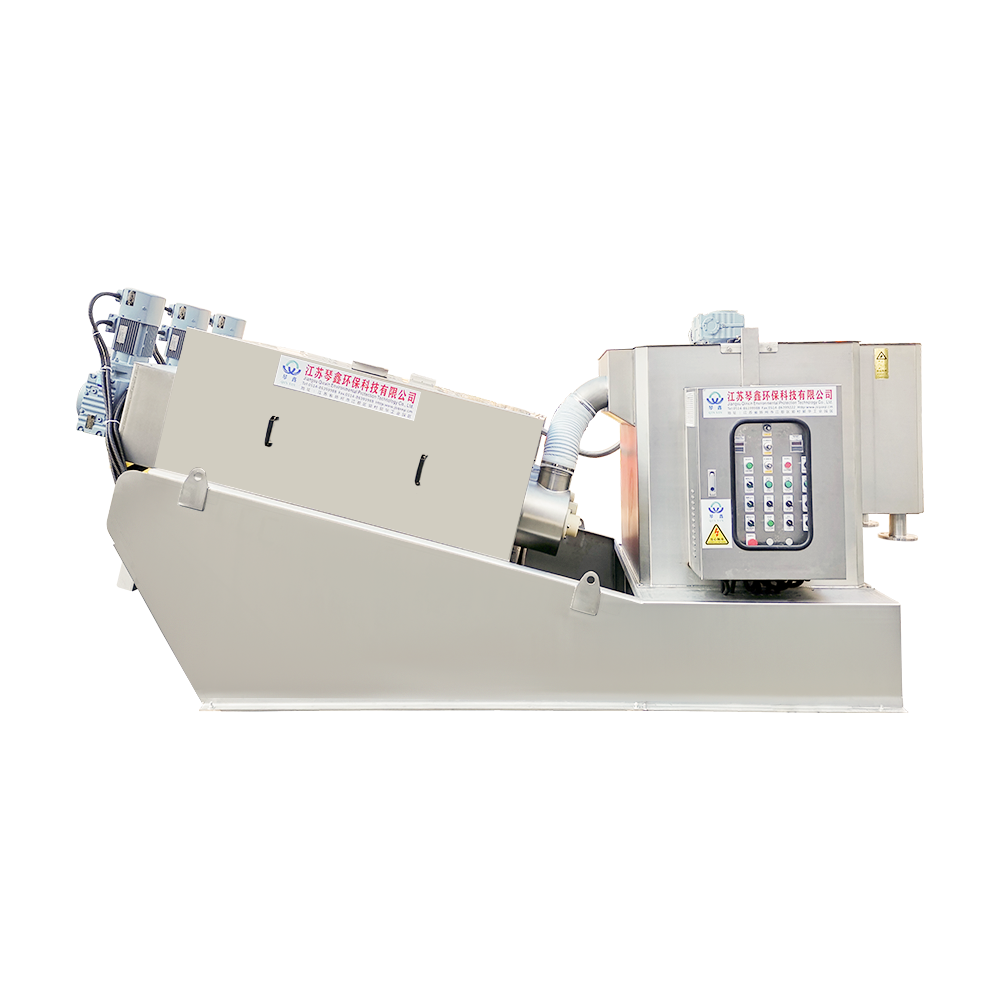
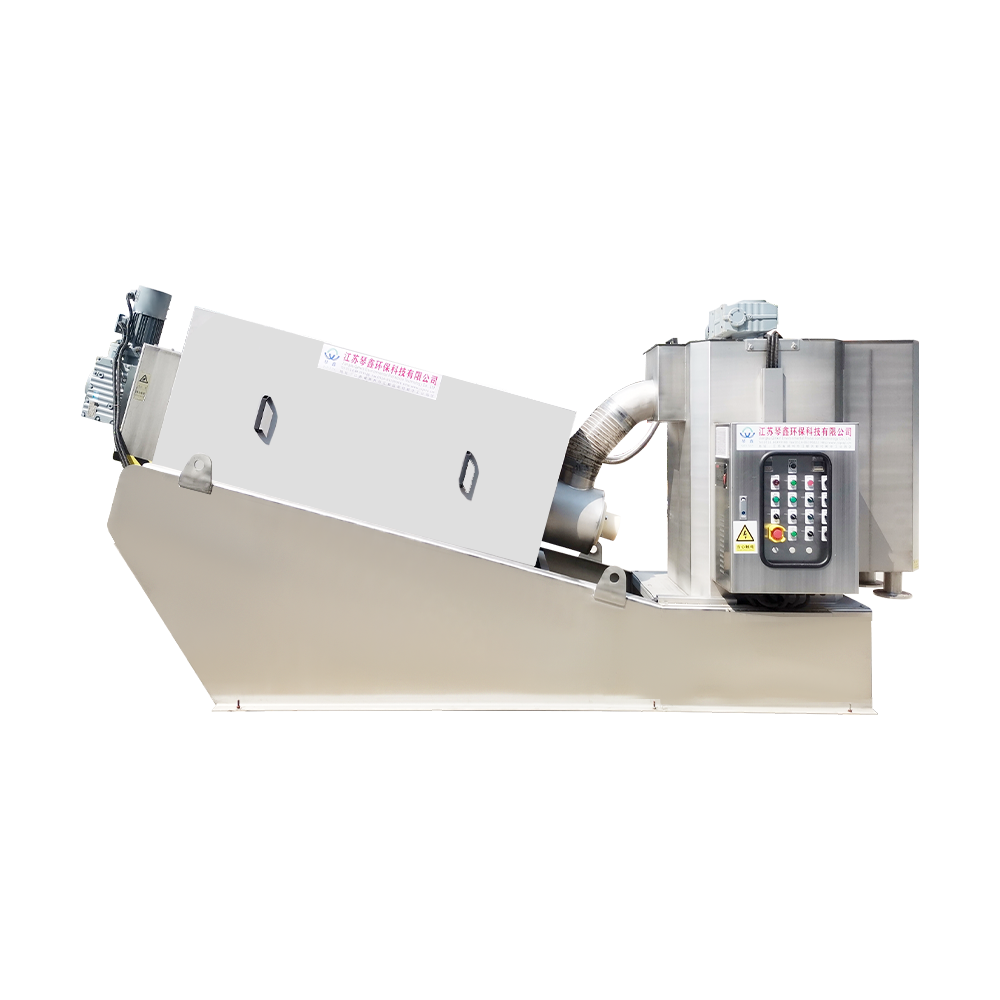
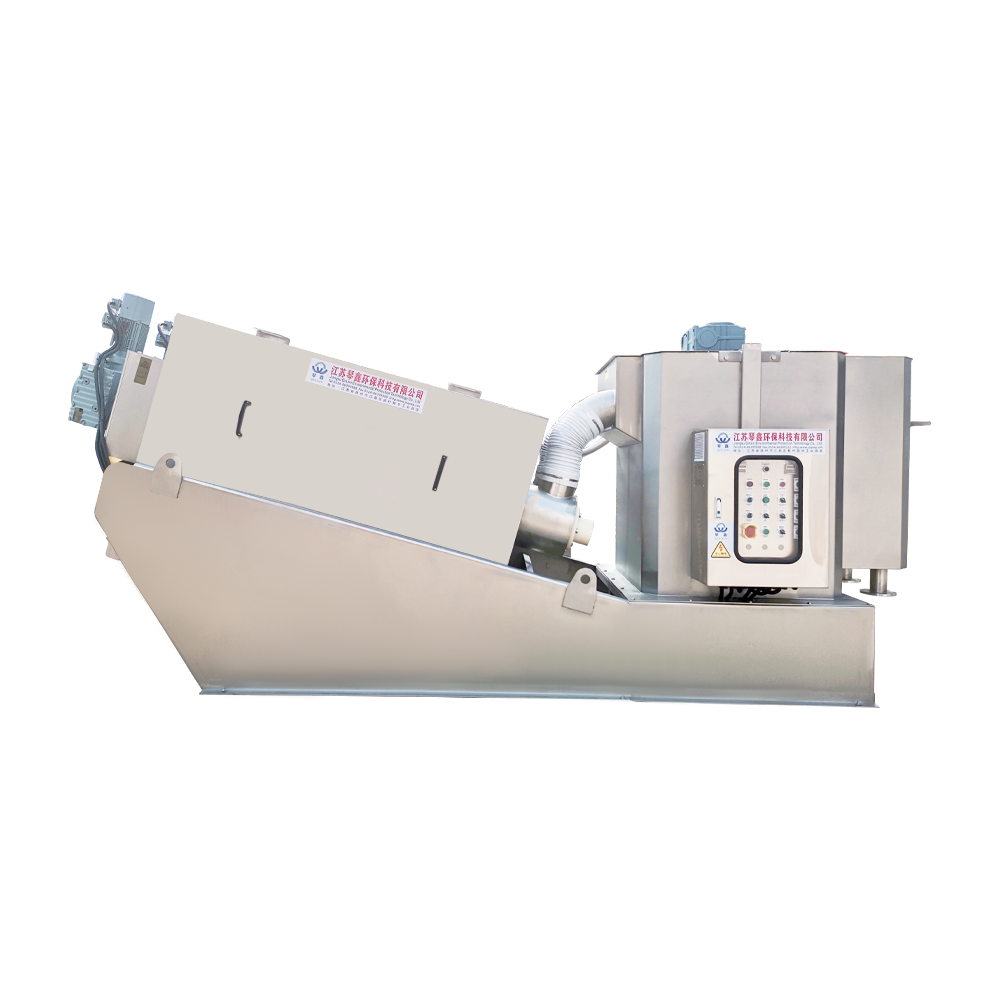
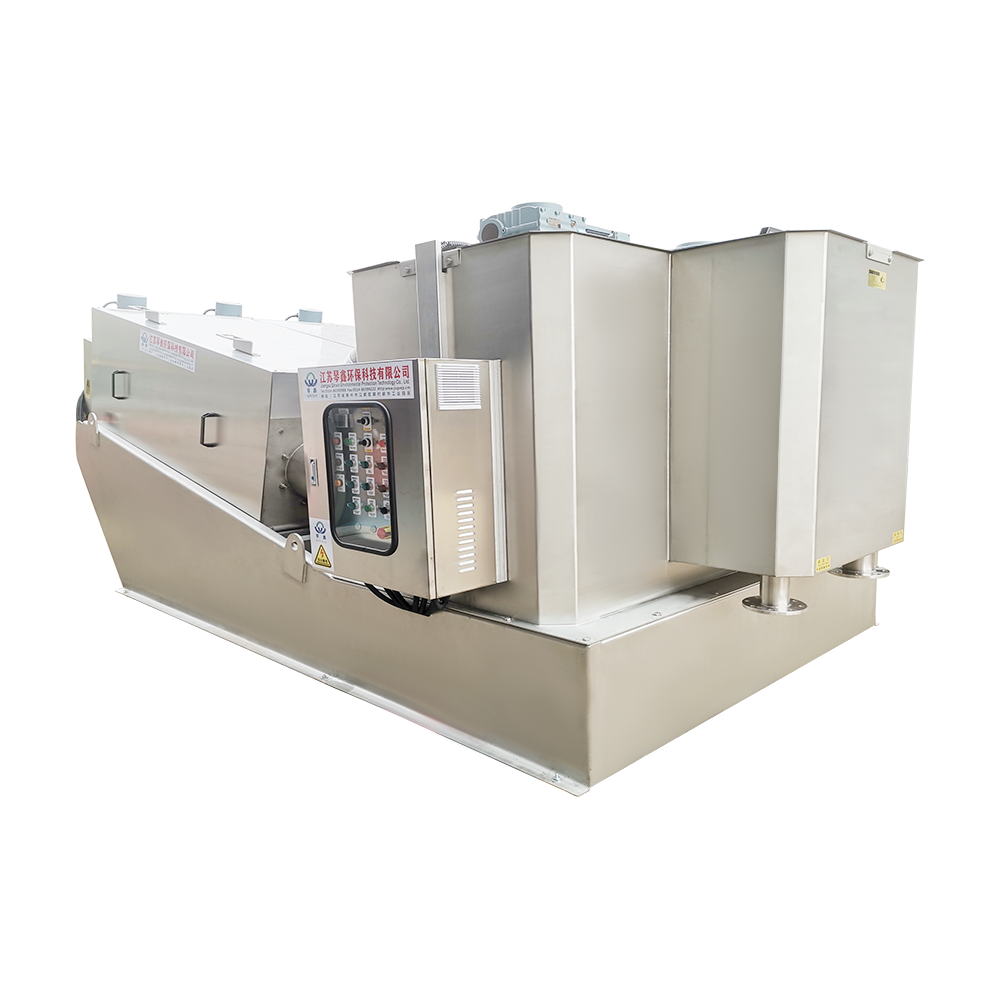
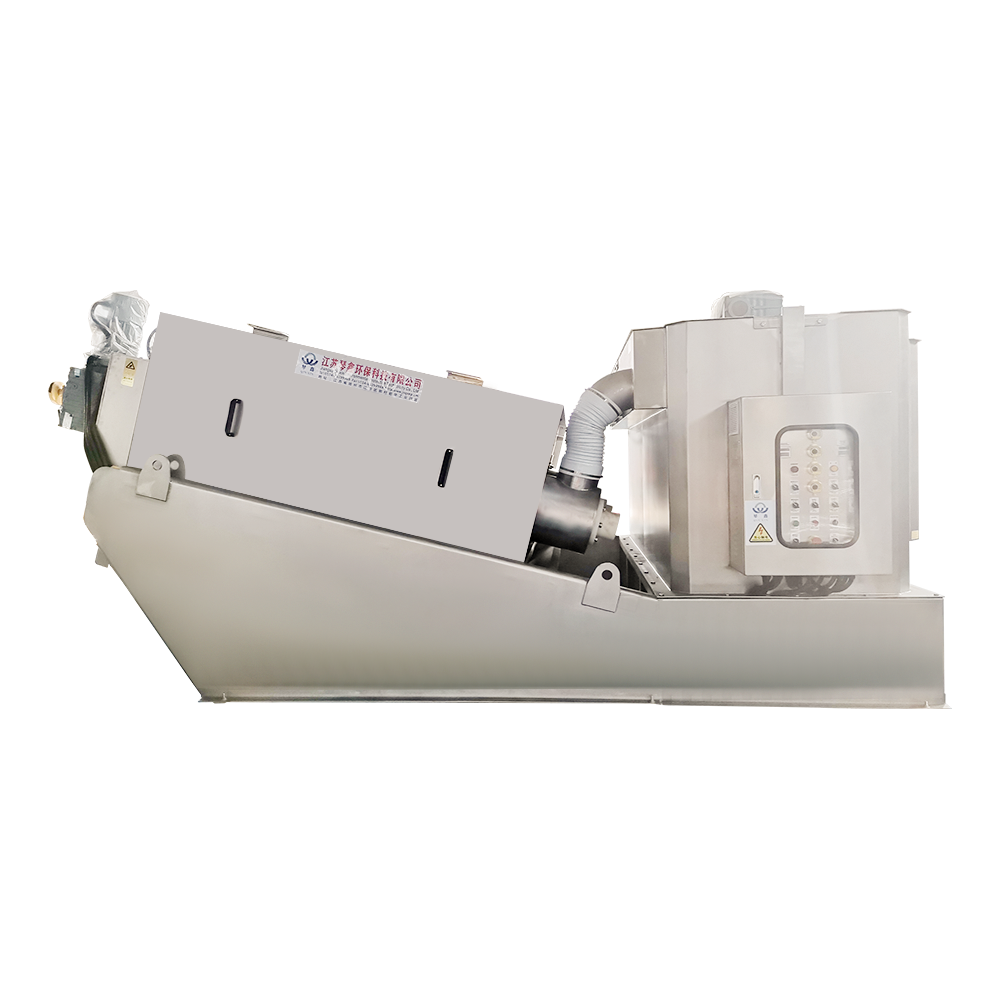
Municipal and industrial wastewater facilities managing sludge disposal costs have increasingly turned to the screw press sludge dewatering system as the operationally superior alternative to centrifuges and belt filter presses. By combining slow-speed mechanical compression with continuous self-cleaning ring and screw action, these systems achieve cake solids content of 18 to 28% dry weight while consuming a fraction of the energy and maintenance resources demanded by conventional dewatering technologies.
How Screw Press Sludge Dewatering Achieves High Efficiency
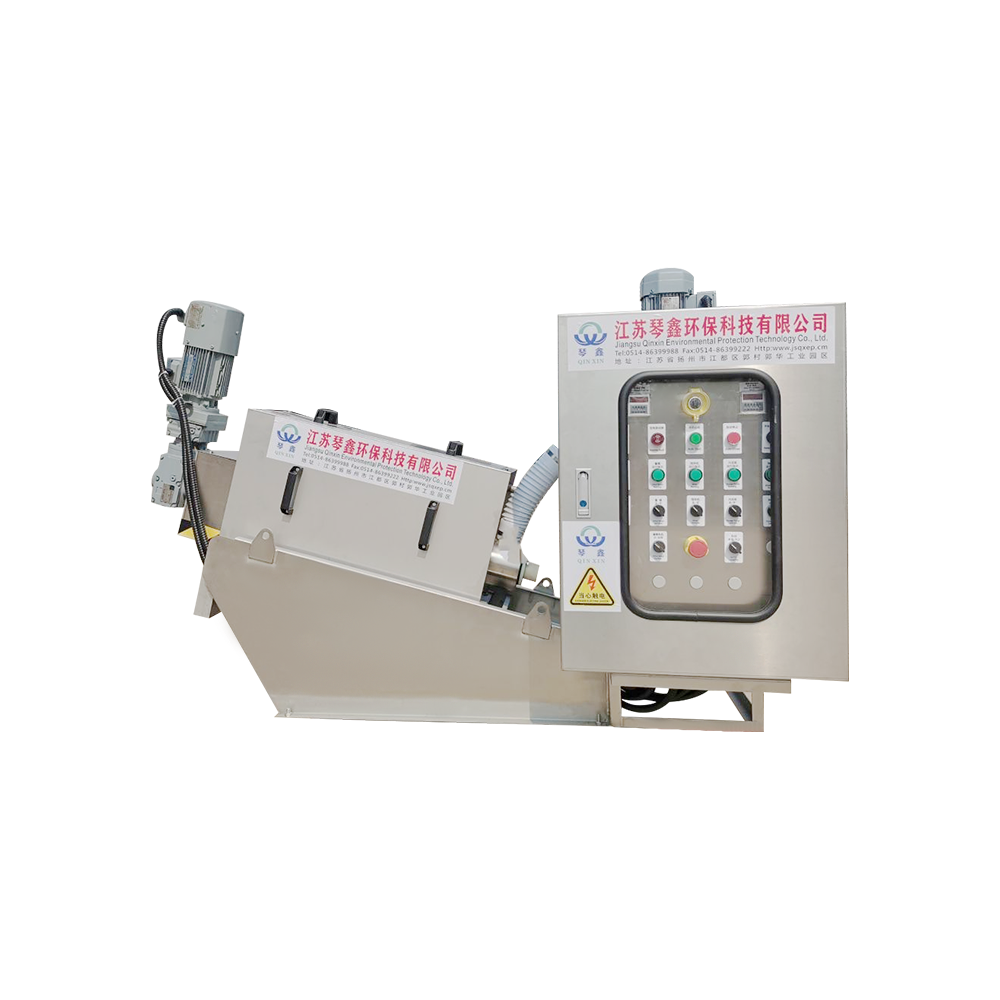
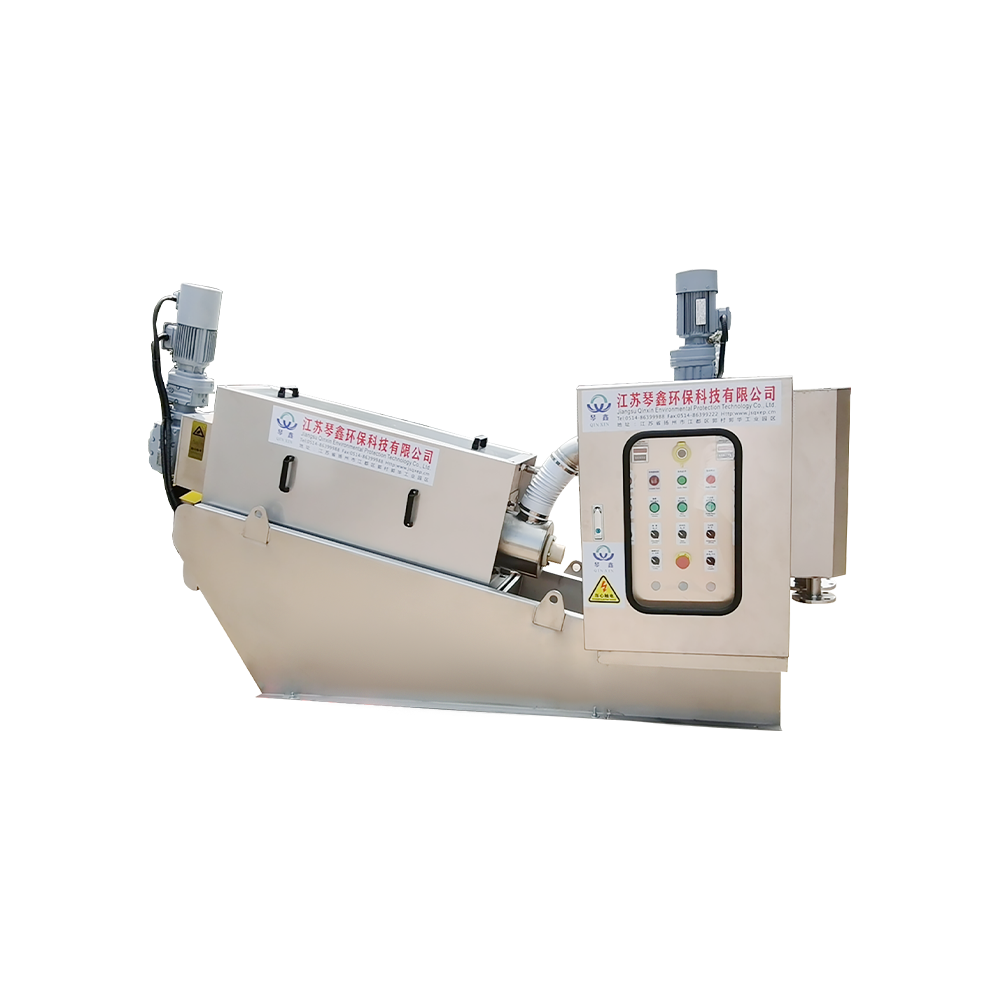
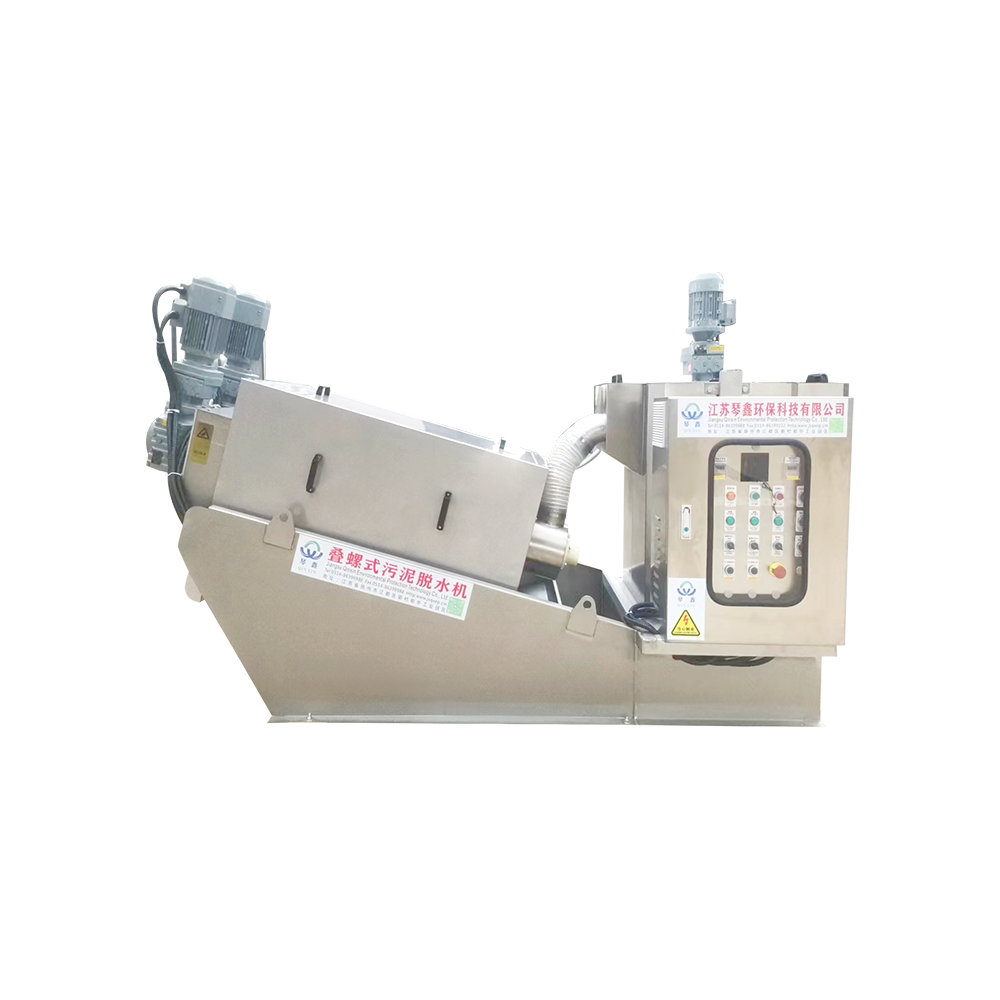
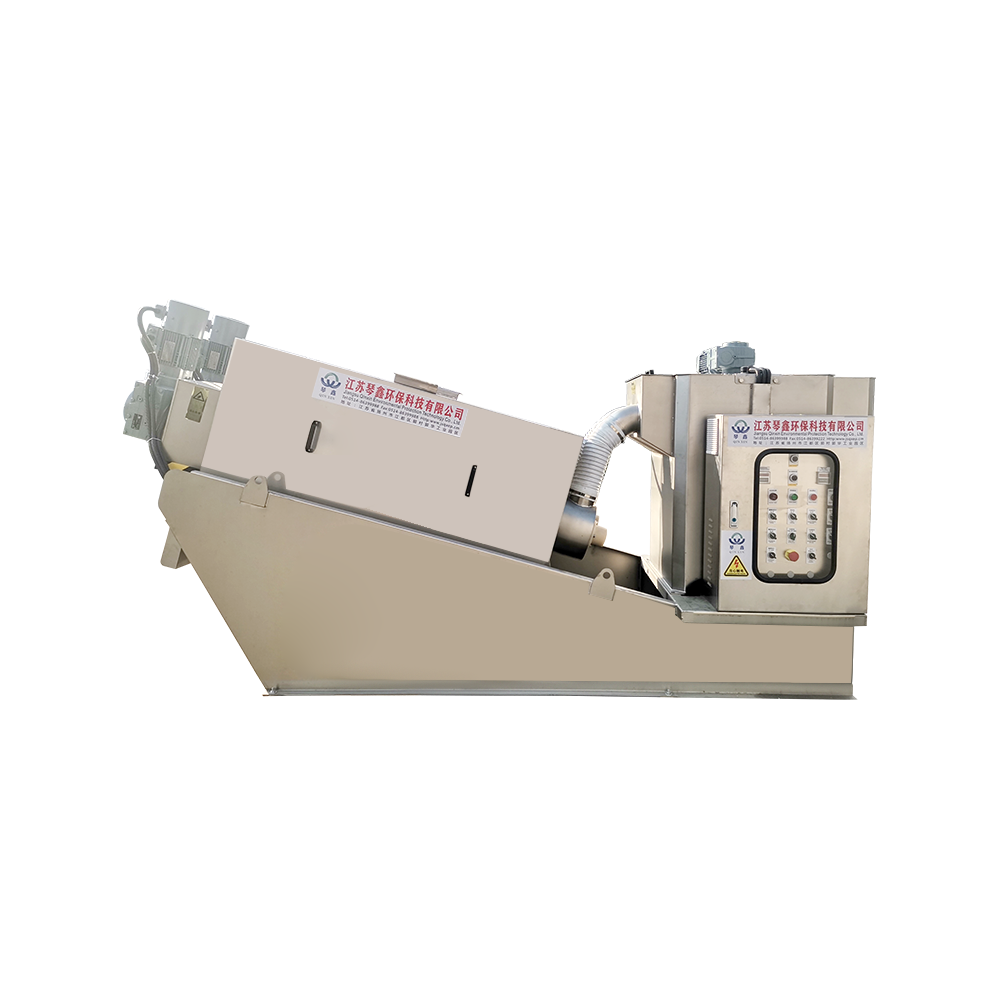
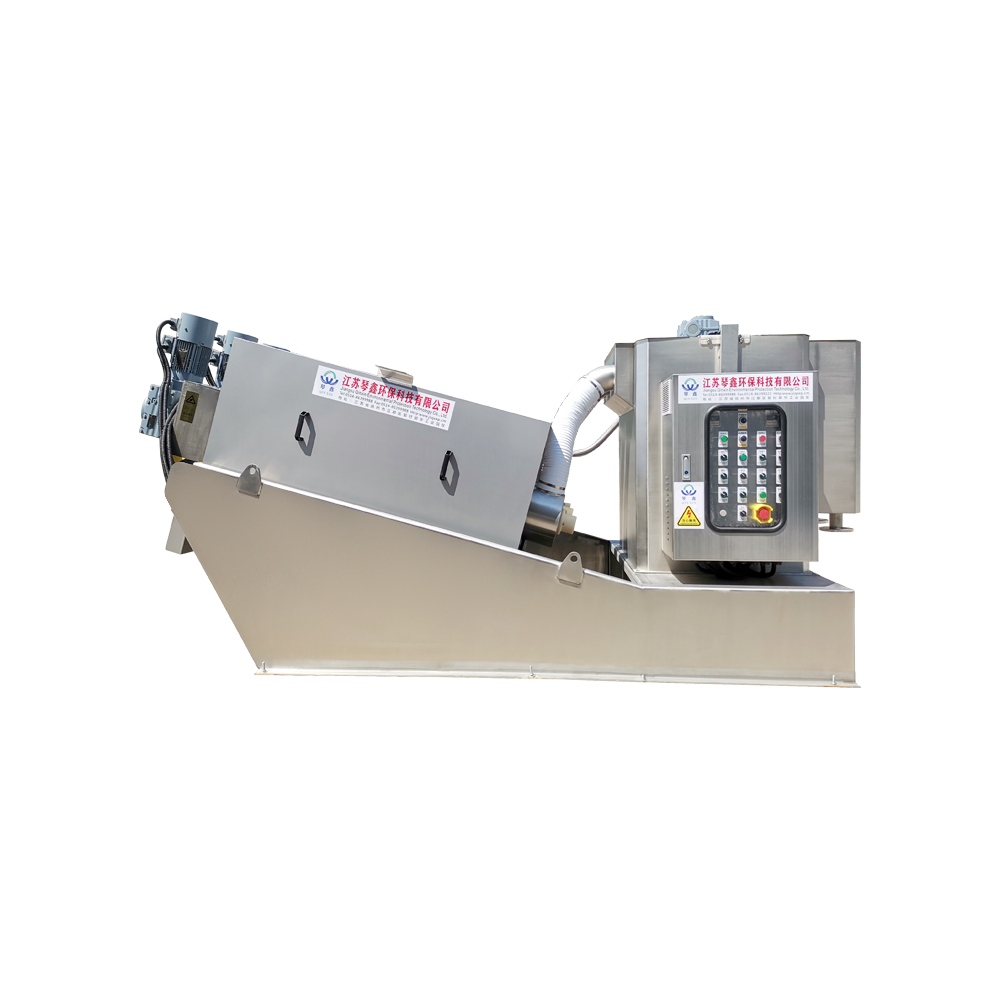
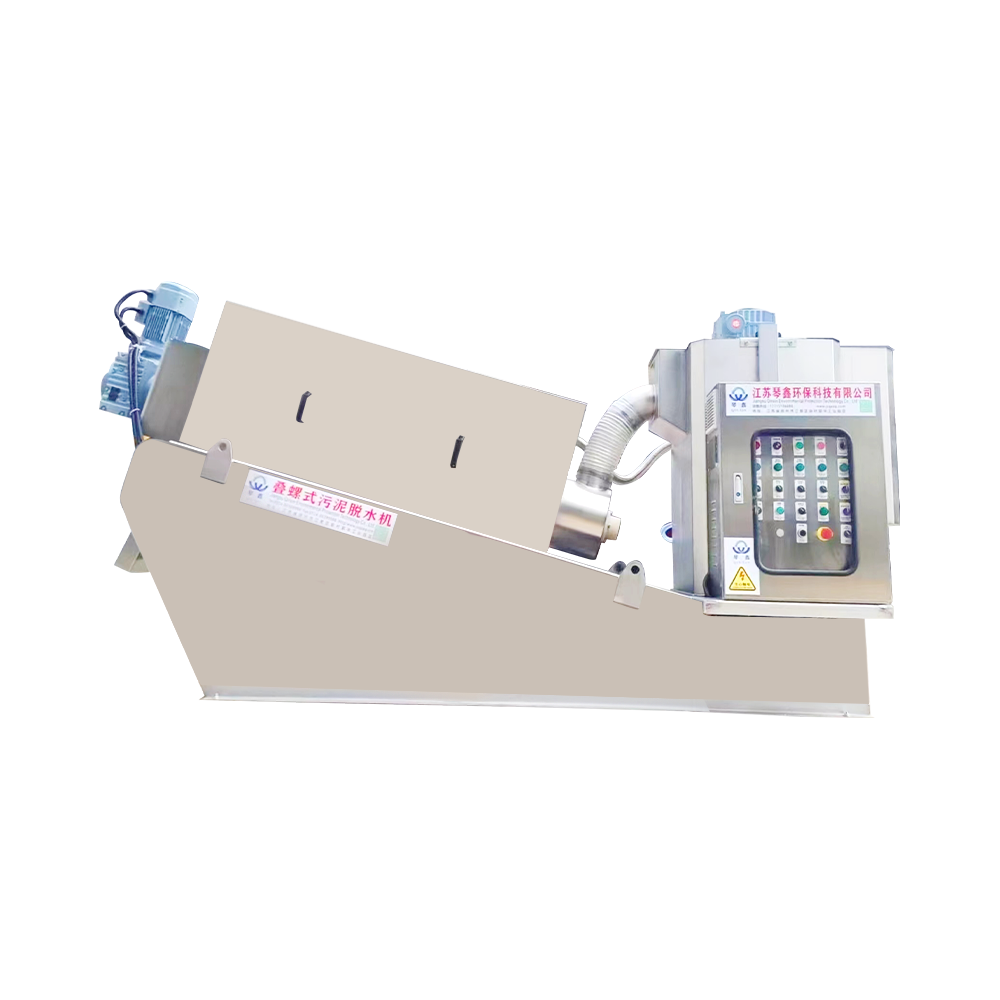
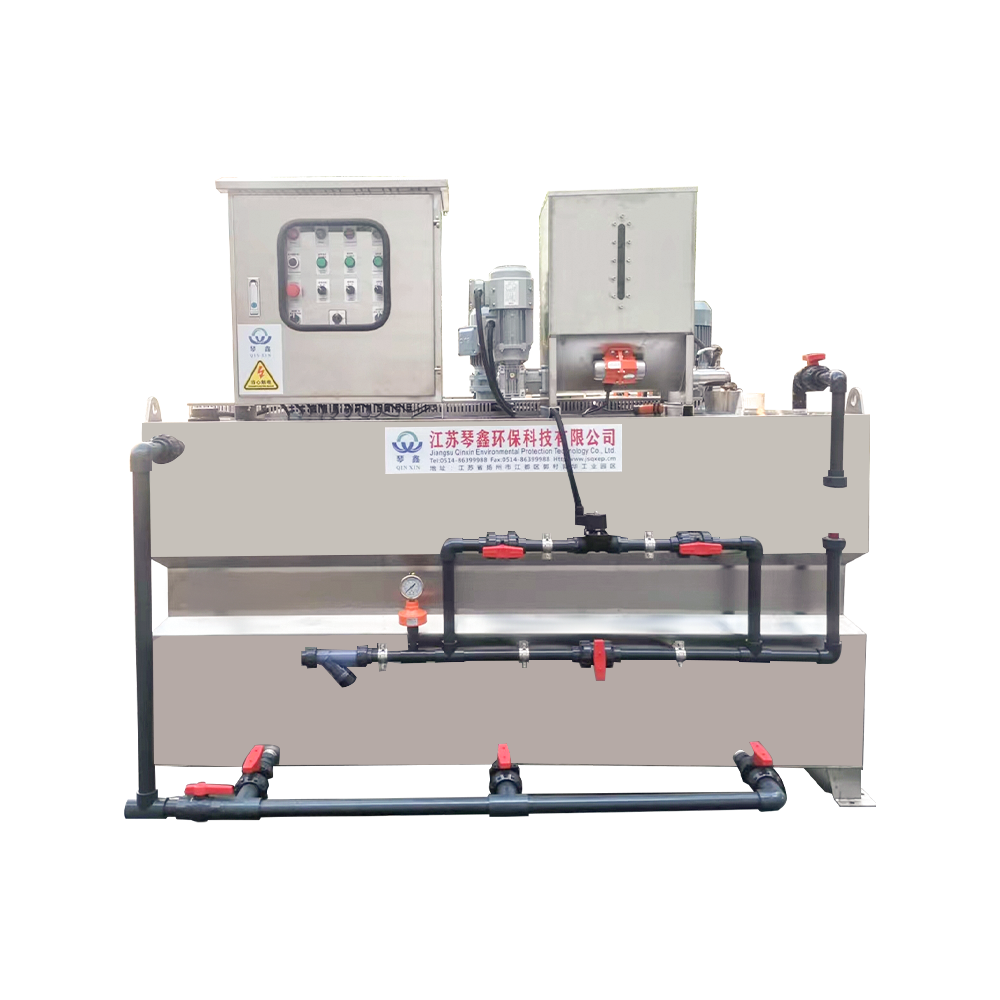
A screw press sludge dewatering system operates on progressive cavity compression: conditioned sludge enters at the feed end of a rotating screw housed within a cylindrical screen, and as the pitch of the screw narrows toward the discharge end, hydraulic pressure increases and free water is expelled through the screen gaps. The self-cleaning action of the moving and fixed rings prevents blinding — the primary failure mode of static-screen technologies.
A screw press sludge dewatering system is a continuous mechanical dewatering unit in which a slow-rotating helical screw (3 to 10 RPM) compresses polymer-conditioned sludge between stacked filter rings, separating filtrate from dewatered cake without requiring wash water, high-speed rotation, or continuous operator supervision.
Dewatering efficiency — measured as the percentage reduction in sludge volume delivered to final disposal — typically reaches 80 to 90% in municipal activated sludge applications. A wastewater plant processing 10,000 m3/day with 3,000 mg/L TSS input can reduce sludge cake volume from approximately 30 m3/day (at 3% DS thickened sludge) to under 6 m3/day at 18% DS — a fivefold reduction that directly cuts hauling and landfill costs.
Throughput Capacity: Matching the Machine to the Flow
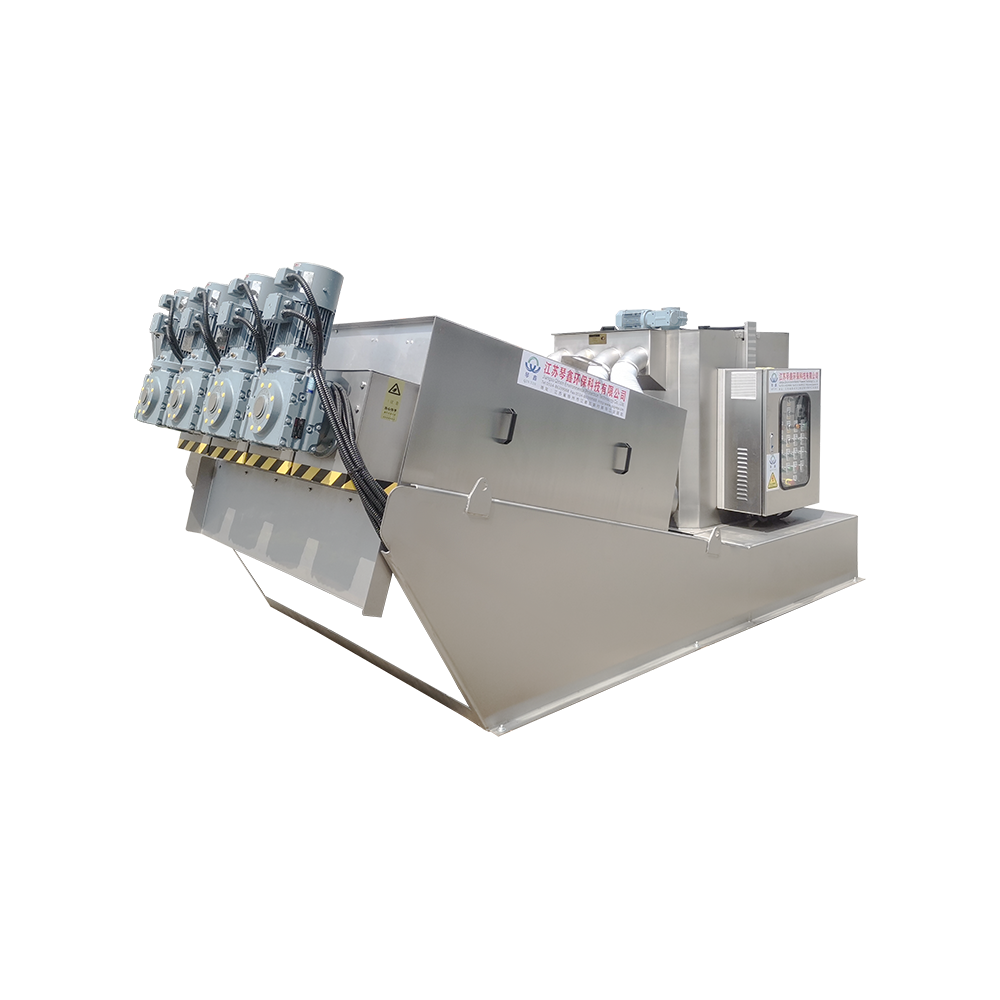
Screw press capacity is specified in kilograms of dry solids per hour (kgDS/h) rather than volumetric flow, because feed sludge concentration varies significantly between installations. Standard single-shaft units handle 15 to 130 kgDS/h; multi-shaft or stacked configurations scale to 500 kgDS/h per installation footprint.
- Small Municipal Plants (under 20,000 PE) Single-shaft units at 15 to 40 kgDS/h — compact footprint under 1.5 m2, suitable for unmanned remote-operation with PLC-controlled polymer dosing and auto-start/stop on feed signal.
- Medium Facilities (20,000 to 100,000 PE) Dual or triple-shaft configurations at 80 to 200 kgDS/h — parallel units provide redundancy so maintenance on one shaft does not interrupt dewatering operations.
- Industrial and Large Municipal (100,000+ PE) Multi-unit stacked installations with centralized SCADA integration — capacity scales linearly; most manufacturers offer standardized skid modules for parallel deployment without custom engineering on each unit.
Energy Consumption: The Screw Press Advantage Over High-Speed Alternatives
Energy consumption is the most compelling operational argument for screw press technology. At 3 to 10 RPM drive speed, the screw press motor draws 0.5 to 2.2 kW per unit — contrasted with decanter centrifuges operating at 2,500 to 3,500 RPM that consume 15 to 45 kW for equivalent throughput. Across a 20-year operational life, this difference represents hundreds of thousands of dollars in avoided electricity cost at typical industrial tariff rates.
No wash water is required in screw press operation — a further energy and cost saving versus belt filter press systems that consume 3 to 8 m3 of clean water per hour to prevent belt blinding. In water-stressed regions or facilities with high potable water costs, this alone can justify the capital premium of a screw press installation.
Maintenance Profile: Low Intervention by Design
The screw press design eliminates the highest-maintenance components found in competing technologies: no filter belts to replace every 2,000 to 4,000 hours, no high-speed bearings subject to vibration fatigue, and no spray nozzles to descale or replace. Routine maintenance on a well-specified screw press unit consists of three tasks:
- Weekly: inspect polymer mixing unit, clean control panel air filters, check drive gearbox oil level
- Monthly: verify ring gap clearance settings against process log baseline, inspect screw flight edge for abrasive wear
- Annually: replace shaft seal and bearing pack, perform gearbox oil change, recalibrate back-pressure adjustment mechanism
Total annual maintenance time per unit averages 16 to 24 labor hours according to operator surveys conducted across European municipal installations — compared to 80 to 120 hours for equivalent-capacity belt filter press systems when belt replacement and nozzle servicing are included.
Screw Press vs Belt Filter Press: A Direct Comparison
The choice between a screw press sludge dewatering system and a belt filter press is the most common technology decision in new wastewater treatment plant design and upgrade projects. The table below presents the defining criteria.
| Criteria | Screw Press | Belt Filter Press |
| Cake Dry Solids | 18 – 28% DS | 14 – 22% DS |
| Energy Consumption | 0.5 – 2.2 kW per unit | 4 – 11 kW per unit |
| Wash Water Required | None | 3 – 8 m3/hr continuous |
| Odor / Aerosol Generation | Fully enclosed — minimal | Open belt — significant |
| Operator Attendance | Unattended continuous operation | Semi-attended — belt tracking |
| Annual Maintenance Hours | 16 – 24 hours | 80 – 120 hours |
| Capital Cost | Medium-high | Medium |
| Best Application | Activated sludge, digested sludge | High-volume fibrous sludge |
Screw Press Sludge Dewatering for Wastewater Treatment: Application Fit
Screw press technology performs across a wide range of sludge types encountered in municipal and industrial wastewater treatment, though performance varies by feed characteristics. The following matrix defines optimal application windows:
- Waste activated sludge (WAS) at 0.5 – 3.0% DS
- Anaerobically digested mixed sludge
- Food and beverage processing effluent
- Pharmaceutical and chemical plant biosolids
- Aquaculture and fish processing sludge
- Primary sludge with high grit content (abrasive wear risk)
- Paper mill sludge with long fiber (screen blinding potential)
- Very dilute sludge below 0.3% DS (pre-thickening recommended)
- High-grease content sludge without pre-treatment
Key Selection Parameters When Specifying a Unit
Provide the following data to a screw press manufacturer to receive an accurately sized and priced system recommendation:
- Average and peak daily sludge volume (m3/day) and operating hours per day
- Feed sludge type and origin (WAS, primary, digested, industrial)
- Measured or estimated feed dry solids concentration (%DS or mg/L TSS)
- Target cake dry solids content and maximum acceptable filtrate TSS
- Available electrical supply (voltage, phase, frequency)
- Installation environment (indoor, outdoor, corrosive atmosphere, seismic zone)
- Discharge and filtrate handling infrastructure (conveyor type, drain sizing)

 TOP
TOP