
 ENG
ENG
 English
 русский
 Español
 Tiếng Việt
 ไทย
ไทย
Article Directory
- 1 What a Screw Dewatering Machine Does in Sludge and Wastewater Treatment
- 2 How a Screw Dewatering Machine Separates Solids and Liquids
- 3 Sludge Types Compatible With Screw Dewatering Machines
- 4 Moisture Reduction: What Dry Solids Content Can Be Achieved
- 5 Screw Press vs Belt Filter Press: Key Differences
- 6 How to Choose the Right Screw Dewatering Machine for Your Plant
- 7 Frequently Asked Questions About Screw Dewatering Machines
Municipal wastewater plants, food processors, and industrial facilities face a shared operational challenge: sludge volumes that are expensive to transport, difficult to dispose of, and hazardous when mishandled. A screw dewatering machine solves this by continuously squeezing free water from sludge, reducing total volume by up to 80% and cutting disposal costs proportionally — without the belt fouling, chemical overdosing, or odor spikes that plague older technologies.
What a Screw Dewatering Machine Does in Sludge and Wastewater Treatment
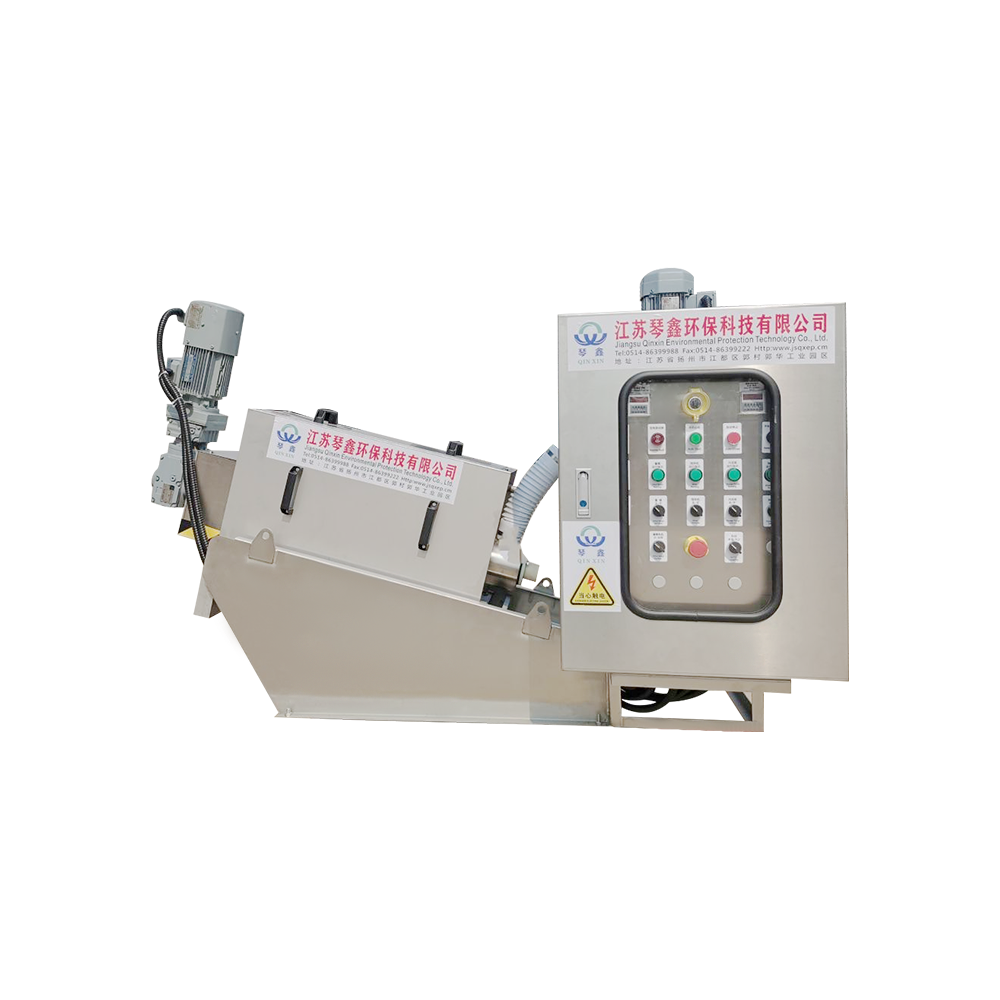
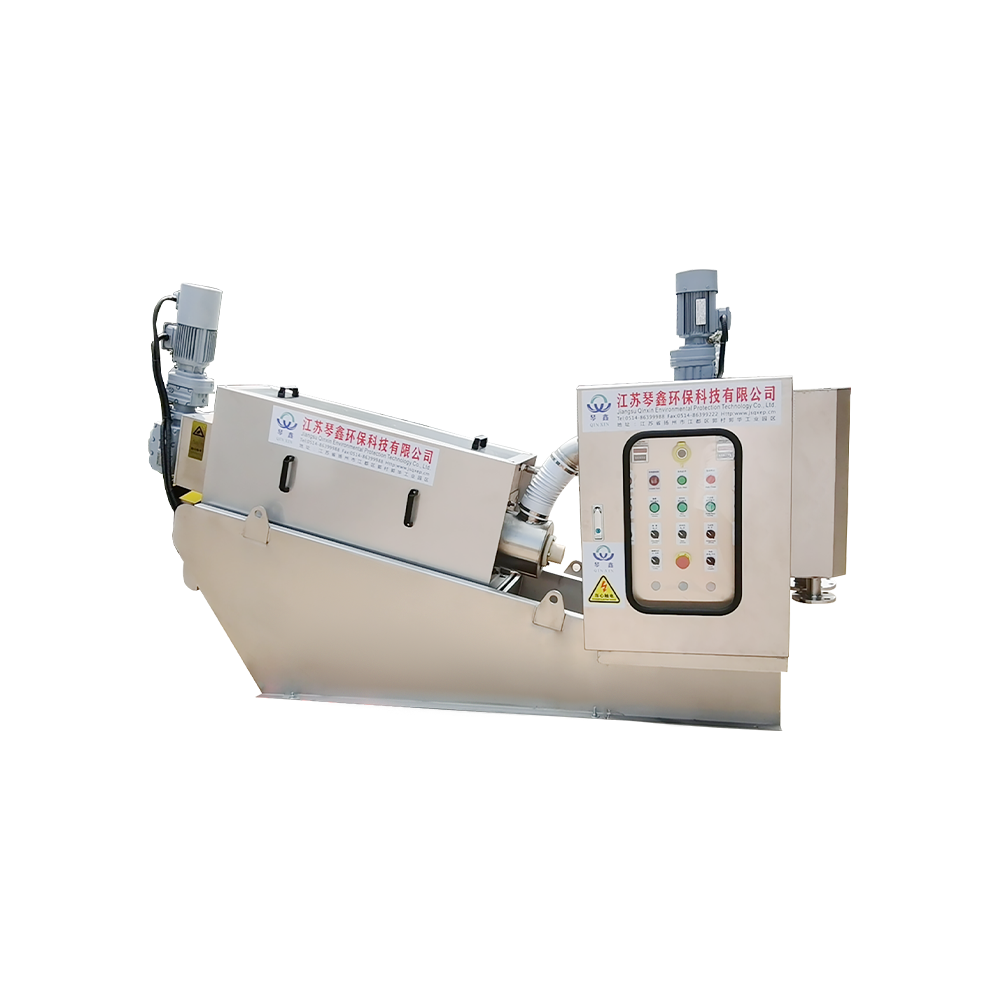
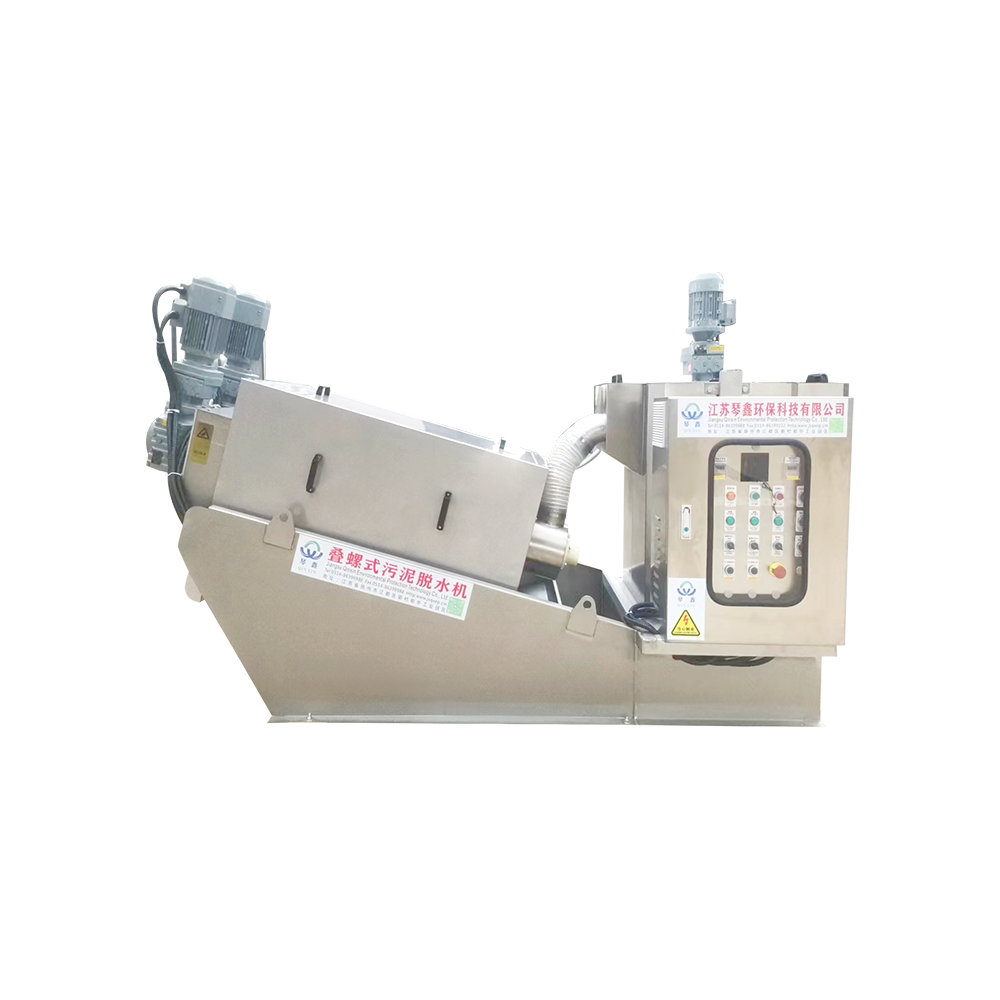
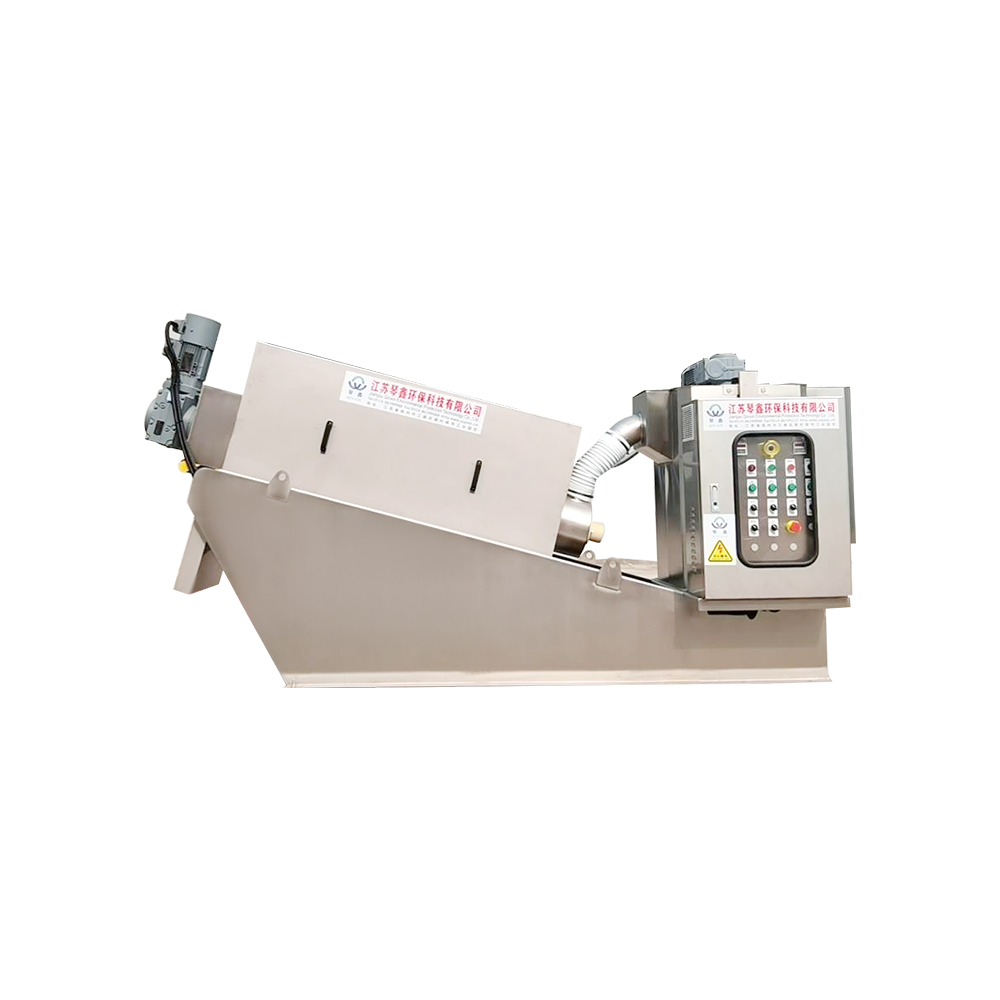
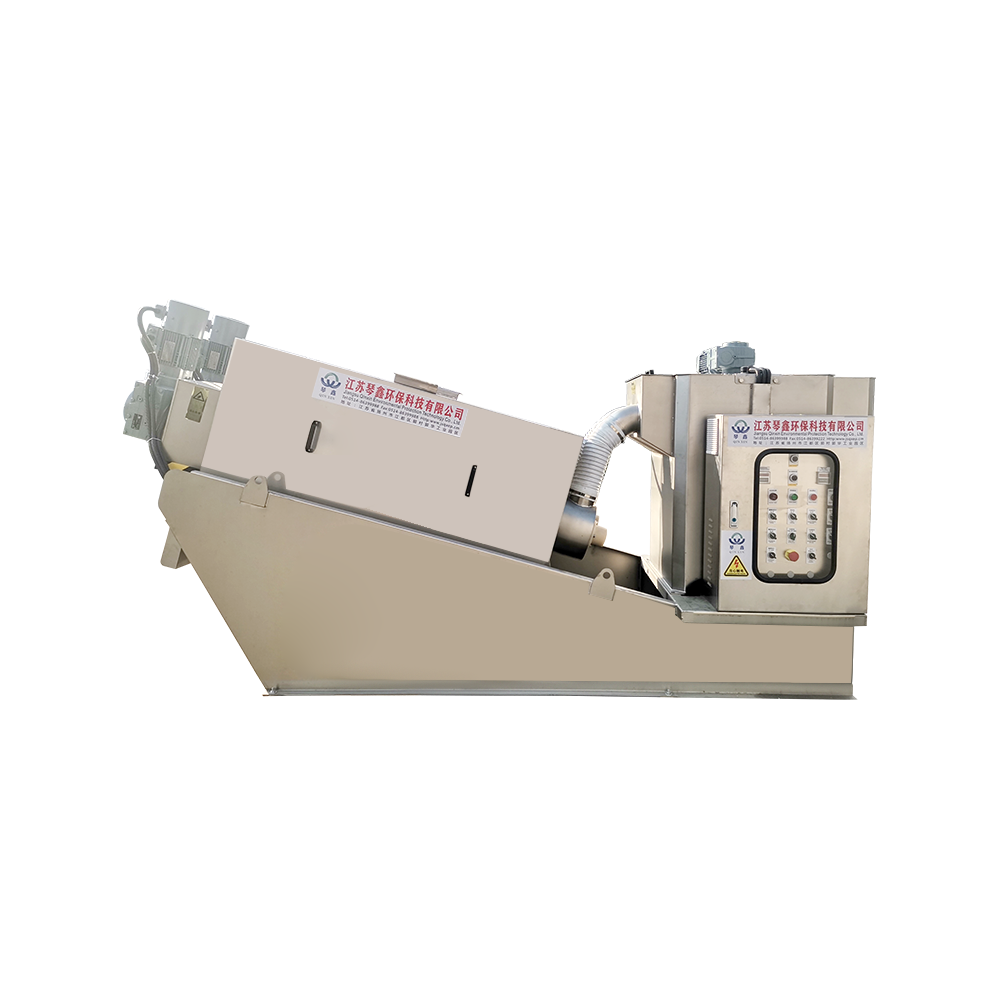
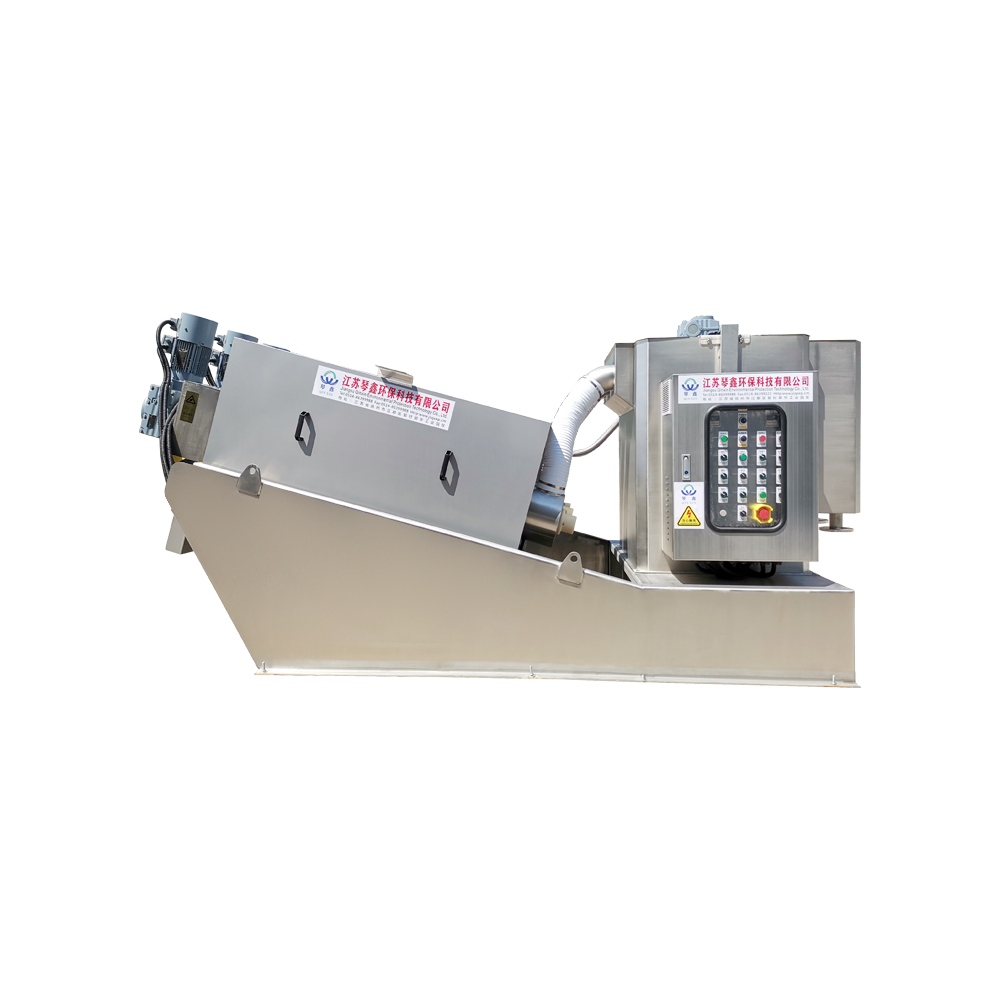
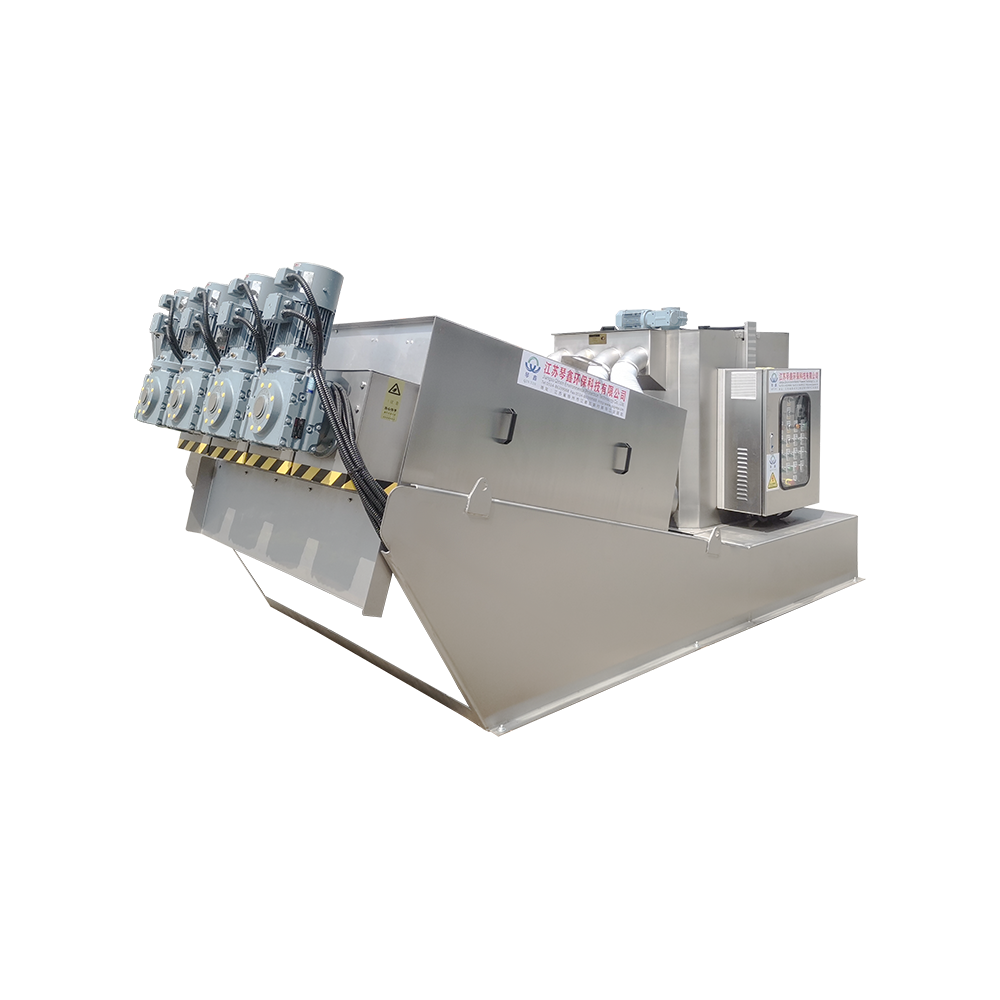
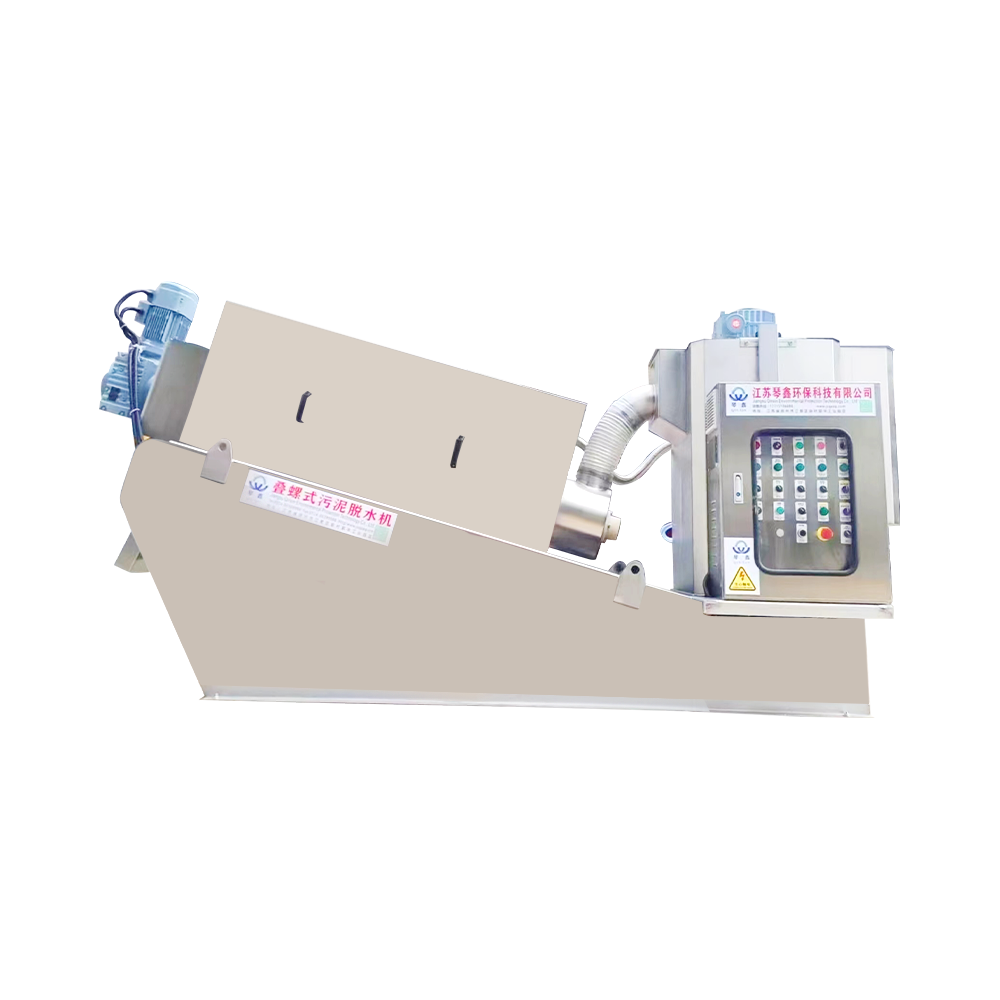
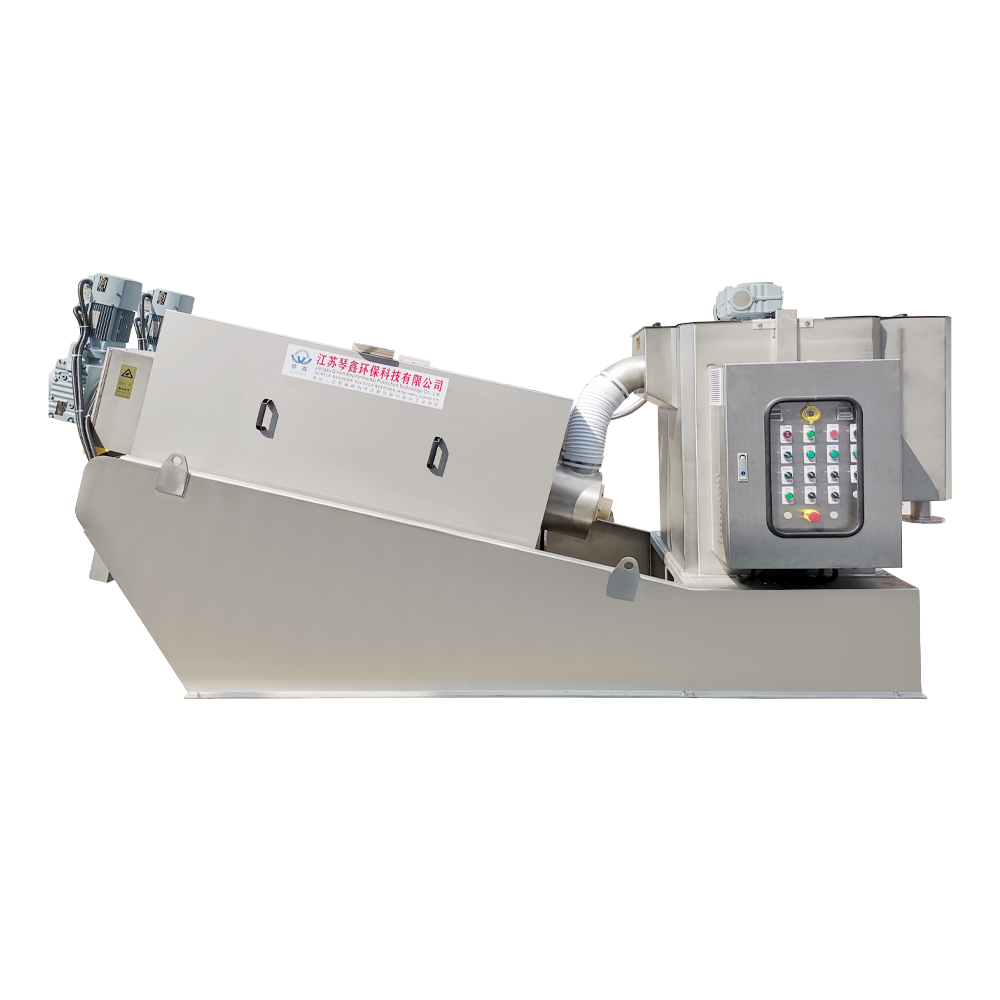
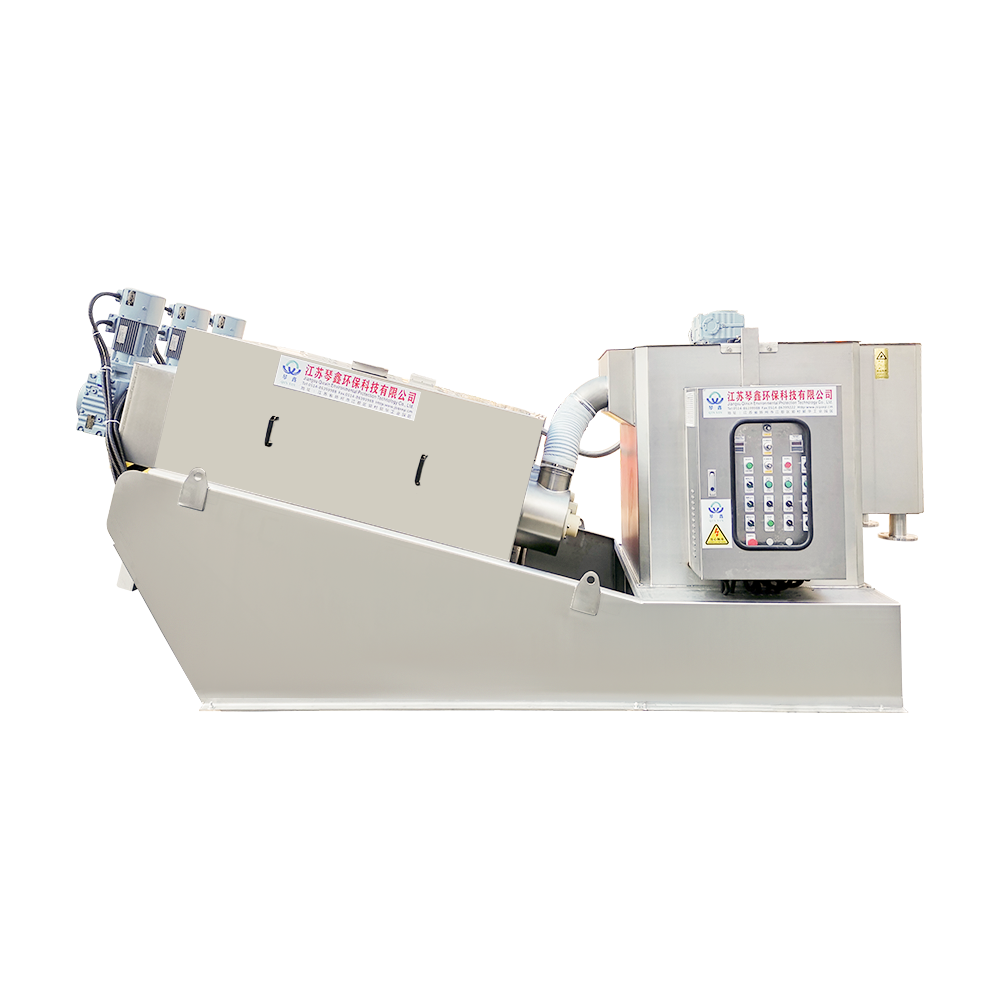
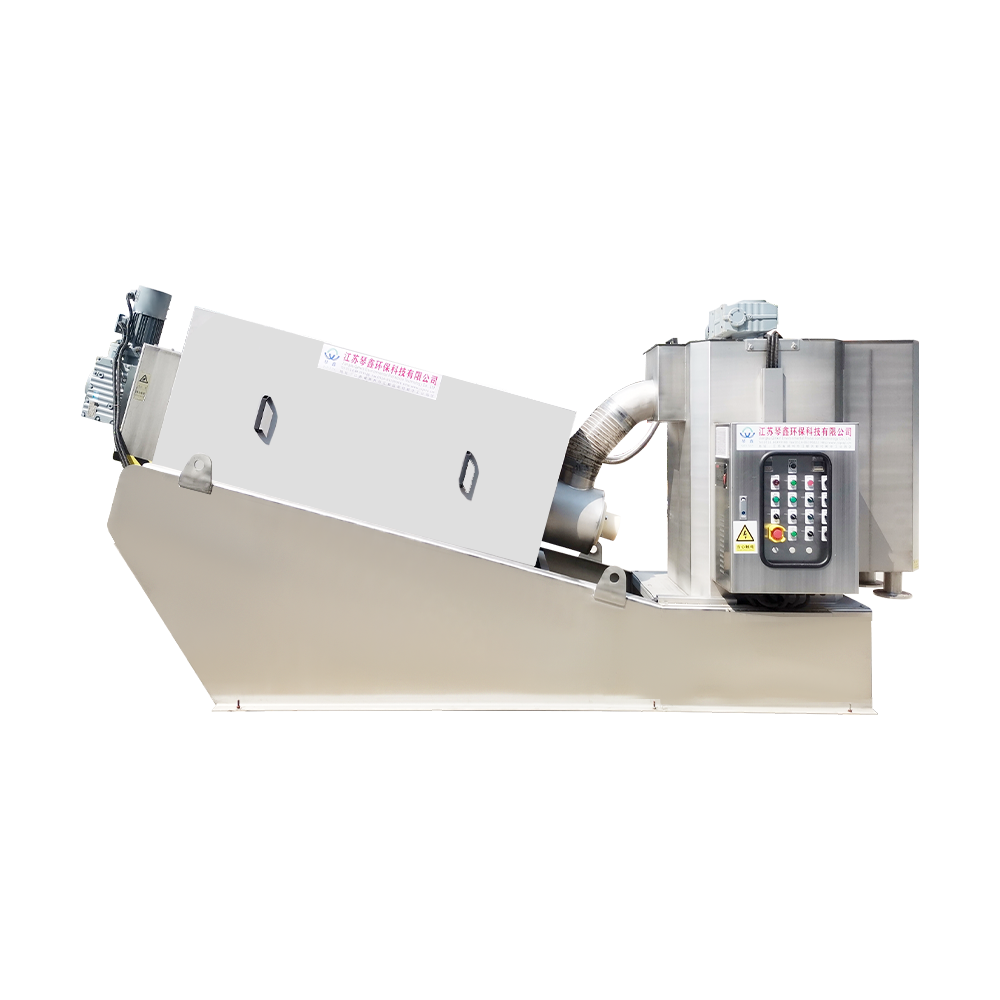
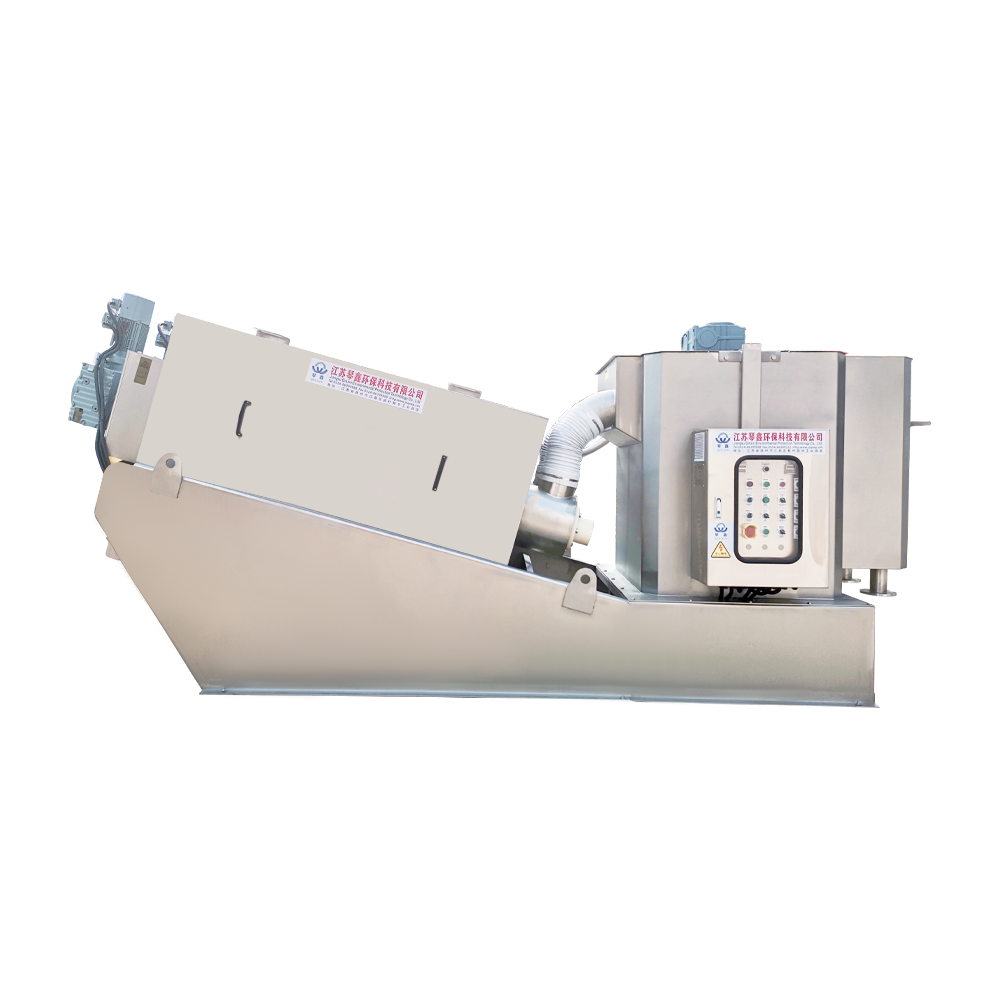
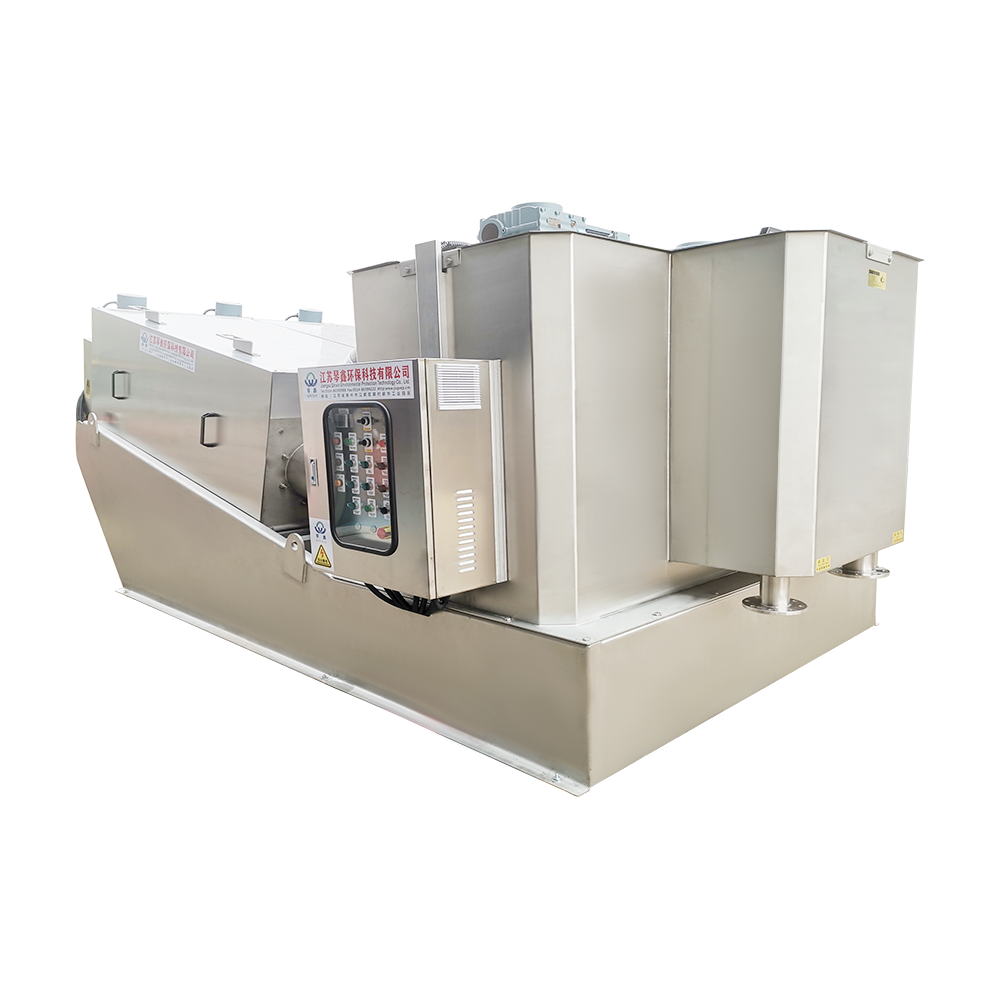
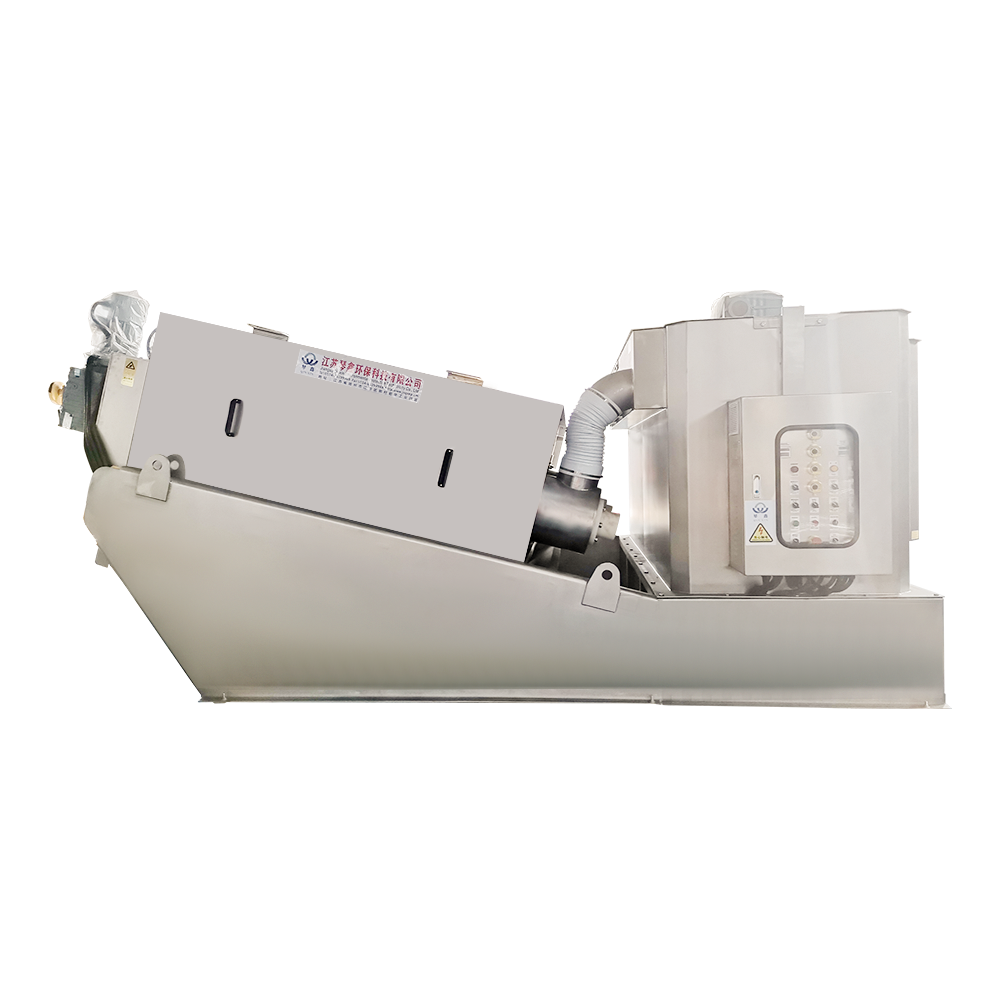
A screw dewatering machine mechanically separates water from biosolids, industrial sludge, and process residuals by applying progressive compression through a rotating helical screw inside a filtering drum. The output is a semi-solid cake that can be landfilled, composted, or incinerated at a fraction of the handling cost of liquid sludge.
Primary application sectors include municipal sewage treatment, aquaculture and fishery wastewater, food and beverage processing waste, paper and pulp mill effluent, and livestock manure management. In each case, the machine reduces downstream hauling frequency, lowers polymer chemical consumption, and eliminates open sludge lagoons that generate methane and odor complaints.
A screw dewatering machine is a continuous mechanical dewatering device that uses a rotating screw press inside a stacked ring filter to gradually increase compression pressure on conditioned sludge, separating liquid filtrate from a consolidated solid cake in a single uninterrupted pass.
How a Screw Dewatering Machine Separates Solids and Liquids
The separation mechanism relies on three simultaneous actions: gravity drainage in the feed zone, mechanical compression as the screw pitch decreases toward the discharge end, and back-pressure regulation at the cake outlet gate. Together these stages extract free water, interstitial water, and a portion of bound water without requiring centrifugal force or vacuum.
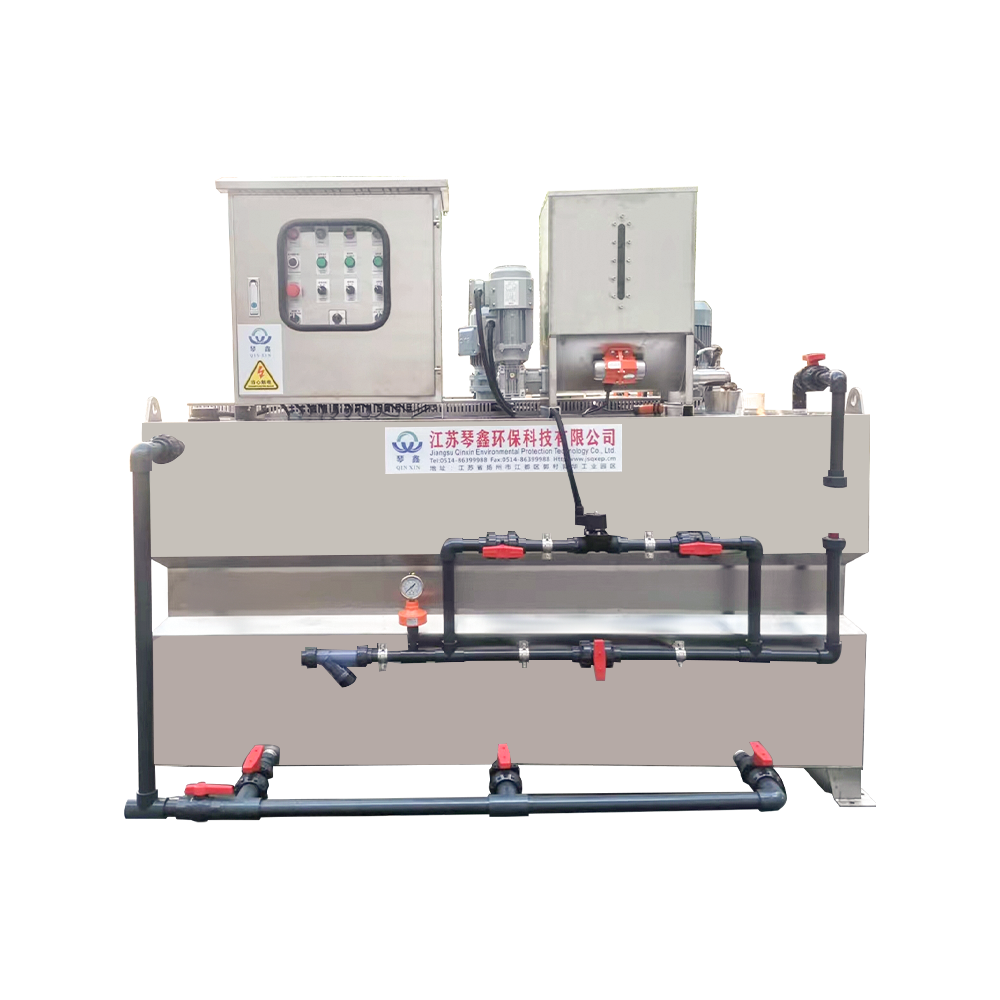
Polymer flocculant is dosed into the feed stream, forming larger floc particles that release water more readily under mechanical pressure. Correct polymer selection is the single largest variable in achieving target cake dryness.
Conditioned sludge enters the rotating filter drum. Free water drains through the annular gaps between stacked fixed and moving rings before any compression is applied, reducing hydraulic load on later stages.
As the screw pitch narrows, sludge is compacted against the back-pressure plate. Filtrate is continuously expelled outward through the ring gaps, which self-clean via the relative movement of alternating fixed and moving rings.
The dewatered cake exits through an adjustable back-pressure gate. Gate opening controls residence time and therefore final dry solids content — a key tuning parameter for varying sludge feed concentrations.
Sludge Types Compatible With Screw Dewatering Machines
The screw dewatering machine handles a wider range of sludge classifications than belt or centrifuge systems because its slow-speed operation avoids floc shear and the self-cleaning ring mechanism resists blinding by fibrous or sticky materials.
- Municipal activated sludge and mixed primary-secondary sludge
- Aerobic and anaerobic digested biosolids
- Food processing waste including dairy, brewery, and slaughterhouse residuals
- Aquaculture and seafood processing wastewater solids
- Paper mill fiber sludge and deinking waste
- Chemical and pharmaceutical process residuals
- Livestock and poultry manure slurries at 1–5% total solids
- Oily sludge with pre-treatment conditioning
Moisture Reduction: What Dry Solids Content Can Be Achieved
Cake dryness is the primary performance metric for any dewatering system. A properly specified screw dewatering machine consistently delivers cake dry solids content between 18% and 28% by weight for municipal activated sludge — equivalent to a moisture content reduction from approximately 99% (as-fed liquid) to 72–82% in the discharged cake. Digested sludge with lower bound water content can reach 25–30% dry solids under the same operating conditions.
These figures represent 70–80% volume reduction compared to the liquid feed, directly translating to fewer truck movements, reduced landfill tipping fees, and in composting applications, lower energy demand for thermal drying of the final product.
Screw Press vs Belt Filter Press: Key Differences
- Fully enclosed, low odor emission
- Self-cleaning filter rings, no belt washing water
- Operates at 1–5 rpm, low noise and vibration
- Handles oily and fibrous sludge without blinding
- Water consumption near zero during operation
- Maintenance interval every 4,000–8,000 hours
- Suitable for small to medium flow rates per unit
- Open design generates odor and aerosols
- Belt requires continuous high-pressure wash water
- Higher belt replacement and tensioning maintenance
- Susceptible to belt blinding with greasy sludge
- Consumes 3–5 m3/hour of wash water per meter belt width
- Achieves comparable cake dryness on easy sludge types
- Better suited for very high hydraulic flow applications
How to Choose the Right Screw Dewatering Machine for Your Plant
Correct equipment selection requires matching four parameters: sludge feed volume (m3/day), feed solids concentration (g/L), target cake dryness, and available footprint. A screw dewatering machine is sized by its effective screw diameter — standard units range from 132 mm (suitable for flows under 50 m3/day) to 352 mm for flows above 500 m3/day — with multiple units operated in parallel for larger facilities.
| Selection Criterion | Key Question | Impact on Specification |
| Feed flow rate | Average and peak m3/day? | Determines screw diameter and number of units |
| Feed solids concentration | What is the inlet total solids %? | Affects polymer dose, throughput, and cake yield |
| Sludge type | Activated, digested, industrial? | Sets ring gap size and back-pressure configuration |
| Target cake dryness | Composting, landfill, or incineration? | Determines back-pressure gate setting and residence time |
| Footprint constraints | Indoor installation or container plant? | Compact stacked design fits tight mechanical rooms |
Frequently Asked Questions About Screw Dewatering Machines
Can a screw dewatering machine run continuously without operator supervision?
Yes. The screw dewatering machine is designed for unattended 24-hour operation with automated polymer dosing control, torque-based overload protection, and remote monitoring via PLC or SCADA integration. Most installations are configured to start and stop automatically based on sludge buffer tank level signals.
How often do the filter rings need to be replaced?
Ring sets on a well-maintained screw dewatering machine typically last 40,000 to 80,000 operating hours depending on sludge abrasiveness and pH. The moving rings are manufactured from hard-anodized aluminum alloy or SUS304 stainless steel, and the replacement procedure requires no special tooling — a trained technician can complete a full ring set swap within four to six hours.
What is the minimum sludge concentration required at the inlet?
Most screw press models require a feed concentration of at least 2,000 to 3,000 mg/L (0.2 to 0.3% total solids) after polymer conditioning to maintain stable cake formation at the discharge gate. Feeds below this threshold require pre-thickening via gravity belt thickener or drum thickener before entering the screw dewatering machine.
Is a screw dewatering machine suitable for small wastewater treatment plants?
The compact footprint — typically 0.4 to 1.2 m2 per unit — and low vibration make the screw dewatering machine ideal for small plants serving 500 to 5,000 population equivalents where a centrifuge would be oversized and a belt press would require dedicated wash water infrastructure. Units as small as the 132 mm diameter model handle flows from 5 to 30 m3/day effectively.

 TOP
TOP