
 ENG
ENG
 English
 русский
 Español
 Tiếng Việt
 ไทย
ไทย
Article Directory
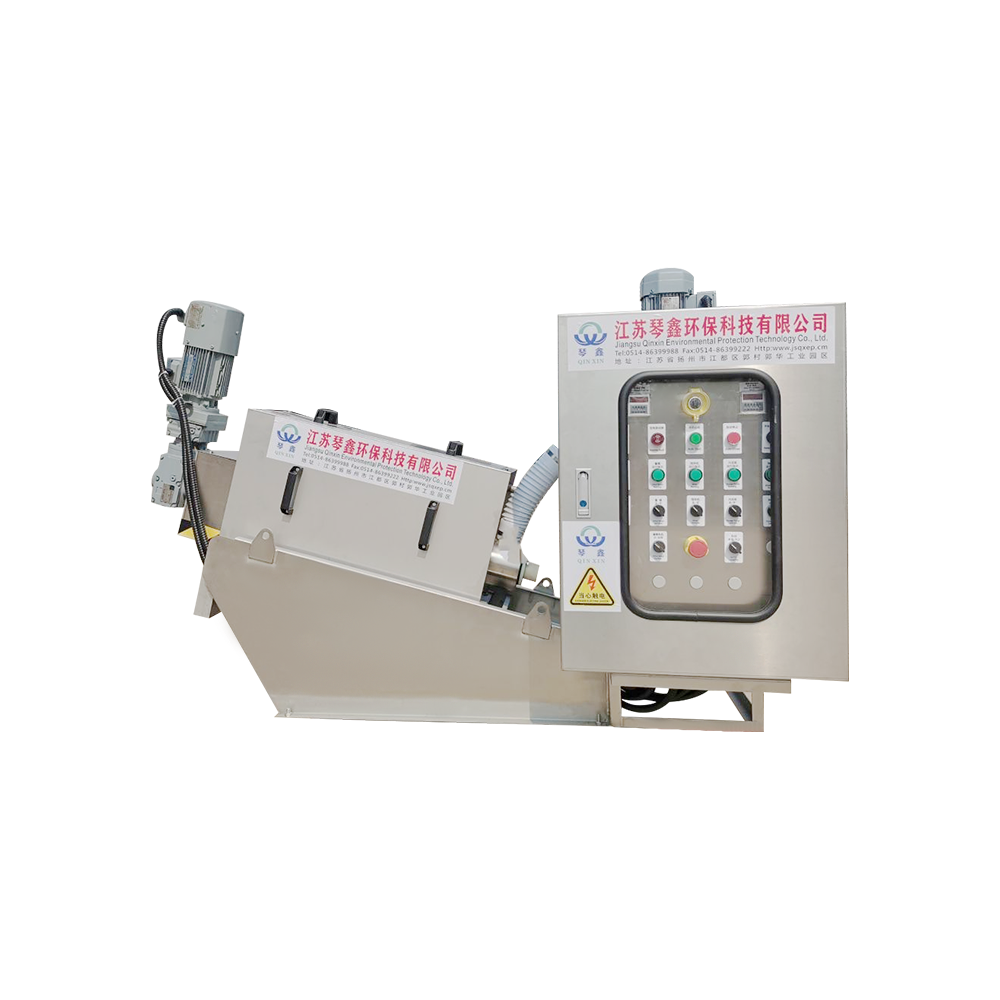
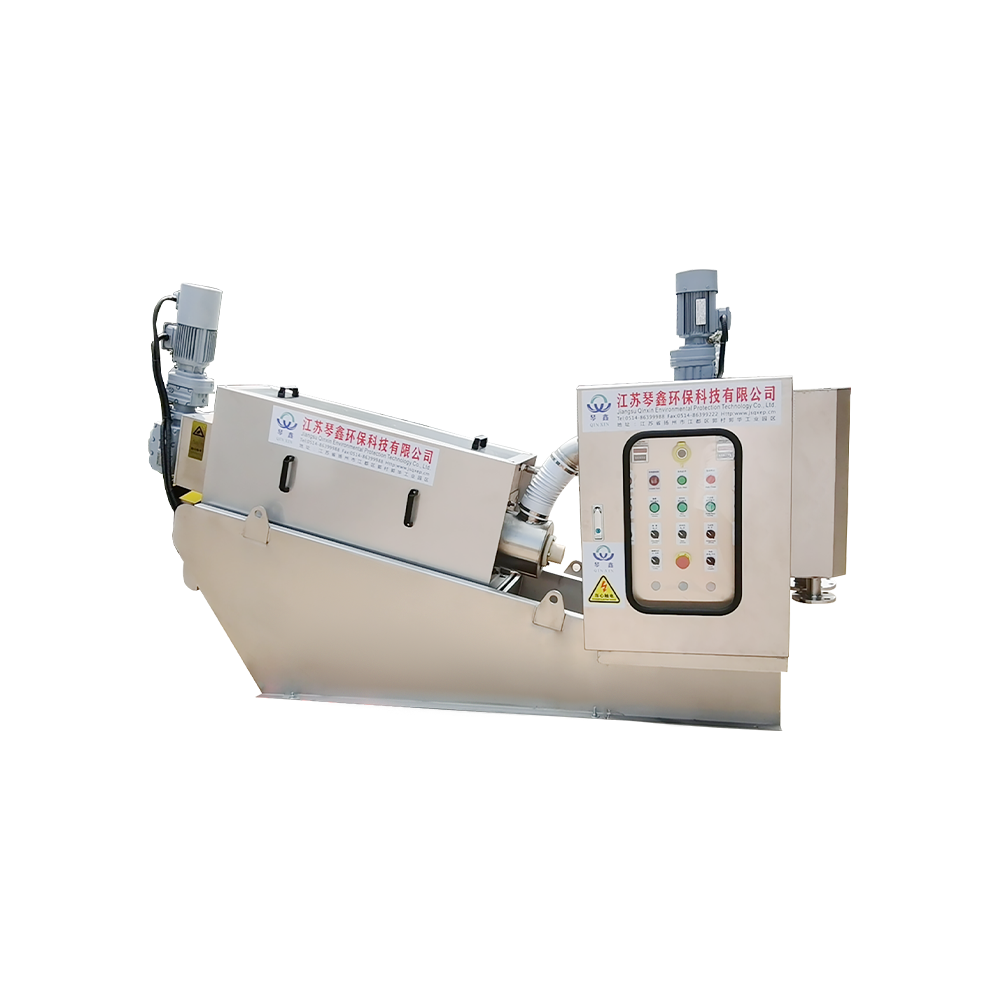
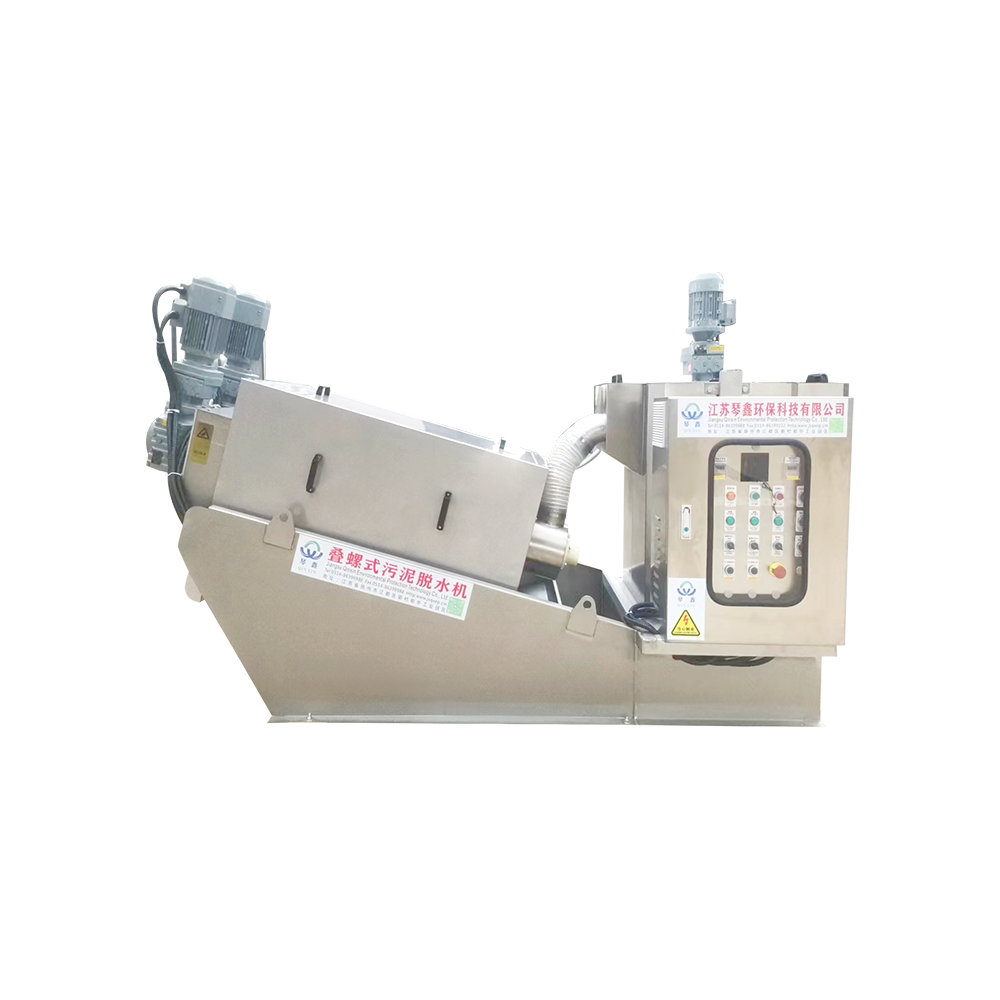
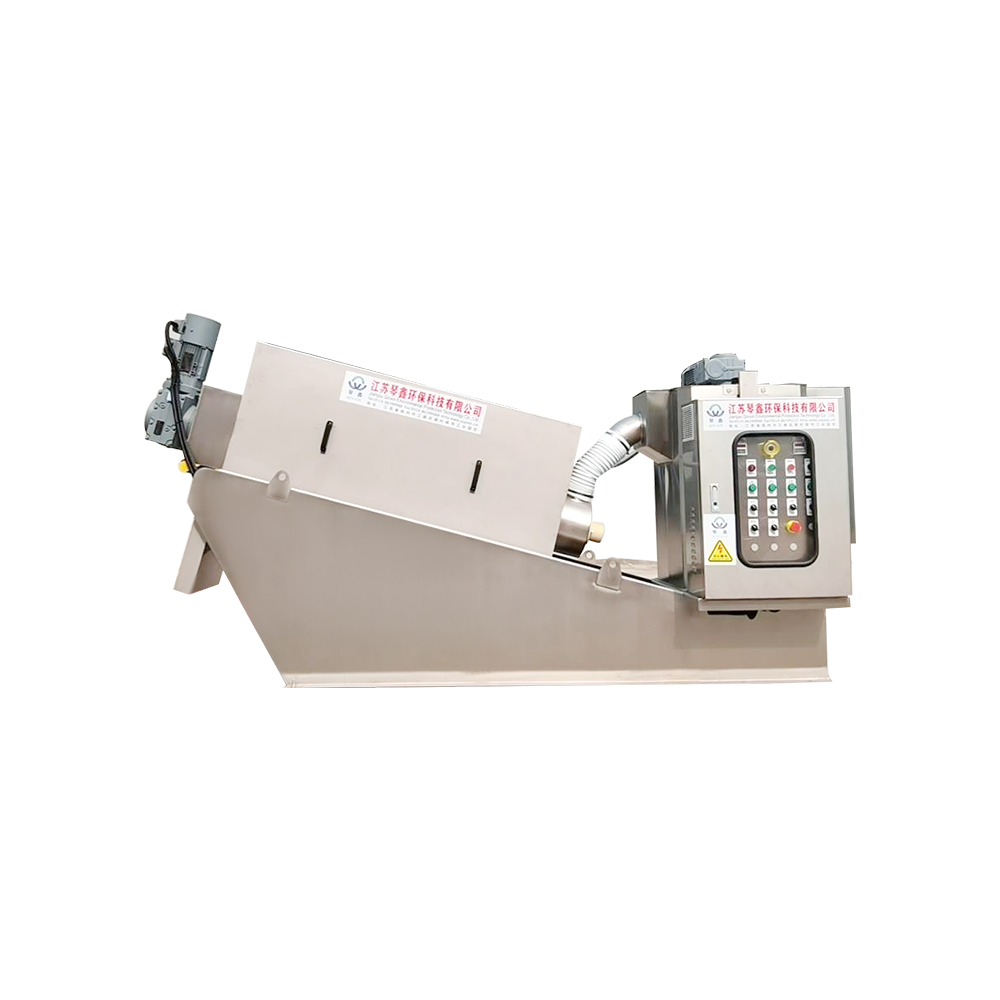
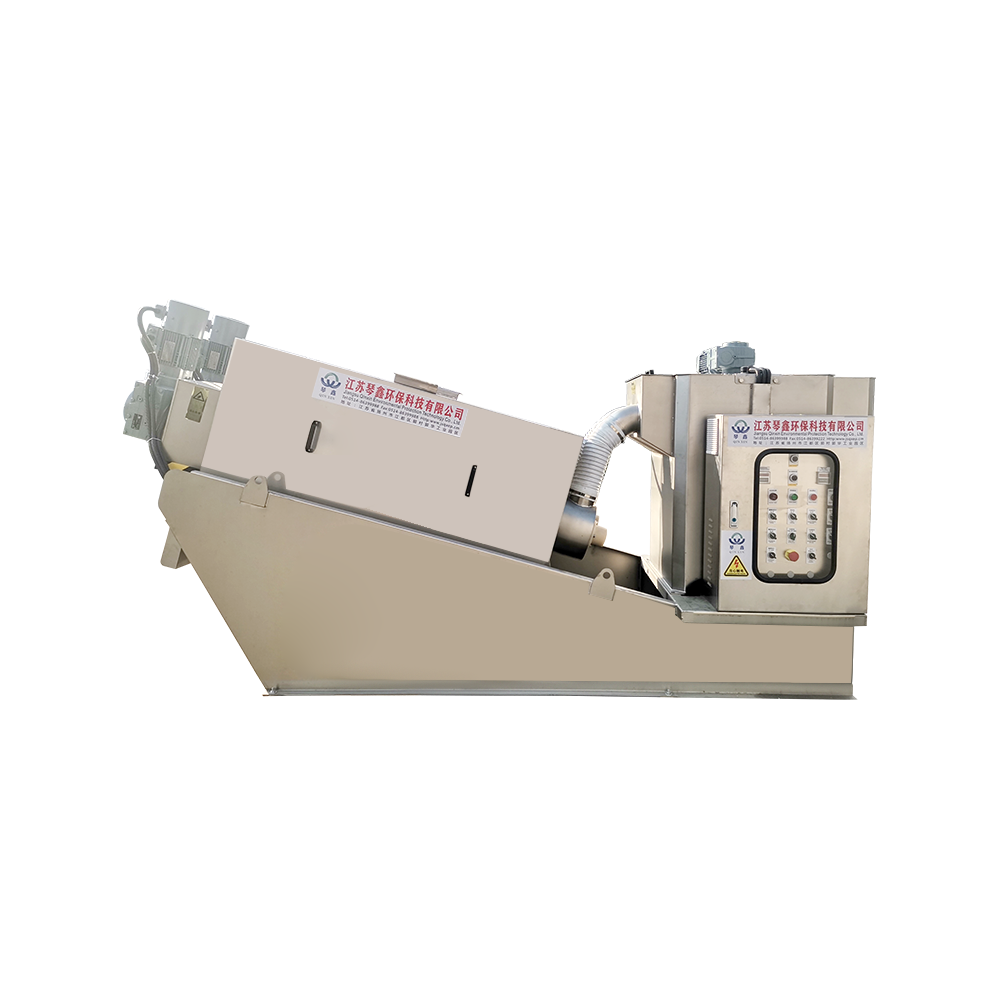
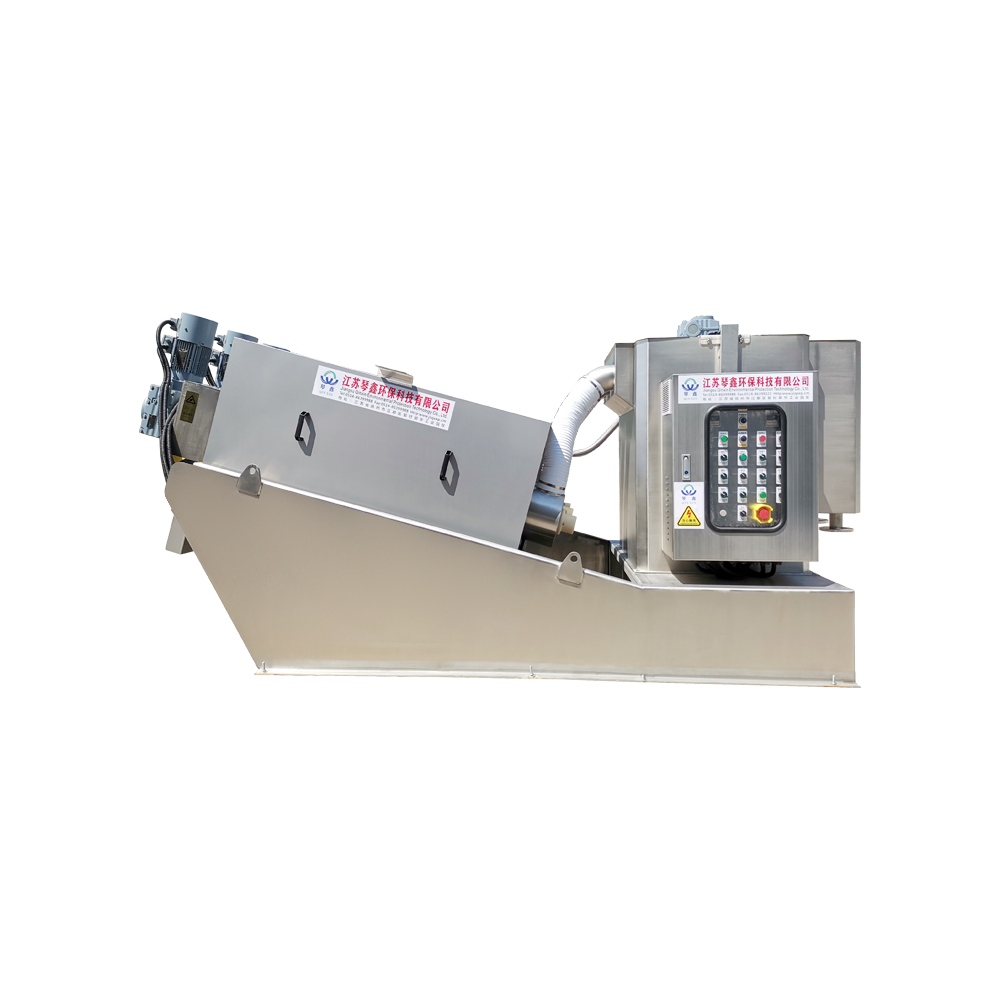
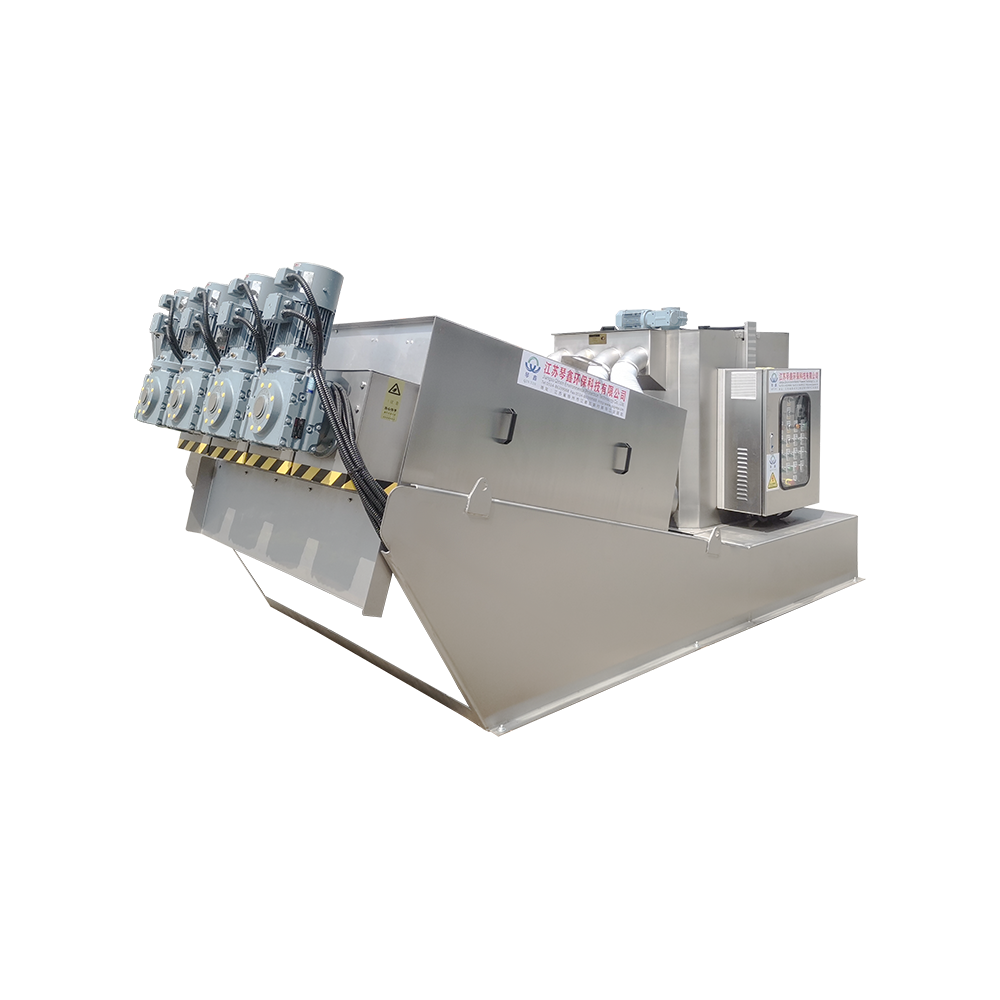
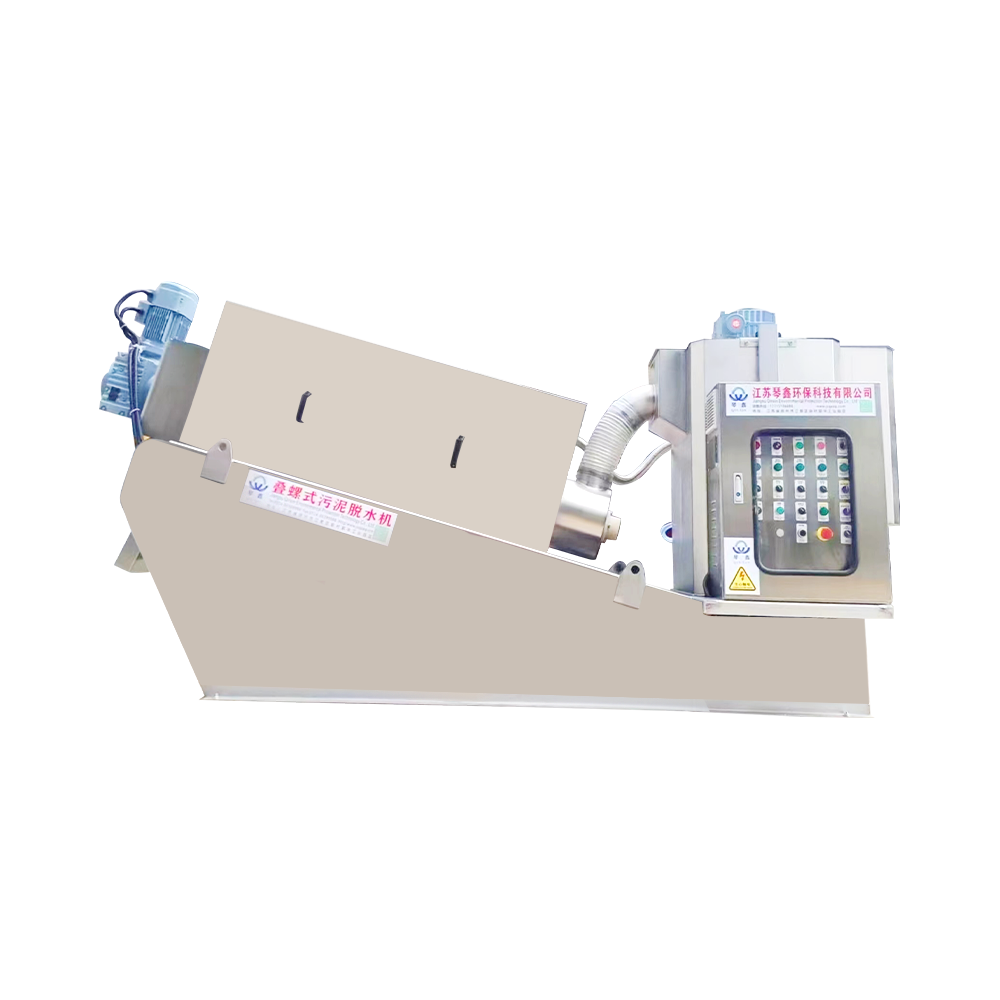
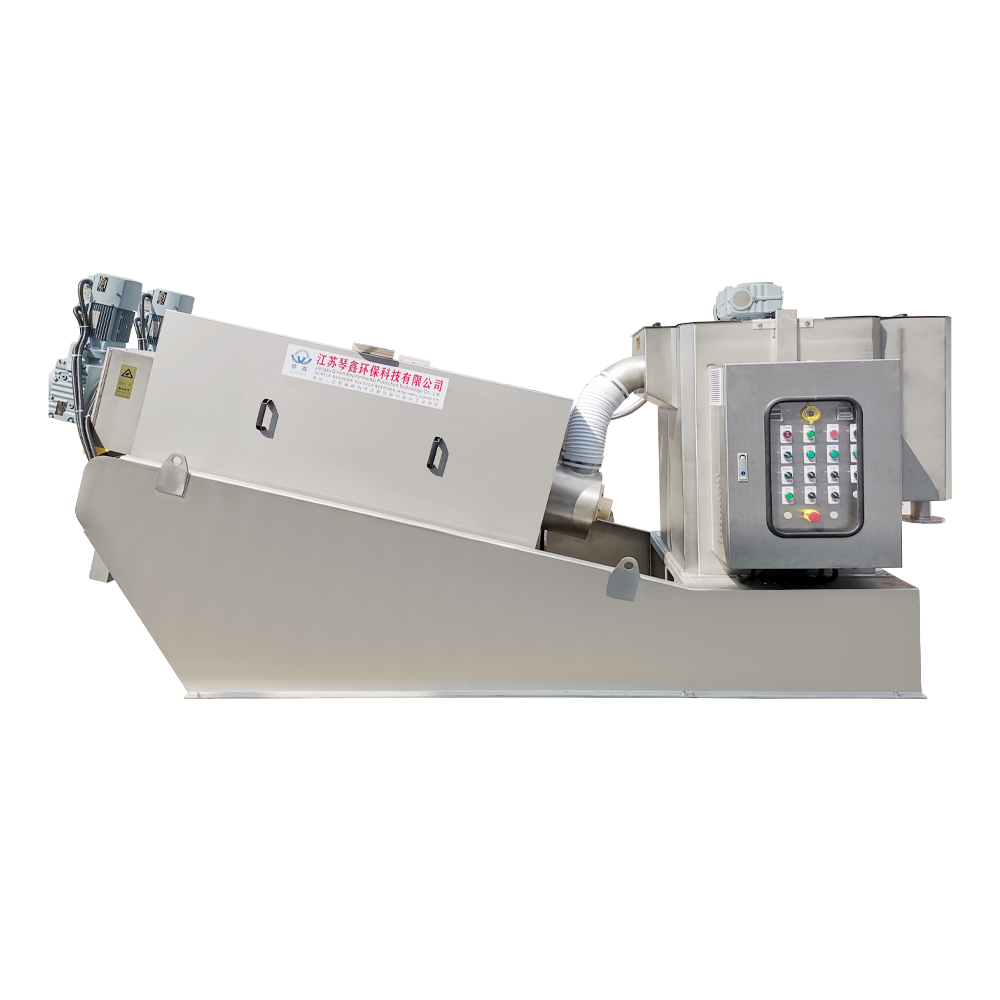
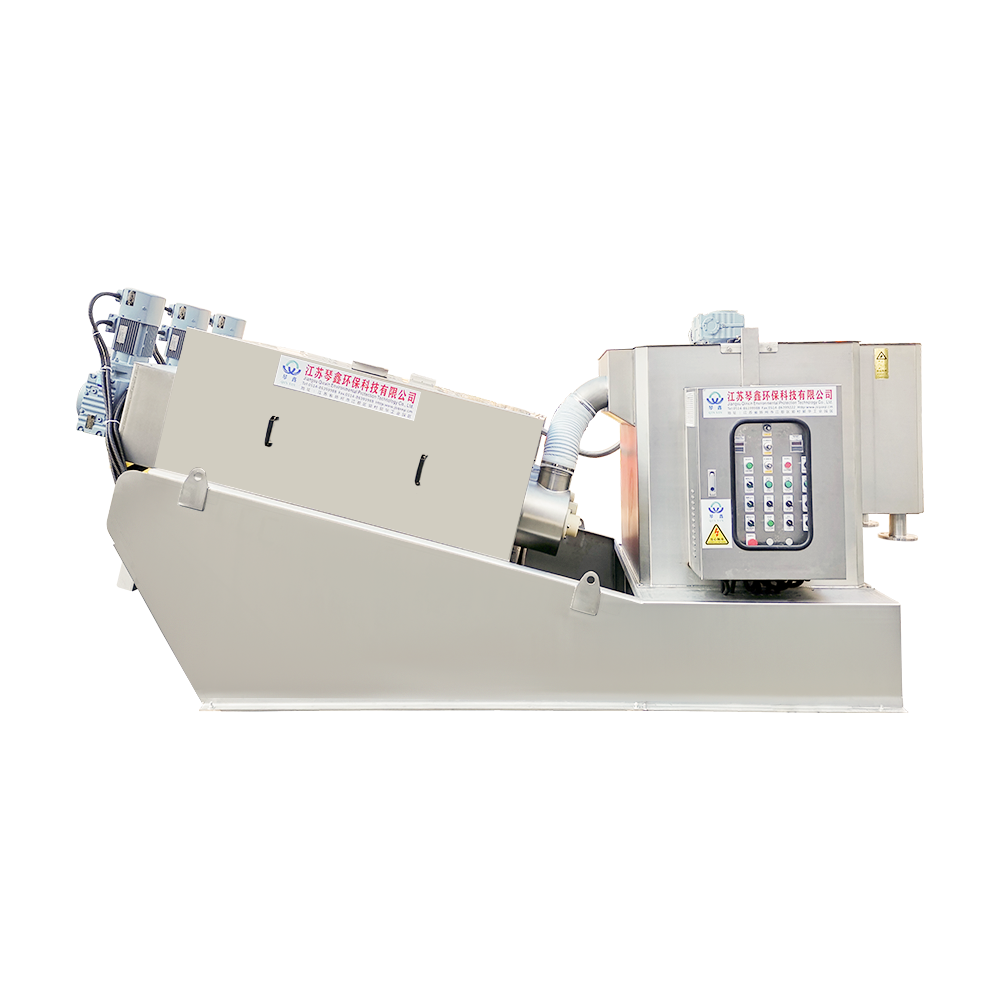
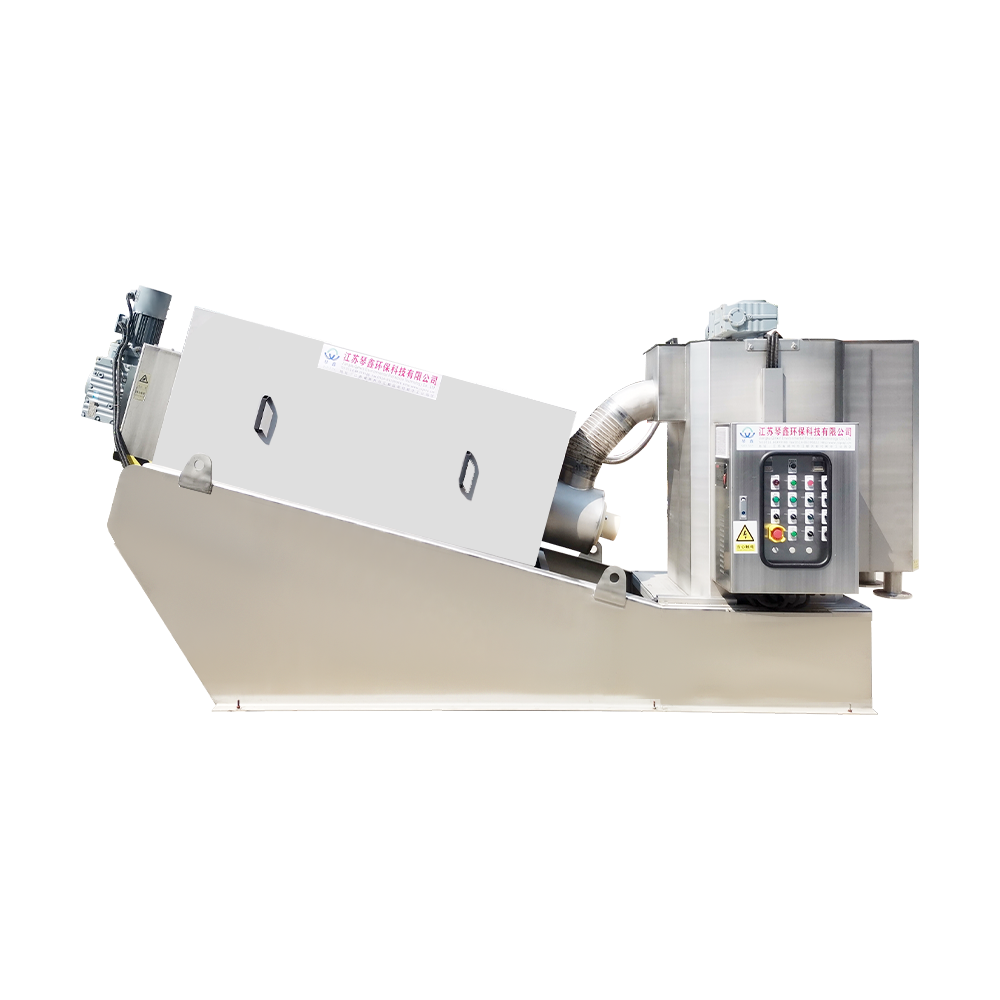
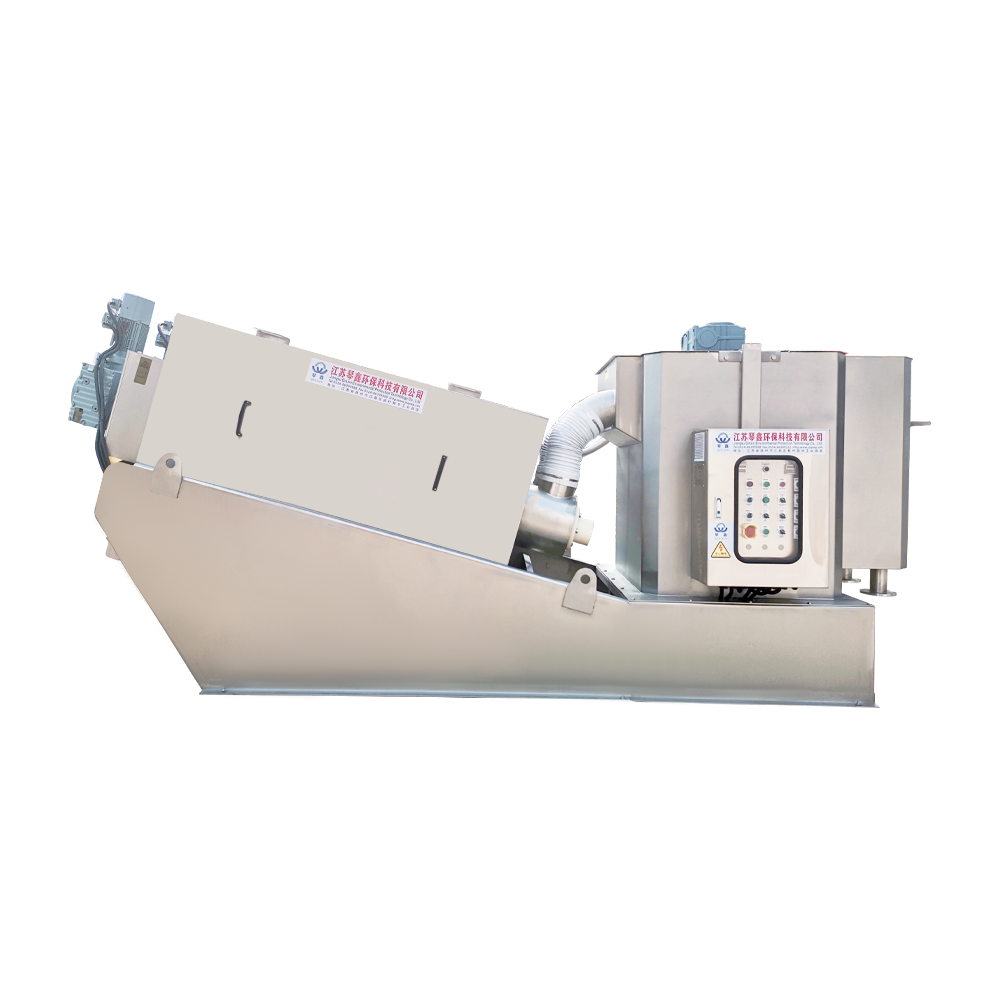
A dewatering press machine converts wet, difficult-to-handle sludge into compact, transportable solids — reducing disposal costs, cutting hauling weight, and enabling biosolids reuse. Unlike centrifuges or belt presses that demand high energy and constant operator attention, modern screw-type dewatering presses run continuously at low speed with minimal supervision. This guide explains the mechanics, sludge compatibility, moisture removal benchmarks, and a practical selection framework for engineers and plant managers.
How Does a Dewatering Press Machine Work?
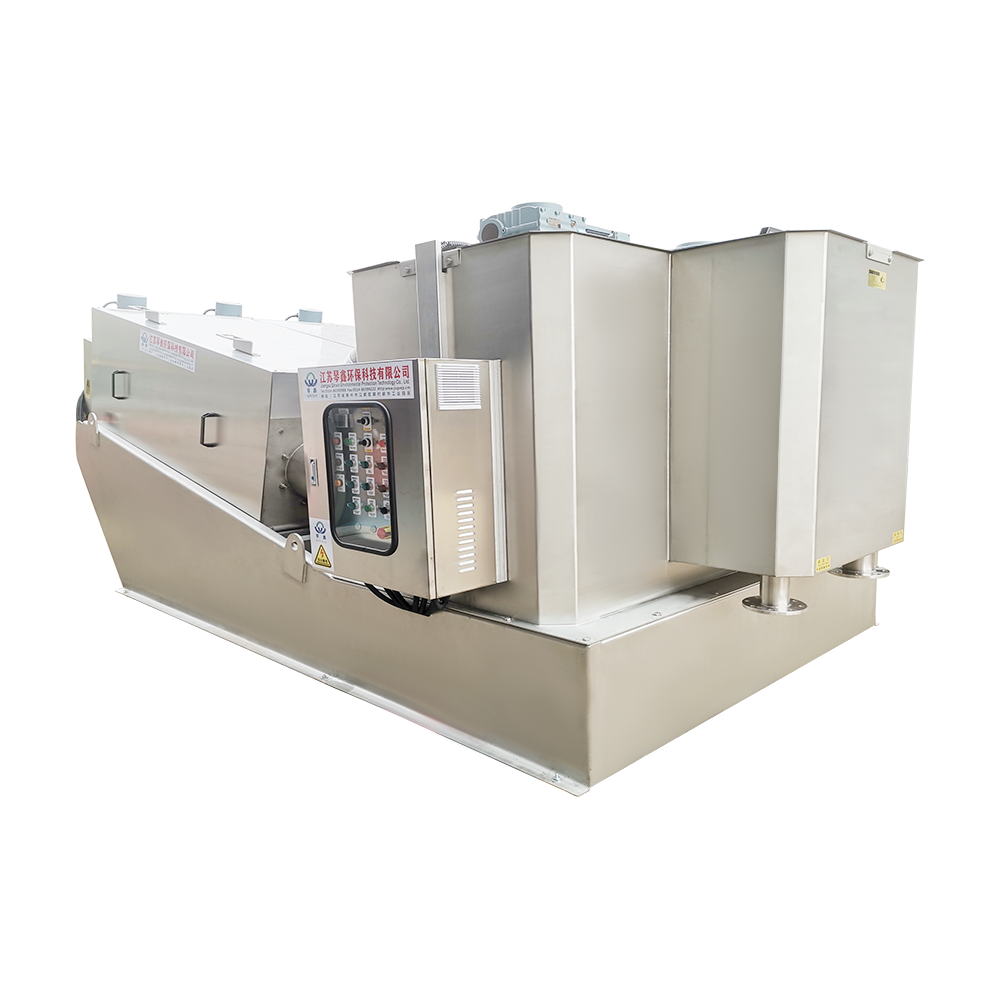
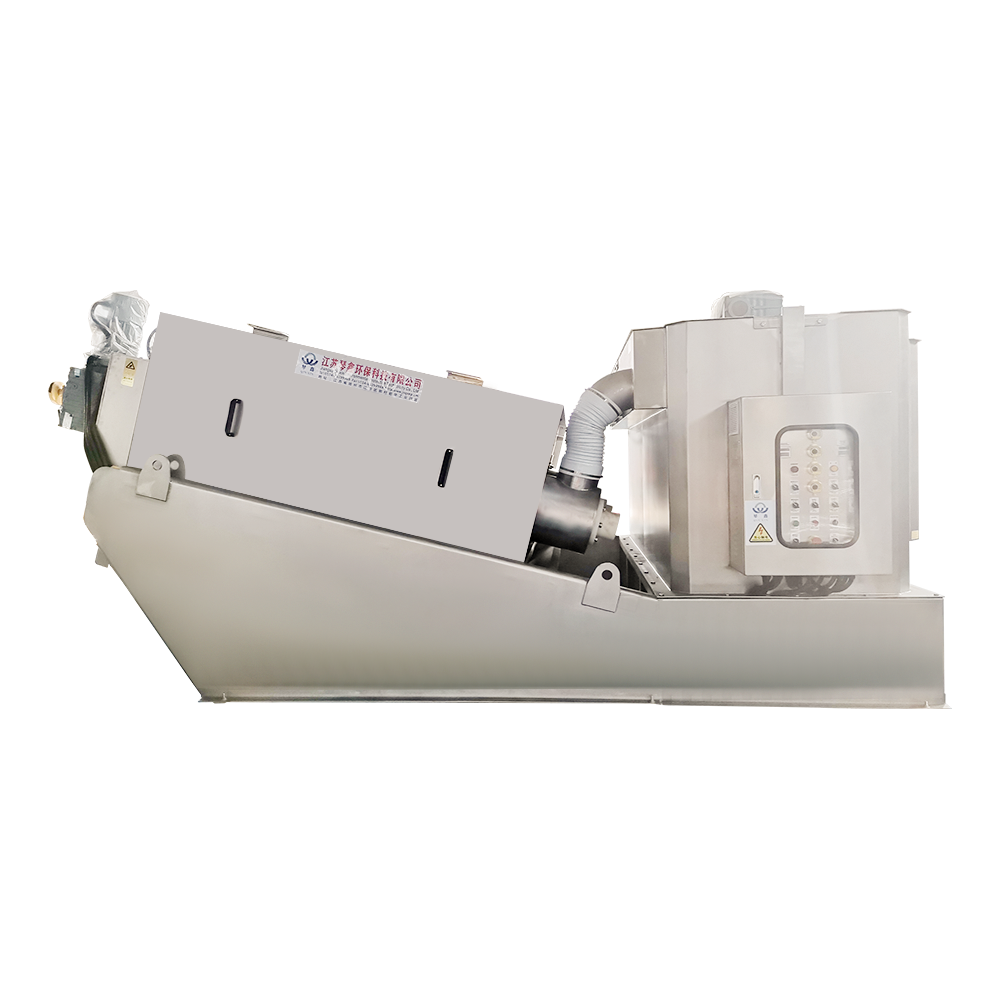
A dewatering press machine works by applying progressive mechanical pressure to sludge as it travels along a rotating screw shaft, forcing free and interstitial water out through a filtration screen while retaining solids for discharge as a semi-dry cake.
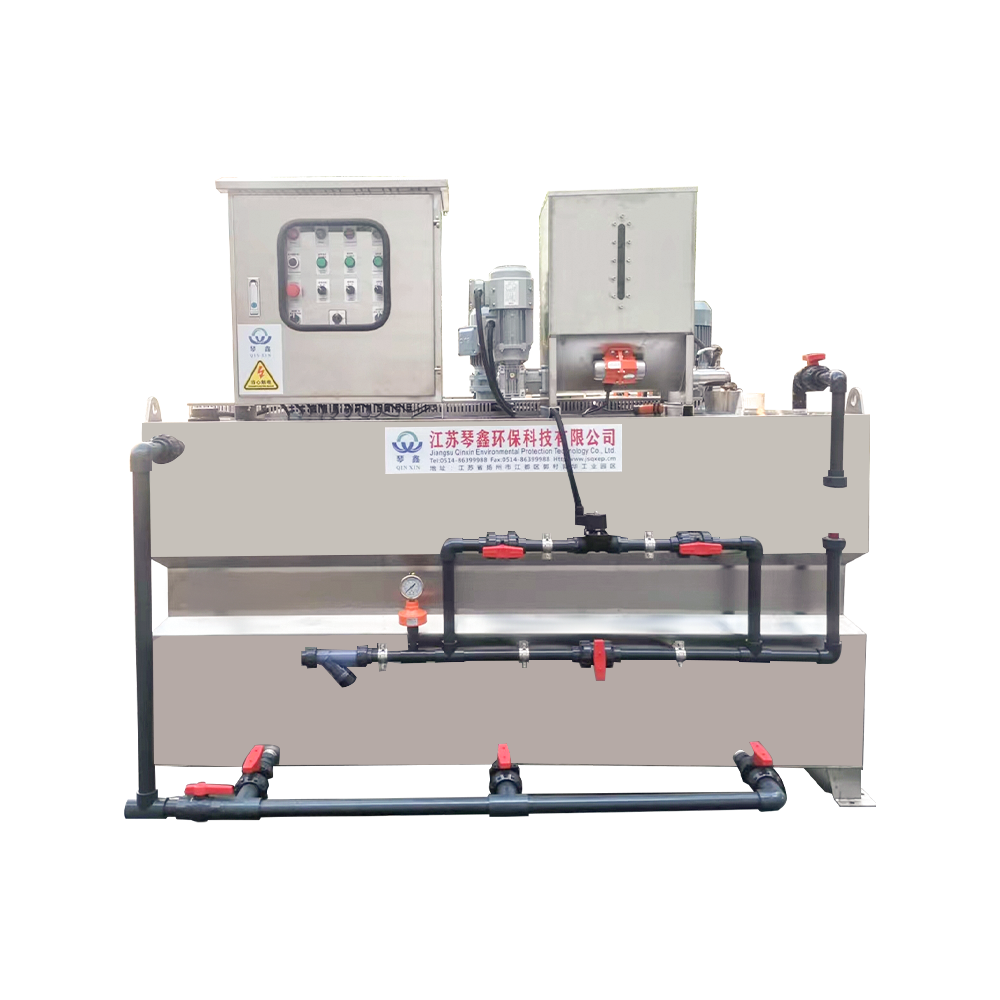
Raw sludge is dosed with a polymer flocculant in a mixing tank immediately upstream of the press inlet. The polymer binds fine particles into larger flocs — typically 0.5–2mm aggregates — which release bound water more readily under mechanical compression. Polymer dose is the single biggest variable affecting final cake dryness.
Conditioned sludge enters the gravity zone at the feed end of the press, where free water drains by gravity through the filter screen under no applied pressure. This stage removes 30–50% of total influent water and is critical for preventing screen blinding in the high-pressure zone downstream.
As sludge advances along the screw, the pitch decreases and the shaft diameter increases — narrowing the channel volume and building pressure progressively from 0.1 MPa to 0.4 MPa at the discharge end. This gradual pressure profile prevents screen blinding and keeps solids capture efficiency above 95% in well-maintained systems.
Dewatered cake exits through a back-pressure plate whose gap is adjustable to tune final moisture content. The filtrate — clarified water — collects below the screen and returns to the plant headworks or is discharged to the sewer. Quality presses achieve filtrate turbidity below 200 NTU without secondary polishing.
Which Sludge Types Suit Dewatering Press Machines?
Dewatering presses perform across a broad range of sludge types, but feed characteristics — solids concentration, particle size, and compressibility — directly govern throughput capacity and cake dryness. The table below shows compatibility by sludge category.
| Sludge Type | Inlet Solids (TS%) | Cake Dryness | Suitability |
| Municipal wastewater (mixed) | 0.5–3% | 18–25% DS | Excellent |
| Digested anaerobic sludge | 1–4% | 20–28% DS | Excellent |
| Food processing waste | 1–5% | 22–30% DS | Excellent |
| Paper and pulp sludge | 2–6% | 30–40% DS | Very Good |
| Livestock manure slurry | 2–8% | 20–28% DS | Very Good |
| Industrial chemical sludge | 0.5–2% | 15–22% DS | Good (with conditioning) |
| Oily or greasy sludge | 1–3% | 18–24% DS | Moderate (heated feed required) |
How Much Moisture Can a Press Machine Remove?
Achievable moisture reduction depends on three interacting variables: sludge compressibility, polymer conditioning efficiency, and back-pressure plate setting. No single figure applies universally — but the ranges below represent validated field performance across hundreds of installations.
Cake dryness beyond these ranges requires thermal drying — a downstream process that consumes 600–900 kWh per tonne of evaporated water versus the 3–5 kWh per tonne a mechanical press requires. For most municipal and industrial applications, mechanical dewatering to 20–30% dry solids is the economic optimum before landfill, incineration, or land application.
How to Choose a Dewatering Press Machine
Specifying the wrong press size or type is the most common — and most expensive — mistake in sludge handling projects. A structured selection process avoids oversizing (wasted capital), undersizing (bottlenecks), and material mismatches (premature failure).
Before contacting any supplier, run a full sludge analysis: total solids (TS%), volatile solids (VS%), particle size distribution, pH, temperature, and any abrasive or fibrous content. This data determines polymer type, screen gap, and screw material grade. Skipping this step guarantees an incorrectly sized press.
Calculate peak daily sludge volume in m³/day and divide by planned operating hours. Most presses are rated at inlet flow rates of 1–50 m³/hr depending on model. For continuous 24-hour duty, specify a duty-standby pair — a single press running to failure shuts down the entire sludge stream.
Standard screw flights are 304 stainless steel — adequate for municipal sludge. Chemical sludges with pH below 5 or above 10, or high-chloride industrial streams, require 316L or duplex stainless. Abrasive mineral sludges warrant hard-faced screw flights with Stellite or tungsten carbide overlay.
Request a jar test (polymer selection) and, where possible, a mobile pilot press trial using your actual sludge. A 2-week pilot generates the cake dryness, filtrate quality, and polymer dose data needed to write a performance-guaranteed specification — protecting the project budget against post-commissioning surprises.
Specifying a dewatering press machine with documented pilot test results and sludge characterisation data in hand allows suppliers to provide binding performance guarantees — typically cake dryness within ±2% DS and solids capture above 95% — rather than indicative estimates that leave the risk with the buyer.

 TOP
TOP