
 ENG
ENG
 English
 русский
 Español
 Tiếng Việt
 ไทย
ไทย
Article Directory
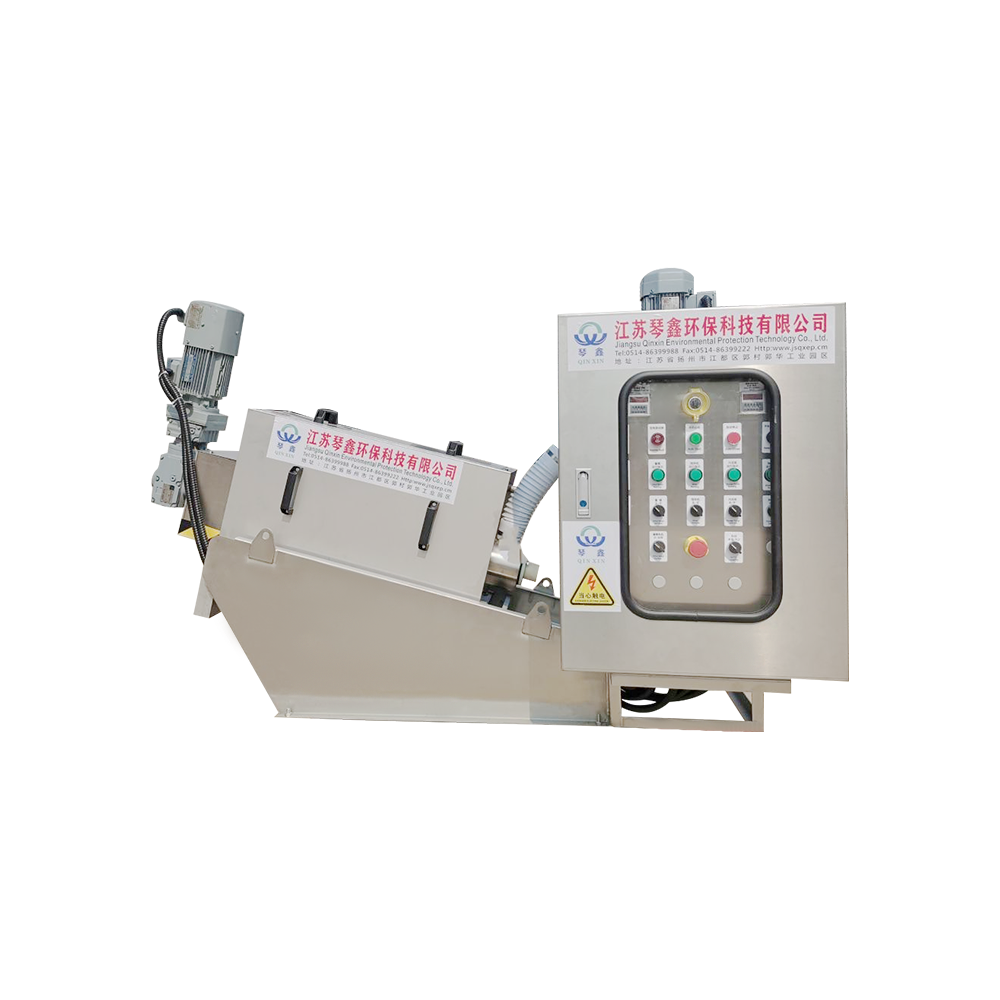
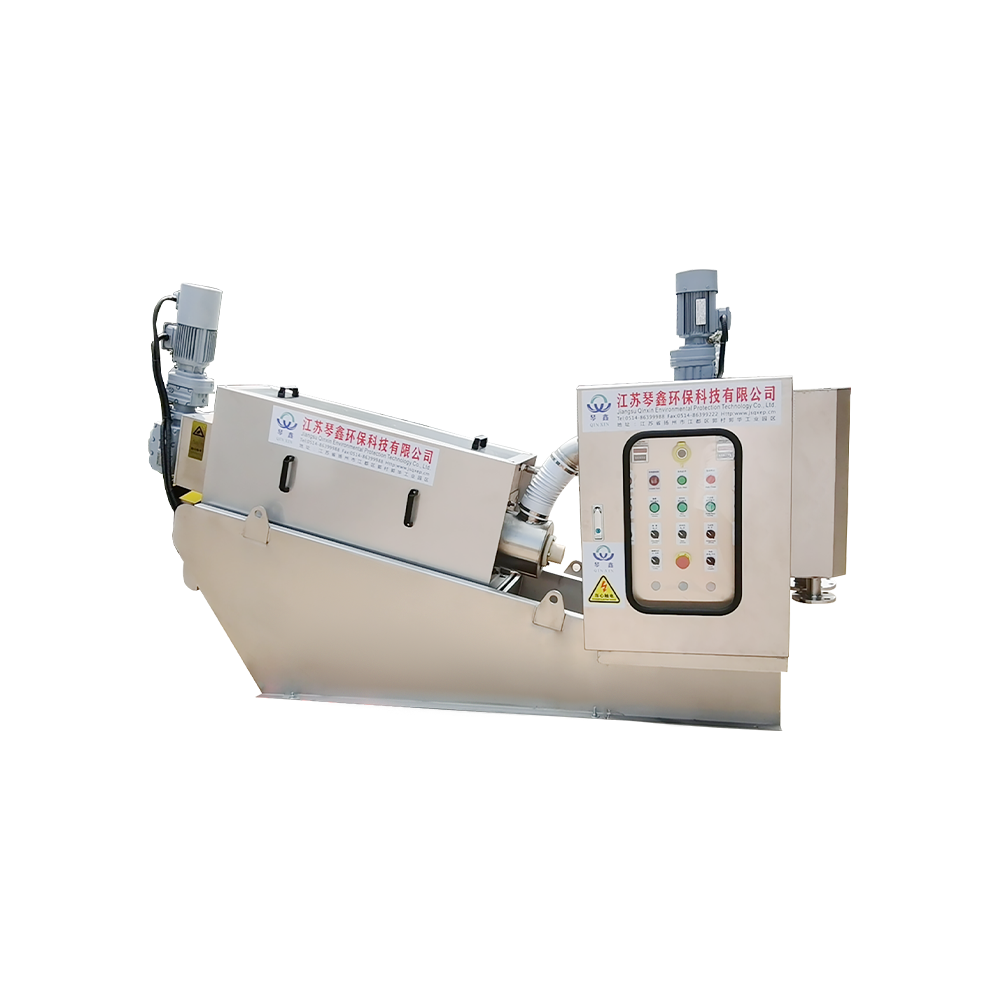
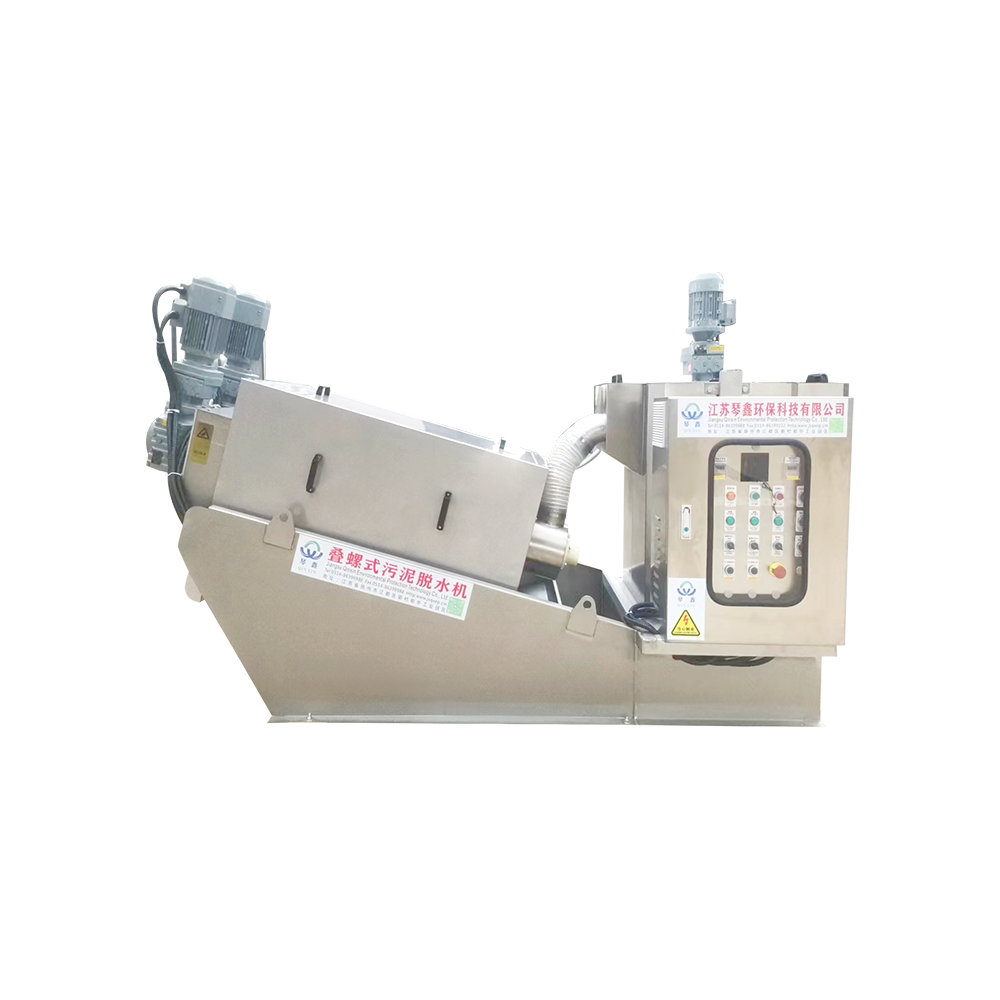
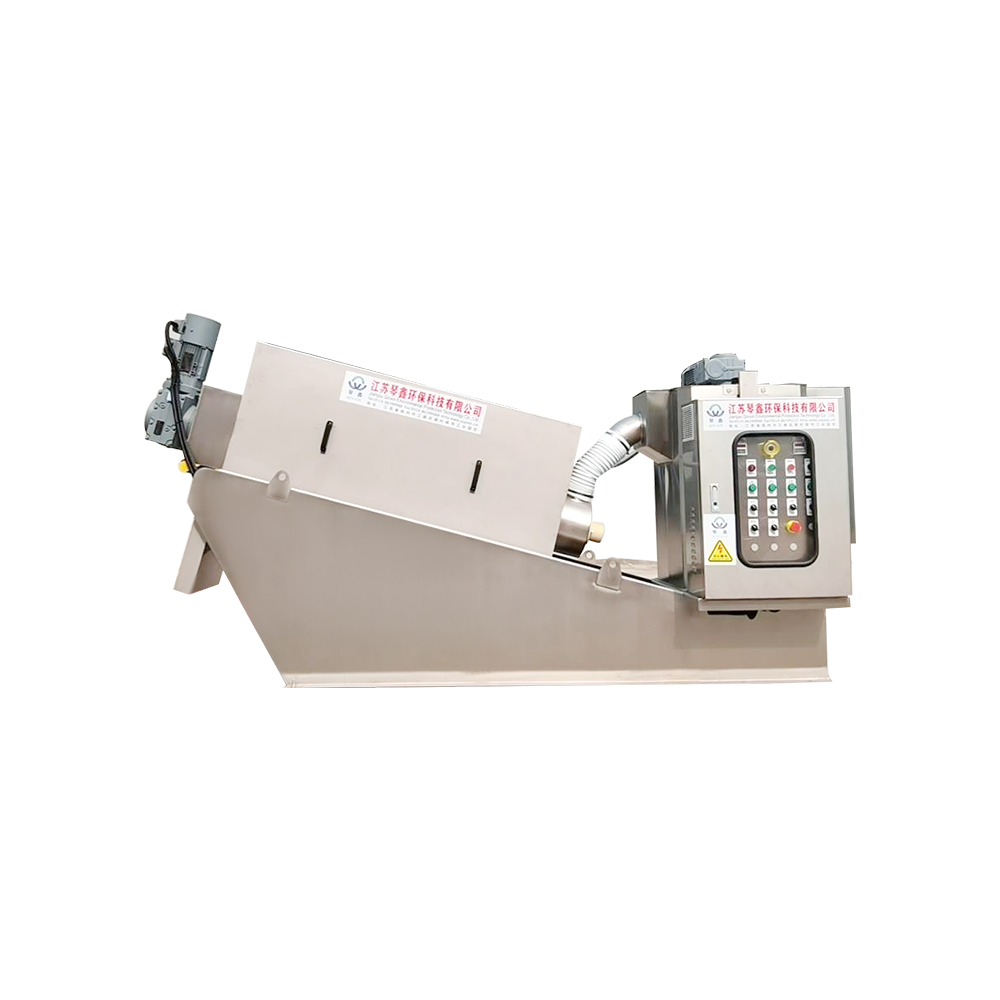
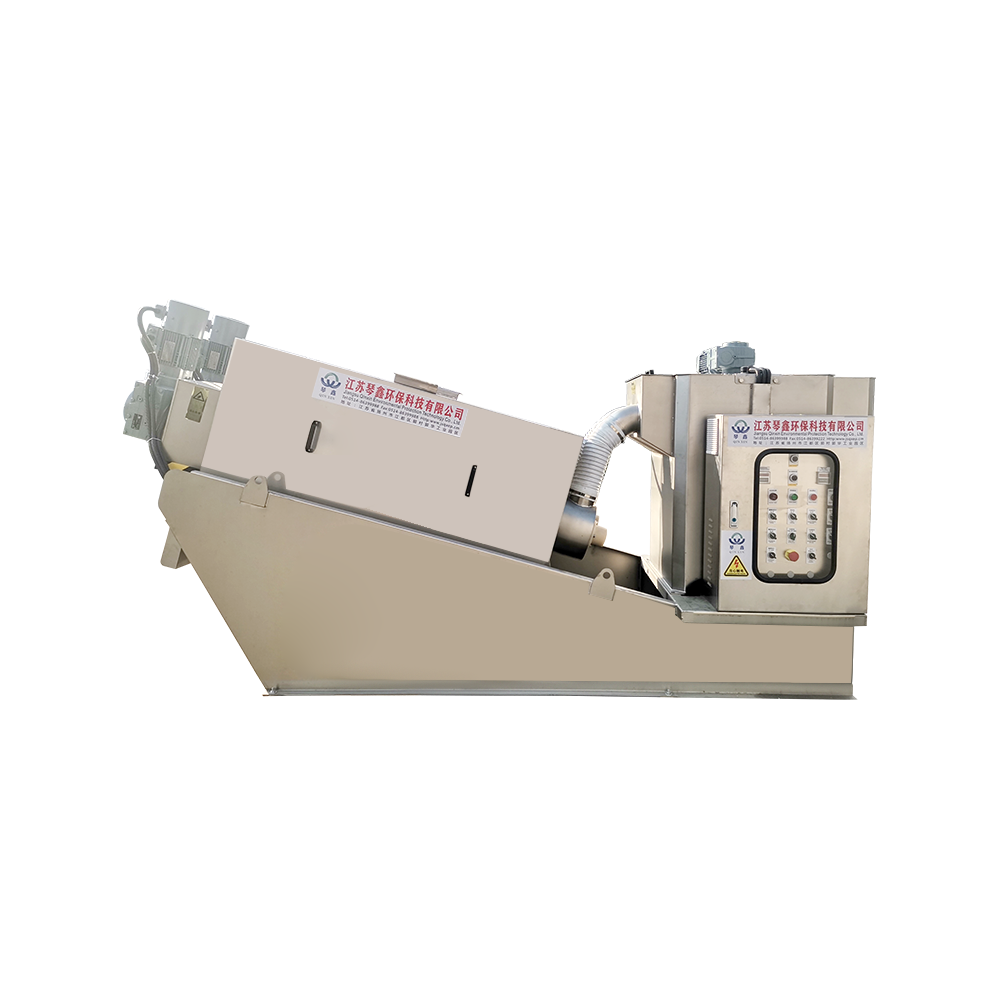
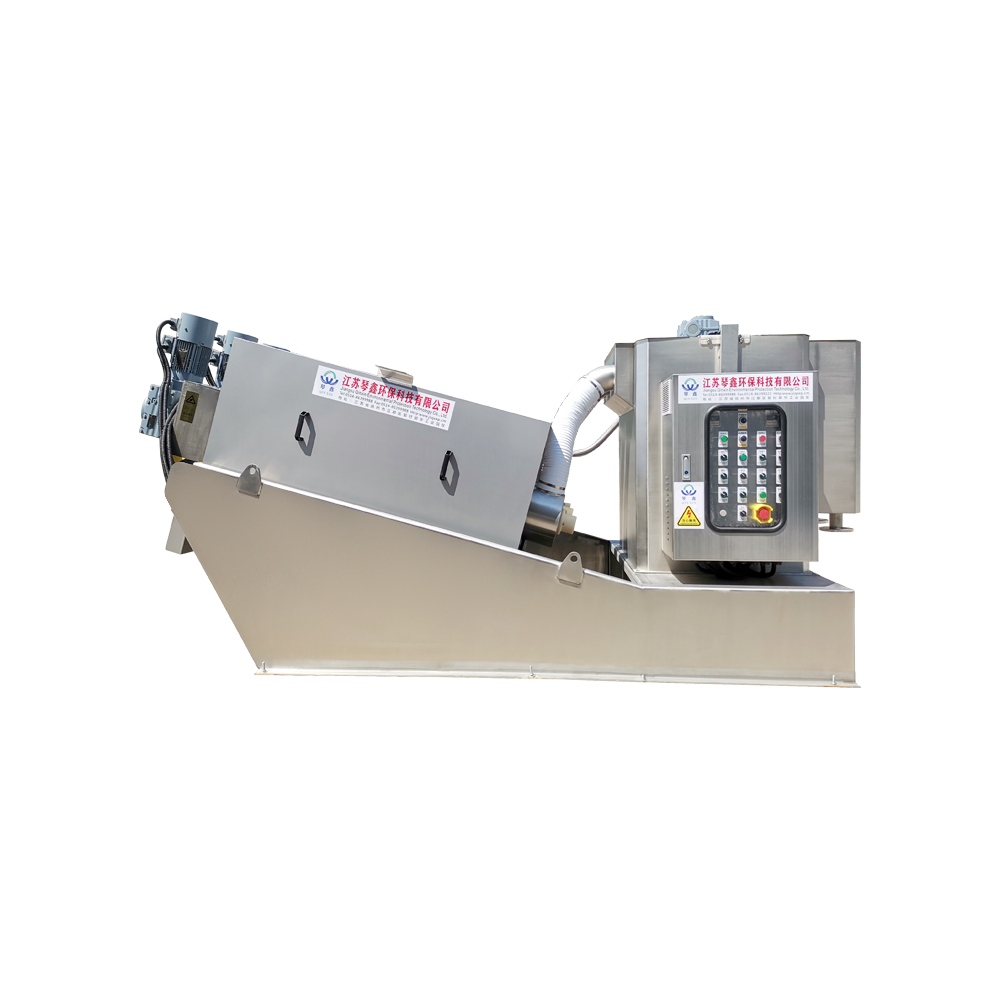
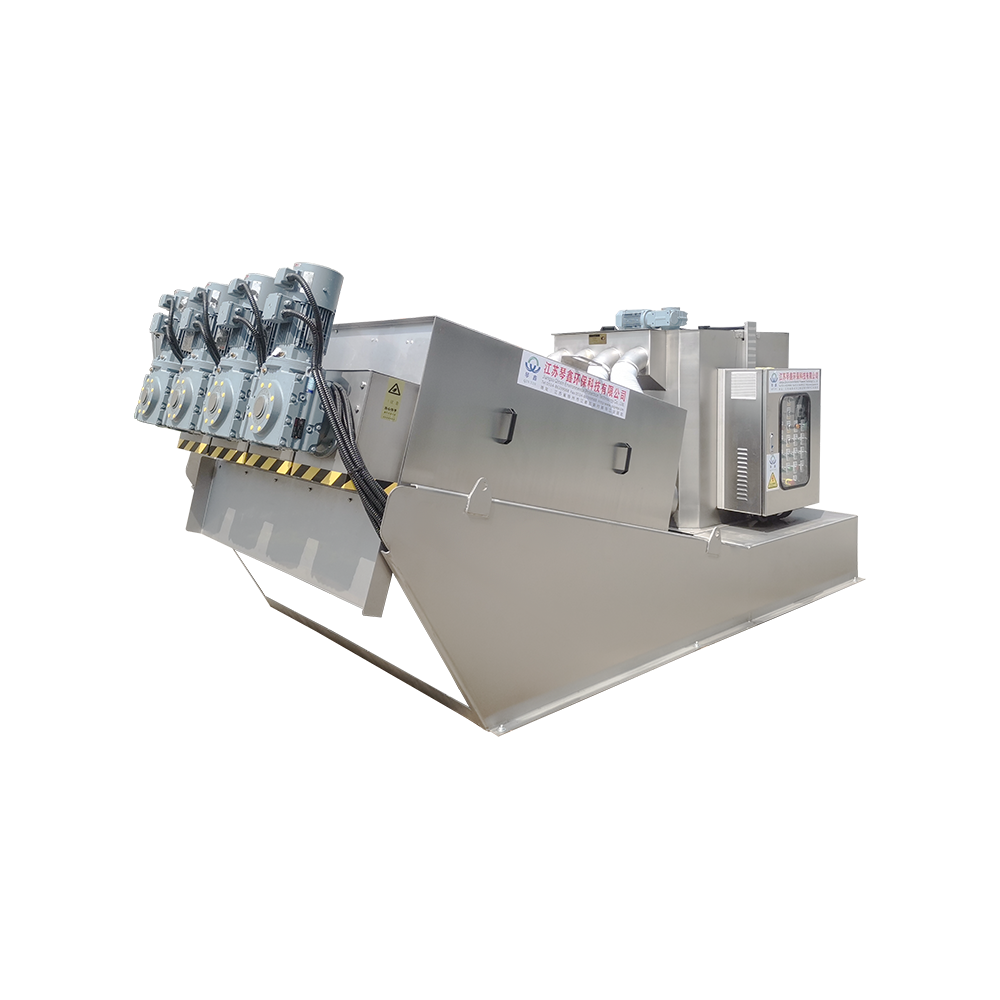
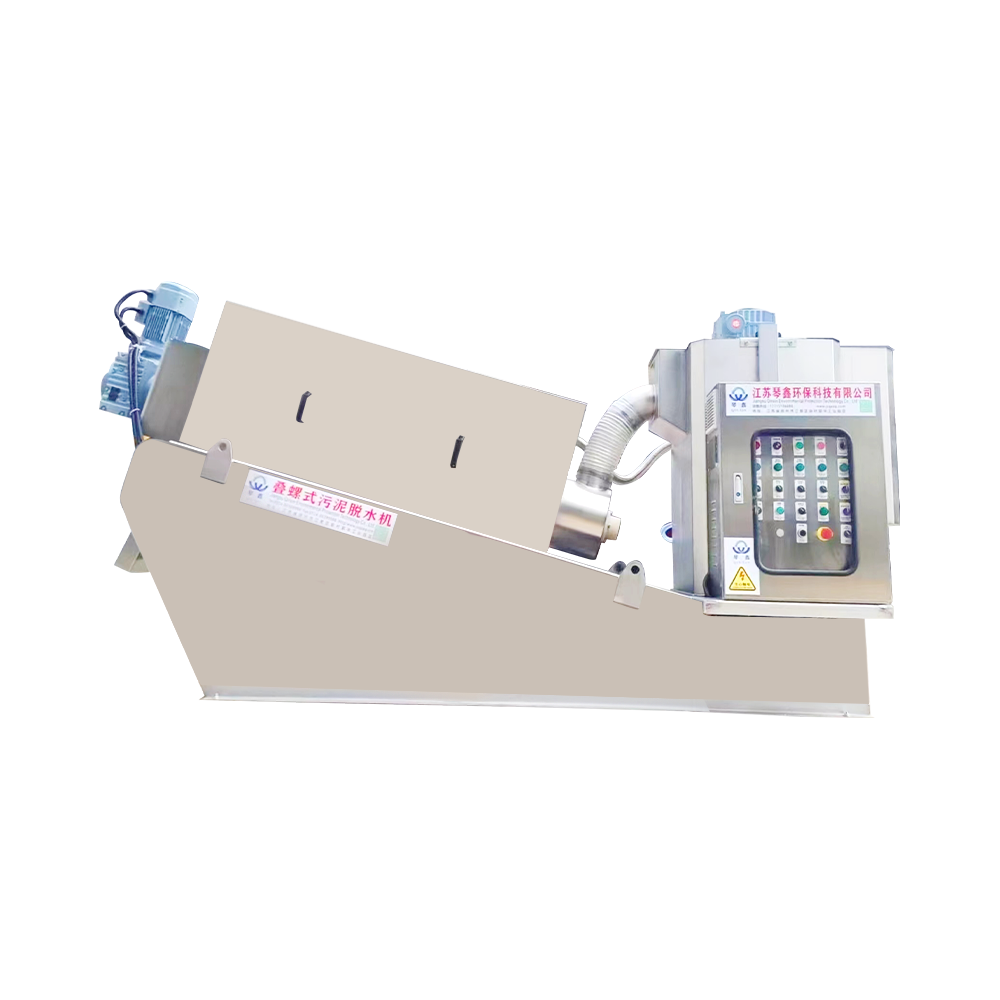
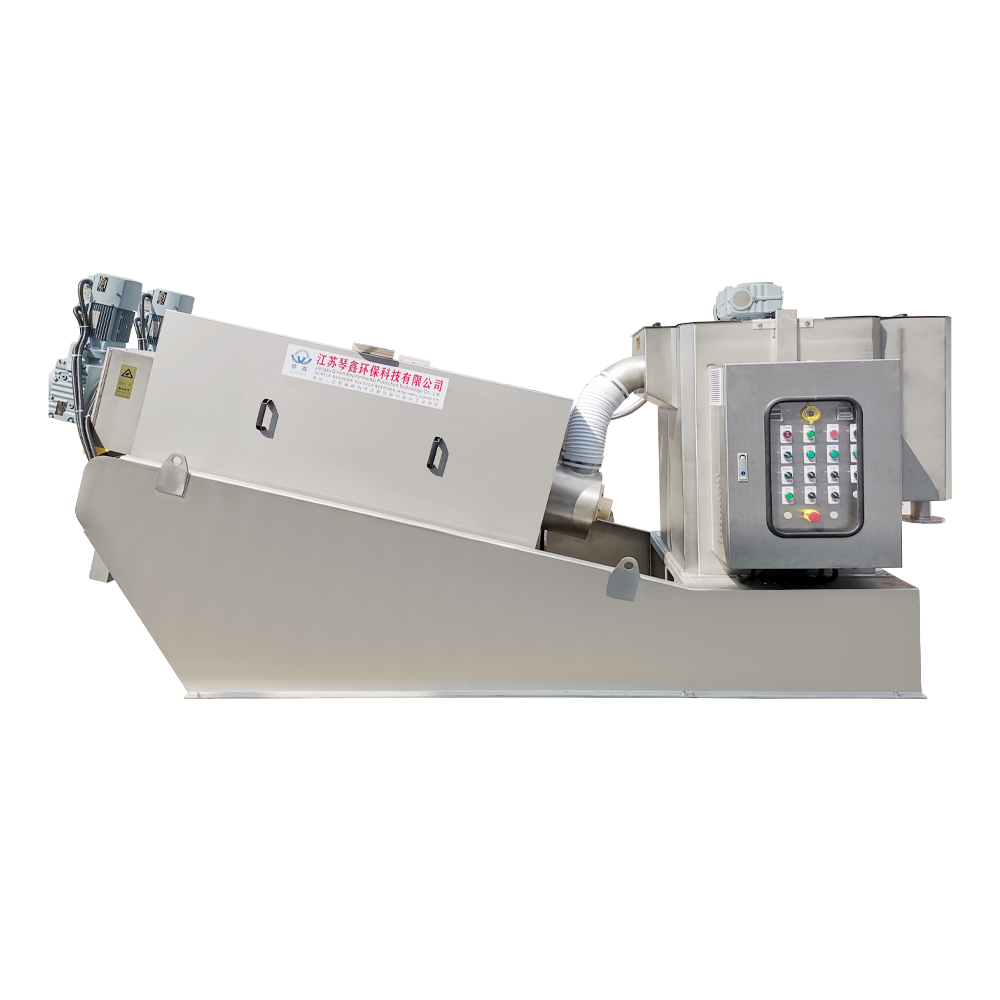
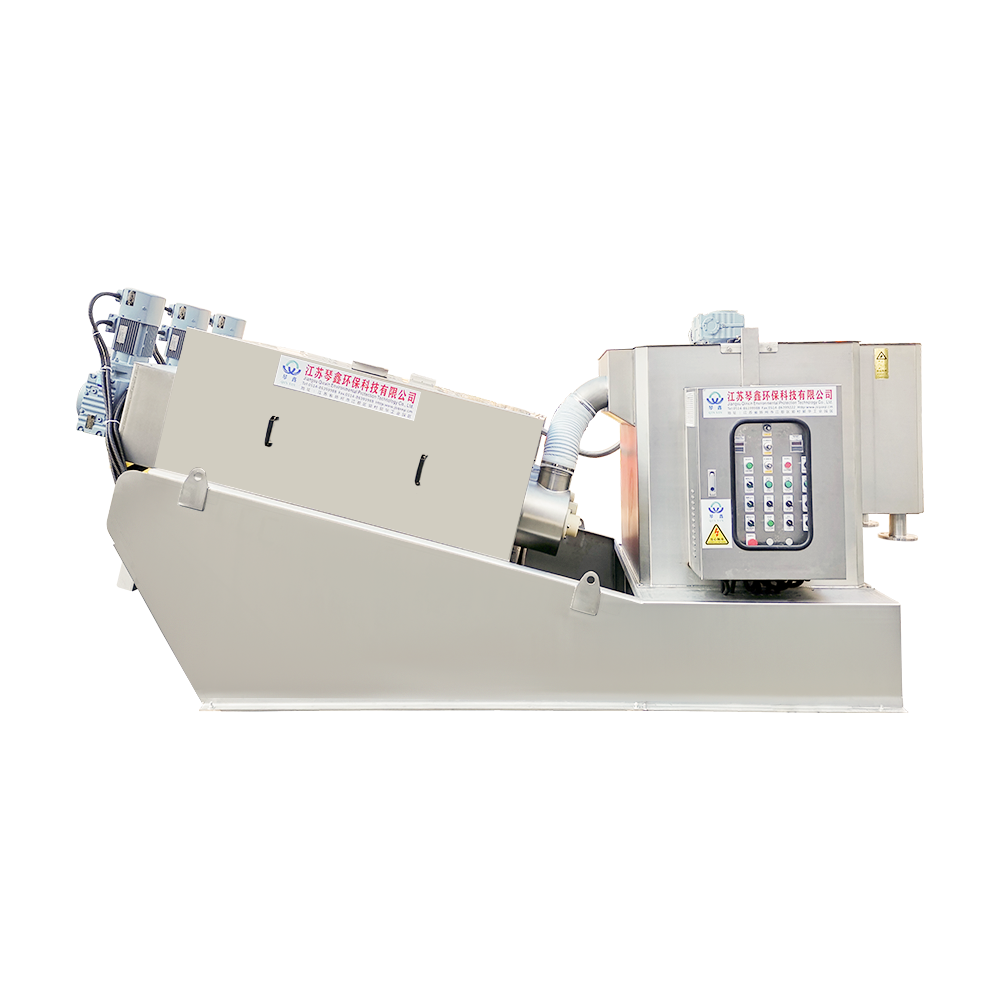
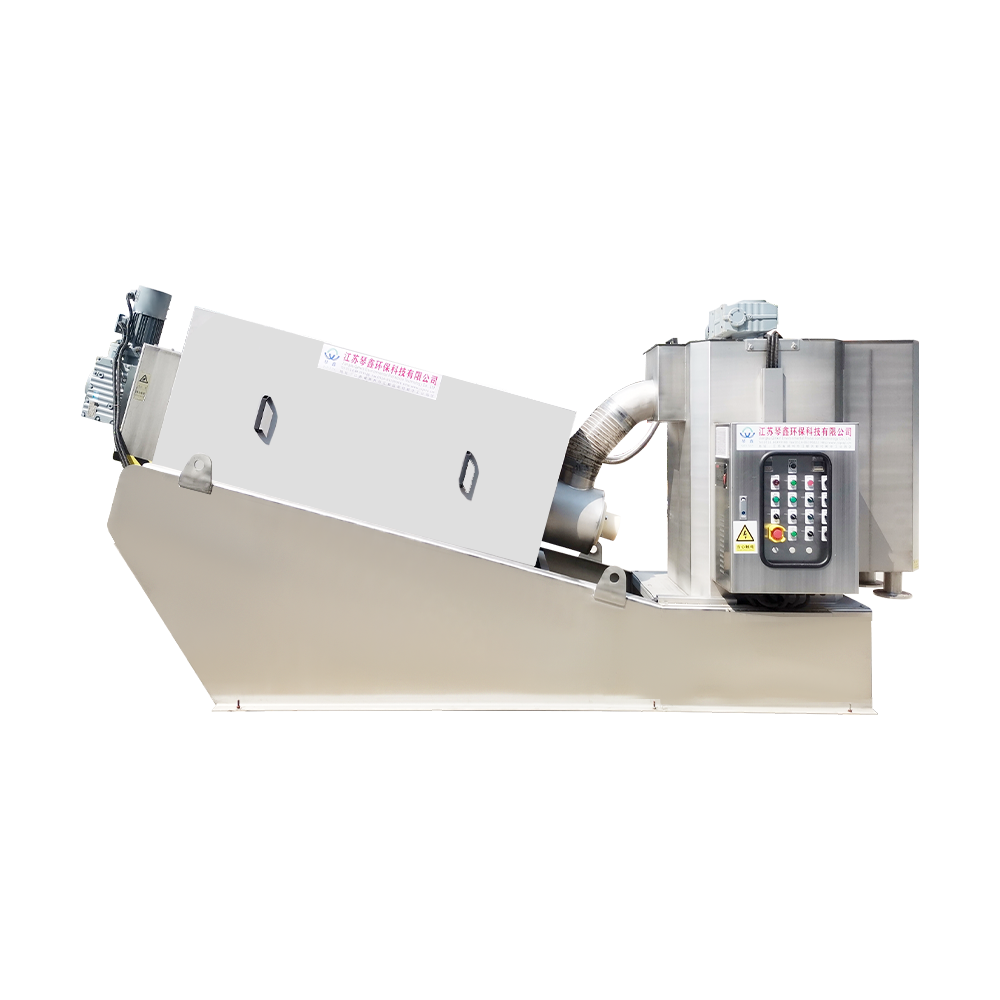
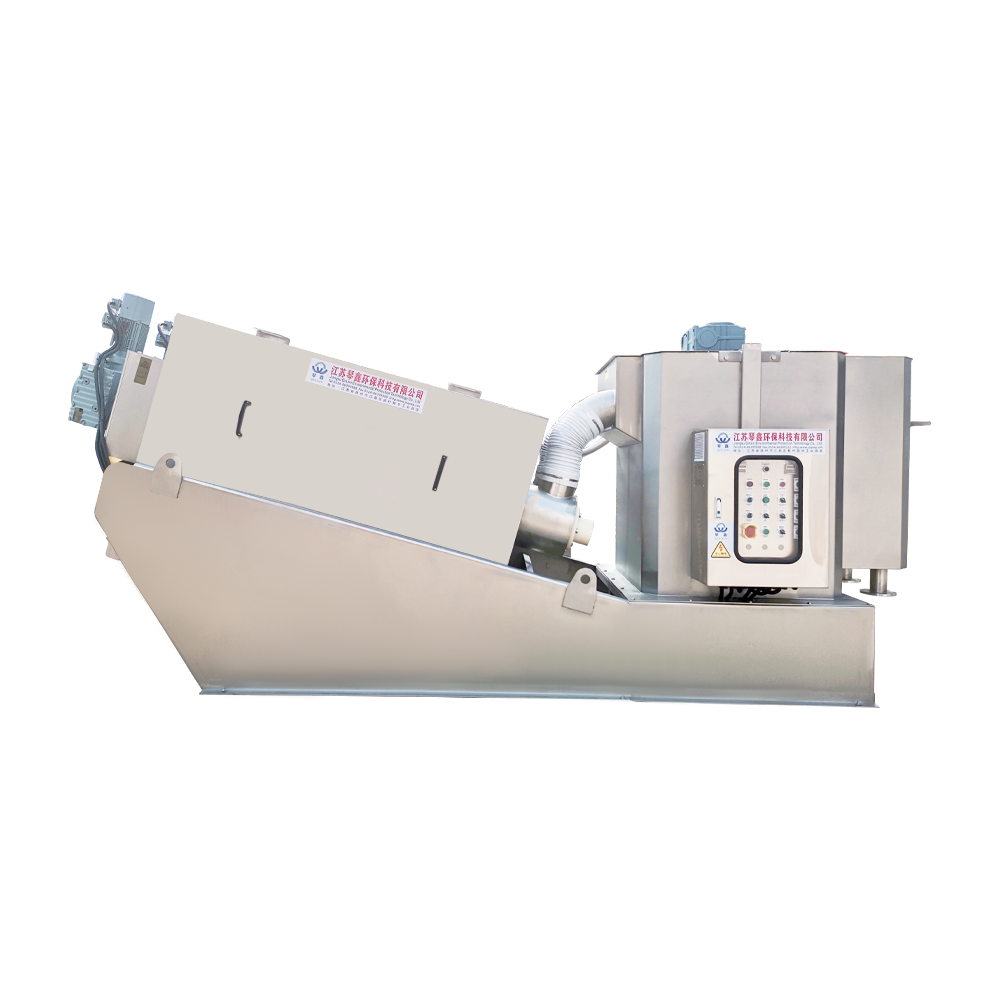
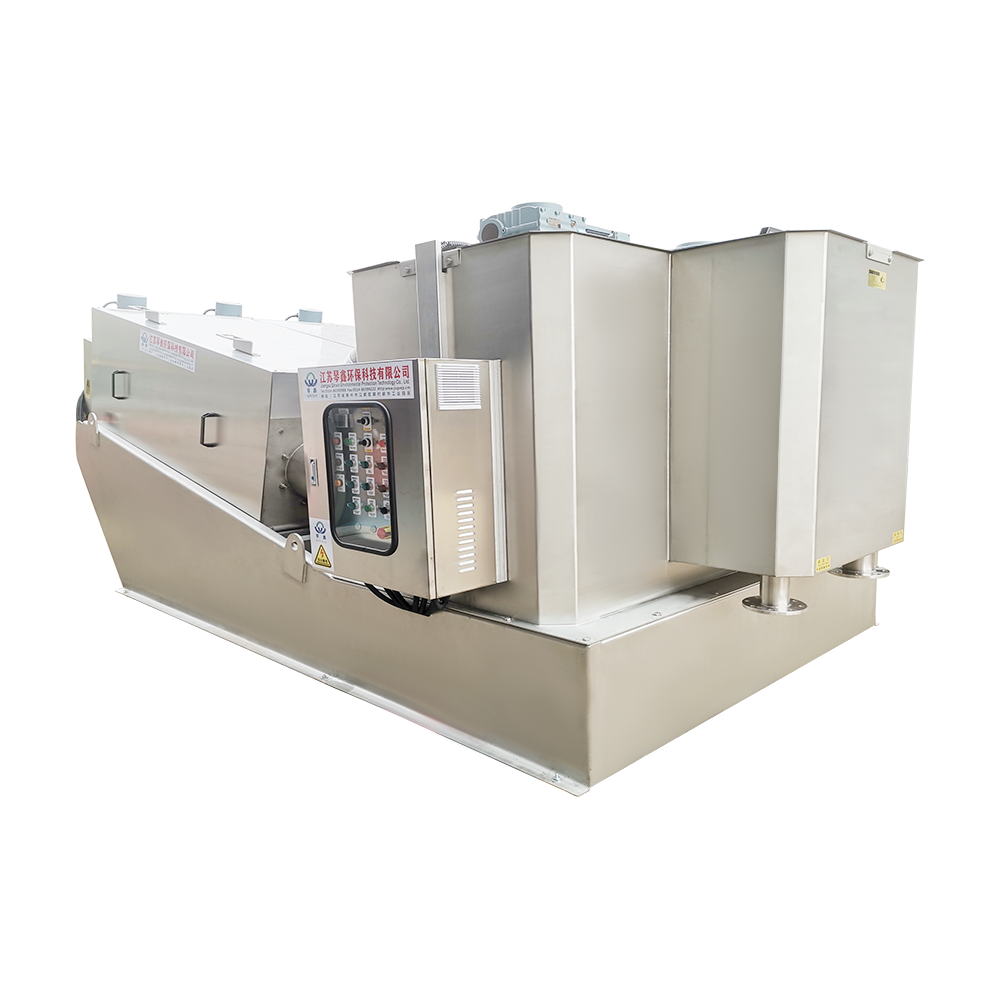
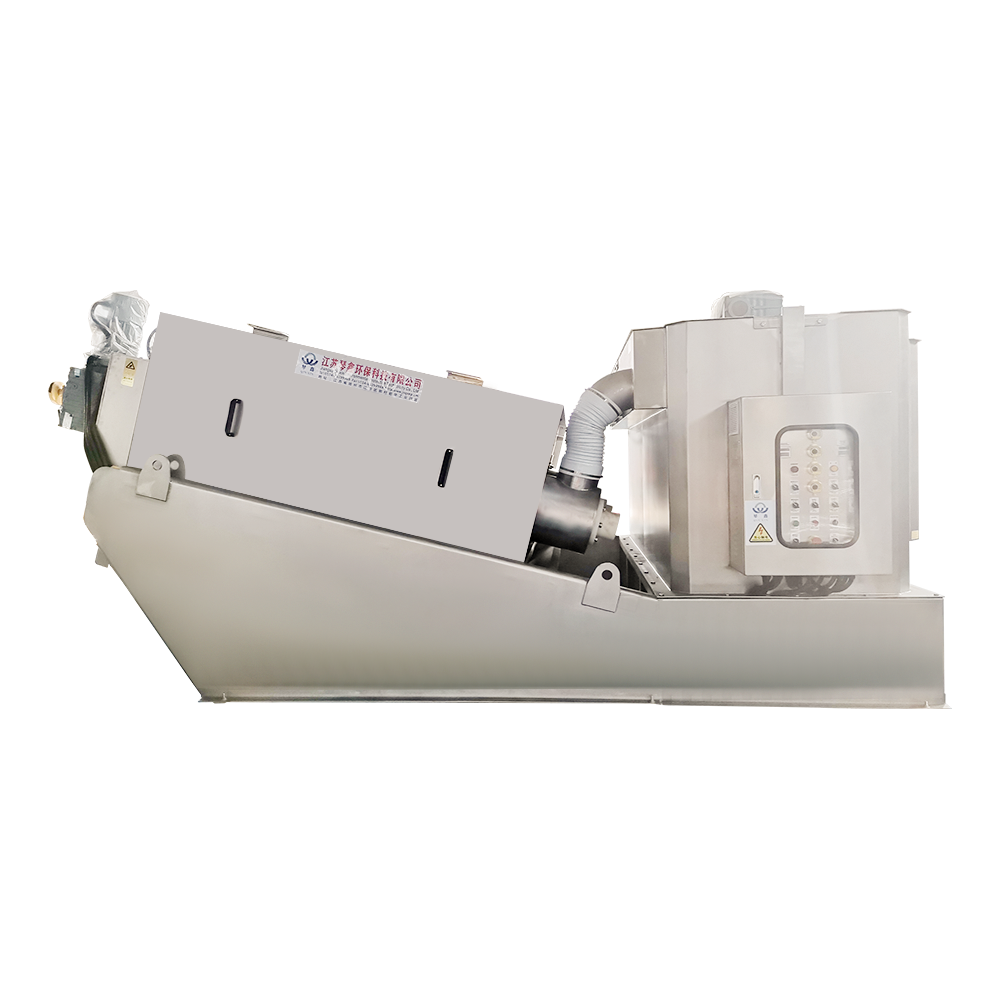
A screw sludge dewatering machine converts liquid sludge at less than 1% solids into a handleable, stackable cake at 18 to 25% dry solids — using a slowly rotating helical screw inside a self-cleaning stacked-ring filter body that needs no washwater, no continuous staffing, and no belt replacement. For municipal plants, food processors, and industrial wastewater operators, it is the lowest total-cost dewatering technology available for dilute and biological sludge streams.
01 — How Does Screw Dewatering Work?
Screw dewatering operates on a continuous positive-displacement filtration principle. Polymer-conditioned sludge feeds into a rotating screw assembly where progressively tightening screw-flight pitch builds pressure along the dewatering zone, forcing free water outward through microscopic gaps in the stacked lamella ring filter body while the thickening cake moves forward to discharge.
The defining innovation of the stacked screw press is the self-cleaning filter body: alternating fixed and moving lamella rings that shift laterally with every screw rotation, continuously clearing accumulated solids from the filter gaps — eliminating the 3 to 5 cubic metres per hour of freshwater washing that belt press systems consume around the clock.
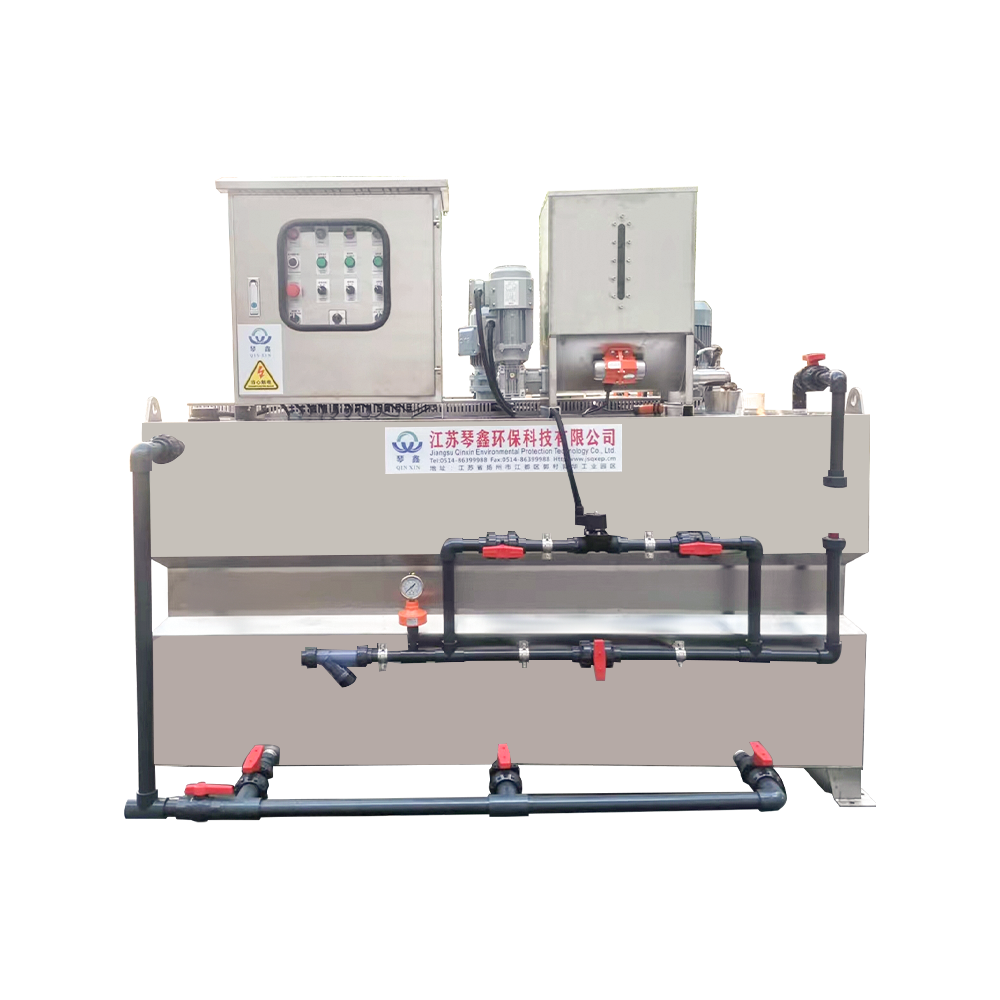
Mechanism — Stacked Ring Self-Cleaning FilterFour subsystems work in sequence during normal operation. First, a flocculation drum upstream doses and gently blends polymer solution with raw sludge, forming the floc structure that determines both cake dryness and filtrate clarity. Second, the thickening zone at the screw inlet concentrates feed before it enters the high-pressure dewatering zone. Third, the dewatering zone applies progressive mechanical pressure as screw pitch decreases toward discharge. Fourth, a back-pressure plate at the cake exit controls final cake solids by varying discharge resistance — a parameter operators adjust in response to sludge feed variability without stopping the machine.
02 — What Sludge Suits a Screw Press System?
The stacked screw press handles a broader sludge input range than any competing mechanical dewatering technology, performing reliably at feed concentrations as low as 0.01% dry solids — a threshold far below the minimum practical feed concentration of centrifuges and belt presses.
- Municipal activated sludge (WAS) Feed 0.2 – 1.0% DS. Cake output 18 – 22% DS. The primary application globally — stacked screw presses now handle the majority of new WAS dewatering installations in Japan, South Korea, and across Europe.
- Food and beverage wastewater sludge Feed 0.5 – 2.0% DS. Cake output 22 – 30% DS. High organic content responds well to polymer conditioning. The enclosed operation eliminates odour complaints common with open belt press installations in food facilities.
- Livestock and agricultural slurry Feed 1.0 – 4.0% DS. Cake output 20 – 26% DS. Separated cake is suitable as solid fertiliser; filtrate returns to the lagoon or enters nutrient recovery. Growing adoption across swine, poultry, and dairy operations.
- Industrial and oily sludge Feed 0.3 – 2.0% DS. The sealed body prevents volatile organic compound release — a compliance requirement for petroleum, chemical, and pharmaceutical sludge streams that open dewatering systems cannot meet.
- High-solids mineral slurry Silica sand, ceramic grinding waste, and quarry slurry contain abrasive particles that accelerate lamella ring wear to unacceptable rates. Filter press or decanter centrifuge is the correct selection.
- Very high-volume thin streams At feed flows above 200 m³/h, multiple screw press units become impractical. A decanter centrifuge or gravity belt thickener followed by a centrifuge offers better economy of scale at very high hydraulic loads.
- Sludge requiring sterilisation Where pathogen reduction to Class A biosolids is required, thermal hydrolysis or high-temperature processing is specified upstream. Screw pressing alone does not achieve the thermal treatment pathogen reduction criteria.
03 — Why Choose a Screw Press Over Belt Press or Centrifuge?
Three categories of measurable advantage explain why stacked screw presses have displaced belt presses as the default choice in new municipal and food-industry dewatering projects across Asia and Europe since 2010.
| Criterion | Screw Press | Belt Press | Decanter Centrifuge |
| Washwater consumption | None | 3 – 5 m³/h continuous | None |
| Power consumption | 0.01 – 0.05 kWh/kg DS | 0.02 – 0.08 kWh/kg DS | 0.1 – 0.3 kWh/kg DS |
| Operator hours per day | 0.5 – 1 hr | 4 – 8 hrs | 1 – 2 hrs |
| Noise level | Below 75 dB(A) | 75 – 82 dB(A) | 85 – 95 dB(A) |
| Odour containment | Fully enclosed | Open — requires hood | Enclosed |
| Minimum feed concentration | 0.01% DS | 0.5 – 1.0% DS | 0.5 – 2.0% DS |
A lifecycle cost analysis by the Water Environment Federation (2022) found that stacked screw press systems at 500 kg DS per day capacity consume 60 to 75% less electricity and require 80% less operator time than equivalent belt press installations over a 10-year operating period, after accounting for capital cost amortisation, consumables, and maintenance labour.
04 — How Much Sludge Volume Reduction Does a Screw Press Deliver?
A screw sludge dewatering machine processing municipal activated sludge at 0.5% DS feed concentration consistently delivers 80 to 90% volume reduction, producing cake at 18 to 22% DS — a 36 to 44-fold concentration of the original sludge dry solids in the product cake.
Typical daily volume transformation: 100 m³ liquid sludge at 0.5% DS in — less than 3 m³ dewatered cake at 20% DS out. Transport loads drop from 10 tanker collections per day to a single skip container, with proportional reductions in haulage cost, driver time, and disposal gate fees.
Volume reduction performance varies by sludge type and conditioning. Primary sludge with higher organic solids content achieves the highest cake dryness — 25 to 35% DS — while thin biological sludge from extended aeration systems typically peaks at 18 to 22% DS. Back-pressure plate adjustment, polymer dose optimisation, and seasonal temperature variation all influence the final number by 2 to 5 percentage points in either direction.
05 — Frequently Asked Questions
What is the typical polymer consumption for screw press dewatering?
Municipal activated sludge requires 4 to 8 kg of active polymer per tonne of dry solids. Food industry sludge with high organic loading may reach 8 to 12 kg per tonne DS. Jar testing with representative fresh sludge samples at the target operating temperature is essential before finalising polymer product selection and dosing system design.
Can a screw press operate unattended overnight?
Yes. Automated polymer dosing with real-time feed flow compensation, torque-monitored screw drives that detect blockages and reverse-flush automatically, and self-clearing lamella rings enable continuous 24-hour unattended operation. Most installations run on alarm-only supervision — operators check status remotely and attend only when a fault alert is triggered.
How does footprint compare to a belt press of equivalent capacity?
A screw press unit at 30 to 50 kg DS per hour occupies approximately 1.5 m x 0.8 m floor area. An equivalent belt press requires 4 to 6 m x 1.2 m plus washwater pipework and drainage channel. The screw press footprint is typically 60 to 70% smaller — a decisive factor in plant upgrade projects where machine room space is constrained.
What maintenance schedule does a stacked screw press require?
Routine maintenance consists of weekly inspection of polymer dosing lines and check valves, monthly lubrication of screw shaft bearings, and annual inspection of lamella ring clearances. In standard municipal sludge service with stainless steel construction, lamella rings achieve 40,000 to 60,000 hours before dimensional wear requires replacement — equivalent to 5 to 7 years of continuous operation at an 8,000-hour annual run time.

 TOP
TOP