
 ENG
ENG
 English
 русский
 Español
 Tiếng Việt
 ไทย
ไทย
Article Directory
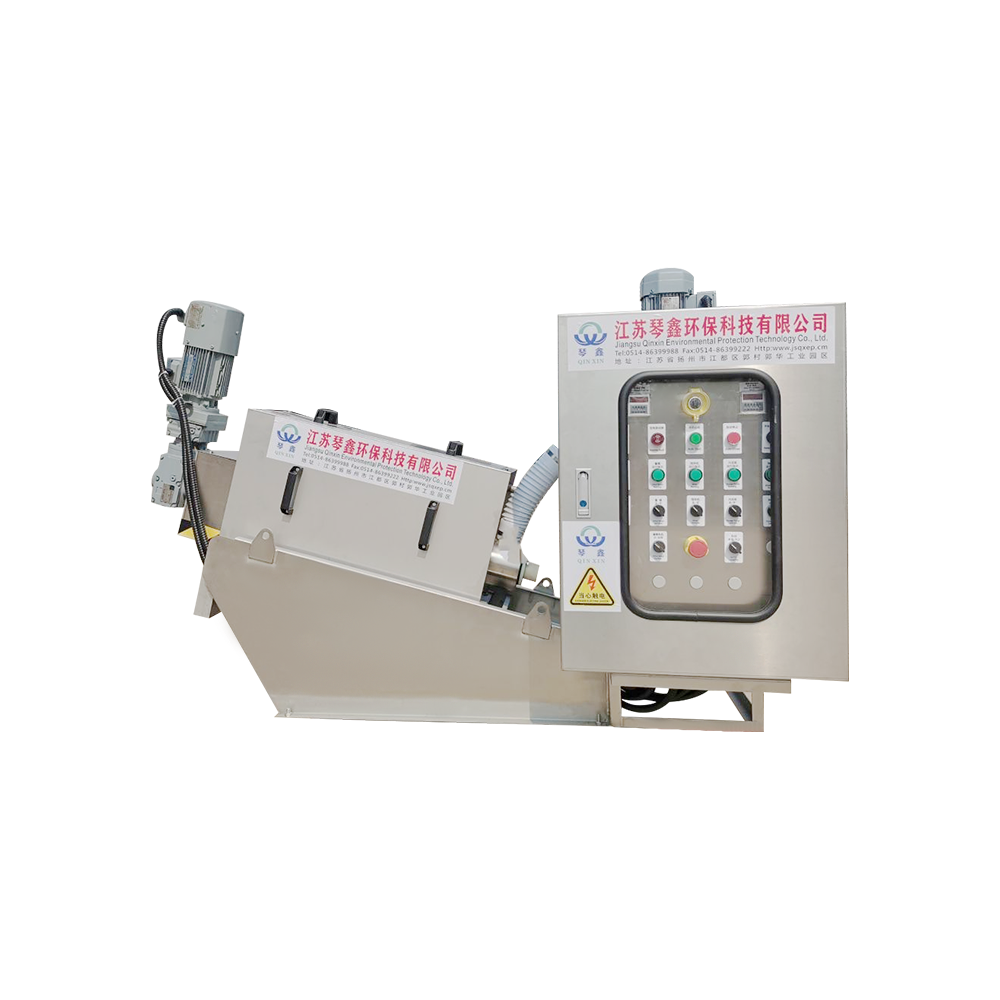
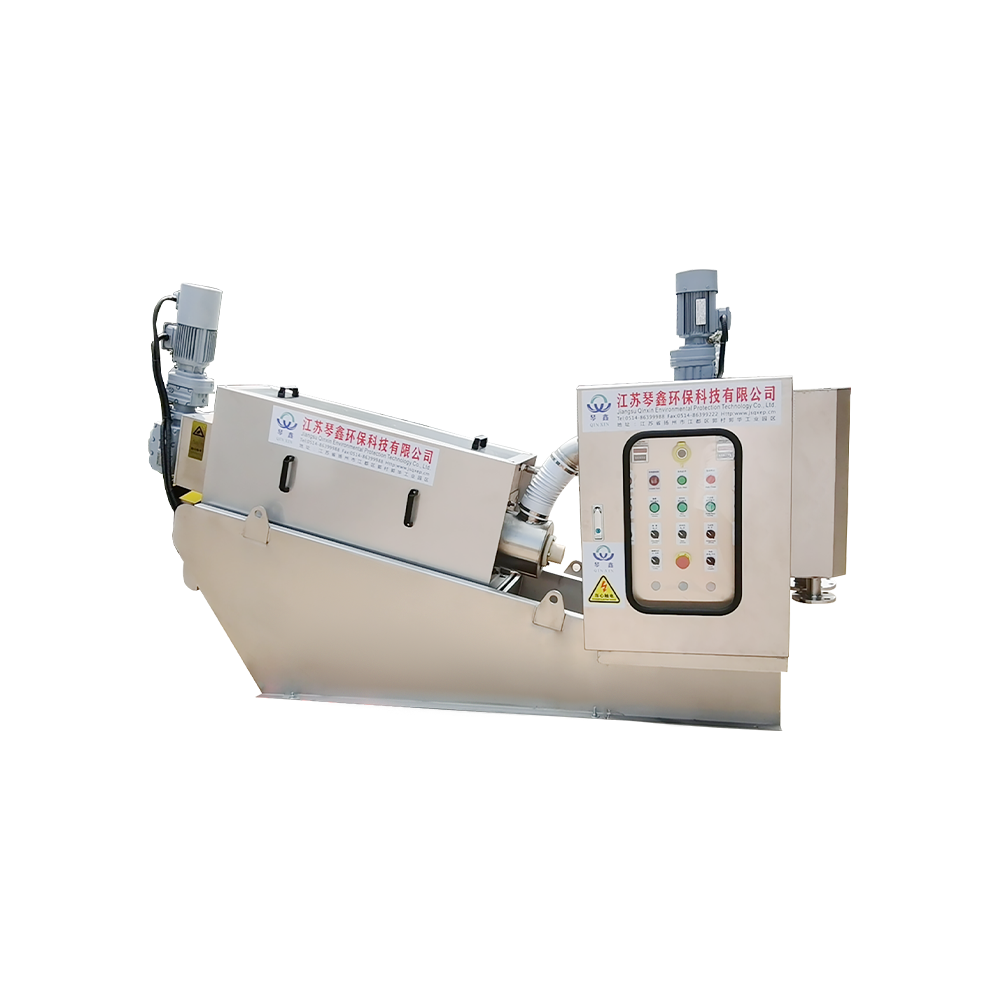
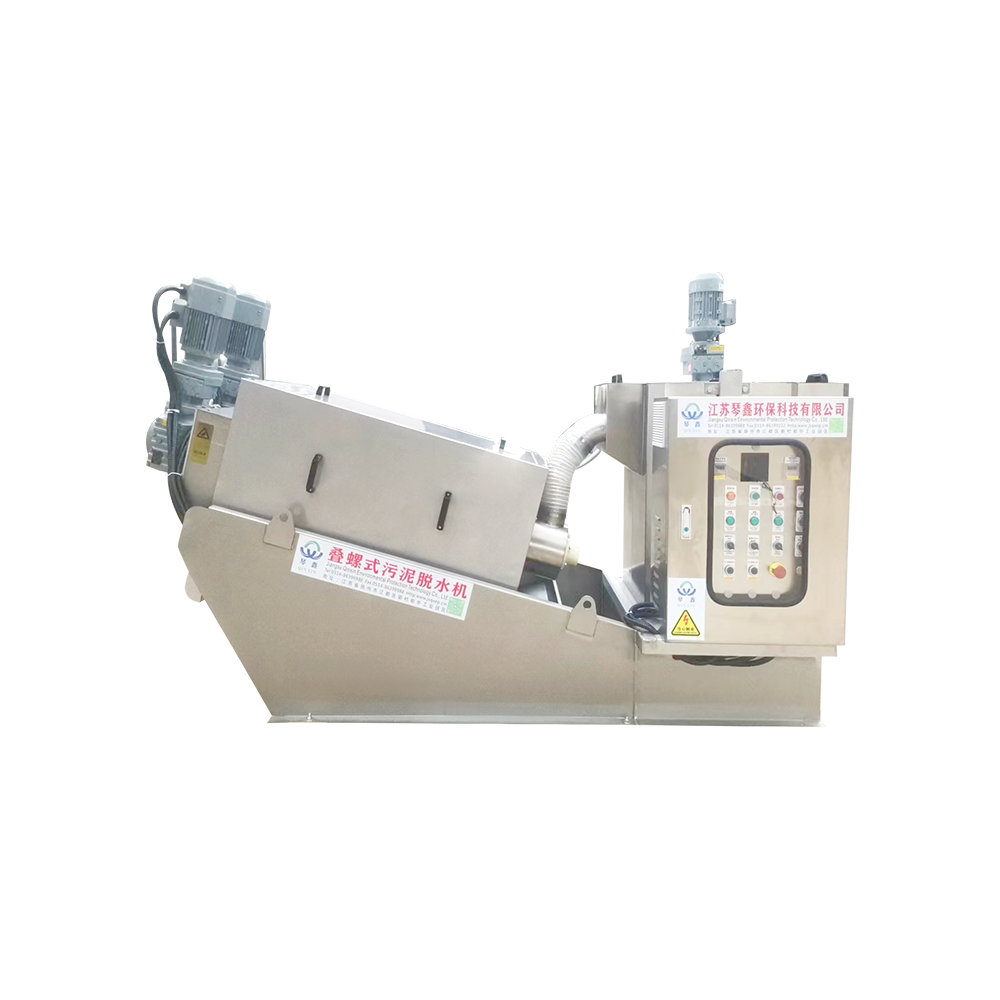
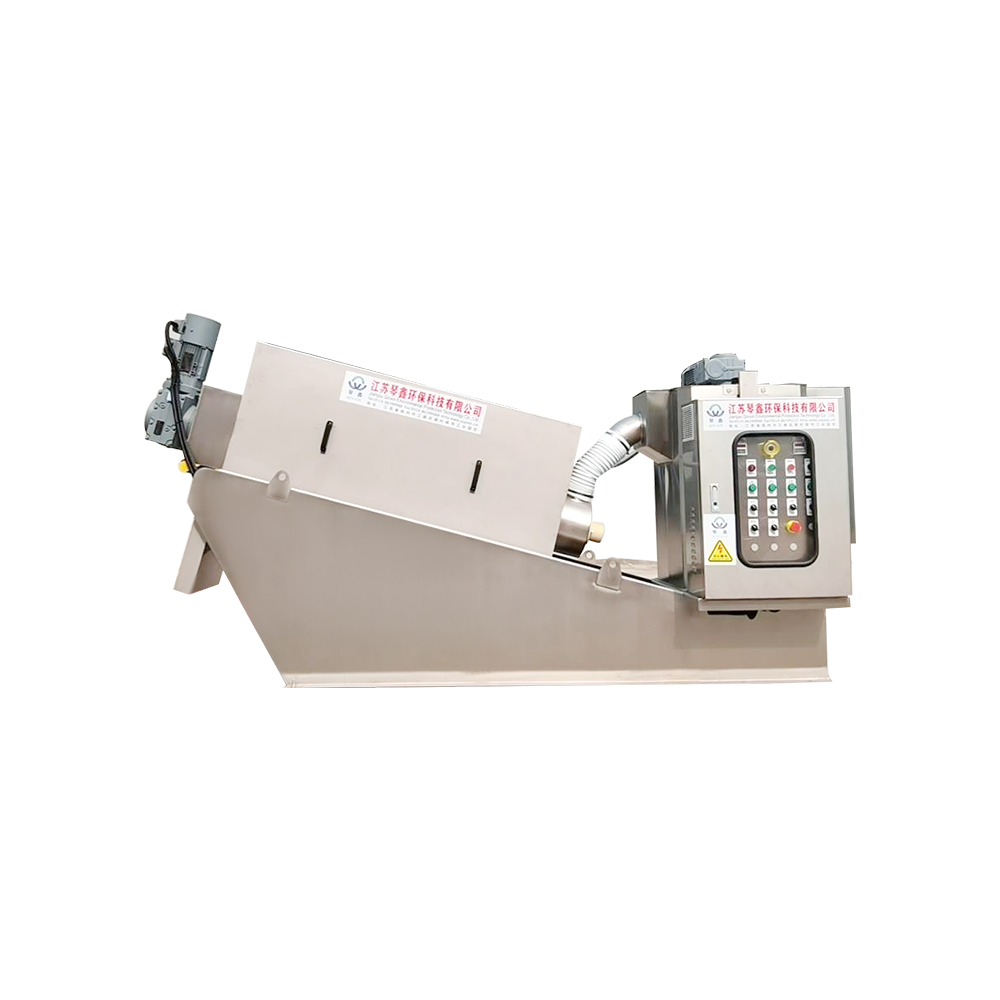
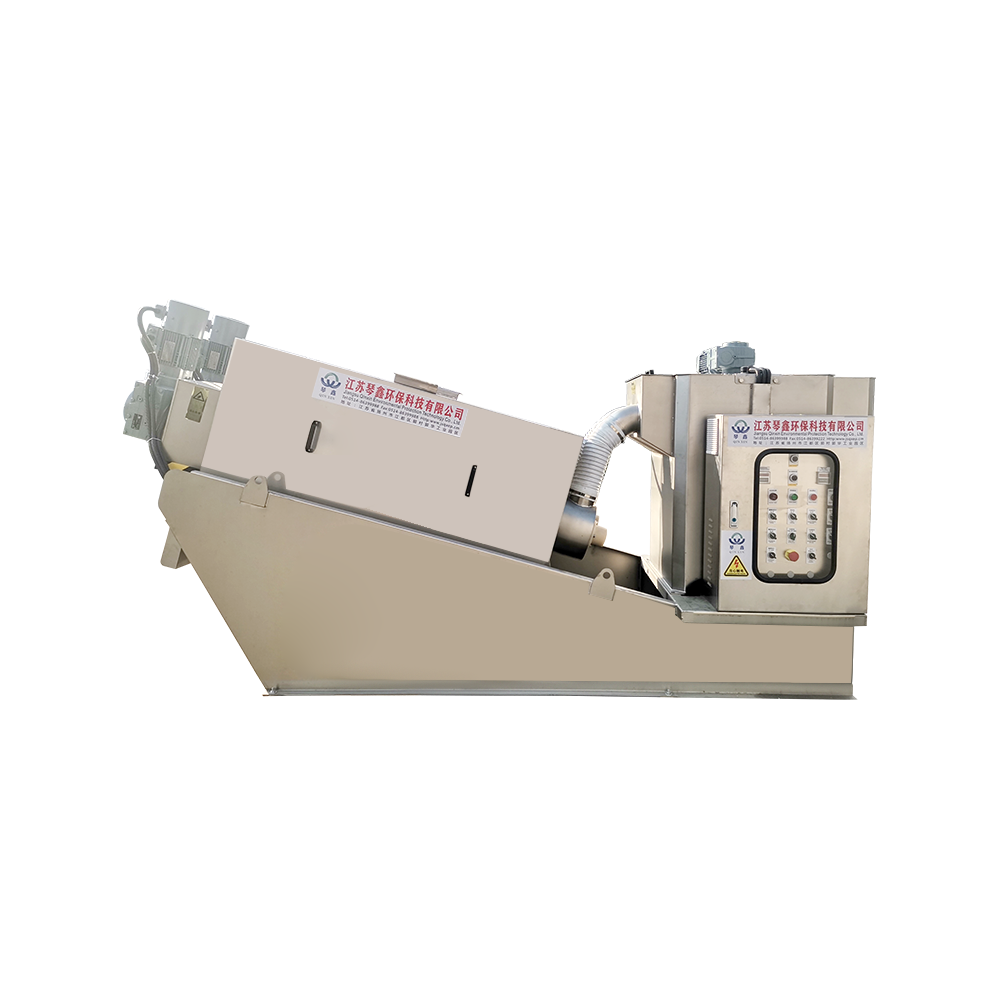
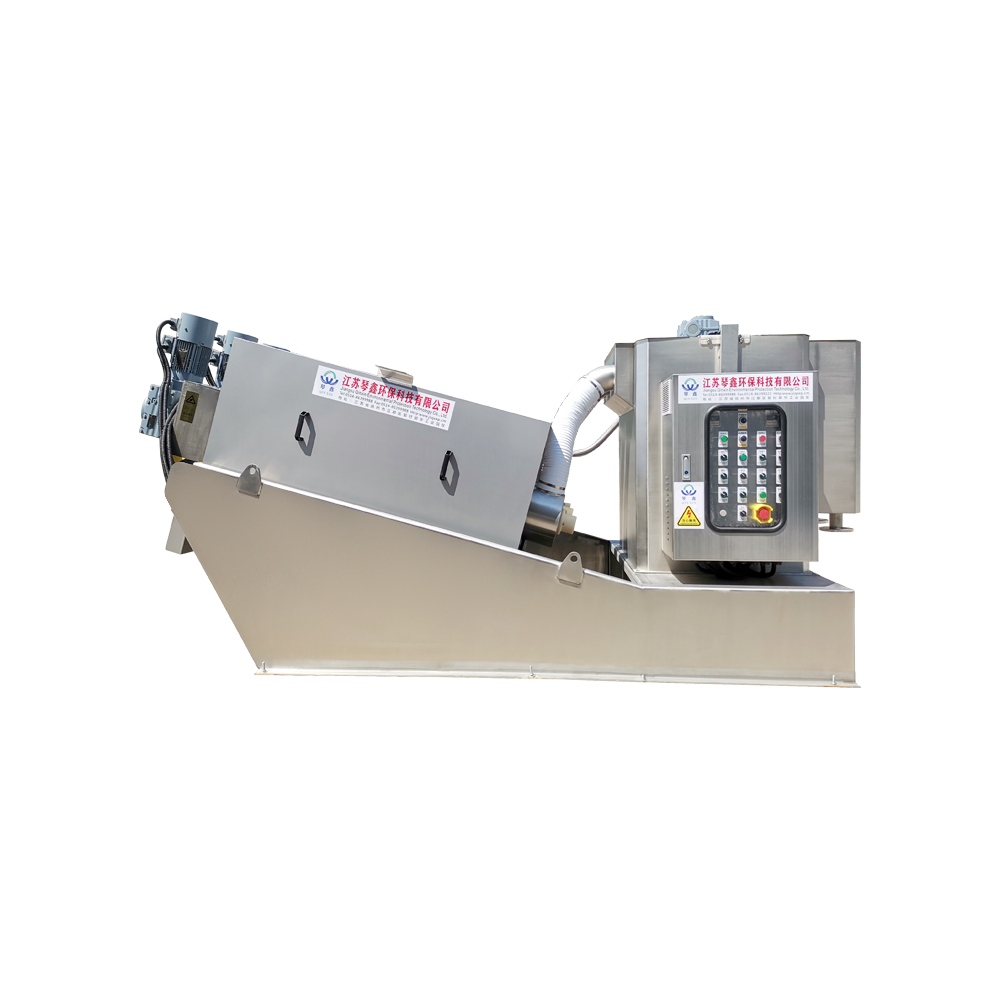
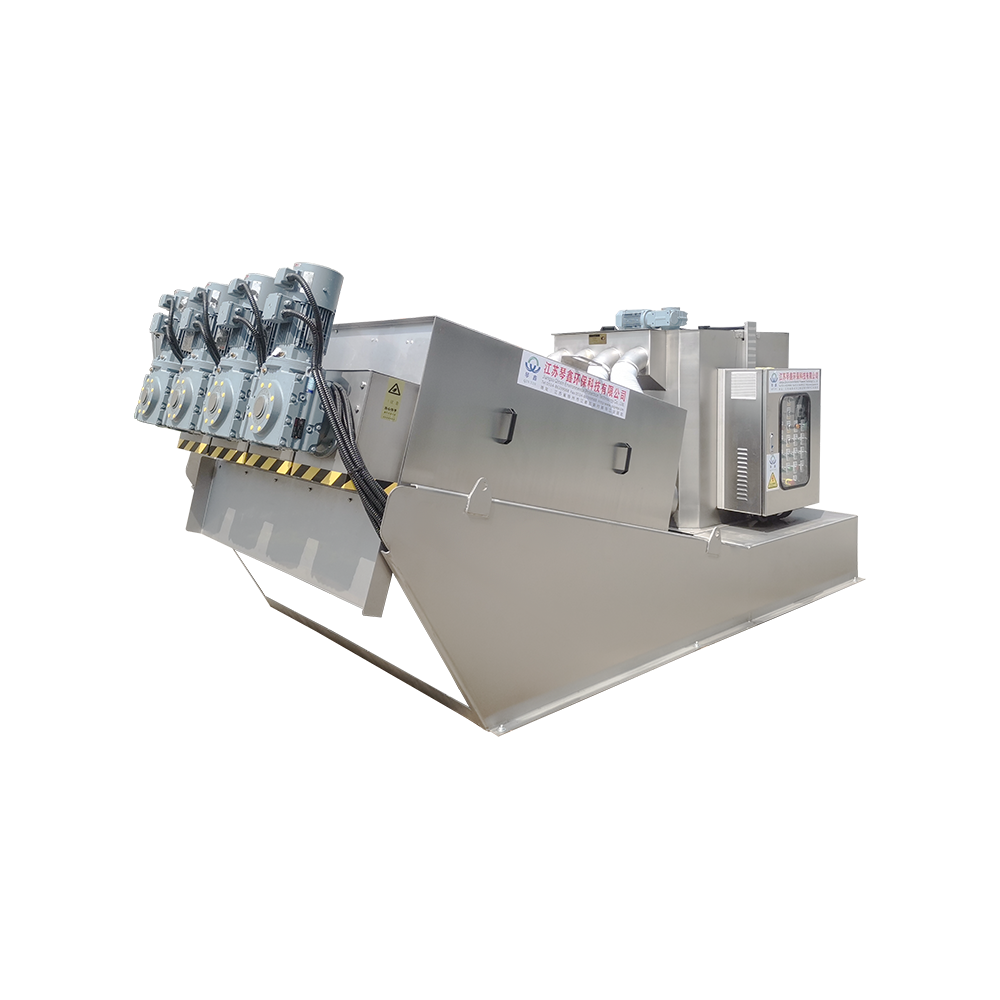
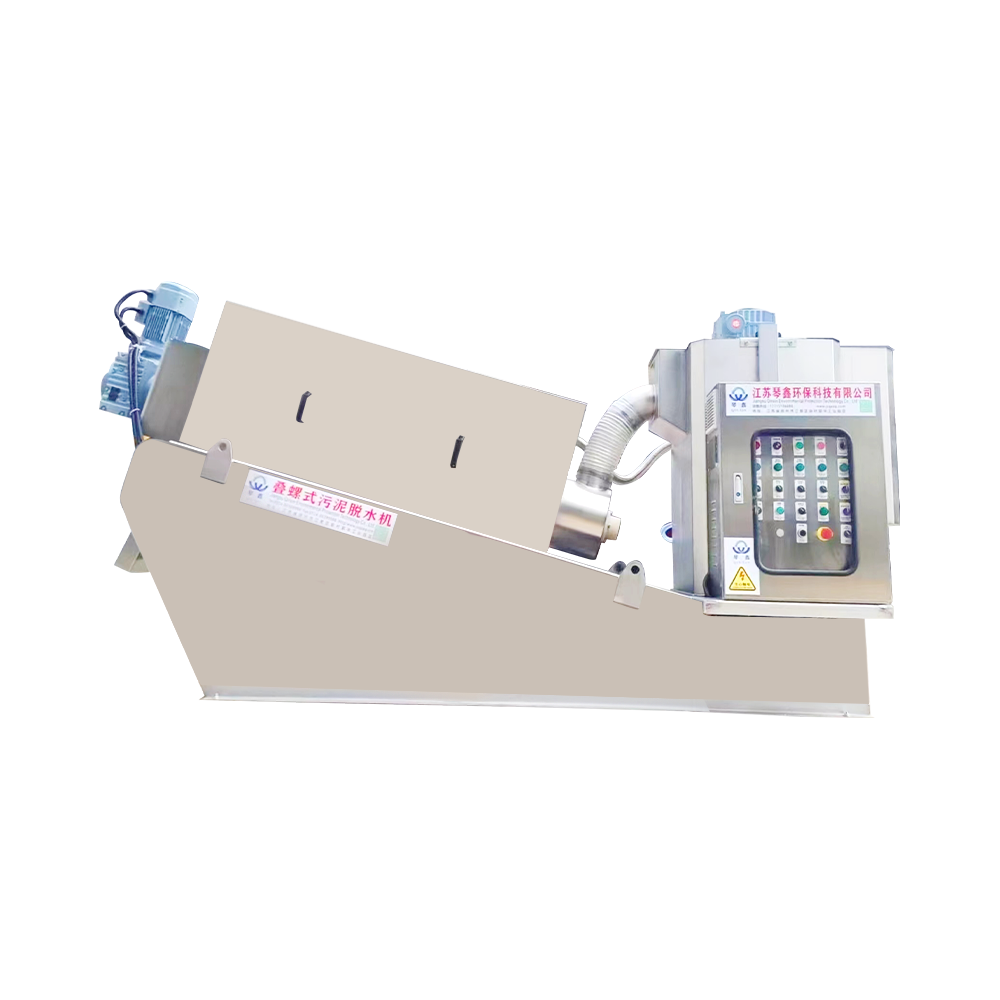
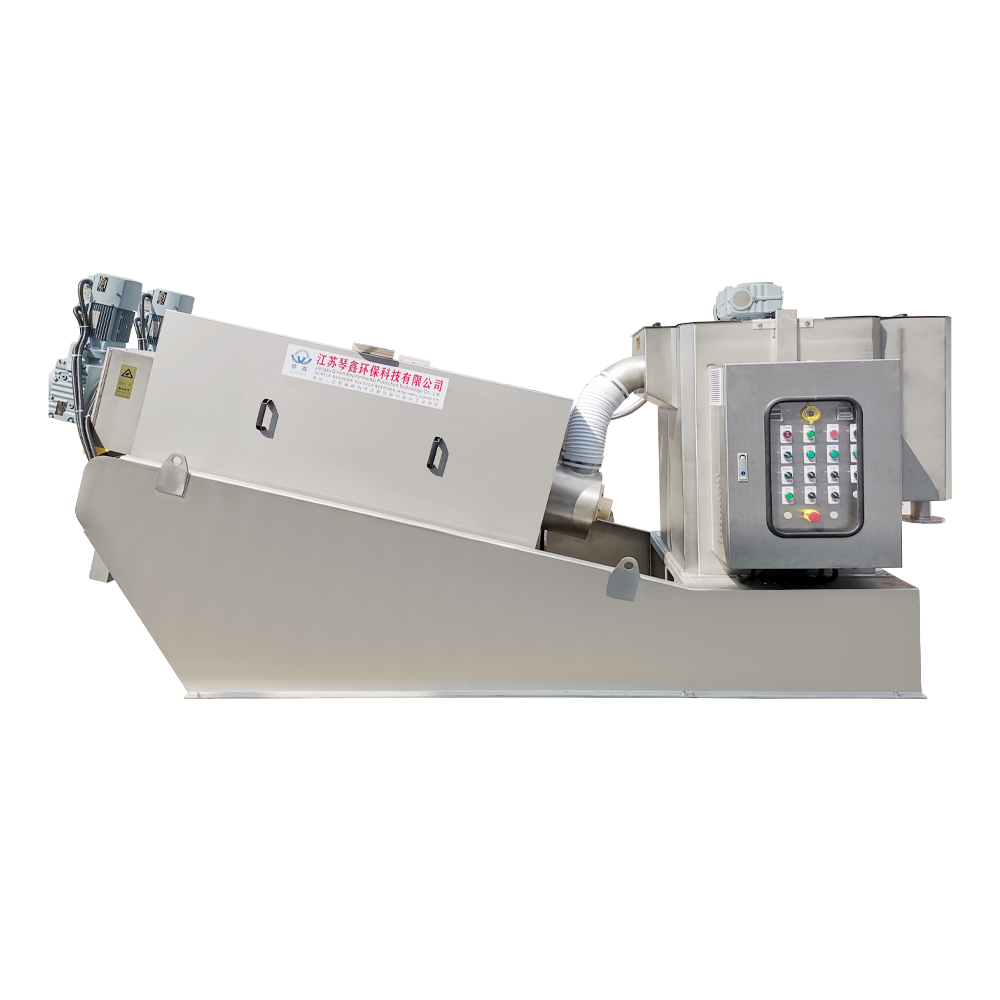
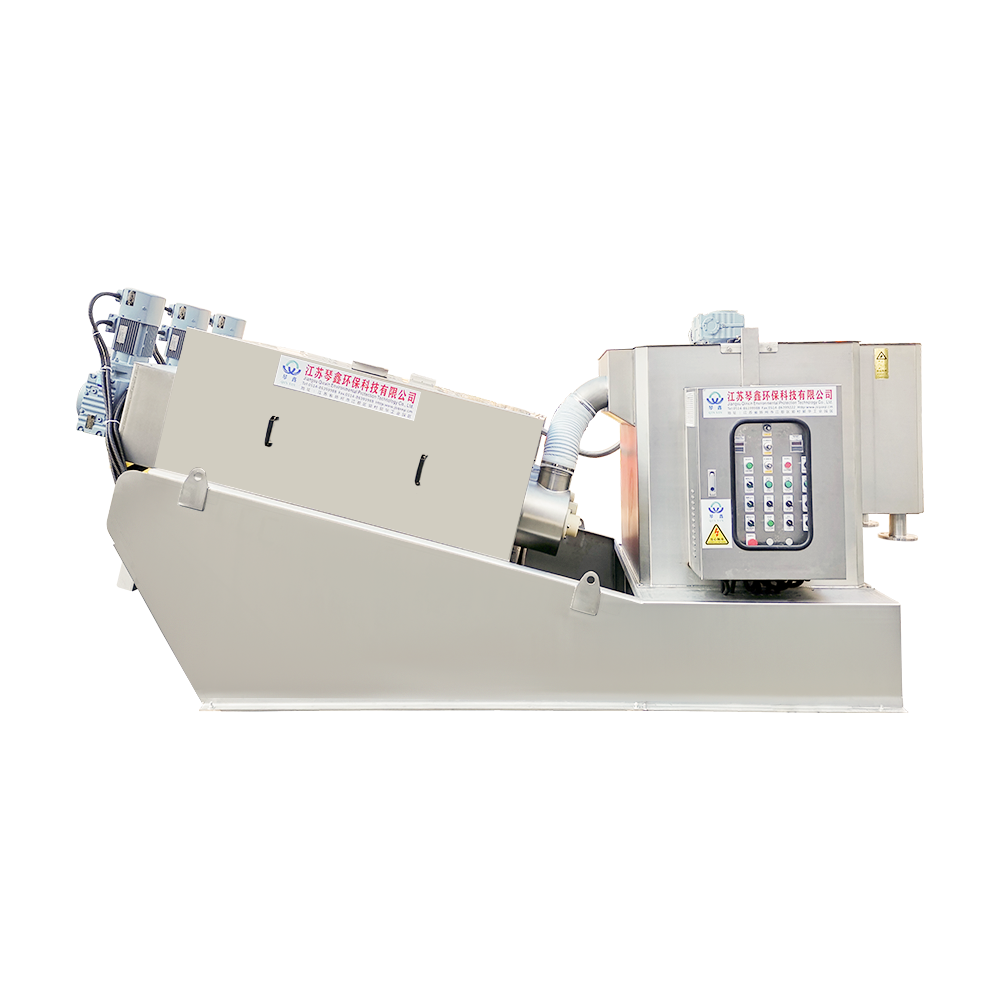
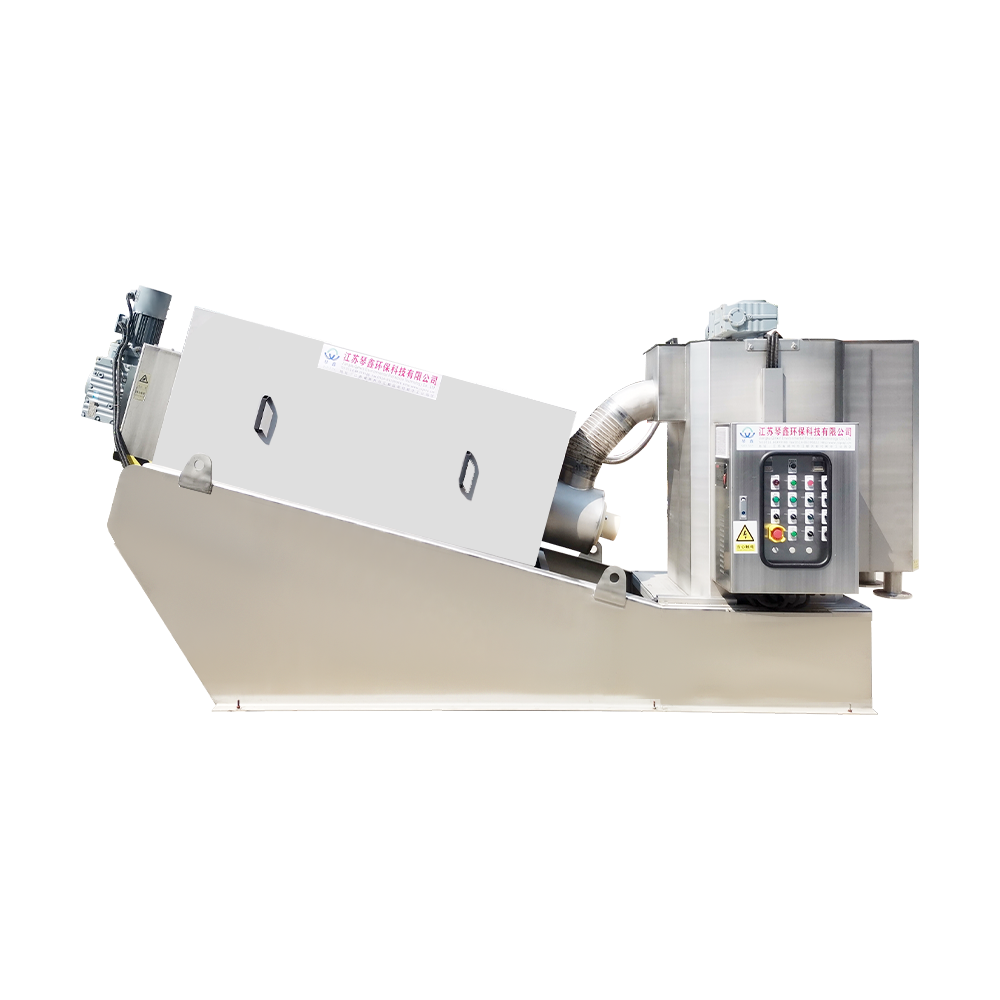
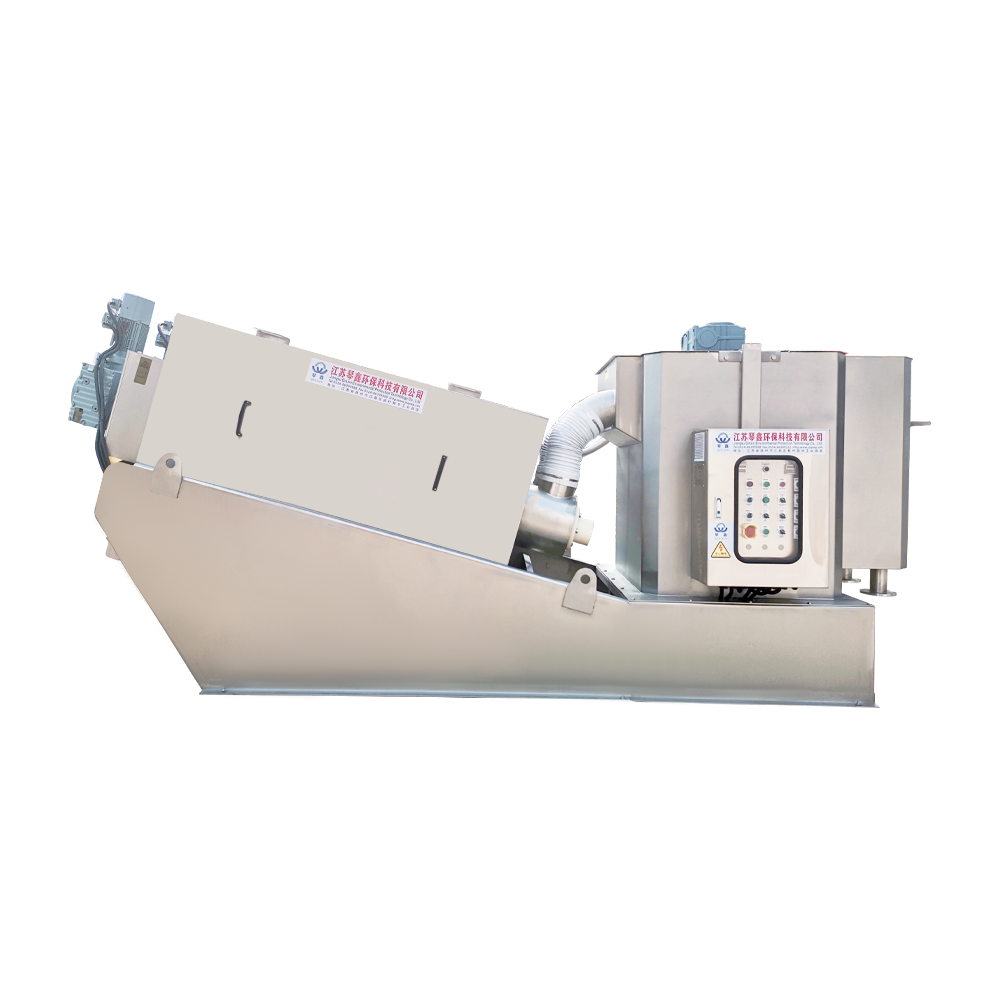
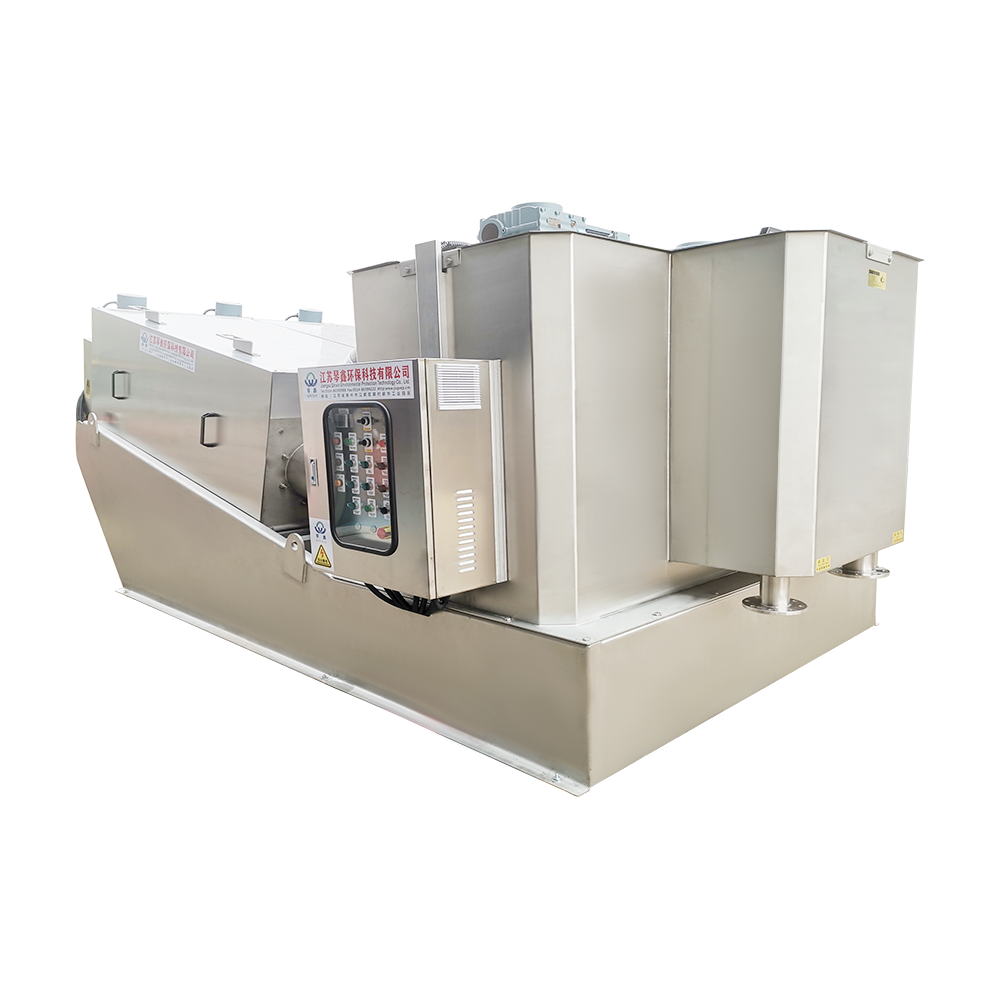
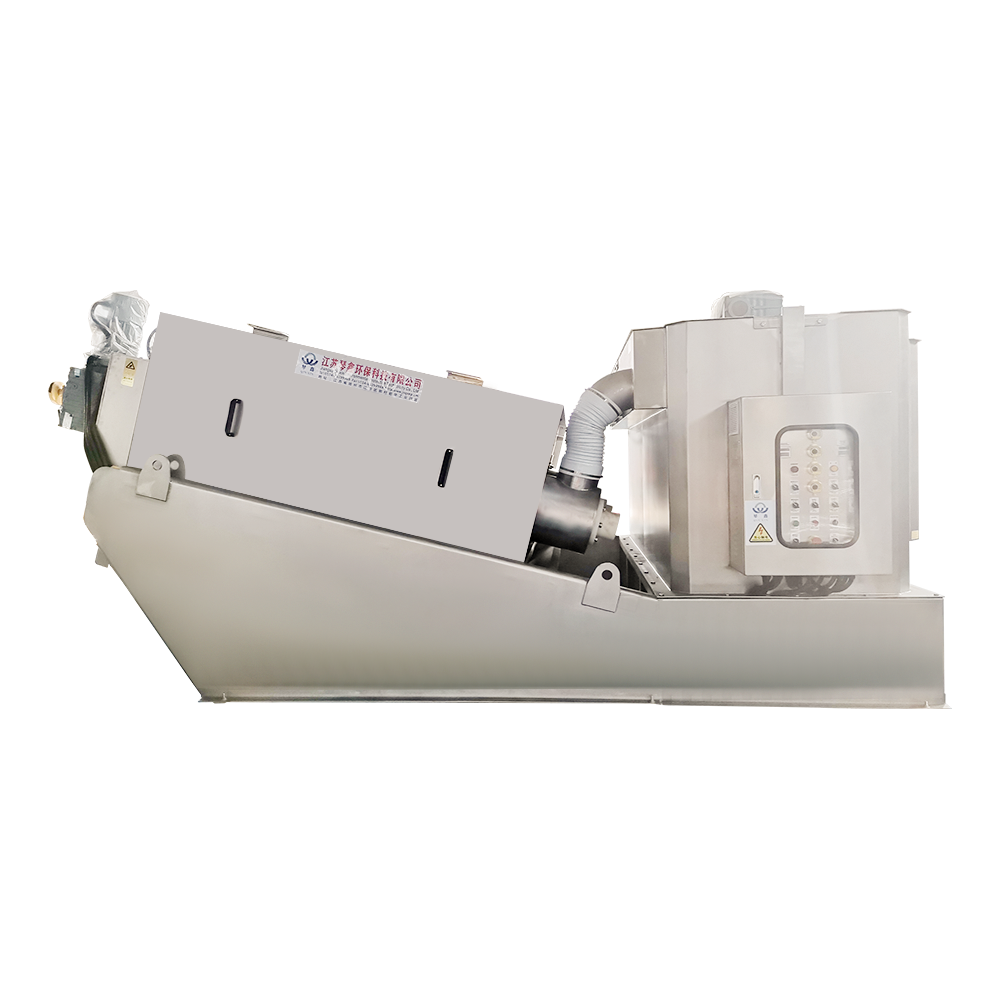
A volute sludge dewatering machine solves the most critical pain point in wastewater management: efficiently separating water from oily, low-concentration sludge without clogging. By utilizing a unique moving-ring and fixed-ring structure, it delivers continuous, automated operation, reduces water consumption by up to 95% compared to belt presses, and lowers energy consumption to just 0.1–1.5 kWh per kilogram of dry solids.
Core Operating Principle of Volute Technology
The mechanical brilliance of the system lies in its filtering drum. A screw shaft rotates through a cylinder composed of alternating fixed rings and moving rings. As the screw moves the sludge forward, the gaps between these rings continuously change, squeezing out water while the physical movement of the rings self-cleans the filtration gaps.
Because the moving rings are constantly shifted by the screw pitch, the machine completely eliminates the blinding and clogging typical of traditional mesh or belt filters. This allows it to handle oily sludge—such as scum from food processing or petrochemical dissolved air flotation (DAF) systems—with absolute ease.
Technical Specifications and Performance Metrics
To understand how this equipment scales across different industrial demands, consider the standard performance metrics below. These figures demonstrate the machine's ability to process variable solid concentrations efficiently.
| Model Scale | Inlet Sludge Cap. (kg-DS/h) | Water Content of Cake (%) | Power Consumption (kW) | Wash Water Needs (L/h) |
|---|---|---|---|---|
| Small (131 Series) | 6 - 9 | 75 - 80 | 0.37 | 24 |
| Medium (302 Series) | 65 - 90 | 75 - 82 | 1.10 | 70 |
| Large (403 Series) | 270 - 360 | 78 - 85 | 3.30 | 210 |
Key Industrial Applications and Field Proven Outcomes
Different industries face unique sludge profiles. The adaptability of the volute system makes it highly effective across highly demanding sectors:
- Food and Beverage Processing: High oil and grease content normally blinds filter cloths. In a dairy processing facility handling 50 cubic meters of sludge daily, switching to a volute system sustained a consistent 78% moisture cake without requiring daily manual washing shutdowns.
- Petrochemical Plants: DAF flocculated sludge contains heavy hydrocarbons. The high-torque screw combined with slow rotation speeds (2 to 4 RPM) prevents structural shearing of polymers, ensuring clean filtrate separation.
- Municipal Wastewater: It accepts low-concentration sludge directly from the aeration tank (0.2% to 0.5% TS), eliminating the need for a thickener tank, saving up to 40% in civil engineering footprint costs.
Comparative Edge Over Traditional Dewatering Systems
When evaluating capital expenditure versus long-term operational costs, traditional systems like belt presses and decanter centrifuges present hidden overheads that volute systems inherently avoid.
| Factor | Volute Screw Machine | Belt Filter Press | Decanter Centrifuge |
|---|---|---|---|
| Maintenance Frequency | Extremely Low (Self-cleaning rings) | High (Frequent belt blinding) | Medium (High wear on bearings) |
| Noise and Vibration | Negligible (Under 65 dB) | Moderate (Motor and rollers) | Very High (High-speed rotation) |
| Rinsing Water Volume | Minimal (Intermittent spray) | Massive (Continuous high-pressure) | None to Low (Chemical rinse only) |
Operational Architecture and Automation Integration
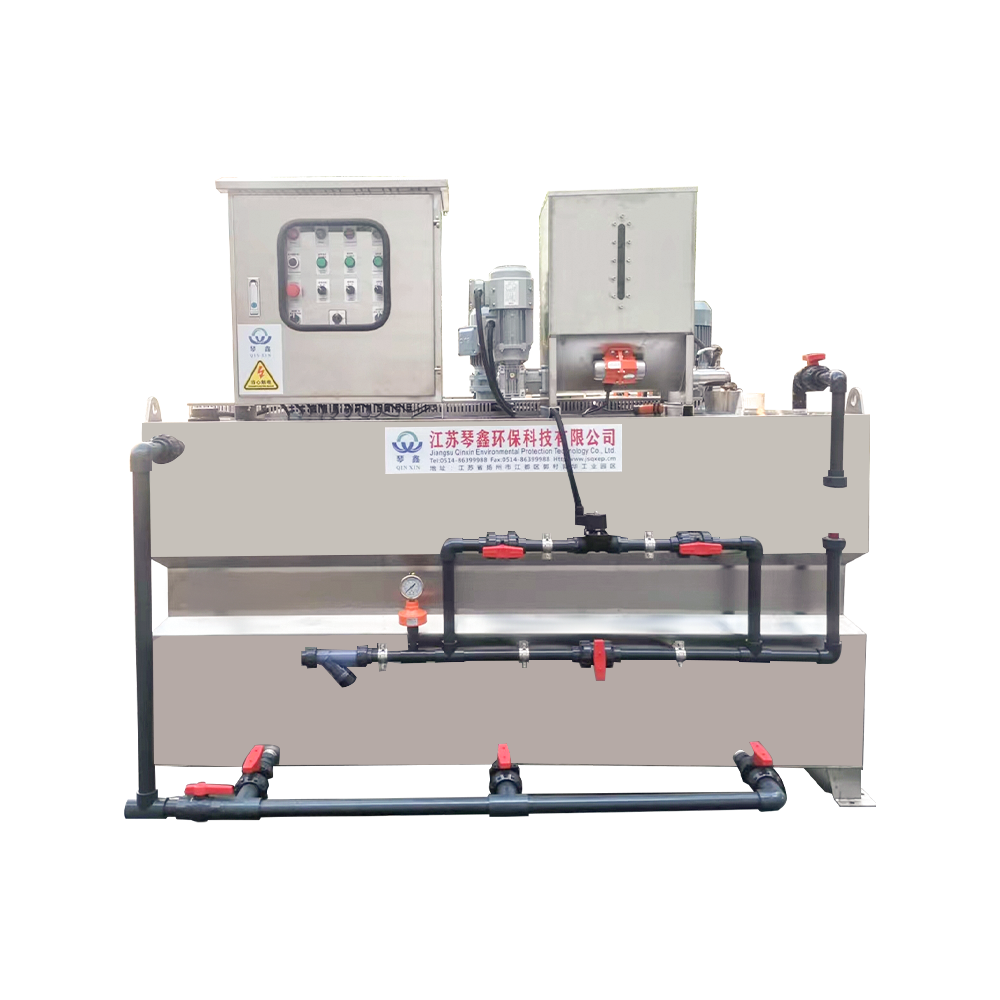
Modern processing facilities require minimal human intervention. The volute system seamlessly integrates with PLC control panels to manage the entire cycle automatically: polymer dosing, sludge feeding, chemical flocculation, thickener compression, and cake discharge. Security sensors detect torque overloads instantly, reversing the screw automatically if foreign debris enters the chamber, preventing structural component damage.

 TOP
TOP