
 ENG
ENG
 English
 русский
 Español
 Tiếng Việt
 ไทย
ไทย
Article Directory
- 1 1What is a screw press sludge dewatering machine and how does it work?
- 2 2What are the main types of sludge dewatering screw presses?
- 3 3Where are screw press sludge dewatering machines commonly used?
- 4 4What performance properties should a screw press sludge dewatering machine provide?
- 5 5How is a screw press sludge dewatering machine designed and manufactured?
- 6 6How does a screw press compare with belt press and centrifuge systems?
- 7 7What are common problems or limitations of screw press sludge dewatering machines?
- 8 8What is the future trend of sludge dewatering technology?
- 9 FAQFrequently Asked Questions
Sludge volume reduction is one of the largest ongoing cost drivers in wastewater treatment, since every liter of water left in the sludge cake adds to hauling, disposal, or drying costs downstream. A screw press sludge dewatering machine addresses this by mechanically compressing sludge through a tapering screw channel, squeezing out water while retaining solids for disposal or further processing. This guide explains how the equipment works, where it fits into a treatment plant, and how it compares with belt press and centrifuge alternatives.
1What is a screw press sludge dewatering machine and how does it work?
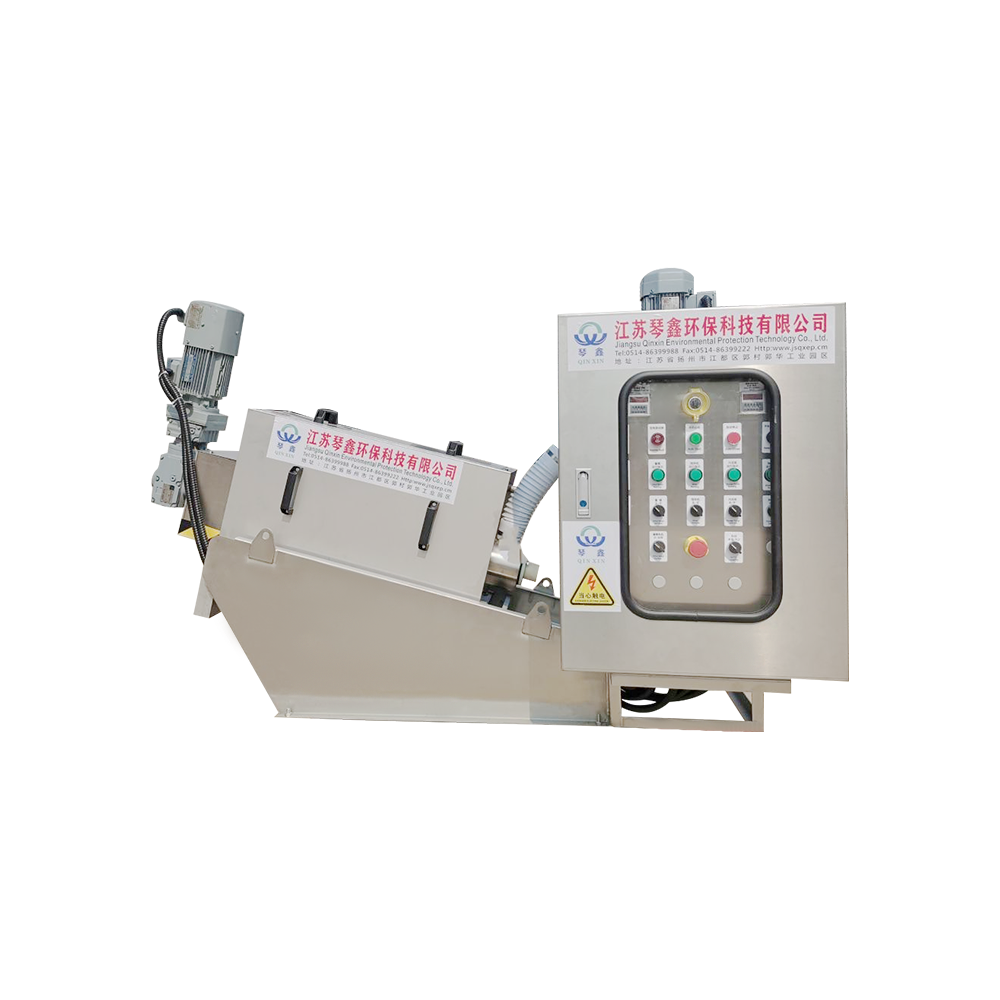
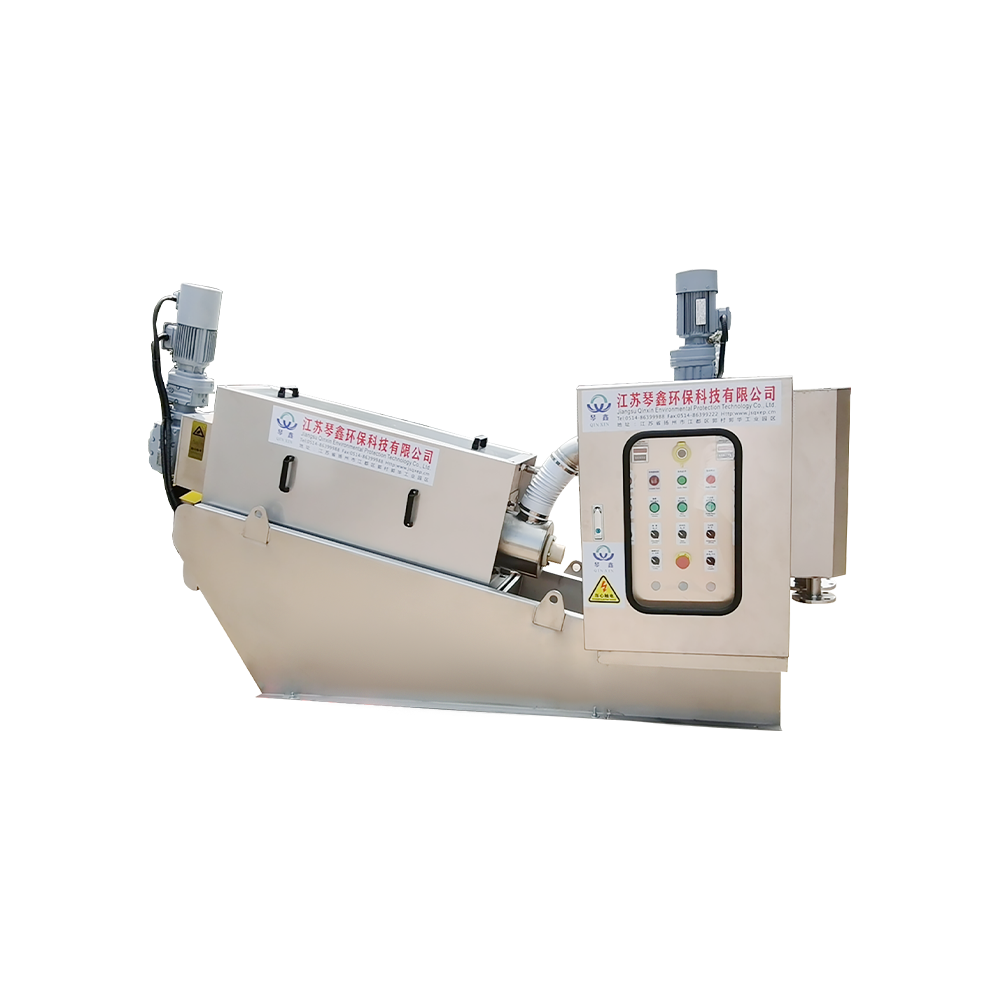
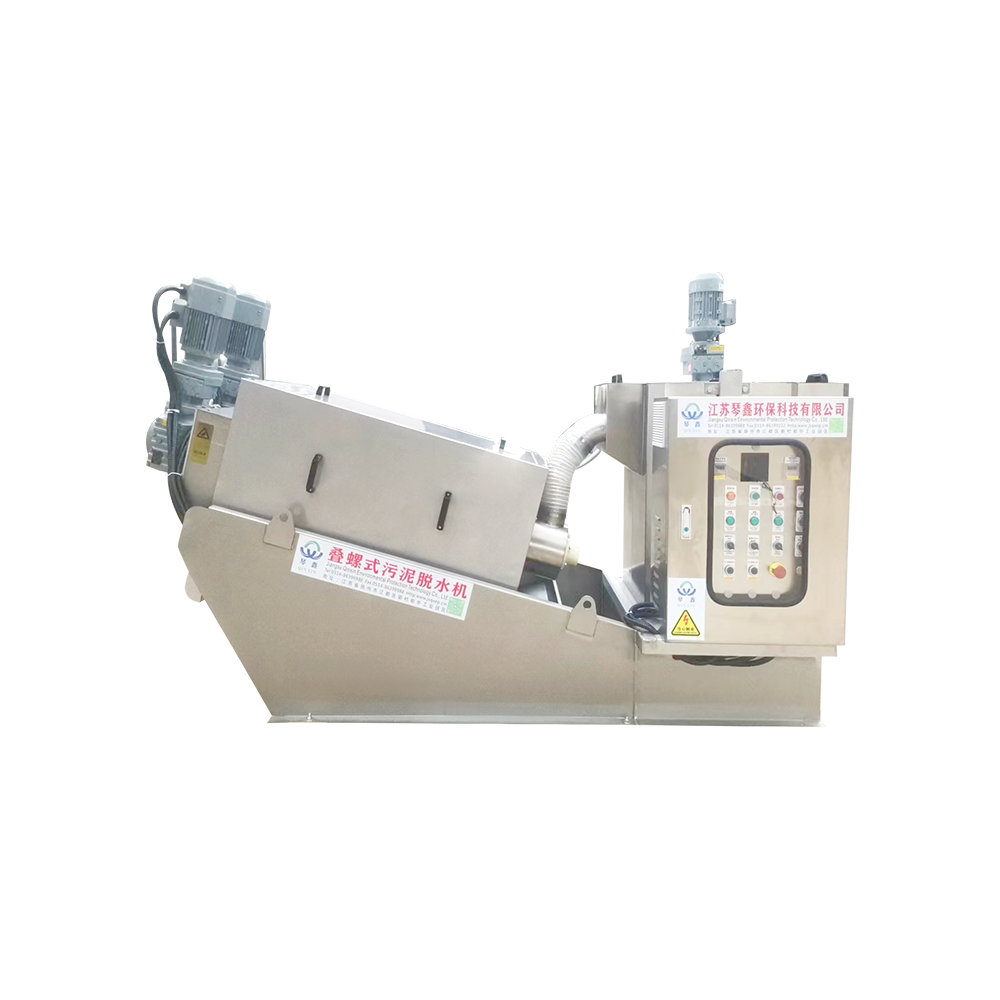
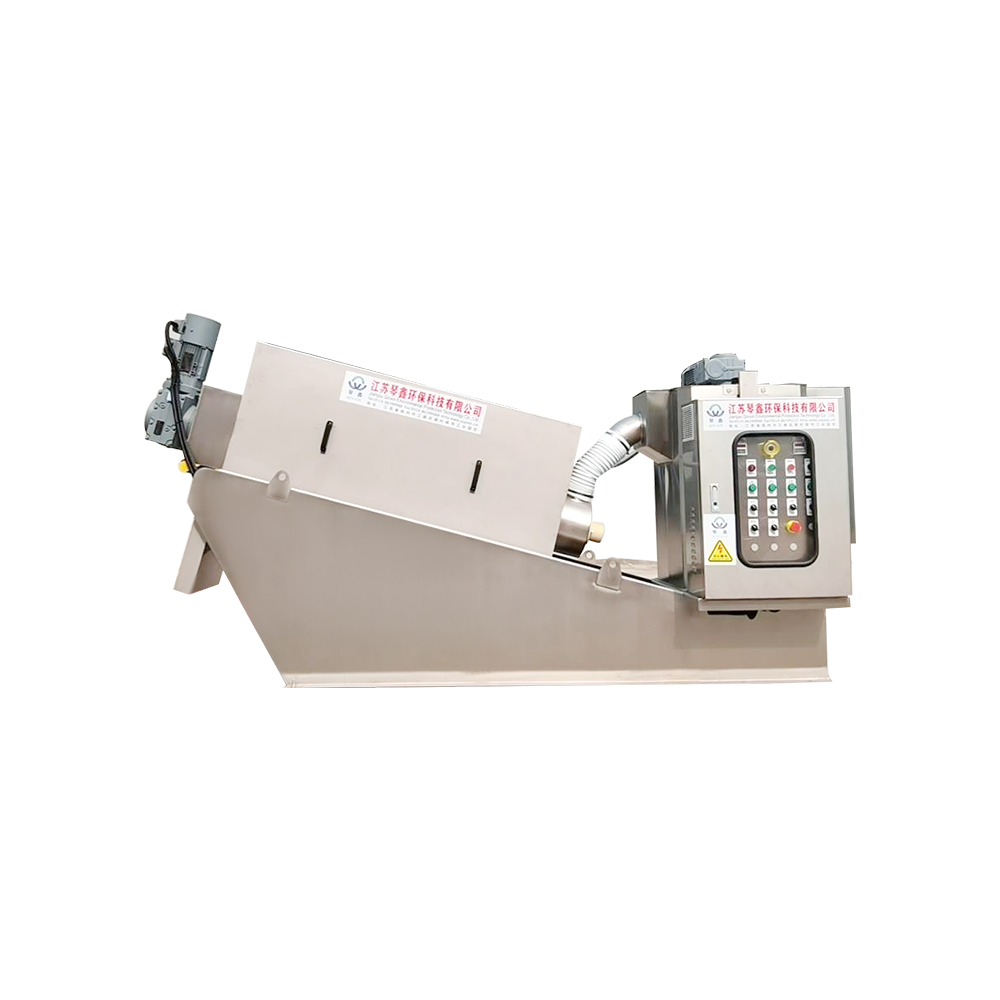
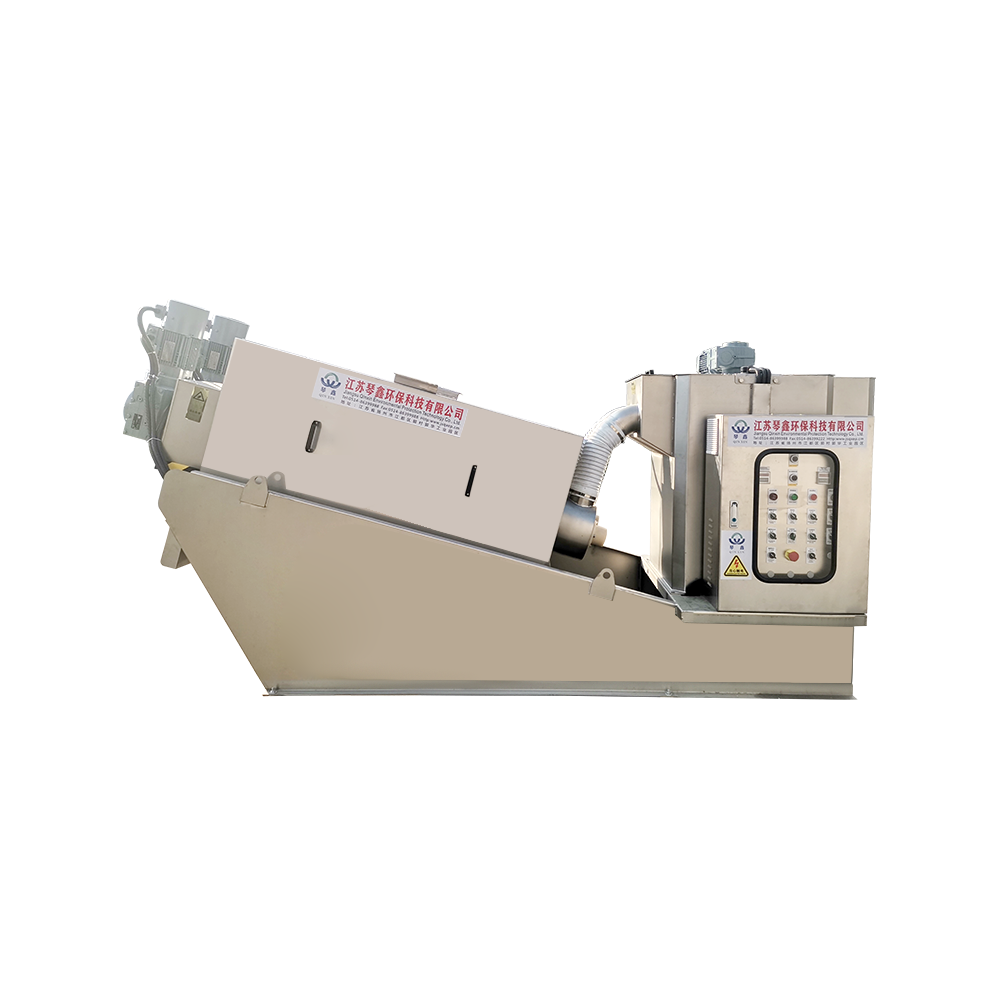
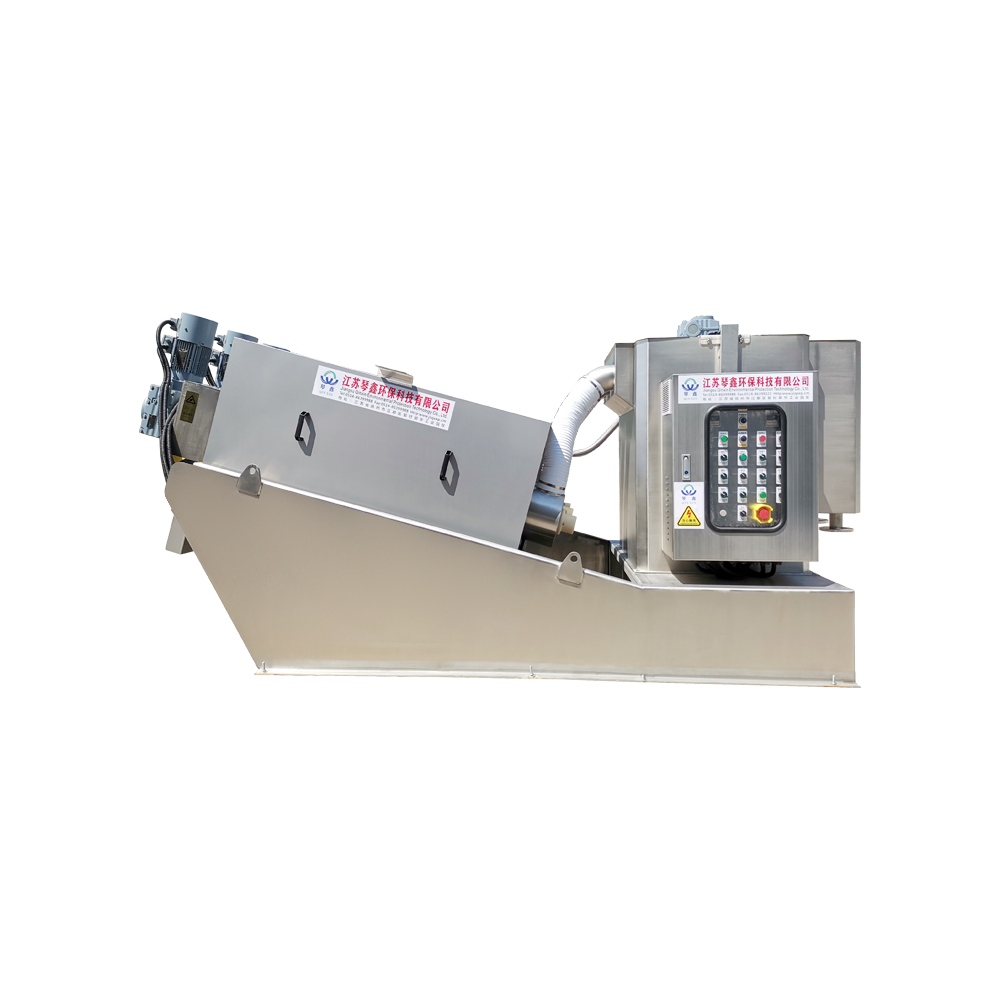
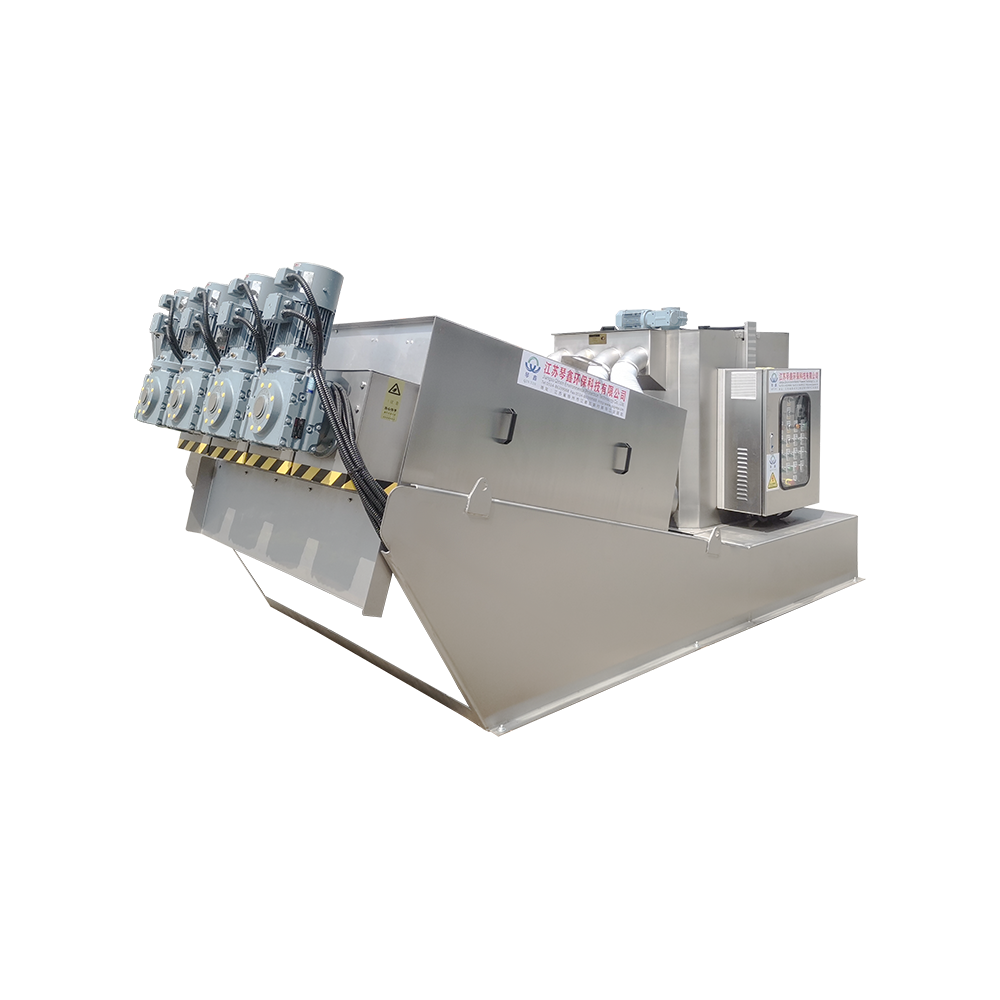
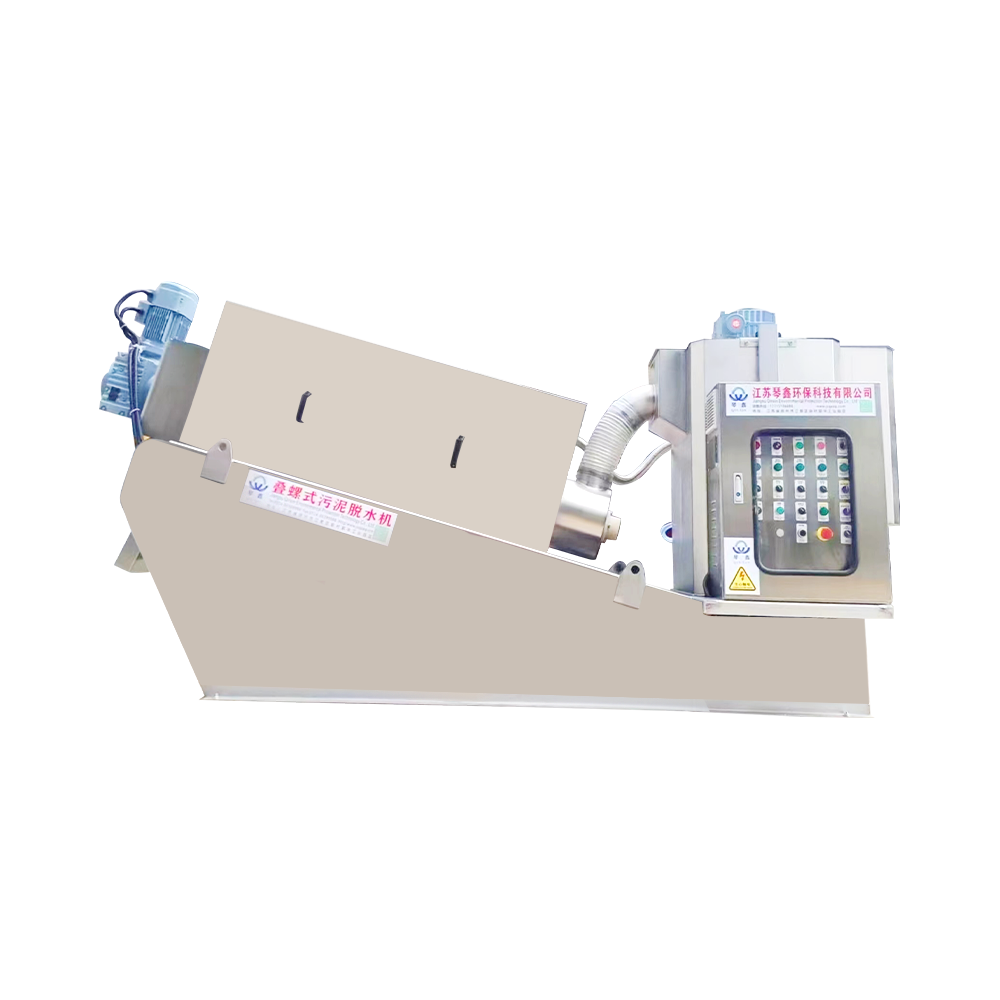
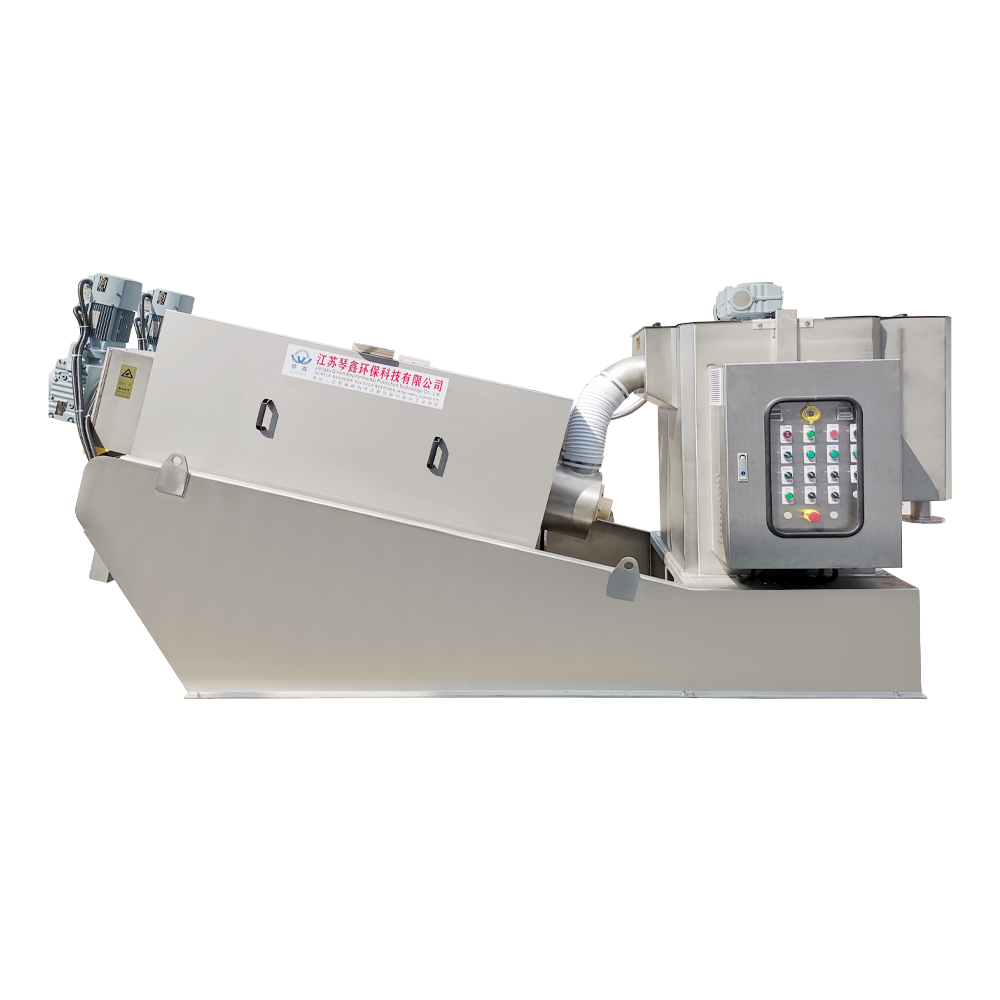
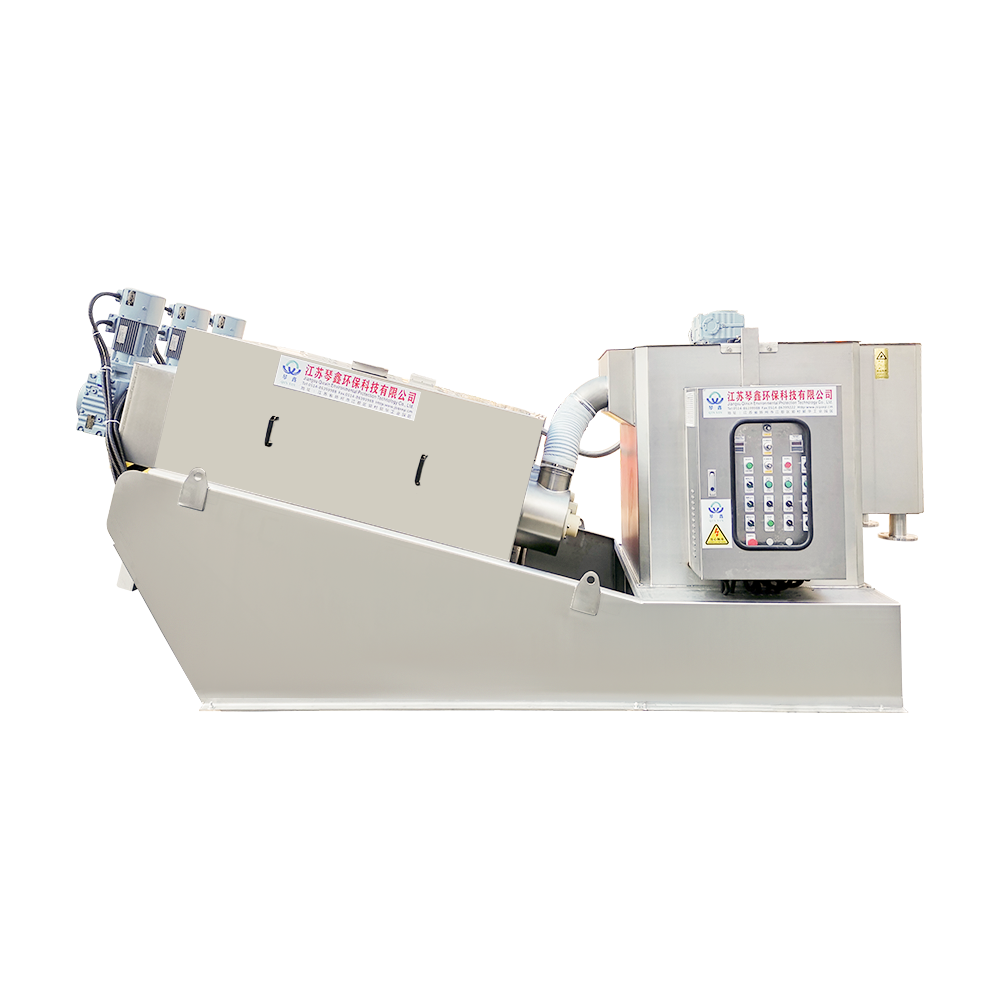
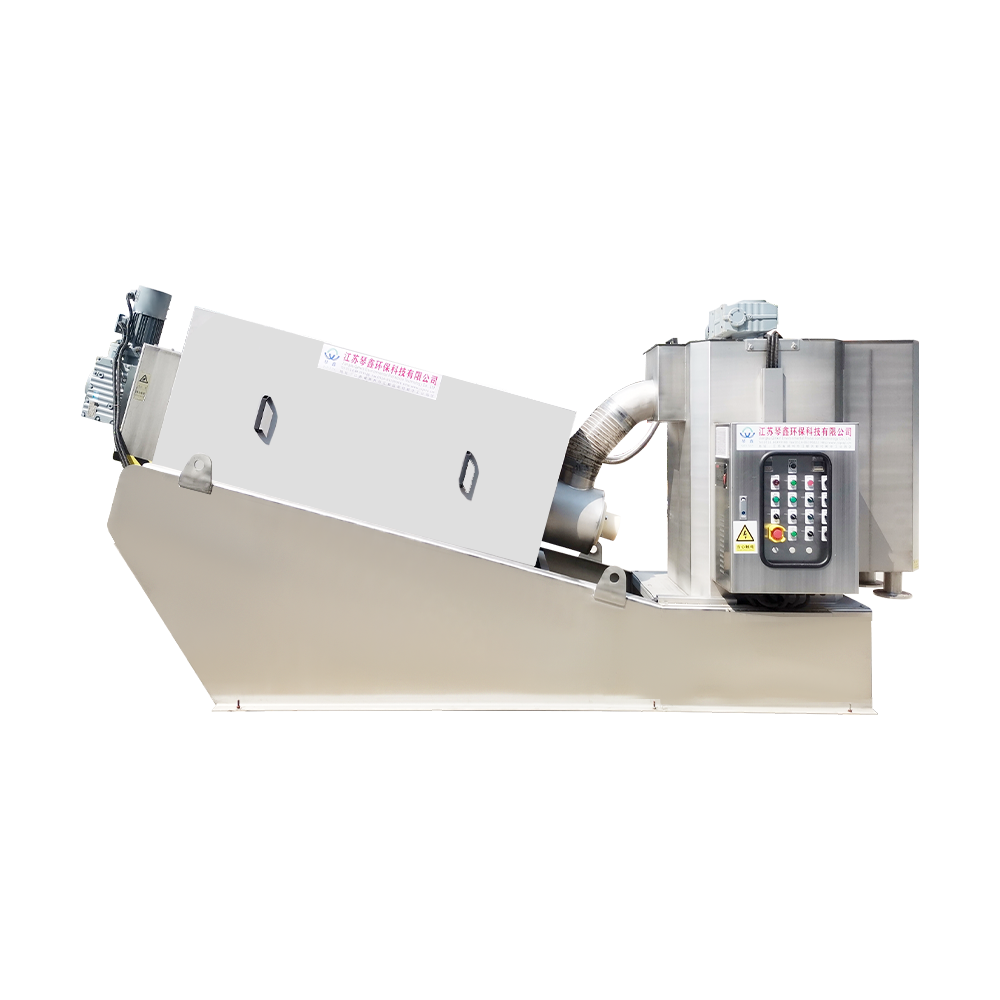
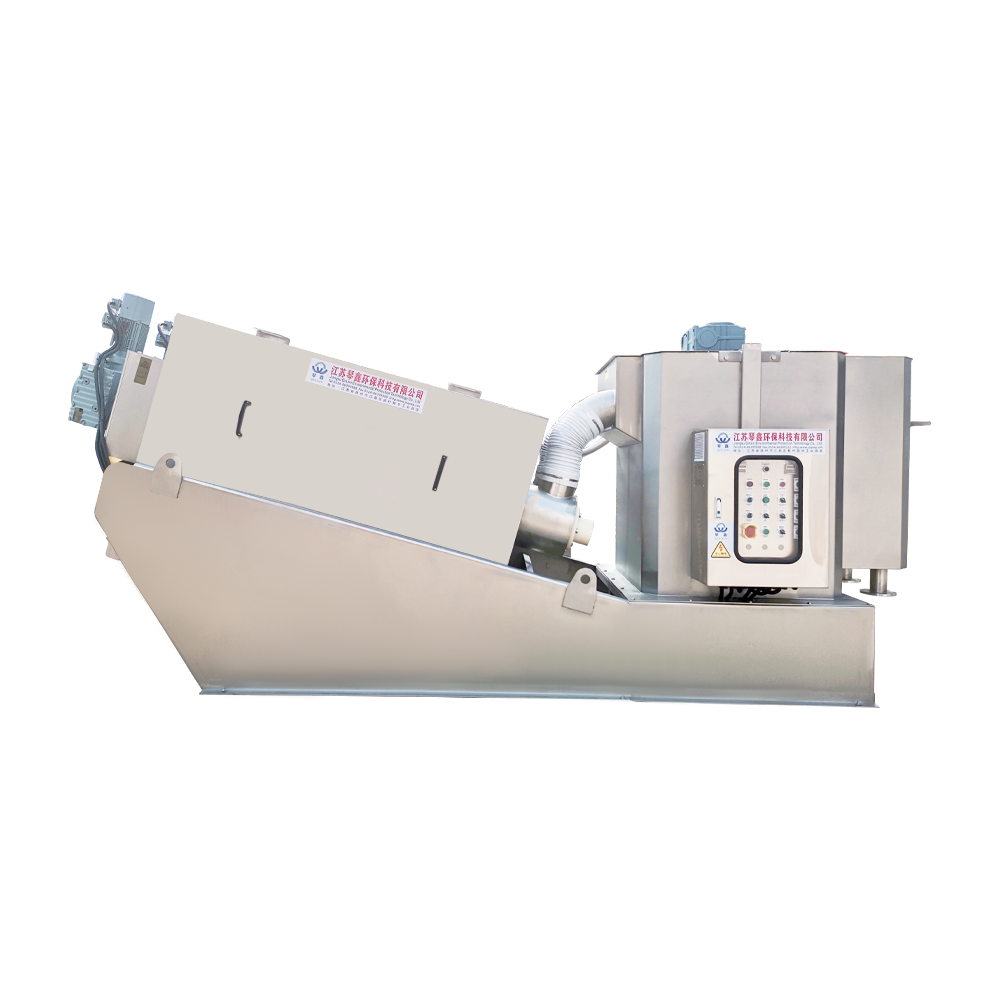
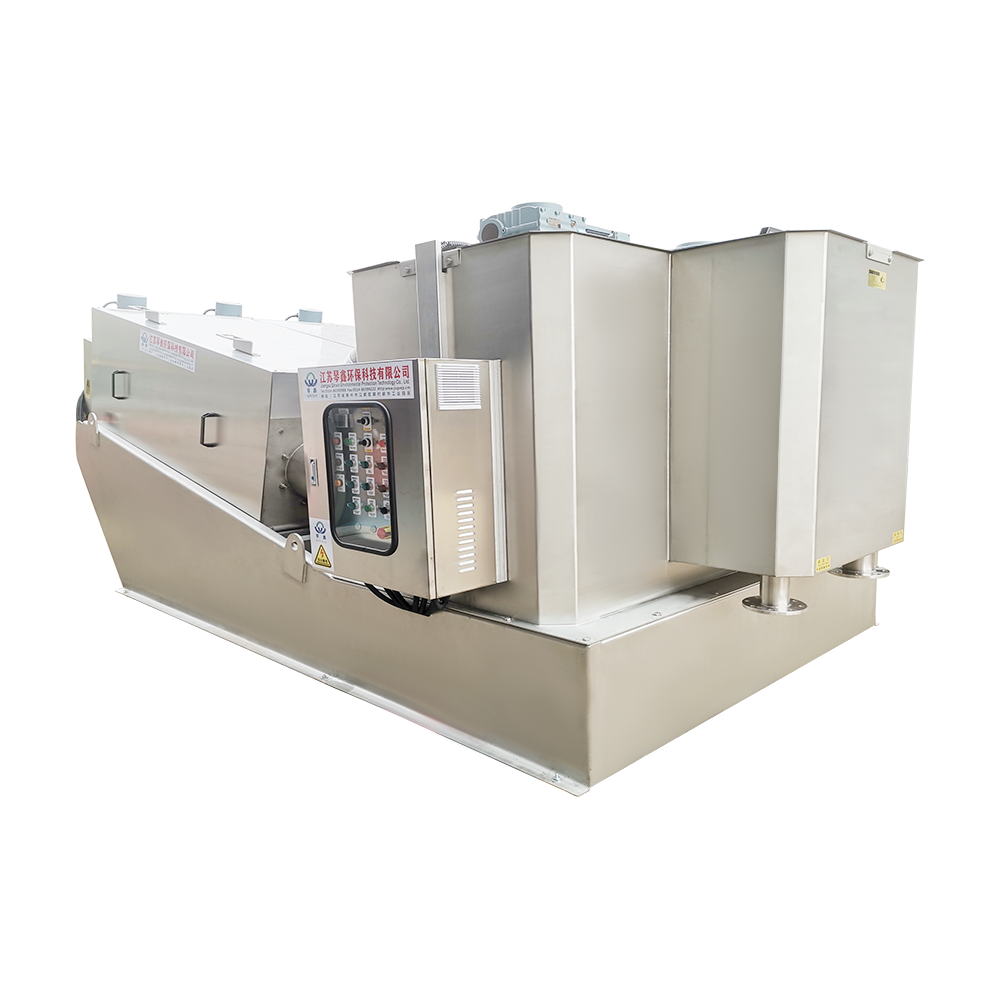
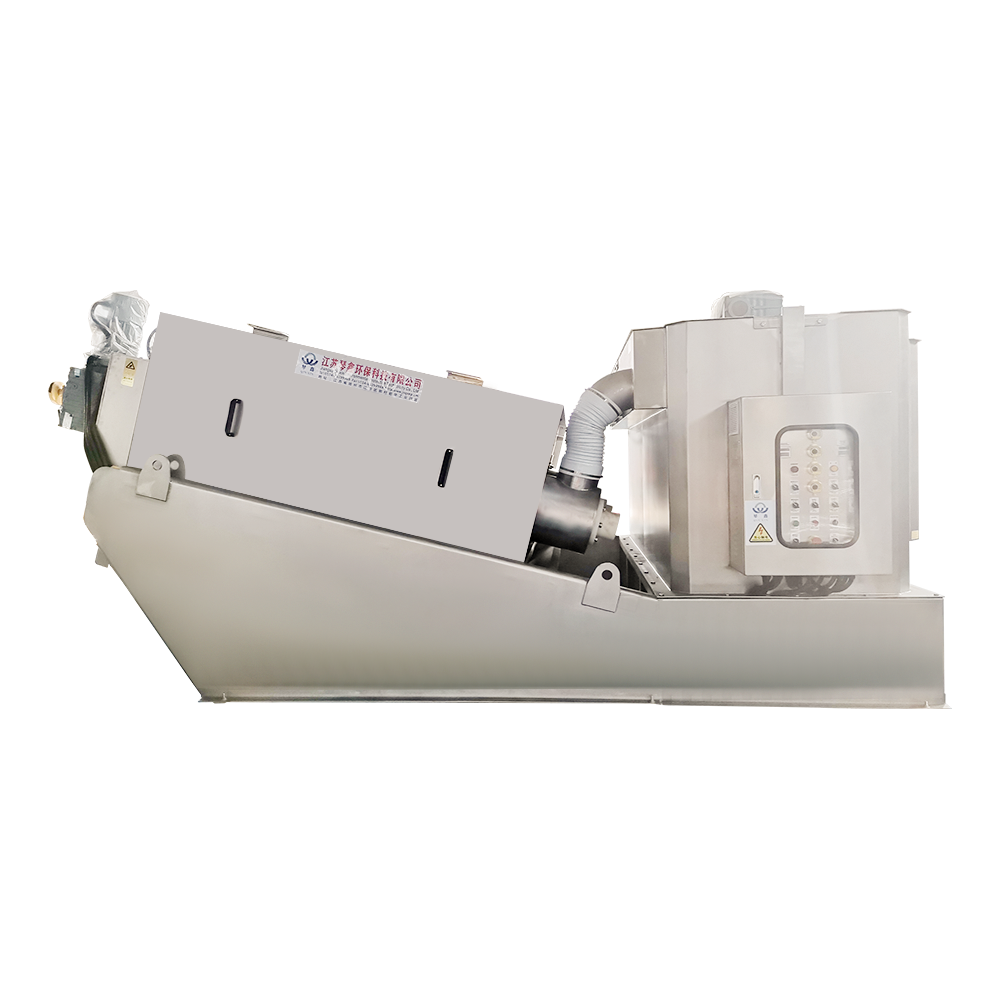
A screw press sludge dewatering machine is a mechanical sludge thickening machine that moves sludge through a slowly rotating screw inside a cylindrical or stacked-ring screen. As the channel between the screw shaft and the housing narrows along the length of the machine, pressure builds and water is forced out through the surrounding filtration screen, leaving a drier solid cake at the discharge end.
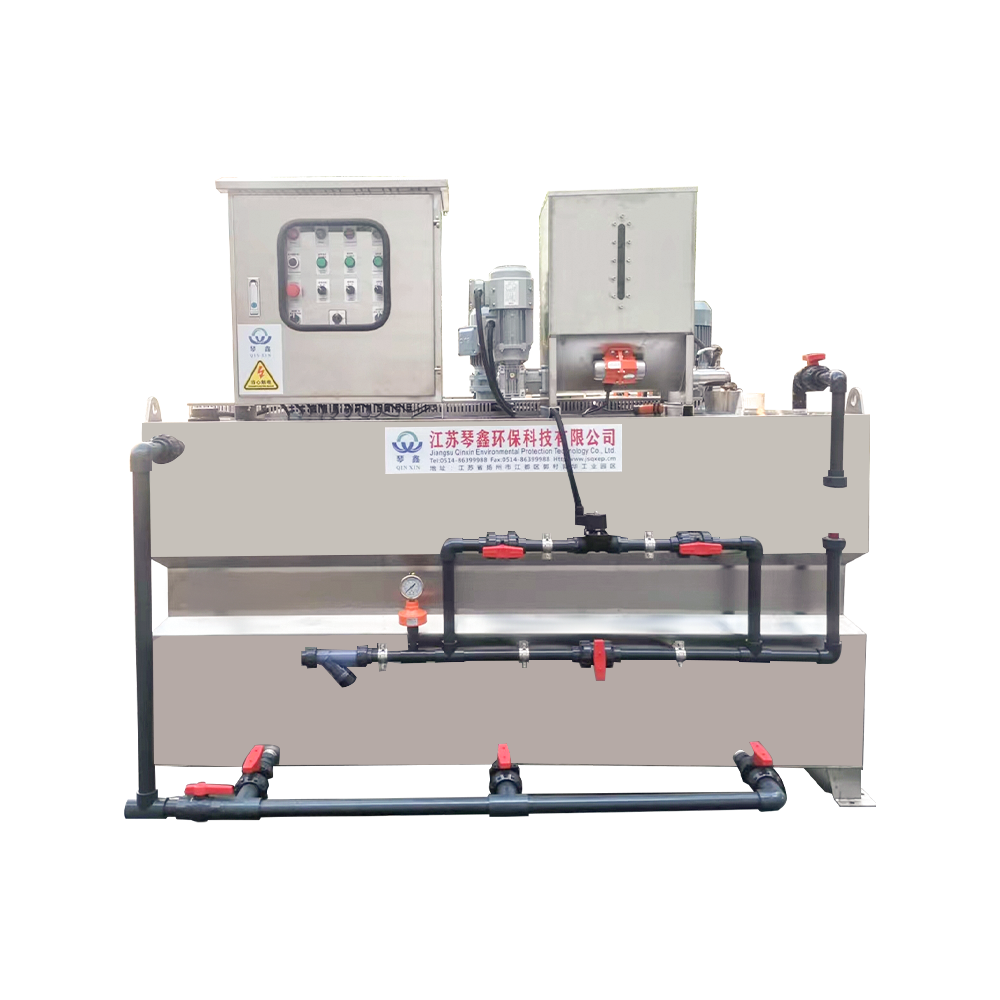
This screw type solid-liquid separation approach differs from high-speed mechanical systems in one key respect: it operates at low rotational speed, which keeps energy demand down and reduces wear compared with equipment that relies on centrifugal force. As sludge dehydration equipment, it is typically installed after a thickening or conditioning stage where polymer has already been dosed into the sludge stream to help flocculate solids before they enter the press.
2What are the main types of sludge dewatering screw presses?
Several screw press configurations exist, each suited to a different sludge characteristic or plant footprint.
The shaftless vs shafted screw press comparison usually comes down to sludge type — shaftless designs tend to handle fibrous or stringy material with fewer jams, while shafted designs can offer more consistent pressure control for uniform municipal sludge.
3Where are screw press sludge dewatering machines commonly used?
Municipal wastewater treatment plant
Industrial effluent treatment systems
Food processing wastewater
Paper mill sludge treatment
Chemical plant sludge handling
At a municipal wastewater treatment plant, screw presses are typically positioned at the tail end of the sludge line, right before cake storage or disposal. Industrial effluent treatment systems in food processing wastewater and paper mill sludge treatment often deal with higher organic or fiber content, which is part of why shaftless designs are common in those settings. Chemical plant sludge handling introduces its own variable — corrosive or abrasive content — which affects material selection for the screen and screw components.
4What performance properties should a screw press sludge dewatering machine provide?
The right combination of properties determines whether a press keeps up with plant demand without excessive downtime.
A drier cake reduces the volume that needs to be transported or disposed of.
Slow-speed operation keeps power draw well below high-speed centrifugal systems.
Designed to run unattended for extended periods with minimal supervision.
A cleaning mechanism that limits screen blockage without manual intervention.
Stainless steel construction suited to constant contact with wet, often acidic sludge.
5How is a screw press sludge dewatering machine designed and manufactured?
Manufacturing brings together precision metal fabrication, filtration engineering, and control system integration.
Production starts with stainless steel screw shaft fabrication, machined to precise tolerances so the compression zone builds pressure consistently along its length. A filtration screen assembly system is fitted around the shaft, whether as a continuous perforated cylinder or a stacked ring configuration. A hydraulic pressure control unit is then attached at the discharge end to regulate back-pressure and, in turn, final cake dryness. An automatic control panel system ties motor speed, pressure feedback, and cleaning cycles together, and the finished unit goes through factory testing as part of standard industrial wastewater machinery production before shipping.
6How does a screw press compare with belt press and centrifuge systems?
Screw press
- Low energy consumption
- Slow speed, low wear
- Fully enclosed, low odor exposure
- Compact footprint
Belt filter press
- High throughput on large plants
- Belt wear and tracking maintenance
- More exposed process, higher odor potential
- Larger physical footprint
Centrifuge
- High-speed mechanical separation
- Higher energy consumption
- More frequent wear part replacement
- Compact but noisier operation
The screw press vs belt filter press decision often comes down to plant size and odor control priorities, since the enclosed screw design limits vapor release compared with an open belt system. In a centrifuge vs screw dewatering comparison, energy consumption is usually the deciding factor — centrifuges spin at high speed continuously, while a screw press moves slowly enough that maintenance requirements and efficiency in solid-liquid separation both tend to favor the screw system for small to mid-sized plants.
7What are common problems or limitations of screw press sludge dewatering machines?
Why screw press systems clog usually traces back to either an underperforming upstream screening stage or a feed sludge with more fibrous content than the screen configuration was designed to handle. Common failures in sludge dewatering equipment are frequently linked to inconsistent polymer dosing rather than a fault in the press itself, which is why dosing control is often the first thing checked when cake quality drops.
8What is the future trend of sludge dewatering technology?
Wastewater infrastructure is moving toward tighter automation and lower environmental footprint, shaping demand for the next generation of dewatering equipment.
Smart wastewater treatment systems are increasingly built around sensor feedback that adjusts screw speed and back-pressure automatically as feed conditions change. Energy efficient dewatering solutions and automated sludge management reduce both operating cost and the need for constant operator oversight. Zero liquid discharge systems are pushing dewatering performance further still, aiming to minimize the liquid fraction leaving a plant altogether, while sustainable environmental equipment design more broadly is shaping material choices and end-of-life recyclability across the sector.
FAQFrequently Asked Questions
What is screw press sludge dewatering machine?
Equipment that compresses sludge through a tapering screw channel to separate water from solids, producing a drier cake.
How does sludge screw press work?
A rotating screw moves sludge through a narrowing channel while water escapes through a surrounding filtration screen.
Is screw press better than belt press?
It generally uses less energy and produces less odor, though belt presses can offer higher throughput on very large plants.
What industries use sludge dewatering machines?
Municipal treatment plants, food processing, paper mills, and chemical plants all commonly use this equipment.
How much water can screw press remove?
The amount removed depends on sludge type, polymer conditioning, and machine settings rather than a fixed figure.
Is screw press sludge dewatering energy efficient?
Yes, its slow rotational speed generally results in lower energy use compared with high-speed centrifugal systems.

 TOP
TOP