
 ENG
ENG
 English
 русский
 Español
 Tiếng Việt
 ไทย
ไทย
Article Directory
- 1 What separates automatic and manual screw press dewatering systems
- 2 What automation costs and what it saves
- 3 Where automation earns its keep
- 4 When a manually adjusted system still makes sense
- 5 Maintenance, cleaning, and uptime impact
- 6 How to choose between automatic and manual screw press dewatering systems
At a screw press dewatering room, the most telling difference between two plants is not the brand of the press or the number of filter discs. It is what happens when the incoming sludge changes. In one plant, an operator walks over, squeezes a handful of cake, and adjusts the polymer pump after the next round. In another, a control loop reads the feed flow, corrects the dosing pump within seconds, and triggers a flush cycle before the screens can blind.
The short conclusion: automatic screw press dewatering systems are the right fit for plants with variable feed, limited operator time, or 24-hour operation. A manually adjusted unit can still be a sound choice when sludge characteristics stay stable and an experienced operator is always nearby. The selection is therefore not about mechanical quality alone; it is about control logic and operating conditions.
What separates automatic and manual screw press dewatering systems
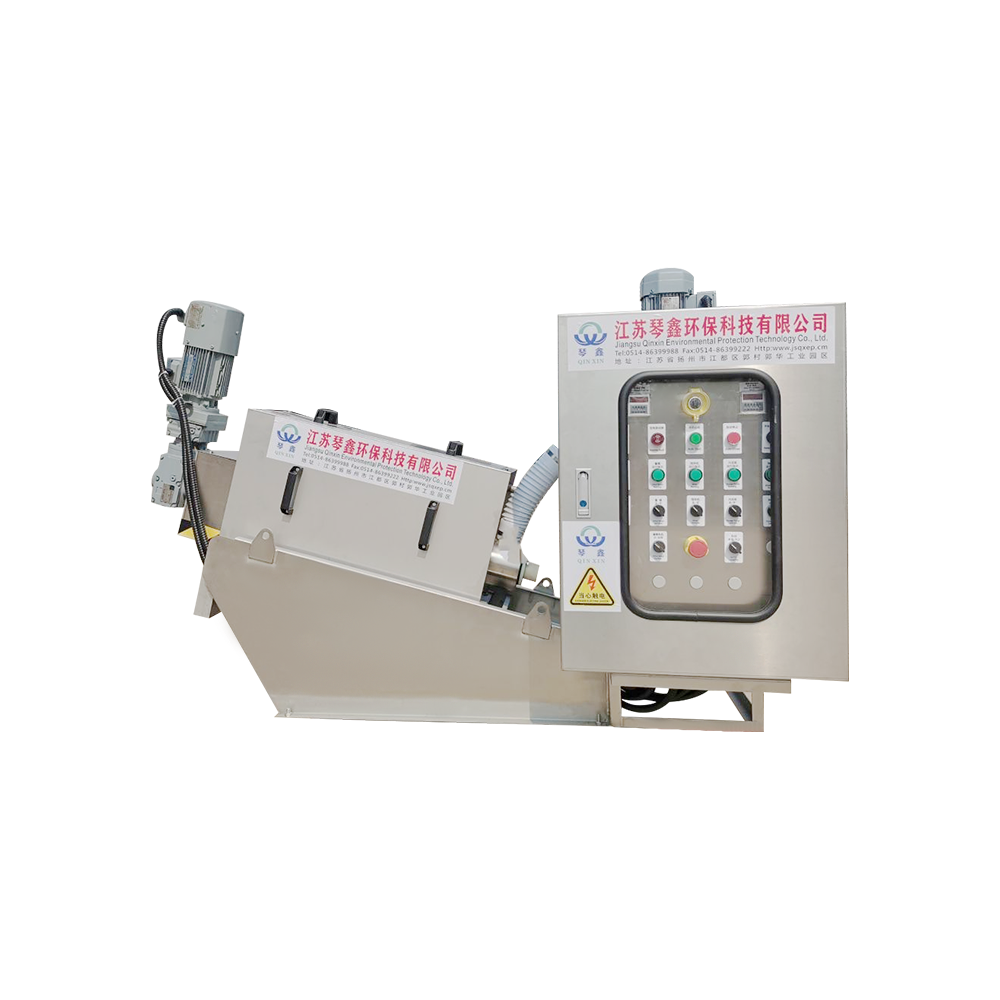
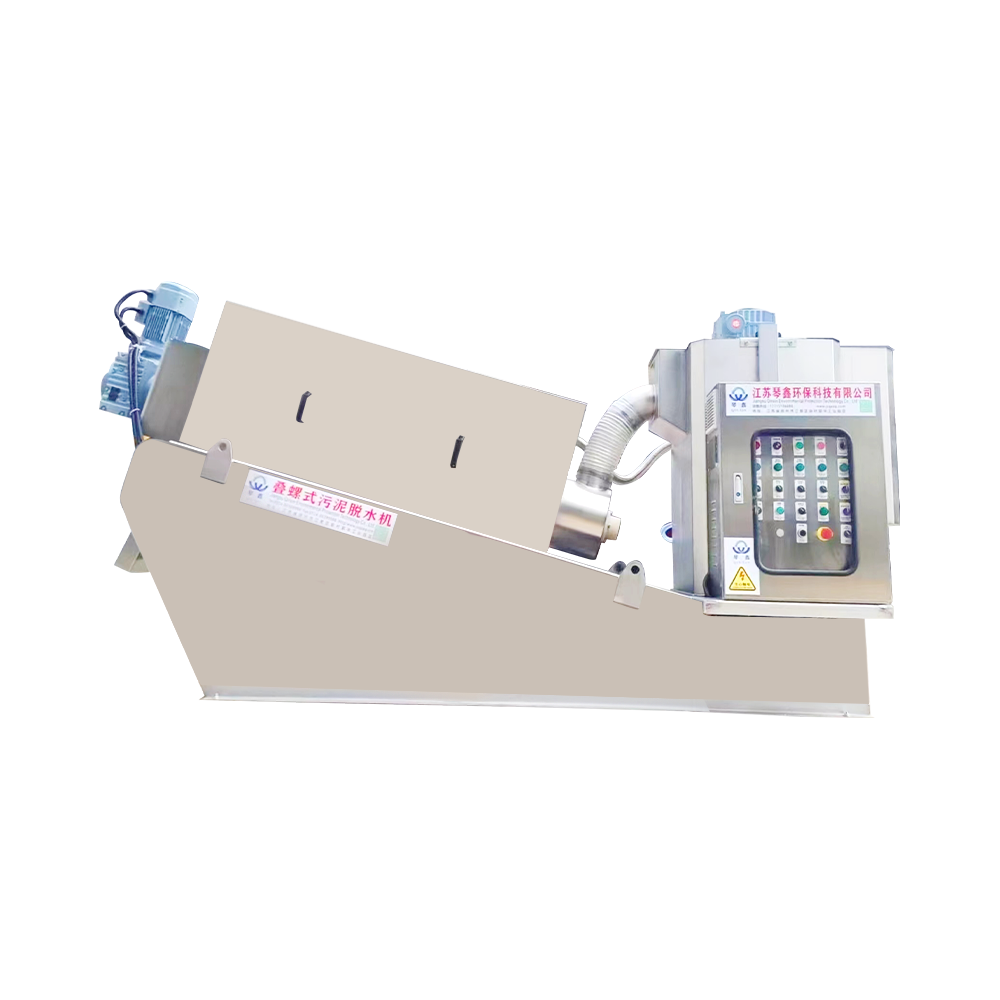
The mechanical principle of a screw press is simple. A helical screw moves sludge through a gradually narrowing chamber, squeezes water through fixed or moving filter gaps, and discharges the cake at the end. Automatic and manual versions use the same shaft, the same screens, and the same back-pressure plate. The difference appears in three control points: polymer dosing, feed regulation, and wash timing.
Polymer dosing control
Polymer is the largest chemical cost in most sludge dewatering operations. On a manually adjusted press, the dosing pump is set to a fixed stroke or frequency and then checked periodically. Because an operator cannot observe the discharge continuously, the common practice is to overfeed polymer to guarantee a dry-enough cake. That safety margin shows up on the chemical invoice.
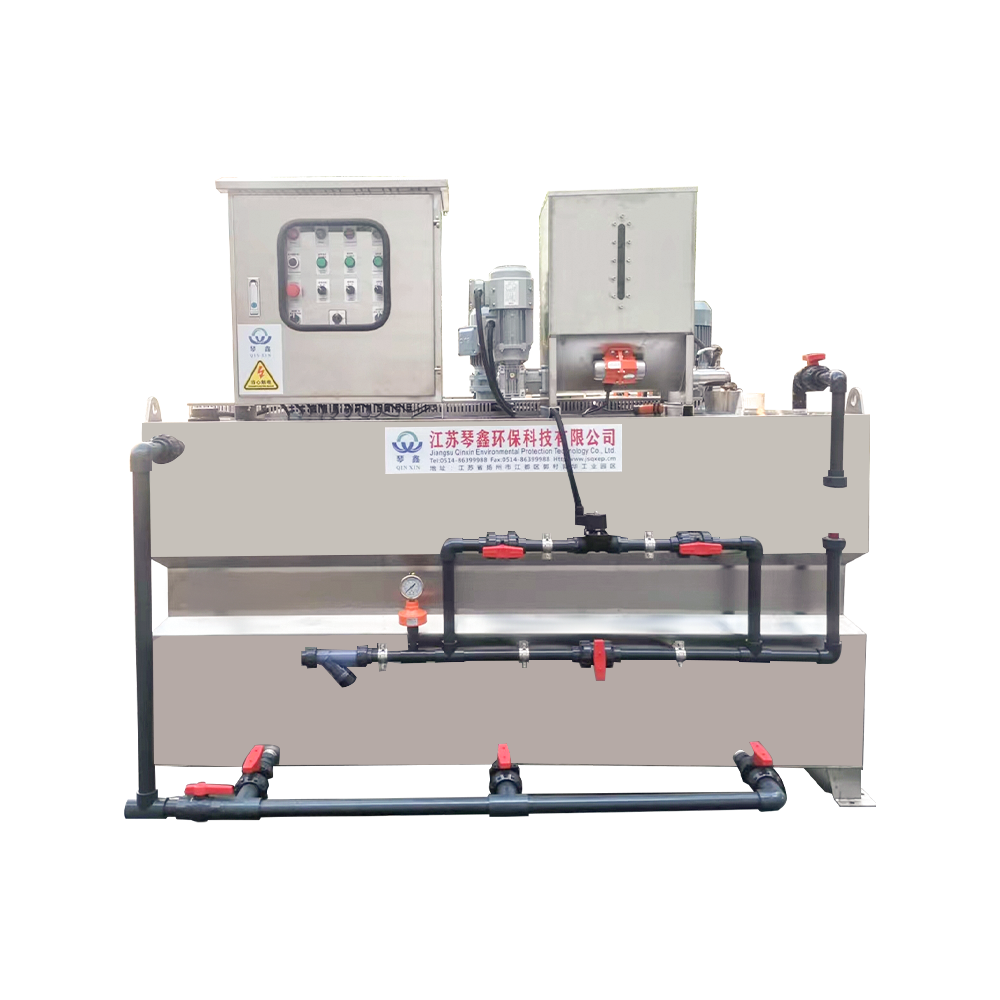
An automatic press pairs the dosing pump with the feed flow meter, and in better systems with a solids or turbidity sensor, so the dose follows the actual load. For example, an integrated variable-frequency dosing device like the QXYTH1000L automatic chemical dosing machine adjusts the feed dose continuously. In retrofits from manual dosing to closed-loop control, plants commonly report 10-20% lower polymer consumption at the same cake dryness.
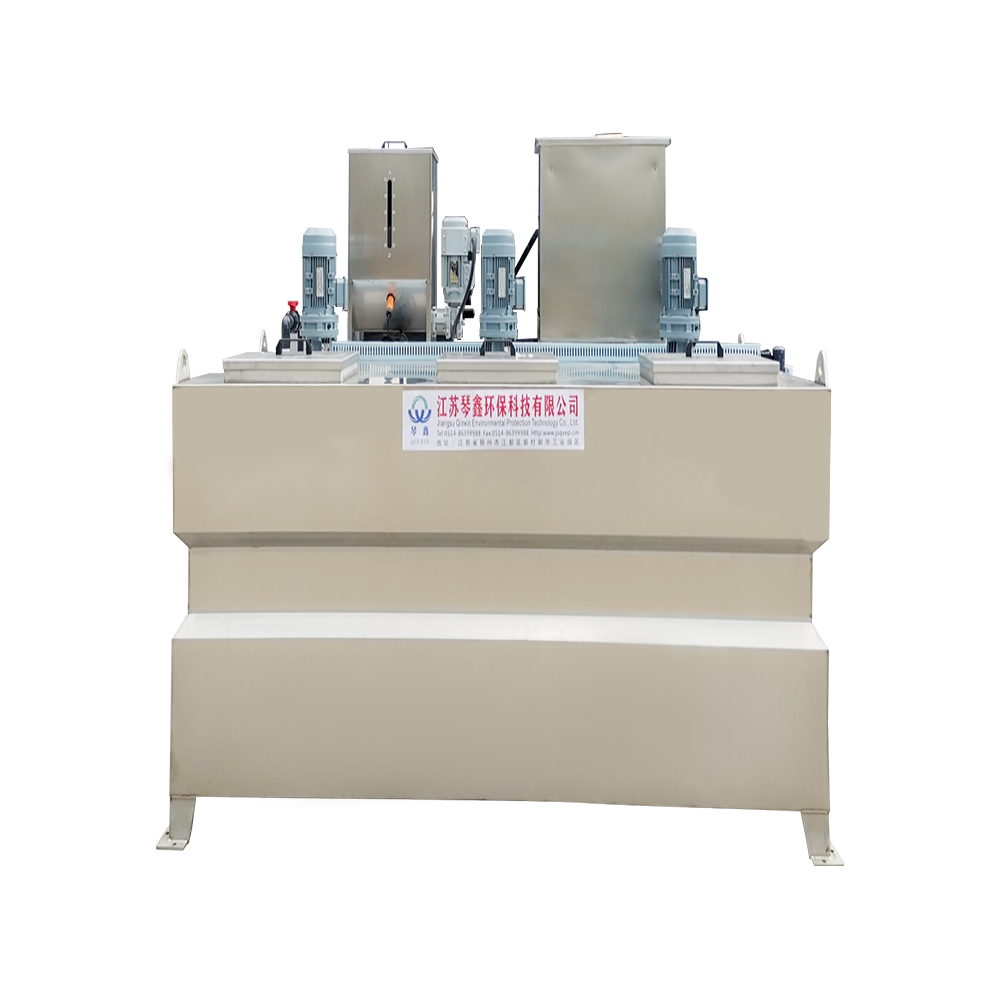 1500L Automatic Chemical Powder Dosing Machine with Variable FrequencyIntegrated 1500L automatic chemical powder dosing machine with variable frequency control for precise, continuous, and reliable industria...View Product →
Feed and solids variation
Most real-world sludge streams are not constant. A food plant that discharges in batches can change from 1.2% to 3.5% solids within about an hour; a dairy or chemical plant can shift even faster. A manual system reacts on the next operator round, by which time a thin cake or a flooded screen has already affected throughput. Automatic systems detect the variation at the flow meter or in the press torque and adjust the screw speed, polymer dose, and back-pressure at the same time.
Back-pressure, screw speed, and wash cycles
The back-pressure plate, screw speed, and screen wash cycle determine how dry the cake becomes and how long the screens last. In manual operation these parameters are set during commissioning and changed only when the operator notices a problem. Automatic systems supervise torque and pressure and make small corrections continuously. A wash cycle, for example, can be triggered by a rise in differential pressure rather than by a fixed timer, which reduces unnecessary water use and prevents screen blinding before it affects output.
What automation costs and what it saves
The purchase price of an automatic screw press system is higher, usually by the cost of sensors, a PLC, variable-frequency drives, and programming. The payback usually comes from three sources: less operator time, less polymer waste, and fewer shutdowns caused by a late reaction to a difficult feed.
| Parameter | Manual operation | Automatic operation |
|---|---|---|
| Polymer dose adjustment | Set by operator during rounds | Corrected continuously from flow or solids signal |
| Operator time | 1-2 hours per shift typical | About 30 minutes per shift for inspection |
| Polymer consumption | Higher due to safety overdosing | 10-20% lower in most installations |
| Cake moisture stability | Depends on operator judgement | Reproducible within a tighter range |
| Shock load response | Delayed until next manual check | Compensated within seconds |
| Wash and flush control | Manual or fixed timer | Triggered by pressure or run time |
| Initial investment | Lower control cost | Higher control cost, often recovered in 12-24 months |
For a plant running the press 24 hours per day, the labour saving alone can exceed the cost of the instrumentation within the first year. Polymer savings add to that, especially when the sludge type changes with seasons or with production batches. A more detailed breakdown can be found in our polymer and energy cost analysis for screw presses.
Where automation earns its keep
Automatic control is not equally valuable everywhere. The clearest cases are usually those where the feed cannot be predicted before the shift starts. Livestock farms, for instance, produce manure with solids content that depends on cleaning cycles, bedding type, and rainfall. Batch-discharge food plants and dairies create similar peaks. Chemical parks, where the feed changes with every supplier, push the load range even wider.
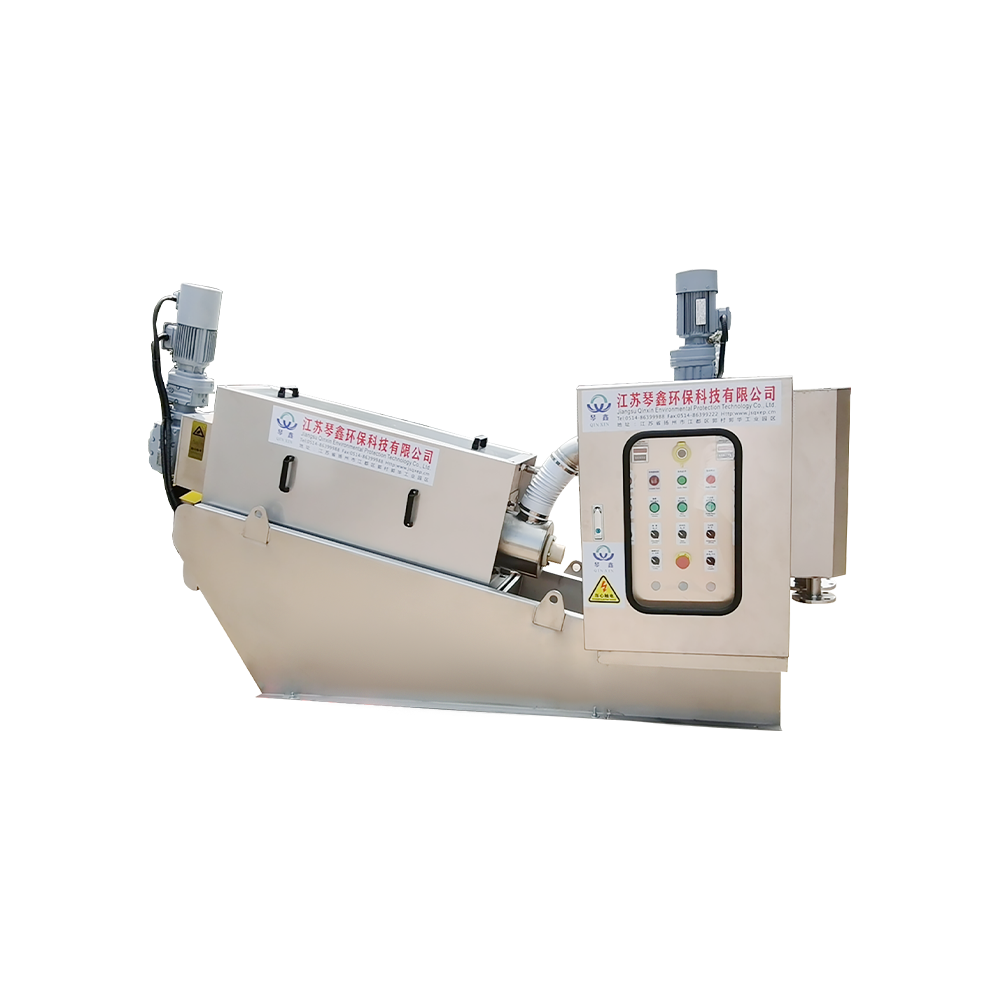
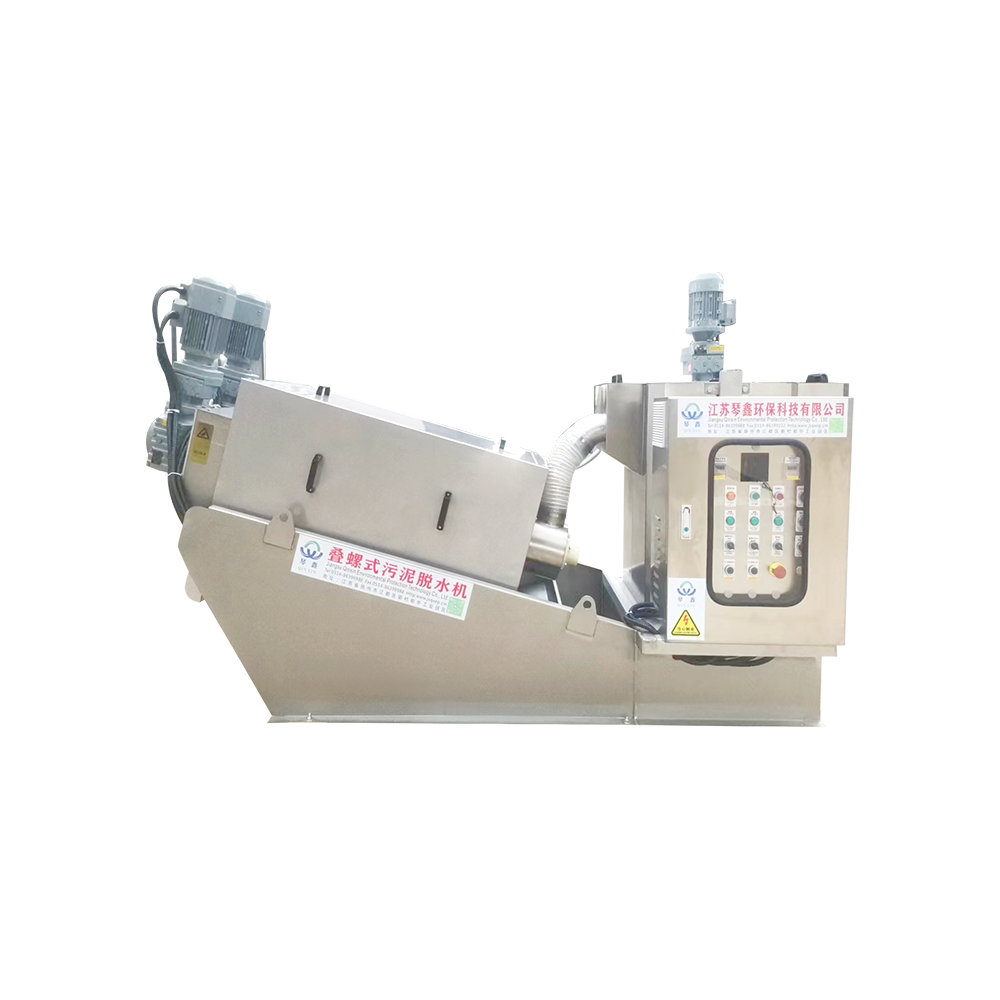
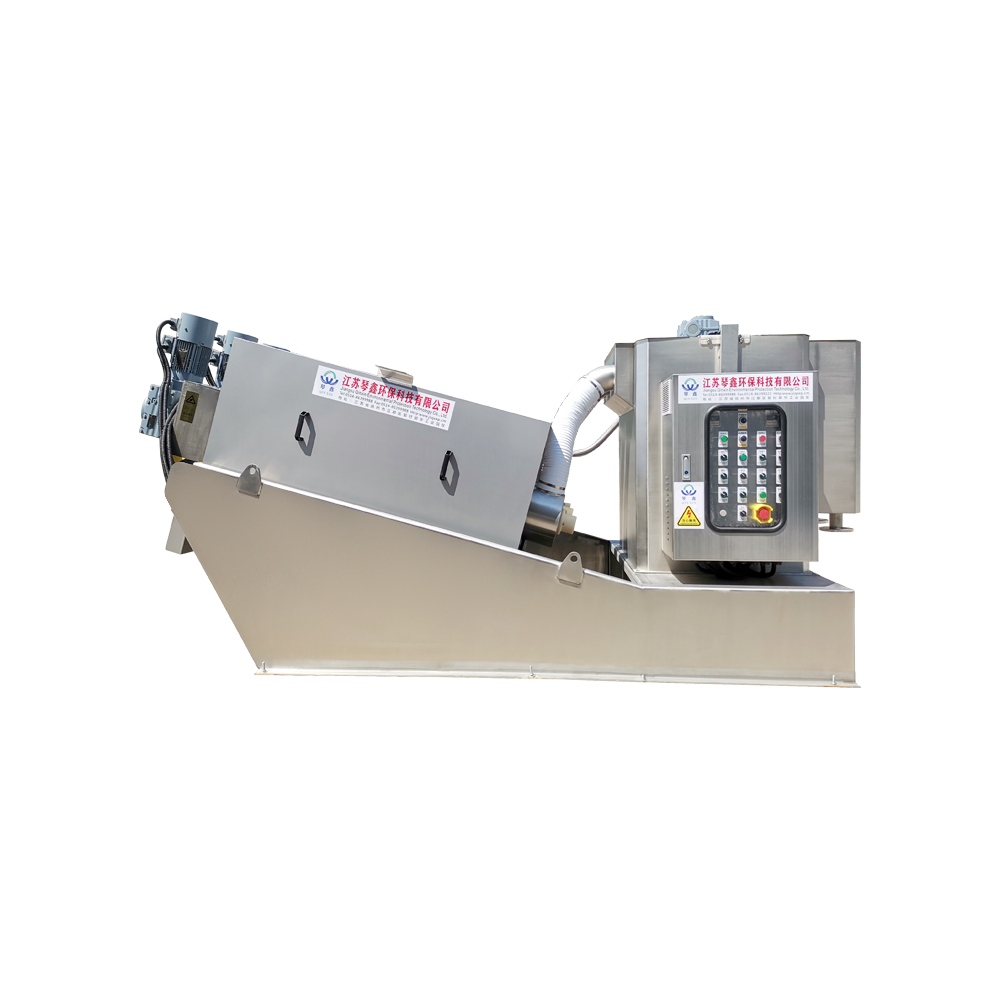
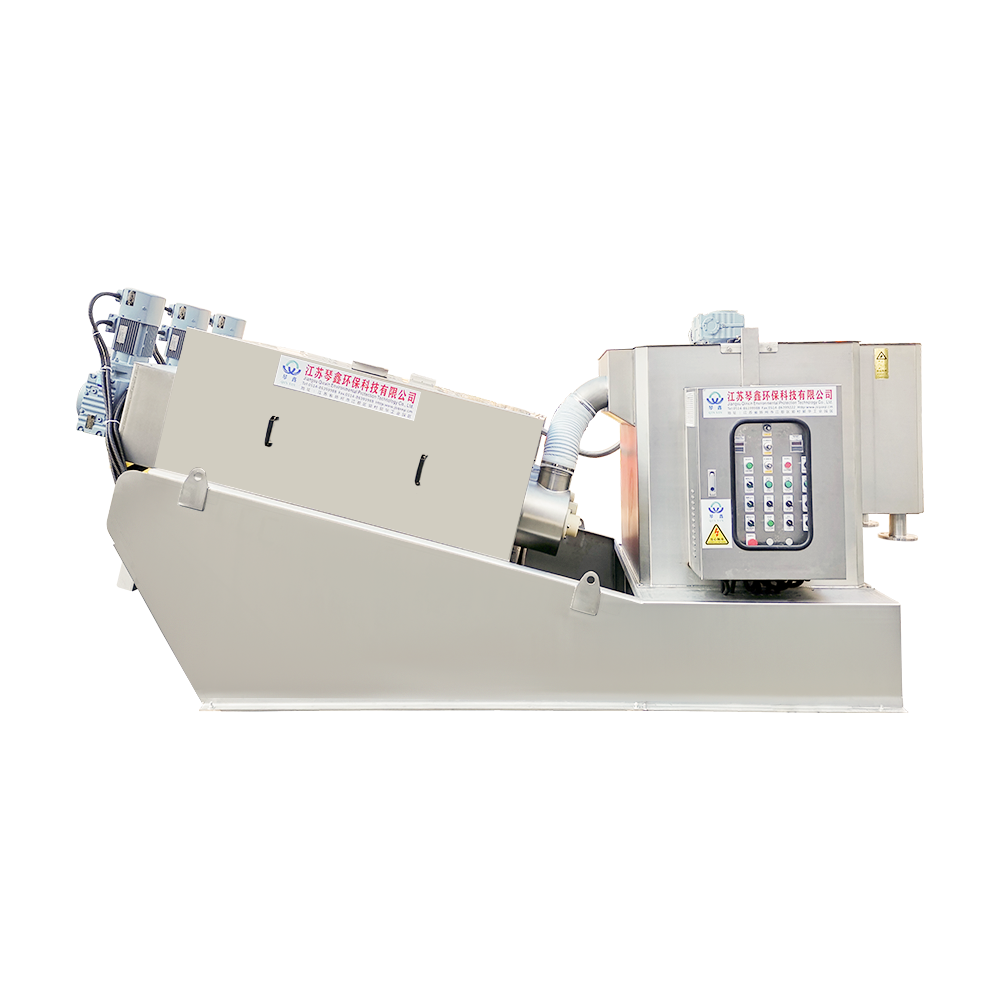
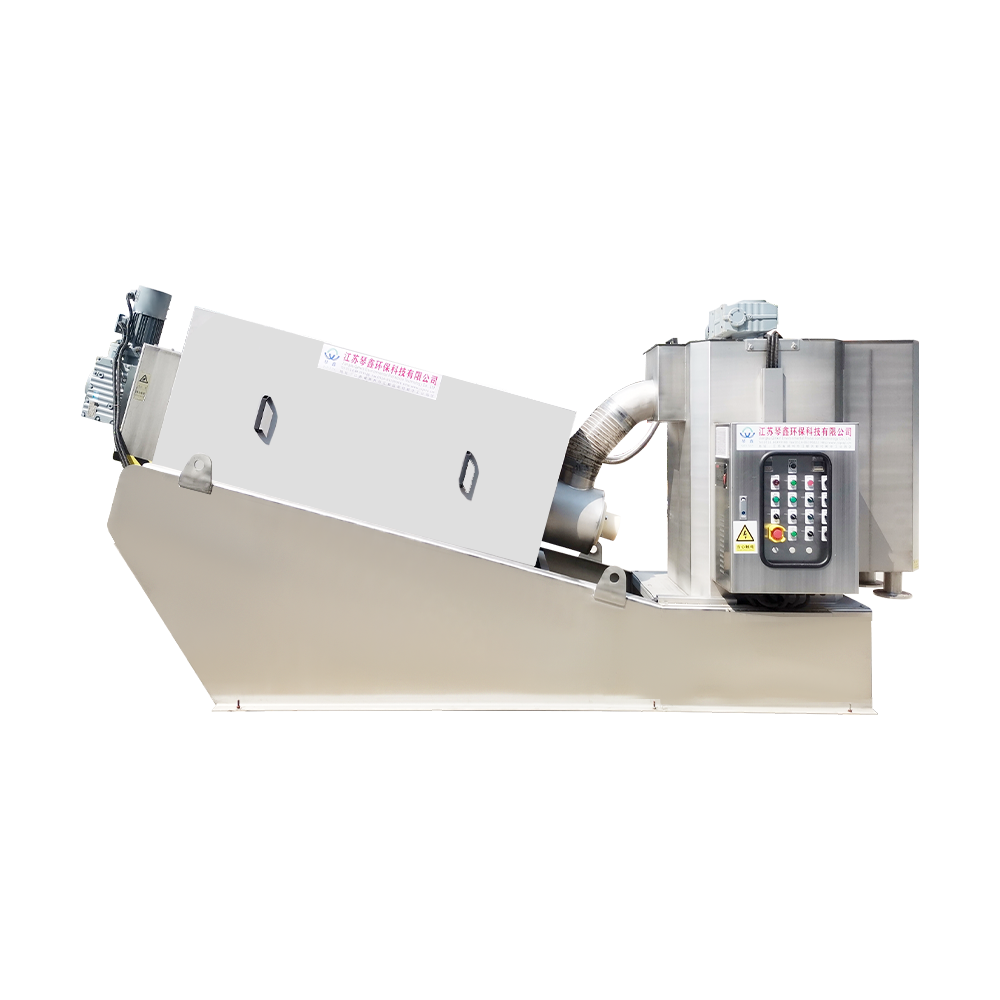
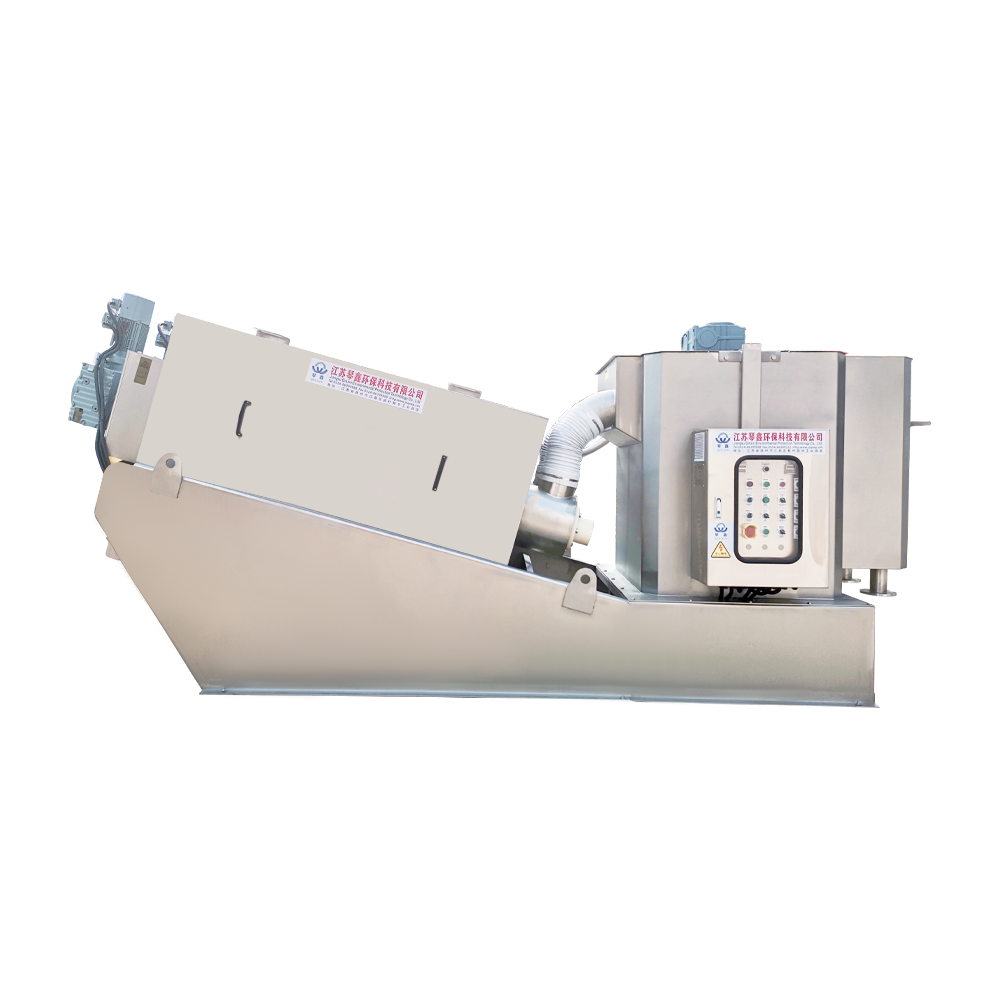
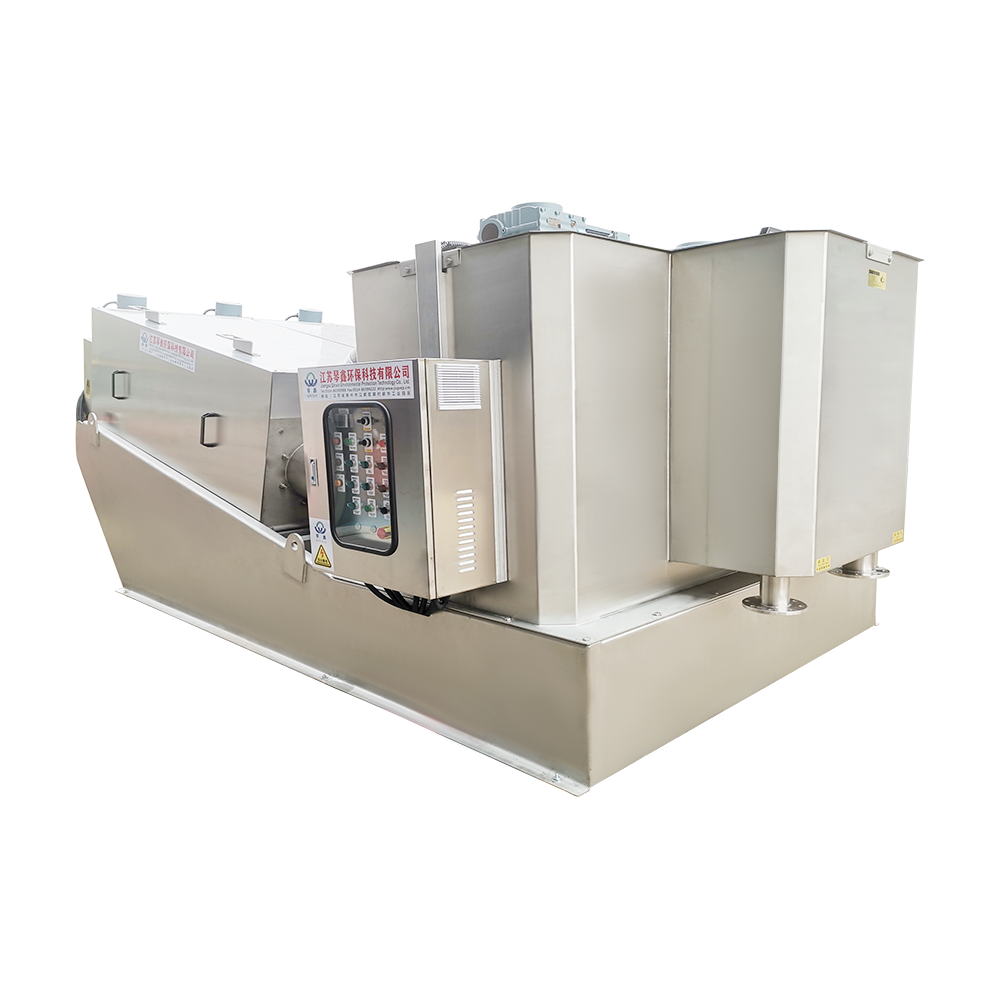
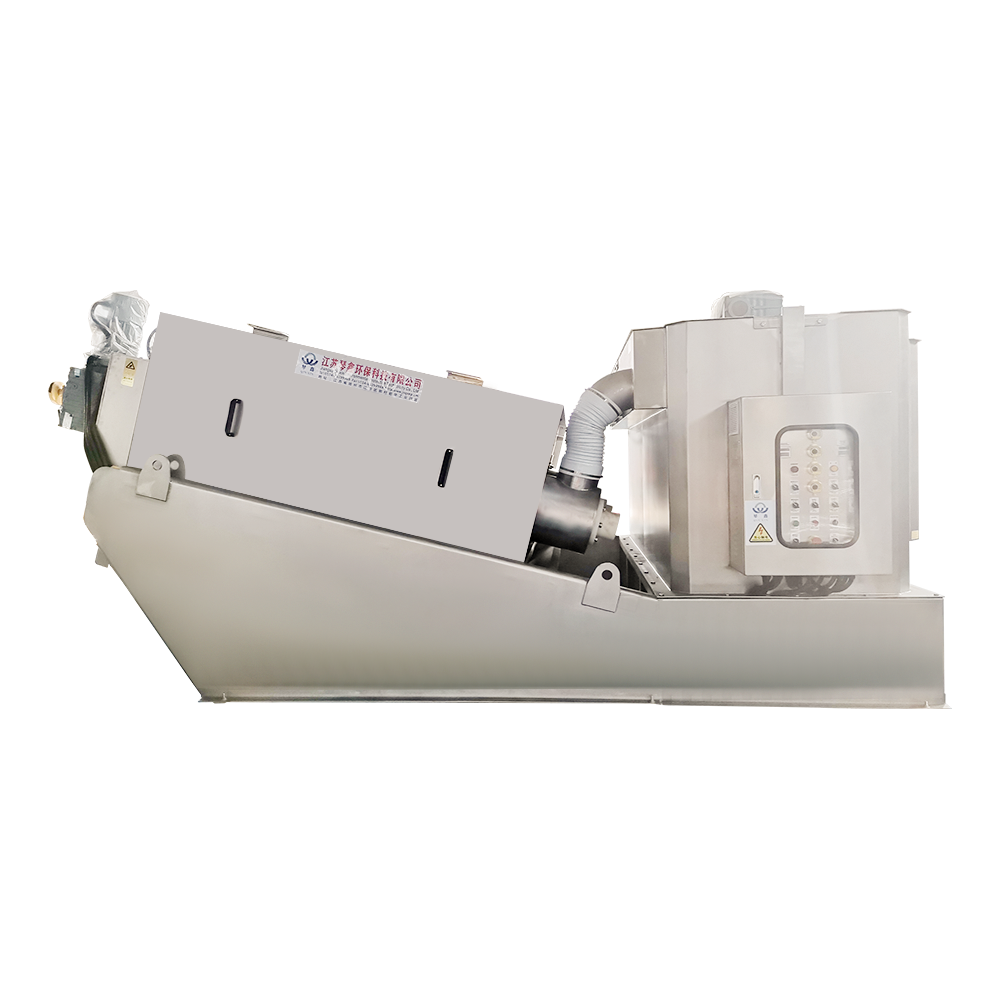
For those high-variation duties, the high-energy-saving QXDL352 automatic screw press for industrial wastewater includes the control logic needed to follow changing loads. Plants in these sectors rarely achieve consistent cake moisture and polymer use when the dosing pump has to be adjusted by hand.
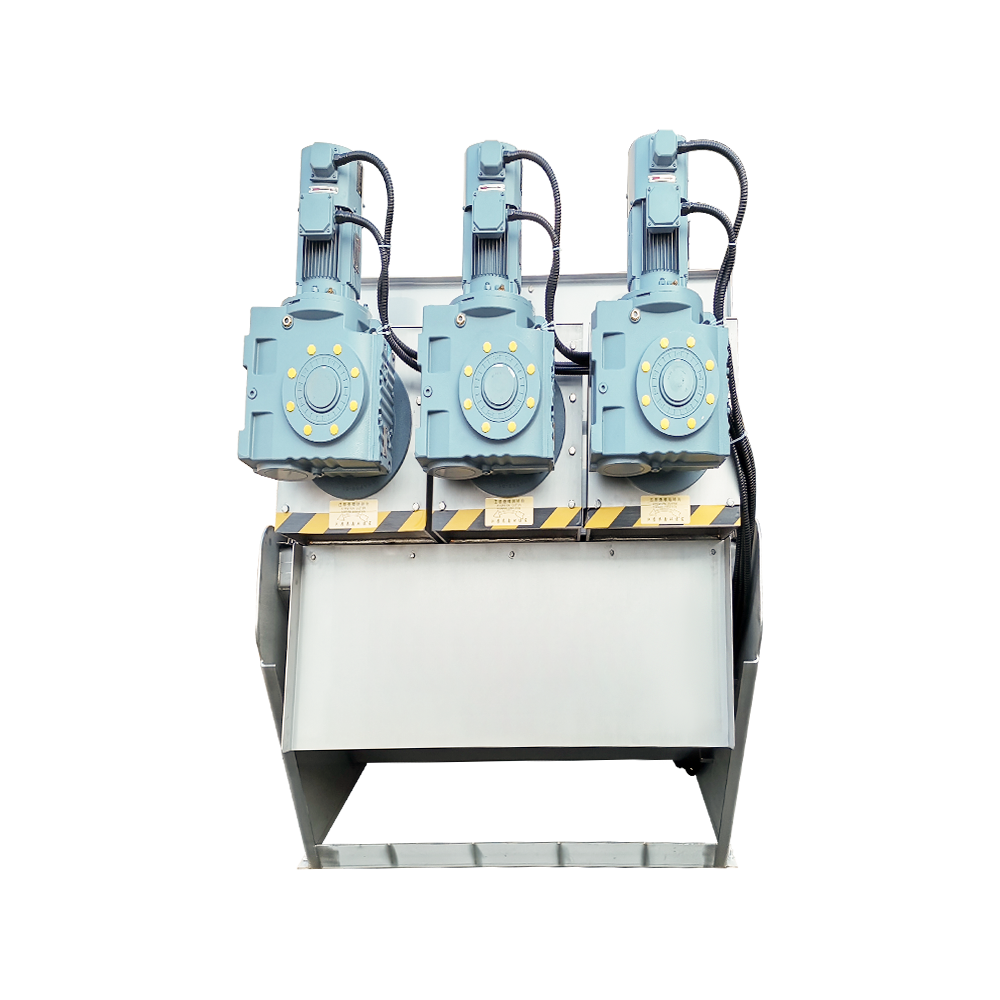 Large Stainless Steel Screw Press Sludge Dewatering Machine - High EfficiencyOptimize your wastewater treatment with our large, high-efficiency stainless steel screw press. This machine provides superior dewatering...View Product →
When a manually adjusted system still makes sense
There are also plants where a manually adjusted screw press is the sensible choice. The common profile is a small municipal station with constant loading, a facility running less than eight hours per day at one fixed flow, or a site where the staff already understands the process so well that the cake condition is checked without thinking.
In those cases, the extra instrumentation and programming may never be paid back. Manual control also means fewer components to fail, simpler electrical troubleshooting, and a lower initial cost. The key is honesty about the feed: manual operation only works well if the feed really is stable, not just assumed to be stable.
Maintenance, cleaning, and uptime impact
Screen clogging is the most common cause of unplanned downtime in screw presses. Sludge contains hair, fibrous material, and grease that can wedge between the filter gaps. A manually operated unit depends on the operator starting a wash cycle early enough. If the shift is busy, a blocked screen can go unnoticed until the press shuts down on high torque.
Automatic control monitors torque and differential pressure and starts the wash before the blockage becomes serious. It also records the wash frequency, so maintenance staff can detect a trend toward more frequent clogging and correct the conditioning before the press fails. Clogging causes, detection methods, and cleaning routines are covered in our multi-disc screw press maintenance and clog prevention guide.
How to choose between automatic and manual screw press dewatering systems
When you evaluate a supplier, separate the mechanical specification from the control specification. The mechanical press decides the dryness that can be reached; the control system decides how consistently the press reaches it during the shift. Go through the following checklist before deciding:
- Feed solids range: if the solids content can vary by more than 1.5 percentage points in a single working day, automatic control should be treated as a necessity rather than an option.
- Daily runtime: equipment running more than 12 hours per day usually justifies automation within two years; units running only a few hours may not.
- Operator availability: if no one can be at the dewatering room several times per shift, manual adjustment will produce unstable results.
- Polymer handling: frequent changes in polymer type or dose are easier to manage when the dosing system can be reprogrammed from the HMI.
- Monitoring requirements: sites with SCADA and remote alarms expect the press to communicate with the control room; manual machines do not provide that level of data.
- Maintenance capacity: automation keeps the press clean, but the sensors still need staff who understand the electrical system.
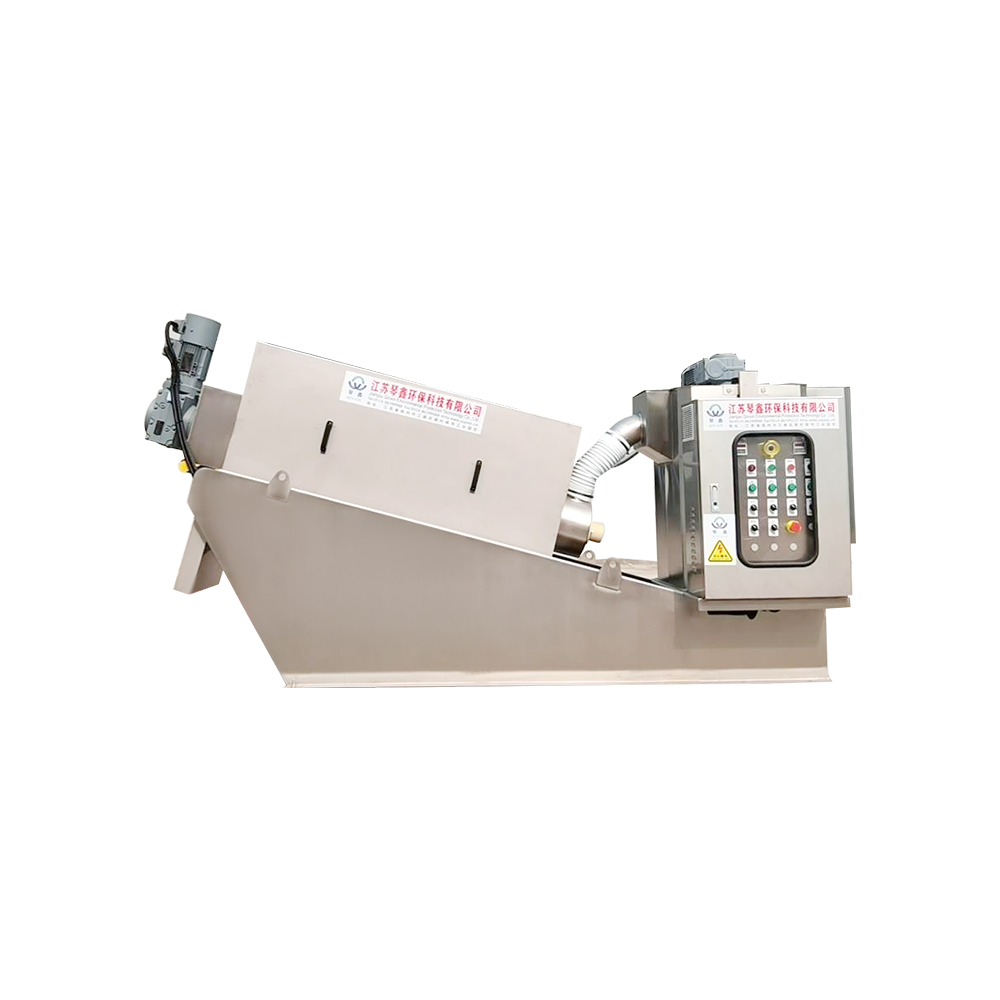
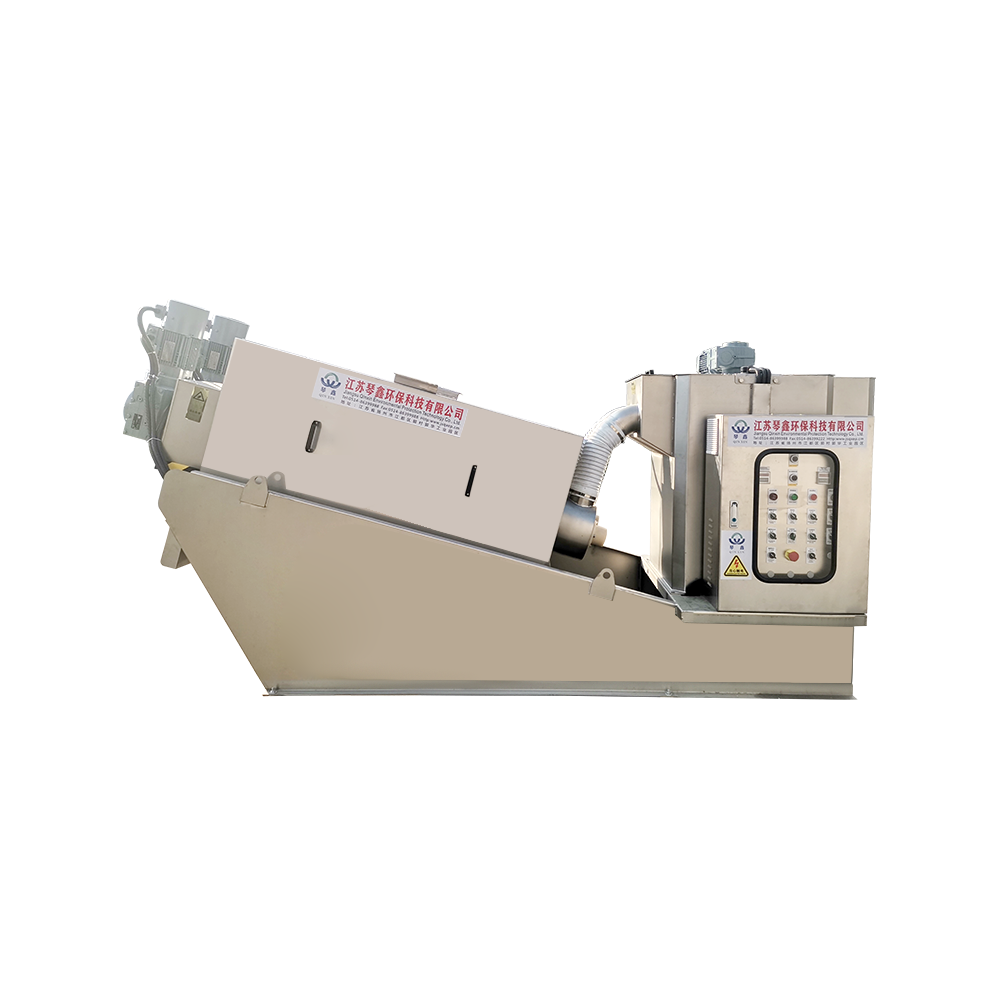
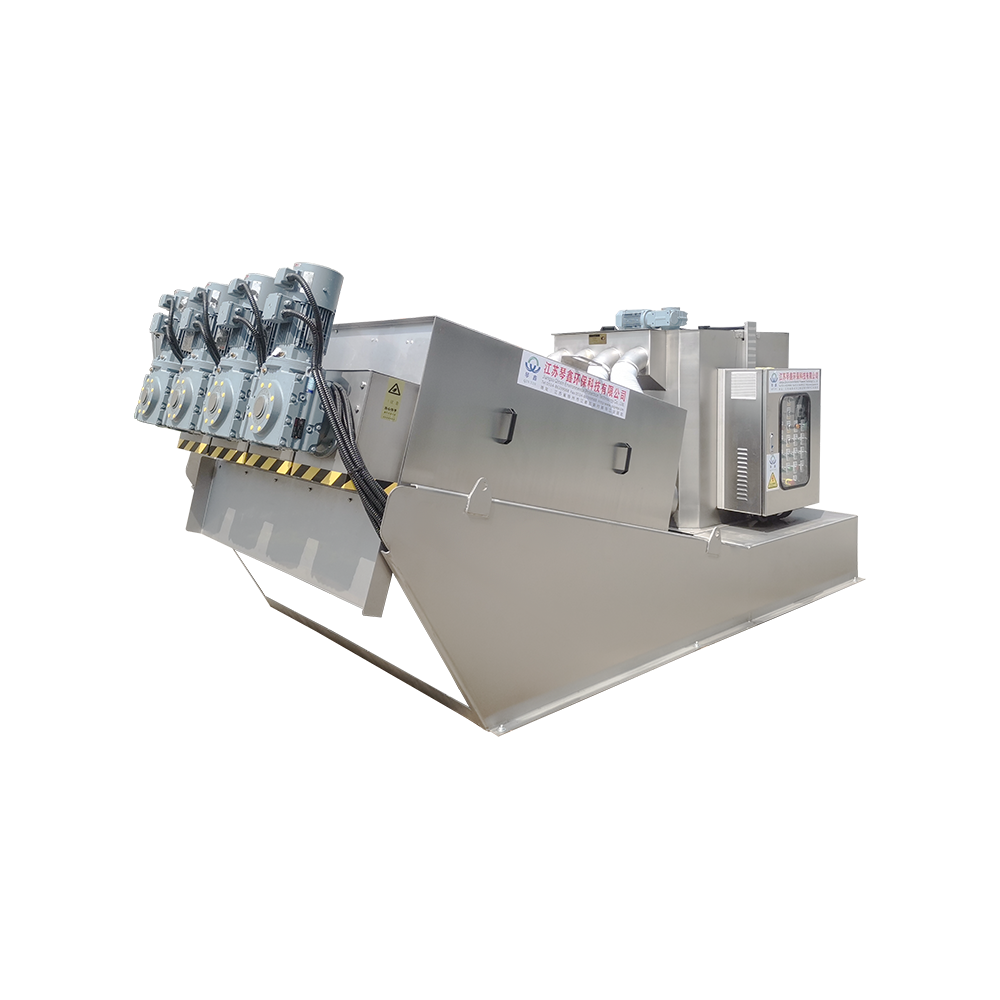
When a full automatic package is justified, a machine such as the eco-friendly QXDL303 automatic screw press can be delivered as one complete system with the dosing skid and control box, which removes the interface risk between press and automation supplier.
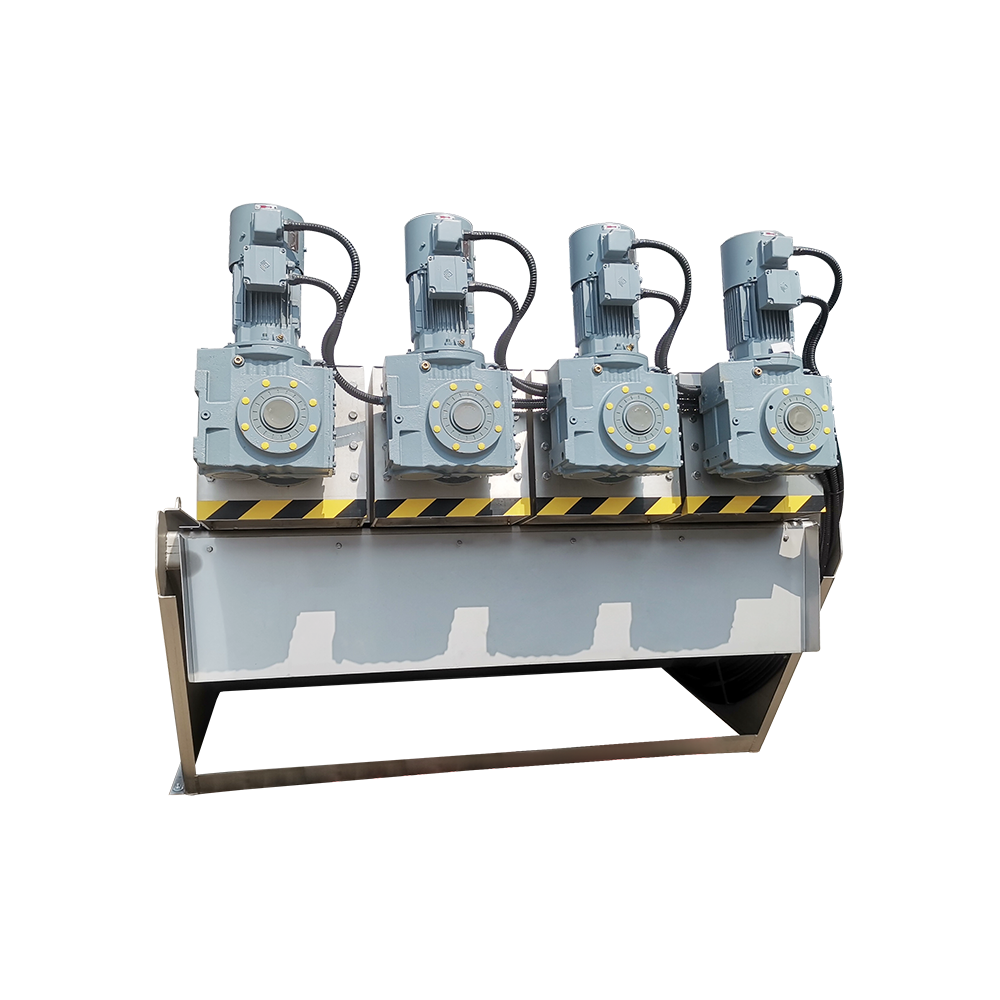 Custom Waste Water Treatment Eco-friendly Spiral Screw Sludge Dewatering MachineYangzhou Qinxin Environmental Protection Technology Co., Ltd. Is China Custom Waste Water Treatment Eco-friendly Spiral Screw Sludge Dewa...View Product →
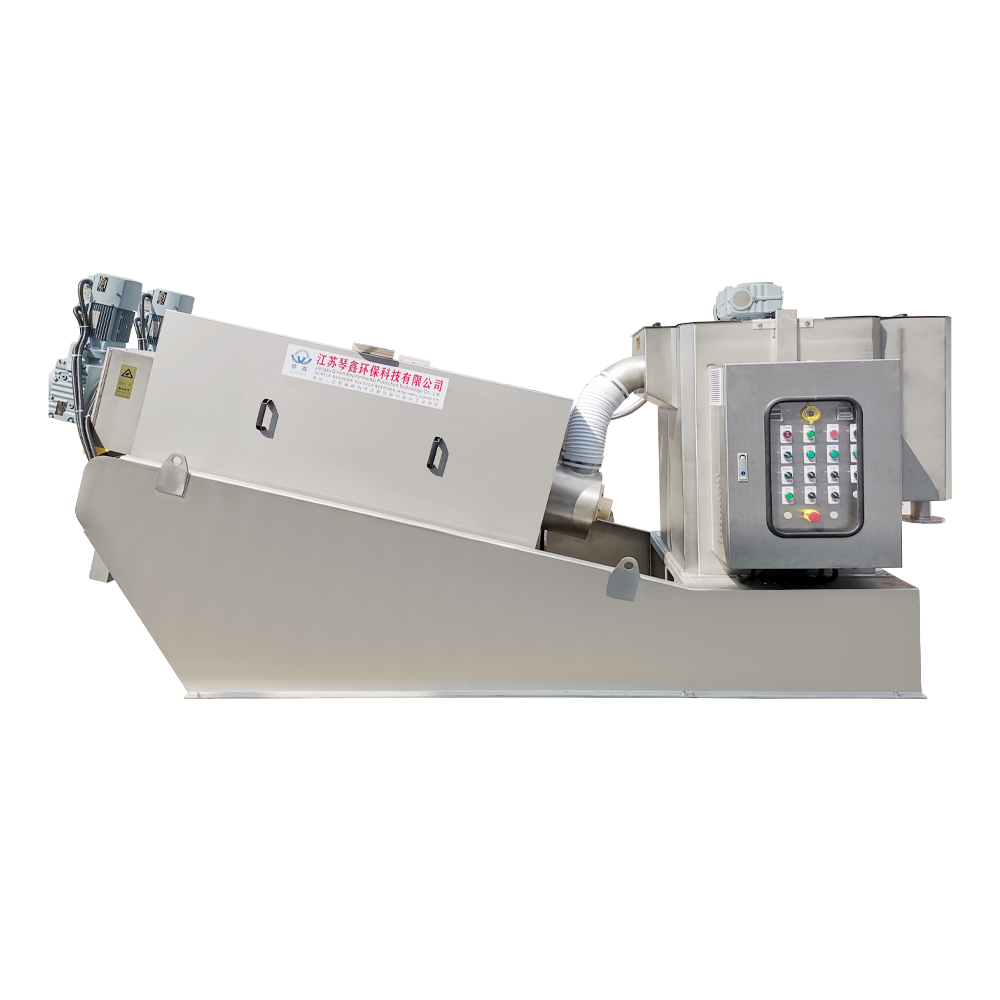
No single design fits every site. A steady feed, short operating day, and experienced operators can keep a manually adjusted screw press running well for years. Variable sludge, long operating hours, or limited staffing move the balance toward automatic screw press dewatering systems. If you are narrowing down options, review our screw press dewatering equipment range and compare the control packages as carefully as you compare filter gaps and material of construction.

 TOP
TOP