
 ENG
ENG
 English
 русский
 Español
 Tiếng Việt
 ไทย
ไทย
Article Directory
- 1 1. Daily and Weekly Monitoring Protocols
- 2 2. Monthly and Quarterly Deep Technical Inspections
- 3 3. Annual Overhauls and Troubleshooting Performance
- 4 Conclusion: Professional Reliability in Dewatering
- 4.1 Frequently Asked Questions (FAQ)
- 4.1.1 1. What is the typical screw dewatering machine lifespan?
- 4.1.2 2. How to clean a multi-disk screw press if it becomes clogged?
- 4.1.3 3. Why is PAM dosing for screw dewatering so critical for maintenance?
- 4.1.4 4. When should I initiate multi-disk screw press wear parts replacement?
- 4.1.5 5. What are the benefits of a stacked screw sludge dewatering machine over a centrifuge?
- 4.2 Industry References
- 4.1 Frequently Asked Questions (FAQ)
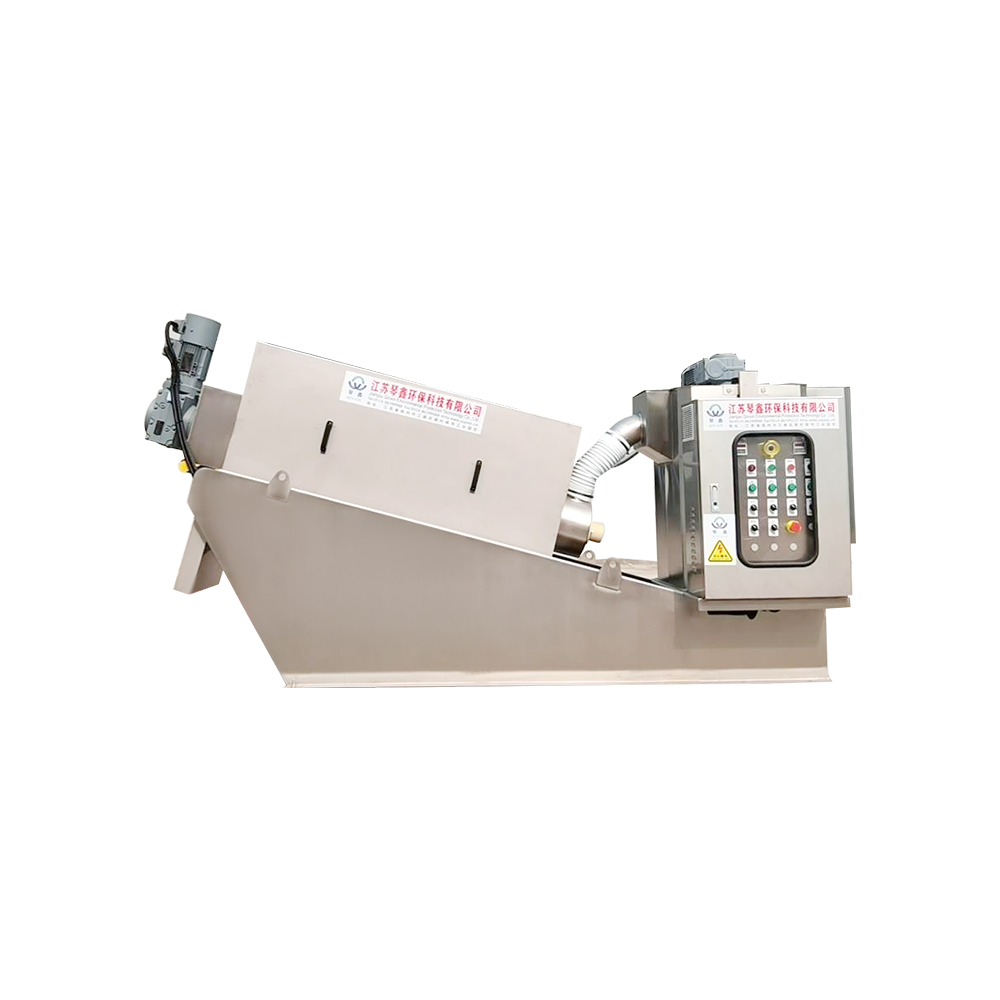
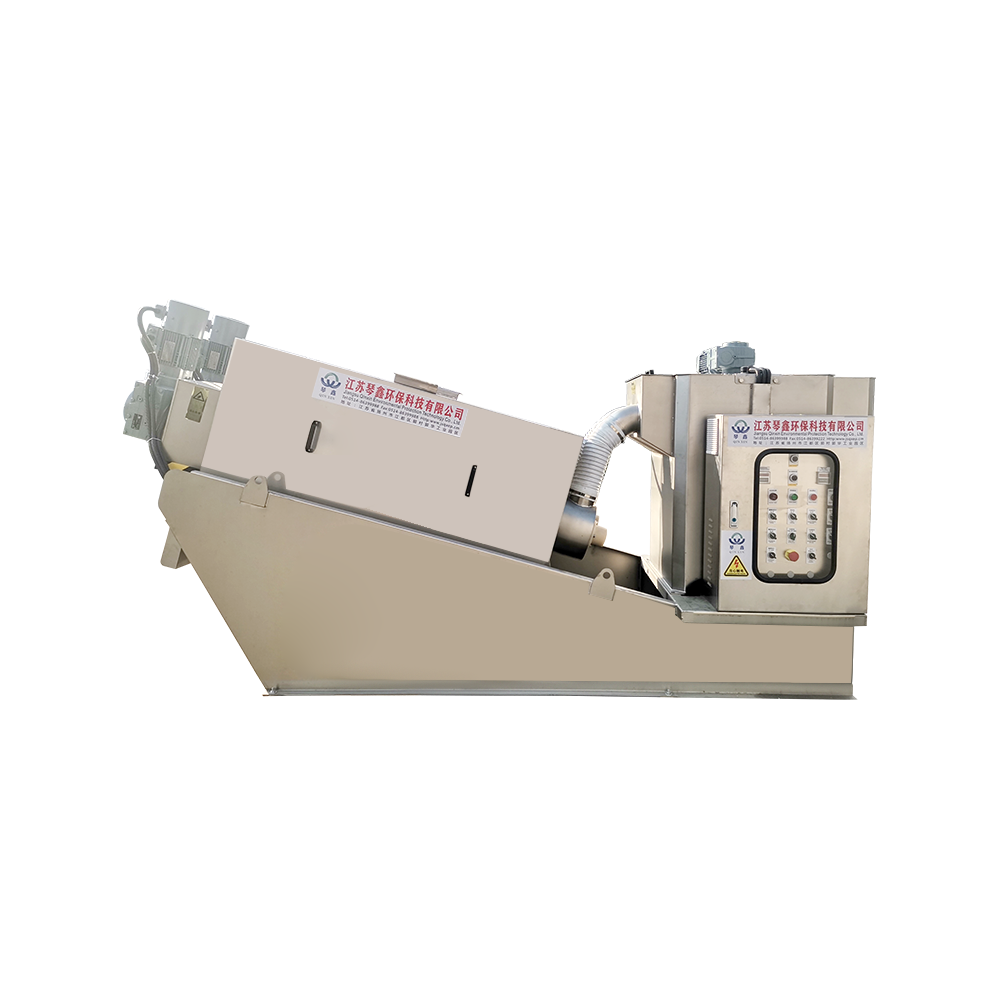
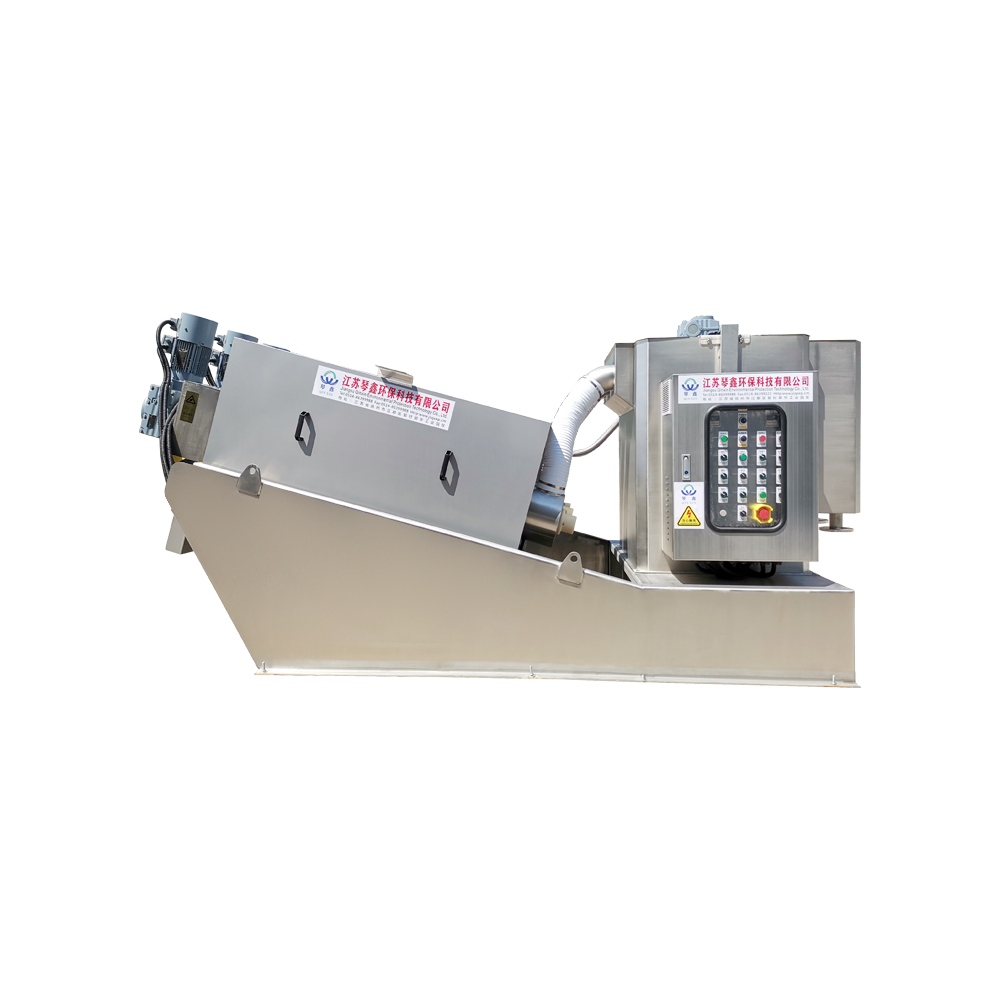
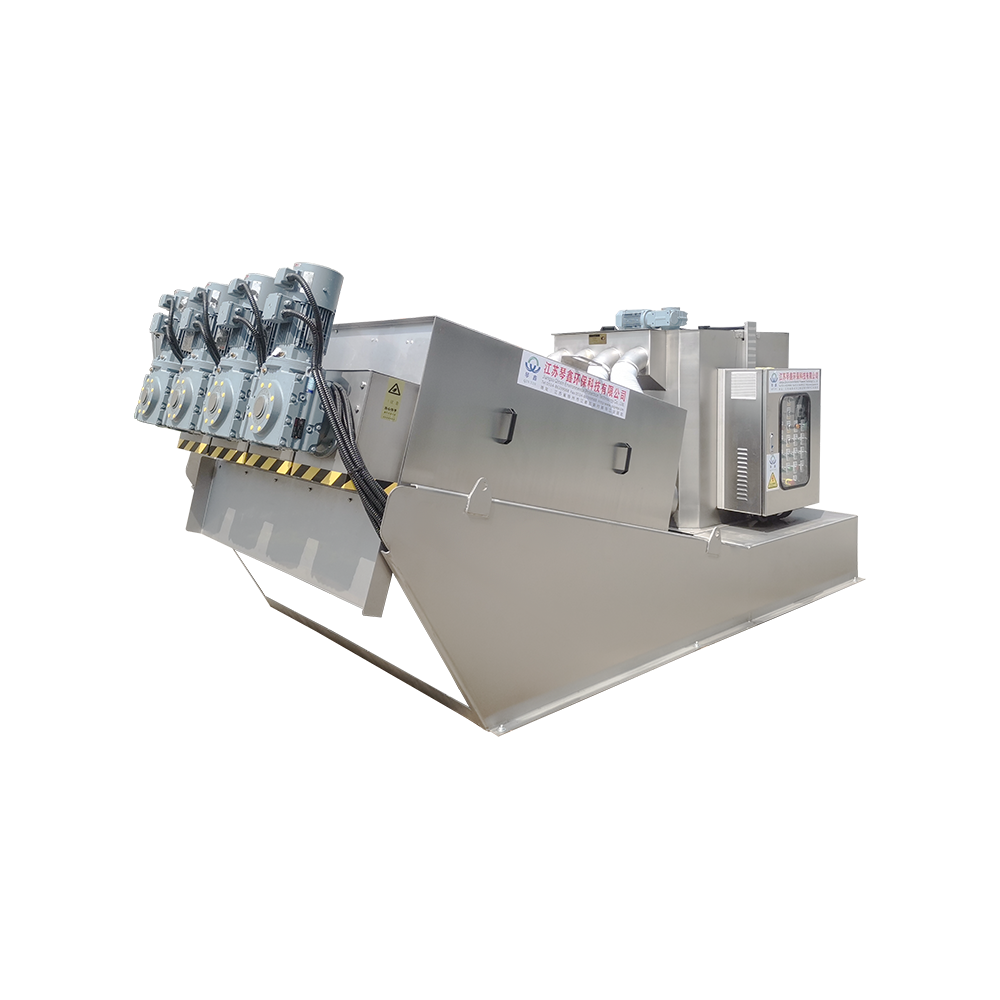
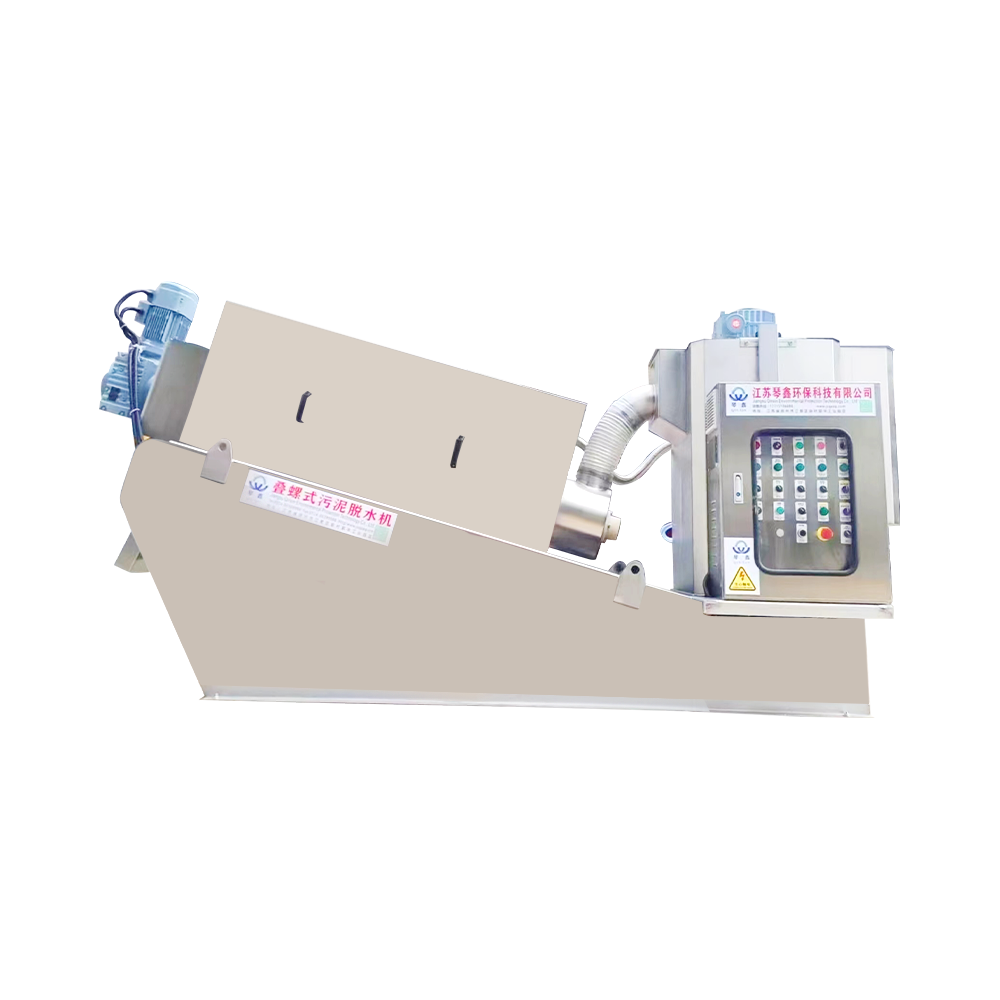
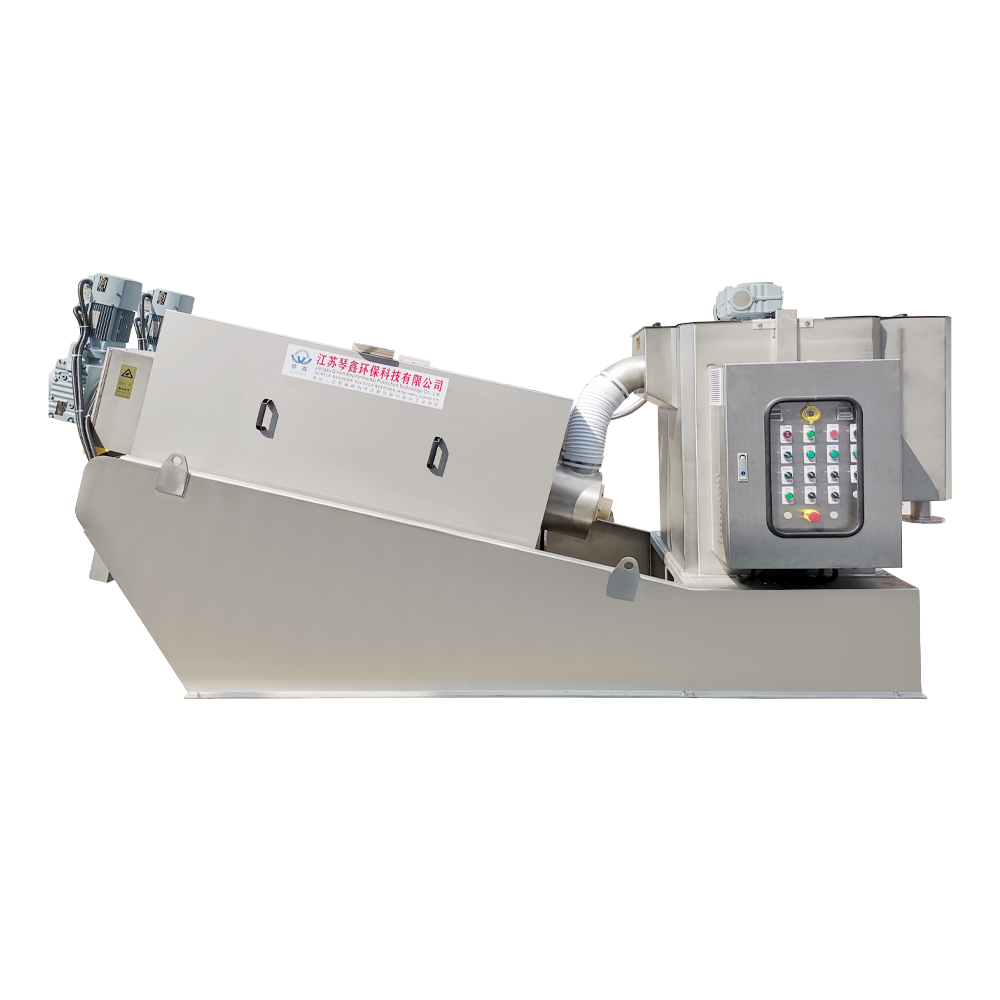
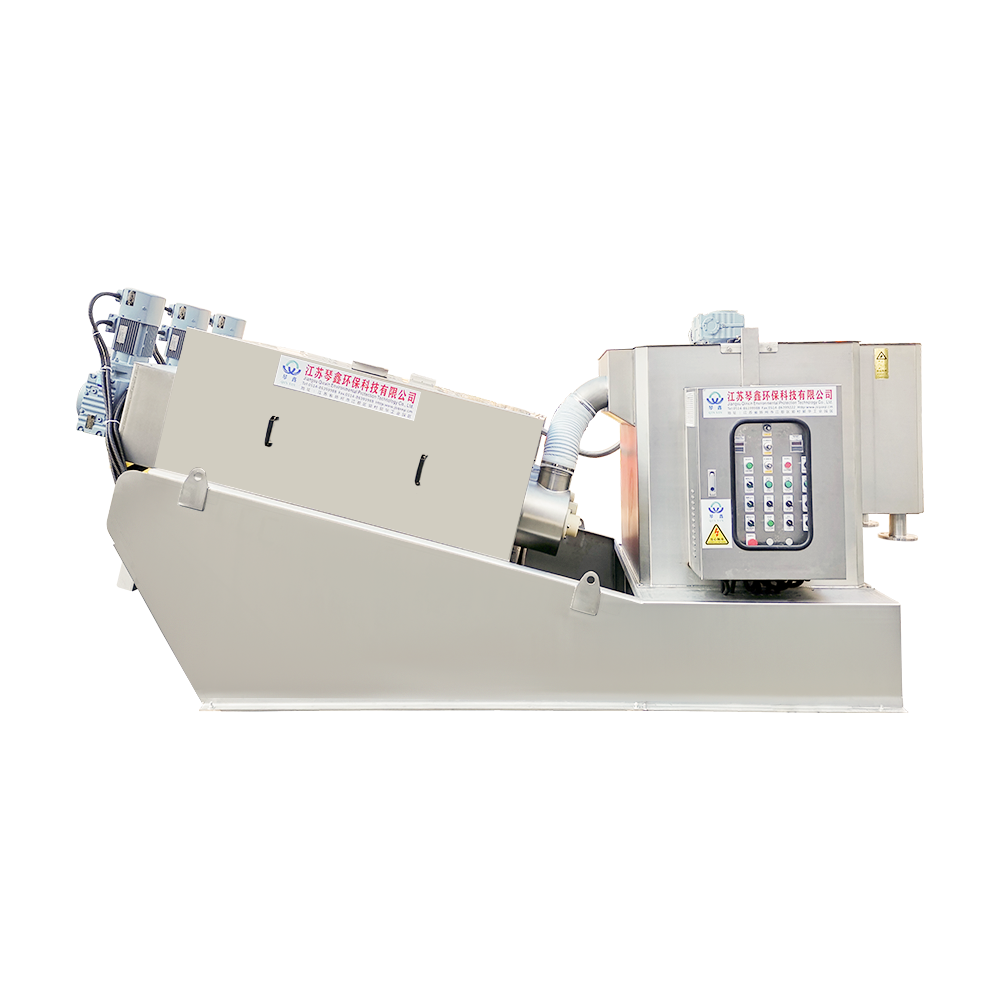
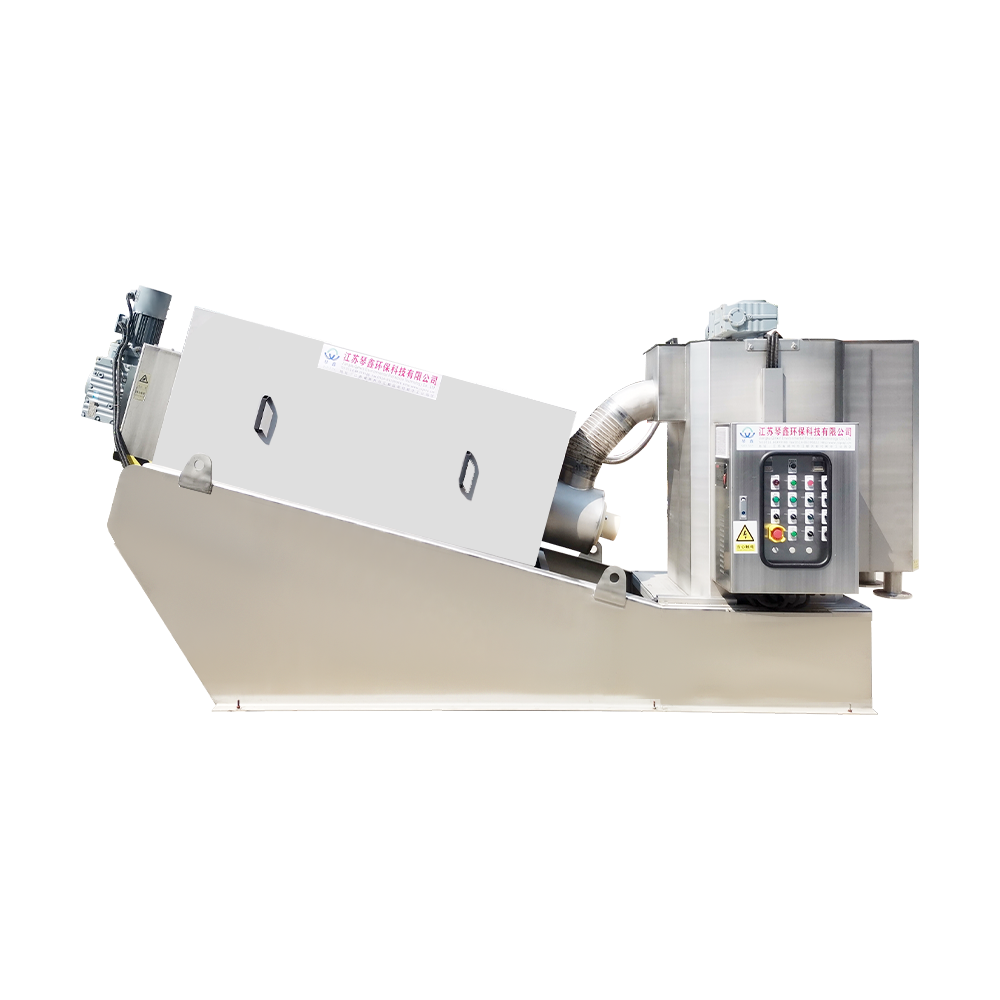
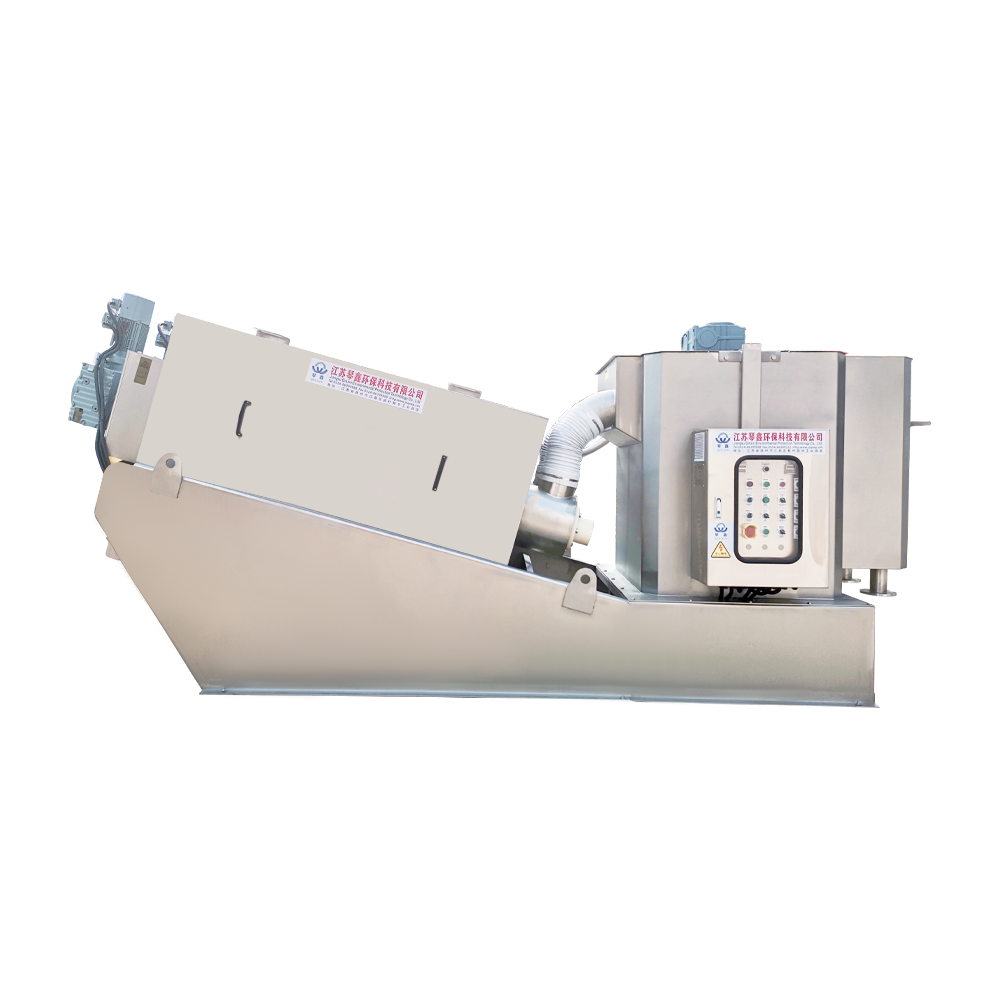
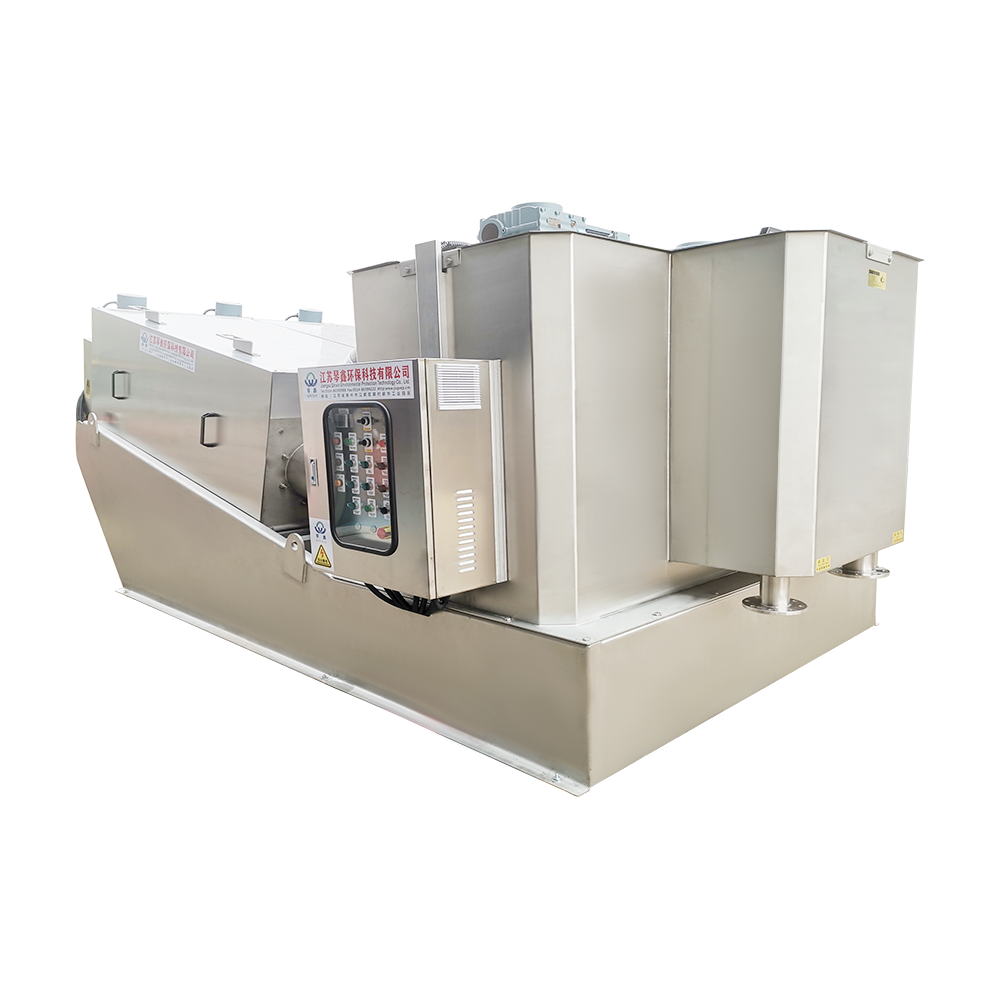
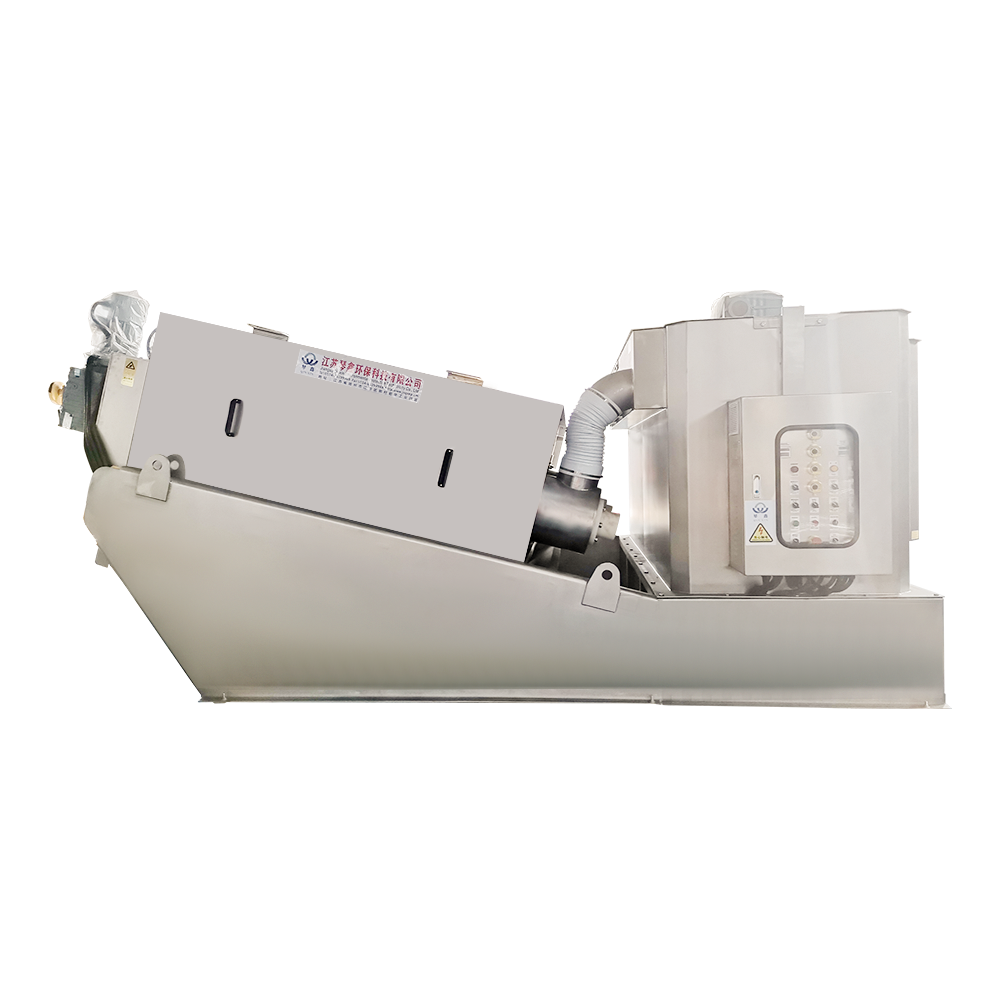
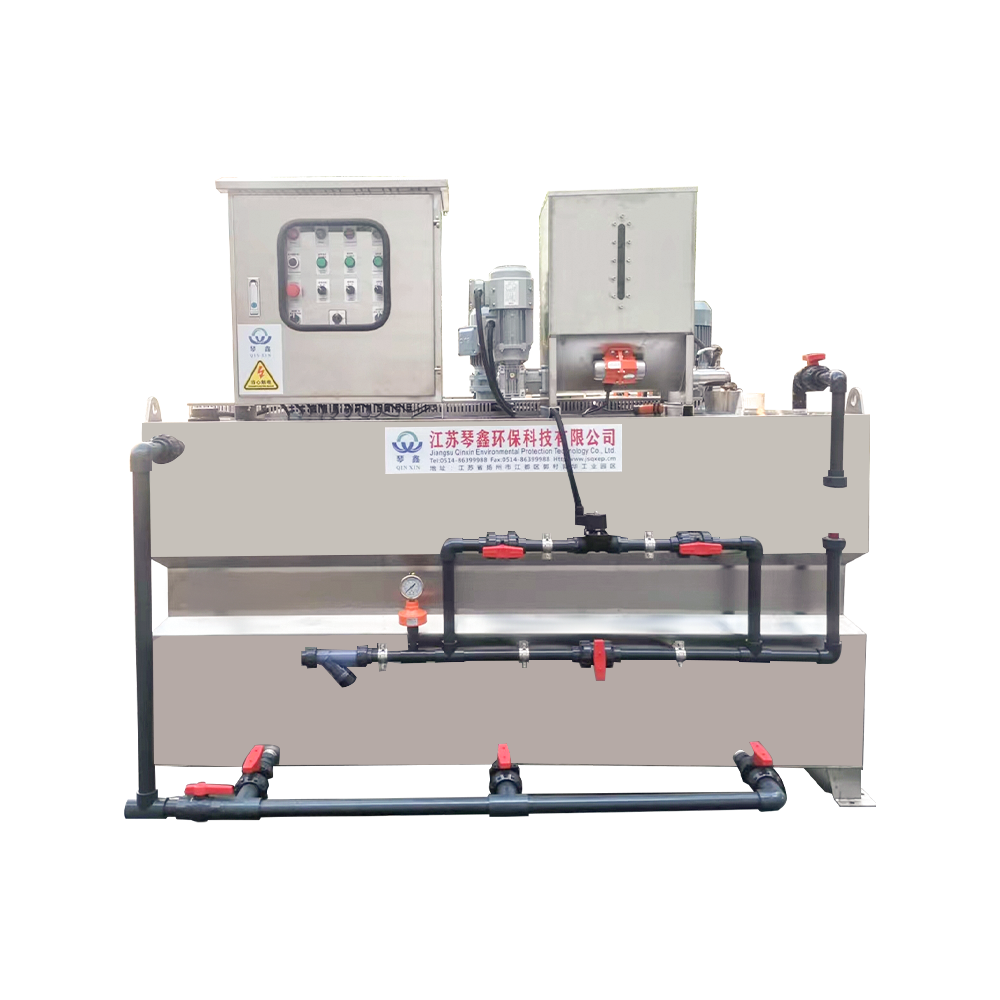
Ensuring the continuous, 24/7 operation of a screw dewatering machine is critical for municipal and industrial wastewater treatment plants to prevent sludge backup and operational bottlenecks. The multi-disk screw dewatering machine maintenance schedule is the backbone of equipment longevity and process efficiency. Yangzhou Qinxin Environmental Protection Technology Co., Ltd. is a premier industry-and-trade enterprise specialized in the R&D and sales of high-end environmental protection equipment. Our flagship stacked screw sludge dewatering machine and integrated PAM dosing devices serve diverse sectors from petrochemical to food processing. As an AAA-level trustworthy enterprise with numerous patents, we understand that "prevention is better than cure." This guide outlines the rigorous maintenance protocols required to maximize screw dewatering machine lifespan and performance.
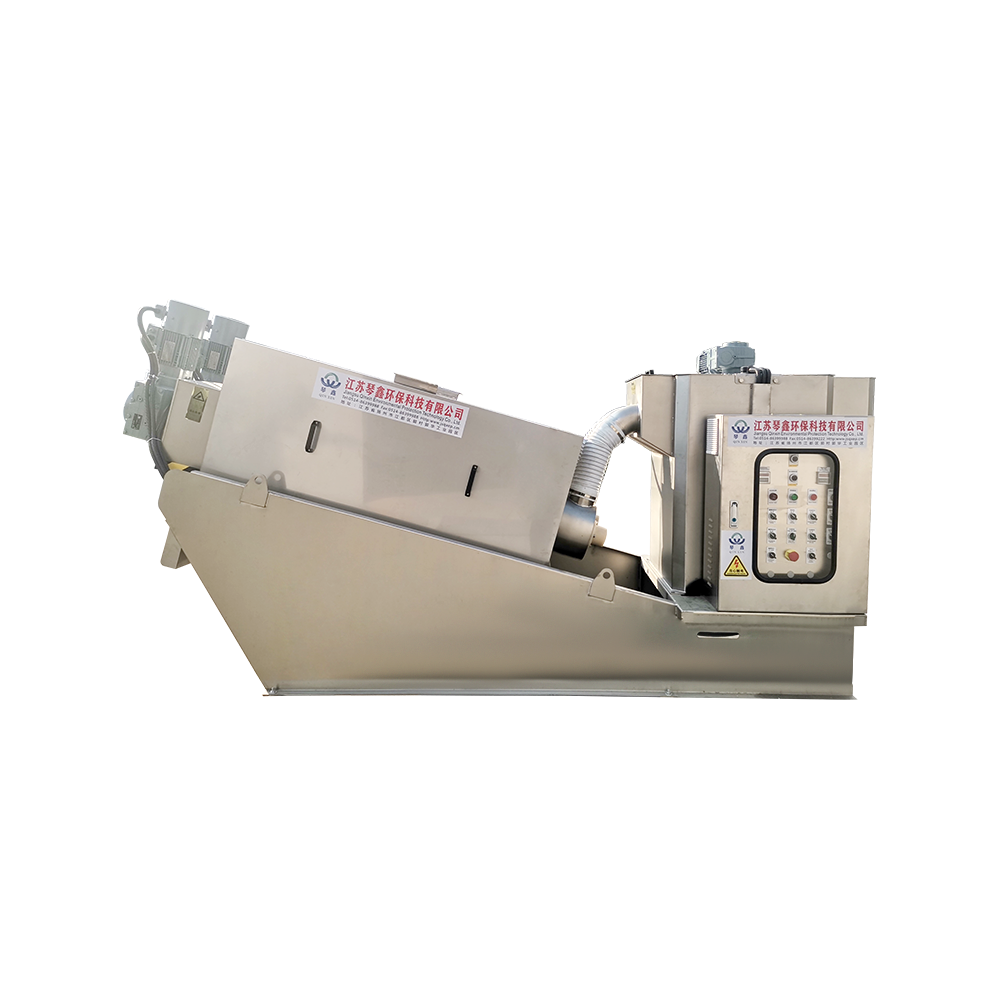
1. Daily and Weekly Monitoring Protocols
The first line of defense in maintaining a screw dewatering machine is daily sensory and data inspection. Operators must monitor the "cake" dryness and the clarity of the filtrate. A sudden change in filtrate quality often indicates issues with the PAM dosing for screw dewatering system or a clogged filter gap. While traditional belt presses require constant high-pressure washing, a screw dewatering machine features a self-cleaning mechanism; however, weekly checks on the spray nozzles are essential to prevent mineral scaling. When comparing screw press vs belt press maintenance, the screw press significantly reduces labor hours, but neglecting the daily drive motor temperature check can lead to catastrophic failure. Understanding how to clean a multi-disk screw press effectively involves ensuring the rinse water pressure remains between 0.1 and 0.2 MPa.
Daily vs. Weekly Task Comparison
- Daily Focus: Operational parameters, sludge flocculation quality, and motor vibration levels.
- Weekly Focus: External rinse nozzle functionality and electrical connection integrity.
| Interval | Key Maintenance Activity | Operational Impact |
| Daily | Check flocculation status and PAM flow | Prevents sludge slippage and optimizes cake dryness |
| Daily | Monitor motor temperature and noise | Early detection of bearing wear or electrical overload |
| Weekly | Inspect spray nozzles and rinse pipes | Prevents "clogging" in the thickening zone |
2. Monthly and Quarterly Deep Technical Inspections
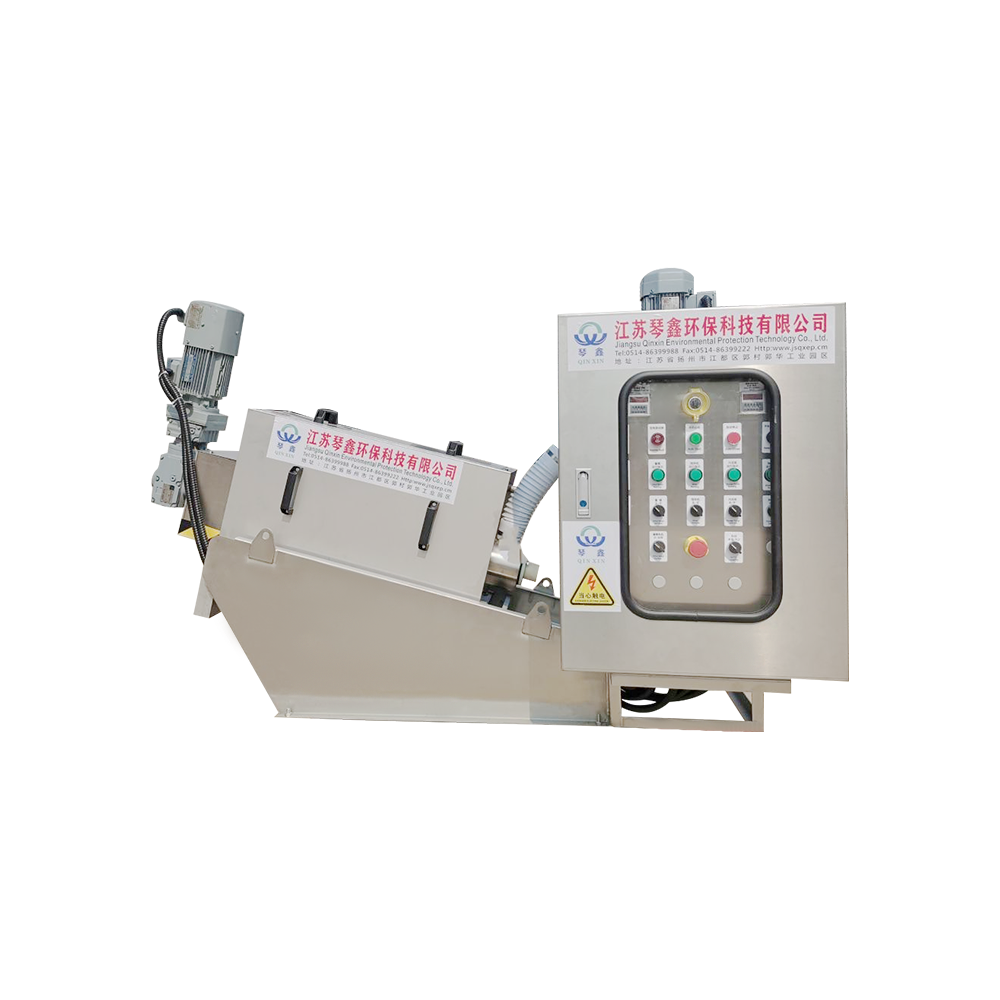
For 24/7 operations, quarterly inspections focus on the mechanical "heart" of the screw dewatering machine: the screw shaft and the moving/fixed disks. The multi-disk screw press wear parts replacement cycle typically revolves around the specialized gaskets and the leading edge of the screw. Over time, abrasive sludge in the screw dewatering machine for food waste or mining sectors can erode the screw flighting. Evaluating screw dewatering machine energy consumption on a monthly basis can also serve as a diagnostic tool; a spike in amperage often indicates a blockage or excessive friction within the cylinder. Additionally, the sludge dewatering equipment lubrication schedule must be strictly followed, ensuring the reducer oil is changed according to the manufacturer's run-time hours.
Quarterly Technical Sequence
- Internal Gap Inspection: Measuring the clearance between moving and fixed disks to ensure it meets technical tolerances.
- Gearbox Service: Checking oil levels and viscosity in the cycloidal or helical reducer.
- Seal Verification: Inspecting the V-seals and oil seals at the drive end to prevent sludge ingress into the motor.
| Component | Monthly Check | Quarterly Check |
| Screw Shaft | Visual inspection for uneven wear | Measurement of flight thickness and pitch accuracy |
| Multi-disk Stack | Confirm self-cleaning movement | Check for disk warping or gasket degradation |
| Reducer/Motor | Oil level verification | Complete oil replacement and bearing greasing |
3. Annual Overhauls and Troubleshooting Performance
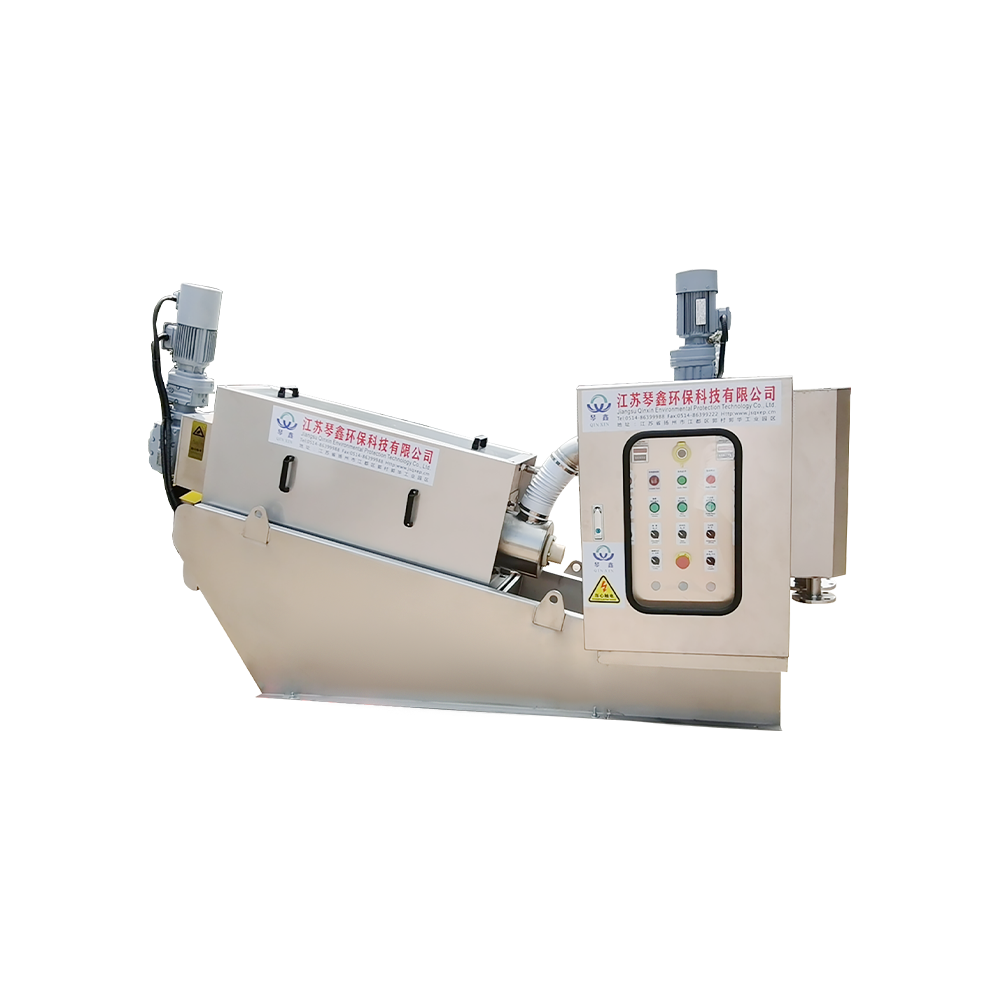
An annual shutdown is recommended to perform a comprehensive screw dewatering machine troubleshooting audit. This involves the removal of the screw shaft to inspect the internal surface of the disks and the wear-resistant layer of the screw flights. For industrial screw dewatering machine applications involving chemical or corrosive sludge, the stainless steel (SUS304/316) integrity must be verified. One must also calibrate the screw dewatering machine automation settings, ensuring the PLC-controlled dosing and rinse cycles are synchronized. Yangzhou Qinxin's expertise in sewage treatment equipment design ensures that our machines are built for easy disassembly, significantly reducing the downtime required for these annual overhauls.
Optimizing 24/7 Efficiency
- Wear-Resistant Coating: Re-applying tungsten carbide or specialized hardening layers to the screw flights if necessary.
- Sensors Calibration: Ensuring pressure sensors and level switches in the PAM tank are functioning accurately.
Conclusion: Professional Reliability in Dewatering
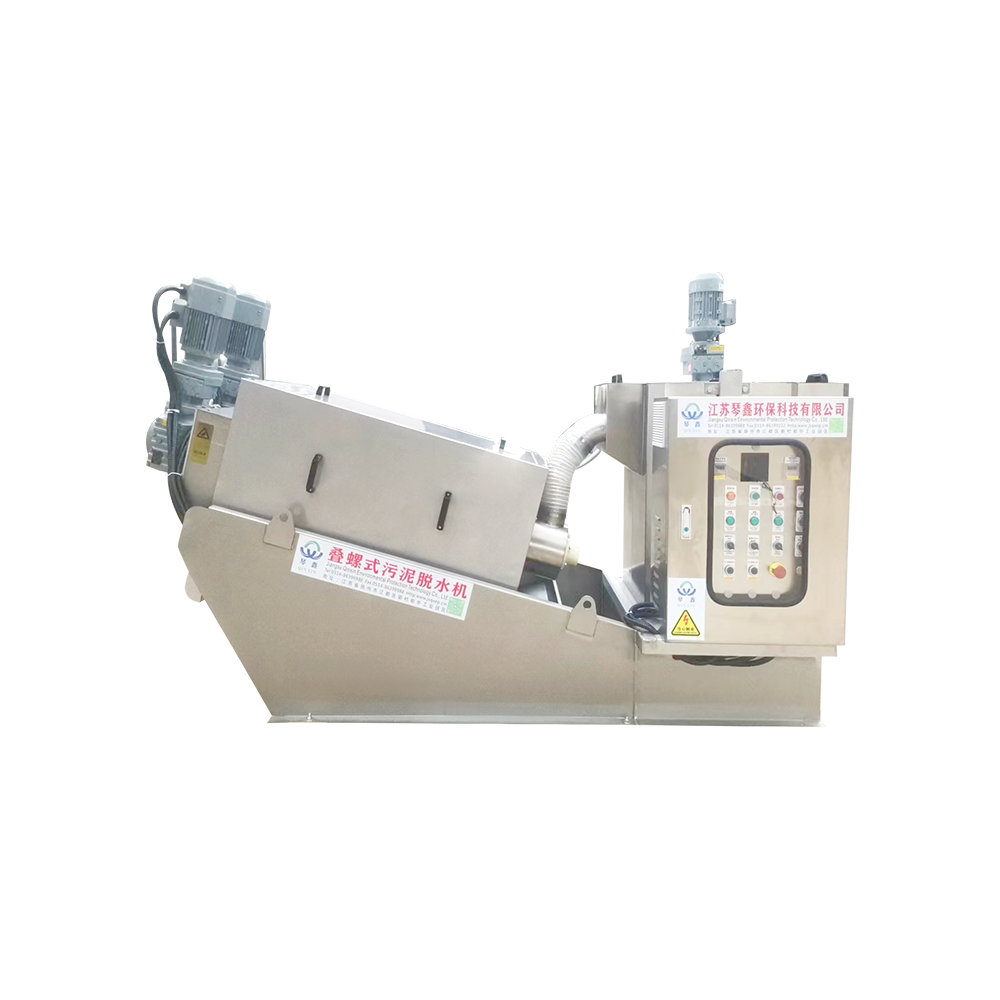
The key to 24/7 operation for a screw dewatering machine lies in a disciplined, tiered maintenance strategy. By combining daily vigilance with quarterly technical audits, operators can achieve maximum screw dewatering machine energy consumption efficiency and long-term stability. Yangzhou Qinxin Environmental Protection Technology Co., Ltd. remains committed to providing "high-grade and high-end" solutions, supporting our global customers with advanced service awareness and robust sludge dewatering equipment. Whether serving municipal sewage or complex industrial printing and dyeing, our dedicated team ensures your environmental goals are met with precision.
Frequently Asked Questions (FAQ)
1. What is the typical screw dewatering machine lifespan?
With a proper maintenance schedule, a high-quality screw dewatering machine can operate for 10-15 years. The main wear parts, such as the disks and screw shaft, may require refurbishment or replacement every 3-5 years depending on sludge abrasiveness.
2. How to clean a multi-disk screw press if it becomes clogged?
The machine is largely self-cleaning. However, if clogging occurs, check the rinse water pressure and the PAM dosing for screw dewatering. Over-dosing can cause "slimming" of the disks, which requires a manual high-pressure wash with the screw in manual rotation mode.
3. Why is PAM dosing for screw dewatering so critical for maintenance?
Incorrect flocculation leads to "fine" particles escaping the disk stack or sticking to the screw. This increases internal friction, which raises screw dewatering machine energy consumption and accelerates mechanical wear.
4. When should I initiate multi-disk screw press wear parts replacement?
Replacement should be considered when the cake dryness drops consistently or when the filtrate becomes turbid despite correct chemical dosing. Measuring the gap between the screw and the rings during quarterly audits will provide a definitive timeline.
5. What are the benefits of a stacked screw sludge dewatering machine over a centrifuge?
As outlined in our comparing screw press vs belt press maintenance and centrifuge analysis, the screw press operates at much lower speeds (2-4 RPM), leading to lower noise, lower energy use, and significantly reduced vibration-related maintenance.
Industry References
- ISO 9001:2015 Quality Management Systems – Requirements for Environmental Equipment.
- Standard Methods for the Examination of Water and Wastewater (23rd Edition).
- Qinxin Environmental Technical Bulletin: "Wear Patterns in SUS304 Screw Shafts" (2024).
- Wastewater Engineering: Treatment and Resource Recovery (Metcalf & Eddy).

 TOP
TOP