
 ENG
ENG
 English
 русский
 Español
 Tiếng Việt
 ไทย
ไทย
Article Directory
- 1 1. Structural Longevity and Material Superiority
- 2 2. Critical Maintenance Protocols for Wear Components
- 3 3. Operational Variables Affecting System ROI
- 4 Conclusion: A Multi-Decade Asset
- 4.1 Frequently Asked Questions (FAQ)
- 4.1.1 1. What is the average screw press lifespan for wastewater treatment?
- 4.1.2 2. How does sludge dewatering equipment maintenance differ for oily sludge?
- 4.1.3 3. What are the operating costs of a stainless steel screw press?
- 4.1.4 4. When should I consider replacing wear parts in a sludge screw press?
- 4.1.5 5. Can I use a stacked screw sludge dewatering machine for corrosive pharmaceutical waste?
- 4.2 Industry References
- 4.1 Frequently Asked Questions (FAQ)
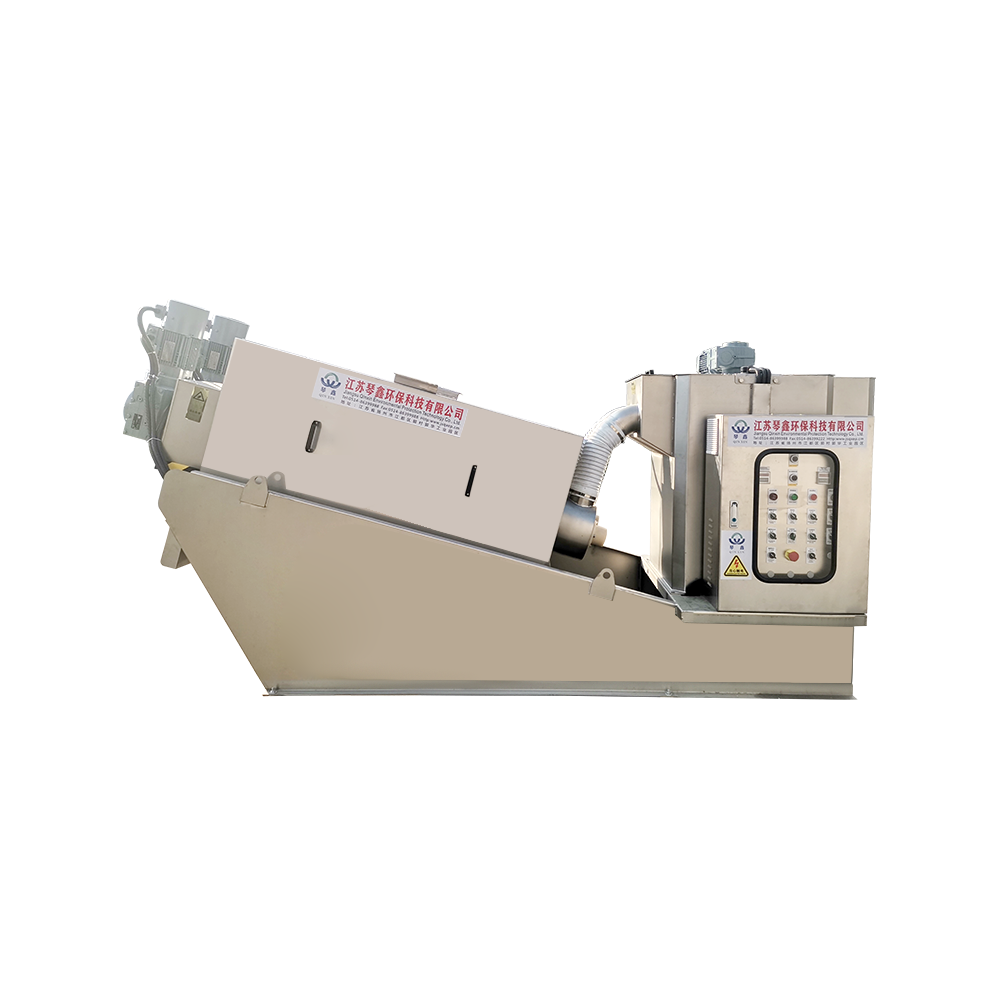
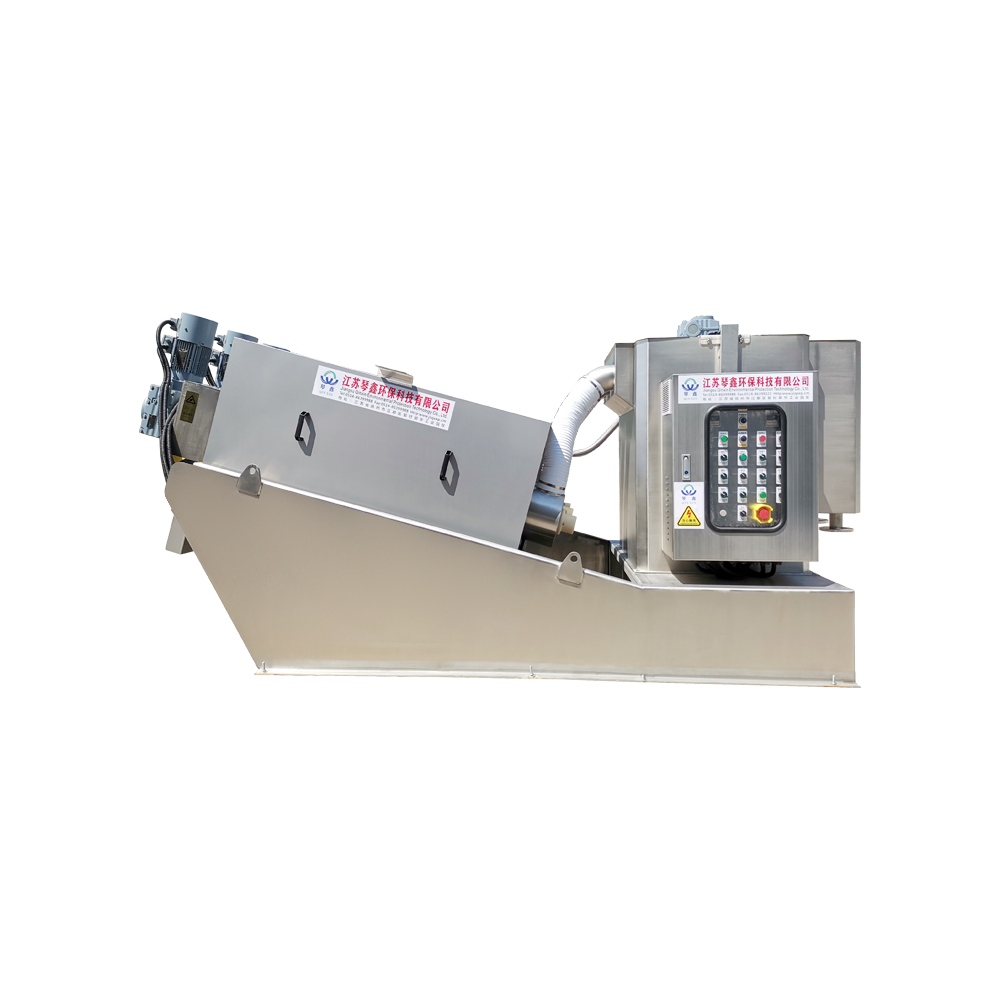
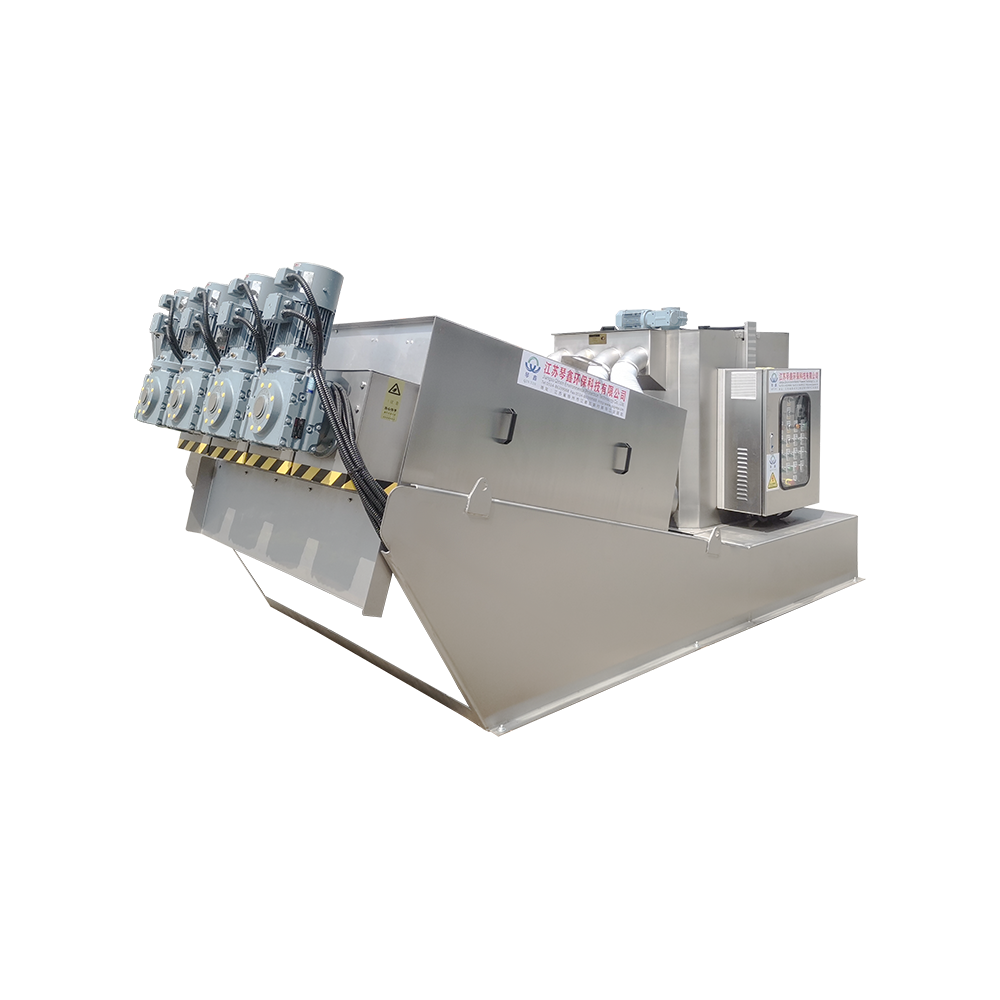
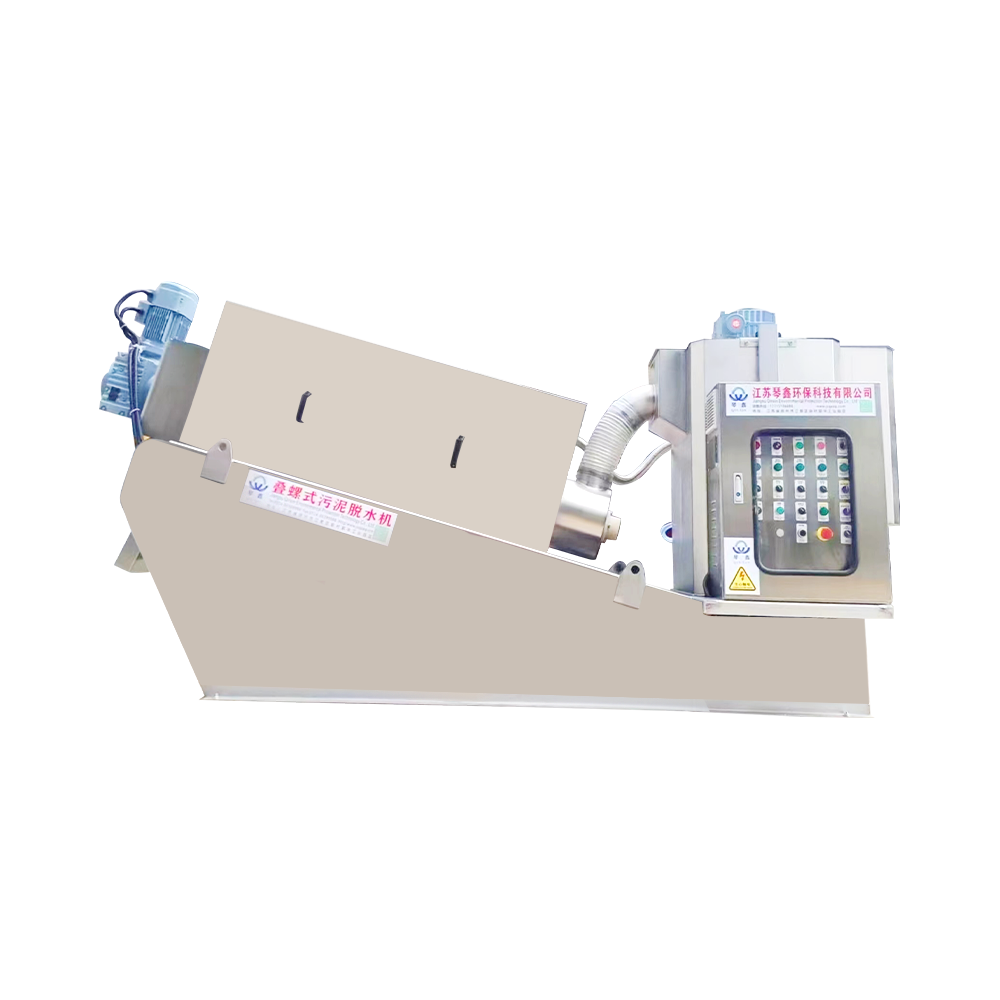
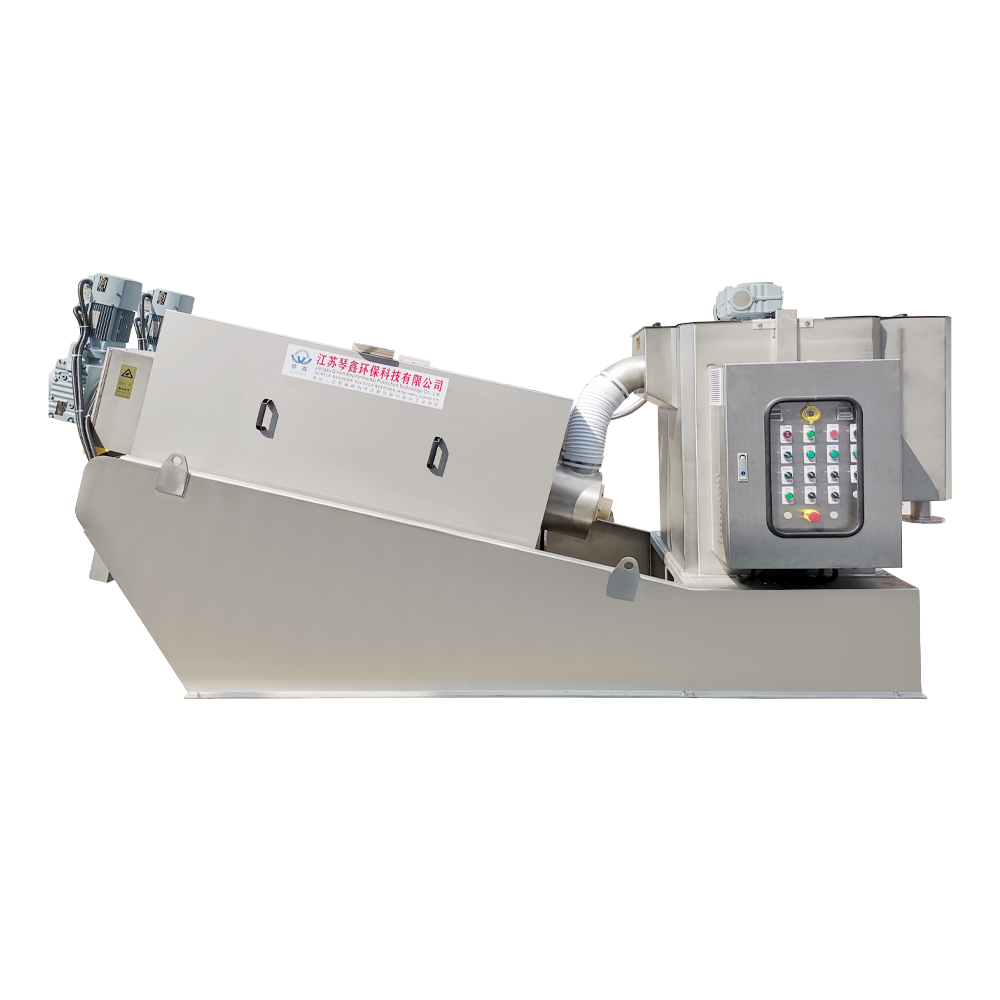
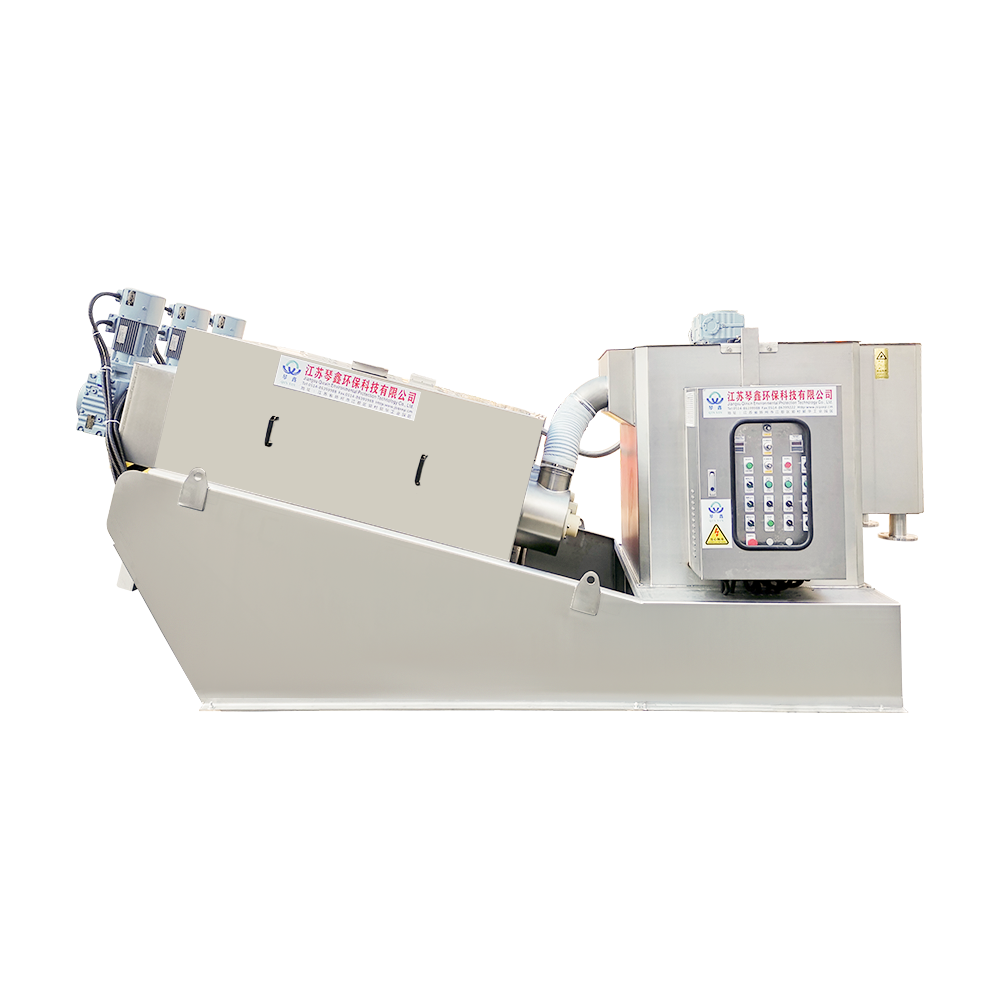
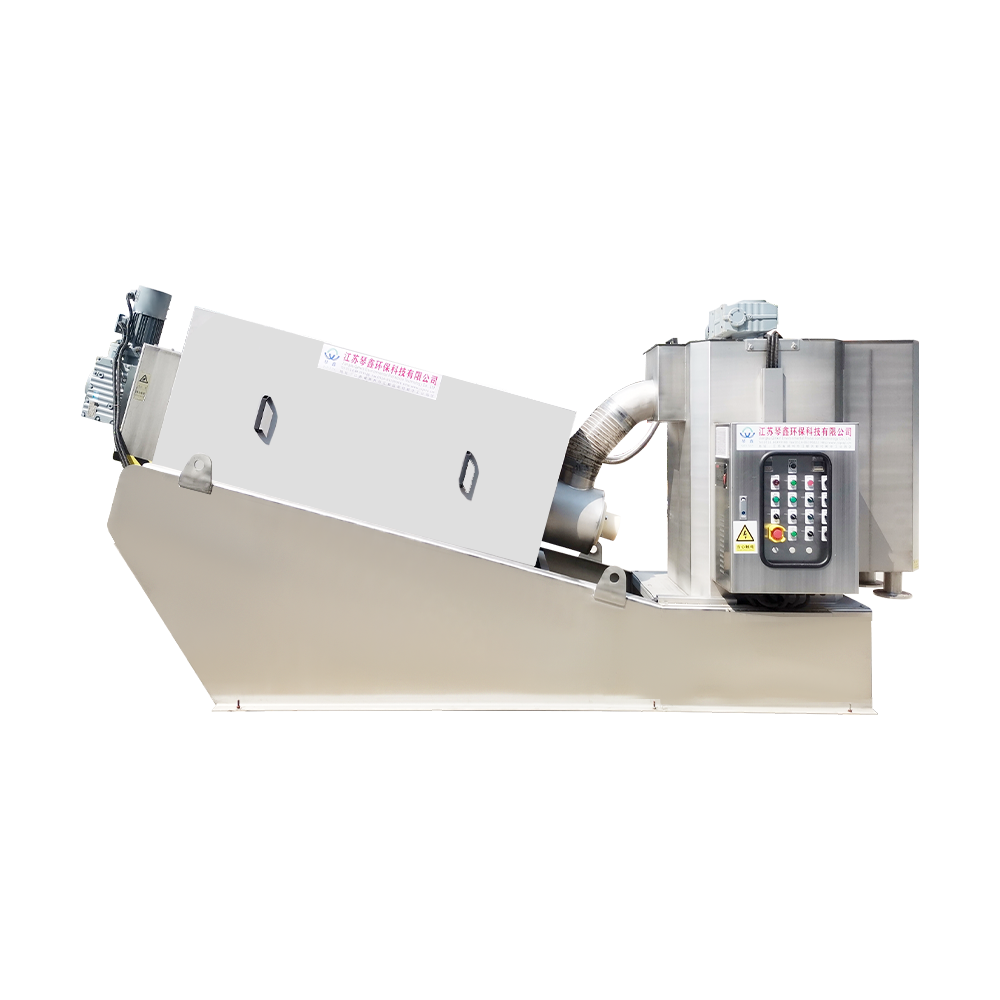
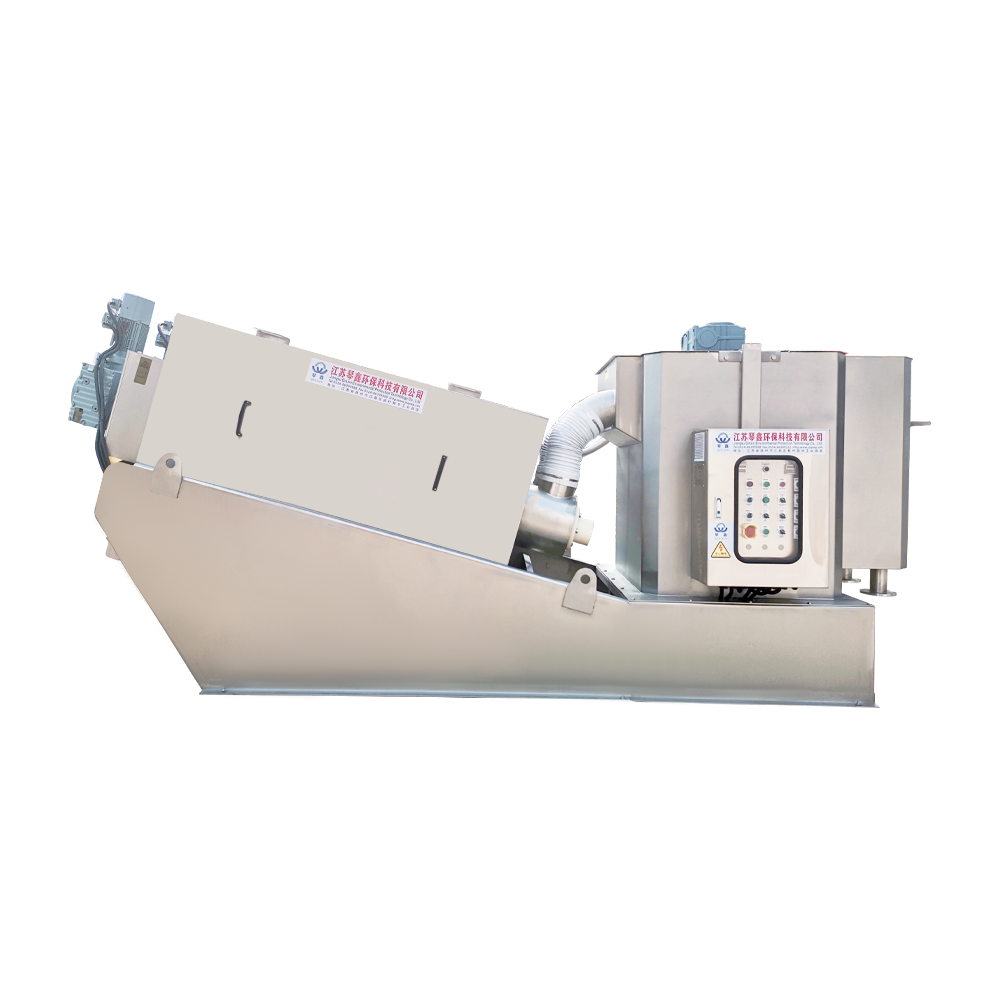
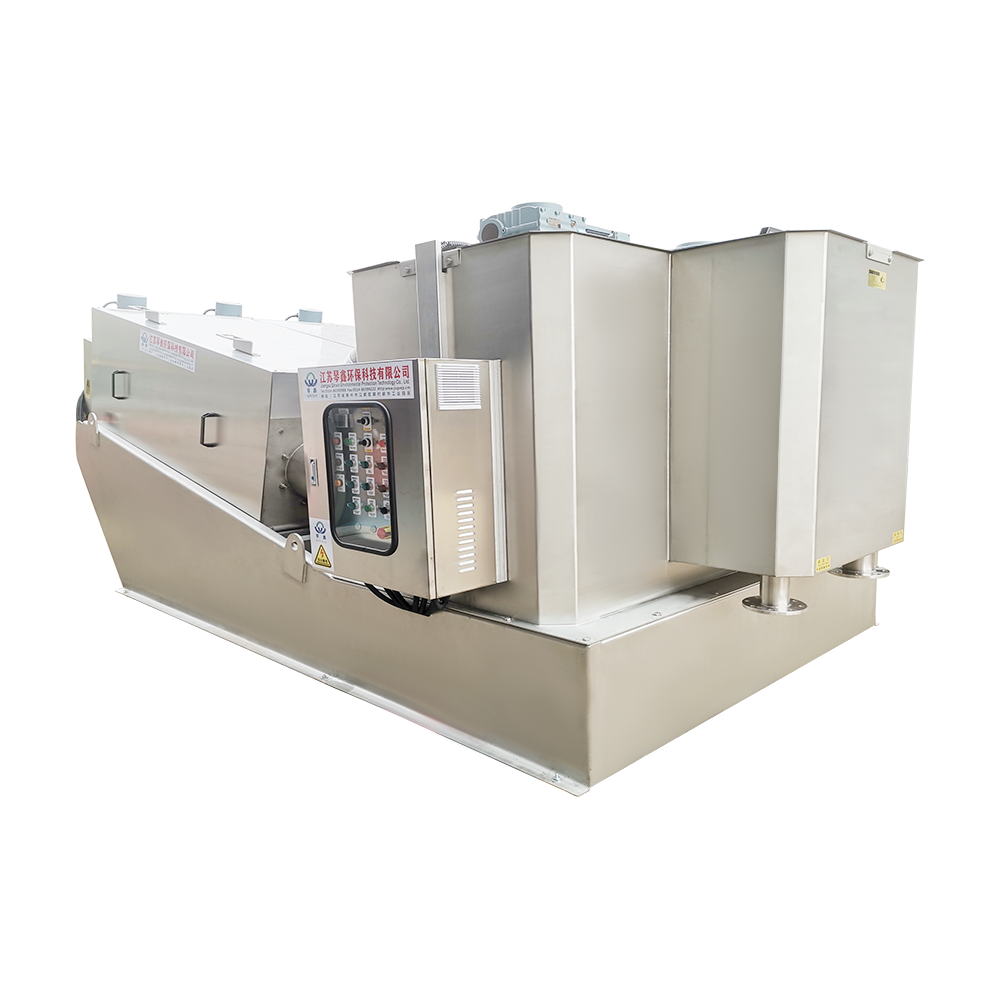
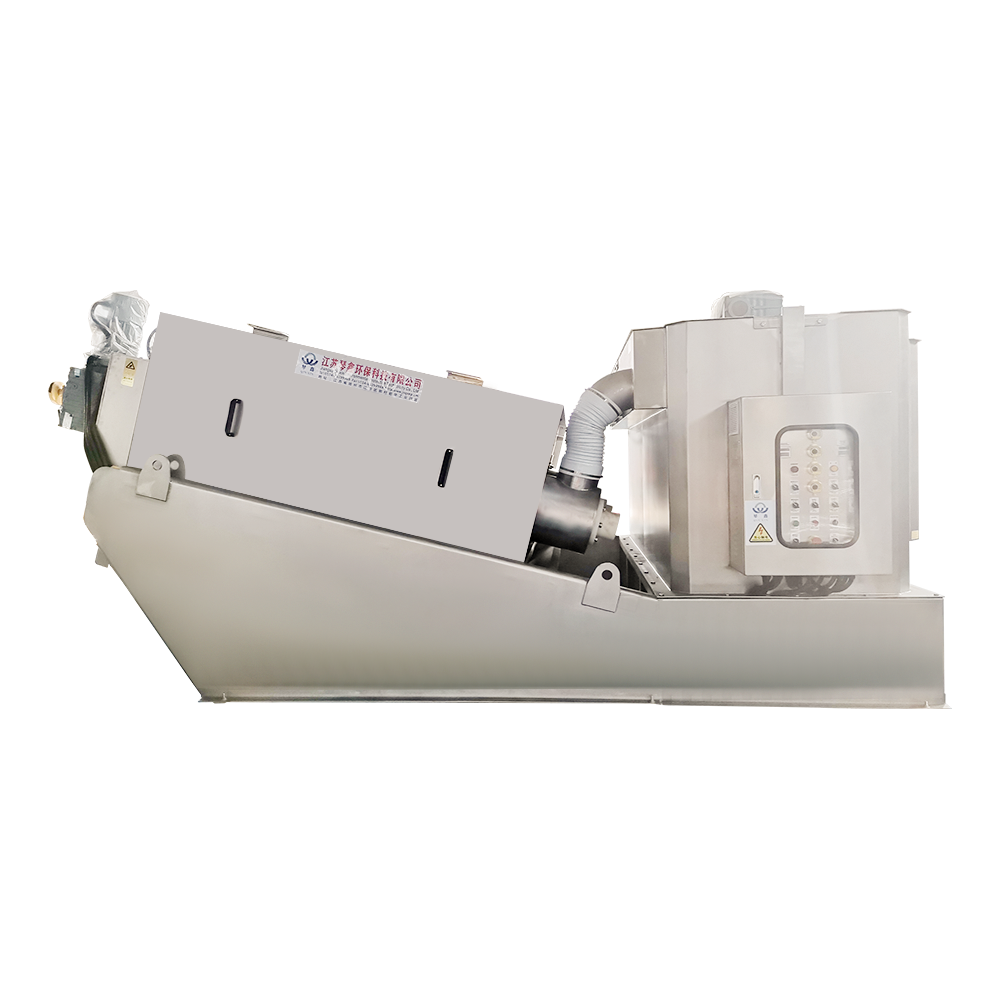
In modern industrial and municipal wastewater treatment, the stainless steel sludge dewatering screw press has emerged as the premier solution for solid-liquid separation. Unlike traditional centrifuges or belt presses, this technology offers a low-speed, energy-efficient mechanical dehydration process. Yangzhou Qinxin Environmental Protection Technology Co., Ltd., a specialized industry and trade enterprise, has dedicated years to the R&D of stainless steel sludge dewatering screw press systems and low-temperature drying technologies. Our commitment to high-end markets in Southeast Asia and beyond is supported by AAA-level contract trustworthiness and multiple ISO certifications. To ensure the long-term operational efficiency of your investment, understanding the technical maintenance requirements for sludge screw presses and the factors influencing screw press lifespan for wastewater treatment is paramount.
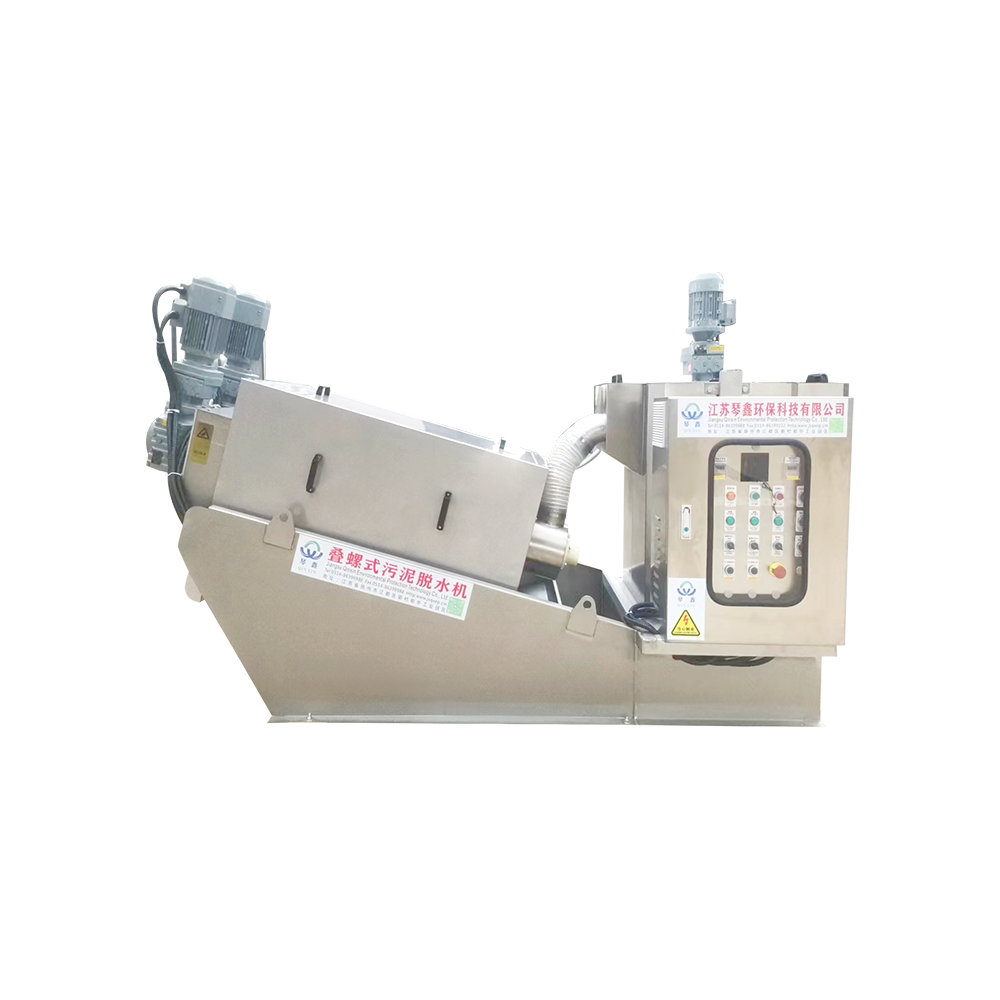
1. Structural Longevity and Material Superiority
The lifespan of a stainless steel sludge screw press is intrinsically linked to its metallurgy. Utilizing high-grade SUS304 or SUS316L prevents chemical corrosion in aggressive environments like petrochemical or printing and dyeing plants. While comparing 304 vs 316 stainless steel for screw presses, 316L provides significantly higher resistance to chlorides and acidic sludge, though 304 remains the standard for municipal applications. In terms of sludge dewatering equipment durability, the precision-welded rings and screws at Yangzhou Qinxin are designed to withstand high torque without deformation. A well-maintained stainless steel sludge dewatering screw press can achieve a structural lifespan exceeding 15 to 20 years, provided the corrosion resistance of stainless steel screw presses is not compromised by inappropriate chemical dosing.
| Material Grade | Corrosion Resistance | Typical Application |
| SUS304 Stainless Steel | High (General purpose) | Municipal, Food, and Aquaculture |
| SUS316L Stainless Steel | Superior (Chloride/Acid resistance) | Chemical, Pharmaceutical, and Medical |
| Carbon Steel (Coated) | Low (Prone to oxidation) | Non-corrosive, temporary installations |
2. Critical Maintenance Protocols for Wear Components
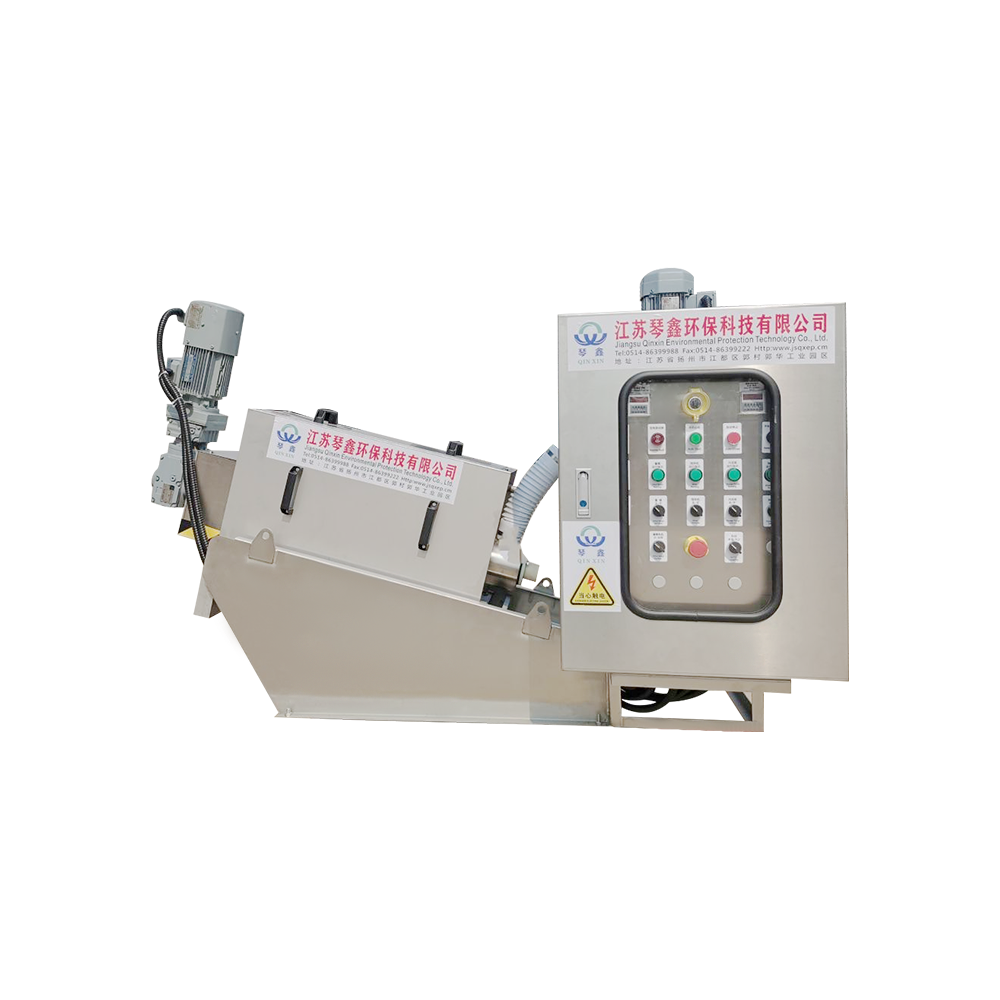
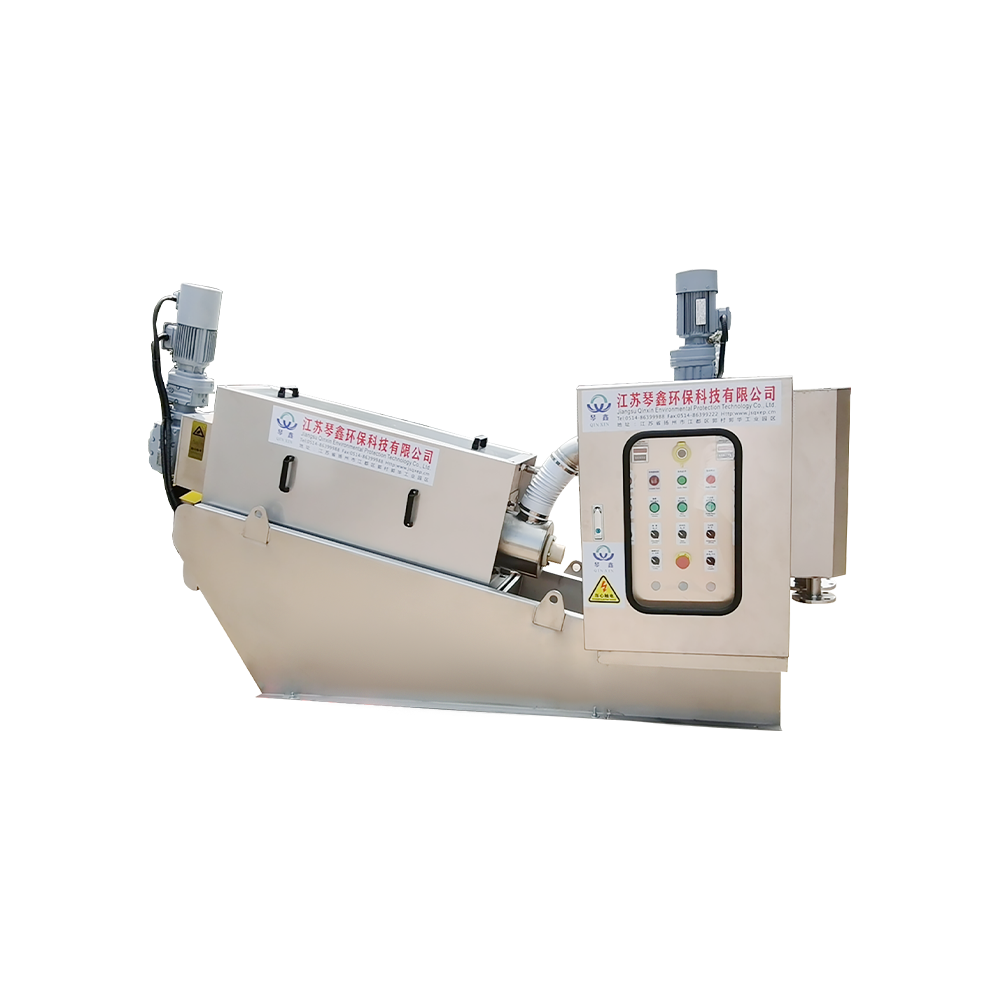
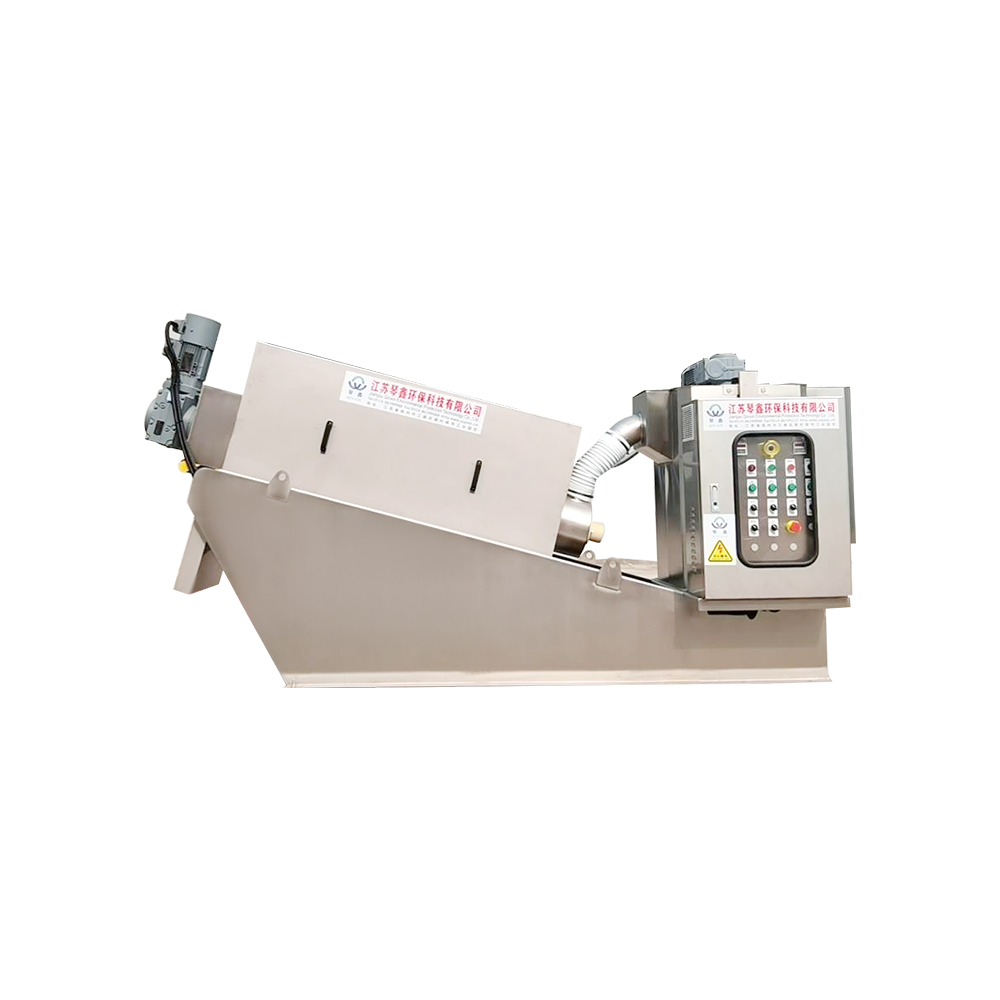
The "stacked" design of the volute screw press maintenance involves monitoring the moving and fixed rings. Over time, friction between the screw and the rings leads to wear. How to increase the lifespan of a sludge screw press primarily involves the strict management of the screw press lubrication schedule and the quality of the incoming sludge. For instance, high-sand content sludge accelerates abrasive wear, necessitating more frequent inspections. Replacing wear parts in a sludge screw press, specifically the rings and the screw's leading edge, is typically required every 30,000 to 50,000 operating hours. Our automated sludge dewatering screw press features include self-cleaning mechanisms that reduce manual labor while maintaining peak filtration rates.
Essential Maintenance Sequence
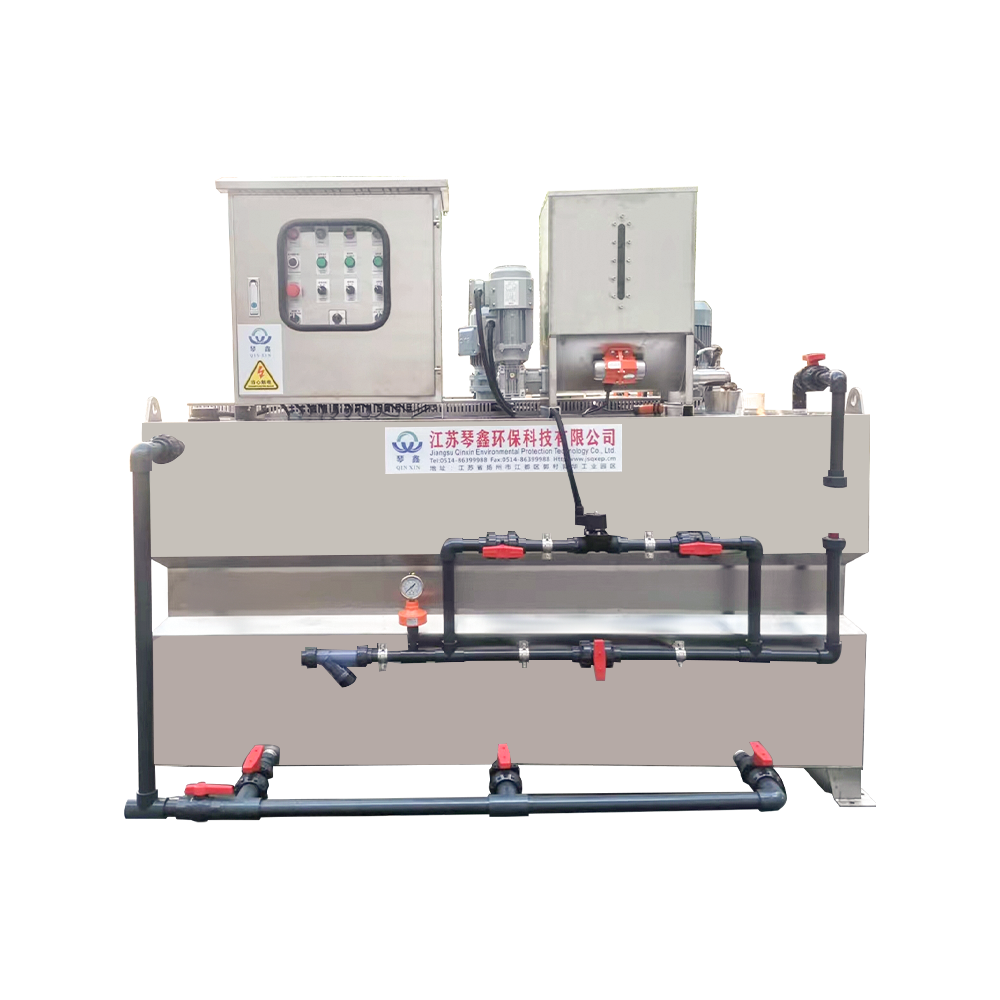
- Daily: Verify PAM integrated dosing device efficiency to ensure optimal sludge flocculation, preventing "sludge leakage."
- Weekly: Inspect the spray nozzles of the stainless steel sludge dewatering screw press for clogging to maintain the self-cleaning function.
- Monthly: Check the gearbox oil level and monitor the motor for abnormal vibrations or thermal spikes.
| Component | Standard Maintenance Action | Expected Replacement Cycle |
| Fixed/Moving Rings | High-pressure rinse/gap check | 5 - 8 Years |
| Screw Shaft | Surface hardening inspection | 8 - 12 Years |
| Drive Motor/Gearbox | Lubricant change and seal check | 10+ Years |
3. Operational Variables Affecting System ROI
The Return on Investment (ROI) of sewage treatment equipment is determined by its operational uptime. When comparing screw press vs belt filter press maintenance, the screw press requires significantly less water for cleaning and has fewer "catastrophic" failure points. Furthermore, the operating costs of a stainless steel screw press are lowered by its low rotational speed (typically 2-4 RPM), which minimizes energy consumption. Yangzhou Qinxin's high-efficiency sludge dewatering solutions emphasize the importance of troubleshooting sludge dewatering screw press issues, such as torque overload or poor filtrate clarity, before they result in hardware damage. By adhering to our technical guidelines, users in the papermaking, leather, and brewing industries can maximize their system's duty cycle.
Troubleshooting and Optimization Sequence
- Torque Calibration: Adjust the back-pressure plate to balance cake dryness with component stress.
- Flocculation Optimization: Fine-tune the PAM integrated dosing device to prevent "greasy" sludge from blinding the filter rings.
- Thermal Management: If integrating with a sludge low-temperature drying system, ensure the input moisture content is consistent to optimize energy usage.
Conclusion: A Multi-Decade Asset
Investing in a stainless steel sludge dewatering screw press is a commitment to sustainable environmental management. Through professional R&D and dedicated technical support, Yangzhou Qinxin Environmental Protection Technology Co., Ltd. ensures that every piece of equipment—from the solid-liquid separator to the complete sludge low-temperature drying system—is built for longevity. By following a disciplined screw press lubrication schedule and responding proactively to wear parts indicators, your facility can ensure reliable sewage treatment for decades to come. We welcome global partners to explore our patented high-end solutions for mutual success in the environmental protection industry.
Frequently Asked Questions (FAQ)
1. What is the average screw press lifespan for wastewater treatment?
With proper SUS304/316L construction and adherence to maintenance, the structural frame lasts 20 years, while internal wear components like rings typically require replacement every 5 to 8 years.
2. How does sludge dewatering equipment maintenance differ for oily sludge?
Oily sludge (common in food and petrochemical industries) requires more frequent self-cleaning cycles and careful PAM dosing. Stainless steel sludge dewatering screw press systems are superior for oily sludge because the moving rings prevent the gaps from clogging.
3. What are the operating costs of a stainless steel screw press?
The costs are exceptionally low compared to centrifuges. Power consumption is roughly 0.1 - 0.5 kWh per kg of dry solids, and water consumption is minimal due to the intermittent self-cleaning spray system.
4. When should I consider replacing wear parts in a sludge screw press?
Replacement is necessary when you notice a significant decrease in filtrate quality (increased suspended solids) or if the moisture content of the sludge cake consistently rises despite optimized chemical dosing.
5. Can I use a stacked screw sludge dewatering machine for corrosive pharmaceutical waste?
Yes, but we recommend SUS316L or higher grade corrosion resistance of stainless steel screw presses for these applications to protect against chemical erosion and ensure the lifespan of the stainless steel sludge screw press.
Industry References
- Water Environment Federation (WEF): "Manual of Practice for Sludge Dehydration."
- ISO 9001:2015 / ISO 14001:2015: Quality and Environmental Management Standards for Manufacturing.
- Journal of Environmental Chemical Engineering: "Comparative Analysis of Mechanical Dewatering Technologies."
- Yangzhou Qinxin Technical Bulletin: "Wear Resistance Optimization in Multidisc Screw Presses" (2025).

 TOP
TOP