
 ENG
ENG
 English
 русский
 Español
 Tiếng Việt
 ไทย
ไทย
Article Directory
- 1 1. Operational Mechanics and Energy Consumption Profiles
- 2 2. Maintenance Intensity and Component Longevity
- 3 3. Sludge Concentration and Chemical Pre-treatment Requirements
- 4 4. Footprint and Installation Flexibility
- 5 5. Conclusion: The Definitive ROI Choice
- 6 Frequently Asked Questions (FAQ)
- 6.1 1. Which is the best solid liquid separator for pig manure or aquaculture?
- 6.2 2. Can a solid liquid separator machine handle oily wastewater?
- 6.3 3. How to clean a solid liquid separator efficiently?
- 6.4 4. Does a centrifuge or a solid liquid separator machine produce drier sludge?
- 6.5 5. What is the expected lifespan of a low maintenance solid liquid separator?
- 7 Industry References
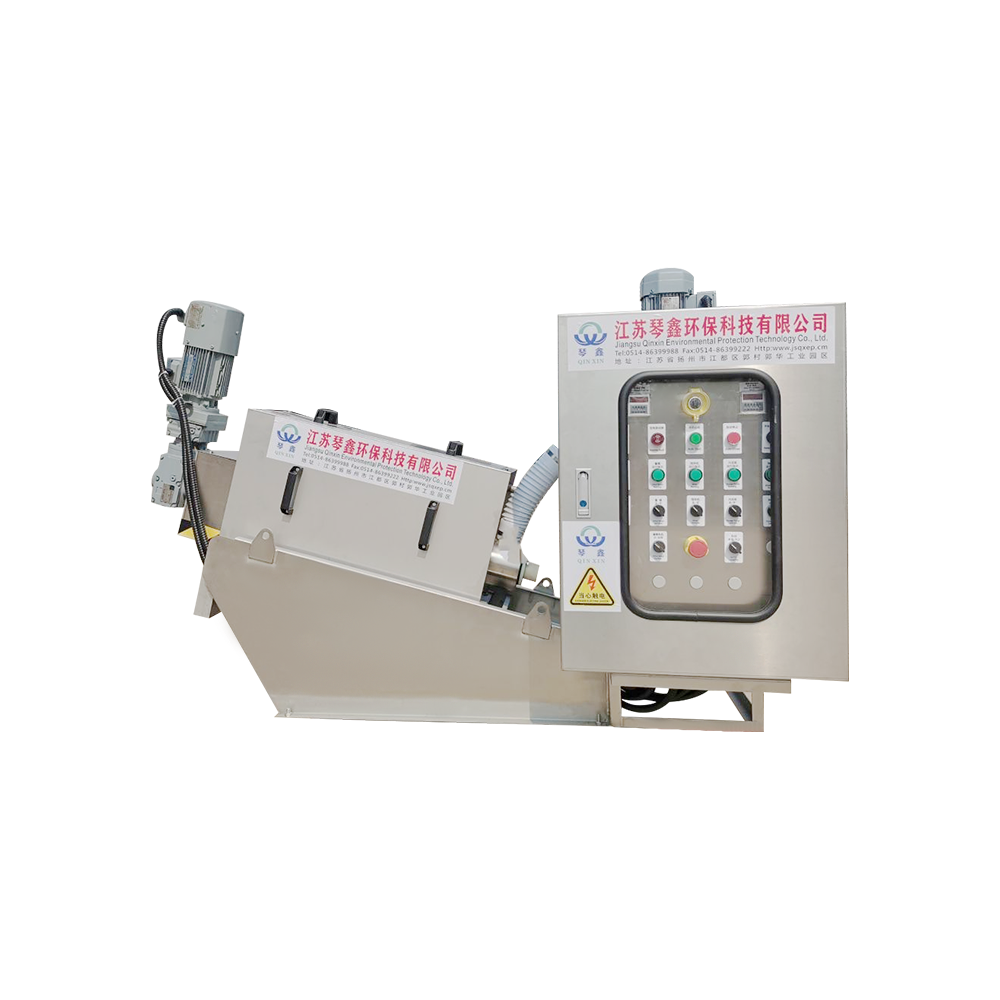
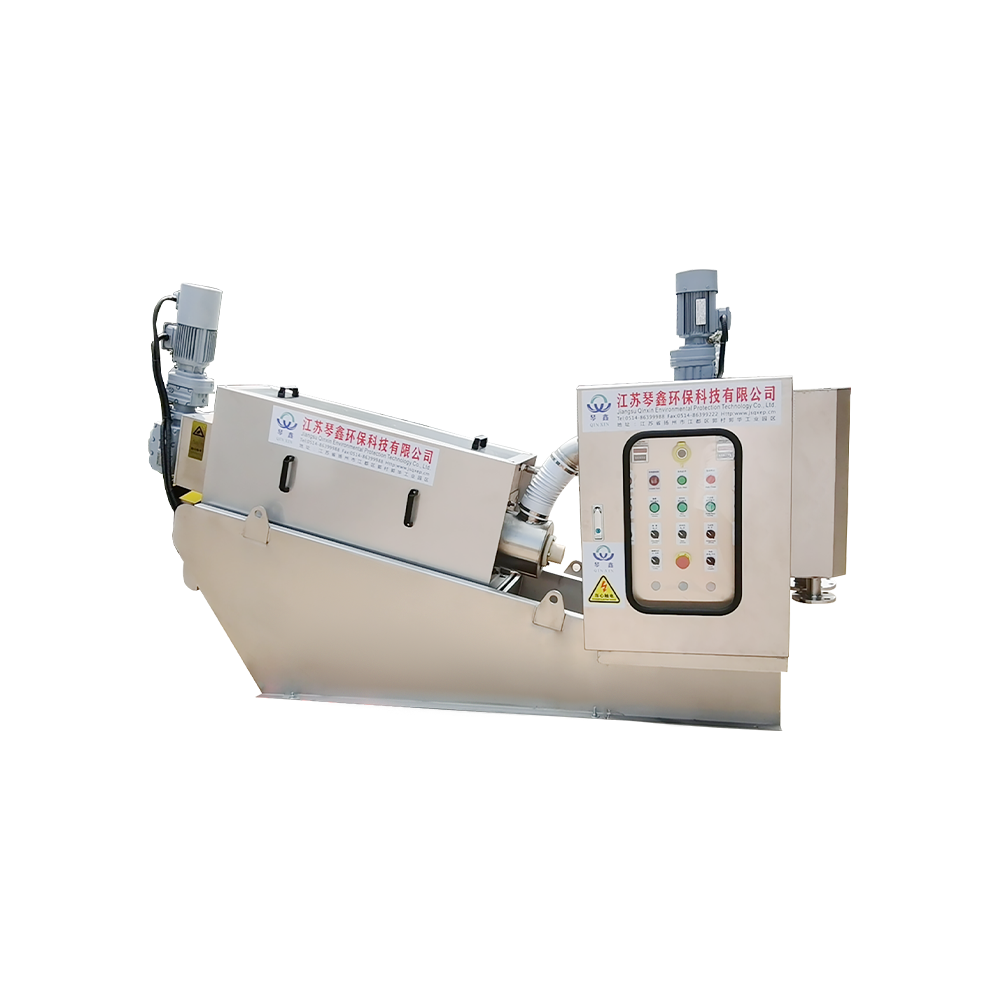
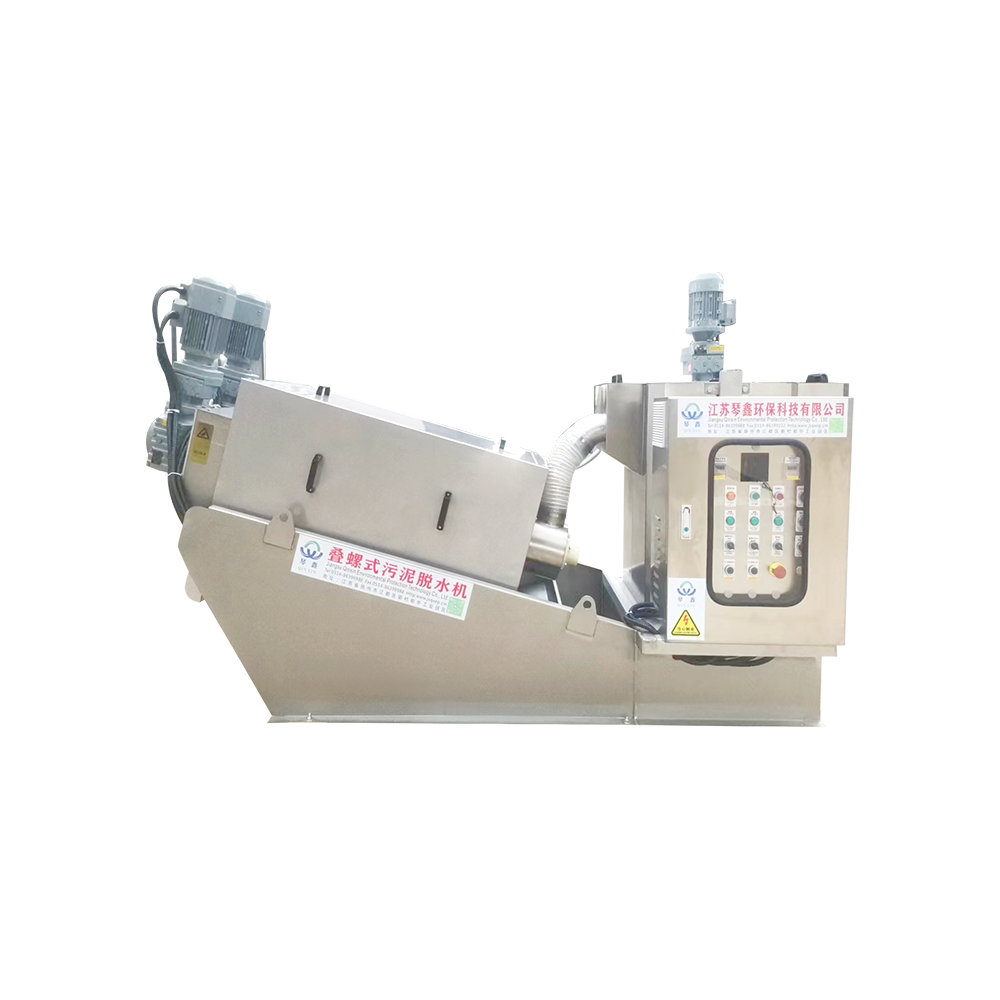
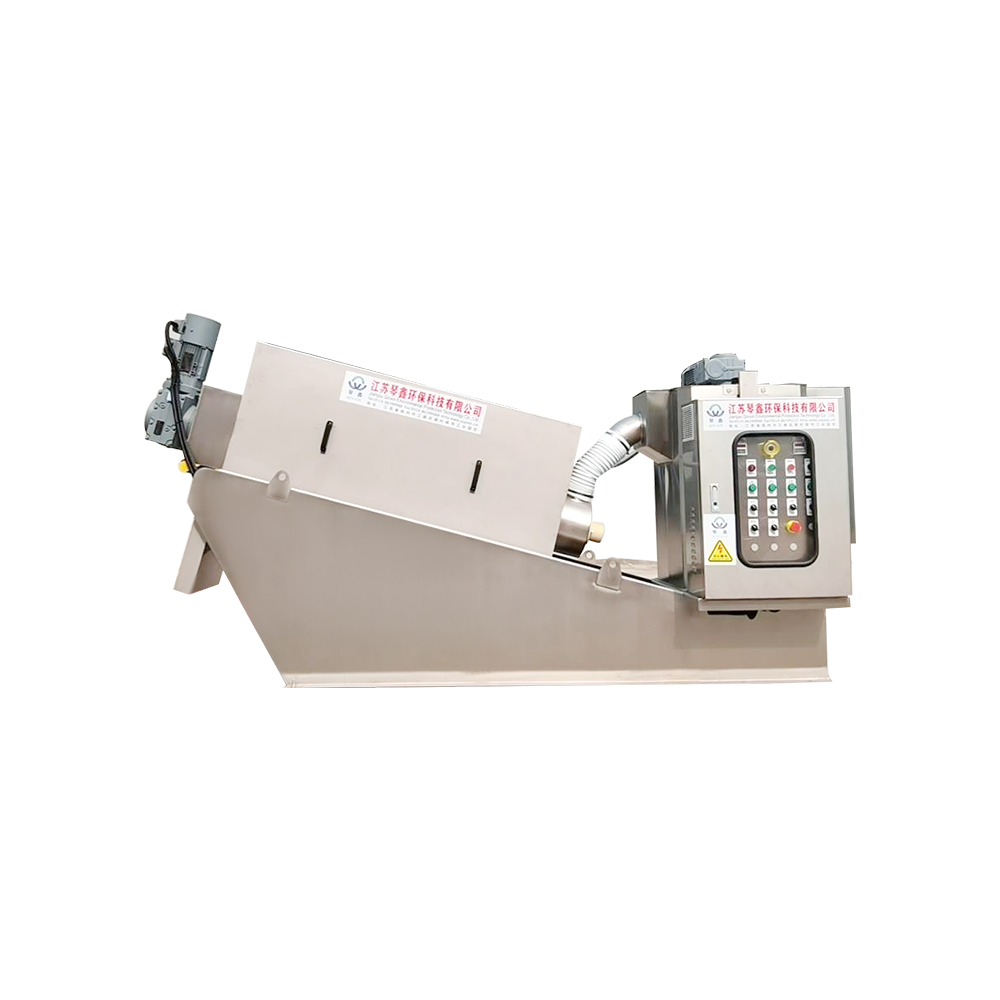
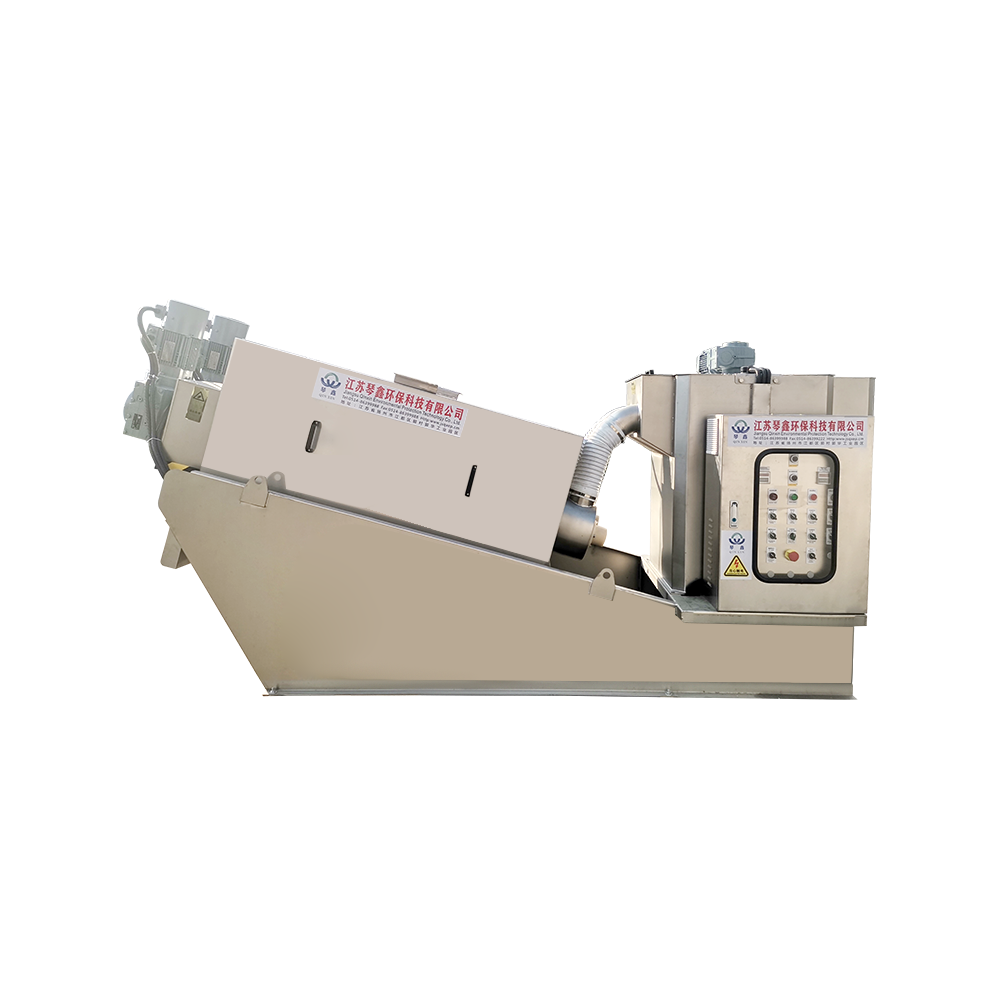
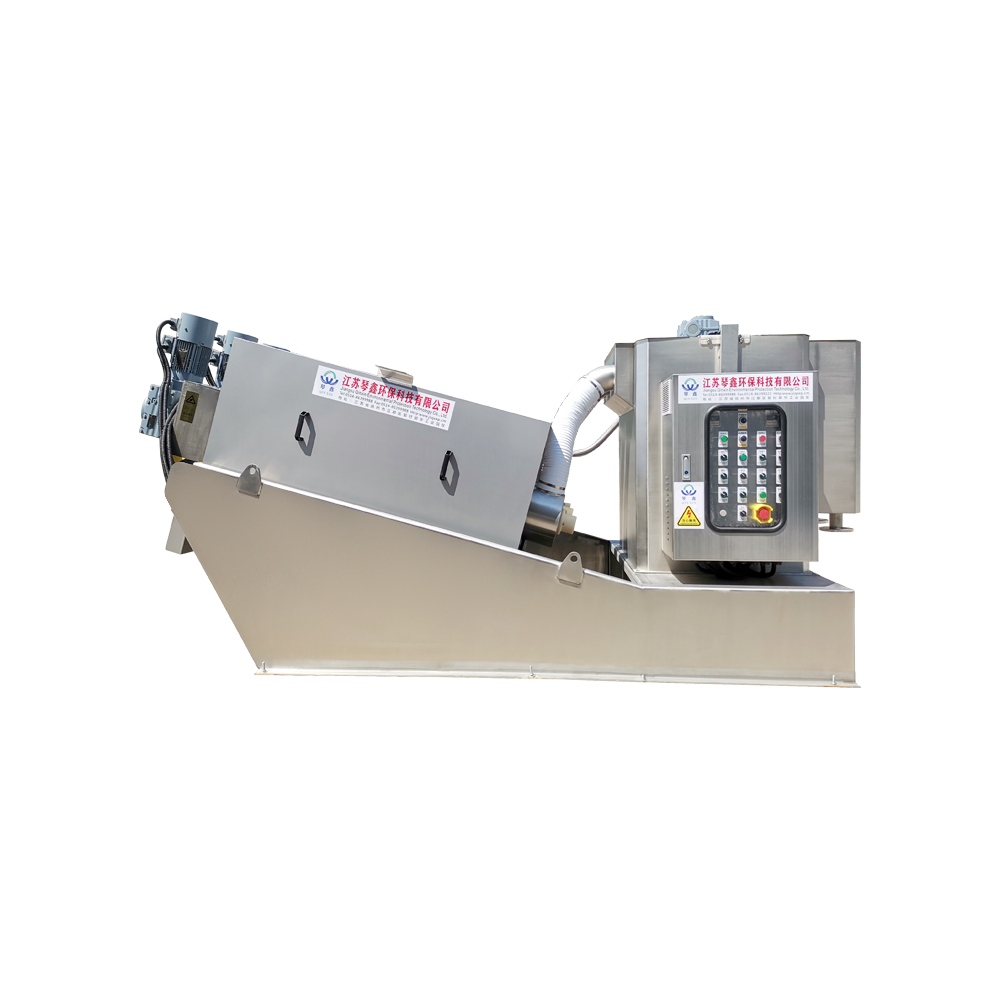
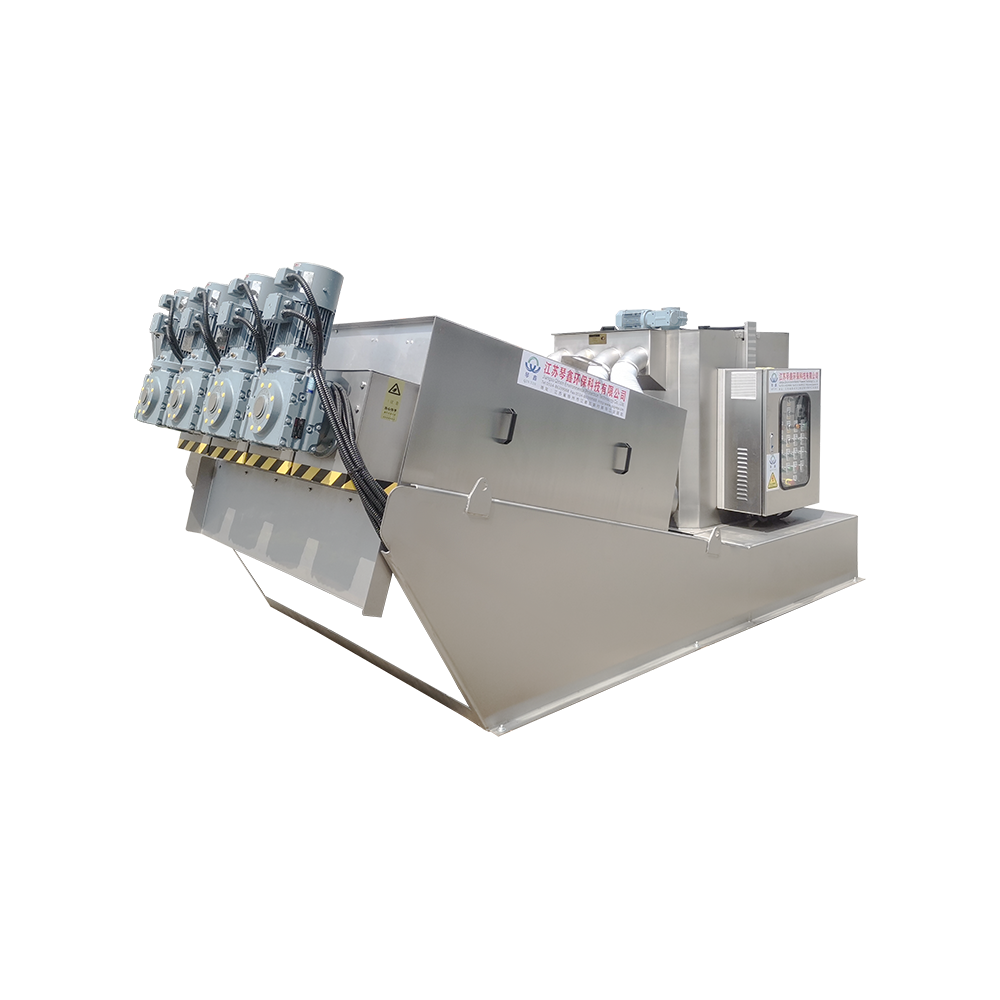
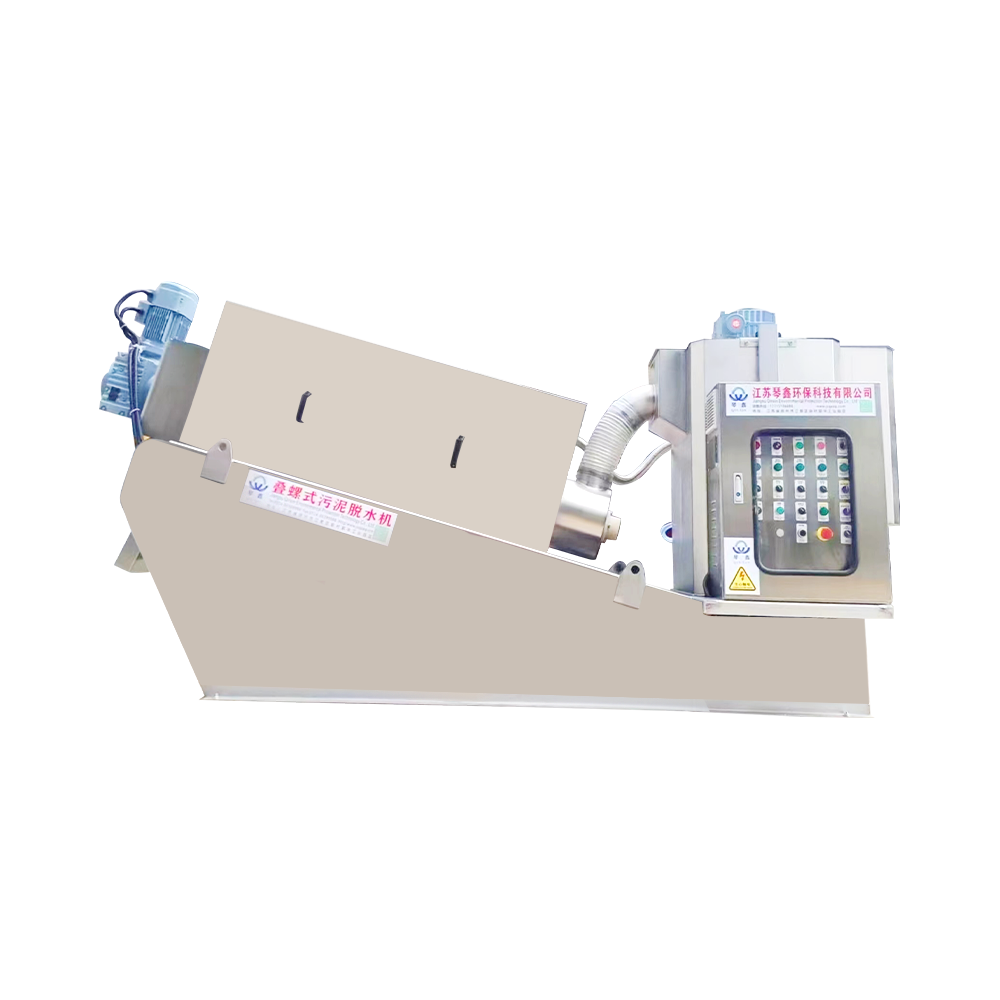
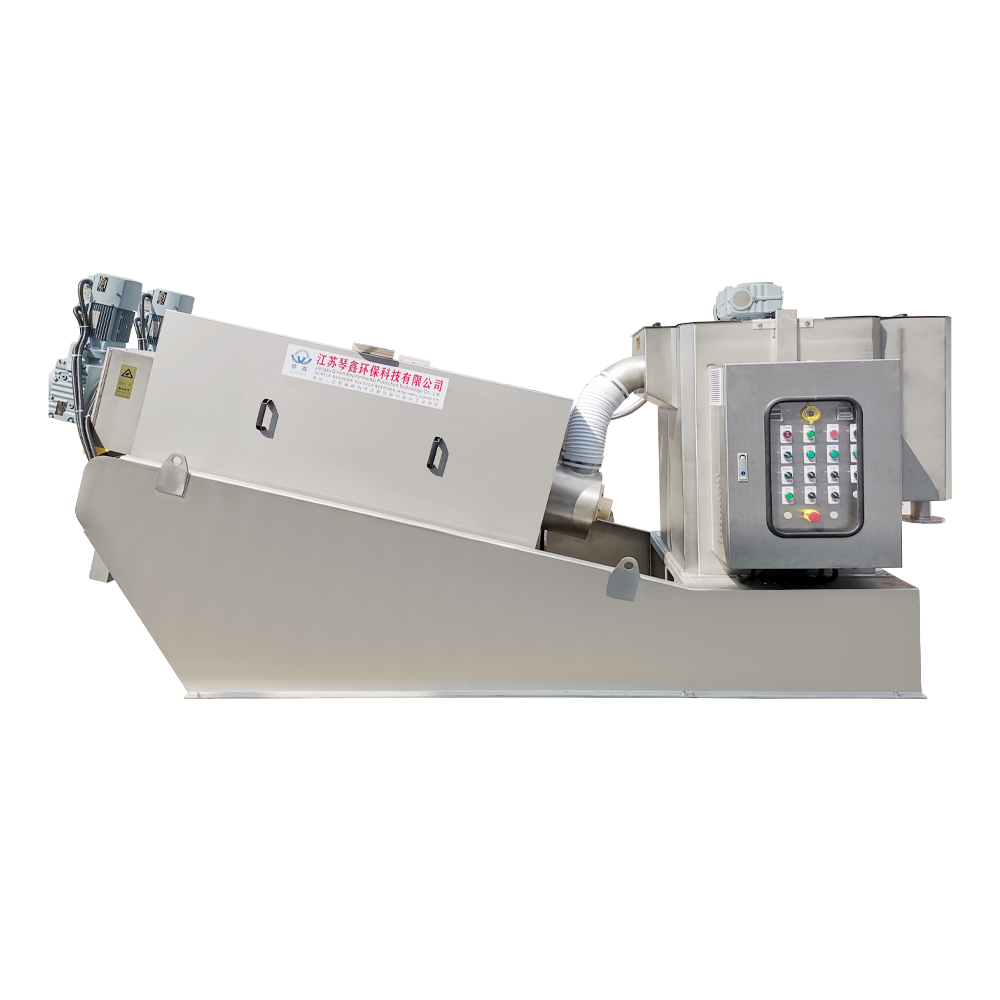
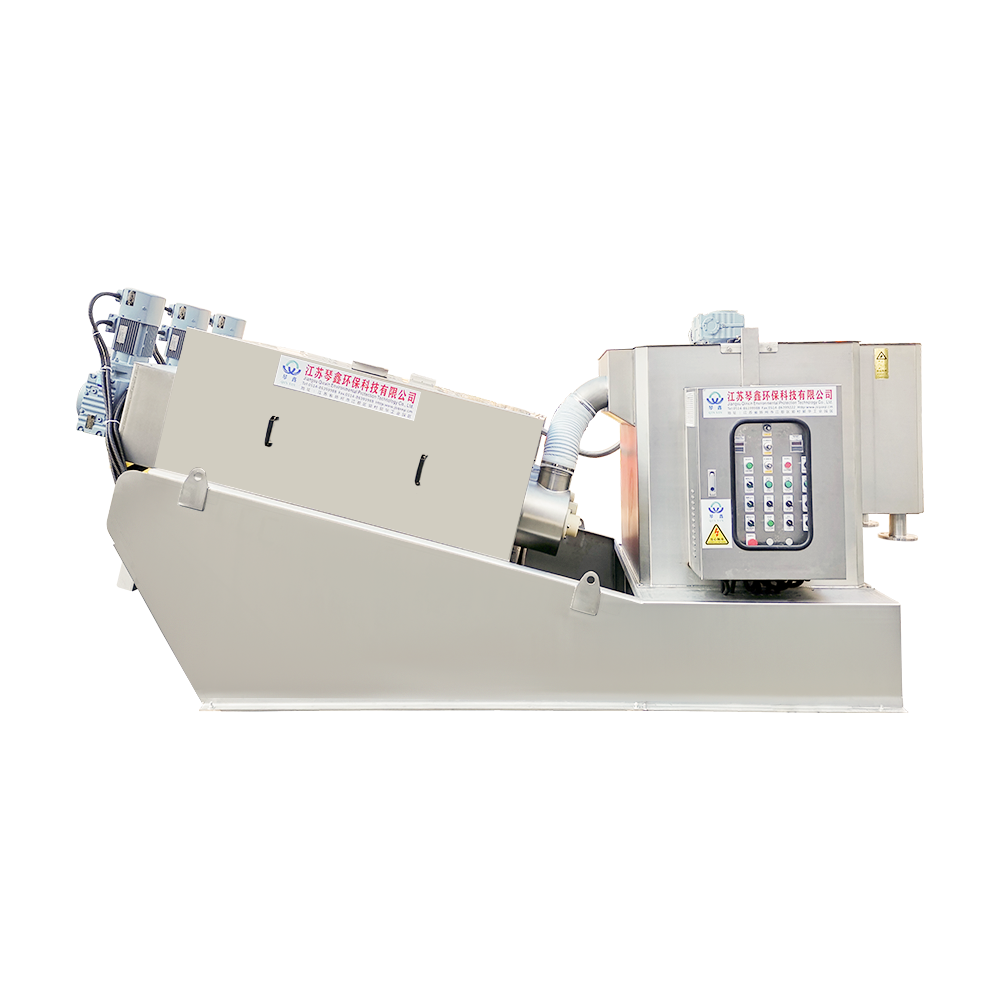
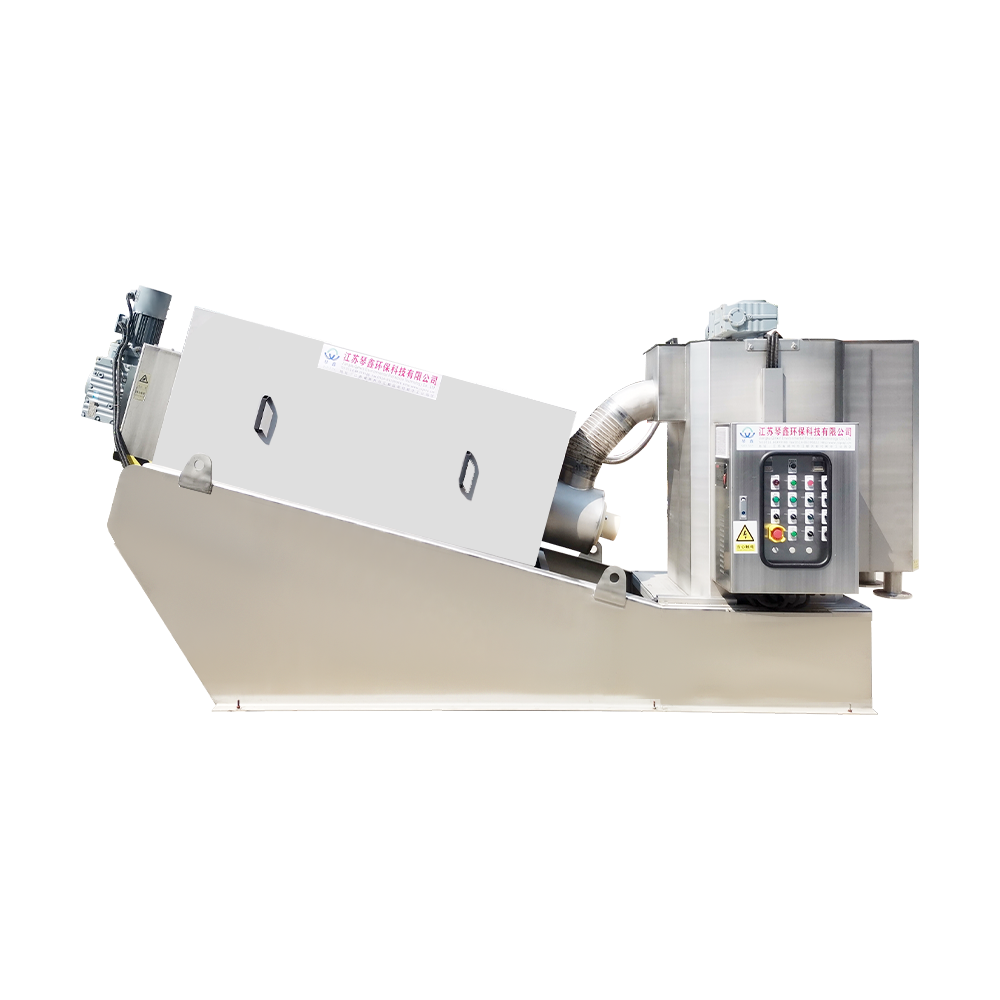
For process engineers and facility managers, the quest for optimal Return on Investment (ROI) in industrial wastewater treatment hinges on selecting the right mechanical dewatering technology. While various methods exist, the debate often centers on the solid liquid separator machine (specifically the multi-disk screw press type) versus high-speed decanter centrifuges. Yangzhou Qinxin Environmental Protection Technology Co., Ltd., an industry-and-trade integrated enterprise, specializes in the R&D of environmental protection equipment, including solid liquid separator machine solutions and stacked screw sludge dewatering machines. Adhering to years of practical experience and holding AAA-level credit certification, our team provides technical expertise across municipal, food, and petrochemical industries. This article provides a technical comparison of these technologies to determine which offers superior financial and operational value.
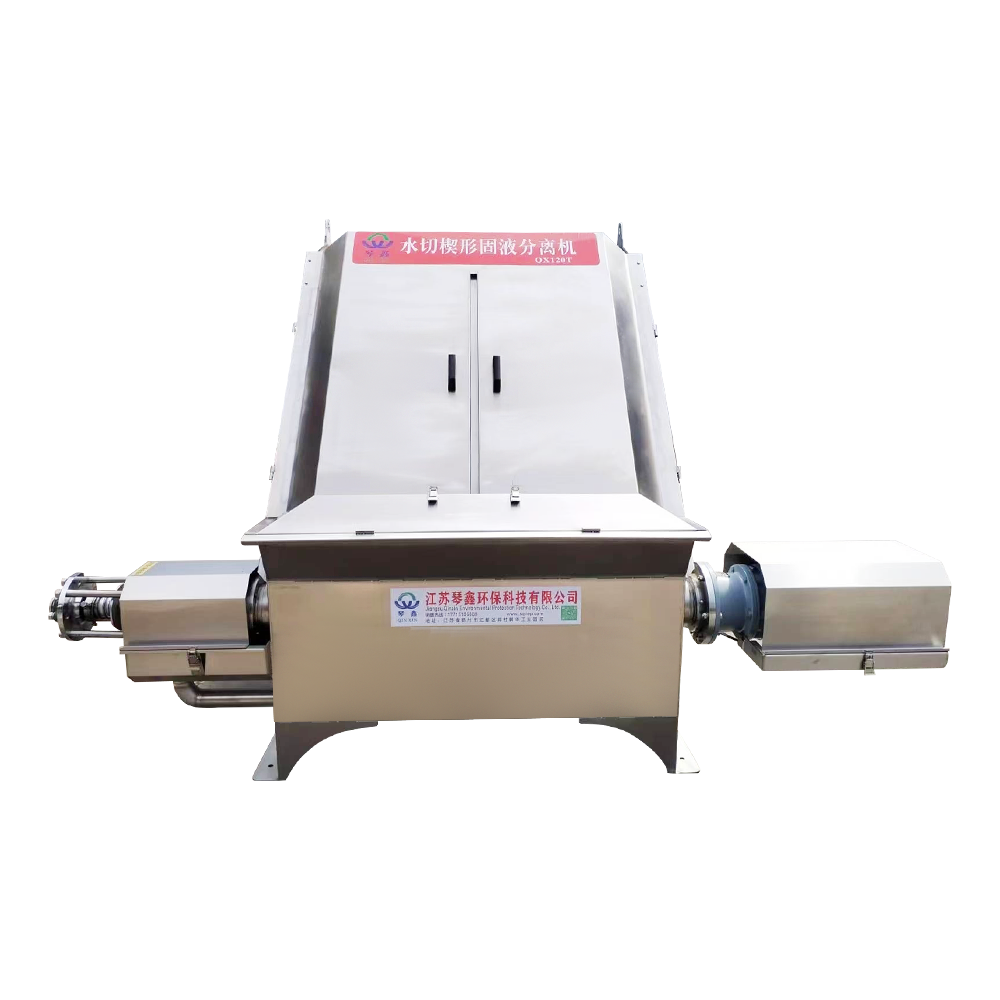
1. Operational Mechanics and Energy Consumption Profiles
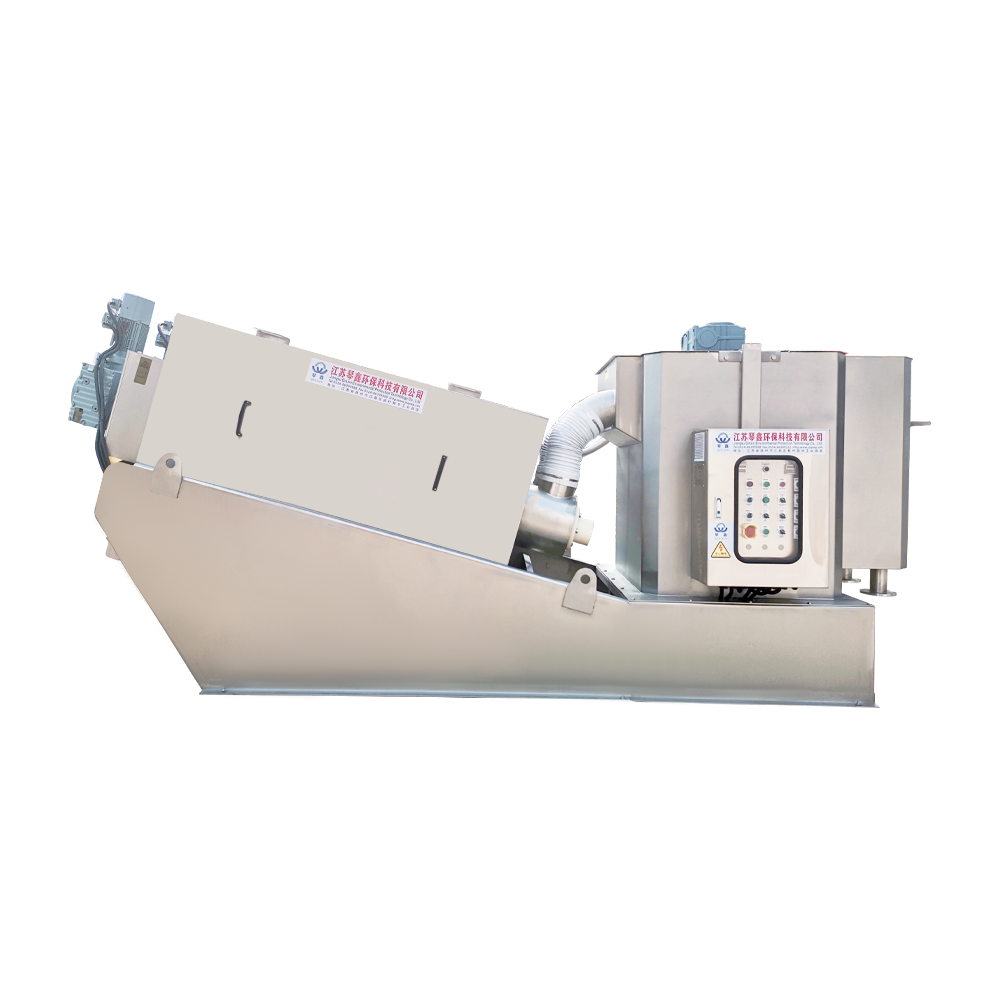
The fundamental engineering difference lies in the method of separation. A solid liquid separator machine, particularly a screw press solid liquid separator, utilizes slow-speed mechanical compression to force liquid through a filter mesh or a series of fixed and moving rings. In contrast, a centrifuge relies on high-speed centrifugal force (often exceeding 3,000 RPM) to settle solids. This mechanical disparity directly impacts energy consumption; a screw press typically consumes only 5% to 10% of the electricity required by a centrifuge for the same throughput. When evaluating industrial wastewater treatment equipment, the low-speed operation of the separator significantly reduces the total cost of ownership over a 10-year lifecycle.
Comparison: Power Consumption and Energy Efficiency
Screw press technology provides a massive reduction in kilowatt-hour requirements compared to the high-energy demands of centrifugal rotation.
| Metric | Solid Liquid Separator Machine (Screw Press) | Decanter Centrifuge |
| Operational Speed | Low (2–5 RPM) | High (2,000–4,000+ RPM) |
| Energy Demand (kW/m³) | 0.01 – 0.05 | 0.5 – 1.2 |
| Acoustic Impact | Low (<60 dB) | High (80–100 dB) |
2. Maintenance Intensity and Component Longevity
Maintenance is a critical variable in the ROI equation. High-speed centrifuges are subject to significant centrifugal stress and vibration, requiring precise balancing and frequent bearing replacements. Conversely, a low maintenance solid liquid separator operates at low speeds, which minimizes frictional wear on the drive assembly and structural components. Yangzhou Qinxin Environmental Protection Technology Co., Ltd. engineers our separators with high-durability materials to ensure they handle abrasive sludge in aquaculture or chemical sectors. Furthermore, how to clean a solid liquid separator is a much simpler process due to self-cleaning mechanisms in stacked screw designs, whereas centrifuges often require complex CIP (Clean-In-Place) cycles and specialized technician intervention.
Comparison: Maintenance Requirements and Spare Parts
The simplistic mechanical design of a separator reduces the frequency of downtime and the cost of specialized spare parts.
| Maintenance Factor | Solid Liquid Separator Machine | Decanter Centrifuge |
| Wear Parts | Screw flight/rings (Long life) | Bearings, seals, scroll (High wear) |
| Repair Complexity | Simple (In-house maintenance) | High (Requires specialized balancing) |
| Lubrication Frequency | Low | Very High |
3. Sludge Concentration and Chemical Pre-treatment Requirements
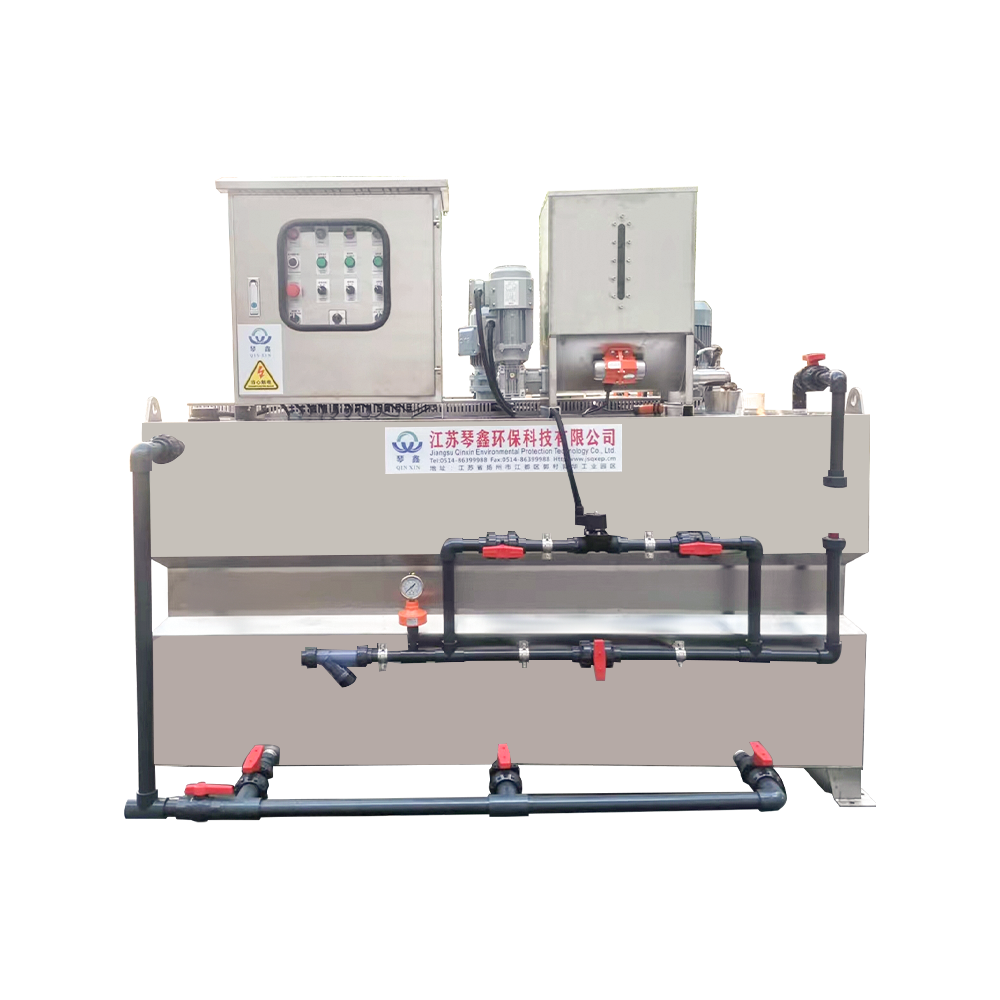
The efficiency of separation often depends on chemical conditioning. Most industrial wastewater treatment equipment requires the use of polymers (PAM). Our PAM integrated dosing devices are designed to work seamlessly with our separators to optimize flocculation. A solid liquid separator machine is particularly effective at handling oily sludge and low-concentration influent, which can sometimes clog or bypass traditional centrifuges. While centrifuges may achieve a slightly higher cake dryness in specific mineral applications, the benefits of solid liquid separator for aquaculture and food processing include better handling of organic solids and lower chemical consumption rates, further boosting ROI.
4. Footprint and Installation Flexibility
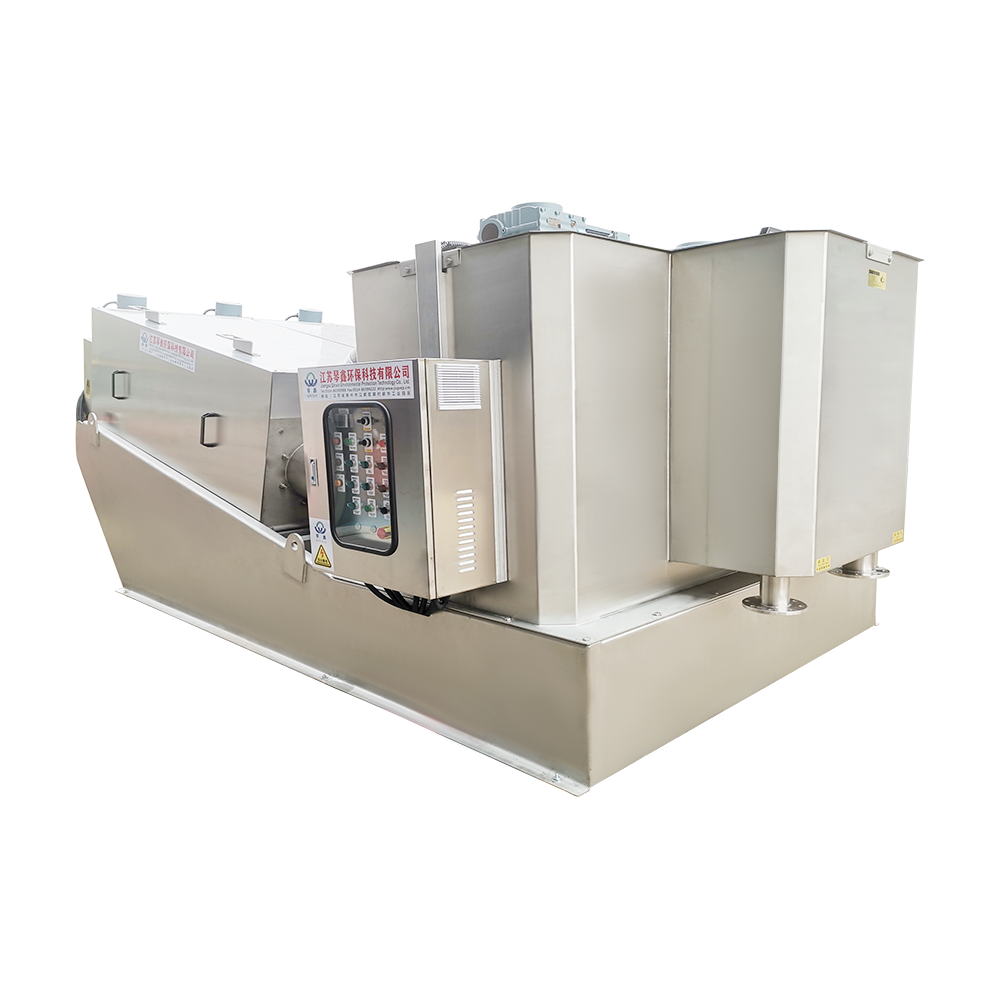
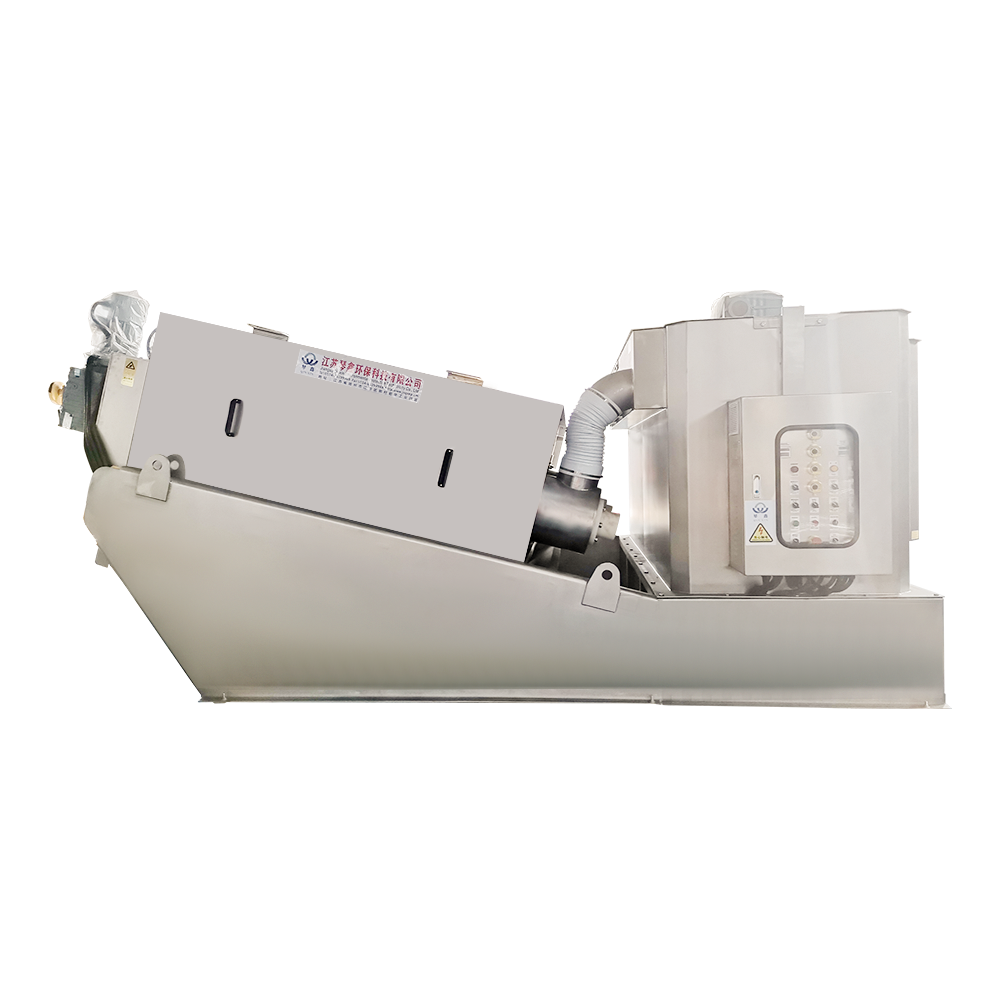
In many municipal and industrial facilities, floor space is a premium. Centrifuges require robust, vibration-dampening foundations, which increases civil engineering costs. A screw press solid liquid separator has a compact, modular design that can be installed on standard flooring with minimal preparation. This "plug-and-play" capability, supported by Yangzhou Qinxin's strong technical force, allows for faster deployment in mobile solid liquid separator machine units or retrofitting into existing plants without extensive structural modifications.
Engineering Advantages of Qinxin Equipment:
- Advanced Service Awareness: Tailored solutions for specific industries like papermaking and brewing.
- AAA-Level Reliability: Trustworthy manufacturing with multiple patents and ISO certifications.
- Integrated Systems: Compatibility with our sludge low-temperature drying systems for total volume reduction.
- Global Reach: Proven performance as an important supplier in Southeast Asian markets.
5. Conclusion: The Definitive ROI Choice
When considering the total lifecycle cost—including capital expenditure (CAPEX), energy consumption, maintenance, and chemical dosing—the solid liquid separator machine emerges as the superior ROI choice for the majority of organic and industrial wastewater applications. Its ability to provide continuous, automated operation with minimal energy input makes it an indispensable tool for modern environmental protection. Yangzhou Qinxin Environmental Protection Technology Co., Ltd. remains committed to providing these high-end solutions, backed by strict regulations and a dedicated team, to ensure our customers achieve their environmental and financial goals.
Frequently Asked Questions (FAQ)
1. Which is the best solid liquid separator for pig manure or aquaculture?
For high-fiber organic waste like manure, a screw press solid liquid separator machine is ideal. It effectively removes solids while handling the corrosive nature of the waste better than high-speed rotating equipment.
2. Can a solid liquid separator machine handle oily wastewater?
Yes. Stacked screw designs are particularly famous for their non-clogging features, making them highly effective for oily sludge in the food and petrochemical industries where traditional filters often fail.
3. How to clean a solid liquid separator efficiently?
Most modern separators, like those from Yangzhou Qinxin, feature a self-cleaning mechanism where moving rings continuously clean the gaps. This prevents clogging without requiring high-pressure water or stopping the machine.
4. Does a centrifuge or a solid liquid separator machine produce drier sludge?
While a centrifuge can occasionally produce a drier cake for very fine mineral slurries, a solid liquid separator machine provides comparable results for organic sludge at a fraction of the energy cost, making it more cost-effective.
5. What is the expected lifespan of a low maintenance solid liquid separator?
With proper operation and basic preventative maintenance, a high-quality separator can operate for over 10–15 years. The low-speed design ensures that structural fatigue is kept to an absolute minimum.
Industry References
- Water Environment Federation (WEF): Manual of Practice for Sludge Dewatering.
- ISO 14001: Environmental Management Systems Standards.
- American Society of Civil Engineers (ASCE): Comparison of Mechanical Dewatering Systems.
- Yangzhou Qinxin Internal Technical Manual: Efficiency Analysis of Stacked Screw Systems (2025).

 TOP
TOP