
 ENG
ENG
 English
 русский
 Español
 Tiếng Việt
 ไทย
ไทย
Article Directory
- 1 The Engineering Logic of Oily Sludge Dewatering
- 2 Performance in High-Concentration Environments
- 3 Maintenance and Long-Term Reliability
- 4 Conclusion: The Superior Industrial Choice
- 5 Frequently Asked Questions (FAQ)
- 5.1 1. Can a screw dewatering machine handle sludge with mineral oils?
- 5.2 2. How does a screw press work for oily sludge without clogging?
- 5.3 3. What is the multi-disk screw press efficiency for petrochemical waste?
- 5.4 4. Is a screw press better than a centrifuge for wastewater treatment?
- 5.5 5. Can Yangzhou Qinxin customize equipment for Southeast Asian markets?
- 6 Related Industry References
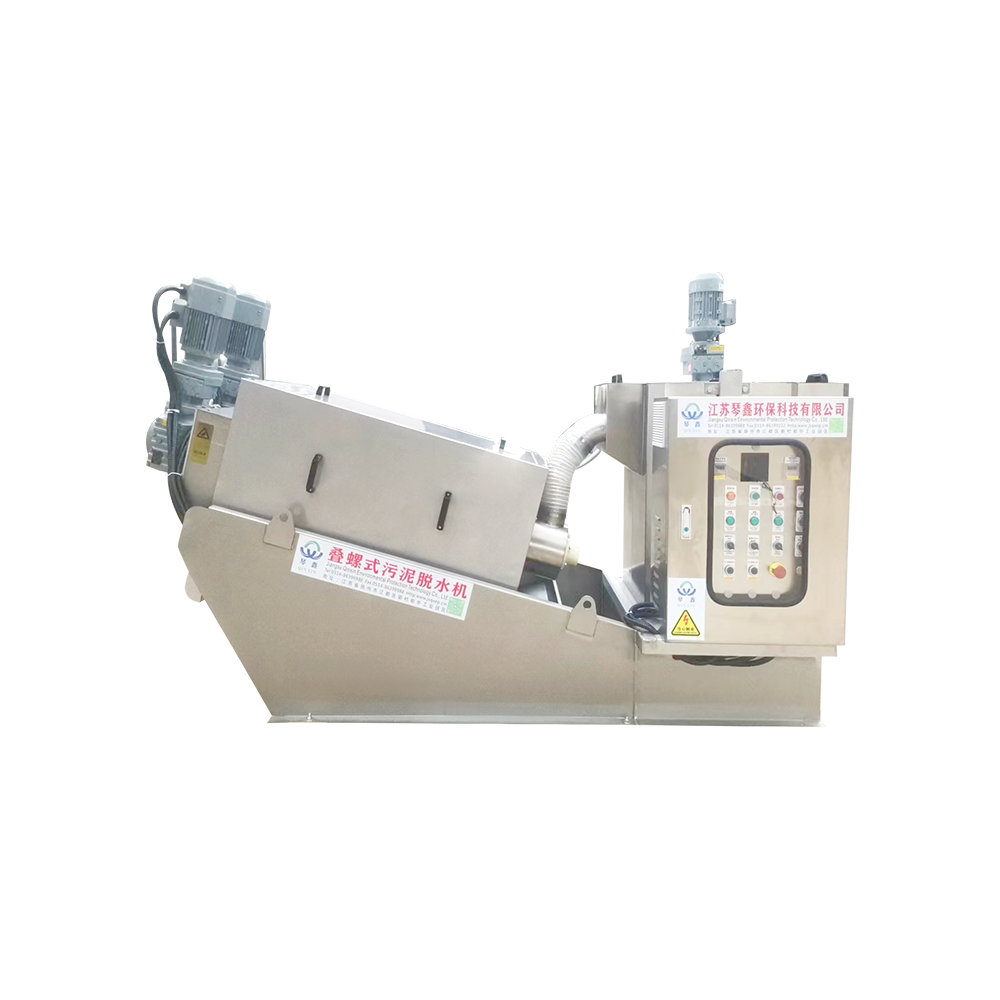
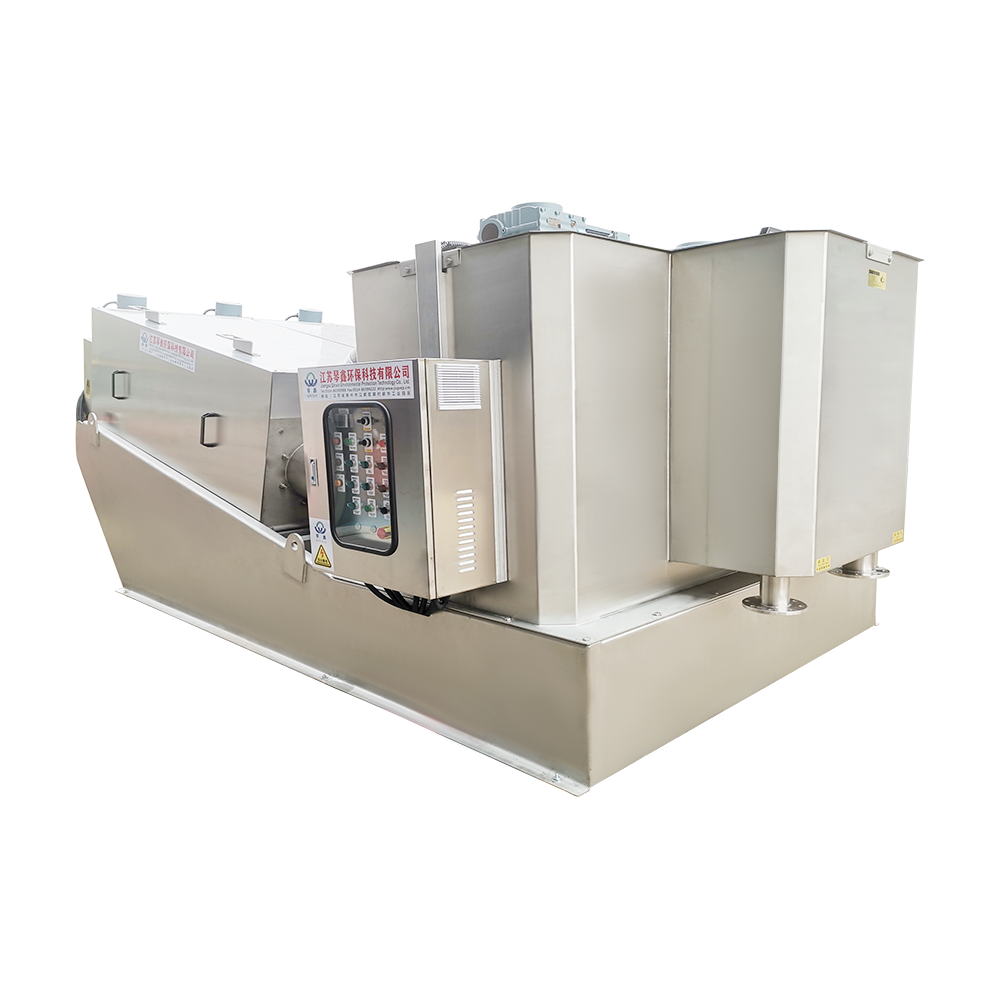
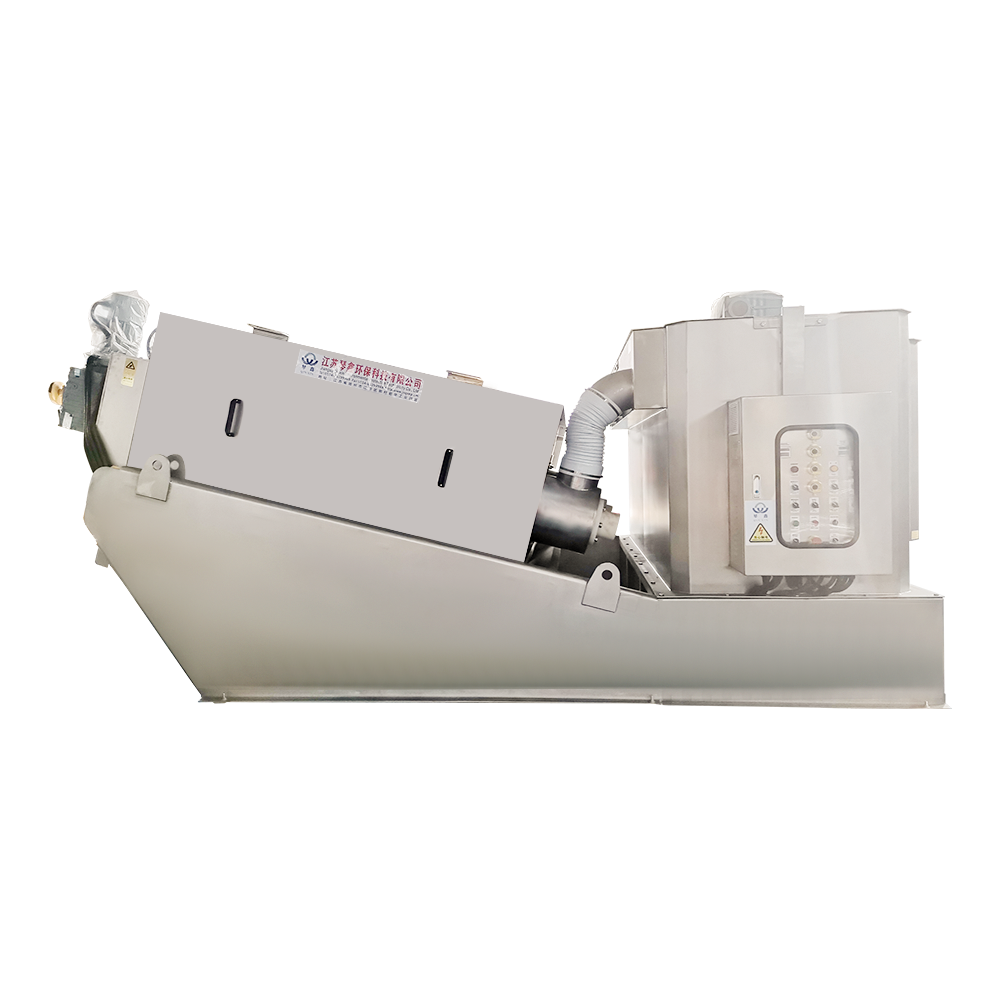
Managing high-concentration oily sludge is one of the most significant challenges in modern industrial wastewater treatment. Traditional filtration methods often suffer from terminal clogging when exposed to the viscous nature of hydrocarbons. However, the screw dewatering machine, particularly the stacked-ring variety, has emerged as a superior solution. Yangzhou Qinxin Environmental Protection Technology Co., Ltd. is a specialized enterprise combining industry and trade, dedicated to the R&D of high-end environmental equipment. Our expertise in stacked screw sludge dewatering machines and sludge low-temperature drying systems has established us as a trusted AAA-level supplier for the petrochemical, food, and pharmaceutical industries, particularly across Southeast Asian markets.
The Engineering Logic of Oily Sludge Dewatering
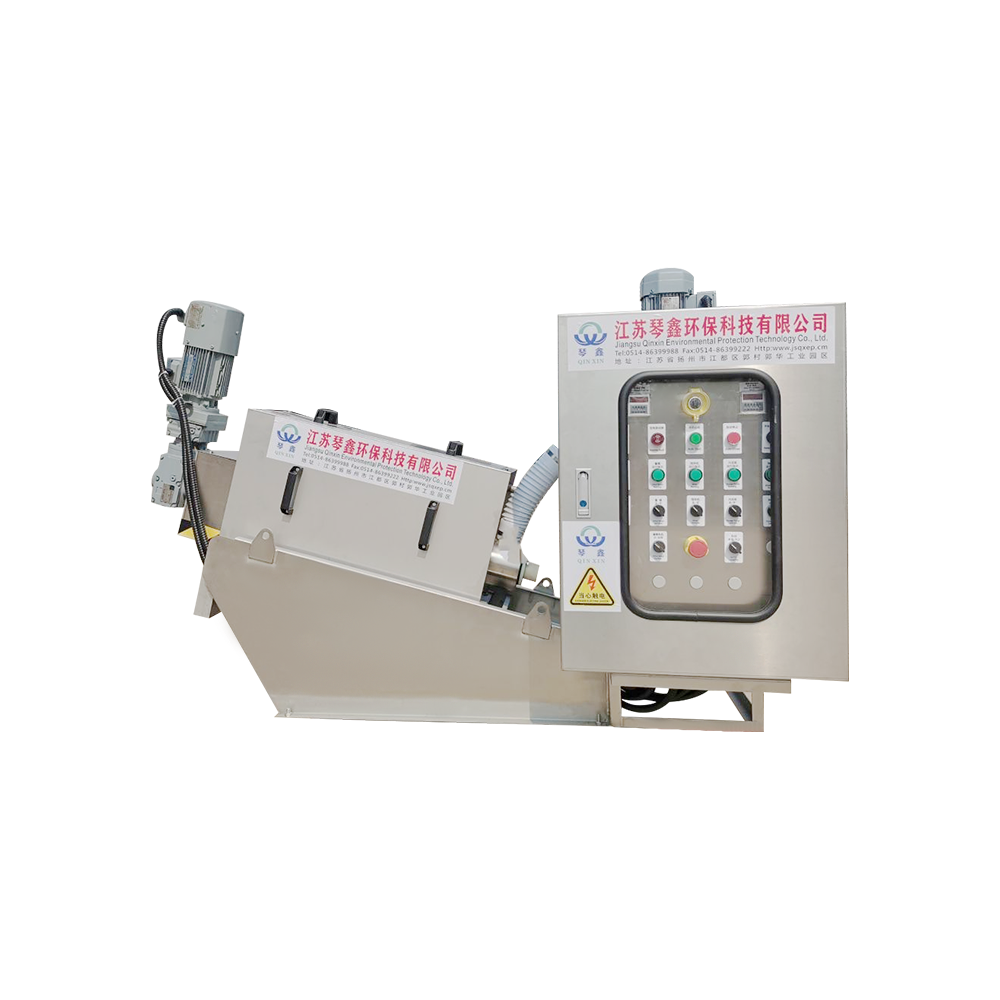
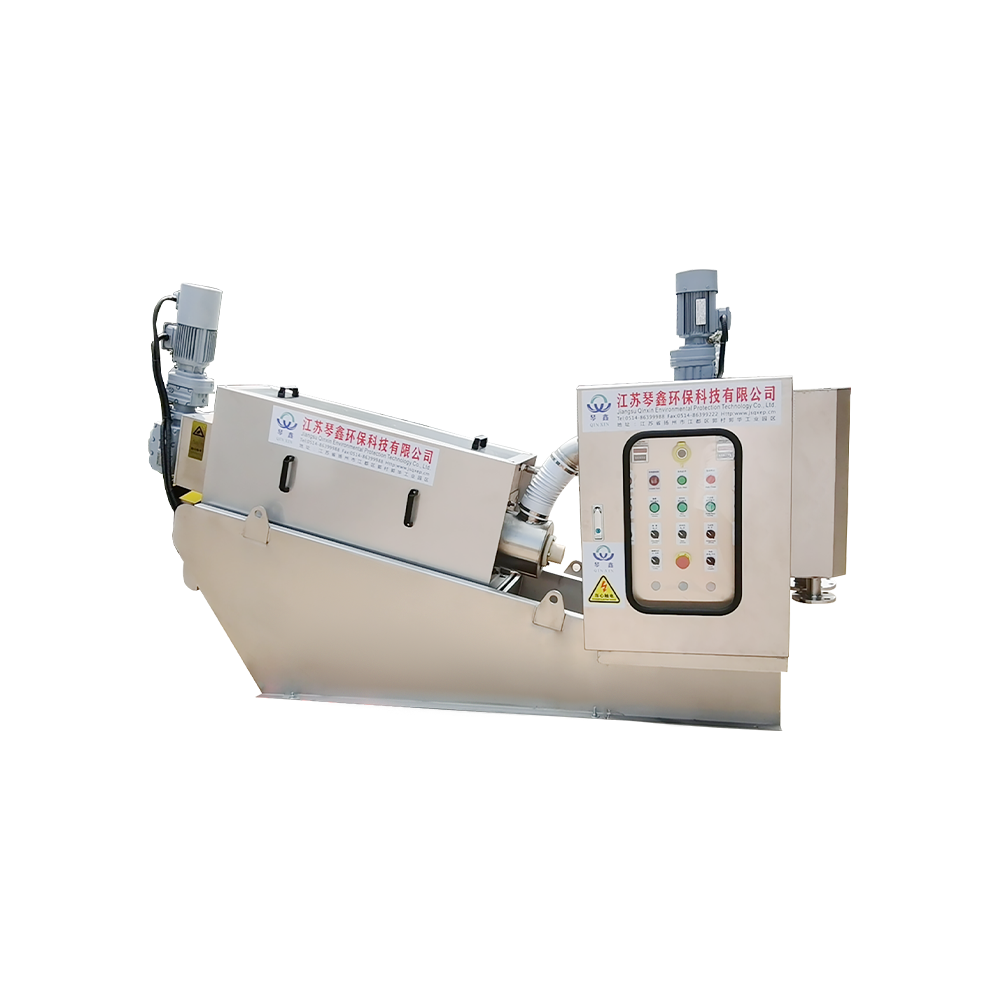
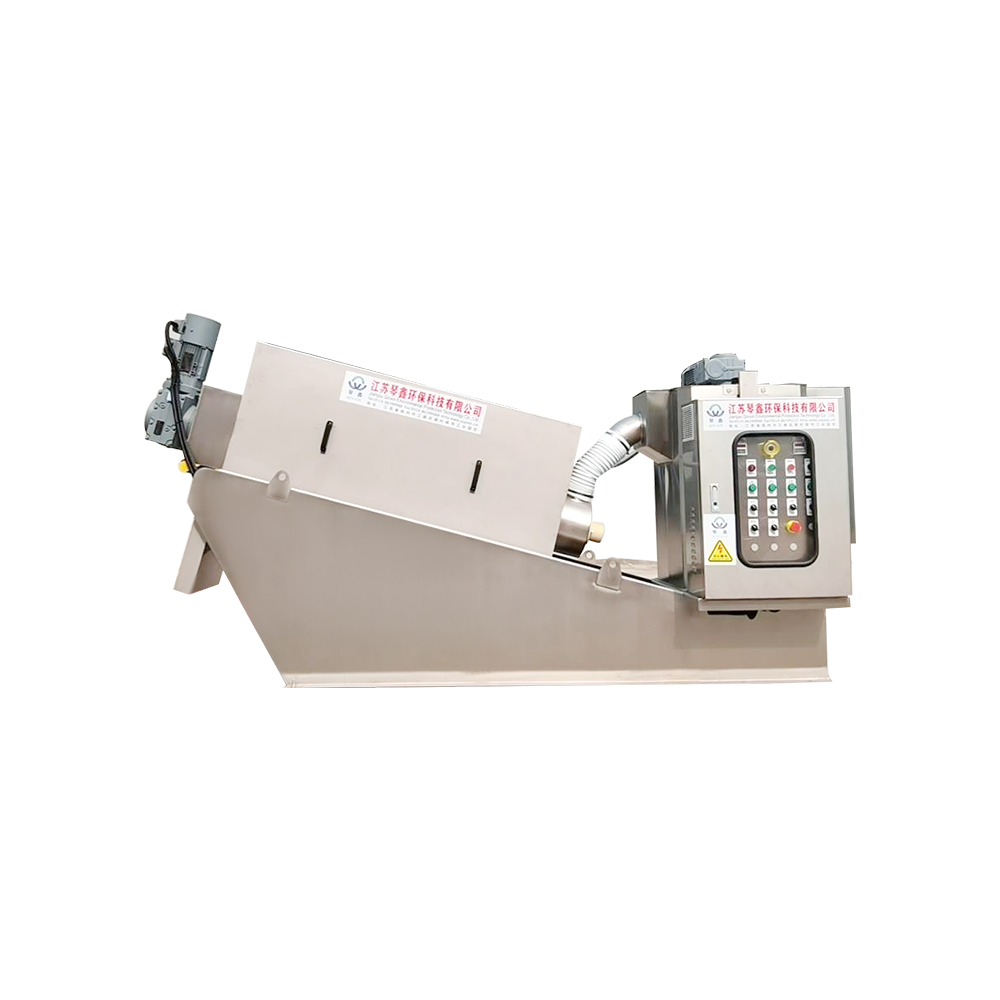
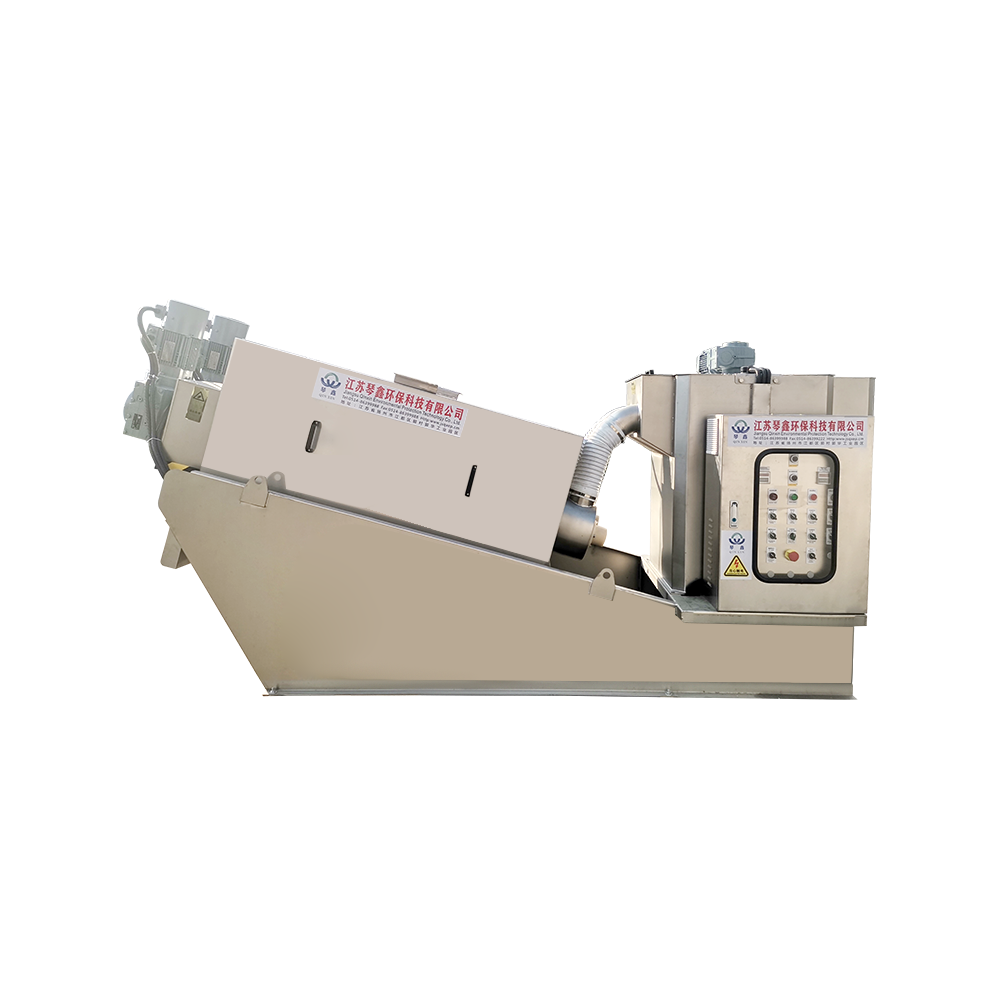
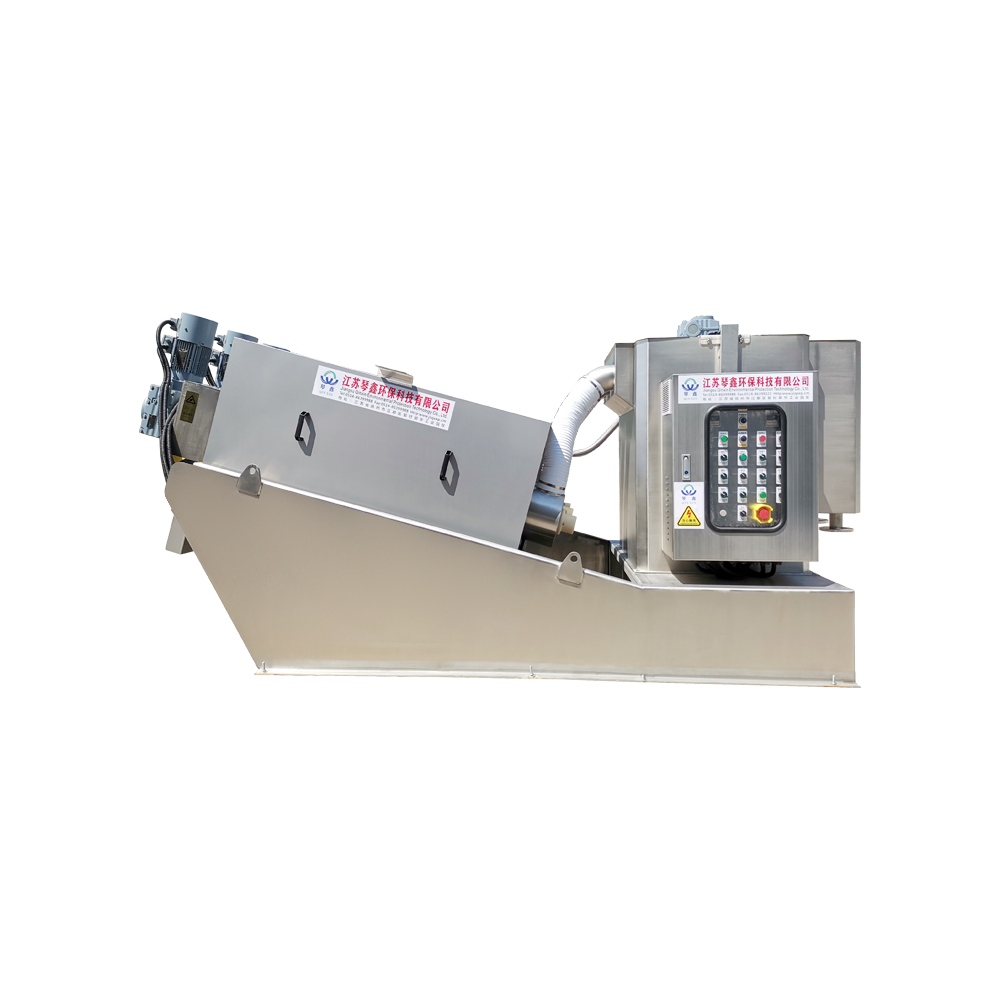
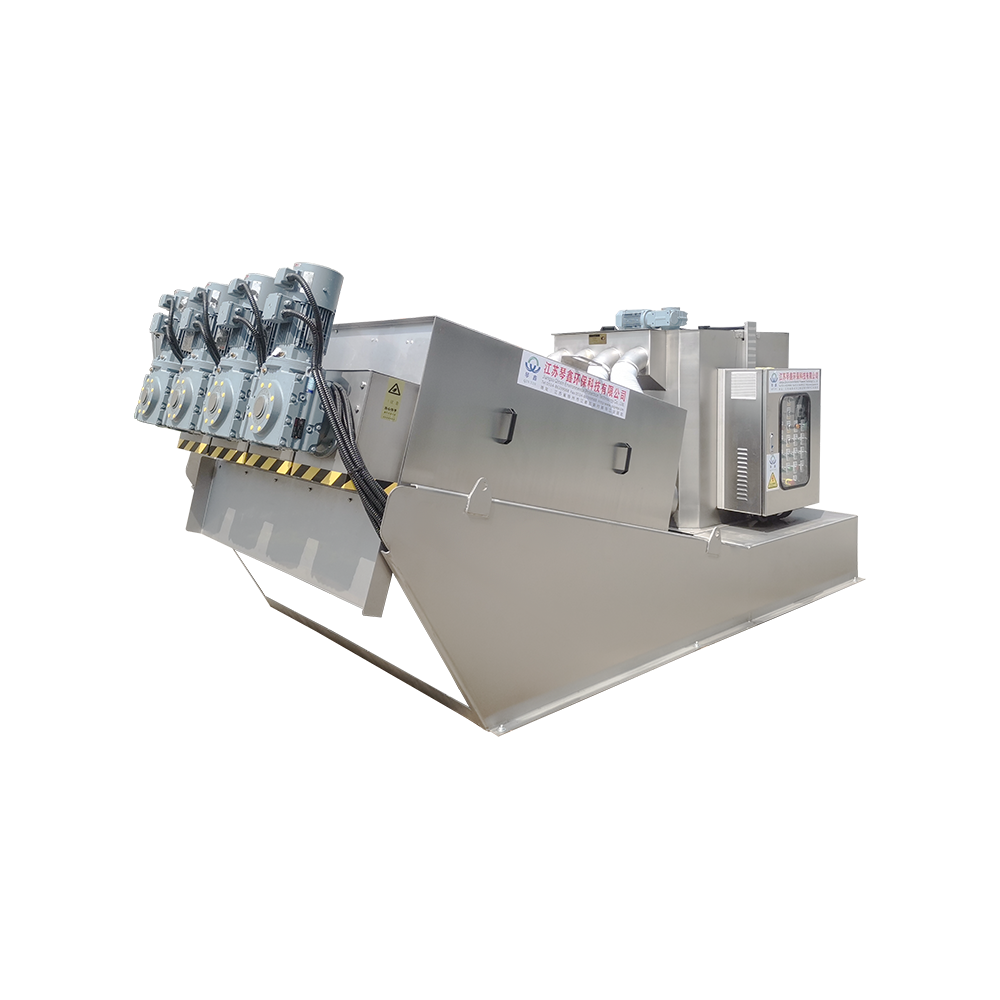
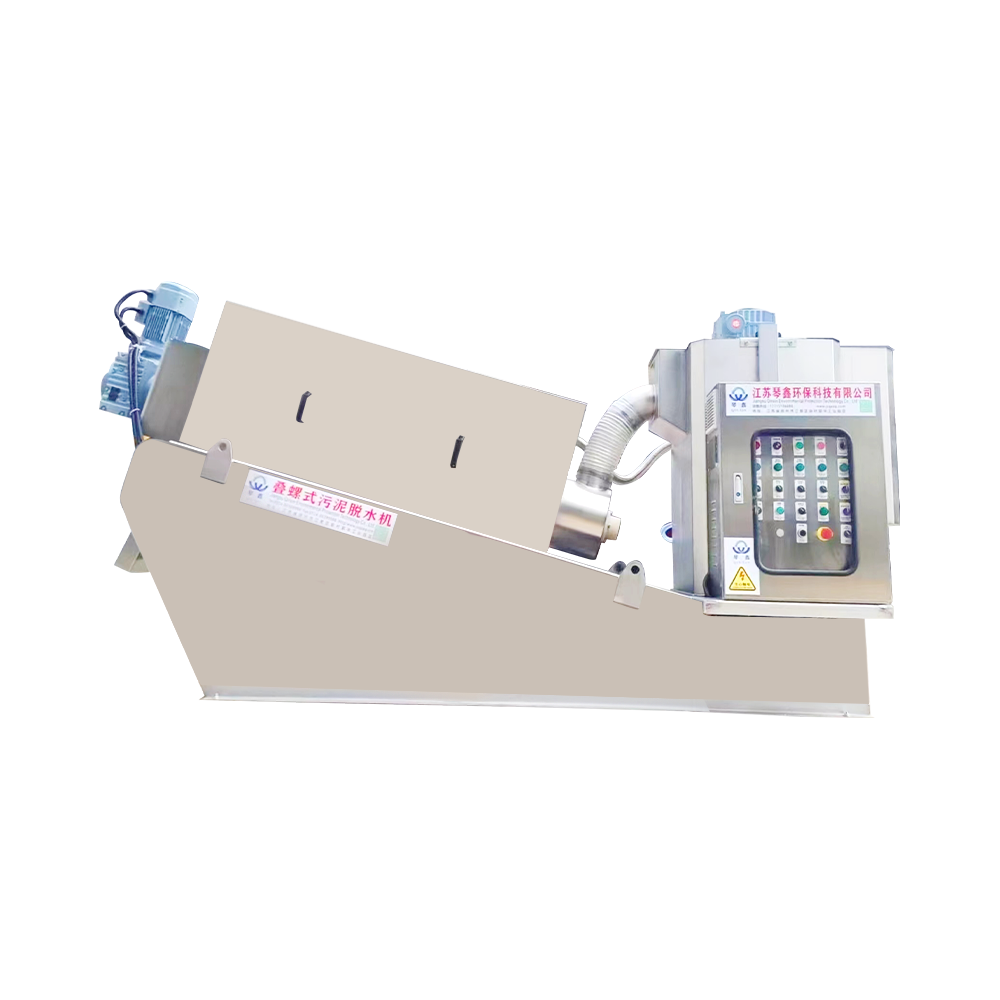
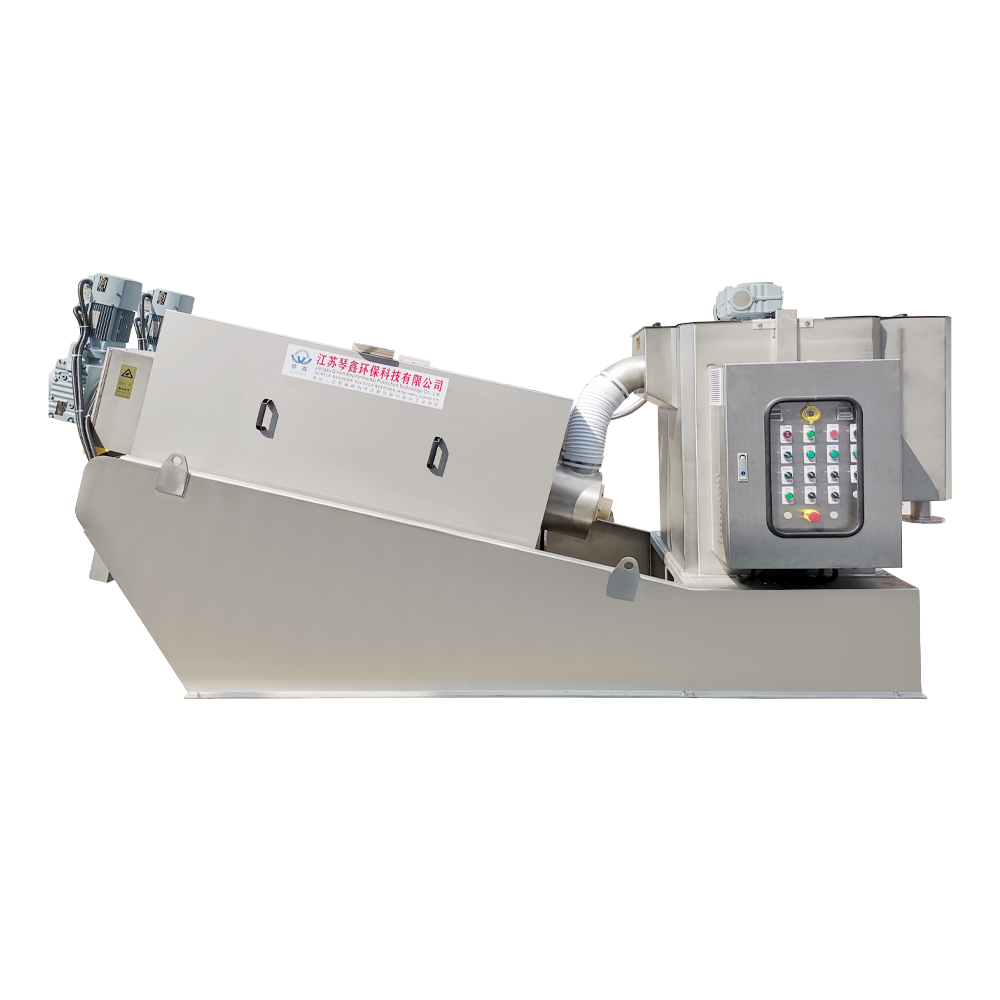
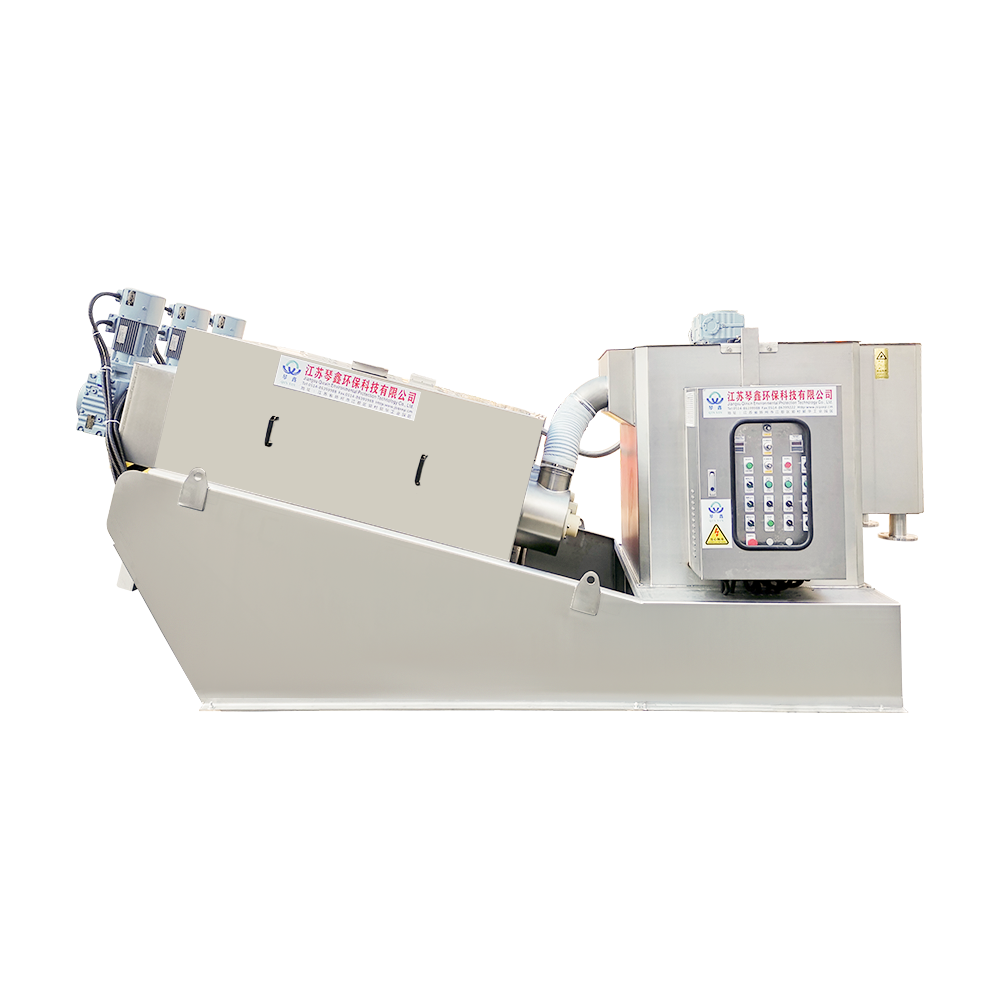
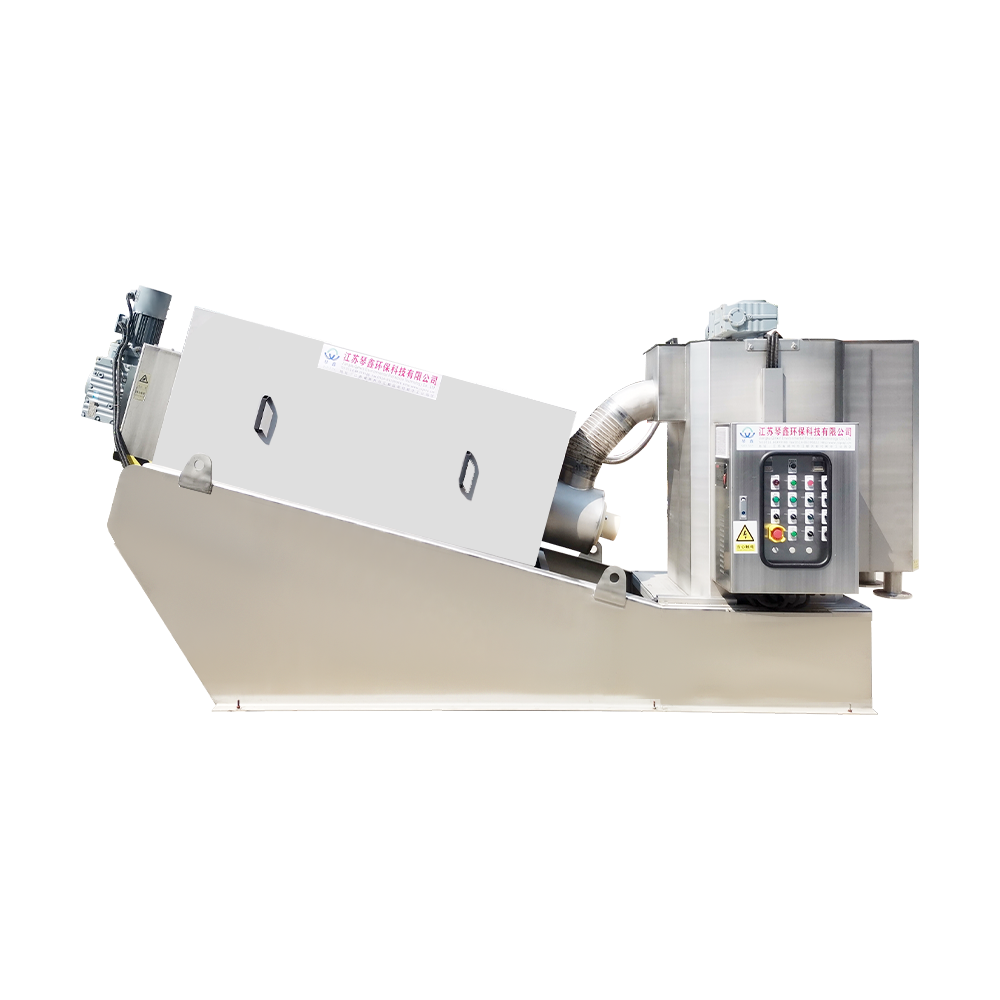
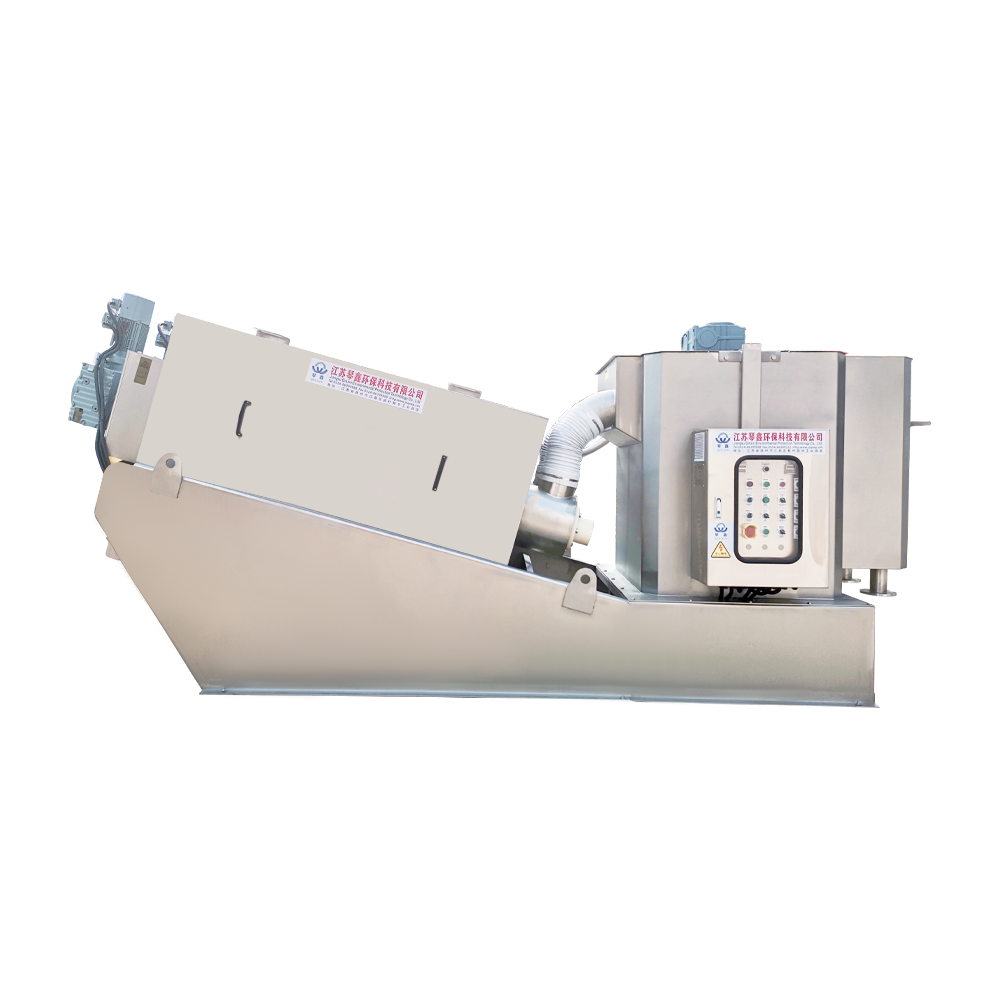
Oily sludge, common in refineries and food processing, possesses a unique rheological profile that resists standard pressure filtration. The primary question engineers ask is how does a screw press work for oily sludge compared to a belt press or centrifuge? The multi-disk (stacked screw) design utilizes a series of fixed and moving rings that self-clean during the rotation of the screw shaft. This mechanical action prevents grease from "blinding" the filter media, a common failure in belt filters. By maintaining a constant gap through the oscillation of the moving rings, the screw dewatering machine effectively processes oily materials without requiring high-volume backwashing.
Comparison: Multi-Disk Screw Press vs. Traditional Belt Press
While belt presses are prone to clogging and require massive amounts of cleaning water, the screw press maintains an open filtration path through its unique self-cleaning mechanism.
| Performance Factor | Traditional Belt Press | Screw Dewatering Machine (Multi-Disk) |
| Clogging Sensitivity | High (Oils blind the cloth) | Very Low (Self-cleaning rings) |
| Cleaning Water Usage | Extremely High | Minimal (1/10th of belt press) |
| Maintenance Cycle | Frequent (Cloth replacement) | Long (Hardened stainless steel components) |
| Oily Concentration Limit | Low (< 2%) | High (Capable of > 20% oil content) |
Performance in High-Concentration Environments
High-concentration sludge requires significant torque and precise pressure control to achieve optimal cake dryness. A critical metric for industrial plants is multi-disk screw press efficiency for petrochemical waste. Because petrochemical sludge contains high levels of emulsified oils, the screw dewatering machine uses a varying pitch design. As the screw moves toward the outlet, the pitch decreases, increasing the internal pressure and forcing the oil and water through the ring gaps. This allows for a significant reduction in sludge volume, often achieving a moisture content below 80% even with challenging industrial feedstocks.
The Role of Flocculation and Dosing
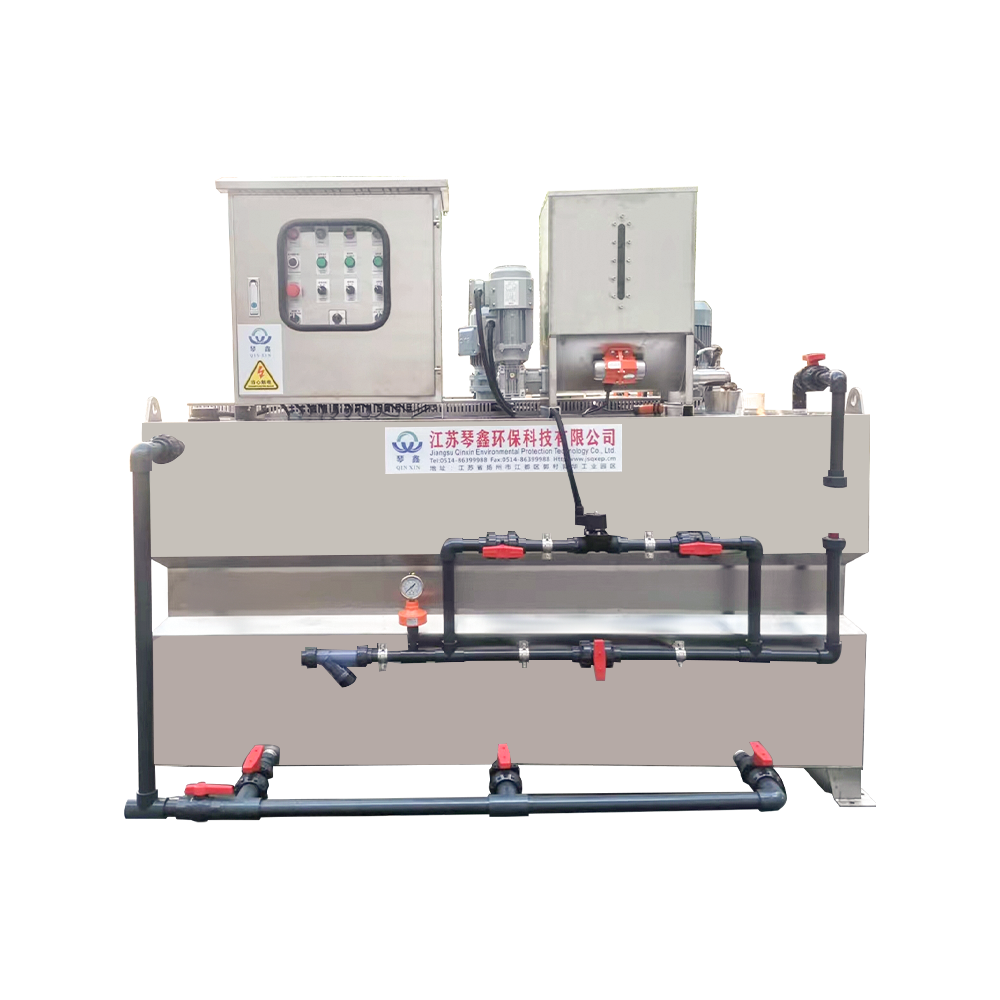
For oily sludge to be dewatered successfully, proper chemical conditioning is mandatory. Analyzing the screw press dewatering capacity for food waste or chemical sludge reveals that the integration of a PAM integrated dosing device is vital. Yangzhou Qinxin Environmental Protection Technology Co., Ltd. provides comprehensive solutions where the dosing system and dewatering unit are perfectly synchronized, ensuring that the sludge flocs are large and stable enough to withstand the mechanical pressure of the screw.
Key Technical Advantages:
- Low Energy Consumption: Operates at low speeds (2-4 RPM), significantly reducing operational costs compared to high-speed centrifuges.
- Odor Control: The enclosed structure of the screw dewatering machine minimizes the volatilization of VOCs from oily sludge.
- Compact Footprint: Integrates thickening and dewatering into a single unit, saving industrial floor space.
Maintenance and Long-Term Reliability
One of the top concerns for facility managers is screw press vs centrifuge for industrial sludge maintenance. Centrifuges require high-precision balancing and frequent bearing replacements due to high-speed wear. Conversely, the screw dewatering machine operates with minimal wear. When researching how to maintain a screw dewatering machine, the process is primarily focused on periodic inspections of the screw flight's tungsten carbide coating and the condition of the moving rings. At Yangzhou Qinxin, our equipment is built on a foundation of strong technical force and strict regulations, ensuring our sludge low-temperature drying systems and dewatering machines meet international quality management certifications.
Comparison: Maintenance and Operational Complexity
| Operational Metric | Industrial Centrifuge | Screw Dewatering Machine |
| Wear and Tear | High (High-speed abrasion) | Low (Slow rotation) |
| Noise Level | High (Requires hearing protection) | Very Low (< 65dB) |
| Automation Level | Requires constant monitoring | Fully automated 24/7 operation |
Conclusion: The Superior Industrial Choice
The technical evidence suggests that for high-concentration oily sludge, the screw dewatering machine is not just a viable option, but the preferred engineering choice. Its ability to self-clean, operate at low power, and handle varying sludge concentrations makes it indispensable for petrochemical, food, and municipal sectors. Yangzhou Qinxin Environmental Protection Technology Co., Ltd. continues to innovate in this space, providing global customers with high-grade sewage treatment equipment that is "contract-oriented and trustworthy." By choosing a system backed by multiple patents and environmental certifications, industries can ensure long-term compliance and operational efficiency.
Frequently Asked Questions (FAQ)
1. Can a screw dewatering machine handle sludge with mineral oils?
Yes. The stainless steel multi-disk design is resistant to mineral oils. However, for specific chemical compositions, the gasket materials and polymer selection must be adjusted to prevent degradation.
2. How does a screw press work for oily sludge without clogging?
The machine uses a series of fixed and moving rings. As the screw rotates, the moving rings are constantly shifted by the screw flights, which mechanically cleans the gaps to prevent oil and grease buildup.
3. What is the multi-disk screw press efficiency for petrochemical waste?
Efficiency is typically measured by solids recovery and cake dryness. High-quality machines can achieve over 95% solids recovery and reduce sludge volume by up to 90% in petrochemical applications.
4. Is a screw press better than a centrifuge for wastewater treatment?
In terms of energy efficiency and maintenance costs, the screw press is generally superior for sludge with high oil or fiber content. Centrifuges are often reserved for applications requiring very high throughput in a smaller duration.
5. Can Yangzhou Qinxin customize equipment for Southeast Asian markets?
Yes. We are an important supplier for Southeast Asian countries, providing customized screw dewatering machines and PAM integrated dosing devices designed to meet local industrial standards and climate conditions.
Related Industry References
- ISO 9001/14001: Quality and Environmental Management System Standards.
- Water Environment Federation (WEF): "Sludge Thickening and Dewatering" Manual of Practice.
- ANSI/HI 11.6: Standard for Rotodynamic Pumps for Measurement of Vibration and Evaluation of Operating Limits.
- Technical Paper: "Comparison of Mechanical Dewatering Technologies for Oily Refinery Sludge."

 TOP
TOP