
 ENG
ENG
 English
 русский
 Español
 Tiếng Việt
 ไทย
ไทย
Article Directory
- 1 1. Rheological Control and the Role of PAM Dosing
- 2 2. Advanced Mechanical Prevention: Self-Cleaning Mechanisms
- 3 3. Predictive Maintenance and Industrial Applications
- 4 Conclusion: Strategy for 24/7 Success
- 4.1 Frequently Asked Questions (FAQ)
- 4.1.1 1. Why does my solid liquid separator machine clog even with thin sludge?
- 4.1.2 2. How to clean a solid liquid separator without stopping production?
- 4.1.3 3. What is the impact of solid liquid separator machine capacity on clogging?
- 4.1.4 4. Comparing screw press vs centrifuge for wastewater: which is more durable?
- 4.1.5 5. How do I know when to replace heavy duty solid liquid separator parts?
- 4.2 Industry References
- 4.1 Frequently Asked Questions (FAQ)
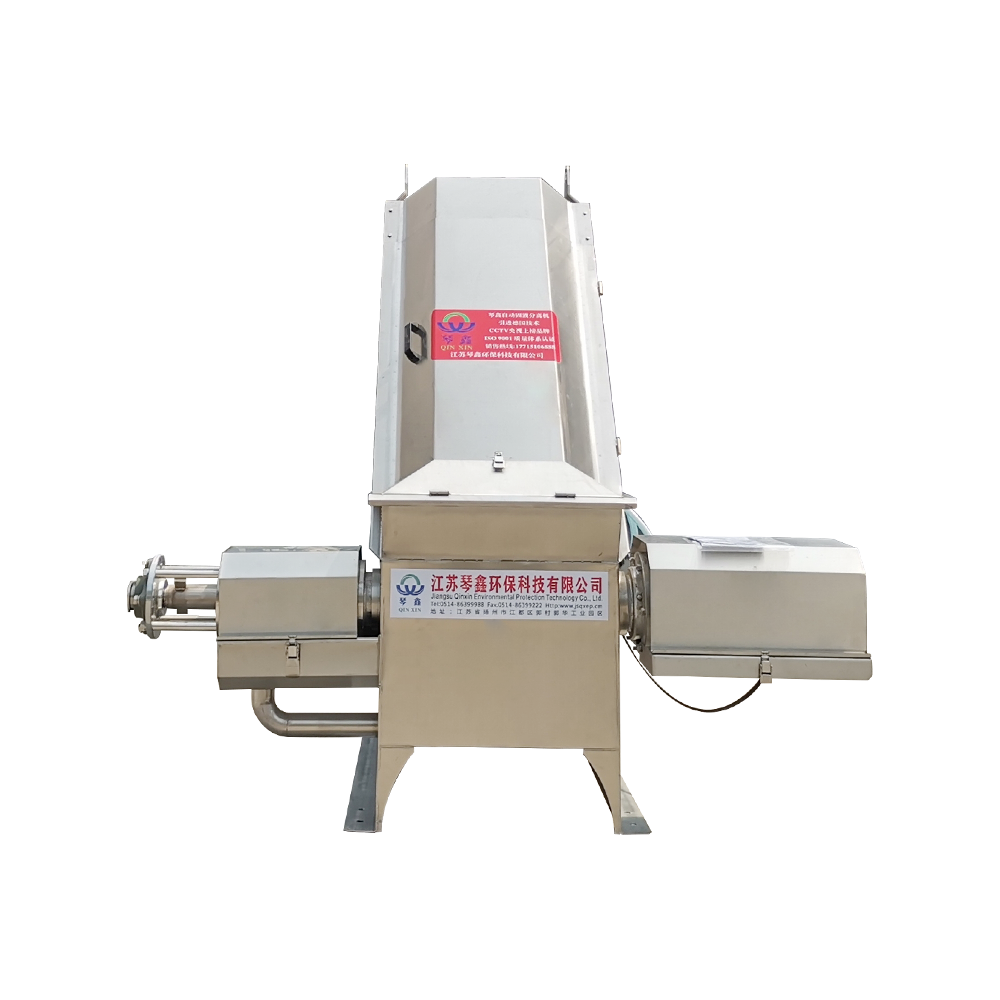
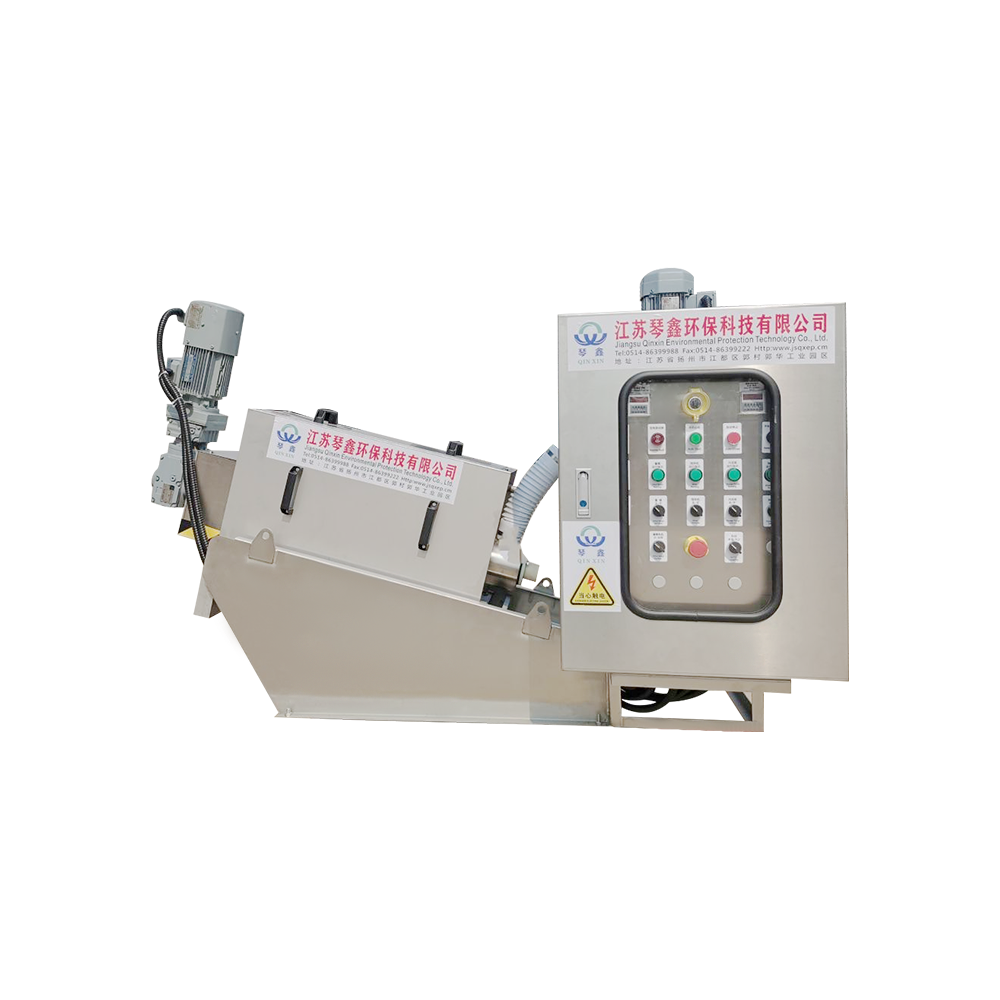
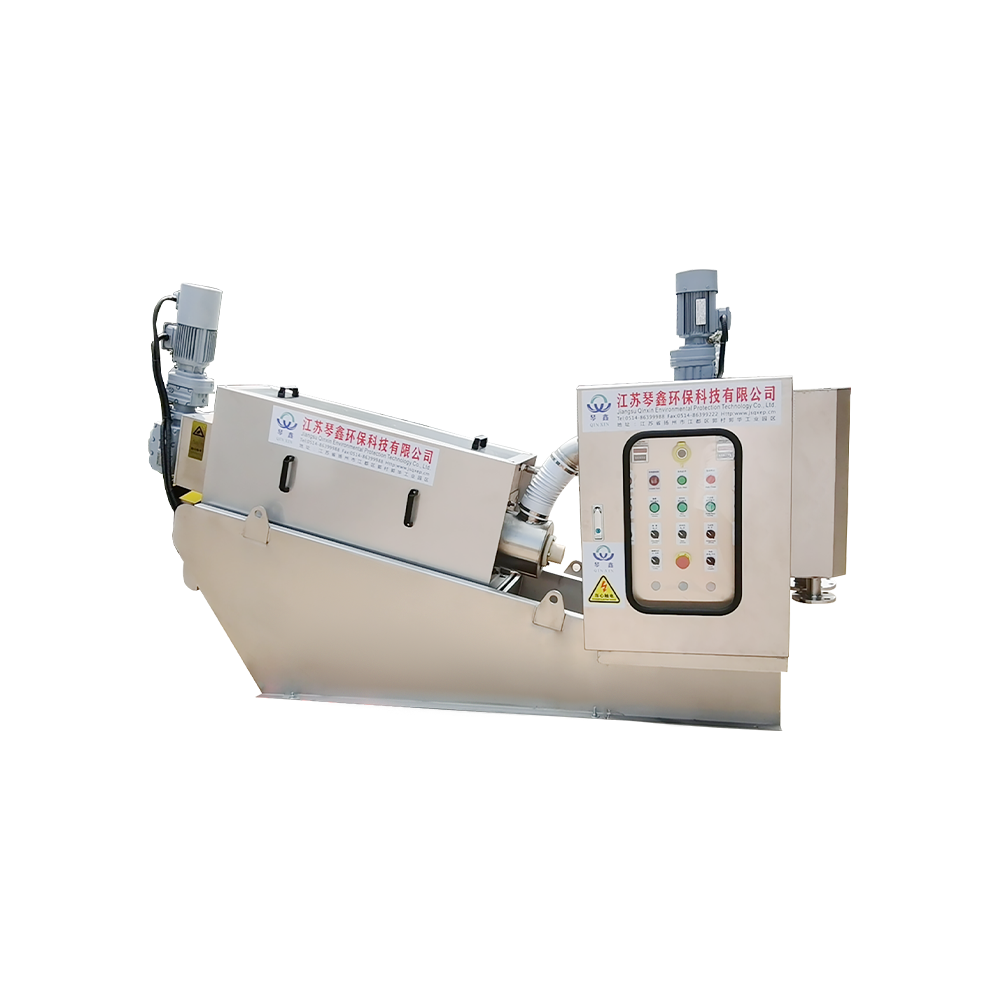
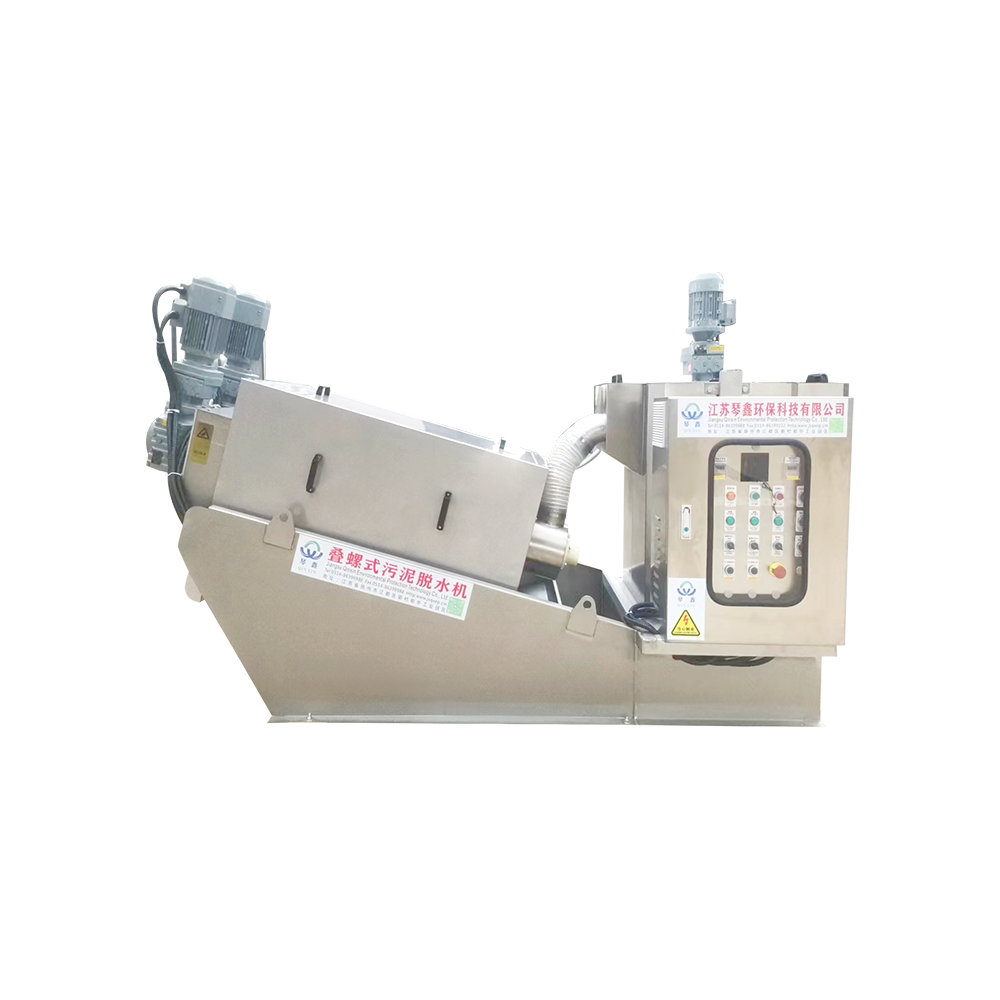
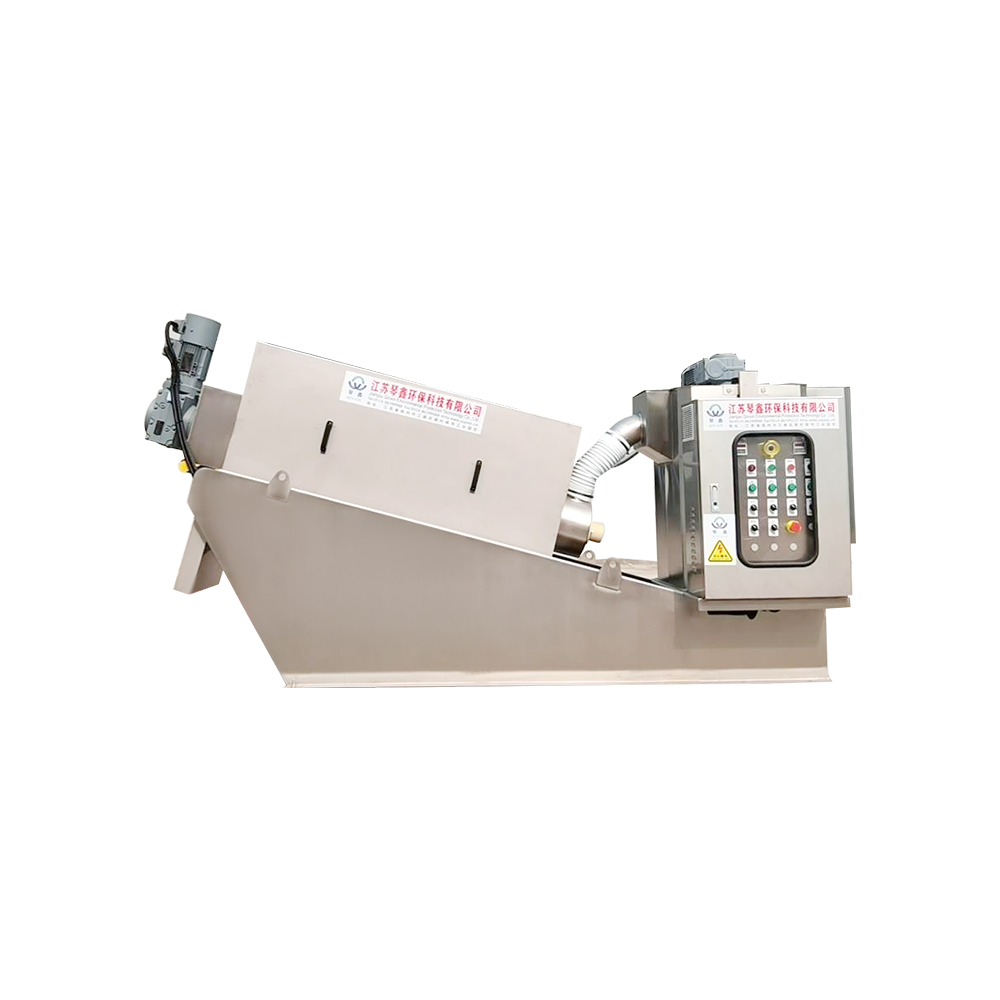
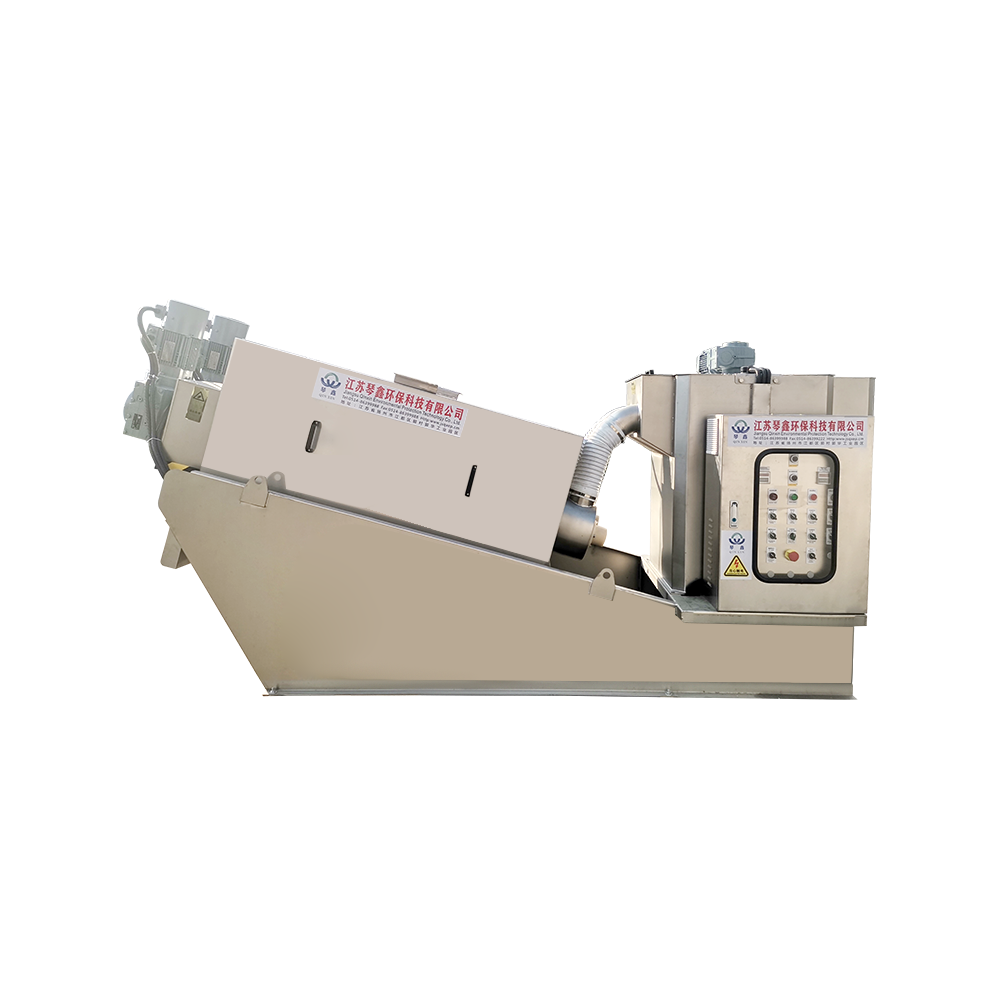
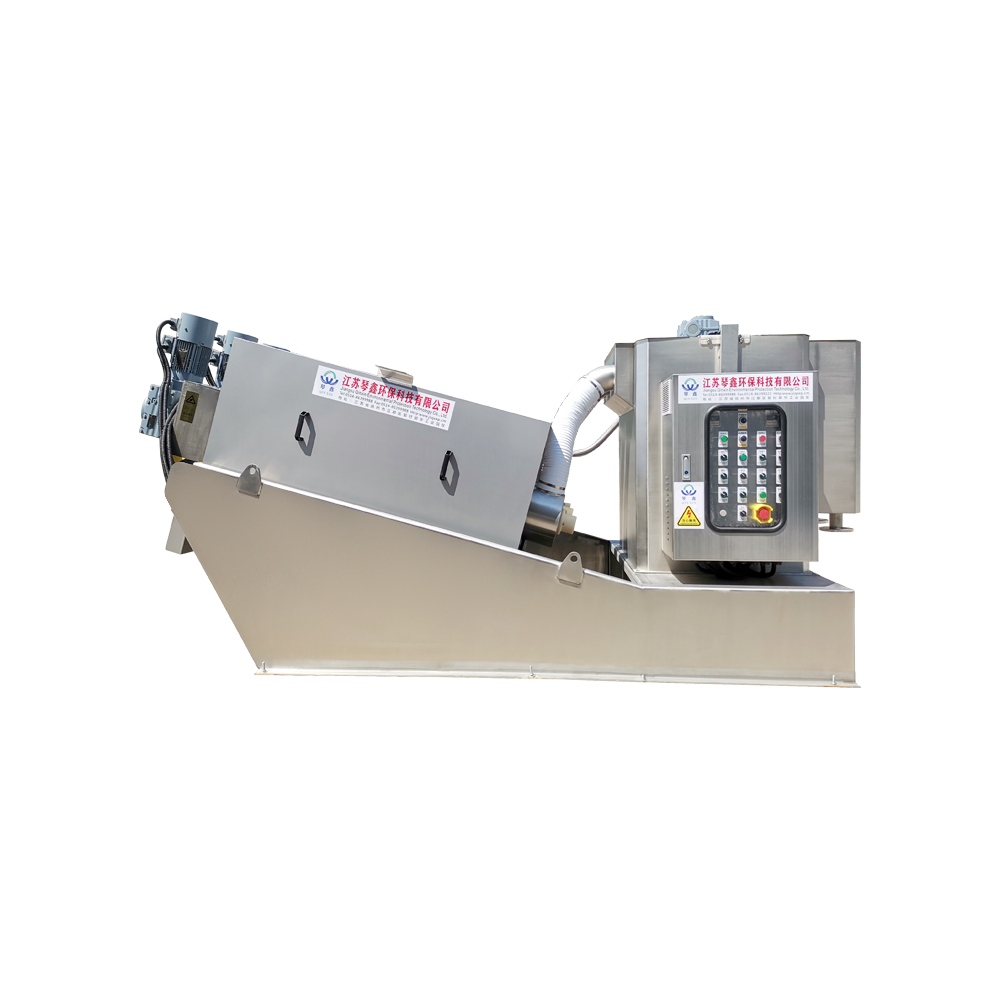
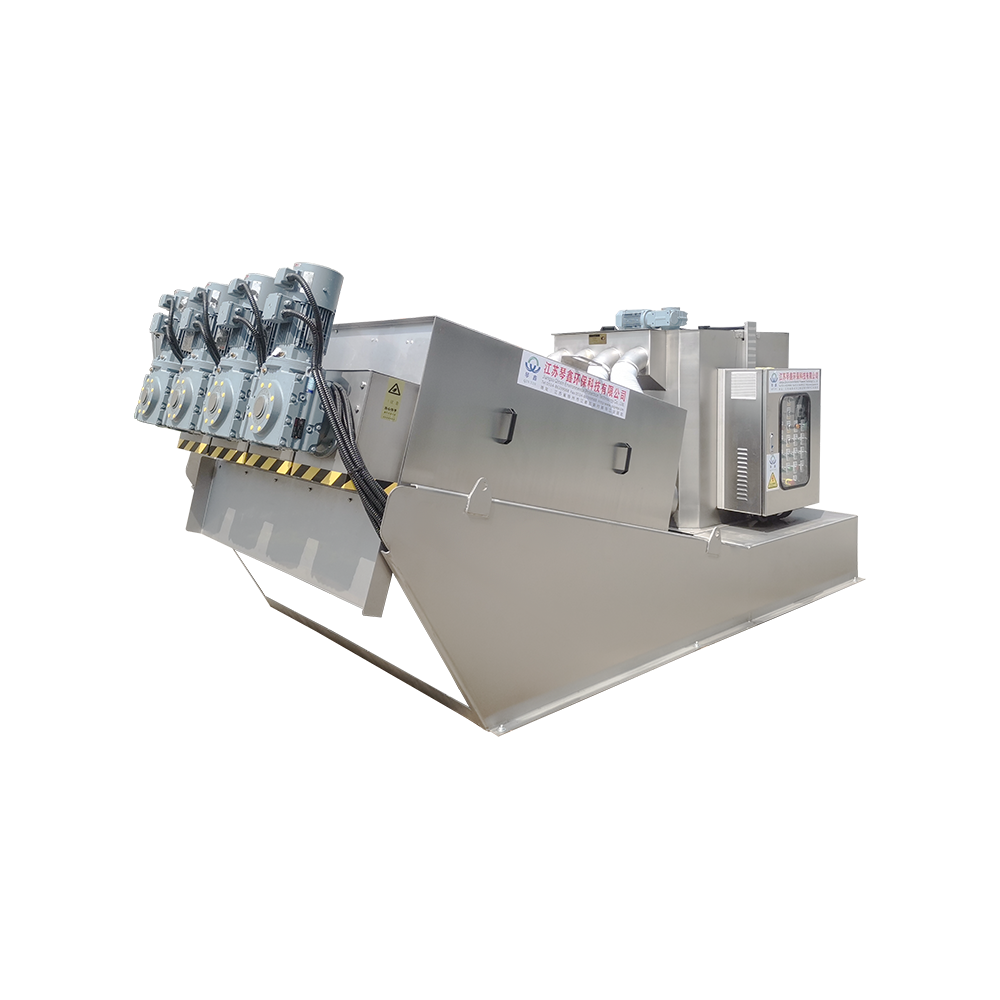
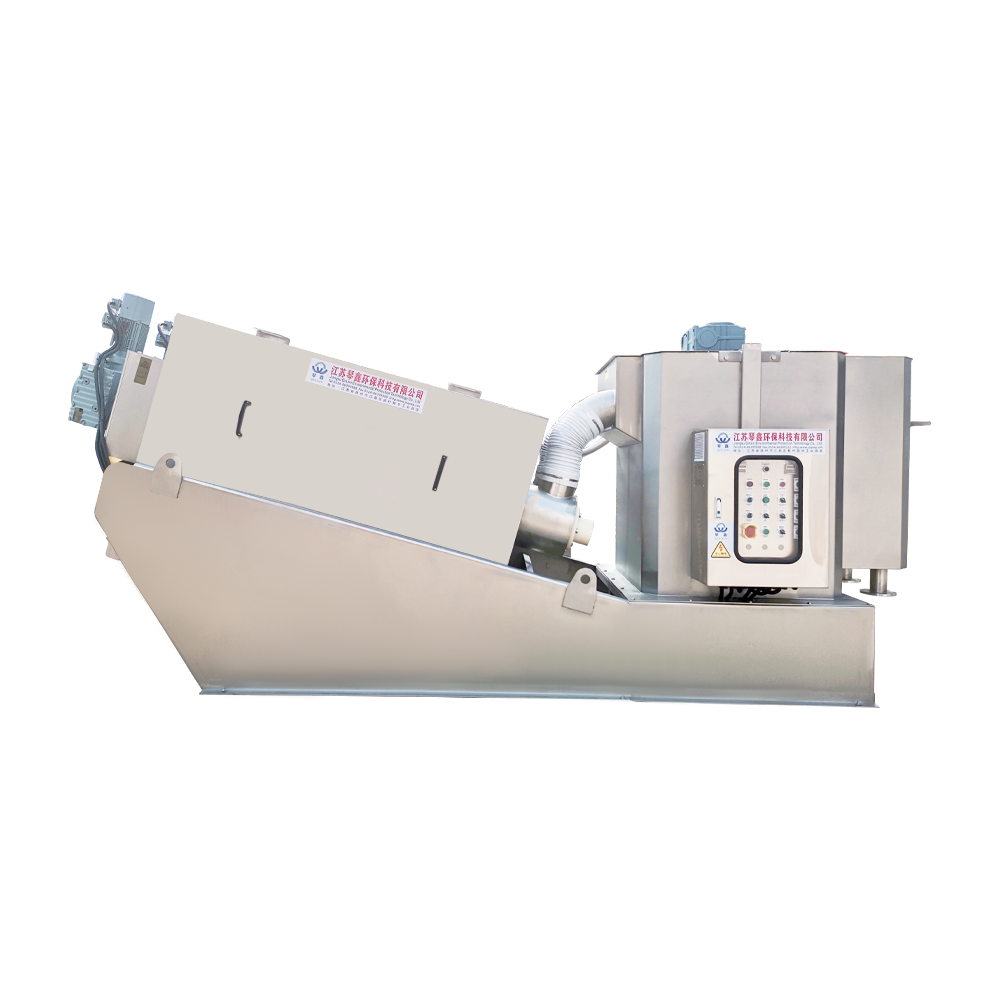
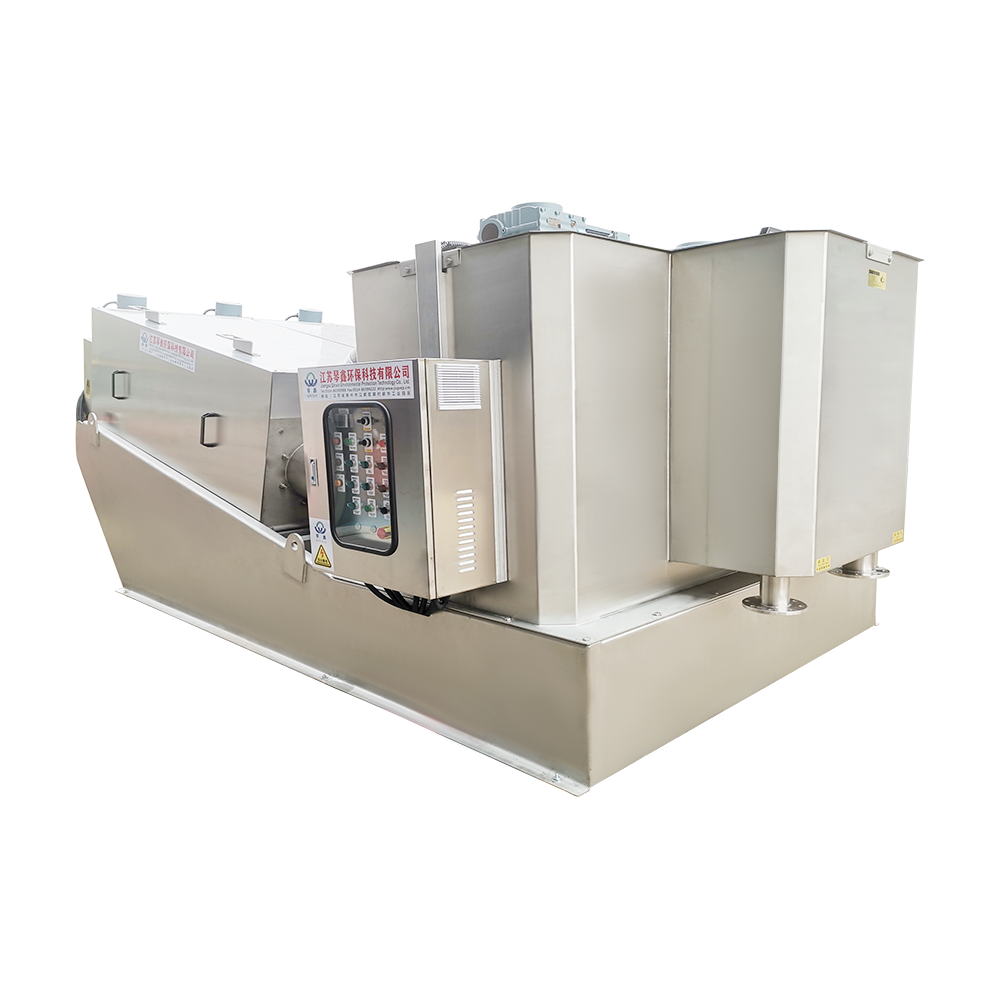
In high-demand industrial environments, the solid liquid separator machine serves as the backbone of wastewater management and resource recovery. Operating these systems 24/7 requires more than just high-quality hardware; it demands a strategic approach to fluid dynamics and mechanical maintenance. Yangzhou Qinxin Environmental Protection Technology Co., Ltd. is a leading enterprise combining industry and trade, specializing in solid liquid separator machine solutions, stacked screw sludge dewatering machines, and PAM integrated dosing devices. With multiple patents and AAA-level credit certification, we serve global industries ranging from petrochemicals to food processing. This technical guide explores the engineering protocols necessary to prevent solid liquid separator clogging and ensure maximum uptime in continuous operational cycles.
1. Rheological Control and the Role of PAM Dosing
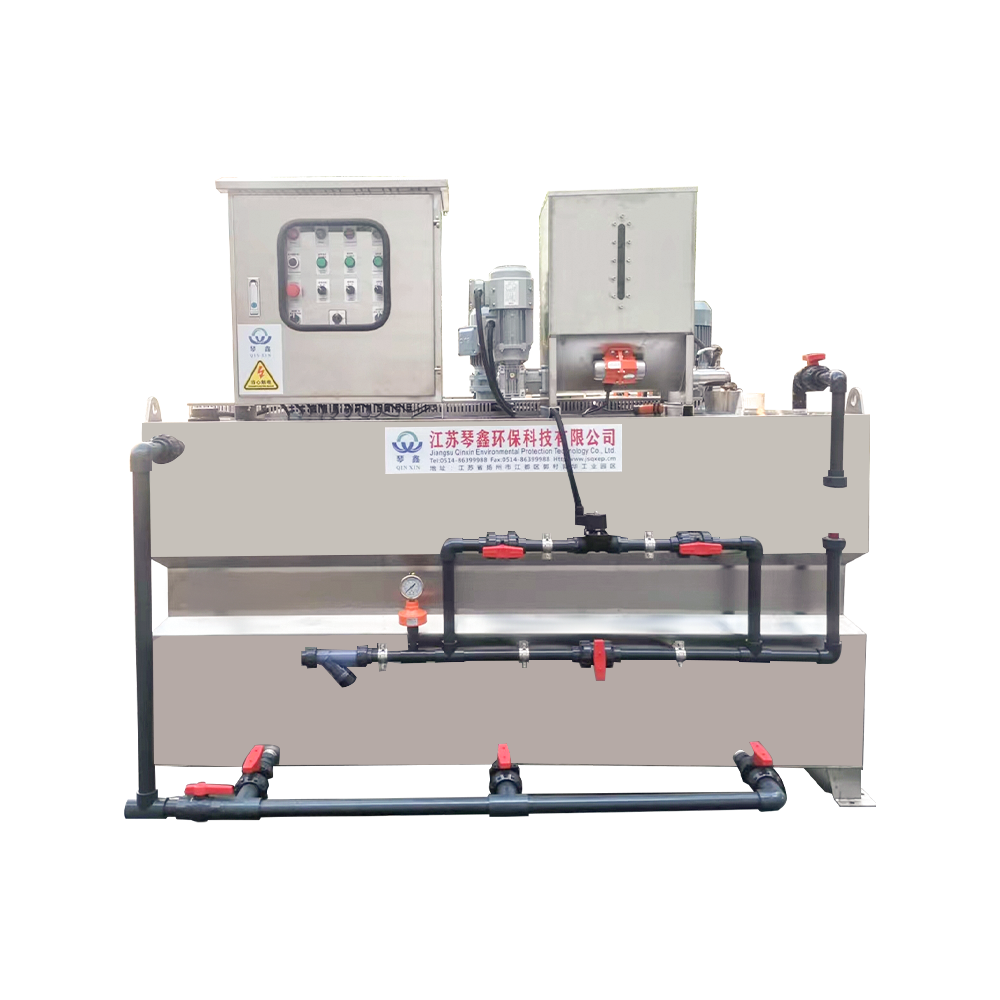
The primary cause of clogging in a solid liquid separator machine is the improper flocculation of suspended solids. Without precise chemical pretreatment, fine particles can bypass the screen or adhere to the mechanical screw, leading to "binding." Utilizing a PAM integrated dosing device for separators ensures that the sludge achieves the optimal particle size for separation. When comparing screw press vs centrifuge for wastewater, the screw-based solid liquid separator machine generally offers higher resistance to clogging due to its self-cleaning mechanism, but it still requires consistent polymer flow. An industrial solid liquid separator maintenance schedule must prioritize the calibration of dosing pumps to match the fluctuating flow rates of wastewater treatment separator equipment.
Flocculation Efficiency Comparison
- Manual Dosing: High risk of "slugging" and inconsistent floc size, leading to frequent screen blinding.
- PAM Integrated Dosing: Precise, automated delivery that maintains a stable solid liquid separator flow rate and prevents internal buildup.
| Method | Particle Uniformity | Impact on Solid Liquid Separator Machine Uptime |
| Automatic Dosing | High Consistency | Reduces clogging risk by 85% in 24/7 cycles |
| Standard Pump Dosing | Moderate Variance | Requires bi-weekly manual inspection |
| Non-Flocculated Feed | Poor (Fine silts) | High risk of immediate screen blinding |
2. Advanced Mechanical Prevention: Self-Cleaning Mechanisms
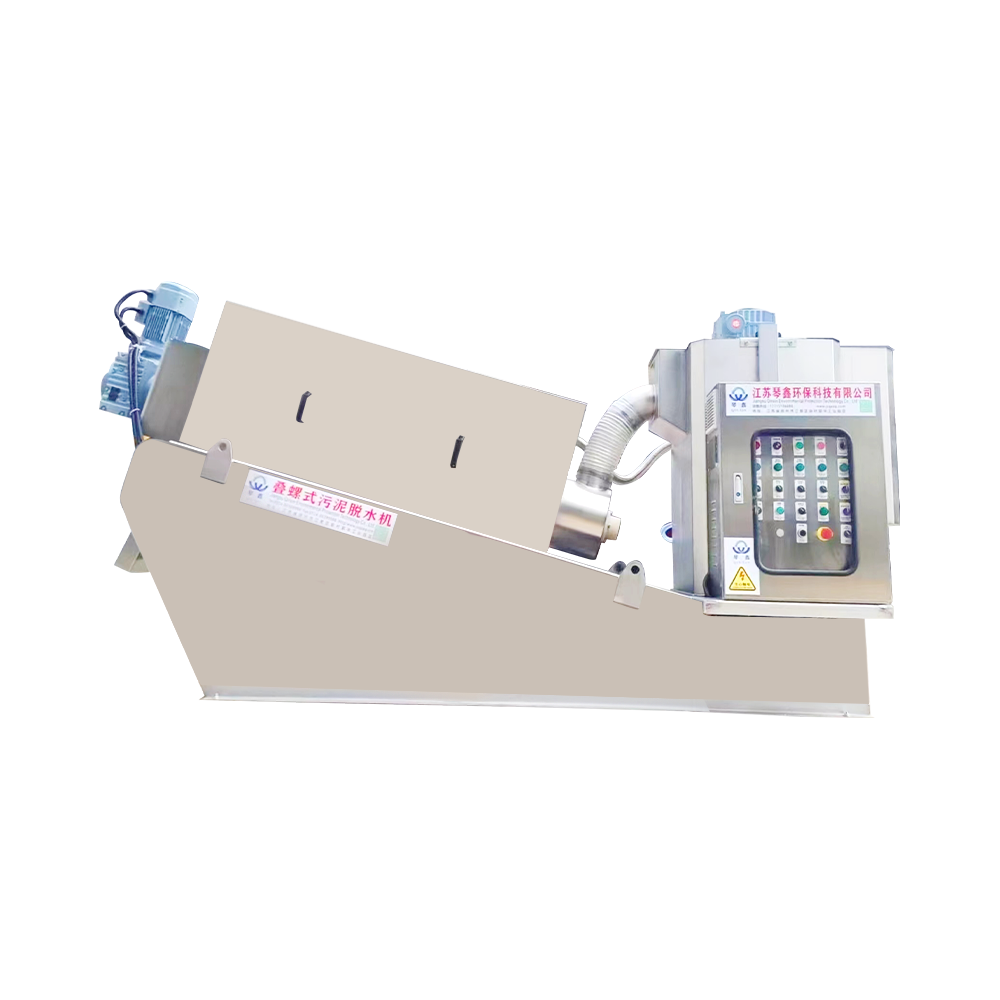
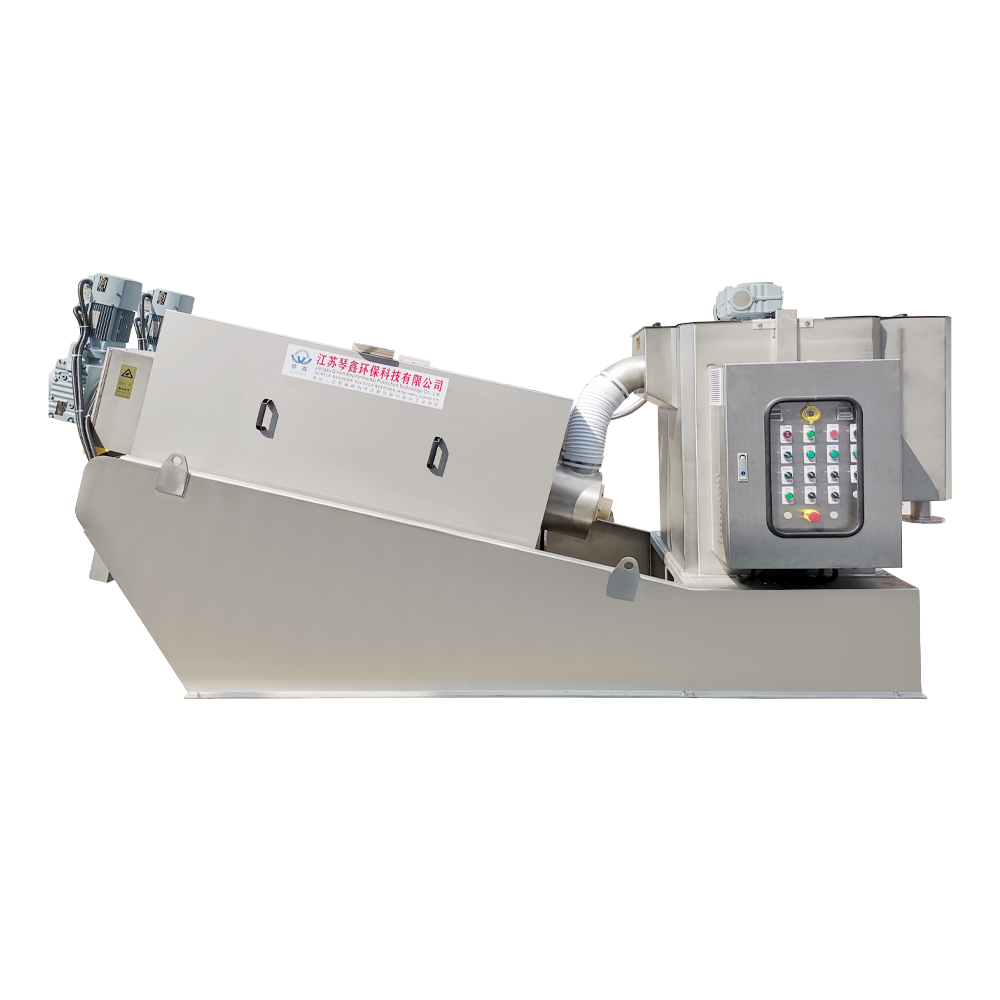
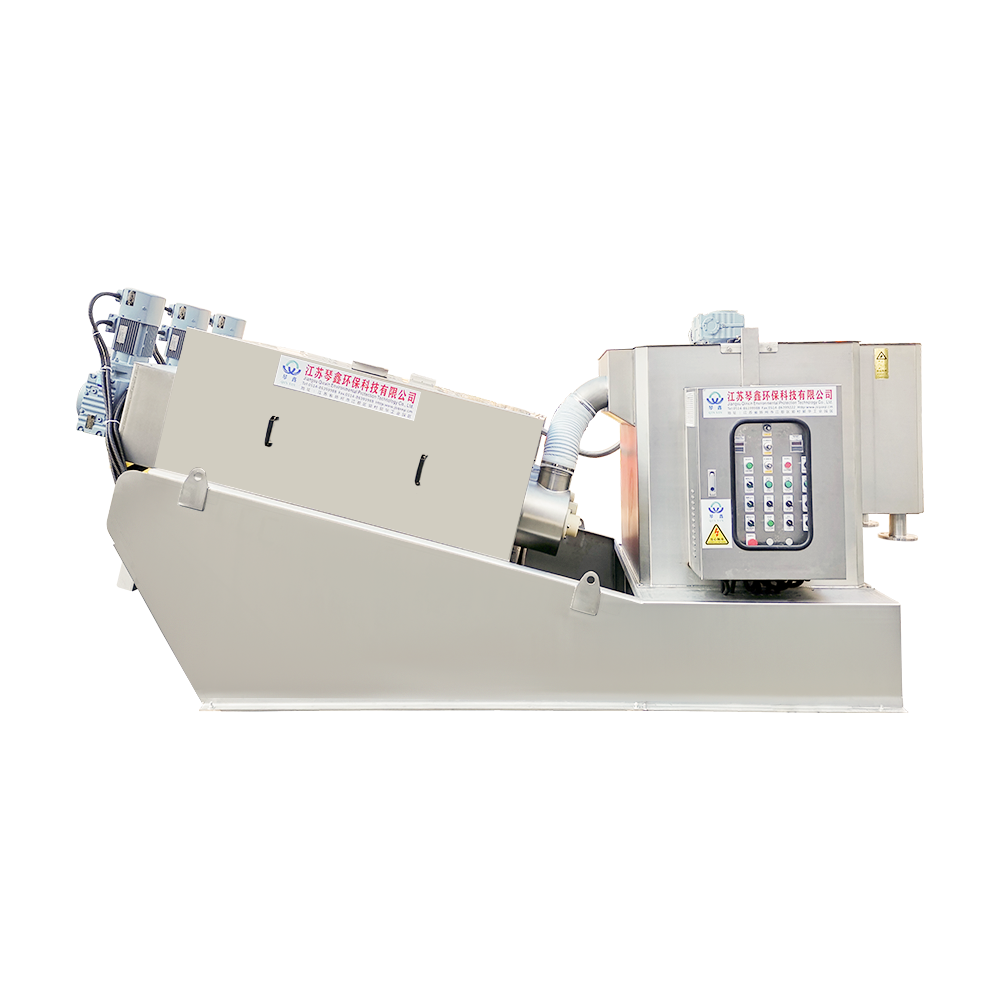
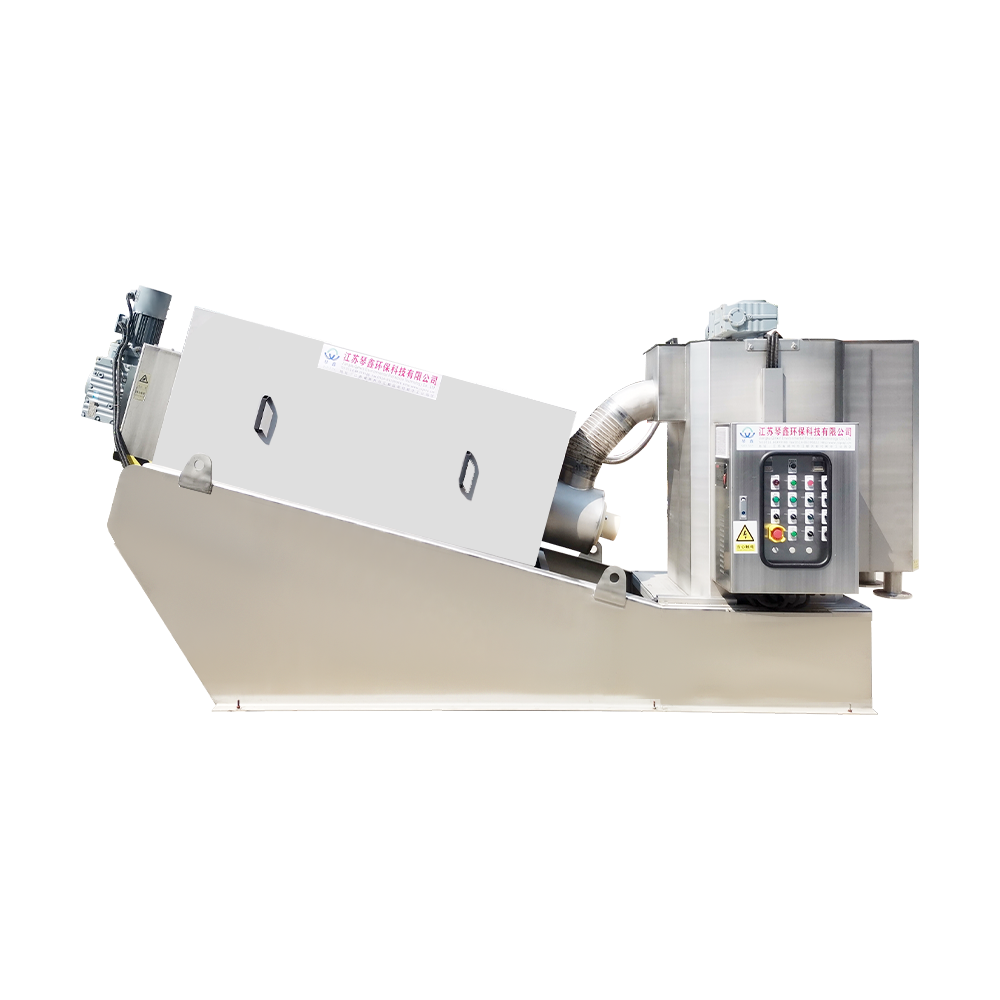
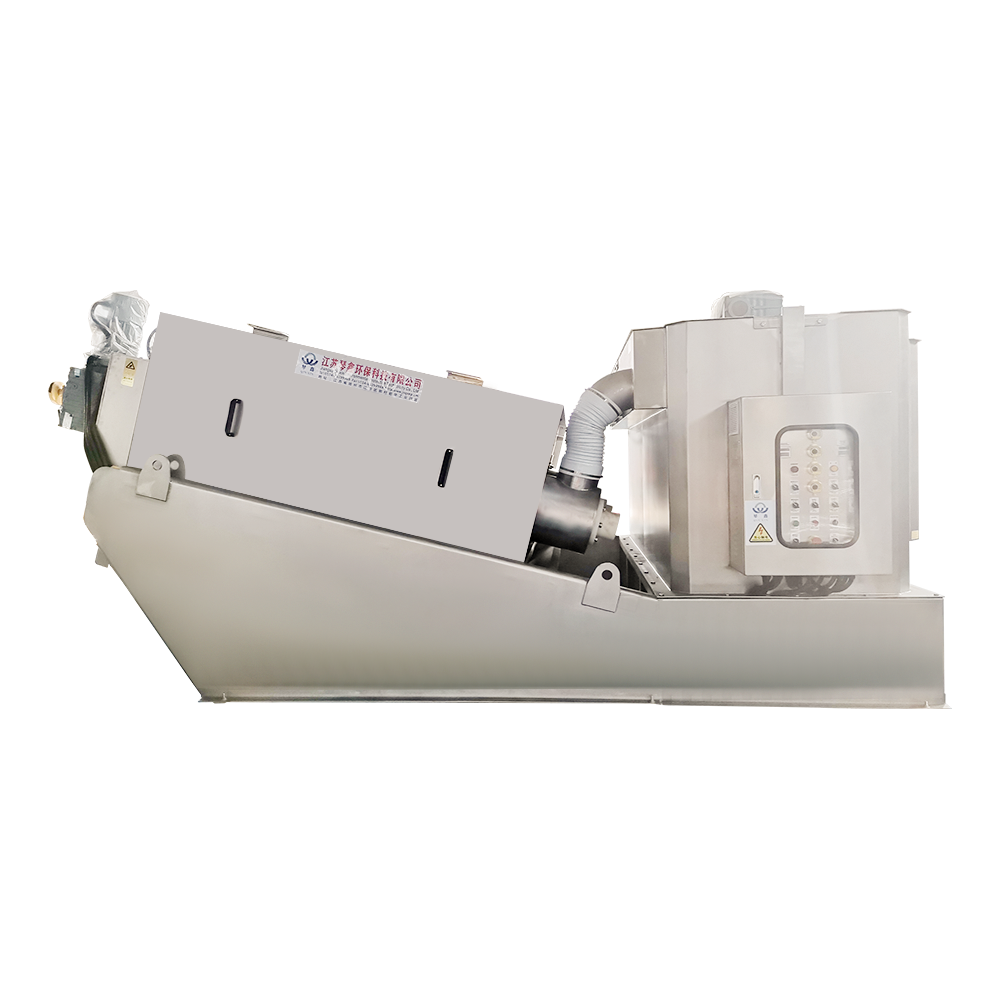
To minimize downtime in sludge dewatering, the mechanical design must account for the "stickiness" of the material. A stacked screw sludge dewatering machine utilizes moving and fixed rings to perform a continuous self-cleaning action. This is significantly more effective than comparing vibrating screen vs screw separators, as vibrating screens often suffer from "near-size" blinding where particles get stuck in the mesh. For 24/7 operations, how to clean a solid liquid separator effectively involves utilizing high-pressure backwash systems that trigger automatically. Understanding solid liquid separator machine capacity limits is also vital; overfeeding the system beyond its rated torque will compress the solids too tightly against the filtration gap, resulting in mechanical seizure.
Operational Sequence for Continuous Operation
- Pre-Filtration: Use coarse screens to remove large debris before the fluid reaches the solid liquid separator machine.
- Torque Monitoring: Utilize PLC controls to adjust the screw speed based on the sludge dewatering efficiency and resistance.
- Automated Backwashing: Program a 30-second high-pressure spray every 2 hours to clear residual fats and oils.
- Thermal Management: For high-fat sludge, consider a sludge low-temperature drying system downstream to manage the output without clogging the primary separator.
| Design Feature | Anti-Clogging Performance | Maintenance Requirement |
| Stacked Screw Rings | Superior (Self-cleaning) | Low (Annual ring inspection) |
| Woven Mesh Screen | Moderate (Static) | High (Requires daily manual wash) |
| Centrifugal Force | High (Liquid phase) | Moderate (Requires frequent balancing) |
3. Predictive Maintenance and Industrial Applications
Predictive maintenance is the cornerstone of preventing solid liquid separator clogging. By monitoring the "cake" moisture content, operators can diagnose solid liquid separator troubleshooting issues before they cause a shutdown. In manure separator machine for aquaculture applications, high fiber content requires specific screen gaps to prevent "bridging." Our team at Yangzhou Qinxin provides heavy duty solid liquid separator parts and technical services to municipal and chemical industries, ensuring that your solid liquid separator machine remains an asset rather than a bottleneck. Based on the high-grade market requirements in Southeast Asia and beyond, we emphasize the integration of IoT sensors for real-time monitoring of pressure differentials across the filter media.
Conclusion: Strategy for 24/7 Success
Maintaining a solid liquid separator machine during continuous operation is a balance of correct chemical dosing, mechanical self-cleaning, and predictive monitoring. By implementing a PAM integrated dosing device for separators and adhering to professional industrial solid liquid separator maintenance protocols, facilities can virtually eliminate unplanned downtime. Yangzhou Qinxin Environmental Protection Technology Co., Ltd. remains committed to providing the technical force and advanced equipment necessary to solve the most complex sewage treatment challenges globally.
Frequently Asked Questions (FAQ)
1. Why does my solid liquid separator machine clog even with thin sludge?
Clogging is often caused by the "blinding" of the screen by fine particles that are not properly flocculated. Ensure your PAM integrated dosing device is correctly calibrated to create larger, more stable flocs.
2. How to clean a solid liquid separator without stopping production?
The best method is to use a machine with an integrated self-cleaning mechanism, such as a stacked screw sludge dewatering machine, which cleans its filtration gaps during the rotation of the screw.
3. What is the impact of solid liquid separator machine capacity on clogging?
Operating consistently at 100% capacity increases the risk of clogging. It is technically safer to operate at 80% capacity to allow the solid liquid separator flow rate to handle minor fluctuations in solids concentration.
4. Comparing screw press vs centrifuge for wastewater: which is more durable?
A screw press solid liquid separator machine typically has lower wear parts and operates at lower speeds (2-5 RPM), making it more durable for abrasive manure separator machine for aquaculture applications than a high-speed centrifuge.
5. How do I know when to replace heavy duty solid liquid separator parts?
Monitor the moisture content of the solid output. If the "cake" becomes noticeably wetter despite consistent dosing, it usually indicates that the screw or rings have worn down, reducing the compression ratio.
Industry References
- ISO 14001:2015 - Environmental Management Systems — Requirements with guidance for use.
- WEF (Water Environment Federation): "Wastewater Treatment Plant Design and Operation Standards."
- Qinxin Technical Research: "Optimal Dosing Ratios for Stacked Screw Dewatering in Municipal Sludge" (2025).
- ASEAN Environmental Standards for Industrial Wastewater Recovery and Filtration.

 TOP
TOP