
 ENG
ENG
 English
 русский
 Español
 Tiếng Việt
 ไทย
ไทย
Article Directory
- 1 1. Operational Efficiency and Energy Consumption
- 2 2. Maintenance and Lifecycle OPEX Analysis
- 3 3. Application-Specific Performance and Footprint
- 4 Conclusion: The Intelligent Investment
- 4.1 Frequently Asked Questions (FAQ)
- 4.1.1 1. Is the sludge screw press suitable for low-concentration sludge?
- 4.1.2 2. How does PAM dosing for sludge dewatering machines affect cost?
- 4.1.3 3. What is the average sludge screw press spare parts longevity?
- 4.1.4 4. Why choose a sludge screw press for oily sludge?
- 4.1.5 5. Can installing a sludge screw press in small wastewater plants save on construction costs?
- 4.2 Industry References
- 4.1 Frequently Asked Questions (FAQ)
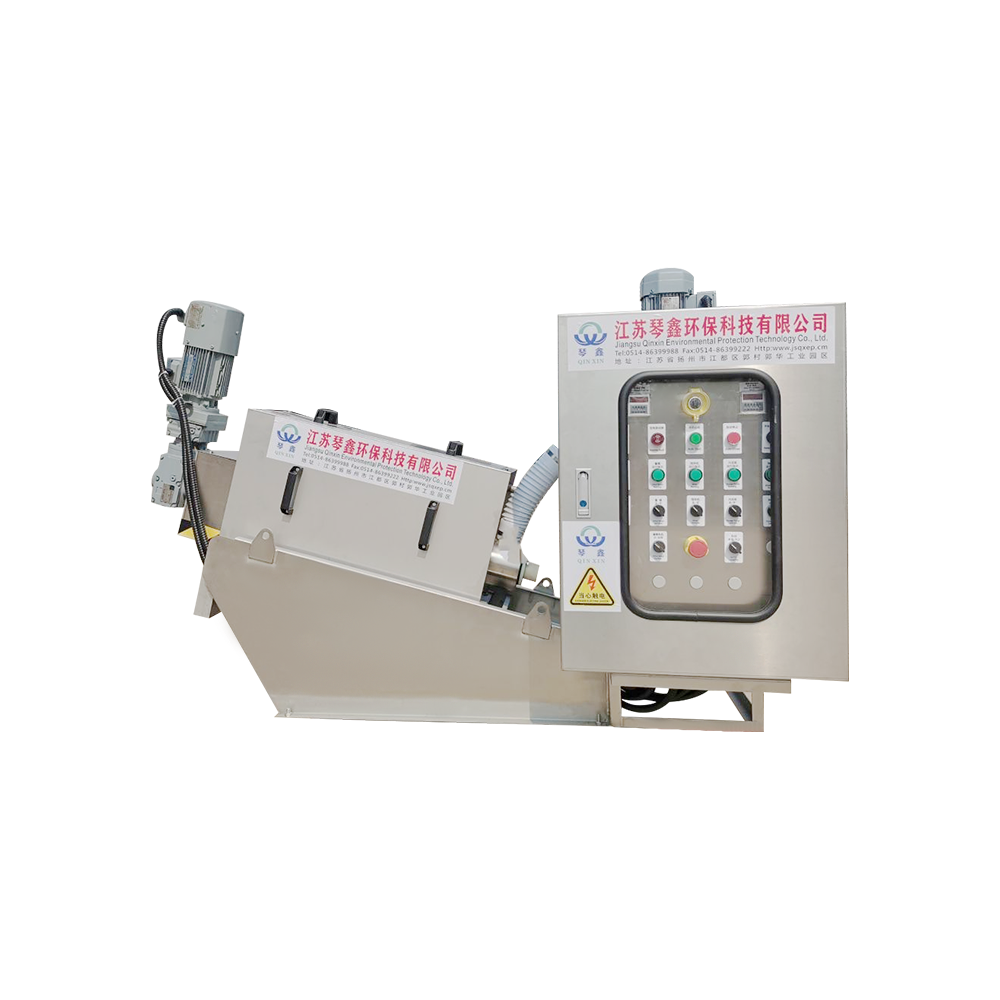
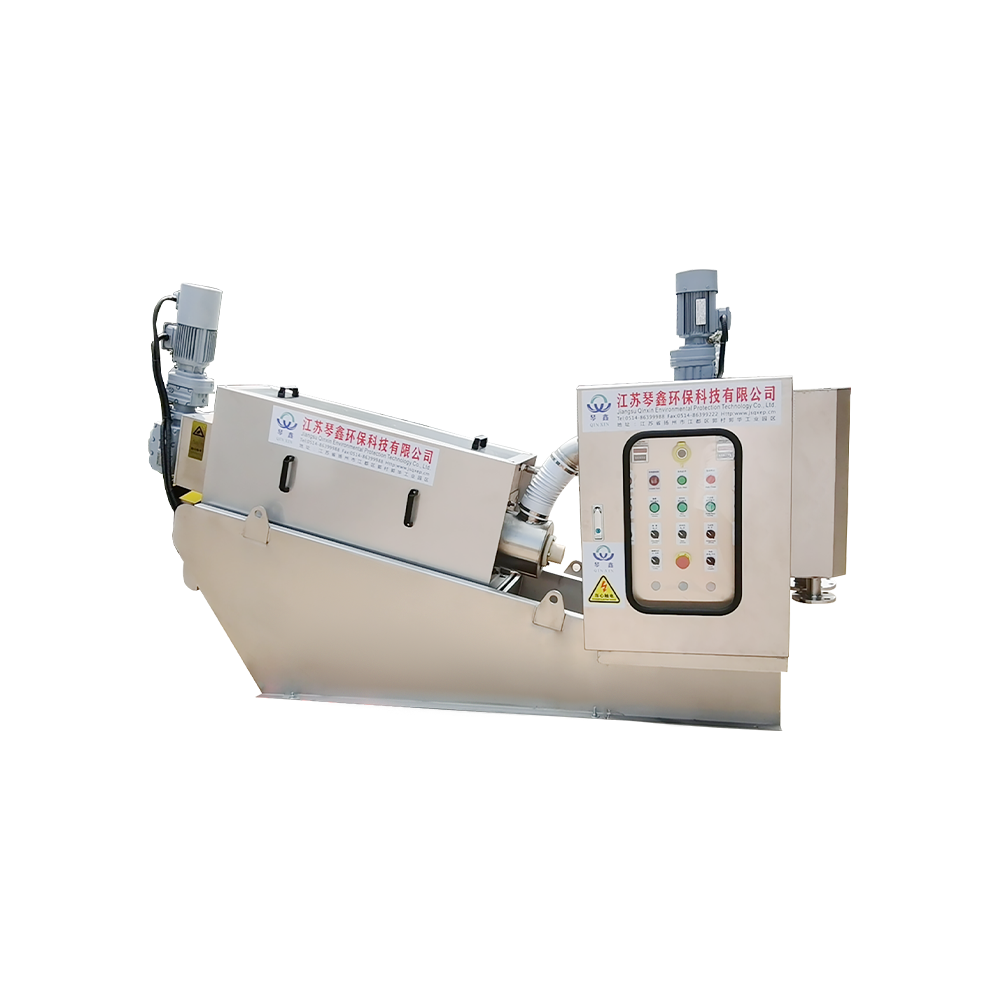
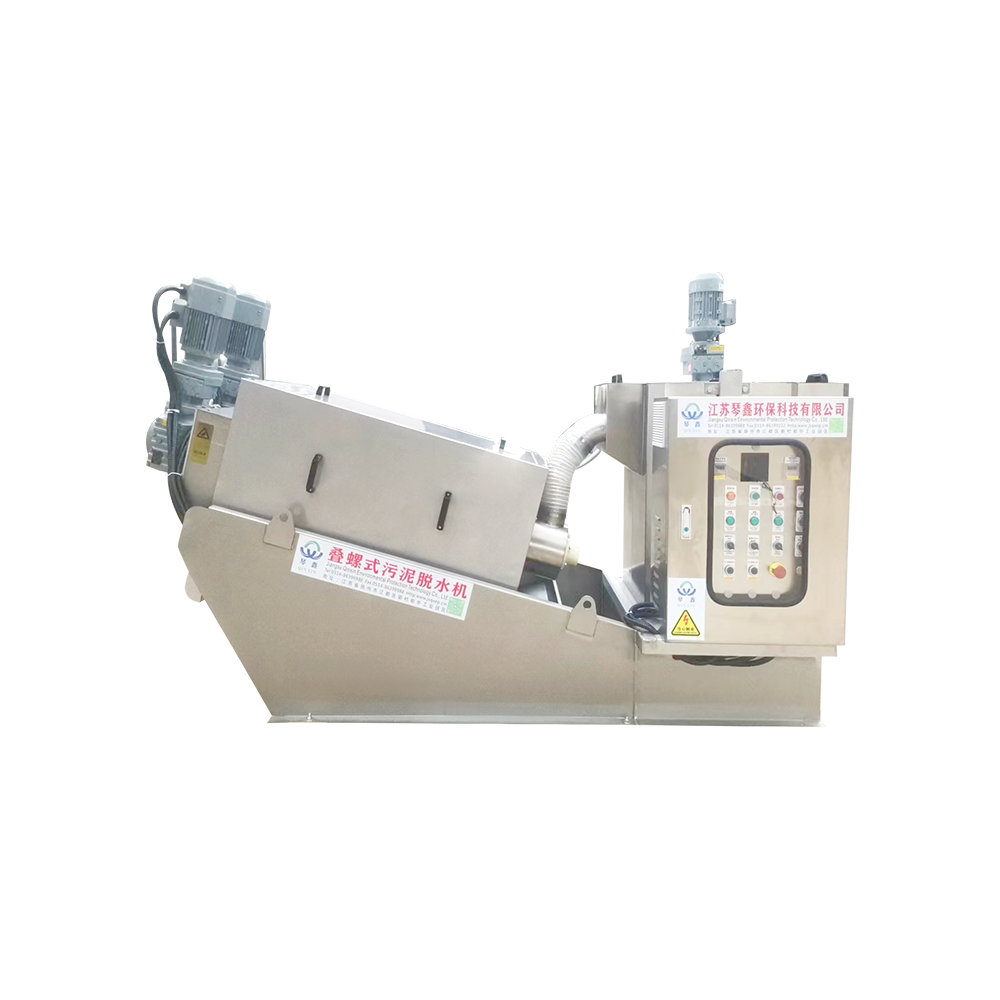
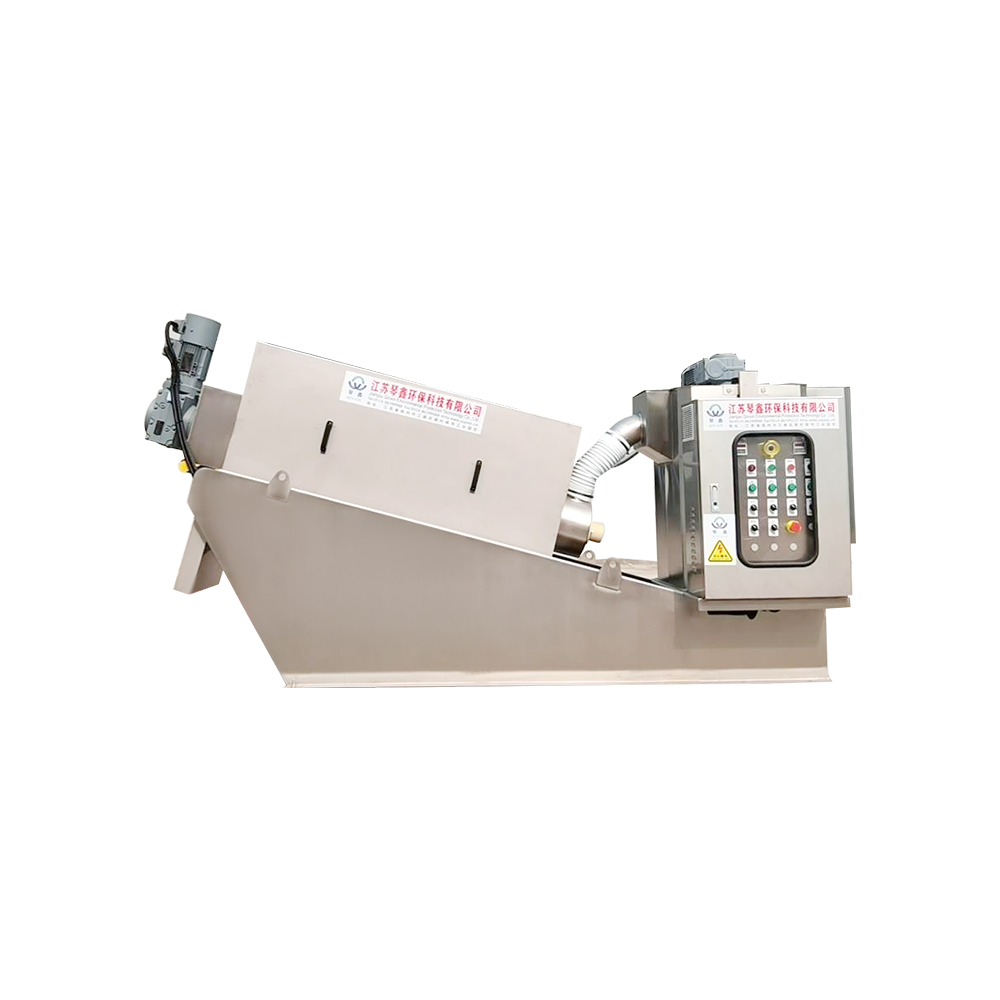
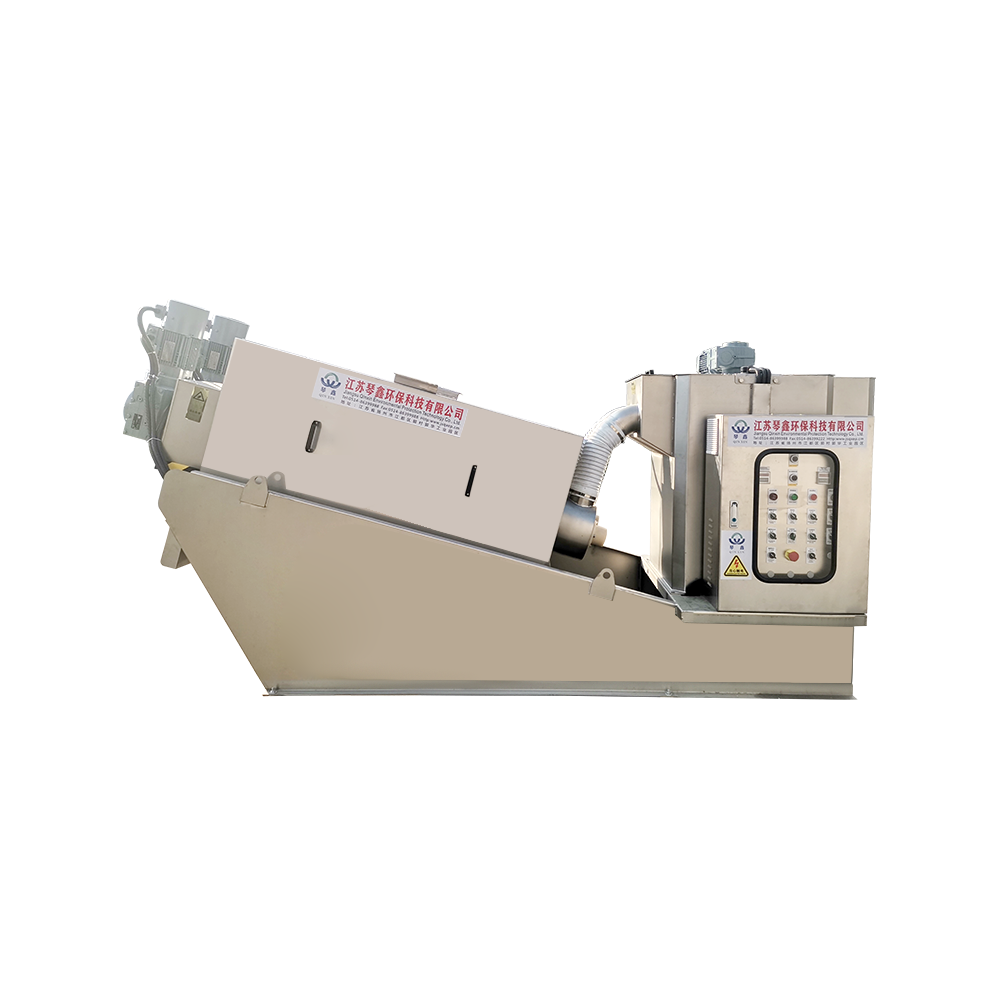
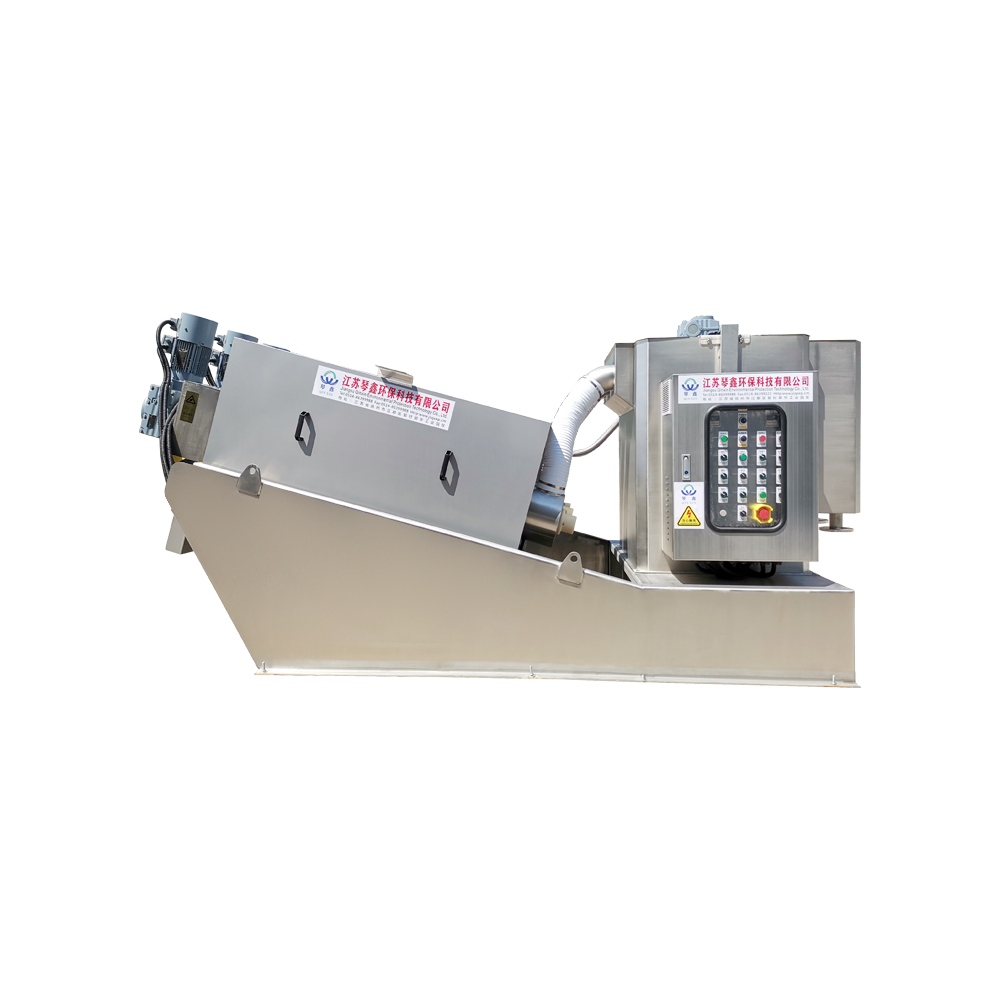
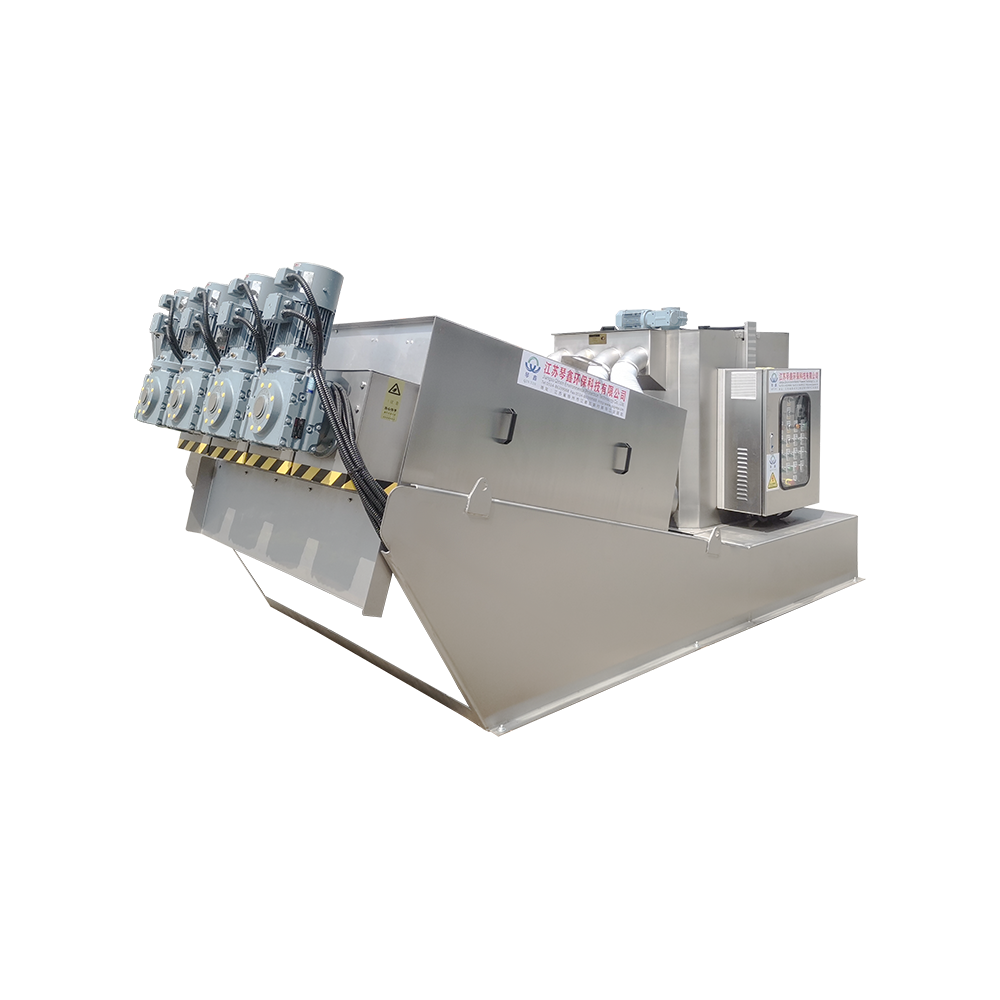
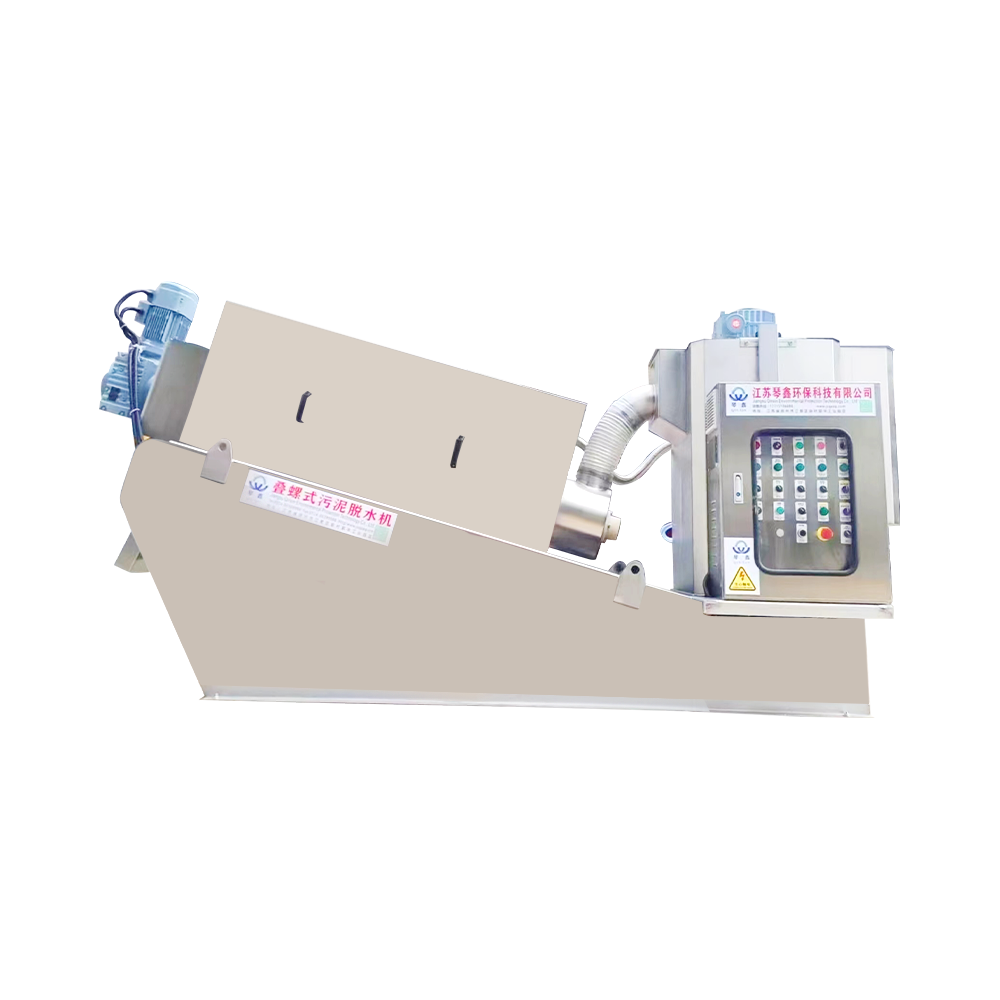
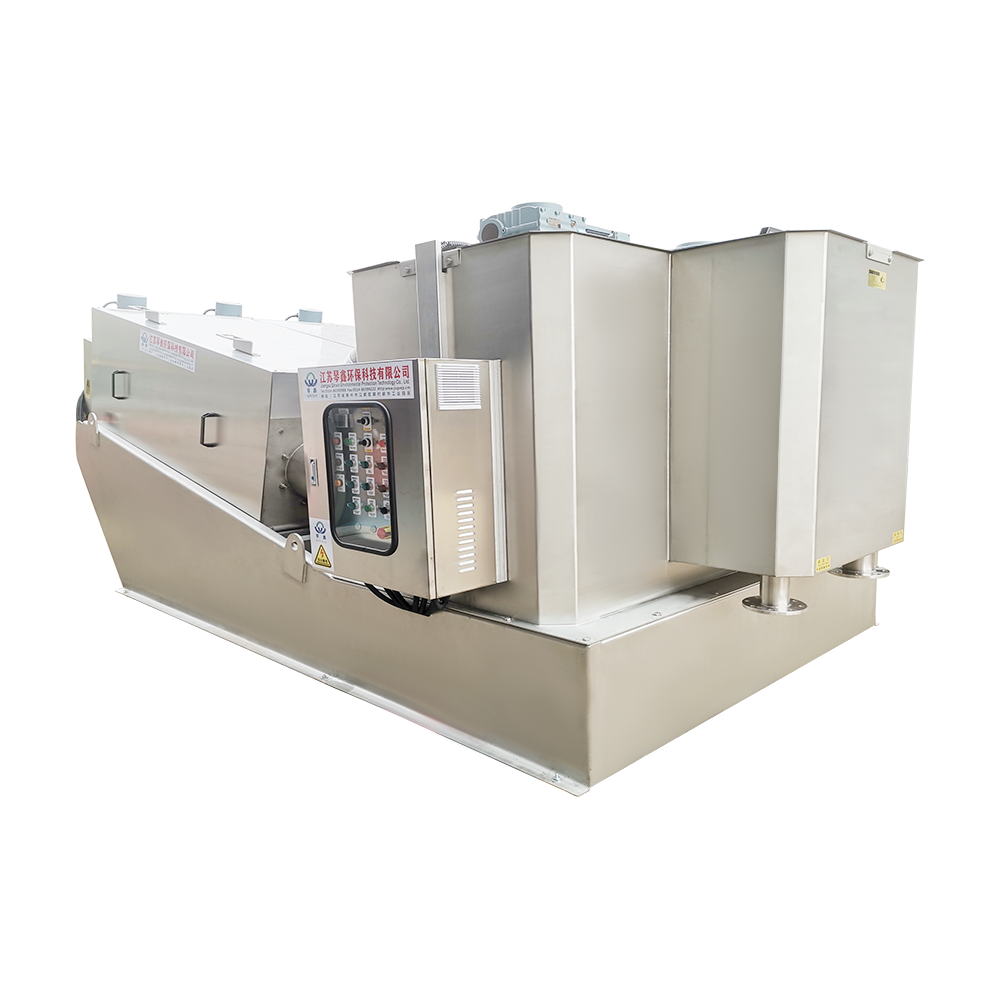
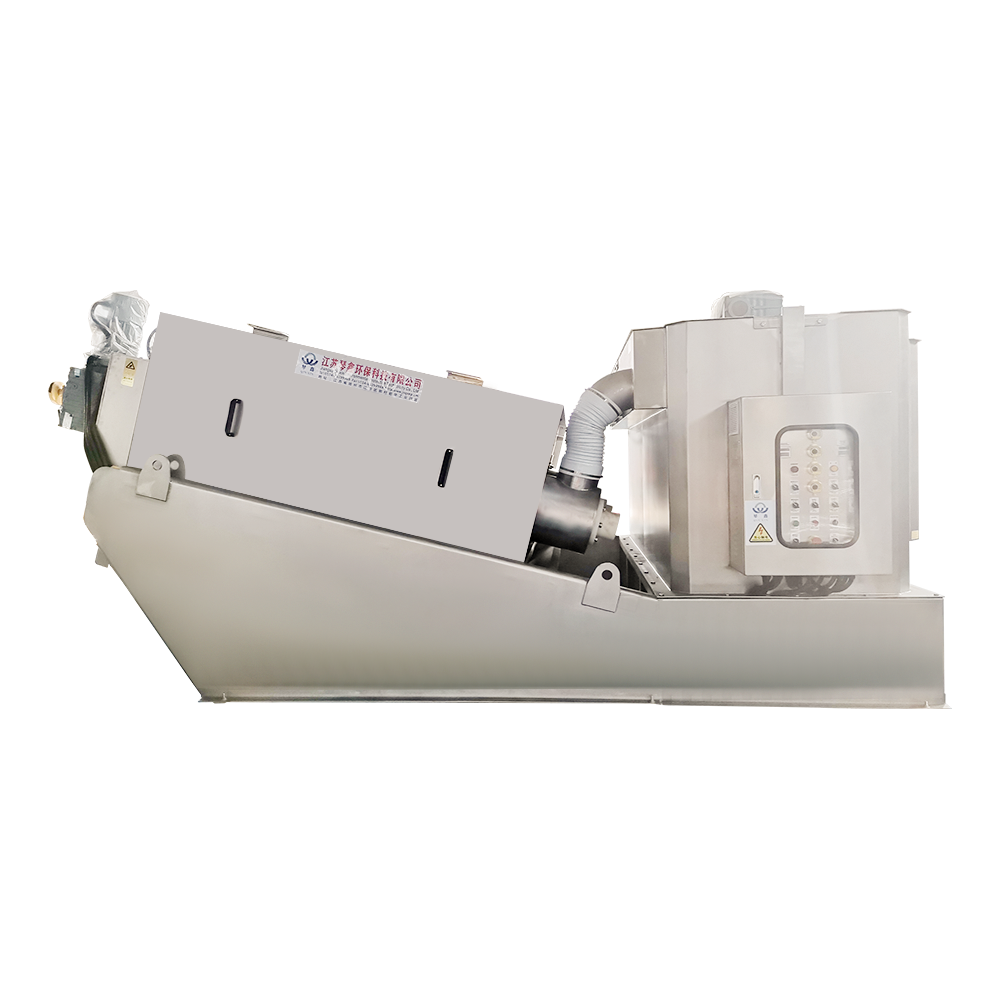
In the landscape of industrial wastewater management, selecting the optimal dewatering technology is a critical decision that impacts both environmental compliance and the corporate bottom line. For decades, the belt filter press was the industry standard; however, the emergence of the sludge screw press has redefined efficiency benchmarks. Yangzhou Qinxin Environmental Protection Technology Co., Ltd., a leading AAA-level enterprise, specializes in the R&D and manufacturing of advanced sludge screw press systems. Serving diverse sectors from petrochemicals to food processing and aquaculture, our patented technologies are engineered to optimize solid-liquid separation. This technical analysis provides an engineer-level comparison of the sludge screw press vs belt filter press cost, focusing on operational expenditures (OPEX), maintenance cycles, and long-term ROI.
1. Operational Efficiency and Energy Consumption
From a purely mechanical standpoint, the sludge screw press operates at significantly lower rotational speeds than centrifugal or belt-driven systems. This low-speed operation directly translates to reduced energy consumption. When comparing energy consumption of screw press vs belt press, the screw press typically consumes only 5% to 10% of the power required by a belt press of equivalent capacity. Furthermore, sludge screw press water consumption for cleaning is remarkably low due to its self-cleaning mechanism, which prevents the clogging issues common in filter cloths. In contrast, belt filter presses require high-pressure continuous wash water, significantly increasing the hydraulic load on the industrial wastewater treatment equipment.
Energy and Utility Efficiency Comparison
- Power Consumption: The screw press utilizes a low-gear motor, whereas the belt press requires multiple high-power drives for tensioning and washing.
- Wash Water Requirements: The sludge dewatering machine with a stacked screw design uses intermittent, low-pressure rinsing.
| Operational Factor | Belt Filter Press | Sludge Screw Press |
| Power Usage (kW/h) | High (1.5 - 3.0 typical) | Extremely Low (0.1 - 0.5 typical) |
| Wash Water Demand | Continuous High Pressure | Intermittent Low Pressure |
| Noise Level (dB) | Moderate (75-85) | Very Low (<65) |
2. Maintenance and Lifecycle OPEX Analysis
Long-term cost-effectiveness is often determined by the frequency and complexity of maintenance. The maintenance cost of sludge screw press systems is inherently lower because they lack the high-wear components found in belt presses, such as filter belts, rollers, and bearings that are constantly exposed to corrosive sludge. For engineers choosing a sludge screw press for oily sludge, the benefit is even more pronounced; oily residues quickly blind belt filter cloths, leading to frequent downtime. Conversely, the sludge screw press for food processing wastewater utilizes a gap-based filtration system that handles grease with high efficiency. Furthermore, sludge screw press spare parts longevity is superior, with the main screw and rings often lasting several years before requiring inspection.
Maintenance Sequence and Impact
- Component Wear: Belt presses require frequent belt replacements (every 3-9 months), while screw rings are designed for multi-year lifecycles.
- Labor Intensity: The automatic sludge screw press operation allows for "set and forget" management, whereas belt presses often require a dedicated operator for tension monitoring.
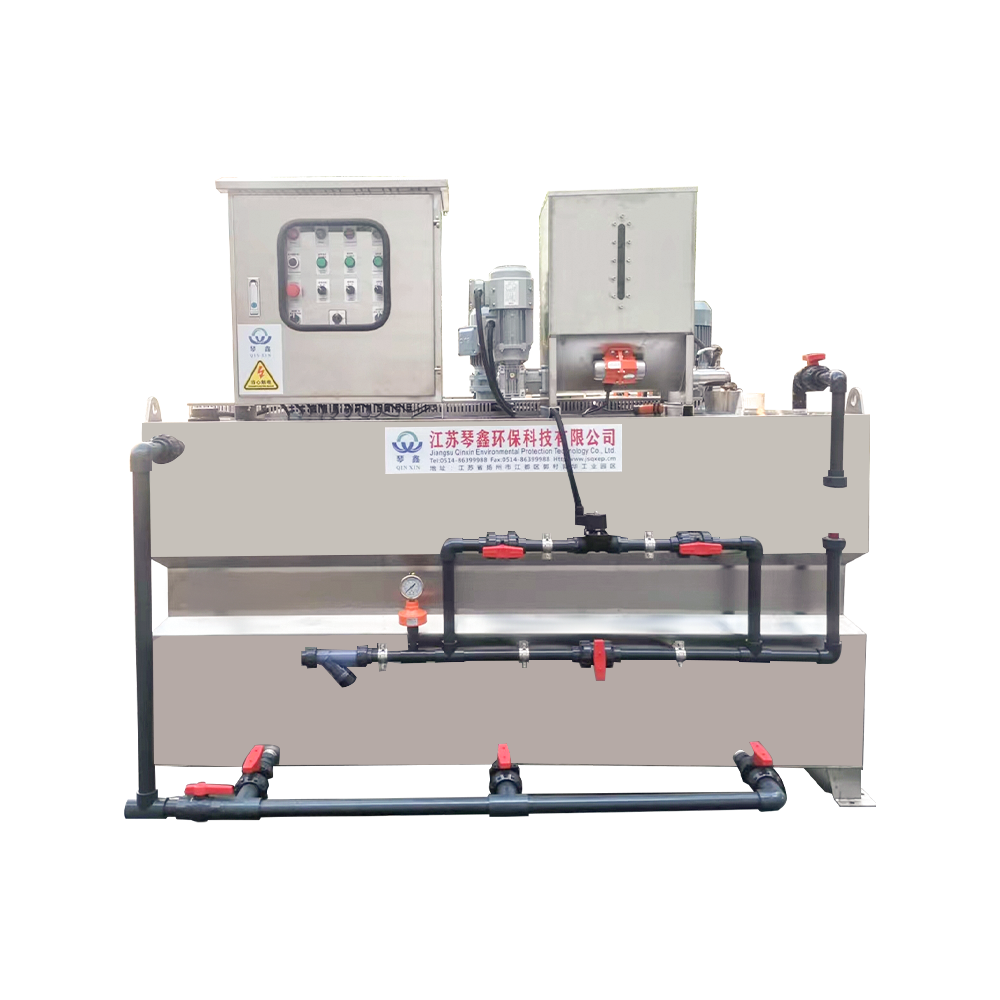
- Chemical Usage: PAM dosing for sludge dewatering machines is often more precise in screw presses, reducing chemical waste.
- Operator SupervisionRequired (High)Minimal (Automated)
| Maintenance Item | Belt Filter Press | Sludge Screw Press |
| Wear Part Frequency | High (Belts/Rollers) | Low (Fixed/Moving Rings) |
| System Downtime | Frequent for cleaning/tensioning | Very Low (Self-cleaning) |
3. Application-Specific Performance and Footprint
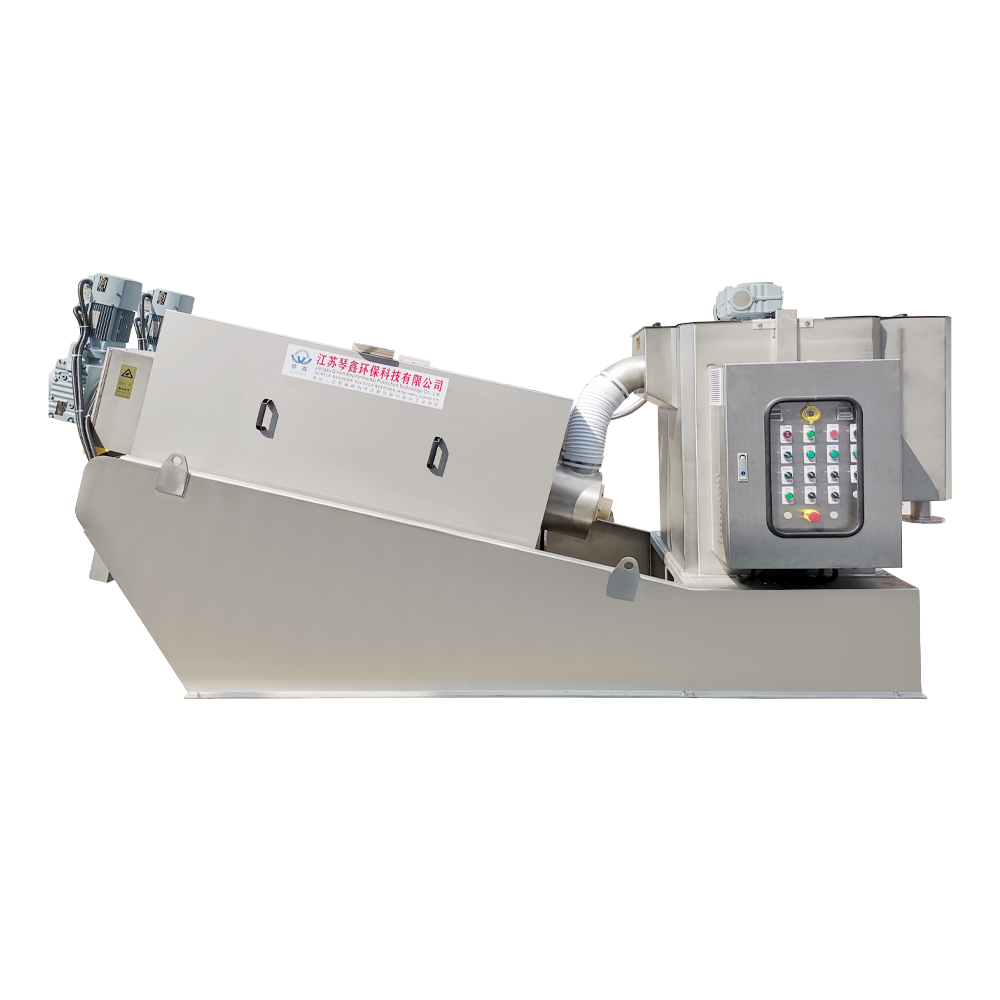
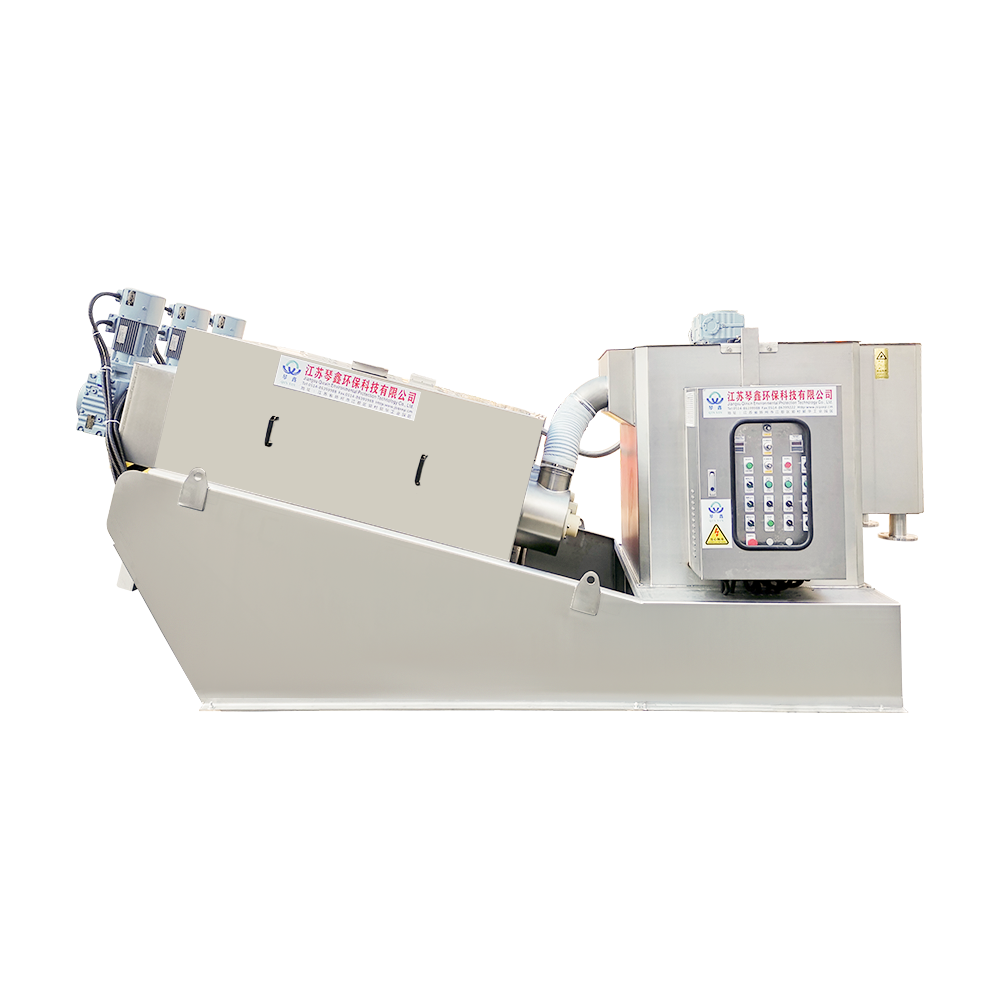
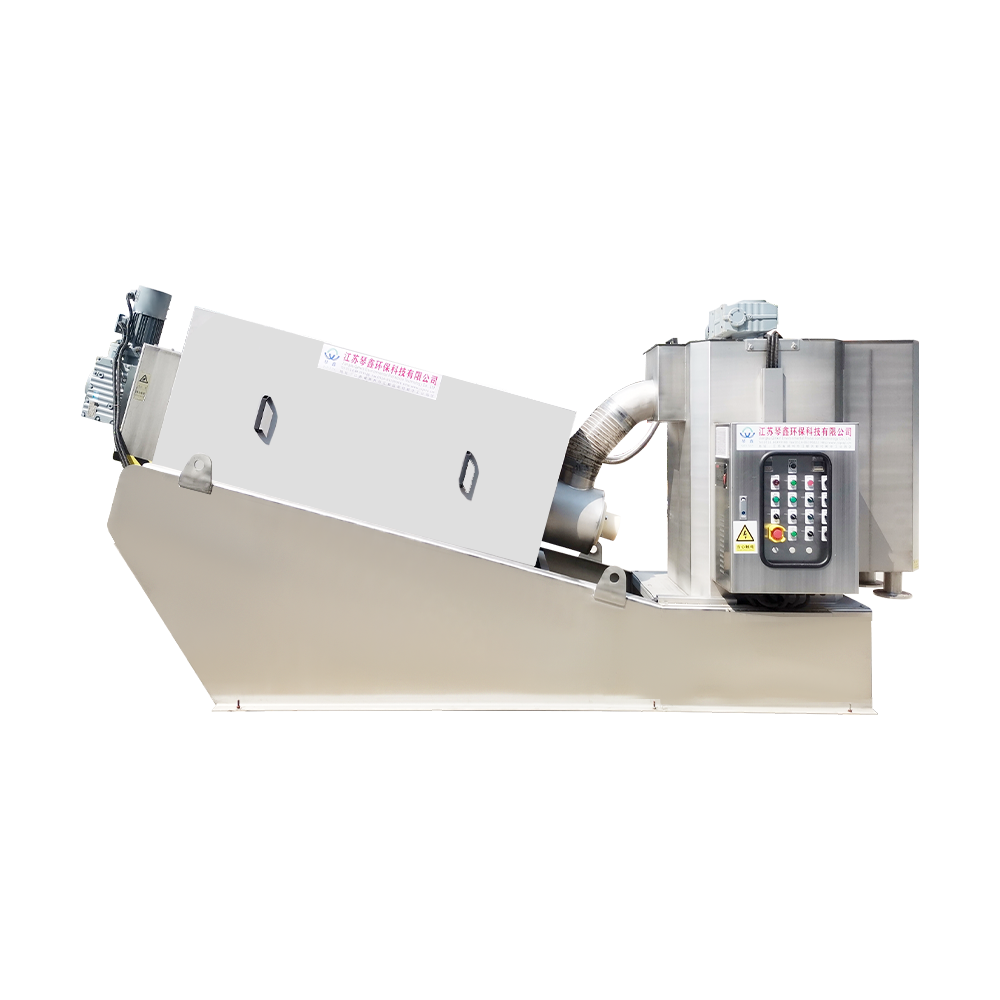
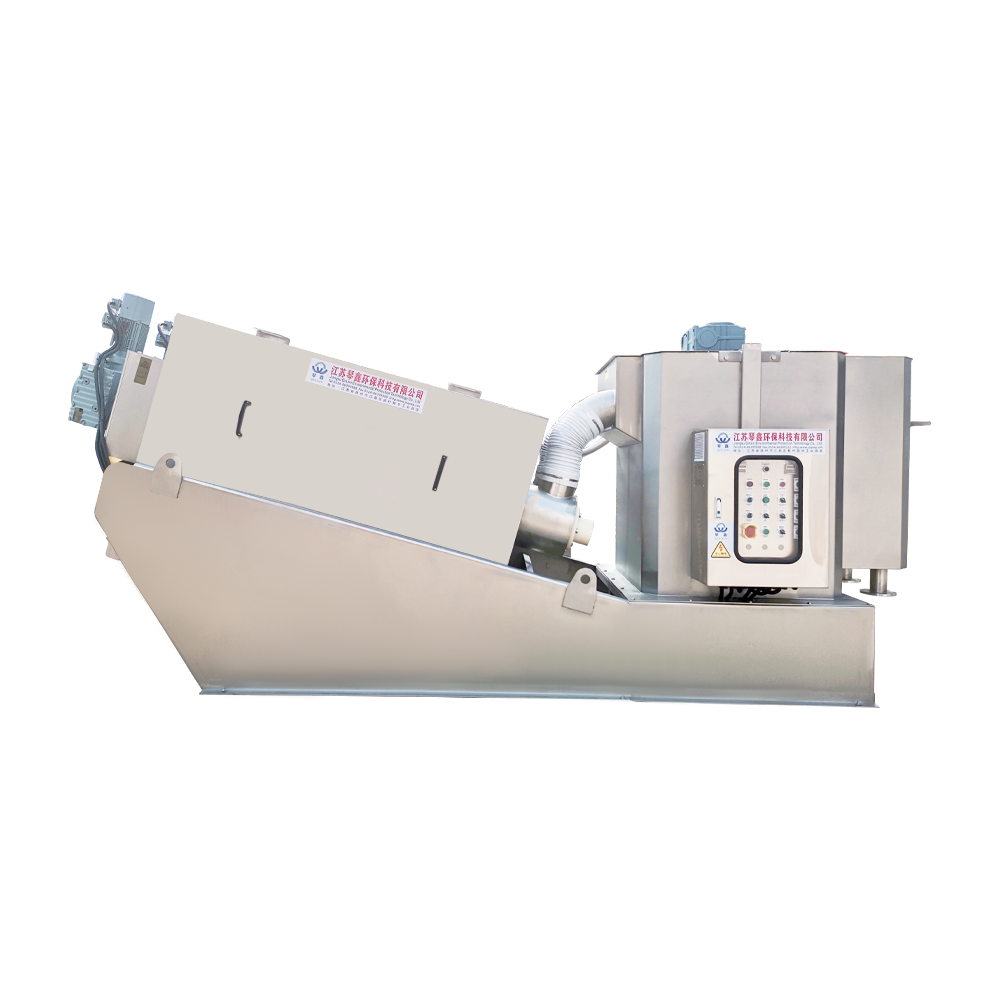
The total cost of ownership must also account for the civil engineering and space requirements. The sludge screw press features a compact, integrated design that includes the flocculation tank, significantly reducing the footprint compared to the expansive horizontal layout of a belt press. This makes installing a sludge screw press in small wastewater plants highly economical in terms of construction costs. When considering sludge screw press performance for municipal sludge, the ability to handle low-concentration sludge (as low as 2000mg/L) directly from the aeration tank eliminates the need for a thickening tank, further reducing wastewater treatment plant CAPEX.
Strategic Advantages in Industrial Sectors
- Oily Sludge Capability: The screw press excels in petrochemical and kitchen waste sectors where belts fail.
- Automation Integration: Our automatic sludge screw press operation integrates seamlessly with modern PLC systems for smart factory management.
Conclusion: The Intelligent Investment
While the initial purchase price of a belt filter press may occasionally be lower, the sludge screw press vs belt filter press cost analysis over a 5 to 10-year period clearly favors the screw press. With dramatic savings in energy, water, and labor, the sludge screw press represents the most cost-effective and environmentally sustainable solution for modern industrial wastewater treatment. Yangzhou Qinxin Environmental Protection Technology Co., Ltd. remains committed to providing high-end, patented equipment that helps our global partners achieve excellence in environmental protection.
Frequently Asked Questions (FAQ)
1. Is the sludge screw press suitable for low-concentration sludge?
Yes. Unlike traditional methods, the sludge screw press for municipal sludge can handle concentrations from 2,000mg/L to 50,000mg/L, often removing the need for pre-thickening stages.
2. How does PAM dosing for sludge dewatering machines affect cost?
Efficient flocculation is key. An integrated dosing system ensures that only the necessary amount of polymer is used, which reduces the OPEX of the sludge screw press compared to less precise systems.
3. What is the average sludge screw press spare parts longevity?
Under standard operating conditions, the moving and fixed rings of a high-quality sludge dewatering machine can last 2-4 years, while the screw itself can last even longer depending on the abrasiveness of the sludge.
4. Why choose a sludge screw press for oily sludge?
Belt presses fail as oil clogs the cloth pores. The sludge screw press utilizes a self-cleaning stack of rings that physically clears residues during every rotation, maintaining high throughput in oily environments.
5. Can installing a sludge screw press in small wastewater plants save on construction costs?
Absolutely. Due to its compact footprint and integrated flocculation tank, the required floor space and civil engineering costs are significantly lower than those of a belt filter press system.
Industry References
- Water Environment Federation (WEF). "Wastewater Treatment Plant Design Handbook."
- Environmental Protection Agency (EPA). "Biosolids Technology Fact Sheet: Belt Filter Press & Screw Press."
- Yangzhou Qinxin Technical R&D. "Comparative Analysis of Energy Consumption in Stacked Screw Dewatering Systems" (2024).
- International Organization for Standardization. "ISO 14001: Environmental Management Systems."

 TOP
TOP