
 ENG
ENG
 English
 русский
 Español
 Tiếng Việt
 ไทย
ไทย
Article Directory
- 1 Kinematic Principles of the Self-Cleaning Ring Manifold
- 2 Preventing Clogging in Viscous and Oily Sludge Applications
- 3 Optimizing Throughput via Precision Ring Clearance
- 4 FAQ
- 4.1 How often does the spray bar activate in a self-cleaning screw press?
- 4.2 Can the moving rings wear out over time?
- 4.3 What prevents the screw shaft from clogging internally?
- 4.4 Is the self-cleaning function effective for fibrous sludge (e.g., papermaking)?
- 4.5 Does the self-cleaning feature increase power consumption?
- 5 Technical References
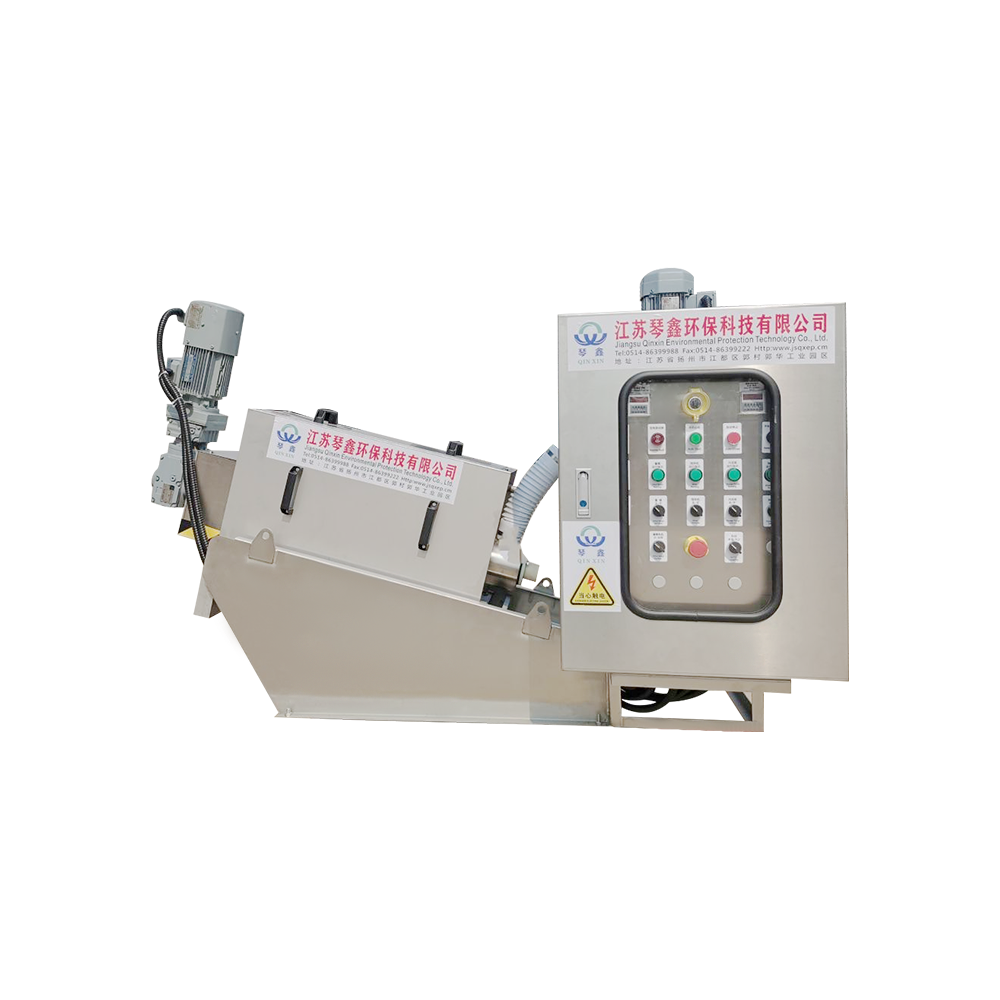
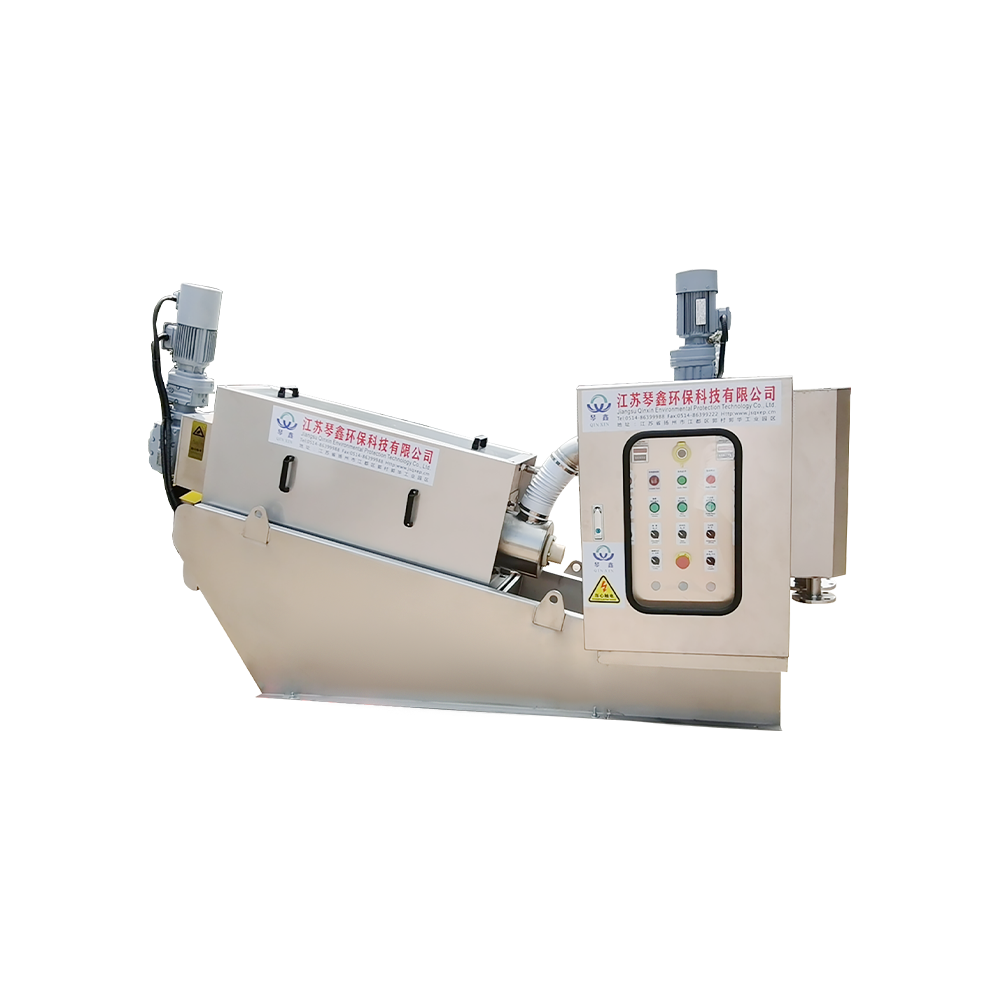
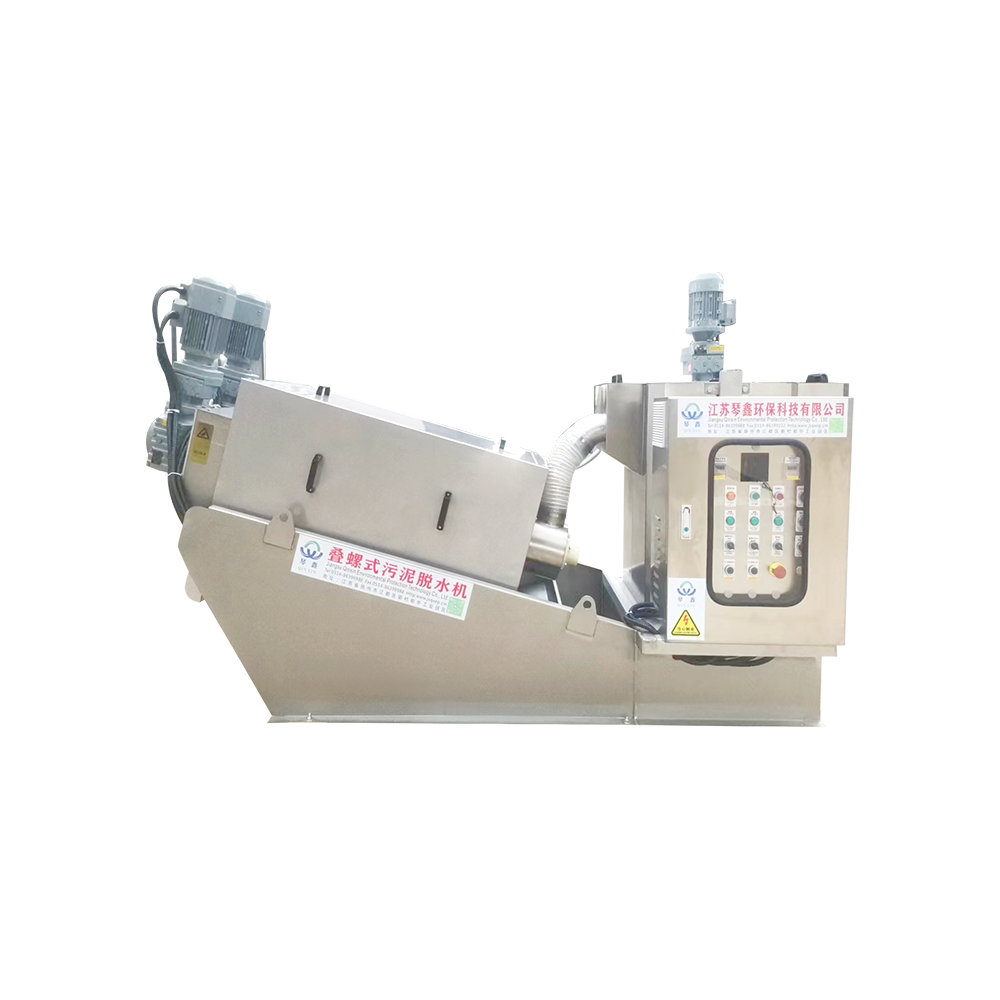
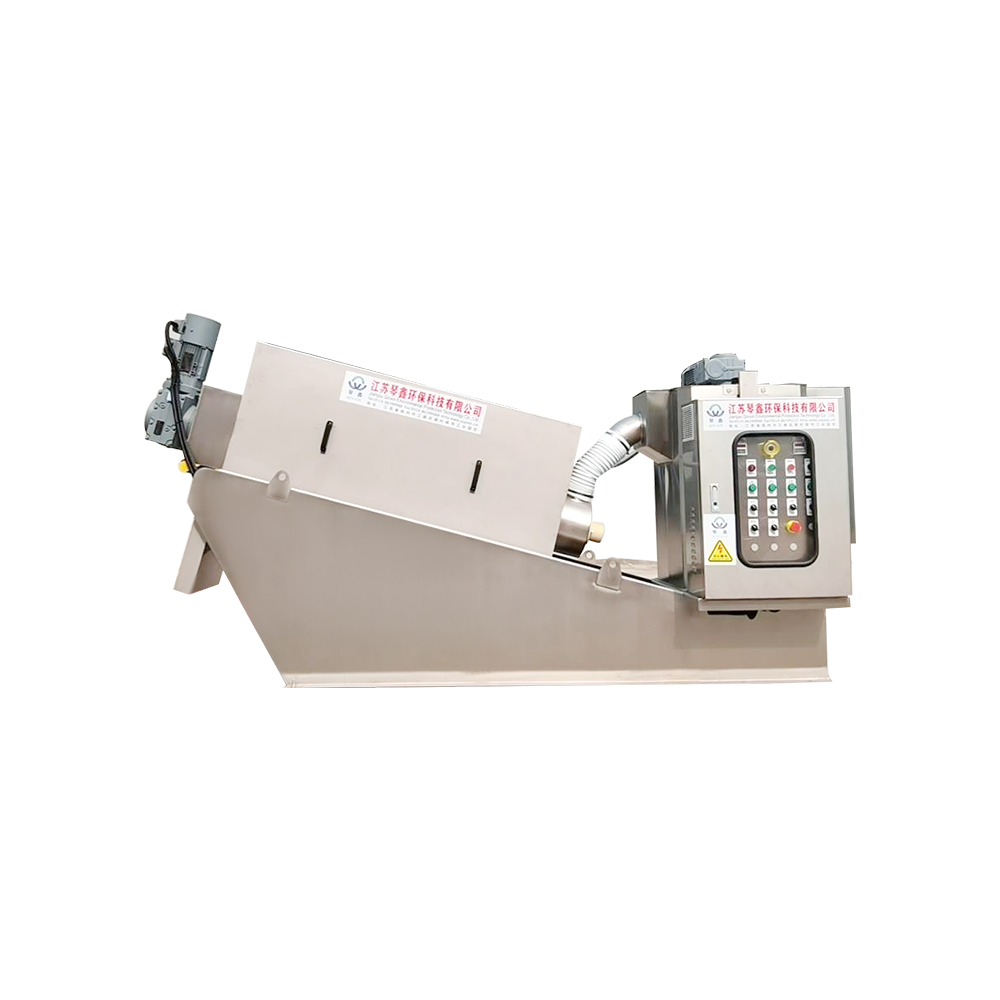
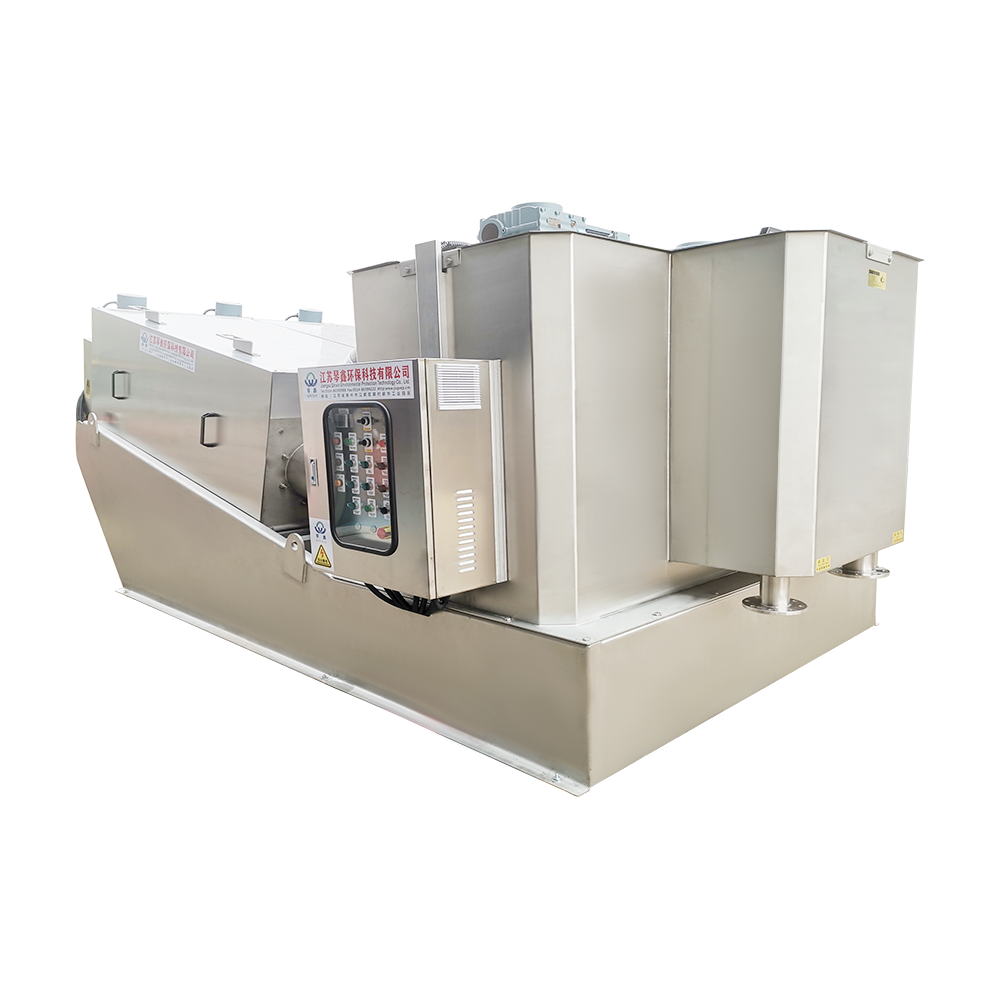
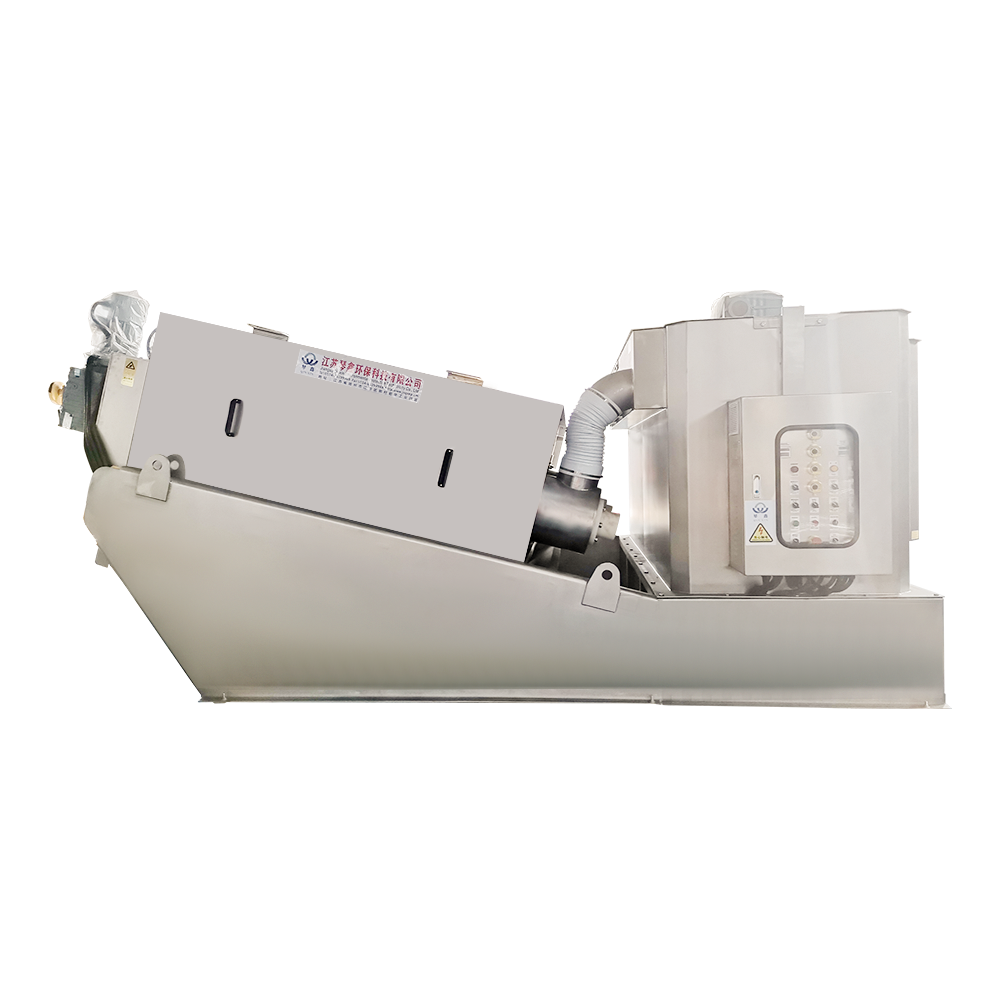
In modern wastewater treatment, the operational efficiency of a sludge dewatering screw press is fundamentally tied to its ability to maintain an unobstructed filtrate discharge path. Unlike traditional centrifugal or belt-press systems, the screw press utilizes a unique structure of fixed and moving rings to achieve solid-liquid separation. A critical engineering feature of this equipment is the automated self-cleaning function, which is essential for preventing the accumulation of viscous solids and ensuring continuous, unattended operation.
Kinematic Principles of the Self-Cleaning Ring Manifold
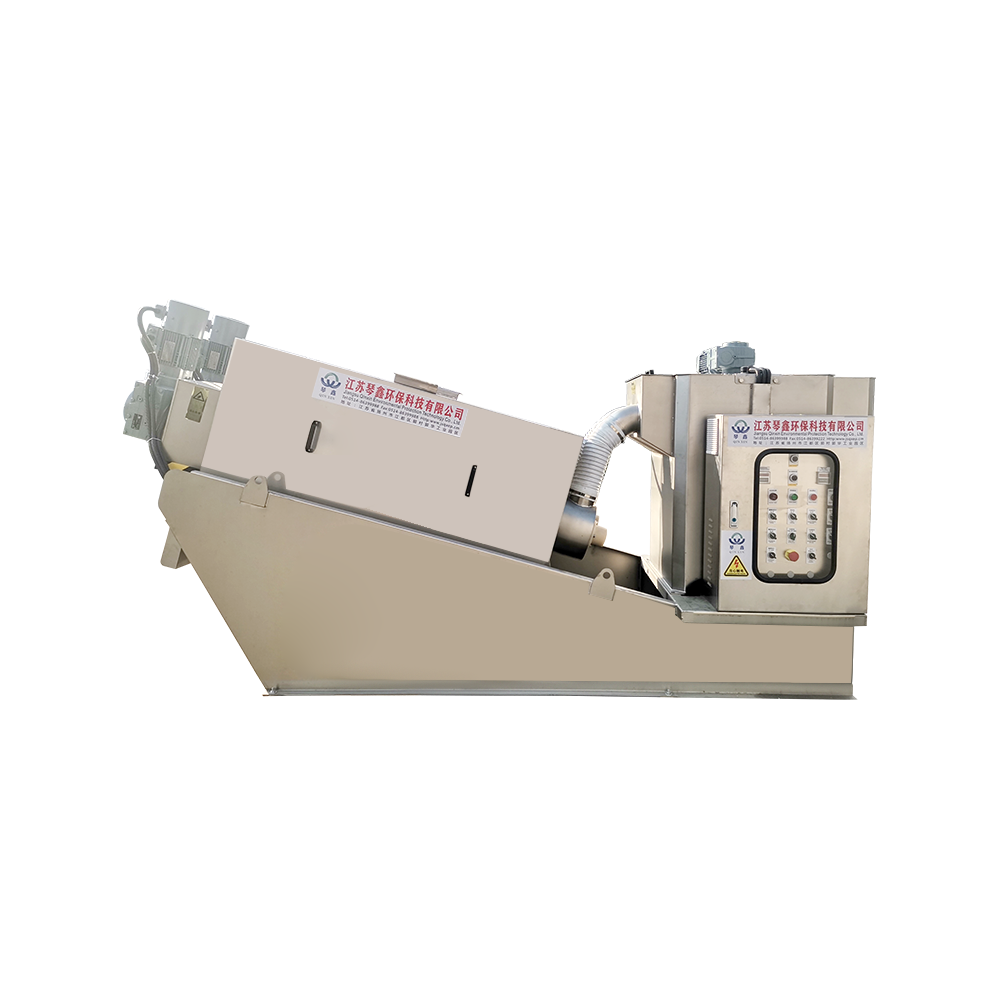
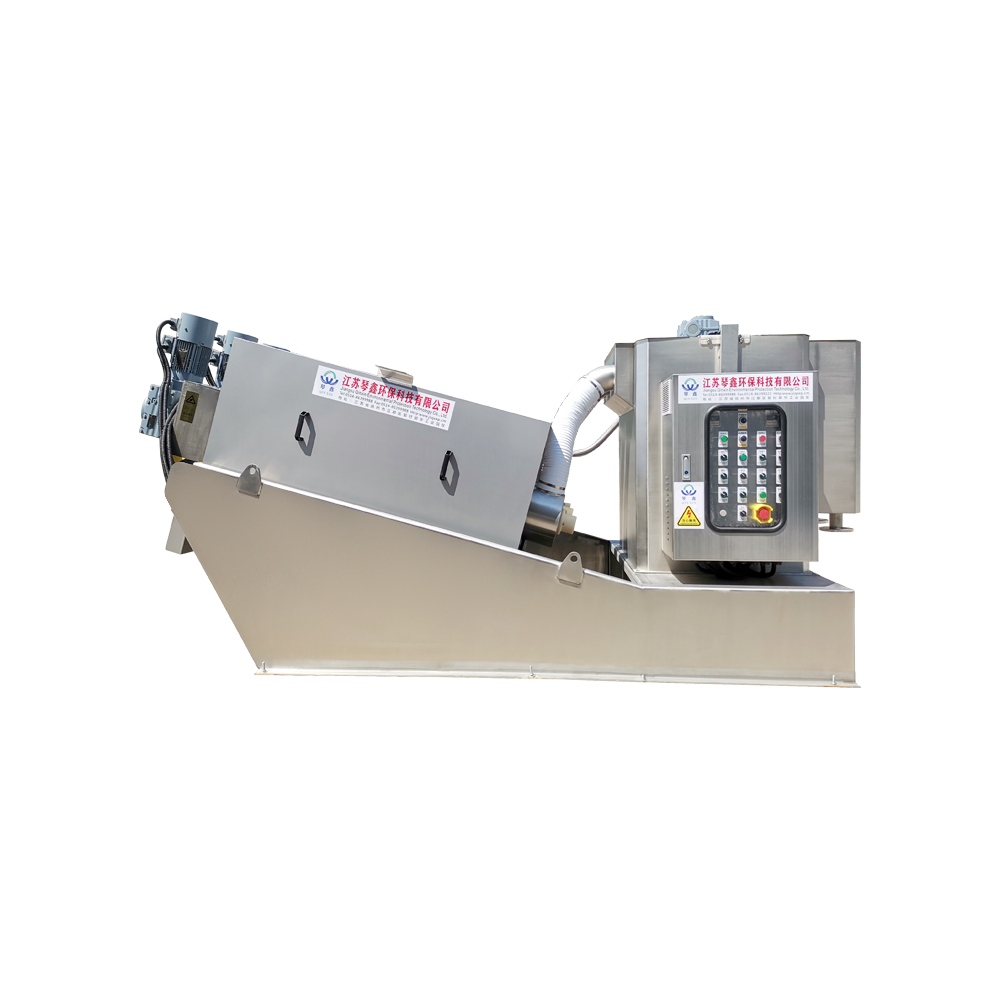
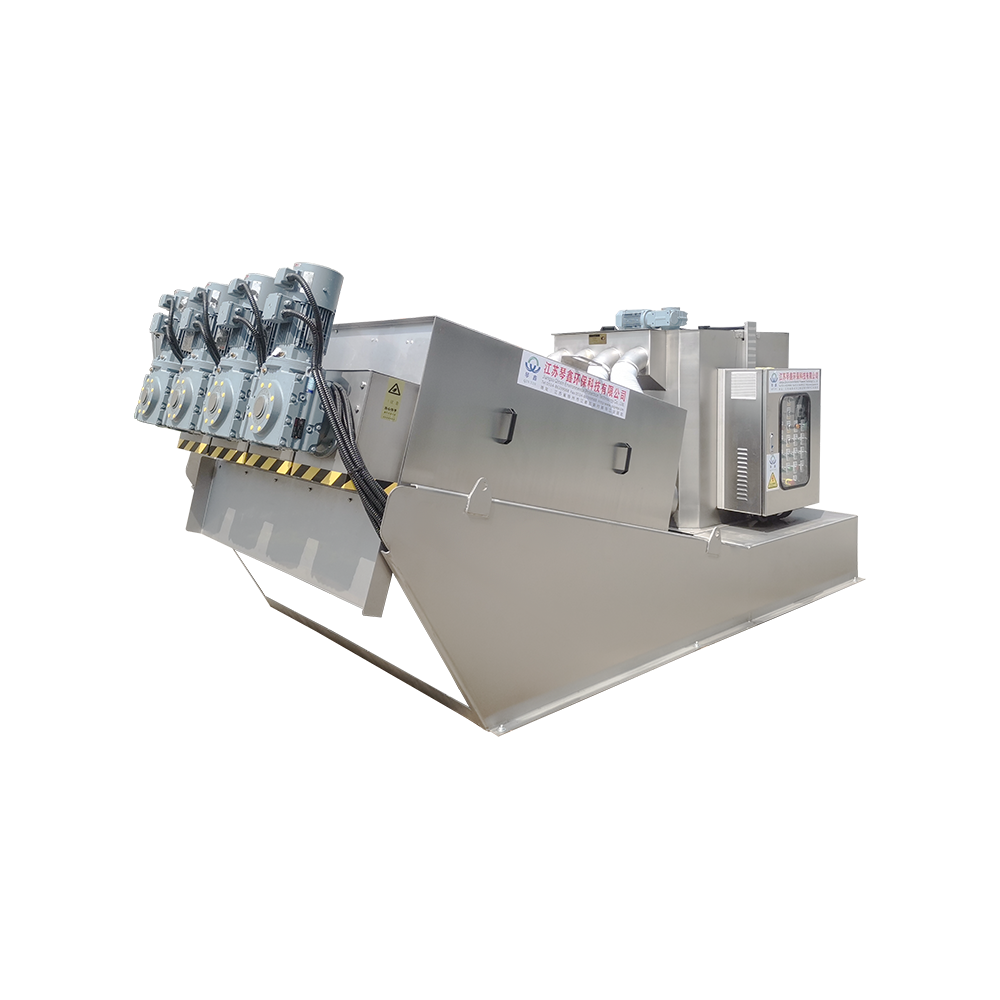
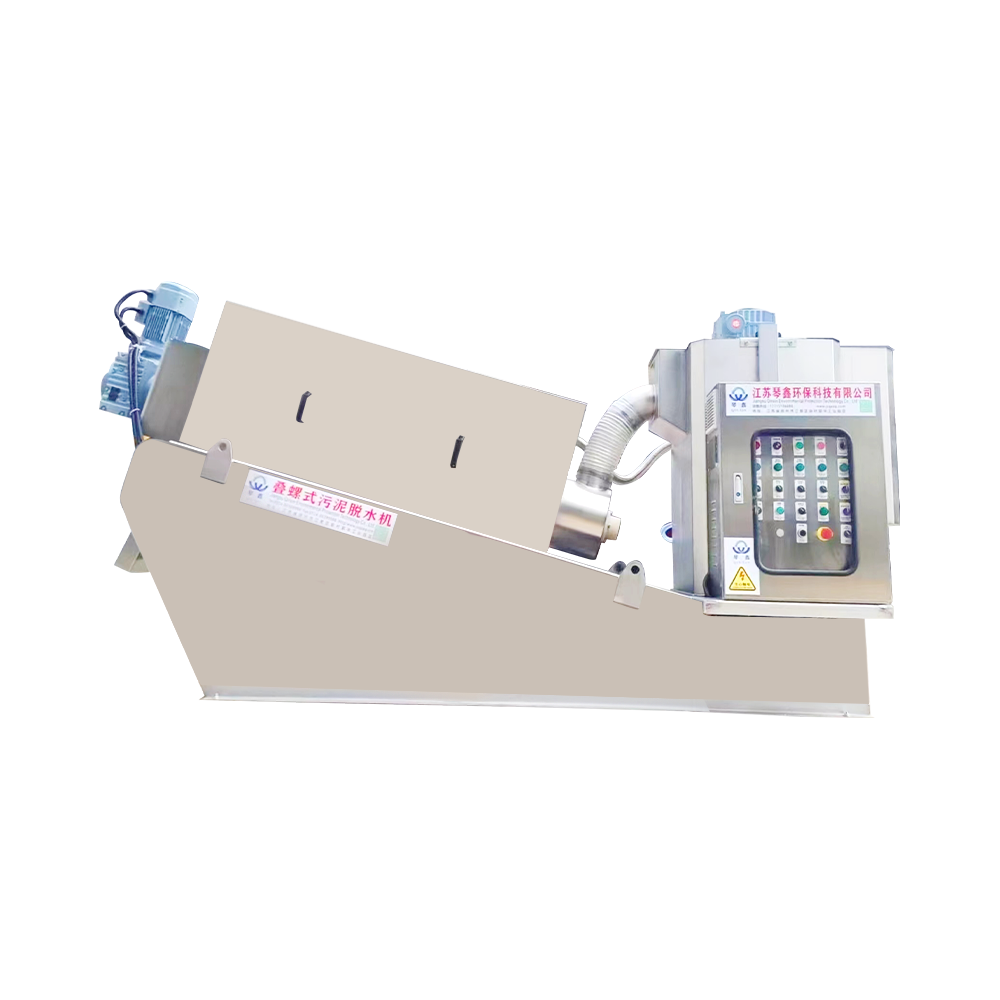
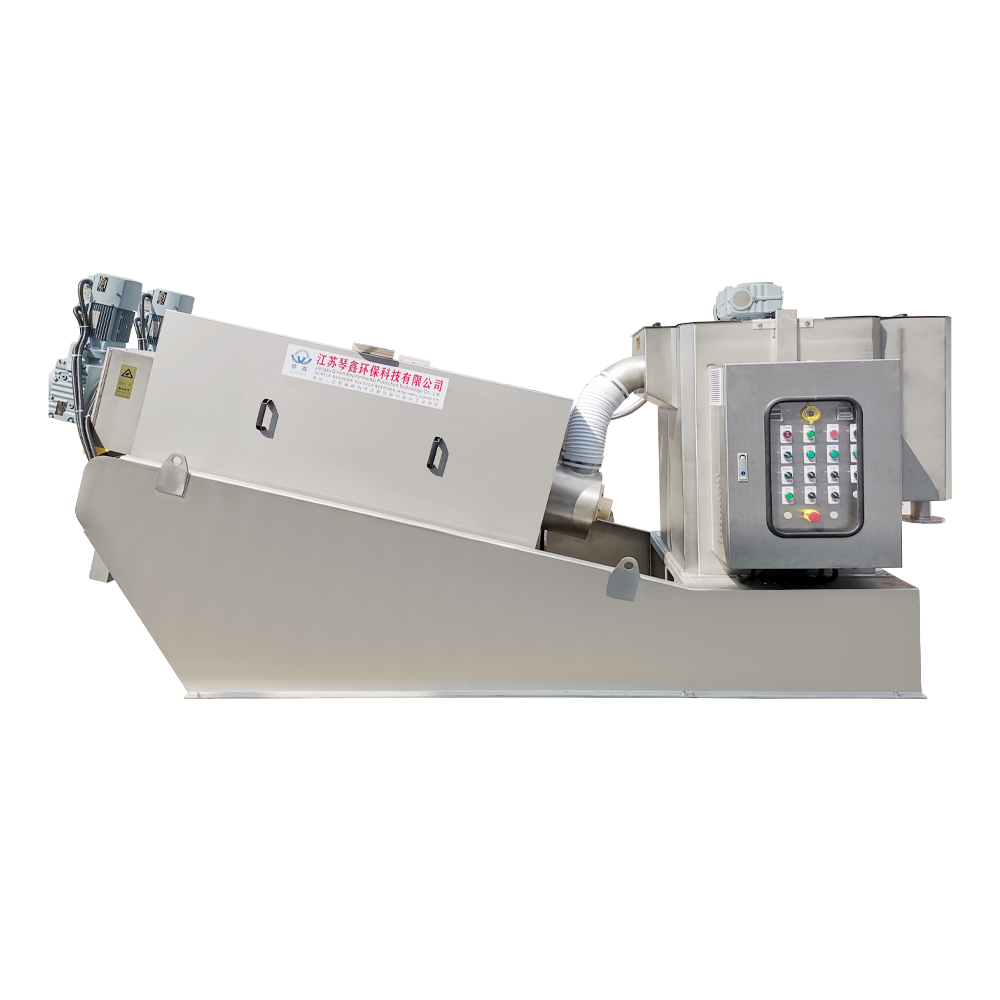
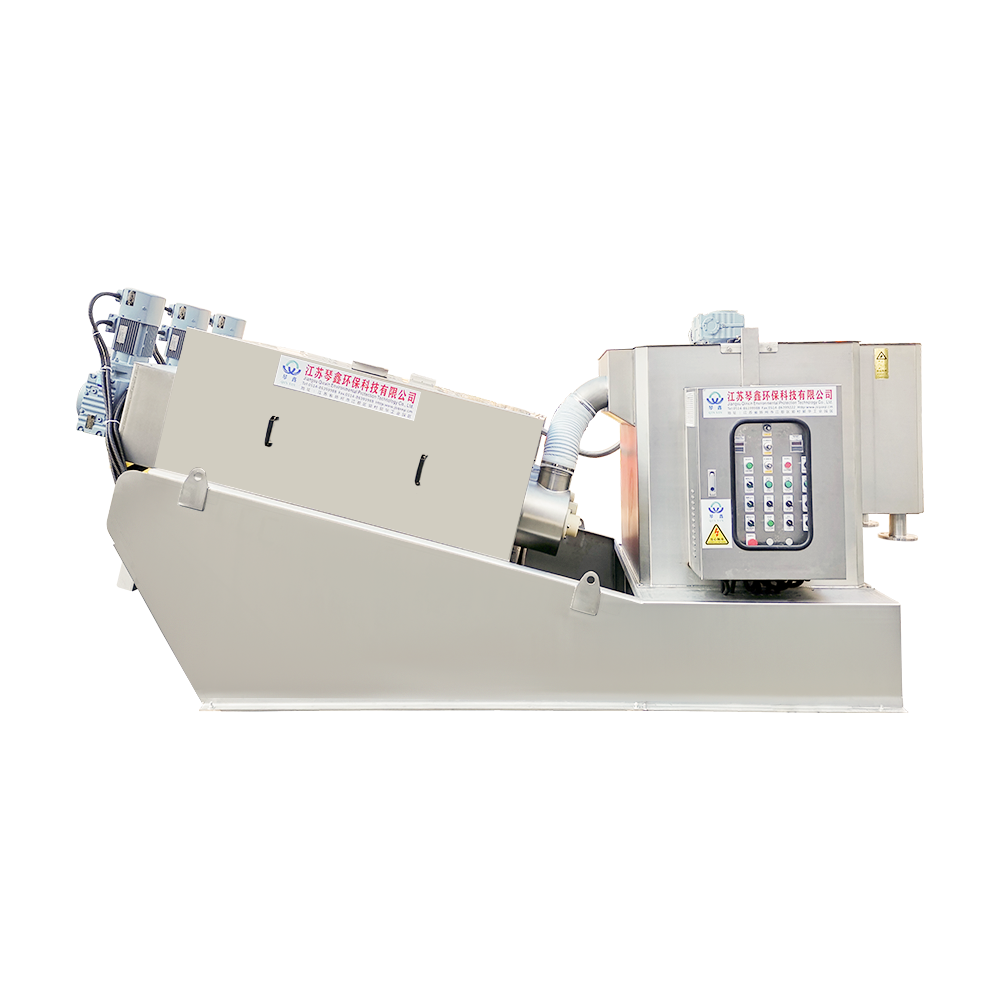
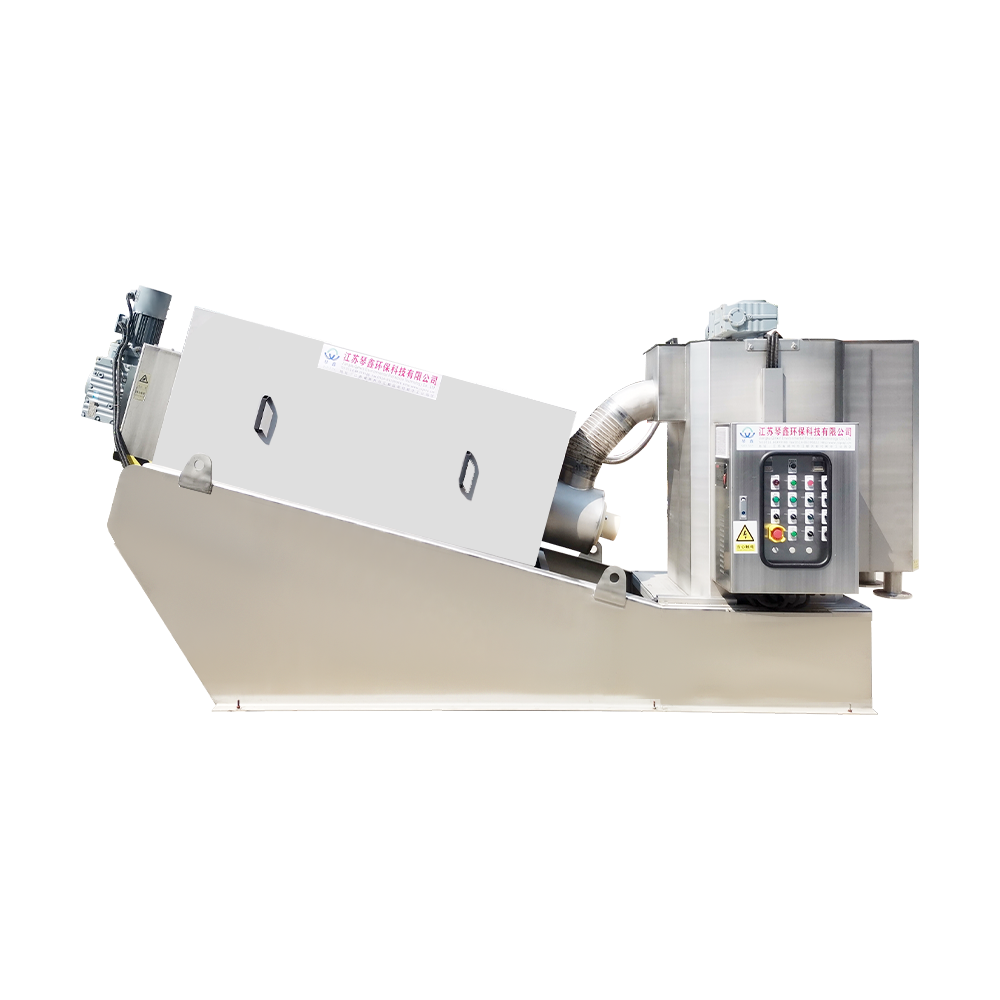
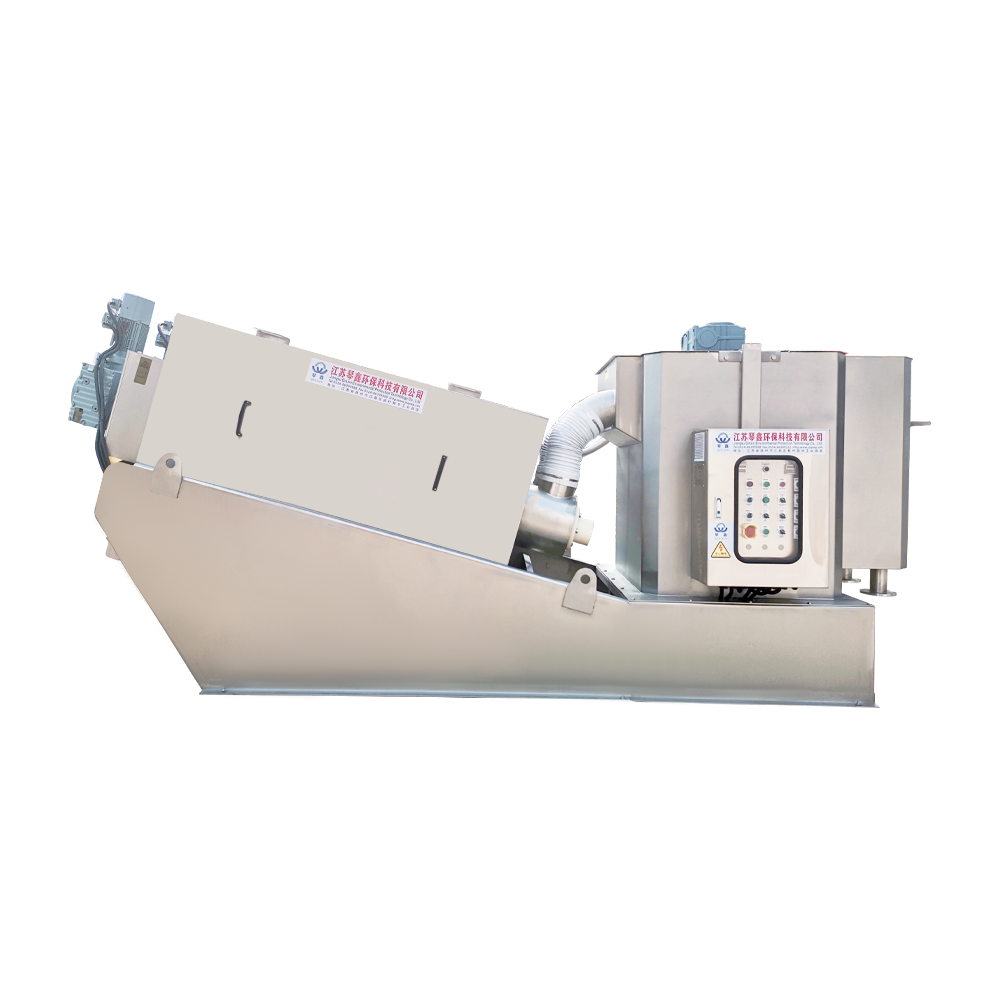
The core of the self-cleaning function in screw press dewatering lies in the relative motion between the fixed rings and the moving rings. As the screw shaft rotates, it drives the moving rings in a continuous circular motion, which mechanically clears the gaps between the rings. This clog-free sludge dewatering mechanism allows the filtrate to exit freely while the solid cake is transported toward the discharge end. This dynamic interaction significantly reduces the maintenance requirements of automated screw presses compared to static filtration media that require high-pressure backwashing.
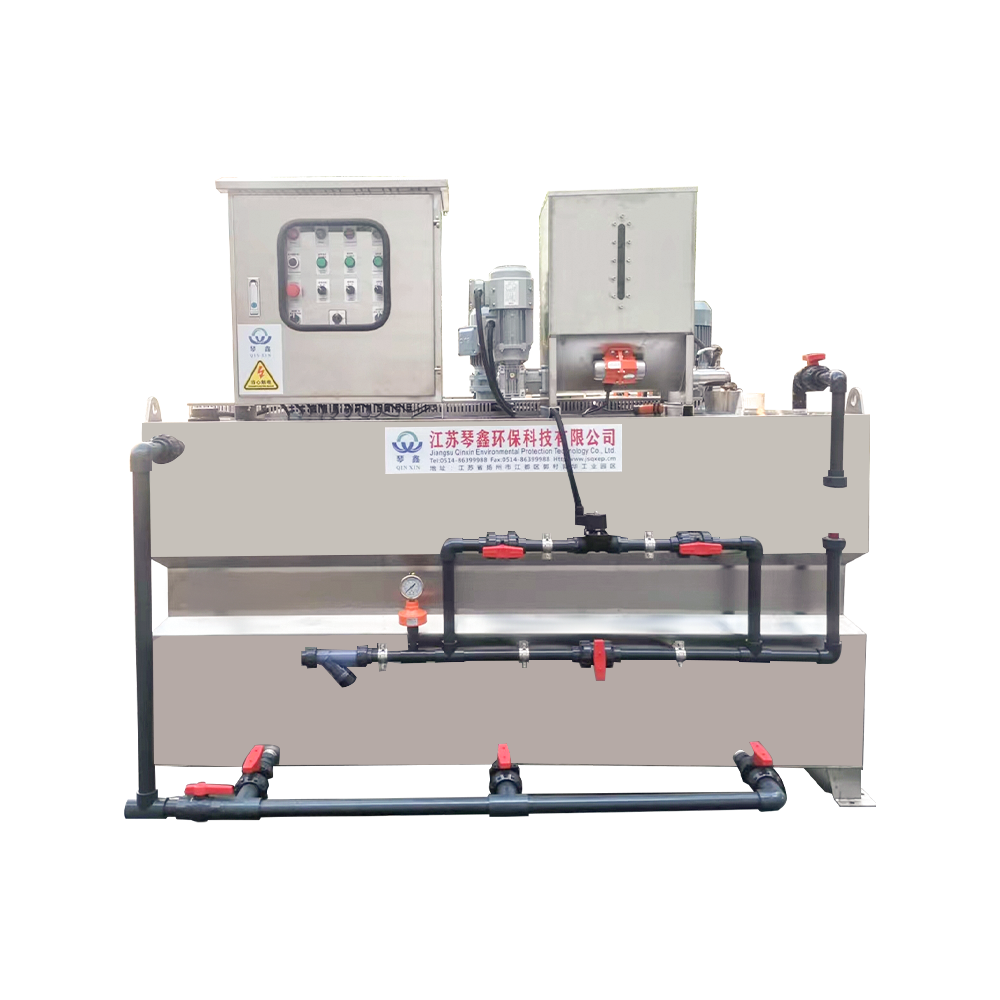
Yangzhou Qinxin Environmental Protection Technology Co., Ltd. is a high-end enterprise combining industry and trade, committed to the R&D and production of advanced environmental protection equipment. Our portfolio includes stacked screw sludge dewatering machines, PAM integrated dosing devices, and sludge low-temperature drying systems. As an AAA-level contract-oriented company with multiple patents and ISO quality management certifications, Qinxin serves diverse sectors including municipal, petrochemical, aquaculture, and pharmaceutical industries. Our equipment is an important supply for Southeast Asian markets, where we are recognized for our industrial-grade sludge thickening and dewatering solutions.
| Technical Metric | Traditional Filter Press | Stacked Screw Press |
| Cleaning Method | High-pressure water backwash | Mechanical self-cleaning rings |
| Water Consumption | High (Constant wash cycles) | Low (Intermittent rinse only) |
| Operation Mode | Intermittent/Batch | 24/7 Continuous |
Preventing Clogging in Viscous and Oily Sludge Applications
One of the primary advantages of self-cleaning screw presses for oily sludge is the prevention of "blinding" or "glazing" of the filter surface. In petrochemical and food processing industries, high oil and grease (FOG) content can rapidly coat filter cloths. The mechanical movement of the rings in a sludge dewatering screw press constantly shears away these oily layers. Furthermore, the automated rinse cycle in sludge dewatering can be programmed to trigger at specific intervals, using a low-flow spray bar to remove any residual particles that the mechanical rings might miss, ensuring zero downtime in industrial sewage treatment.
- Shear Action: The shearing effect of moving rings on sludge prevents the formation of a stagnant filter cake layer.
- Reduced Friction: Maintaining a clean interface reduces the torque requirements on the motor, extending the service life of screw press gearboxes.
- Consistency: Ensuring consistent sludge cake moisture content by maintaining uniform pressure within the dehydration zone.
How does automated cleaning reduce operational costs?
The operational ROI of self-cleaning dewatering equipment is realized through three main factors: labor reduction, water savings, and energy efficiency. Because the system is designed for unattended operation of sludge screw presses, personnel are only required for periodic inspection and chemical replenishment. The low water consumption of self-cleaning dewatering (often less than 5% of that required by belt presses) significantly lowers the cost of treated water recycling or disposal. Yangzhou Qinxin Environmental Protection Technology Co., Ltd. utilizes advanced service awareness and strict regulations to ensure our solid-liquid separators provide high-grade performance for our global customers.
Optimizing Throughput via Precision Ring Clearance
The efficiency of the self-cleaning function in screw press dewatering is dependent on the precision of the ring clearance (typically 0.1mm to 0.5mm depending on the zone). If the gaps are too wide, solids escape; if too narrow, the risk of clogging in sludge dehydration increases. Precision machining and the use of SUS304 or SUS316 stainless steel ensure that the Ra surface finish of the rings facilitates smooth movement. This engineering precision is what allows for high-concentration sludge thickening without the need for large sedimentation tanks, saving significant plant footprint.
| Functional Zone | Ring Gap Specification | Primary Technical Function |
| Thickening Zone | 0.4mm - 0.5mm | Rapid initial water extraction |
| Dewatering Zone | 0.2mm - 0.3mm | Pressure buildup and solid retention |
| Compression Zone | 0.1mm - 0.15mm | Final extrusion for maximum dryness |
Why choose a stacked screw press for municipal wastewater?
In municipal applications, the automated self-cleaning sludge press excels at handling varying solids concentrations. Whether the influent is 0.5% or 5.0% solids, the self-cleaning rings prevent the "slugging" effect. By integrating PAM integrated dosing devices from Yangzhou Qinxin, the flocculation process is optimized to work in tandem with the screw press, resulting in high-clarity filtrate in sewage treatment and a manageable sludge cake for subsequent low-temperature drying or landfill disposal.
FAQ
How often does the spray bar activate in a self-cleaning screw press?
The spray bar typically activates for 15-30 seconds every 10-20 minutes. It is primarily used to rinse away fine particulates from the exterior of the ring assembly, rather than being the primary cleaning mechanism.
Can the moving rings wear out over time?
While the rings are designed for durability, they are considered wear parts. However, high-quality stainless steel rings in a Qinxin press typically last 15,000 to 25,000 operating hours before requiring inspection or replacement.
What prevents the screw shaft from clogging internally?
The screw shaft is a transport mechanism. Clogging usually happens at the filter interface. The constant forward motion of the screw flights ensures that sludge is always moving toward the pressure plate at the discharge end.
Is the self-cleaning function effective for fibrous sludge (e.g., papermaking)?
Yes. The shearing action between the fixed and moving rings is particularly effective at cutting through and clearing fibrous materials that would typically intertwine and clog filter mesh.
Does the self-cleaning feature increase power consumption?
On the contrary, it maintains low power consumption. By preventing clogs, the motor does not have to overcome the resistance of a "stuck" screw, keeping the energy usage to approximately 0.1-2.0 kWh per kg-DS.
Technical References
- ISO 14001: Environmental management systems — Requirements with guidance for use.
- GB/T 19001: Quality management systems (Chinese national standard equivalent to ISO 9001).
- ASTM D4410: Standard Terminology for Fluvial Sediment.

 TOP
TOP