
 ENG
ENG
 English
 русский
 Español
 Tiếng Việt
 ไทย
ไทย
Article Directory
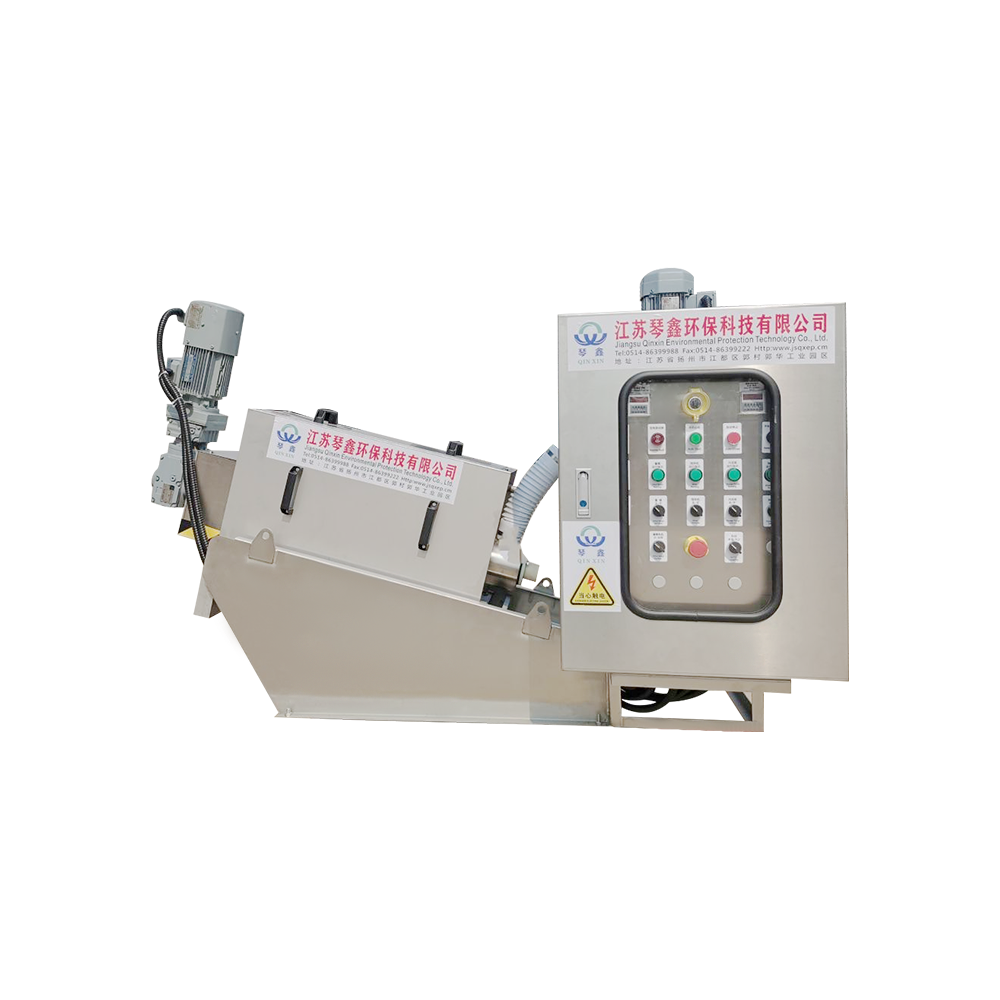
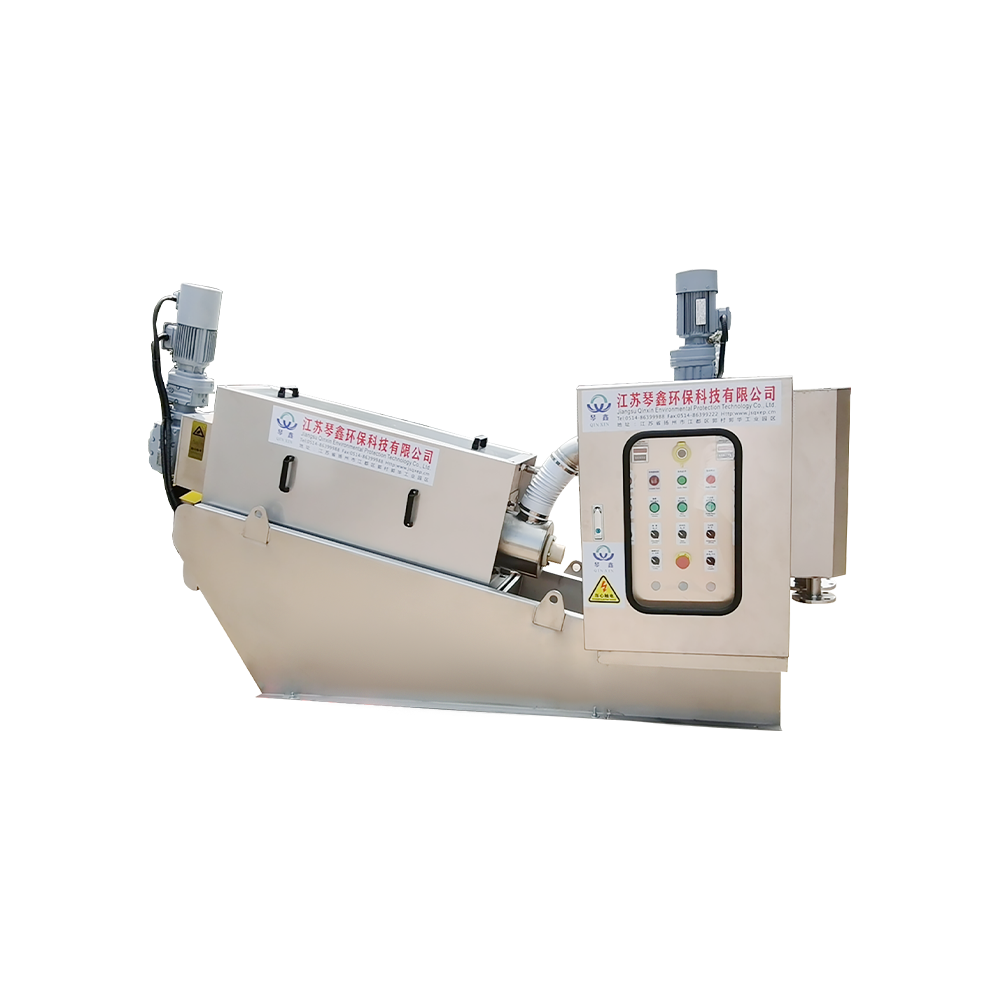
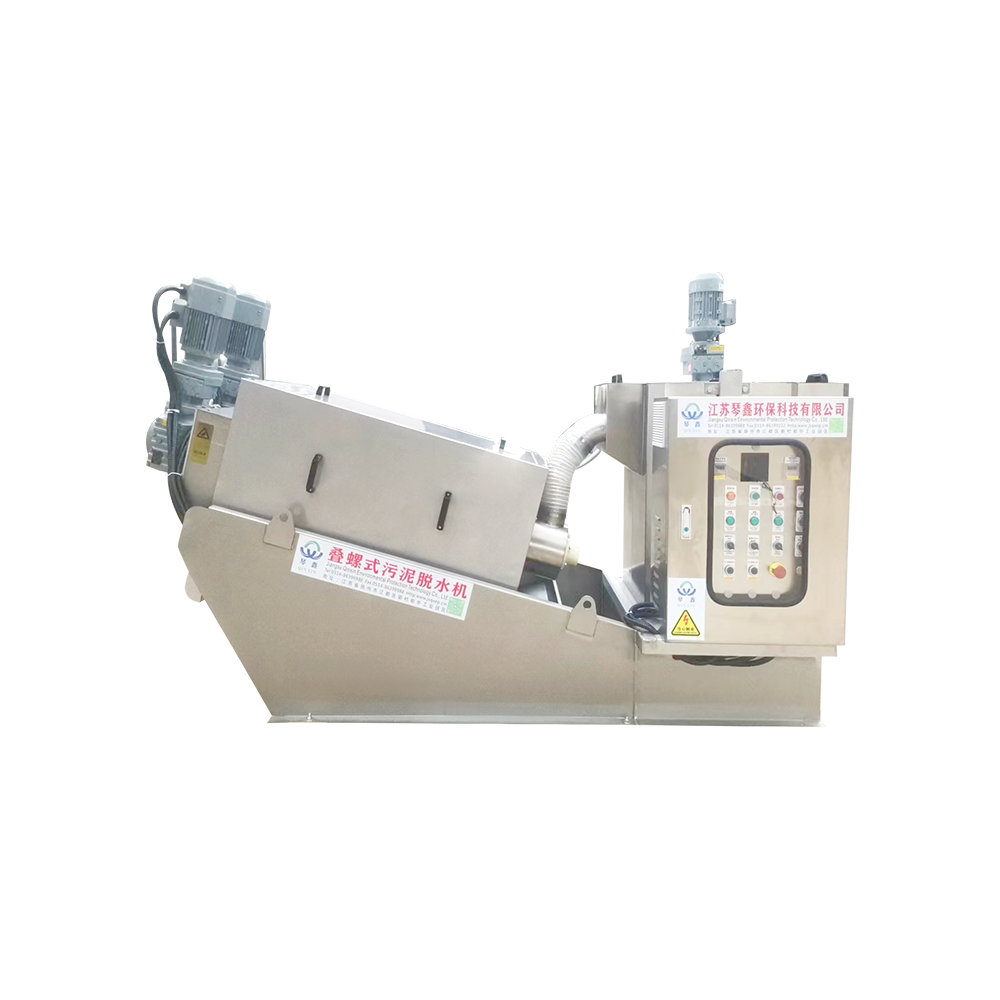
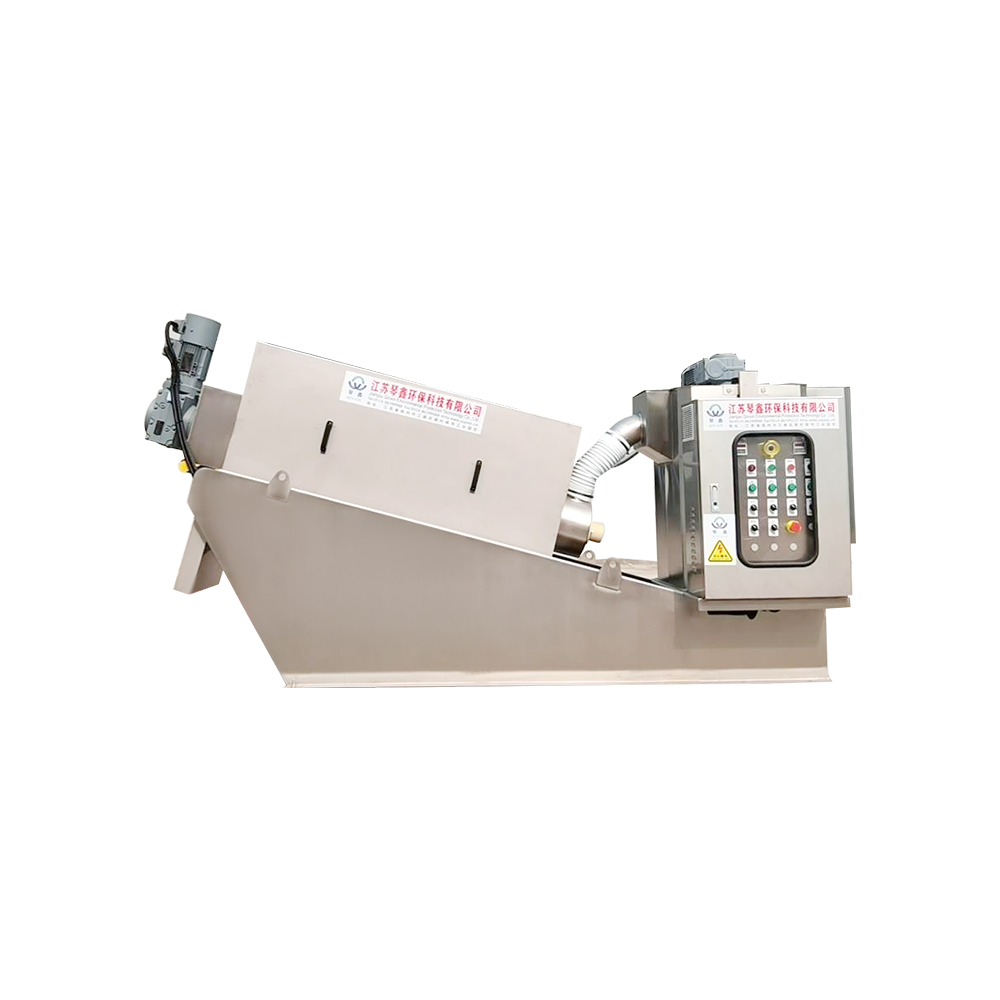
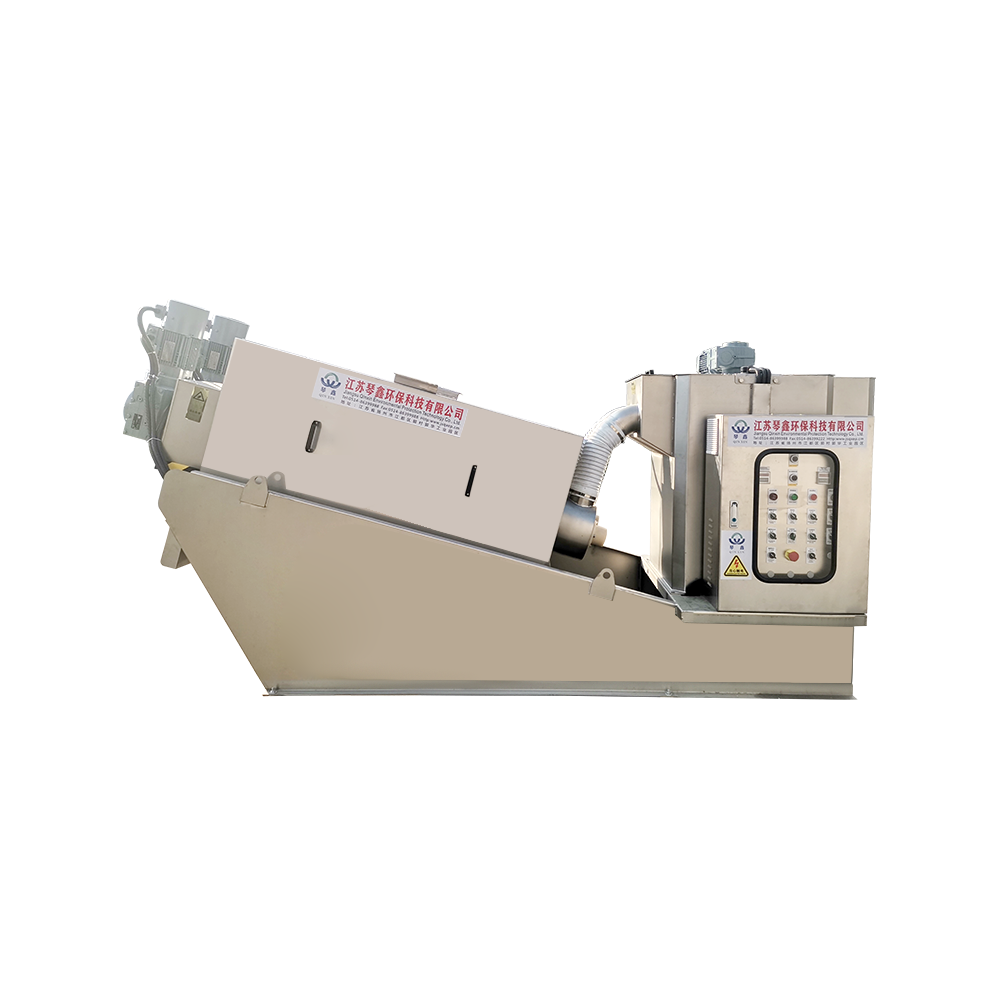
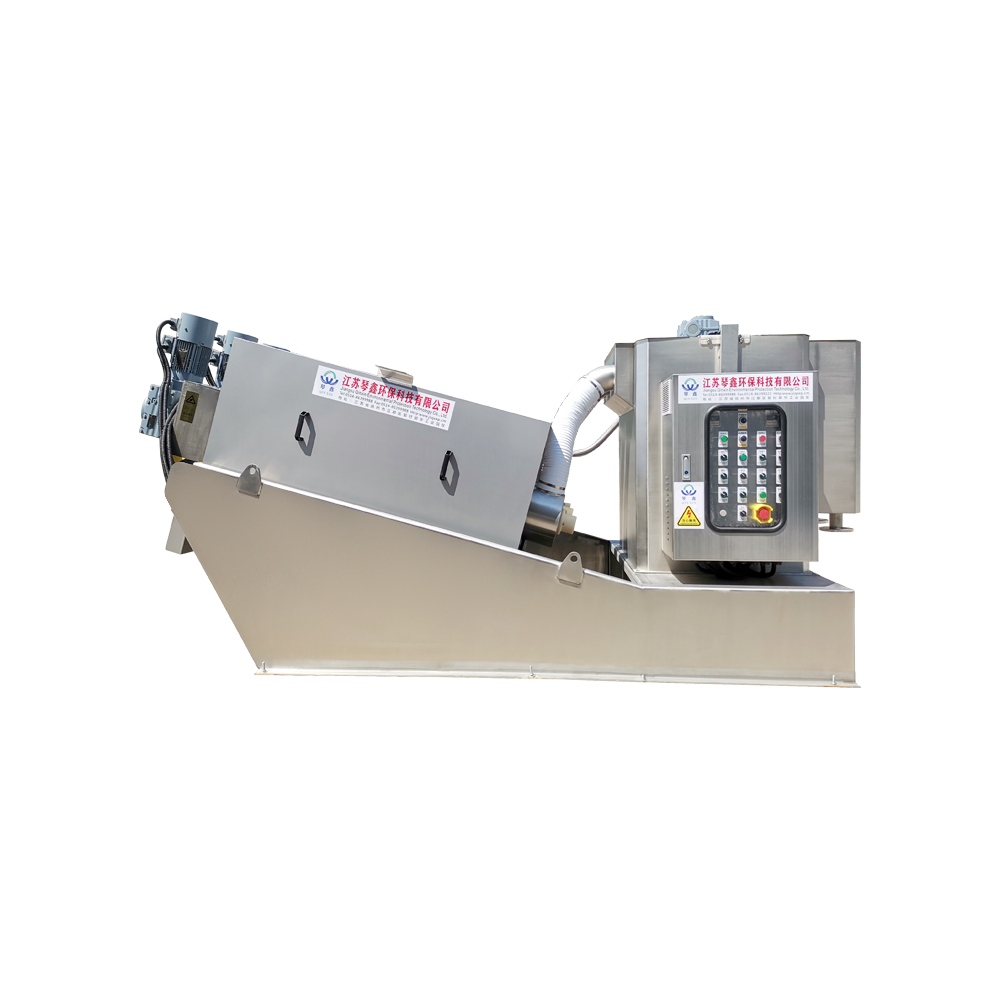
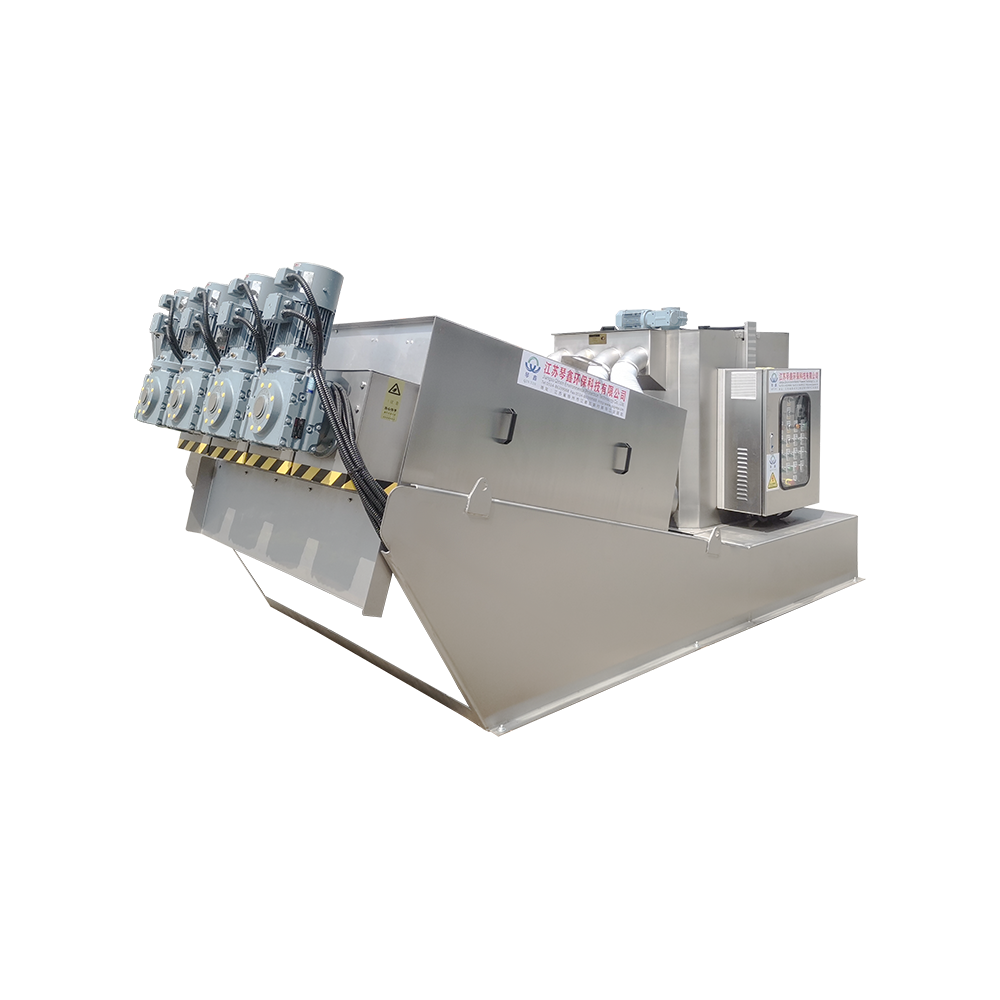
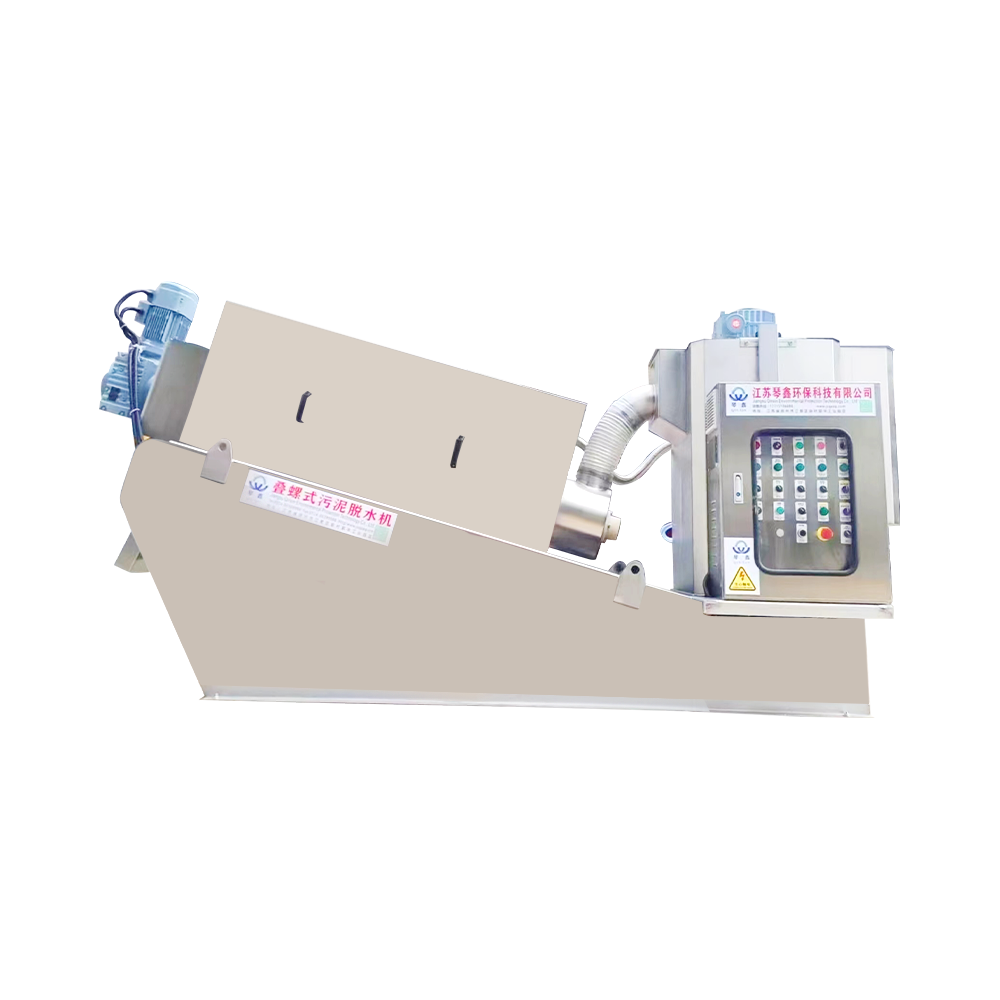
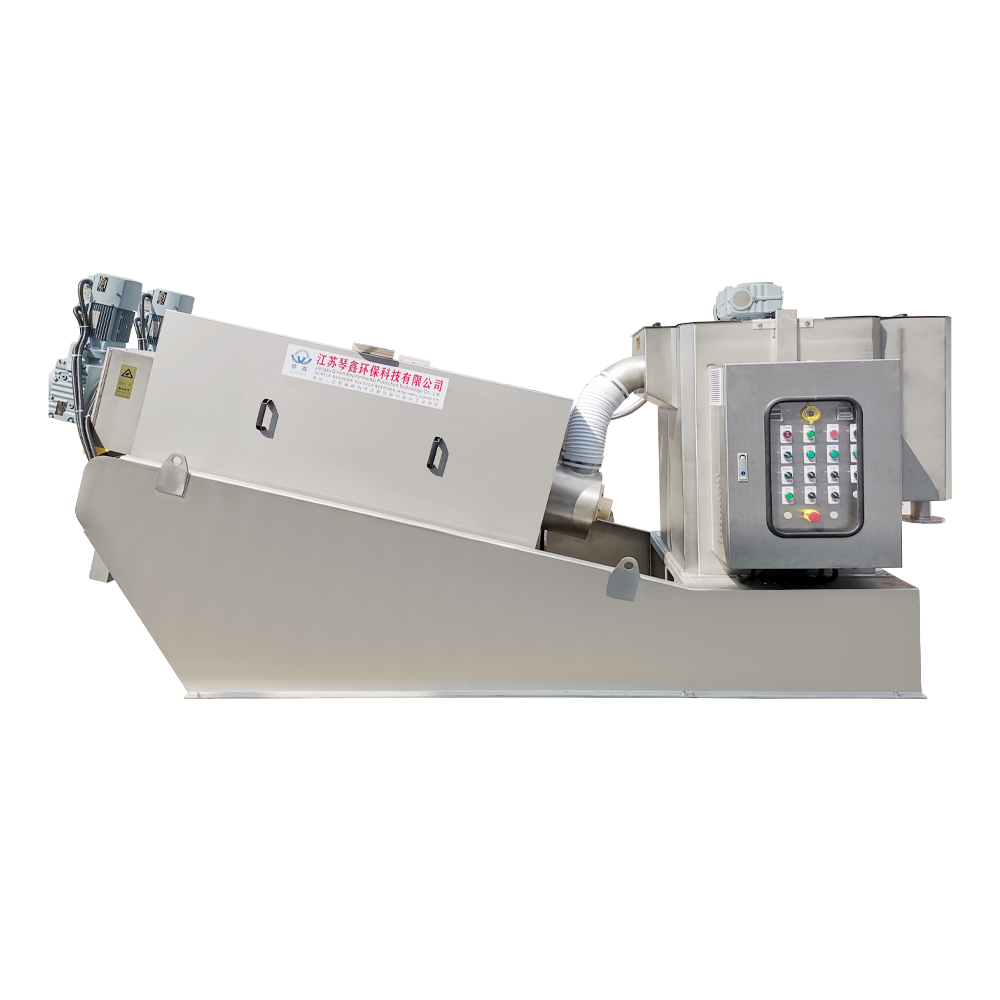
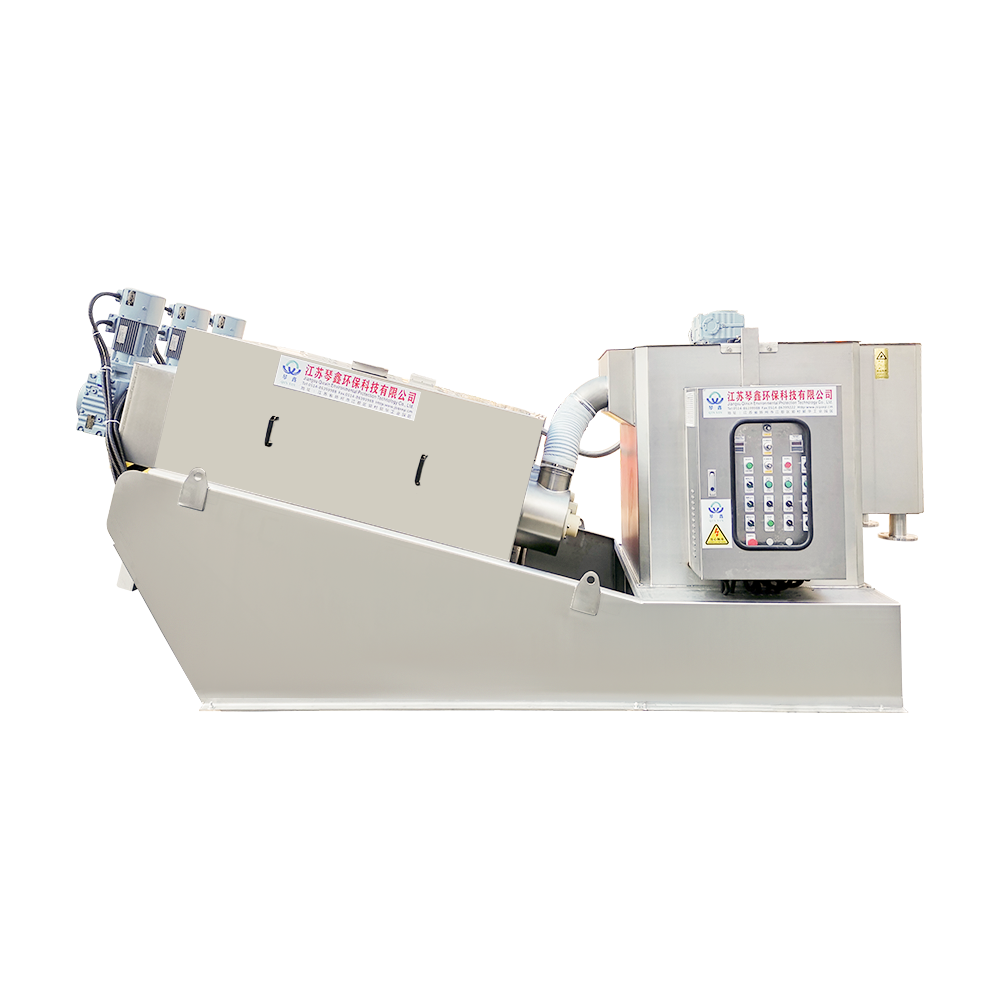
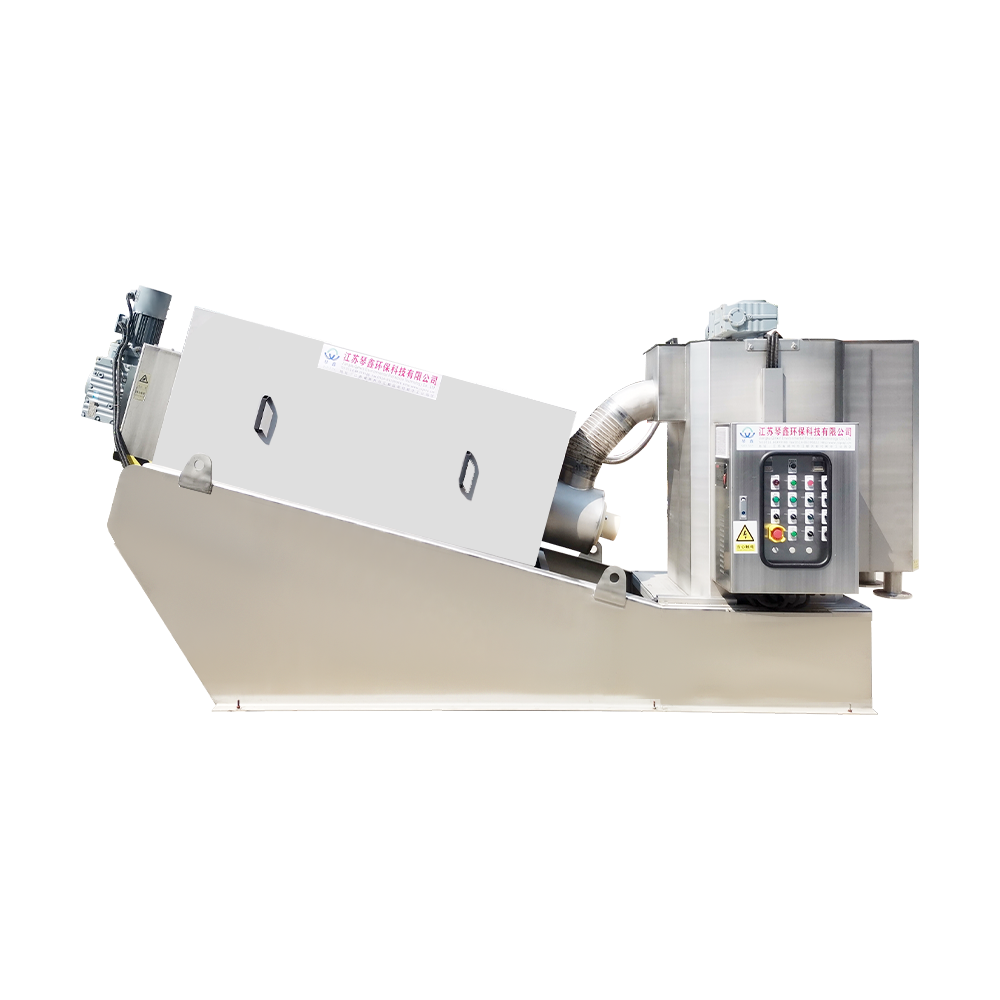
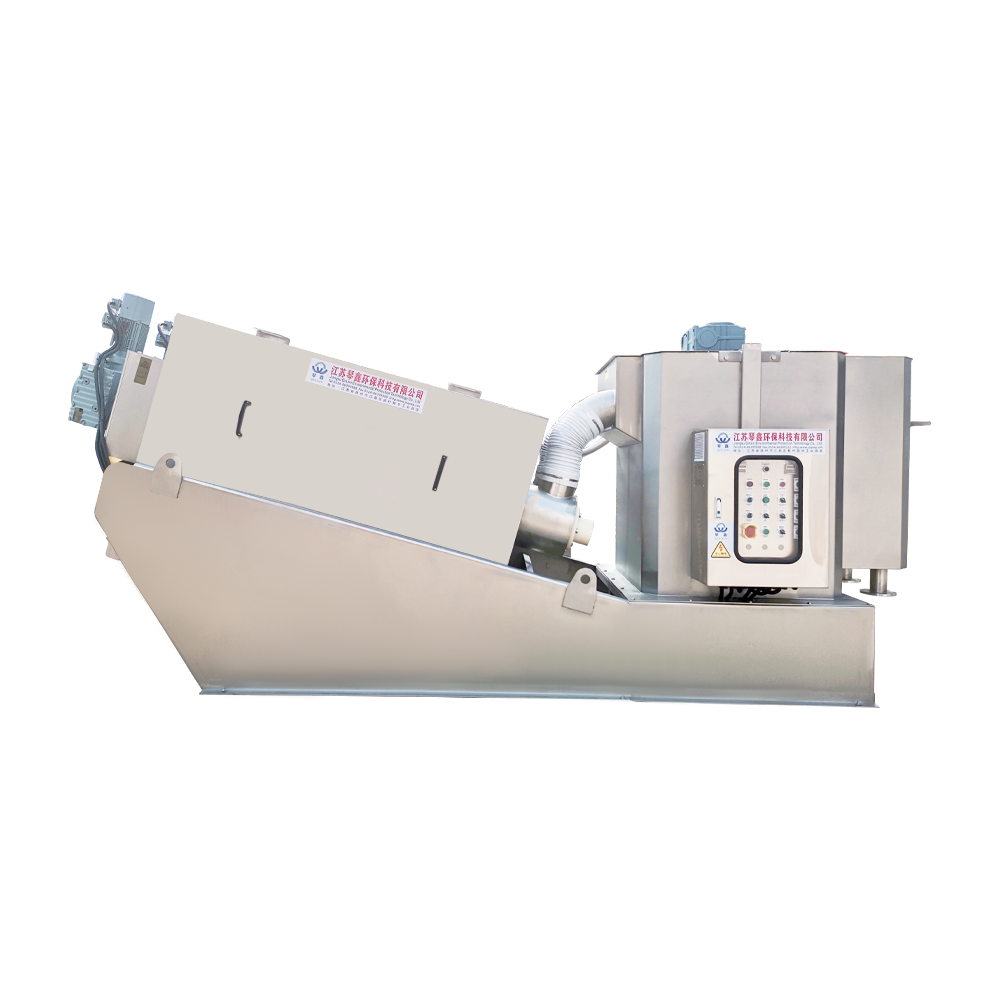
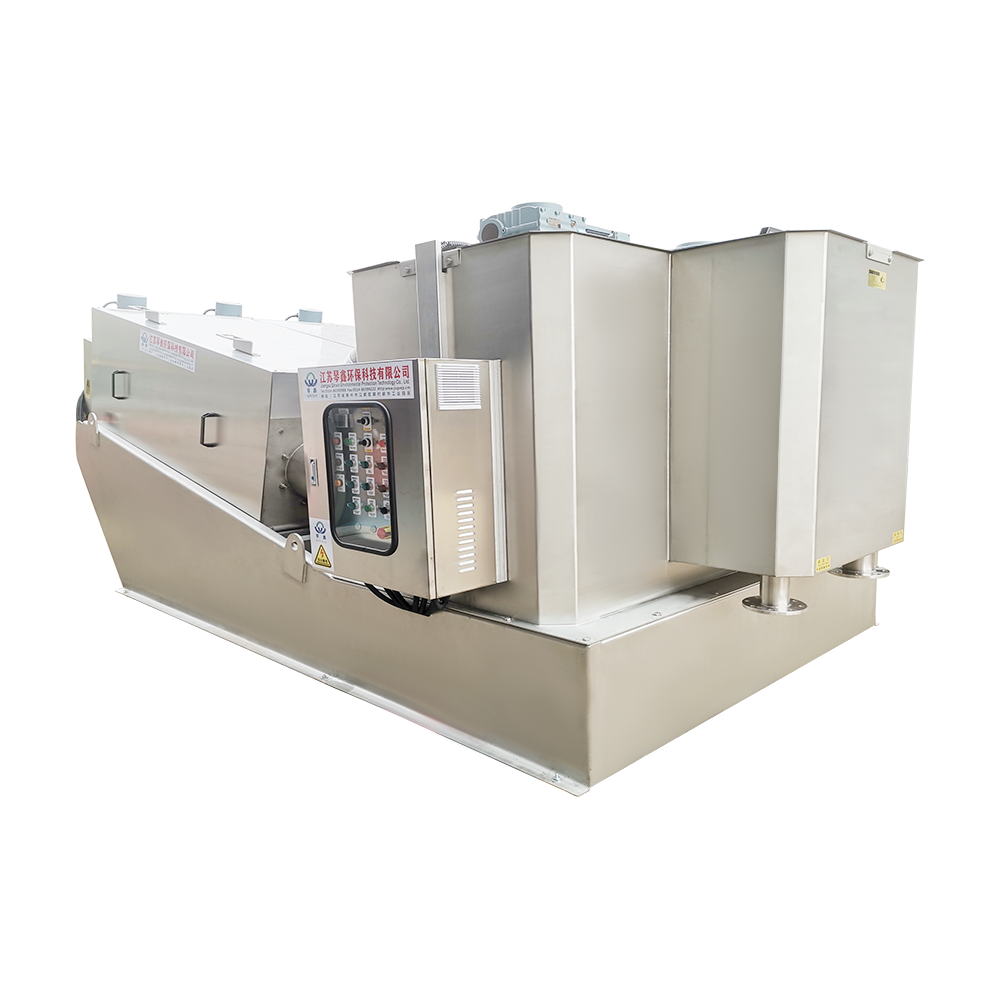
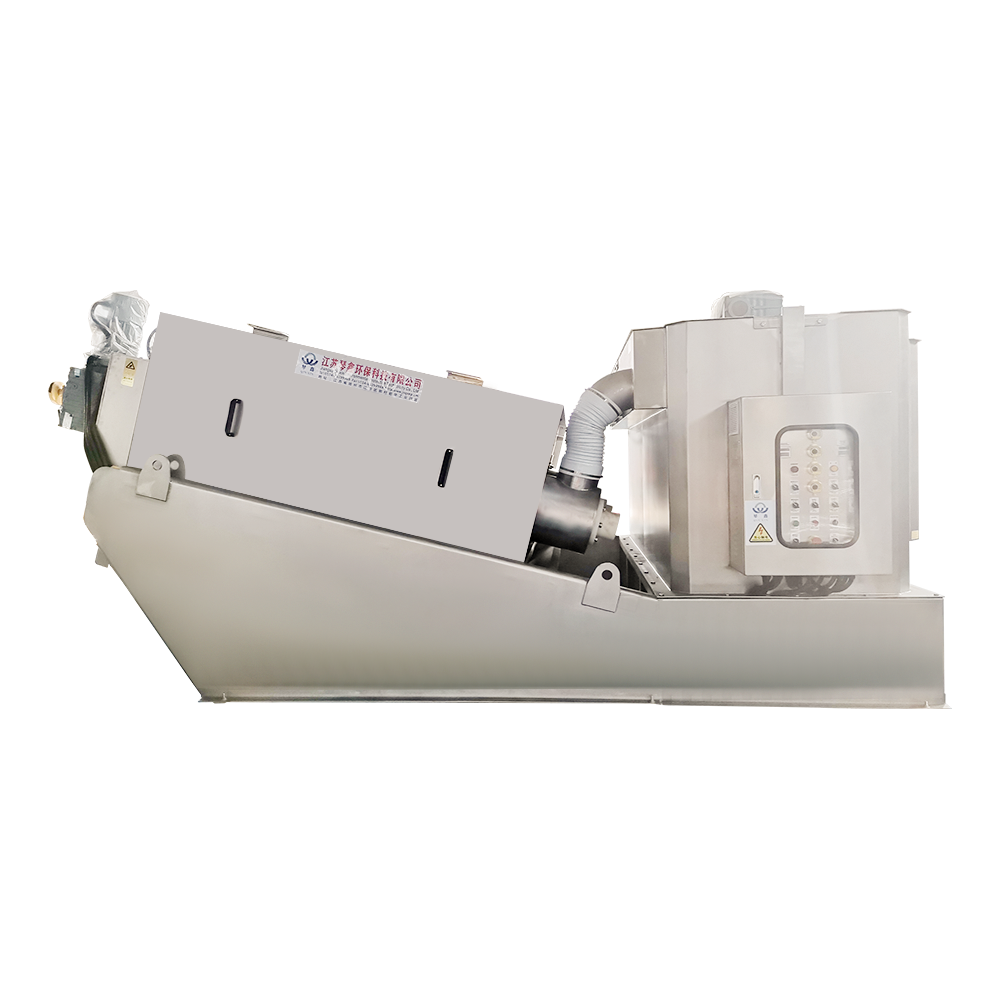
Yangzhou Qinxin Environmental Protection Technology Co., Ltd. is an industry-and-trade integrated enterprise specializing in the R&D and manufacturing of high-end wastewater treatment infrastructure. Our technical portfolio includes stacked screw sludge dewatering machines, PAM integrated dosing devices, and low-temperature drying systems. As an AAA-level contract-oriented firm with multiple ISO quality and environmental certifications, we serve diverse sectors including petrochemical, pharmaceutical, and chemical processing. The current shift toward Zero-Liquid Discharge (ZLD) mandates that a solid liquid separator machine must go beyond basic filtration to achieve extreme levels of phase separation. For chemical plants in 2026, the ability to recover high-purity filtrate while minimizing the moisture content in the solid cake is the primary benchmark for engineering success.
Mechanical Flux and Suspended Solids (TSS) Removal Efficiency
In chemical processing, the solid liquid separator machine operates as a critical front-end unit for reducing the volumetric load on downstream evaporation systems. A high-performance screw press solid liquid separator utilizes a varying-pitch screw and a specialized wedge-wire screen to achieve a Total Suspended Solids (TSS) removal rate exceeding 95 percent. When evaluating how solid liquid separators help ZLD, engineers focus on the capture rate of micro-particles (smaller than 50 microns). By integrating advanced metallurgy such as AISI 304 or 316L stainless steel, the chemical resistant solid liquid separator can handle corrosive slurries with pH levels ranging from 2.0 to 12.0. This durability is essential for What are the best separators for chemical wastewater, where aggressive chemical interactions often degrade standard carbon steel components.
Centrifugal Force vs Screw Press Filtration Dynamics
The choice between a centrifugal vs screw solid liquid separator depends largely on the particle size distribution and the specific gravity of the suspended solids. For fibrous or high-organic sludge found in aquaculture and brewing, the screw press design provides a continuous, low-speed operation that minimizes energy consumption to less than 0.5 kWh per cubic meter of treated liquid. However, in high-speed solid liquid separation for chemical fine-powders, centrifugal decanters are used to achieve higher G-forces. To meet 2026 standards, our solid liquid separator machine configurations are optimized to reduce the "filtrate turbidity" to under 500 mg/L, which significantly decreases the fouling rate of the reverse osmosis (RO) membranes utilized in a closed-loop ZLD system.
Moisture Content and Solid Cake Dryness Parameters
For ZLD compliance, the objective is to reach a "dry cake" state to reduce the energy cost of final thermal drying. The moisture content in separator solid cake is a critical KPI; modern machines must achieve a dryness level of 65 to 80 percent depending on the material properties. The Why use a solid liquid separator for sludge question is answered by the substantial volume reduction achieved—often up to 70 percent—which lowers hazardous waste disposal fees. By utilizing automated solid liquid separator systems, operators can adjust the back-pressure plate to fine-tune the dewatering efficiency of chemical sludge. This mechanical flexibility ensures that the output meets the requirements for subsequent low-temperature drying or direct incineration, adhering to strict environmental management system certifications.
| Engineering Metric | Standard Industrial Grade | Qinxin ZLD-Compliant Spec |
| TSS Capture Rate (%) | 85 - 90 | 95 - 99 |
| Filtrate Quality (Turbidity) | > 2000 NTU | Less than 800 NTU |
| Material Standard | Carbon Steel / 304 SS | 316L / Dual-Phase Steel |
| Power Consumption (kW/m3) | 1.5 - 2.5 | 0.3 - 0.8 (Screw Type) |
| Solid Cake Moisture (%) | > 40% | 20% - 35% (Material Dependent) |
Integration with PAM Dosing and Pre-treatment Systems
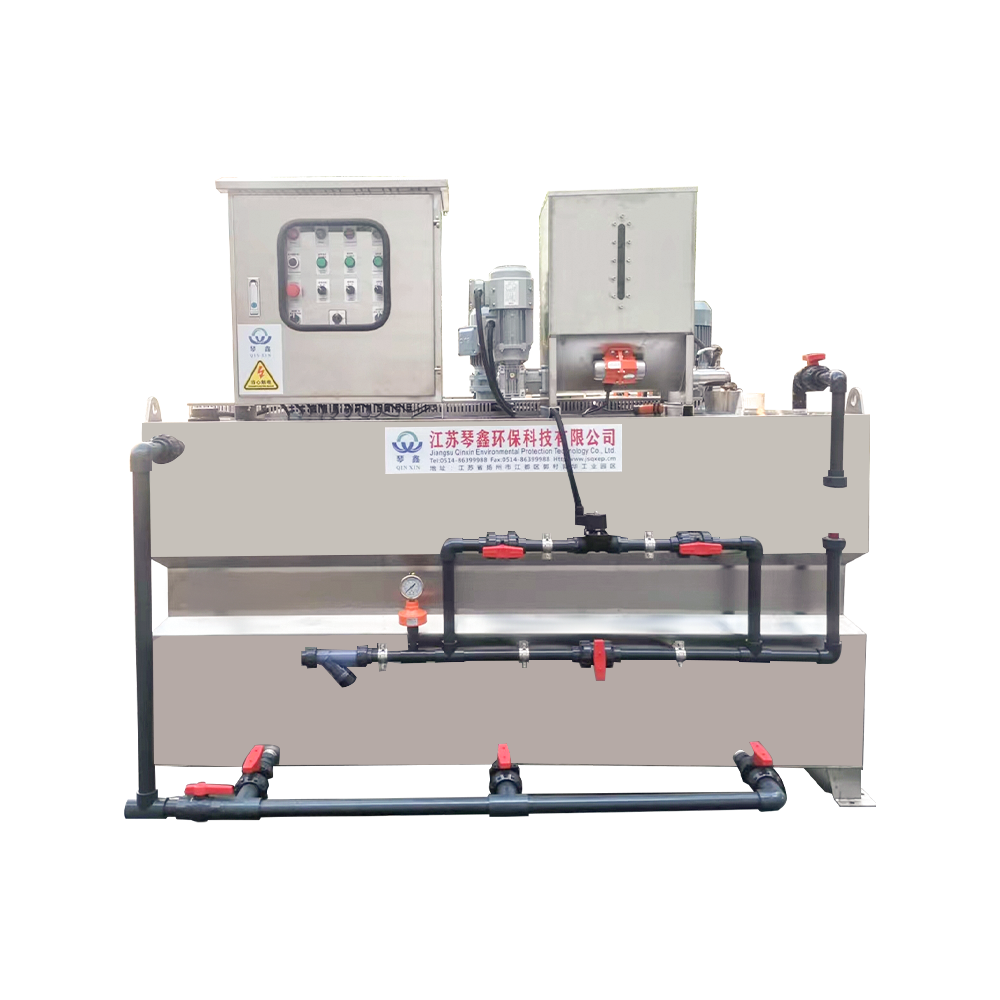
Optimal performance of a solid liquid separator machine in the pharmaceutical or papermaking industry often requires chemical conditioning. The PAM integrated dosing device is used to flocculate fine particles into larger flocs before they enter the separation chamber. Understanding How to optimize solid liquid separator throughput involves precise control over the polymer-to-sludge ratio, which is managed via our integrated control systems. This pre-treatment for solid liquid separation prevents screen blinding and maintains a constant flow rate. Yangzhou Qinxin environmental equipment is designed for modular installation in ZLD plants, allowing for seamless integration with existing filtration systems. As a trusted supplier in Southeast Asia, we ensure that our industrial sewage treatment equipment provides the reliability required for 24/7 continuous operation in high-grade markets.
Industrial Hardcore FAQ
Q1: What is the primary difference between a screw-type and a vibrating-screen separator for ZLD?
A1: Screw-type separators use mechanical pressure to squeeze out liquid, making them better for sludge and fibrous waste. Vibrating screens rely on gravity and vibration, which is suitable for larger, non-compressible solids but less effective for achieving low moisture in the solid phase.
Q2: Can the separator handle high-temperature chemical slurries?
A2: Yes. Our equipment can be customized with heat-stabilized seals and bearings to operate at temperatures up to 90°C, which is common in petrochemical processing.
Q3: How often do the wedge-wire screens need to be replaced?
A3: Under standard operating conditions with non-abrasive materials, the high-precision 316L screens have an operational life of 12,000 to 18,000 hours before showing signs of significant wear.
Q4: Why is low-speed operation beneficial for the separation of medical waste?
A4: Low-speed rotation (approx. 5-10 RPM) minimizes the shear force on the flocs, preventing them from breaking and ensuring they are trapped by the filtration media rather than escaping into the filtrate.
Q5: Does the equipment require manual cleaning?
A5: No. Our stacked screw and separator designs include a self-cleaning mechanism where the moving rings or internal brushes continuously clear the gaps, preventing clogging and maintaining constant flux.
Technical References
- ISO 14001:2015 - Environmental management systems - Requirements with guidance for use.
- ASTM F316-03 - Standard Test Methods for Pore Size Characteristics of Membrane Filters by Bubble Point and Mean Flow Pore Test.
- GB/T 18883-2022 - Standards for Indoor Air and Environmental Safety in Industrial Processing.

 TOP
TOP