
 ENG
ENG
 English
 русский
 Español
 Tiếng Việt
 ไทย
ไทย
Article Directory
- 1 Optimizing the Screw Pitch and Compression Zone Geometry
- 2 Flocculation Chemistry and PAM Dosing Precision
- 3 Discharge Pressure Plate and Torque Control
- 4 Technical Specification: Dewatering Performance by Industry
- 5 Comprehensive Sewage Treatment and Service Awareness
- 6 Hardcore Technical FAQ
- 7 Technical References
Optimizing the Screw Pitch and Compression Zone Geometry
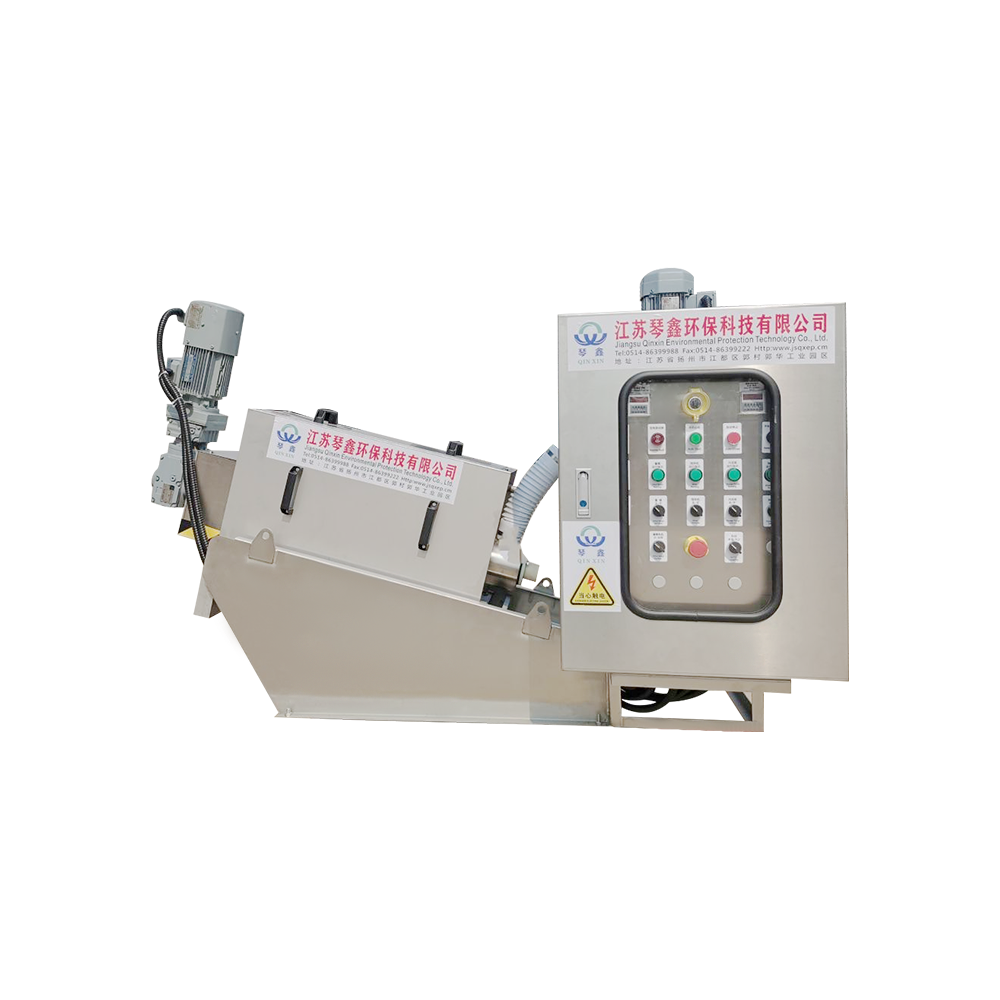
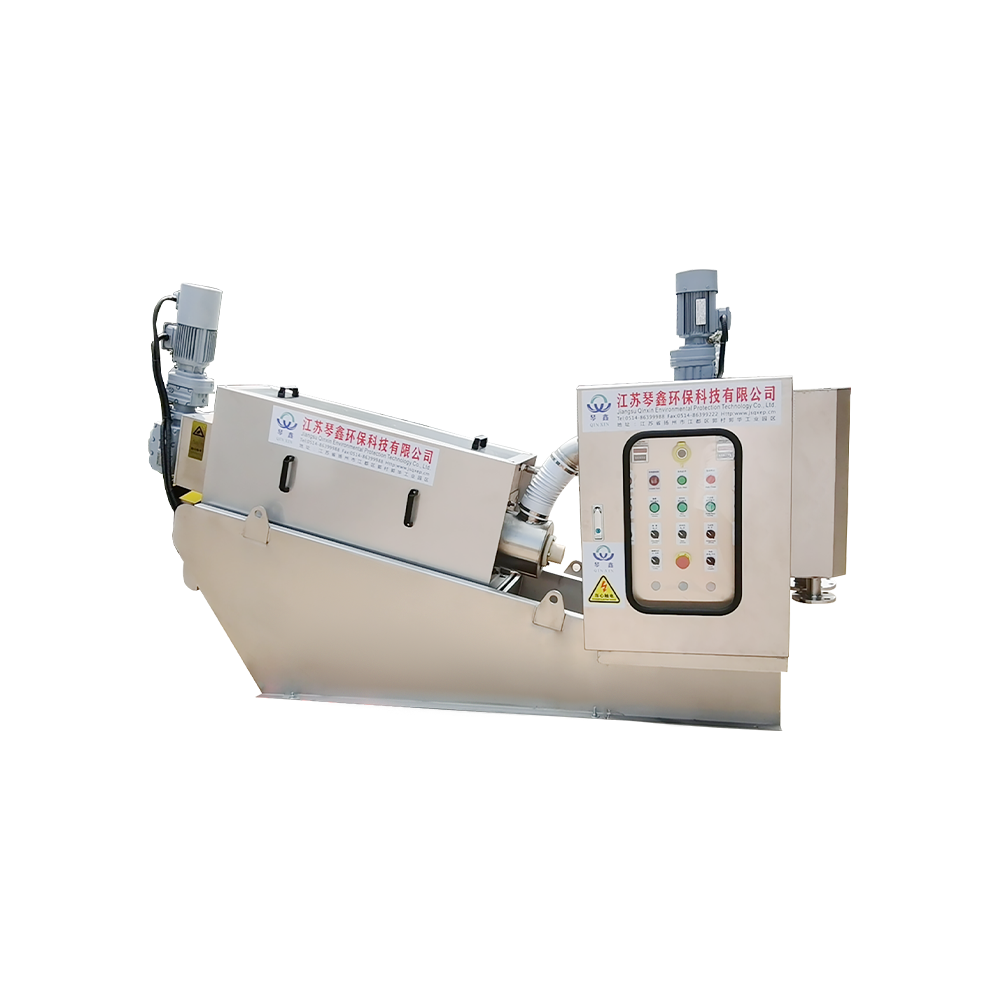
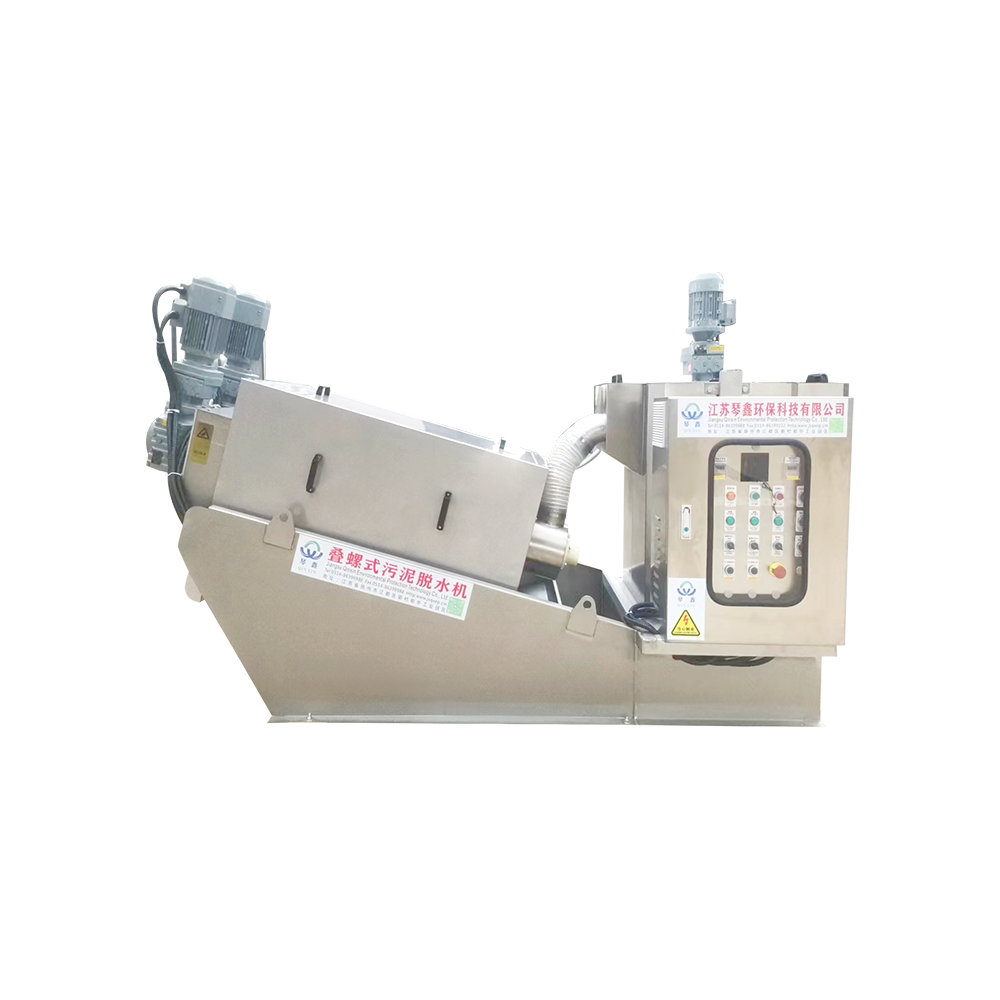
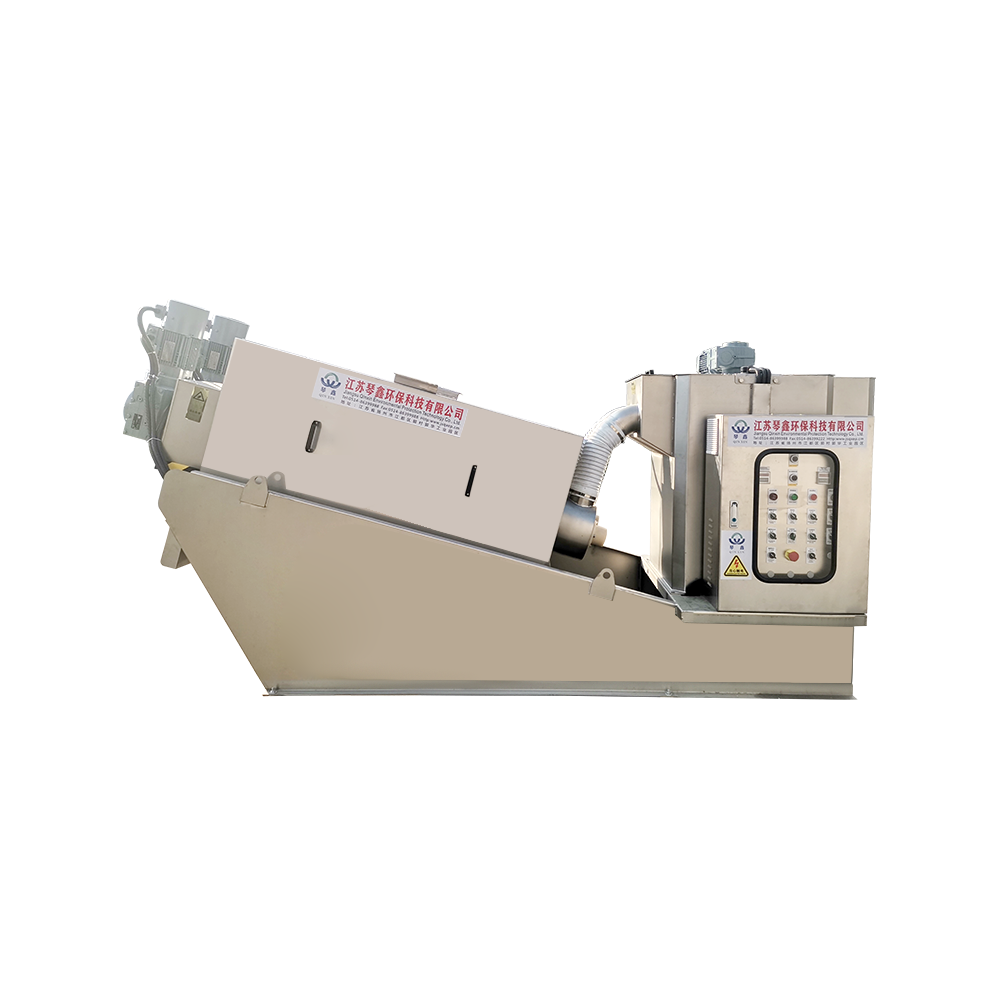
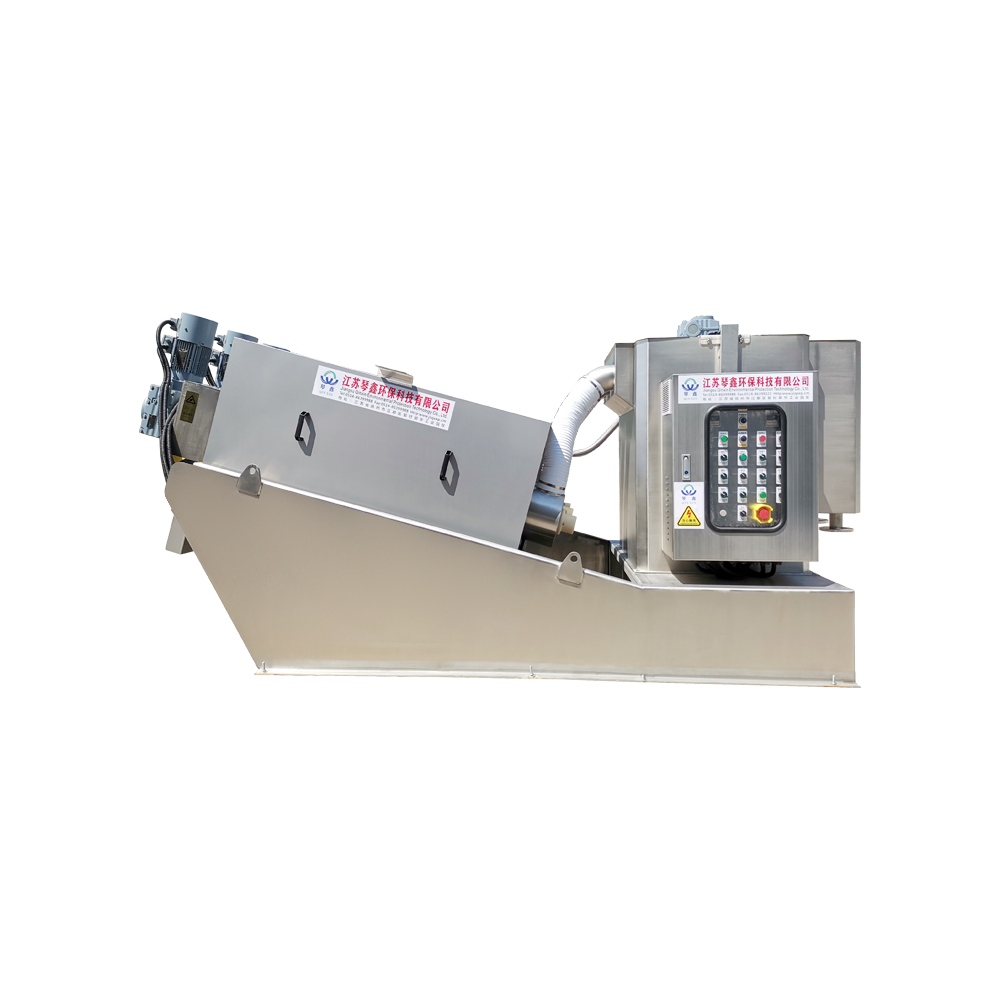
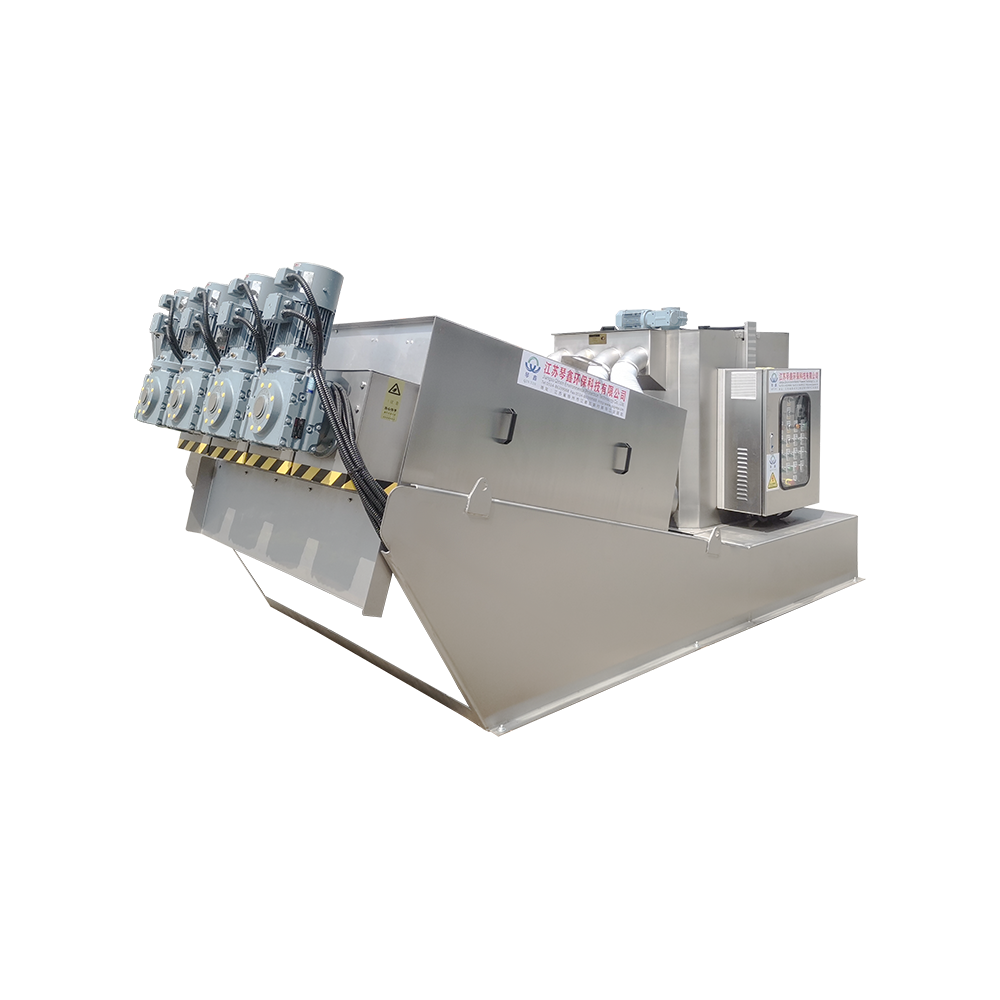
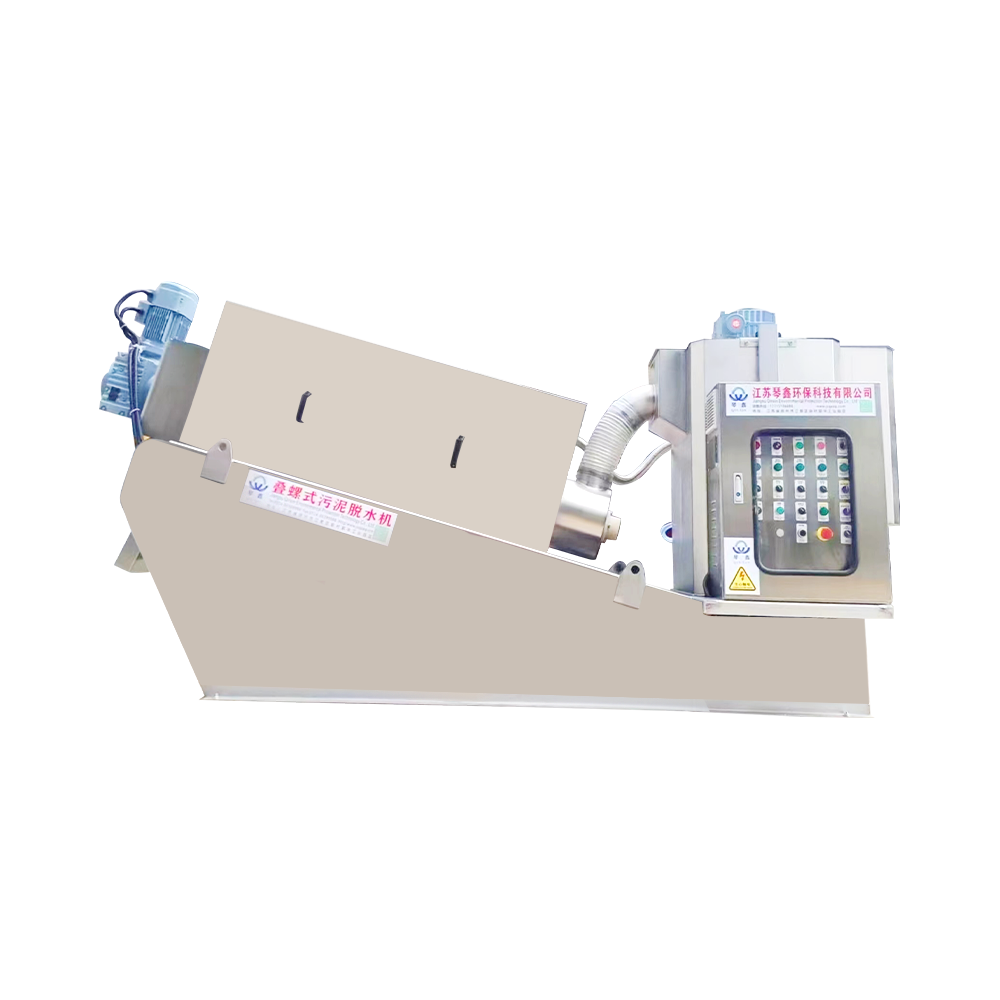
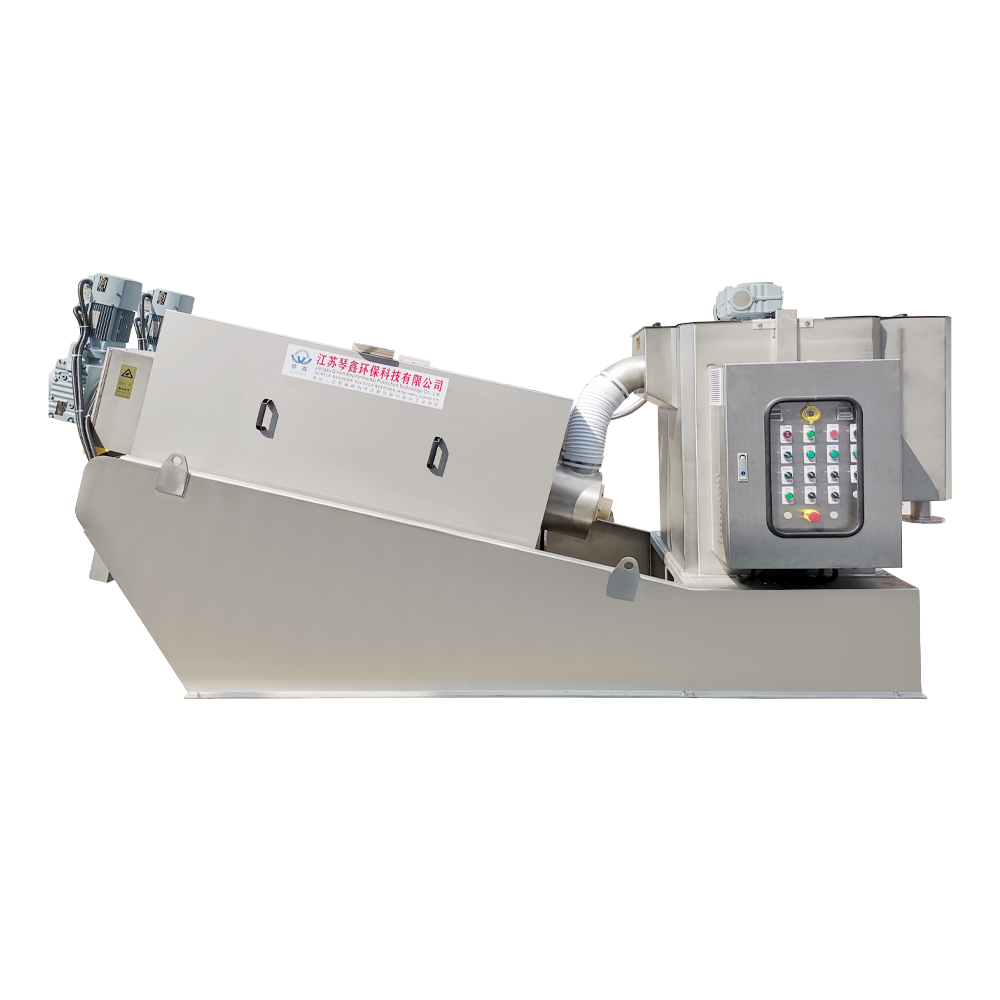
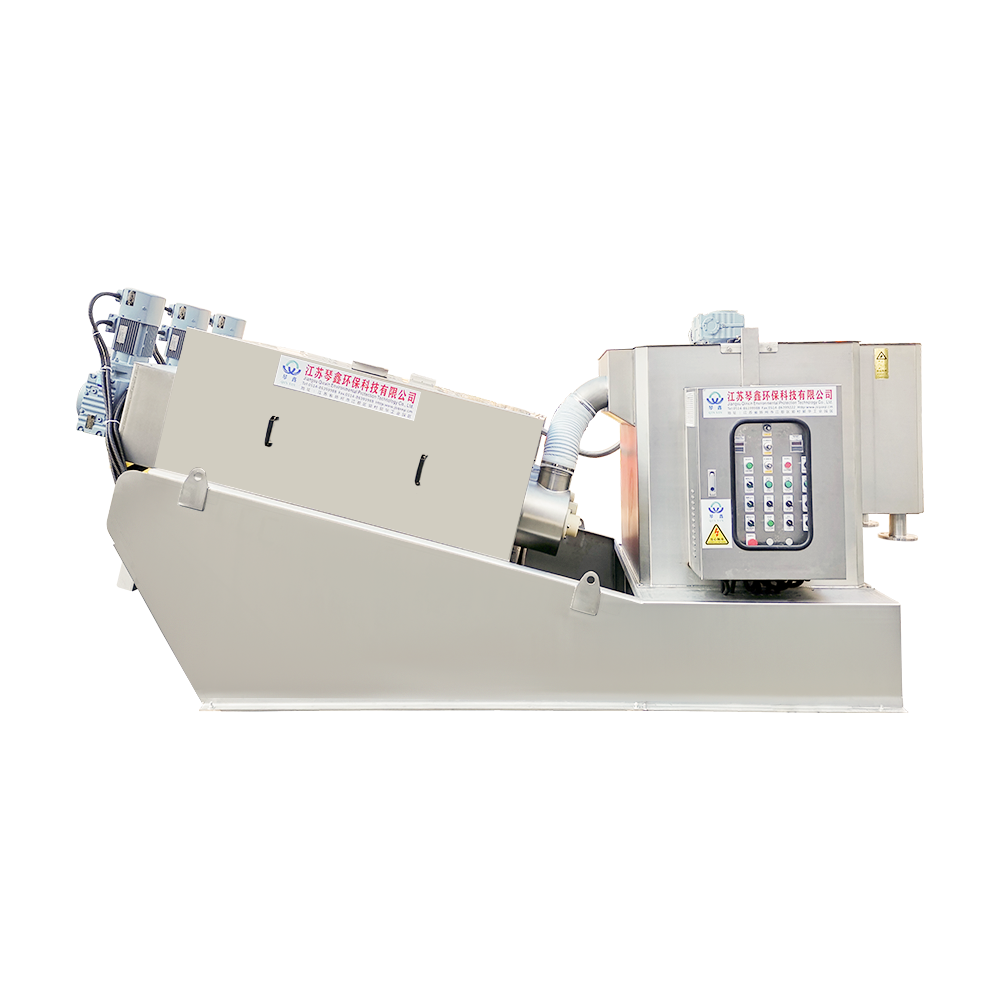
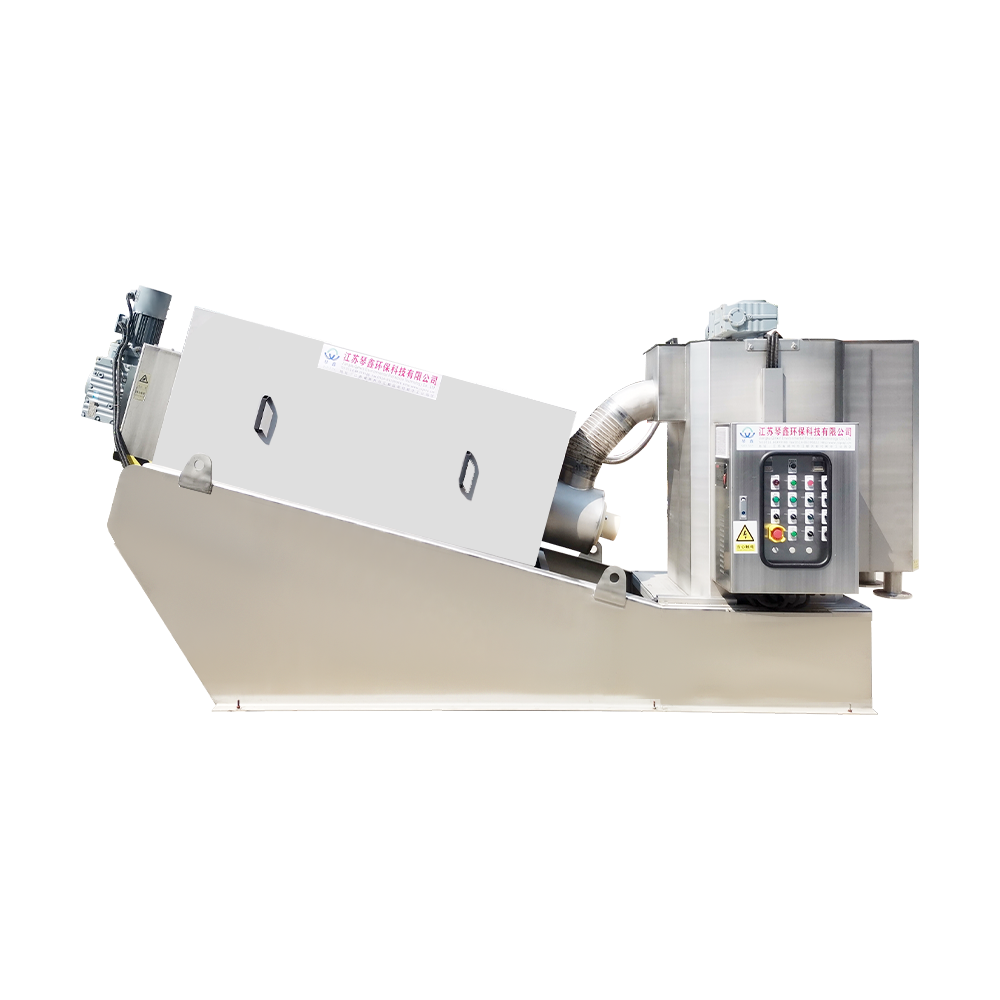
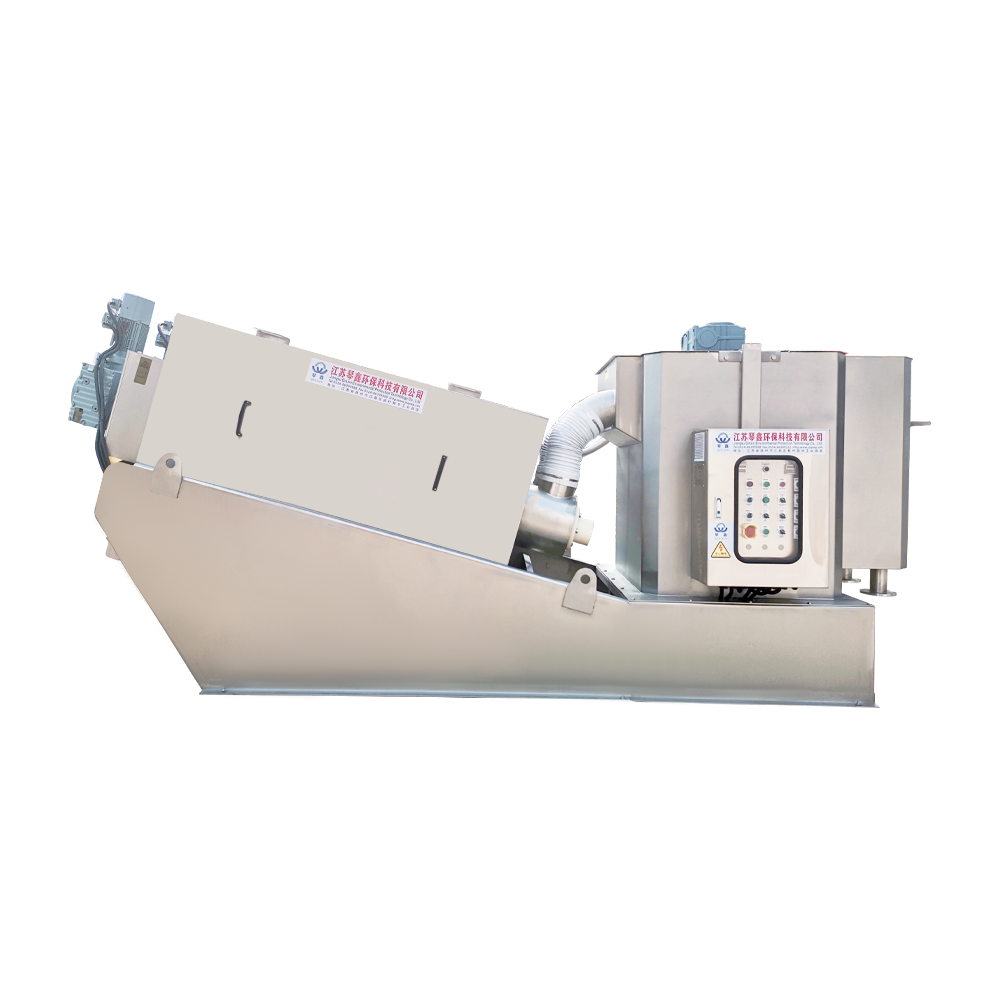
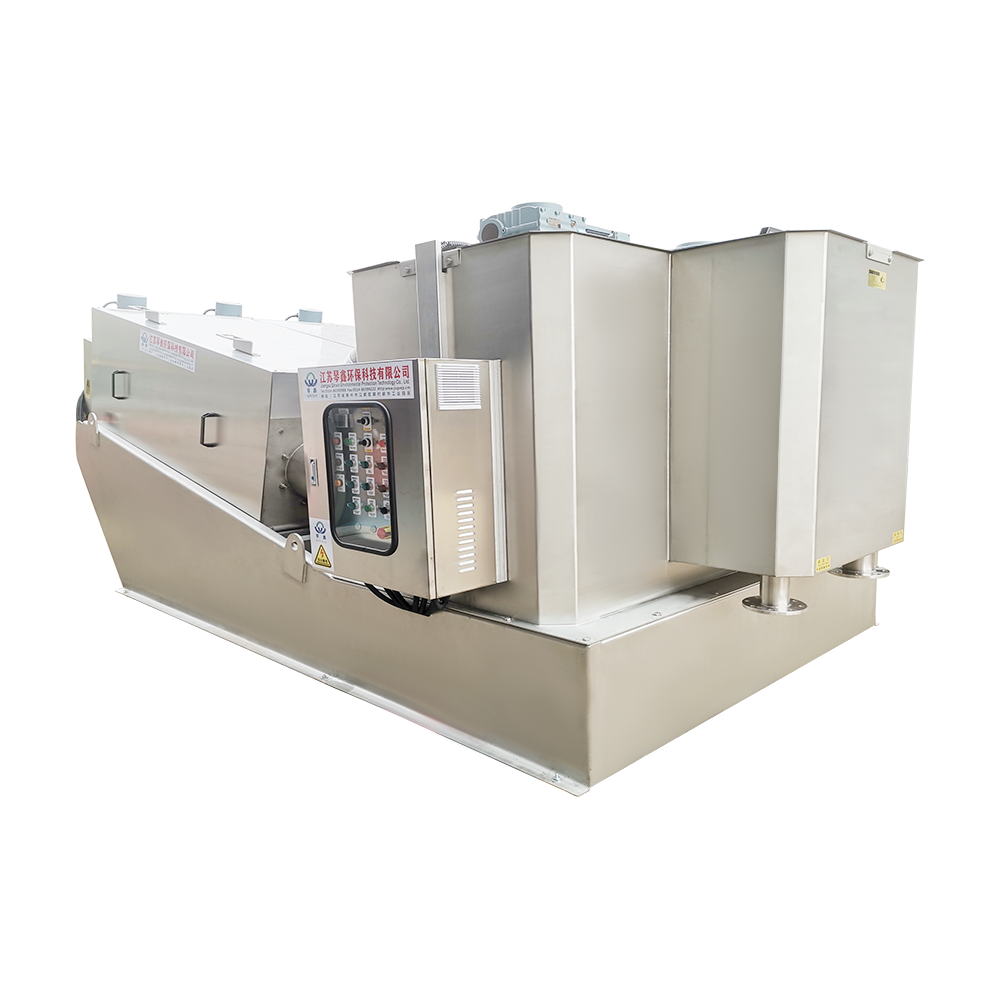
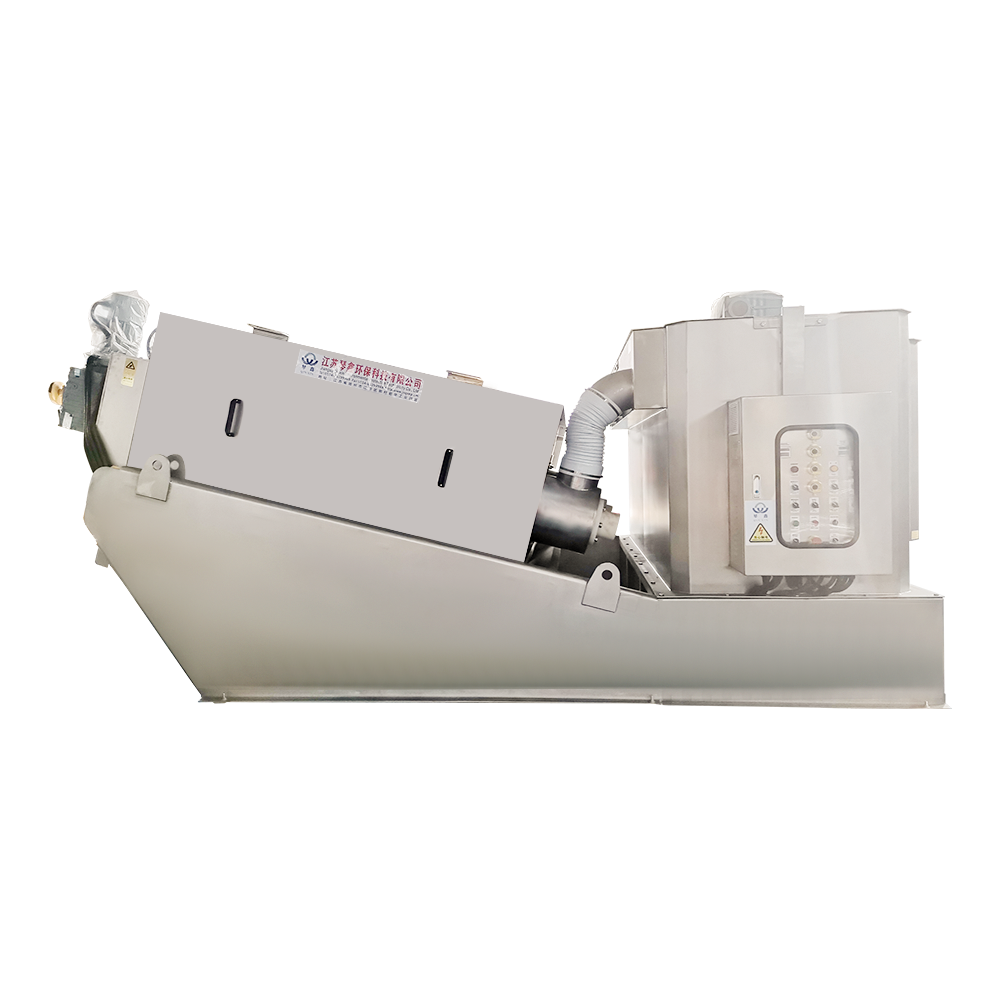
- Volume Compression Ratio: An advanced sludge screw press achieves dewatering by gradually reducing the volume of the internal chamber. As the screw pitch narrows and the shaft diameter increases toward the discharge end, the sludge is subjected to increasing mechanical pressure, forcing interstitial water out through the fixed and moving rings.
- Filtration Surface Area: The stacked screw design utilizes a self-cleaning mechanism where moving rings oscillate between fixed rings. This ensures that the filtration gaps remain unclogged, maintaining a constant flow of filtrate and preventing the "re-wetting" of the sludge cake.
- Engineering Expertise: Yangzhou Qinxin Environmental Protection Technology Co., Ltd. leverages years of practical research to design screw geometries that maximize the pressure gradient for industries ranging from petrochemical to food processing.
Flocculation Chemistry and PAM Dosing Precision
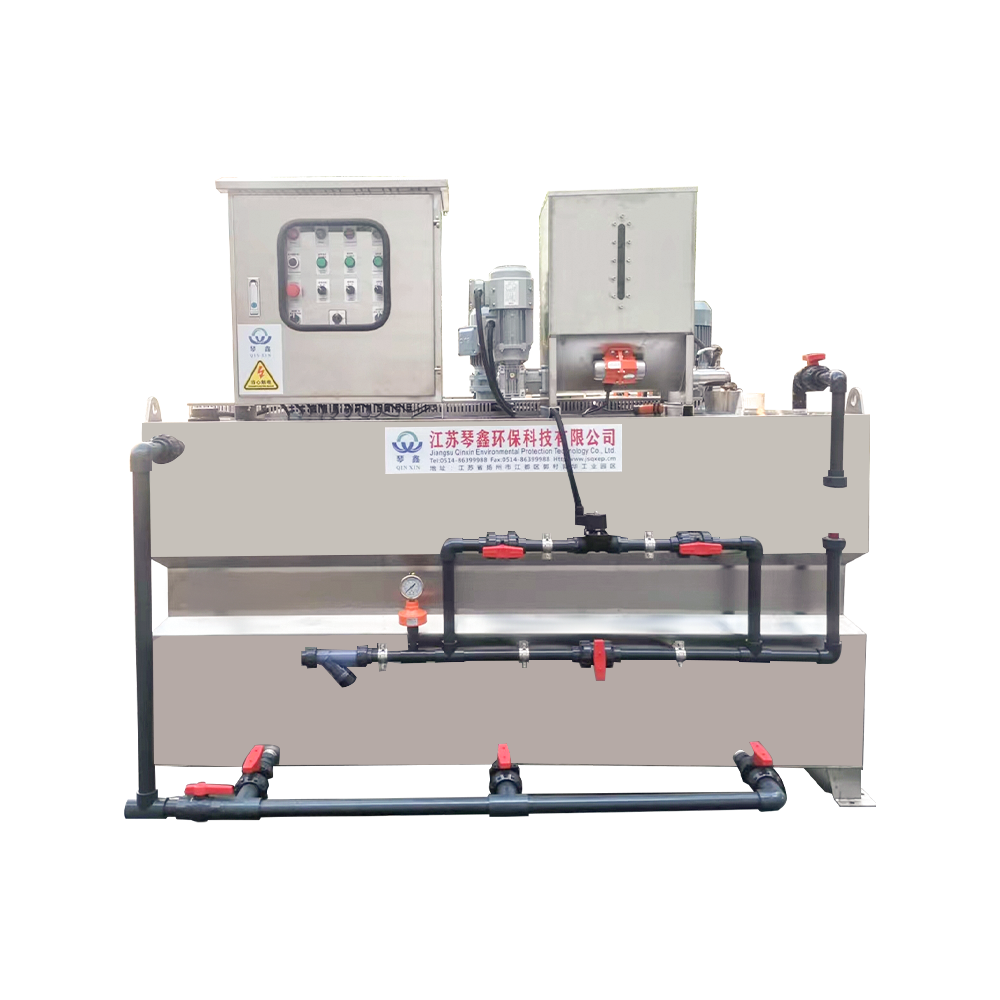
- Floc Strength and Structure: To achieve minimum moisture, the sludge must be properly conditioned using a PAM (Polyacrylamide) integrated dosing device. The polymer must create large, shear-resistant flocs that can withstand the mechanical compression of the dewatering machine efficiency cycle without breaking down into fine particles.
- Charge Neutralization: Precise dosing ensures that the surface charge of the sludge particles is neutralized, allowing the water to release more freely from the solid matrix. Improper dosing leads to "slimy" sludge that traps water regardless of the mechanical pressure applied.
- Integrated Systems: Qinxin specializes in the integration of PAM dosing devices with stacked screw sludge dewatering machines, providing a holistic solution to ensure optimal sludge conditioning before the dewatering stage.
Discharge Pressure Plate and Torque Control
- Back-Pressure Adjustment: The moisture content of the final cake is directly influenced by the adjustable pressure plate at the discharge outlet. By increasing the resistance at the exit, the sludge is retained in the high-compression zone for a longer duration, further squeezing out residual moisture.
- Variable Frequency Drive (VFD) Integration: Controlling the rotational speed of the screw is vital. A lower RPM increases the retention time, allowing for more thorough dewatering of difficult, organic-heavy sludge commonly found in the municipal and brewing sectors.
- Global Quality Standards: As an AAA-level contract-oriented enterprise, Qinxin ensures that our sludge cake moisture content performance meets the high-end market demands of Southeast Asian countries and beyond.
Technical Specification: Dewatering Performance by Industry
| Industry Sector | Typical Inlet Concentration | Target Cake Moisture | Recommended Treatment Flow |
| Municipal Sewage | 0.5% - 1.5% | 75% - 80% | Flocculation + Mechanical Press |
| Food & Beverage | 1.0% - 3.0% | 70% - 78% | High-Fat Pre-treatment |
| Petrochemical | 2.0% - 5.0% | 65% - 75% | Chemical Coagulation |
| Paper & Pulp | 1.5% - 4.0% | 60% - 70% | Fiber-Rich Dewatering |
Comprehensive Sewage Treatment and Service Awareness
- High-Tech R&D and Patents: Yangzhou Qinxin is committed to the development and sales of environmental protection equipment, holding multiple patents and quality management certifications (ISO9001, ISO14001).
- Versatile Application Range: Our sludge screw press and solid-liquid separators serve over a dozen industries, including pharmaceutical, aquaculture, and printing and dyeing.
- Export and Technical Support: Based in China, we are an important supplier of sewage treatment equipment to the high-end international market, providing advanced service awareness and strict regulations in every project.
Hardcore Technical FAQ
- What is the typical cake moisture achieved by a stacked screw press?: Depending on the sludge type, most industrial applications achieve between 70% and 80% moisture. For even lower levels, we recommend pairing the press with a sludge low-temperature drying system.
- Can the screw press handle oily sludge?: Yes. The self-cleaning gaps between the rings make the sludge screw press exceptionally effective for oily sludge in the petrochemical and food industries, where traditional filter presses often clog.
- How does screw wear affect moisture content?: Wear on the screw flight reduces the compression efficiency. Our screws are treated with specialized surface hardening to maintain peak performance and low moisture output for several years of operation.
- What is the benefit of a low-speed operation?: Operating at 2-5 RPM reduces energy consumption and mechanical wear while significantly increasing the sludge retention time for drier cakes.
- Does the machine require a high-pressure wash system?: No. One of the key advantages of the stacked screw design is its very low water consumption for self-cleaning compared to belt presses or centrifuges.
Technical References
- ISO 14001: Environmental management systems — Requirements with guidance for use.
- JB/T 12586: Stacked screw type sludge dewatering machine (Industry standard).
- ASTM D4413: Standard Test Method for Determination of Moisture Content of Sludge.

 TOP
TOP