
 ENG
ENG
 English
 русский
 Español
 Tiếng Việt
 ไทย
ไทย
Article Directory
- 1 Mechanical Principles of the Stacked Screw Design and Self-Cleaning Action
- 2 Reduction of Operator Intervention and Manual Maintenance
- 3 Technical Specification Comparison: Manual vs. Automated Cleaning
- 4 Resource Optimization and Energy Consumption Standards
- 5 Industry-Specific Applications and Environmental Compliance
- 6 Hardcore Technical FAQ
- 7 Technical References
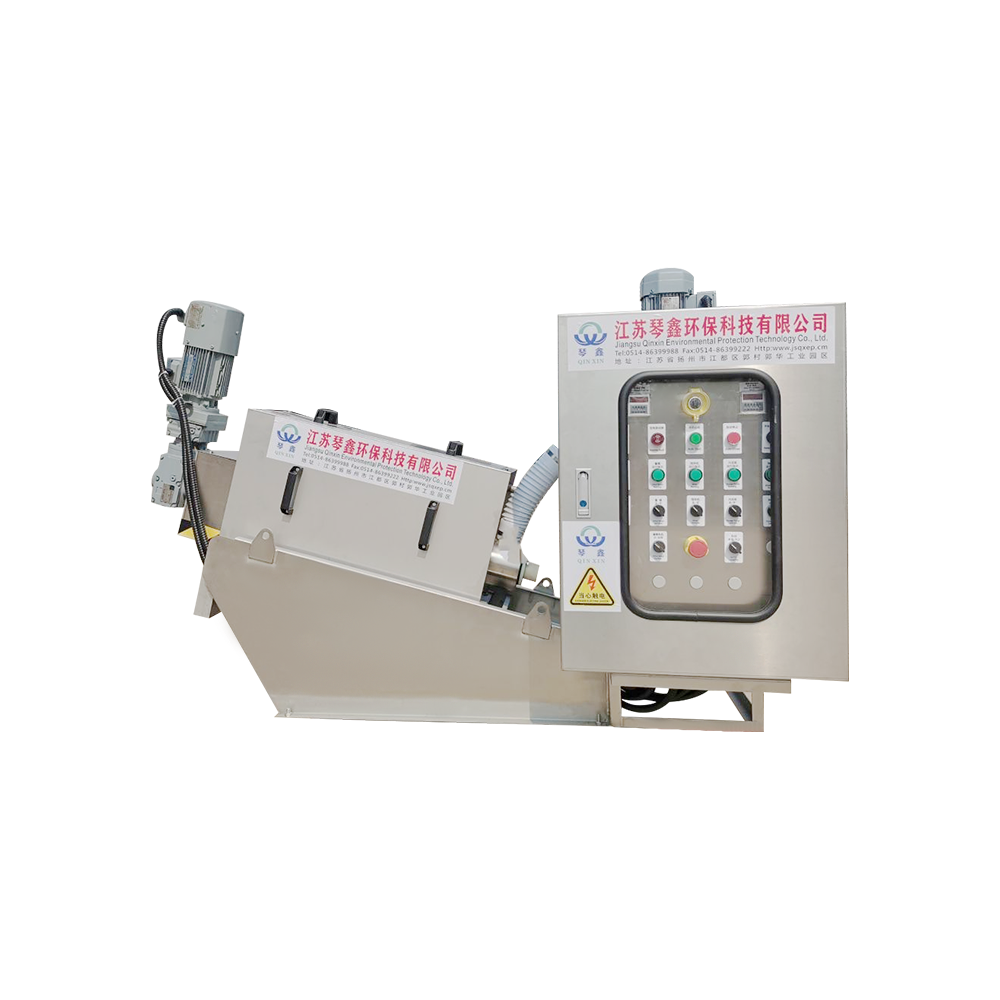
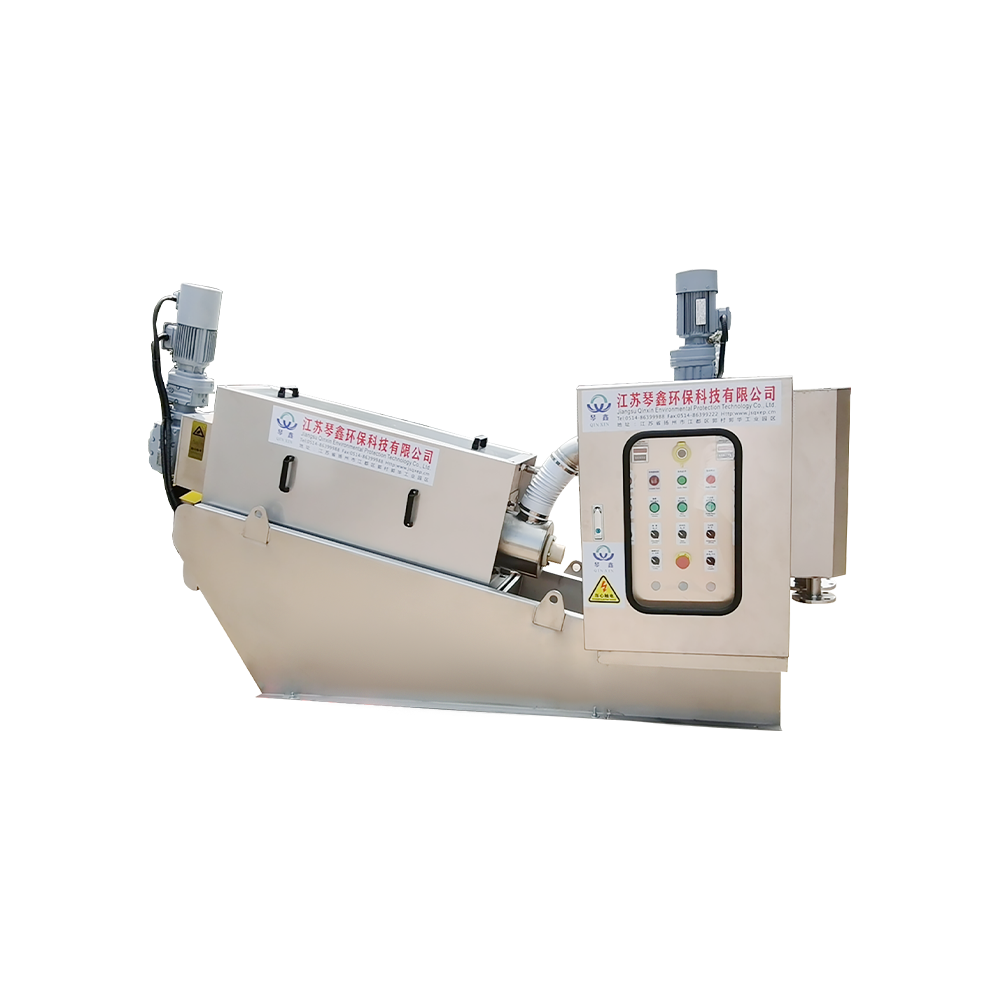
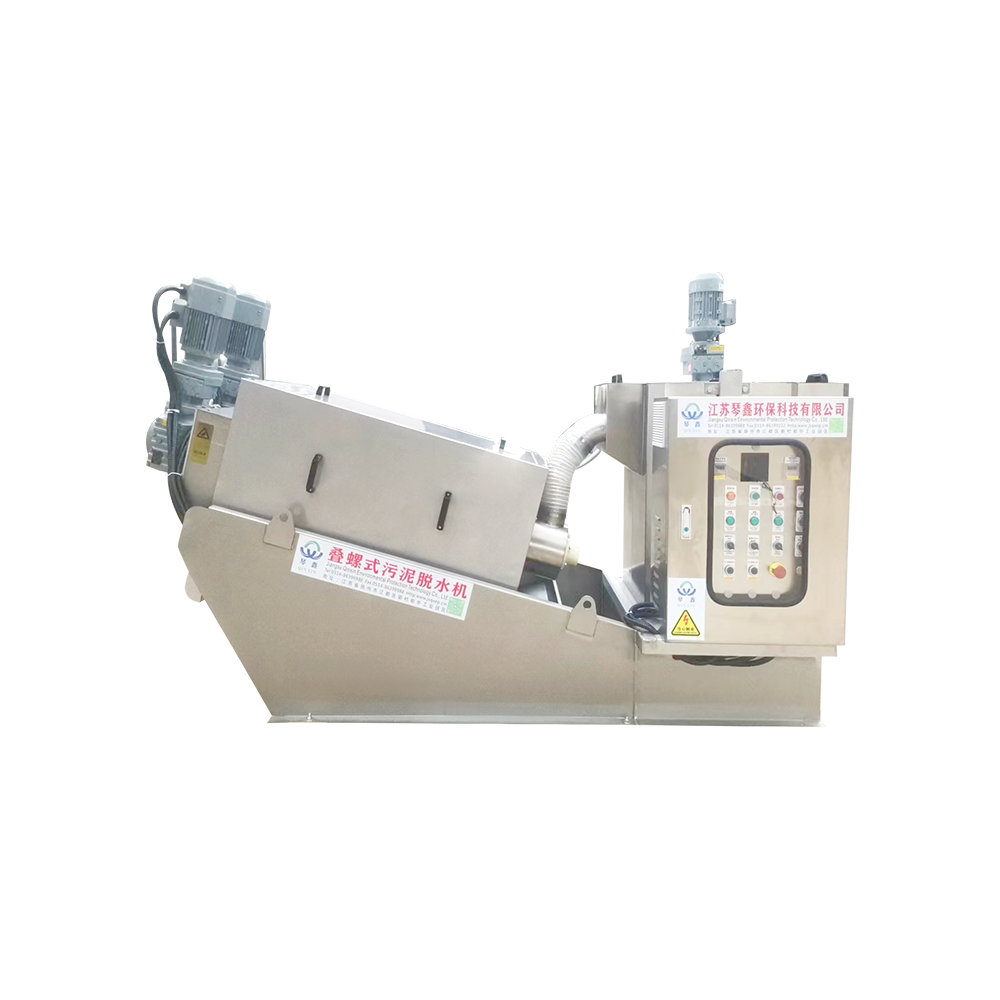
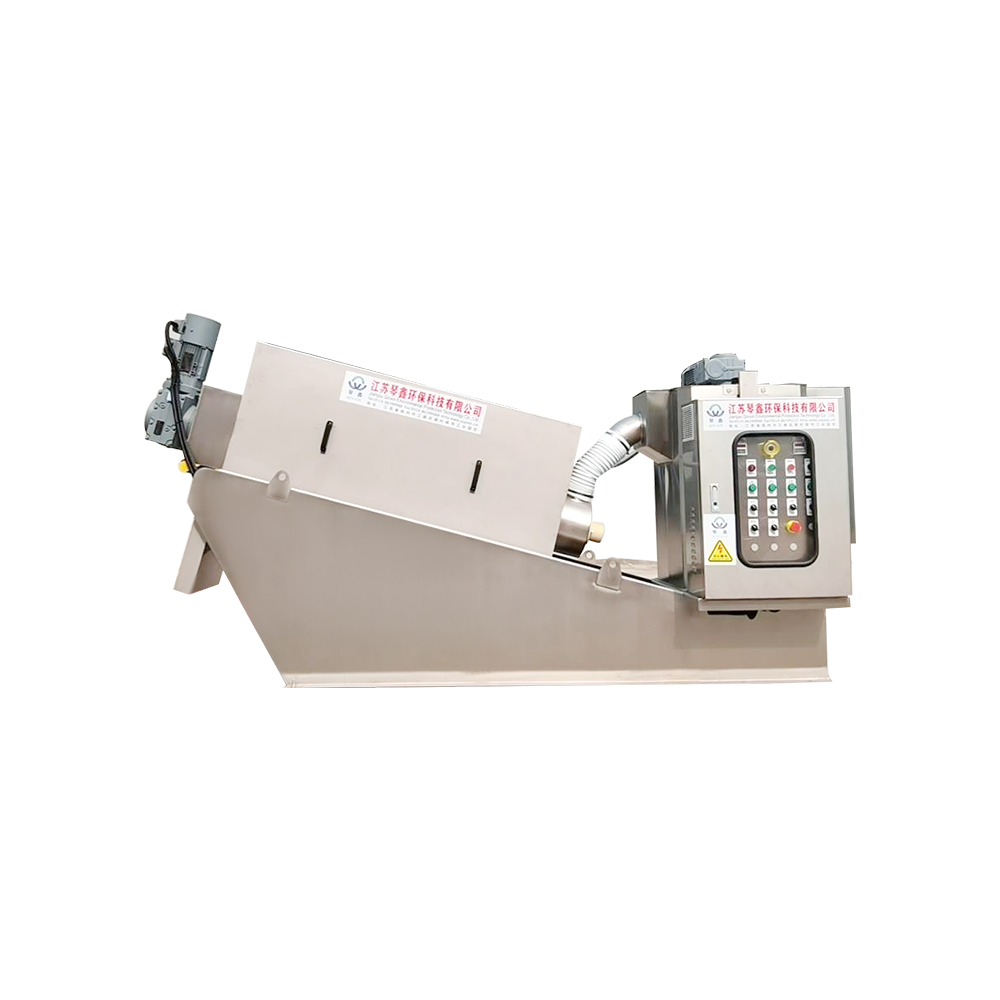
Yangzhou Qinxin Environmental Protection Technology Co., Ltd. is an industry-and-trade integrated enterprise specializing in the R&D and manufacturing of advanced sewage treatment equipment. Our core product line, including the screw dewatering machine, PAM integrated dosing devices, and low-temperature drying systems, serves diverse industrial sectors including municipal, food processing, petrochemical, and pharmaceutical industries. As an AAA-level contract-oriented entity with multiple quality and environmental management system certifications, Qinxin focuses on providing high-end solid-liquid separation solutions. Our equipment is engineered with strict adherence to ISO standards and is widely exported to Southeast Asian markets, establishing our position as a critical supplier for global environmental protection infrastructure.
Mechanical Principles of the Stacked Screw Design and Self-Cleaning Action
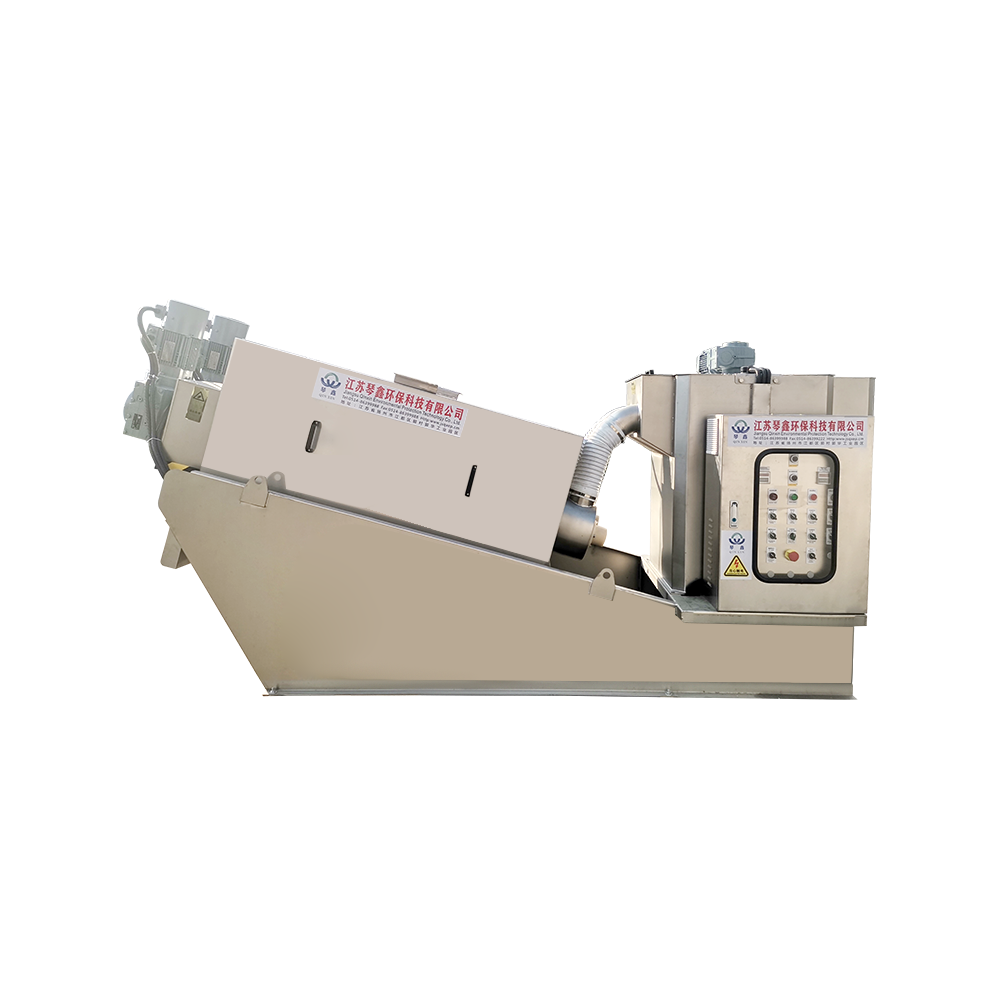
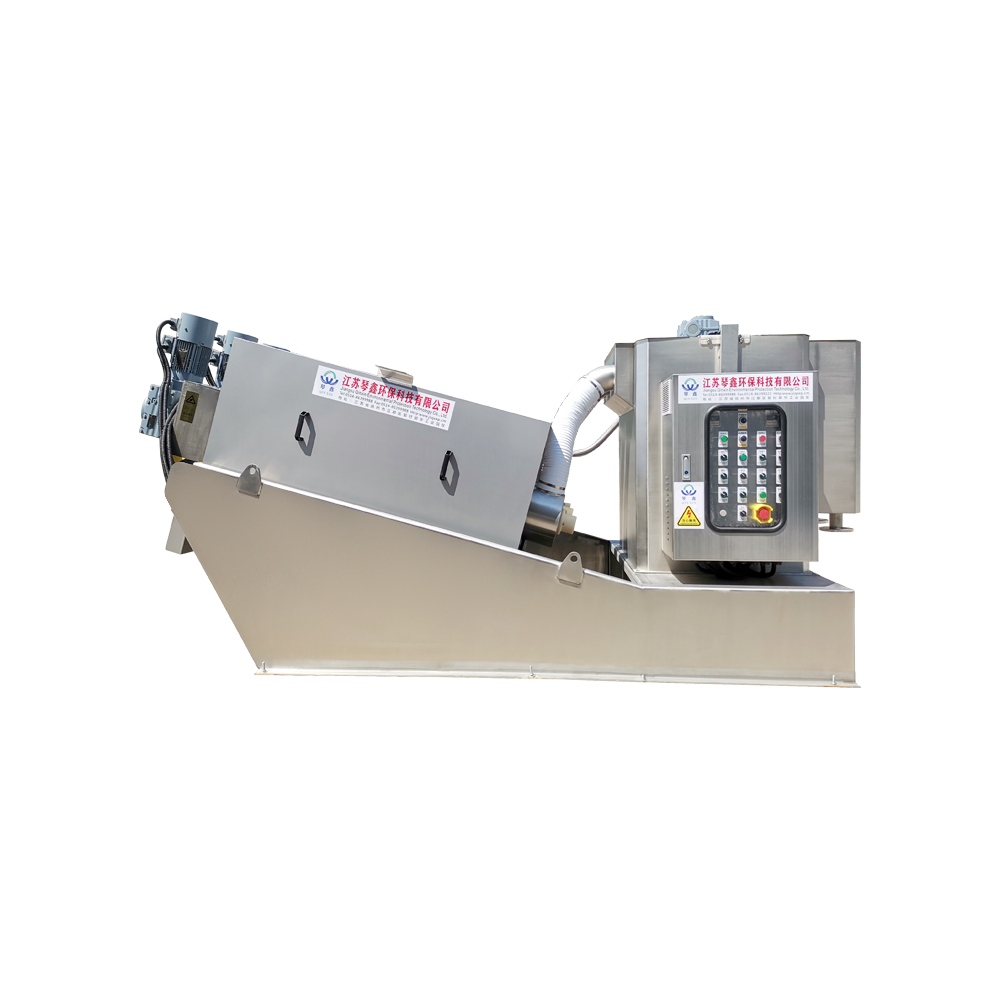
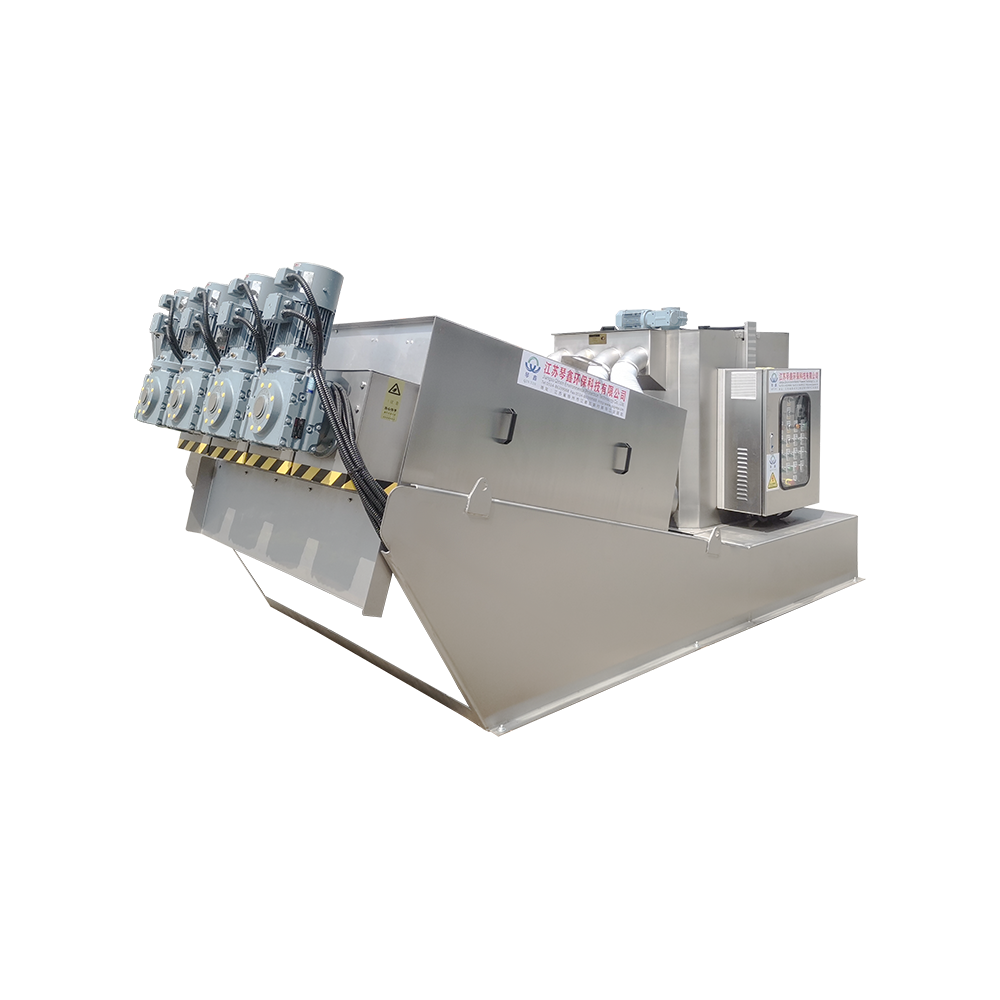
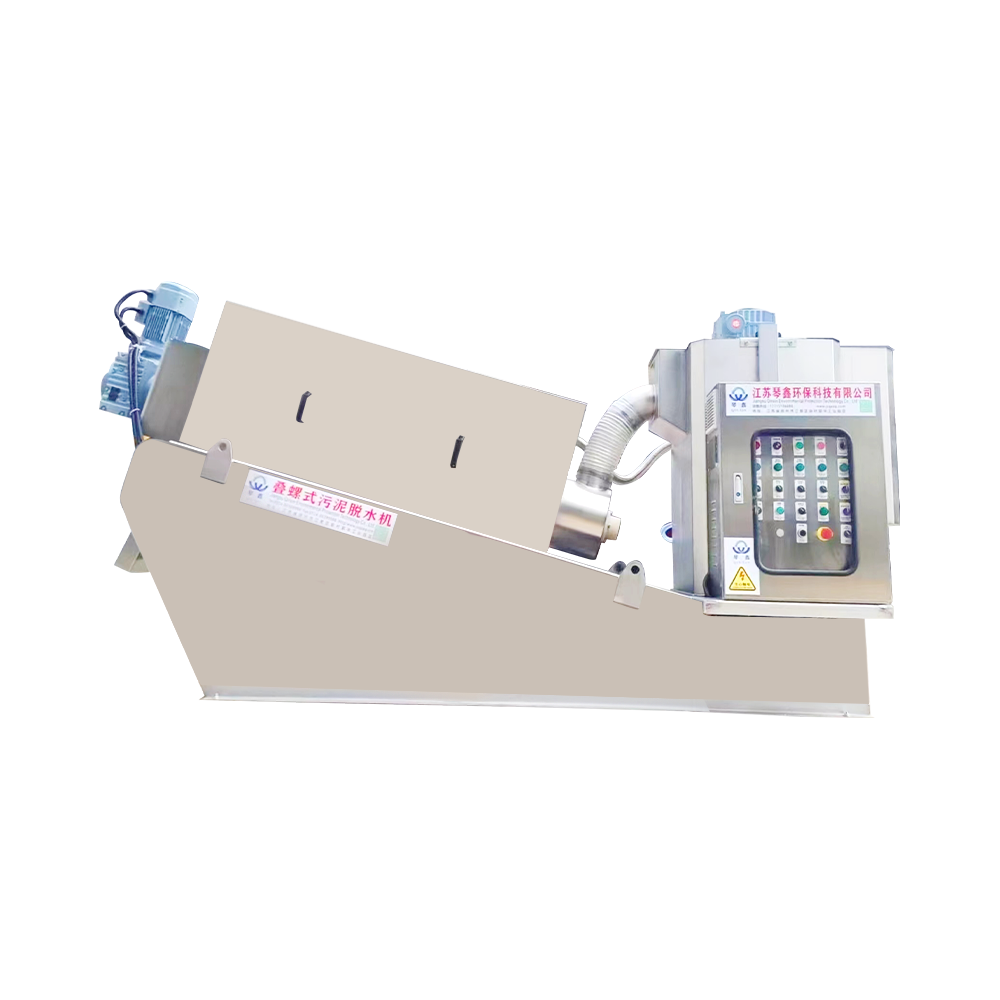
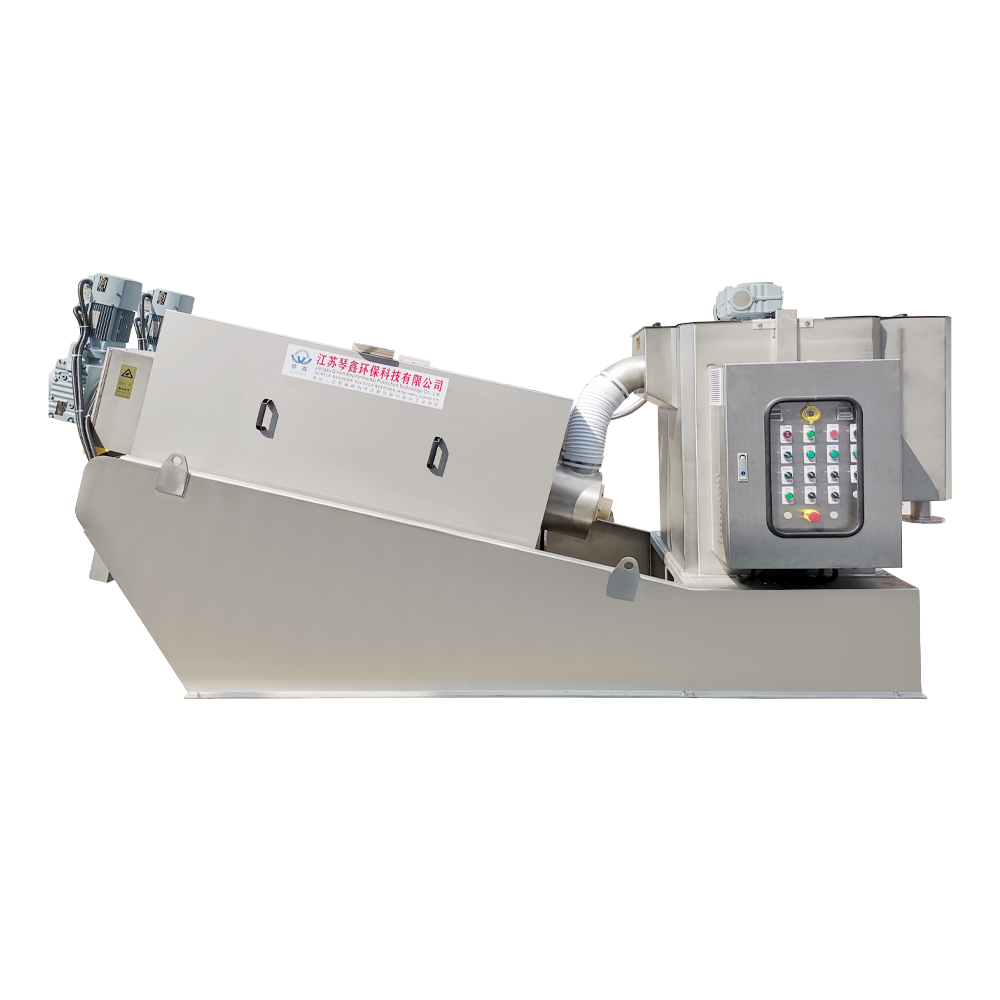
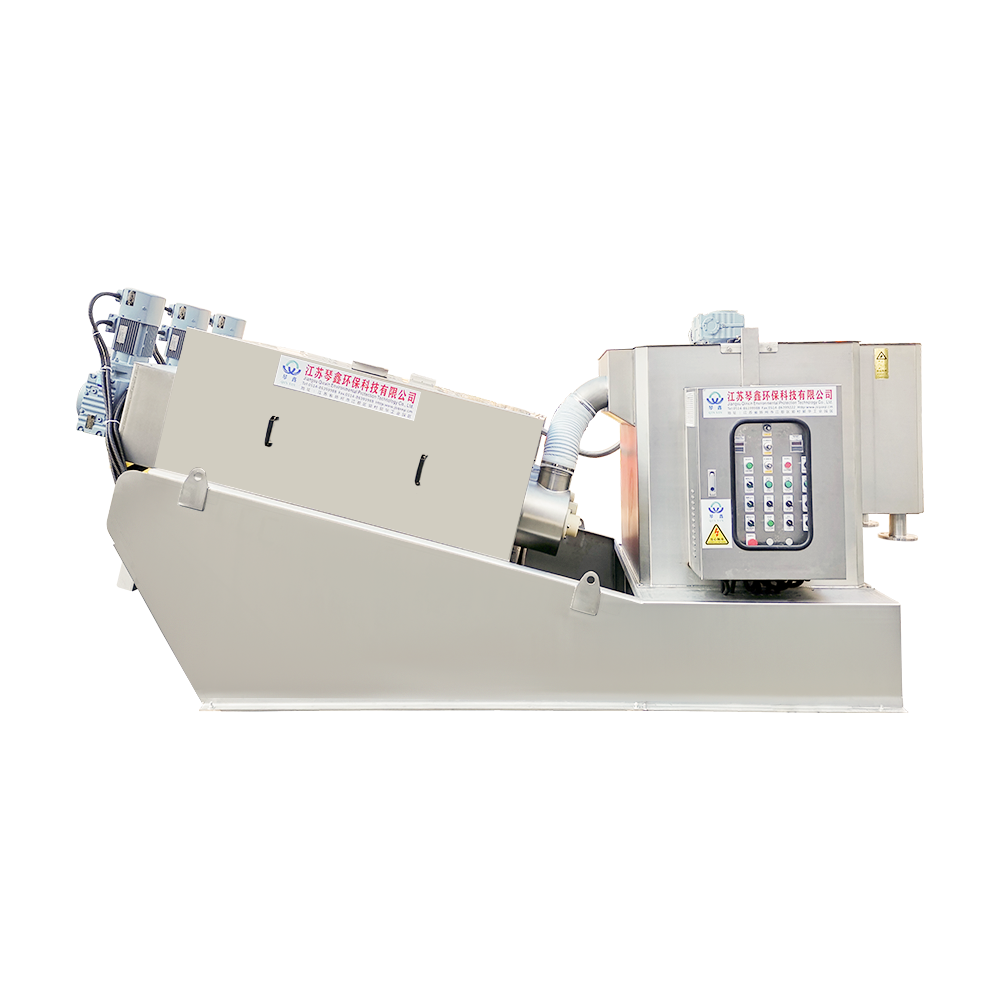
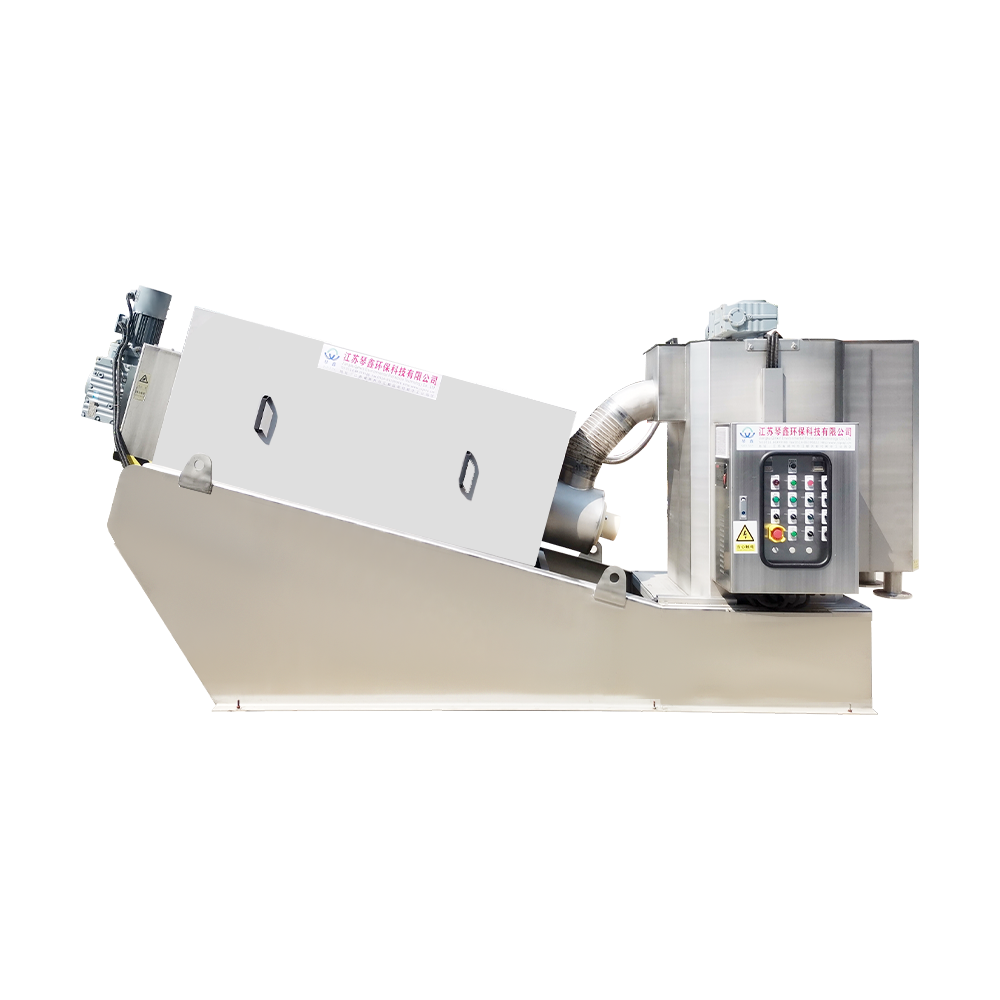
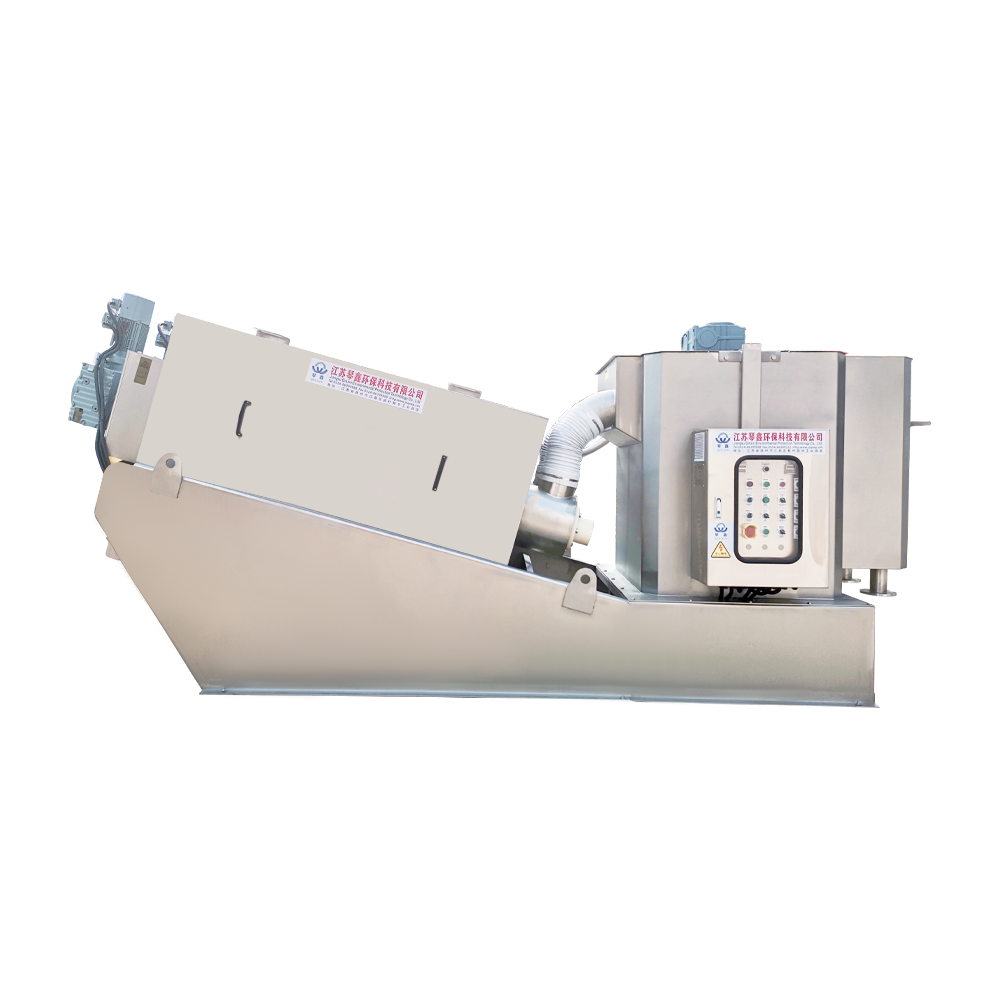
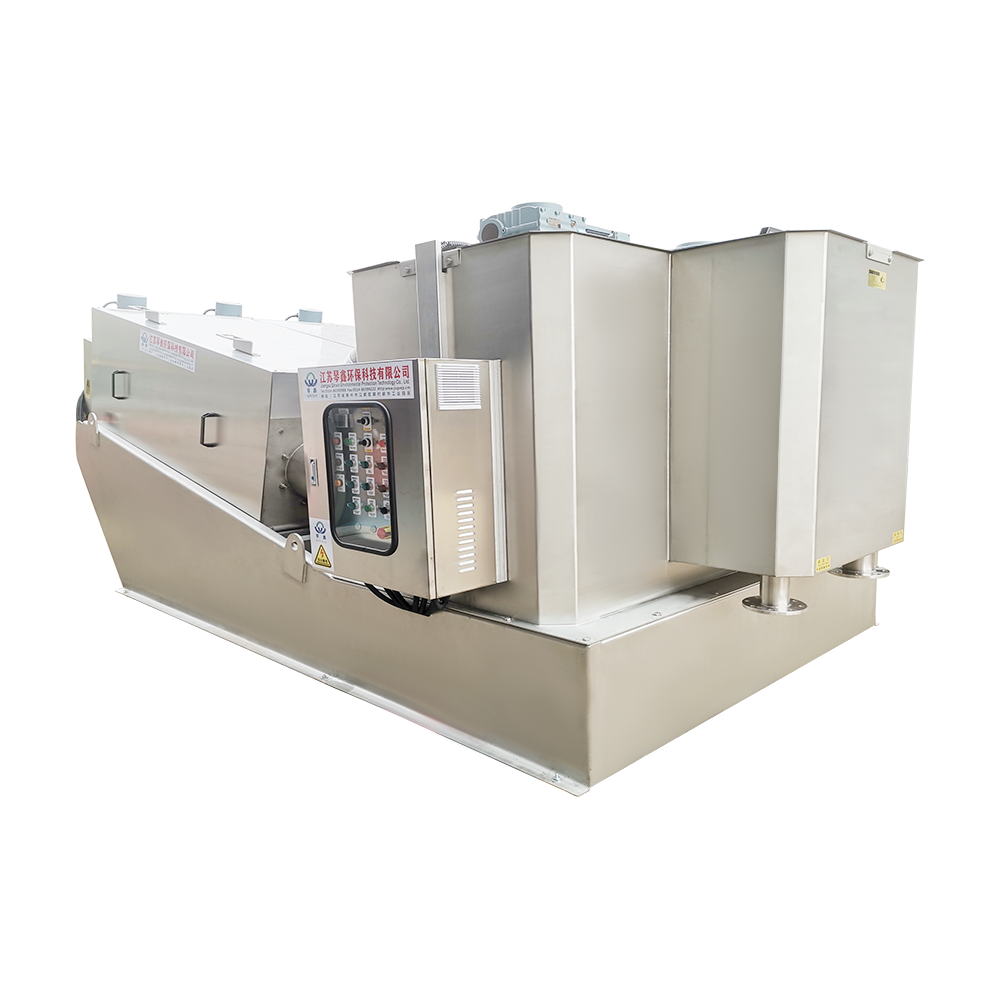
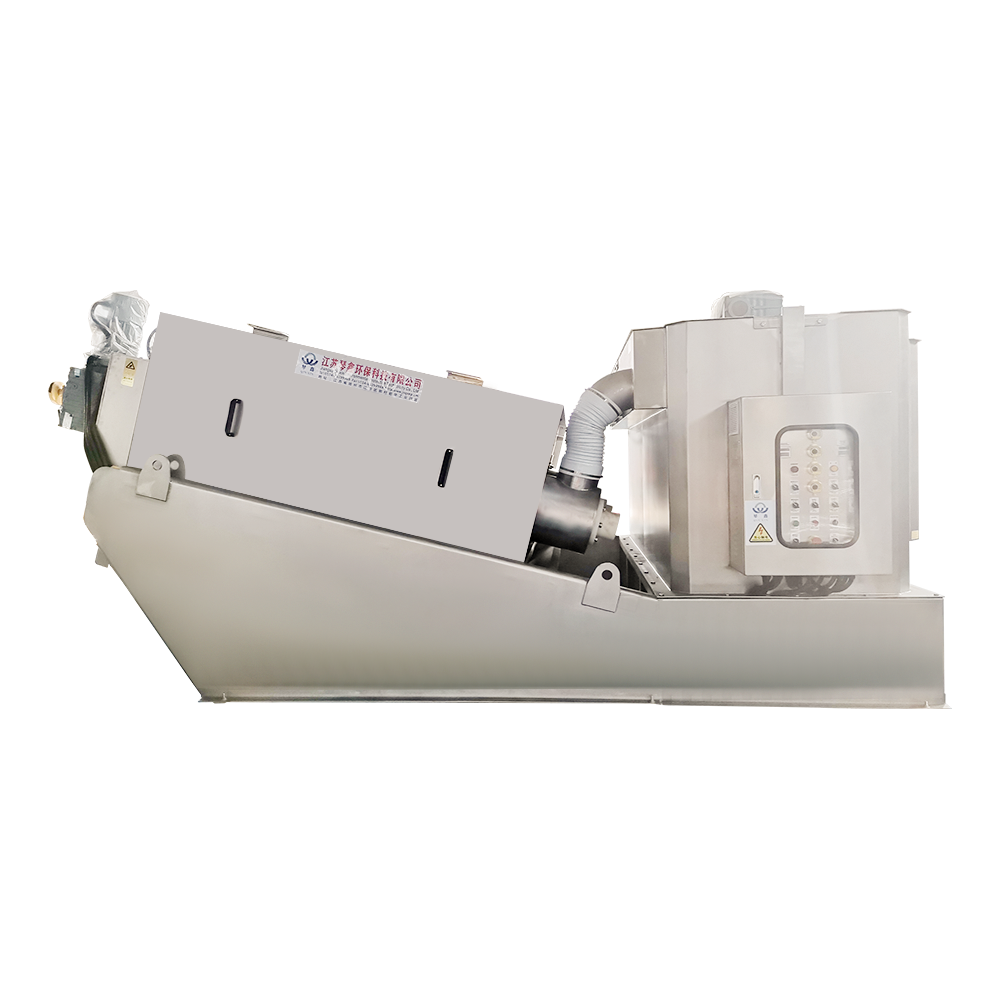
- 1. Dynamic vs Static Ring Interaction: The screw dewatering machine utilizes a series of fixed and moving rings. As the screw shaft rotates, the moving rings are continuously shifted by the screw flutes. This how a screw press dewatering machine works mechanical movement ensures that the gaps between the rings are constantly cleared, preventing the solids from clogging the filtration zone.
- 2. Friction-Induced Surface Cleaning: Unlike traditional filter presses, the self-cleaning mechanism of a stacked screw press operates through the relative motion between the rings. This internal mechanical friction effectively removes sludge cake buildup in dewatering equipment without requiring high-pressure backwashing, which is essential for oily sludge applications.
- 3. Filtration Gap Precision: The gap between the dynamic and static rings is calibrated to microns. This automatic nozzle-free cleaning for sludge dewatering ensures that the liquid phase (filtrate) escapes while the solid phase is pressurized toward the discharge outlet, maintaining a consistent dewatering efficiency of stacked screw presses.
Reduction of Operator Intervention and Manual Maintenance
- 1. Elimination of High-Pressure Backwashing: Traditional belt presses require frequent stops for manual cleaning. Why screw dewatering machines require less maintenance is primarily due to the integrated ring movement that prevents blinding of the filter media, reducing the need for an operator to manually clear blockages.
- 2. Automation and Remote Monitoring: Modern systems integrate PLC controls to manage the automatic washing cycle of screw presses. By automating the rinse intervals, the system reduces the human labor requirements for sludge dewatering operations to simple periodic inspections rather than constant manual oversight.
- 3. Wear Resistance and Component Longevity: Using SUS304 or SUS316L stainless steel, the screw press shaft wear resistance is optimized through tungsten carbide thermal spraying. This specialized coating extends the maintenance interval, answering how to extend the service life of a screw dewatering machine in abrasive municipal grit applications.
Technical Specification Comparison: Manual vs. Automated Cleaning
In high-load industrial environments, the difference between manual filtration systems and automated screw presses is measured in operational uptime and resource consumption.
| Operational Parameter | Manual Belt Filter Press | Qinxin Automated Screw Dewatering Machine |
| Cleaning Water Consumption | High (Constant High Pressure) | Low (Intermittent Low Pressure) |
| Operator Intervention Frequency | Hourly/Daily | Weekly/Monthly |
| Filtrate Quality (SS Recovery) | 80% - 90% | 95% - 99% |
| Noise Level (dB) | >80 dB | <63 dB |
Resource Optimization and Energy Consumption Standards
- 1. Low-Speed Rotational Torque: The screw dewatering machine operates at low speeds (typically 2-4 RPM). This energy consumption of screw presses vs centrifuges comparison shows a significant reduction in kilowatt-hour usage per ton of dry solids processed, as the system does not rely on high-speed G-forces.
- 2. Water Conservation Metrics: Because of the automatic self-cleaning feature of a screw dewatering machine, the volume of rinse water is reduced by over 90% compared to belt presses. This is critical for reducing the operational costs of wastewater treatment in aquaculture and leather processing sectors.
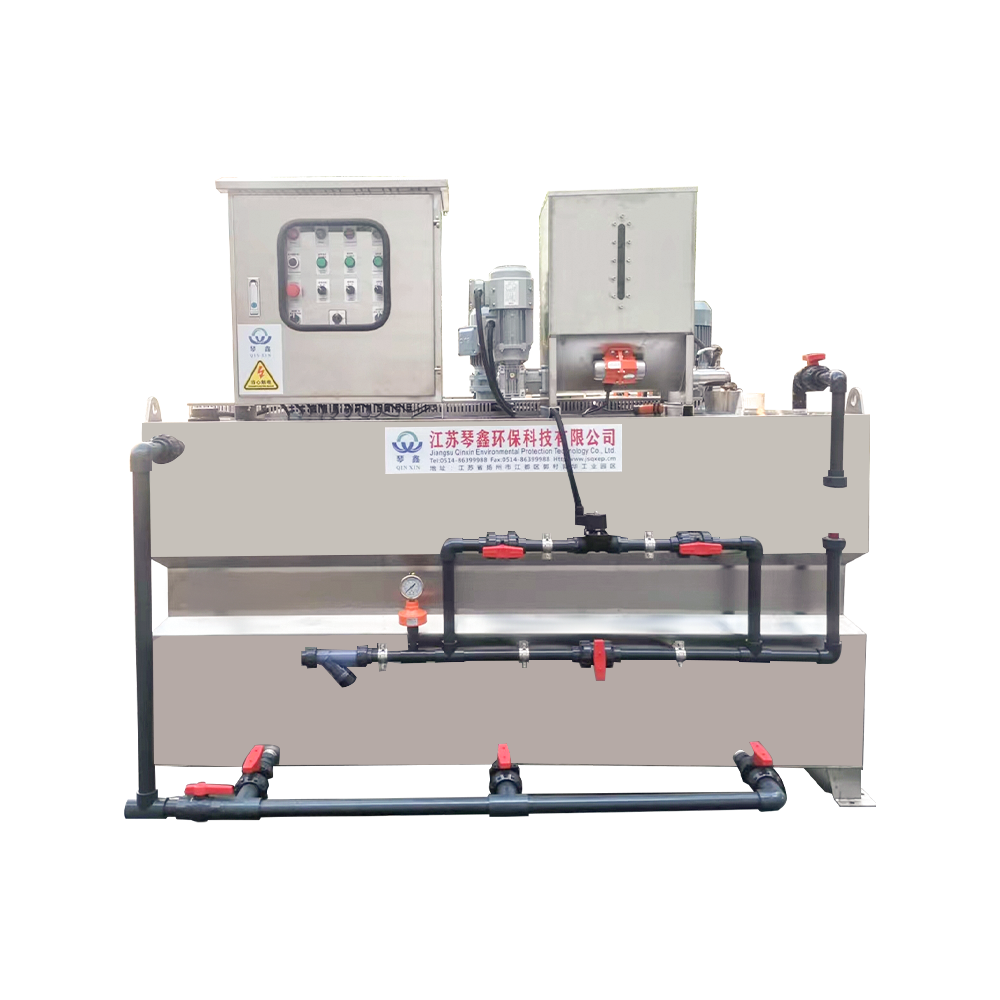
- 3. Chemical Dosing Integration: Utilizing our PAM integrated dosing devices, the sludge flocculation process in screw presses is precisely controlled. This ensures that the sludge enters the thickening zone with optimal floc size, preventing polymeric blinding of dewatering rings.
- 4. Space-Saving Modular Design: The compact footprint allows for installing screw dewatering machines in confined spaces, which is a key advantage for medical and pharmaceutical facility upgrades.
Industry-Specific Applications and Environmental Compliance
- 1. Oily Sludge Performance: In petrochemical and food processing, dewatering oily sludge with a screw press is superior because the self-cleaning rings prevent the grease from sealing the filtration gaps, a common failure in cloth-based filters.
- 2. Environmental Management Certification: All Qinxin equipment is manufactured to meet ISO 14001 environmental management standards, ensuring that the dewatering process contributes to the overall sustainability of the municipal or industrial plant.
Hardcore Technical FAQ
- How does the ring gap change during the dewatering process? The gap is fixed between static rings, but the moving rings oscillate within that space, constantly shearing off any solid particles that attempt to settle between the rings.
- What is the typical moisture content of the discharge cake? Depending on the sludge type, the screw dewatering machine can achieve a cake moisture content between 75% and 80% for municipal sludge.
- Can this machine handle sludge with high sand content? Yes, but we recommend tungsten carbide hardening on the screw flutes to mitigate the abrasive wear from inorganic grit.
- What is the typical power rating for a 300kg/h unit? A standard unit processing 300kg-DS/h typically requires less than 2.5kW of power, making it highly energy-efficient.
- Does the self-cleaning feature require external water? Yes, a small amount of low-pressure water is used intermittently to rinse away the sheared solids from the exterior of the rings, but the primary cleaning is mechanical.
Technical References
- ISO 14001: Environmental management systems — Requirements with guidance for use.
- ASTM D4410: Standard Terminology for Fluvial Sediment.
- JB/T 12812-2016: Technical Specification for Stacked Screw Type Sludge Dewatering Machines.

 TOP
TOP