
 ENG
ENG
 English
 русский
 Español
 Tiếng Việt
 ไทย
ไทย
Article Directory
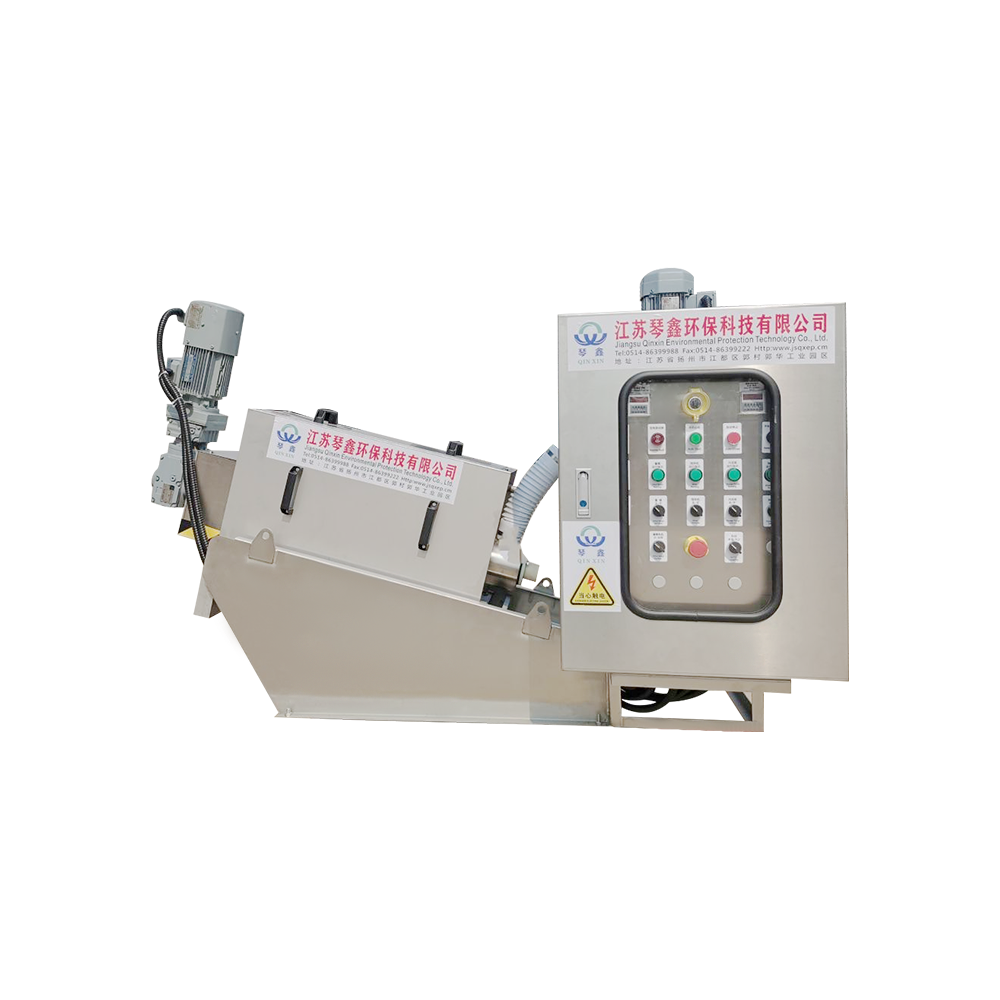
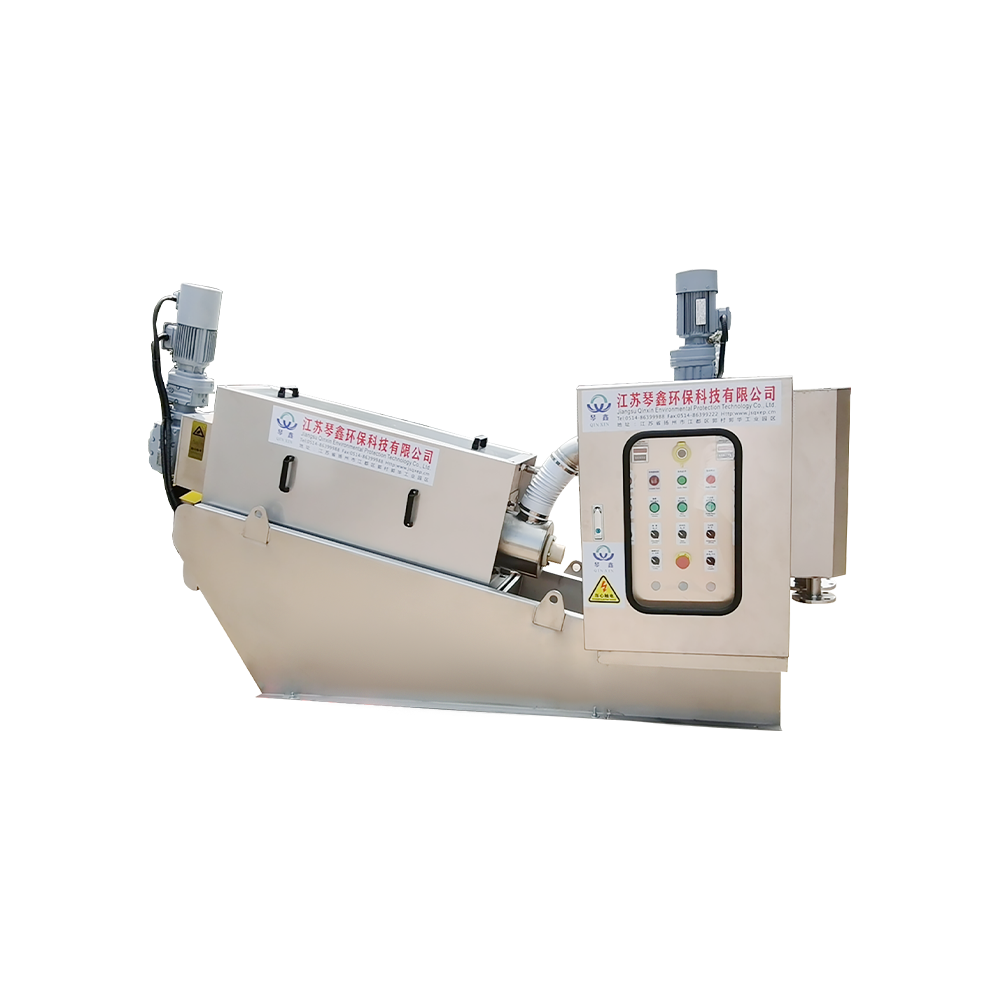
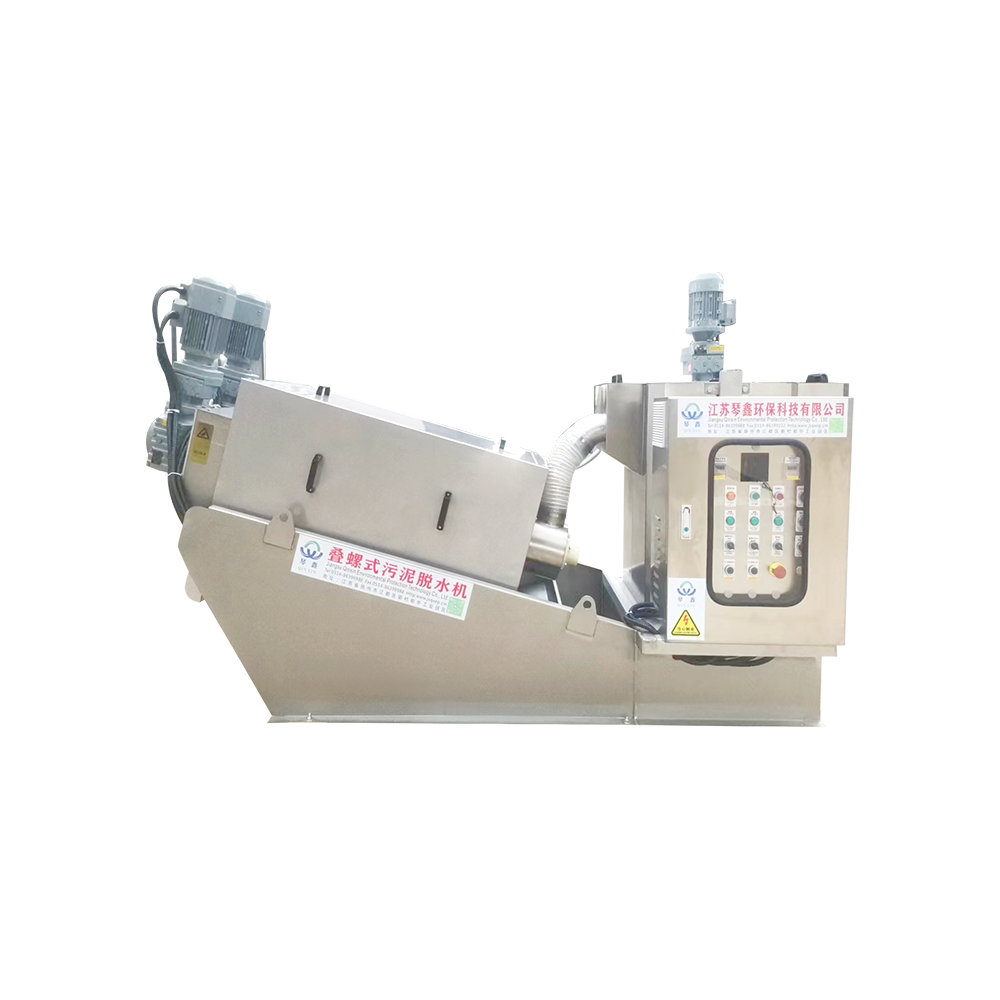
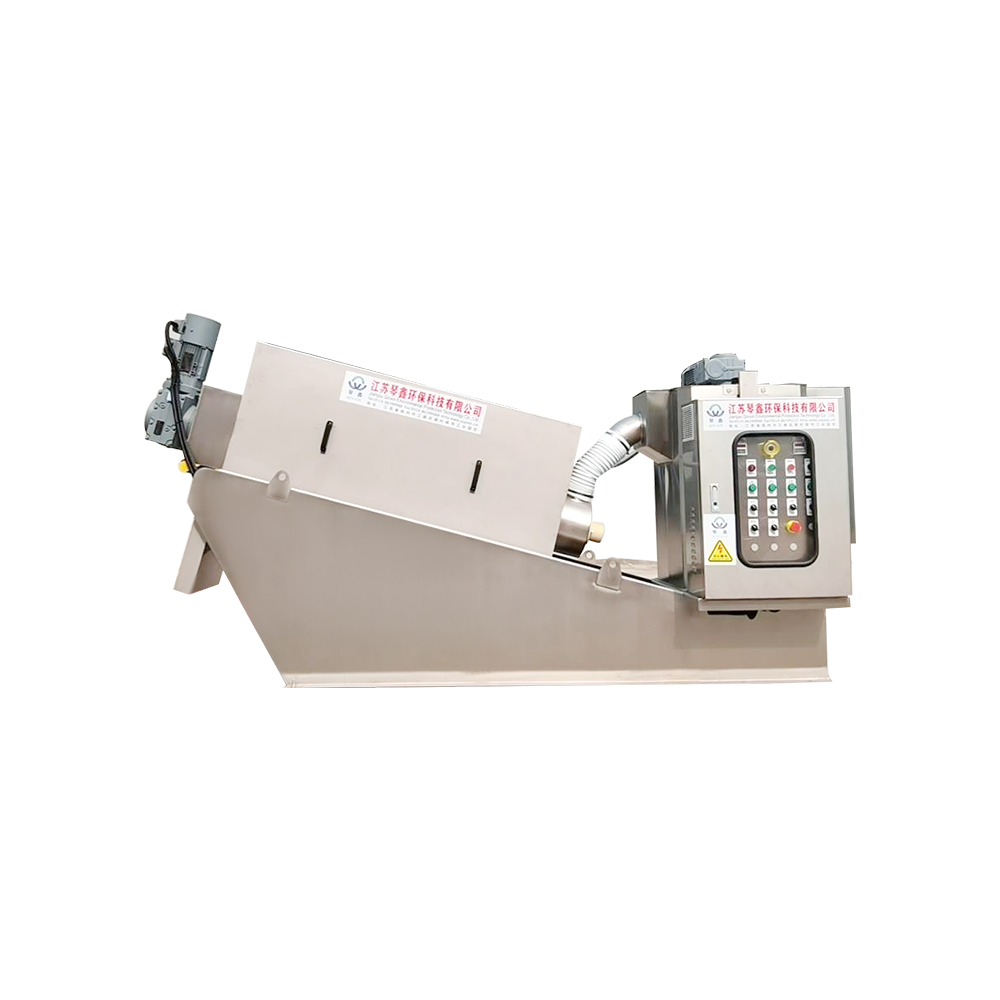
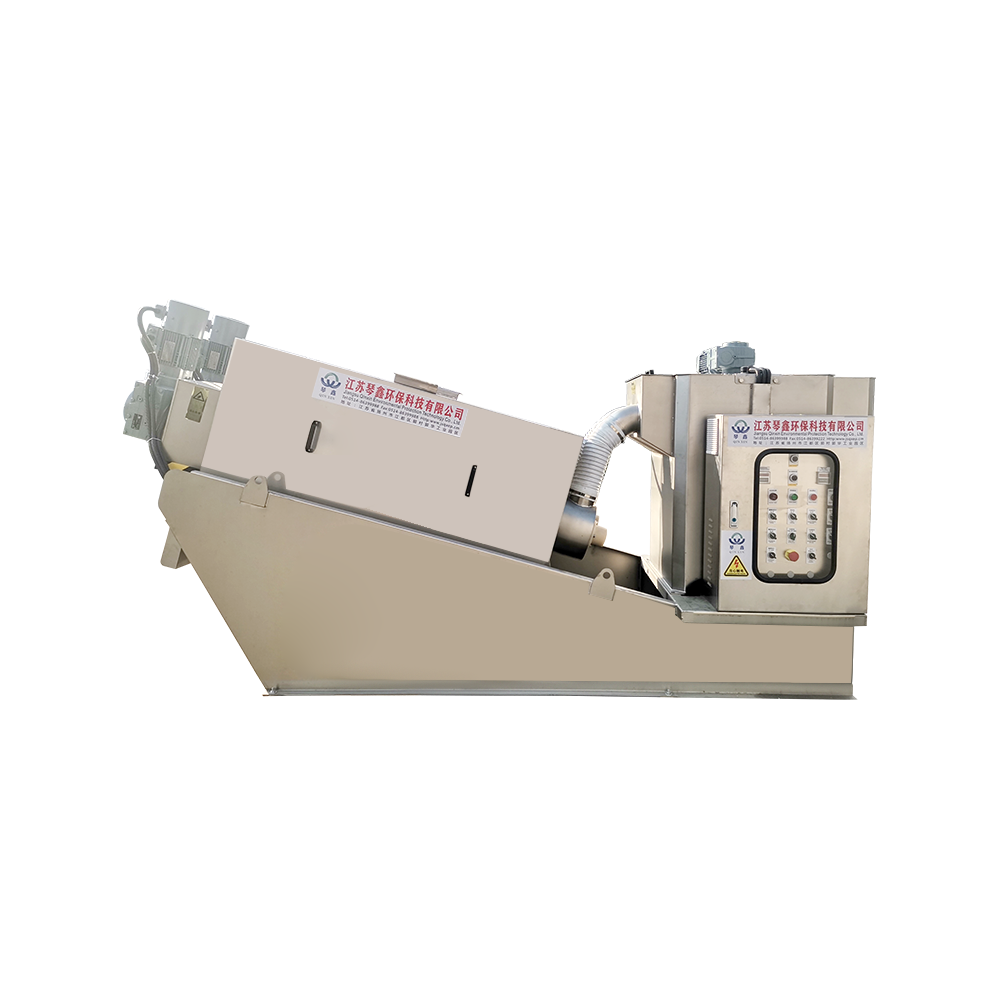
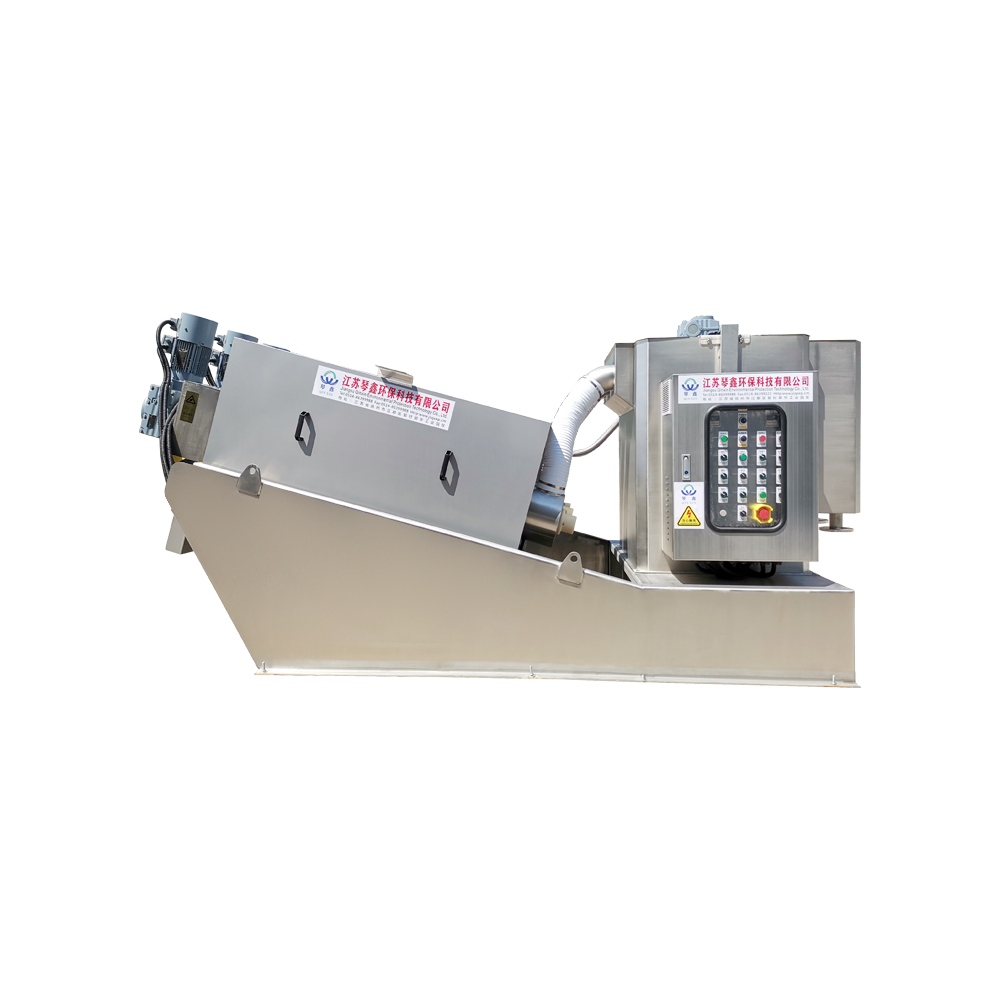
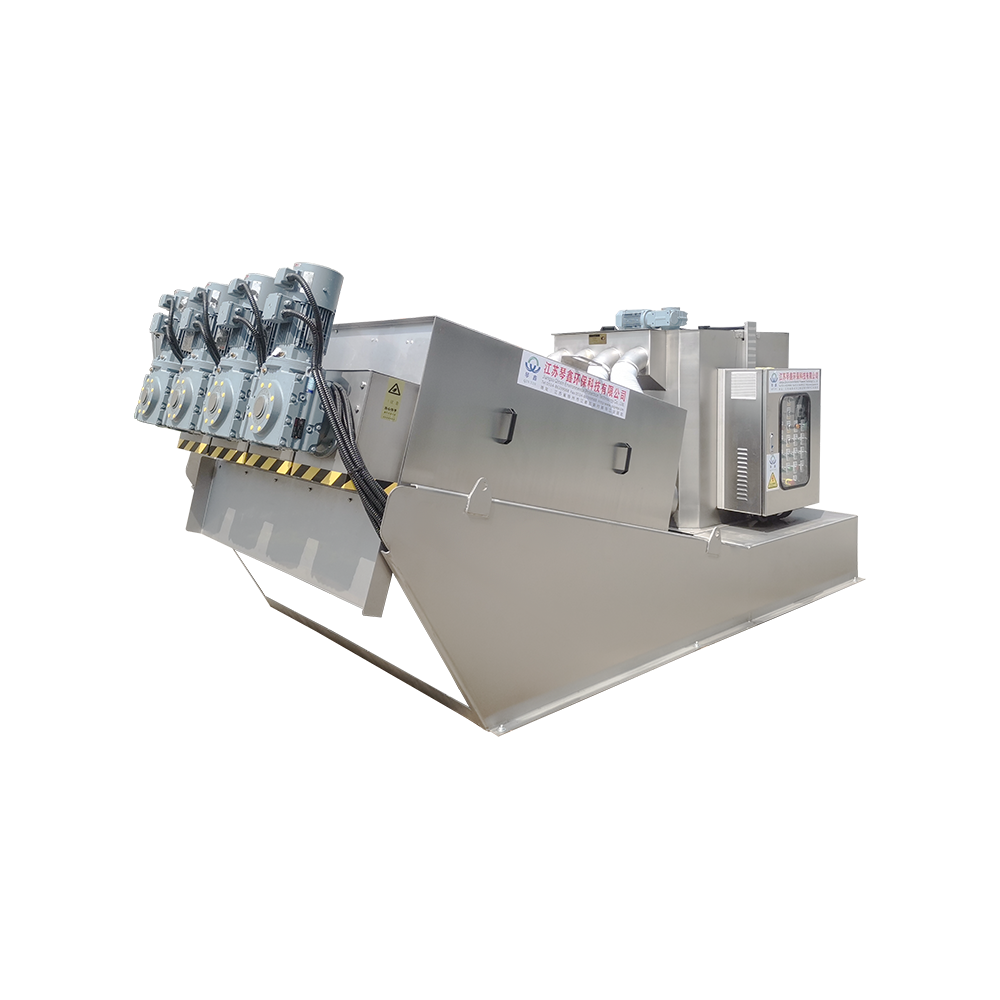
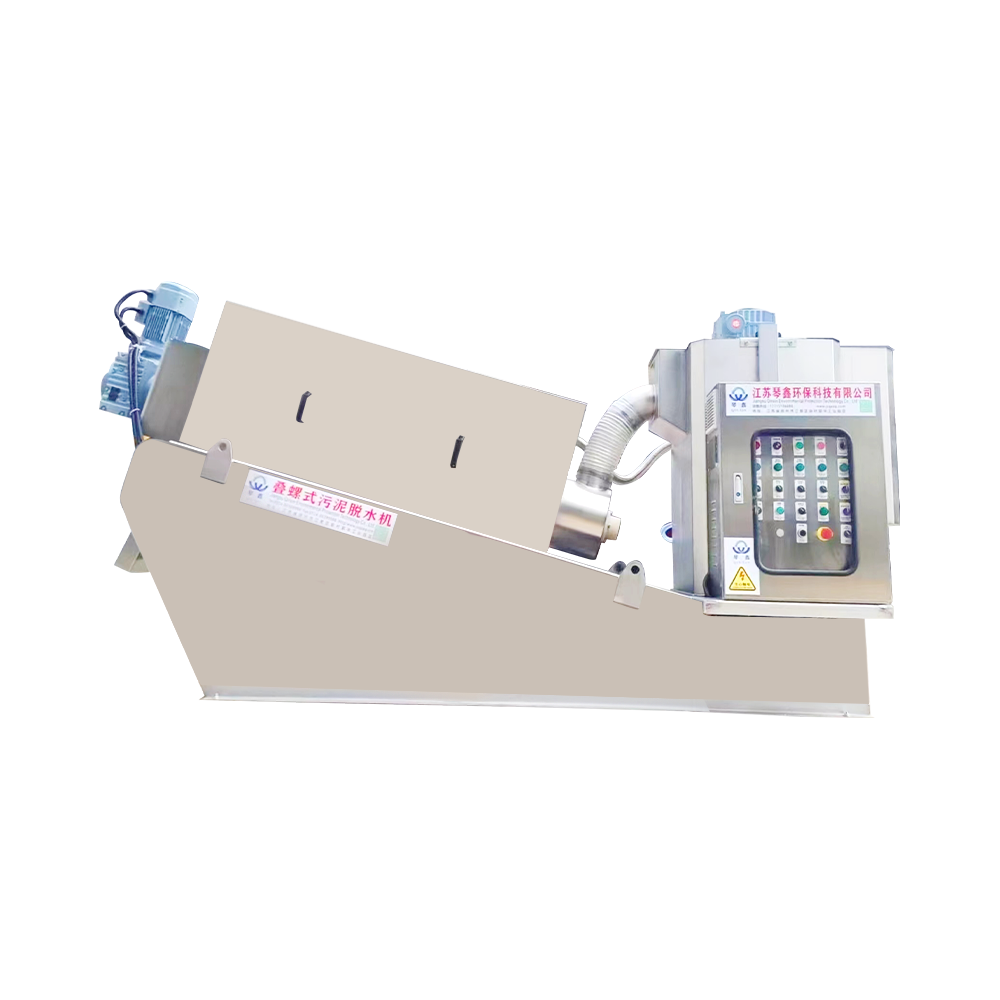
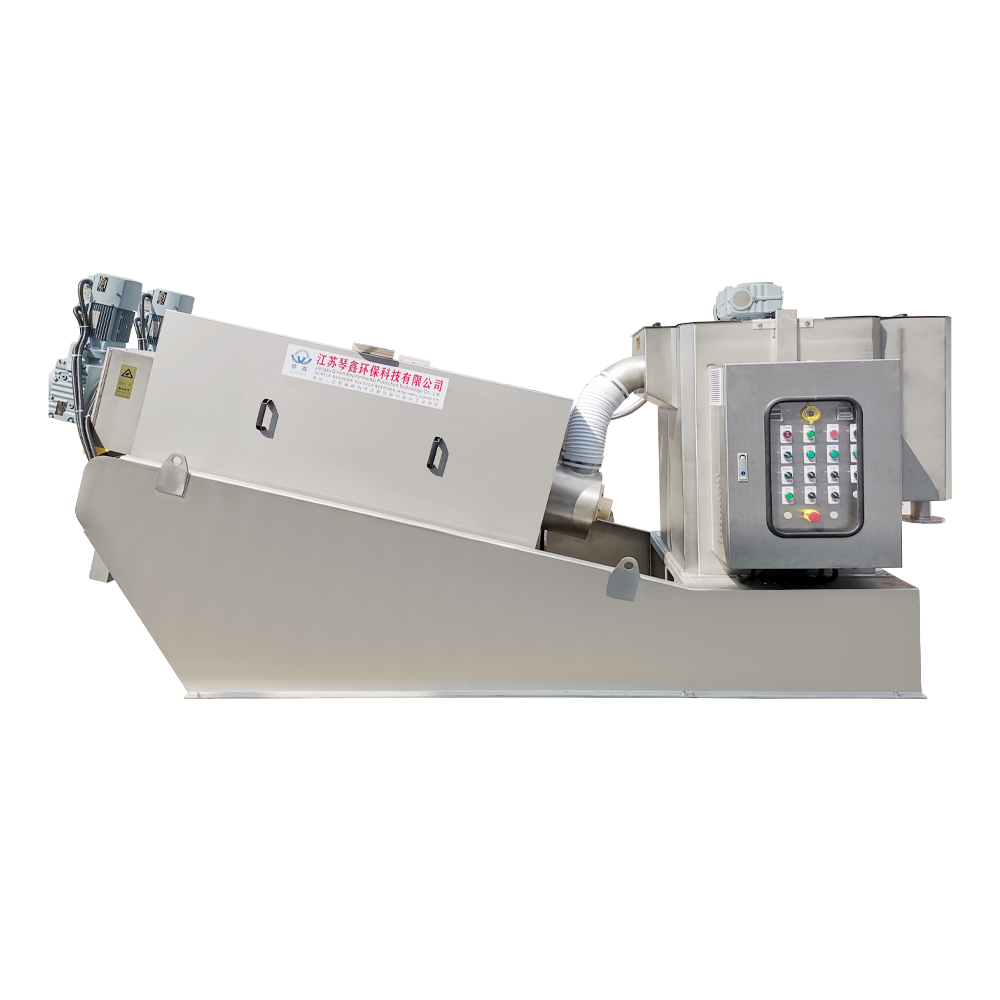
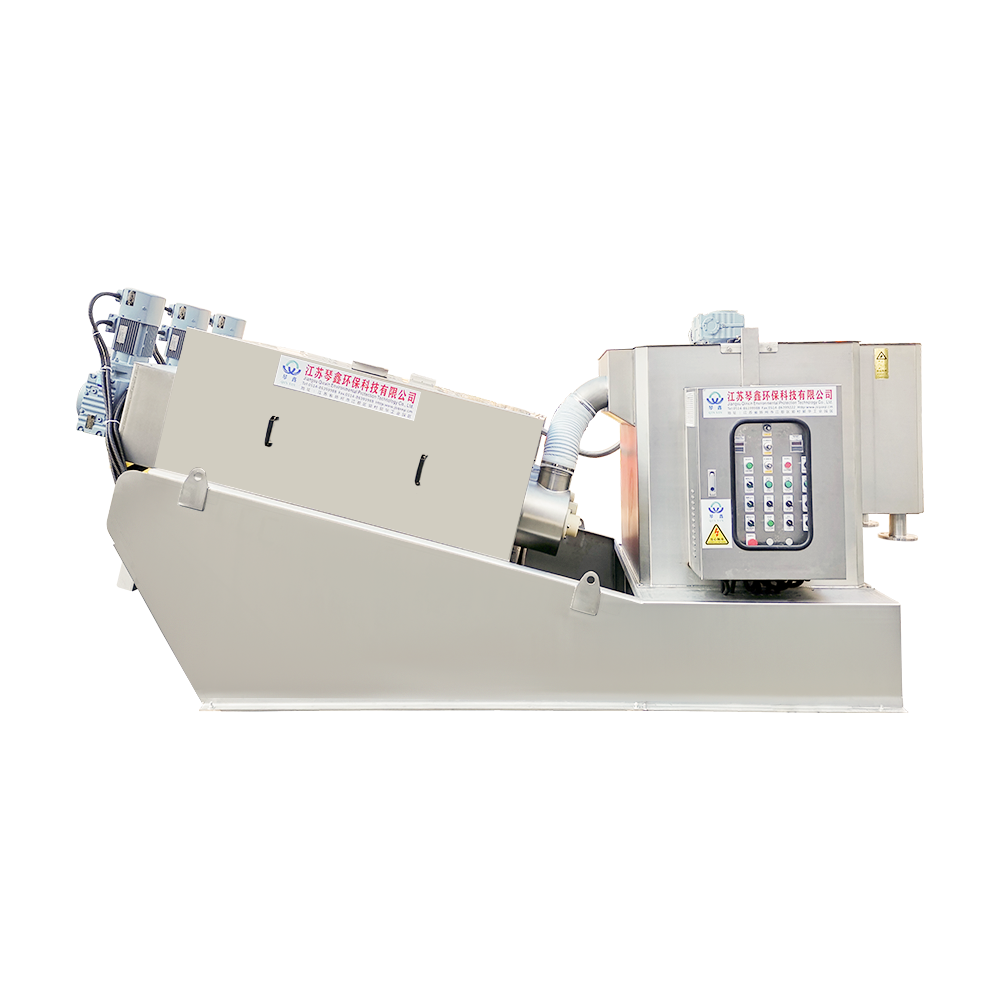
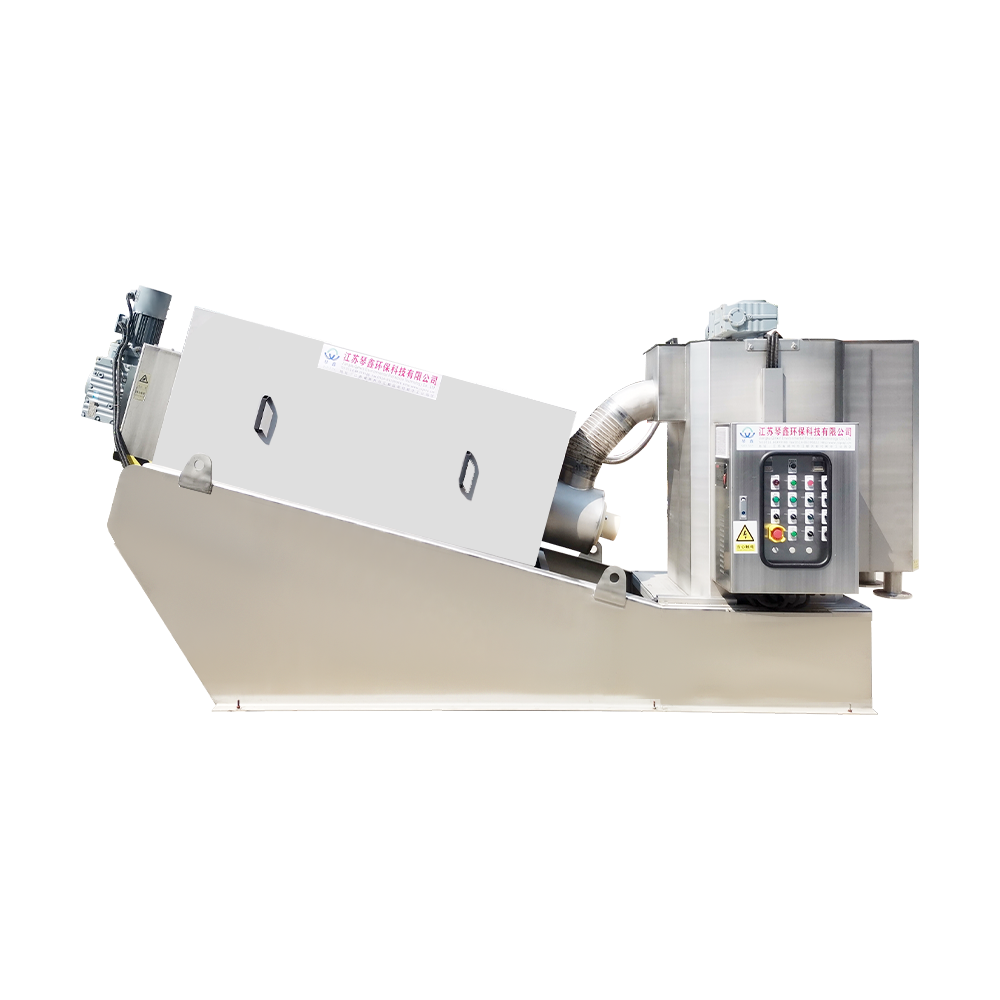
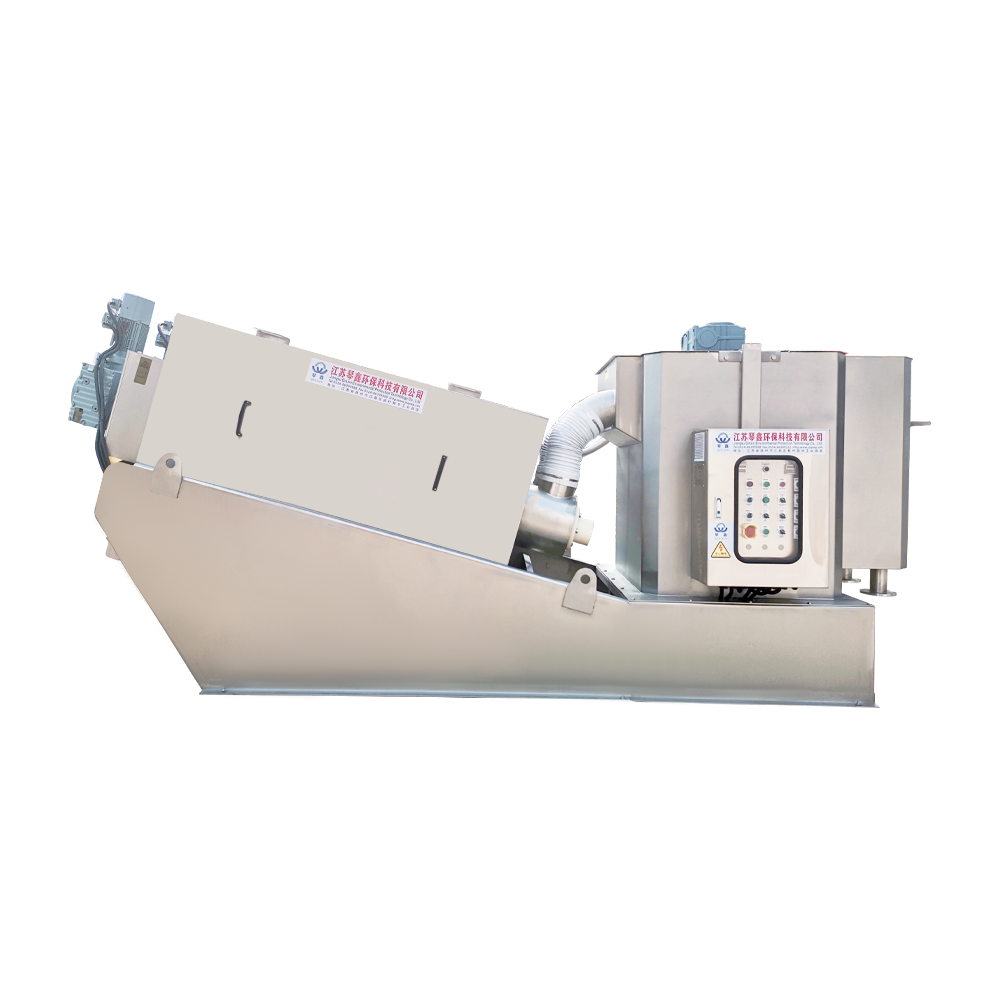
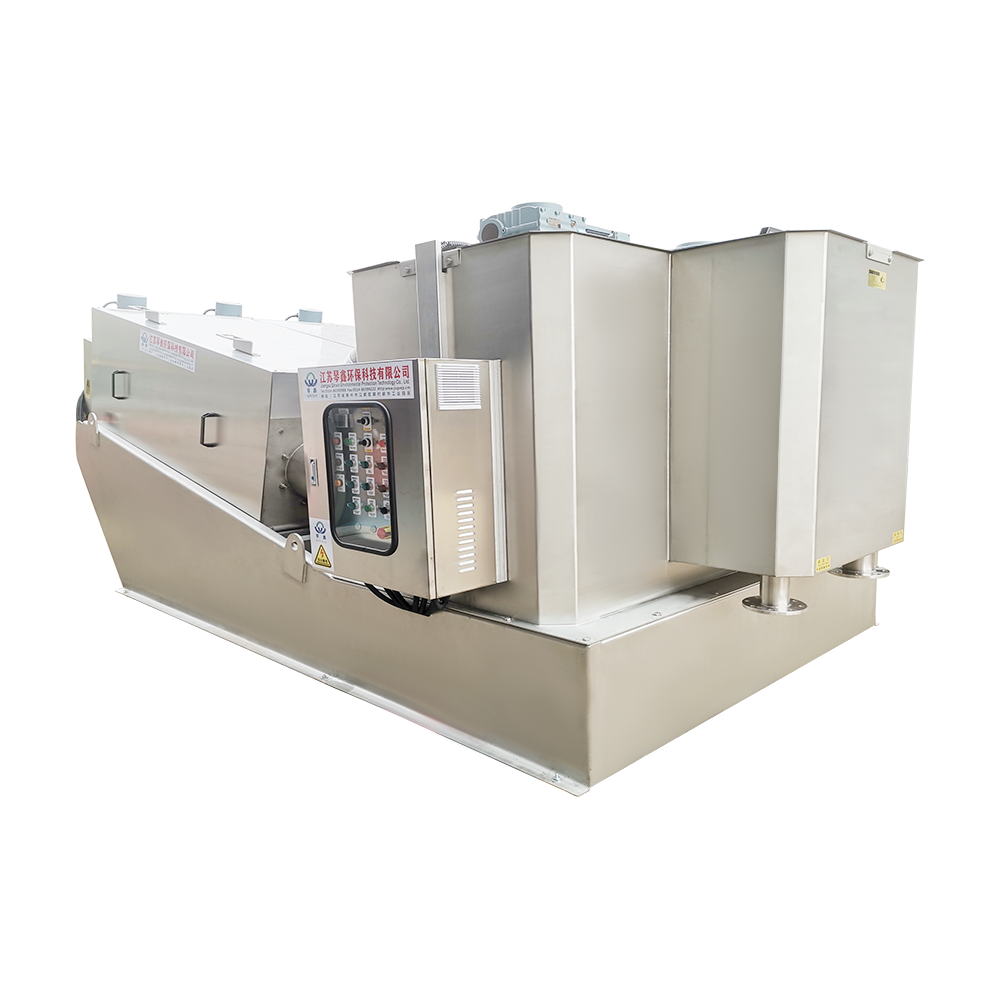
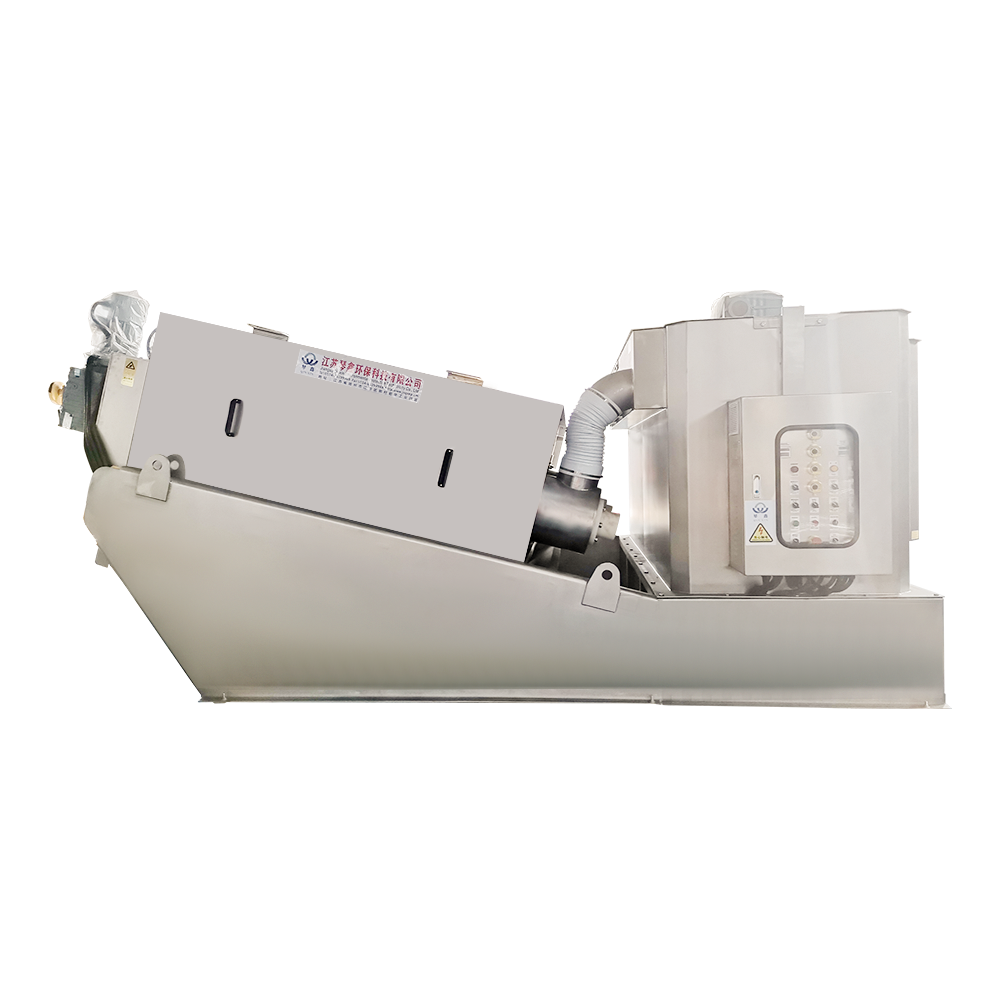
screw press dewatering is a high-efficiency filtration process that uses a slow-moving helical screw to compress sludge or wet fibrous material against a screen, forcing liquid out and producing a solid "cake." This technology is the primary solution for industries seeking a continuous, low-energy method to reduce waste volume and recover water for recycling.
How a Dewatering Screw Press Works
The mechanical core of the system is a tapered screw shaft housed within a cylindrical screen or a series of fixed and moving rings. The dewatering process follows a precise physical progression based on volume reduction and pressure increase.
The operation occurs in three distinct zones:
- Thickening Zone: As the material enters the press, initial gravity drainage occurs. In many modern designs, moving rings prevent clogging, allowing free water to escape immediately.
- Dewatering Zone: The pitch of the screw threads narrows while the shaft diameter increases. This reduces the available volume, forcing the material into a tighter space.
- Compression Zone: Near the discharge outlet, a "back-pressure plate" or cone creates resistance. The material is squeezed with maximum force, reaching final dryness before being ejected.
Primary Industrial Applications
While often associated with municipal sewage, screw press dewatering is essential across diverse industrial sectors where solid-liquid separation is a bottleneck in production.
| Industry Sector | Specific Use Case | Material Output |
| Food Processing | Fruit juice extraction and spent grain dewatering. | Dry pulp for animal feed or composting. |
| Paper & Pulp | Reject handling and fiber recovery from wash water. | High-consistency fiber cake for incineration. |
| Chemical & Pharma | Separating precipitates from chemical solutions. | Concentrated chemical solids for further processing. |
| Wastewater Treatment | Primary and secondary sludge thickening. | Stable sludge cake ready for landfill or fertilizer. |
Technical Advantages of Screw Press Systems
Compared to traditional belt presses or high-speed centrifuges, the screw press offers a unique set of operational parameters that reduce the Total Cost of Ownership (TCO).
- Low Energy Consumption: Operating at speeds as low as 2 to 5 RPM, these machines use significantly less electricity. For example, a system processing 50kg/h of dry solids may only require a 0.55kW motor.
- Minimal Water Usage: Because the system is often self-cleaning (especially in stacked-ring designs), the volume of wash water required is up to 90% less than that of a belt filter press.
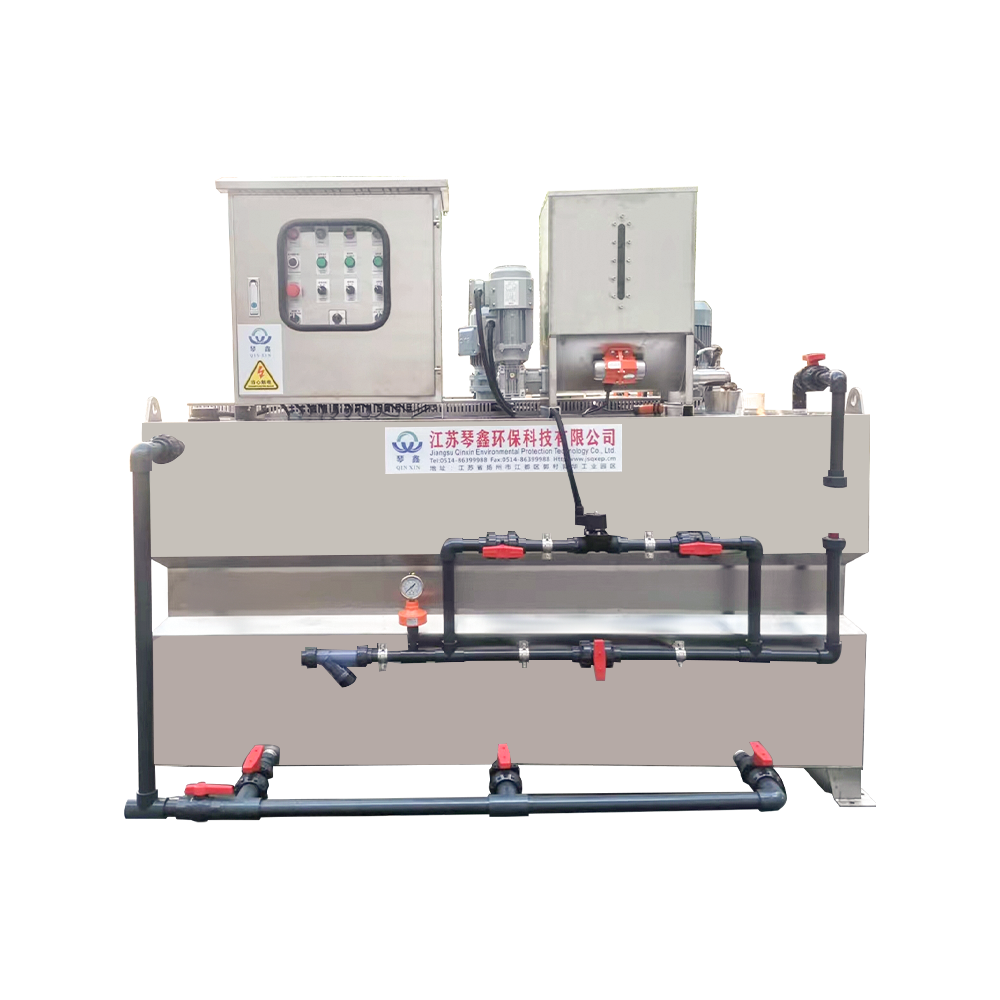
- Fully Automated Operation: Modern units are designed for 24/7 "lights-out" operation, featuring integrated polymer dosing and automated control panels that adjust screw speed based on torque feedback.
- Noise and Odor Control: The slow rotation creates almost no vibration or noise (typically below 65dB), and the enclosed design effectively contains volatile odors.
Performance Metrics and Data Examples
The efficiency of screw press dewatering is typically measured by the "DS" (Dry Solids) percentage of the output cake and the solids capture rate of the filtrate.
| Sludge Type | Input Concentration | Output Cake Dryness |
| Activated Sludge | 0.5% - 1.0% | 15% - 25% DS |
| Mixed Sludge | 1.5% - 3.0% | 20% - 30% DS |
| Paper Mill Sludge | 2.0% - 5.0% | 35% - 50% DS |
Maintenance and Durability
The longevity of a screw press is determined by the materials used in the friction zones. High-quality industrial presses utilize stainless steel (SUS304 or SUS316) for the screw and rings. To combat abrasion, the edges of the screw flights are often reinforced with tungsten carbide or specialized hard-facing alloys. This allows the equipment to operate for 10,000 to 20,000 hours before requiring significant overhaul, making it one of the most reliable assets in a technical facility.

 TOP
TOP