
 ENG
ENG
 English
 русский
 Español
 Tiếng Việt
 ไทย
ไทย
Article Directory
- 1 Why Quality Control Determines Screw Press Performance
- 2 Why the Screw Press Is a Demanding Test of Quality Control
- 3 Material Quality Standards
- 4 Dimensional and Assembly Tolerances
- 5 Electrical and Drive System Checks
- 6 Performance Verification and Testing
- 7 Certification and Documentation Standards
- 8 How to Assess a Supplier’s Quality Control Capability
- 9 Quality Control as a Contract Requirement
Why Quality Control Determines Screw Press Performance
Two screw presses can carry identical capacity ratings and behave very differently in service. One delivers its stated throughput, produces a 21–25% dry-solids cake, and runs for years on routine maintenance. The other struggles to reach 18% cake dryness, vibrates visibly after six months, and develops corrosion along welded seams within two years. That gap is not caused by design theory; it is created by quality control. The materials selected, the tolerances held during machining and assembly, the tests run before shipment, and the documents delivered with the machine determine whether the specification on paper is real.
Start with the conclusion that matters to buyers: quality control standards are the strongest predictor of long-term operating cost. A low-priced machine with unverified QC will consume more energy, more polymer, and more maintenance hours than the money saved at purchase. Treat QC standards as a formal selection criterion, not a formality to approve after delivery.
Why the Screw Press Is a Demanding Test of Quality Control
A screw press runs in conditions that expose weak manufacturing quickly. It operates continuously, often on 24-hour schedules, and the whole treatment line depends on its mechanical stability.
- Abrasive sludge particles constantly move against the filter basket and screw flight edges.
- The screw shaft carries high axial and radial loads that change with feed solids concentration.
- Wastewater chemistry can range from pH 2 to pH 12 and may contain chlorides, sulfides, or organic acids.
- Polymer dose, energy use, and labour cost all depend on steady, repeatable mechanical behaviour.
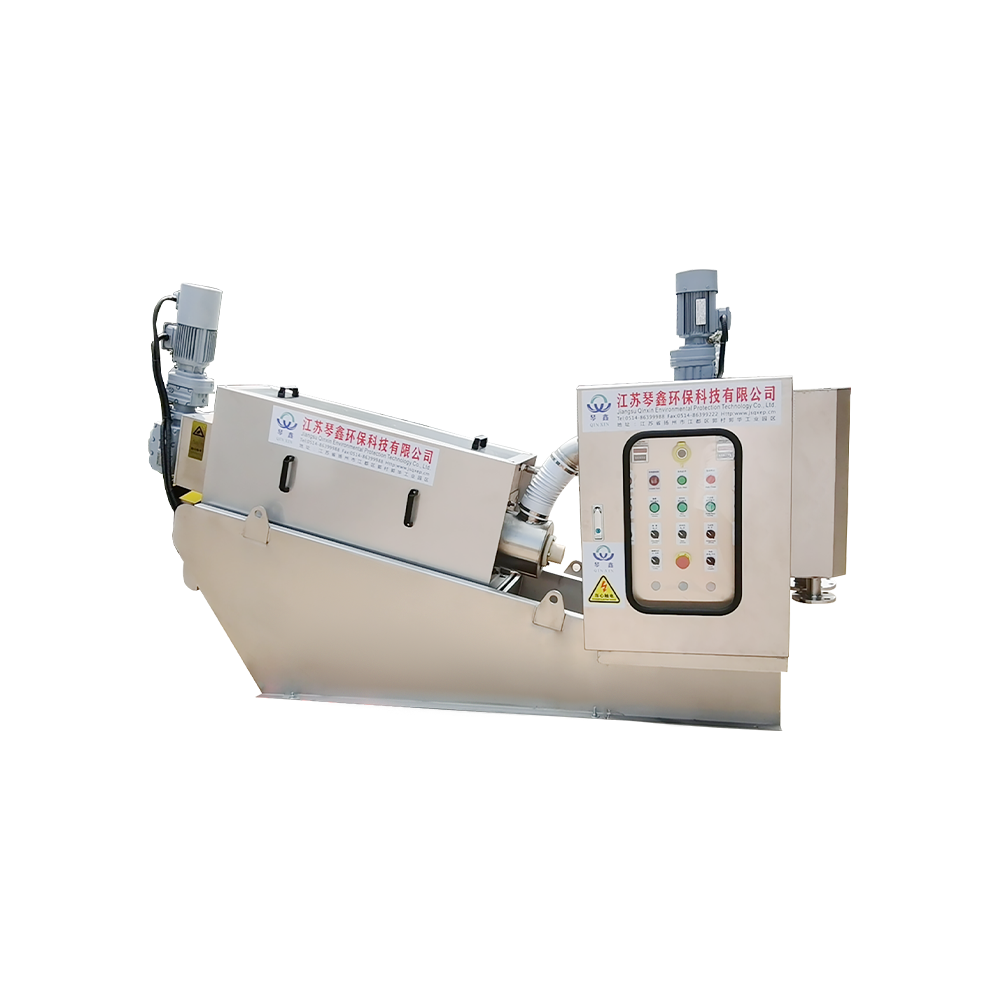
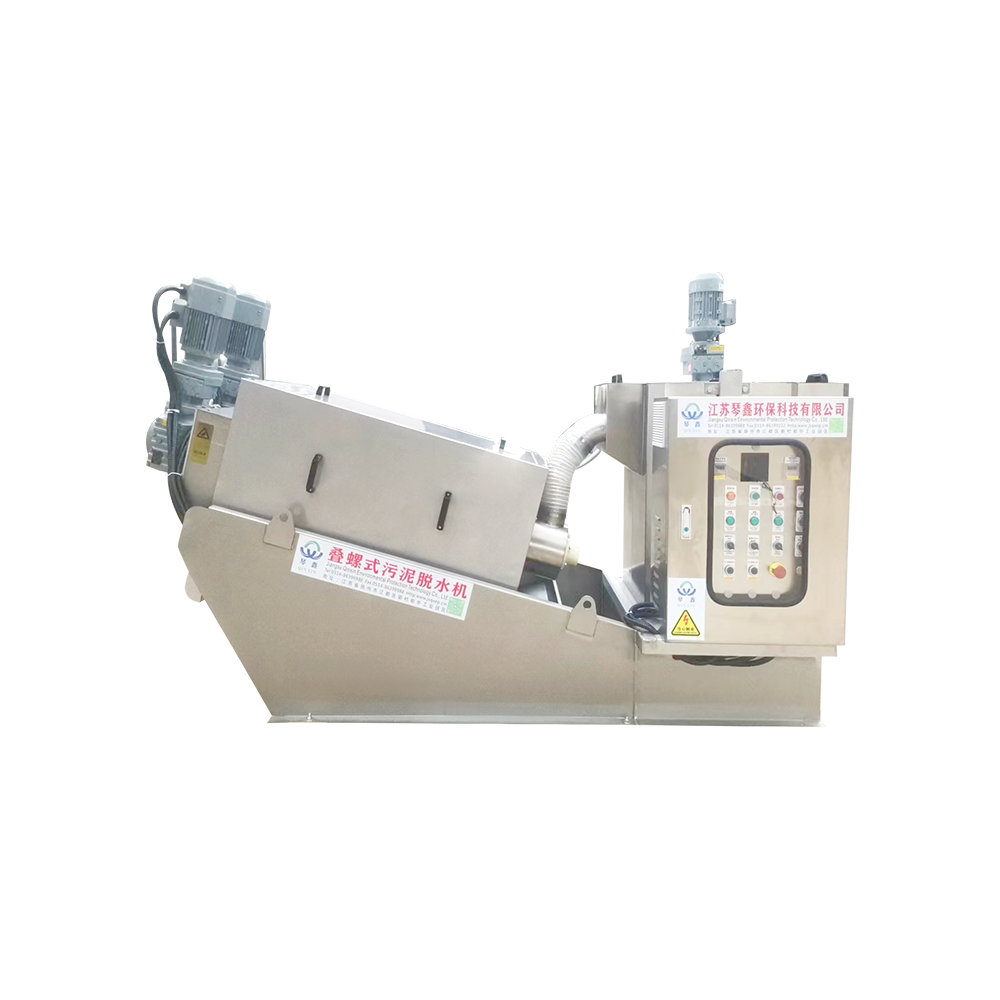
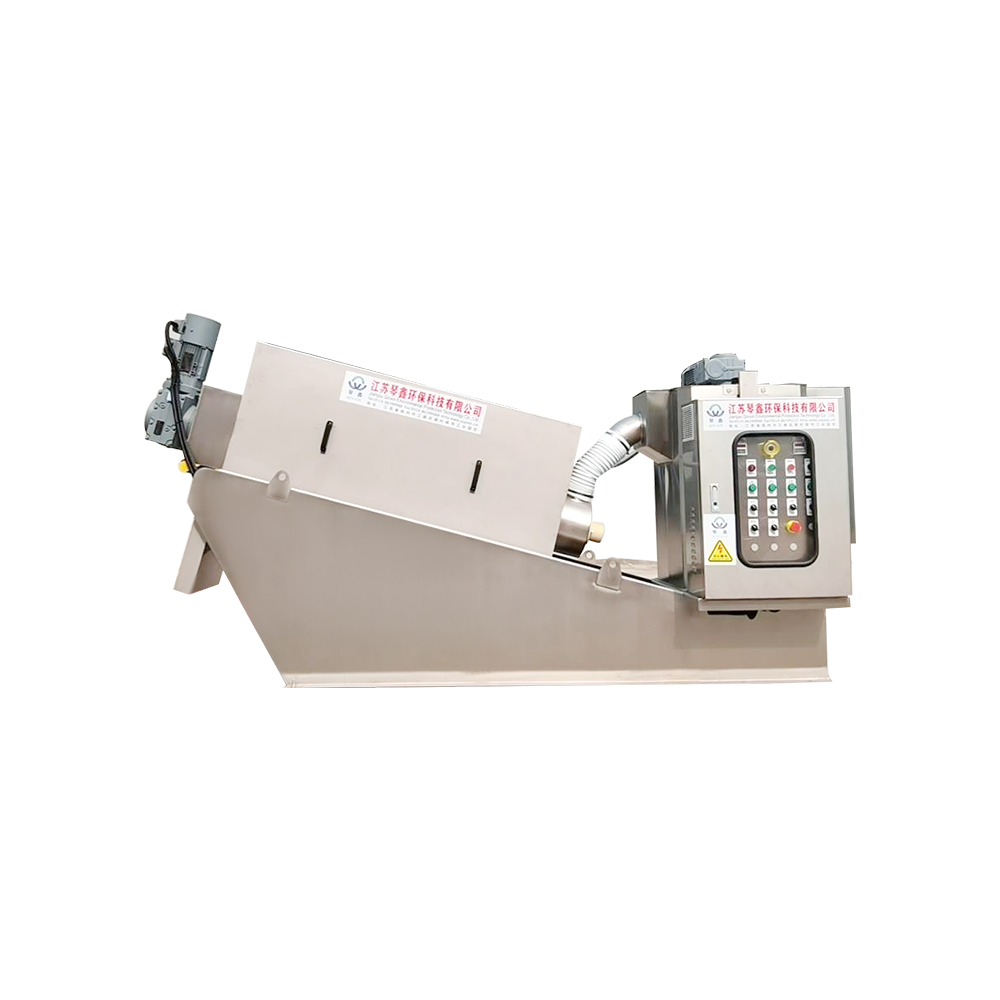
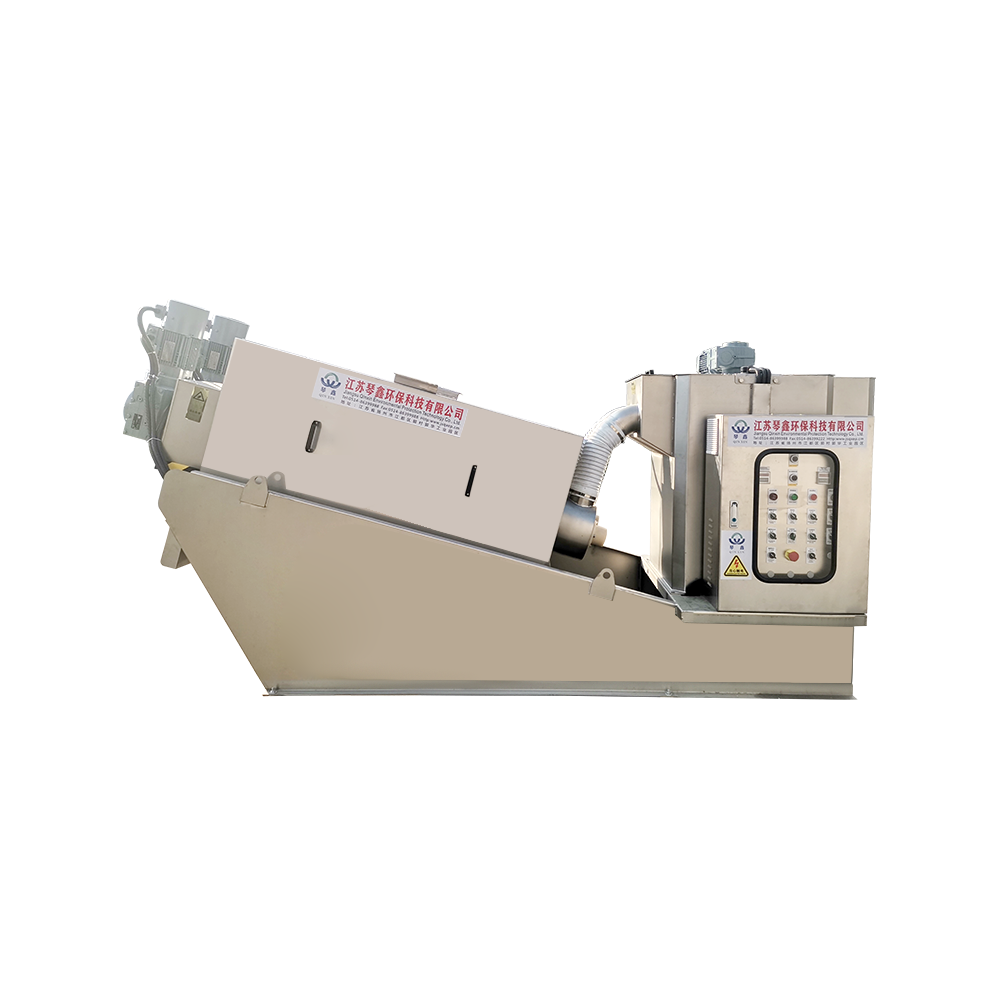
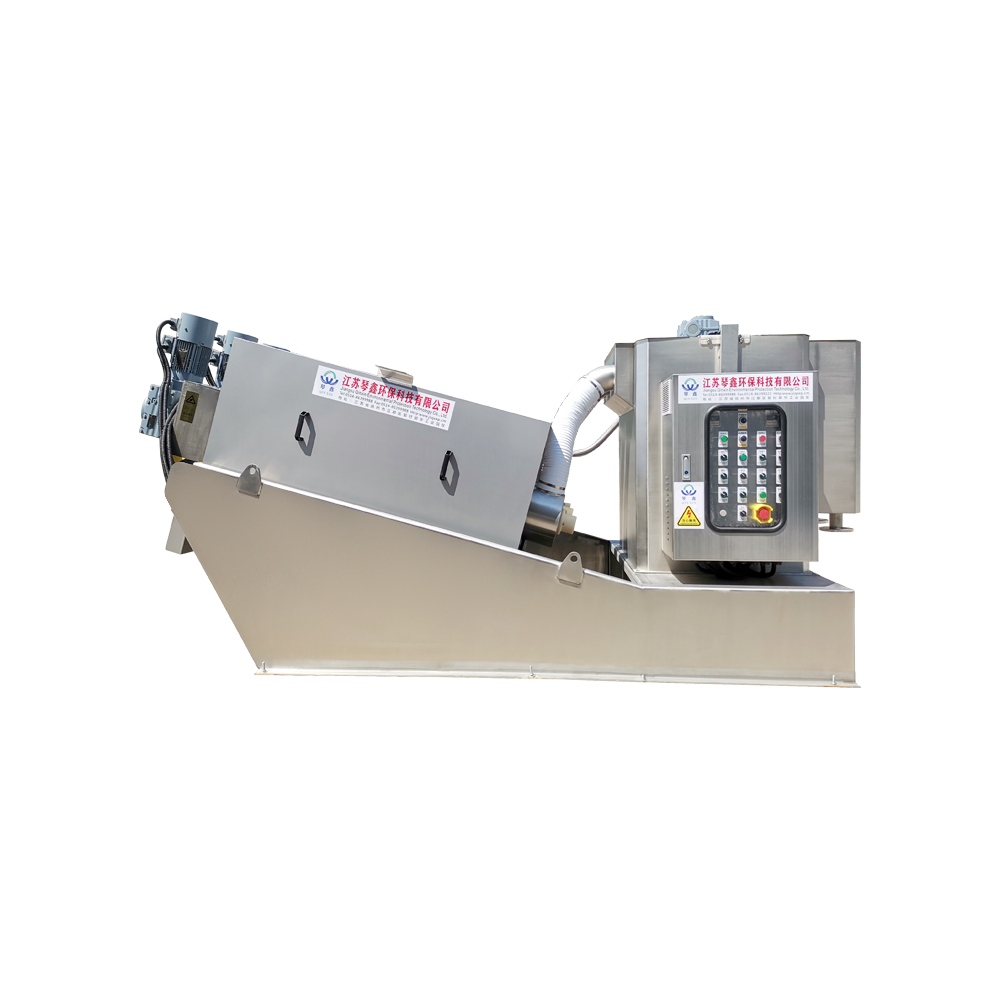
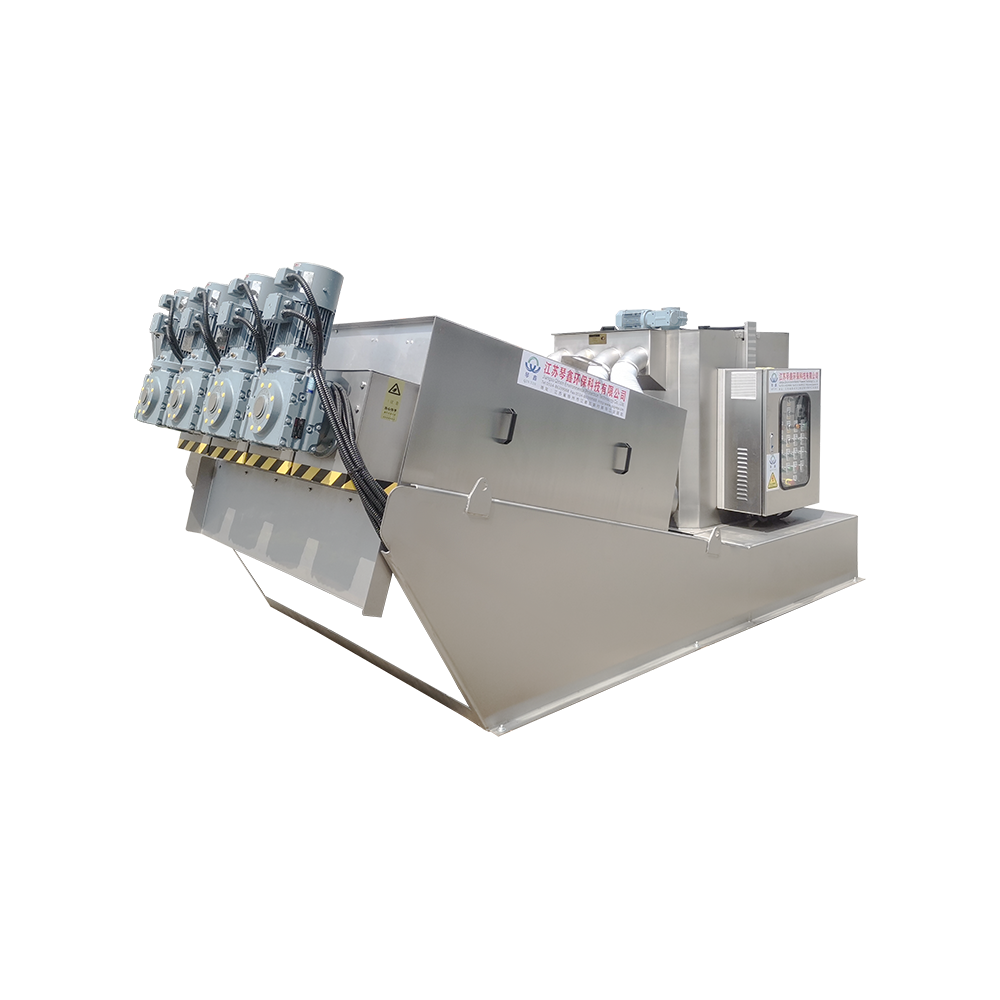
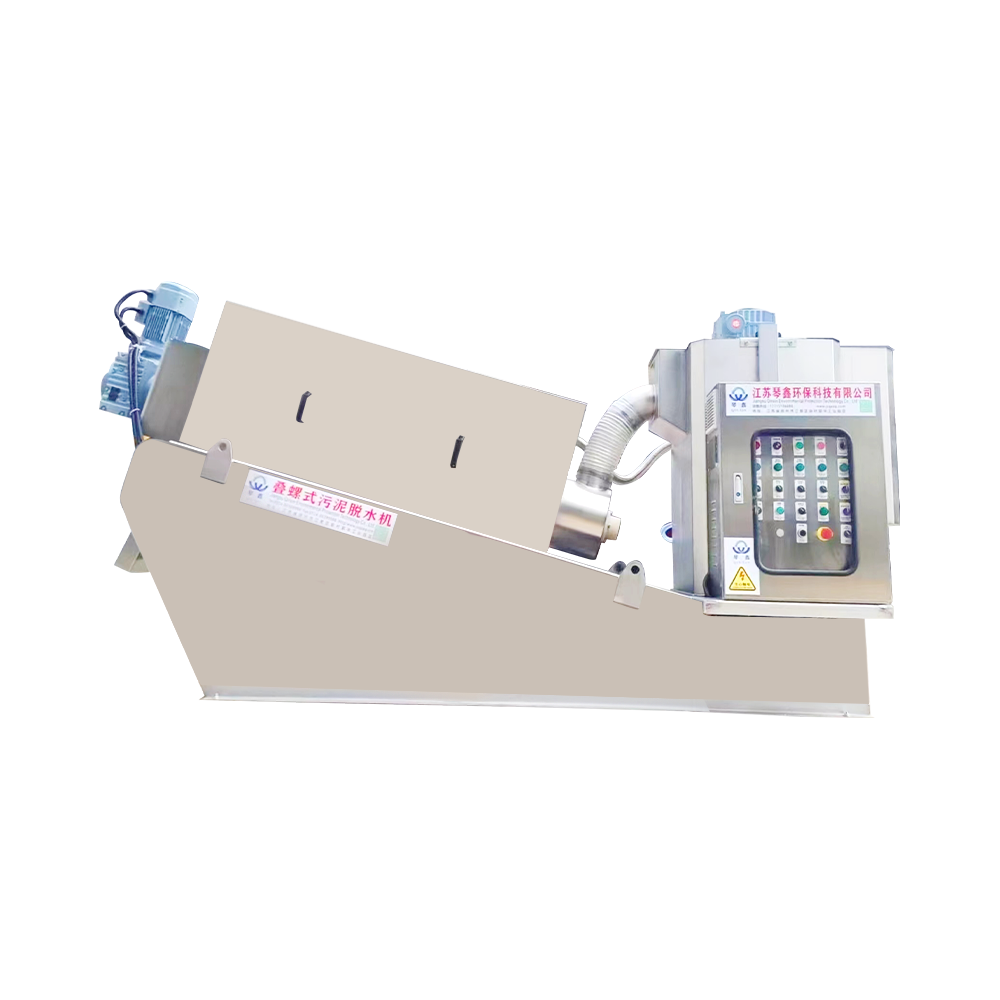
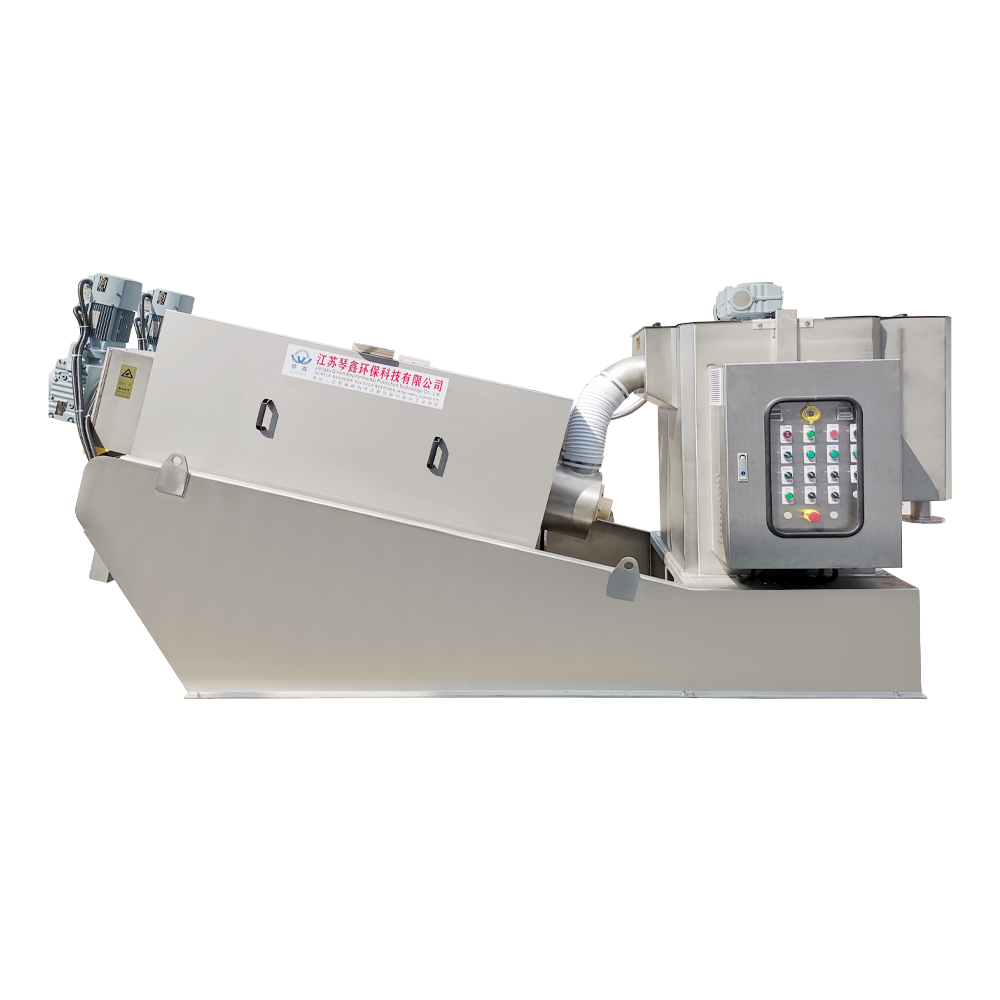
Quality control standards cover materials, dimensions, assembly, electrical safety, performance testing, and documentation. If a supplier cannot demonstrate how each area is controlled, the machine is an unknown regardless of how convincing the brochure is. Review how screw press sludge dewatering machines operate before evaluating the manufacturer’s controls against the checkpoints below.
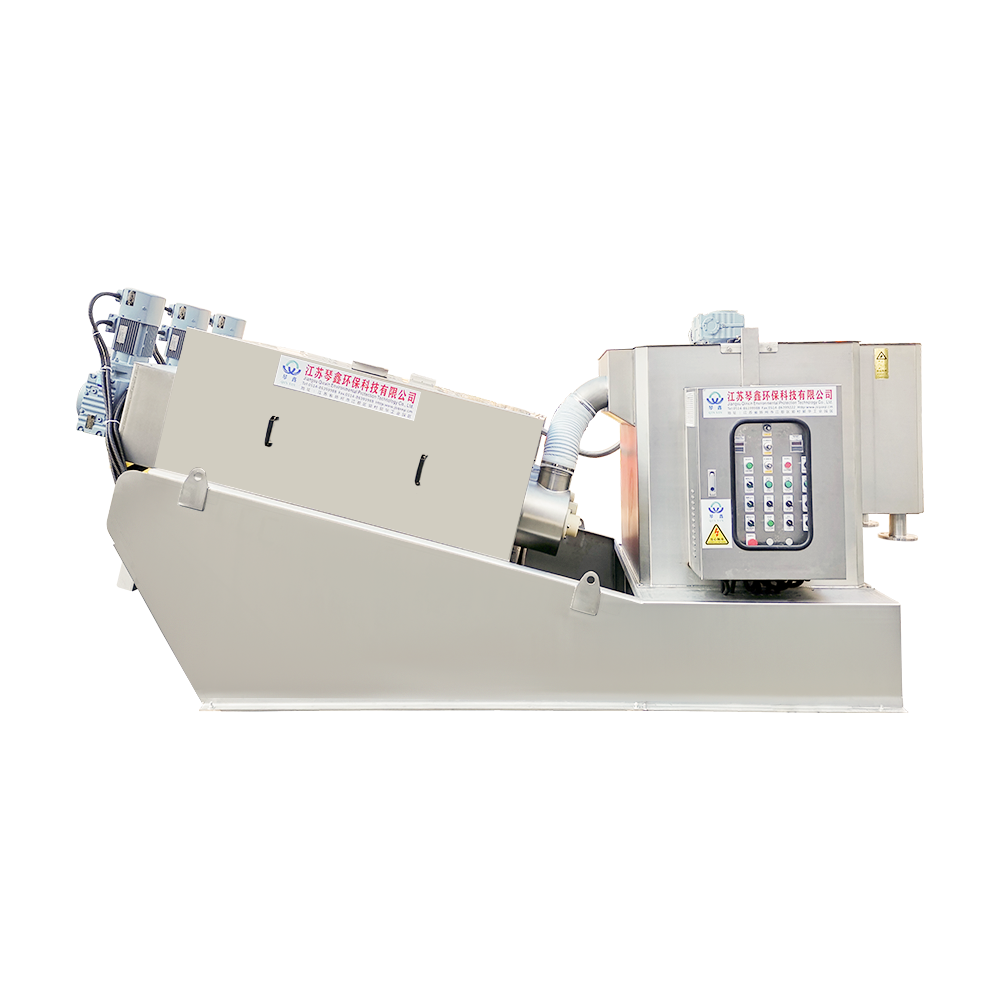
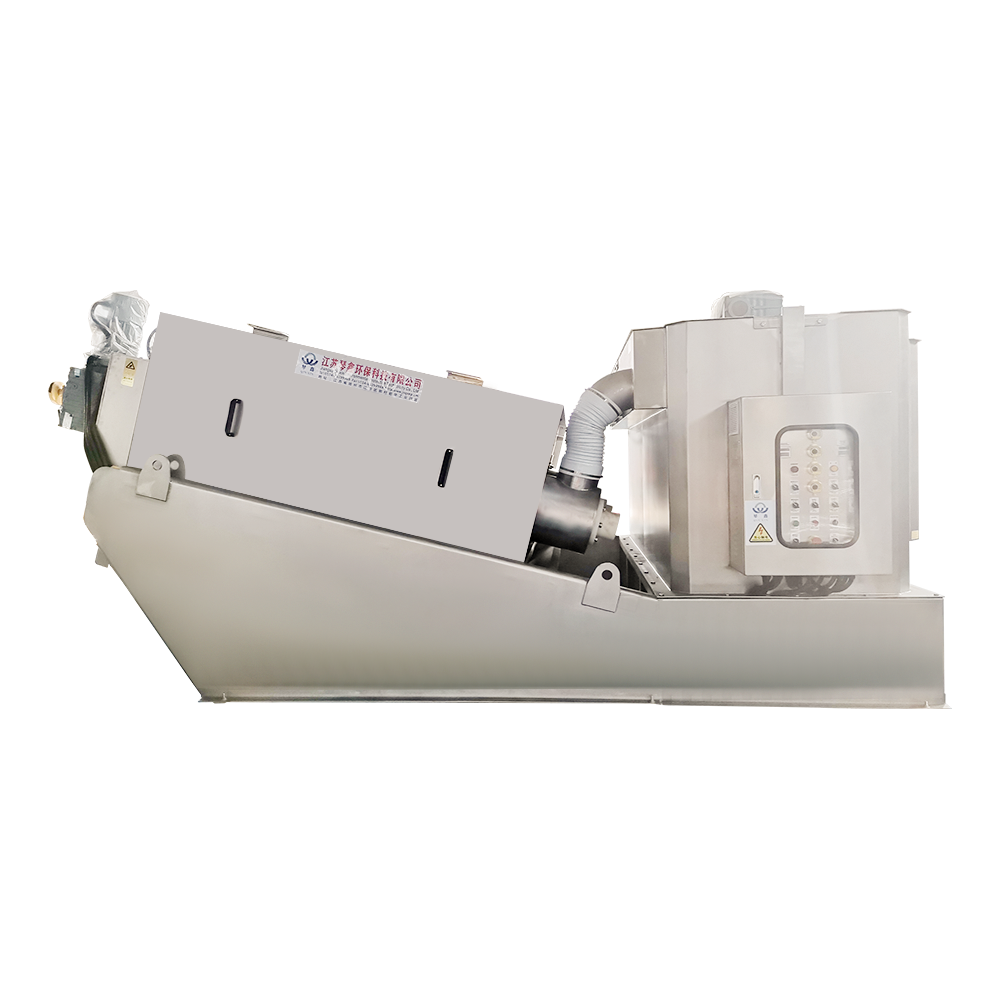
Process design also influences quality expectations. For wastewater with high fibrous or coarse solids, a preliminary stage such as the QX60TS screw-press solid-liquid separator can reduce the load on the main press and stabilise performance. QC standards apply to that machine too, because an upstream failure changes the feed quality to the dewatering press.
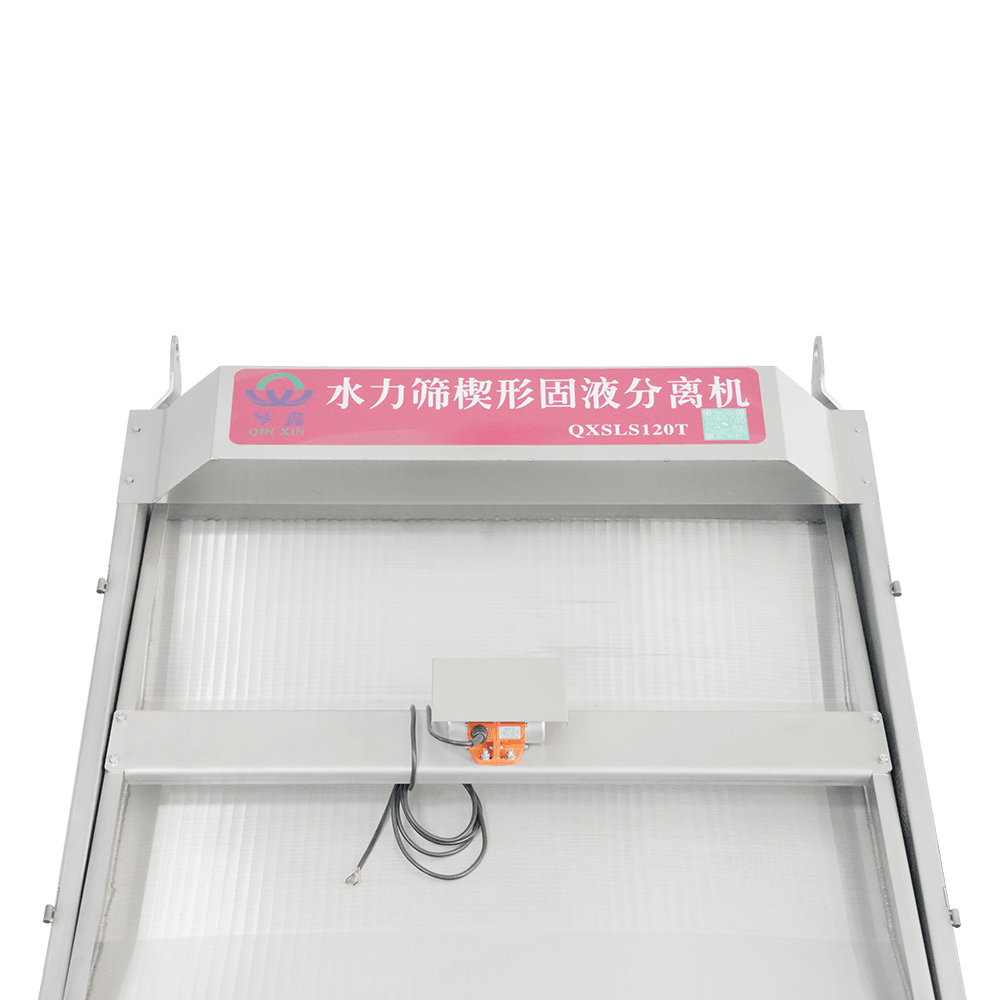 Custom Inclined Screen Hydro-Cyclone Hydraulic Solid-Liquid Separator Equipment/Yangzhou Qinxin Environmental Protection Technology Co., Ltd. Is China Custom Inclined Screen Hydro-Cyclone Hydraulic Solid-Liquid Separa...View Product →
Material Quality Standards
Material mistakes are the most expensive QC failures because they are buried in the machine and difficult to repair after installation.
Stainless steel grades and plate thickness
Every component that contacts sludge or filtrate should be made of a specified stainless steel. SUS304 is the normal choice for municipal and most industrial sludge. SUS316 or SUS316L is required where chlorides, seawater, or aggressive chemicals are present, as explained in stainless steel corrosion considerations for screw press construction. Grade alone is not enough: plate thickness determines rigidity and service life. A basket built from 1.5 mm plate flexes differently from one built from 2.5 mm plate under the same pressure.
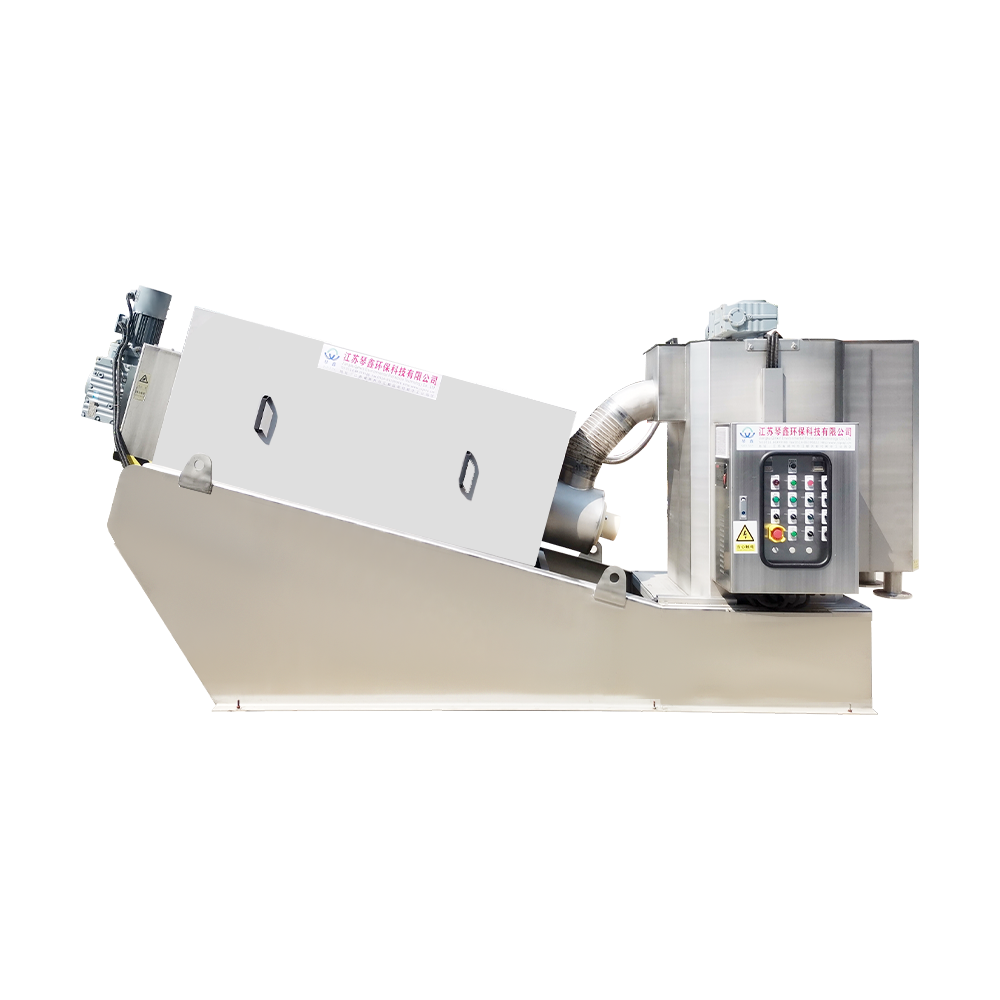
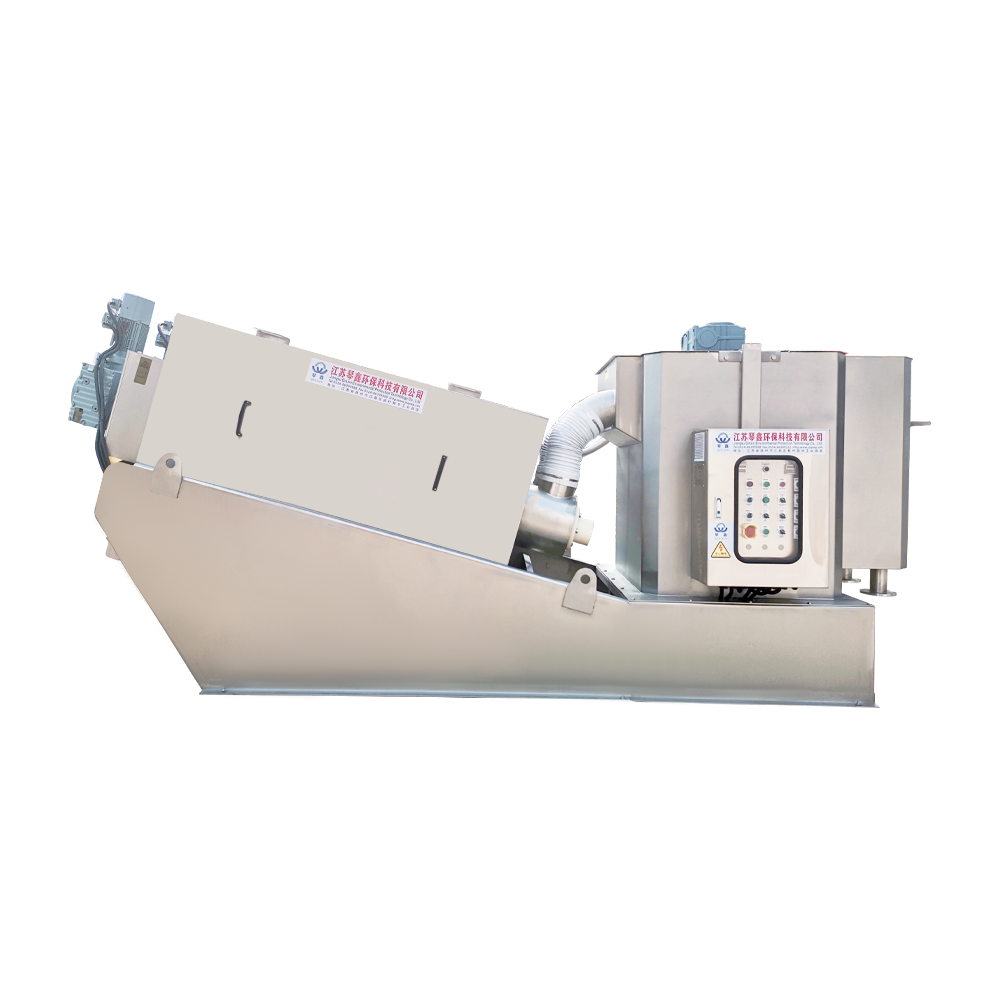
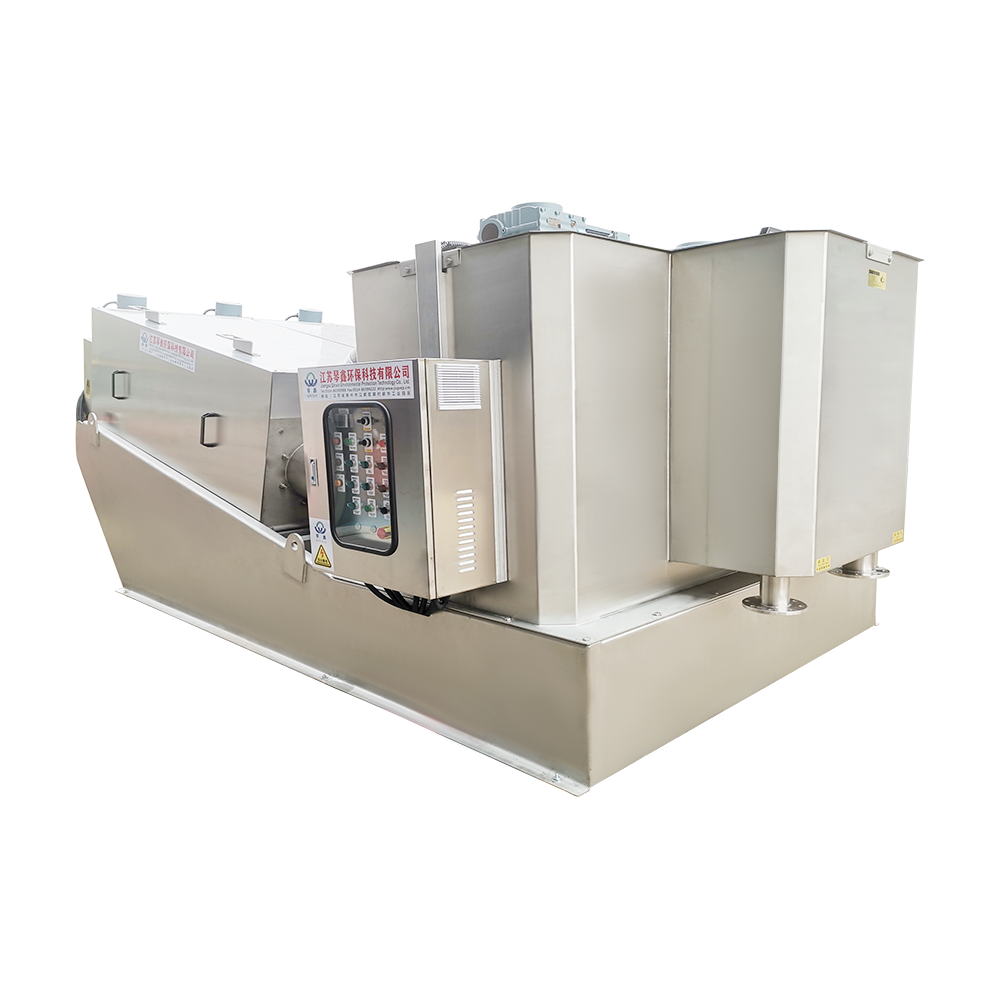
Ask for material certificates and verify that the delivered grade matches the specification. A disciplined supplier performs incoming inspection, checking grade marks, thickness, surface condition, and certificates before releasing material to production. Machines built under that discipline, such as the QXDL303 eco-friendly automatic spiral screw sludge dewatering machine, maintain consistent basket geometry over years of service.
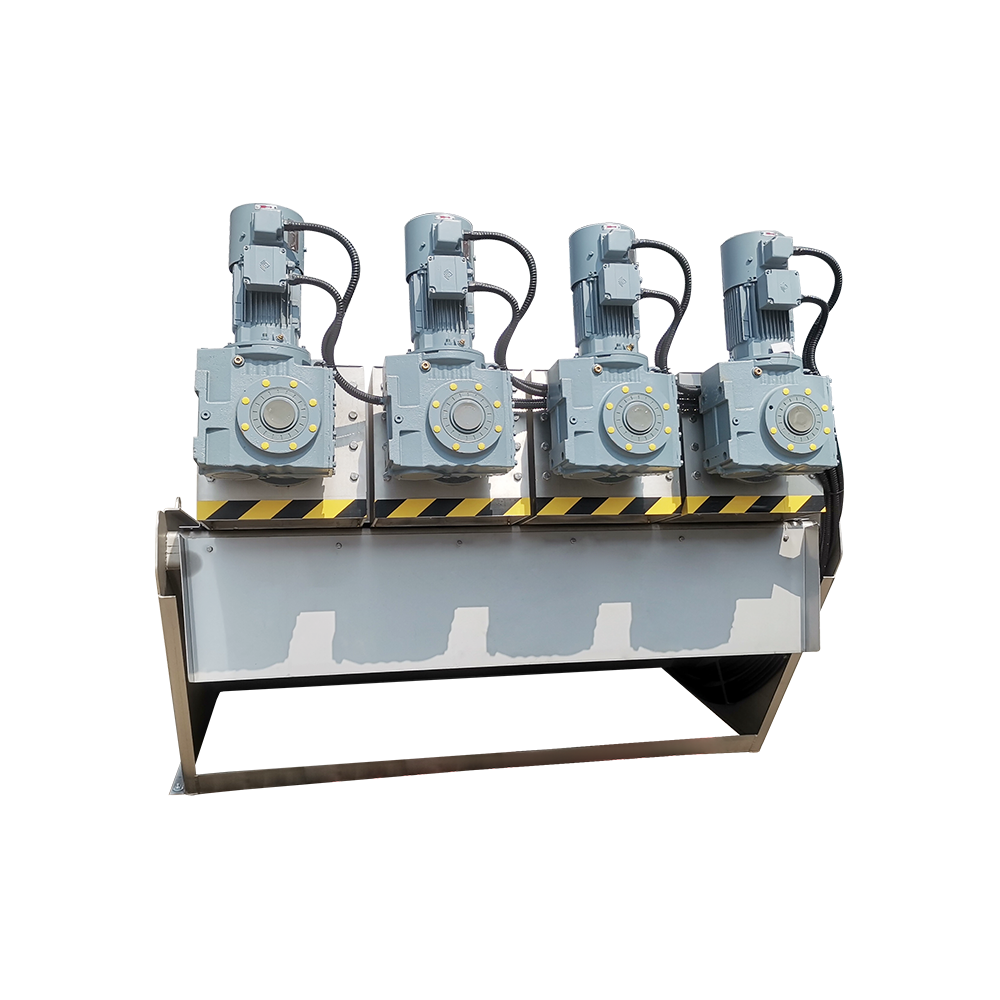 Custom Waste Water Treatment Eco-friendly Spiral Screw Sludge Dewatering MachineYangzhou Qinxin Environmental Protection Technology Co., Ltd. Is China Custom Waste Water Treatment Eco-friendly Spiral Screw Sludge Dewa...View Product →
Welding and surface quality
Frames and baskets depend on full-penetration welds without porosity, slag, or undercut. Internal welds should be ground smooth to prevent sludge accumulation and local corrosion. Pressure-bearing welds should be examined by dye-penetrant or hydrostatic methods before assembly. Surface finish is equally important: rough internal surfaces accelerate scaling and complicate cleaning, which is why sludge contact surfaces are usually finished to Ra 3.2 µm or better.
Dimensional and Assembly Tolerances
Filter gap and basket geometry
The filter gap controls both capture rate and cake formation. Slot openings should be measured segment by segment, because deviation beyond roughly ±0.2–0.5 mm creates preferential flow paths: thin cake areas pass more water, lower the capture rate, and increase polymer demand. A credible QC protocol includes individual segment measurements, not just a visual check.
Shaft alignment and running clearance
Screw shaft runout at the bearing seats should be within about 0.05 mm. The clearance between the screw flight and the filter basket is a designed value, commonly 0.5–1.5 mm depending on sludge type, and it must be uniform across all segments. Poor alignment produces vibration, uneven wear, permanent shaft deflection, and premature bearing failure.
Seals and rotating components
Seals are a frequent failure point in wastewater service. The QC standard should specify the seal material and verify sealing performance at rated pressure. Bearings must be selected for continuous heavy-duty operation with an appropriate service factor, and electric motors in damp, dusty environments should be rated IP55 or higher for S1 continuous duty.
Electrical and Drive System Checks
QC extends to the drive train. A screw press is a high-torque machine: the motor, gearbox, and frequency inverter must match the starting torque and the variable solids load. Key checks are:
- Motor rated for continuous duty (S1) with IP55 or higher enclosure protection.
- Gearbox service factor of at least 1.5 for sludge applications.
- VFD compatibility when variable speed operation is planned.
- Thermal overload protection and an emergency stop in the control panel.
Performance Verification and Testing
Documentation is useful, but the test is the proof. Every machine should pass a no-load run before shipment: smooth rotation, no abnormal noise or vibration, stable current draw, and no oil leaks. Where possible, require a load test with representative sludge to verify throughput, cake dryness, and solids capture. The table below lists the checkpoints that a factory test protocol should cover.
| Checkpoint | Typical acceptance criterion | Risk if ignored |
|---|---|---|
| Filter slot width uniformity | Deviation within ±0.2–0.5 mm | Cloudy filtrate, uneven cake |
| Shaft runout at bearing seats | 0.05 mm or less | Vibration, premature bearing failure |
| No-load run | Smooth operation, stable current | Hidden assembly defects reach site |
| Load test cake dryness | Typically 20–30% DS with correct flocculation | Overstated capacity |
| Solids capture rate | 92–95% or higher with correct flocculation | High polymer cost, permit risk |
| Leak test | No leakage at rated pressure | Corrosion and safety problems |
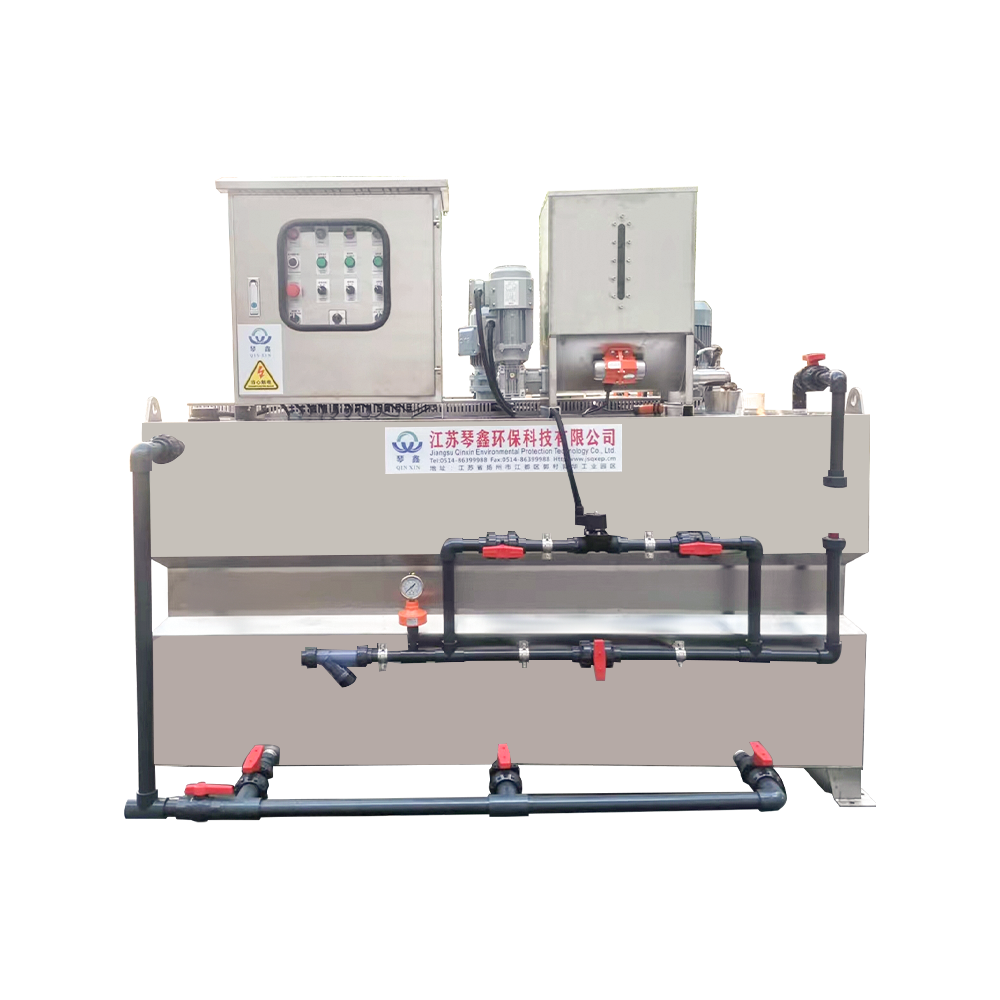
Polymer conditioning is part of the same test. Stable flocculation depends on concentration, aging time, and dosing accuracy. An integrated polymer dosing device with variable frequency control, such as the QXYTH3000L integrated polymer dosing device, keeps the dose consistent during acceptance testing and normal operation, which makes the test result meaningful.
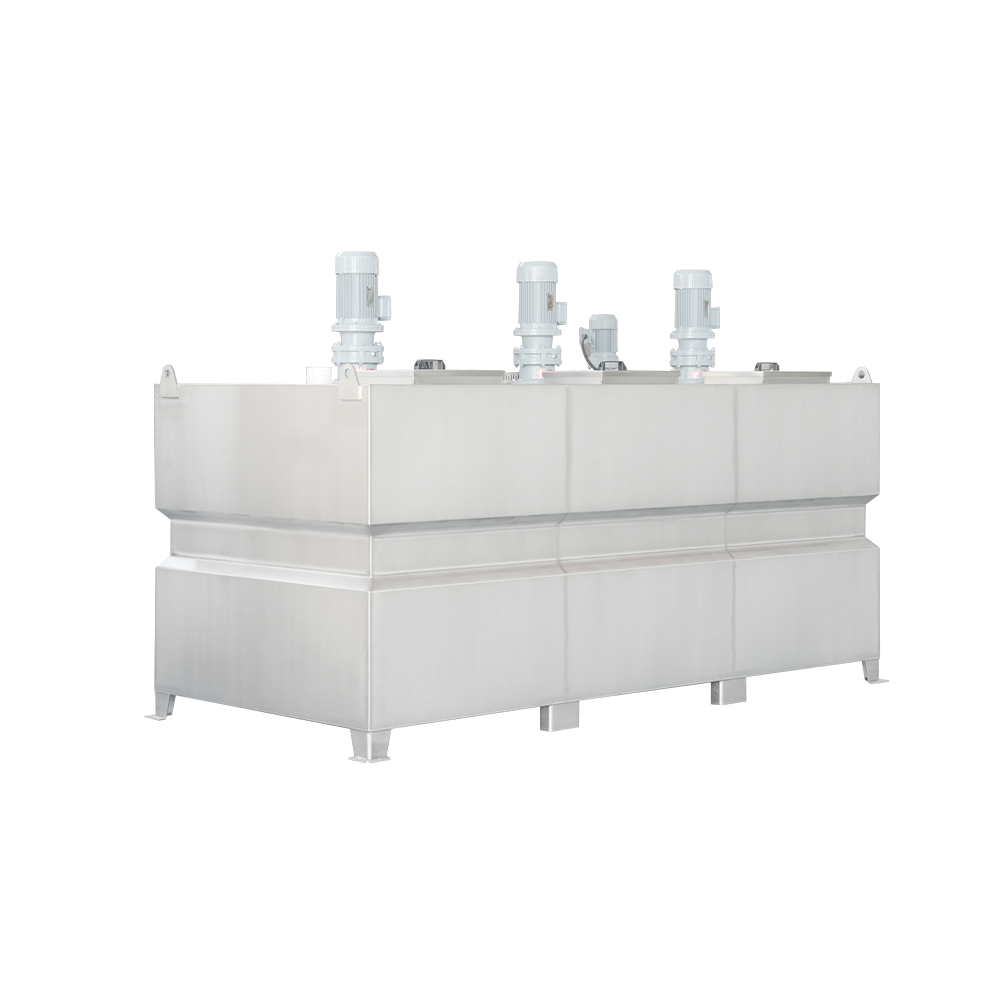 Custom Automatic Integrated Powder Chemical Dosing Variable Frequency Dosing DevYangzhou Qinxin Environmental Protection Technology Co., Ltd. Is China Custom Automatic Integrated Powder Chemical Dosing Variable Freque...View Product →
Read the test protocol line by line. If a supplier cannot provide measured values for cake dryness, capture rate, energy draw, and vibration level, treat the claimed performance as marketing.
Certification and Documentation Standards
QC is not complete until records exist. The delivery package should include material certificates, welding inspection records, dimensional inspection reports, motor and gearbox datasheets, electrical wiring diagrams, a factory acceptance test report, and installation and maintenance manuals. These documents are the basis for commissioning, spare-part ordering, and troubleshooting.
System certifications complement these records. ISO 9001 indicates that documented procedures exist; environmental and occupational health management system certification is common in well-run factories. The purpose is not to count certificates but to confirm that procedures are followed in practice.
How to Assess a Supplier’s Quality Control Capability
A focused audit is enough; you do not need full-time inspection staff.
- Ask the supplier to declare QC points and acceptance values for the checkpoints above. Vague answers reveal weak control.
- Audit the factory or conduct a video audit: check incoming material storage, weld quality, measurement tools, and test equipment calibration.
- Request reference installations in industries similar to yours, such as municipal, food, dairy, chemical, or livestock wastewater.
- Compare claims on energy and polymer consumption with actual operating data from reference sites.
Manufacturers with a demonstrated production base are a reasonable starting point. Yangzhou Qinxin Environmental Protection Technology Co., Ltd., for example, reports a 14,000 m² facility, more than 600 customers, and ISO quality, environmental, and occupational health management system certifications. Buyers should still verify operational claims through a factory audit and review the guidance on choosing a dewatering press by performance and capacity before committing.
Quality Control as a Contract Requirement
Quality control is not a stack of certificates. It is the cause-and-effect chain that connects material choice, manufacturing tolerance, testing, and documentation to dependable dewatering. A wastewater screw press is a precision machine operating in an aggressive environment; the standards behind it decide whether it becomes the most reliable unit in the treatment line or the source of recurring downtime. Define QC expectations in the purchase contract, verify them at the factory, and require the test report as part of delivery.

 TOP
TOP