
 ENG
ENG
 English
 русский
 Español
 Tiếng Việt
 ไทย
ไทย
Article Directory
- 1 Why This Comparison Deserves a Structured Approach
- 2 Working Principles and Where They Diverge
- 3 Head-to-Head Comparison of Operating Parameters
- 4 Operation, Maintenance, and Lifecycle Costs
- 5 Which Sludge Types and Site Conditions Favour Each Technology
- 6 Designing the Whole Dewatering System, Not Just the Machine
- 7 Final Advice for the Bulk of Real-World Plants
A wastewater treatment superintendent recently asked us to help him choose between two dewatering technologies for a plant expansion: a screw press and a rotary drum vacuum filter. His existing belt press could no longer reach the target cake dryness at higher throughput, and the wash water demand was becoming a real operating burden. Our short answer applies to most similar cases: for typical municipal and industrial sludge, a sludge screw press is the more practical route, while a vacuum filter still earns its place in a narrower range of high-solids, non-sticky slurry duties. The key is to compare operating conditions before comparing equipment prices.
Why This Comparison Deserves a Structured Approach
Choosing a dewatering machine based only on the quoted cake solids figure is a common mistake. A vacuum filter may look attractive on paper for certain coarse slurries, but when the same machine receives biological sludge with fine flocs and grease, the results change quickly: cloth blinding, higher wash frequency, and falling filtration rates. A screw press, by contrast, uses mechanical compression rather than vacuum suction, so its performance depends less on maintaining a clean filter medium and more on the machine geometry and backpressure control.
The practical question is therefore not "which technology is better in general" but "which technology matches the sludge you actually produce, the site constraints you work under, and the labour your team can allocate to maintenance." The sections below walk through the differences that matter most during equipment selection, with a focus on costs and reliability rather than theory.
Working Principles and Where They Diverge
Sludge Screw Press: Mechanical Squeezing Inside a Self-Cleaning Frame
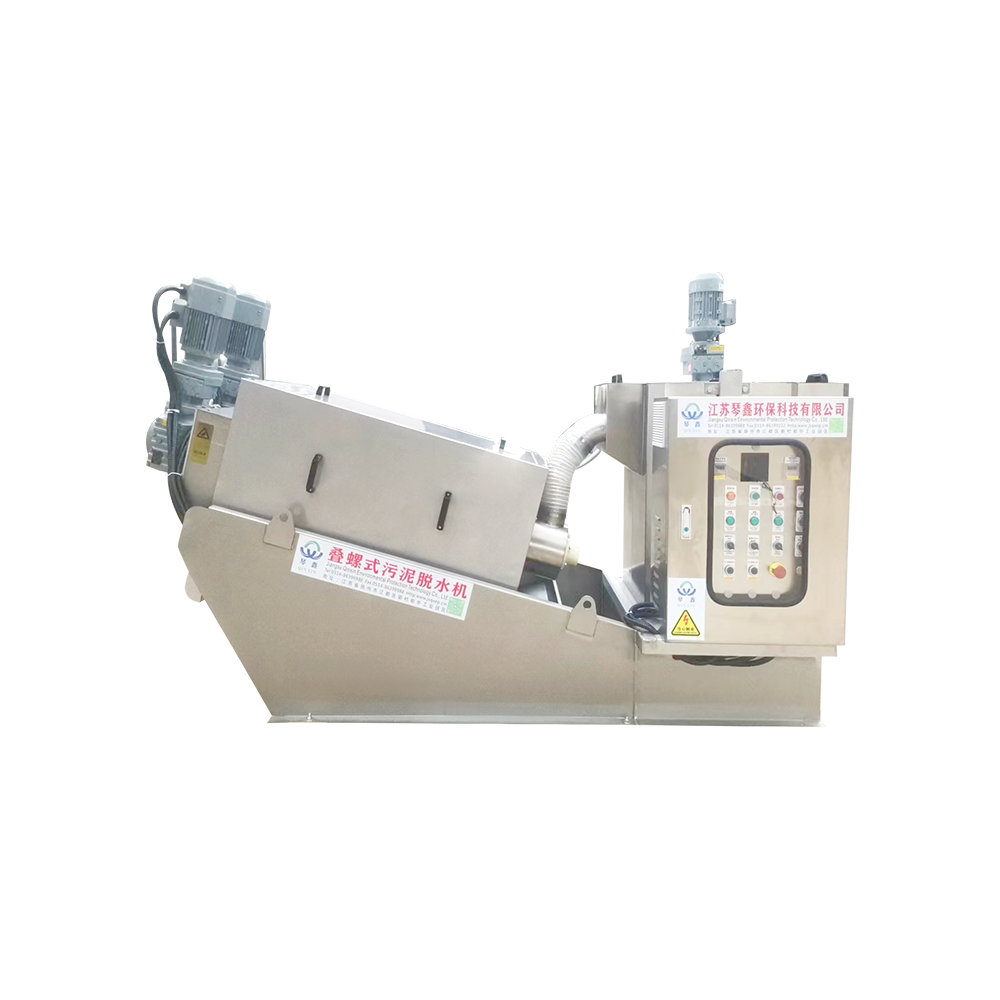
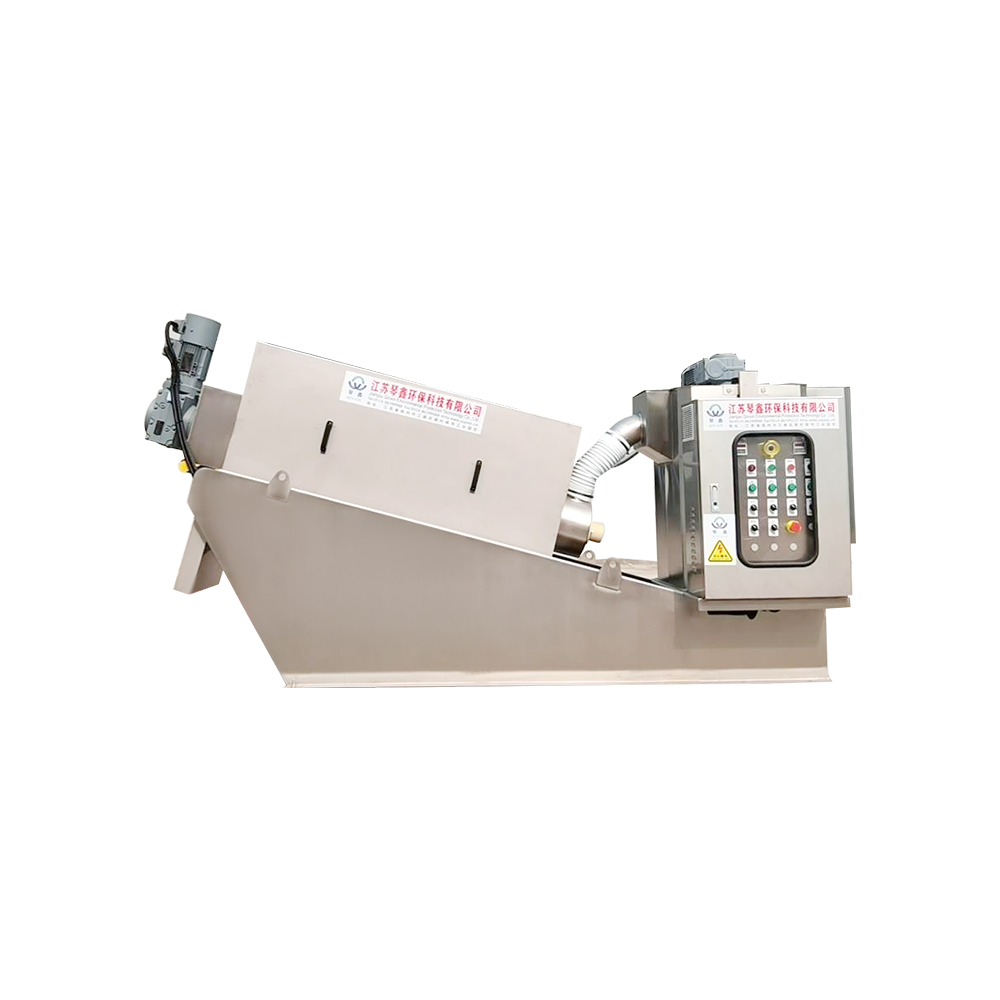
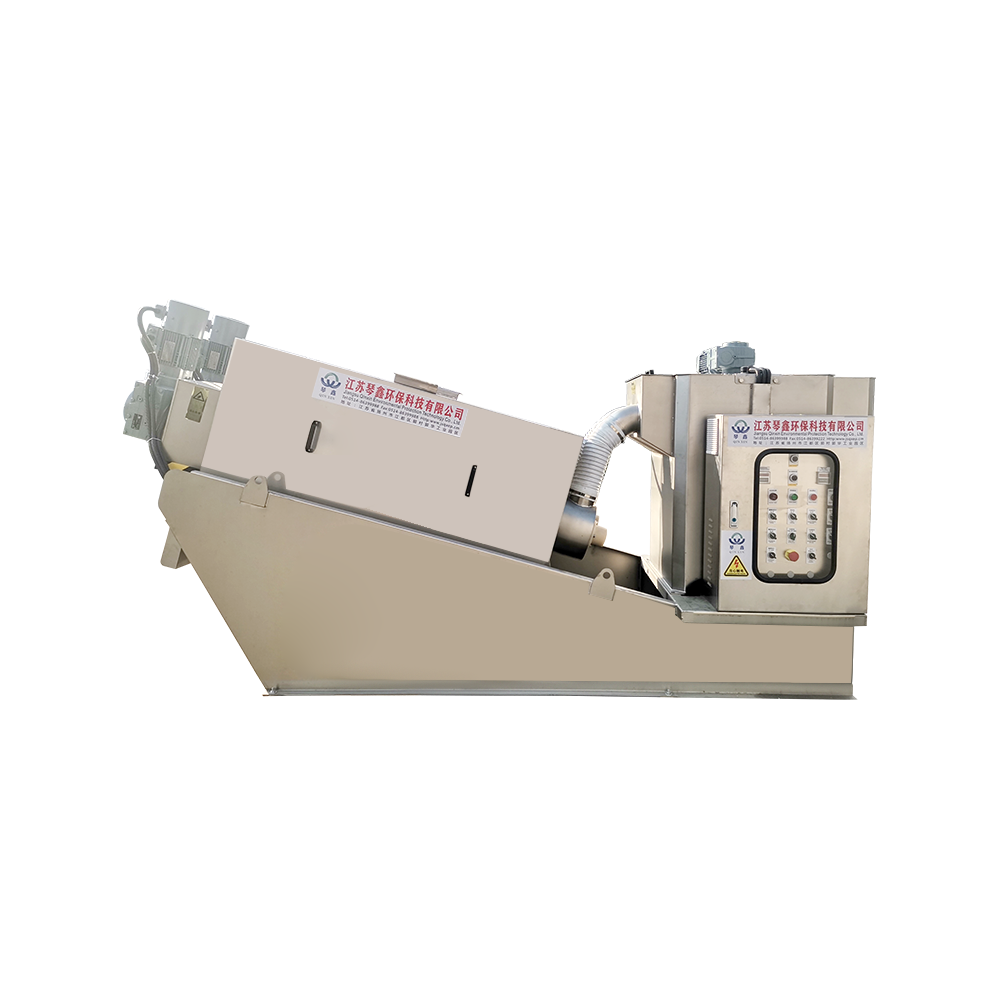
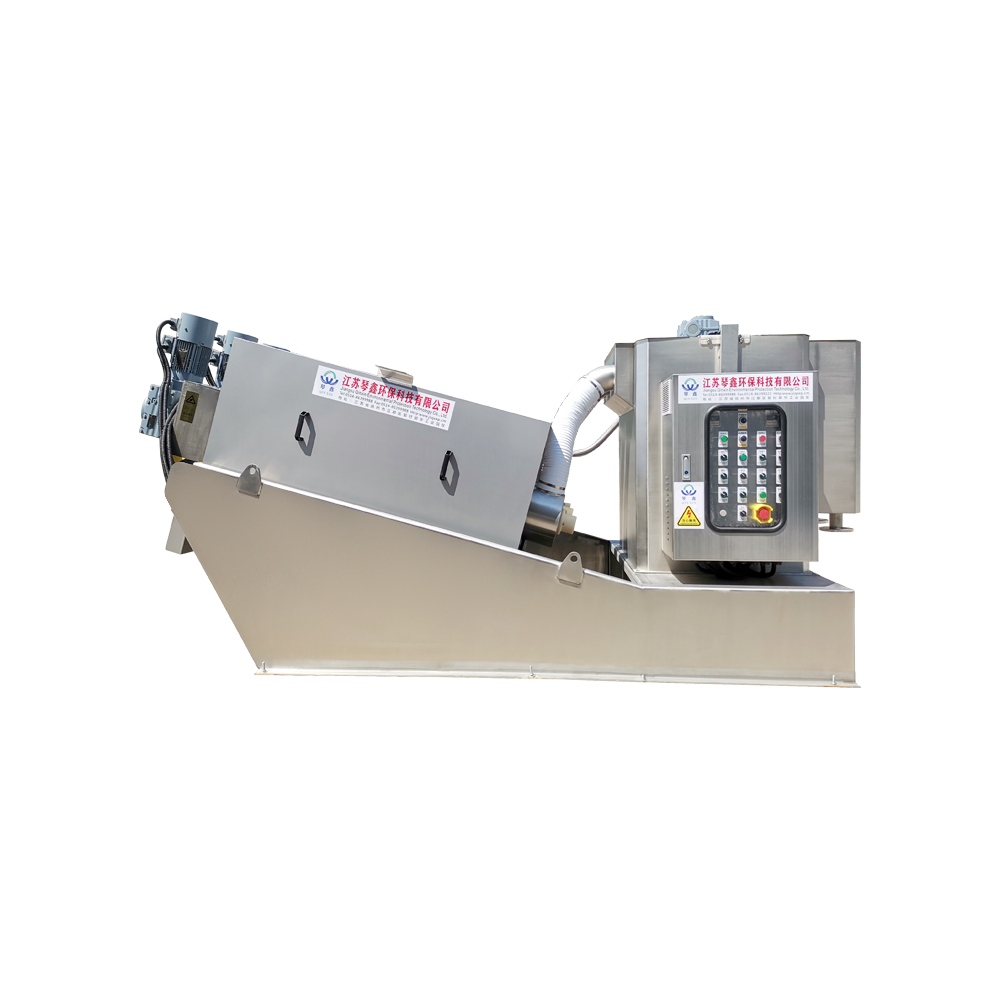
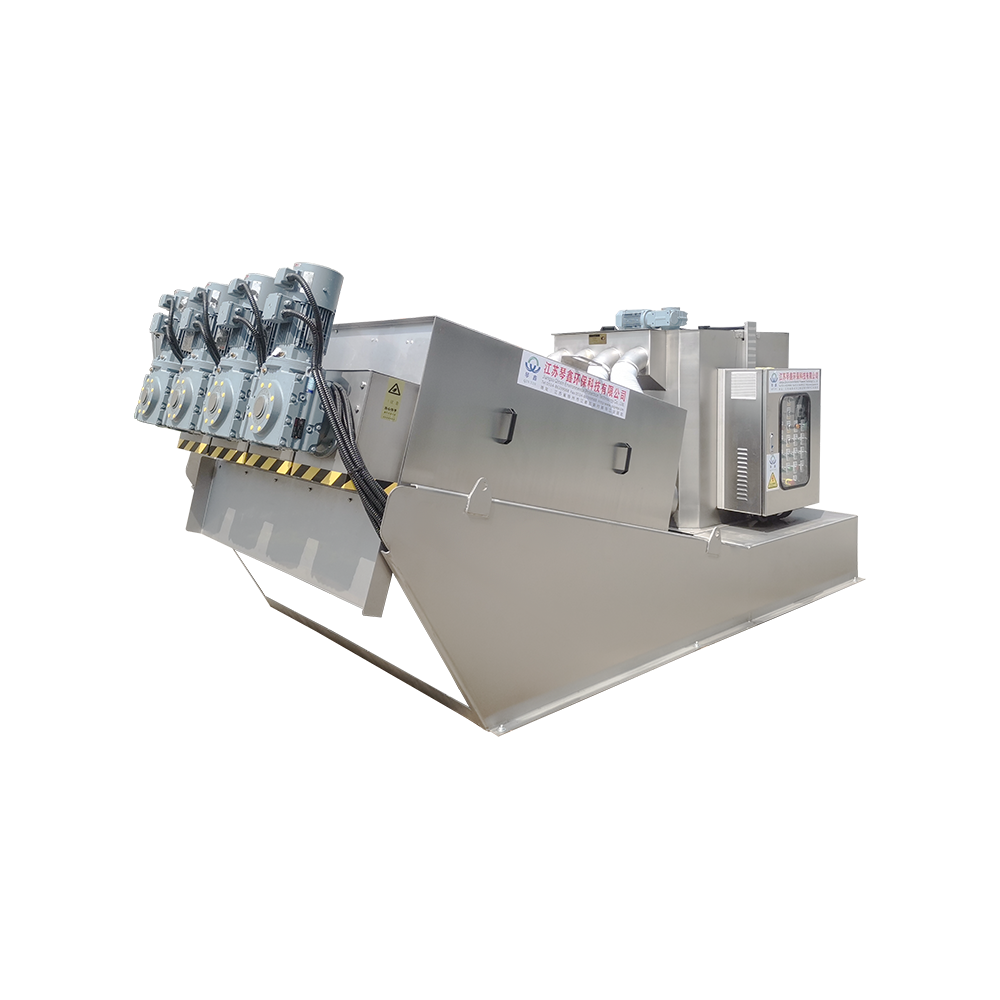
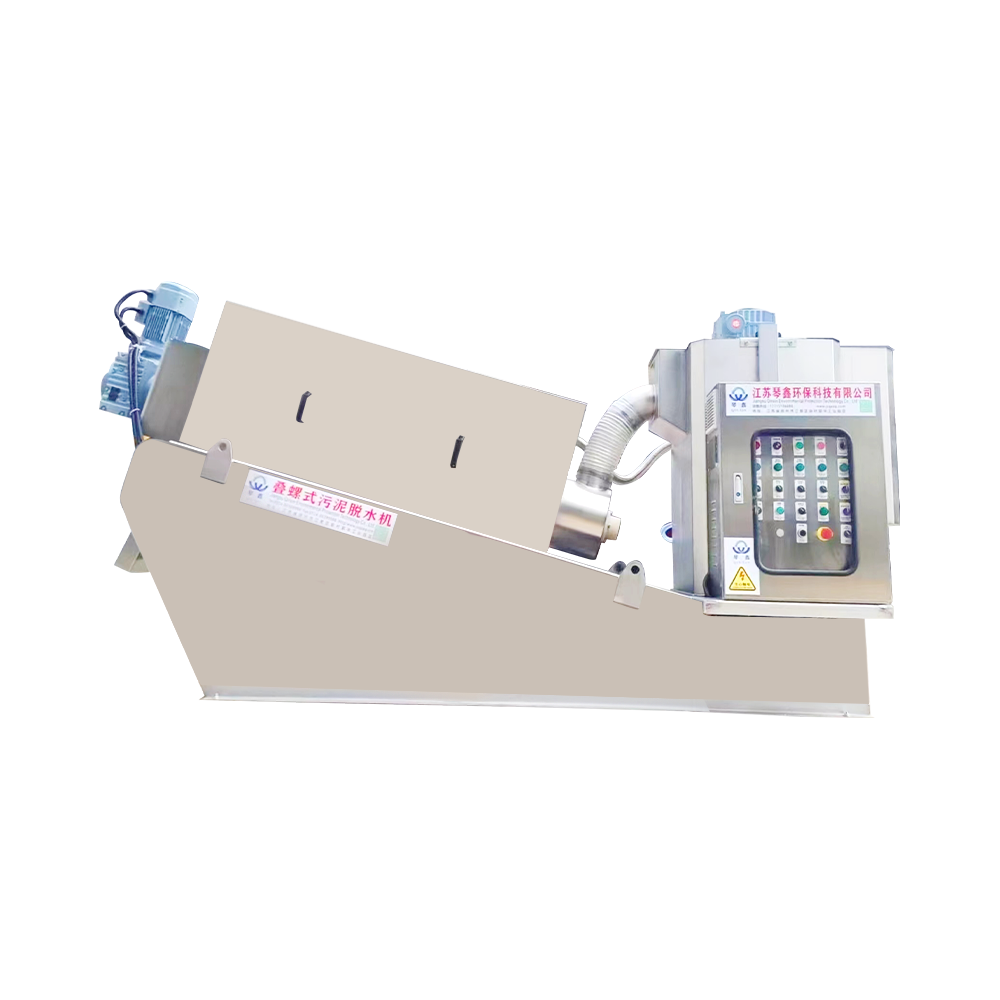
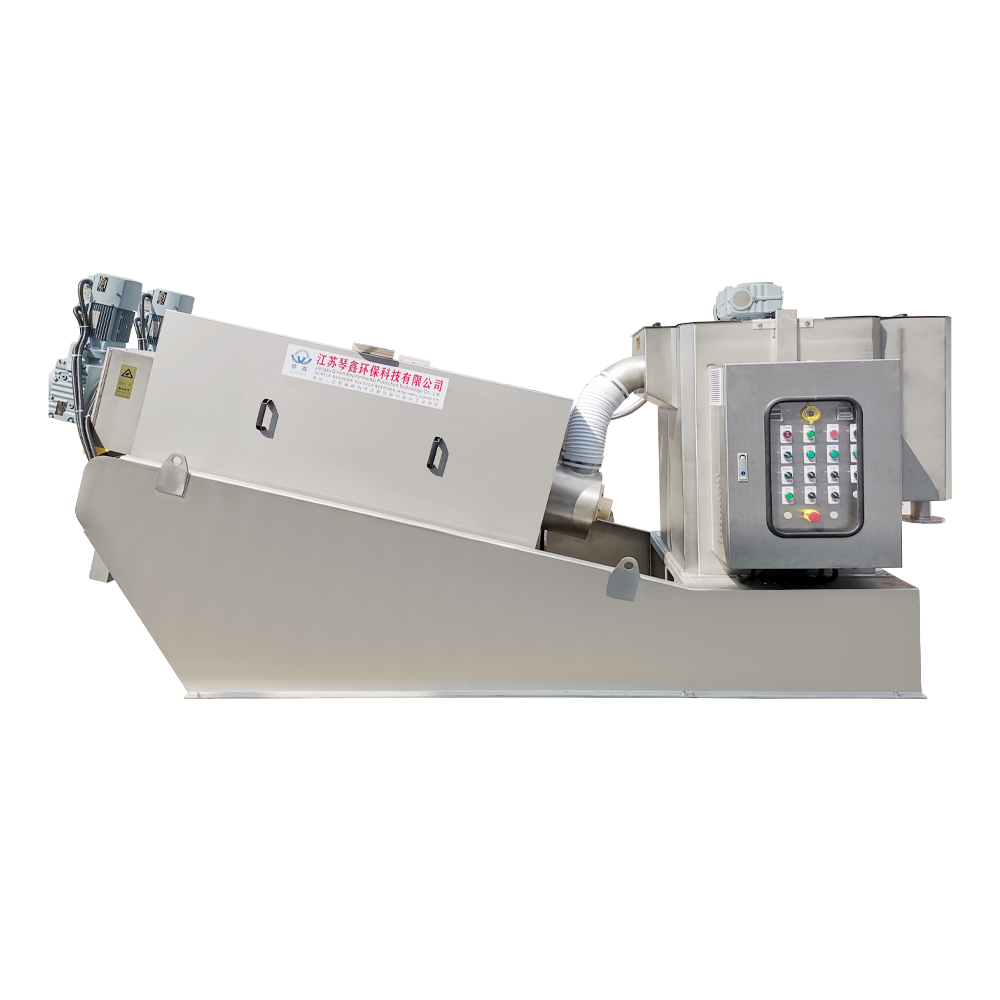
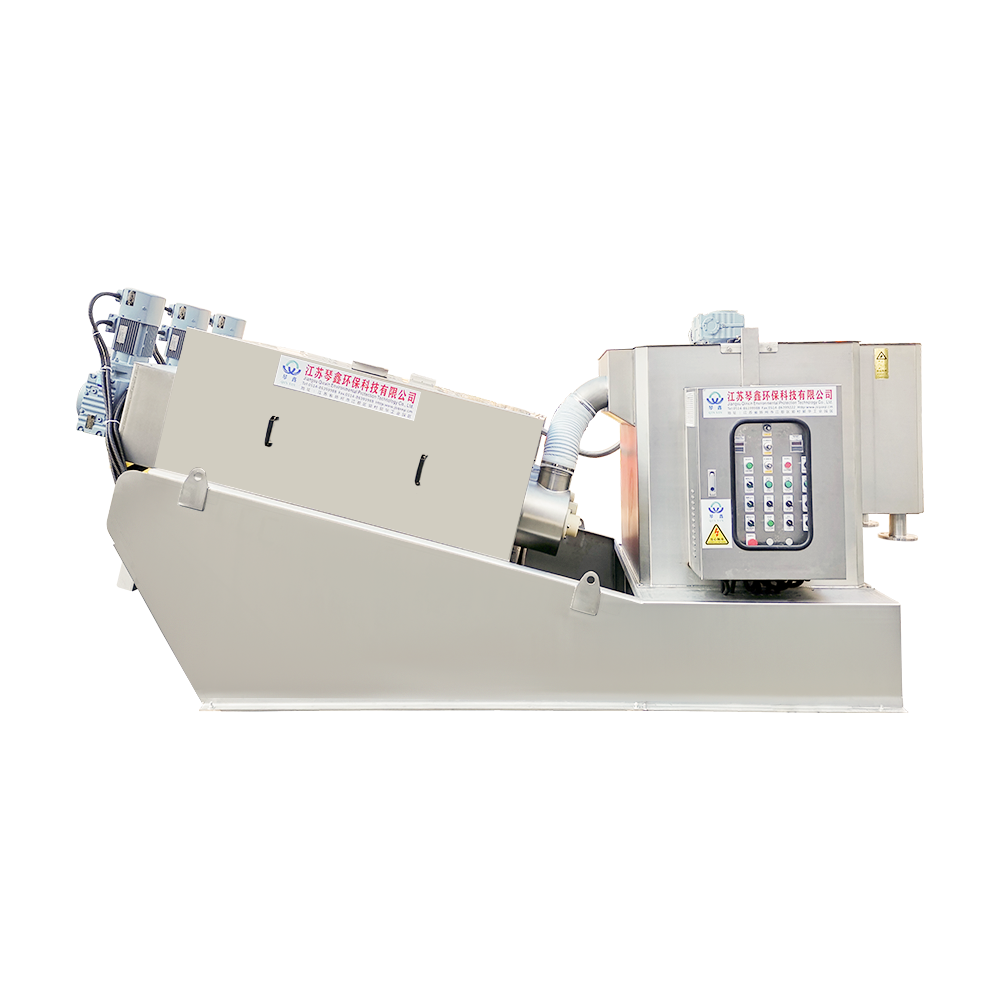
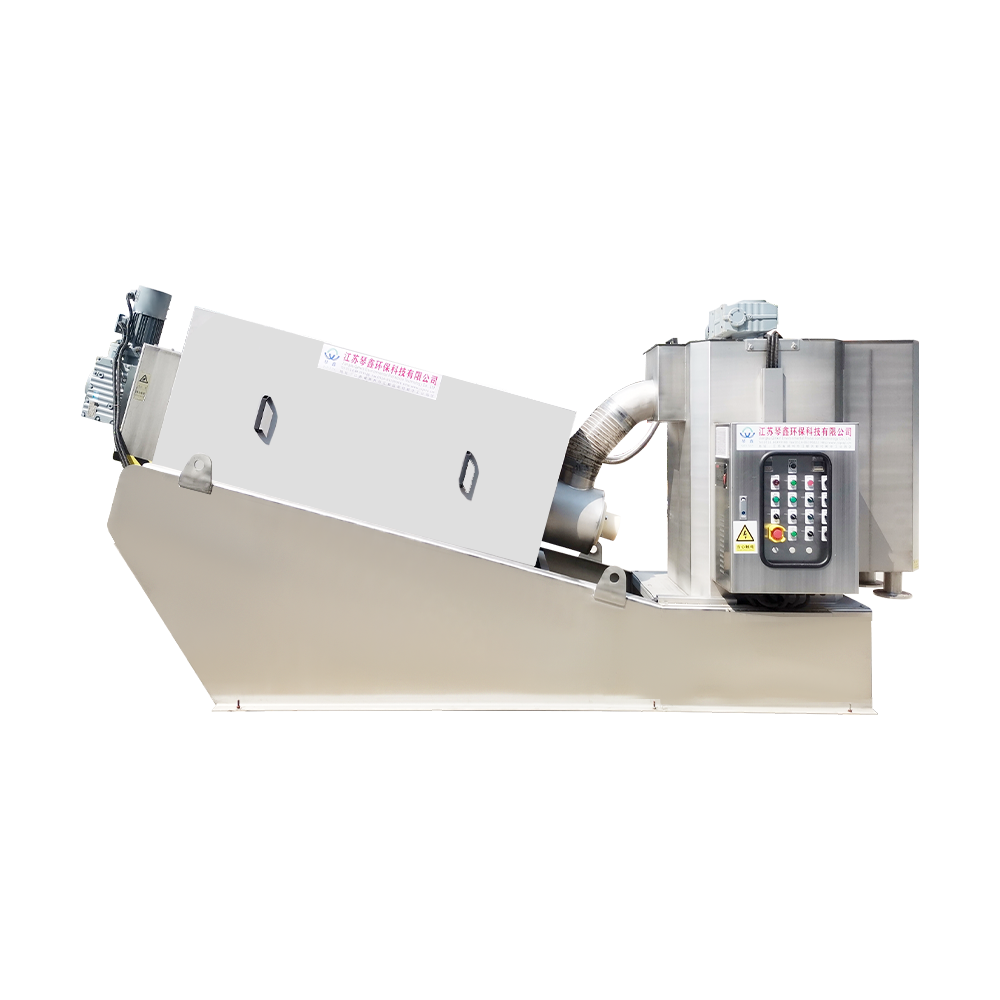
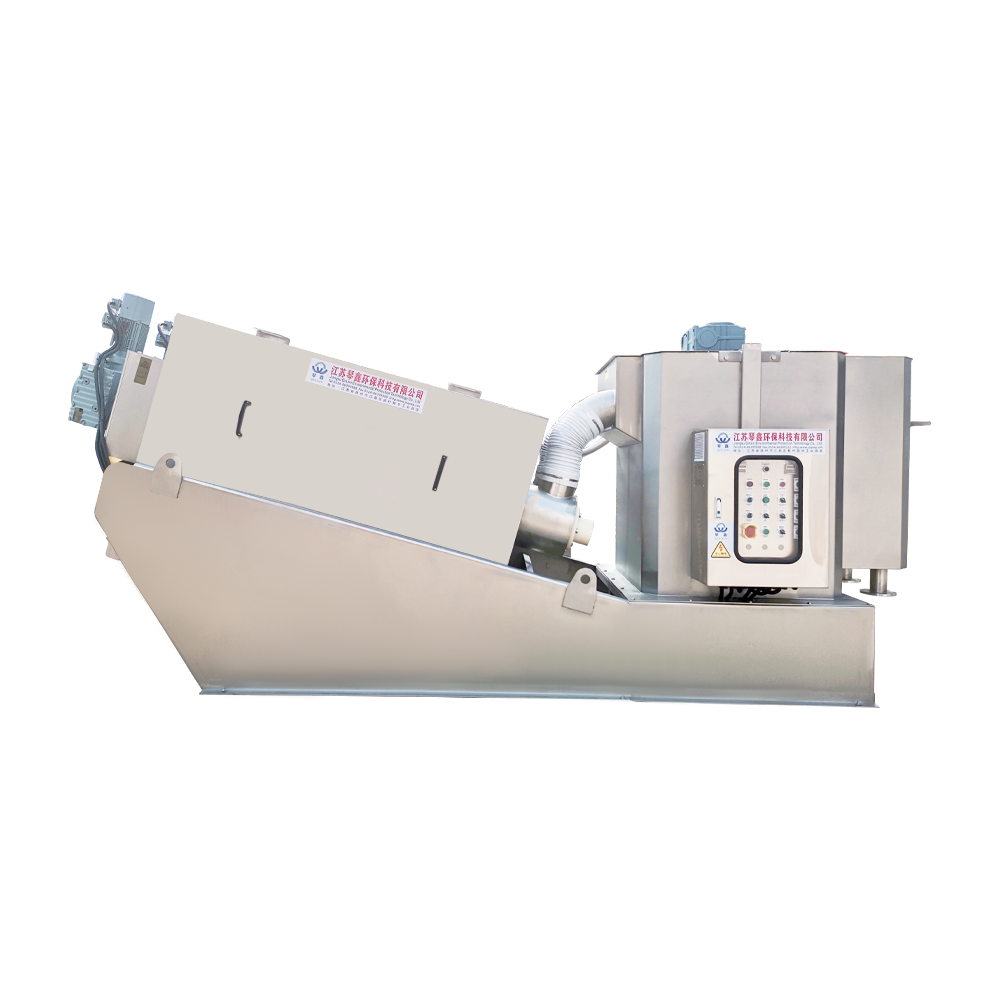
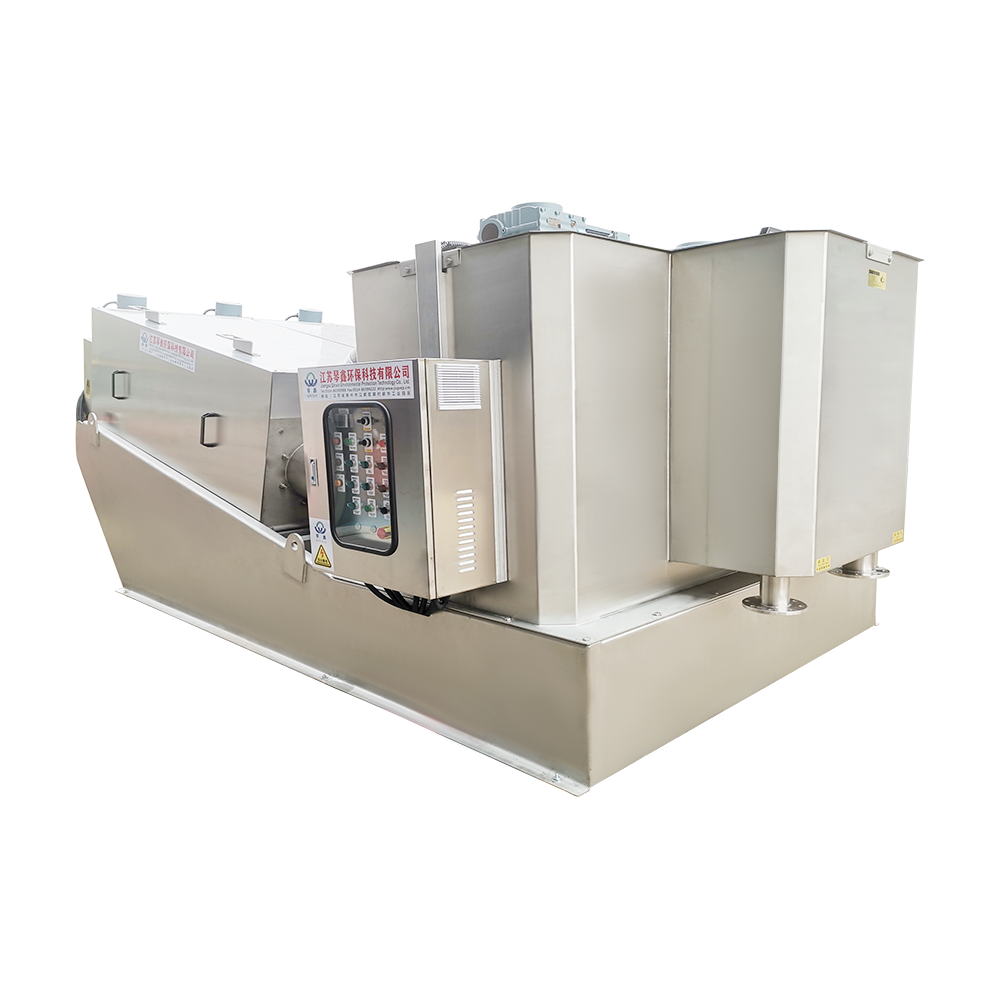
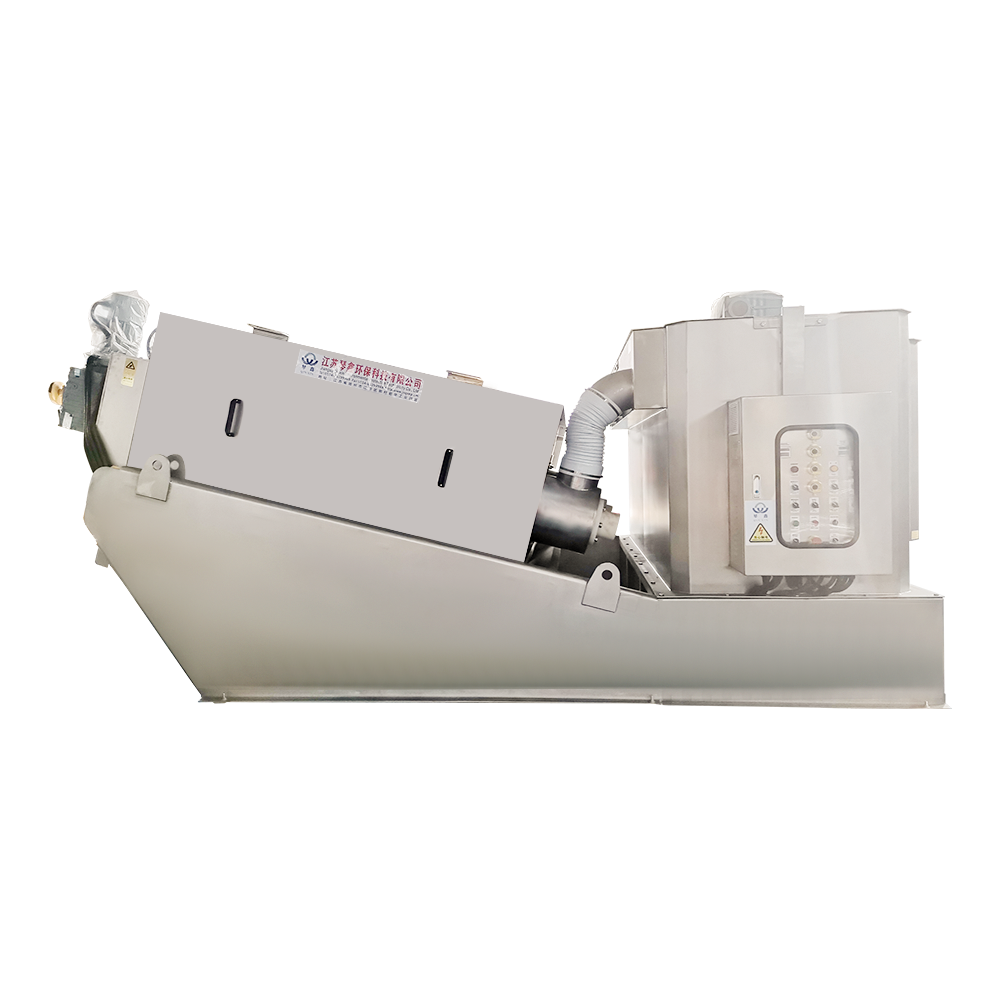
A screw press consists of a slowly rotating screw shaft enclosed by a set of fixed rings and moving rings. Sludge enters at the feed end, and as the shaft turns, the decreasing pitch of the screw pushes the solids forward while water is forced out through the narrow gaps between the rings. A backpressure plate at the discharge end regulates the final cake compaction. The relative motion between the fixed and moving rings creates a gentle wiping action that keeps the gaps open, which is particularly useful for greasy, fibrous, or sticky sludge that would quickly blind a cloth.
For a more detailed mechanical walkthrough, see this guide to how a screw press sludge dewatering machine works, which describes the complete flow from feed to cake discharge.
Rotary Drum Vacuum Filter: Drawing Liquid Through a Cloth
A rotary drum vacuum filter uses a horizontal drum covered with a filter cloth. The lower portion of the drum rotates through a tank of conditioned slurry. Inside the drum, a vacuum pump maintains negative pressure, pulling filtrate through the cloth and into internal drainage channels while solids deposit on the cloth surface as a cake. A doctor blade scrapes the cake off just before the drum submerges again.
That principle is simple and effective for free-draining suspensions such as mineral concentrates or crystalline chemical products. But the cloth is the weak point: once the pores are blocked by fine biological flocs, the vacuum drops, the cycle time lengthens, and the operator must increase cloth washing or replace the medium.
Head-to-Head Comparison of Operating Parameters
The following table summarises the technical differences that directly influence daily operation. The comparison uses a rotary drum vacuum filter as the reference vacuum device because it is the most common type offered for sludge and slurry dewatering.
| Parameter | Sludge Screw Press | Rotary Drum Vacuum Filter |
|---|---|---|
| Dewatering force | Mechanical shaft compression with adjustable backpressure | Vacuum suction through a filter cloth |
| Feed solids concentration | Handles thin sludge from 2,000 to 50,000 mg/L in many cases without pre-thickening | Prefers denser, free-draining feed; thin biological sludge needs pre-thickening or filter aids |
| Energy consumption | Low, one slow-speed drive motor | Higher, vacuum pump and drum drive run continuously |
| Wash water demand | Low, intermittent flushing of screen gaps | High, regular cloth washing to prevent blinding |
| Filter medium | Stacked stainless steel rings, no consumable cloth | Filter cloth, replaced periodically |
| Clogging behaviour | Moving rings shear the surface and keep openings clear | Cloth blinding is the dominant failure mode on sticky sludge |
| Footprint and enclosure | Compact, easy to enclose for odour control | Large open surface area, harder to seal completely |
| Cake dryness | Typically 20–28% DS for mixed sludge, higher for some industrial sludges | 20–35% DS for coarse inorganic products, but difficult to maintain on biological sludge |
Three differences deserve extra attention during evaluation. The first is energy: a vacuum pump is a continuous and significant power consumer, while a screw press only needs to turn a low-speed shaft. The second is wash water: vacuum filters require frequent cloth cleaning at volumes that can strain the plant water balance. The third is the failure mode: a blocked cloth brings a vacuum filter to a halt, whereas a screw press keeps working because its self-cleaning rings shed the material that would otherwise cling to the screen.
Operation, Maintenance, and Lifecycle Costs
Looking beyond the purchase price is essential, because the cost gap between these two technologies tends to widen over time. The screw press has few wearing parts: the screw shaft, the rings, and the backpressure assembly. In a well-designed stainless steel unit, the shaft and ring life is measured in years even on abrasive feed, and replacement parts are relatively easy to access through the split housing.
For municipal and general industrial applications, models such as the QXDL304 spiral screw sludge dewatering machine are built around this simple construction, with all wetted parts in stainless steel and a control system that adjusts backpressure automatically to maintain cake dryness.
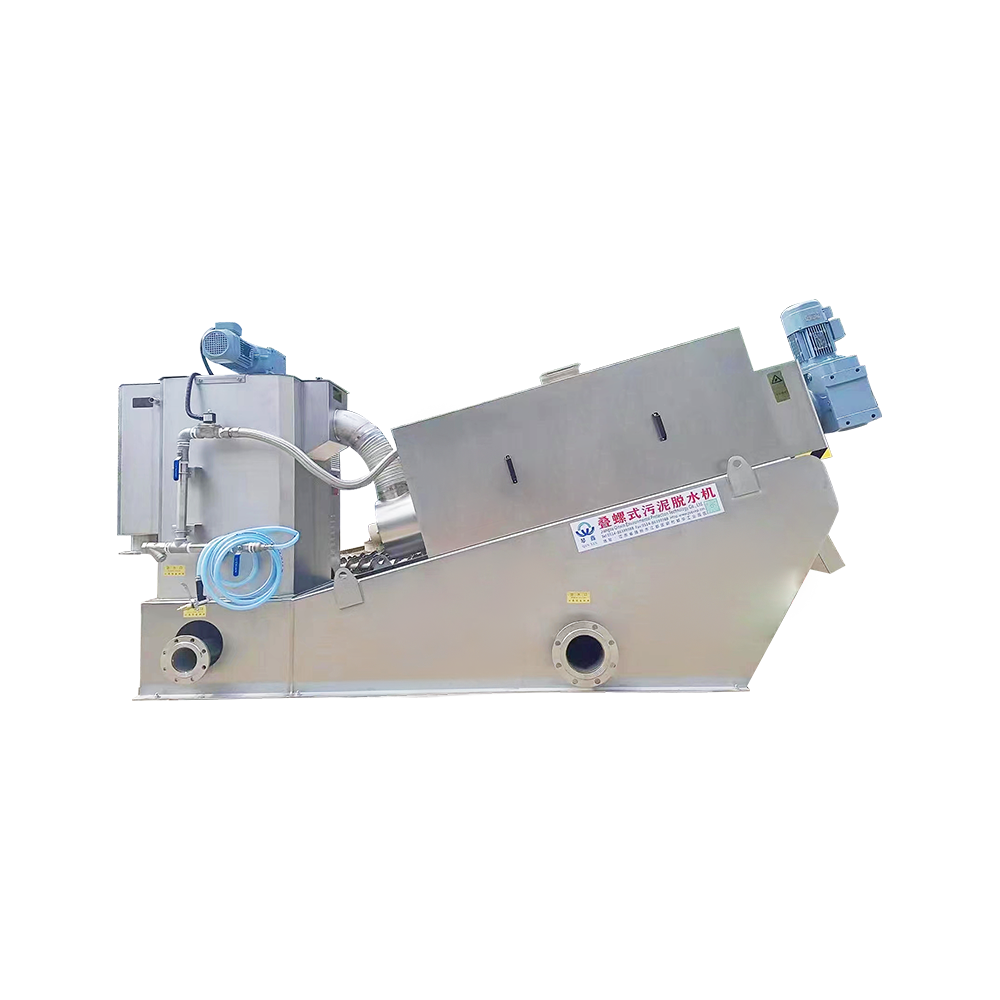 Custom Printing and Dyeing Factory High Energy-saving Spiral Screw Sludge DewateYangzhou Qinxin Environmental Protection Technology Co., Ltd. Is China Custom Printing and Dyeing Factory High Energy-saving Spiral Screw...View Product →
A vacuum filter, in contrast, carries auxiliary systems that each add maintenance points: the vacuum pump must be checked for seal water and bearing condition, the filter cloth must be inspected for tears and pore blockage, the doctor blade needs adjustment, and the filtrate piping can accumulate solids.
Which Sludge Types and Site Conditions Favour Each Technology
Screw Press Suits Most Biological and Low-Consistency Sludges
Municipal activated sludge, digested sludge, food processing waste, livestock manure, paper mill sludge, and many chemical wastewaters share one feature: they contain fine flocs, grease, or fibrous matter that quickly blind a filter cloth. A screw press handles these conditions comfortably because the ring stack does not rely on a clean filtration surface to maintain throughput. The machine can also accept thin feed directly from aeration tanks or secondary clarifiers, which eliminates the need for a separate thickening step in many installations.
The low-speed operation also supports unattended running. A screw press can be started and stopped with the feed pump, and the PLC control adjusts the backpressure plate automatically. For plants with limited night shift staff, this reduces the chance of a clogged machine sitting unnoticed until morning.
Vacuum Filter Keeps Its Role in High-Solids, Non-Sticky Slurries
Rotary drum vacuum filters still make sense for mineral processing, some chemical crystallisation lines, and industrial streams where the solids are heavy, coarse, and fast-settling. In those cases the cloth remains clear because the particulate bridges on the cloth surface and forms a porous cake. Inorganic slurries such as lime sludge, gypsum, or fine ore concentrates can achieve good cake dryness and continuous discharge with a vacuum drum.
For chemical wastewater with fine inorganic particles and abrasive character, the screw press can still be used, but the wear behaviour of the contact parts must be considered. The QXDL354 chemical wastewater screw press addresses this with hardened wear-resistant materials in the compression zone, so the machine can tolerate higher grit loads without excessive shaft wear.
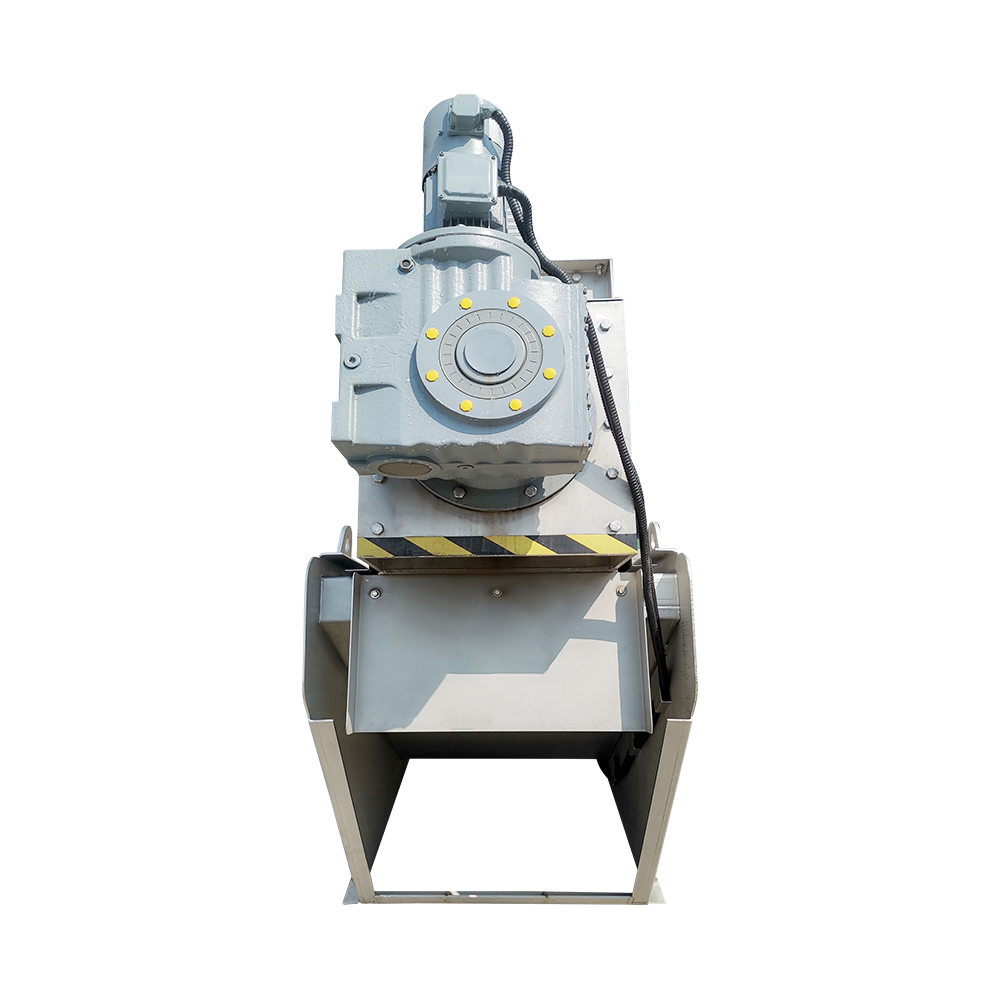 Automatic Screw Press Sludge Dewatering Machine for Livestock WastewaterHigh-efficiency screw press for livestock wastewater treatment. Automate solids-liquid separation, reduce sludge volume, and lower dispos...View Product →
Designing the Whole Dewatering System, Not Just the Machine
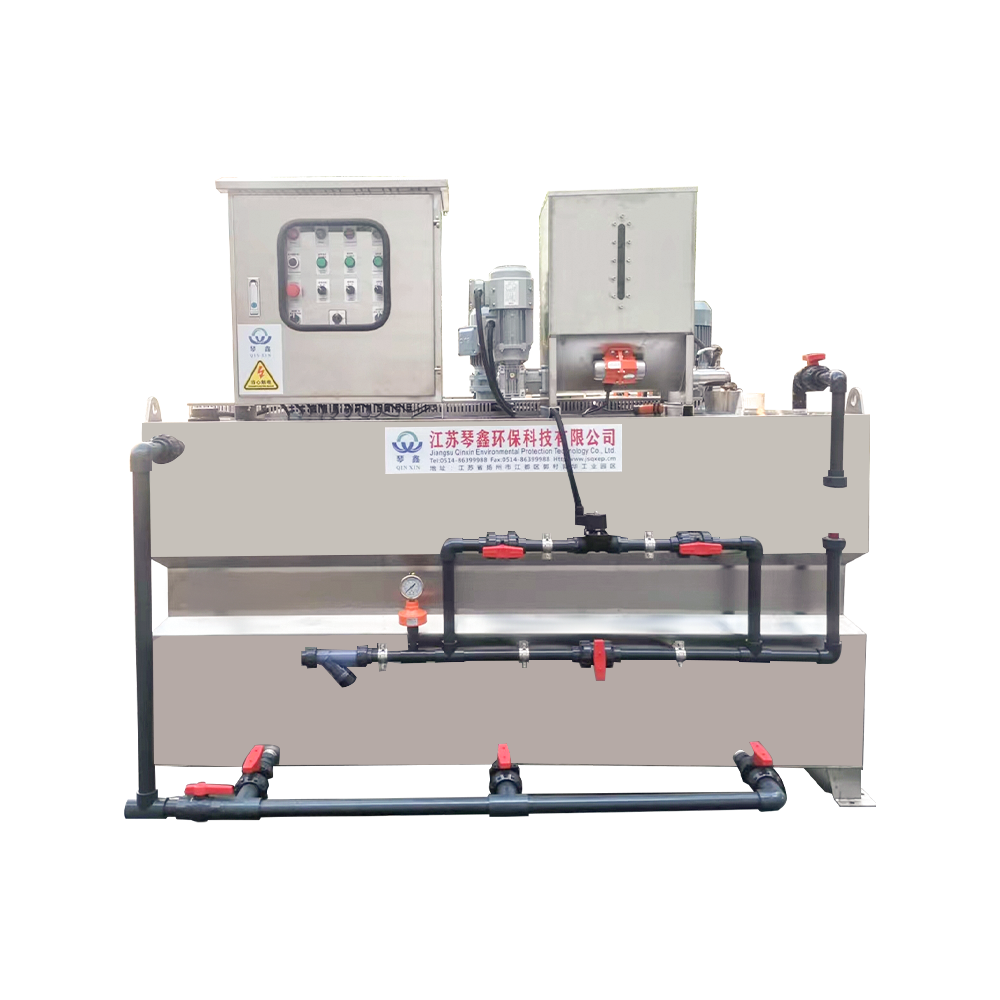
One lesson we repeat with every client is that dewatering performance depends as much on the equipment around the machine as on the machine itself. Polymer conditioning is the biggest single lever for screw press performance: an under-dosed or over-dosed feed produces a wet cake and consumes expensive flocculant. An integrated PAM dosing system with variable frequency control keeps the flocculation steady and reduces chemical waste, which is why most screw press installations are paired with a dosing unit rather than relying on manual polymer make-up.
Upstream solids removal also matters. If the raw wastewater contains coarse grit, plastic debris, or large fibre bundles, those materials can settle in the feed channel or wrap around the screw shaft. A pre-dewatering solid-liquid separator installed before the screw press removes these large particles and stabilises the feed concentration, protecting the screw press from avoidable wear.
At the plant level, the screw press is part of a simple process train: an optional screen or separator, a polymer dosing station, the screw press itself, and a cake conveyor. Because each stage operates at near-atmospheric conditions, there is no need for vacuum pumps, filtrate receivers, or elaborate cloth washing circuits. That simplicity directly reduces the number of failure points your maintenance team has to manage.
Final Advice for the Bulk of Real-World Plants
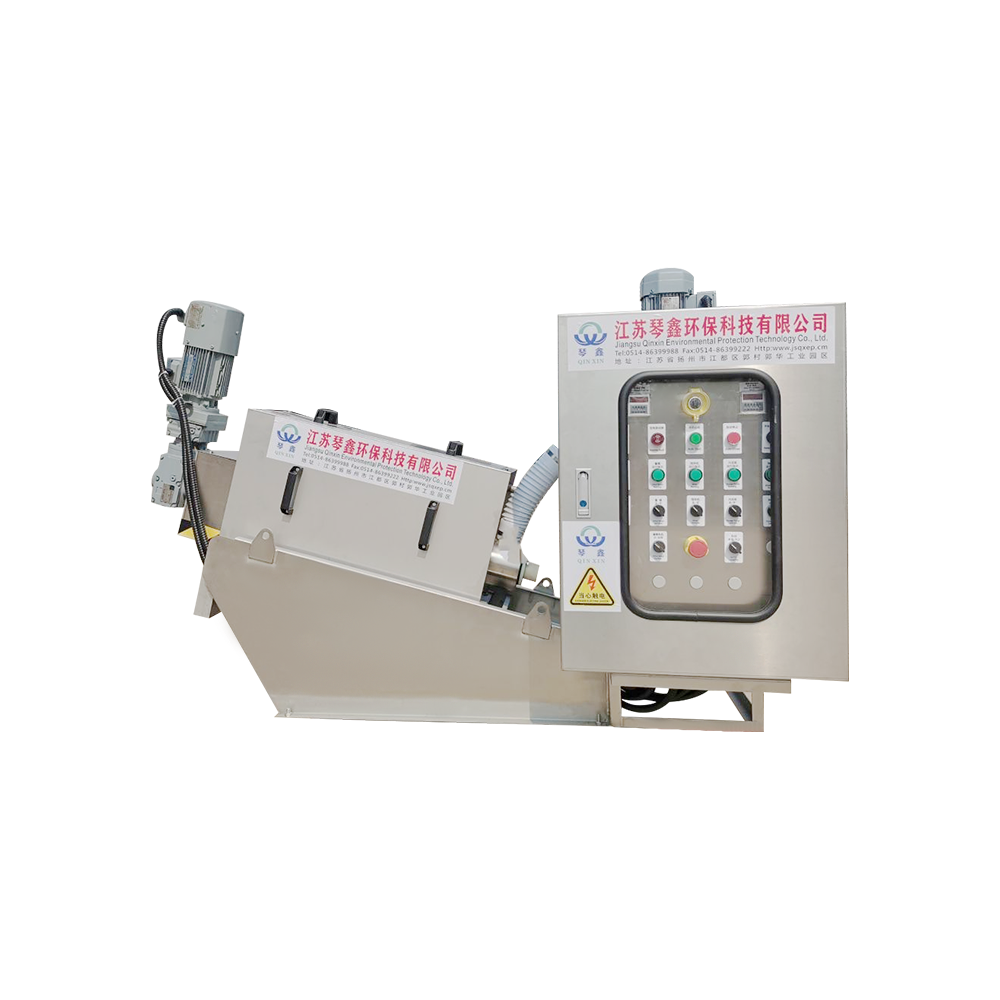
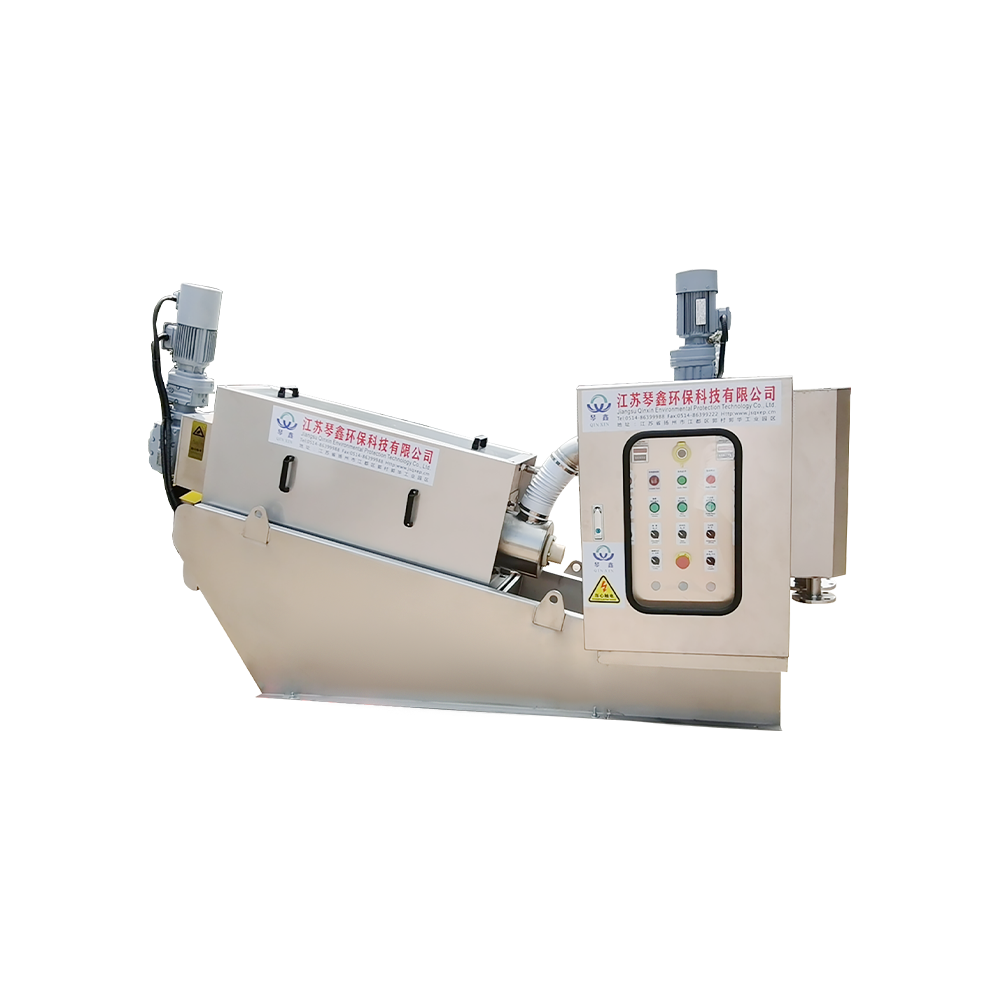
If your feed is municipal sludge, aerobic or anaerobic biological sludge, food industry waste, livestock manure, or a mixed industrial stream with grease and fibre, a sludge screw press should be your first option. It will tolerate normal plant upsets, consume less energy and water, require less daily attention, and produce a cake that most disposal routes accept. The stacked screw sludge dewatering machine series from Qinxin Environmental Protection covers a wide throughput range, with food-grade, livestock, chemical, and general industrial configurations available.
If your material is a coarse inorganic slurry that keeps a stable porous cake on a cloth, then a rotary drum vacuum filter can still be the right technical answer. The decision should be made on data, not habit: feed particle size, solids concentration, stickiness, and sensitivity to operating disruptions all matter more than a single cake dryness number from a brochure.

 TOP
TOP