
 ENG
ENG
 English
 русский
 Español
 Tiếng Việt
 ไทย
ไทย
Article Directory
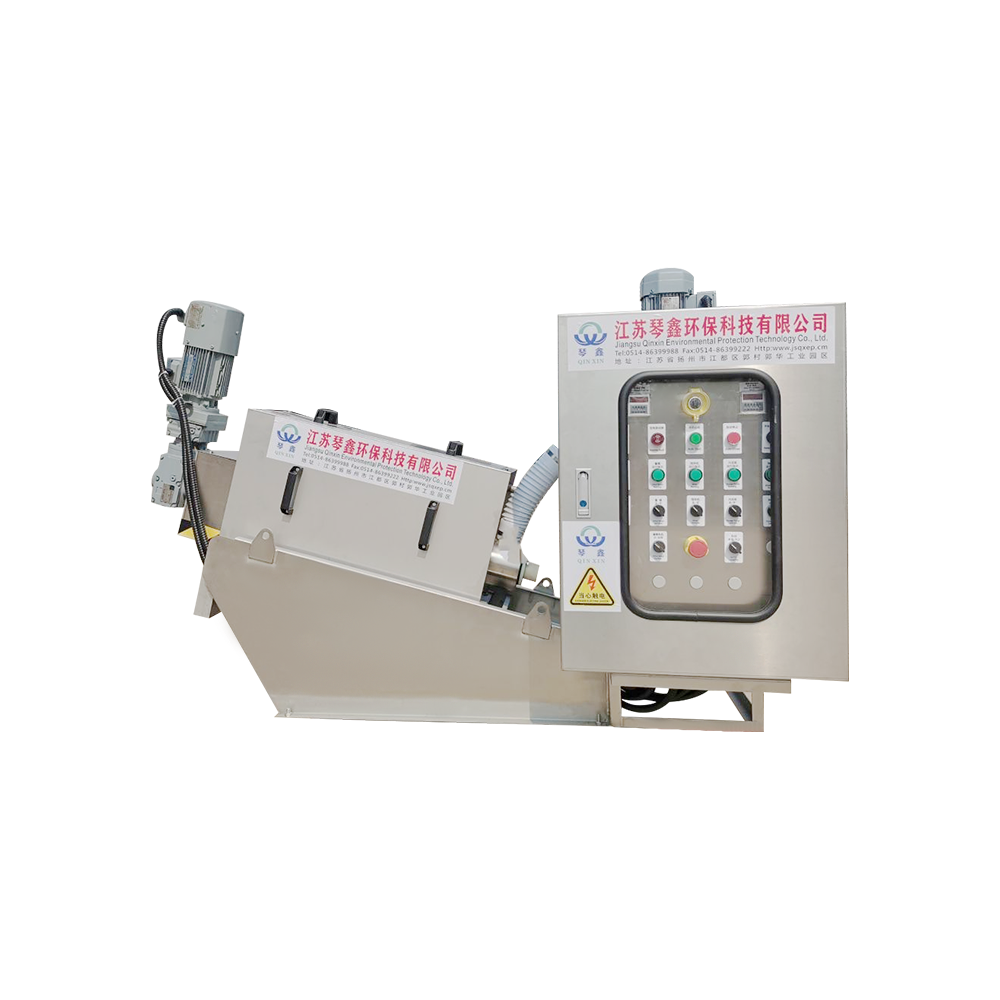
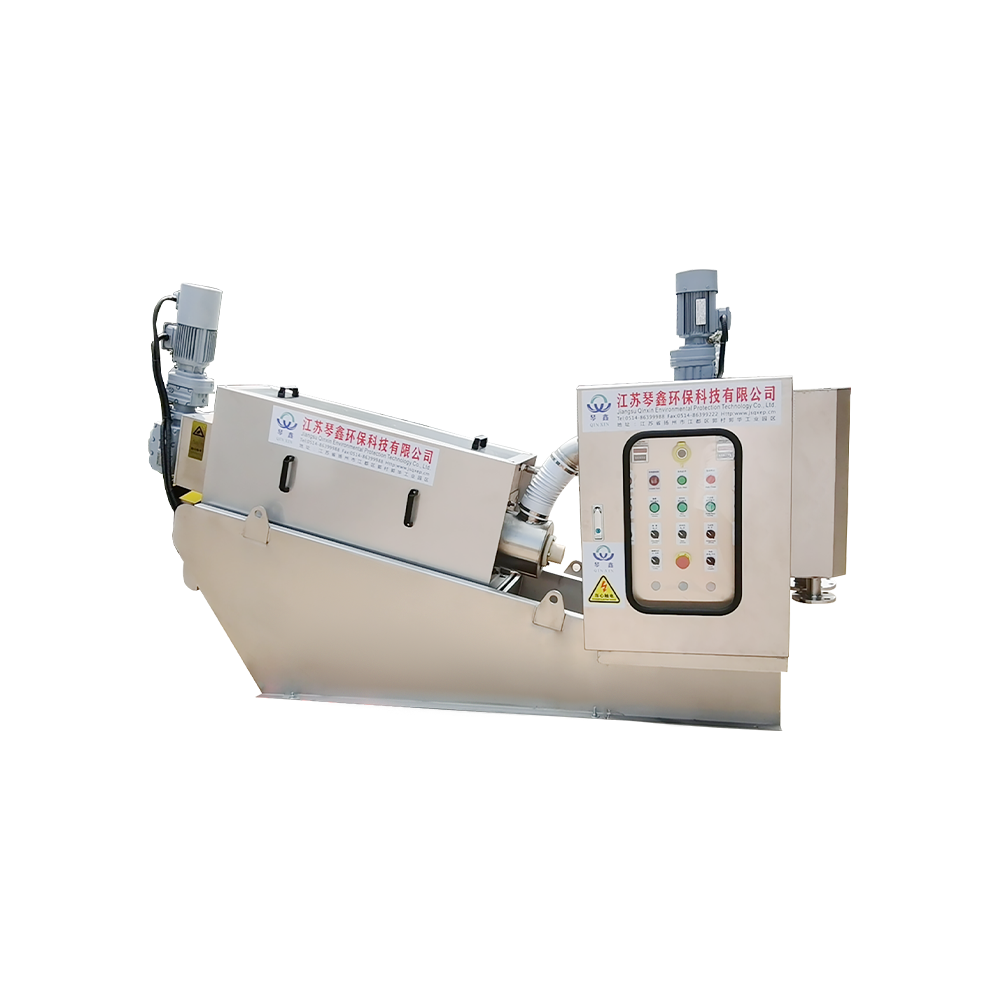
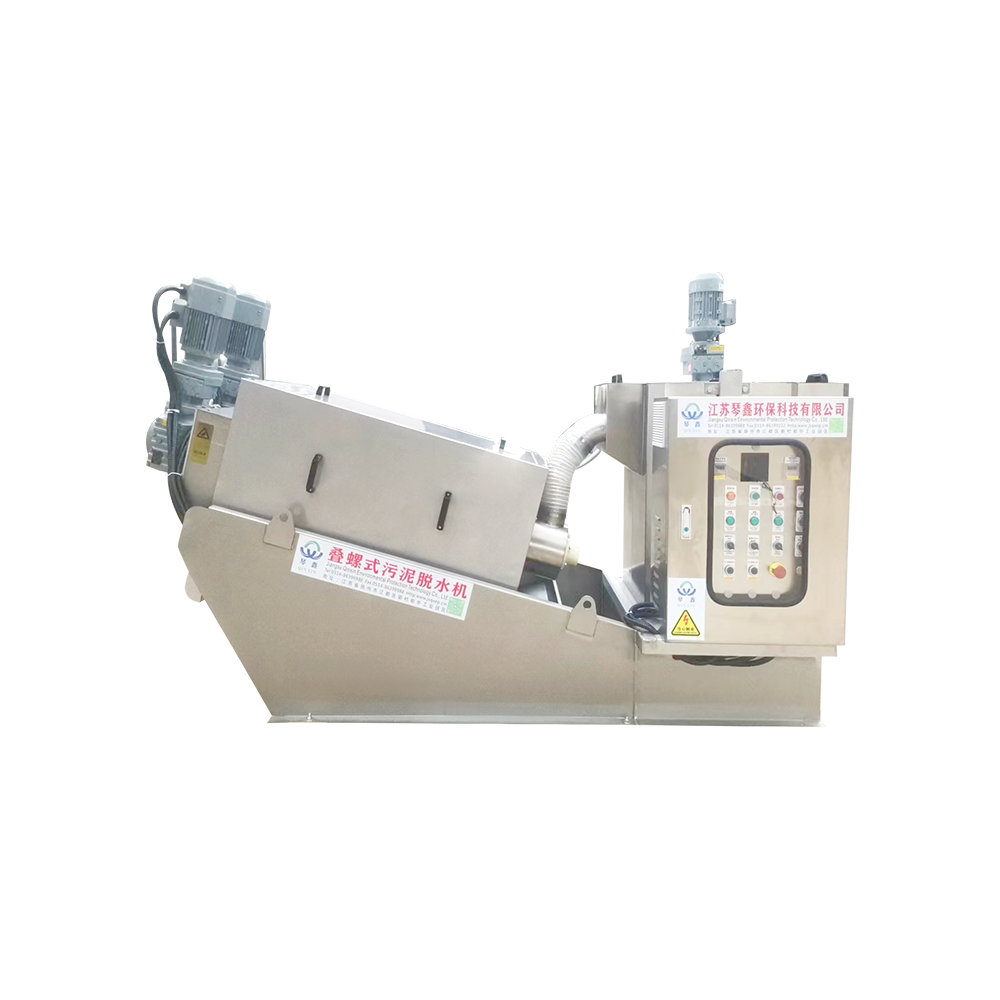
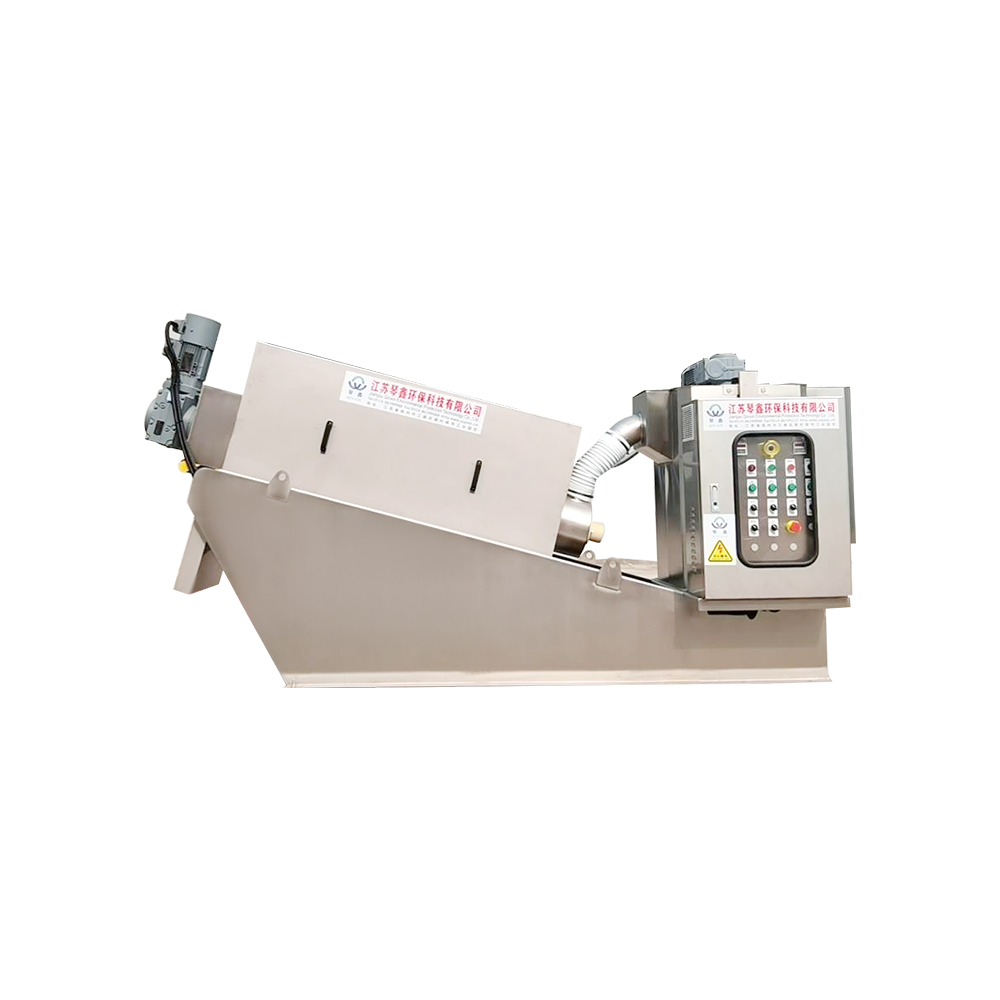
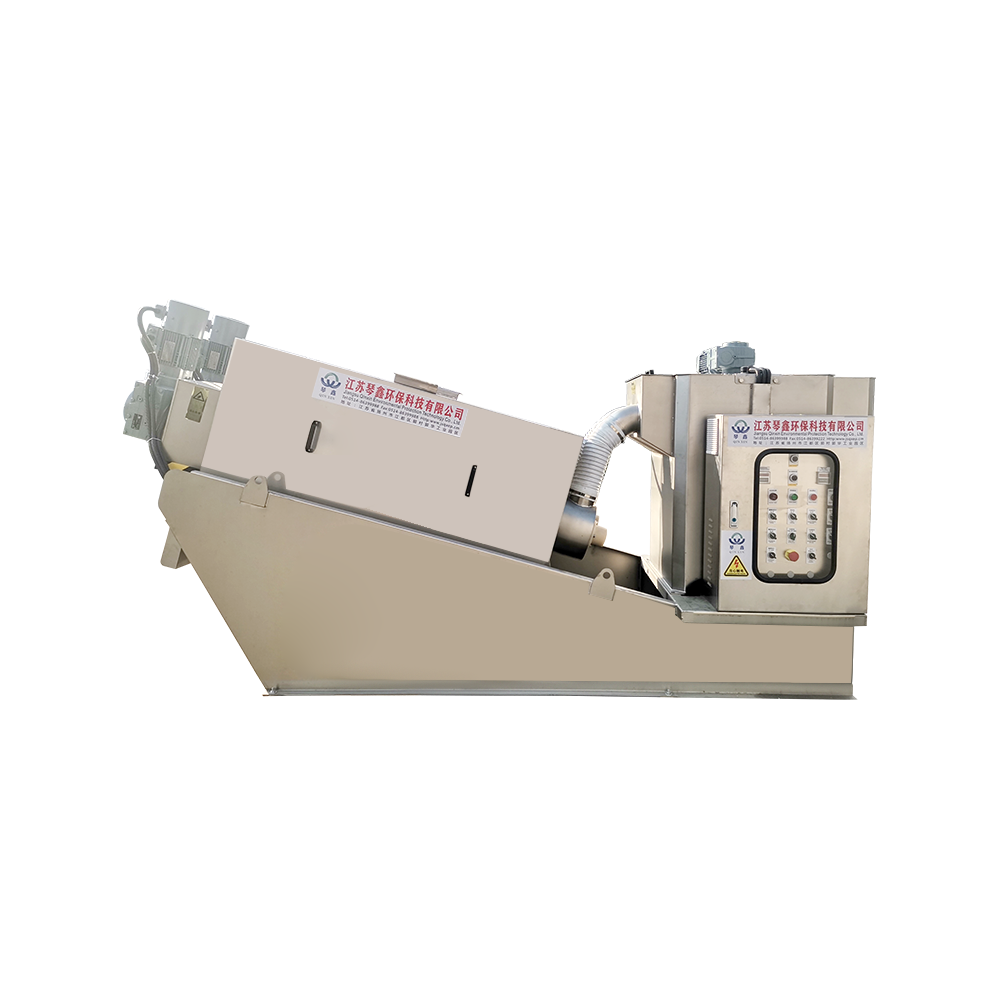
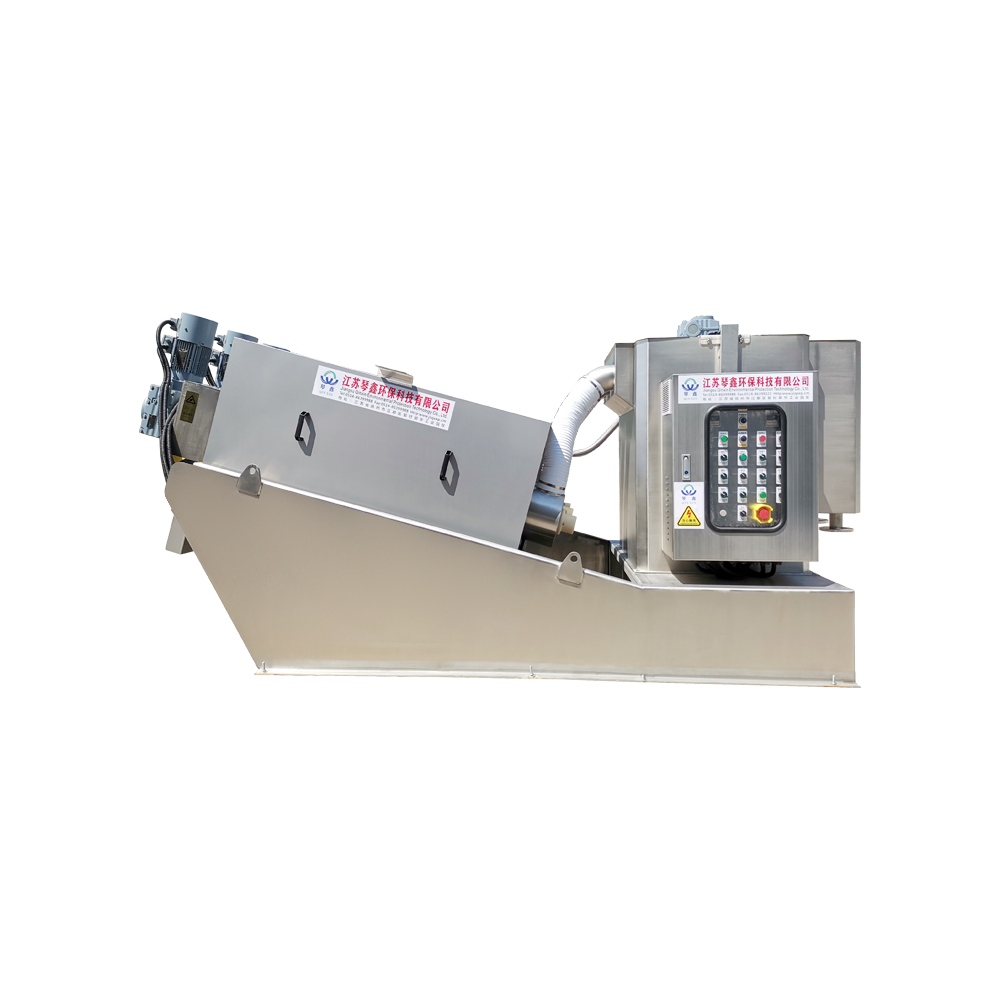
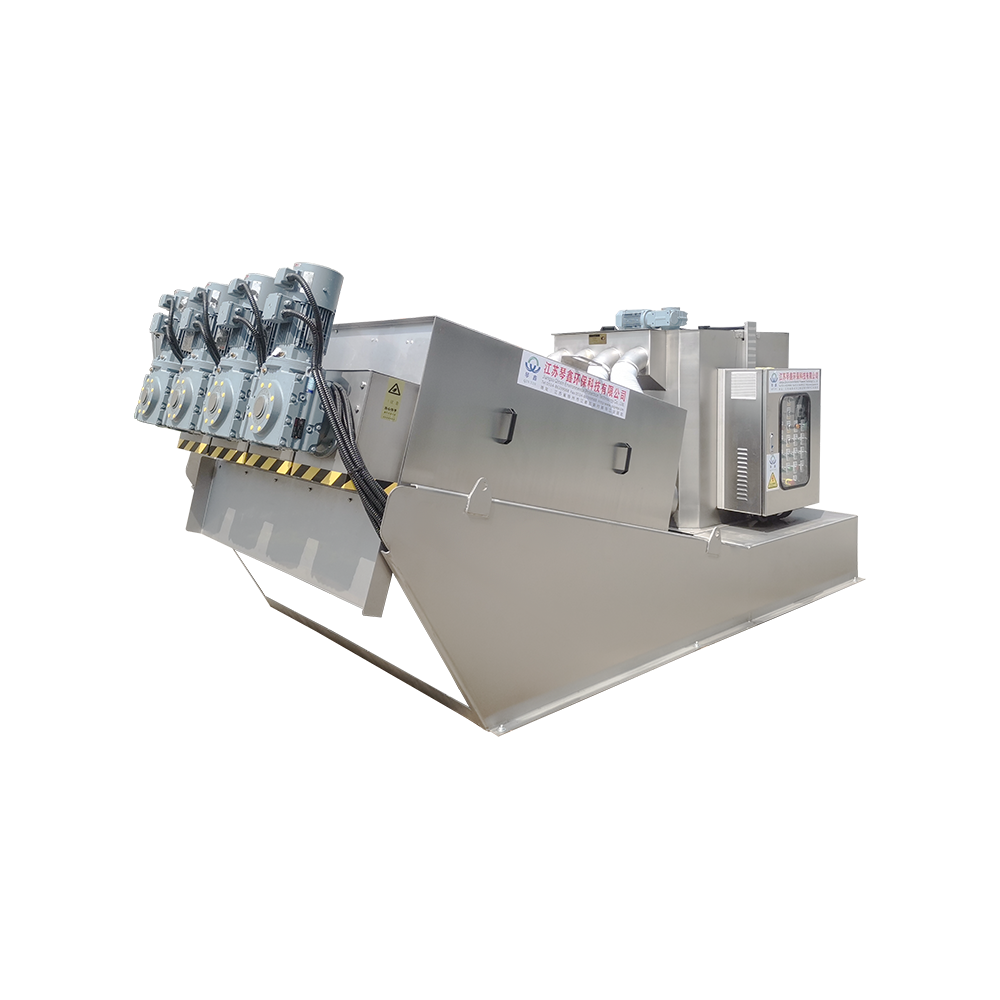
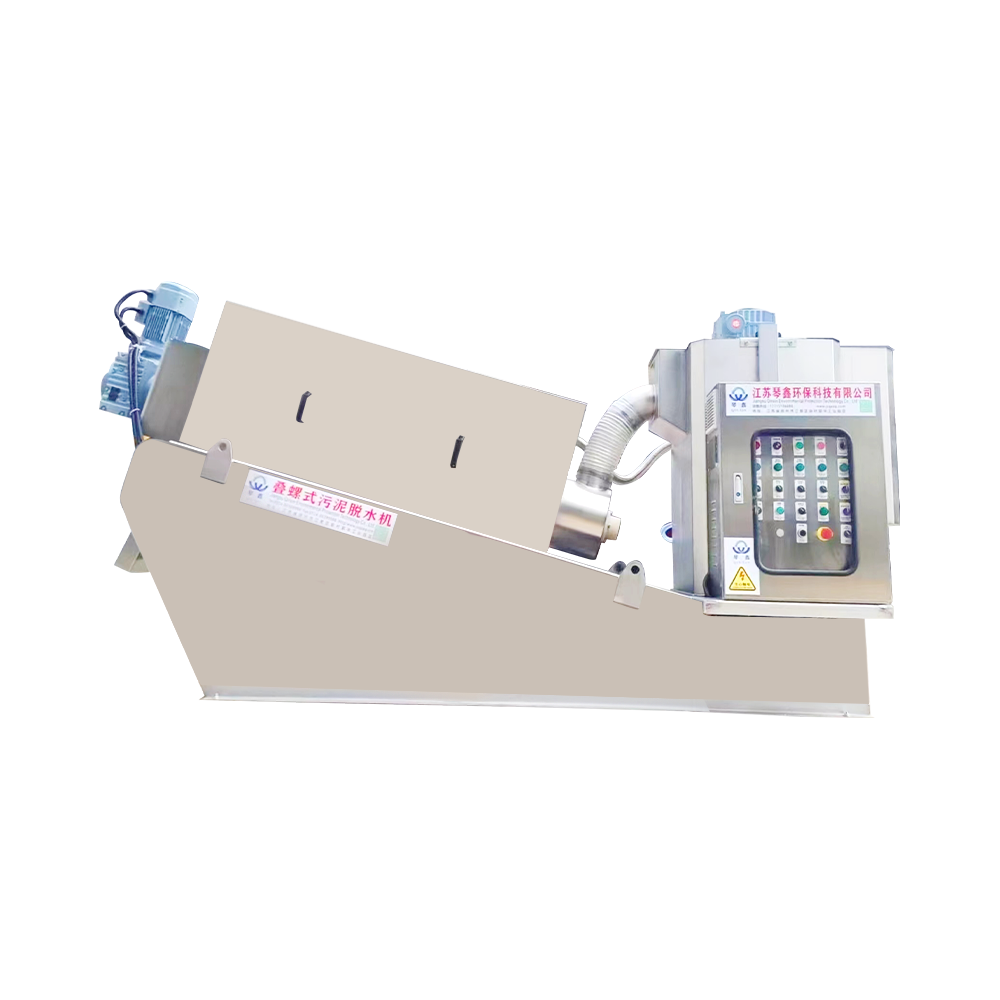
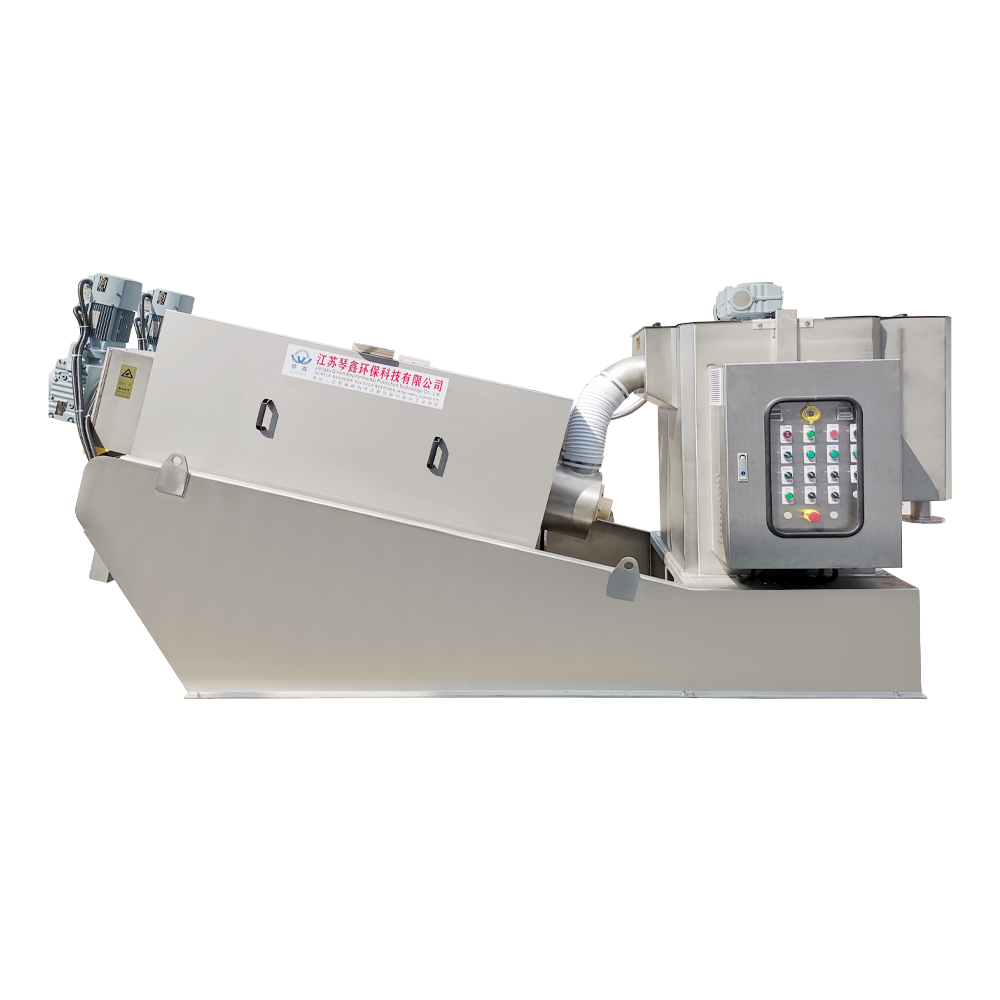
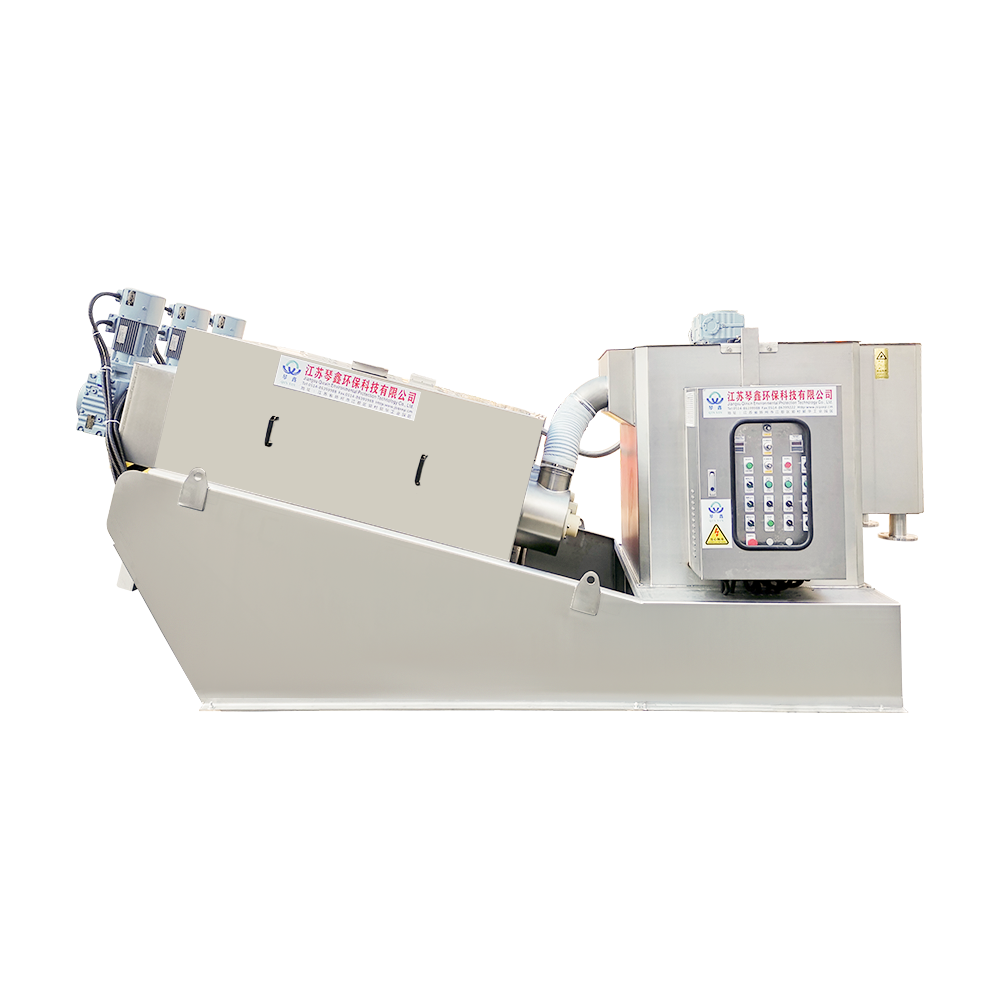
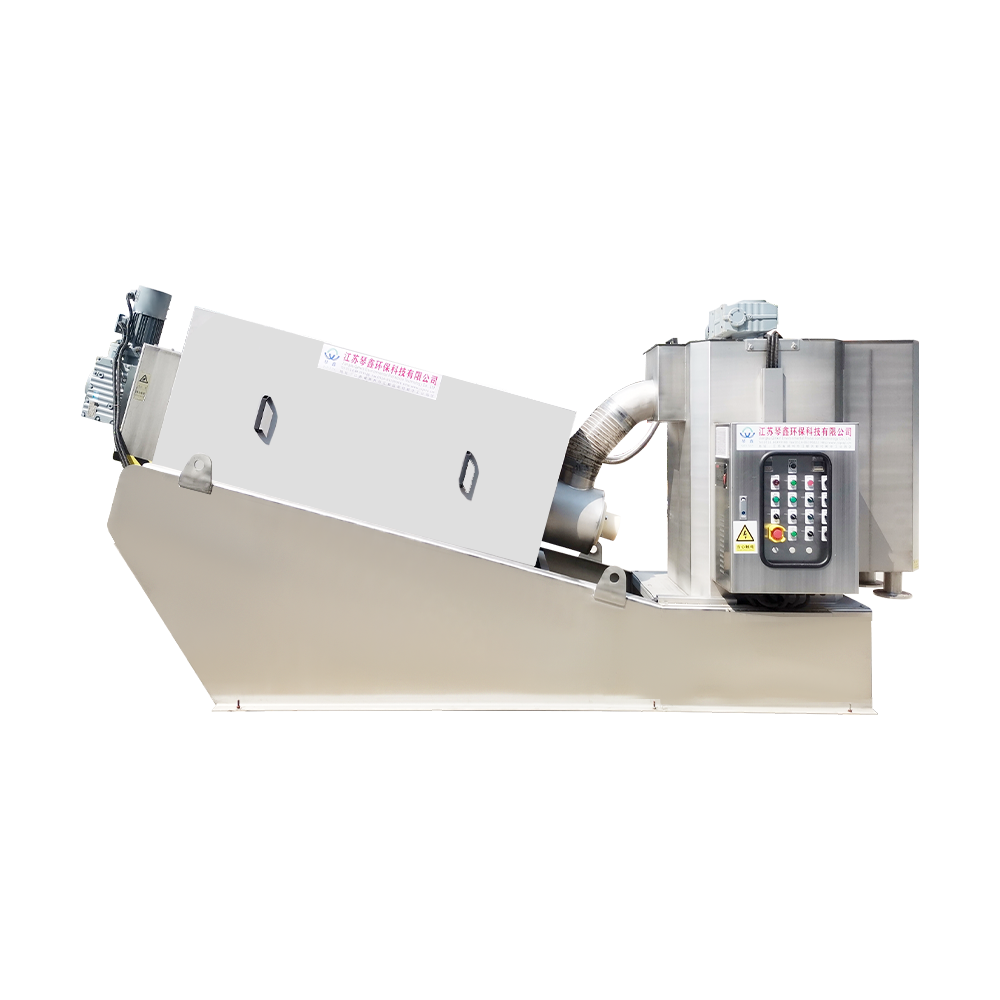
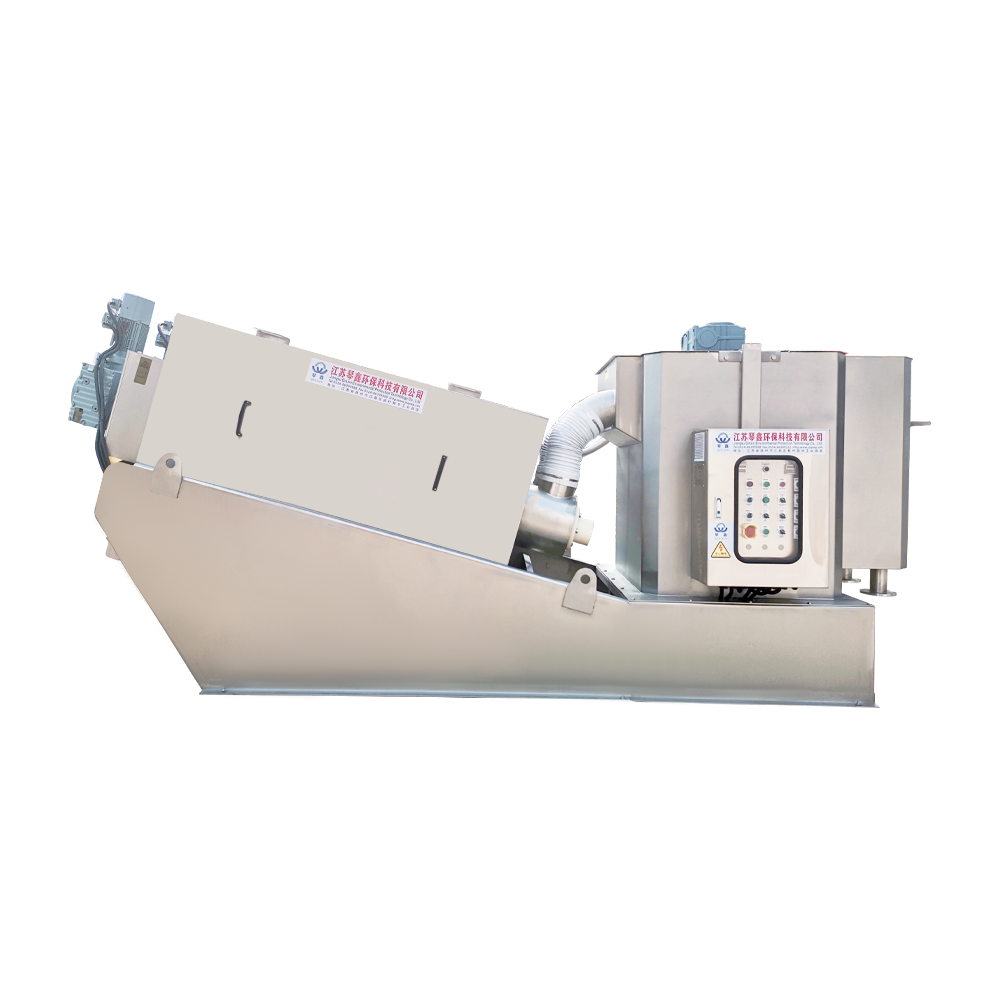
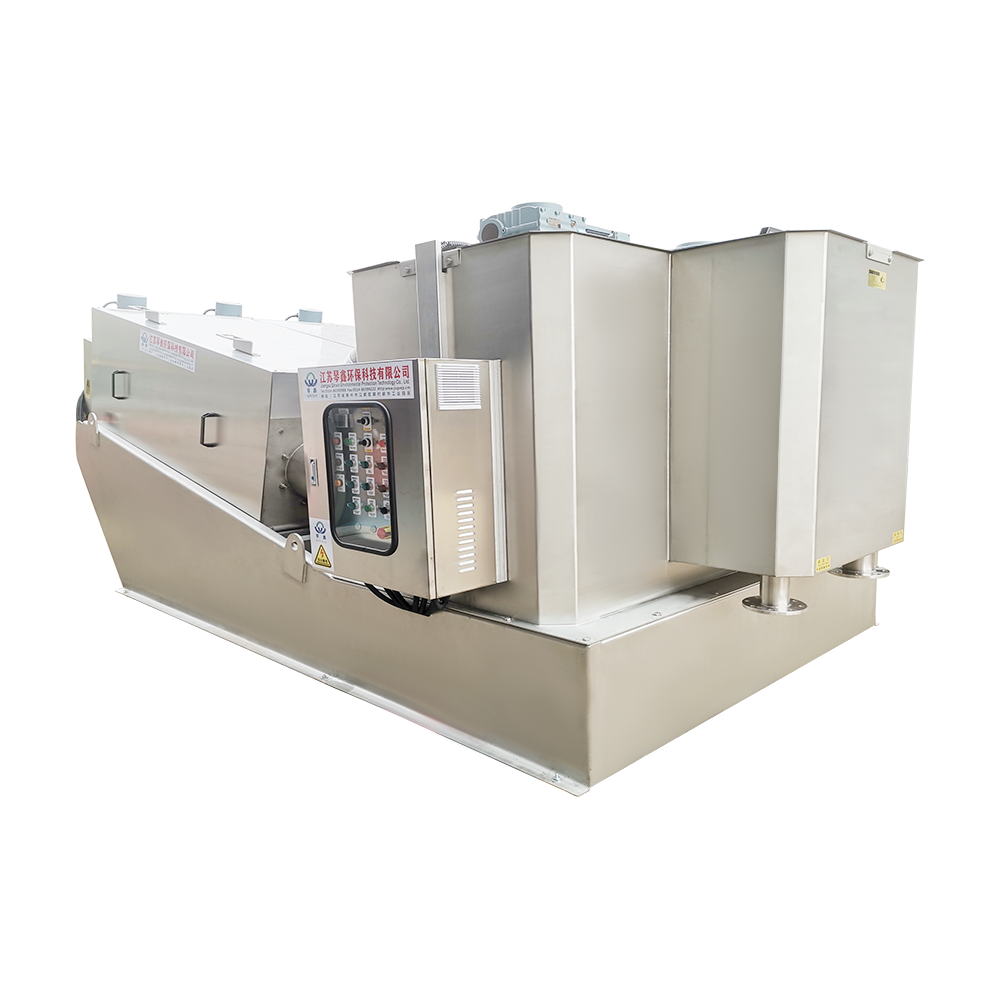
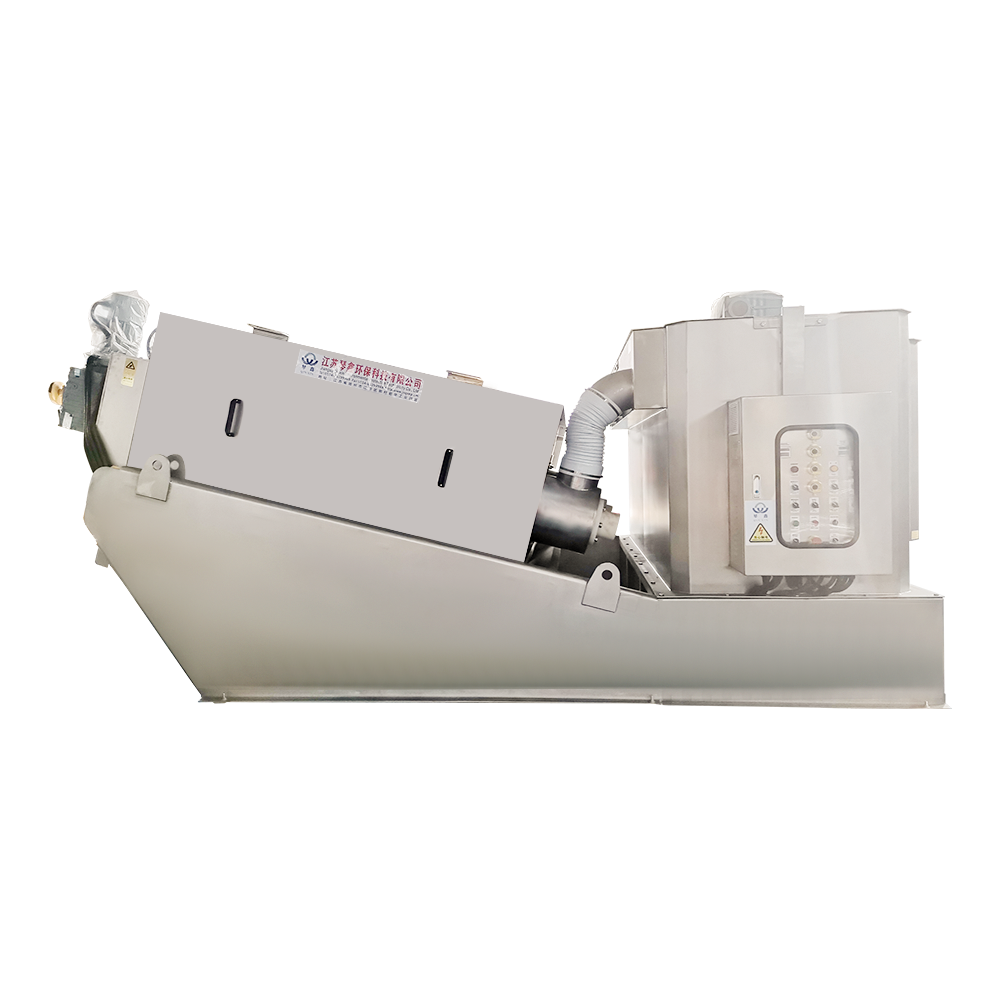
Every wastewater treatment process ends with the same problem: a large volume of high-moisture sludge that's expensive to transport and dispose of. A Sludge Screw Press solves this by continuously reducing sludge volume and raising solids concentration, which is why it now shows up across nearly every industry that generates wastewater, not just municipal treatment plants.
1Municipal and Water Treatment Applications
Municipal wastewater plants remain the most common setting for screw presses, processing sludge generated from primary sedimentation, secondary biological treatment, and thickening systems. Water treatment plants use the same equipment for filter backwash sludge and sedimentation residue, valuing the compact footprint where installation space is limited.
2Industrial and Manufacturing Applications
Six industry groups rely on screw presses for different sludge characteristics, from fibrous paper waste to complex chemical residues.
Industrial Manufacturing
Chemical plants, textile factories, and metal processing rely on corrosion-resistant designs for demanding wastewater.
Food & Beverage
Dairy, brewery, and meat processing wastewater with high organic content dewaters efficiently with continuous operation.
Paper & Pulp
Gentle compression separates fiber sludge without excessive material damage during processing.
Textile & Dyeing
Enclosed structure reduces odor while separating dyes and chemical residues from wastewater.
Chemical & Pharma
Corrosion-resistant operation handles complex sludge with reduced manual intervention.
Agriculture & Aquaculture
Low energy requirements suit decentralized farms, biogas facilities, and aquaculture operations.
Relative Energy Consumption by Dewatering Method
3Applications by Industry Comparison
| Application | Main Sludge Type | Key Benefit |
| Municipal Wastewater | Sewage sludge | Stable operation, volume reduction |
| Food & Beverage | Organic sludge | Handles high moisture sludge |
| Paper Industry | Fiber sludge | Effective fiber separation |
| Chemical Industry | Complex sludge | Corrosion-resistant solutions |
| Agriculture | Organic waste sludge | Low energy operation |
| Water Treatment | Sedimentation sludge | Compact installation |
4Why Adoption Keeps Growing
Four operational advantages explain why screw presses keep displacing older dewatering equipment across so many industries.
- Lower energy consumption comes from slow-speed operation compared with centrifuges and belt presses.
- Reduced maintenance follows from self-cleaning screens and fewer moving parts in the mechanical structure.
- Compact equipment design fits small treatment plants and simplifies upgrades to existing systems.
- Automated operation through continuous feeding and automatic cleaning cuts labor requirements.
Screw Press vs Traditional Dewatering Method
5How to Select the Right Equipment
Four factors determine which screw press configuration actually fits a given wastewater treatment application.
| Selection Factor | What to Evaluate |
| Sludge Characteristics | Sludge type, solids concentration, organic and chemical content |
| Treatment Capacity | Daily sludge volume, required processing rate, operating schedule |
| Operating Environment | Indoor or outdoor installation, corrosion risk, available space |
| Equipment Reliability | Durable materials, stable performance, technical support |
6Conclusion
Sludge Screw Presses now serve municipal, industrial, food processing, agricultural, and water treatment applications because they deliver efficient dewatering at low energy cost in a compact footprint. As sustainable wastewater management becomes a bigger priority across industries, this equipment category will keep expanding into new applications.
Frequently Asked Questions
Can one screw press handle different sludge types?
Configuration typically needs to match the specific sludge type, so equipment suited to municipal sewage may need adjustment for fibrous or chemical sludge.
How much does a screw press reduce sludge volume?
Reduction varies by sludge type and moisture content, but screw presses commonly achieve significant volume reduction compared to untreated sludge.
Are screw presses suitable for small treatment plants?
Yes, their compact footprint and low energy requirements make them well suited to small community plants and decentralized systems.
What maintenance does a sludge screw press require?
Self-cleaning screens and a simple mechanical structure with fewer moving parts generally keep maintenance requirements lower than traditional dewatering equipment.

 TOP
TOP