
 ENG
ENG
 English
 русский
 Español
 Tiếng Việt
 ไทย
ไทย
Article Directory
- 1 Screw Speed Is a Control Variable, Not a Datasheet Number
- 2 How Screw Speed Shapes the Dewatering Process
- 3 High Speed and Low Speed: Two Failure Modes, One Balanced Window
- 4 Variables That Shift the Optimal Speed Range
- 5 A Workable Speed Tuning Routine
- 6 Equipment Selection: Variable-Speed Control Matters
- 7 Treat Speed as a Daily Adjustable Parameter
Screw Speed Is a Control Variable, Not a Datasheet Number
The question of how screw speed affects sludge dewatering results has a direct answer: it changes residence time, pressing pressure, and floc integrity inside the chamber. On a sludge dewatering screw press, screw speed is often treated as a fixed design value, yet it is the most practical lever an operator has for correcting cake moisture, filtrate clarity, and polymer consumption. Run the shaft too fast and the sludge spends less time under pressure, so the cake leaves wetter and the filtrate carries more fine solids. Run it too slowly and the chamber may plug, torque rises, and throughput falls. The usable speed window sits between these failure modes and shifts whenever the sludge source, flocculant dose, or discharge backpressure changes.
How Screw Speed Shapes the Dewatering Process
Inside the dewatering chamber, a rotating screw conveys sludge from the mixing or thickening zone toward the discharge cone. As the screw rotates, the volume between the shaft and the surrounding rings decreases, either because the shaft diameter grows or because the pitch shortens. This volume reduction creates the mechanical pressure that forces water out through the narrow gaps between the fixed and moving rings.
Screw speed controls two linked variables: residence time and pressure build-up. A higher speed pushes more sludge through the chamber per minute and raises the instantaneous shear rate, but it shortens the time available for water to be expelled. A lower speed gives each volume of sludge more pressing time, but it reduces the number of screw revolutions available to convey solids out of the chamber, which can quickly reduce hydraulic capacity.
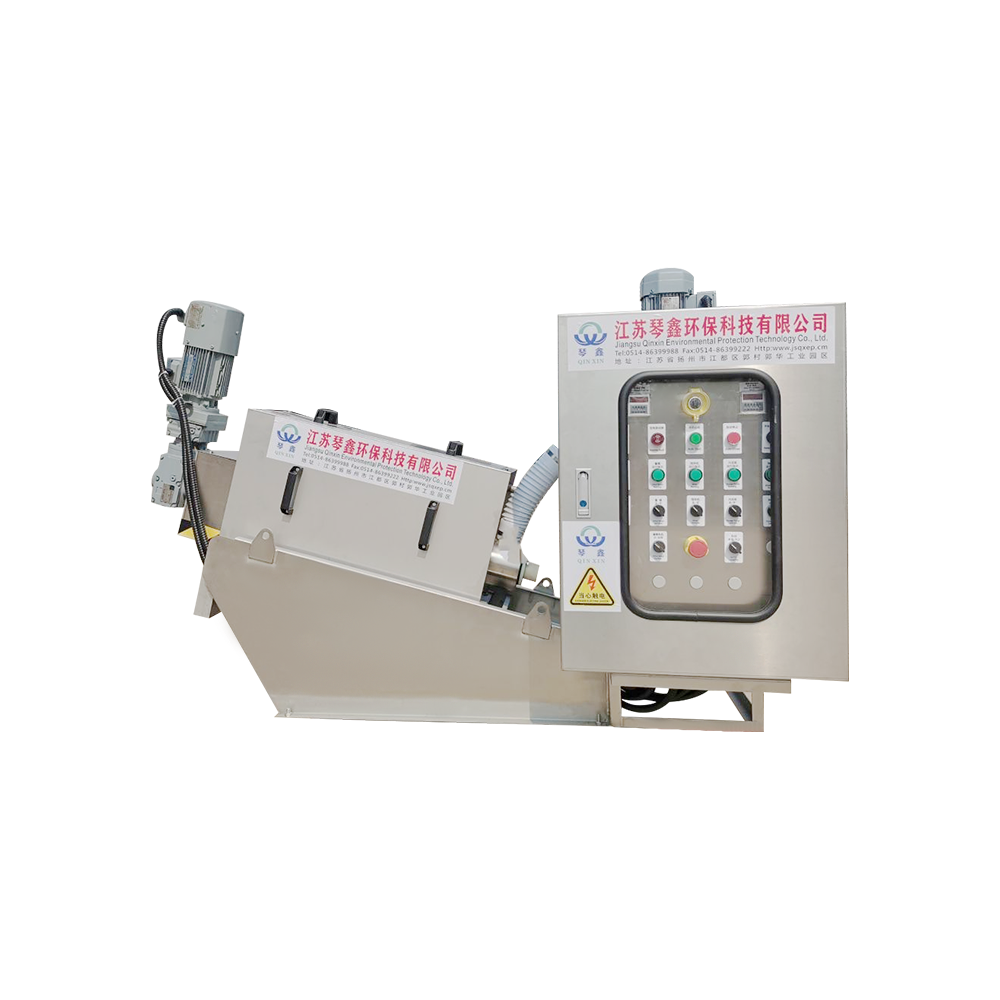
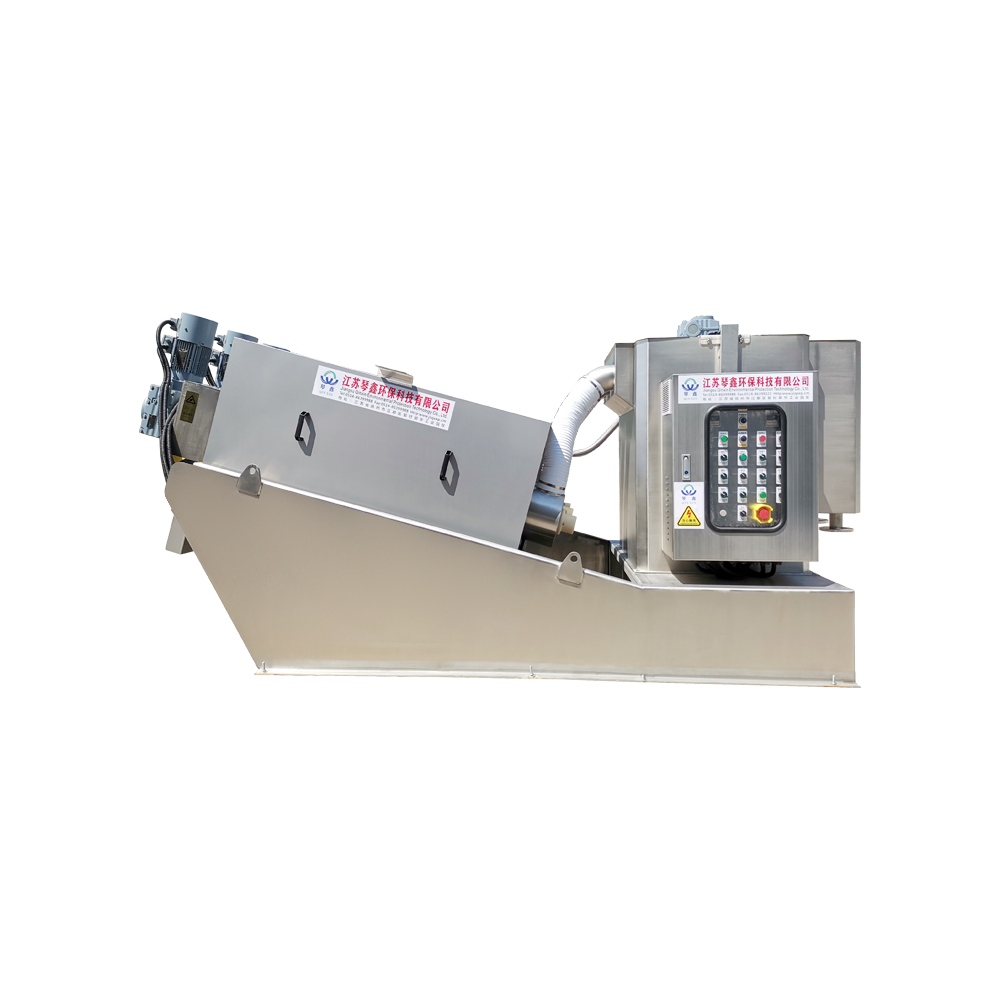
The torque signal shown on the control panel reflects this balance. When torque is low and screw speed is high, dewatering performance drops; full-scale wastewater plants show the same trend. The practical consequence is that operators should watch torque together with screw speed instead of treating either value alone.
High Speed and Low Speed: Two Failure Modes, One Balanced Window
In field troubleshooting, wet cake is the most obvious symptom of excessive screw speed. The sludge is forced through the chamber so quickly that water cannot drain through the rings, and fragile flocs are sheared apart before they can be compacted. The filtrate then turns cloudy and the polymer dose must be raised to keep solids moving, which pushes operating cost upward.
Very low speed creates the opposite problem. Cake may initially appear drier, but the extended residence time compacts the solids so densely near the discharge cone that the machine loses its conveying capacity. The result is a slow-moving plug, rising motor current, and eventually an automatic stop.
| Screw speed setting | Observed cake moisture | Filtrate quality | Main operational risk |
|---|---|---|---|
| Too high | Wet, poor cake structure | Cloudy with fine solids | High polymer use, screen blinding |
| In the working window | Stable, target moisture | Clear enough for return to process | Minimal if torque is watched |
| Too low | Dry but variable cake | Good, but flow drops | Plugging near the discharge cone |
Variables That Shift the Optimal Speed Range
Sludge Type and Concentration
Dilute sludge with low solids content needs a lower speed to give fine flocs enough time to settle and drain. Thick activated sludge can tolerate a moderate-to-high speed, while digested sludge, with its stronger floc structure, is usually more forgiving. Industrial plants that switch between product batches should expect the speed setting to change with the feed.
Flocculation Quality
The polymer dose and mixing intensity determine floc strength. If the flocs are small and weak, a high screw speed will tear them apart before pressing, which shows up as rising suspended solids in the filtrate. A sudden drop in torque combined with cloudy filtrate after a speed increase is a reliable sign of floc shear.
Backpressure and Discharge Control
The cone at the discharge end sets the backpressure that compresses the cake. High backpressure and high speed put high mechanical stress on the shaft, while high backpressure and low speed increase the chance of a plug. Speed and backpressure must be tuned as one system, not as independent settings.
Seasonal and Process Variations
Municipal sludge changes with temperature and rainfall; industrial sludge changes with production schedules. A speed set in winter will often be wrong in summer. Regular checks of torque, cake moisture, and filtrate turbidity are the practical way to catch these shifts before they turn into an off-spec discharge.
A Workable Speed Tuning Routine
The fastest way to establish the correct speed is a controlled ladder test. Choose a typical sludge batch, fix the polymer dose, and run the machine at three or four different speeds while recording the same data points at each setting.
- Record the baseline torque, feed flow, filtrate turbidity, and cake moisture at the current setting.
- Raise the screw speed by about 10 percent and let the machine run for at least 30 minutes before taking new readings.
- Lower the screw speed by about 10 percent from the baseline and take the same measurements.
- Plot cake moisture against throughput and choose the speed that gives target dryness with an acceptable safety margin in torque.
- Save that speed as the new default and re-test after any major change in sludge characteristics.
Operators who make one change at a time and document the results avoid the common mistake of adjusting polymer, backpressure, and speed simultaneously, which makes cause and effect impossible to separate. Make one change at a time, and let the machine stabilize before reading the outcome.
Equipment Selection: Variable-Speed Control Matters
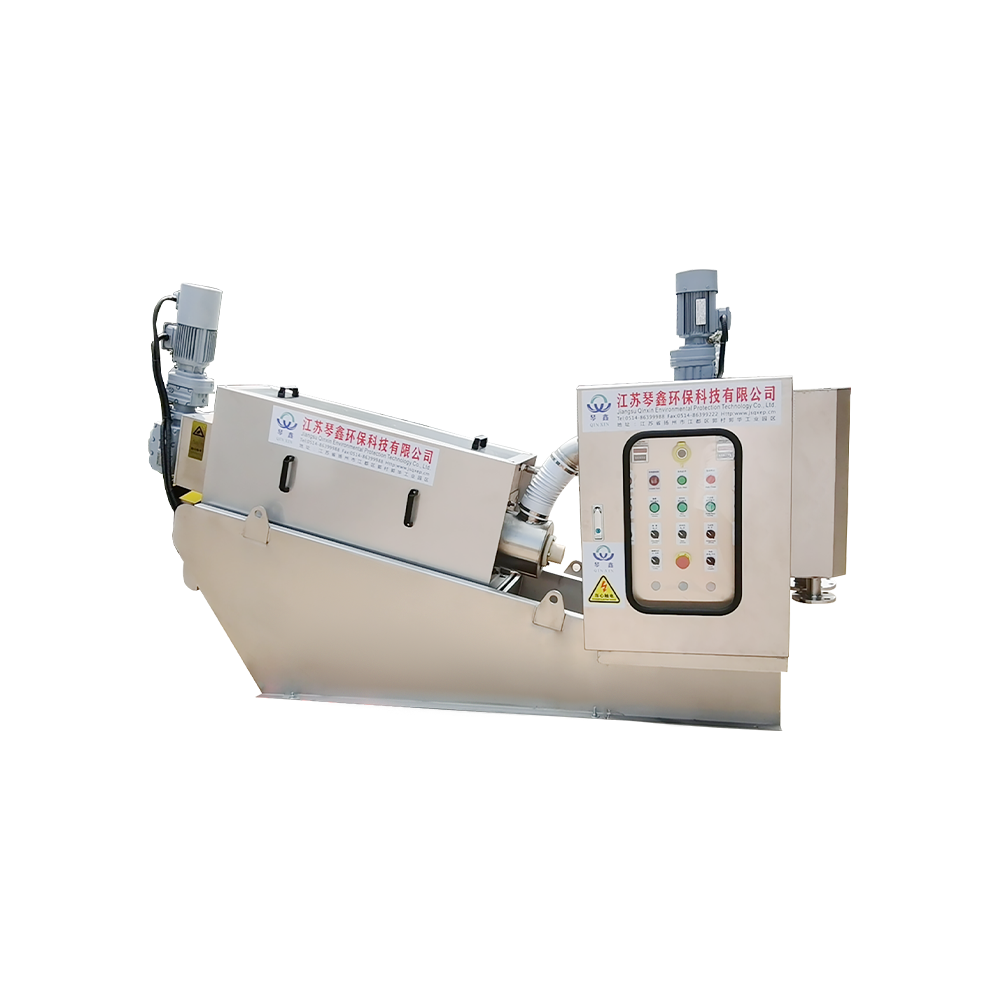
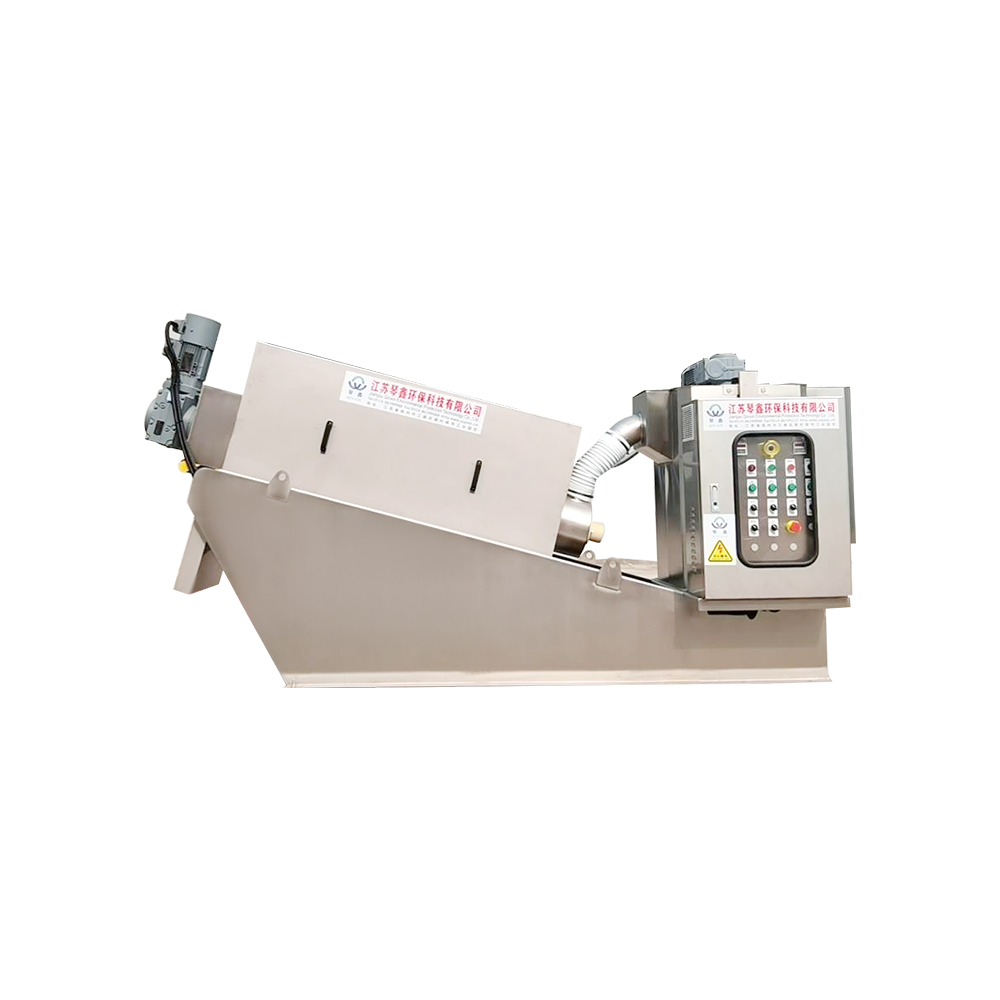
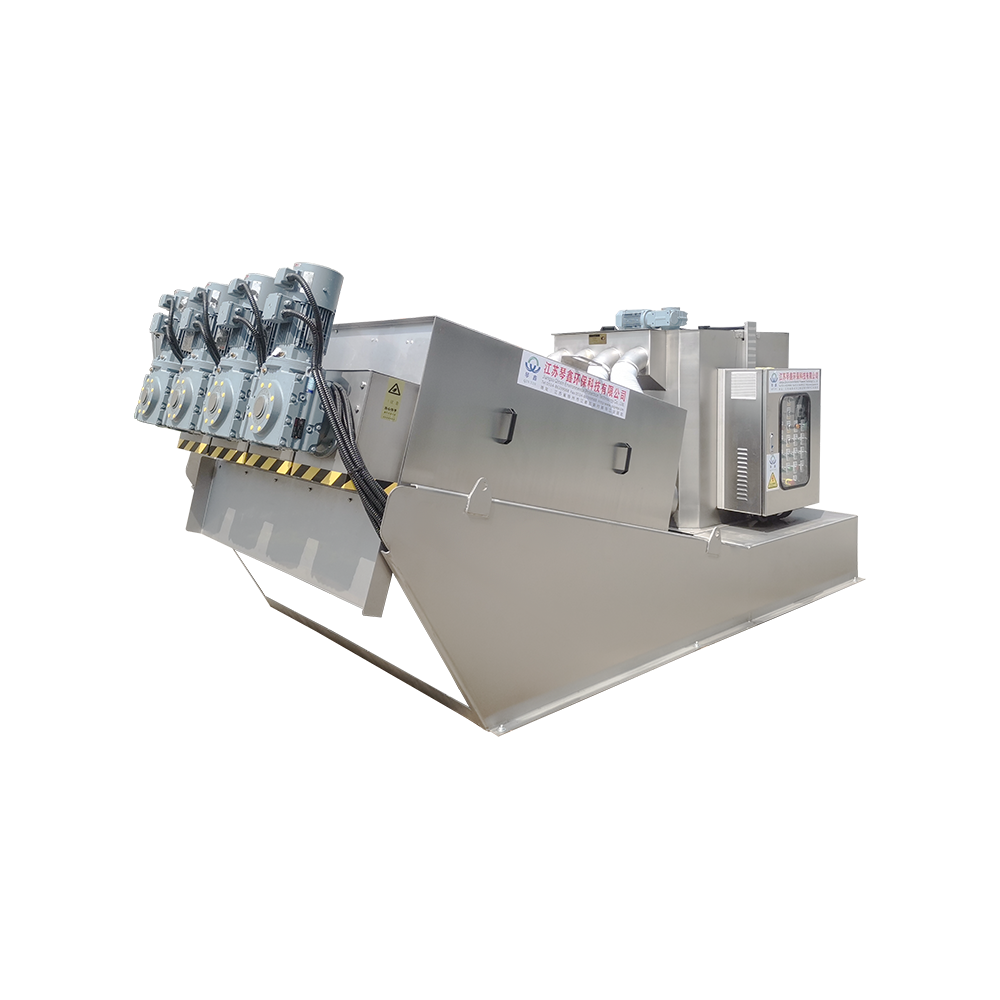
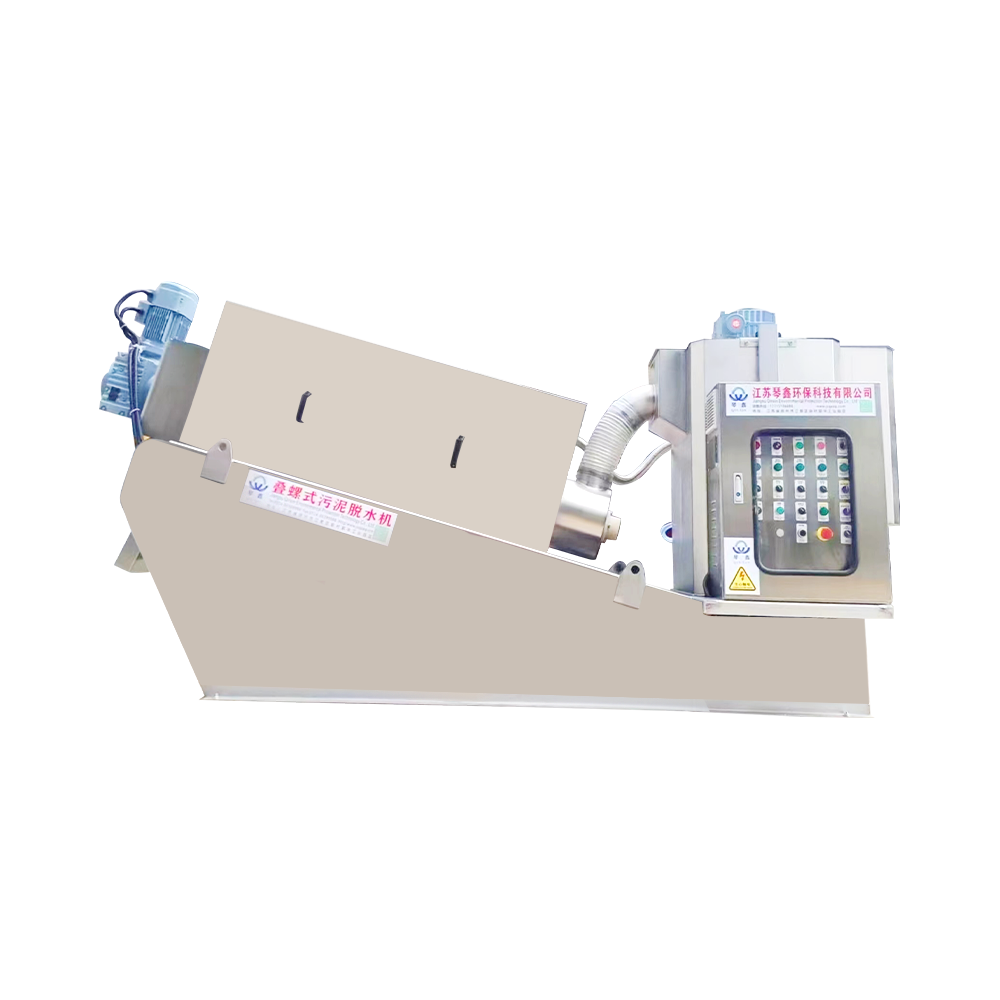
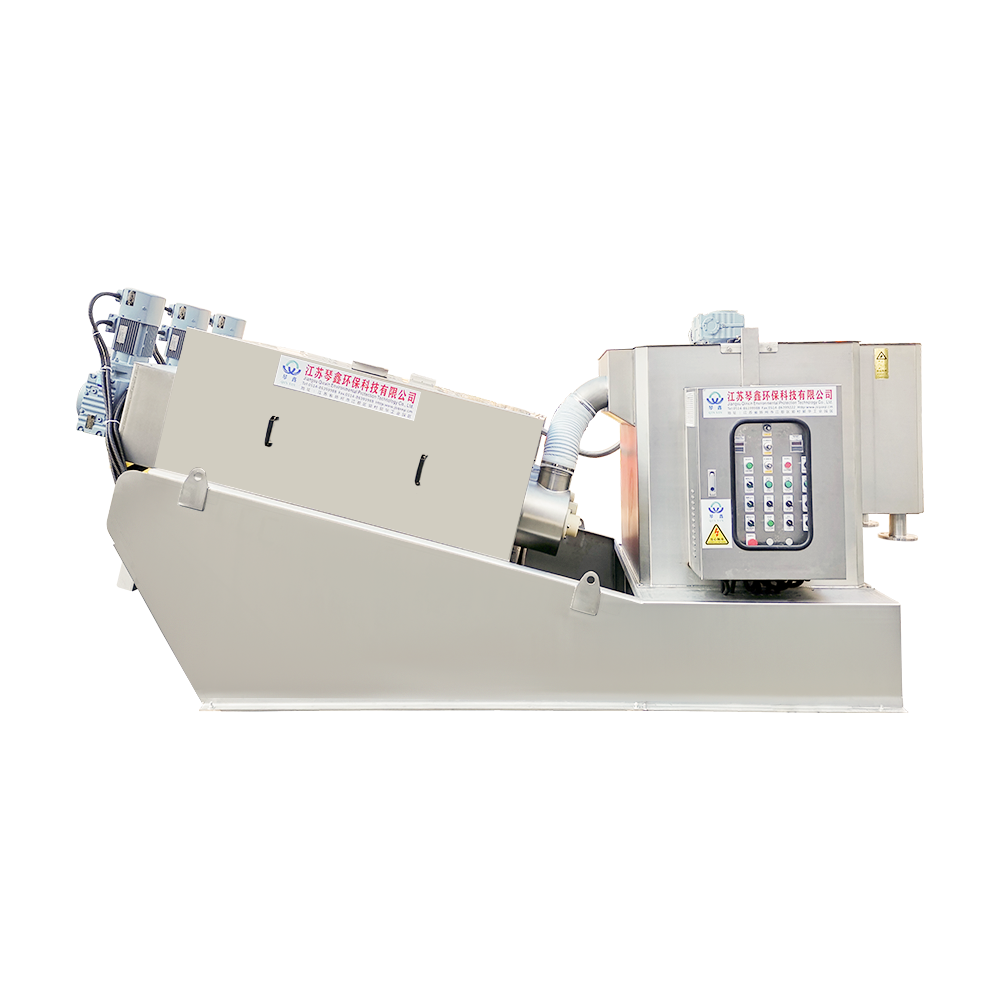
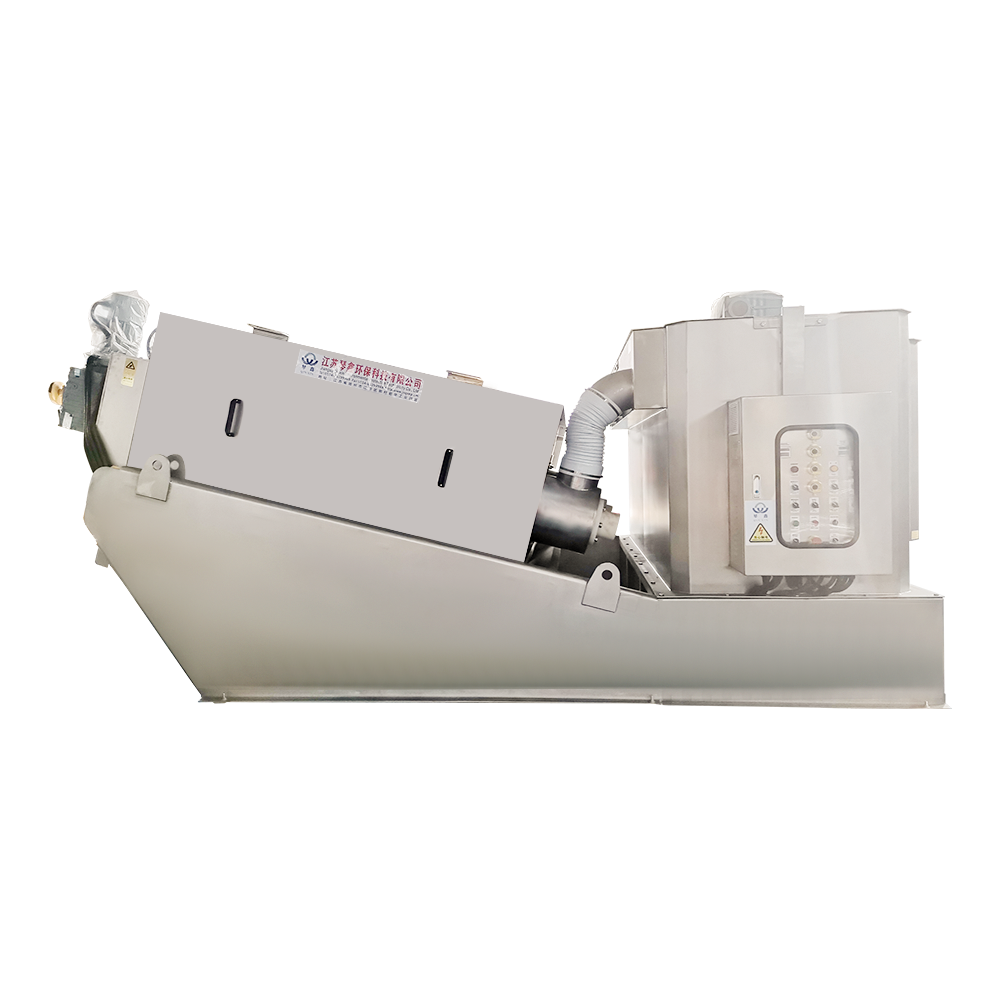
Speed optimization is much easier on a machine designed for variable-speed operation. A variable-frequency drive allows the controller to reduce screw speed when torque climbs and restore it when the feed lightens. This matters on municipal and food-plant duty where sludge quality fluctuates through the day. For example, the Ecofriendly Automatic Dewatering Spiral Screw Sludge Dewatering Machine QXDL303 includes a control scheme that adjusts the shaft speed to the incoming load while keeping the cake target stable.
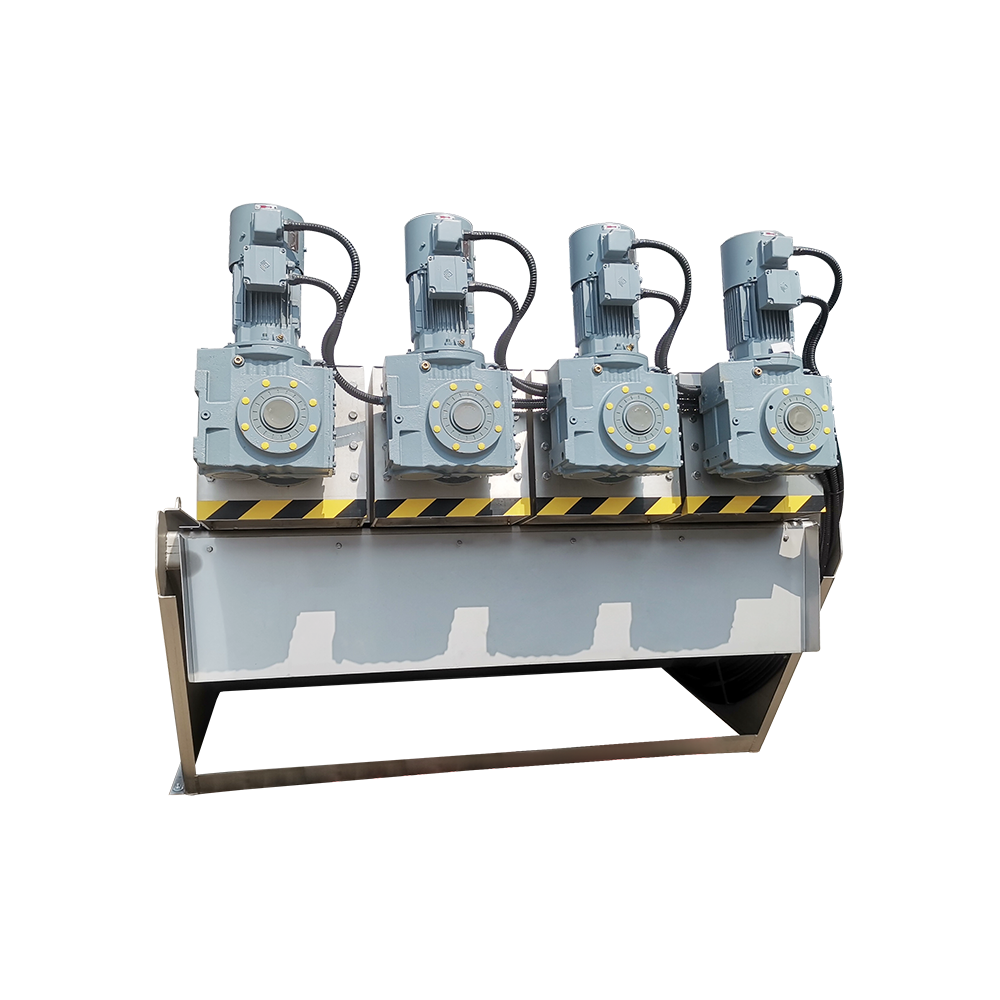 Custom Waste Water Treatment Eco-friendly Spiral Screw Sludge Dewatering MachineYangzhou Qinxin Environmental Protection Technology Co., Ltd. Is China Custom Waste Water Treatment Eco-friendly Spiral Screw Sludge Dewa...View Product →
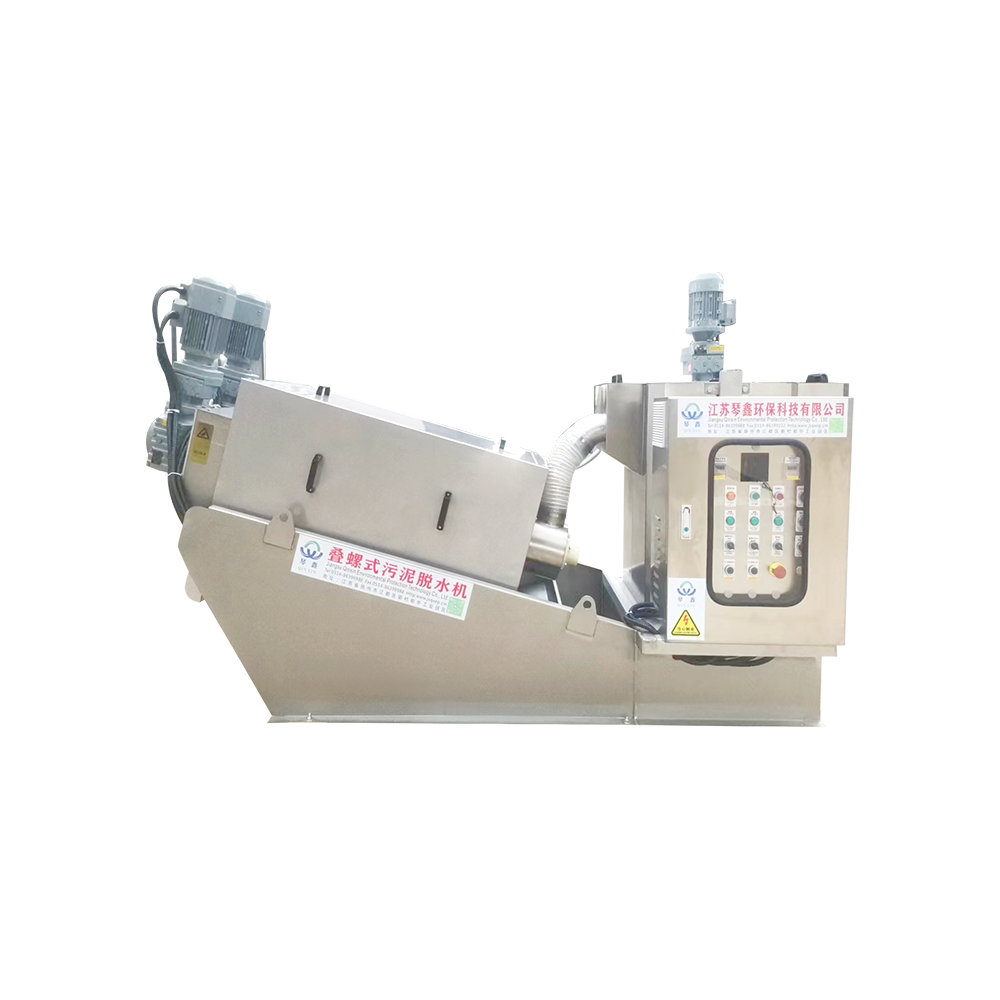
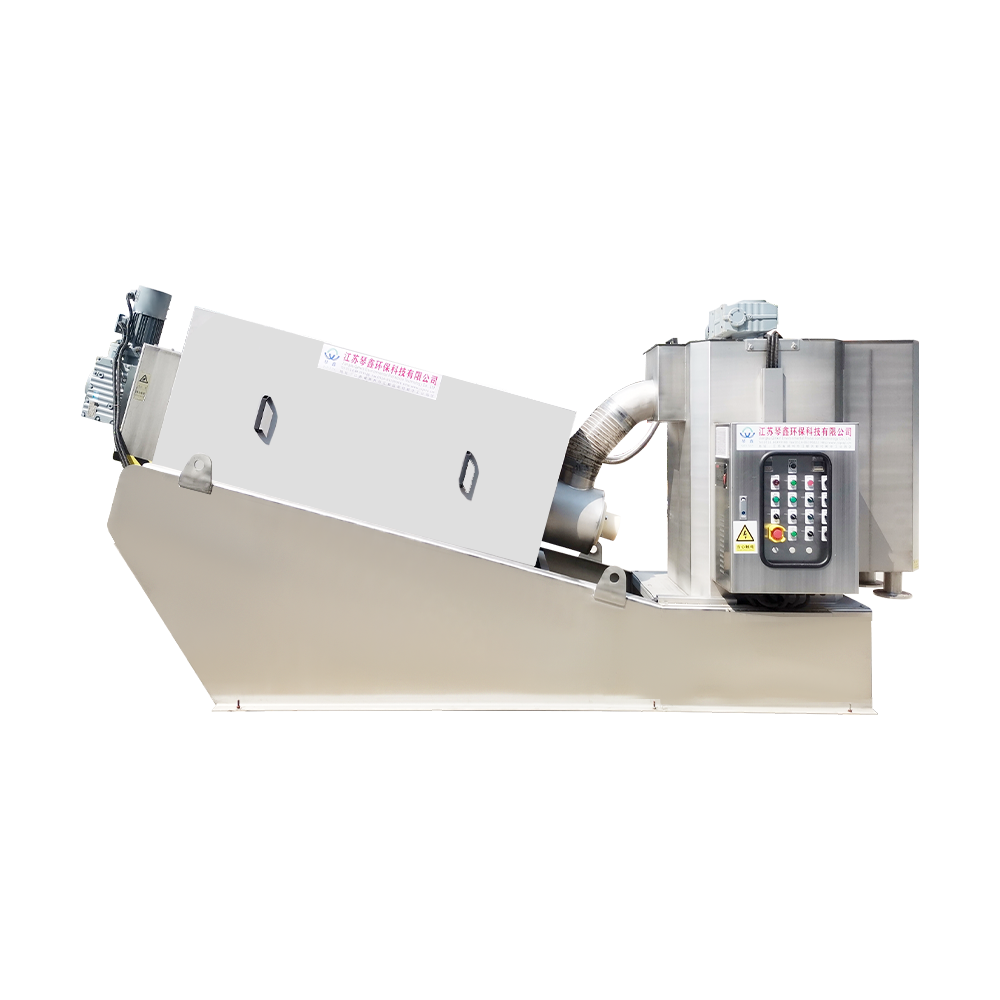
Livestock and agricultural wastewater brings another challenge: the solids content can vary sharply between cleaning cycles. On those lines, operators often choose the Automatic Livestock Wastewater Treatment Screw Press Sludge Dewatering Machine QXDL401 because its larger discharge cone gives more room for speed adjustments without plugging when the feed becomes thicker.
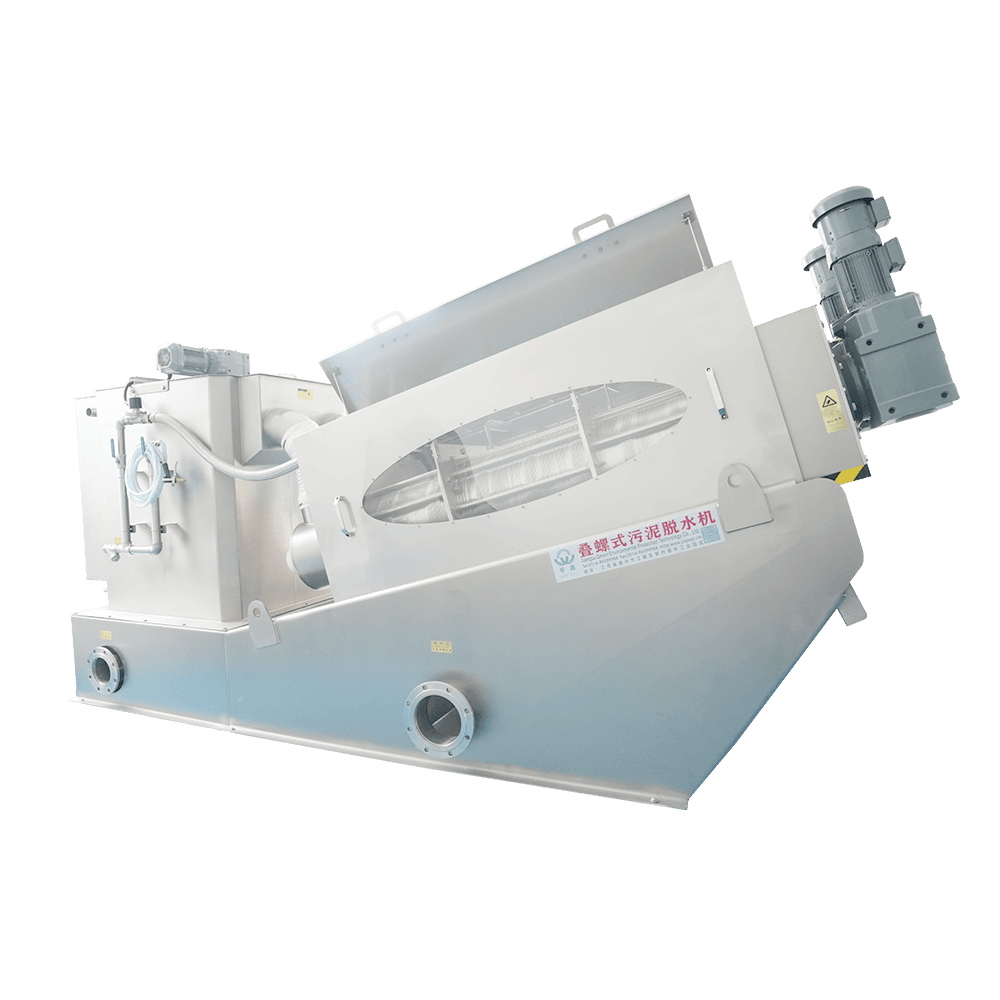 High-Efficiency Screw Press Dewatering Machine for Livestock SludgeOptimize farm waste management with our screw press dewatering machine. It efficiently separates livestock sludge, reducing volume and cr...View Product →
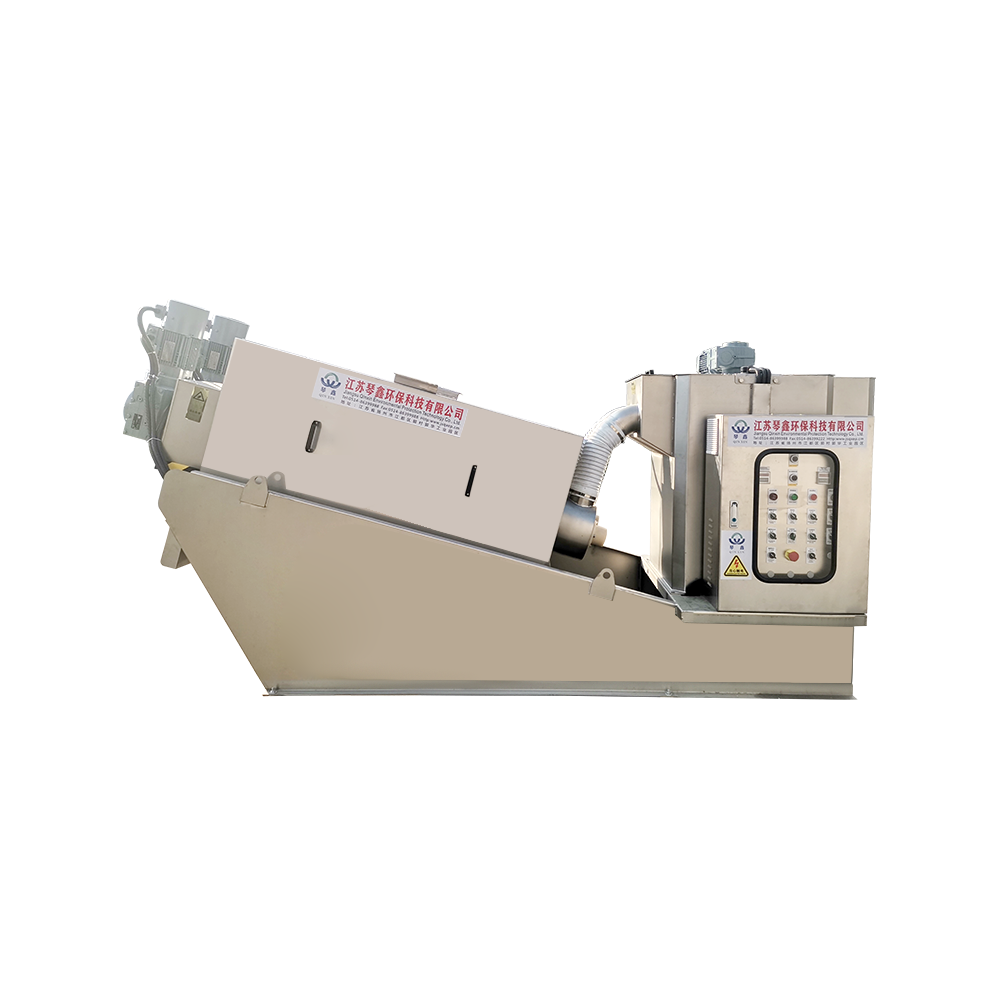
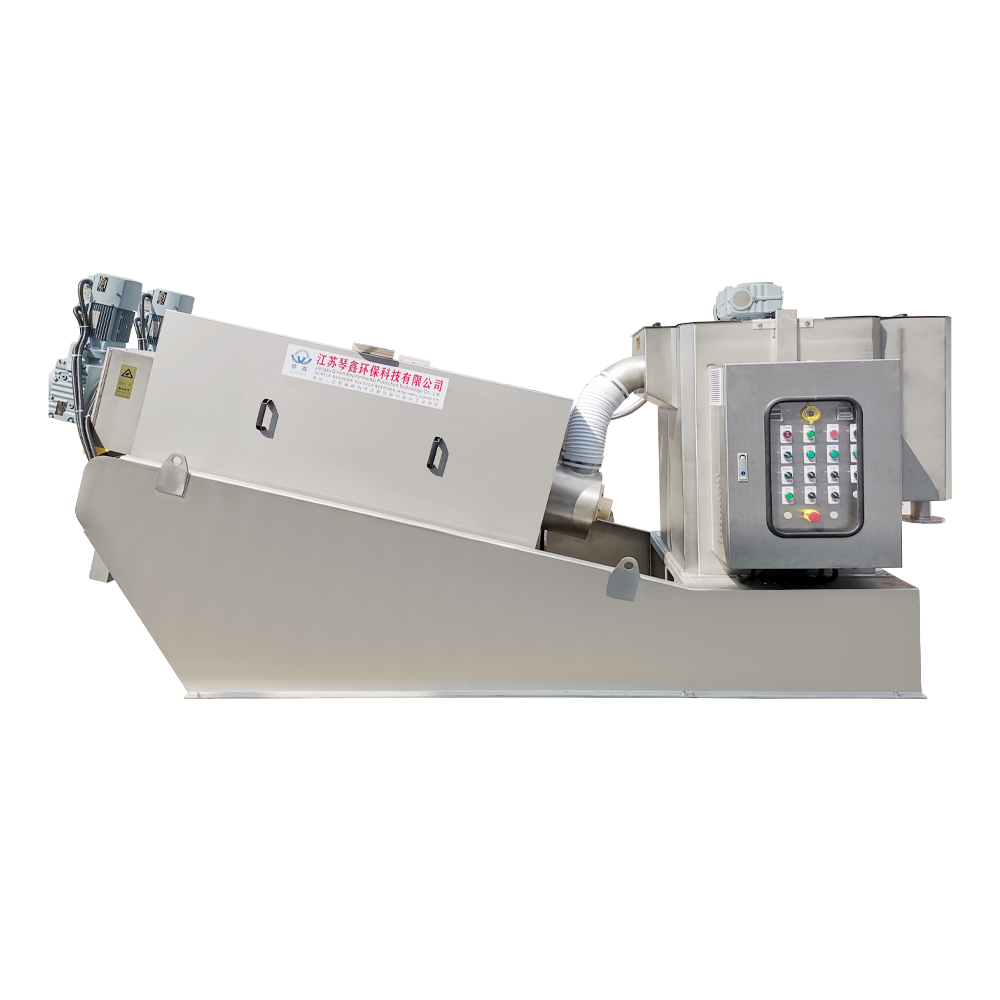
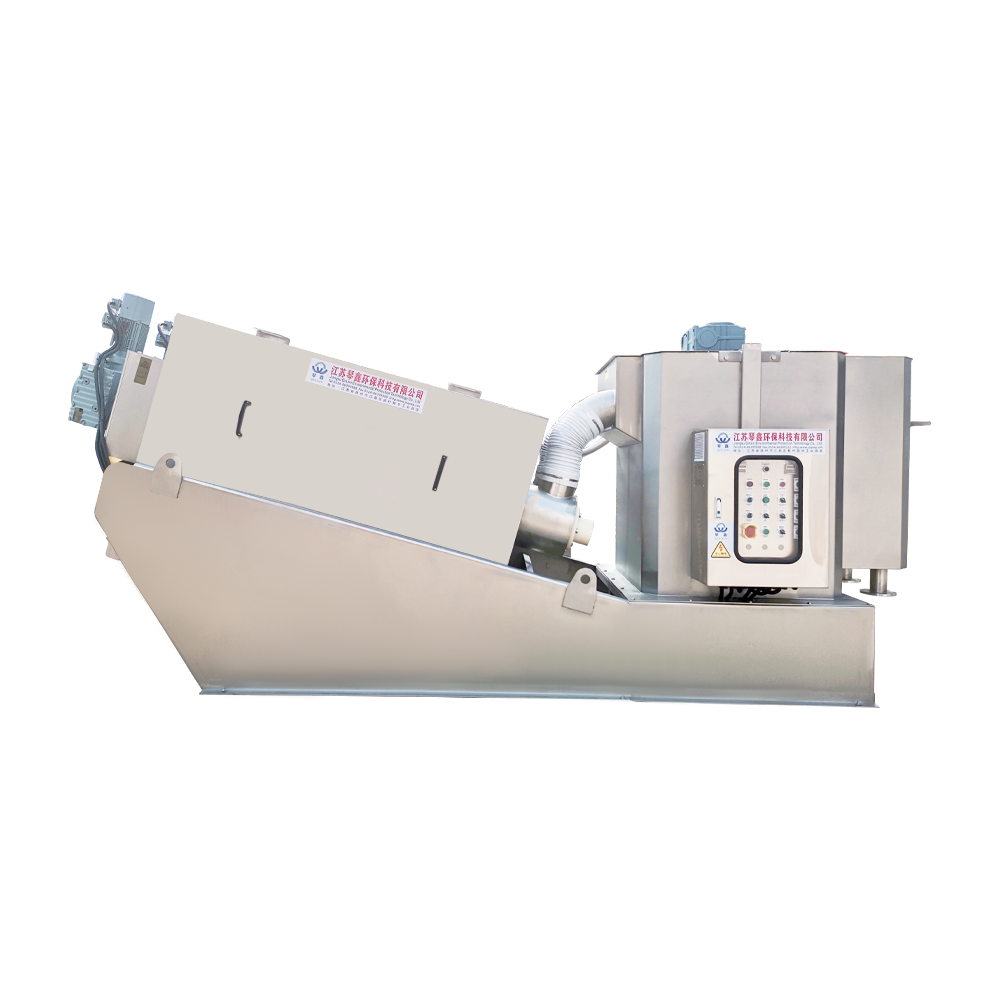
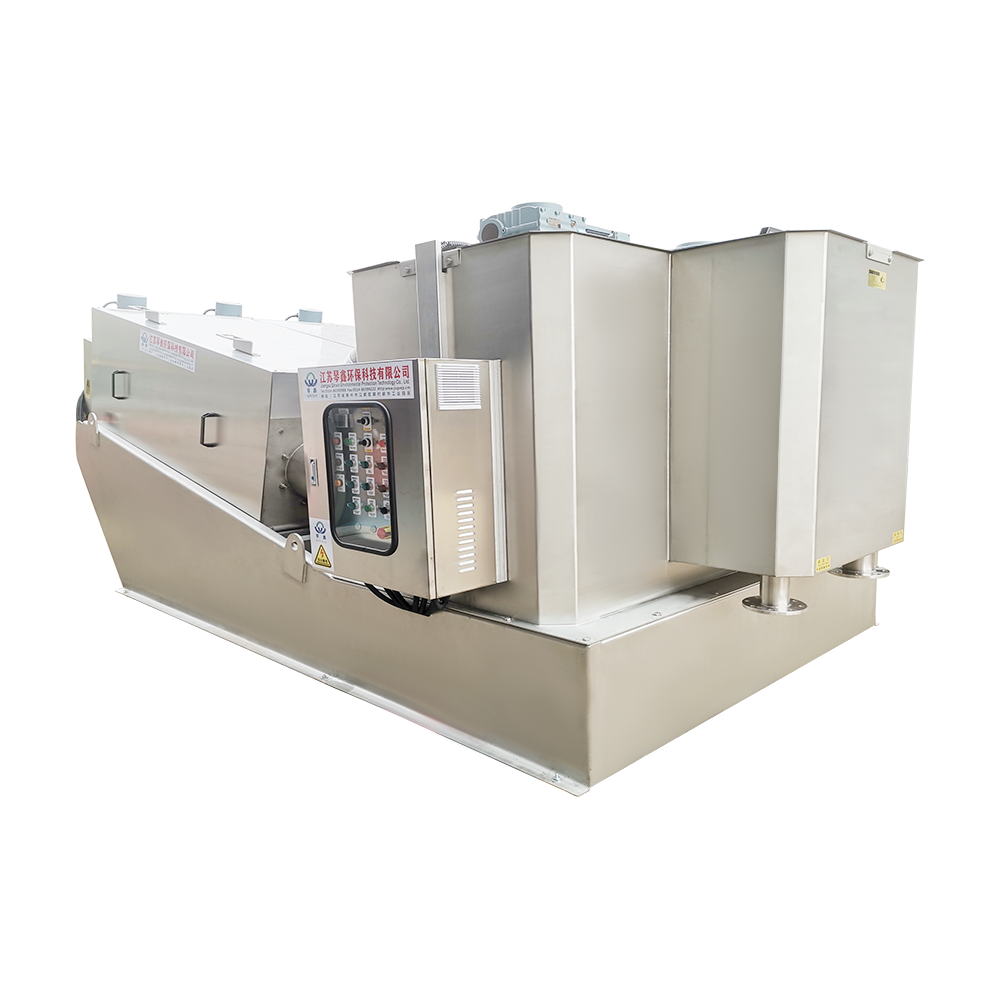
Chemical effluent, by contrast, puts more emphasis on material durability because high speed increases abrasion from sand and scale. The HighEfficiency EnergySaving Chemical Wastewater Screw Press Sludge Dewatering Machine QXDL354 uses wear-resistant rings and a reinforced shaft, allowing operators to keep screw speed in the efficient zone without accelerating wear.
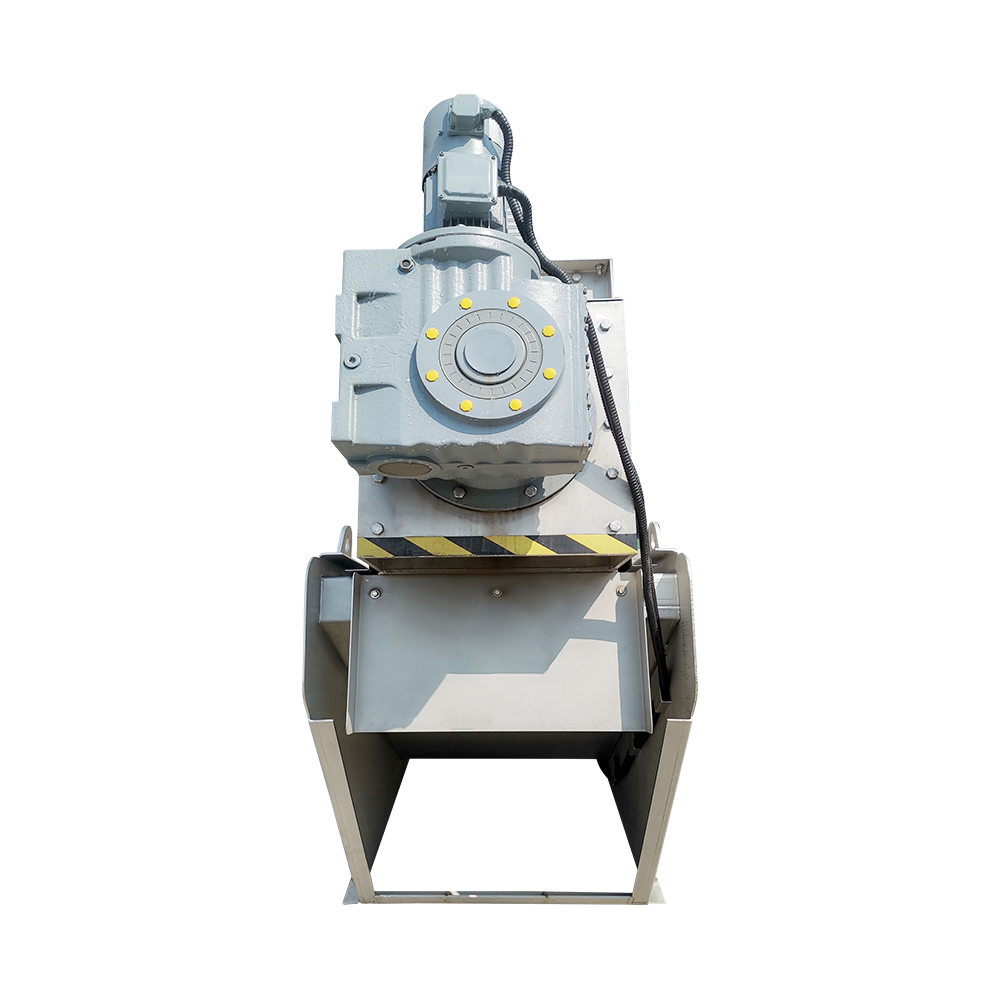 Automatic Screw Press Sludge Dewatering Machine for Livestock WastewaterHigh-efficiency screw press for livestock wastewater treatment. Automate solids-liquid separation, reduce sludge volume, and lower dispos...View Product →
Treat Speed as a Daily Adjustable Parameter
There is no single screw speed that works for every sludge. The right value is the one that balances cake dryness, filtrate quality, polymer cost, and shaft torque across the range of sludge conditions your plant actually feeds. That balance is achievable only when the machine gives you a reliable variable-speed drive and the operators know how to read the torque, cake, and filtrate clues.
If you are comparing dewatering equipment or want to review the control options on your existing screw press, browsing our complete sludge dewatering product catalog is a practical first step toward matching the machine to the sludge you actually treat.

 TOP
TOP