
 ENG
 English
 русский
 Español
 Tiếng Việt
 ไทย

Article Directory
At many wastewater treatment plants, the weakest point in sludge handling is not thickening, dewatering, or drying. It is moving sludge from one unit to the next. Dewatered sludge is sticky, abrasive, and full of fibers and rags that jam mechanical equipment. A shaftless screw conveyor improves sludge handling by removing the center shaft that conventional shafted screws rely on. With an open core, stringy and cohesive sludge moves forward instead of wrapping around the screw and building up.
Why Conventional Conveyors Struggle with Sludge
Municipal sludge can be stringy because of hair, wipes, and textile fibers. Industrial sludge can be sticky because of fats, polymers, and fine solids. It is not one consistent material; it changes with feed water, weather, and biological conditions. A conventional shafted screw conveyor has a central pipe with flights welded around it. Fibers and rags wrap around that pipe, narrow the flow path, and eventually stop the screw. The result is blockage, manual cleaning, and unexpected downtime.
| Aspect | Shafted Screw Conveyor | Shaftless Screw Conveyor |
|---|---|---|
| Design | Flighting mounted around a central pipe | Open spiral flighting with no center shaft |
| Fiber behavior | Rags and fibers wrap around the shaft | Open core lets fibers travel through |
| Blockage risk | Higher with sticky, long-fiber sludge | Lower by design |
| Maintenance | Center hanger bearings and seals | Fewer internal contact points |
This comparison reflects common sludge transfer conditions in both municipal and industrial plants. Many plants switch to shaftless equipment after repeated jamming on a shafted unit, because the open design removes the main structural place where sludge buildup starts.
How a Shaftless Screw Conveyor Improves Sludge Handling
In a shaftless screw conveyor, a continuous spiral flight rotates inside a U-shaped or tubular trough. The absence of a central shaft means sludge occupies the entire core. The flighting pushes material along the bottom of the trough, while the open center gives fibers and films room to move instead of coiling around a pipe. This makes the conveyor tolerant of the wet, variable sludge that often leaves a dewatering machine.
Because the screw is supported mainly at the drive end and tail end, the sludge path remains open. The trough can be sized for the expected material volume, and the screw can be built from abrasion-resistant stainless steel in different pitches. These design choices allow the conveyor to be adapted to the actual site, rather than forcing the sludge to fit a standard machine.
Qinxin includes this type of equipment in its sludge treatment range.
 Stainless Steel Lifting Device for Wastewater TreatmentThis lifting device safely raises submerged mixers, pumps, or aerators within corrosive tanks, supporting loads from 100 to 200 kg. Its stainless steel build ensures durable, low-maintenance operation, ideal for sludge treatment facilities.View Product →
The QXWZ is intended to receive sludge from dewatering machines, screens, and mixing tanks, then move it to storage, loadout, or the next treatment stage. With a stainless steel trough and controlled screw speed, it can be matched to upstream flow conditions. The same shaftless principle can be applied across a wide range of capacities and distances.
Operational Benefits in a Wastewater Treatment Plant
The main improvement is not a larger motor or a more complicated control system. It is operational stability. Shaftless conveyors simplify the daily work of moving sludge because they remove the most common failure point. The benefits become visible in several areas.
- Less blockage cleaning. With no center shaft, the main cause of wrap-around buildup disappears. Long fibers still enter the trough, but they travel with the sludge and discharge at the end.
- Less downtime. Because blockages are fewer, the conveyor can run longer between planned shutdowns. Cleaning is still necessary, but it is less frequent and less labor-intensive.
- Lower wear in the product path. The screw has fewer shafts and bearings in contact with the sludge. Replaceable trough liners absorb much of the abrasion from grit and sand.
- Better odor control. A covered trough and sealed discharge reduce the release of odorous air around the sludge handling area.
- Steady discharge. A variable-speed drive lets the conveyor respond to changes in dewatering output, preventing pile-up at the feed point.
These benefits are strongest when the conveyor is sized correctly and integrated with the upstream dewatering process. A conveyor that is too small or too fast can negate the advantage of the shaftless design.
Selection and Integration Considerations
A shaftless conveyor can handle sludge, but the specification must still be checked against real site conditions. In most wastewater treatment plants, five points matter more than brand or price.
- Define the solids content range. Shaftless conveyors handle thick sludge and loose cake well, but trough size, screw pitch, and drive power must be based on the expected moisture range, not on average values.
- Confirm fiber and grit loading. High rag content is a strong reason to choose a shaftless design. Heavy grit, however, will wear trough liners faster and should be discussed with the manufacturer during selection.
- Choose stainless steel carefully. The same rules described in stainless steel selection for sludge equipment apply to conveyor troughs and screws, especially in chloride-rich or acidic conditions.
- Check the conveyor path. For long horizontal runs, adequate pitch and drive sizing are required. For inclined transfer, the angle must stay within the practical limits of the selected screw design.
- Plan access for maintenance. Hinged covers, washdown connections, and enough clearance for screw removal reduce the time needed for inspection and repair.
Specifying a conveyor with a small amount of spare capacity is usually more economical than replacing a jam-prone unit later. A shaftless conveyor does not eliminate all maintenance, but it reduces the most disruptive type of maintenance: blockages.
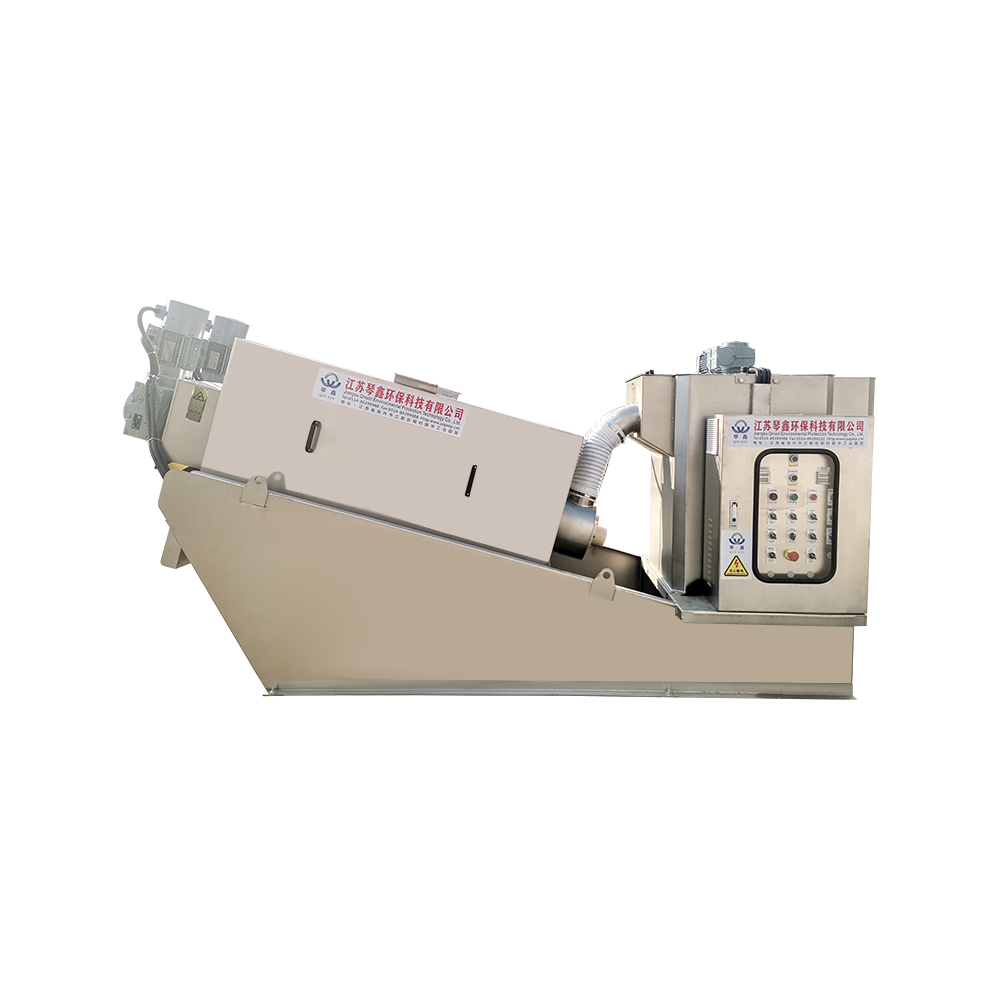
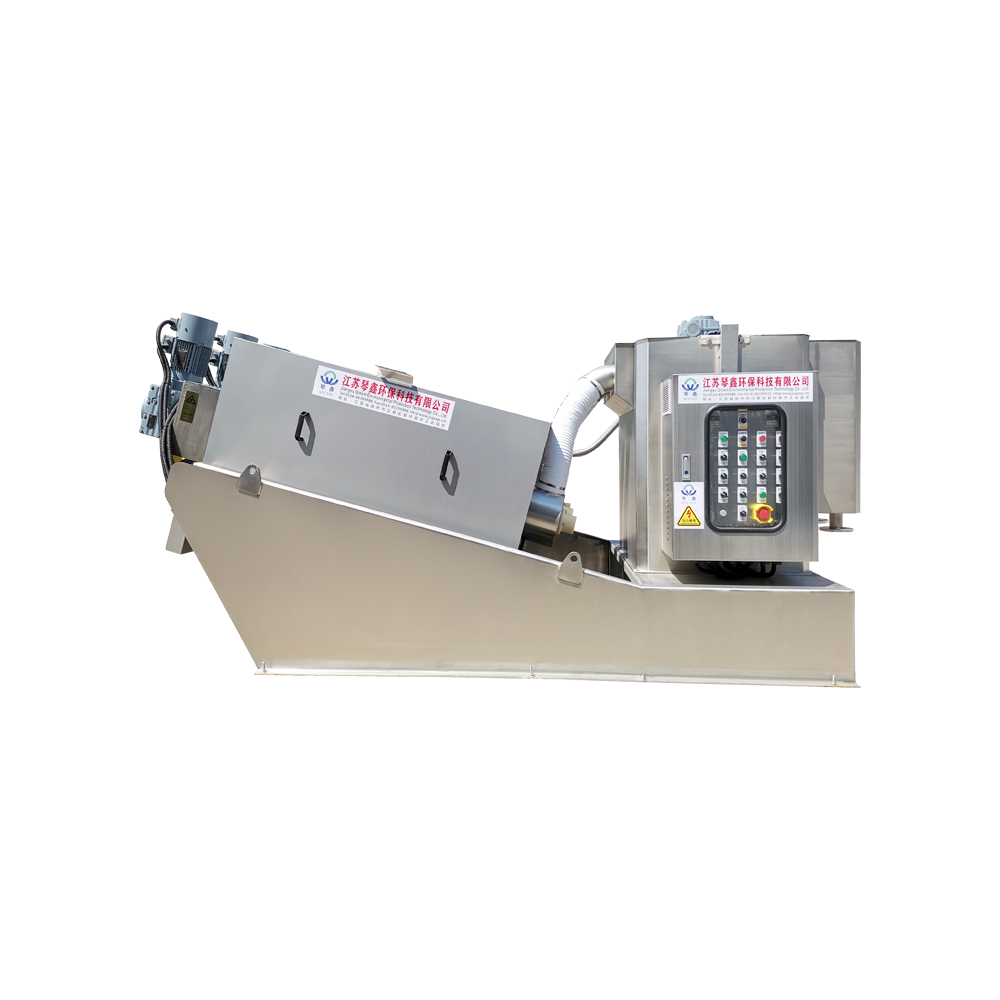
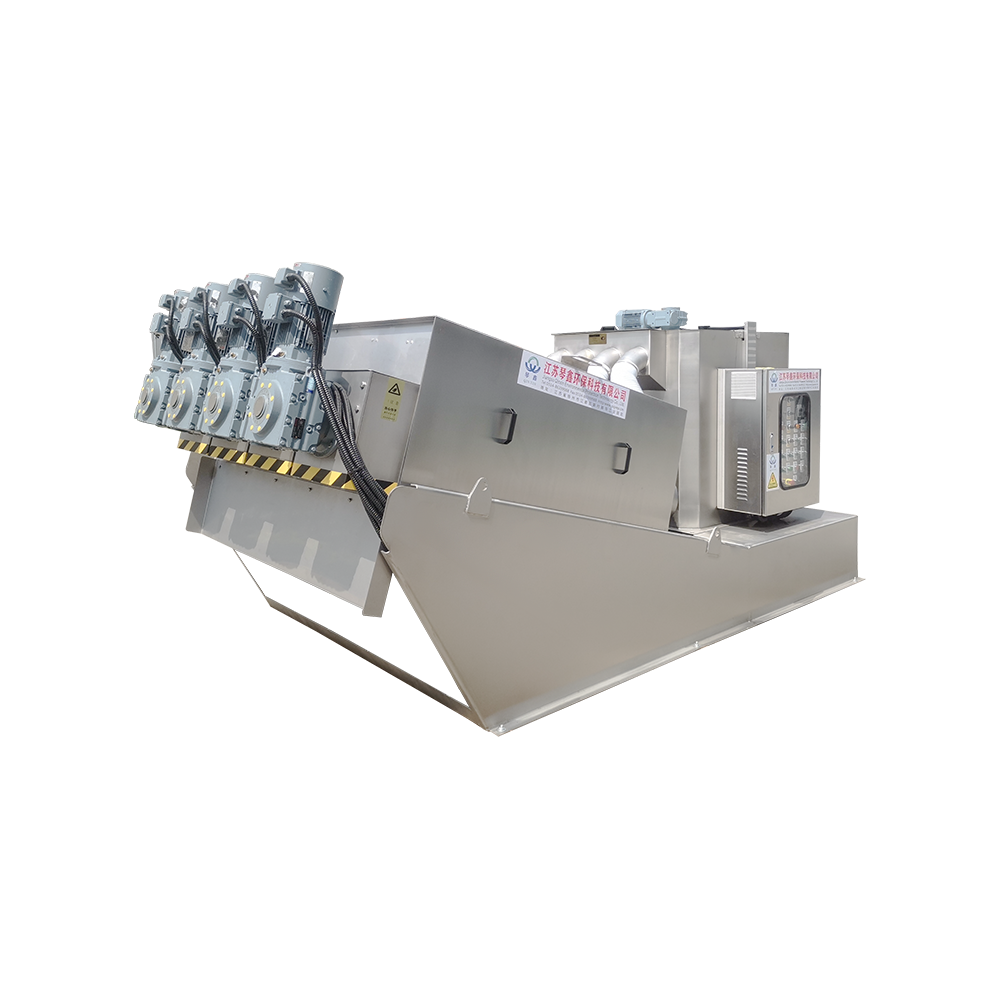
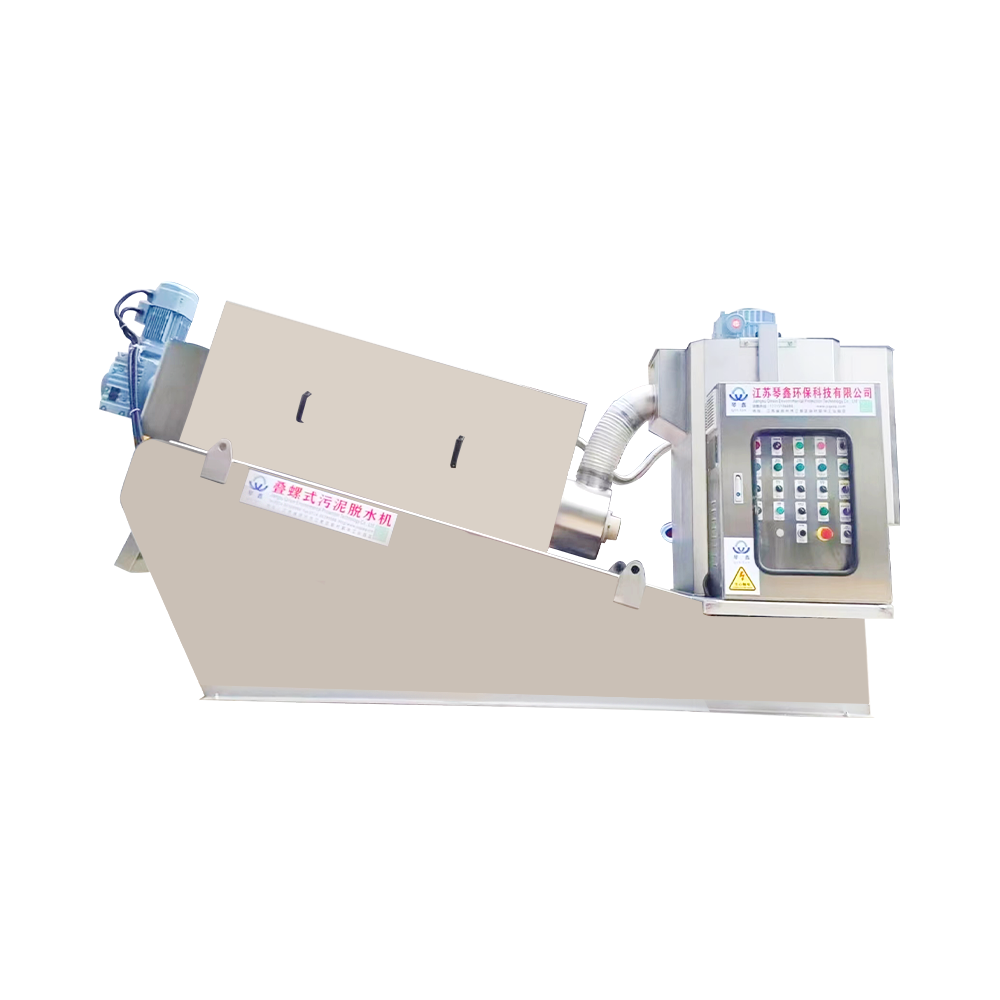
Conveying is only part of the overall sludge treatment flow. The way sludge is dewatered determines how much moisture, fiber, and stickiness reaches the conveyor. A broader process review is available in this screw dewatering and sludge treatment guide.
Shaftless screw conveyors improve sludge handling because they remove the mechanical failure point that bothers wastewater plants most: the central shaft that catches fibers and stops the screw. The result is a simpler, more reliable way to move sticky and stringy sludge between treatment stages. For operators, the practical benefit is clear: fewer blockages, easier maintenance, and better use of the sludge treatment capacity already installed.

 TOP