
 ENG
 English
 русский
 Español
 Tiếng Việt
 ไทย

Article Directory
A food processing plant recently replaced its belt press with a larger model, hoping to solve a wet cake problem. The new machine performed no better than the old one. The real issue was the polymer dosing, which was still set manually, and the upstream screen that had been bypassed to save cleaning time. The plant bought equipment before defining the problem.
The same mistake appears in industrial wastewater projects across food, chemical, textile, livestock, and pharmaceutical sectors. Selecting integrated wastewater treatment equipment should not start with a catalog of machines. It should start with the wastewater itself: its flow, composition, variability, and the discharge or reuse target. Once those numbers are clear, the right combination of solid-liquid separation, chemical dosing, dewatering, and cake conveyance becomes an engineering decision instead of a sales conversation.
Start with the Wastewater Profile and the Discharge Target
Begin with data collection. Sample the wastewater across at least one full production cycle, including startup, steady production, cleaning shifts, and seasonal changes. A single grab sample from one afternoon will not reflect the load that the equipment must handle.
The parameters below have the strongest influence on equipment selection:
| Parameter | Why it matters | Impact on equipment selection |
|---|---|---|
| Suspended solids (SS) | Loads downstream units and causes wear or clogging | Fine screens, inclined screens, or a solid-liquid separator before the biological or dewatering stage |
| COD and BOD | Define organic load and required treatment depth | Determines whether biological treatment is needed; chemical dosing may reduce the load |
| Oil and grease | Coats filter media and reduces dewatering performance | Requires pre-treatment such as a separator before the dewatering unit |
| pH and corrosivity | Affects the material of construction | Corrosion-resistant stainless steel for acidic or chloride-rich streams |
| Sludge volume and concentration | Drives dewatering capacity and polymer consumption | Sets the required throughput of the dewatering unit and the size of the dosing tank |
| Daily flow variation | Affects process stability | Requires equalization capacity or equipment with a wide turndown range |
The discharge standard is the second anchor point. Direct discharge, discharge to a municipal sewer, and water reuse for cleaning or cooling each carry different limits. Define the target before comparing machines; otherwise you will overbuild with oversized flotation or filtration systems, or underbuild with equipment that fails compliance tests during peak load.
Match Each Treatment Stage to a Proven Unit
Integrated equipment does not mean one machine that does everything. It means individual units selected to work as a sequence: pre-treatment, chemical conditioning, dewatering, and cake conveyance. Each unit should be chosen for the solids it receives from the previous stage and for the way it behaves under real operating conditions.
Pre-treatment and solid-liquid separation
The first stage removes coarse solids, fibers, hair, and high suspended-solids loads that would otherwise blind or wear out downstream equipment. An inclined screen or hydrocyclone solid-liquid separator works well for industrial streams with heavy solids, because it protects the system and stabilizes the incoming load. Selection depends on particle size, free water content, and the required separation mesh. A unit that handles high volume while recovering usable liquid improves both treatment performance and water economy.
Chemical conditioning and dosing
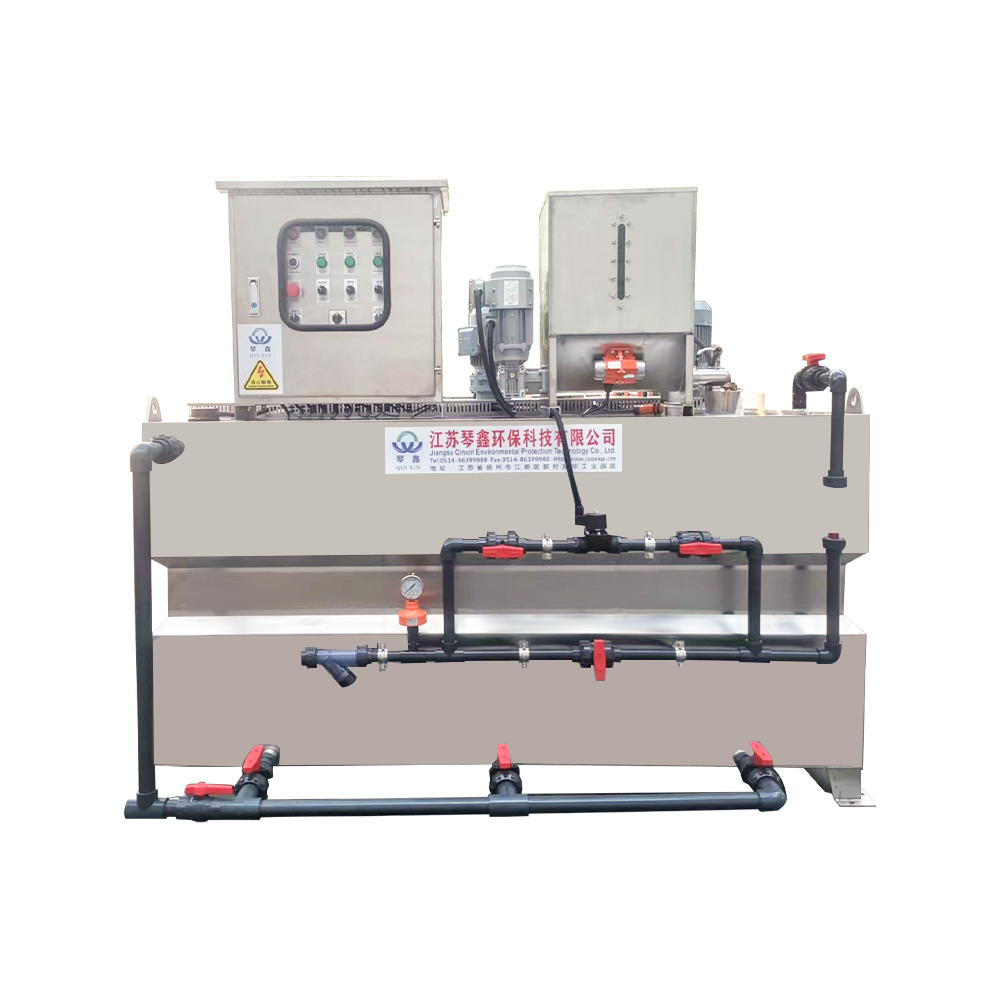
Polymers such as PAM are usually necessary to form stable flocs before dewatering. The dosing unit must be accurate and adjustable, because polymer demand changes with sludge concentration and flow rate. An integrated variable-frequency dosing device reduces chemical waste, improves floc quality, and removes the labor cost of manual mixing. When comparing units, check tank volume, mixing intensity, and whether the control system can accept a signal from the flow meter or a sludge concentration meter.
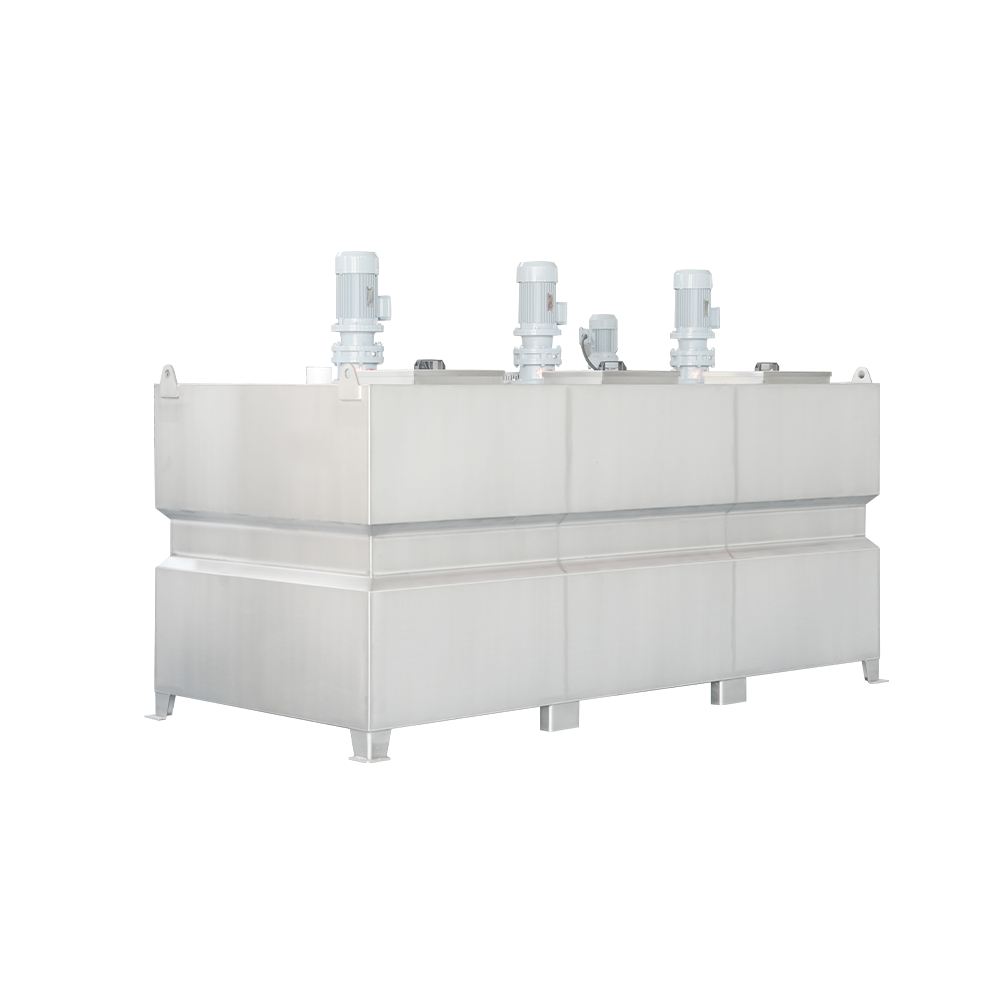 Automatic Integrated Powder Dosing System with Variable Frequency Control QXYTH-4000LThis 4000L automated polymer dosing unit combines feeding, metering, and dissolving to ensure accurate chemical preparation. Its variable-frequency adjustment reduces waste and labor, making it ideal for fluctuating sludge conditions highlighted in the surrounding discussion.View Product →
Sludge dewatering
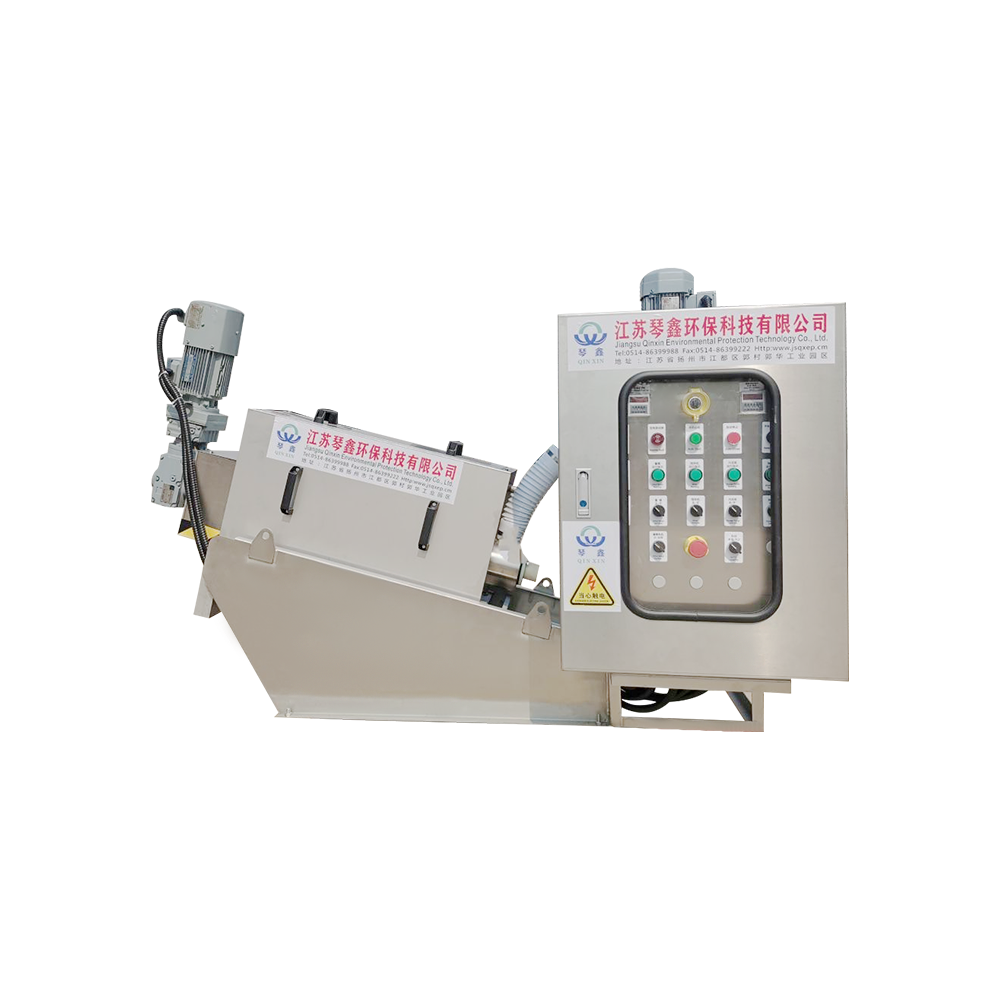
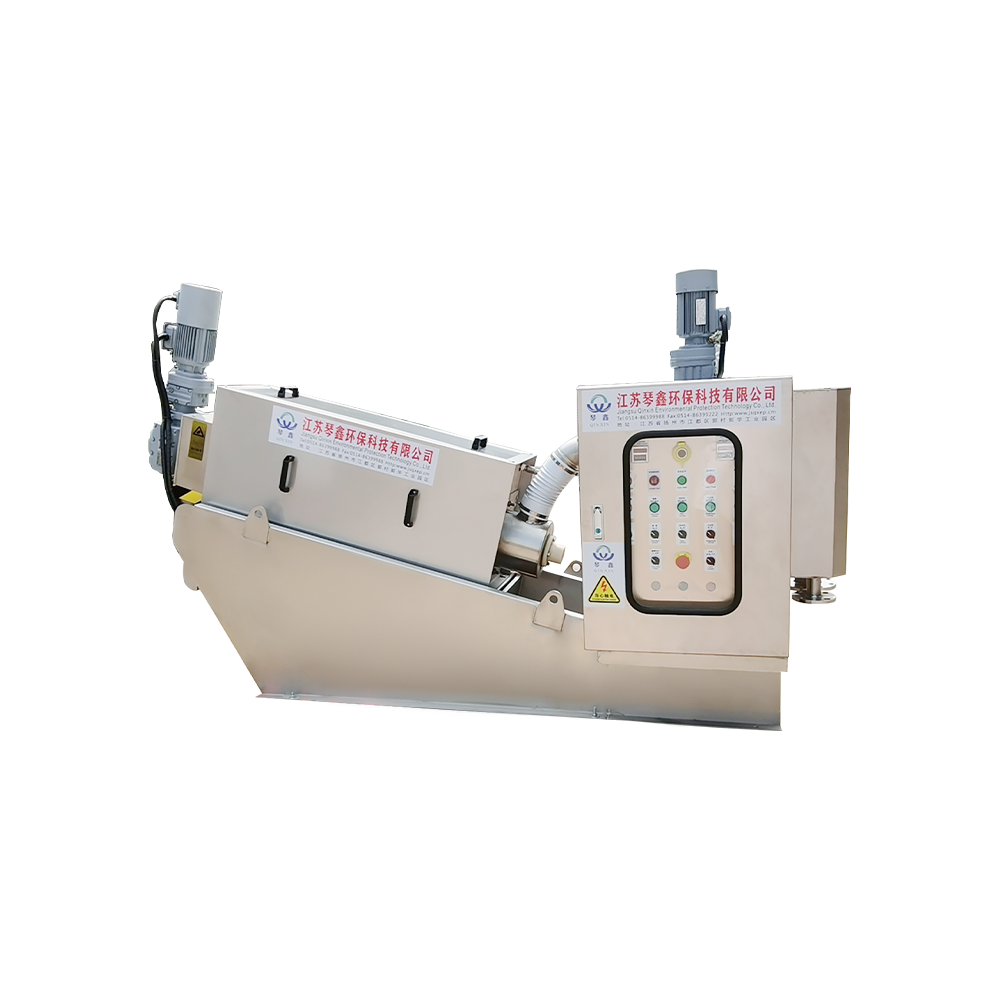
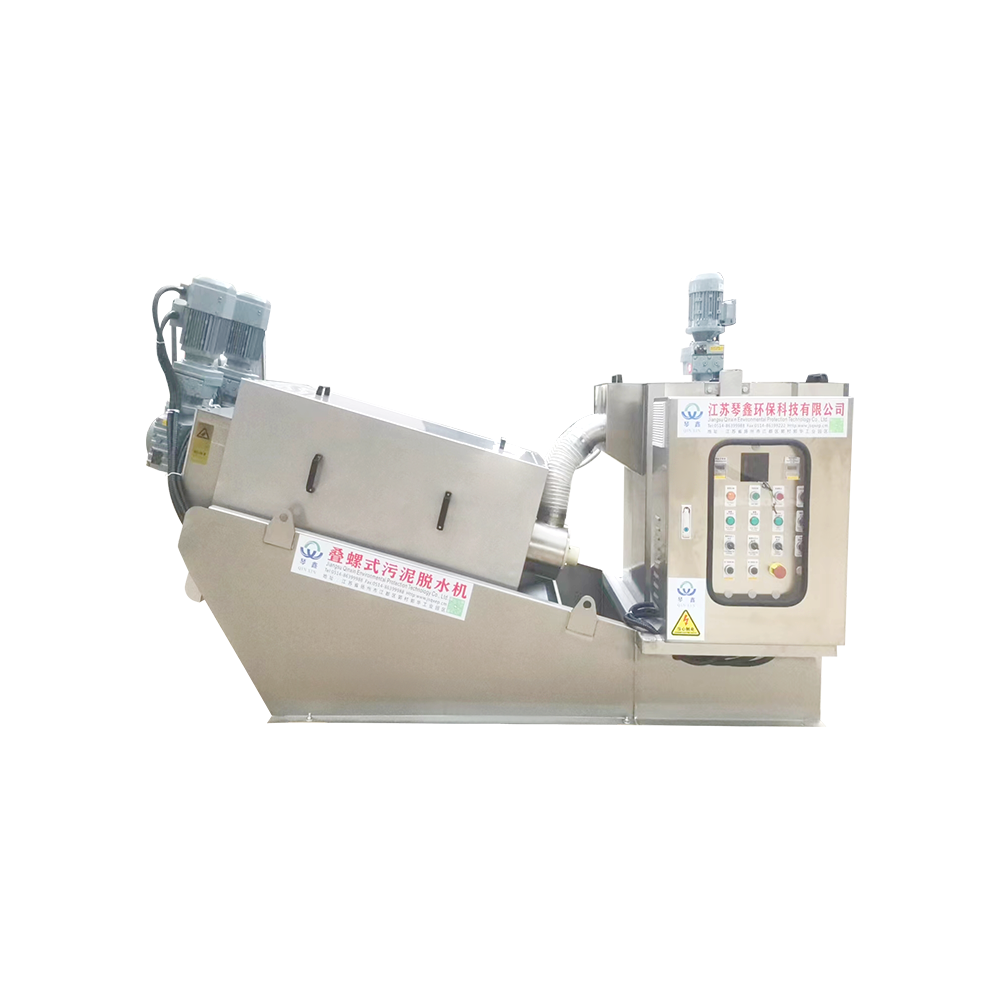
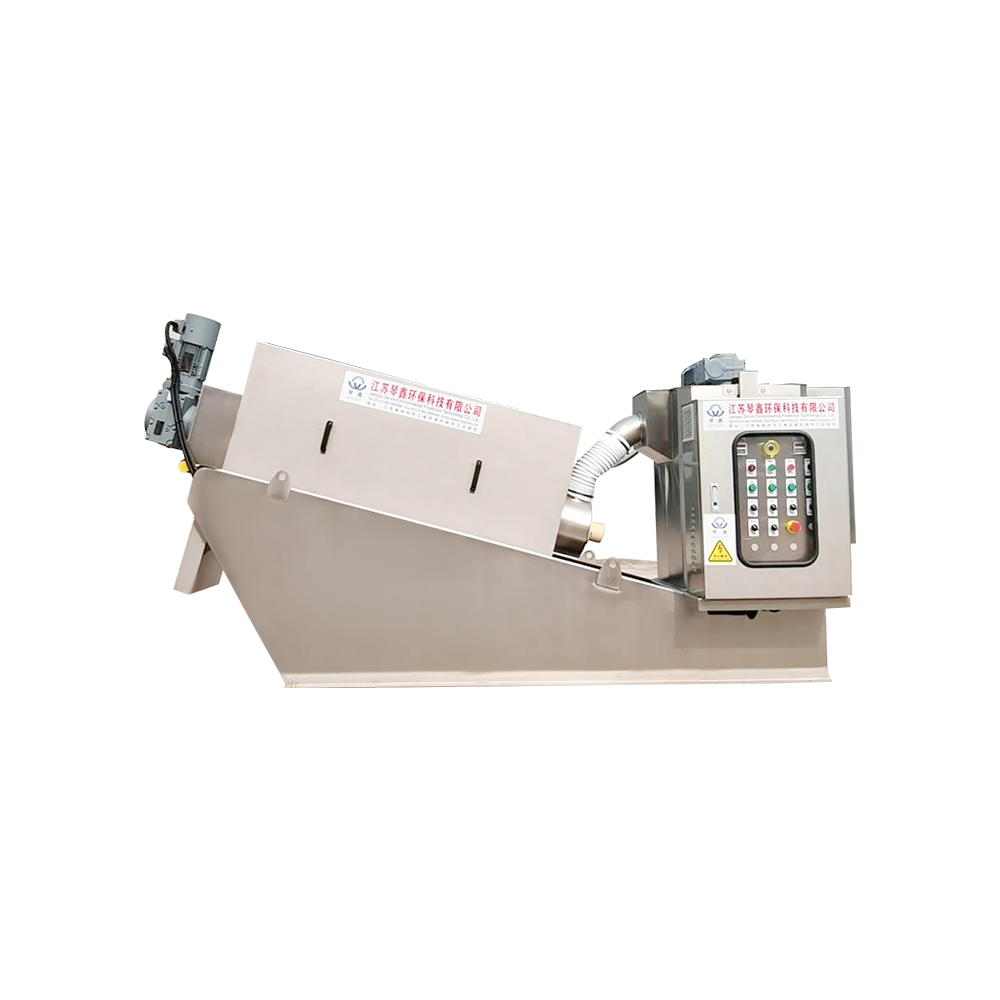
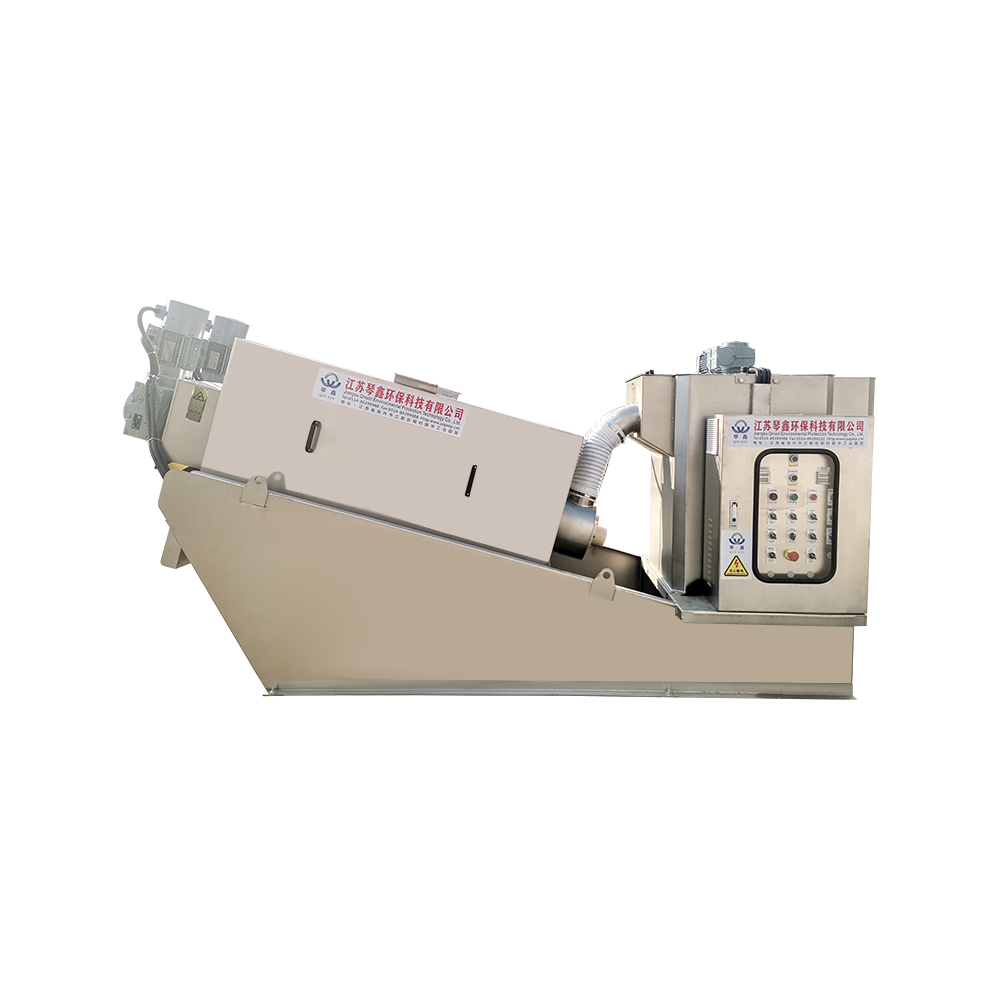
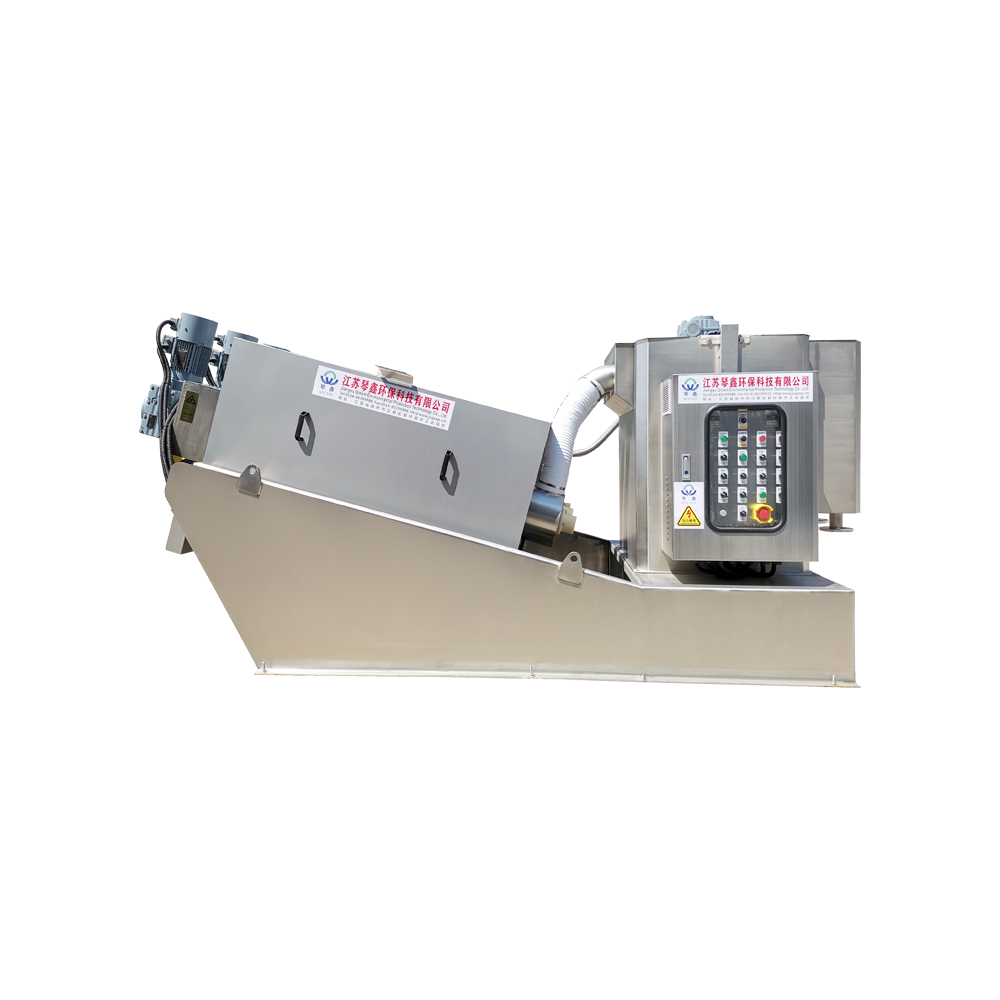
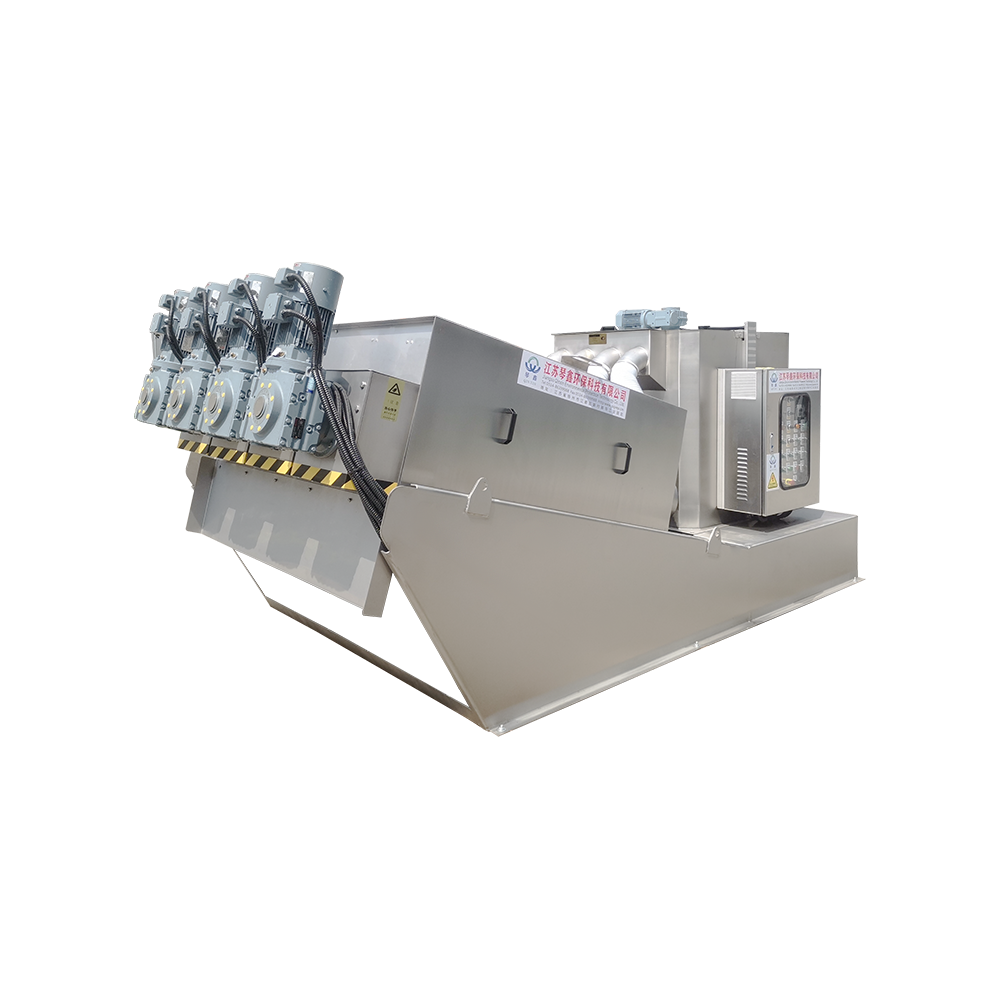
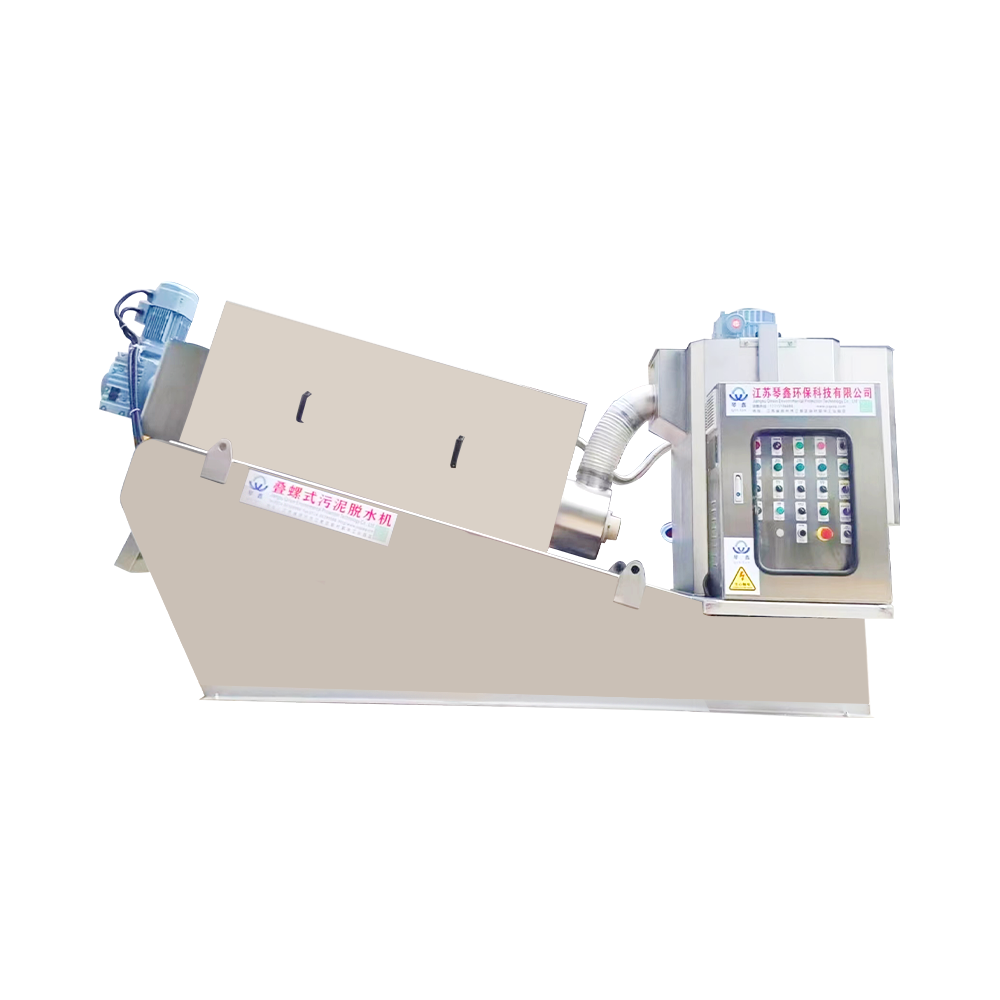
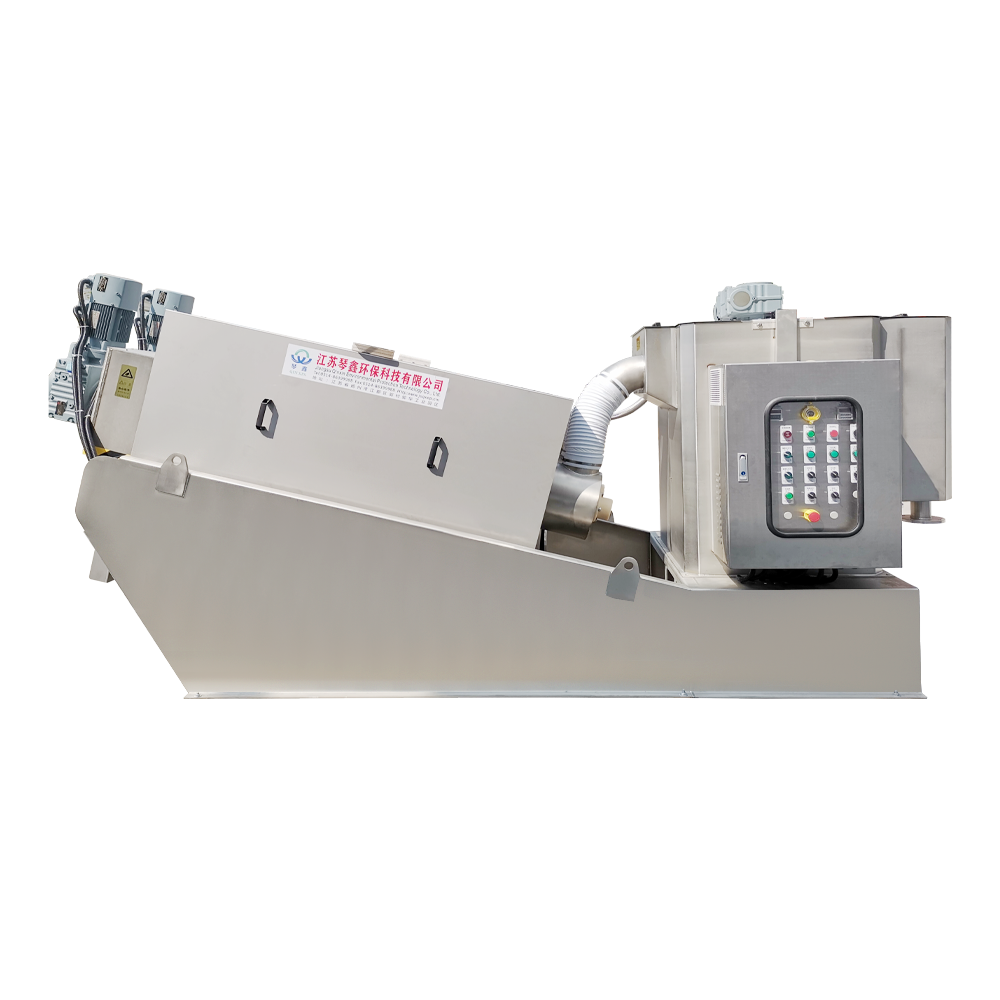
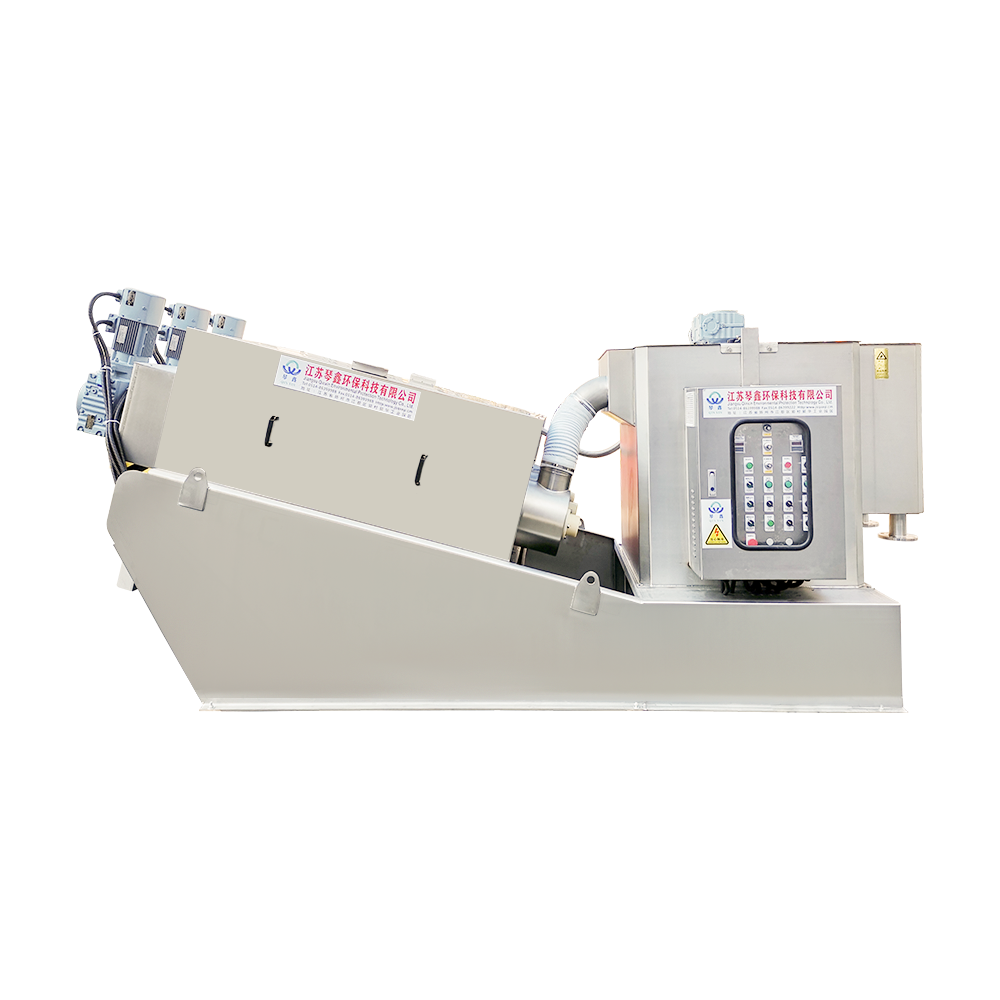
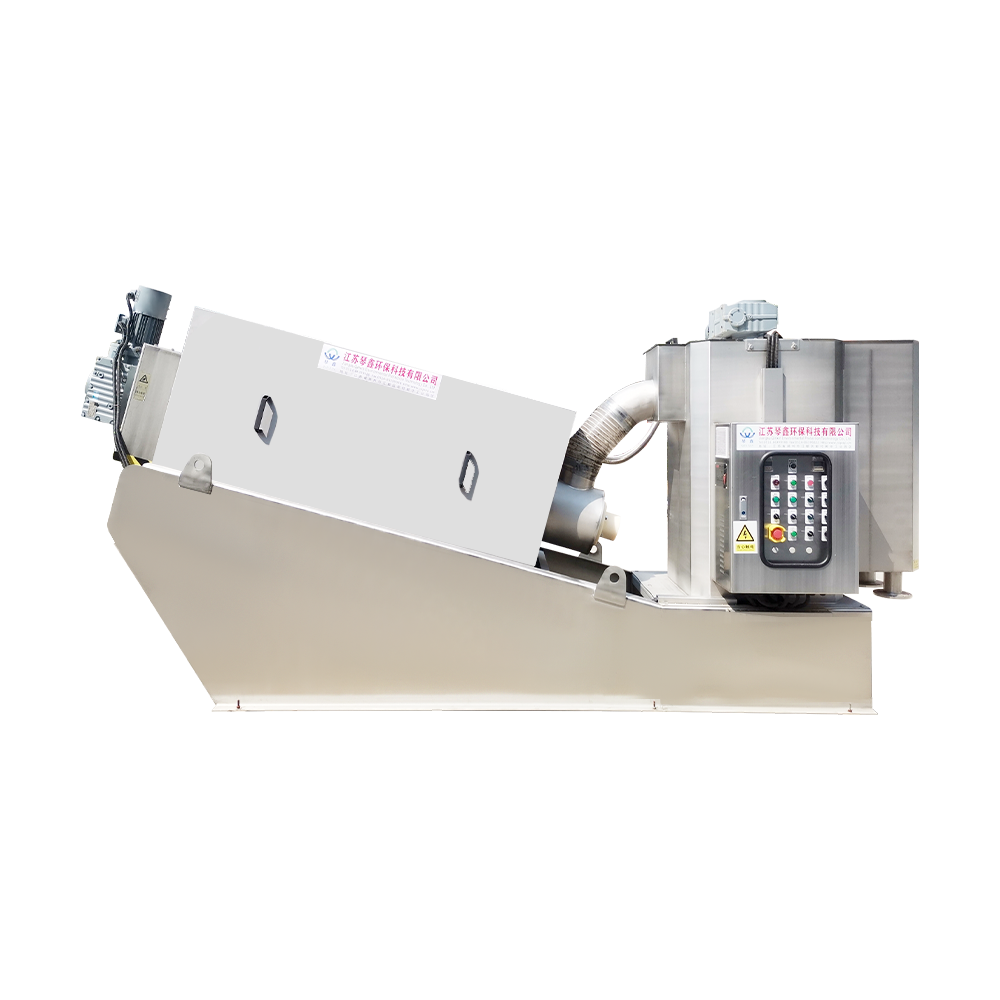
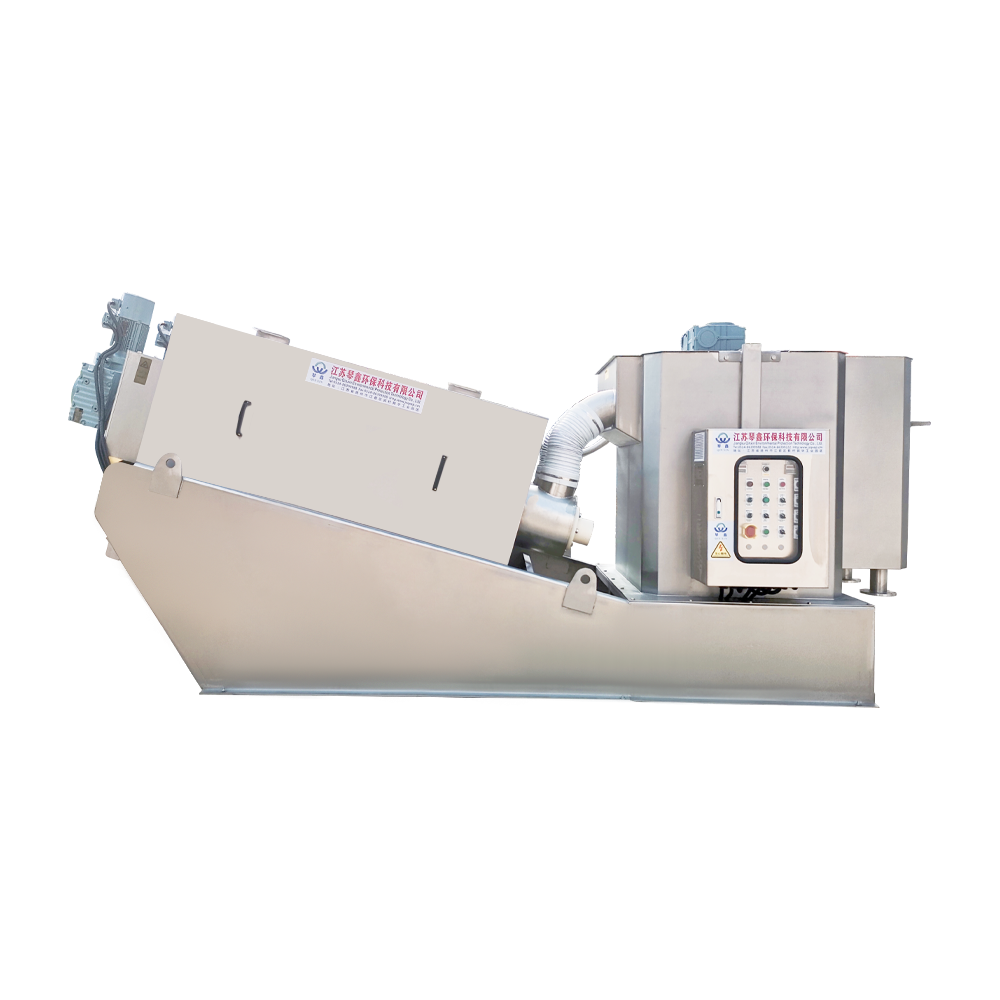
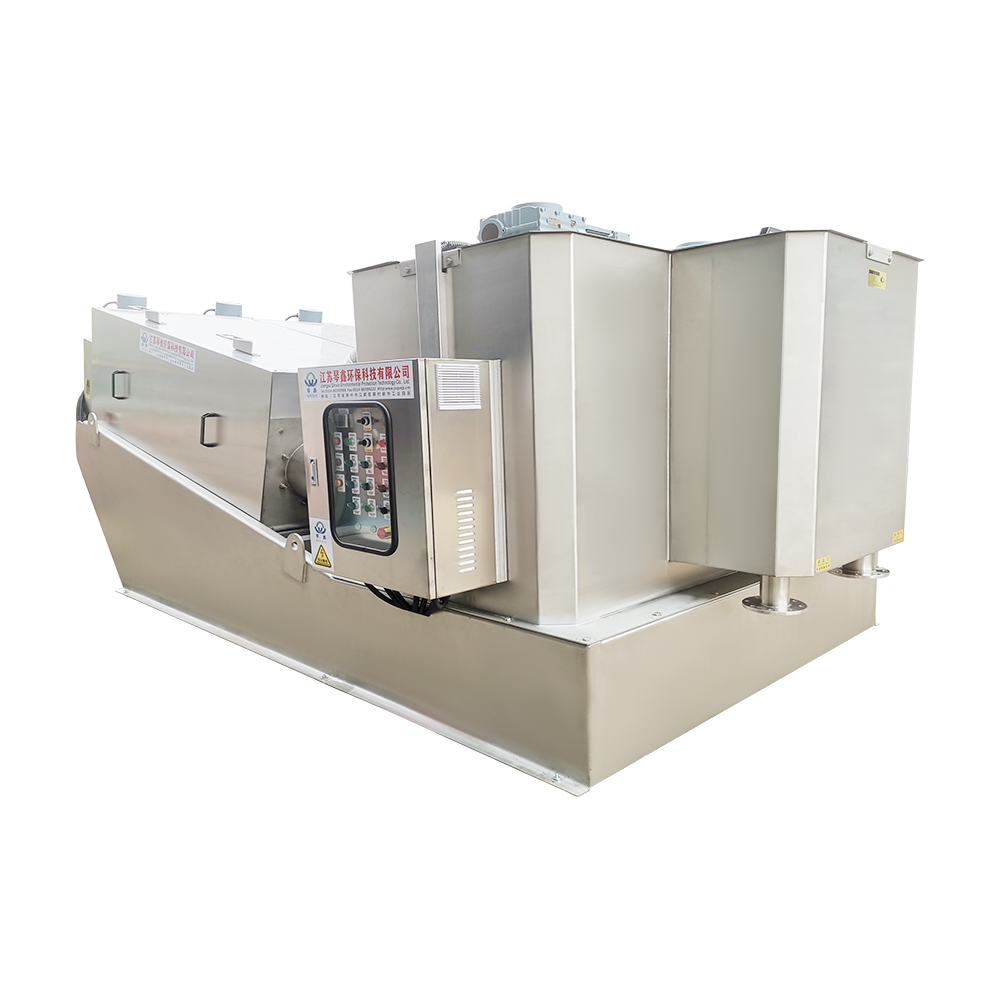
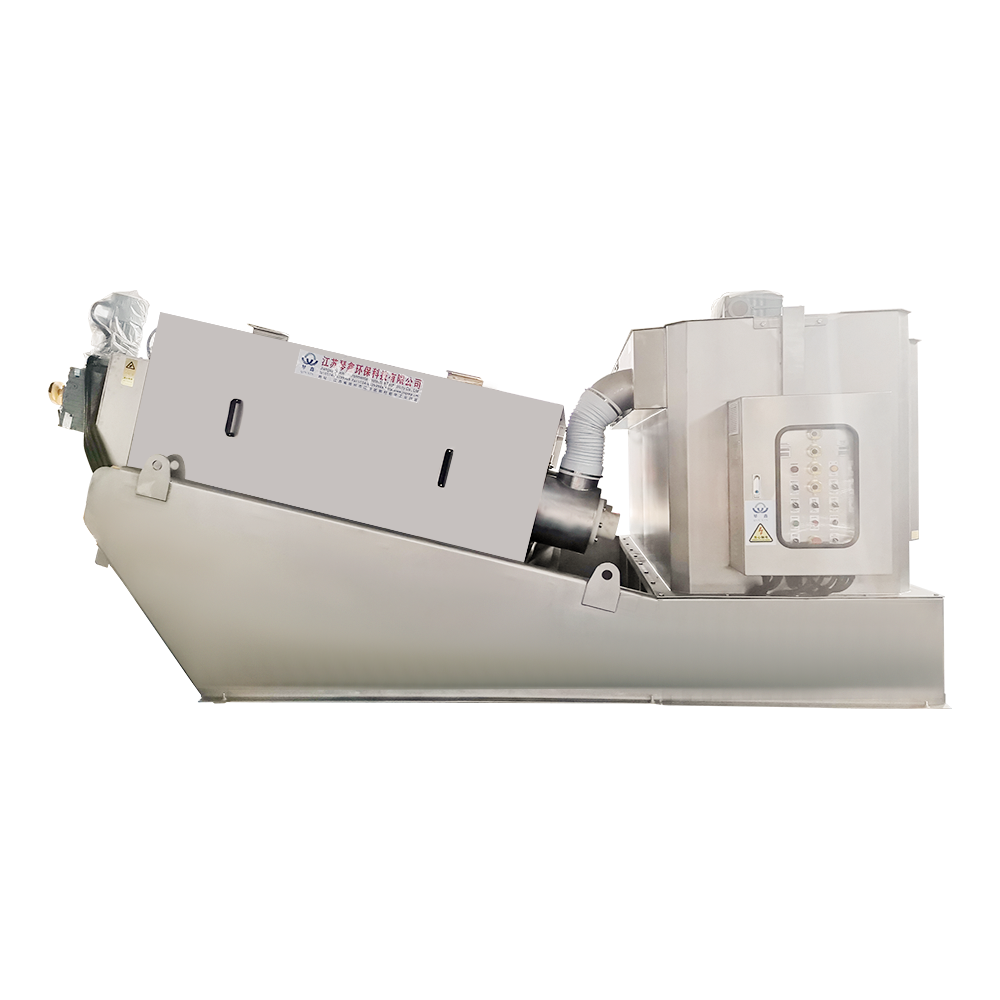
The dewatering step determines cake dryness, which directly affects haulage and disposal costs. Screw press dewatering machines suit industrial conditions because they run continuously, consume relatively little energy, use less wash water, and handle oily or low-concentration sludge better than many alternatives. Compare achievable cake solids, throughput, polymer consumption, and tolerance to incoming solids variation. The cheapest machine often has the highest operating cost once polymer and energy are factored in. For a step-by-step comparison, our guide on choosing screw sludge dewatering machines explains how to translate these factors into a shortlist.
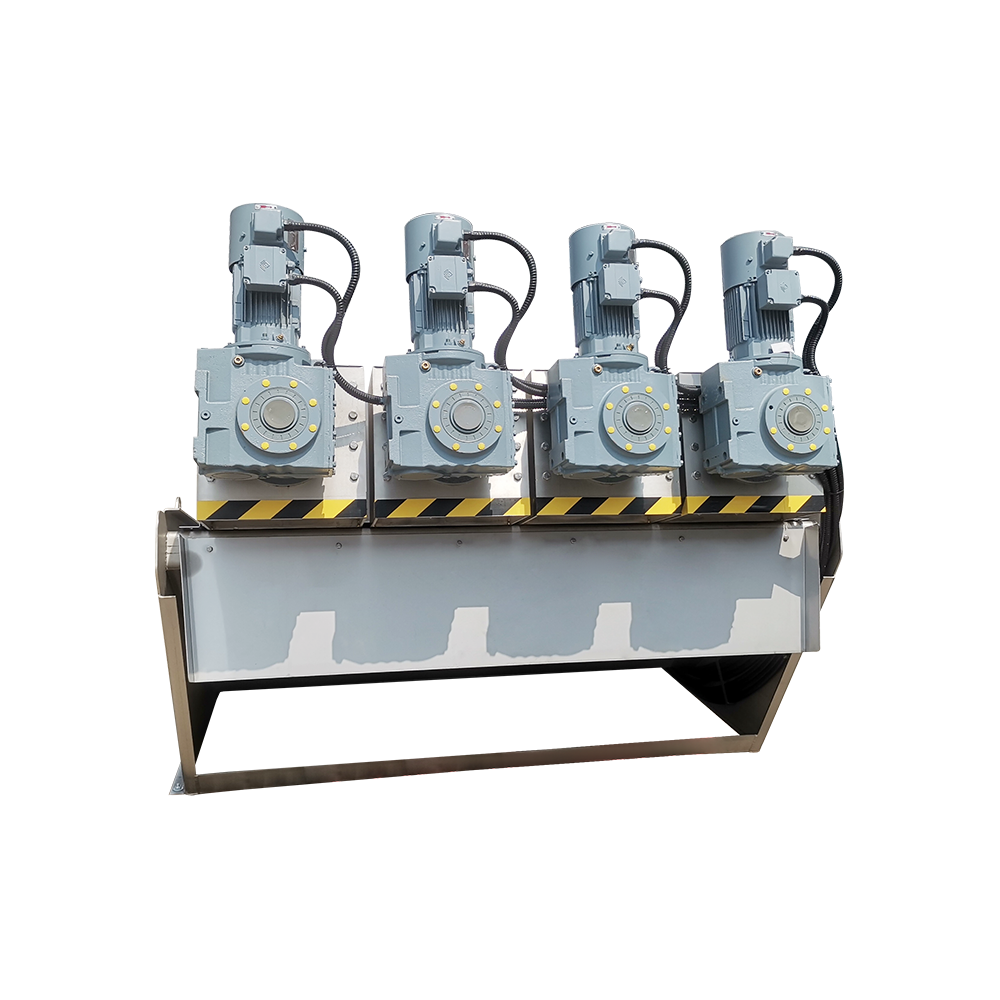 Eco-Friendly Spiral Screw Sludge Dewatering Machine QXDL-304 for WastewaterWith high-capacity continuous operation, this stainless steel dewatering unit handles varying feed concentrations and achieves consistent cake dryness. Its energy-efficient, low-maintenance design directly addresses the operating cost and sludge transport concerns raised in the adjacent text.View Product →
Cake conveyance and storage
Dewatered cake still needs to reach a storage bin or loading point without spillage or heavy manual labor. Axleless screw conveyors and stainless steel lifting devices move sticky cake reliably and reduce operator handling. Corrosive sludge from chemical or pharmaceutical lines requires stainless steel grades matched to the site conditions, so confirm the wetted materials before ordering.
Compare Lifecycle Costs, Not Just Purchase Price
Purchase price is a small share of the total cost over a decade of operation. Energy, polymer, wash water, maintenance, spare parts, and labor usually dominate. When evaluating proposals, ask each supplier to estimate, based on your sludge volume:
- Energy consumption in kilowatt-hours per ton of dewatered sludge
- Polymer dose in kilograms per ton of dry solids
- Wash water consumption and the required interval between washes
- Replacement parts and their expected service life
- Estimated operator time for normal running and cleaning
These figures allow a simple lifecycle cost model. A machine that is 10 percent cheaper but consumes 15 percent more polymer can cost more in the first year alone.
Automation Makes the System Reliable
Industrial streams change throughout the day. A system that relies on manual adjustment drifts out of specification by the end of a shift. Integrated equipment should include automatic dosing linked to flow, variable-frequency drives on pumps and conveyors, and a simple control system that records operating data. This reduces operator dependence and keeps performance consistent.
Automation also supports maintenance planning. When the control system records running time, motor load, and cycle counts, the maintenance team can replace wearing parts before failure. For plants with limited operators, that is often the difference between a compliant treatment line and a source of recurring emergency repairs.
Qualify the Supplier as Much as the Machine
The equipment is only as reliable as the support behind it. A few practical checks matter more than promotional brochures:
- Can the supplier run a pilot test with your actual wastewater before delivery?
- Are spare parts available, and what is the typical lead time?
- What exactly does the warranty cover, and how are service calls handled for international customers?
- Does the supplier manufacture the core components or simply resell assembled units?
Manufacturers that combine production and trading, such as Qinxin Environmental Protection Technology, can usually provide more consistent documentation, commissioning support, and spare parts management than a pure intermediary. Verify factory scale, system certifications, and reference installations if possible. The cost of a wrong supplier is far higher than the saving on the initial quote.
Use a structured order: collect real wastewater data, define the discharge target, map each treatment stage to proven units, compare lifecycle costs, and qualify the supplier. When you follow that order, the equipment list writes itself, and the treatment line remains within specification long after commissioning. If you can provide a complete water quality report, you are already most of the way toward a reliable selection.

 TOP