
 ENG
 English
 русский
 Español
 Tiếng Việt
 ไทย

Article Directory
Consider a food-processing plant that kept replacing filter bags on its discharge line every three days. The surge of 200–500 micron solids coming from upstream overwhelmed every downstream unit; the bags were only the last symptom. A correctly sized drum filter placed ahead of the existing separation step cut bag changes to once a month. That result is not unusual. Drum filters support efficient solid separation in water treatment systems because they remove suspended solids continuously, at low head loss, and with minimal operator attention — provided the screen opening, drum area, and backwash system match the actual wastewater profile.
What a Drum Filter Does in the Treatment Train
A drum filter is a rotating cylindrical screen, open at one or both ends, with a mesh or perforated panel surface. The drum sits partially submerged in a channel or tank, or inside a sealed vessel. As the drum rotates, wastewater passes through the screen while suspended solids are retained on the surface. A spray or backwash system dislodges the collected solids, and the filtrate moves on to the next process unit.
Because the screen is continuously cleaned, a drum filter can run for long periods without the manual raking or media replacement typical of bag filters and static screens. That makes it a natural fit for the front end of municipal sewage works, industrial lines, and water-reuse systems.
Drum filters perform two distinct separation jobs. First, they act as protective screens that remove hair, fibers, flocks, grit, and debris before these materials can clog pumps, heat exchangers, nozzles, and membranes. Second, they perform direct solid-liquid separation that lowers suspended solids enough to stabilize biological treatment or polish final effluent. In both roles, filter efficiency is defined by screen opening and hydraulic load.
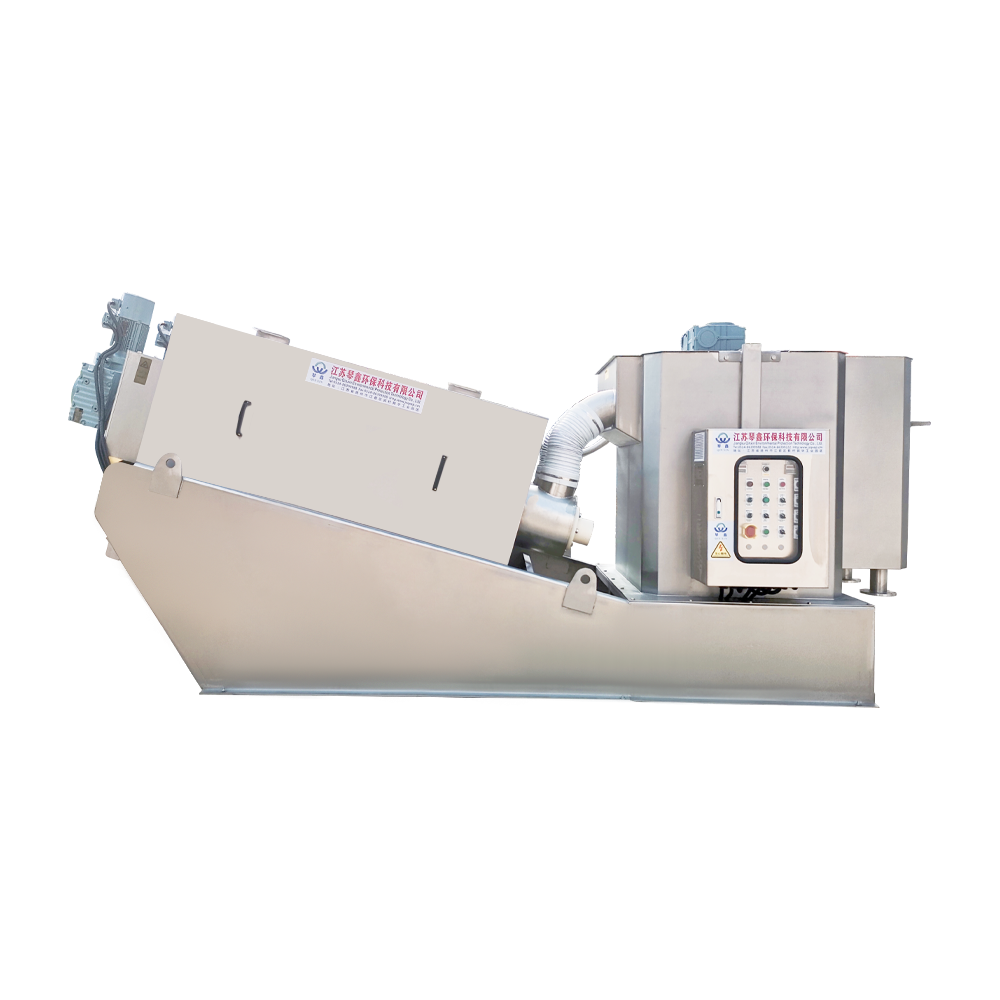
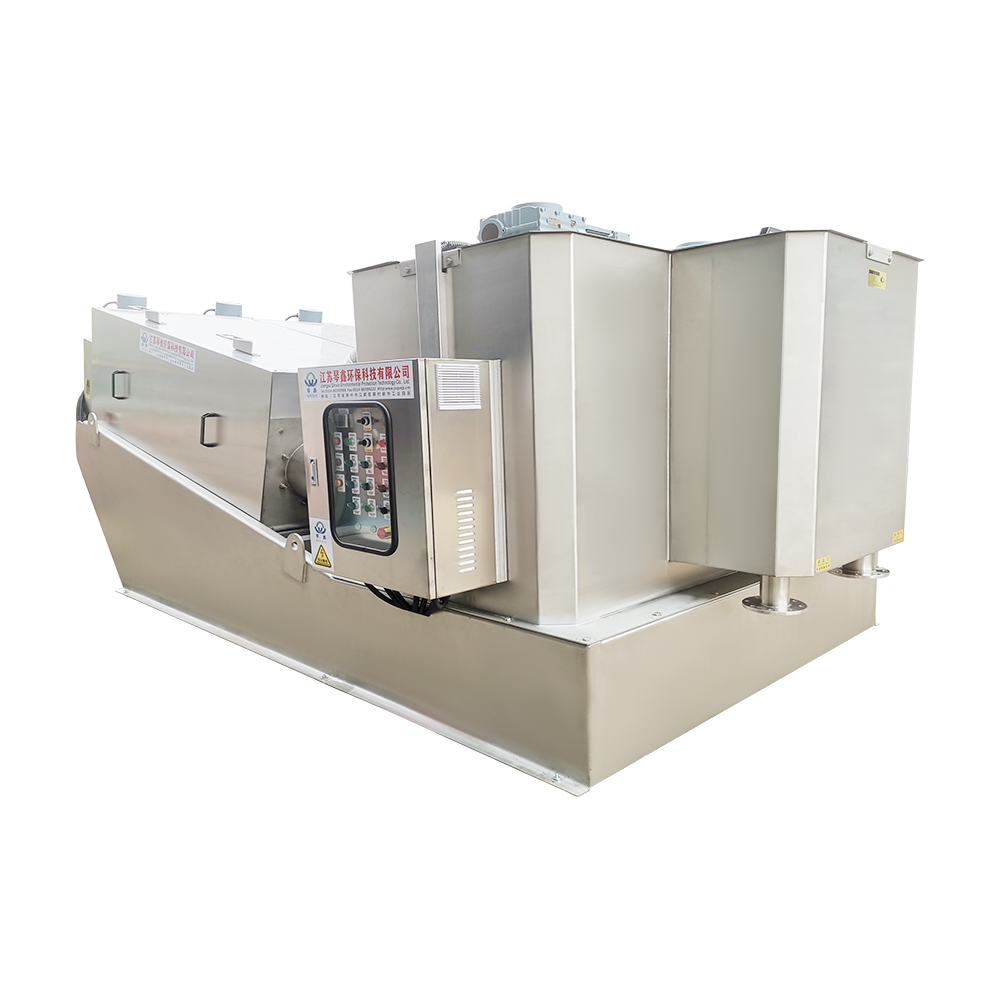
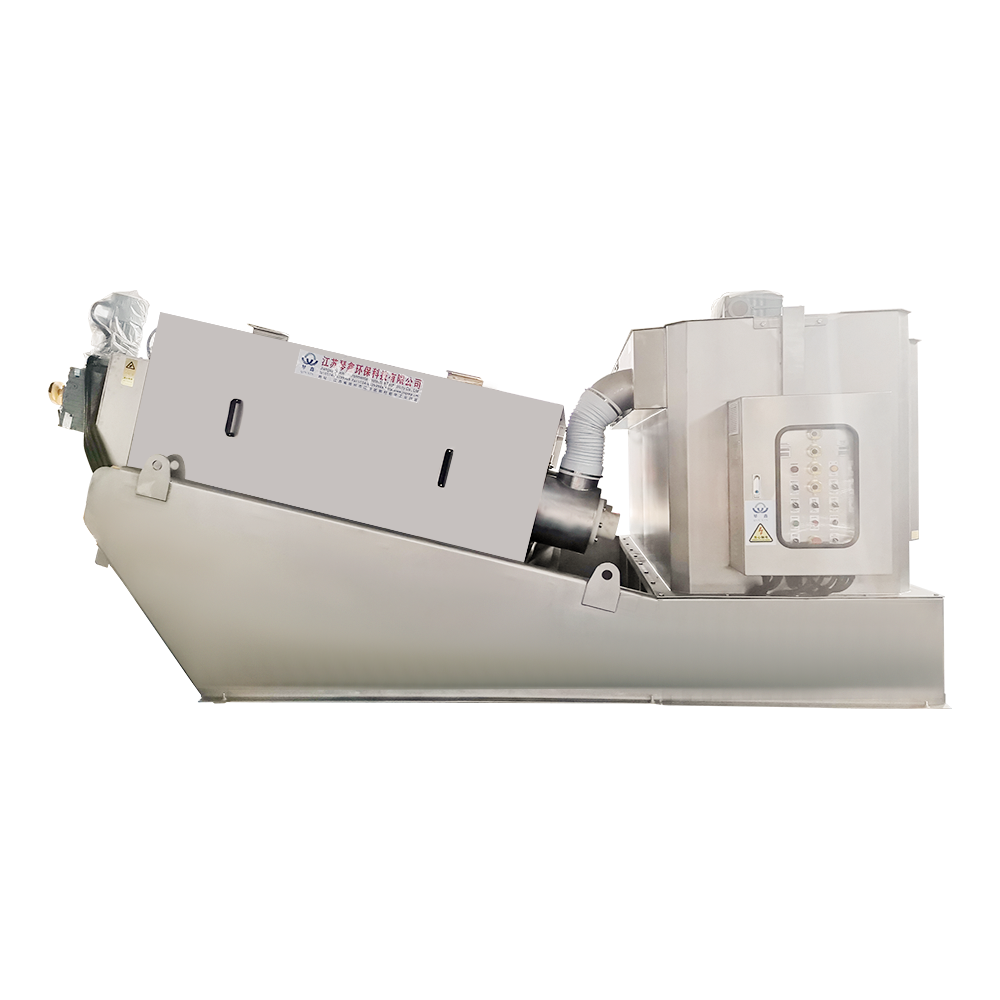
 Automatic Rotary Drum Filter for Sewage Treatment QXZL610*1220This automatic rotary drum filter offers adjustable filtration from 0.2 to 3 mm and a capacity of 50–200 m³/h, making it ideal for protecting downstream equipment and stabilizing biological treatment in municipal or industrial plants.View Product →
Where Drum Filters Deliver the Most Value
A drum filter earns its place wherever solids arrive unevenly and an automatic, low-maintenance barrier is preferable to manual cleaning. The most common positions in a water treatment system are:
- Municipal sewage intake: coarse and fine drum screens remove screenings before grit removal and primary clarification, protecting pumps and reducing downstream maintenance.
- Industrial wastewater: paper mills, textile plants, and food processors use drum filters to recover fibers and remove suspended solids before biological or chemical treatment.
- Livestock and agricultural effluent: a drum filter lowers the solids burden before manure processing and liquid-solid separation steps, improving the reliability of every unit that follows.
- Pre-treatment for membranes and reuse systems: finer mesh drum filters prevent premature fouling of ultrafiltration, nanofiltration, and reverse osmosis membranes.
Drum filters are not designed to remove dissolved substances or colloids smaller than the screen opening. Their economic value lies in removing a high mass of coarse-to-fine suspended solids at very low energy cost, protecting the rest of the treatment train and allowing each downstream unit to operate at design capacity.
Key Design and Performance Factors
Three parameters determine whether a drum filter performs or disappoints in continuous service: screen opening, hydraulic loading rate, and backwash ratio.
Screen opening
Screen openings typically range from about 60 microns to 2 mm. Fine screens in the 60–250 micron range capture small particles but need more open drum area and tolerate higher backwash flow. Coarse screens at 500 microns and above are less sensitive to fouling and suit high-solids streams where the goal is protection rather than polishing.
Hydraulic loading rate
Drum filter capacity is expressed in cubic meters per square meter of drum area per hour (m3/m2/h). Most units are rated between 40 and 100 m3/m2/h, with lower values for fine mesh and difficult solids. Sizing the drum on peak flow rather than average flow is almost always the safer choice.
Backwash ratio
Backwash water typically represents 1 to 5 percent of filtrate flow. A rising ratio is the first sign that the filter is undersized, the screen is fouled, or the feed has changed. Treat it as an operational signal, not just a design number.
| Screen opening | Target material | Typical role | Operating notes |
|---|---|---|---|
| 60–150 microns | Fine suspended solids, algae | Polishing, membrane pre-treatment | Requires clean feed and an effective backwash |
| 200–500 microns | Medium suspended solids, flocks | General industrial and municipal screening | Most common range for front-end protection |
| 500–1000 microns | Coarse solids, fibers, grit | Primary screening of raw wastewater | Low fouling risk, higher spare capacity |
| 1–2 mm | Trash, leaves, large particles | Intake screening upstream of pumps | Often combined with a grit removal stage |
How Drum Filters Compare with Other Separation Equipment
Drum filters rarely work alone. Understanding how separation technologies differ helps a plant design a balanced solids-handling train, because each device targets a different fraction of the solids spectrum.
| Equipment | Target particle range | Output form | Energy use | Best role |
|---|---|---|---|---|
| Drum filter | 60 microns – 2 mm | Filtrate + screenings | Low | Continuous protective screening and polishing |
| Slanted-screen microfilter with hydrocyclone | 100 microns – 5 mm | Solid cake + liquid | Low | Pre-treatment of livestock, agricultural, and food-processing effluents |
| Gravity clarifier | Settleable solids | Clarified water + settled sludge | Very low | High-volume primary clarification |
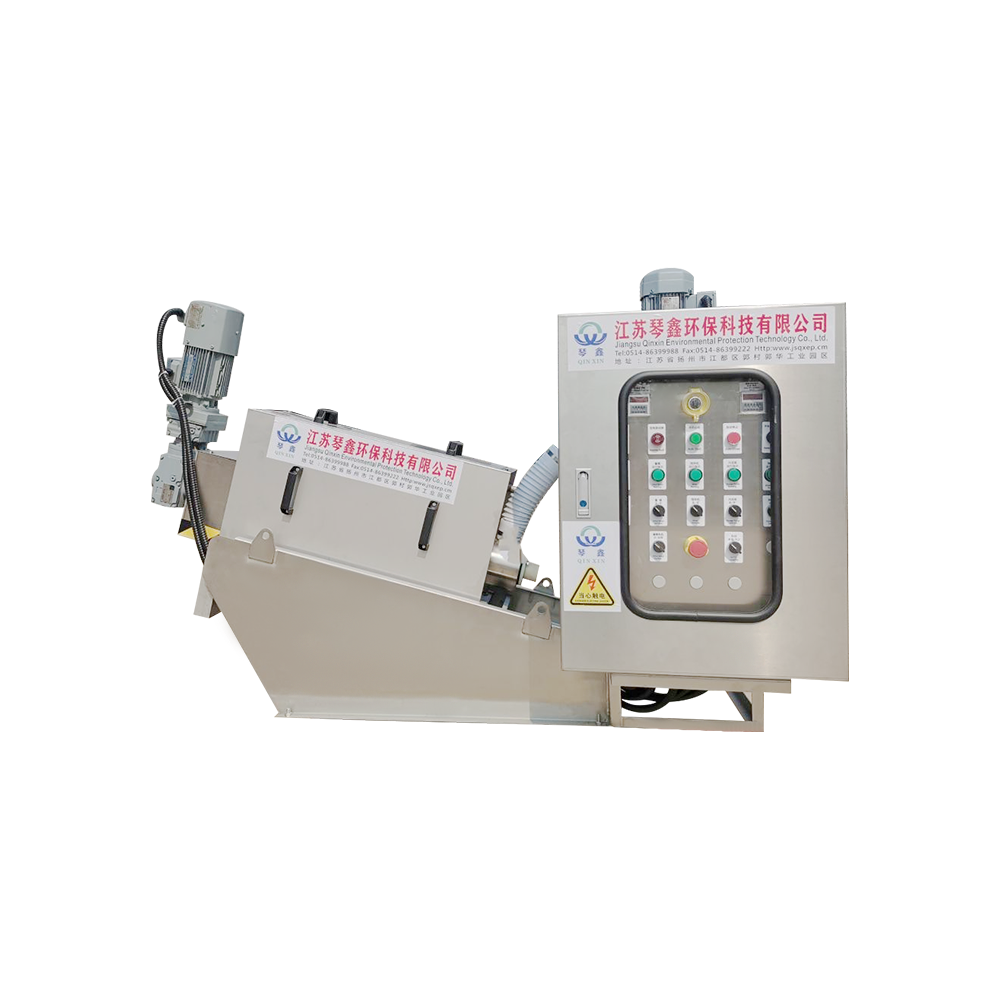
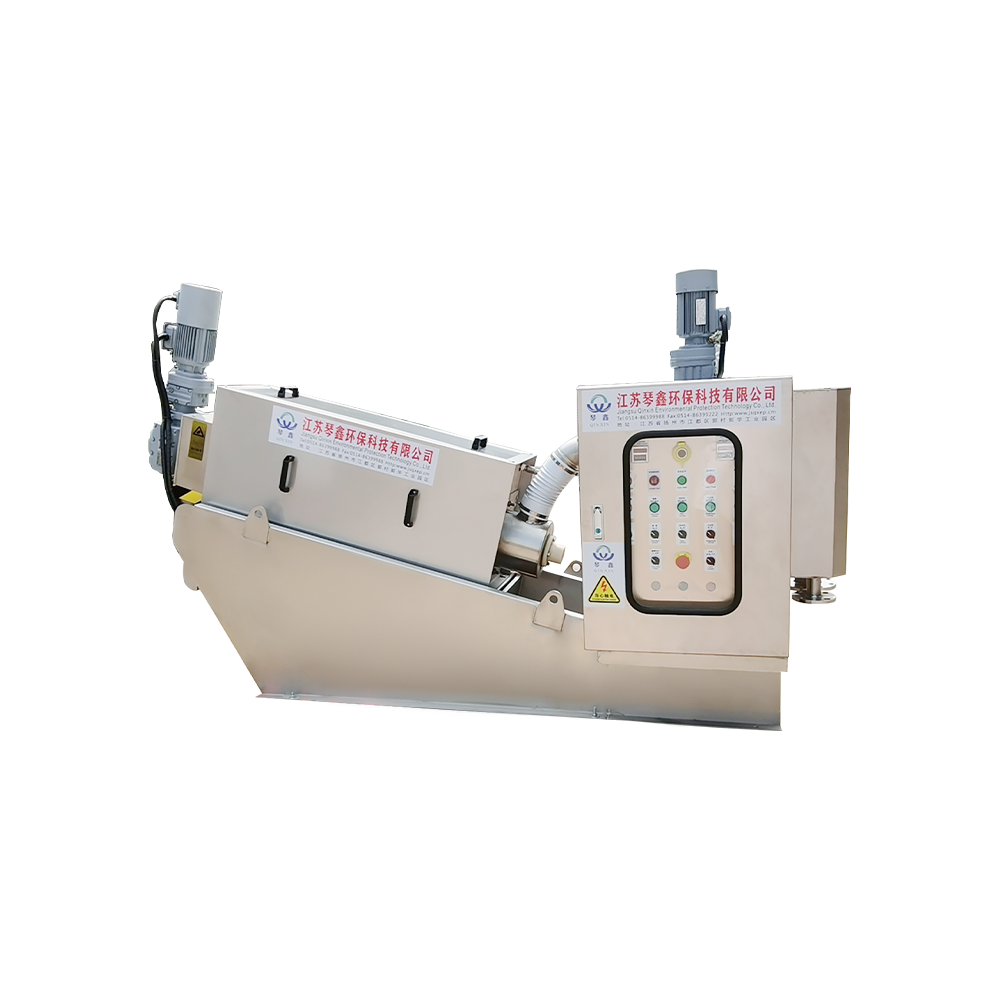
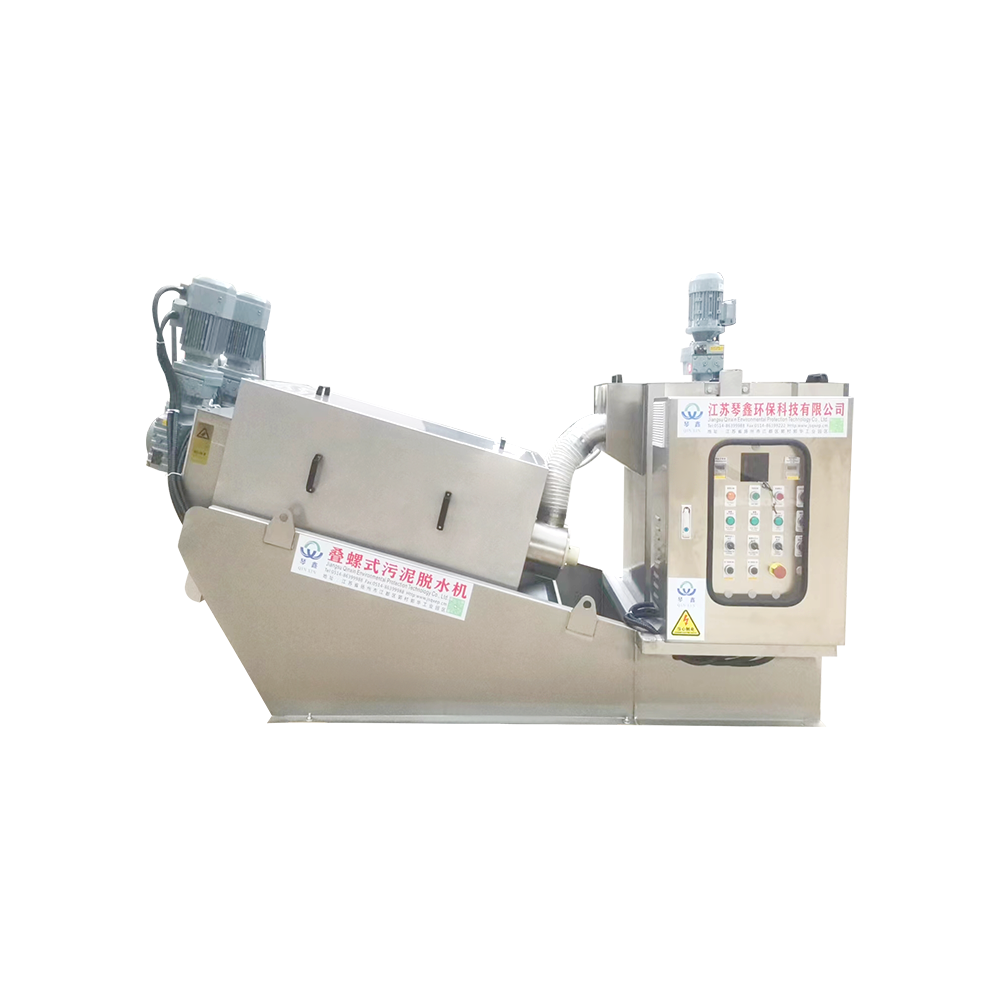
| Screw press dewatering | Flocculated sludge | Dewatered cake + filtrate | Medium | Sludge concentration after biological or chemical treatment |
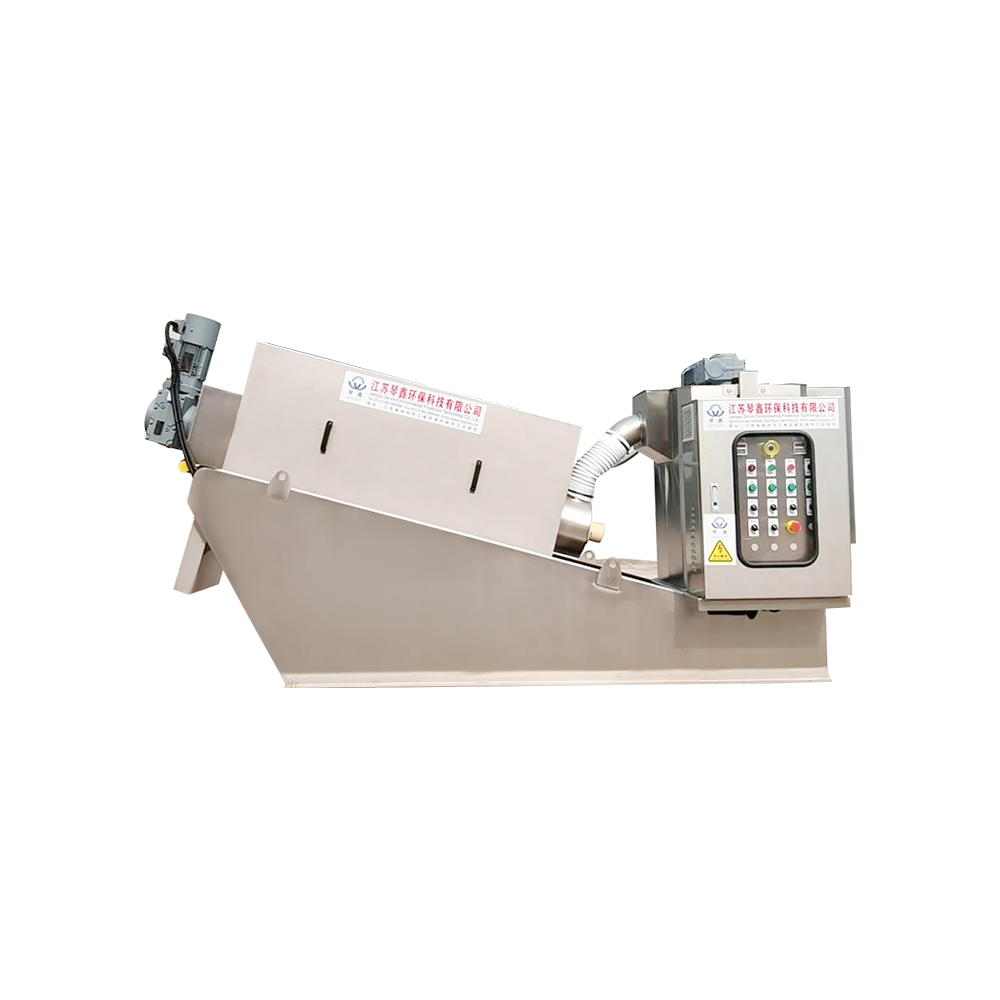
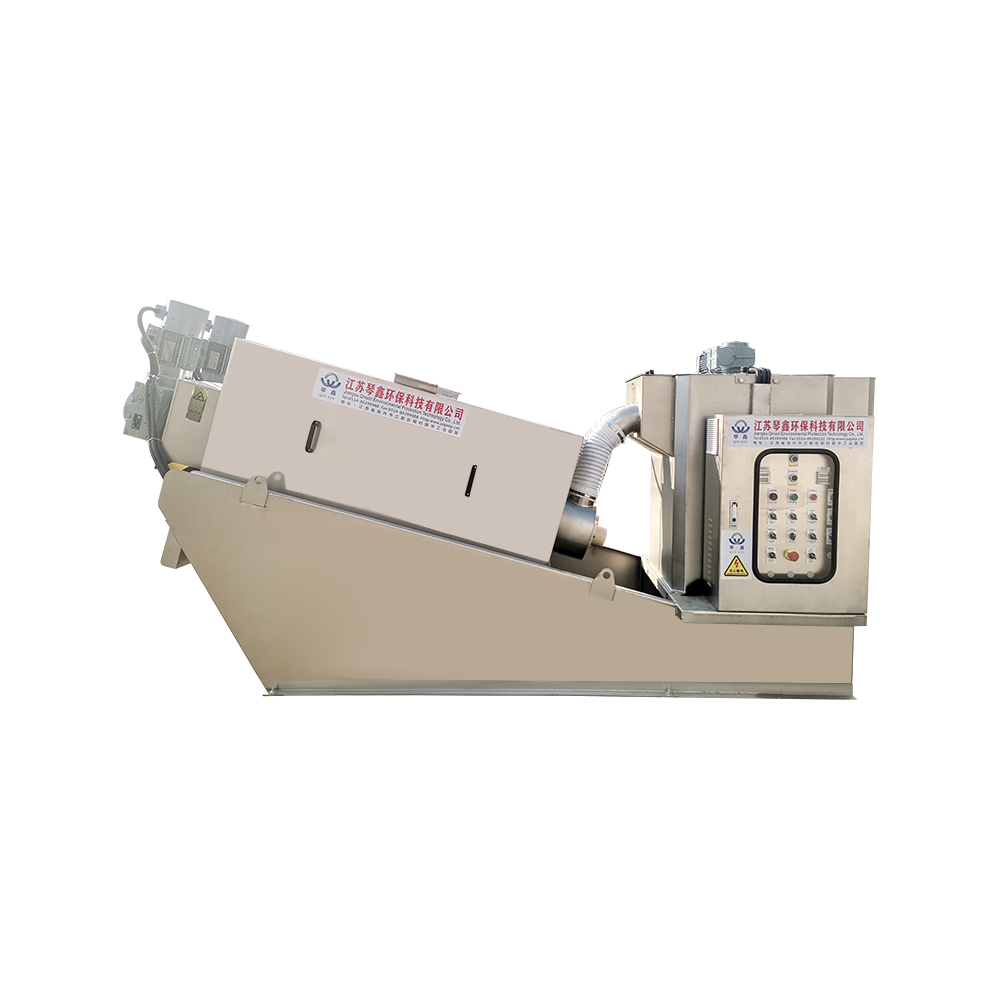
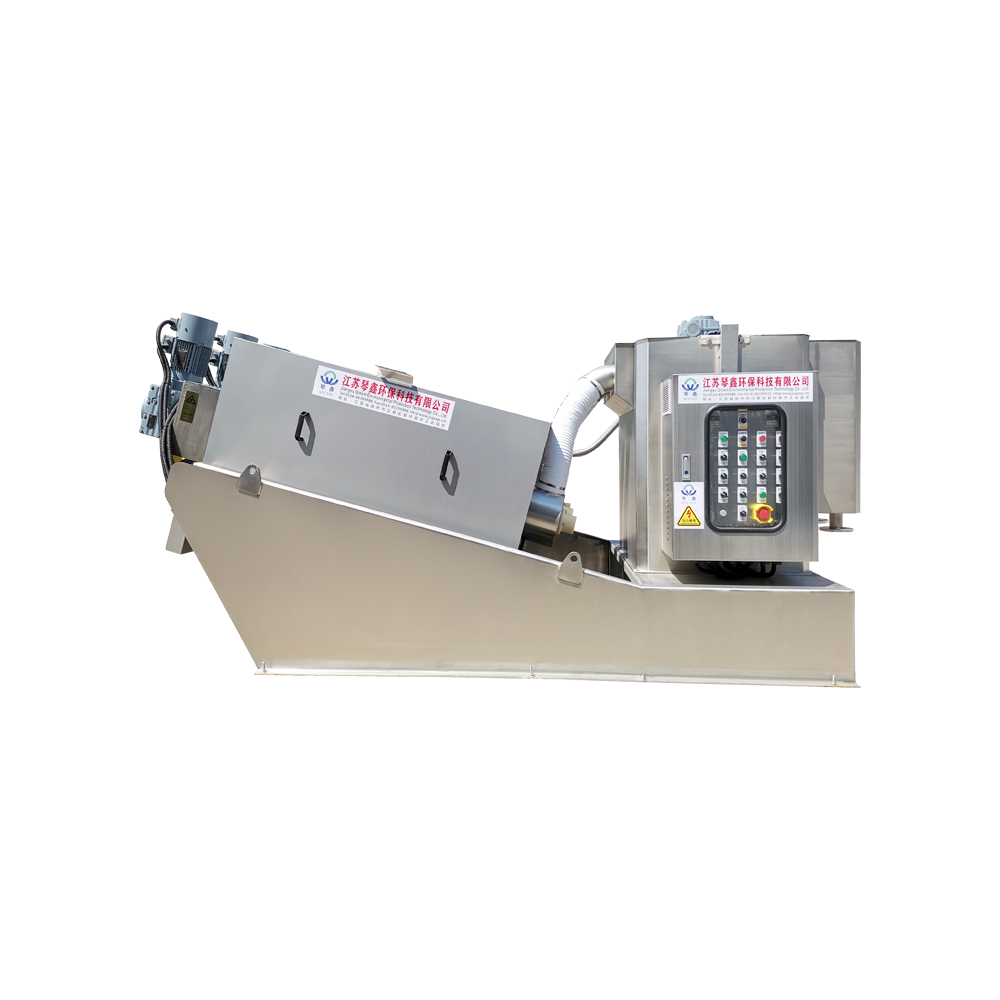
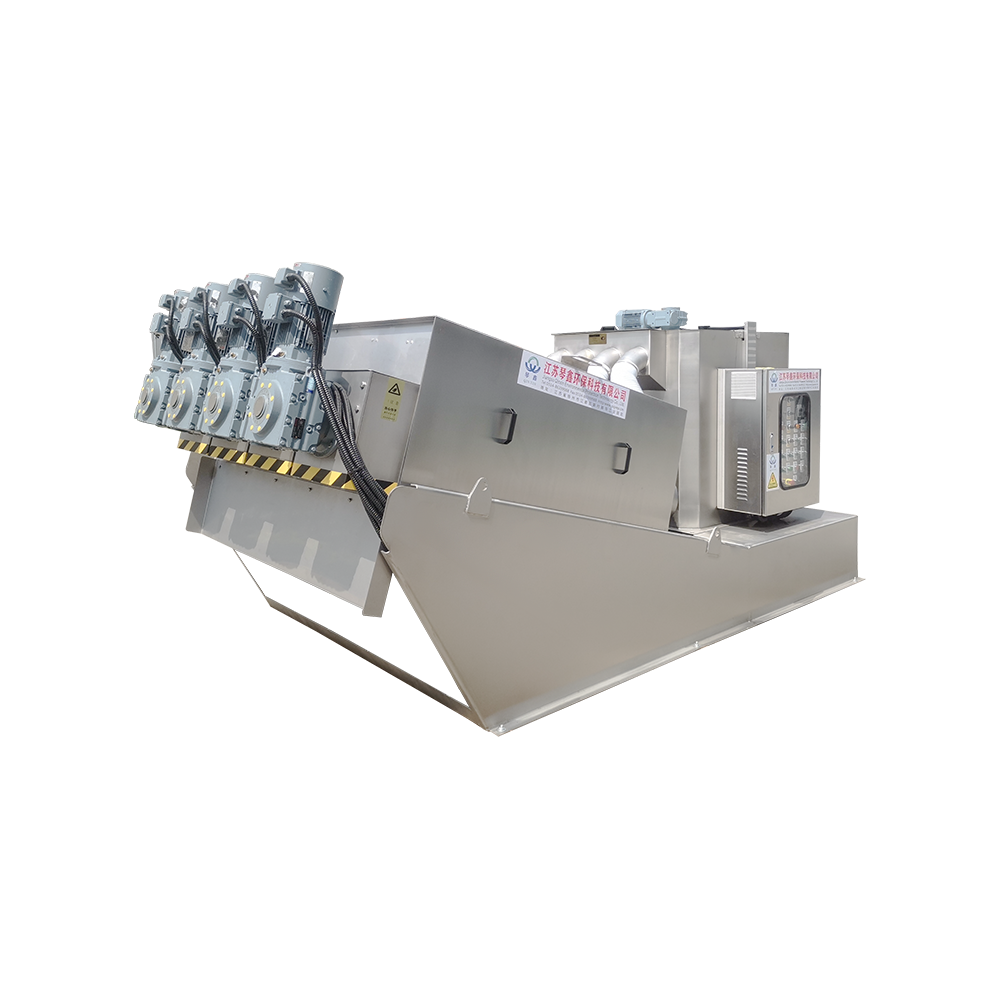
The boundary between a drum filter and a micro-screener is not always sharp. Plants often pair a drum filter at the front end with a fines-removal separator further downstream. For fibrous or high-organic effluents, a slanted-screen hydrocyclone separator catches the material that passes a coarse drum screen and returns a cleaner liquid fraction to the biological stage.
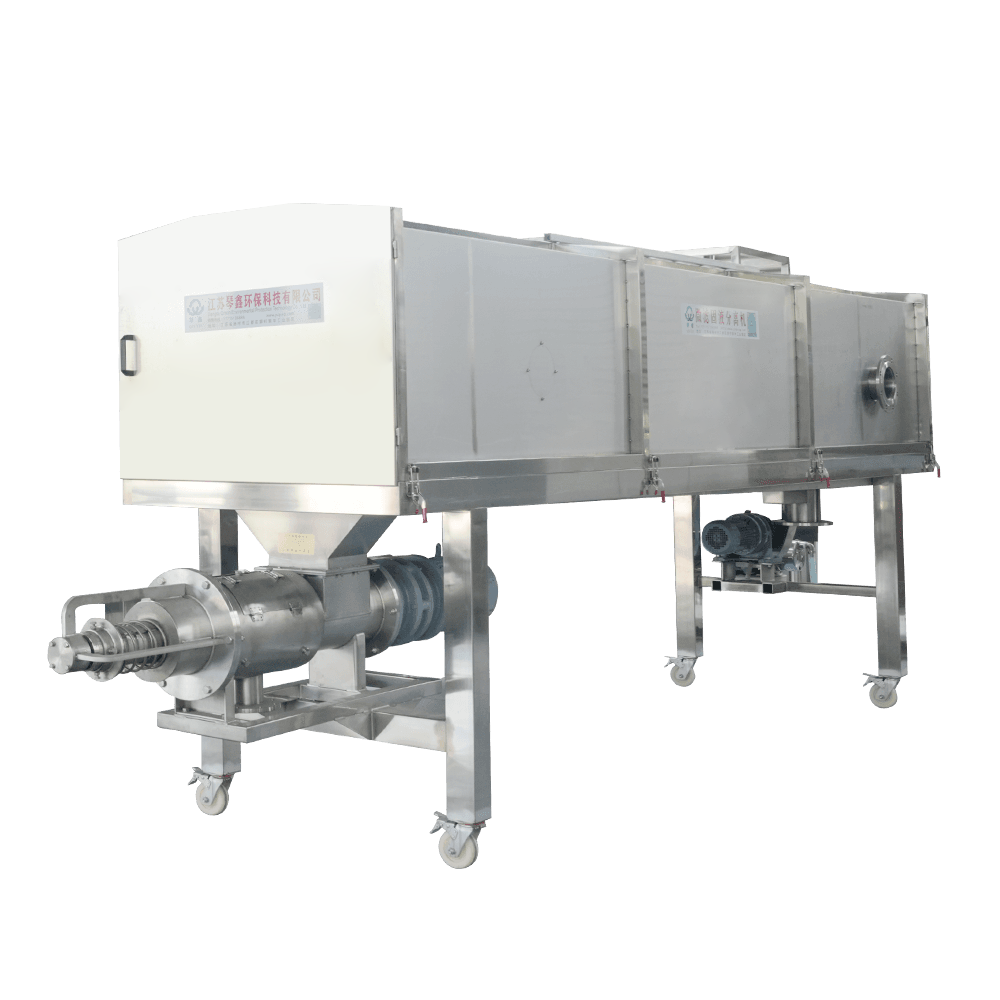 Microfiltration Solid-Liquid Separator QXWL-800 for WastewaterWith separation accuracy of 0.1–10 microns and a capacity of 800 L/H, this unit suits fine solids removal after coarse screening, supporting effluent reuse or discharge standards in industries like electroplating, food, and pharmaceuticals.View Product →
Selection Considerations for Treatment Plants
Selecting a drum filter is an exercise in matching the unit to the real wastewater envelope, not to an average sample. The following factors matter most in practice:
- Flow: use the peak design flow, including storm or batch discharges, rather than average daily flow.
- Solids loading: calculate kilograms of dry solids per hour; high loads require more drum area and a stronger backwash system.
- Particle characteristics: fibrous and stringy solids blind fine mesh quickly, while abrasive solids shorten screen life.
- Materials of construction: use stainless steel 304 for general service and stainless steel 316 for corrosive or chloride-rich streams; verify that the filter media is compatible with the wastewater chemistry.
- Automation: differential-pressure control and automatic backwash reduce operator time and prevent over-backwashing.
A stainless steel automatic drum filter with a robust screen and simple controls is usually the most reliable choice for continuous duty. When comparing performance claims, check how the manufacturer defines screen opening, hydraulic capacity, and backwash flow; our article on why precise filtration capability protects water quality explains what to look for.
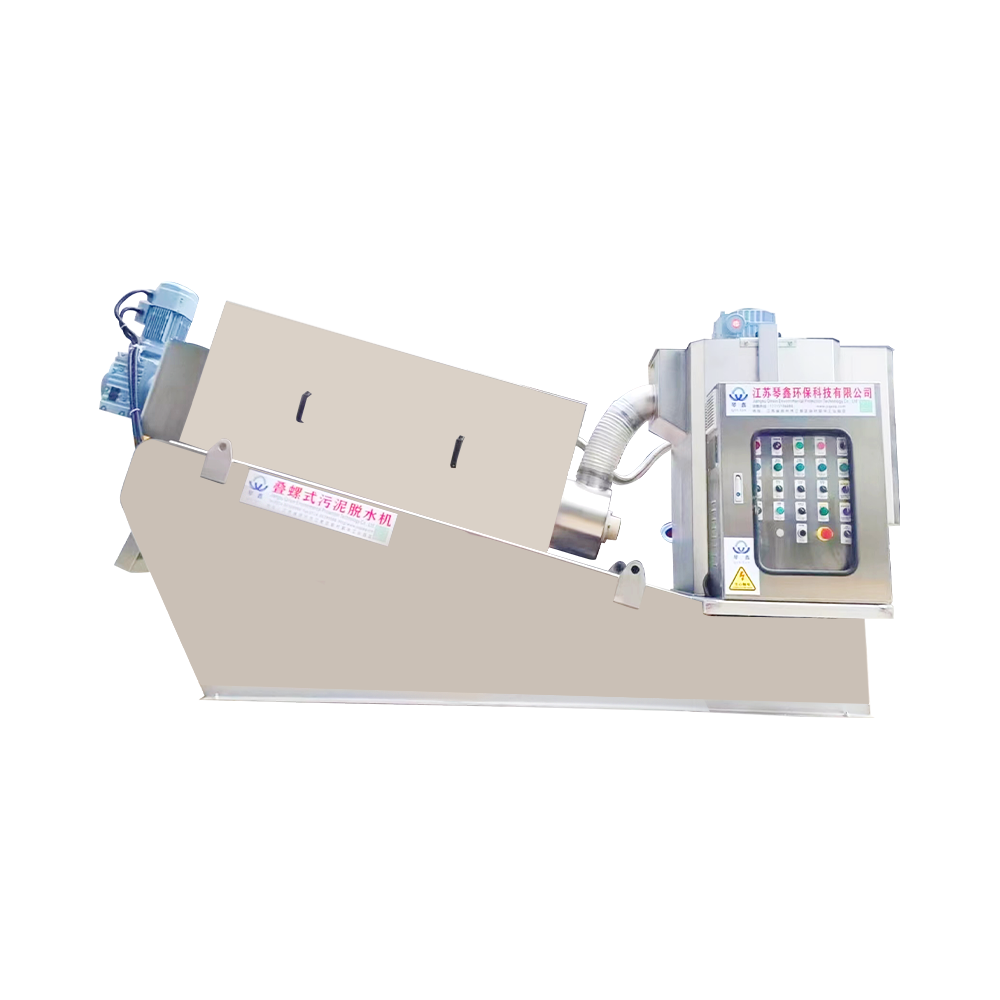
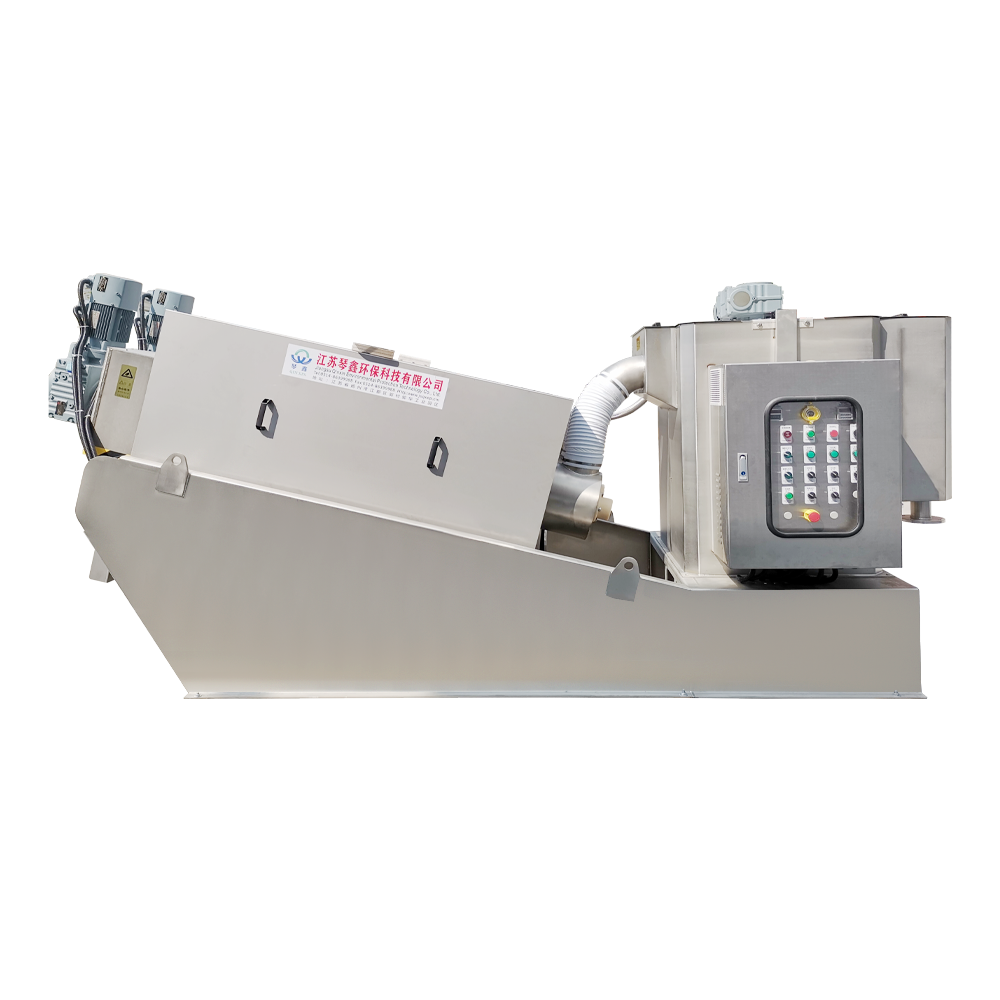
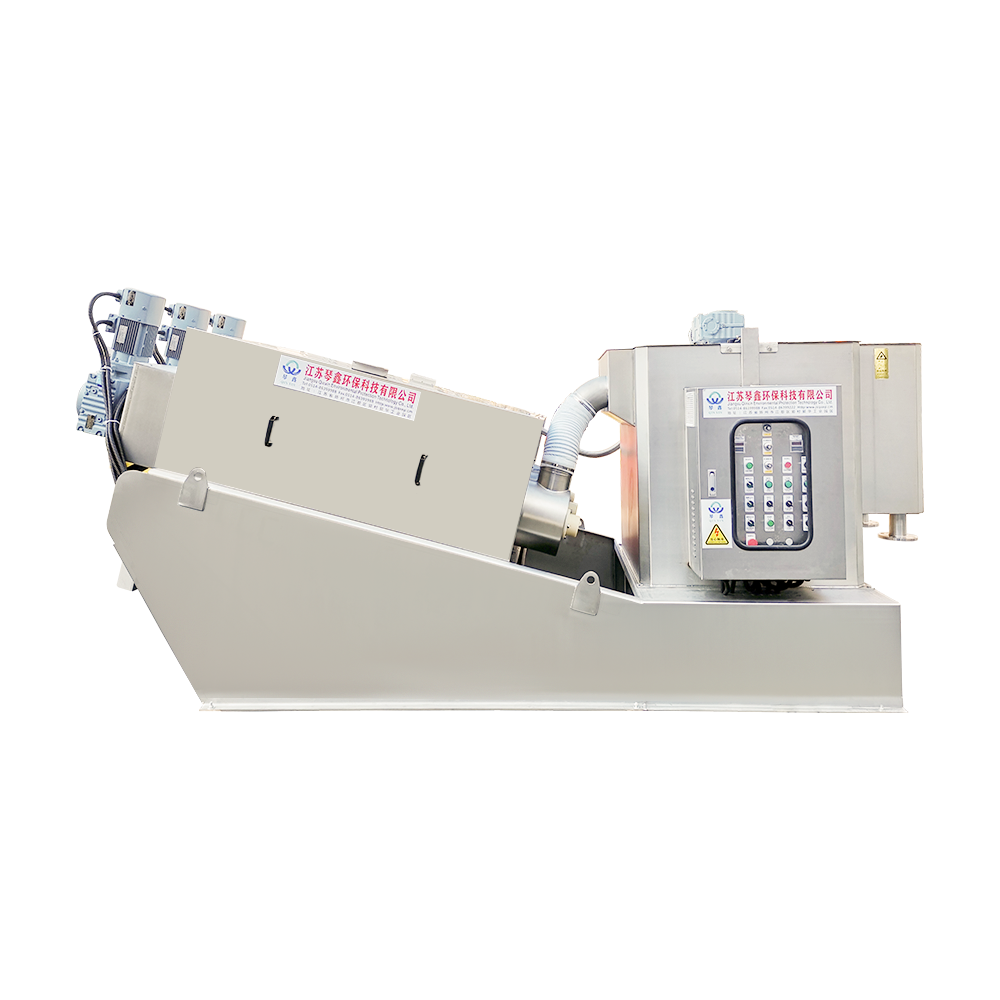
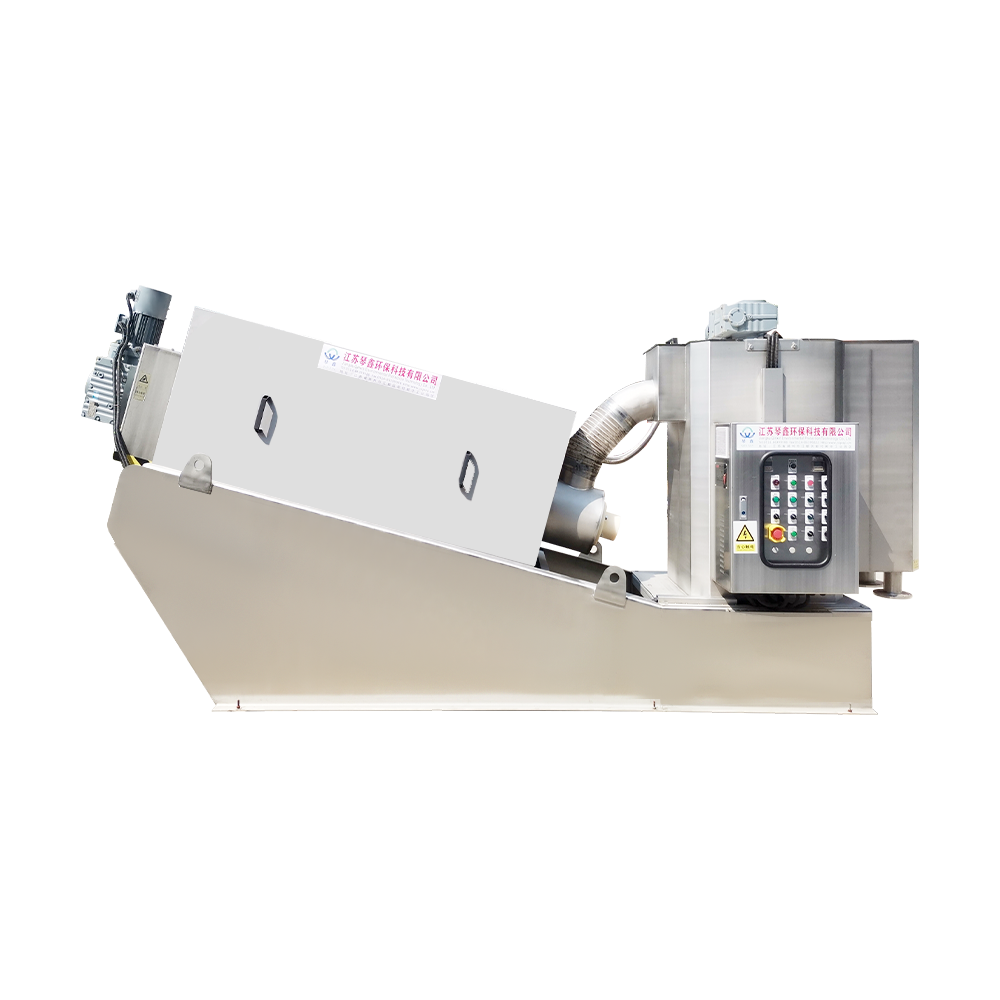
 Inclined Screen Solid-Liquid Separator QX-120T for WastewaterHandling up to 120 tons per hour, this inclined screen separator combines gravity and vibration to efficiently remove solids from high-load streams, reducing COD and BOD burden on downstream biological treatment while offering customizable screen apertures.View Product →
Operation and Maintenance Best Practices
A drum filter is mechanically simple, but its long-term reliability depends on a consistent maintenance routine. Five checks cover most of what can go wrong:
- Check backwash pressure and flow weekly; a drop in pressure usually indicates clogged spray nozzles.
- Inspect screen panels for tears, creasing, or weld failure; a damaged panel lets solids bypass the filter entirely.
- Monitor differential pressure across the drum; a steadily rising trend signals fouling or a failing backwash system.
- Lubricate drive bearings and shaft seals at the manufacturer's recommended intervals.
- Keep a simple log of solids load, effluent quality, and backwash frequency so that screen wear can be traced back to process changes.
Operators who follow these five points rarely face unexpected filter failure. When the feed changes — a new product line, a seasonal load, or a different chemical dose — re-examine the screen opening before any other part of the line, because the drum filter is the first process unit to feel the difference.
Every water treatment train has a bottleneck. In many plants, the bottleneck is not the biological reactor or the clarifier; it is the uncontrolled solids load arriving from upstream. A properly applied drum filter removes that surprise from the system. Start with your flow and solids profile, choose a screen opening that protects the next unit, and let continuous screening do the work. Your pumps, membranes, and dewatering equipment will last longer, and the entire line will meet its target more reliably.

 TOP