
 ENG
ENG
 English
 русский
 Español
 Tiếng Việt
 ไทย
ไทย
Article Directory
A food processing plant in the middle of a wastewater upgrade had a straightforward problem. After equalization, the stream still carried enough fruit fiber and pulp to strain their newly installed screw press within days. The solution was not a larger dewatering machine. It was a hydraulic screen solid-liquid separator placed ahead of the press, sized to remove the coarse fraction before it could cause harm.
The conclusion from that project still holds for most municipal and industrial plants: hydraulic screen solid-liquid separators are one of the most cost-effective first steps in wastewater pretreatment. They do not try to replace biological treatment or fine filtration. Instead, they remove the suspended solids, fiber, hair, and grit that would otherwise clog pumps, wear out screens, and increase polymer consumption downstream.
What a Hydraulic Screen Solid-Liquid Separator Does
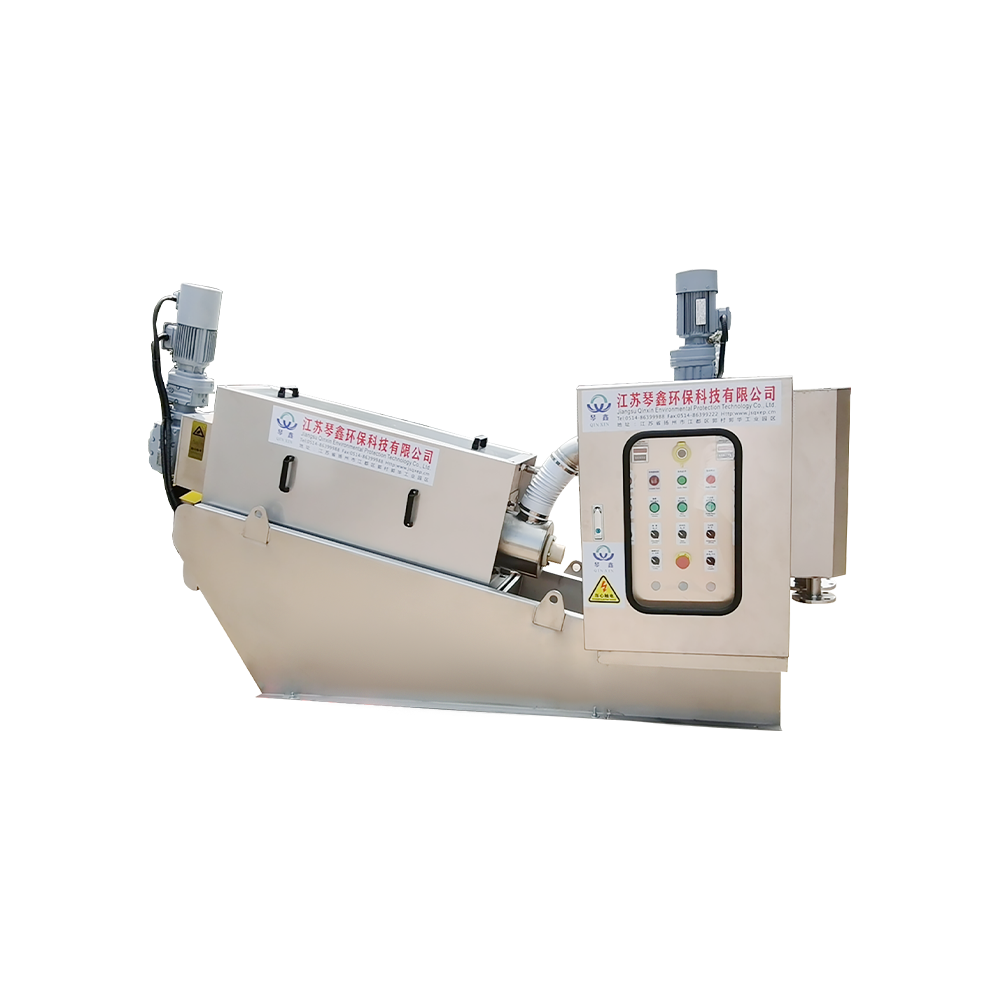
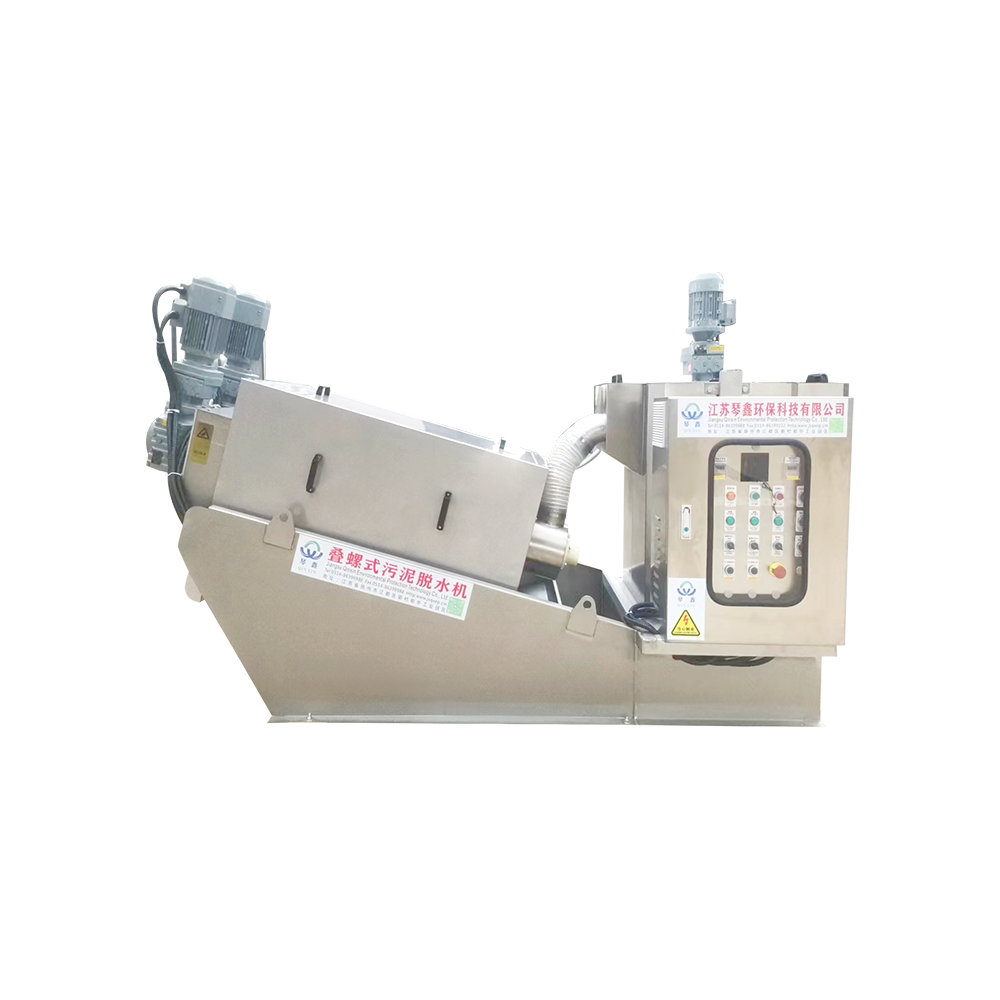
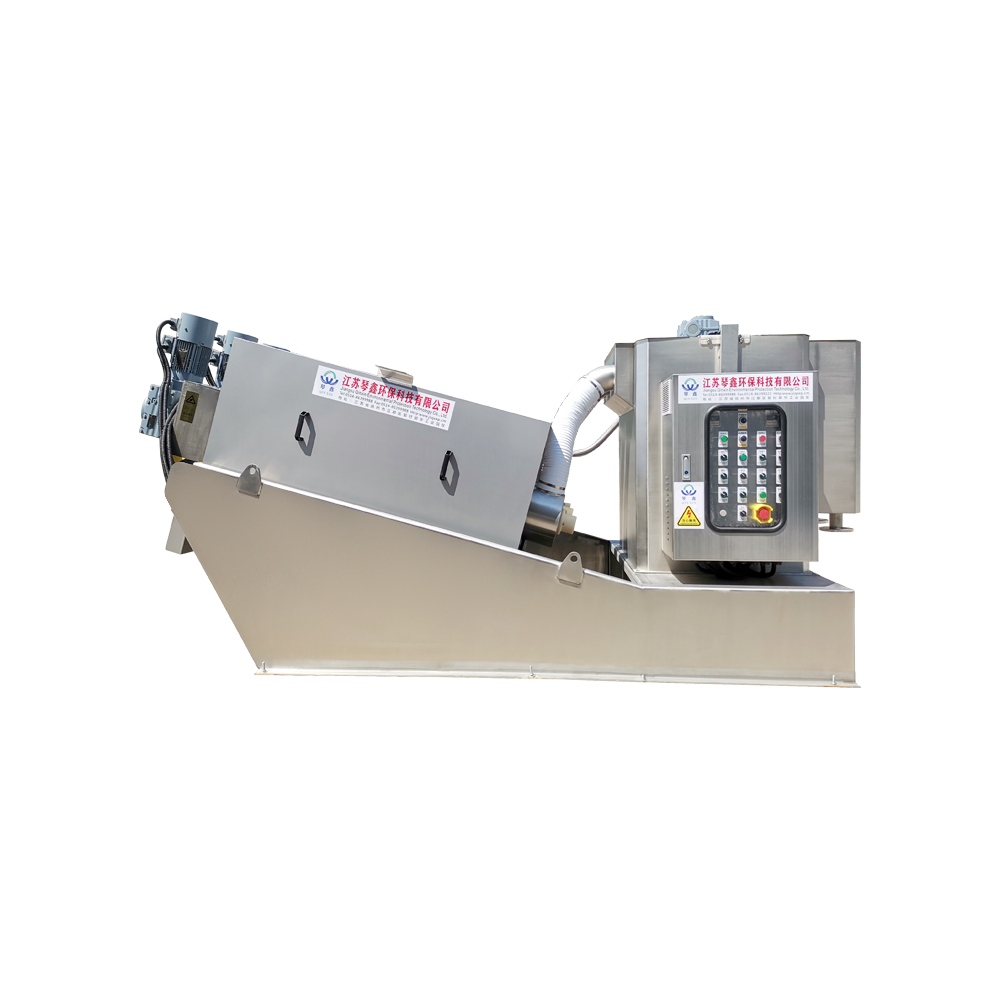
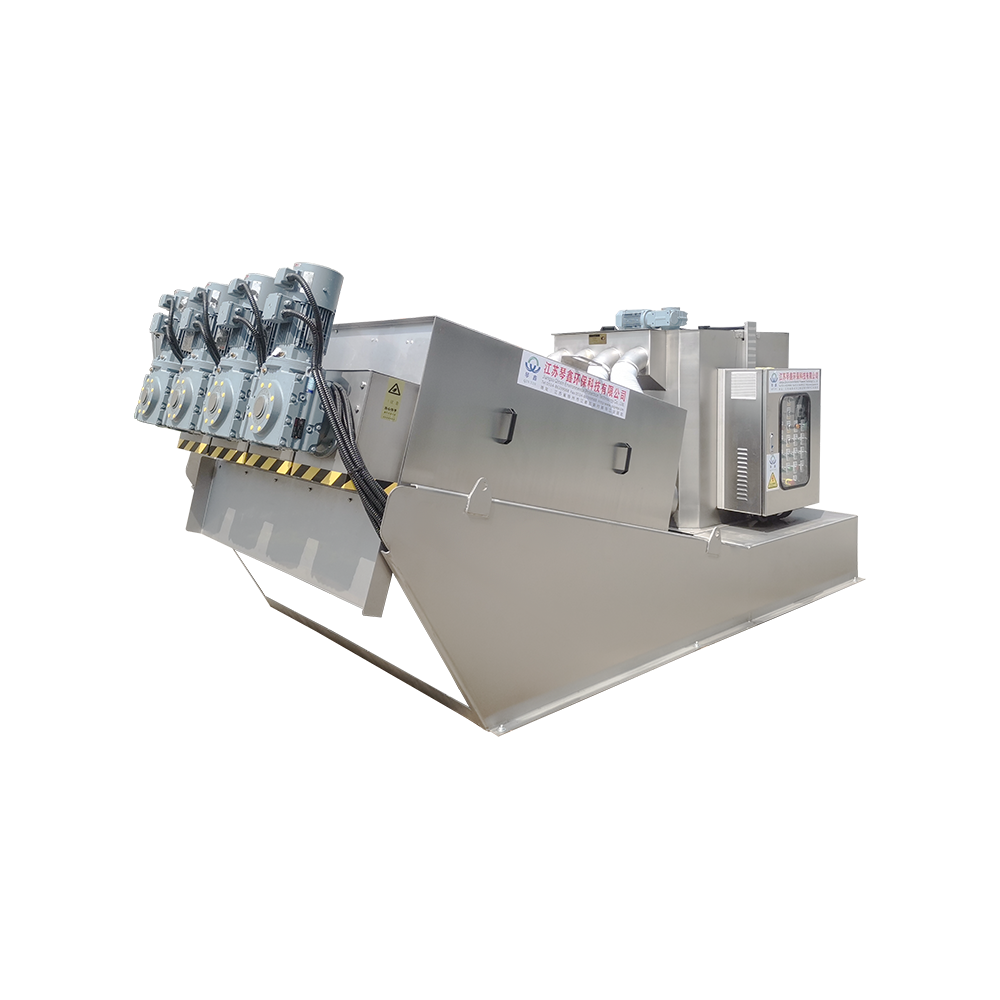
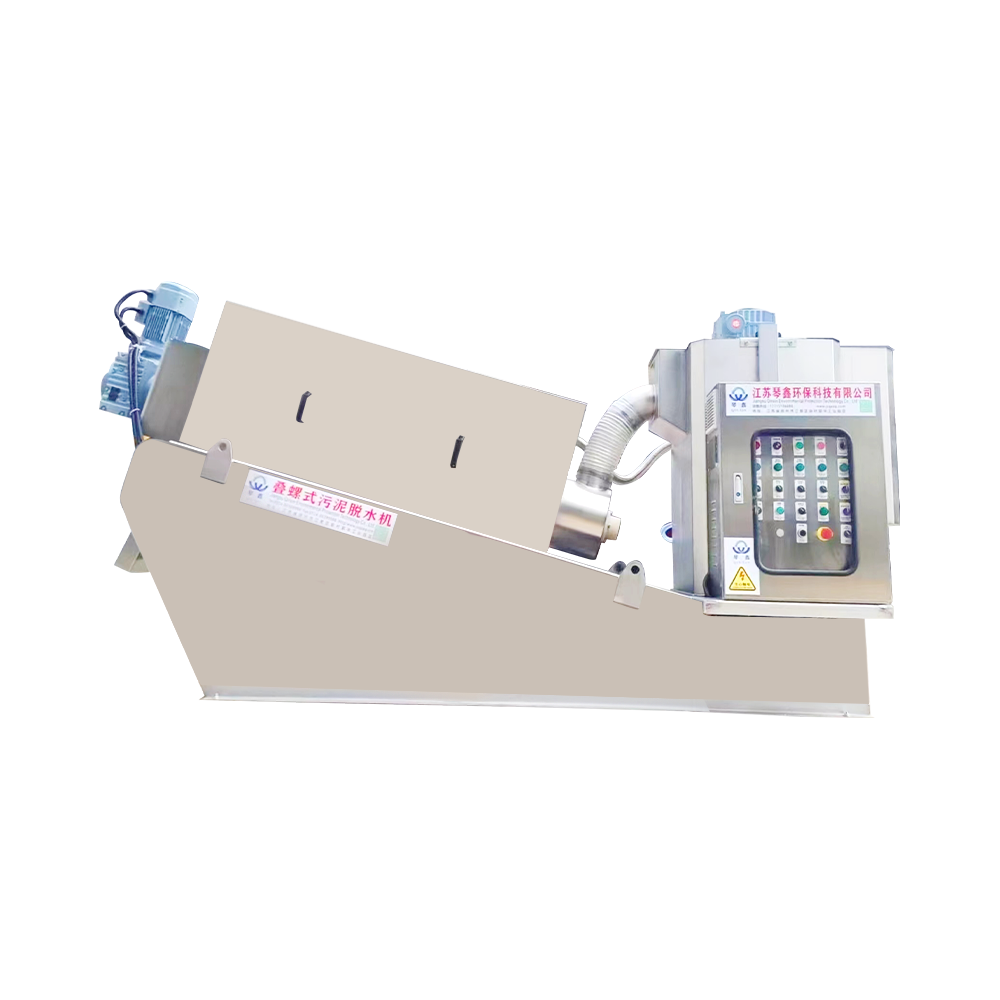
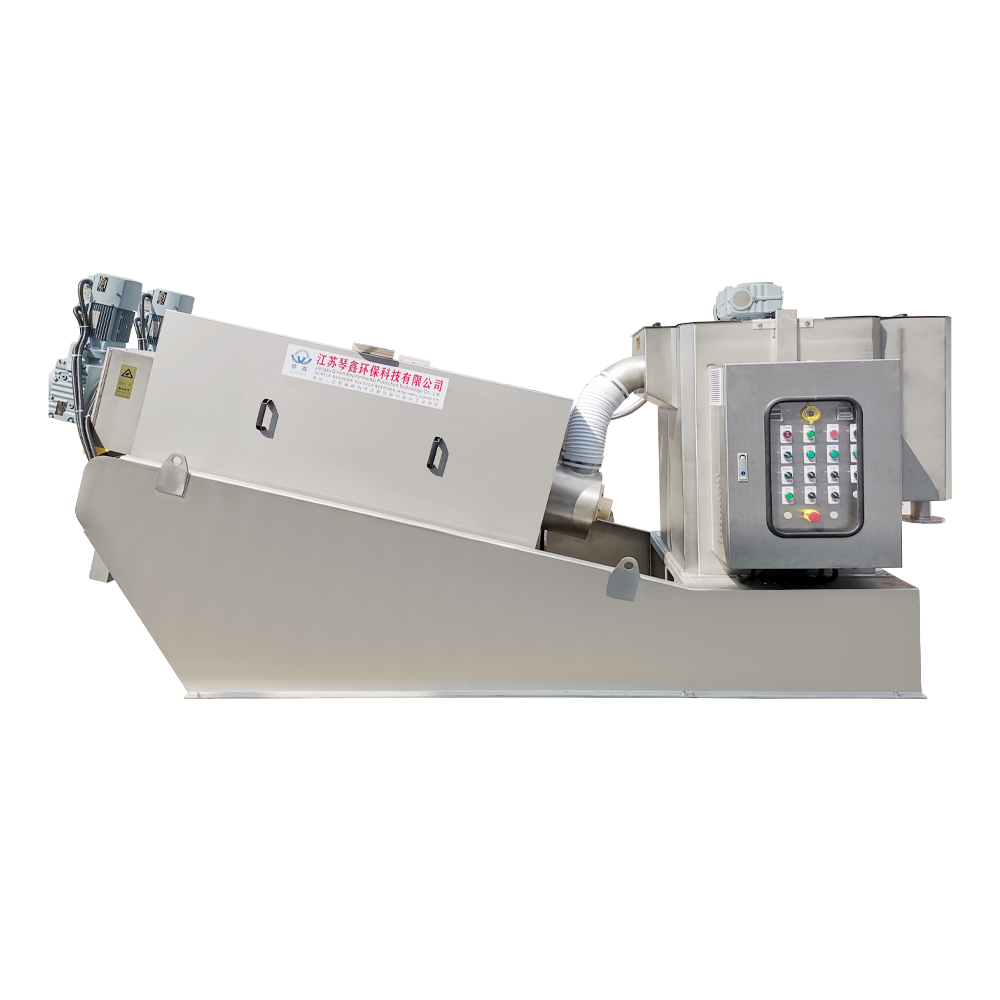
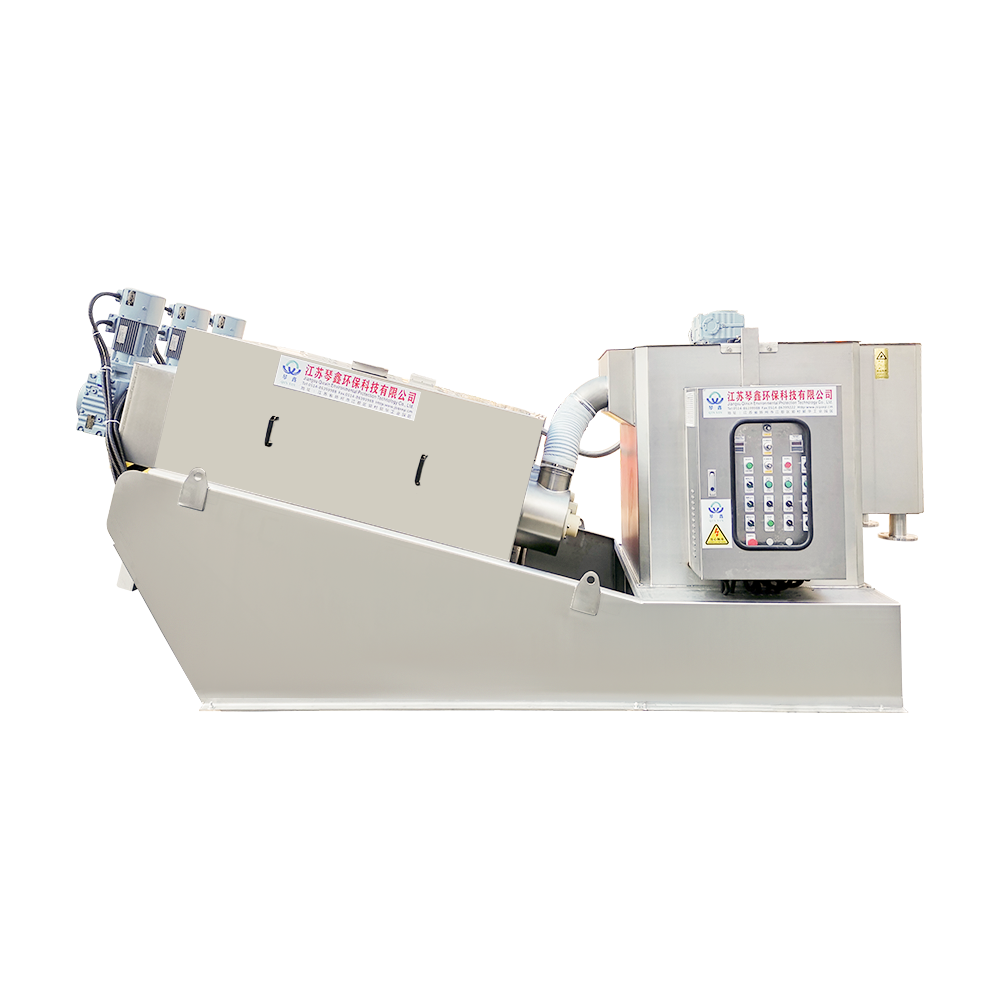
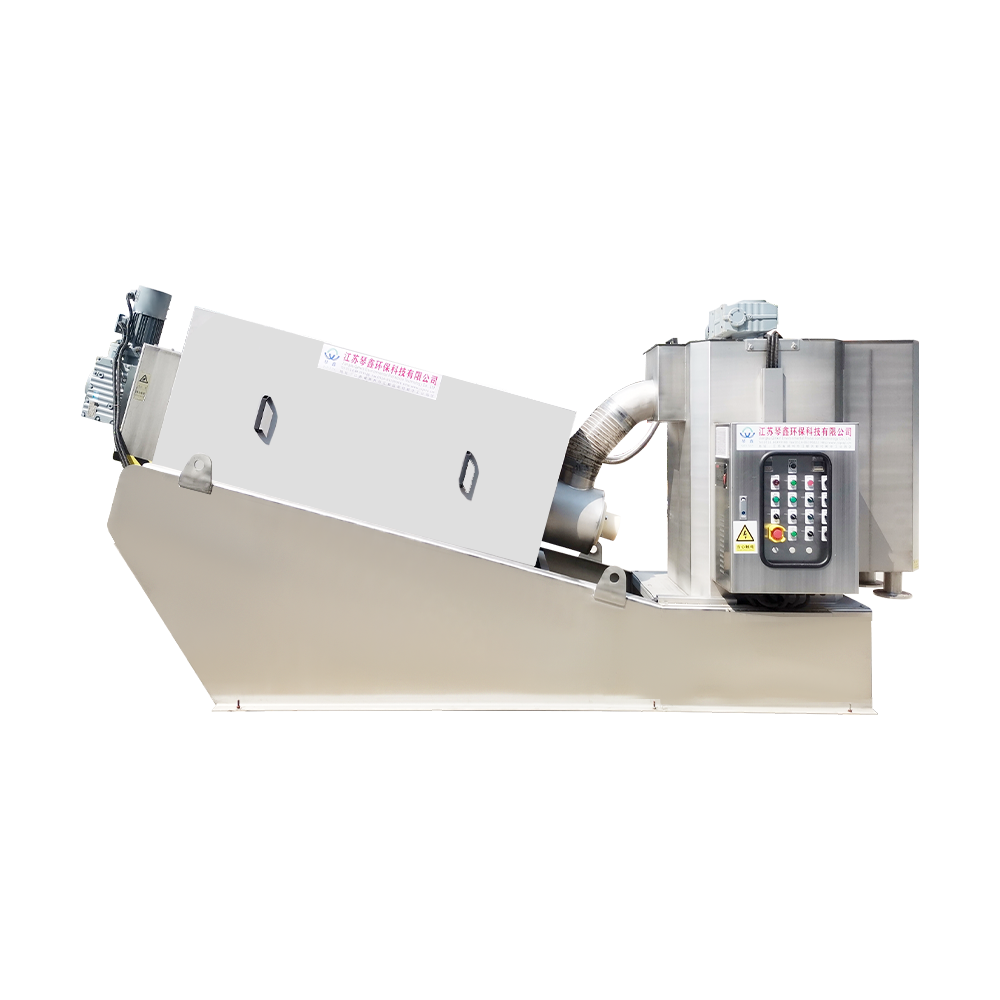
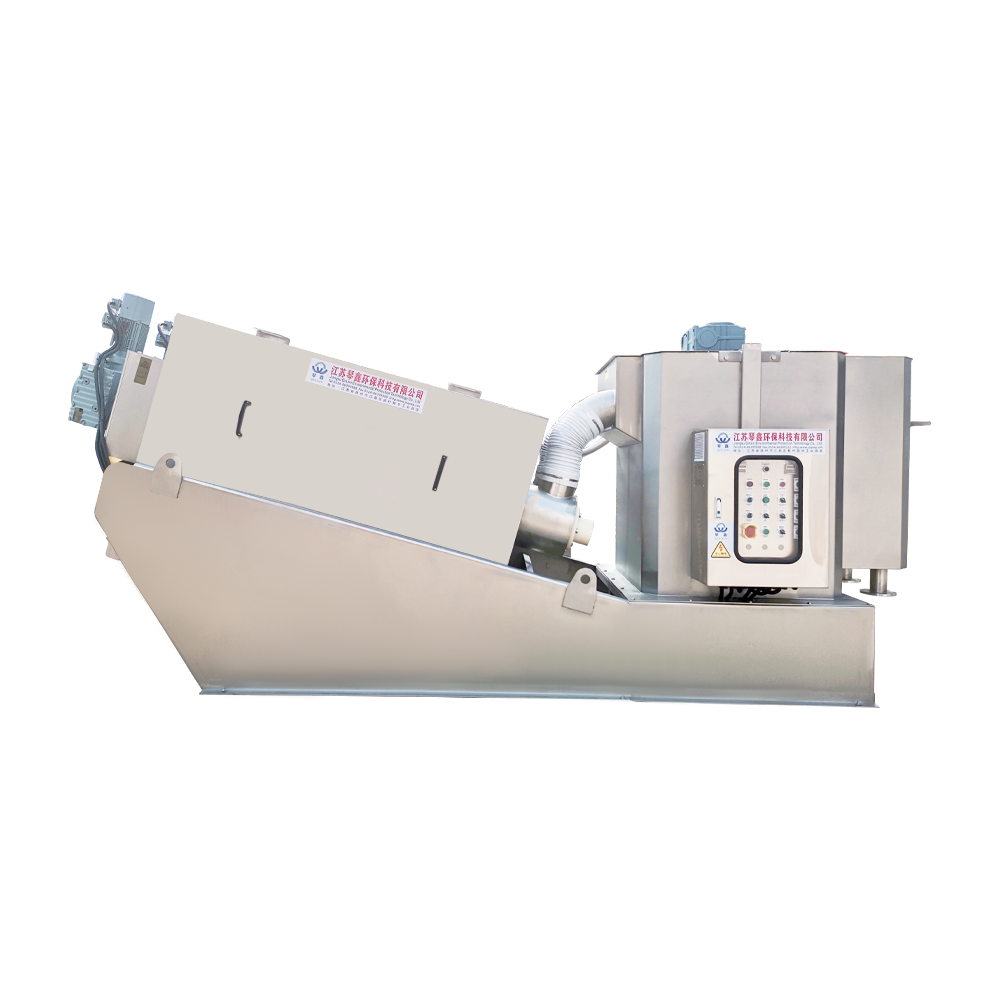
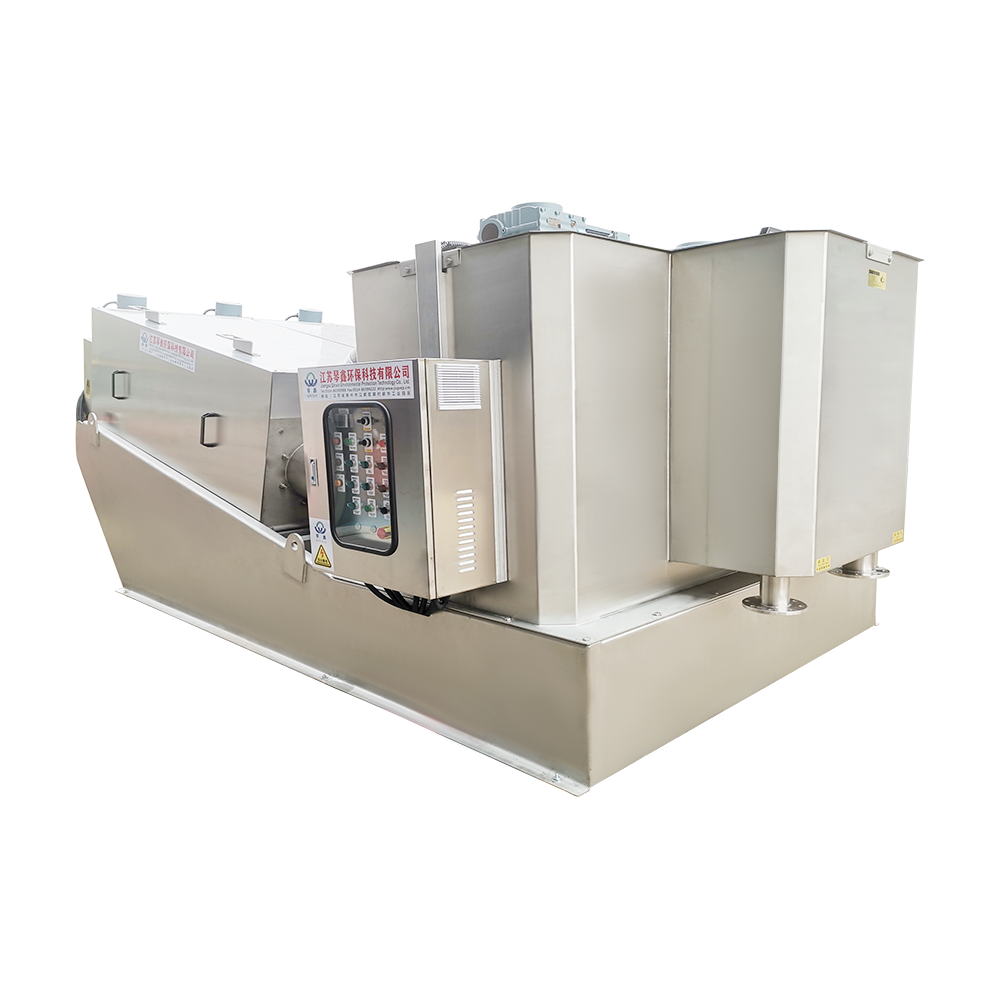
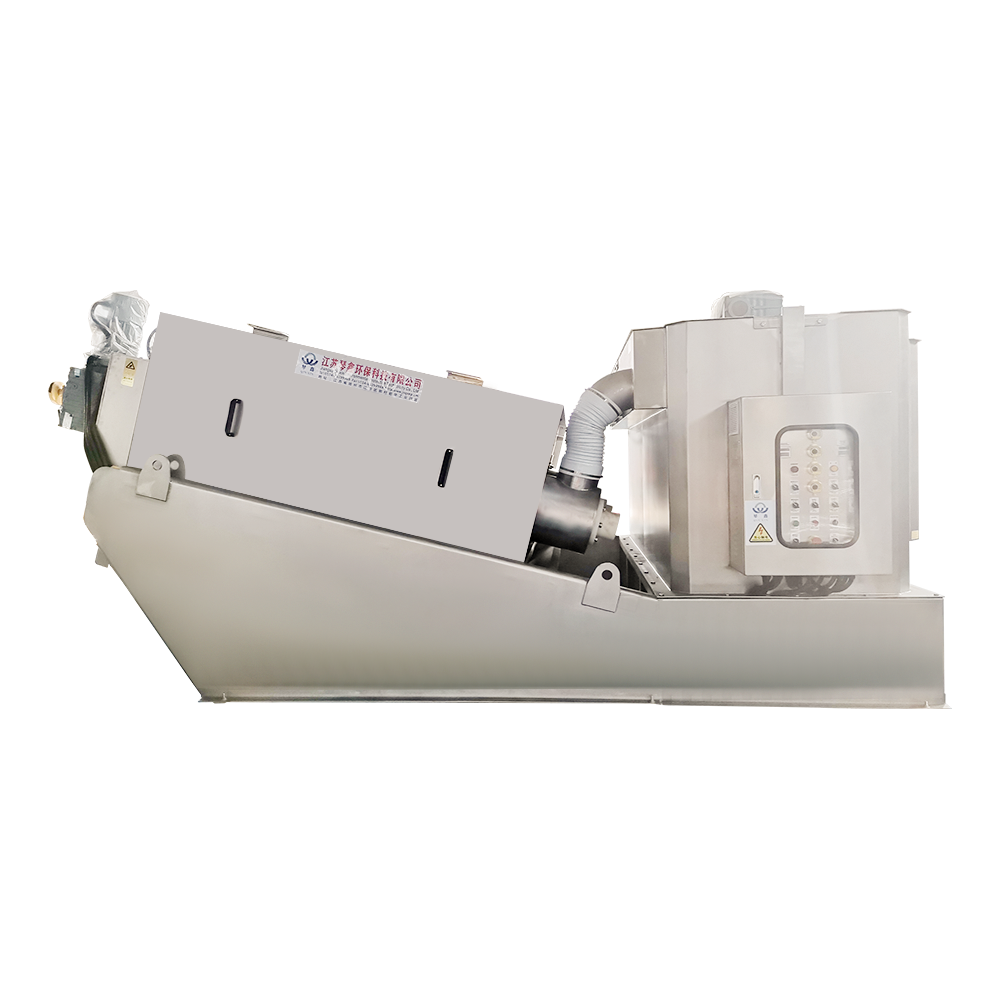
A hydraulic screen solid-liquid separator uses the hydraulic head of the incoming stream to push liquid through a wedge-wire or perforated screen, while solids are retained on the screen surface. In a screw-press-type configuration such as the QX60TS, the retained solids are carried forward by a slowly rotating screw, which also presses them lightly to reduce free water before discharge.
Unlike a simple static screen, which relies only on gravity and can blind quickly on greasy or fibrous streams, a hydraulic screen separator maintains controlled pressure on the media and clears the screen continuously. Compared with a belt press or centrifuge, it operates at very low energy and needs little or no polymer at this stage. That makes it a natural first defense in a multi-stage treatment train.
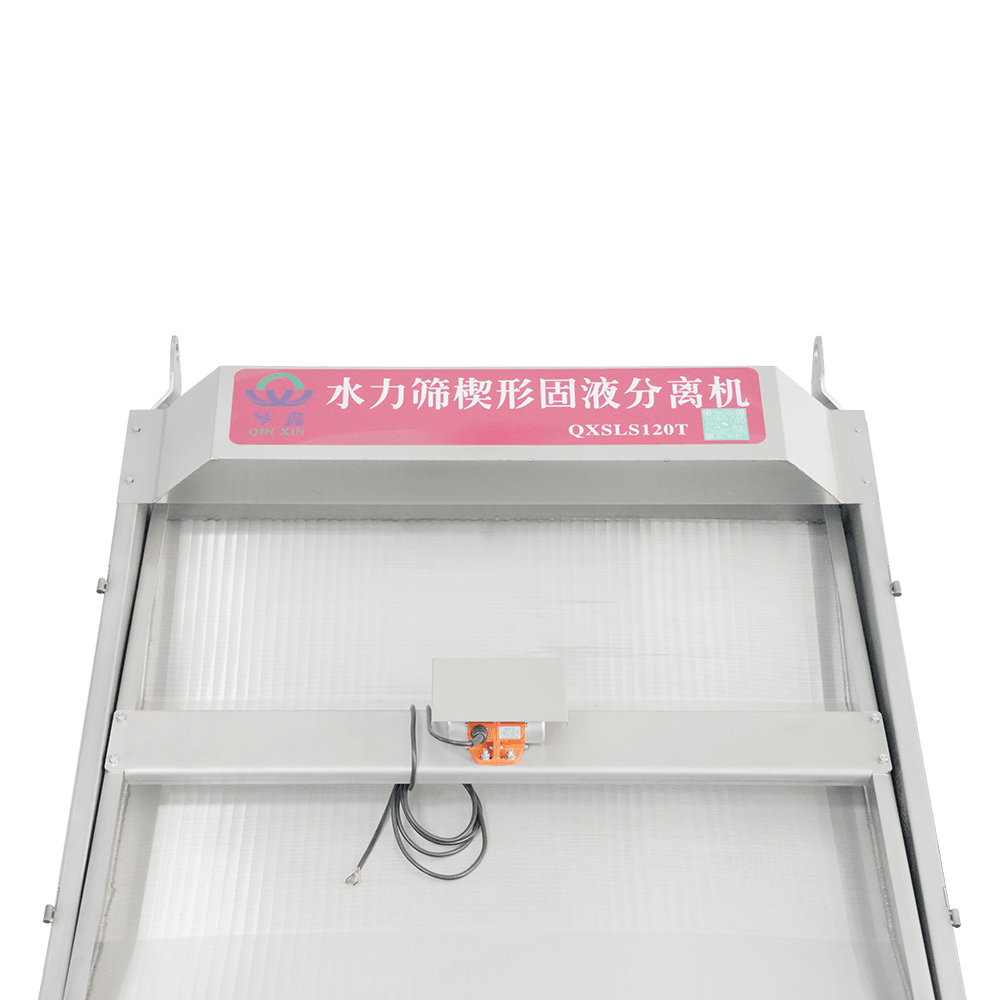 QXSLS-120T Inclined Screen Hydro-Cyclone Hydraulic Solid-Liquid SeparatorThis 120-ton-per-hour hydraulic separator combines inclined screening and hydrocyclone technology to remove suspended solids before biological treatment, reducing oxygen demand and sludge production with low energy use.View Product →
Why Wastewater Pretreatment Needs a Dedicated Separation Step
Biological treatment performs best when the incoming solids load is predictable. Every kilogram of suspended solids that reaches an aeration tank either consumes oxygen, adds to sludge production, or both. A hydraulic screen separator placed after primary settling or equalization removes this load before it reaches the biology.
The benefits show up in three areas:
- Protecting downstream equipment. Pumps, heat exchangers, membranes, and dewatering presses fail fastest when fiber and grit accumulate. Screening them out reduces downtime and repair bills.
- Cutting polymer use. Dewatering equipment runs more efficiently when the feed is free of coarse material, so less flocculant is wasted on fiber and grit.
- Stabilizing hydraulic and solids loading. The separator absorbs peak surges, which means downstream units do not have to be oversized for rare events.
For a broader look at how these machines fit into a complete wastewater train, see this overview of hydraulic screen separator applications in industrial and municipal systems.
Key Selection Criteria for a Hydraulic Screen Separator
Choosing the right machine depends on four numbers: screen opening, hydraulic loading rate, solids concentration, and the physical form of the solids. Getting these right at the design stage prevents most operating problems later.
Screen opening
Screen openings typically range from 0.25 mm to 2.0 mm. Coarse openings around 1.0-2.0 mm suit manure flush water, fruit and vegetable waste, and streams with a high rag content. Medium openings of 0.5-1.0 mm are common for municipal septage and food processing. Fine openings near 0.25-0.5 mm handle livestock wastewater and industrial streams where the objective is to minimize total suspended solids entering the biological stage.
Hydraulic loading rate
A separator is rated by the flow it can pass per square meter of screen area. As a rule of thumb, a self-cleaning wedge-wire screen can pass between 10 and 30 m3/m2/h for free-draining streams, but a stream with sticky solids can reduce that figure by half. Always size on the worst-case flow rate, not the average; an undersized screen becomes a bottleneck and an operator burden.
Solids form and materials of construction
Fibrous, free-draining solids are ideal for a hydraulic screen separator because they release water quickly and form a mat that helps trap finer particles. Gelatinous or high-fat solids can blind the screen; they may require a coarser opening, a different screen geometry, or an upstream conditioning step. For chemical and food applications, specify stainless steel (at least AISI 304, preferably 316) for the screen basket and all wetted parts.
Typical applications and expected performance
The values below are general engineering starting points; confirm them with a simple screen test on the actual stream.
| Application | Recommended opening | Typical feed solids | Expected capture |
|---|---|---|---|
| Food processing | 0.5-1.0 mm | 10-30 g/L | Seeds, fiber, and skins removed before the biological stage |
| Livestock wastewater | 0.25-0.5 mm | 15-50 g/L | Manure solids and bedding retained for dewatering |
| Municipal sludge and septage | 0.75-1.5 mm | 5-20 g/L | Rags, hair, and grit kept out of downstream units |
| Industrial pre-treatment | 0.5-1.0 mm | 2-15 g/L | Total suspended solids reduced before equalization or flotation |
Combining Hydraulic Screening with Polishing and Dewatering
A single hydraulic screen separator often is not the whole pretreatment story. Plants with strict discharge limits add a microscreen or hydrocyclone after the coarse screen. The inclined screen hydrocyclone separator, for example, combines inclined screening with hydrocyclonic separation to capture the finer fraction that passes the first stage.
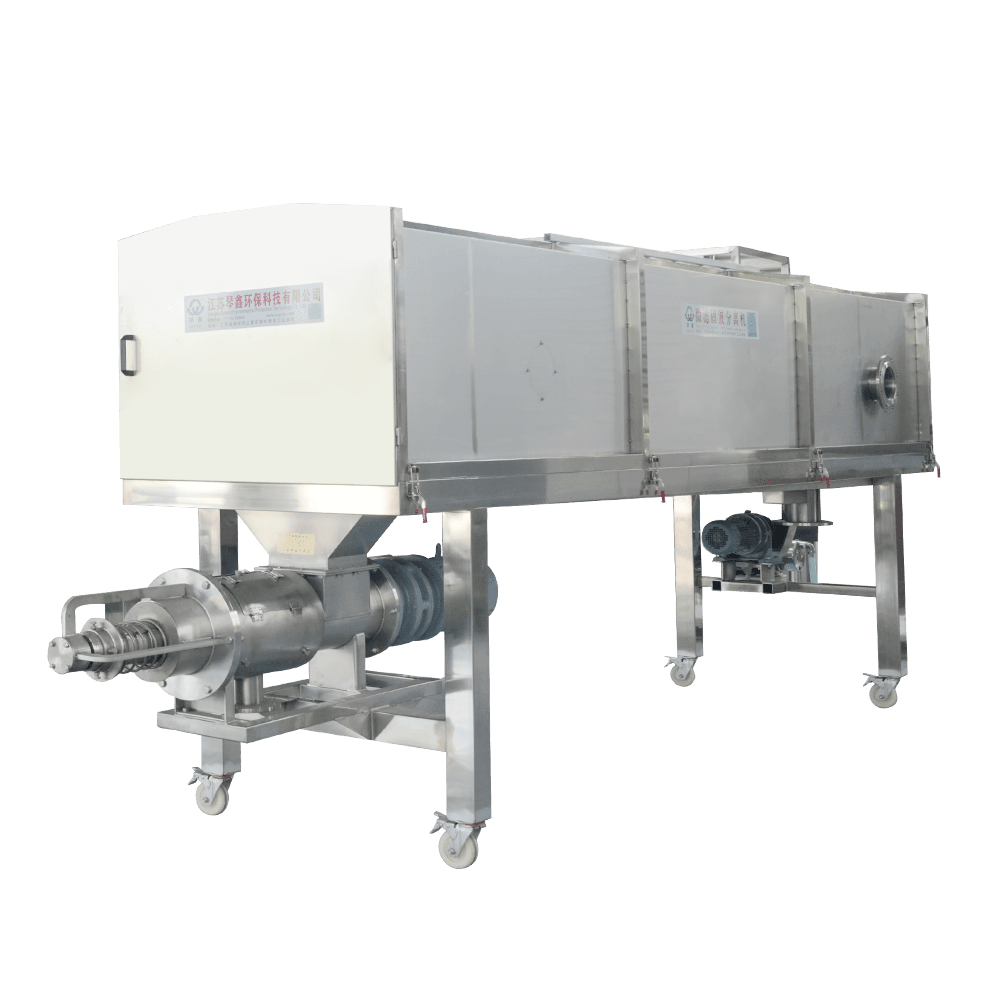 QXWL-800 Microfiltration Solid-Liquid Separator for Wastewater TreatmentThis compact microfiltration unit with precision membrane technology captures fine particles that pass coarse screens, delivering clear effluent suitable for reuse or discharge in electroplating, food, and pharmaceutical industries.View Product →
Once coarse and fine solids have been removed from the liquid, the retained sludge still needs volume reduction. A compact sludge dewatering separator dewaters the captured solids to a cake that is economical to haul and dispose of. This staging is what makes hydraulic screening attractive: the screen does the inexpensive work, a fine filter polishes, and a dewatering unit finishes the job.
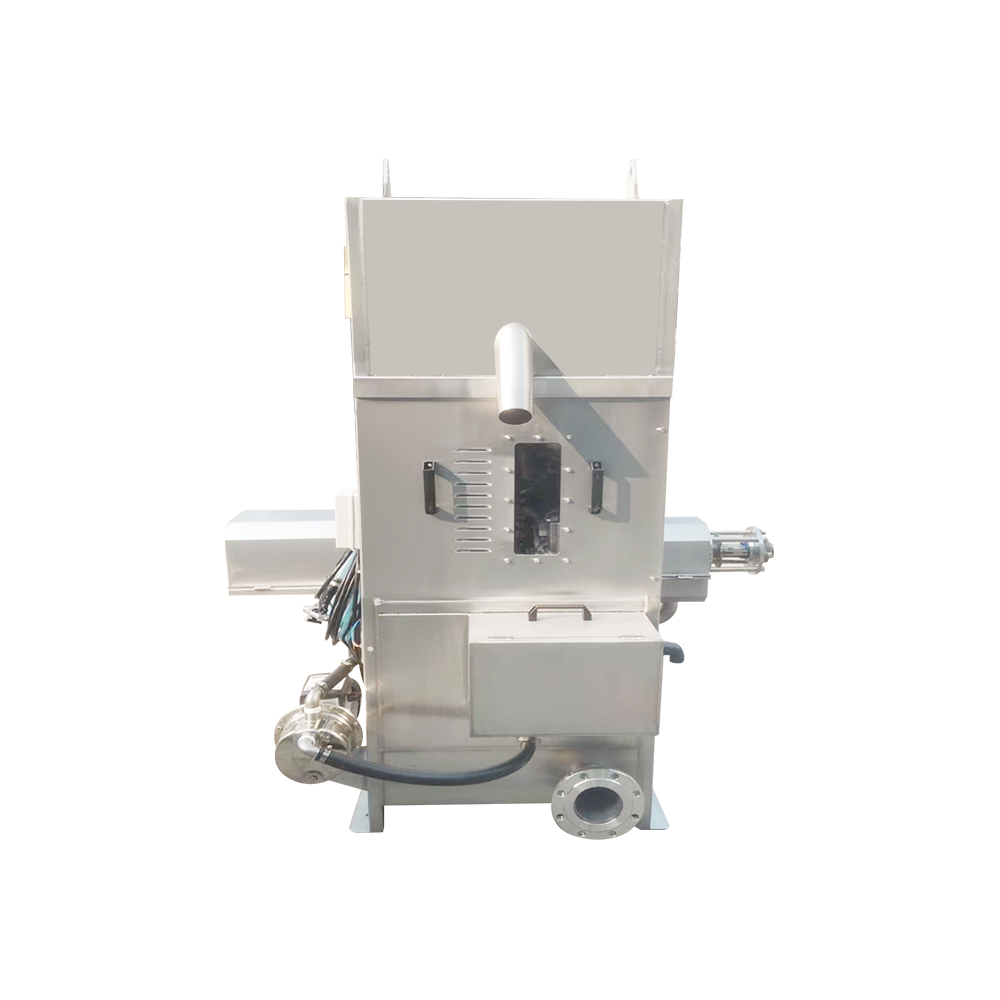 QX-60T Expression Press Solid-Liquid Separation Sludge SeparatorThis medium-capacity sludge dewatering press uses progressive compression to reduce sludge volume and moisture content, offering automated operation, low energy consumption, and durable stainless steel construction for industrial and municipal use.View Product →
Operating Costs and Maintenance
Operating a hydraulic screen solid-liquid separator is usually simpler and cheaper than running a belt press or centrifuge. The drive motor, where a screw is fitted, is often below 3 kW, and polymer demand at the screening stage is close to zero. The main attention points are the screen surface, the discharge seals, and the wash-water system.
- Screen cleaning. Flush the screen with clean water for 10-15 minutes per shift; greasy solids may require a hot-water rinse.
- Wear inspection. Check screen panels and screw flights quarterly on sandy streams, and replace them when the opening distorts or throughput drops.
- Clogging prevention. Keep rags and long fiber out of the feed pump, and install a chopper pump or strainer upstream if needed.
- Wash-water balance. Return screen wash water to the head of the plant so it does not overload the biological stage.
A typical municipal installation needs about one operator hour per day for the separator, which is far less than the time spent freeing a blinded belt press or rewinding a damaged centrifuge.
Bottom Line
Hydraulic screen solid-liquid separators earn their place in wastewater pretreatment by doing a dirty job cheaply. They protect biological treatment, cut chemical use, and keep high-value dewatering equipment running on clean, predictable feed. When sizing an installation, prioritize worst-case flow, match the screen opening to the actual solids, and build in a simple cleaning routine. That is the fastest route to a stable headworks.
Equipment choices, of course, depend on site conditions. A review of the hydraulic screen separator product line gives a useful starting point for capacity and configuration comparisons.

 TOP
TOP