
 ENG
ENG
 English
 русский
 Español
 Tiếng Việt
 ไทย
ไทย
Article Directory
- 1 What Makes a Screw Press System "Custom"?
- 2 Key Design Variables for Industrial Sludge
- 3 Materials of Construction: Getting the Metallurgy Right
- 4 Automation and Dosing Integration
- 5 Custom Systems for Industrial Wastewater
- 6 How to Choose a Custom Screw Press Manufacturer
- 7 Typical Customization Options for Industrial Screw Presses
- 8 Cost-Benefit Perspective on Customization
- 9 Key Takeaways for Specifying a Custom System
- 10 Conclusion
A chemical plant in Jiangsu needed to increase its dewatering capacity by 40 percent while cutting polymer consumption. A standard off-the-shelf screw press could not handle the abrasive solids in its wastewater stream. The solution came from a system configured for the plant's specific sludge characteristics: a custom wastewater screw press system with hardened components, a modified screen gap, and a dosing sequence tuned to the actual polymer dose response.
That is the difference between buying a machine and engineering a solution. For industrial applications, a custom wastewater screw press system is often the only reliable way to meet discharge limits, control operating costs, and keep the process stable across varying influent conditions. This article explains what "custom" actually means in this context, which design variables matter most, and how to make the right choices for your facility.
What Makes a Screw Press System "Custom"?
A truly custom wastewater screw press system starts with the sludge itself. The manufacturer adjusts the machine's geometry, materials, and control sequence to the solids'source, its particle size distribution, the expected solids concentration, and the level of grit or fiber content. This is quite different from selecting a standard model from a brochure and adapting your process to fit its limitations.
In practice, the following elements are typically modified:
- Screen gap and mesh size – adjusted to the particle size and the target cake dryness
- Shaft and spiral flight geometry – optimized for the sludge's viscosity and abrasiveness
- Materials of construction – chosen based on corrosion and wear risk
- Dosing and flocculation sequence – designed around the specific polymer, concentration, and mixing energy required
- Control logic – linked to feed pumps, sludge concentration, and filter press cycle times
Because the configuration decisions happen before the machine is built, the result usually runs at higher throughput, with less polymer, and with fewer blockages than a generic unit. For industrial operations where wastewater variability is high, that stability has a direct effect on the bottom line.
Key Design Variables for Industrial Sludge
Before approaching a manufacturer, you need clear data on your sludge. The following variables drive most of the design work.
Feed Solids Concentration and Consistency
Screw presses work best with a minimum feed solids concentration, typically between 10,000 and 30,000 mg/L for municipal sludge. Industrial sludges, especially those from batch processes, can fluctuate widely. A custom system should include a buffer tank or a blend strategy to smooth out these peaks. Without that, the press will either run underloaded or overloaded, and cake quality will suffer.
Particle Size and Abrasiveness
Sludge containing sand, metal fines, or crystallized salts wears down the screen and the spiral flights much faster than organic sludge. For these streams, the manufacturer needs to specify hardened stainless steel, a thicker screen, or a replaceable wear lining. A custom system can also include a grit removal step before the press, reducing wear and extending the life of the dewatering equipment.
Target Cake Dryness and Volume Reduction
The required cake dryness depends on your disposal route. If the cake goes to an incinerator, you want 28 to 35 percent dry solids to reduce fuel costs. If it goes to a landfill, 25 percent may be enough. A custom screw press can be tuned for higher dryness by modifying the back-pressure control and the flight pitch in the dewatering zone, but this usually means lower throughput. The trade-off has to be discussed with the manufacturer upfront.
For a deeper look at how sludge characteristics affect screw press performance in industrial environments, this guide to screw press adaptability for industrial sludge covers the relevant details.
Materials of Construction: Getting the Metallurgy Right
Material selection is one of the most common sources of failure in industrial wastewater screw presses. A standard unit built with SS304 may look identical to one built with SS316L, but the two machines will have very different service lives in a corrosive environment.
For most industrial applications, SS316L is the safer baseline. It resists chlorides, organic acids, and many chemical cleaning agents. For highly abrasive streams or where chloride levels exceed about 1,000 ppm, a higher-grade stainless steel such as SS904L or a duplex grade may be justified. The same applies to the screen, the spiral flights, and the back-pressure plate.
The custom wastewater screw press system should also specify the sealing arrangement, the bearing type, and the materials of the polymer preparation and dosing tank. In food, dairy, or pharmaceutical plants, the hygienic design matters as much as the metallurgy: smooth welds, no dead legs, and easy access for cleaning are all part of a food-grade screw press configuration. A related discussion of food-grade horizontal screw dewatering design clarifies the typical requirements in regulated industries.
Automation and Dosing Integration
In most industrial plants, the screw press does not operate by itself. It is part of a larger process that includes a collection sump, a transfer pump, a polymer preparation unit, and a control system. A custom configuration aligns the press controls with the rest of the line.
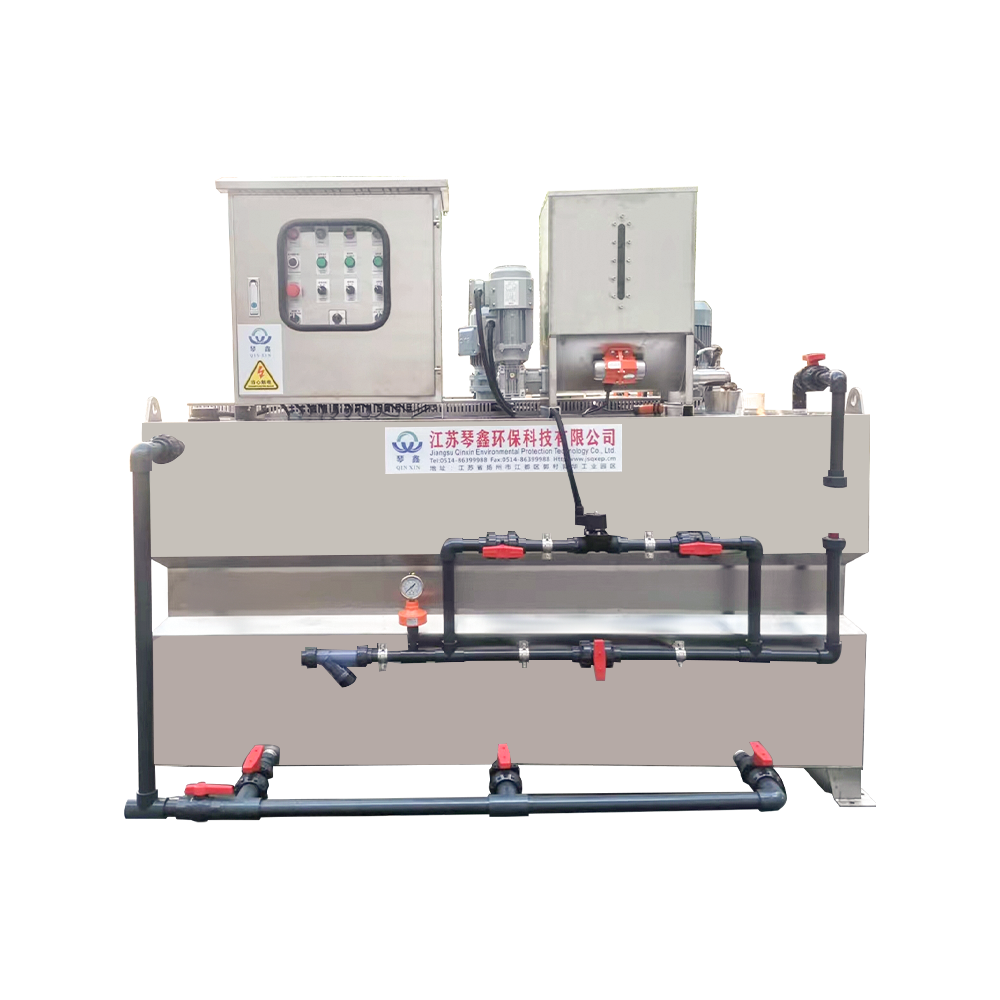
The most important integration point is the polymer dosing system. The dose rate should follow the incoming sludge flow and its solids concentration. If the feed concentration varies significantly, a fixed dose rate will cause either flocculation failure or wasted polymer. A custom system can automate this with a concentration sensor upstream and a variable frequency drive on the dosing pump.
When the effluent quality target is strict, the control logic should also respond to turbidity in the filtrate, adjusting the polymer dose or the screw speed before the cake quality starts to degrade. This kind of closed-loop control reduces operator attention and yields more consistent results.
For facilities that need to minimize chemical costs, the right approach is to match the dosing control with the actual polymer consumption on a per-ton basis, instead of assuming a fixed dose. This guide to operating cost analysis for screw presses shows a useful calculation framework.
Custom Systems for Industrial Wastewater
Some industrial waste streams require particular care because of their chemical composition, temperature, or tendency to foam. The following are typical scenarios where a custom screw press system is justified.
Chemical and Pharmaceutical Wastewater
Chemical wastewater often contains mixed solvents, suspended solids that are hard to flocculate, and abrasive particles. A standard screw press will struggle if the sludge does not form stable floes. The custom solution usually includes a dedicated flocculation reactor with a longer mixing time, a slow-speed paddle to avoid floc shear, and a screen gap sized for the fine particles. The dosage and mixing parameters have to be tested with the actual sludge before confirming the design.
Food and Beverage Wastewater
Food and dairy streams are typically high in fats, oils, and grease, which coat the screen and reduce dewatering efficiency. The sludge temperature may also be higher than in municipal treatment, affecting polymer performance. A custom system for these applications should include a heating or cooling strategy, a screen with a larger open area, and materials that can handle regular wash-down with hot water and caustic cleaners.
Printing, Dyeing, and Textile Mills
Textile wastewater solids are often fibrous, colored, and chemically complex. The fibers tend to align and clog the screen openings over time. A custom screw press for this application usually has a modified screen profile, a slower rotation speed, and a higher motor torque to manage the fibrous mat. A continuous wash system is also recommended to keep the screen open.
How to Choose a Custom Screw Press Manufacturer
The quality of your custom wastewater screw press system depends almost entirely on the manufacturer's ability to understand your sludge and translate that understanding into a reliable machine. Several criteria should guide your selection.
| Criterion | What to Check | Why It Matters |
|---|---|---|
| Application experience | Ask for references in your industry, not just in general wastewater treatment | Relevant experience reduces commissioning risks and avoids design iterations |
| Customization capability | Check whether the manufacturer offers material upgrades, geometry changes, and control customization | If the supplier only offers standard models, the "custom" claim is marketing rather than engineering |
| Testing and piloting | Confirm whether sludge testing or a pilot trial is included before final design | Actual sludge performance cannot be reliably predicted from a data sheet |
| Documentation | Request a detailed design document with P&ID, material certifications, and component brands | Complete documentation supports maintenance, troubleshooting, and future upgrades |
| After-sales support | Clarify response times, spare parts availability, and whether service engineers can visit your site | Dehydration equipment that stops running causes costly downtime in the whole treatment line |
You should also examine the manufacturer's track record in building related equipment, such as high-frequency vibrating dewatering machines, which can be a useful pre-treatment step before the screw press.
Typical Customization Options for Industrial Screw Presses
The following table lists the most common customization options adopted in industrial wastewater screw press projects, with their typical range of variation.
| Component / Parameter | Standard Range | Customization Direction |
|---|---|---|
| Screen material | SS304 | SS316L, SS904L, or special wear-resistant alloy for high chlorides or high abrasion |
| Screen gap | 0.2 – 0.5 mm | Larger gap for fibrous sludge; smaller gap for fine, inert particles |
| Spiral shaft speed | 2 – 5 rpm | Reduced speed for high-consistency sludge; increased torque capacity for thick streams |
| Back-pressure plate | Manual adjustment | Auto-adjusting or spring-assisted system to maintain stable cake dryness |
| Polymer dosing system | Fixed flow proportional | Closed-loop control based on feed concentration and filtrate turbidity |
| Material of structural frame | Carbon steel with coating | Full stainless steel frame for aggressive environments or hygienic requirements |
The right customization level depends on your risk tolerance and available budget. A small number of targeted changes, such as upgrading the screen and the polymer control, often bring the biggest operational benefits.
Cost-Benefit Perspective on Customization
Custom wastewater screw press systems cost more than standard models, but the premium is typically a modest percentage of the total installed cost. In exchange, you gain:
- Lower polymer consumption – a properly tuned dosing system can reduce chemical costs by 15 to 30 percent
- Higher cake dryness – each additional percentage point of dryness lowers disposal weight and transport cost
- Longer equipment life – using the right materials avoids premature corrosion and wear failures
- Reduced operator oversight – control integration reduces manual adjustments and unplanned interventions
For facilities that run continuous processes, the payback period for a well-designed custom system is usually under two years. The savings come from stable operation and lower consumables, not from a lower purchase price.
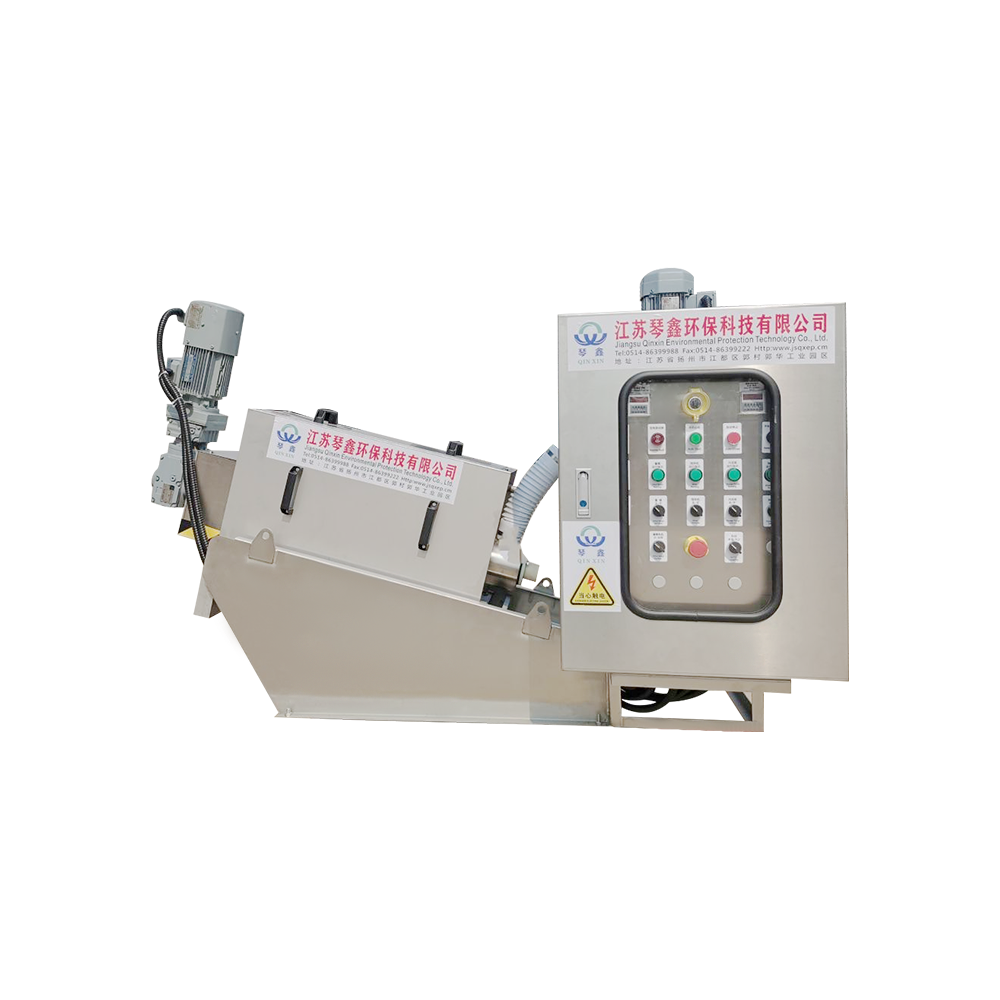
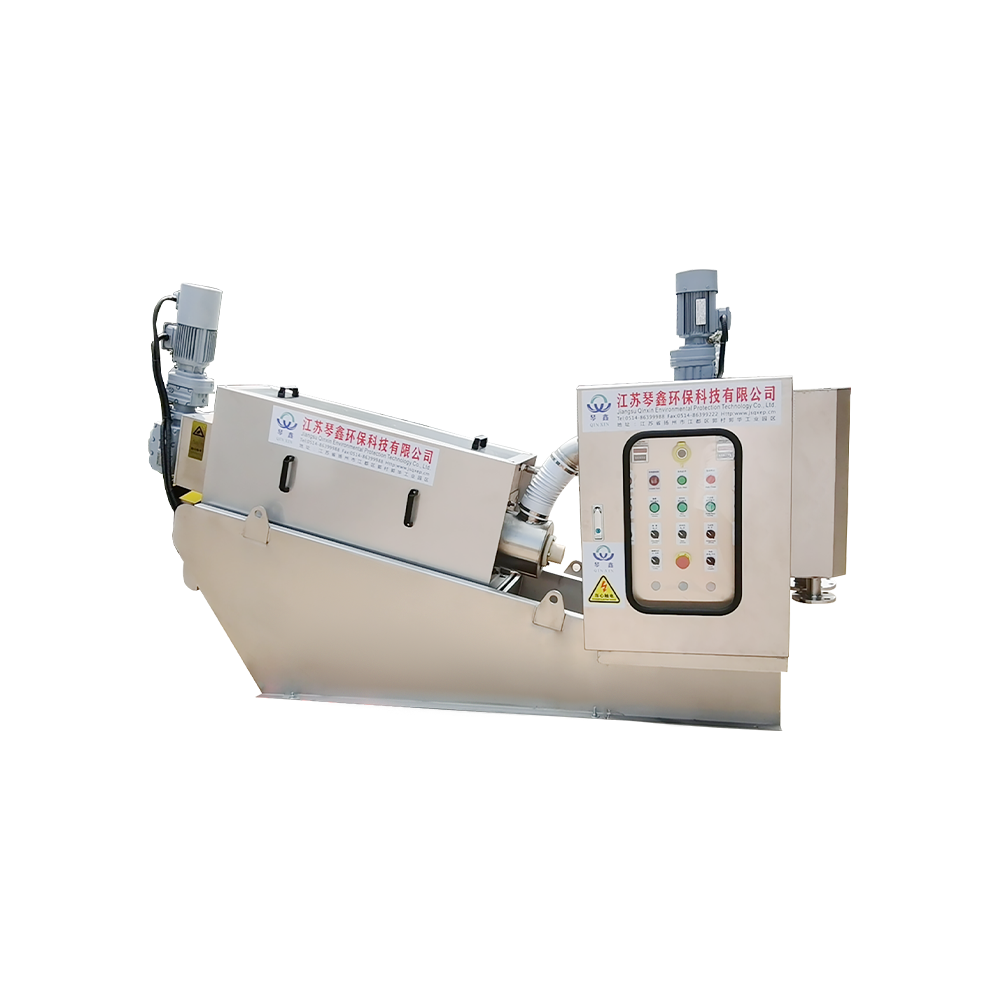
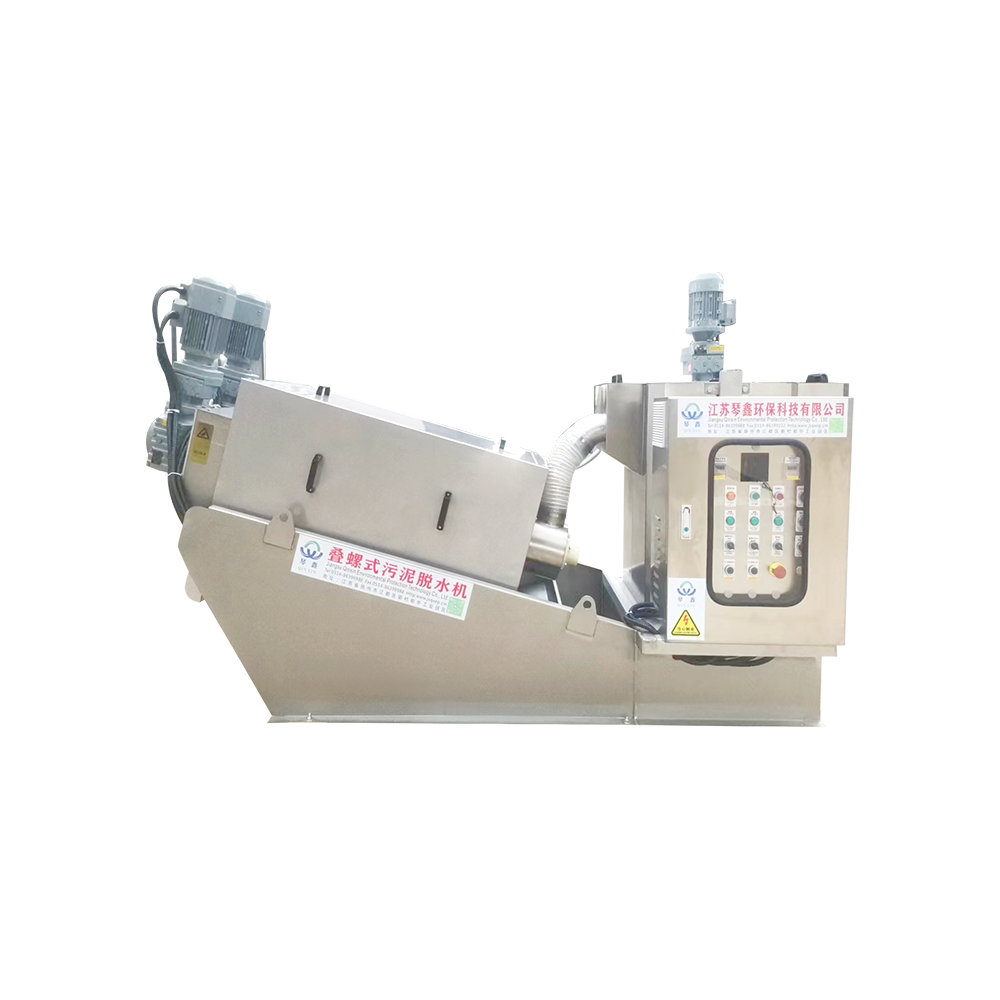
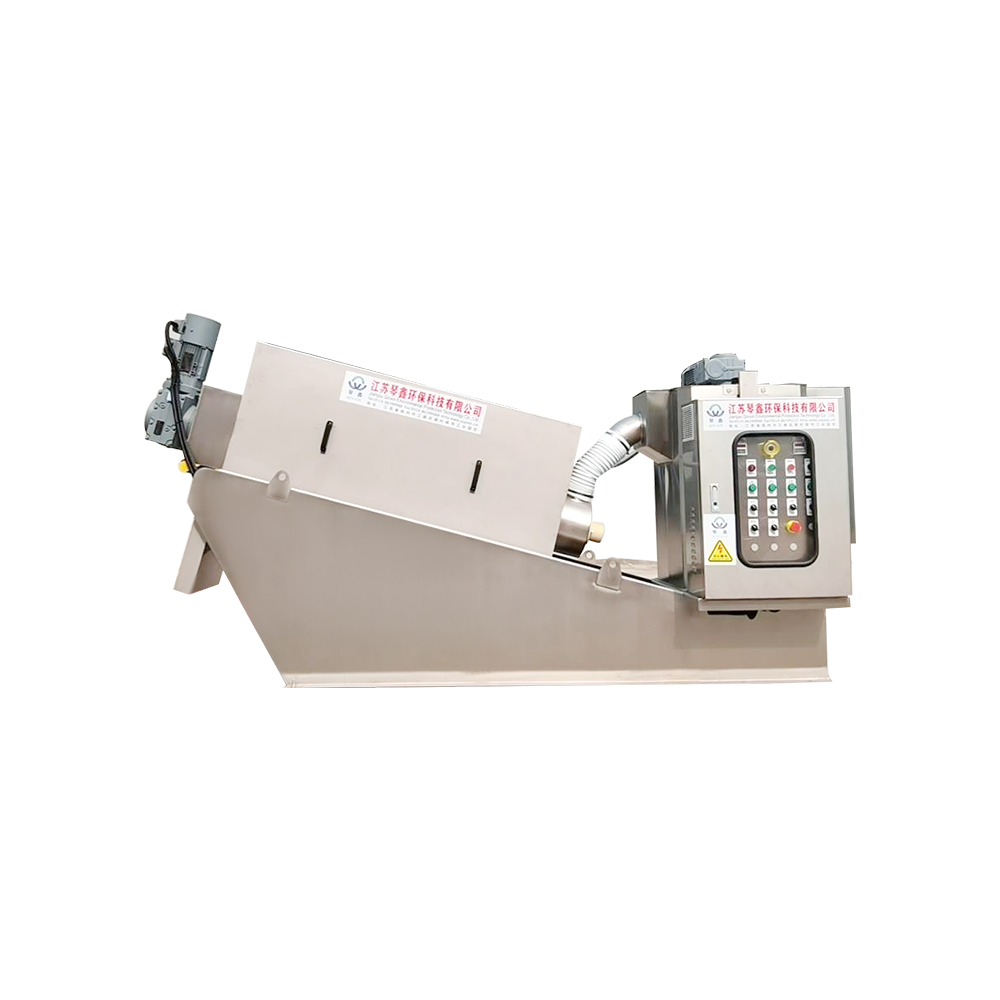
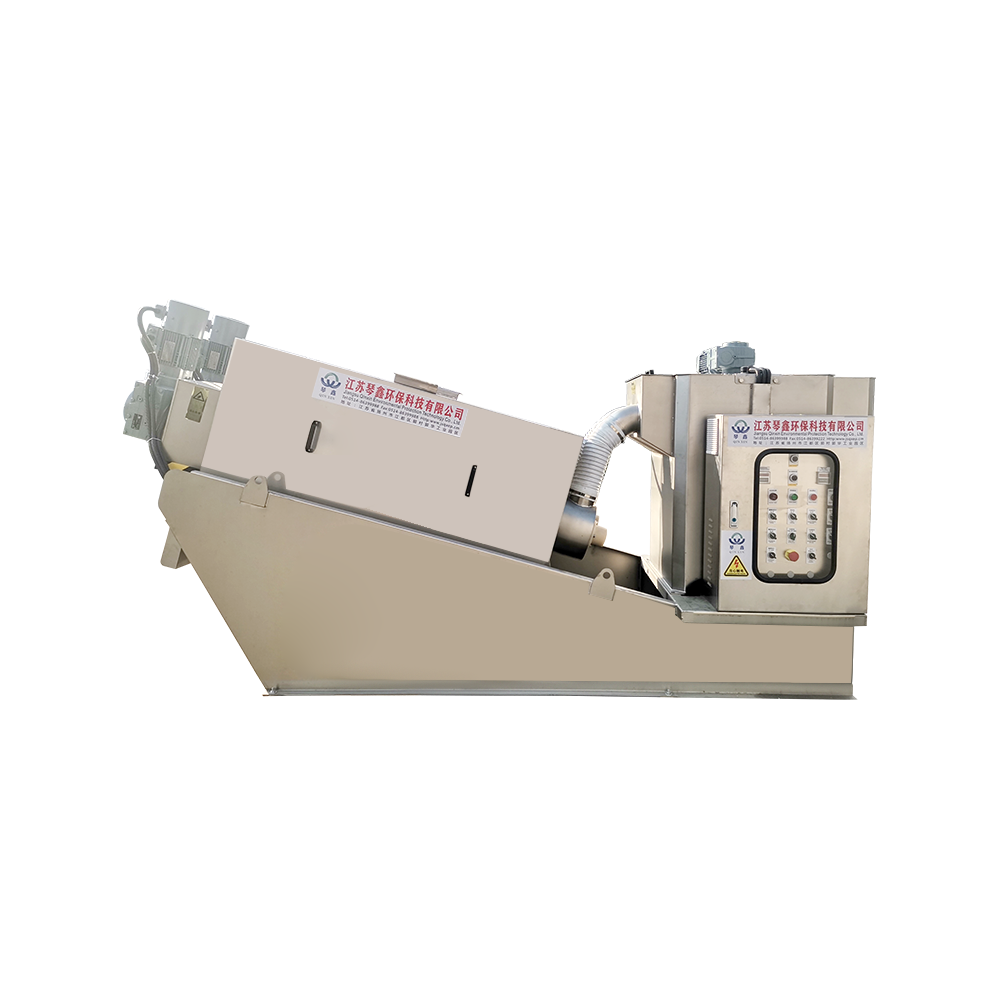
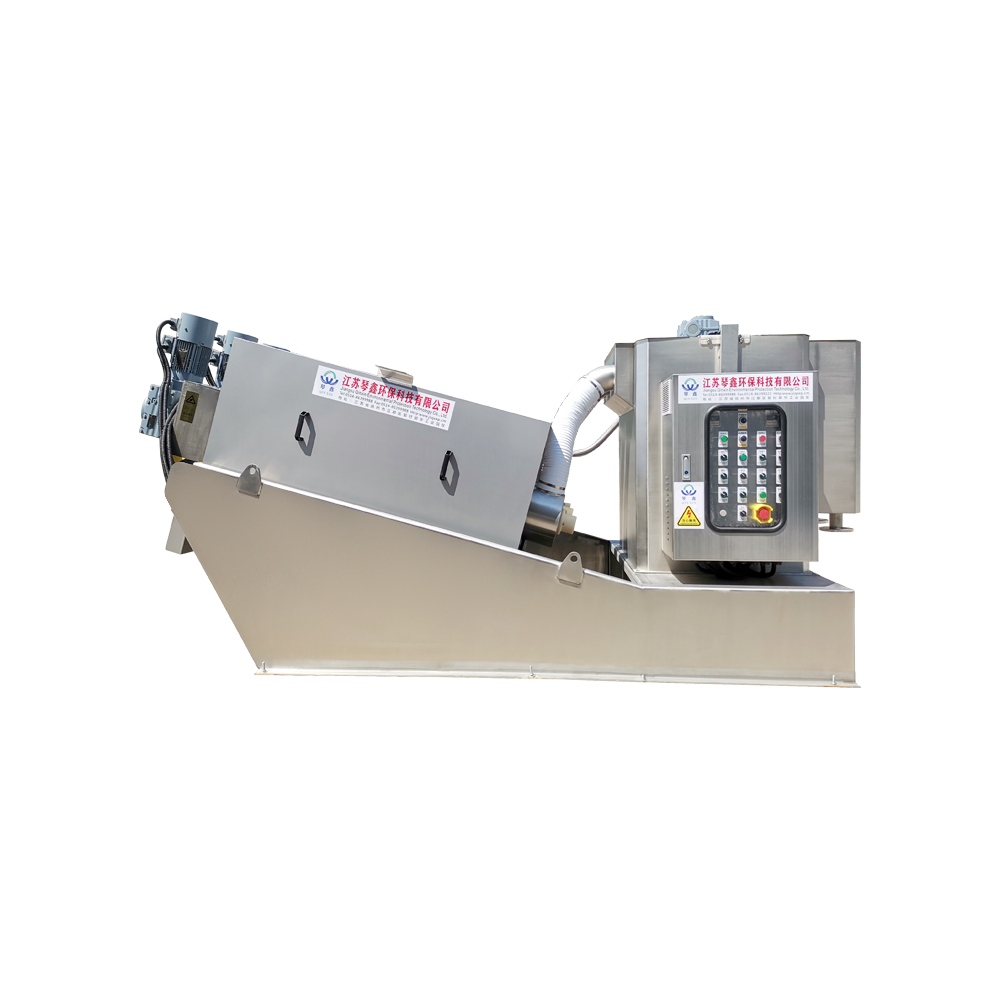
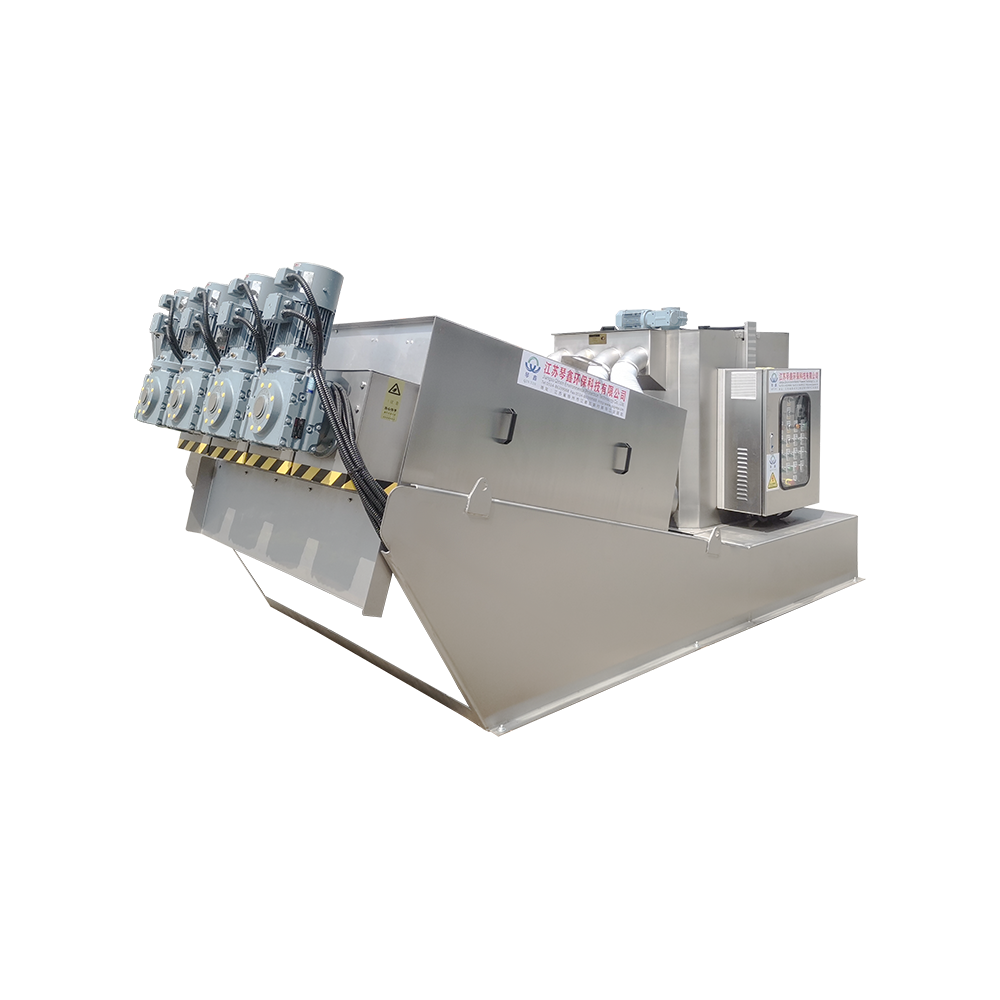
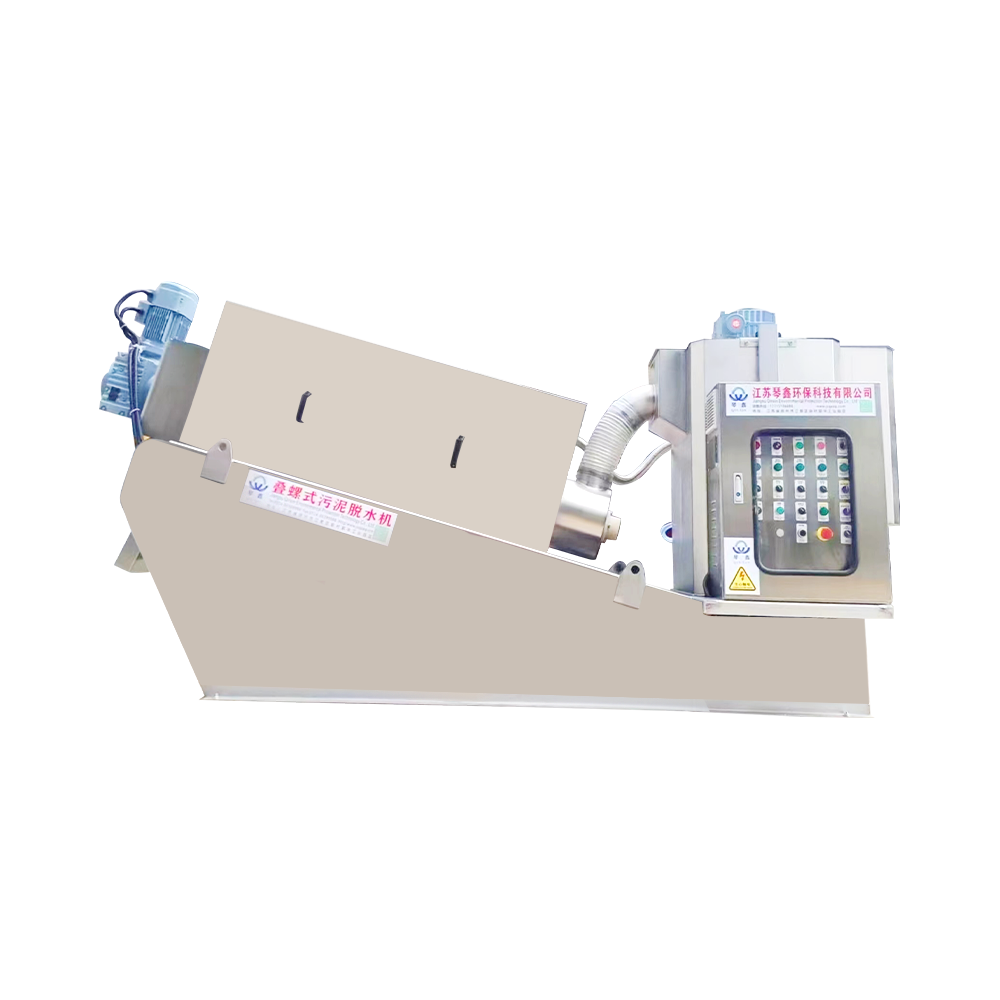
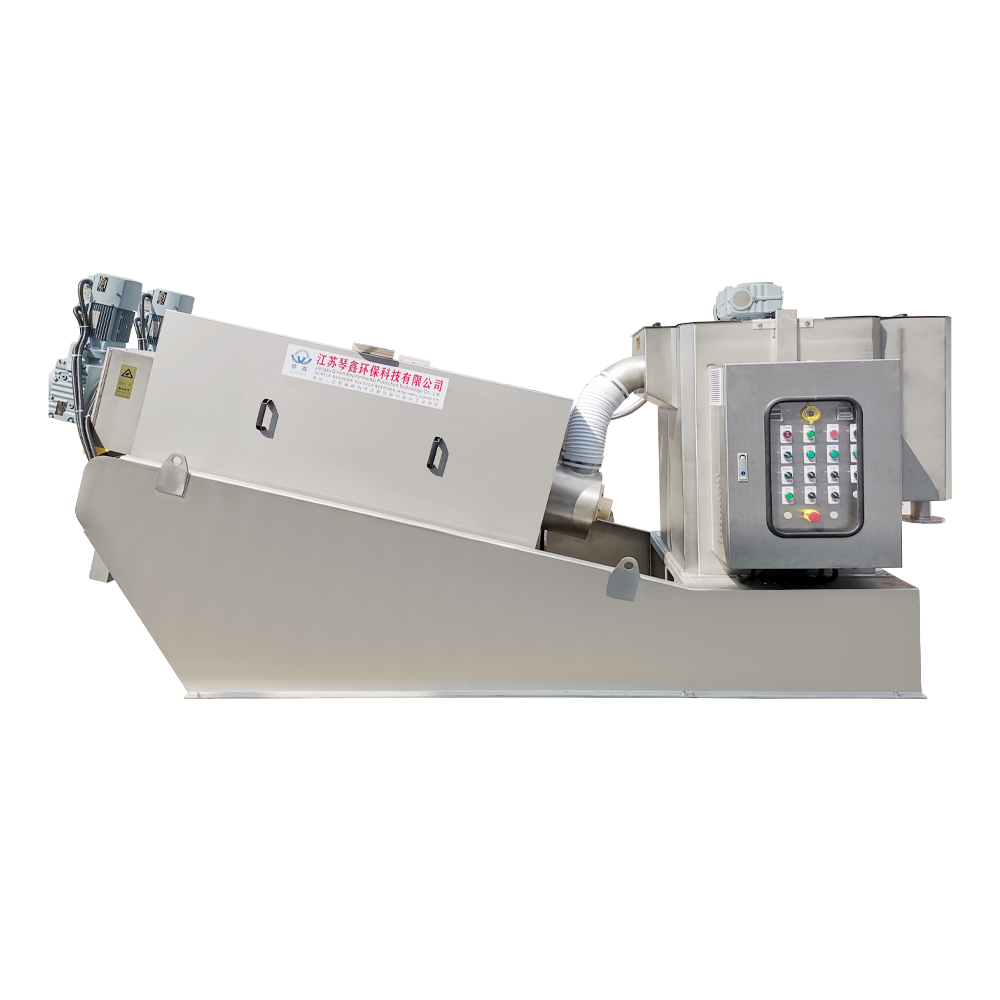
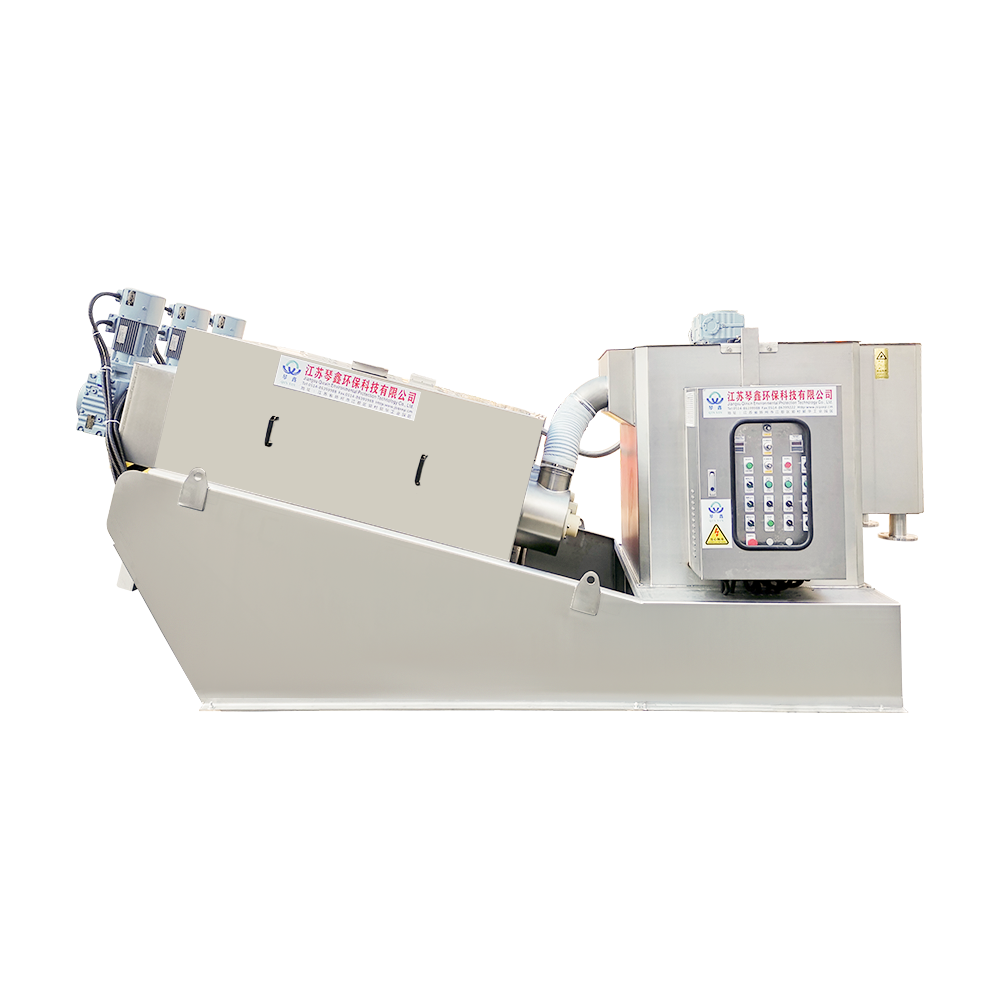
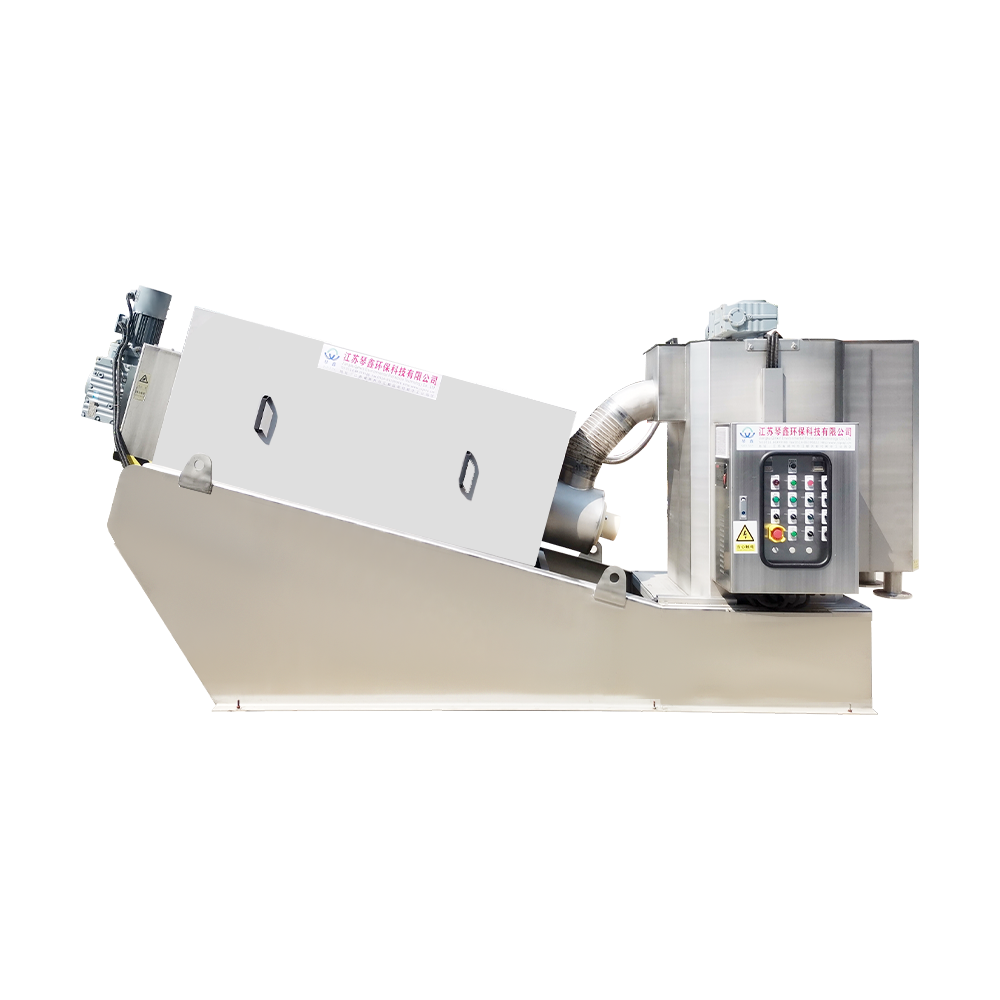
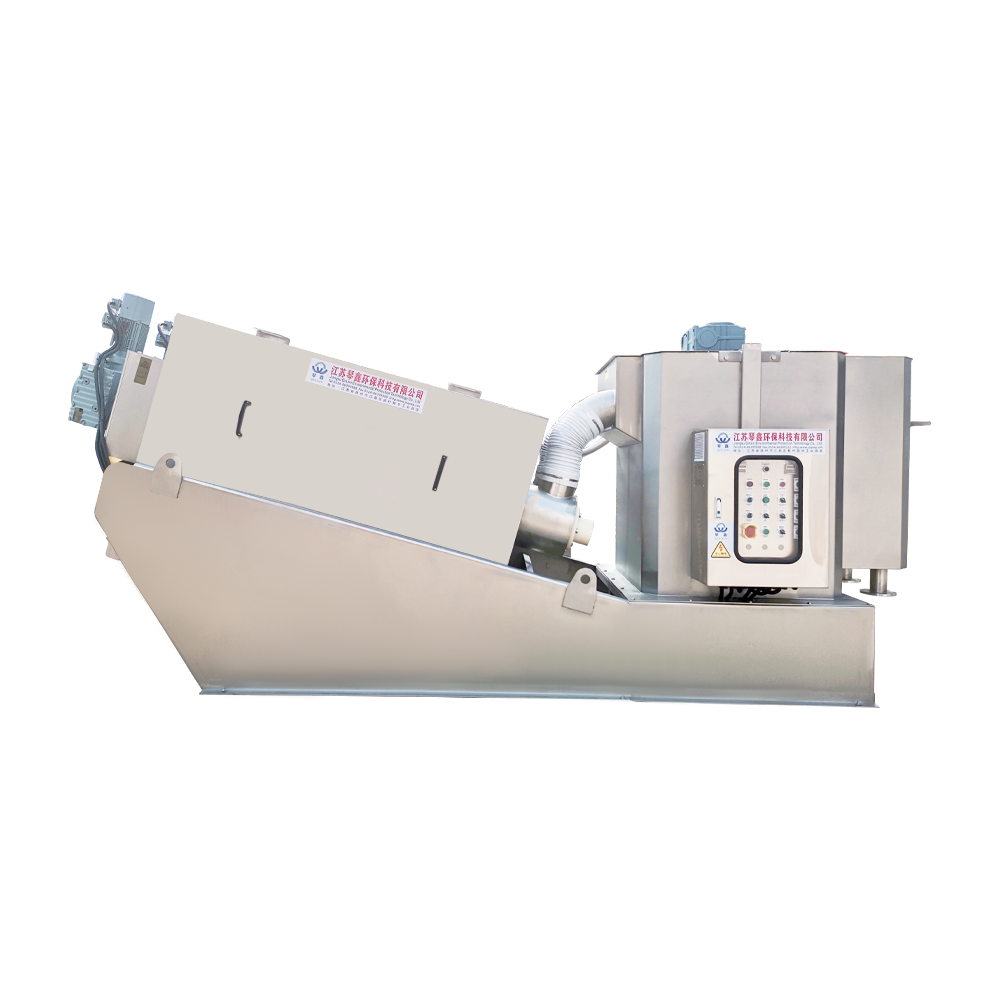
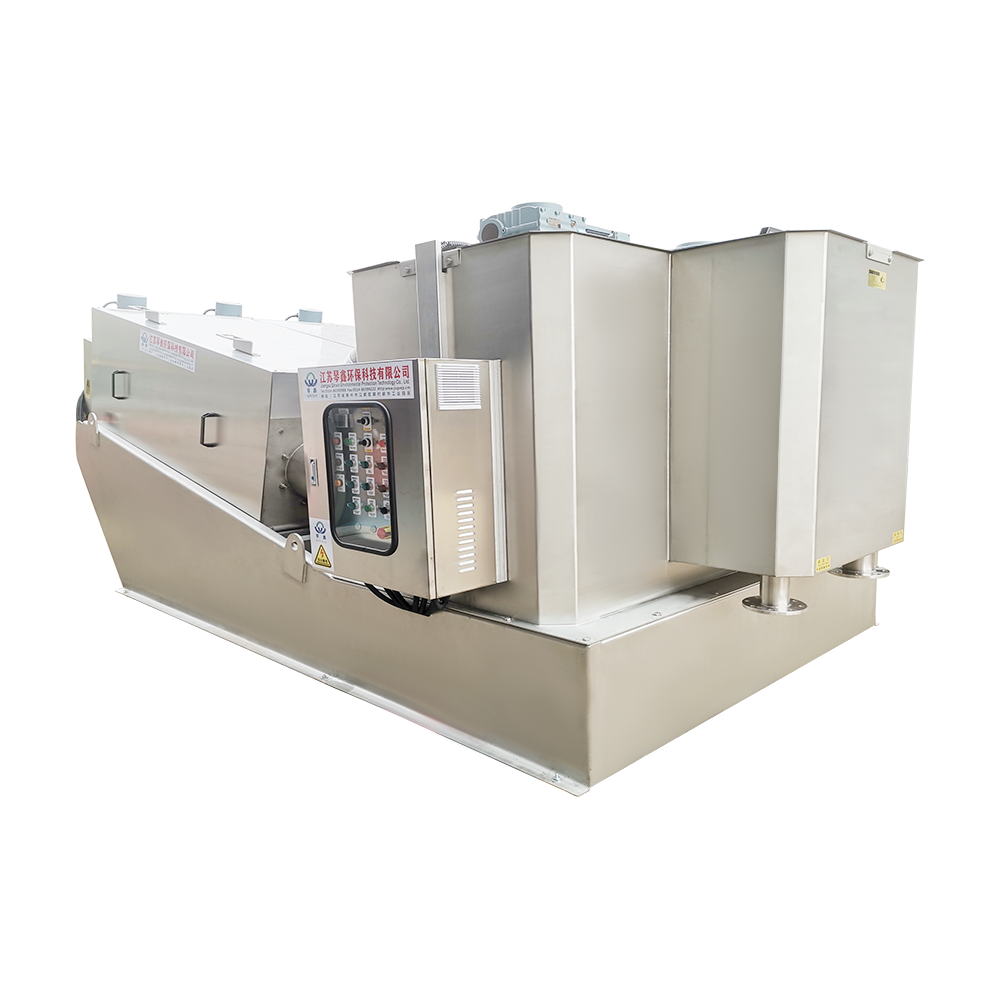
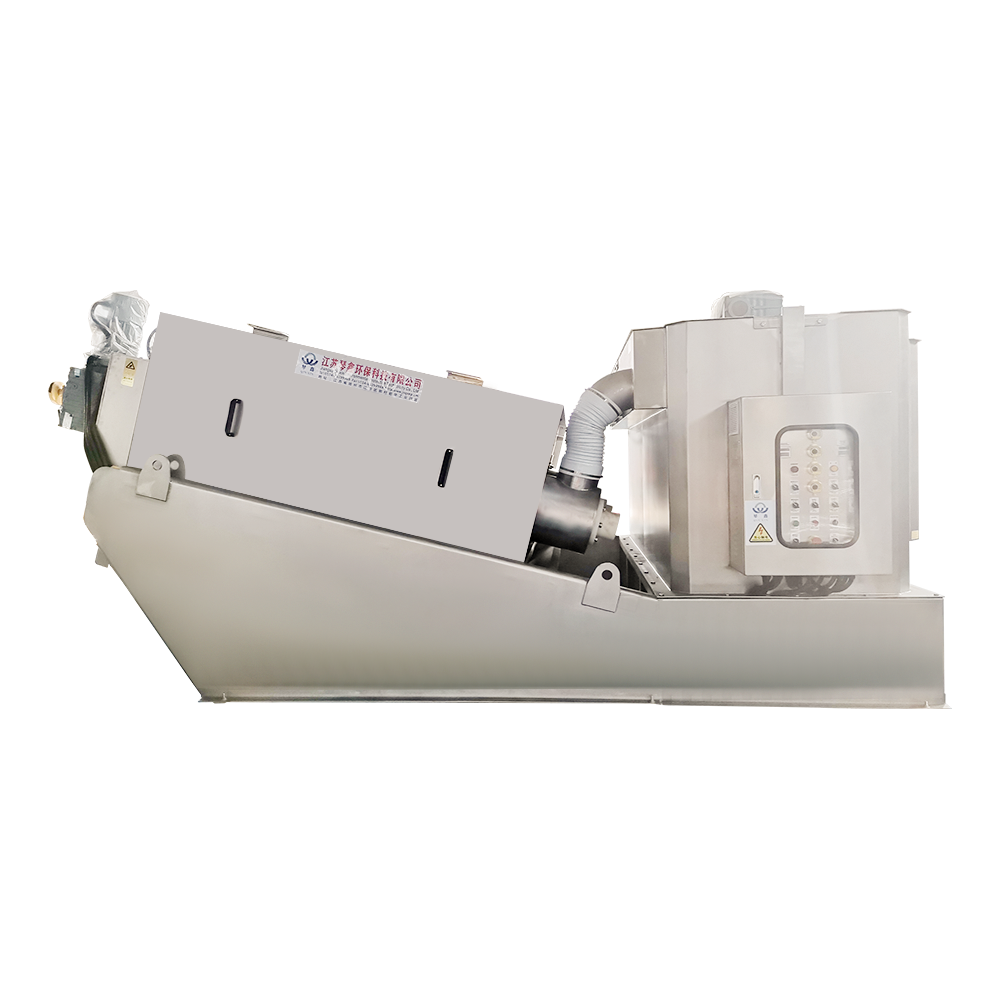
If your facility needs a compact, fully integrated dewatering solution, a custom industrial screw press such as the QXDL352 industrial wastewater screw press should be considered. For chemical wastewater with demanding solids, the QXDL354 chemical wastewater screw press offers a different configuration optimized to handle challenging flocs and maintain stable dewatering performance.
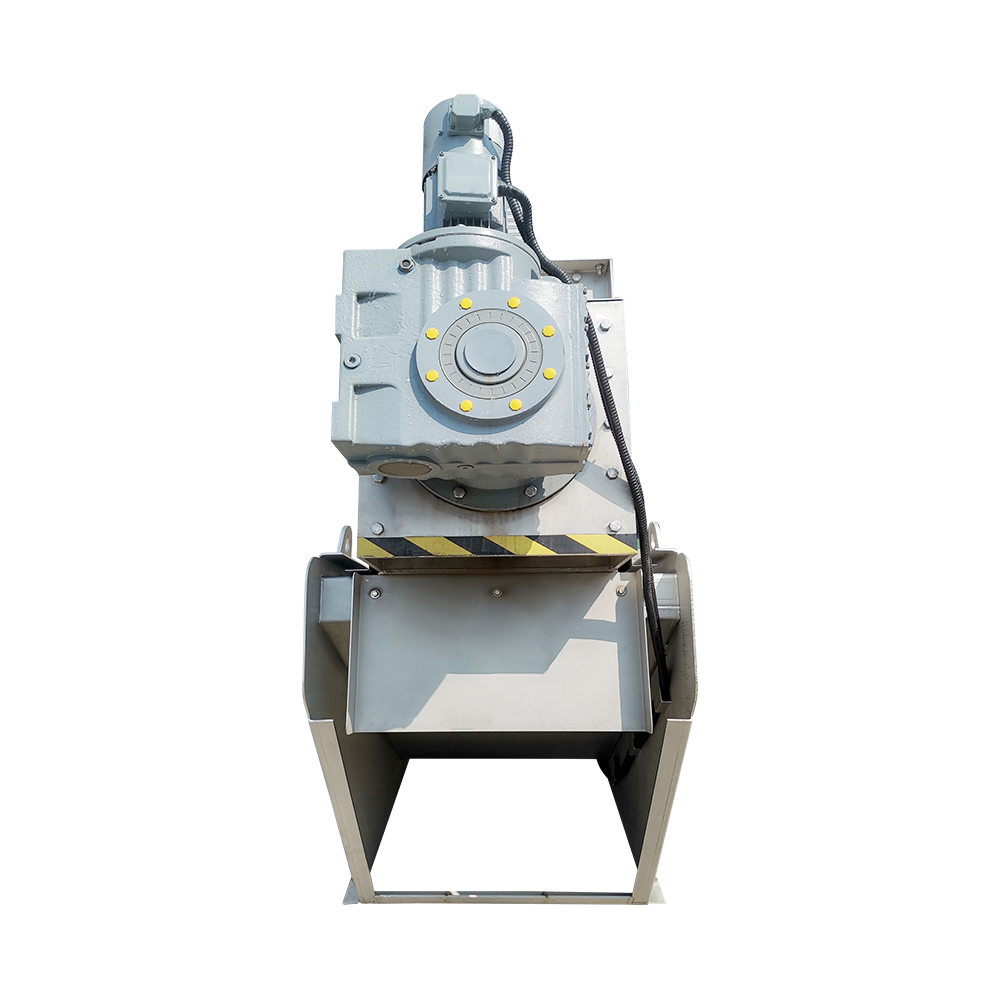 Automatic Screw Press Sludge Dewatering Machine for Livestock WastewaterHigh-efficiency screw press for livestock wastewater treatment. Automate solids-liquid separation, reduce sludge volume, and lower dispos...View Product →
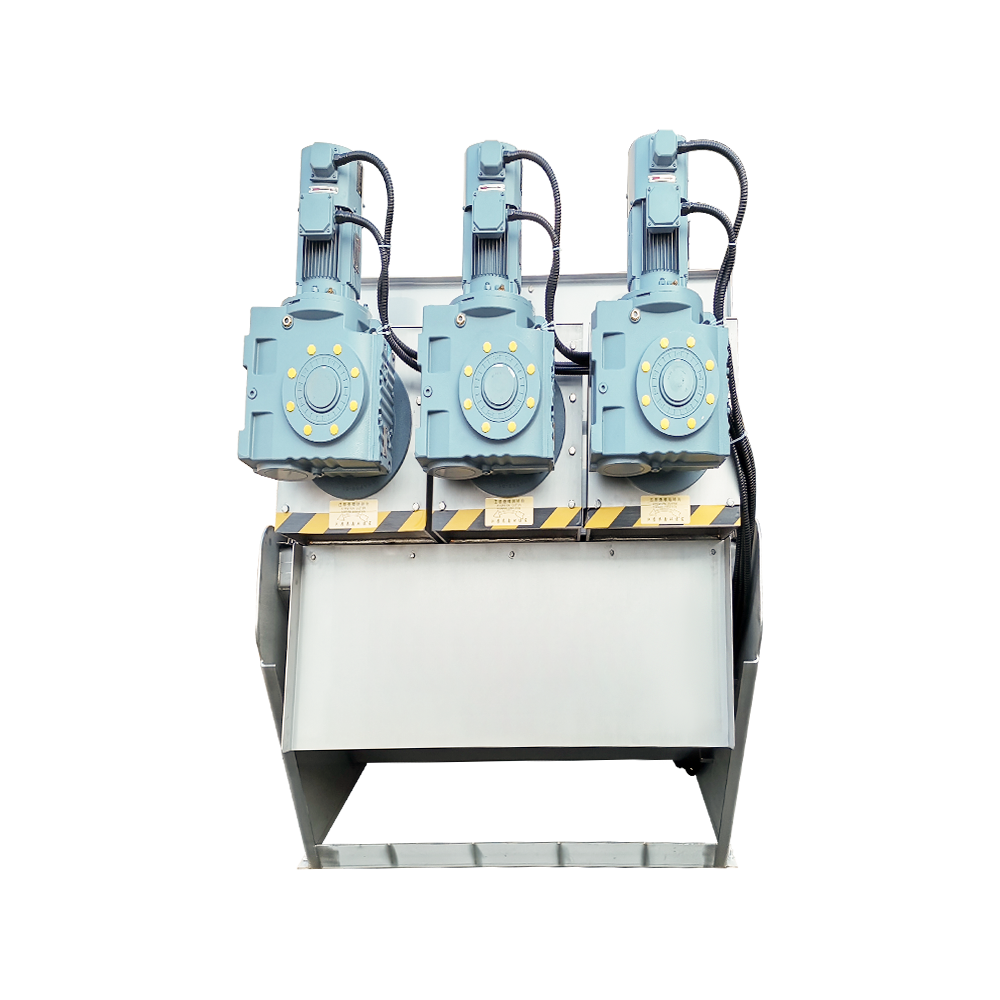 Large Stainless Steel Screw Press Sludge Dewatering Machine - High EfficiencyOptimize your wastewater treatment with our large, high-efficiency stainless steel screw press. This machine provides superior dewatering...View Product →
Key Takeaways for Specifying a Custom System
Start from the sludge data, not from the machine. Industrial wastewater screw press selection requires accurate characterization of feed solids, particle size, abrasiveness, and chemical compatibility. Then define the target cake dryness and the acceptable throughput range, because these two parameters tend to pull in opposite directions.
Involve the manufacturer in onsite sampling or lab testing before you finalize the purchase order. A custom configuration is only as good as the sludge data used to design it. If the manufacturer refuses a trial run with your actual wastewater, that is a warning sign.
Also make sure the scope includes training, start-up supervision, and a clear spare parts list. The best machine in the world still relies on local operators who understand how to adjust it when the influent changes.
Conclusion
Custom wastewater screw press systems are the right answer for industrial facilities that cannot tolerate the inefficiencies of a generic machine. When the sludge is difficult, variable, or aggressive, a tailored configuration provides better cake dryness, lower polymer consumption, and fewer interruptions. The expense of custom engineering is small compared to the operating savings achieved over several years.
Define your sludge profile, set realistic performance targets, and choose a manufacturer with proven experience in your industry. That process, followed carefully, results in a dewatering system that does its job reliably for a decade or more.

 TOP
TOP