
 ENG
 English
 русский
 Español
 Tiếng Việt
 ไทย

Article Directory
- 1 Where Solid-Liquid Separation Fits in a Wastewater Treatment Line
- 2 Four Ways Separation Equipment Lifts Treatment Efficiency
- 3 Choosing the Right Equipment for the Job
- 4 Matching Equipment to Wastewater Conditions
- 5 How to Measure Efficiency Gains
- 6 Application Notes for Different Industries
- 7 Start with the Actual Sludge
A food processing plant approached us with a familiar problem: its biological treatment stage was overloaded with suspended solids, polymer bills were climbing, and the sludge it hauled away still held more than 85 percent water. The plant did not need a larger treatment basin. It needed better solid-liquid separation upstream and at the dewatering stage. Within weeks of installing a properly sized screw press dewatering machine and a screening unit, solids loading dropped, cake moisture fell, and operating cost followed the same curve.
The conclusion is straightforward: solid-liquid separation equipment improves wastewater treatment efficiency more directly than almost any other single investment. It removes the physical load that makes biological treatment unstable, it compresses sludge volume before disposal, and it does so with less energy and fewer chemicals than conventional alternatives. This article explains where separation equipment fits in a treatment line, how it creates measurable gains, and what to check before you buy.
Where Solid-Liquid Separation Fits in a Wastewater Treatment Line
Solid-liquid separation equipment works at two critical points in a wastewater plant. The first is pre-treatment, where screening and filtration units remove suspended solids, fibers, manure solids, and other particles before they reach biological or discharge stages. The second is sludge dewatering, where screw presses and separators reduce the water content of sludge so that disposal, incineration, or beneficial reuse becomes economical.
Both points affect overall efficiency. Pre-treatment stabilizes the load entering downstream units, while dewatering determines how much water the plant must handle at the end of the line. A plant that strengthens only one of these points leaves money on the table.
Four Ways Separation Equipment Lifts Treatment Efficiency
Measured in volume, cost, and stability, the gains come from four mechanisms:
- Sludge volume reduction. Dewatering changes the economics of disposal. Reducing sludge water content from 98 percent to 80 percent cuts sludge volume to roughly one-tenth of the original. A screw press dewatering machine typically produces cake in the 18-28 percent dry solids range, depending on sludge type, which directly cuts hauling and disposal expenses.
- Protection of downstream equipment. When suspended solids are removed early, biological tanks, pumps, and heat exchangers operate with less wear, less clogging, and more stable performance. Plants that screen aggressively report fewer upsets and lower maintenance frequency.
- Lower chemical consumption. Flocculation works best when solids concentration and dosing are matched. An automatic polyacrylamide (PAM) dosing system delivers polymer in proportion to flow and sludge consistency, which reduces both overdosing and underdosing, two common causes of wasted chemicals and poor cake quality.
- Reduced energy and labor. Low-speed screw presses consume considerably less energy than centrifuges or high-pressure belt presses, and their continuous, self-cleaning design lets one operator oversee several units. Automation also reduces the risk of human error during night shifts.
Choosing the Right Equipment for the Job
No single machine covers every duty. The most efficient plant design matches each unit to a specific separation task.
Screw Press Sludge Dewatering Machines
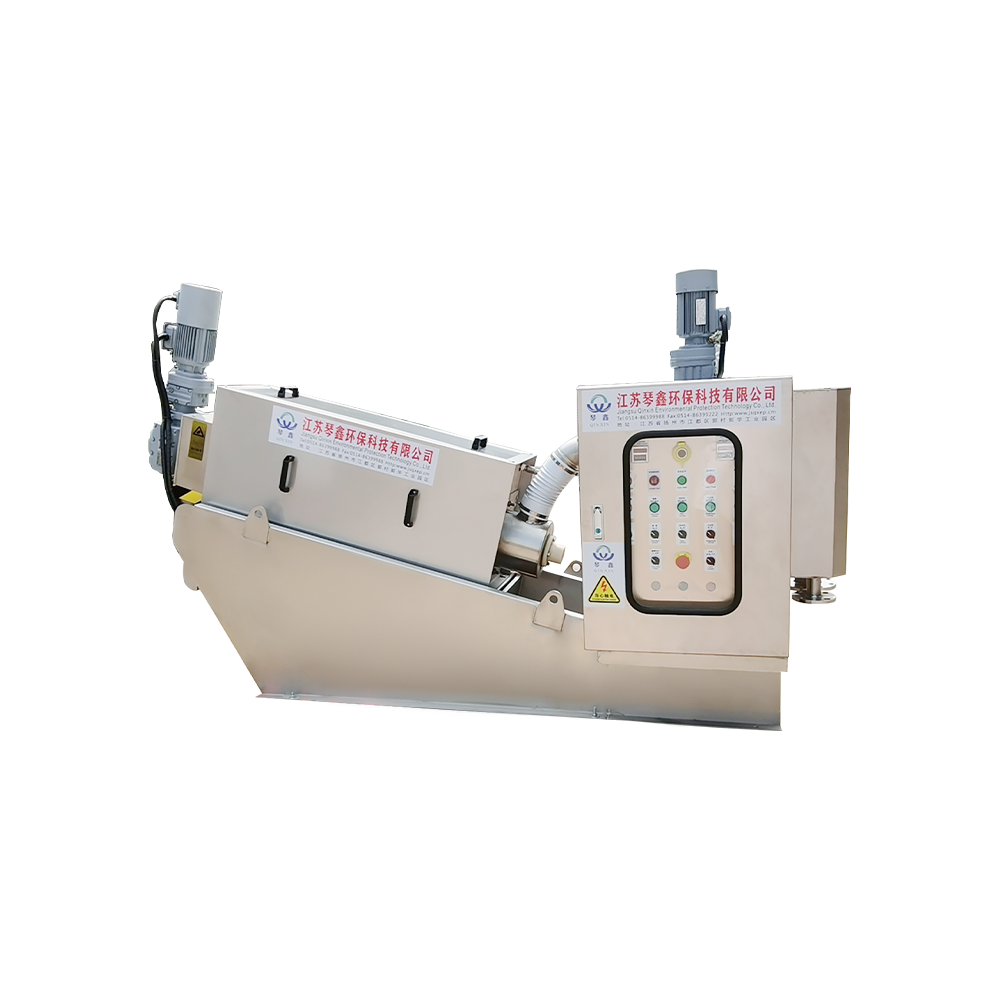
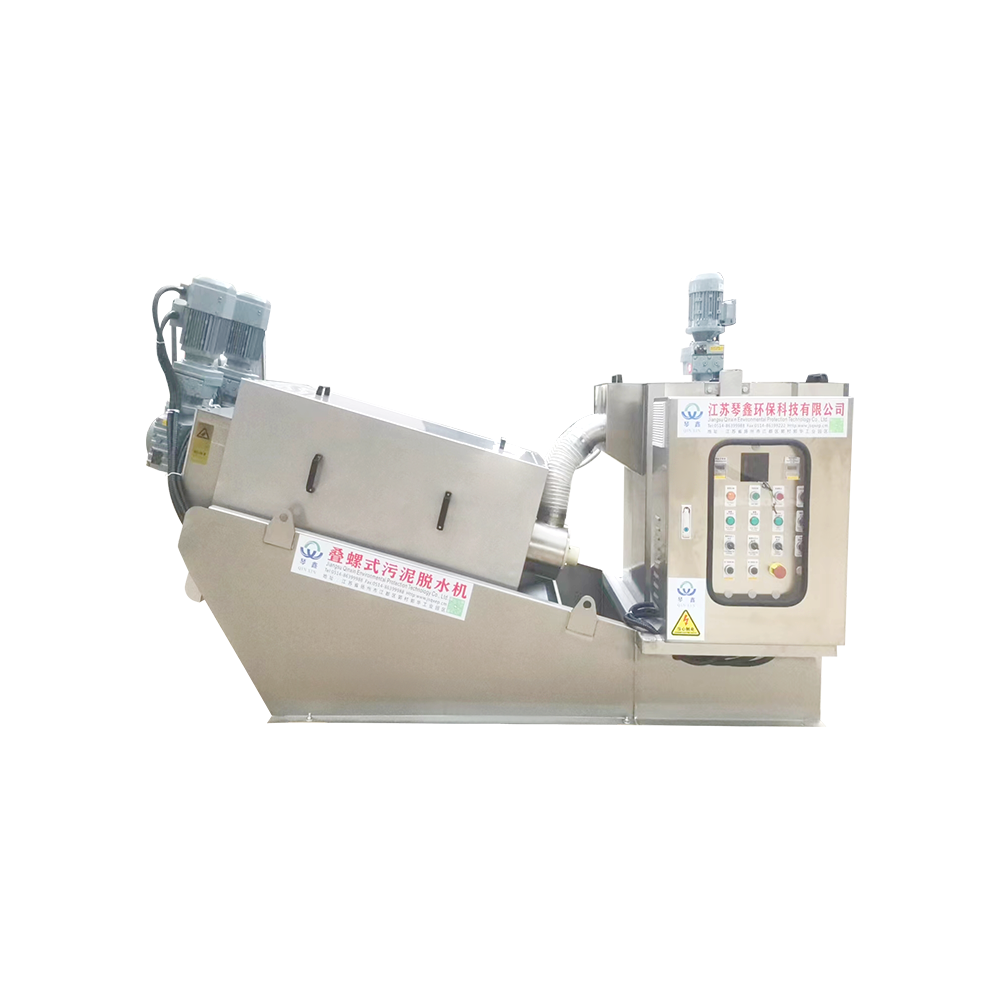
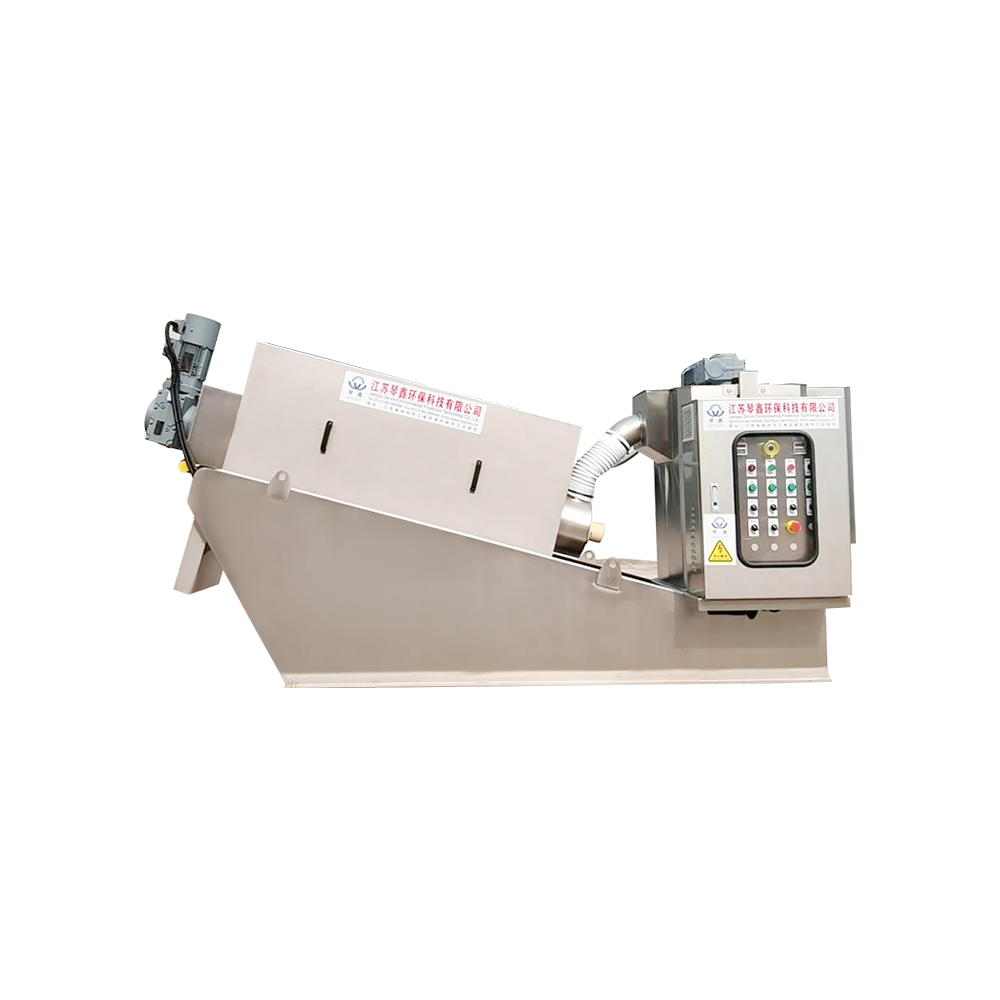
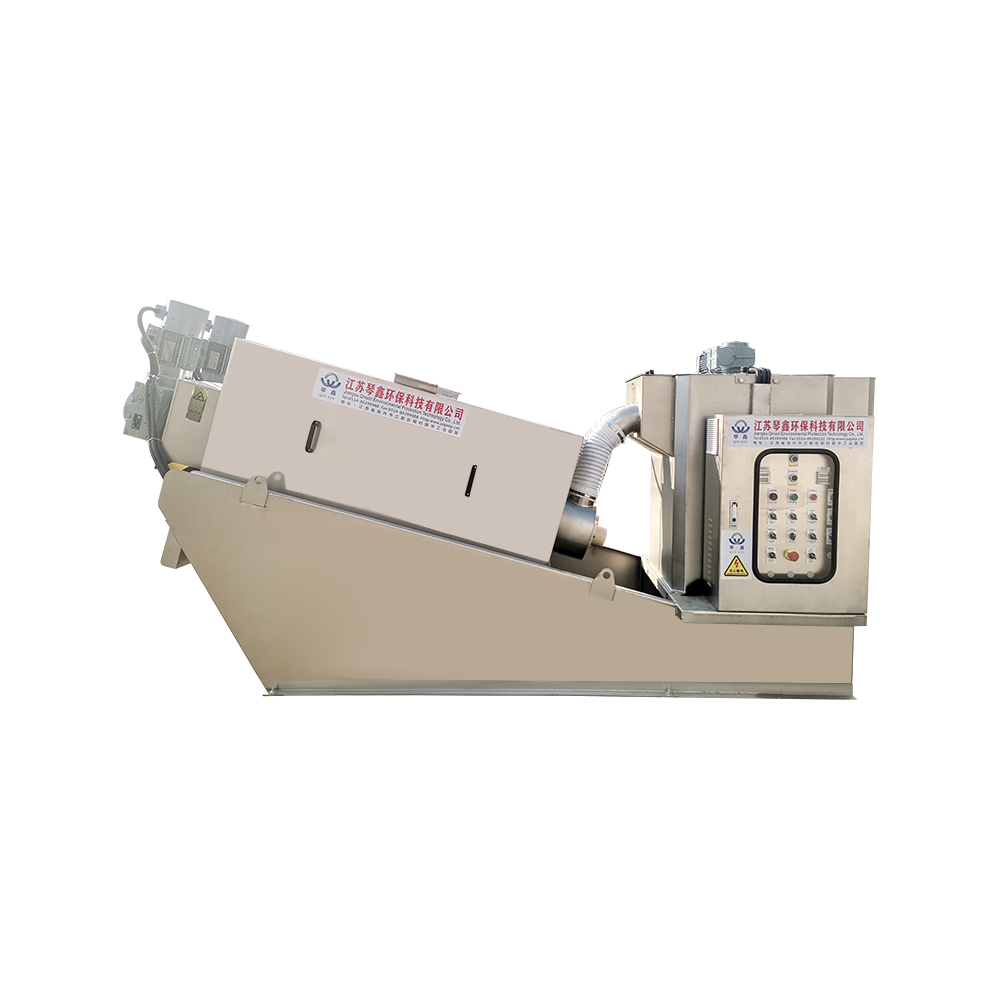
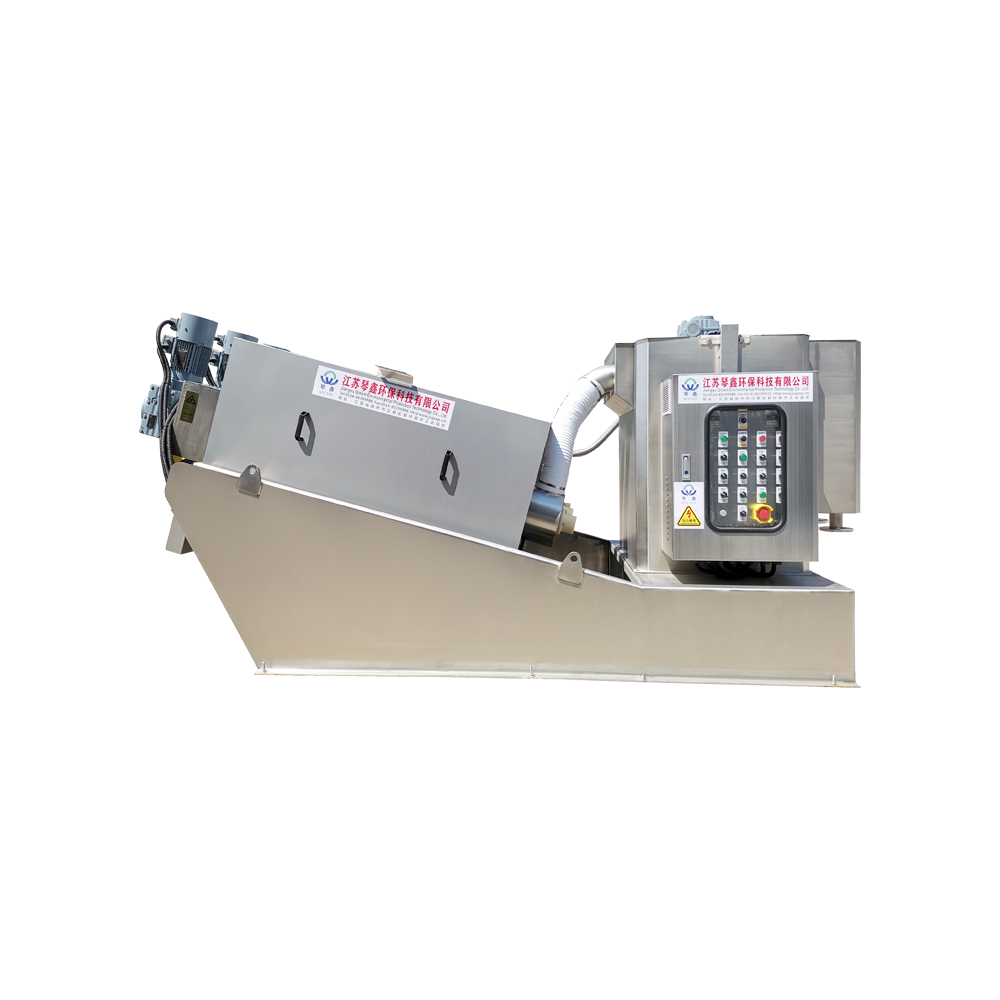
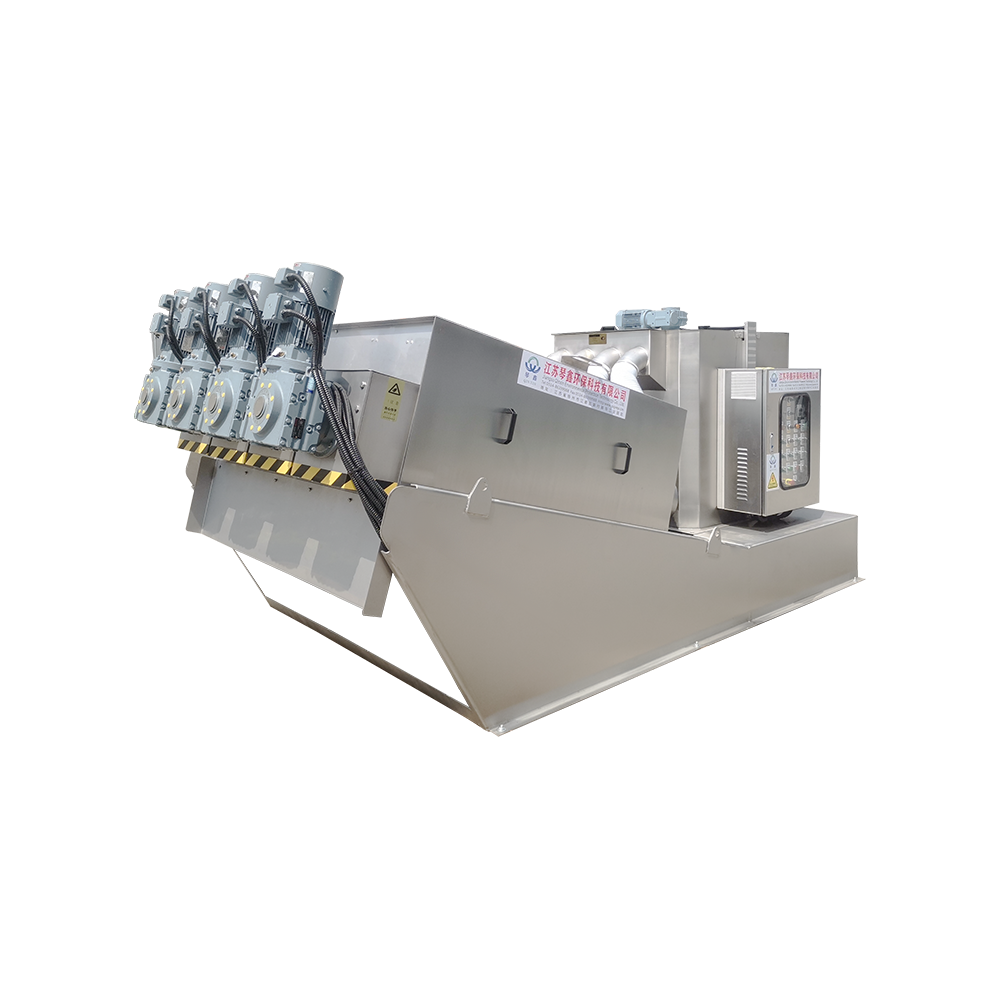
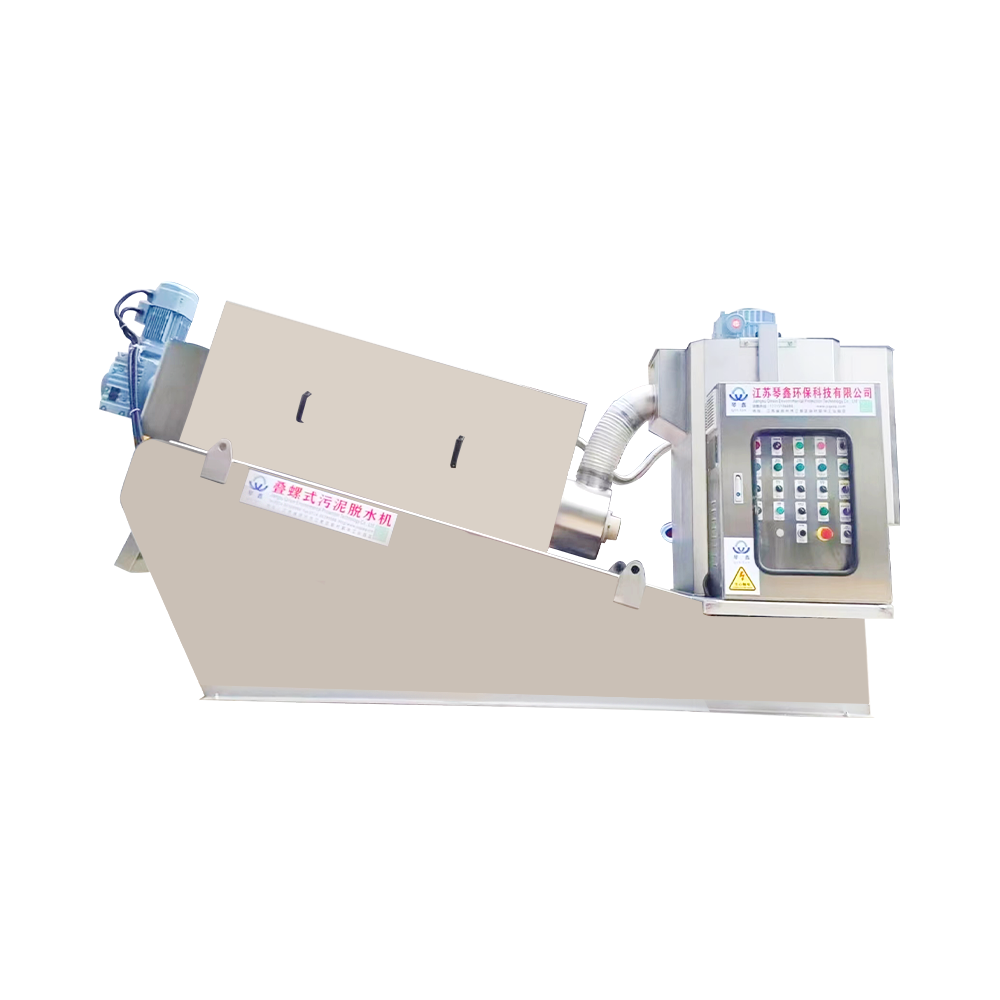
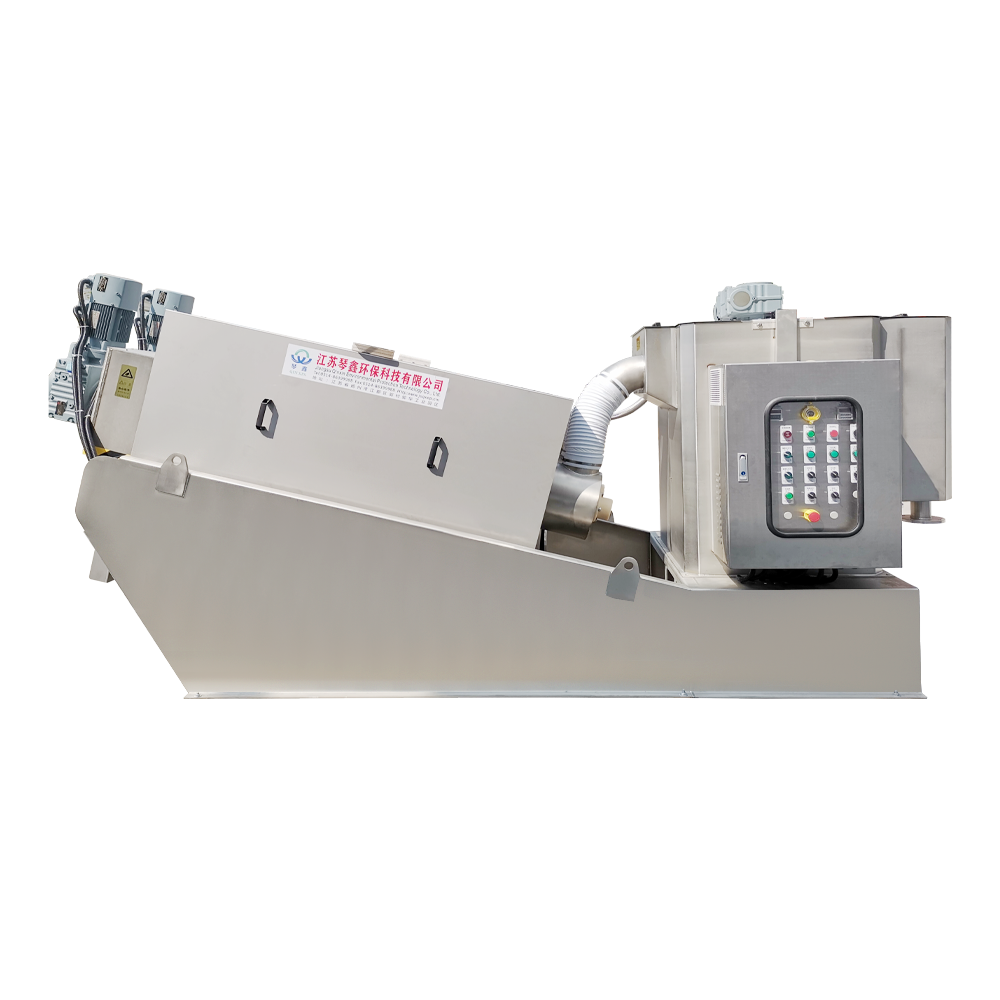
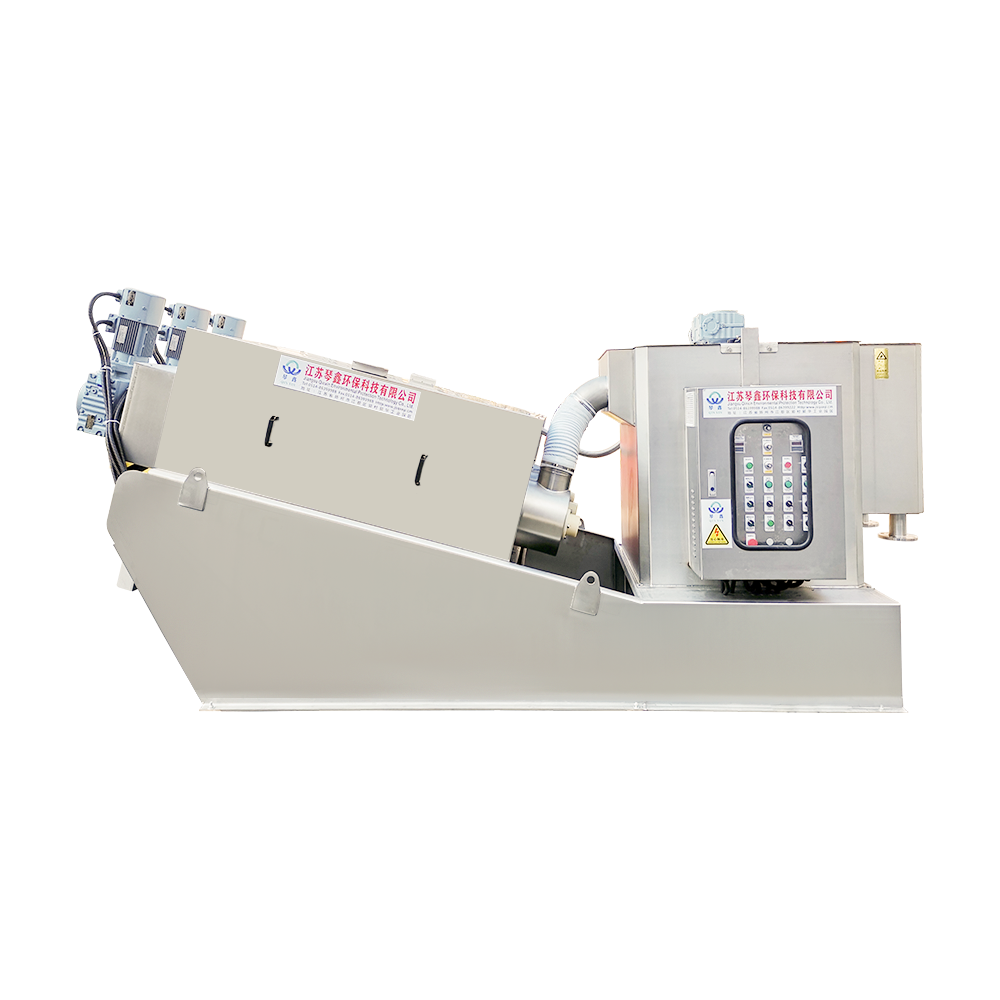
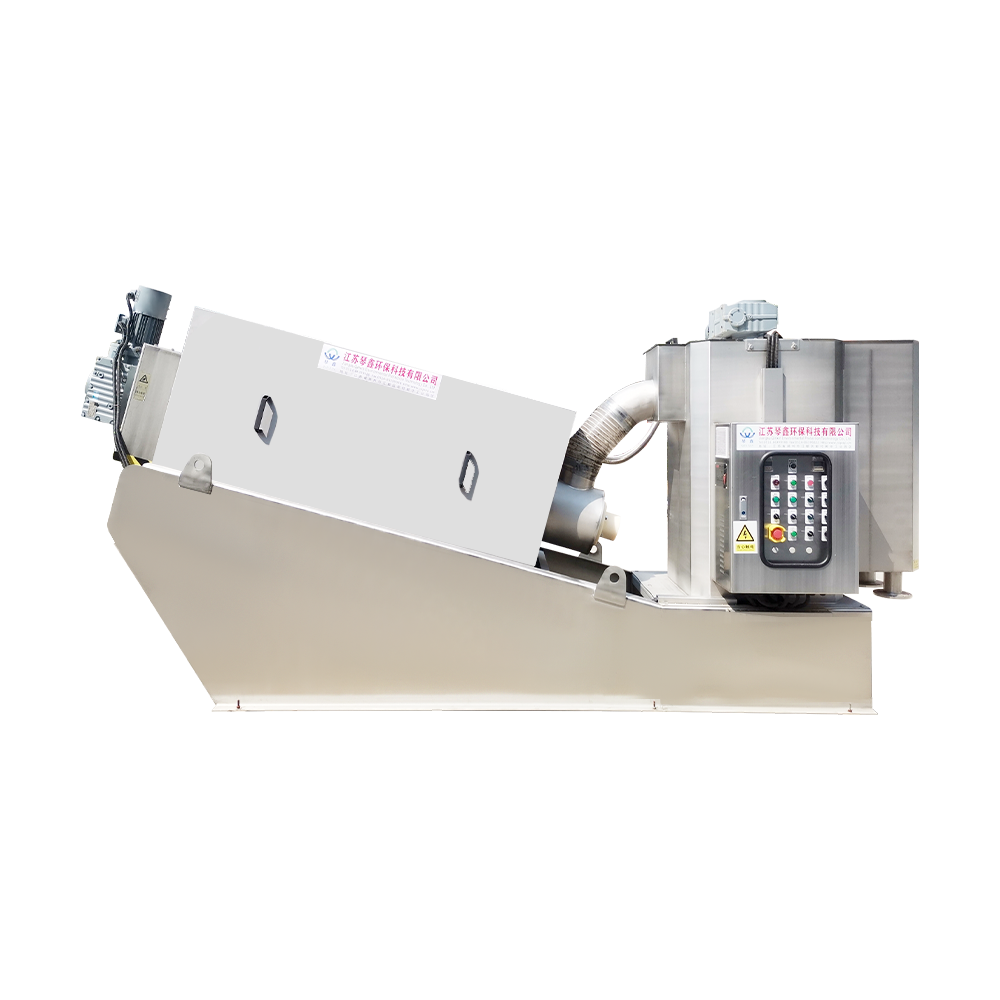
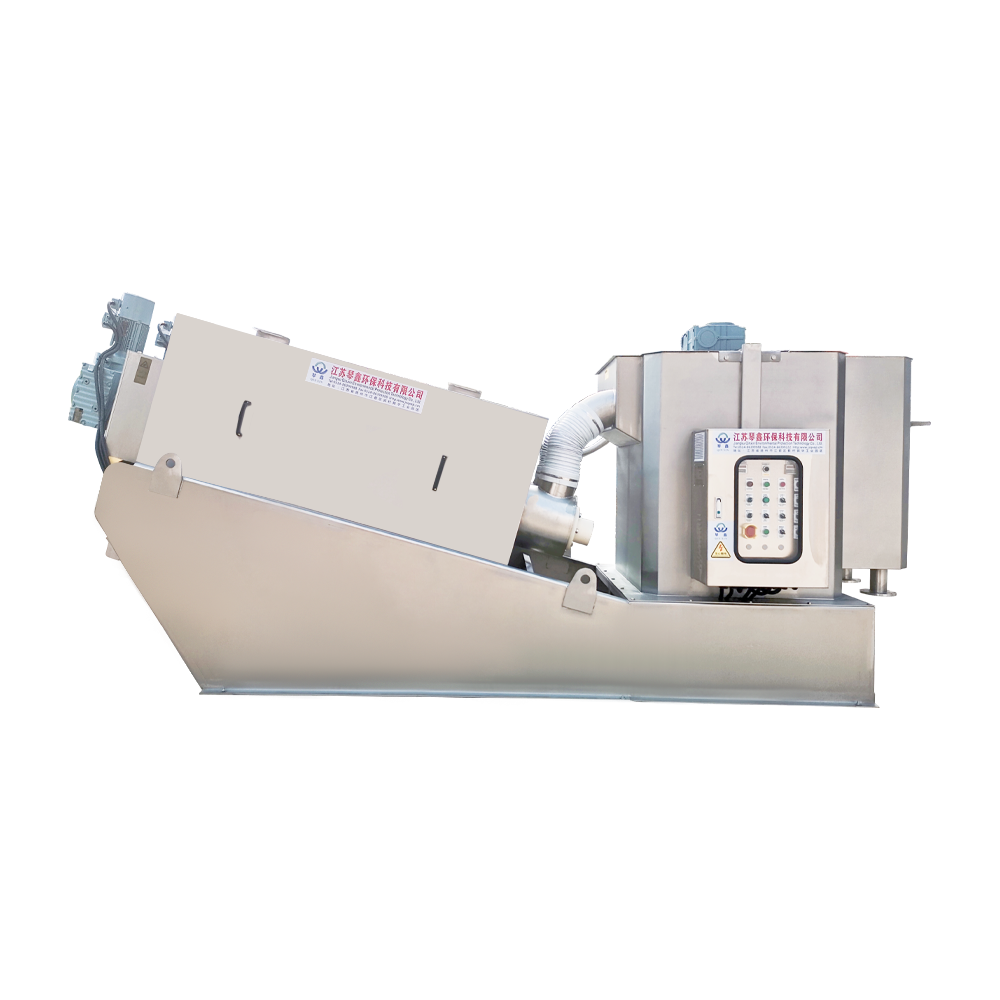
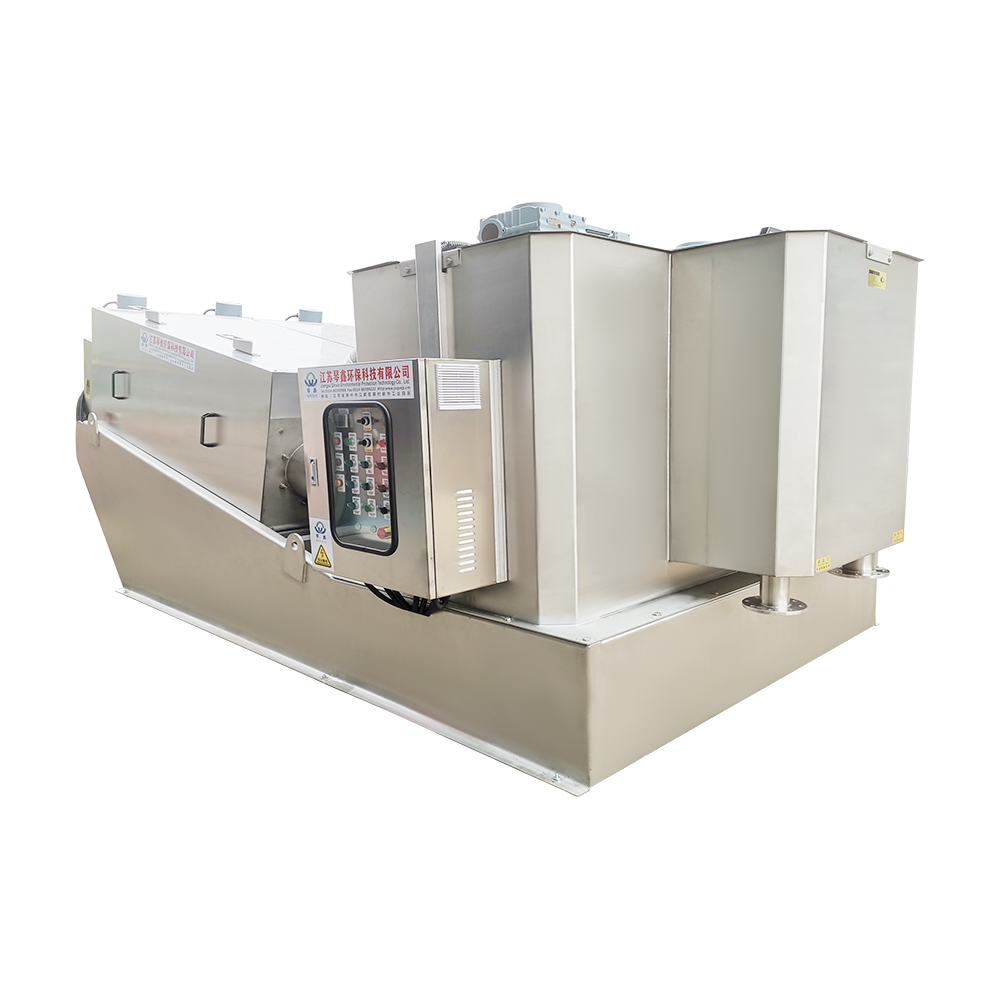
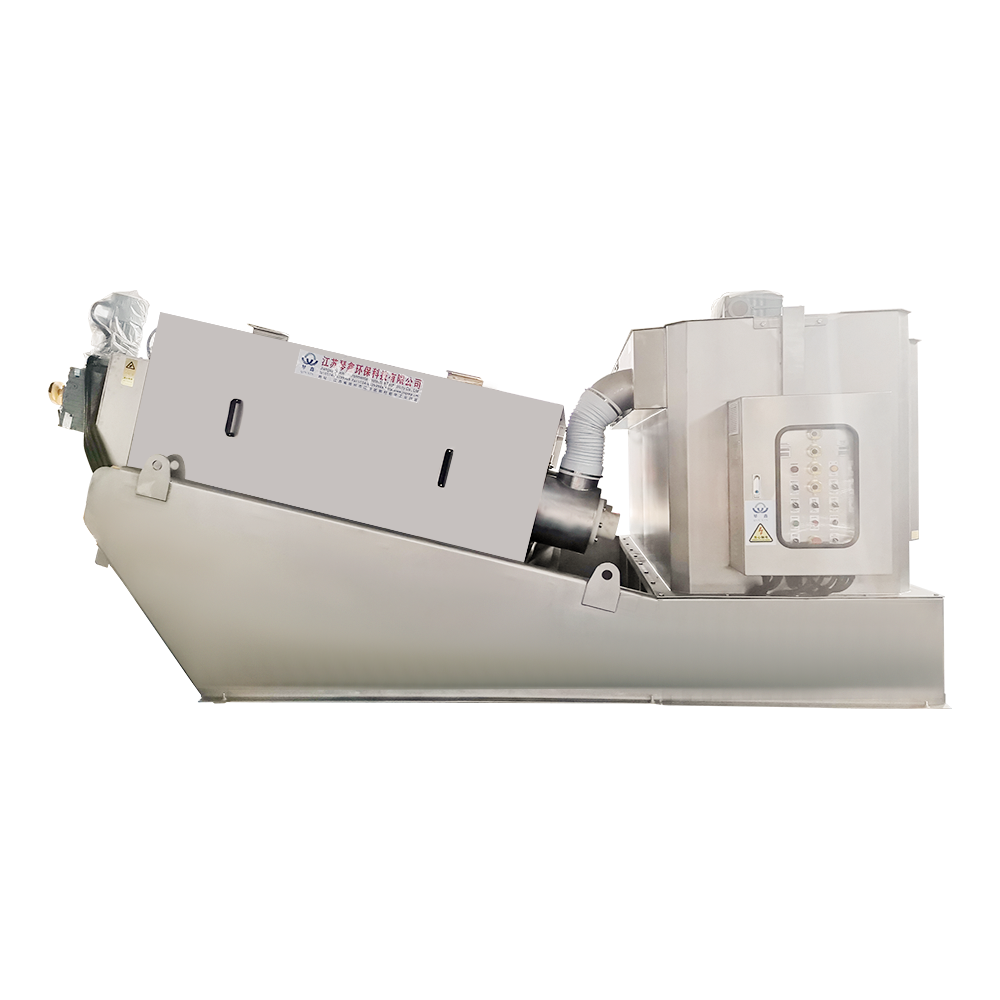
For sludge dewatering, the stacked screw press is the workhorse. Its low-speed shaft and multi-disc design squeeze water out gradually, producing a drier cake than gravity thickening and doing so with far less energy than a centrifuge. The enclosed design controls odor, and the slow rotation reduces wear on the filter structure. The energy efficiency of screw dewatering machines comes from the combination of low shaft speed, gravity drainage, and moderate pressure, which makes the technology suitable for municipal, food, chemical, and livestock sludge.
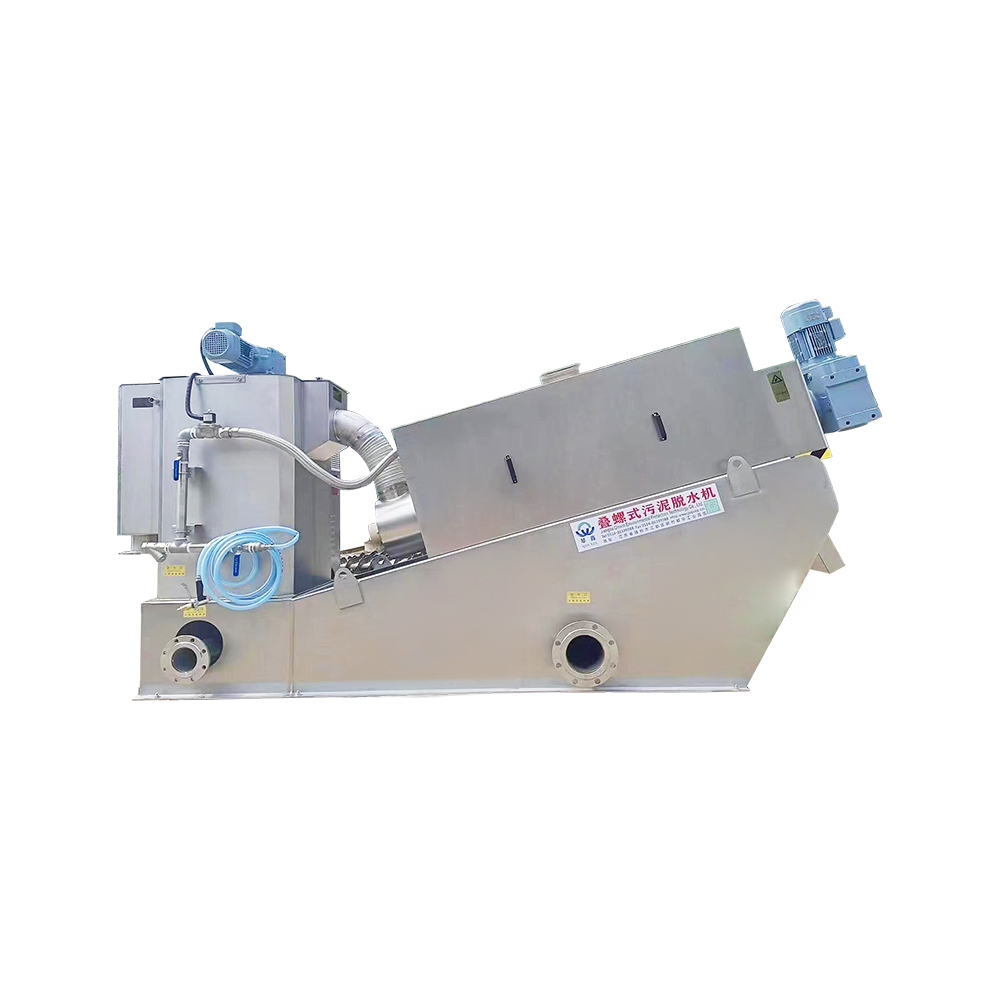 High Energy-saving Spiral Screw Sludge Dewatering Machine QXDL-351Designed for printing and dyeing wastewater, this dewatering machine handles high-COD sludge with a corrosion-resistant screw and SS316L rings. It achieves 20-28% dry solids and processes 50-100 kg/h, making it reliable for batch dye house operations.View Product →
Screening and Filtration Units
Before biological treatment or discharge, screening units remove coarse and fine solids that would otherwise become extra sludge. A hydraulic screen separator is effective for livestock manure, food processing waste, and agricultural residues, while an inclined screen hydrocyclone separator handles fine suspended solids at high flow rates. Drum filters add a finer barrier for wastewater that must meet a strict effluent limit.
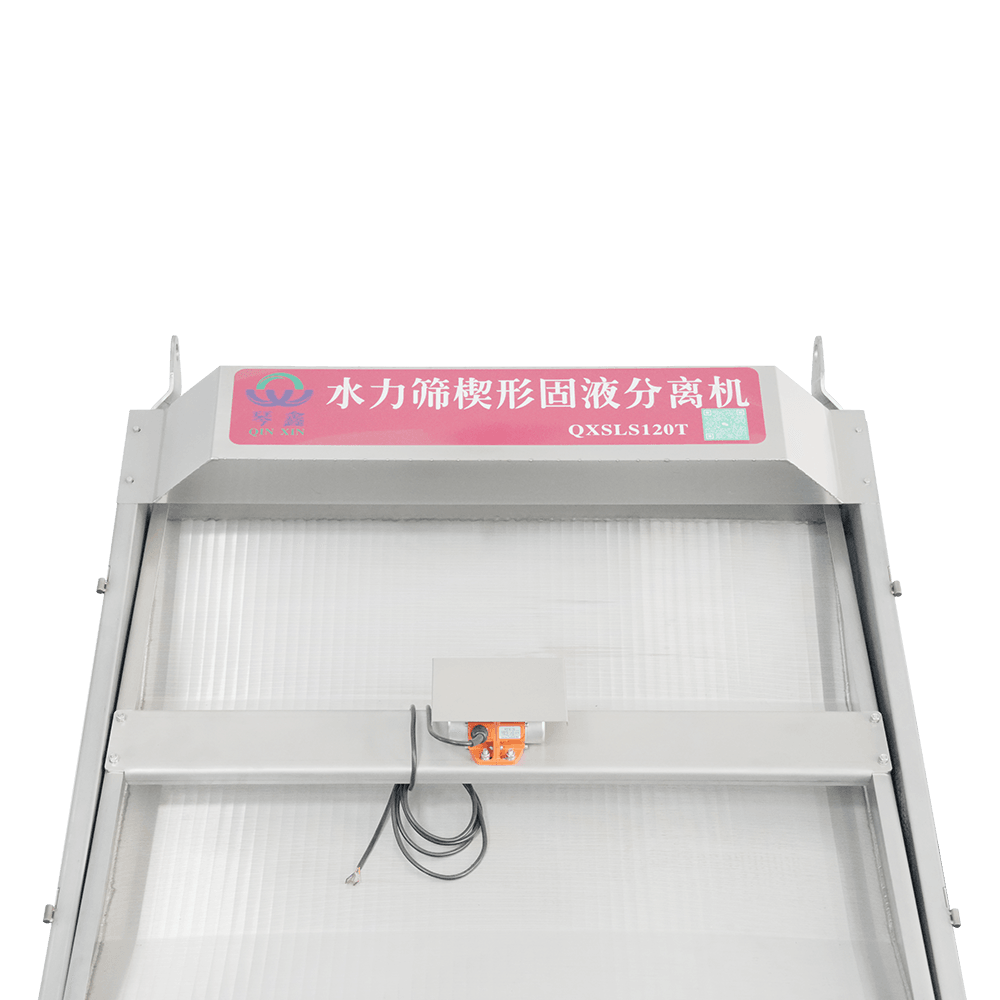 Inclined Screen Hydro-Cyclone Hydraulic Solid-Liquid Separator QXSLS-120TThis separator combines an inclined stainless screen and hydrocyclone to remove suspended solids from high-flow streams. With 120 tons per hour capacity and clog-resistant vibratory motors, it suits manure, biogas residue, and industrial water recovery.View Product →
Polymer Dosing Systems
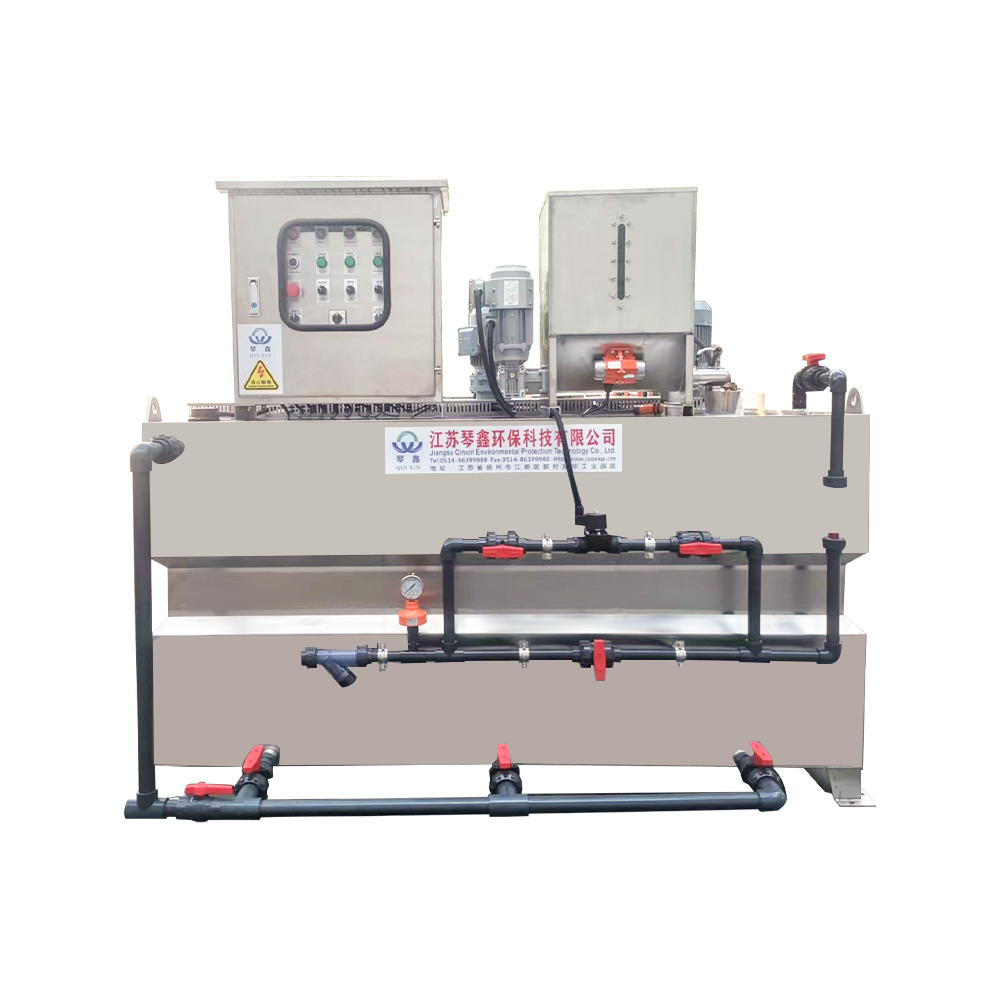
Dewatering efficiency depends heavily on flocculation. An integrated variable-frequency dosing device prepares and doses PAM solution automatically, adjusting the feed rate to match the incoming sludge flow. The result is consistent floc formation, clearer filtrate, and a measurable reduction in polymer cost per ton of dry solids.
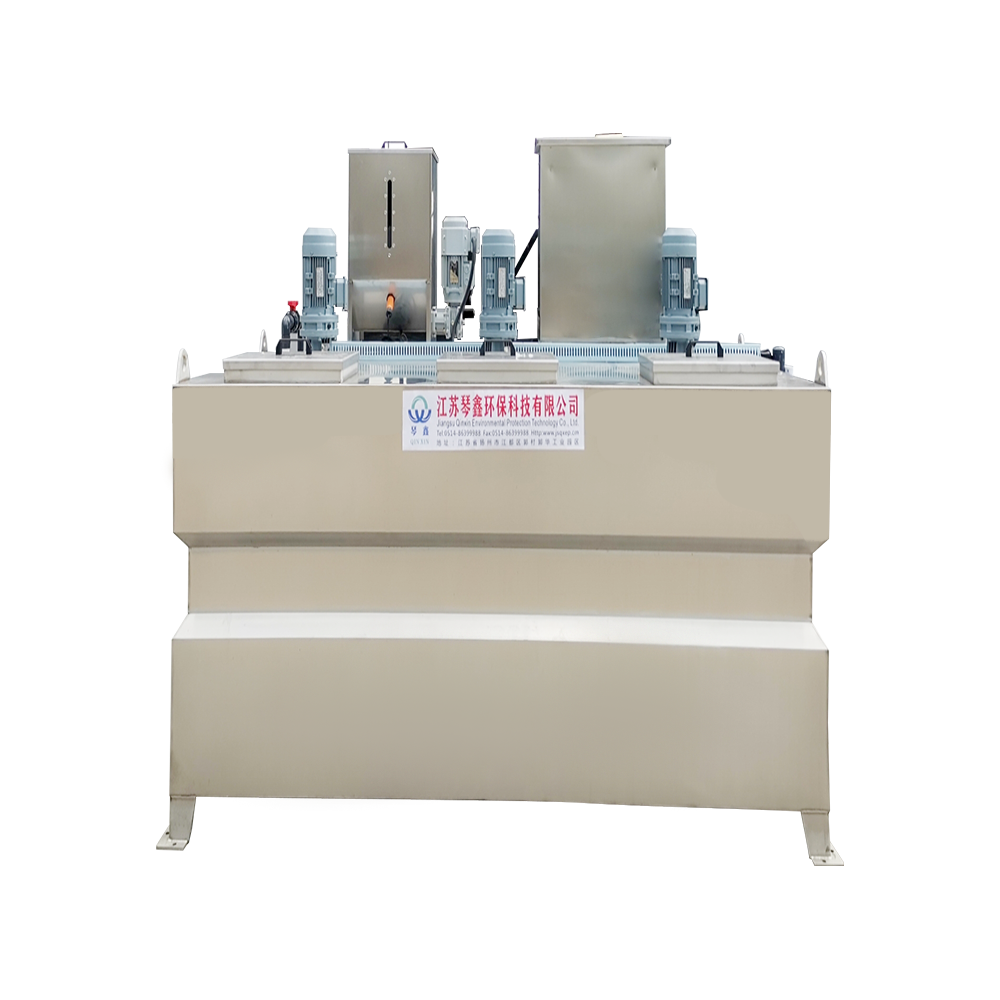 Integrated Automatic Chemical Powder Dosing Machine QXYTH-1500LThis large-capacity dosing system features a 1500L dissolving tank, variable frequency drive, and dual-impeller mixing. It precisely prepares PAM, PAC, and polymer flocculants, reducing polymer waste and ensuring consistent flocculation in sludge dewatering.View Product →
Matching Equipment to Wastewater Conditions
Efficiency gains are only as good as the match between equipment and feed characteristics. The table below summarizes the role of each unit type.
| Equipment | Main Function | Typical Applications | Primary Efficiency Gain |
|---|---|---|---|
| Stacked screw press dewatering machine | Sludge dewatering | Municipal, food, chemical, livestock sludge | Low cake moisture, low energy, continuous operation |
| Hydraulic screen separator | Coarse solids removal | Livestock manure, food processing, agricultural waste | Reduces solids load, protects downstream units |
| Inclined screen hydrocyclone separator | Fine screening and hydrocyclone separation | Wastewater with fine suspended solids | High solids recovery, stable downstream performance |
| Drum filter | Fine filtration | Municipal and industrial wastewater, pharmaceutical effluent | Removes fine particles, stabilizes effluent quality |
| PAM dosing device | Chemical conditioning | All dewatering and separation applications | Better flocculation, lower polymer consumption |
When feed solids vary widely, as they often do in municipal and agricultural plants, the combination of a screening unit and a screw press gives the most stable result. The screen removes the large fraction quickly, and the press handles the remaining thin sludge with a smaller footprint than a belt press.
How to Measure Efficiency Gains
Before purchasing equipment, define the metrics that will prove the return. The following five numbers are the ones that matter most in practice:
- Cake solids content (percent DS). Higher cake dryness means lower hauling and disposal cost. Compare the guaranteed value against your current dewatering result.
- Solids recovery rate (percent). This tells you how much suspended solids the equipment actually captures. A recovery rate above 90 percent prevents solids from recirculating and adding load to the biological stage.
- Polymer consumption (kg per ton of dry solids). Automation and proper mixing usually reduce this figure. Track it before and after the upgrade.
- Energy consumption (kWh per ton of dry solids). Low-speed equipment should keep this below the level of a centrifuge or belt press.
- Operating hours and labor. Continuous automatic equipment reduces the time operators spend on start-up, cleaning, and adjustment.
Application Notes for Different Industries
Sludge and wastewater composition drives equipment selection far more than plant size. In municipal plants, feed consistency varies hourly, so continuous operation and self-cleaning behavior matter. Food and beverage plants need food-grade contact materials and the ability to clean quickly between production runs. Chemical and pharmaceutical sites require corrosion-resistant construction and precise polymer dosing because sludge characteristics change with production batches. Livestock operations, where solids are coarse and biologically active, benefit from high-recovery screening and robust screw presses that handle a wide range of solids concentrations. Printing and dyeing plants, with their high suspended solids and chemical loads, rely on energy-saving dewatering to keep operating budgets under control.
Start with the Actual Sludge
Efficiency claims sound similar on datasheets, but performance is decided by your specific sludge: particle size, viscosity, organic content, and temperature all influence separation results. Ask for a test with a sample of your wastewater before committing to a machine, and check the vendor's experience in your industry. A manufacturer that builds the equipment and supports it with a full range of screens, presses, and dosing units can simplify the engineering work. For a starting point, the equipment range offered by Qinxin Environmental Protection covers the main unit types discussed here, and the related articles on this site explain the operating principles in more detail.

 TOP