
 ENG
ENG
 English
 русский
 Español
 Tiếng Việt
 ไทย
ไทย
Article Directory
- 1 1. Sludge Concentration and Pre-treatment Efficiency
- 2 2. Motor Technology and Variable Frequency Drive (VFD) Integration
- 3 3. The Geometry of the Screw and Ring Gap Precision
- 4 4. Intelligent Control Systems and Automation
- 5 Conclusion: The Path to Sustainable Dewatering
- 6 Frequently Asked Questions (FAQ)
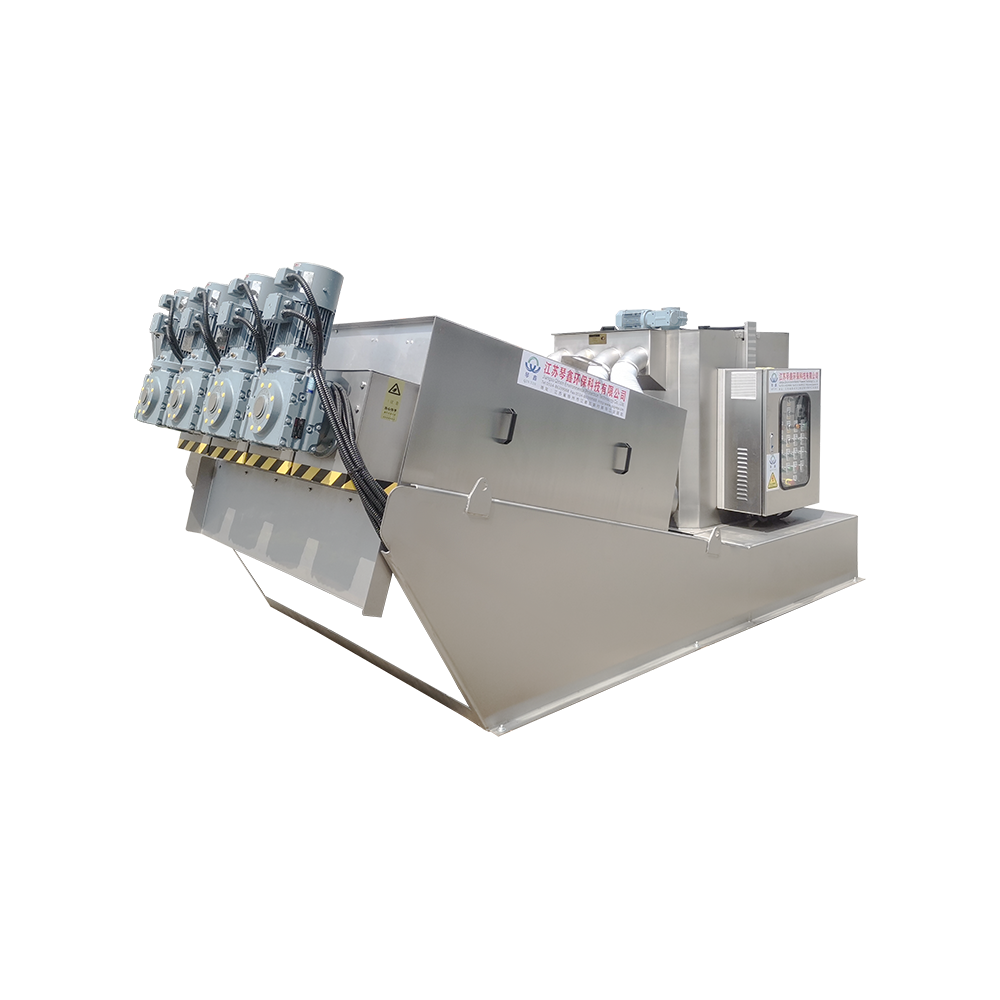
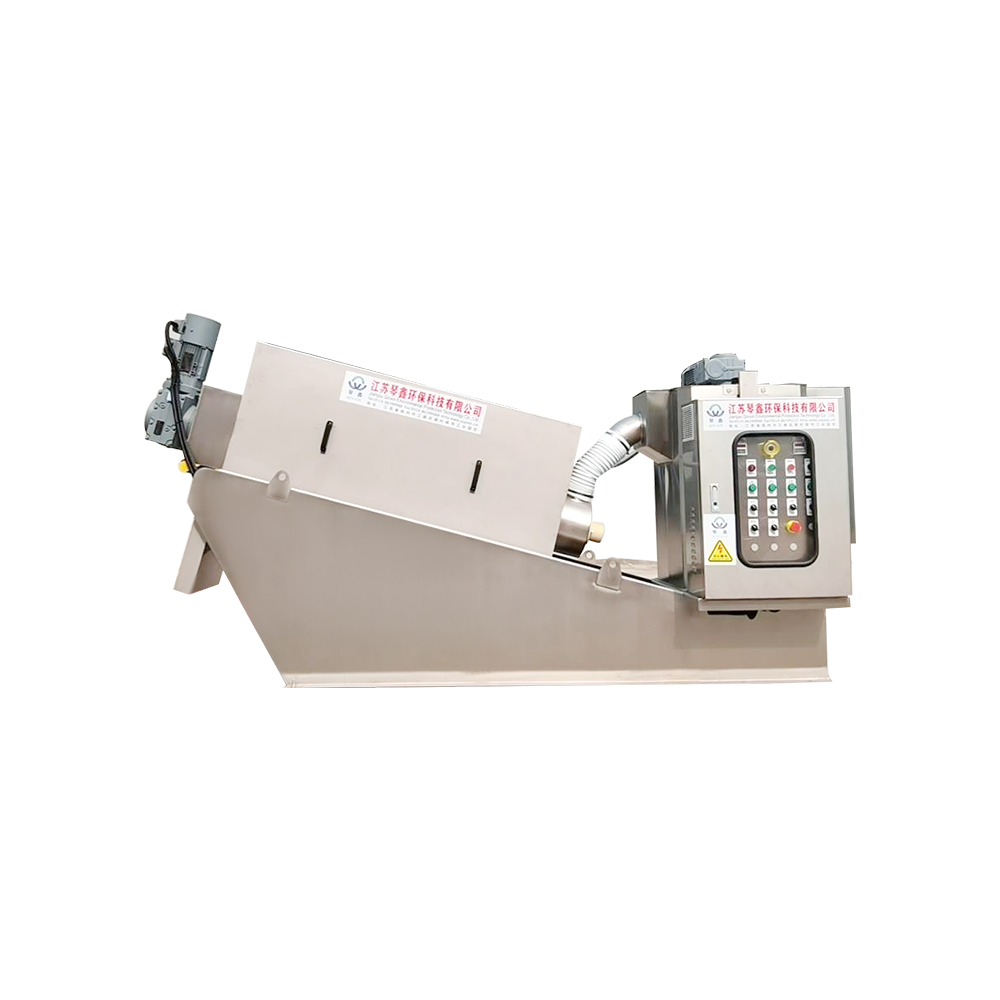
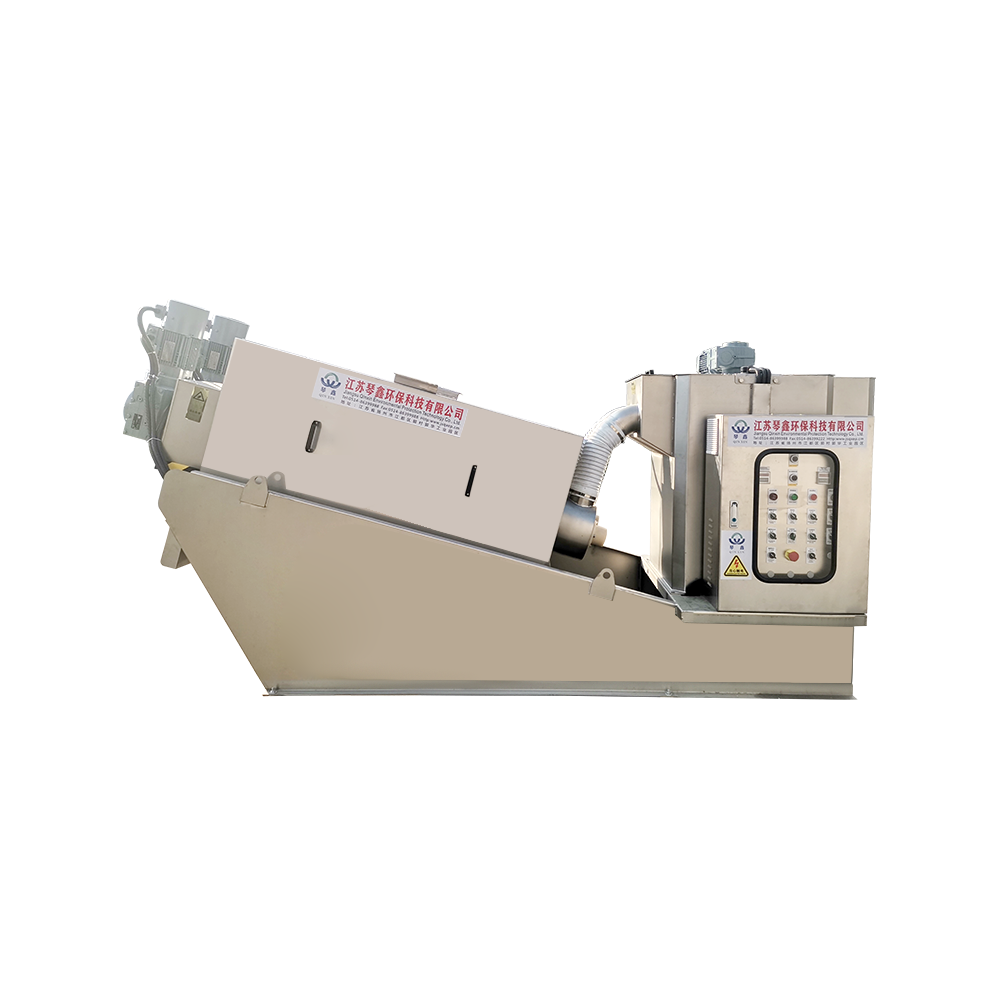
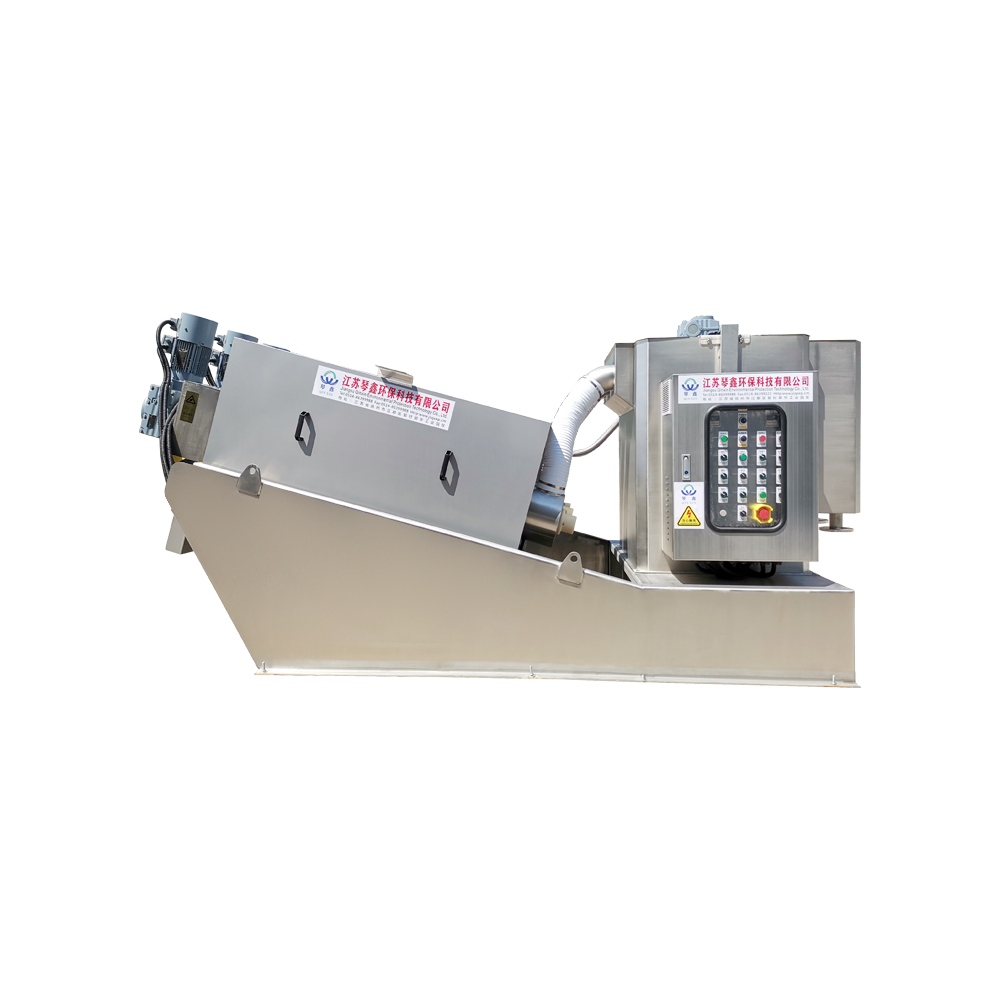
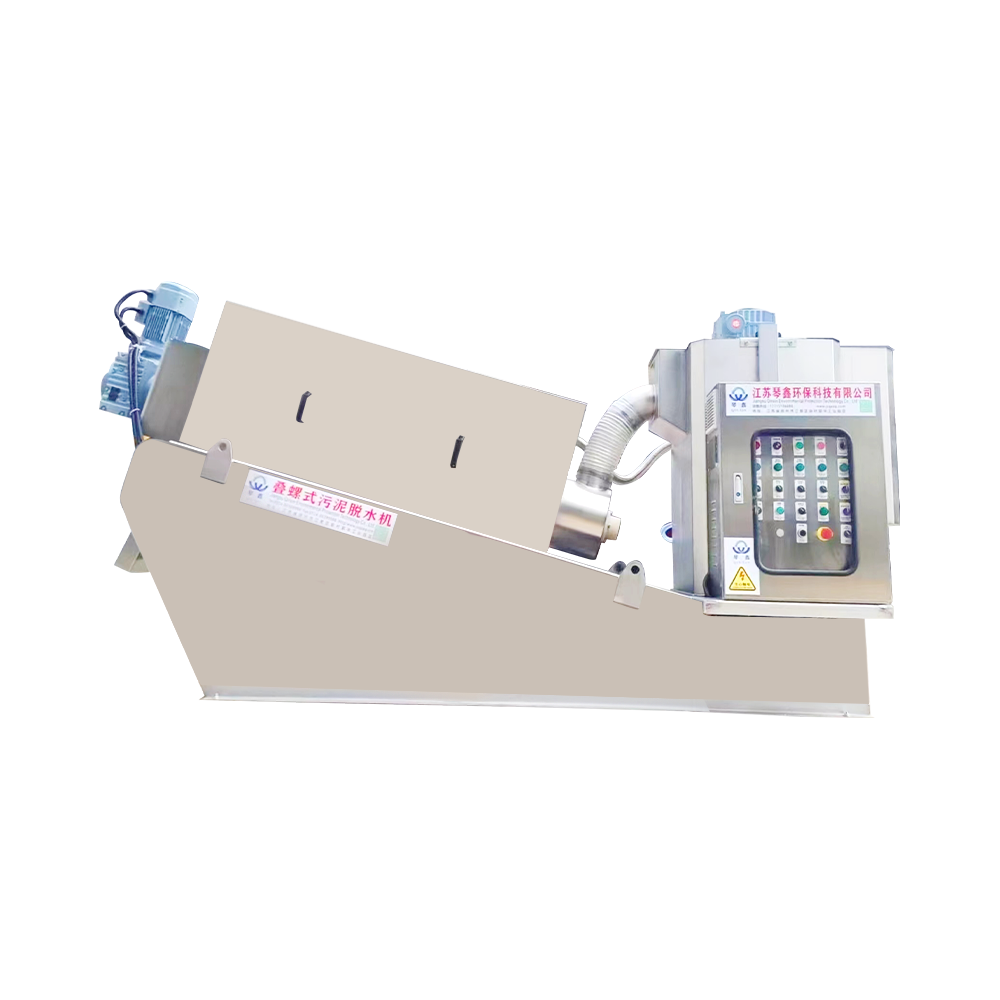
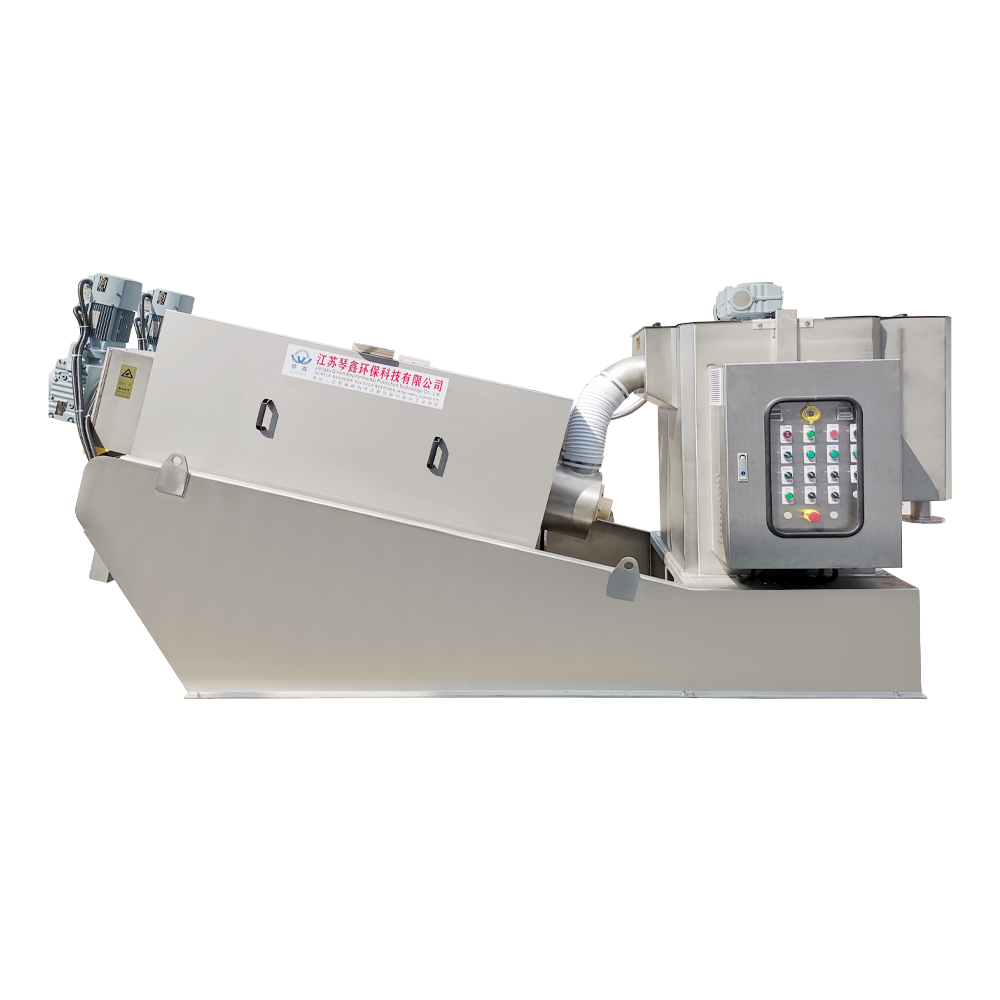
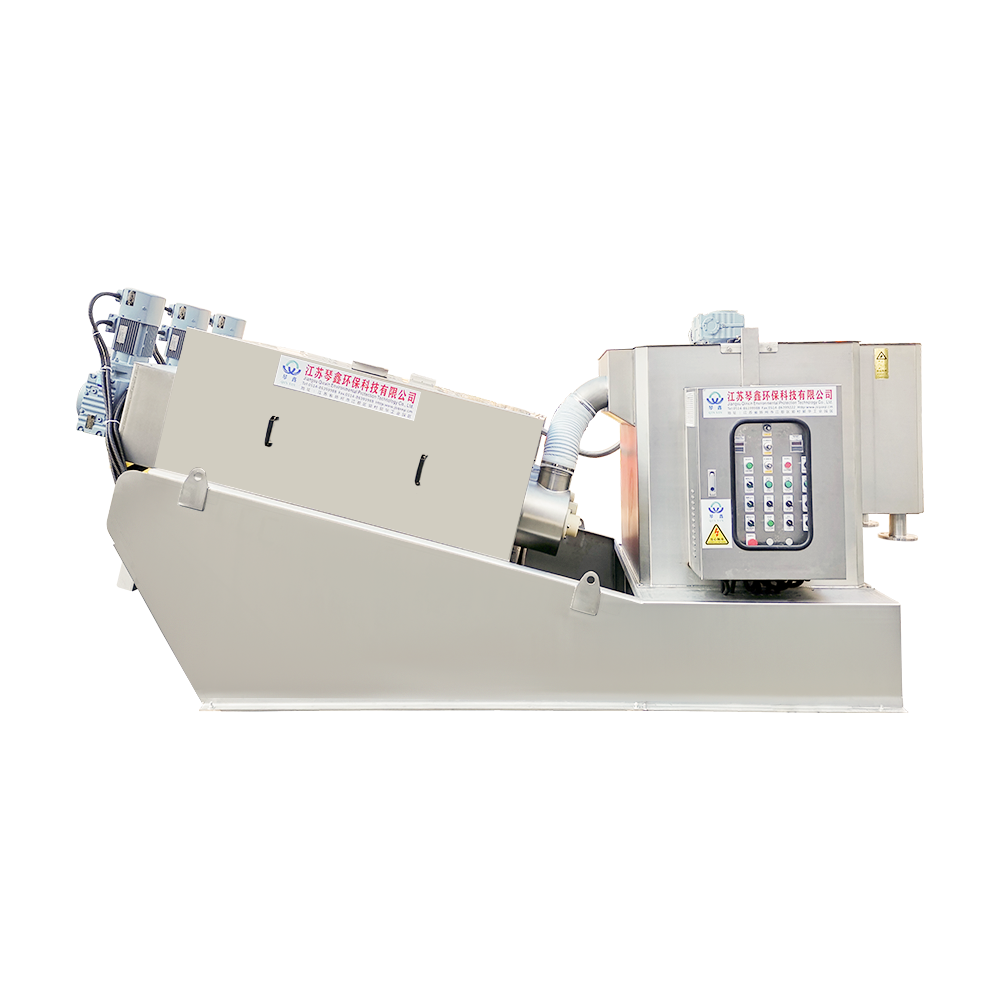
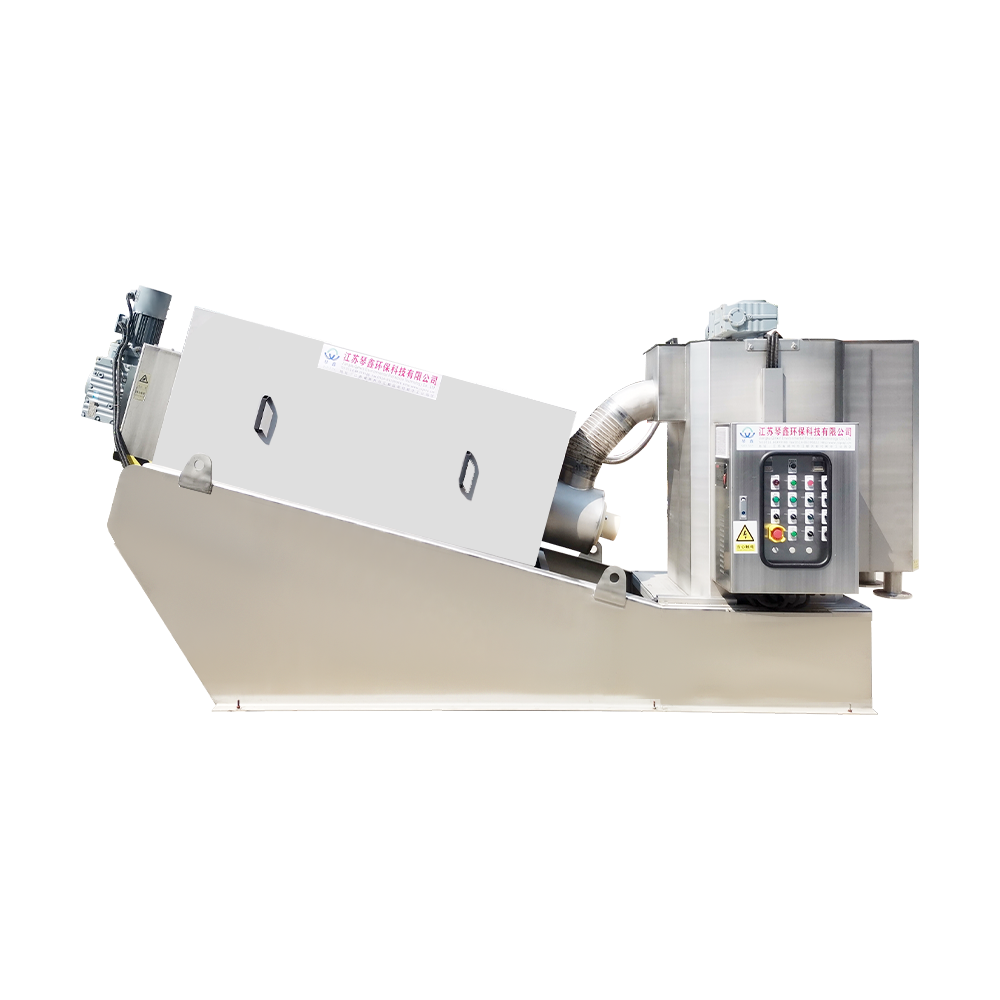
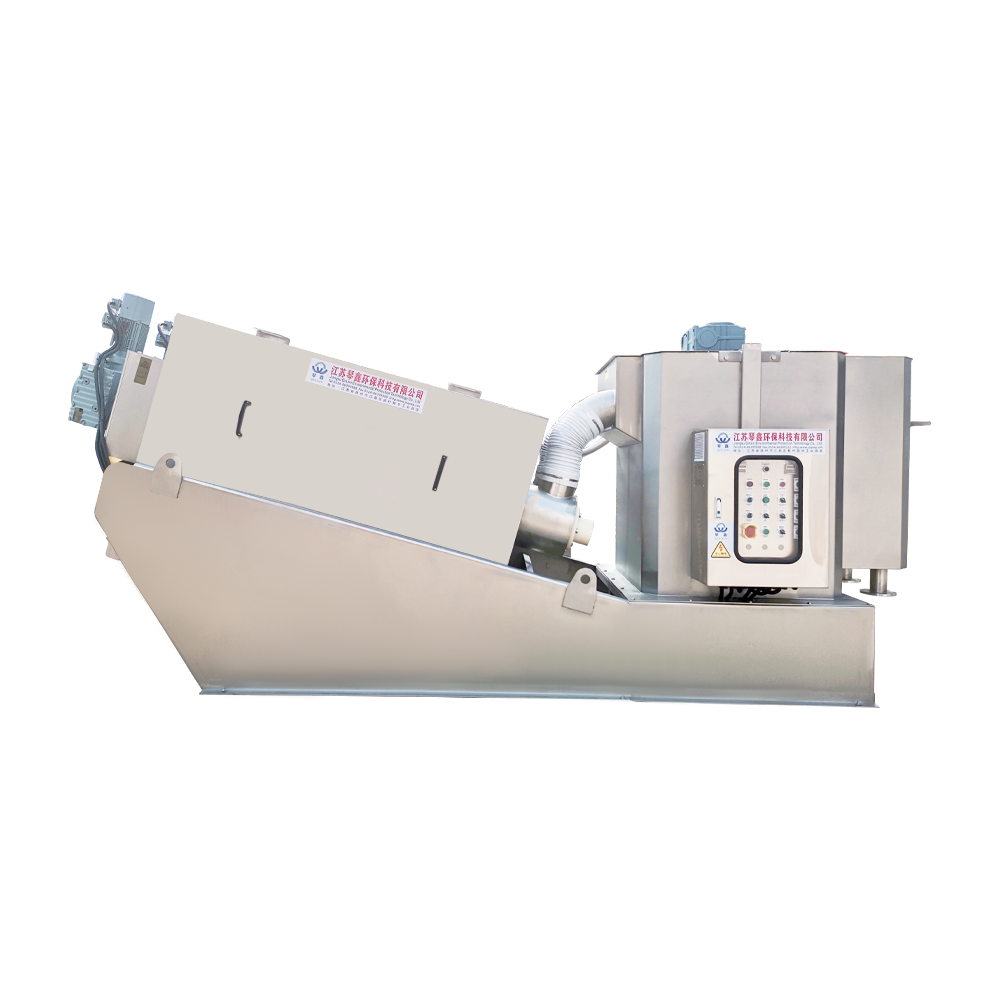
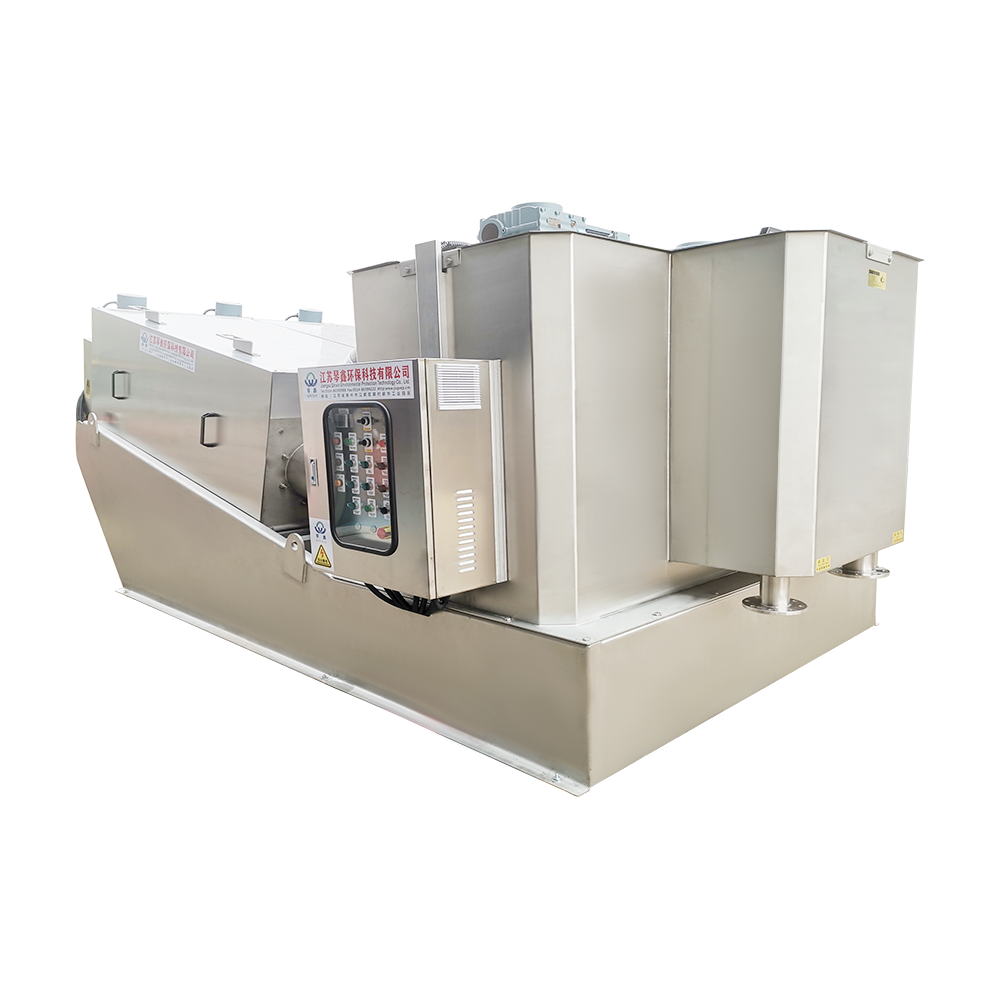
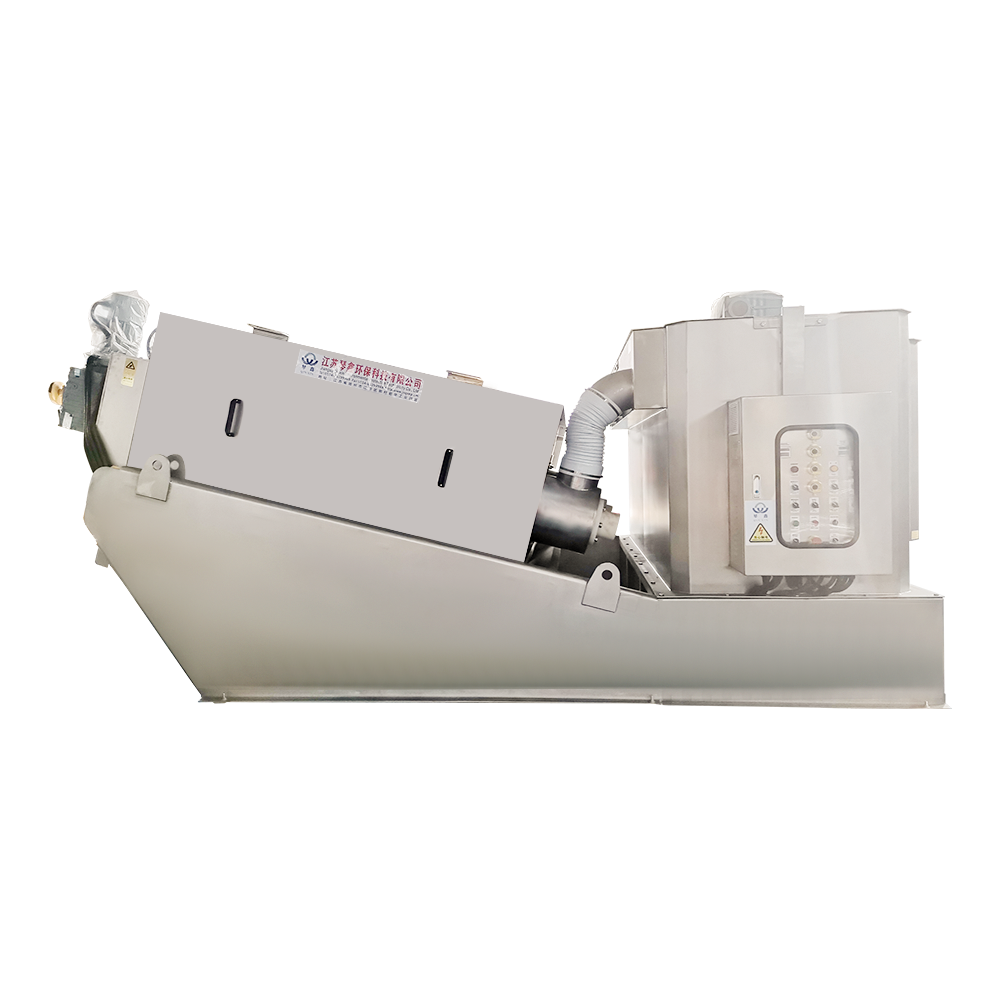
In the evolving landscape of global wastewater management, energy optimization has transitioned from a secondary operational goal to a primary engineering requirement. The screw dewatering machine, known for its low-speed operation and high torque output, is inherently more efficient than centrifugal alternatives. At Yangzhou Qinxin Environmental Protection Technology Co., Ltd., we combine years of R&D with practical industry-trade experience to deliver high-end multi disc screw press for sludge thickening and dewatering. As an AAA-level contract-oriented enterprise, we serve diverse sectors from municipal to petrochemical and pharmaceutical industries. Understanding the technical variables that dictate energy consumption is essential for B2B procurement managers looking to minimize total cost of ownership (TCO) while maintaining high discharge standards.
1. Sludge Concentration and Pre-treatment Efficiency
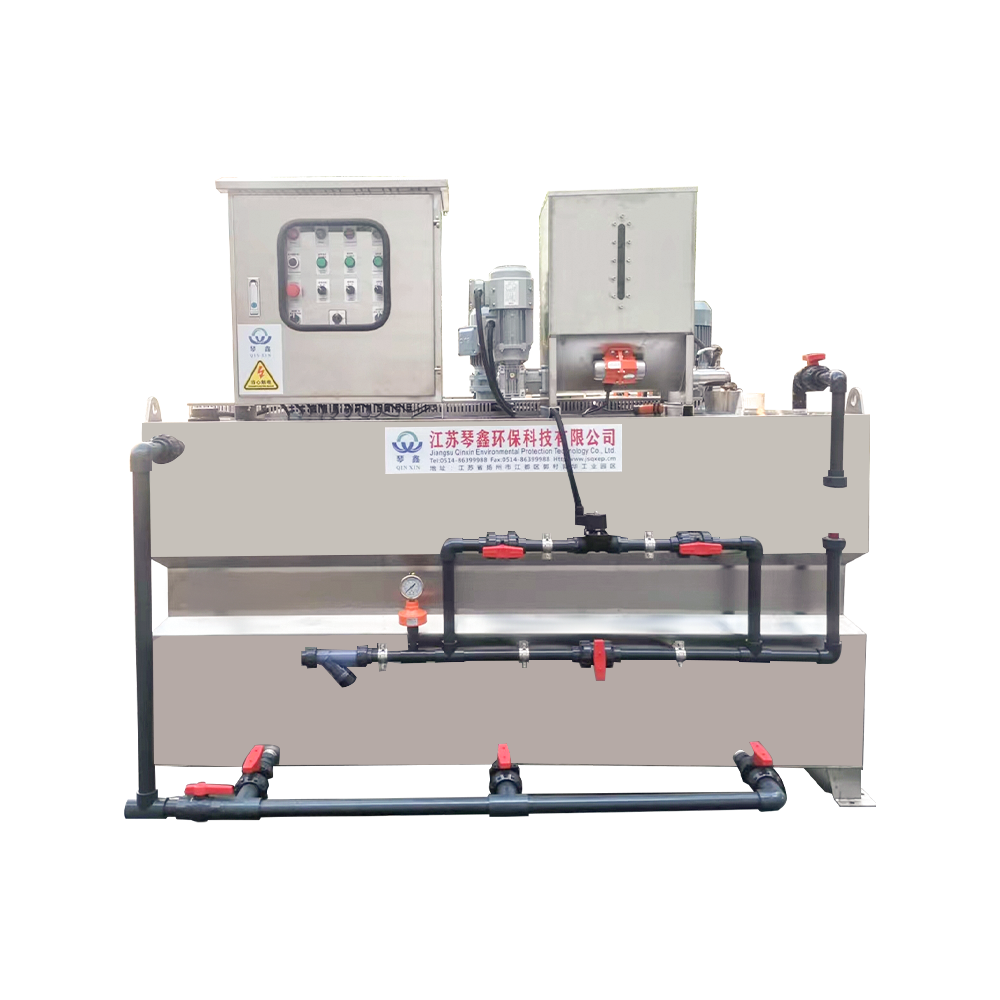
The initial consistency of the influent significantly dictates the energy required for mechanical separation. A higher solids concentration reduces the volume of water that needs to be displaced by the screw's rotation, thereby lowering the specific energy consumption per ton of dry solids. Effective pre-treatment using a PAM integrated dosing device for sludge ensures optimal flocculation, which is critical for maintaining the drainage capacity of the fixed and moving rings. According to the 2024 Water Environment Federation (WEF) technical guidelines, improving flocculation efficiency can reduce the mechanical load on the drive motor by up to 12% in sludge dewatering applications.
Source: WEF: Wastewater Treatment Fundamentals and Energy Optimization Standards 2024
Comparison: Low vs. High Concentration Influent Efficiency
Systems processing pre-thickened sludge operate at significantly lower RPMs than those handling dilute waste, leading to reduced electrical wear and power draw.
| Metric | Dilute Sludge ( < 1% solids) | Thickened Sludge ( > 3% solids) |
| Relative Power Consumption | High (Continuous pumping/higher RPM) | Low (High efficiency per cycle) |
| Dosing Requirement | Excessive (to capture fine particles) | Optimized (efficient floc bridge formation) |
| Mechanical Strain | High (Higher filtration resistance) | Low (Natural gravitational drainage) |
2. Motor Technology and Variable Frequency Drive (VFD) Integration
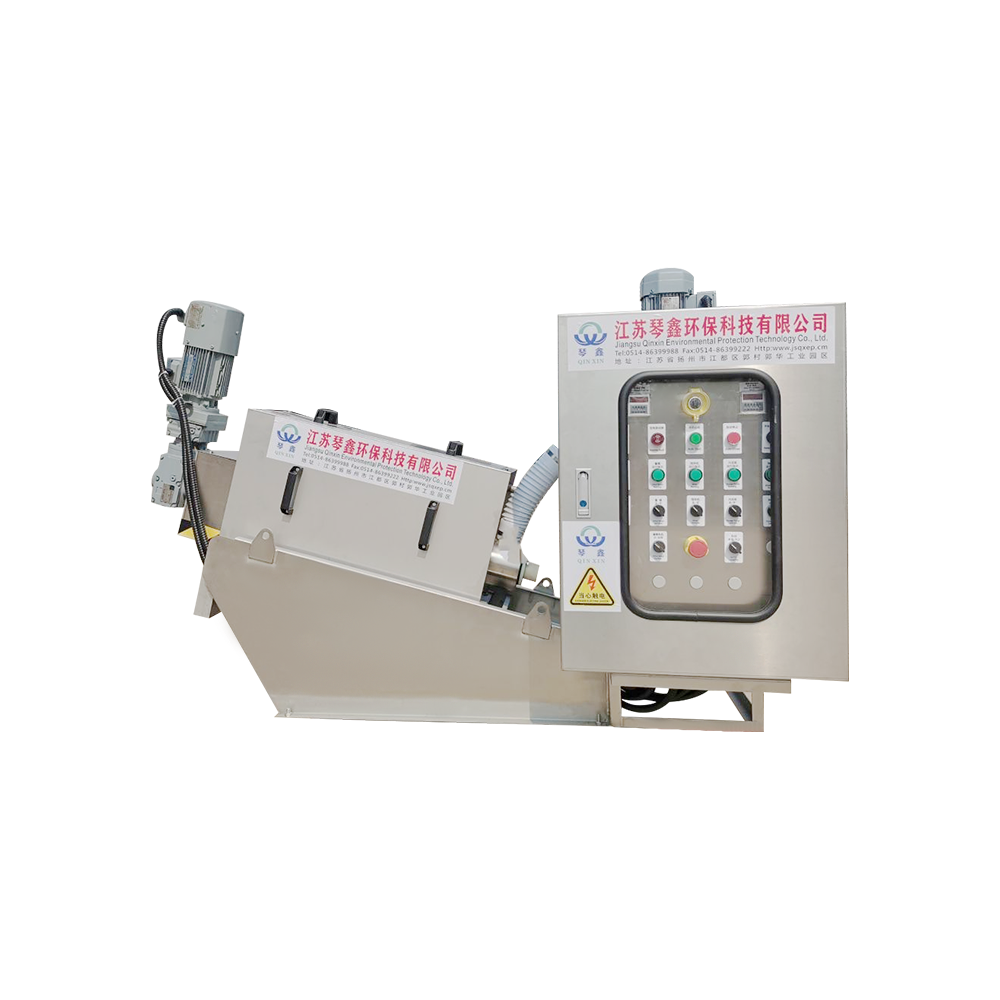
The drive system is the heart of industrial sludge dewatering equipment energy saving strategies. Modern machines utilize permanent magnet motors or IE3/IE4 high-efficiency induction motors. Integrating a VFD allows the screw dewatering machine to adjust its rotational speed in real-time based on the torque resistance encountered in the compression zone. Recent data from the International Energy Agency (IEA) highlights that industrial motor systems utilizing intelligent speed control can achieve energy savings of 20-30% compared to fixed-speed configurations. This is particularly relevant for low power consumption wastewater dewatering in municipal plants where sludge flow rates fluctuate daily.
Source: IEA: Energy Efficiency 2024 - Industrial Motor System Analysis
3. The Geometry of the Screw and Ring Gap Precision
Energy efficiency is also a function of internal friction. In a high capacity screw press for food waste, the clearance between the screw flight and the moving/fixed rings must be precisely calibrated. Excessive friction leads to heat generation and parasitic energy loss, while too much clearance results in poor cake dryness and internal leakage. Qinxin's engineering team focuses on proprietary "tapered screw" designs that optimize the volume reduction ratio. By reducing internal resistance while maintaining high compression, our automatic screw type sludge dewatering machine reduces the kilowatt-hour (kWh) per kilogram of water removed.
Comparison: Traditional Centrifuge vs. Modern Screw Press
Compared to high-speed centrifuges, the screw dewatering process operates at extremely low speeds (typically 2-4 RPM), which drastically alters the energy profile and maintenance requirements.
| Factor | Centrifugal Decanter | Qinxin Screw Press |
| Operational Speed | 2,500 - 4,000 RPM | 2 - 5 RPM |
| Energy Consumption | High (Aerodynamic/Friction loss) | Extremely Low (Direct torque) |
| Noise and Vibration | Significant (Requires specialized base) | Minimal (Silent operation) |
4. Intelligent Control Systems and Automation
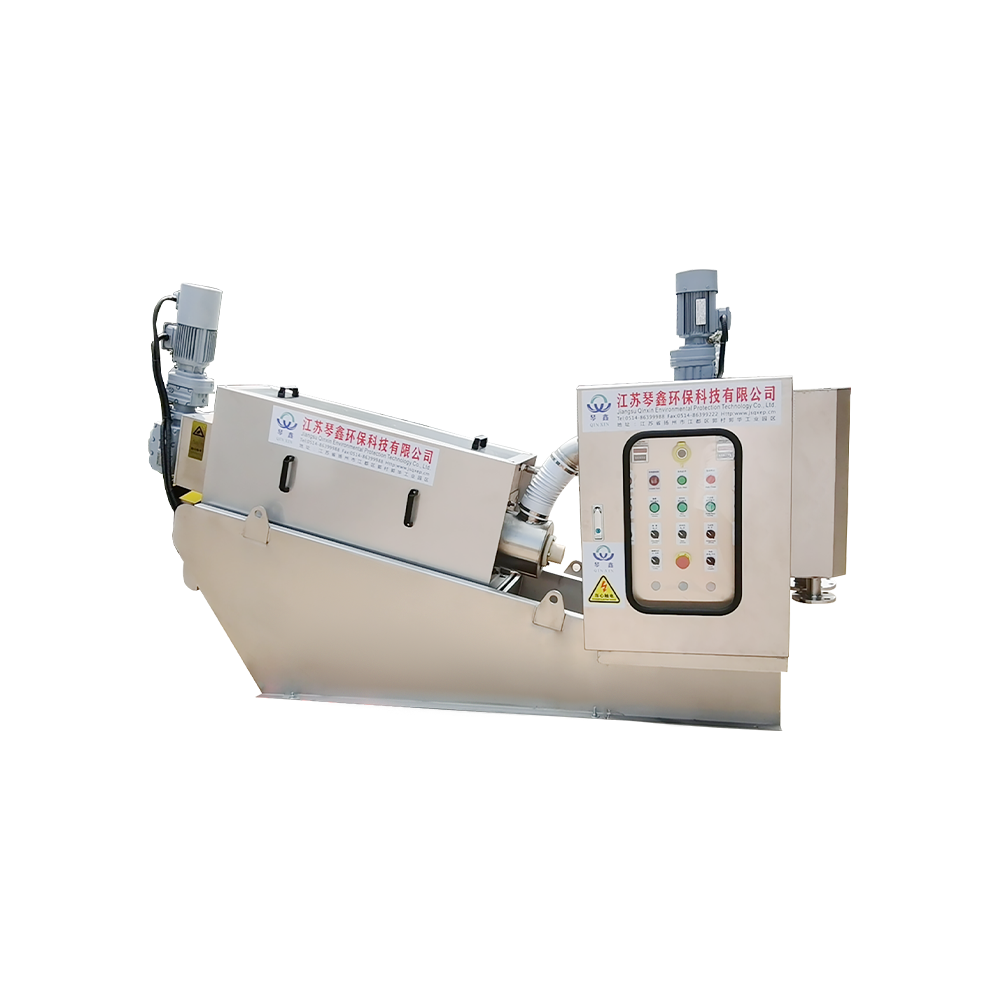
The synergy between the screw dewatering machine and the PAM integrated dosing device for sludge is managed through advanced PLC control systems. Automation ensures that the machine never operates at "no-load" or "over-load" states, both of which are energy-inefficient. By monitoring the sludge low-temperature drying system integration and solid-liquid separators upstream, the system maintains a steady-state operation. This holistic approach to environmental protection equipment ensures that every joule of energy is translated into effective liquid separation.
Conclusion: The Path to Sustainable Dewatering
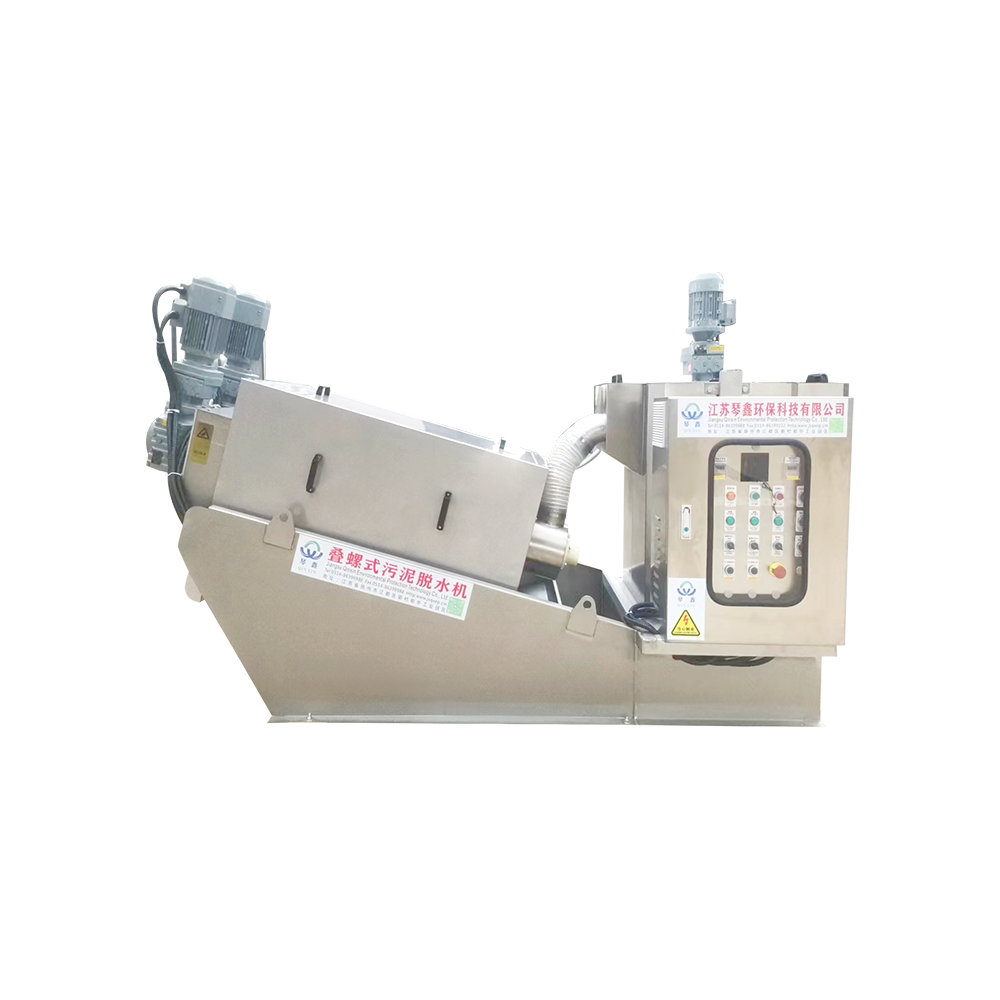
Optimizing the energy efficiency of a screw dewatering machine requires a multi-faceted approach, balancing chemical dosing, motor control, and mechanical precision. Yangzhou Qinxin Environmental Protection Technology Co., Ltd. remains committed to this technological frontier, providing exported equipment to Southeast Asia and beyond that sets the benchmark for industrial sludge dewatering equipment energy saving. Our dedicated team and strong technical force ensure that our customers receive not just a machine, but a sustainable solution for the long term.
Frequently Asked Questions (FAQ)
- How much energy can a VFD save on a screw dewatering machine? A VFD can save between 15% and 30% of energy by allowing the motor to slow down during periods of lower sludge inflow.
- Why is flocculation important for energy efficiency? Good flocculation allows water to drain naturally through the rings, reducing the mechanical force the screw must apply to push water out.
- Can your multi disc screw press for sludge thickening handle oily sludge? Yes, the self-cleaning mechanism of the moving rings prevents clogging, which maintains efficiency in petrochemical and food industry applications.
- What is the typical power rating for low power consumption wastewater dewatering? For a medium-sized unit, the power consumption is often as low as 0.1 to 2.0 kWh per cubic meter of sludge processed.
- Does Qinxin provide high capacity screw press for food waste solutions? Absolutely. We serve the brewing and food processing industries with specialized screw geometries designed for organic solids.

 TOP
TOP