
 ENG
ENG
 English
 русский
 Español
 Tiếng Việt
 ไทย
ไทย
Article Directory
- 1 1. The Critical Threshold: Influent Concentration and Cake Dryness
- 2 2. Integrated Thickening: The Role of Pre-Concentration
- 3 3. Chemical Conditioning: The Impact of PAM Dosing
- 4 4. Advanced Drying and Post-Treatment Integration
- 5 Conclusion: Professional Excellence in Sewage Treatment
- 6 Frequently Asked Questions (FAQ)
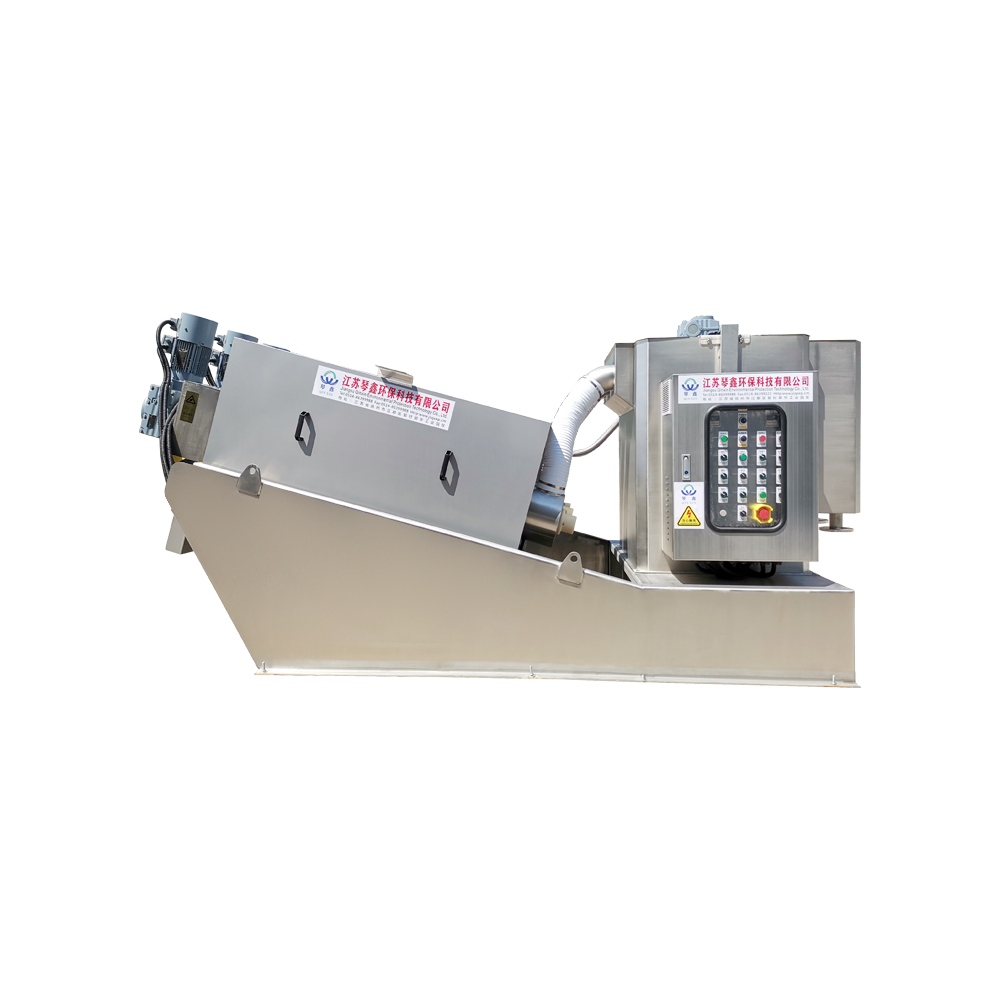
In the field of industrial and municipal wastewater treatment, achieving the highest possible solids content in the final discharge is a primary goal for reducing disposal costs. The performance of a sludge dewatering screw press is fundamentally dictated by the physical characteristics of the influent material. Yangzhou Qinxin Environmental Protection Technology Co., Ltd., an AAA-level contract-oriented enterprise, has dedicated years to the R&D of stacked screw sludge dewatering machines. Our expertise suggests that the relationship between influent concentration and mechanical dewatering efficiency is the most critical factor for engineers to manage in sectors ranging from petrochemical to food processing.
1. The Critical Threshold: Influent Concentration and Cake Dryness
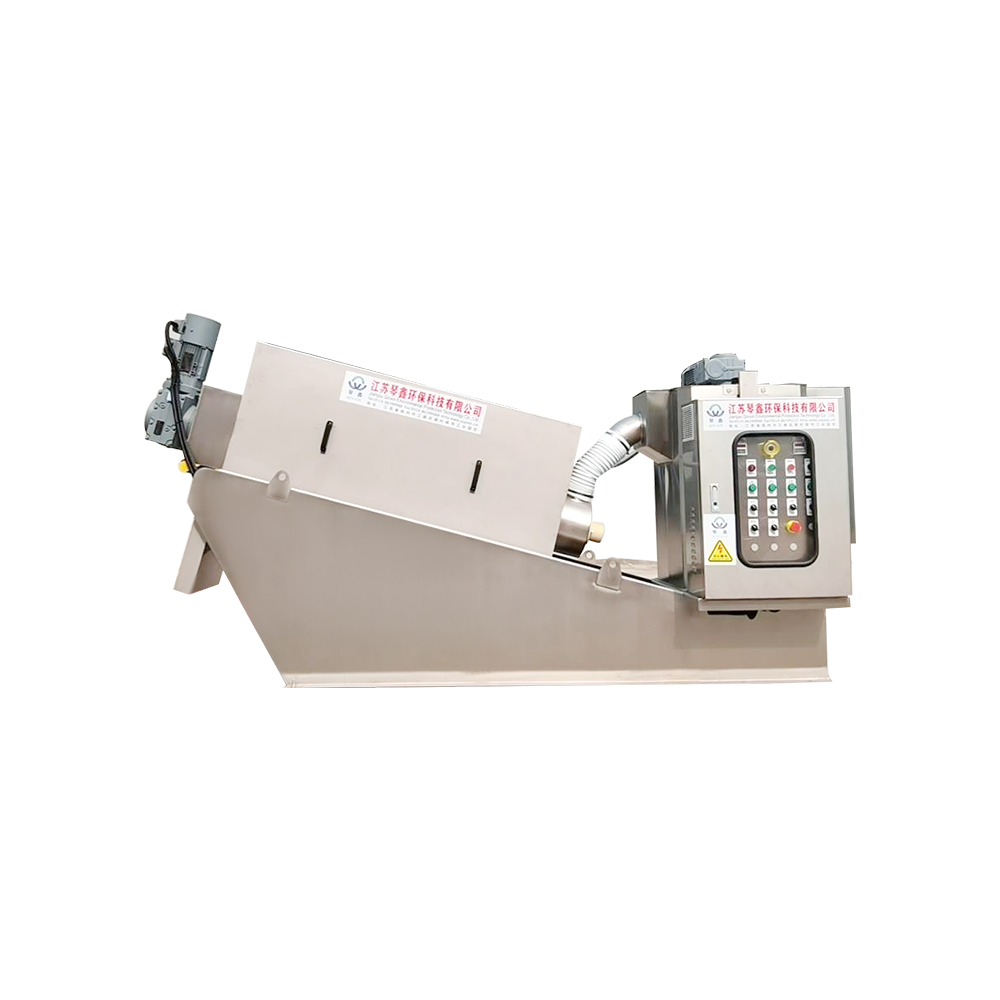
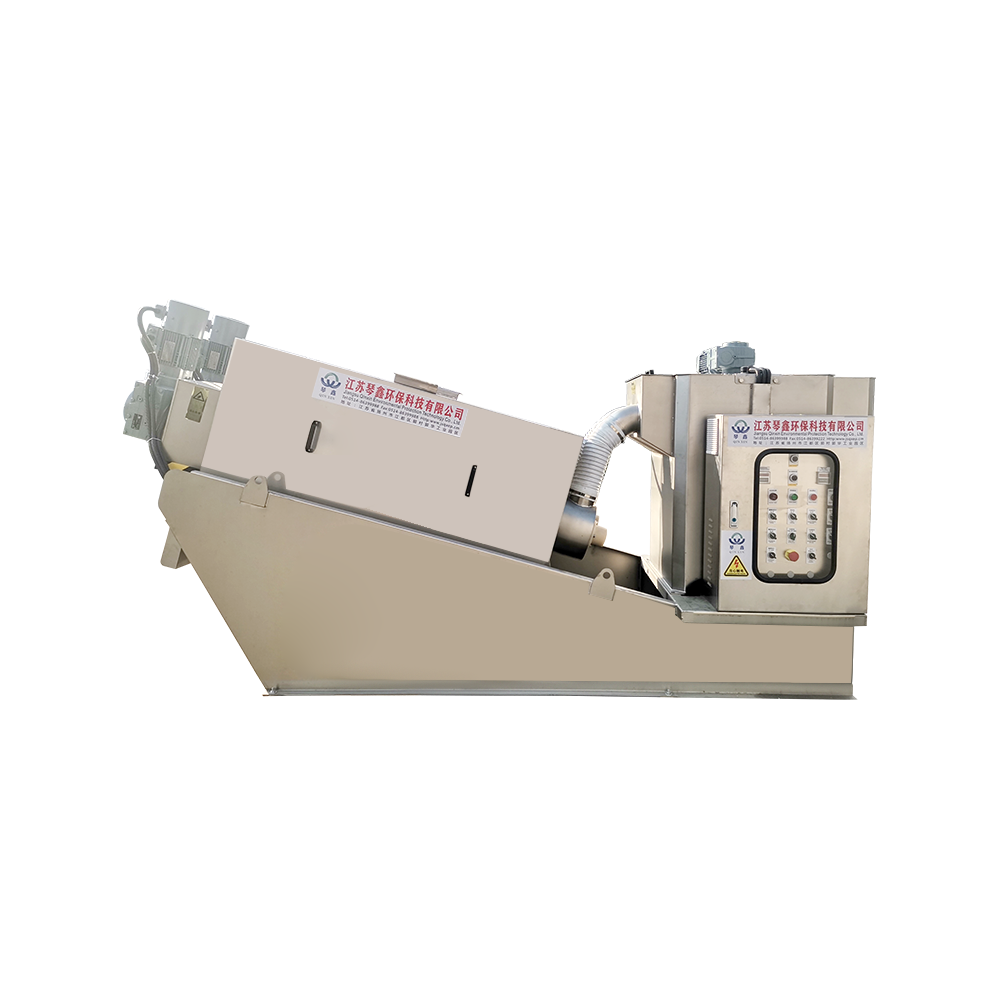
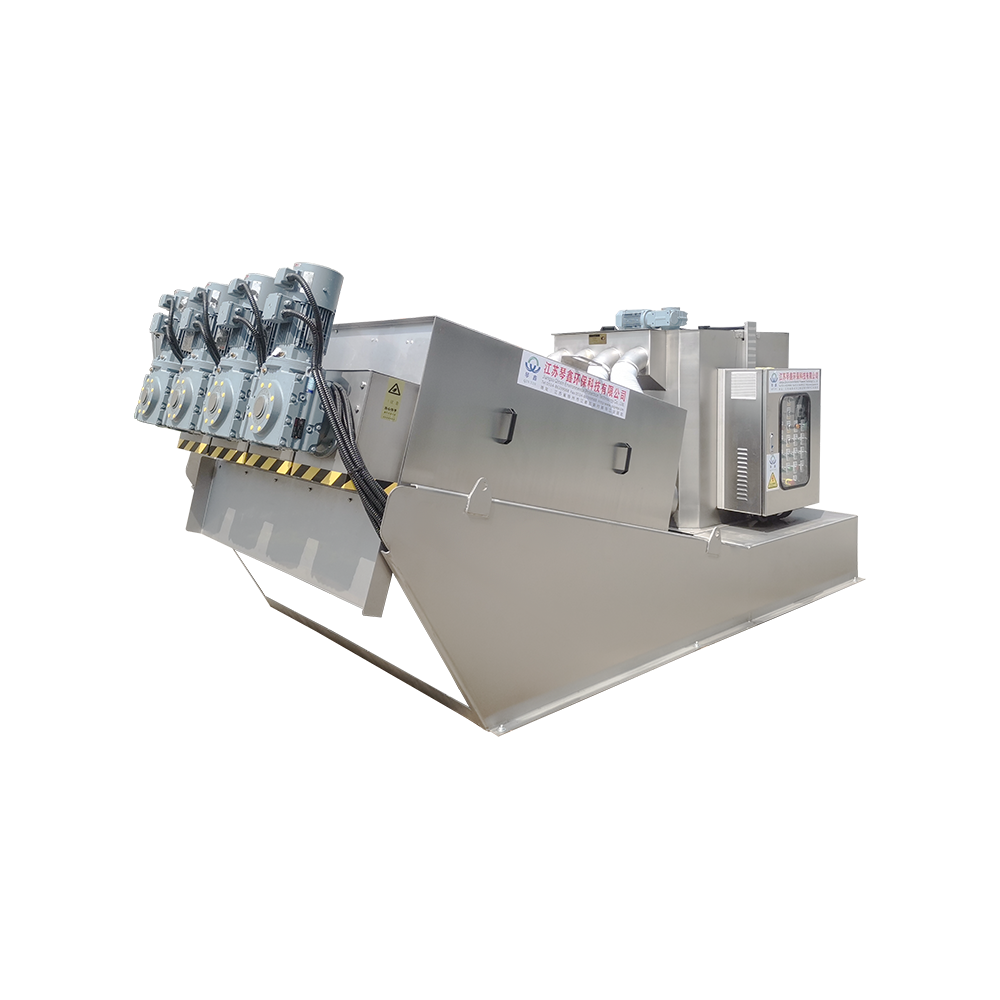
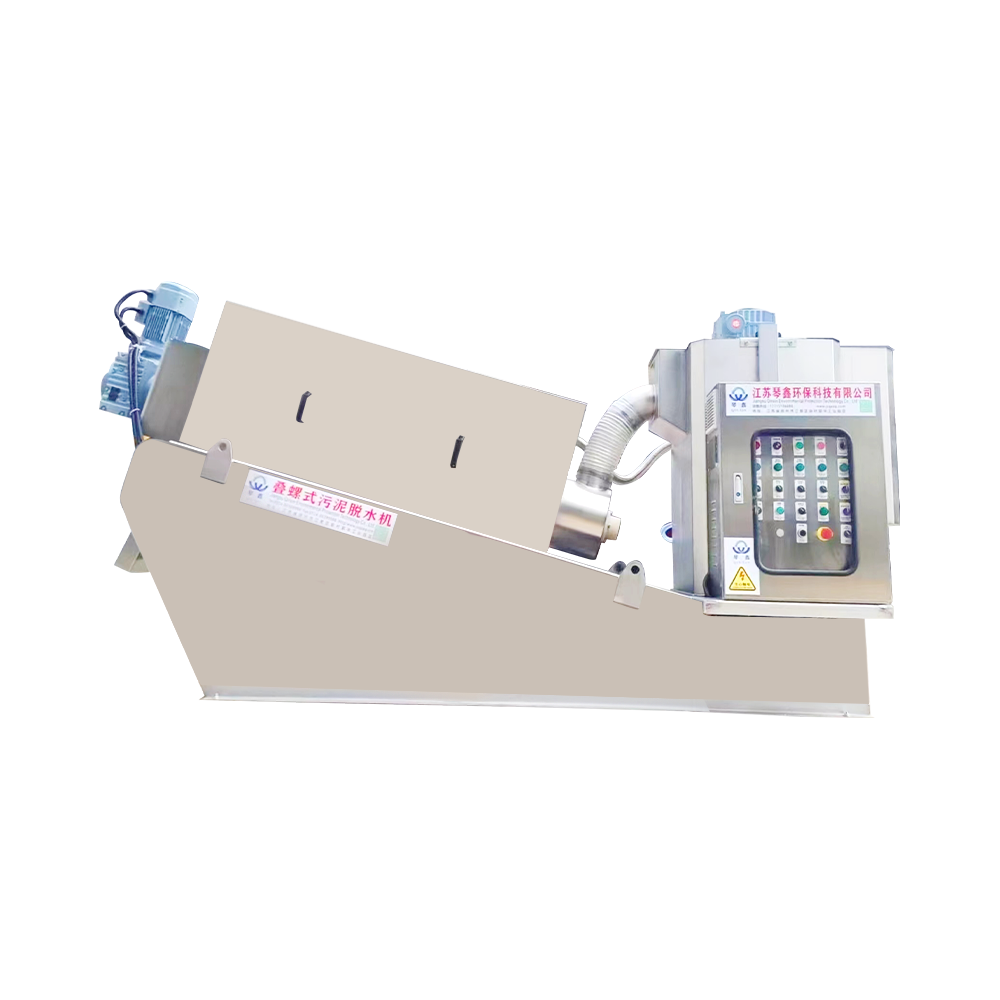
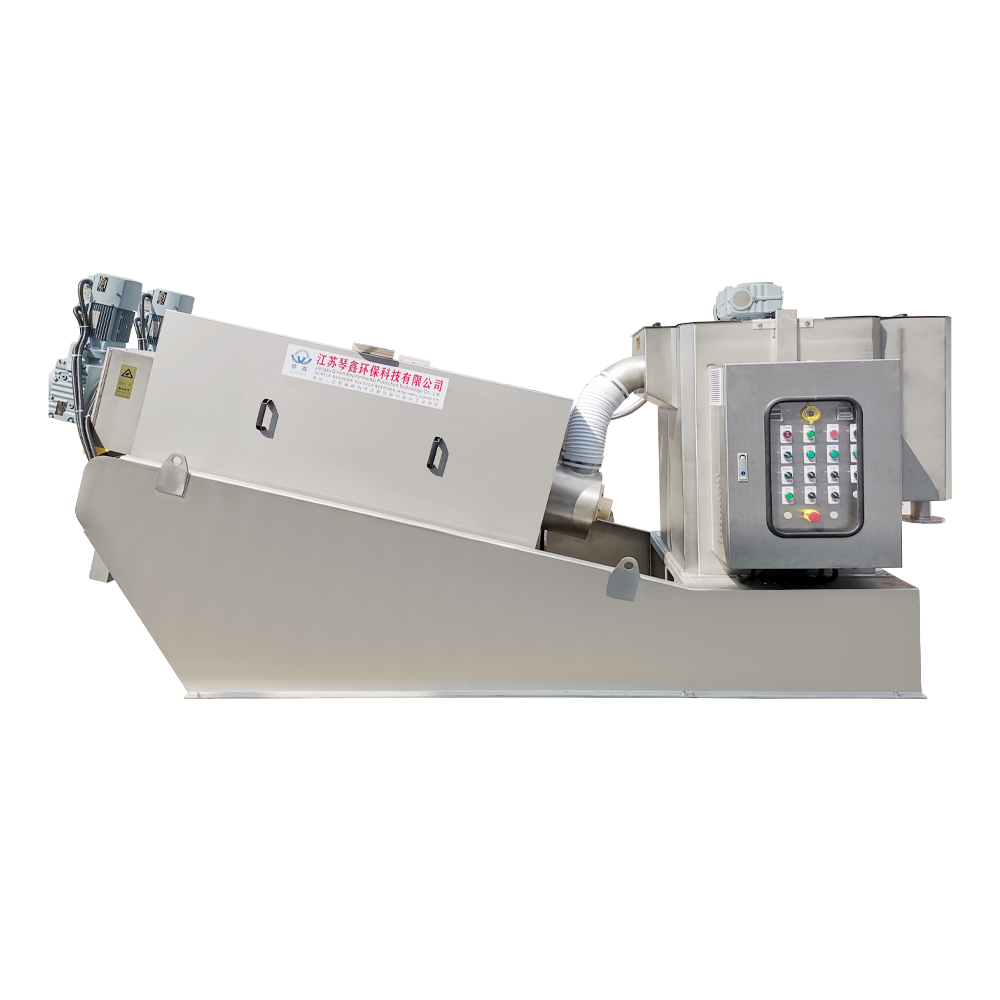
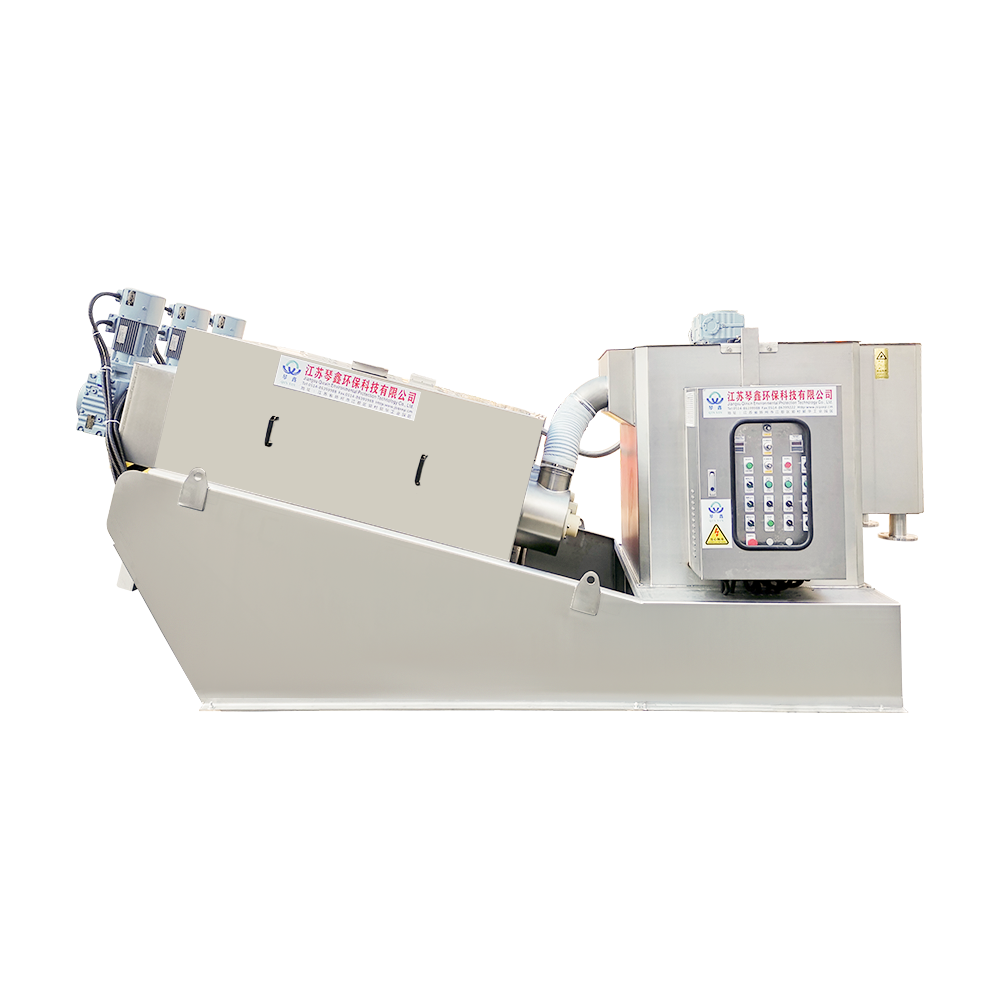
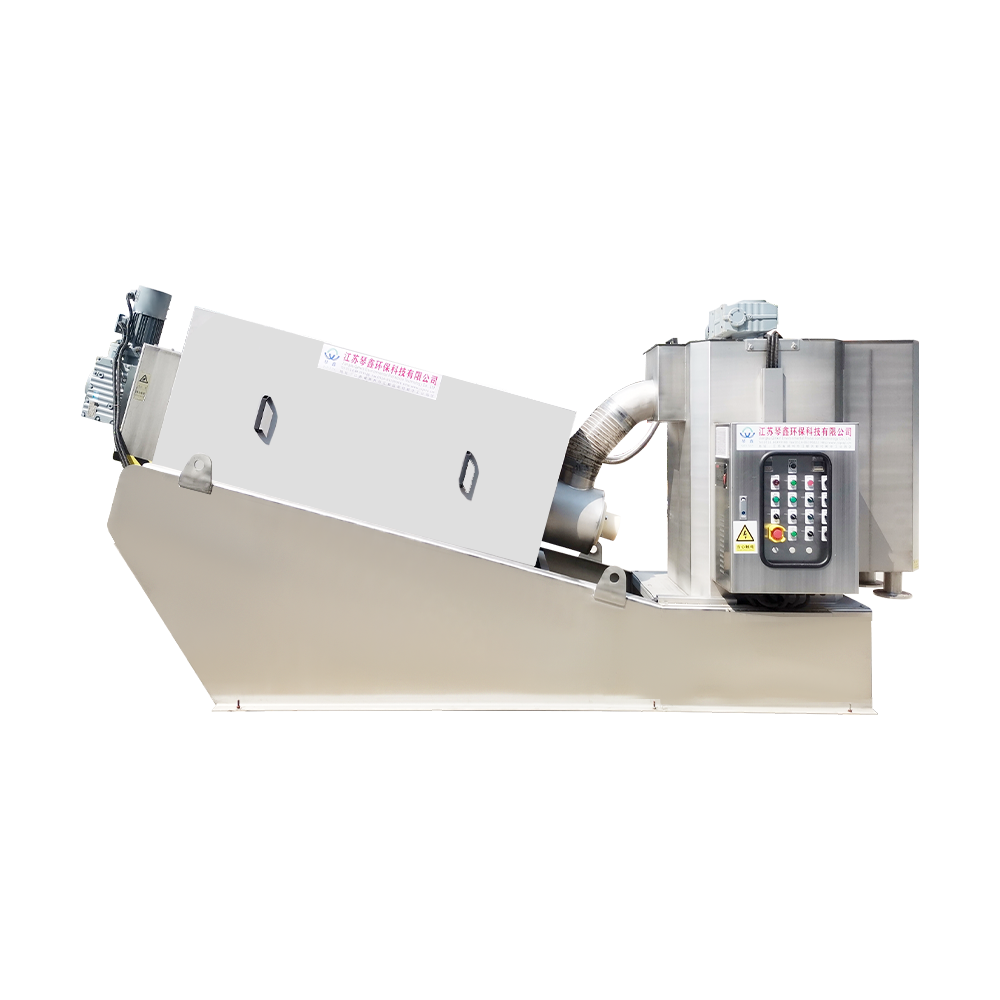
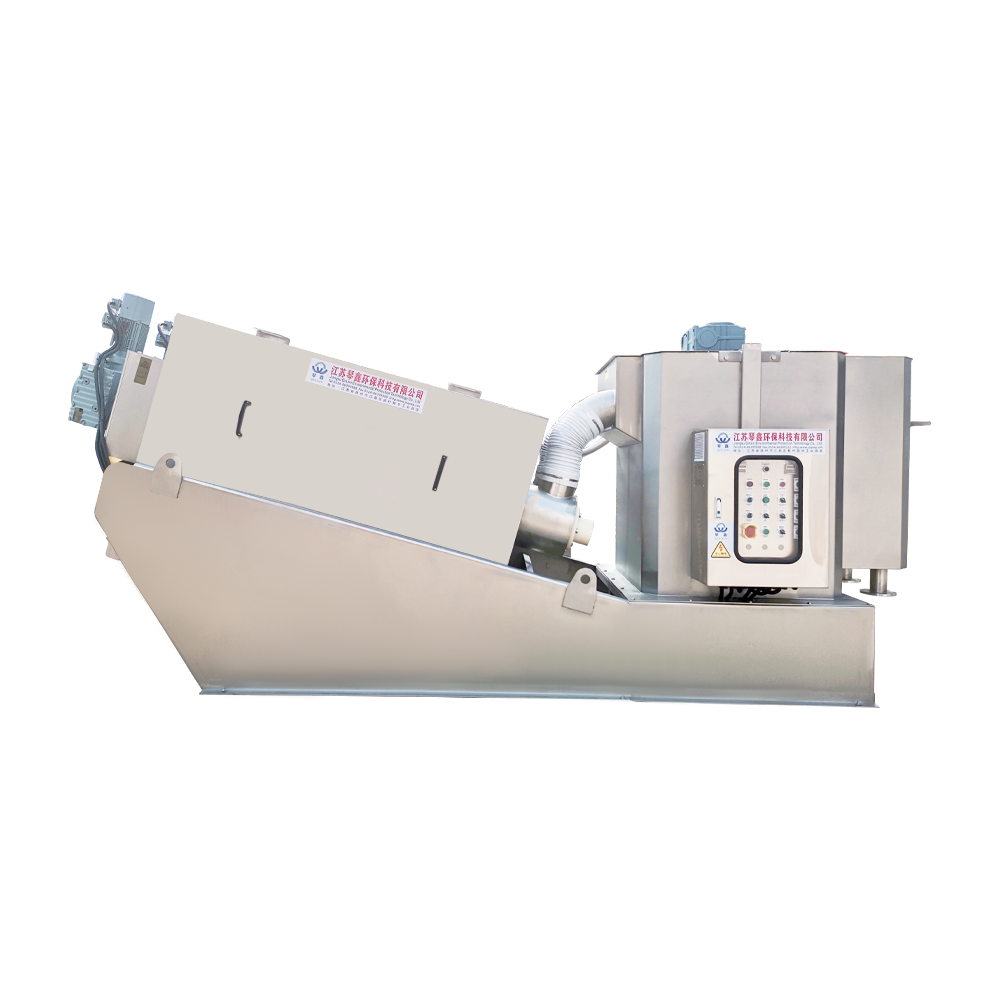
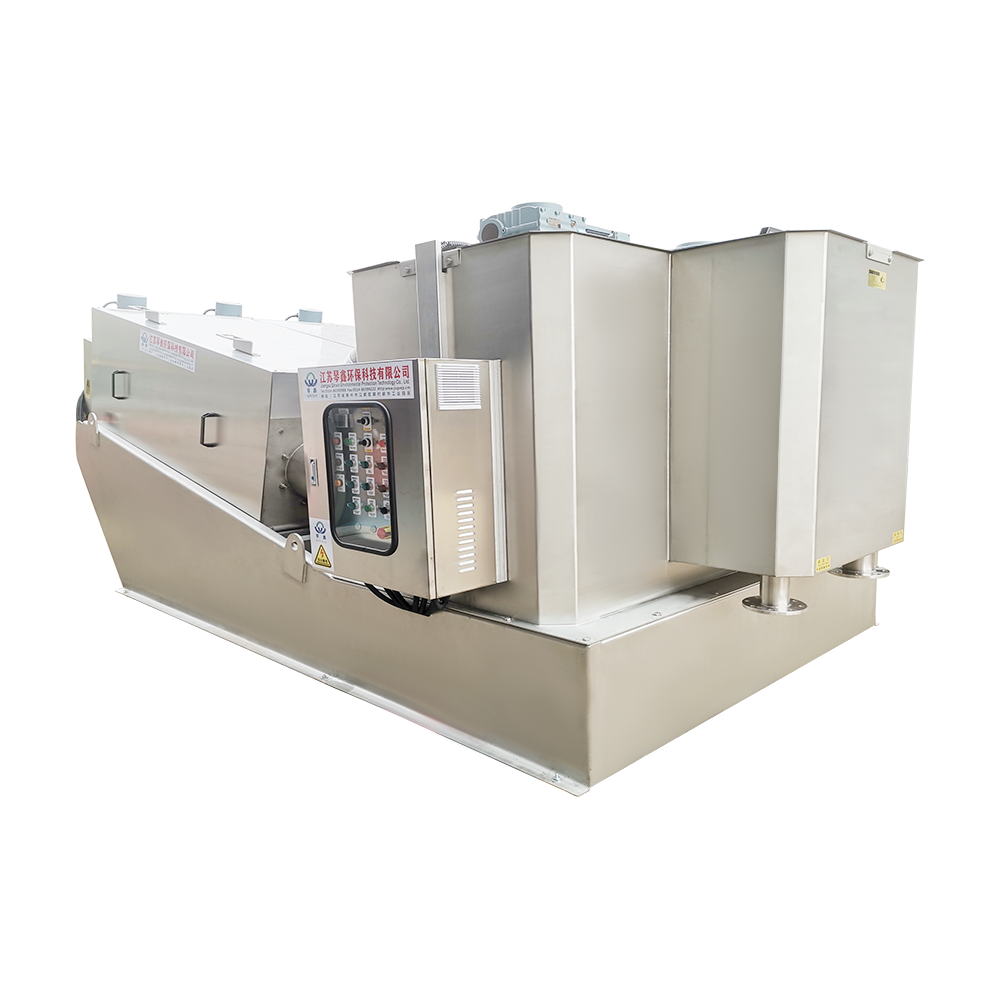
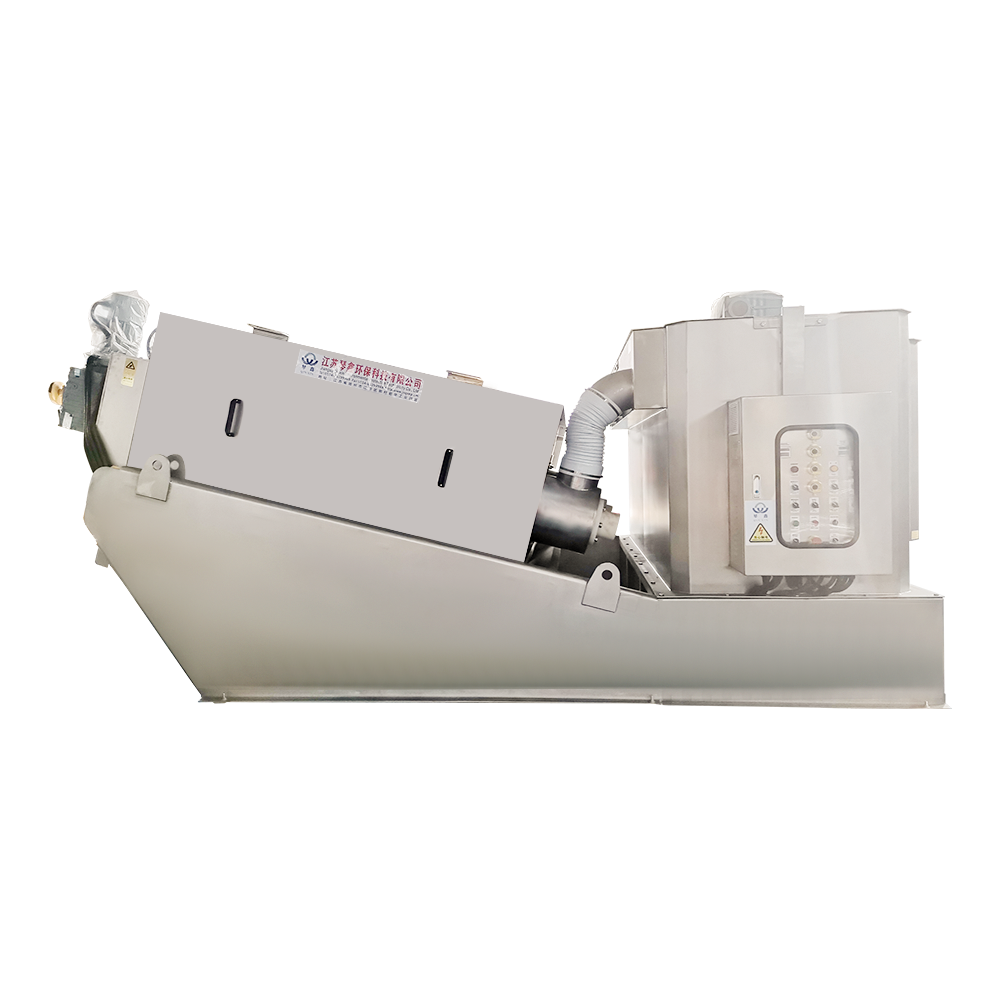
For most sludge dewatering screw press applications, the optimal influent sludge concentration typically falls between 2,000 mg/L and 30,000 mg/L (0.2% to 3.0%). While the machine is capable of handling dilute sludge, a higher concentration reduces the hydraulic load on the filtration disks, allowing the internal pressure to build more effectively against the back-pressure plate. This mechanical synergy is essential for a multi-disk screw press for industrial wastewater to achieve maximum cake dryness.
When comparing dilute influent to concentrated influent, the dilute sludge requires significantly more polymer for flocculation and places higher strain on the initial thickening zone of the screw shaft.
| Parameter | Dilute Influent (< 0.5%) | Optimal Influent (2% - 3%) |
| Hydraulic Load | High; requires larger filtration area | Balanced; efficient use of screw volume |
| Polymer Consumption | Higher dosage per kg of dry solids | Optimized chemical efficiency |
| Final Cake Dryness | Often lower (15% - 18% DS) | Maximum potential (20% - 25%+ DS) |
Source: ISO 16075-1:2024 Guidelines for treated wastewater use projects
2. Integrated Thickening: The Role of Pre-Concentration
To bridge the gap between low-concentration secondary sludge and the requirements for high-pressure dewatering, a sludge thickening and dewatering system is often utilized. Modern technical breakthroughs in 2024-2025 have focused on independent thickening drums that can take influent as low as 0.3% and concentrate it to 5% before it enters the dewatering screw. This pre-processing is a cornerstone of the stacked screw sludge dewatering machine technical specs provided by Yangzhou Qinxin.
Systems without pre-thickening often suffer from "liquid blow-through" at the discharge end, whereas integrated systems maintain a consistent "plug" of sludge, ensuring uniform pressure distribution along the screw axis.
| System Type | Standard Dewatering Only | Integrated Thickening & Dewatering |
| Inlet Capability | Requires thickened sludge (>1%) | Handles highly dilute sludge (>0.2%) |
| Mechanical Wear | High due to fast rotation for volume | Low; optimized slow-speed operation |
Source: UK Water Industry Standards - Biosolids Treatment and Dewatering 2025
3. Chemical Conditioning: The Impact of PAM Dosing
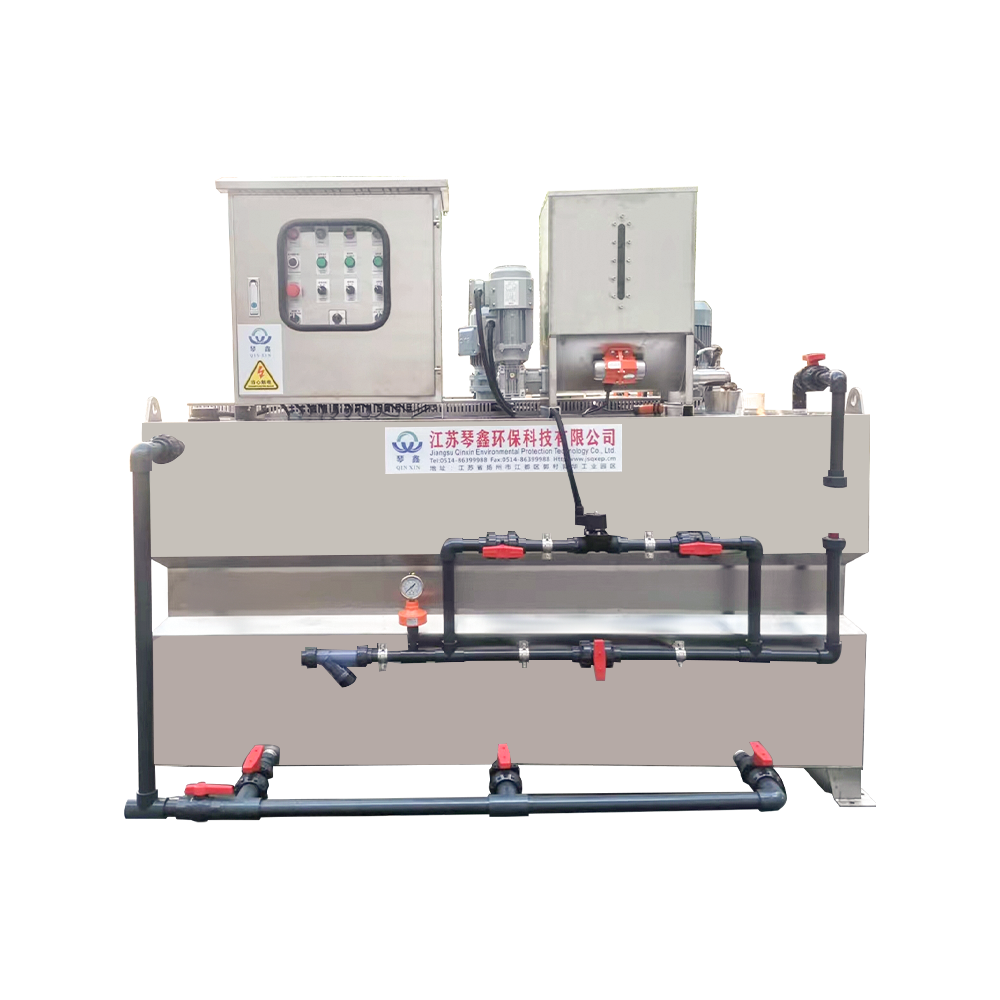
Maximum cake dryness is unachievable without precise flocculation. A low maintenance sludge screw press for municipal use must be paired with an automated PAM integrated dosing device to ensure the sludge flocs are large and shear-resistant. Recent industry data indicates that improper flocculation can lead to a 30% decrease in dewatering efficiency, even if the sludge concentration is within the optimal range. At Yangzhou Qinxin, we emphasize a dedicated team approach to help customers calibrate their dosing based on real-time sludge variations.
4. Advanced Drying and Post-Treatment Integration
In many modern high-end markets, especially in Southeast Asia, the dewatered cake must undergo further processing. Integrating the sludge dewatering screw press with a sludge low-temperature drying system allows for a reduction in sludge volume by up to 80% after the mechanical dewatering stage. According to 2024 market statistics, the global shift toward "sludge-to-energy" and "zero-waste" mandates has increased the demand for integrated dewatering-drying solutions by 15% annually.
Source: EPA - 2024 Biosolids Technology Fact Sheet: Dewatering and Drying Integration
Conclusion: Professional Excellence in Sewage Treatment
Finding the optimal sludge concentration is a technical endeavor that requires high-grade equipment and advanced service awareness. Yangzhou Qinxin Environmental Protection Technology Co., Ltd. continues to lead as an important supplier of sewage treatment equipment, adhering to many years of practical experience and research. By maintaining the sludge concentration at a stable, optimized level, typically around 2%-3%, and utilizing our patented stacked screw technology, operators can ensure maximum cake dryness and minimize long-term operational costs.
Frequently Asked Questions (FAQ)
- What happens if the sludge concentration is too high (above 5%)?
If the concentration is too high, it may cause clogging in the influent piping or uneven distribution within the sludge dewatering screw press, potentially leading to increased torque and mechanical wear. - Can a screw press handle sludge from food processing?
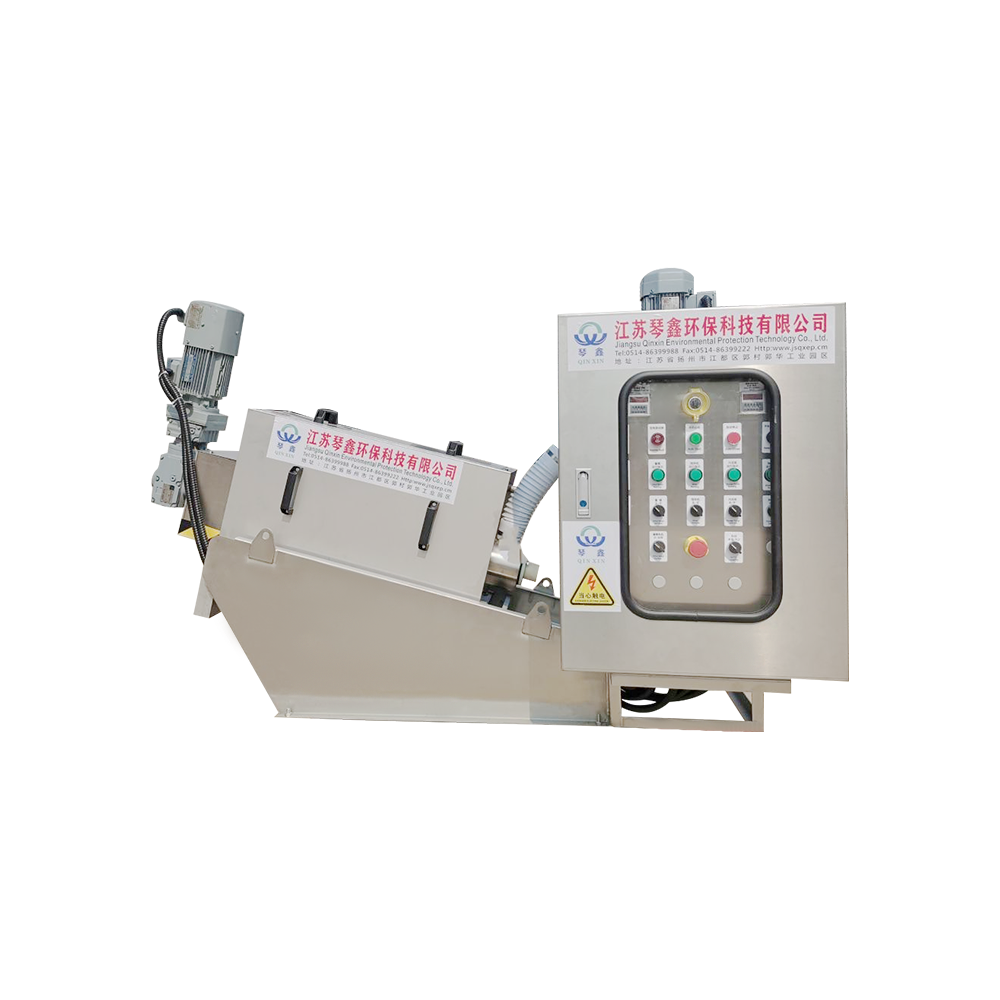
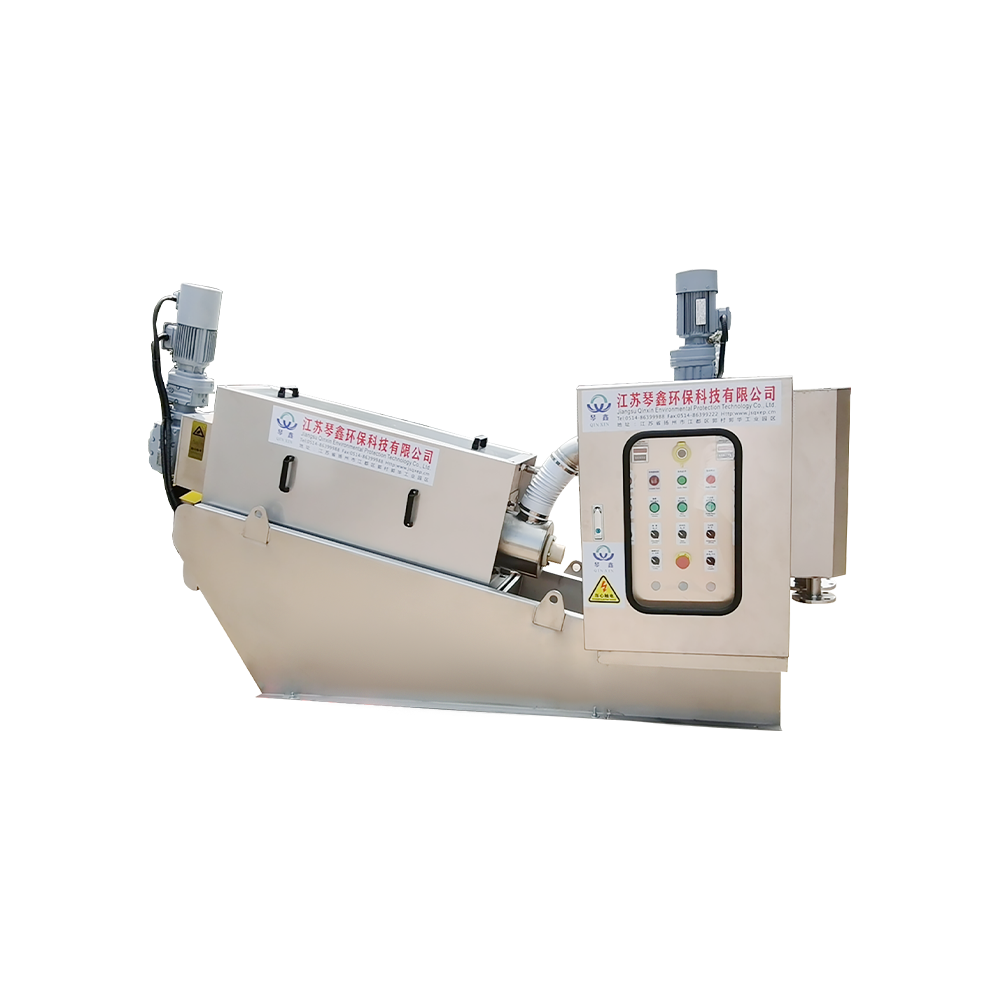
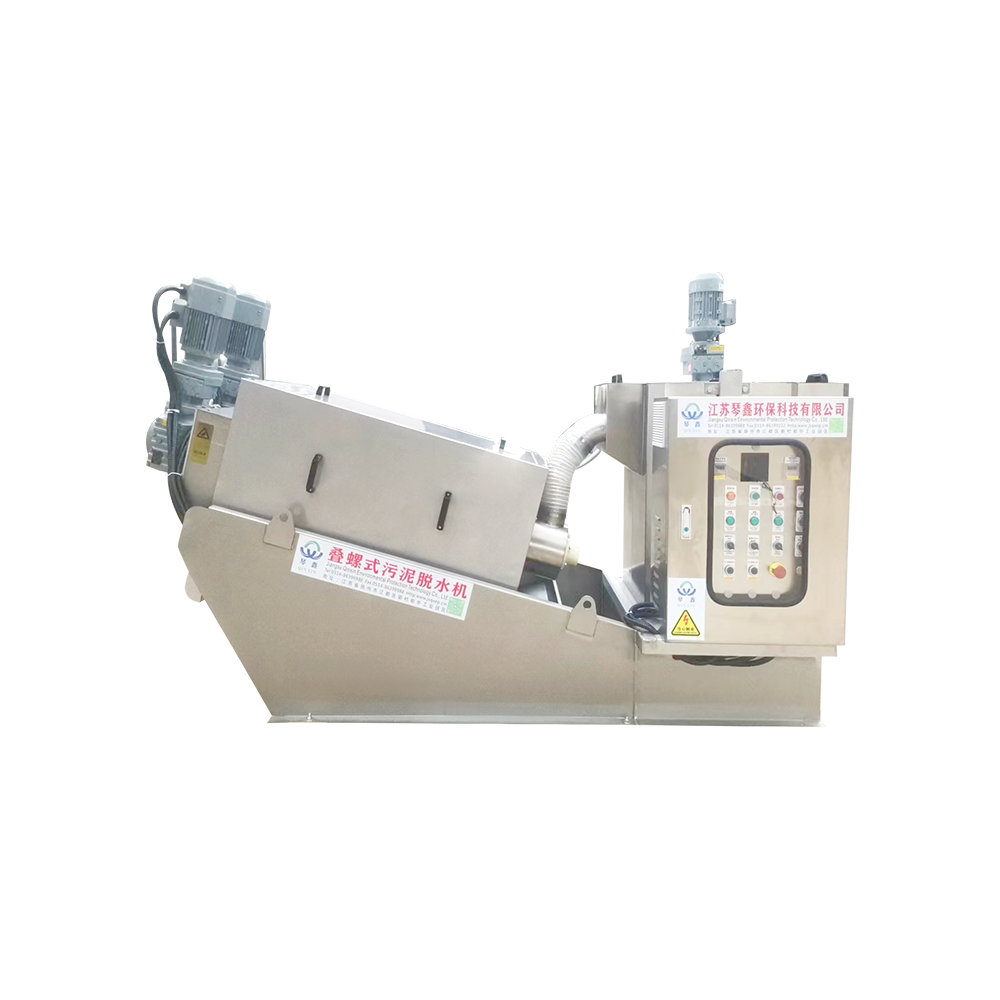
Yes. Multi-disk screw press for industrial wastewater designs are excellent for food-grade sludge, especially when equipped with self-cleaning mechanisms to handle oils and fats. - How does a PAM dosing device improve cake dryness?
The automated PAM integrated dosing device creates stable flocs that allow water to escape more freely between the filtration disks under the pressure of the screw. - Why is a low-speed screw press preferred over a centrifuge?
A low maintenance sludge screw press for municipal use operates at very low speeds (2-4 RPM), leading to much lower energy consumption and significantly less noise and vibration compared to high-speed centrifuges. - Is pre-thickening always necessary?
It depends on your influent. If your sludge is consistently below 1%, a sludge thickening and dewatering system with an integrated pre-thickening drum is highly recommended to ensure the highest dryness.

 TOP
TOP