
 ENG
ENG
 English
 русский
 Español
 Tiếng Việt
 ไทย
ไทย
Article Directory
- 1 What makes chemical sludge difficult to dewater
- 2 Main screw press applications in chemical plants
- 3 Engineering a screw press for chemical service
- 4 Building the right conditioning train: polymer dosing and mixing
- 5 Performance expectations and selection KPIs for chemical plants
- 6 What to verify in a screw press supplier for chemical projects
- 7 A practical verdict on screw presses in chemical industry service
Fine chemical plants often treat wastewater that changes character several times per shift. A reactor wash-down can swing the feed pH from 4 to 11 within an hour, while catalyst fines, surfactant foam, and partly polymerized residues reach the dewatering unit intermittently. The practical question is not whether chemical sludge can be dewatered, but which technology remains stable when the feed does not. For most chemical wastewater sludges, a screw press delivers that stability — provided the machine is sized and built for the service, and the upstream polymer conditioning is correctly controlled.
Screw press applications in the chemical industry are therefore not limited to one sludge type. They cover fine chemical intermediates, petrochemical oily residues, metal hydroxide precipitates, and polymer-laden effluents. The common thread is that all of these feeds punish equipment with abrasion, corrosion, viscosity, and wildly variable solids loading. A screw press tolerates all four better than cloth-based presses or high-speed centrifuges when key components are engineered accordingly.
What makes chemical sludge difficult to dewater
Chemical sludge combines several properties that quickly reveal the limits of conventional dewatering equipment:
- Abrasive inorganic solids. Catalyst fines, titanium dioxide, calcium sulfate, and crystallization byproducts wear out pump impellers, filter cloths, and bowl surfaces.
- pH swings and corrosive ions. Chloride, sulfate, and residual acid or caustic attack carbon steel and standard 304 stainless steel over time.
- Oily or viscous organic fractions. Solvents, surfactants, and lubricants blind filter media and increase cake stickiness.
- Unstable solids concentration. Batch production means the dewatering unit sees 0.5% solids one hour and 3% the next.
The consequences are measurable. Belt filter presses suffer media blinding and frequent wash-down cycles. Centrifuges handle viscosity but chatter when grit enters the bowl, accelerating wear on conveyor flights and nozzles. Plate filter presses produce dry cake but demand manual plate separation and high polymer doses when the feed is sticky. A screw press avoids most of these failure modes because it uses slow rotation, a wedge-shaped filtration zone, and a self-cleaning mechanism that does not rely on a fine cloth.
Main screw press applications in chemical plants
The list below reflects the most common chemical industry duties where screw presses are selected for primary sludge dewatering:
| Application | Sludge characteristics | Why a screw press fits | Cake dryness (typical) |
|---|---|---|---|
| Fine chemicals & intermediates | Mixed organic/inorganic, pH 4–11, batch variations | Tolerates fluctuating solids and aggressive chemistry | 22–28% DS |
| Petrochemical & refinery processes | Oily, emulsified, abrasive fines | Slow-speed pressing releases free water without re-emulsifying oil | 18–25% DS |
| Electroplating & metal finishing | Metal hydroxide precipitates, high chloride | Corrosion-resistant build options and continuous discharge of abrasive sludge | 25–35% DS |
| Surfactant, detergent & polymer plants | Viscous, foamy, high organic fraction | Self-cleaning design reduces blinding from sticky solids | 20–28% DS |
These are indicative ranges from operating practice; exact values depend on polymer type, mixing energy, and the inorganic/organic ratio of the feed. Screw presses also serve as a secondary dewatering stage after settling tanks or upstream of thermal drying, where the main objective is volume reduction before energy-intensive drying.
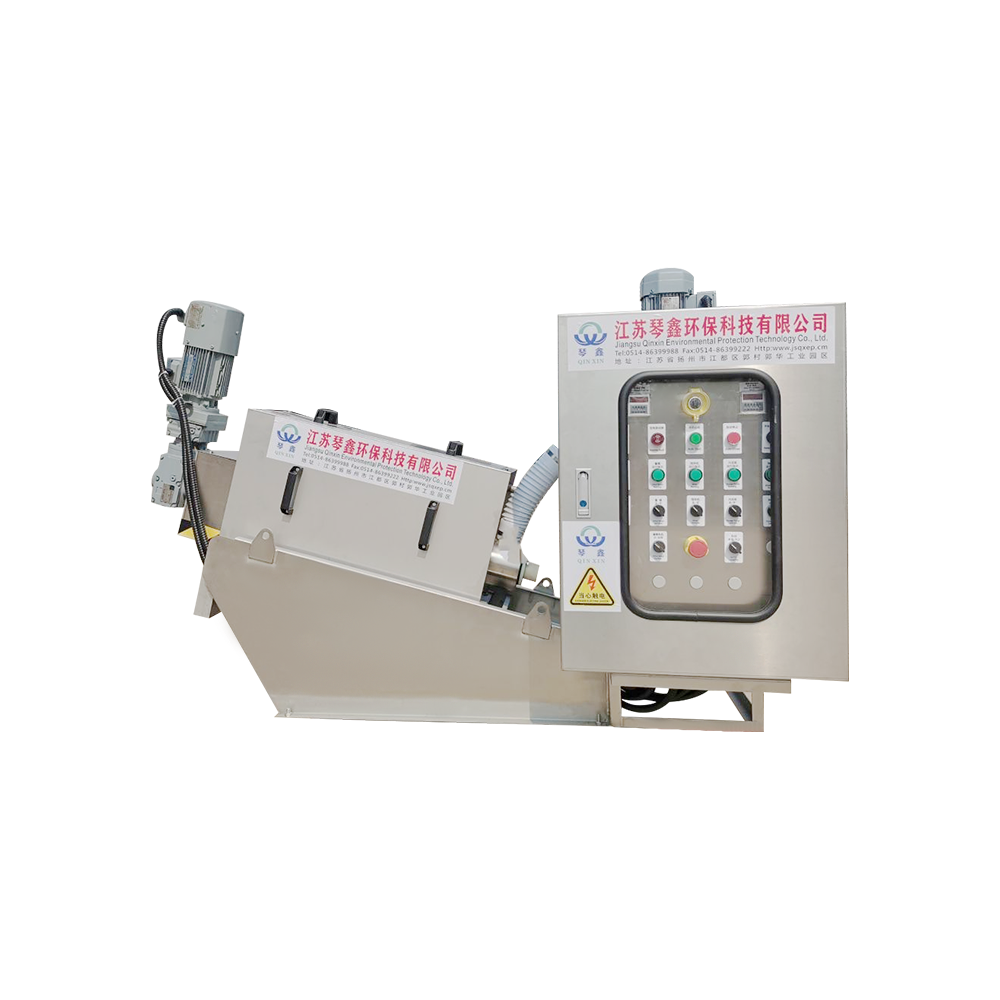
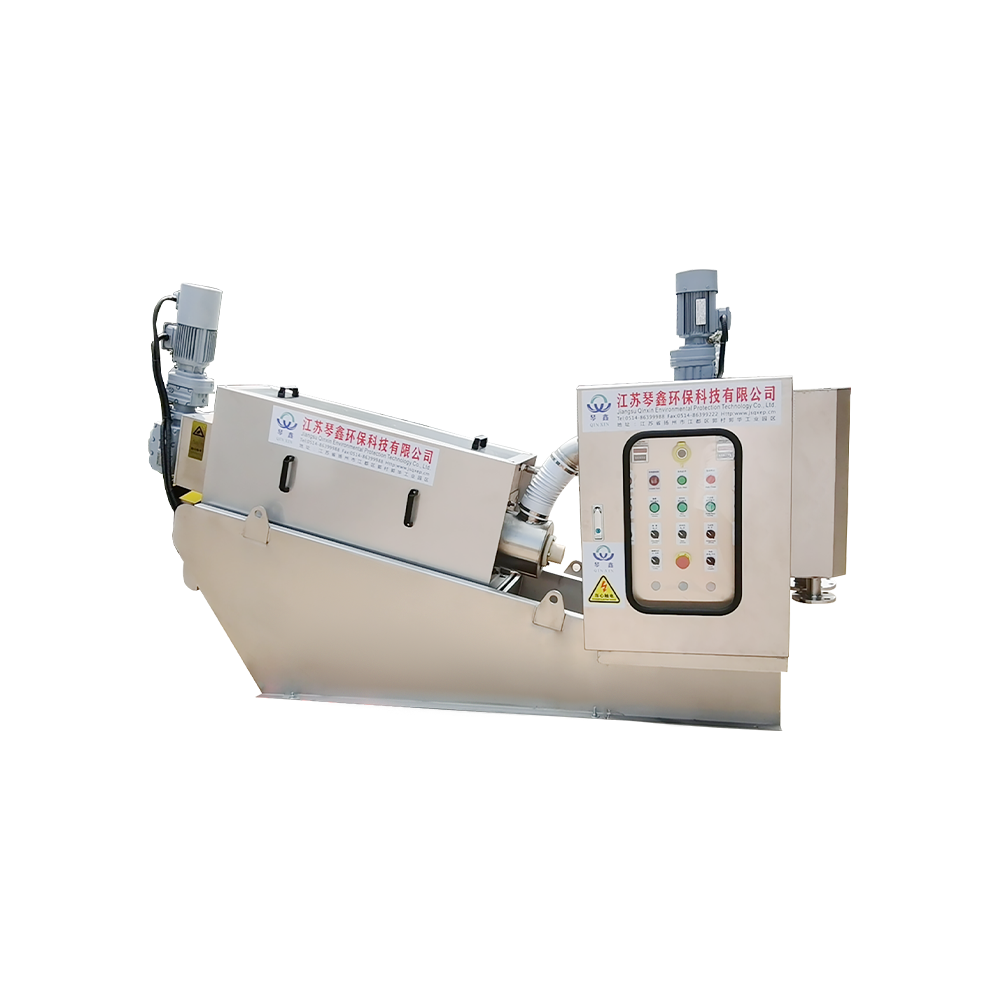
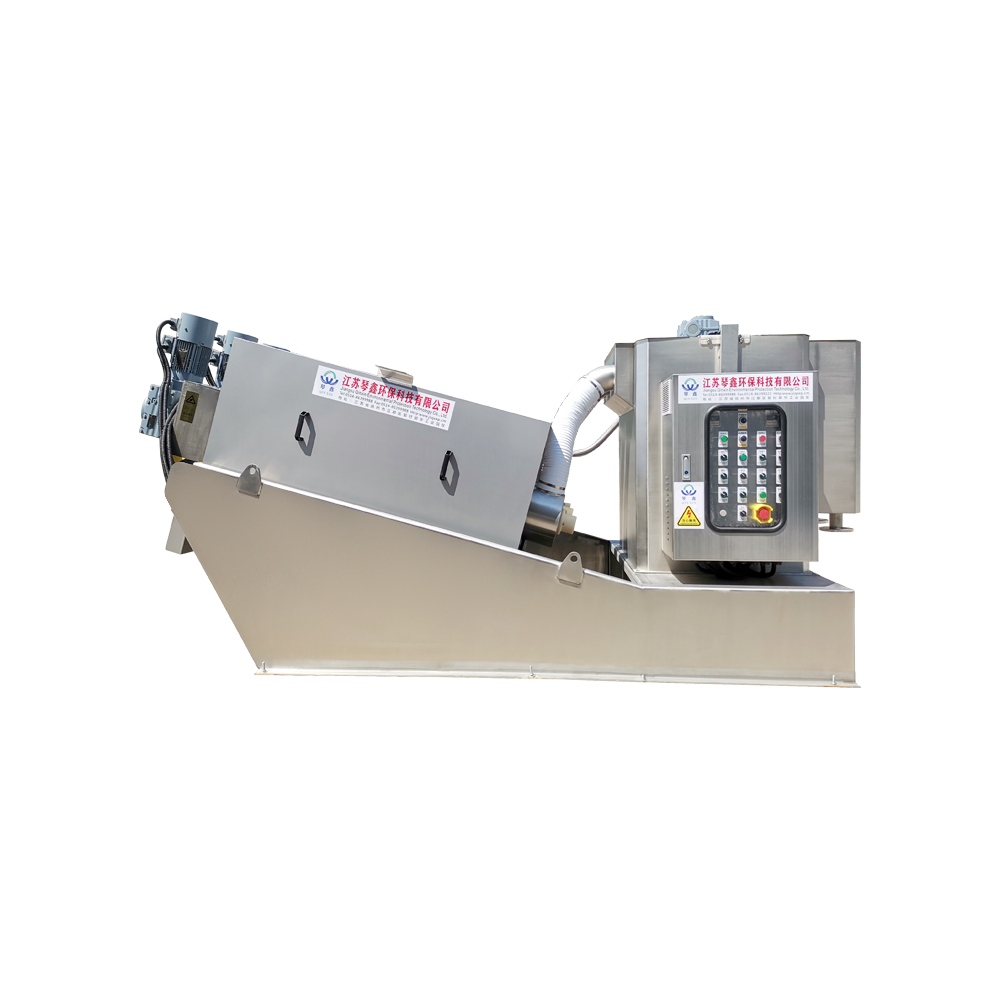
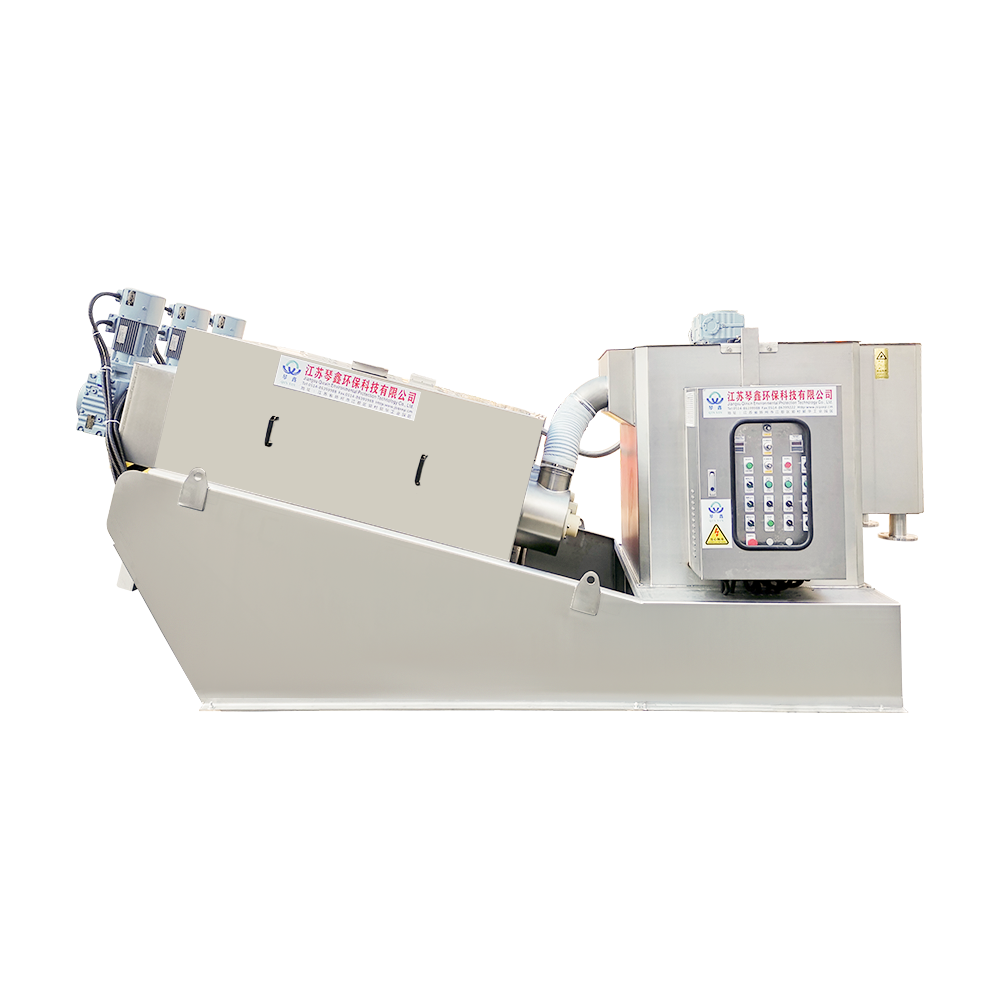
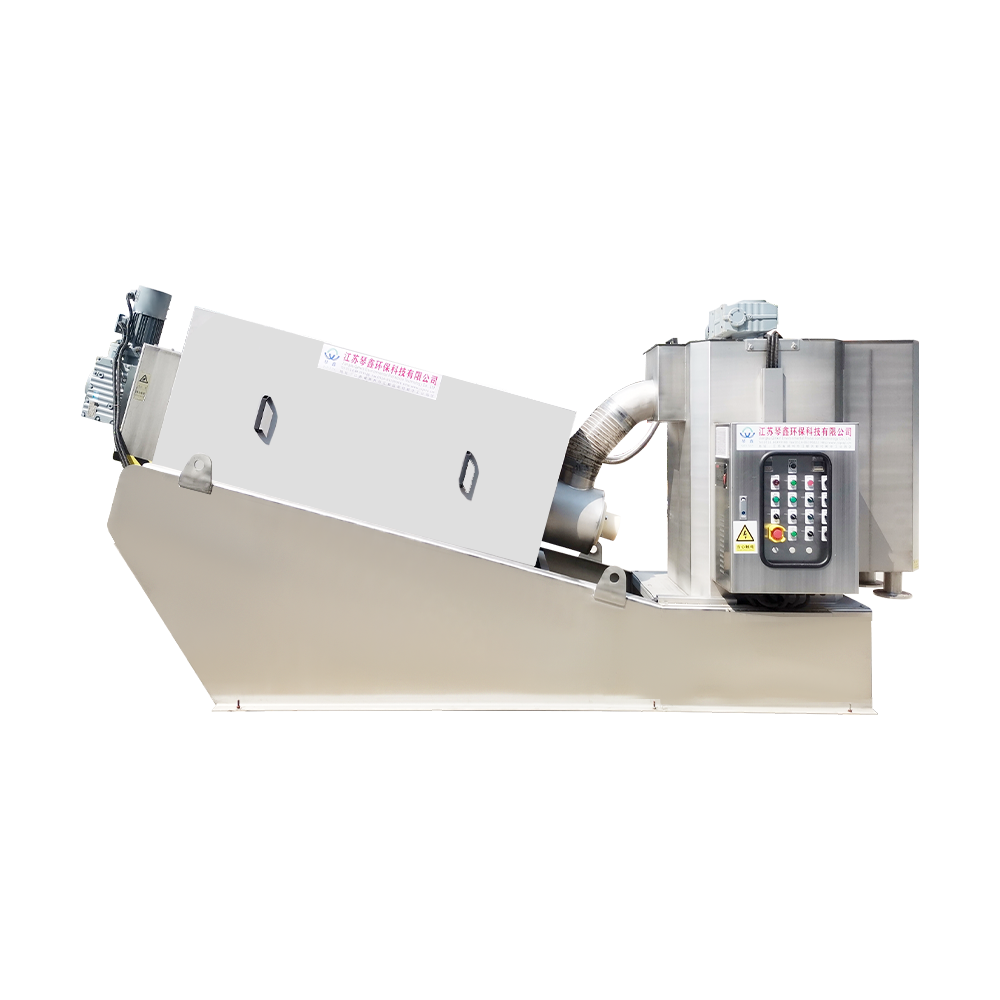
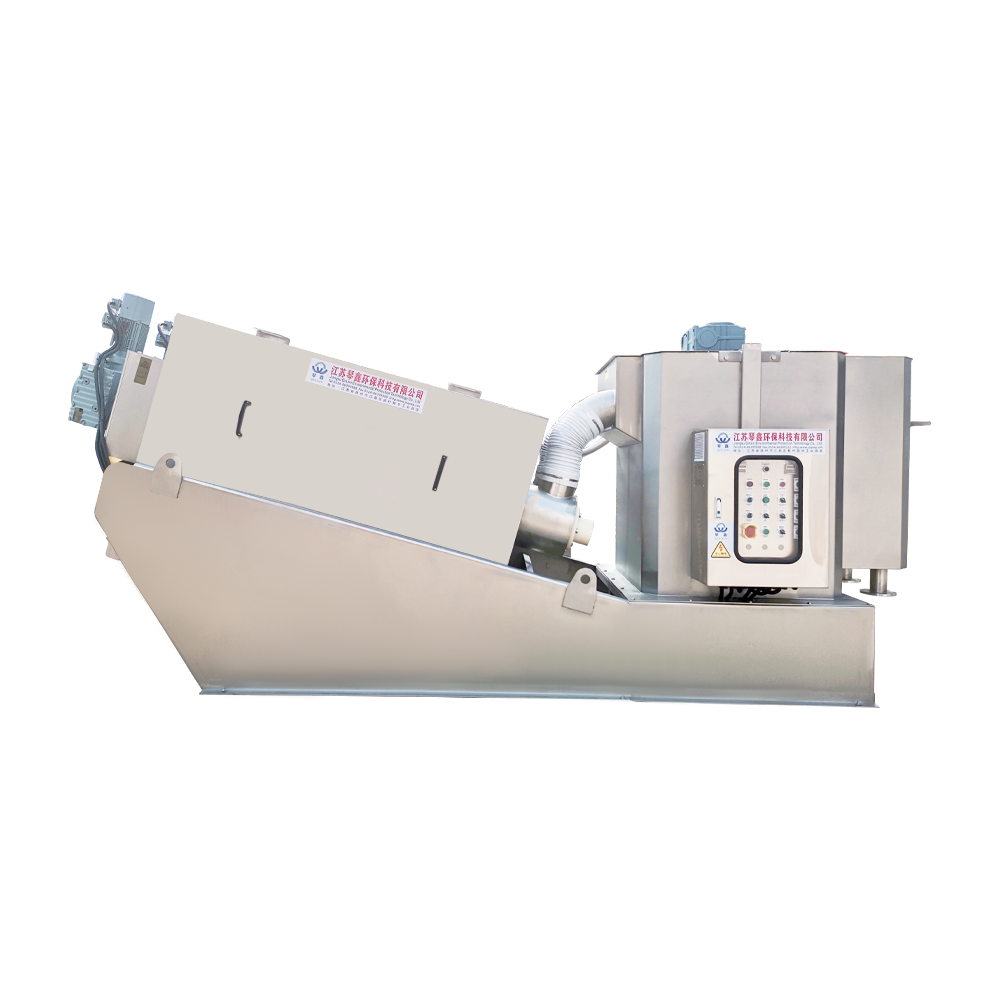
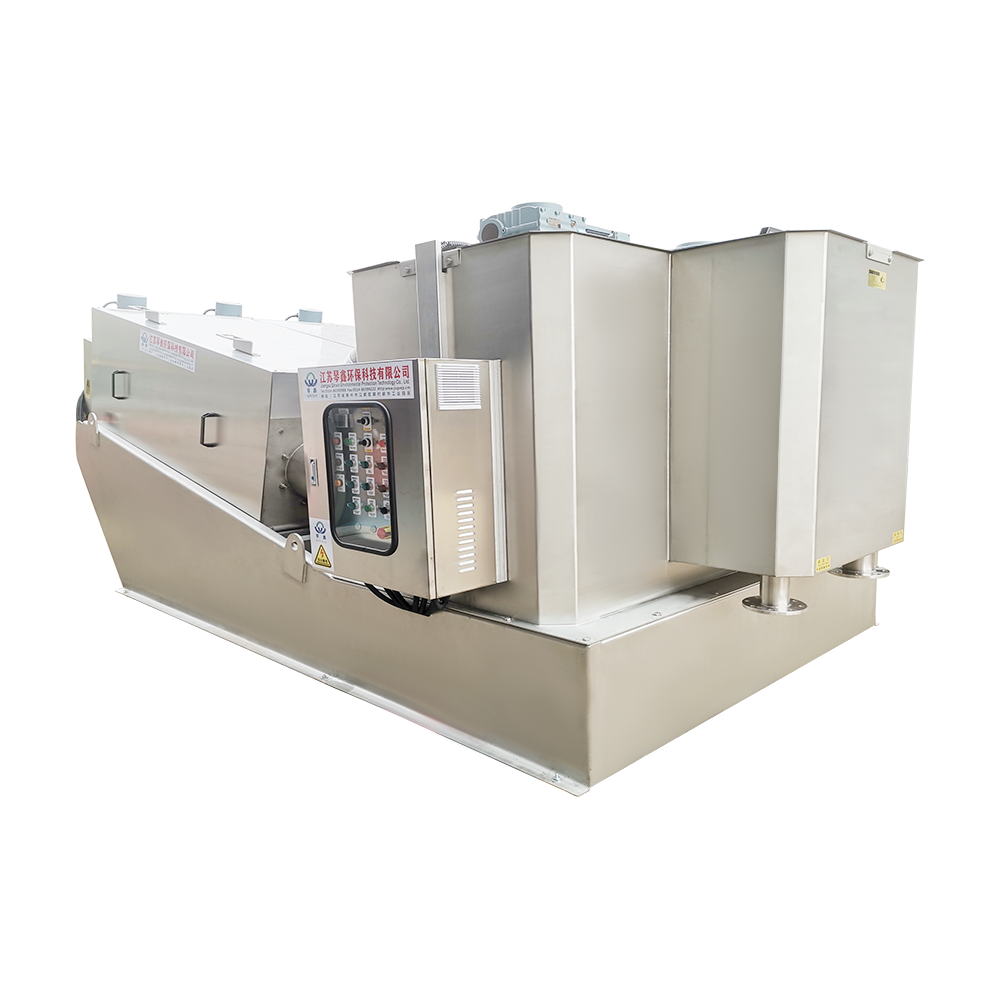
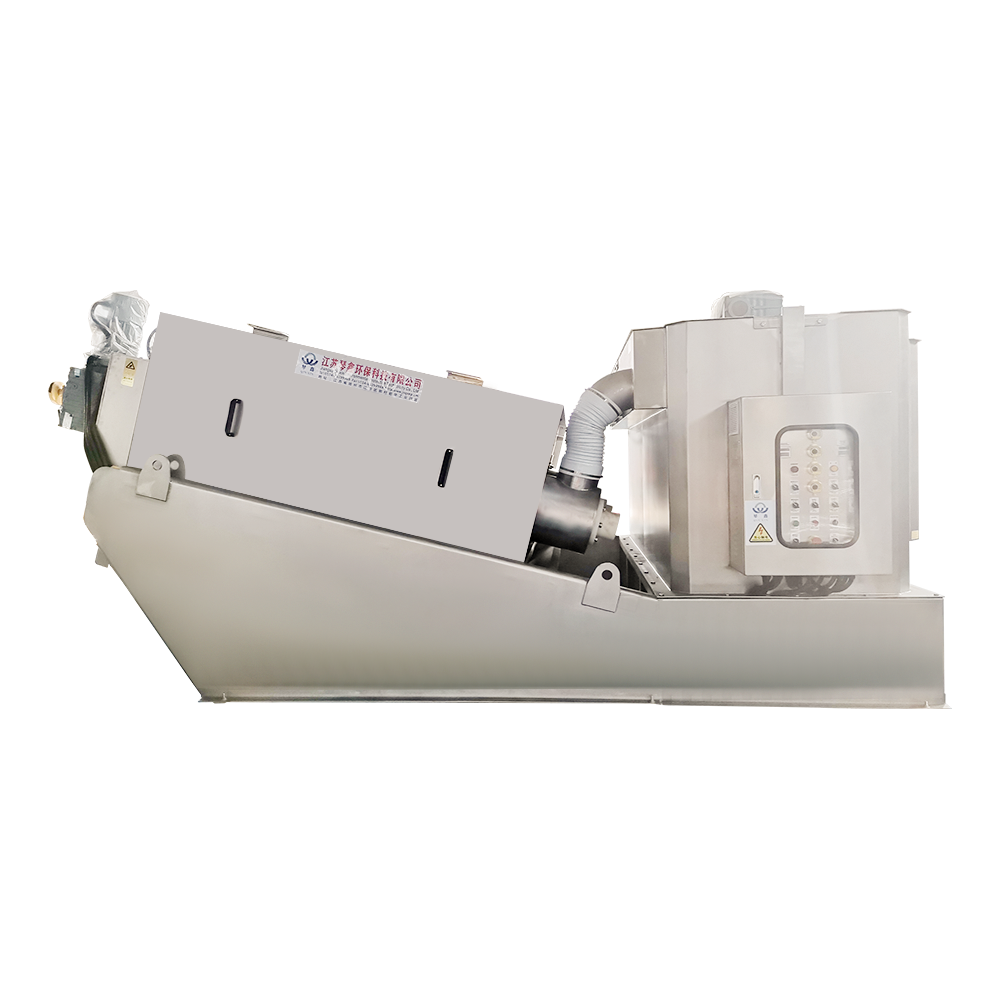
For dedicated chemical wastewater streams, the QXDL354 chemical wastewater screw press sludge dewatering machine is configured with corrosion-resistant materials and high-torque slow-speed rotation to handle these conditions.
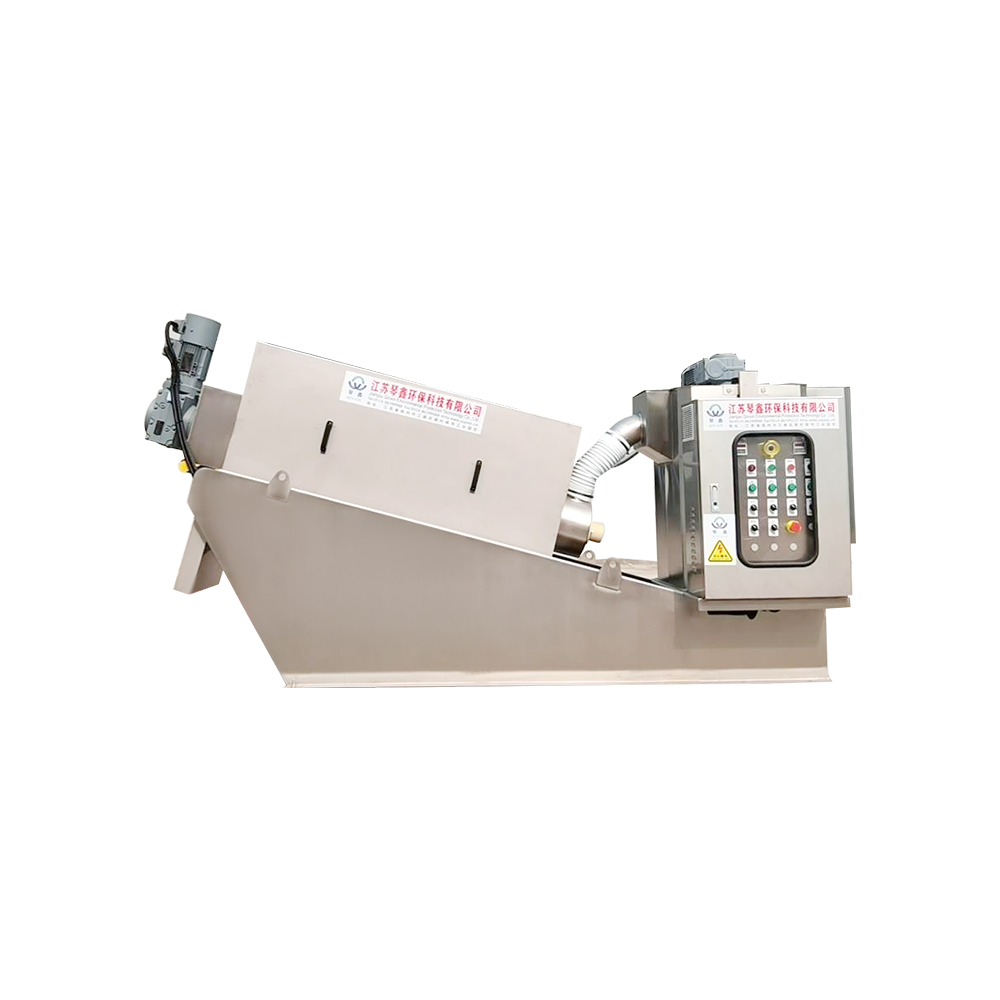
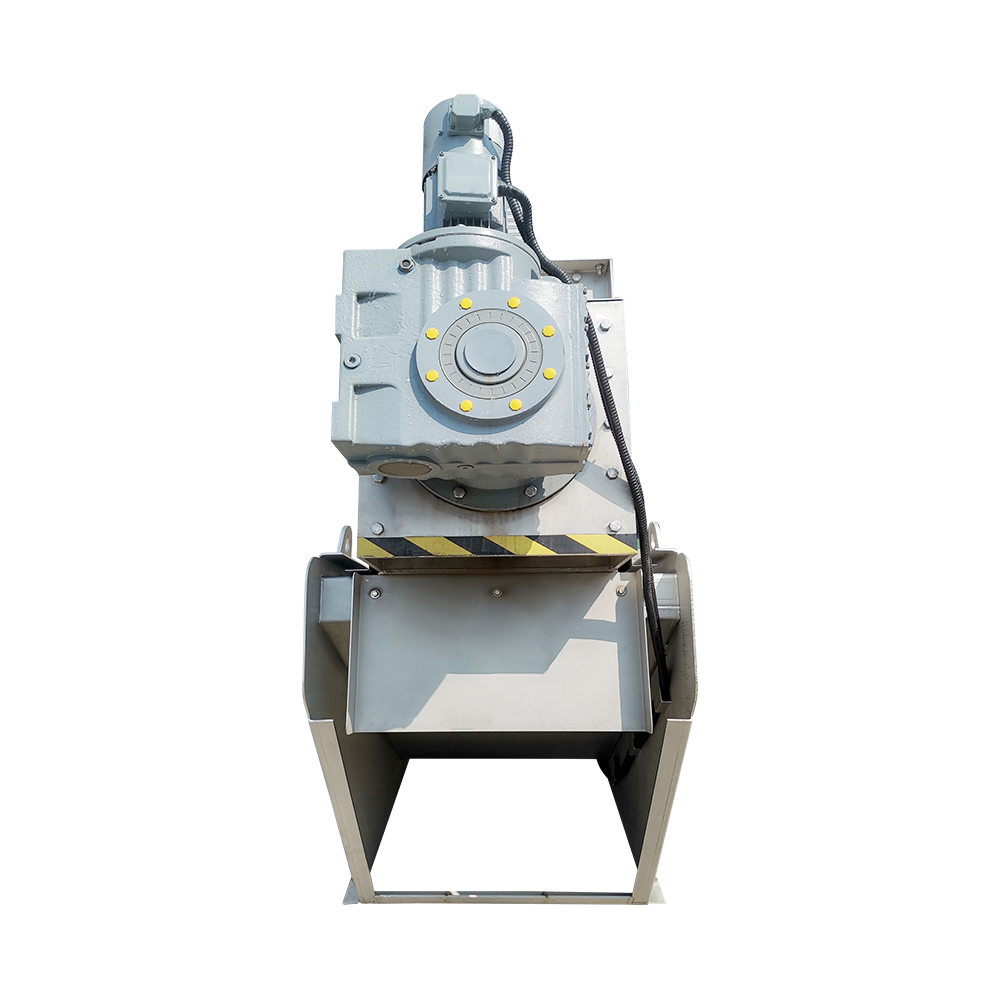 Automatic Screw Press Sludge Dewatering Machine for Livestock WastewaterHigh-efficiency screw press for livestock wastewater treatment. Automate solids-liquid separation, reduce sludge volume, and lower dispos...View Product →
Engineering a screw press for chemical service
Material selection is the first line of defense
Chloride-bearing chemical sludge is the most common cause of premature failure in dewatering equipment. Wetted parts in contact with the sludge should be specified in 304 stainless steel as a minimum, with 316 or 316L where chloride is high or pH stays below 5. The screw shaft, filter screens, and cake discharge cone face the highest erosion risk, so their surface finish and wall thickness deserve as much attention as the gearbox. Understanding how SUS316 improves corrosion resistance in screw press dewatering machines helps engineers write a better specification before purchase.
Slow-speed rotation and self-cleaning geometry
Chemical sludge shears thin when over-mixed: excess agitation breaks flocs and releases bound water. The screw press answers with shaft speeds of approximately 1 to 5 rpm, preserving floc structure while consolidating solids in the annular filtration zone. The multi-disc stack uses alternating fixed and moving rings that continuously refresh the filtration surface and push solids toward the discharge as the shaft rotates. This is why preventing screw press clogging in variable feed conditions is closely linked to the self-cleaning design principle.
Sealing and drive protection
Solvent vapors and hydrogen sulfide can corrode unprotected bearing housings and motor terminals. Specify sealed bearings, a relocatable drive unit if floor space is tight, and a wash-down enclosure when the atmosphere is aggressive. For chemical duty this is not optional; it determines whether the machine reaches a ten-year service life.
Building the right conditioning train: polymer dosing and mixing
A screw press only performs as well as the flocculation upstream of it. Chemical sludge is often slow to flocculate because of high fines content or residual surfactants. A properly tuned anionic or cationic polyacrylamide (PAM) solution, dosed at the correct concentration and mixed with low shear, is the difference between a cloudy filtrate and a clean one.
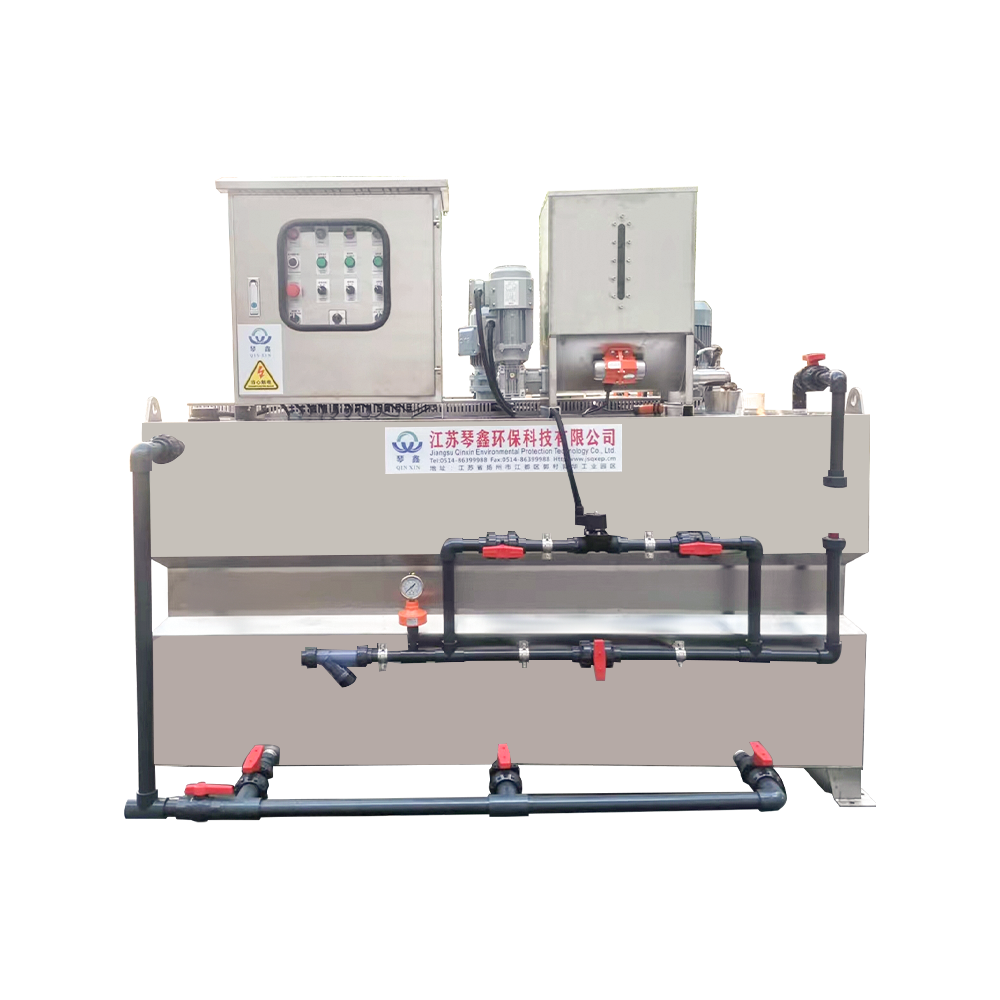
Manual polymer preparation is a frequent source of trouble in chemical plants because operators rarely have time to adjust dose rates when the feed changes every batch. Automatic dosing systems with variable-frequency pumps and powder-polymerization tanks hold the floc size steady without constant supervision. A good example is the QXYTH2000L integrated powder polymerization variable-frequency dosing device, which automates polymer make-down and dose control for continuous screw press operation.
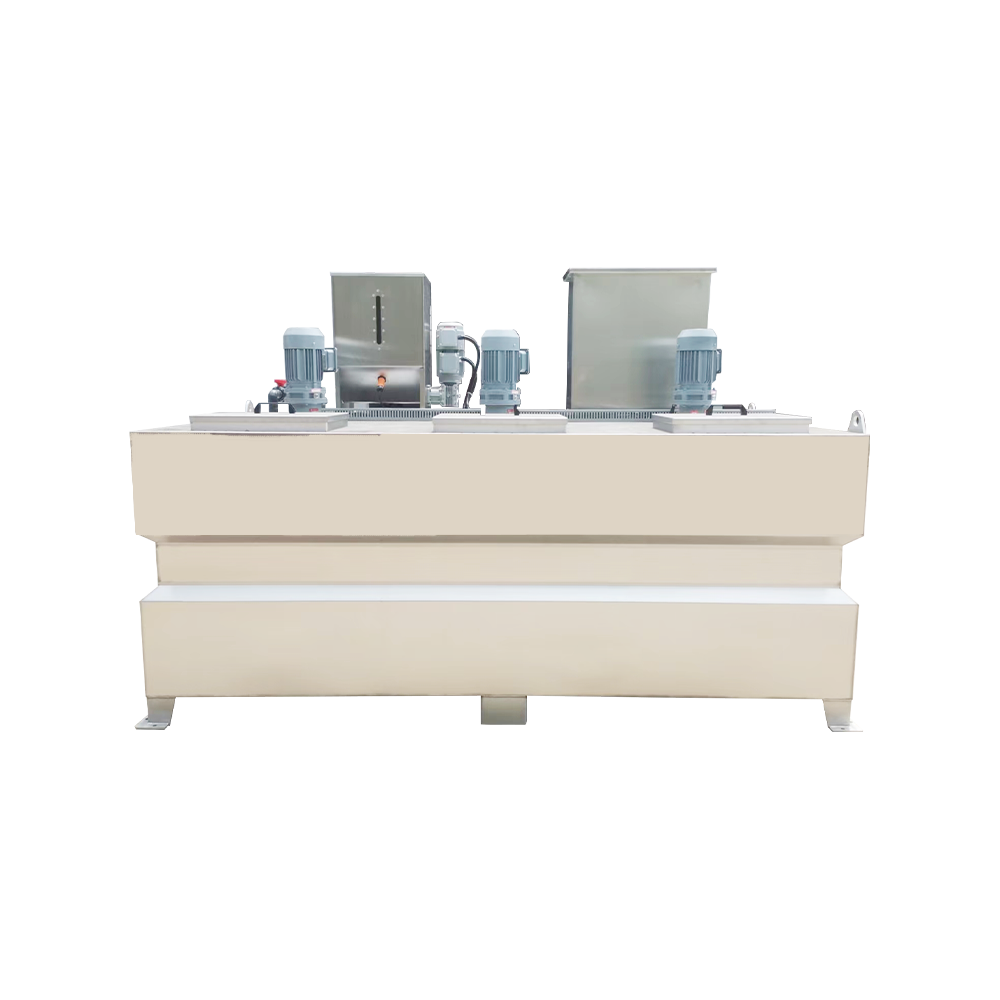 3000L Integrated Polymer Preparation Unit with Variable Frequency DosingPrecise 3000L polymer preparation unit with variable frequency dosing, automated monitoring, and industrial wastewater treatment applicat...View Product →
Beyond dosing, pay attention to three process variables:
- Feed solids concentration: most chemical sludge dewaters best between 1% and 3% DS; too low wastes polymer, too high overloads the press.
- Mixing intensity: use an inline static mixer or slow paddle flocculator rather than a high-speed pump.
- Equalization: a small holding tank ahead of the press buffers batch swings and protects the polymer dose from sudden pH or solids spikes.
Performance expectations and selection KPIs for chemical plants
When evaluating a screw press for chemical sludge, define acceptance criteria before comparing quotes. The KPIs that matter most are:
| KPI | Typical range | Why it matters |
|---|---|---|
| Cake dryness | 20–30% DS depending on sludge type | Determines disposal weight and downstream drying cost |
| Solids capture rate | 95–99% with correct polymer dosing | Affects filtrate load and recycle pumping |
| Polymer consumption | 3–8 kg per tonne of dry solids | Usually the largest operating cost after electricity |
| Energy consumption | 1–3 kWh per tonne of wet sludge | Significantly lower than centrifuge or thermal systems |
| Wash water demand | Low, due to self-cleaning mechanism | Reduces fresh water load in water-scarce plants |
Note that cake dryness for chemical sludge is often lower than for municipal sludge because the inorganic fraction holds water differently. Do not reject a screw press because it does not reach 35% DS on an oily petrochemical stream; compare its performance against the alternative technology under identical feed conditions. A side-by-side trial with the exact sludge, at the expected temperature and pH, is the most reliable basis for the decision.
What to verify in a screw press supplier for chemical projects
Procurement for chemical plants should focus on three checks rather than brochure specifications.
- Material traceability: confirm that the stainless steel grade used for the screw shaft, screens, and discharge housing matches the order, ideally with mill certificates.
- Pilot testing capability: a supplier that can run your sludge through a mobile or laboratory test unit de-risks the project.
- Process support: chemical sludge often needs more than a machine; the supplier should advise on polymer selection, dosing rate, and hydraulic loading.
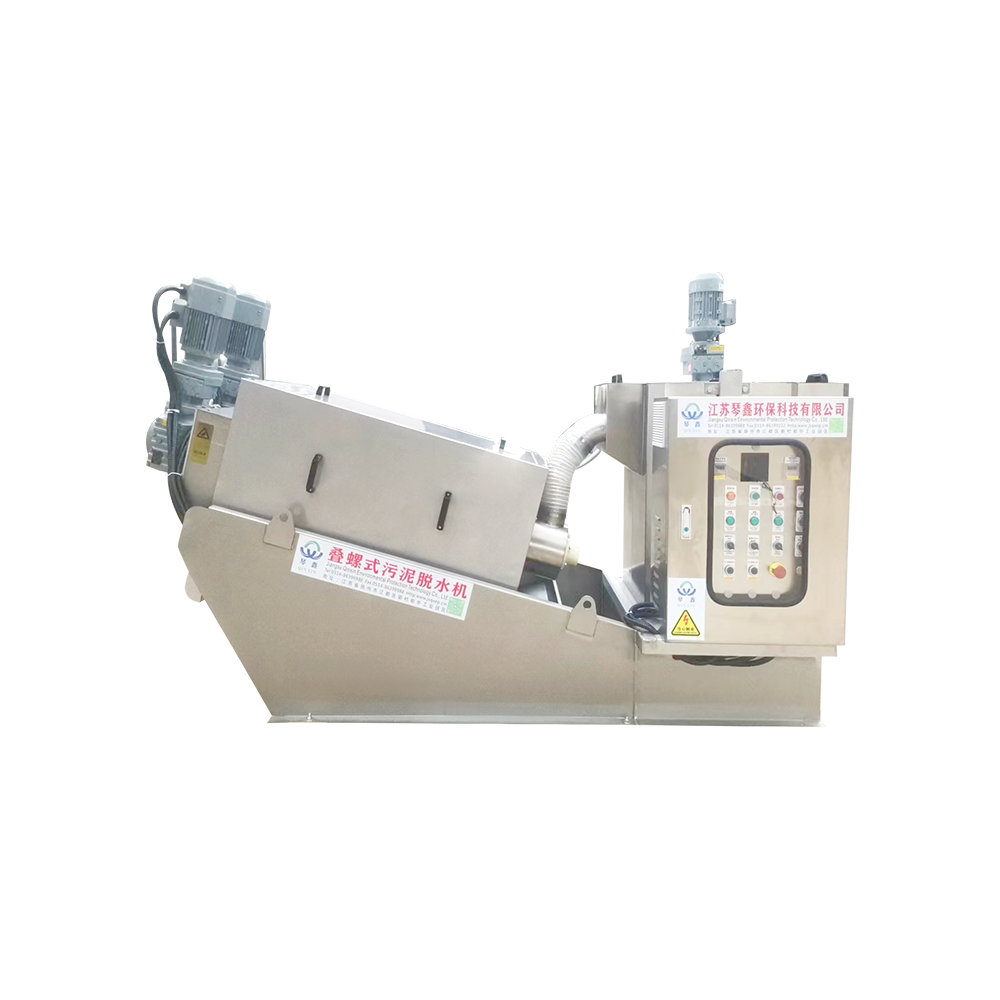
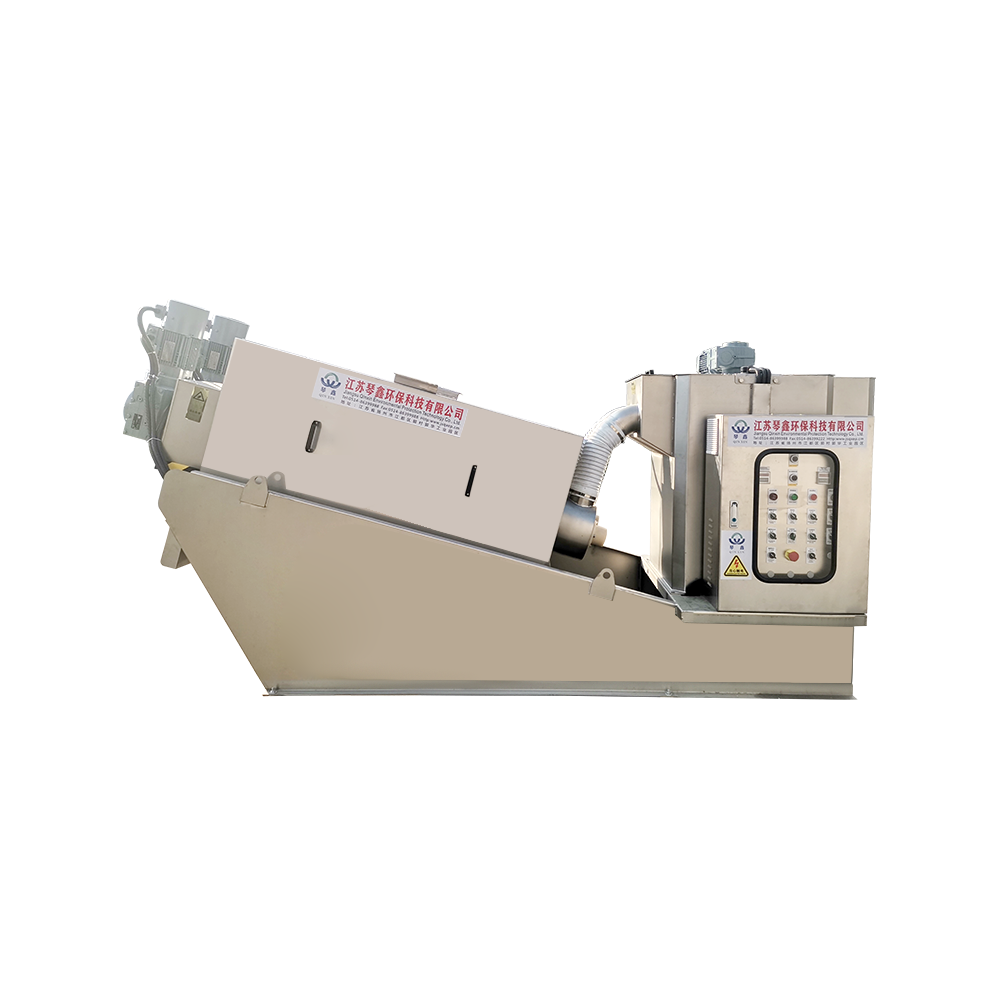
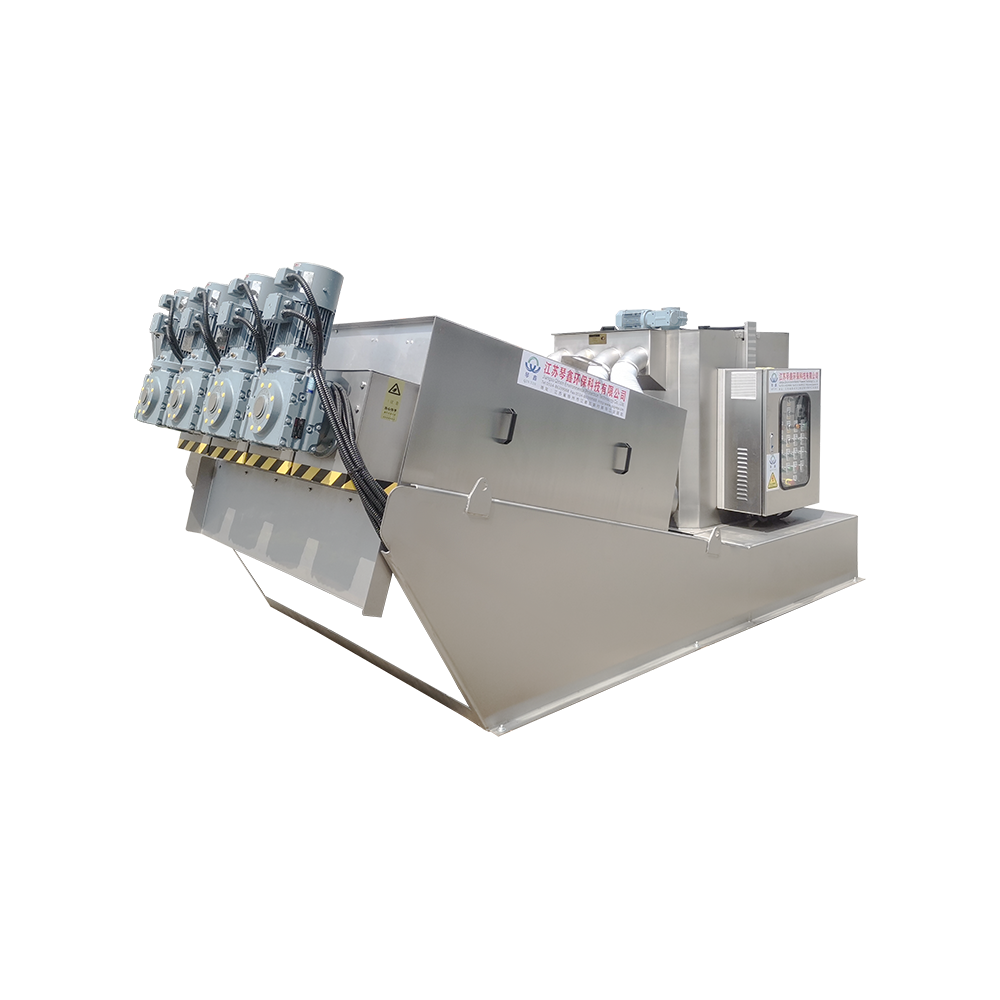
For mixed industrial streams that combine chemical and other manufacturing wastewater, the QXDL132 industrial spiral screw sludge dewatering machine provides a rugged general-purpose configuration. When comparing options, a structured approach such as the one outlined in a practical dewatering press selection guide based on performance and capacity will keep the evaluation on track.
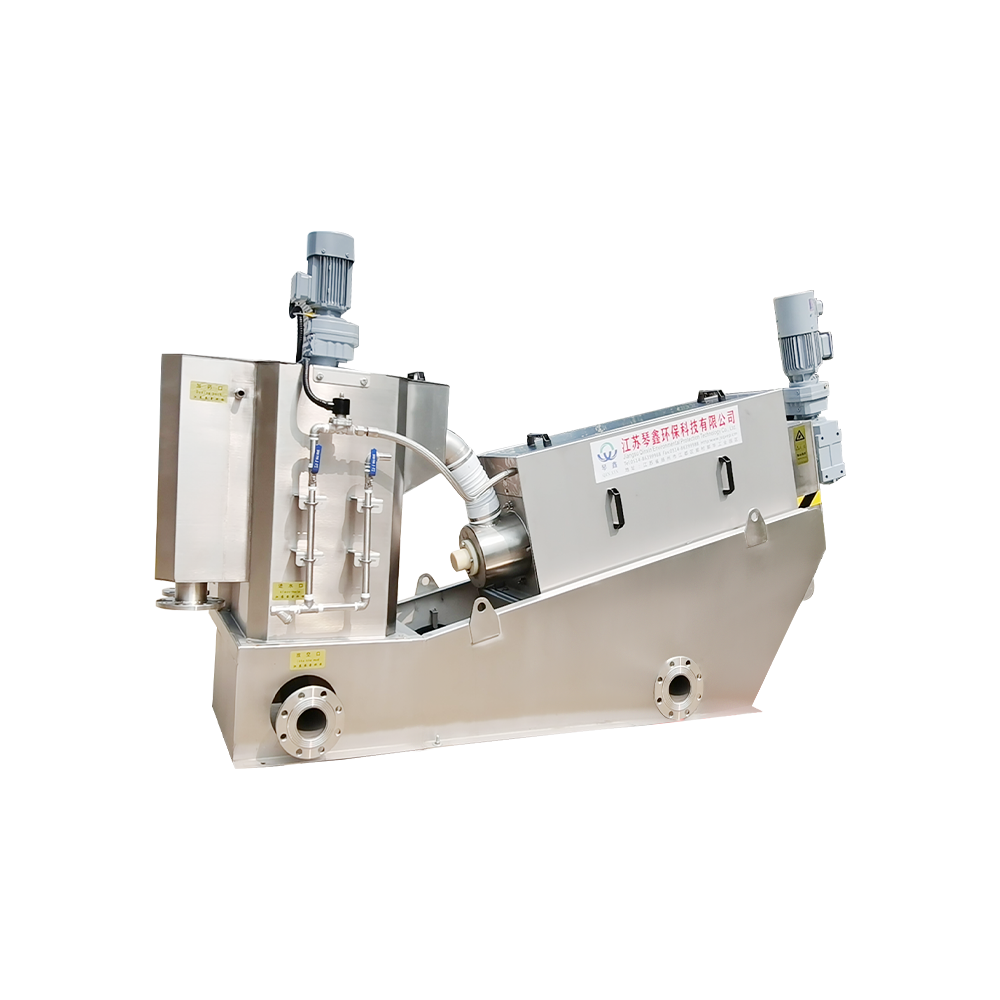 Custom Food Grade Energy-Saving Press Dewatering Machine Spiral Screw Sludge DewYangzhou Qinxin Environmental Protection Technology Co., Ltd. Is China Custom Food Grade Energy-Saving Press Dewatering Machine Spiral Sc...View Product →
A practical verdict on screw presses in chemical industry service
Screw press dewatering equipment earns its place in chemical plants because it copes with what actually happens on site: shifting pH, abrasive particles, sticky organics, and batch-driven solids loads. It does not promise the driest possible cake, but it delivers consistent operation, low energy use, and minimal operator attention when the machine is built from the right materials and fed by a controlled polymer dosing system.
For a chemical plant evaluating dewatering options, the starting position should be clear: specify corrosion-resistant materials, require self-cleaning geometry, automate the polymer dose, and validate performance with a pilot test. With those four conditions met, a screw press is one of the most predictable investments in the entire wastewater treatment train.

 TOP
TOP