
 ENG
ENG
 English
 русский
 Español
 Tiếng Việt
 ไทย
ไทย
Article Directory
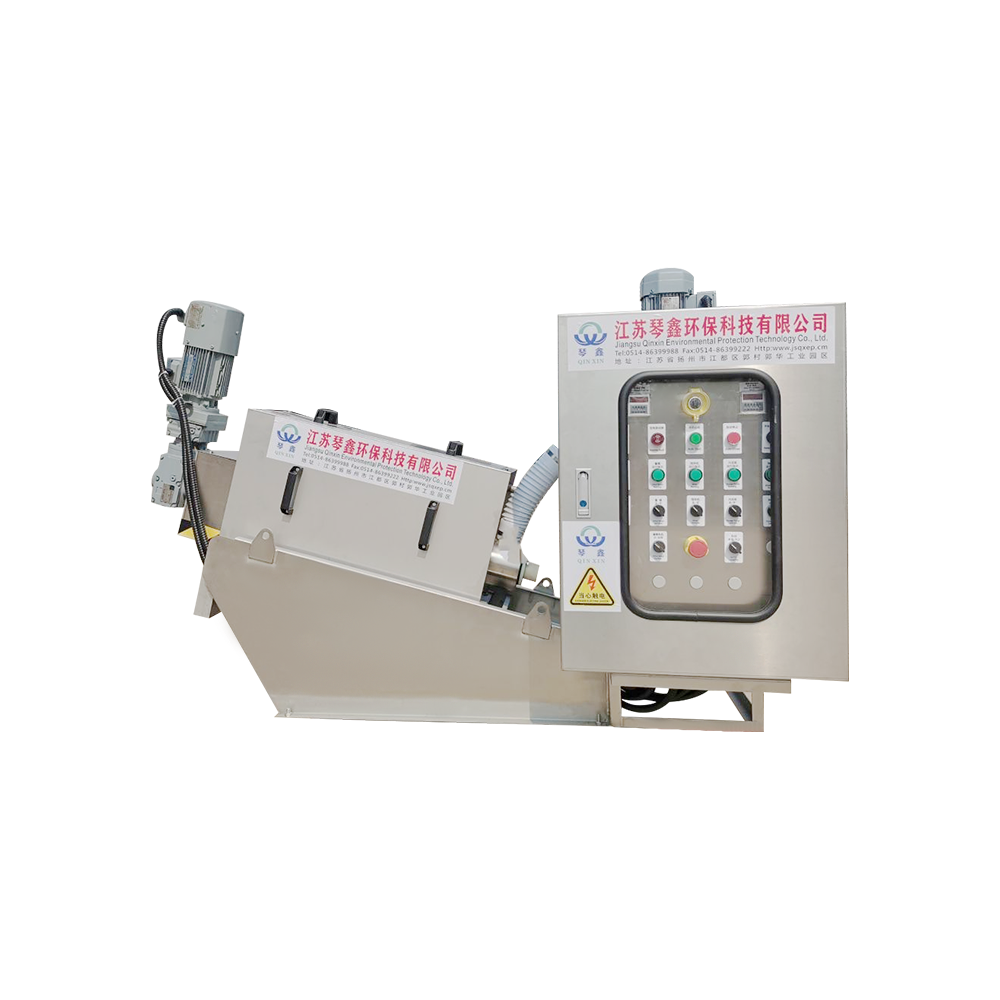
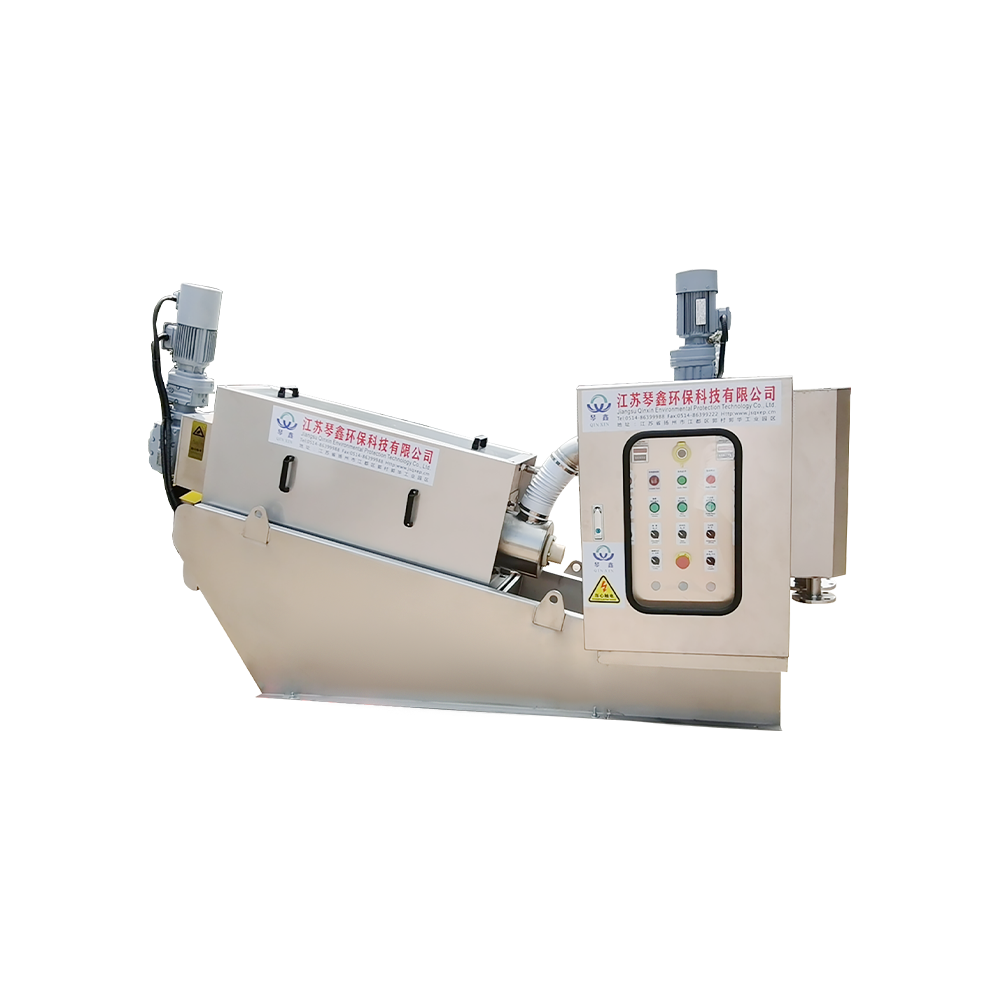
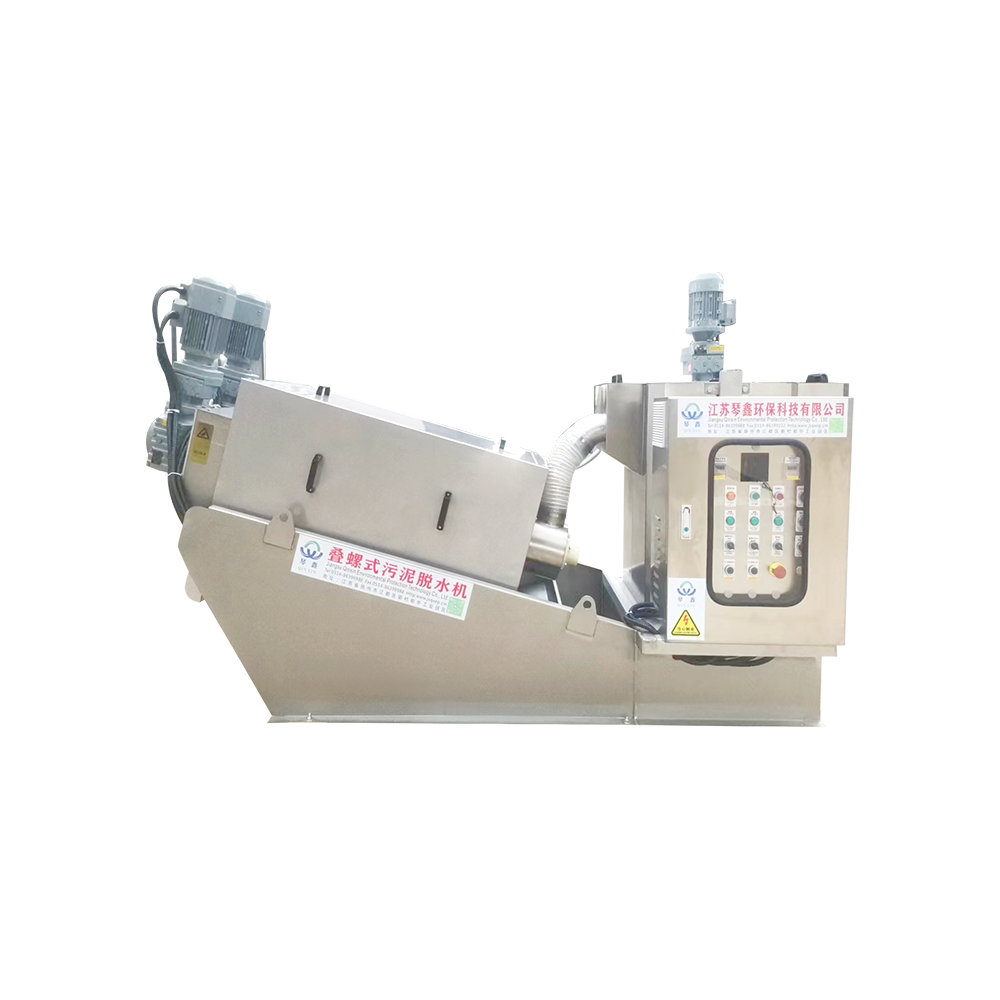
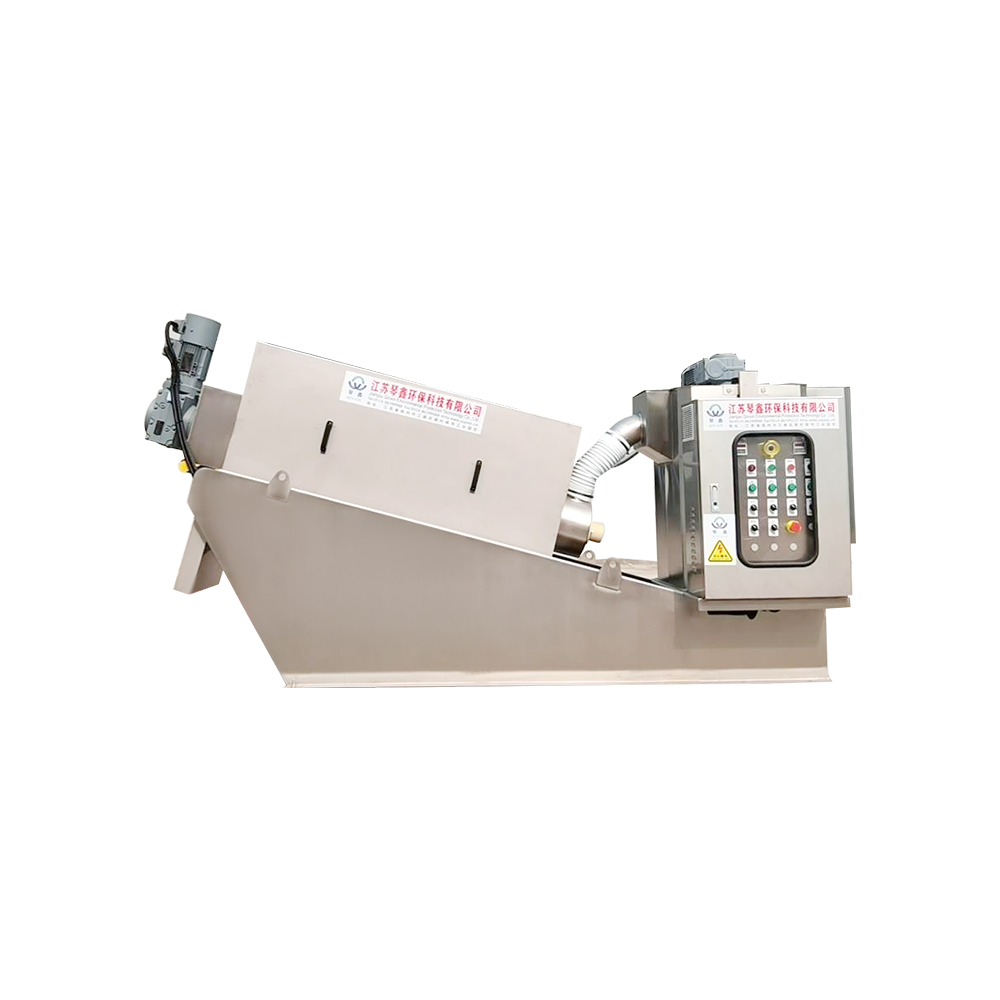
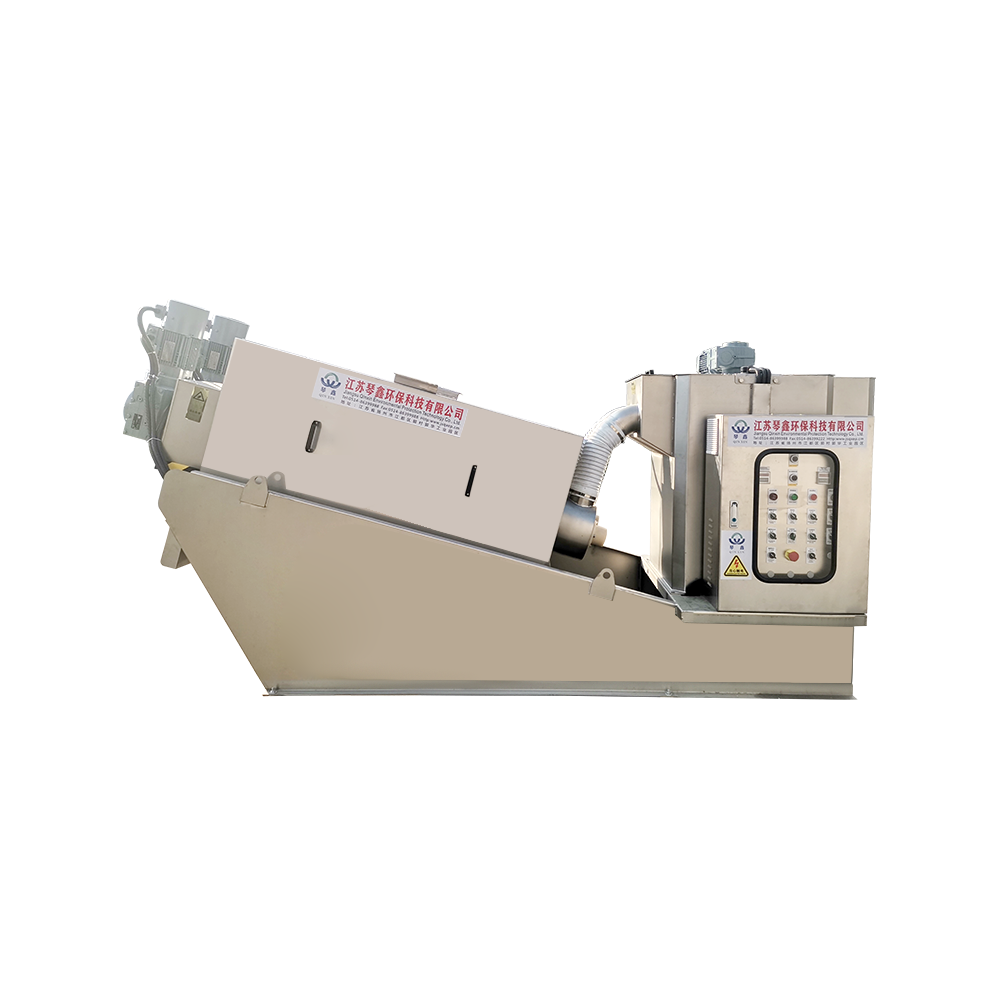
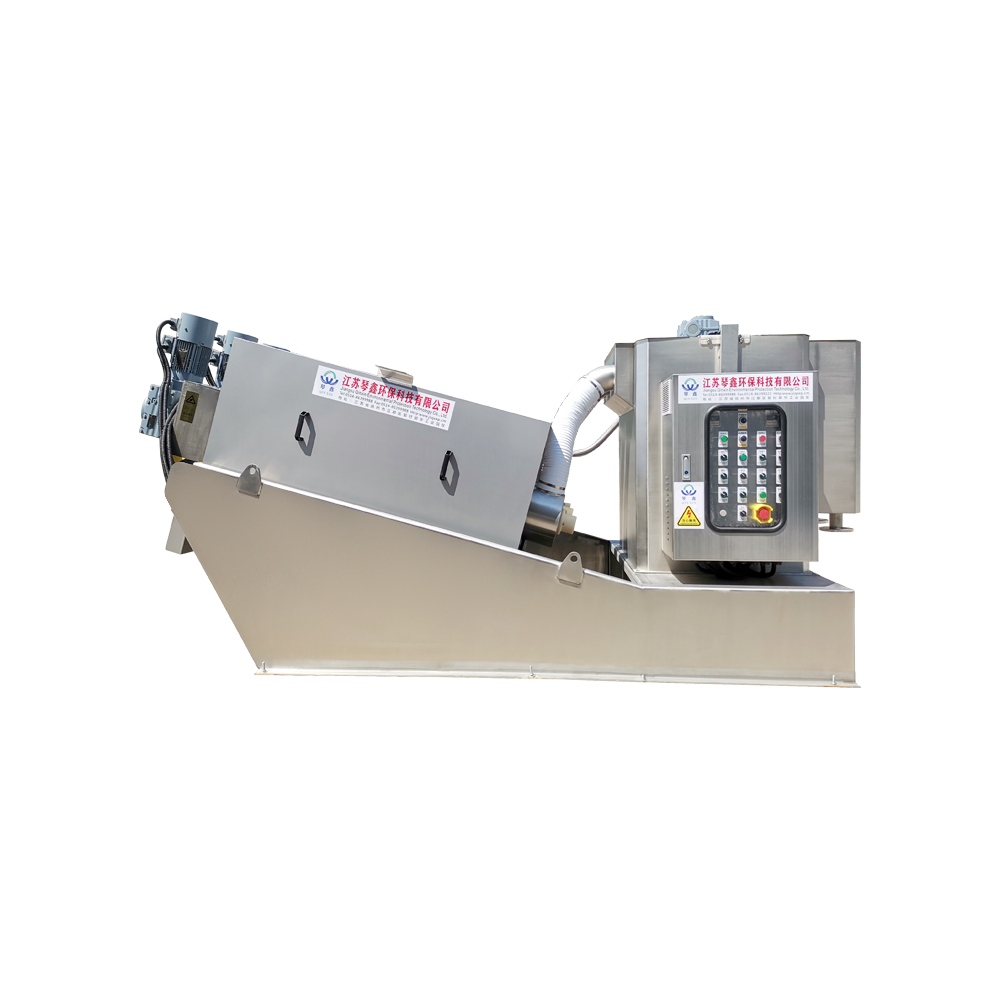
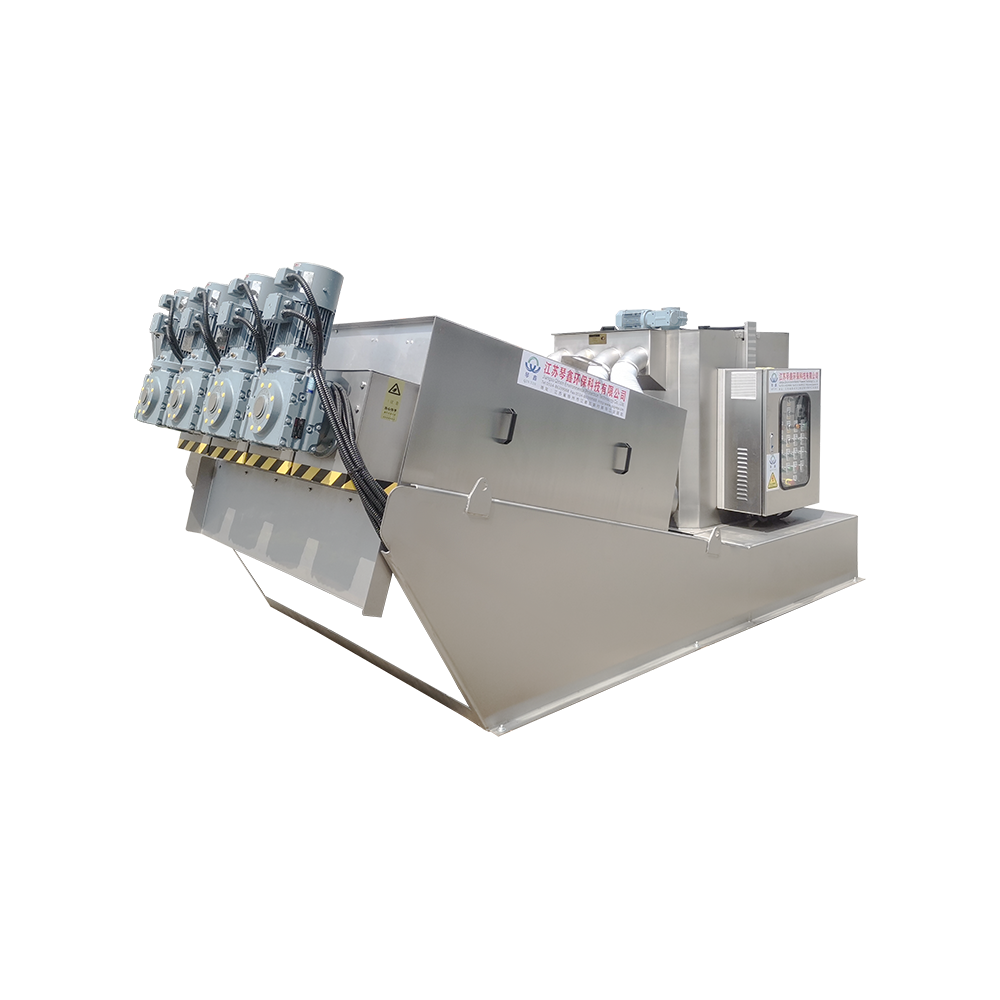
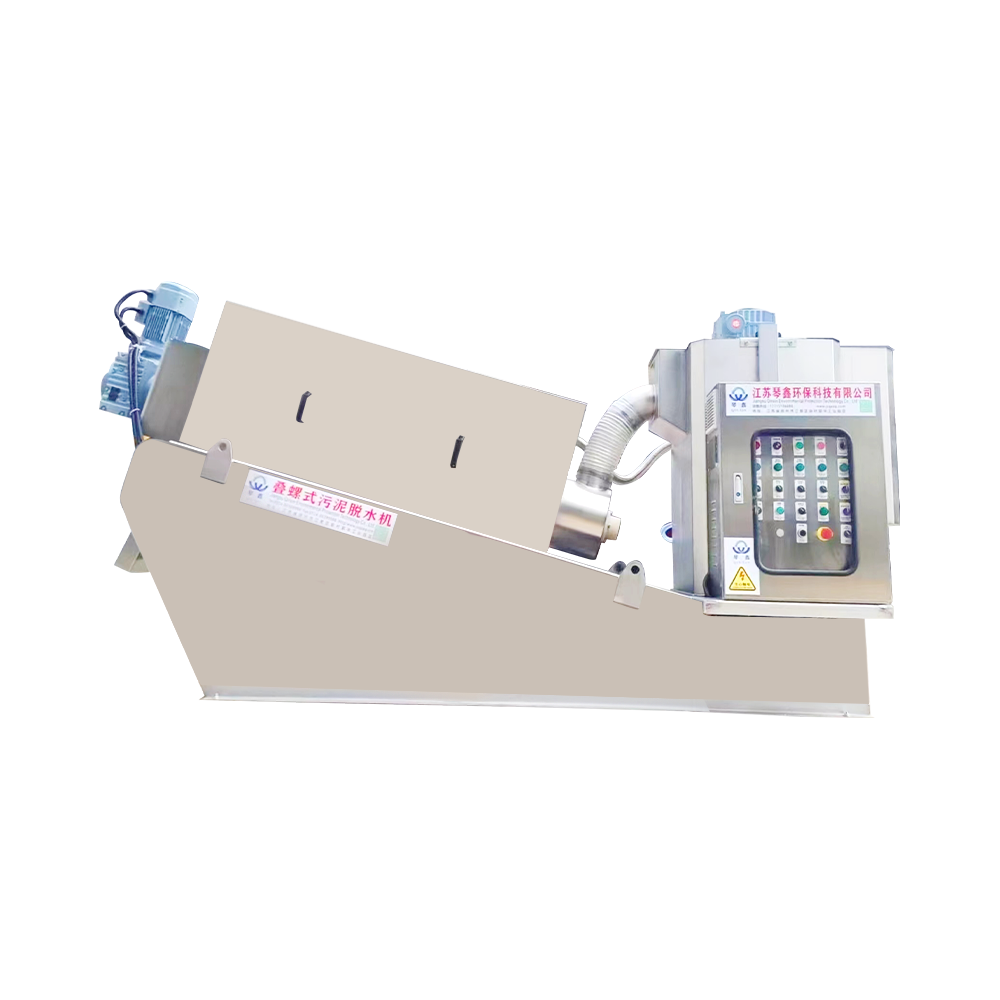
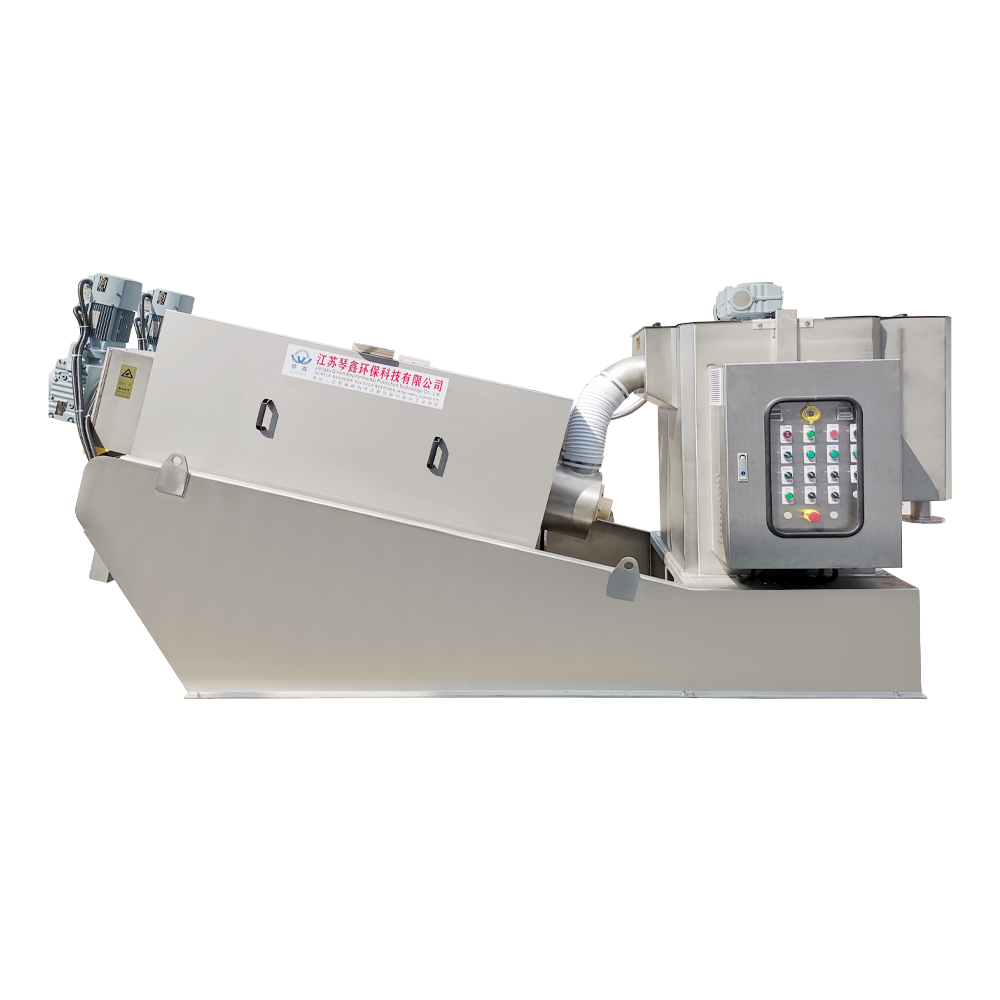
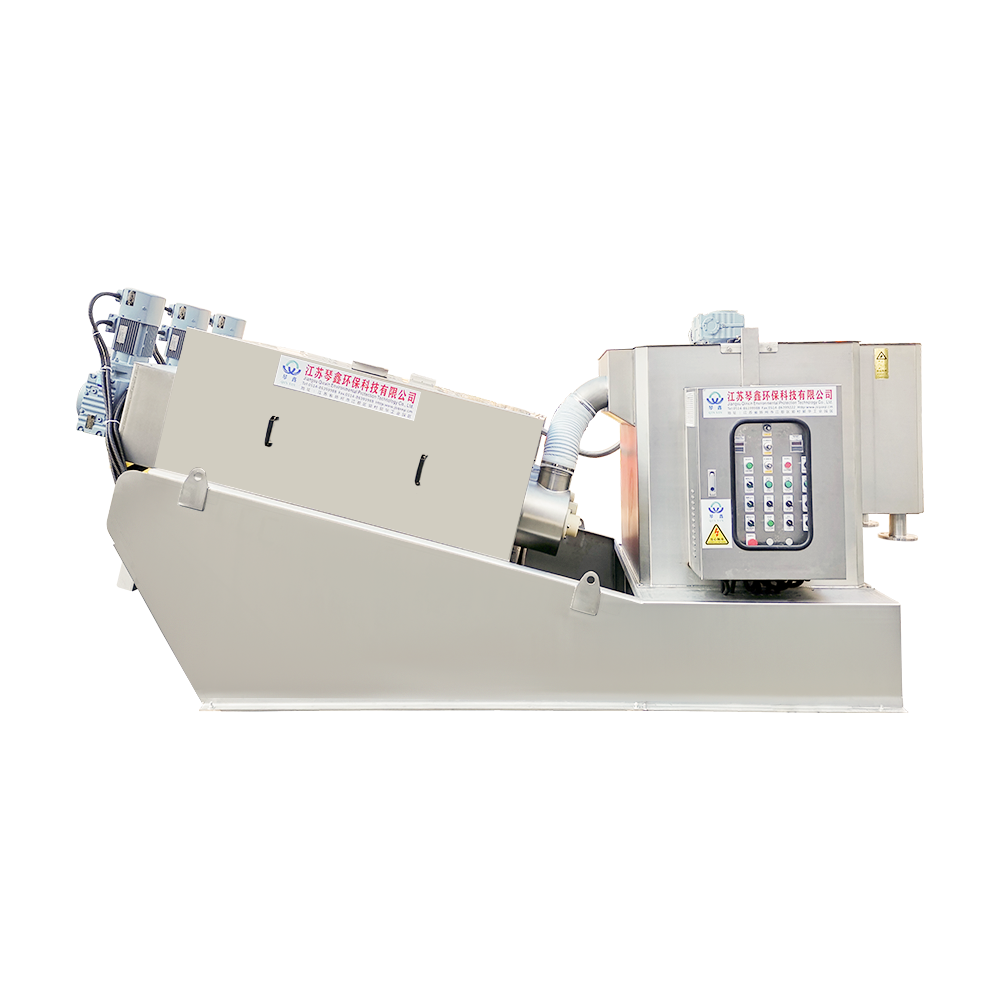
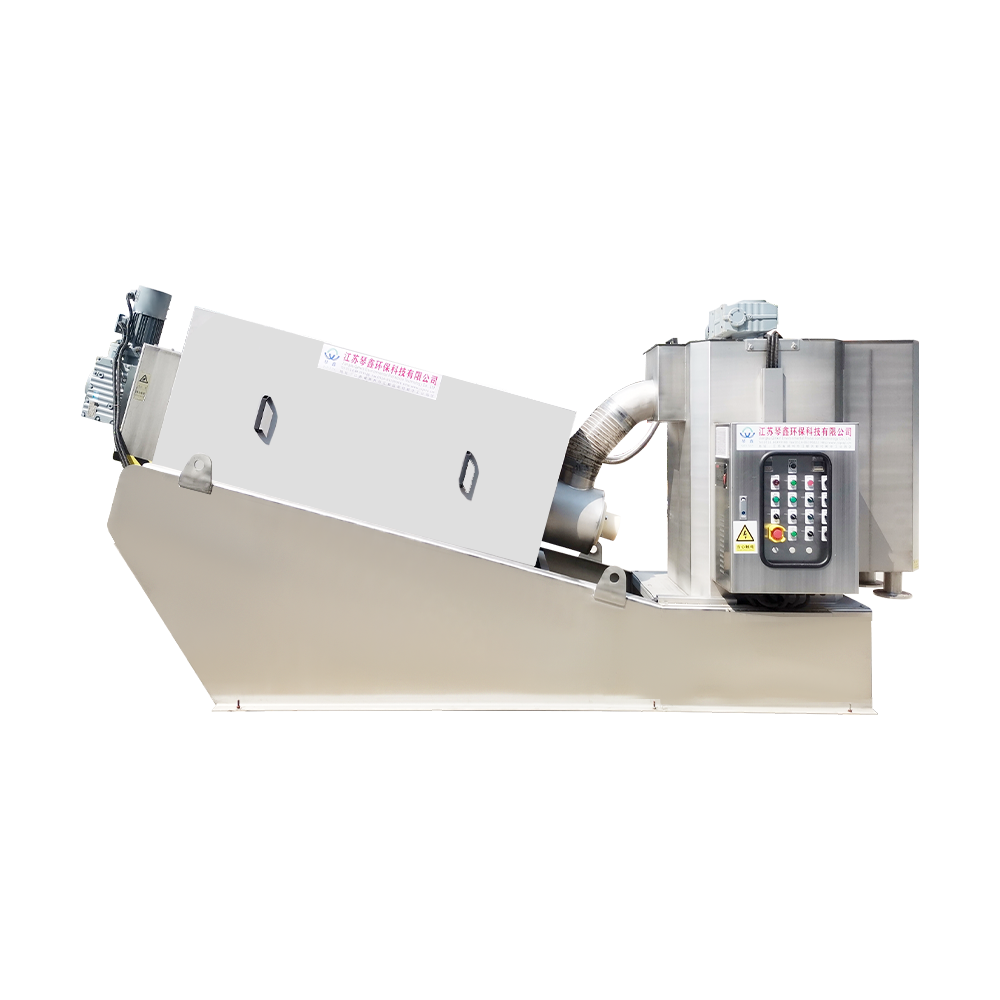
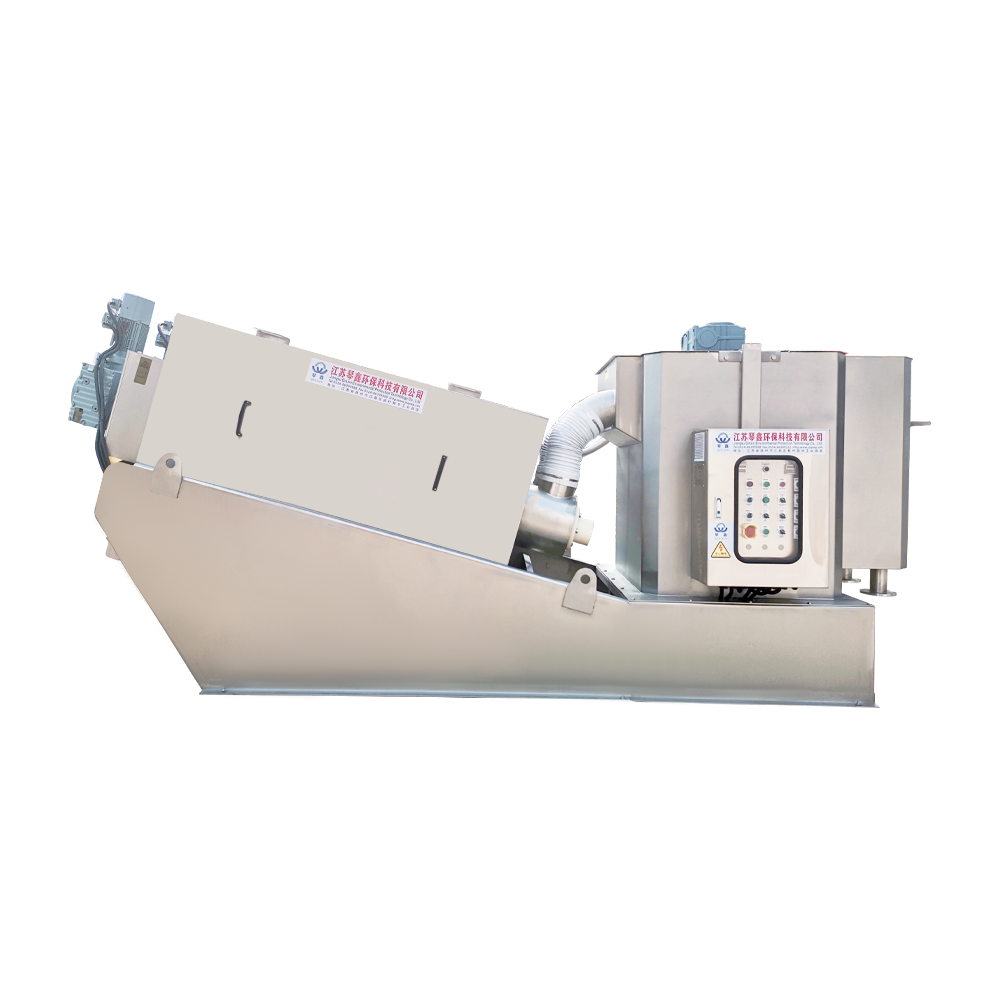
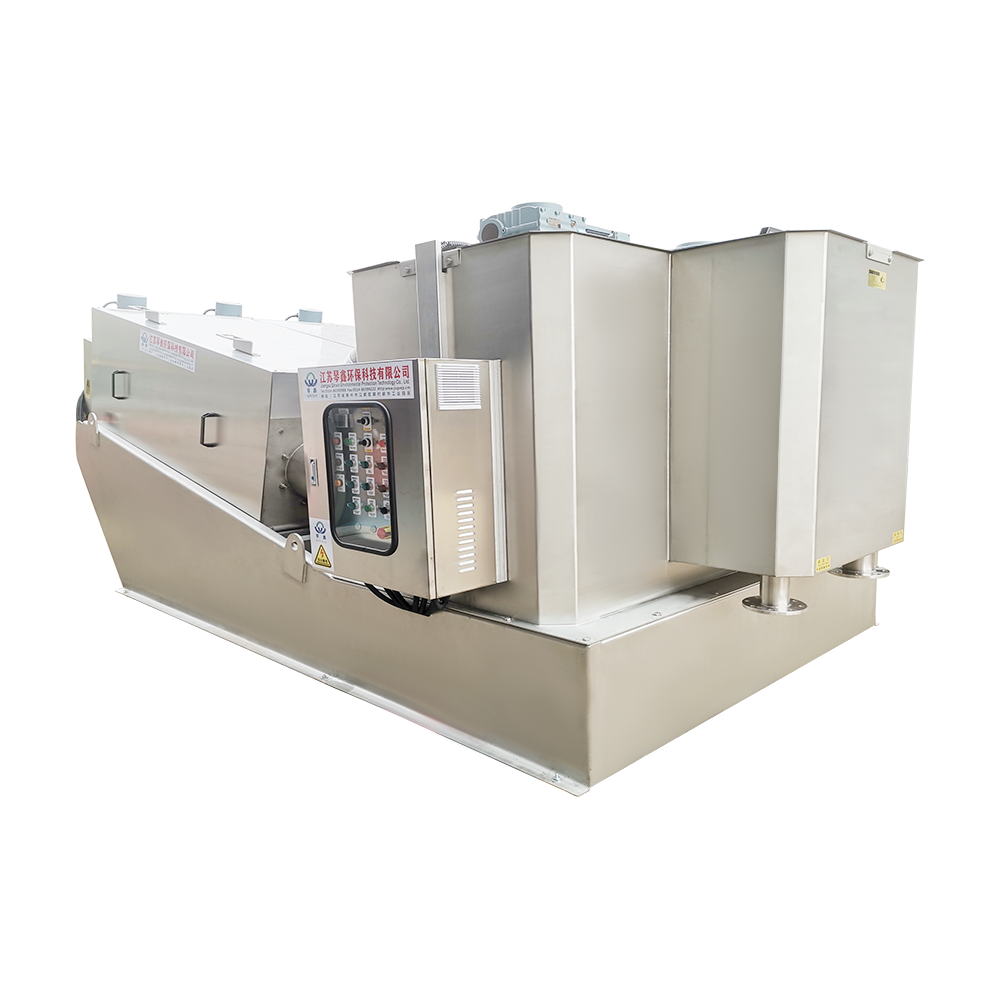
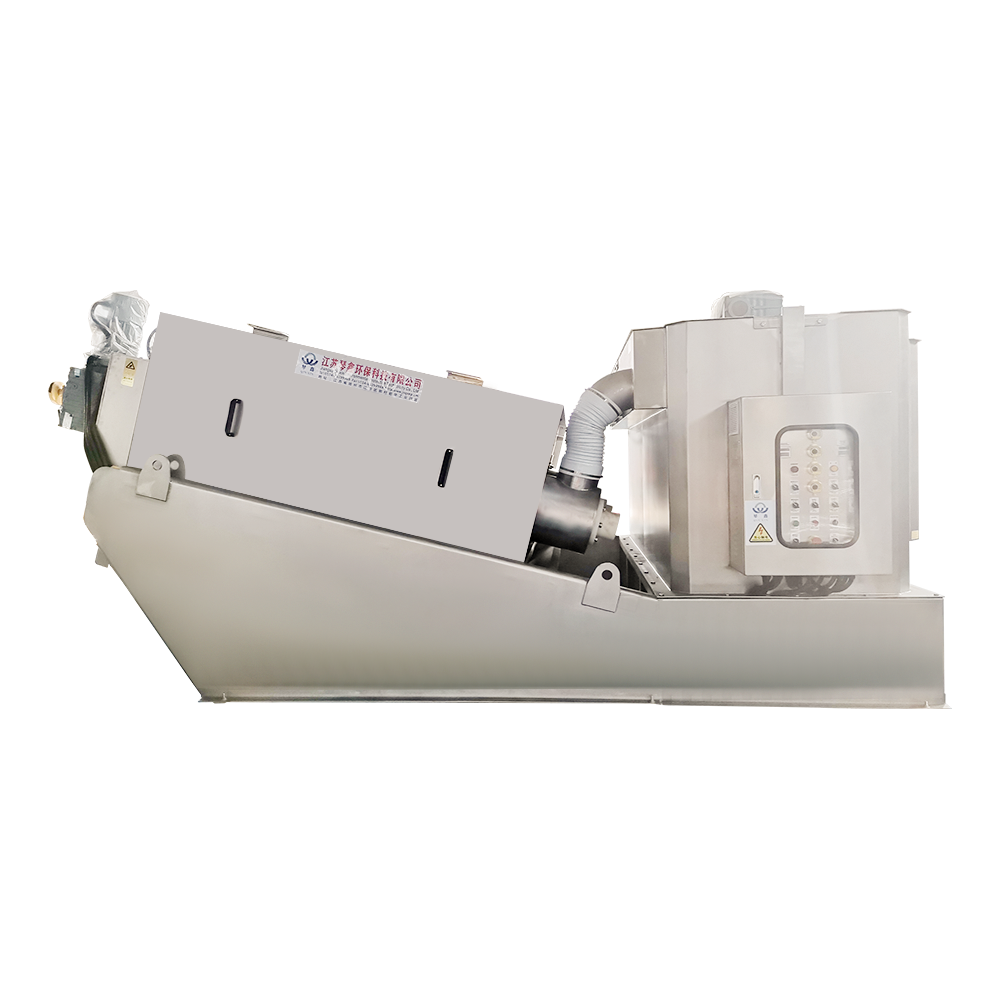
A sludge screw press removes water from wastewater sludge using a slowly rotating screw and a cylindrical filter screen, turning wet sludge into a much drier cake that costs far less to transport and dispose of.
~98%
Incoming Sludge Moisture
~75%
Dewatered Cake Moisture
[What a Sludge Screw Press Does]
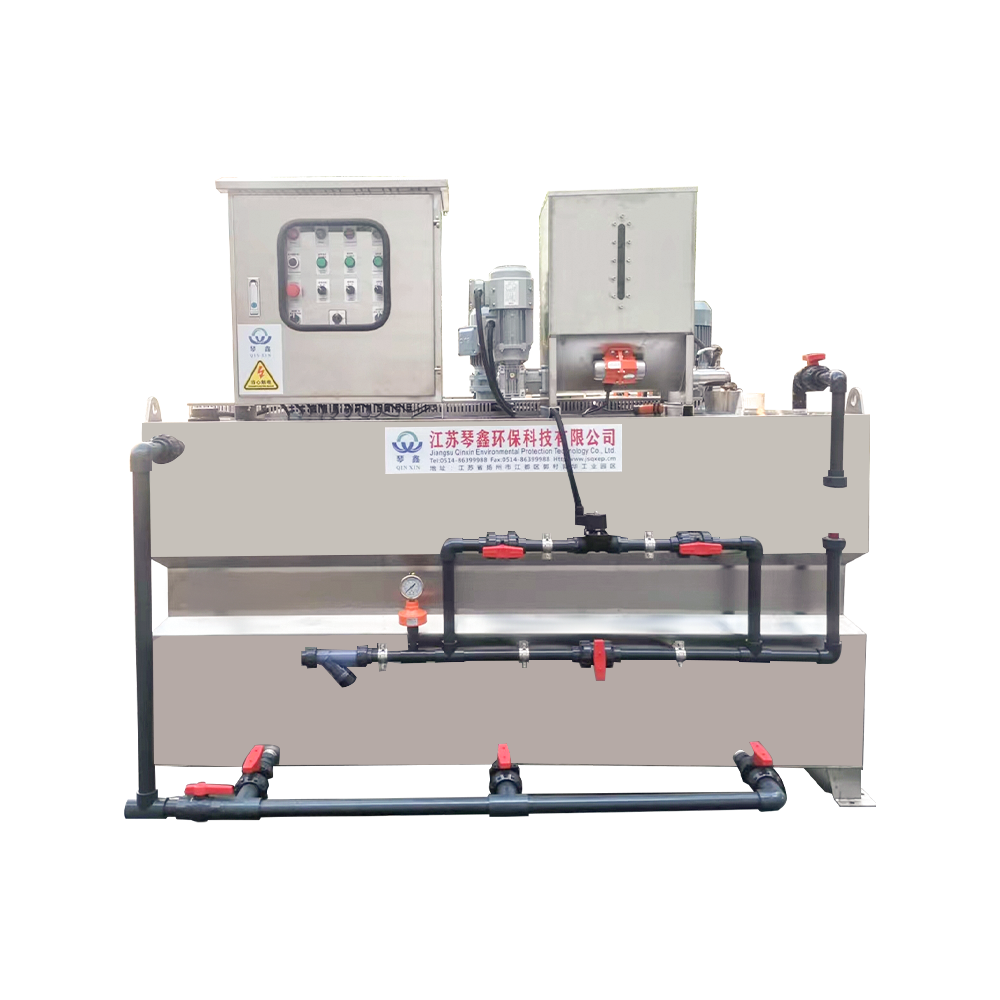
Inside the machine, sludge enters a flocculation chamber where chemicals improve solid-liquid separation, then a slow-rotating screw shaft carries the material through a cylindrical screen. Gradual compression forces water out through the screen while the screw continues moving solids toward the outlet as a discharged cake.
[The Dewatering Process]
[Why Plants Choose Screw Presses]
Against centrifuges and belt filter presses, a sludge screw press runs at low rotation speed, which keeps electricity use down, reduces noise and vibration, and lowers mechanical wear over years of continuous operation. Automatic screen cleaning also cuts the clogging and manual maintenance that heavier dewatering equipment tends to need.
[Where It's Applied]
[How It Compares]
| Equipment | Advantages | Limitations |
| Sludge screw press | Low energy use, compact, easy maintenance | Lower capacity for some applications |
| Centrifuge | High processing capacity | Higher energy consumption |
| Belt filter press | Stable operation | Requires more cleaning water |
| Filter press | High dryness output | Batch operation |
Selecting the right sludge screw press comes down to matching solid concentration, viscosity, and daily volume to the machine's throughput, then confirming stainless steel grade and automation features fit the site's operating conditions.
By combining low energy use, continuous operation, and minimal maintenance, sludge screw presses have become a practical, sustainable choice for municipal, industrial, and agricultural sludge dewatering alike.

 TOP
TOP