
 ENG
ENG
 English
 русский
 Español
 Tiếng Việt
 ไทย
ไทย
Article Directory
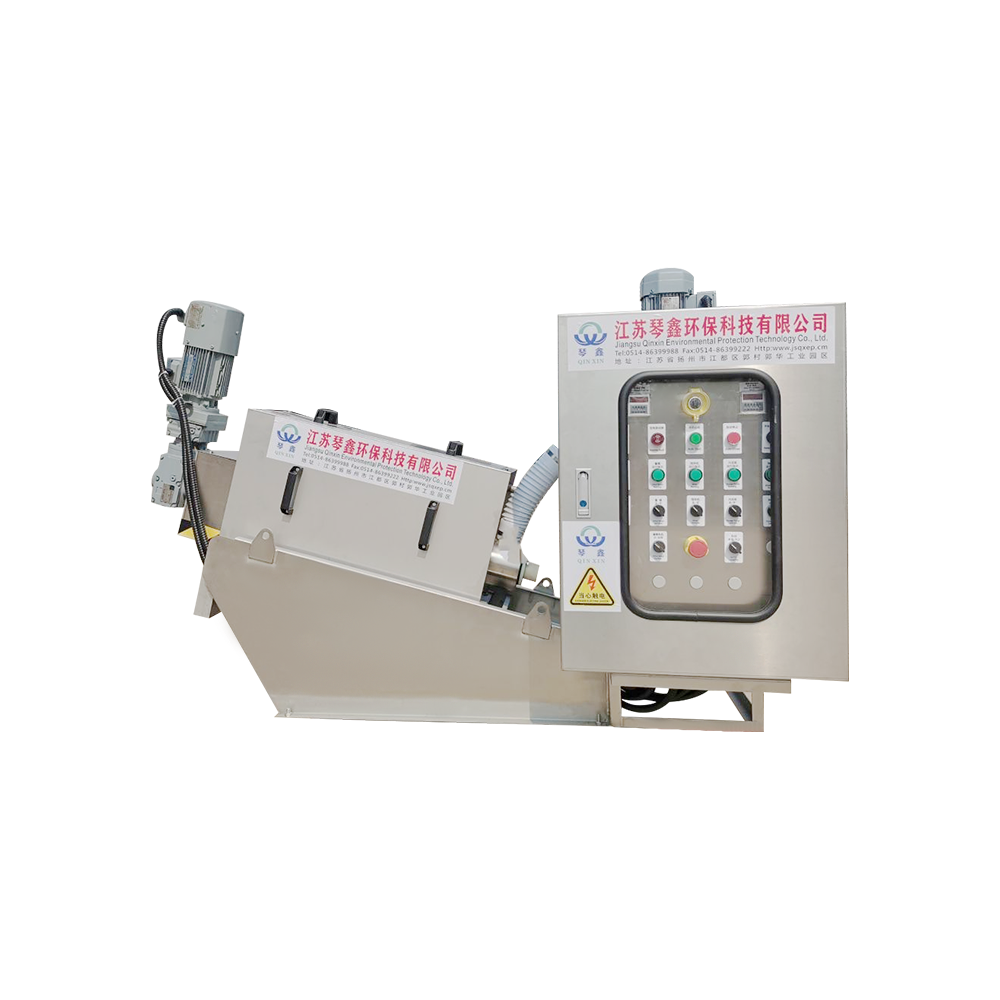
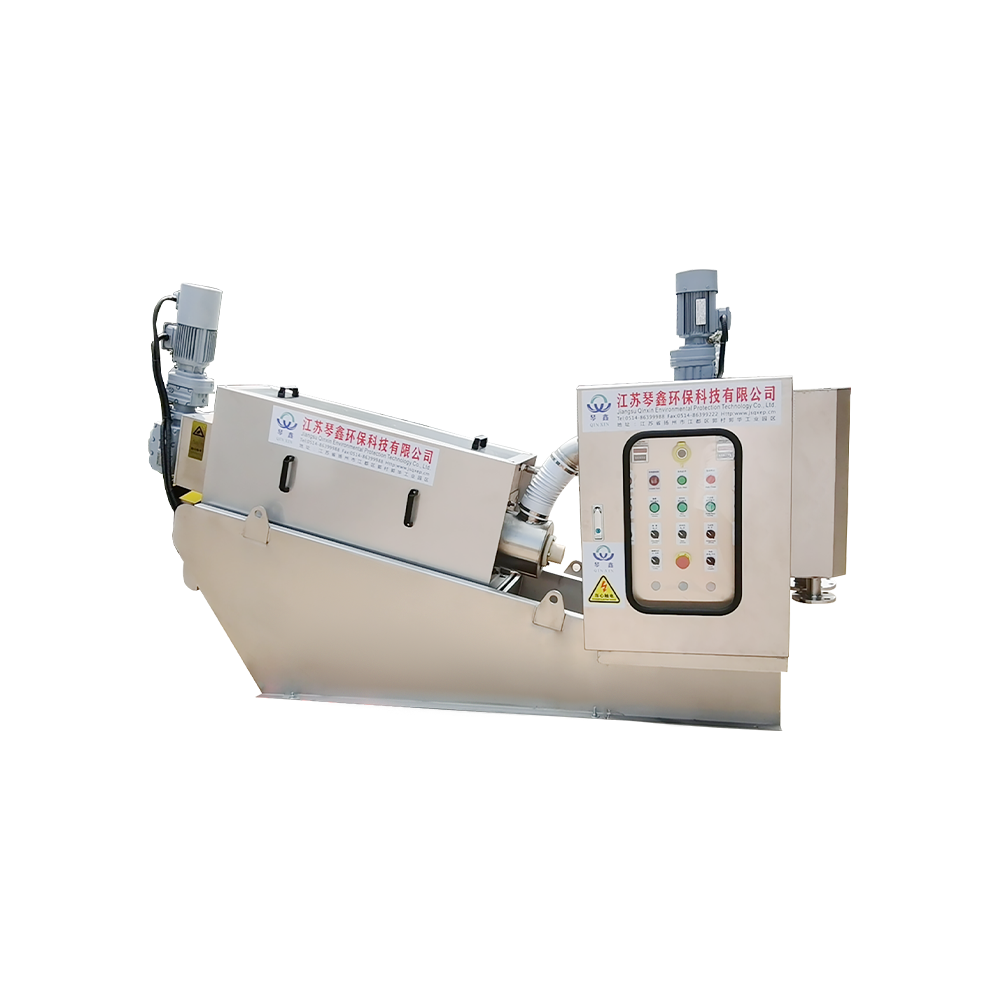
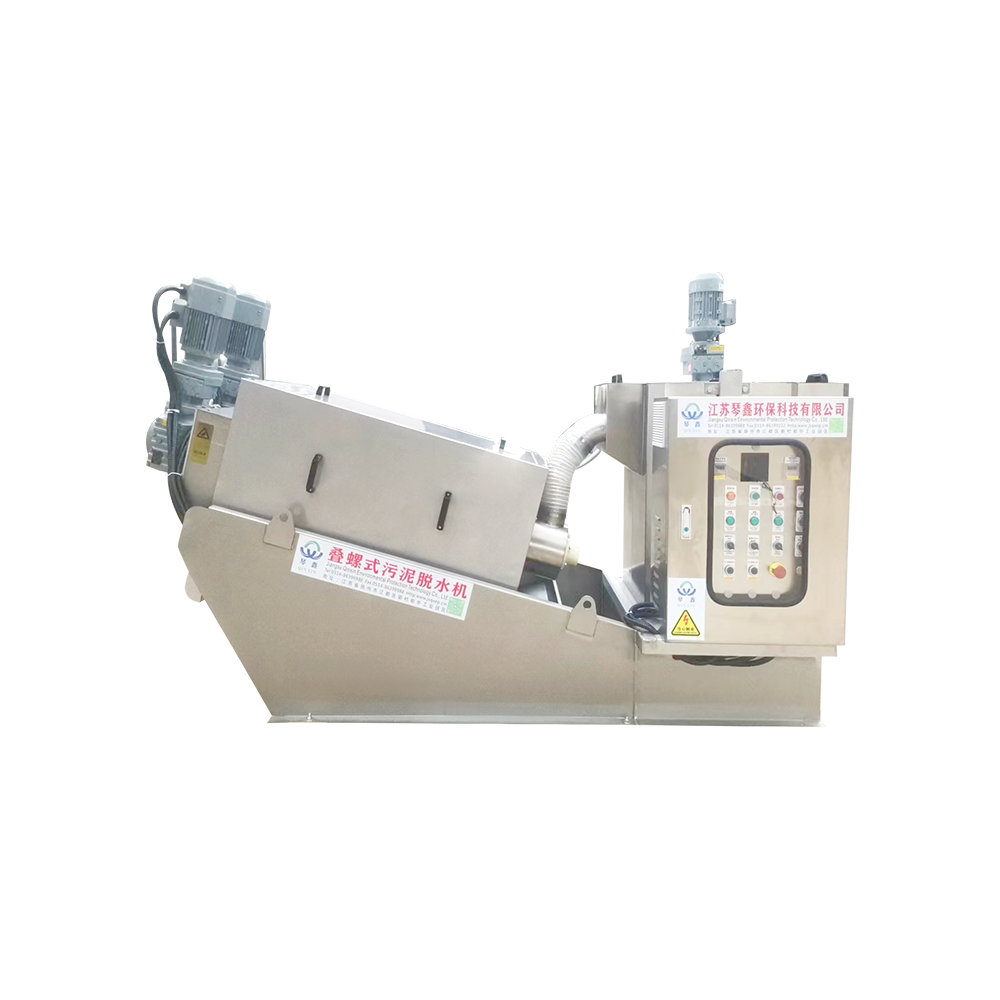
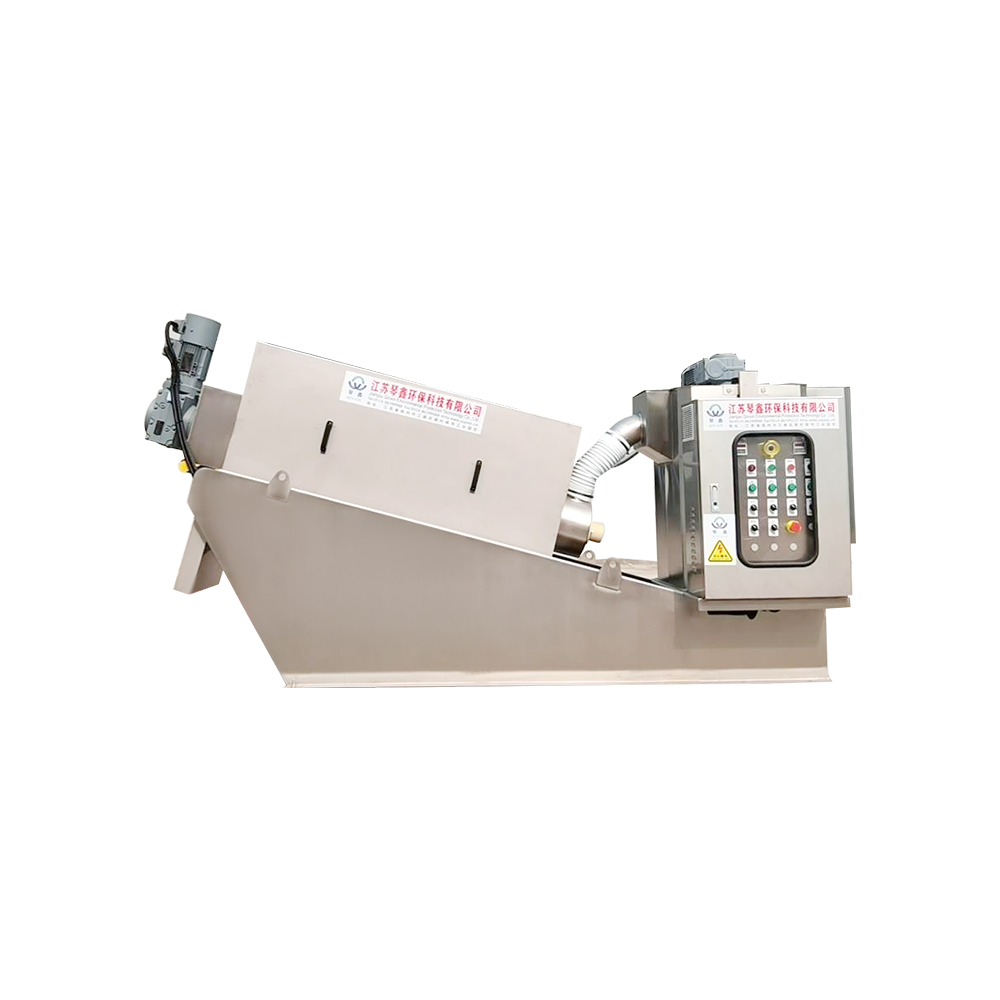
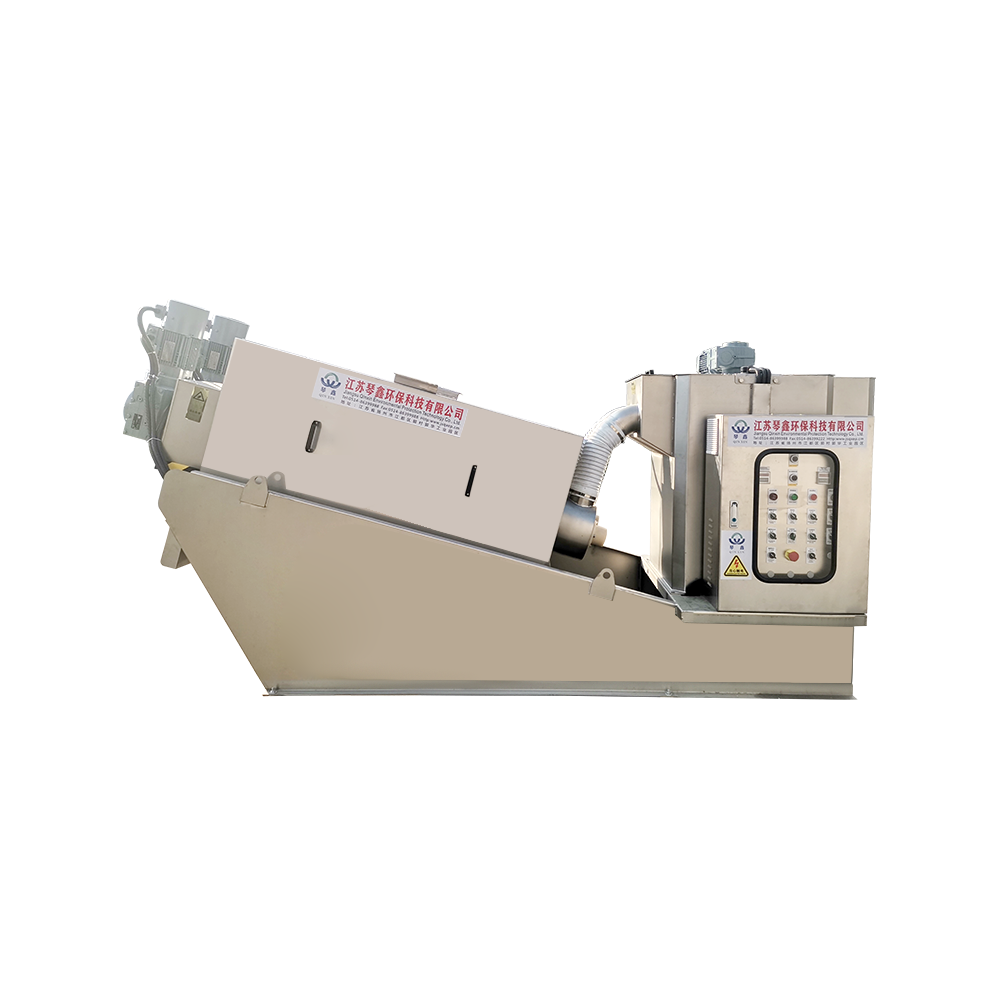
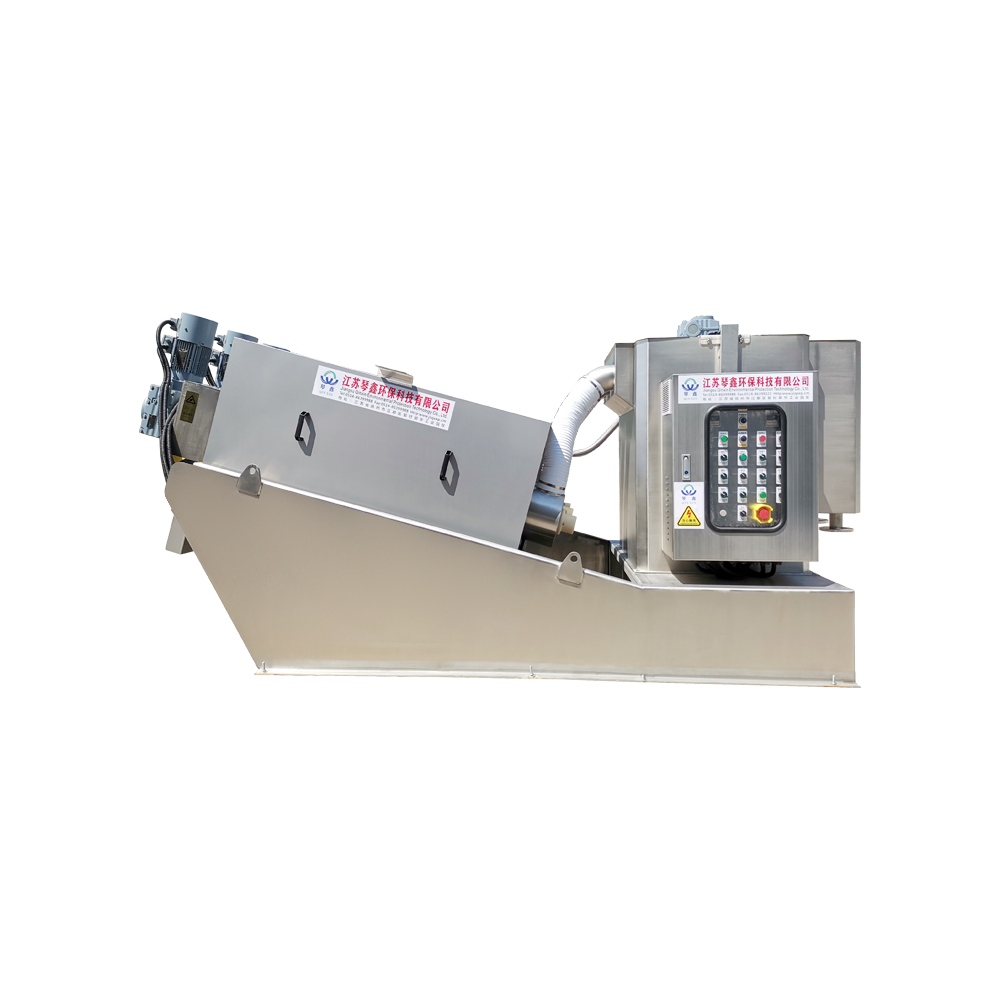
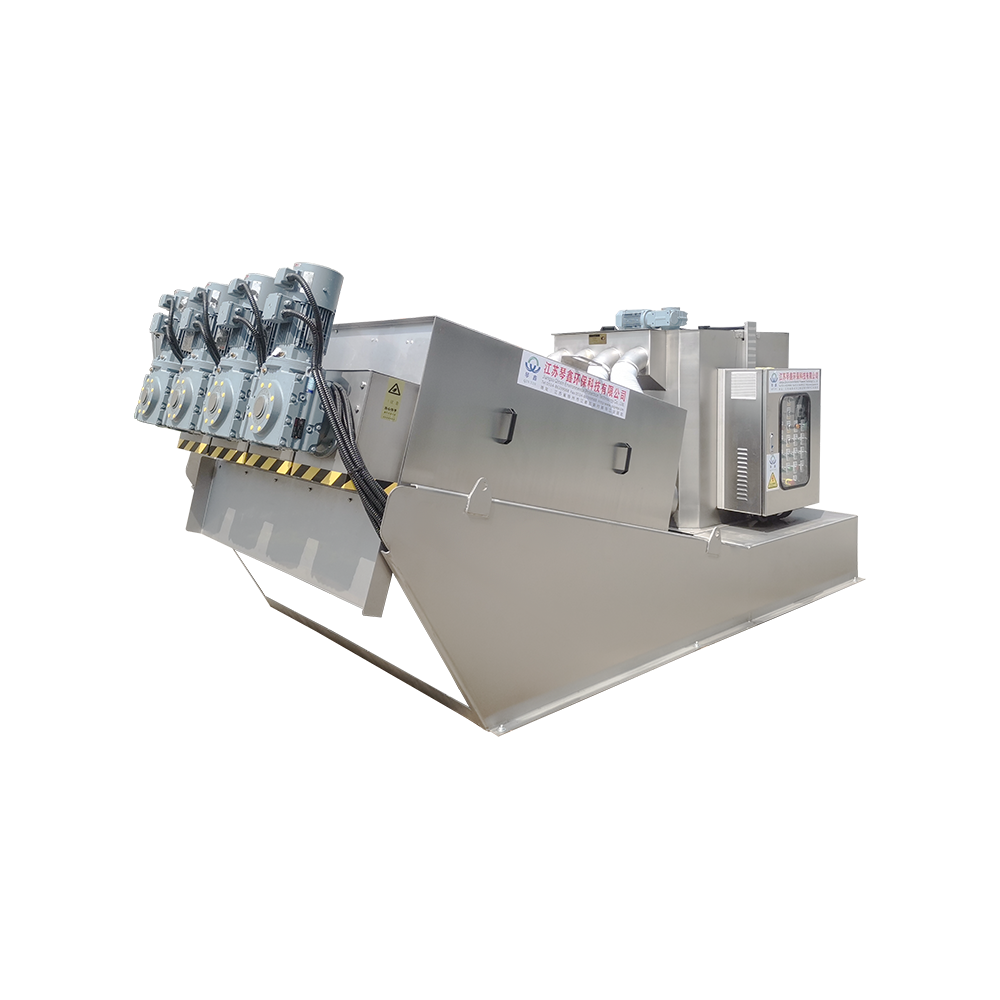
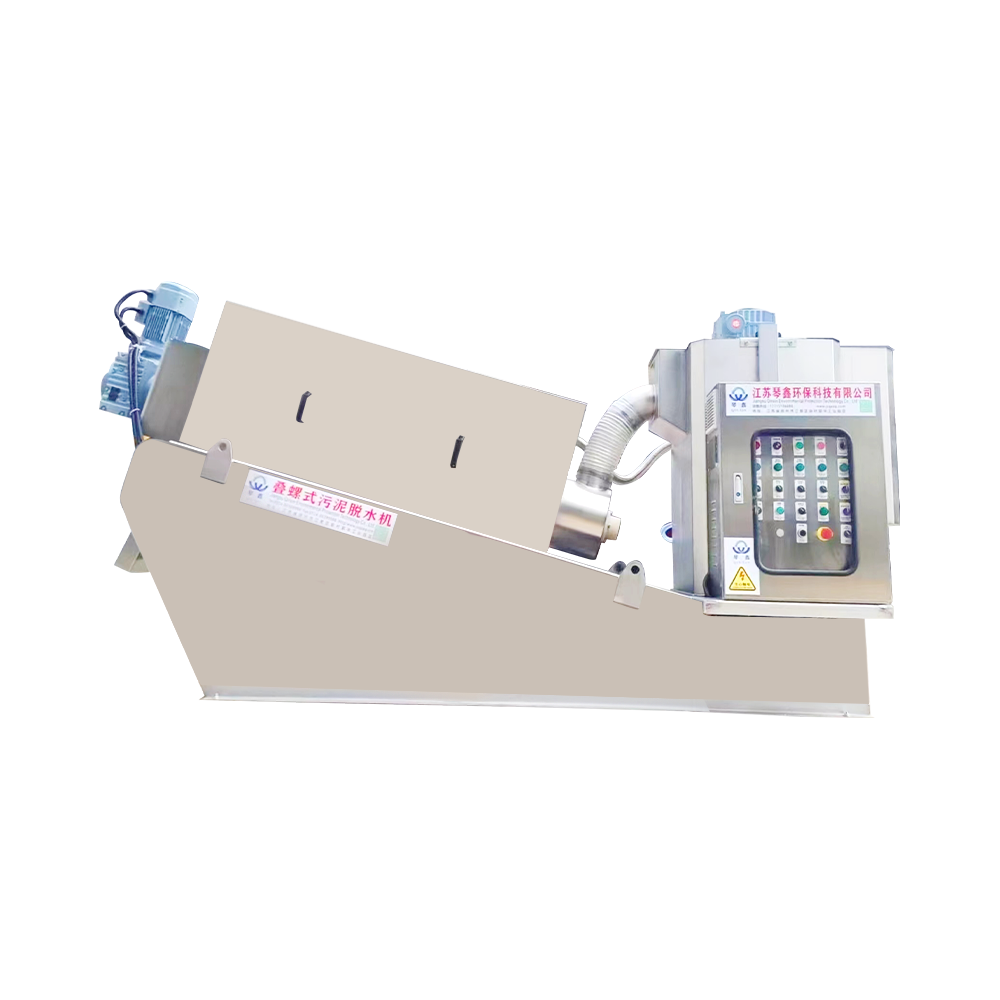
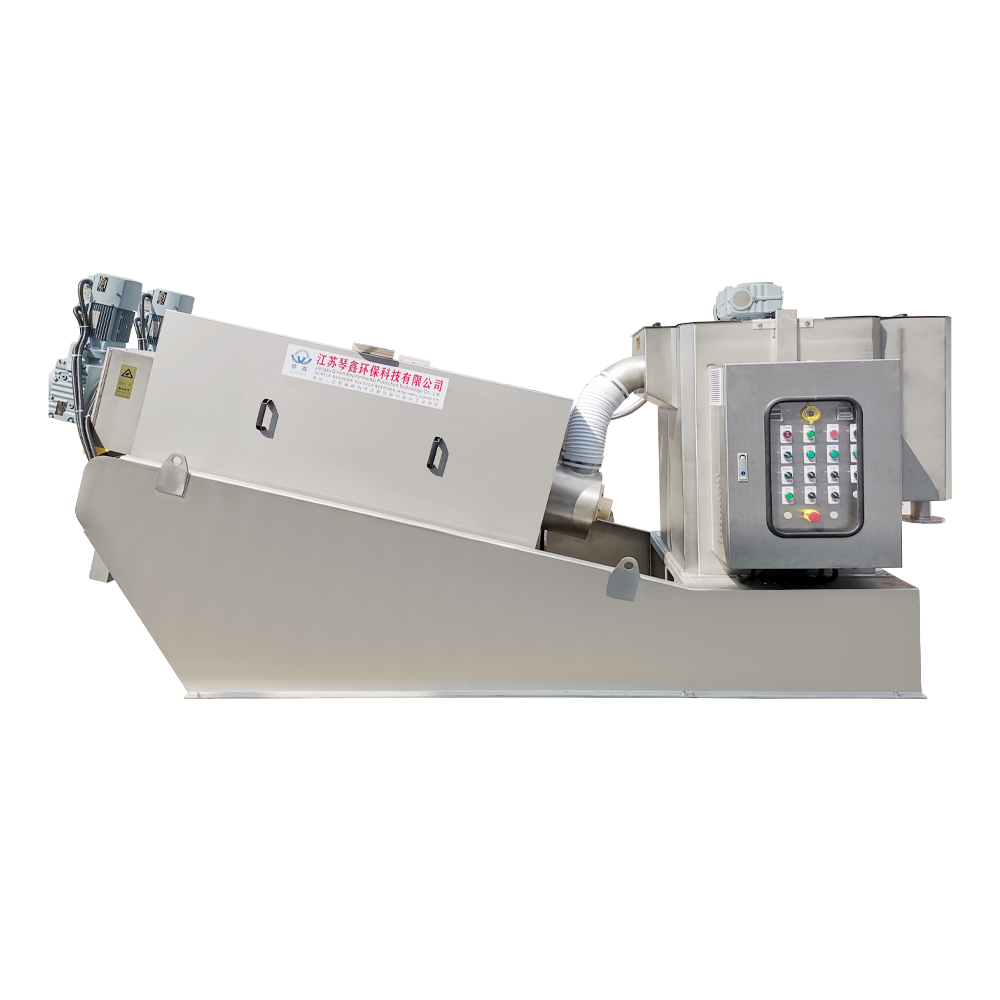
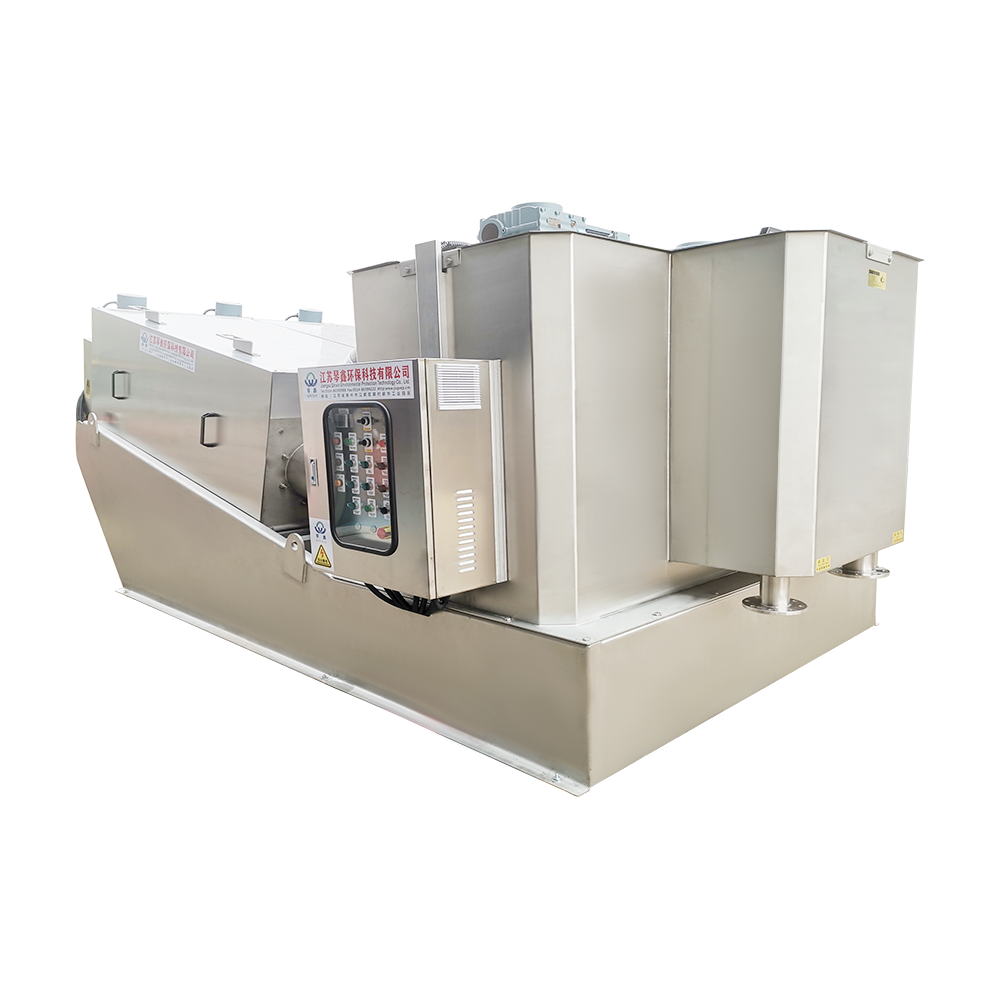
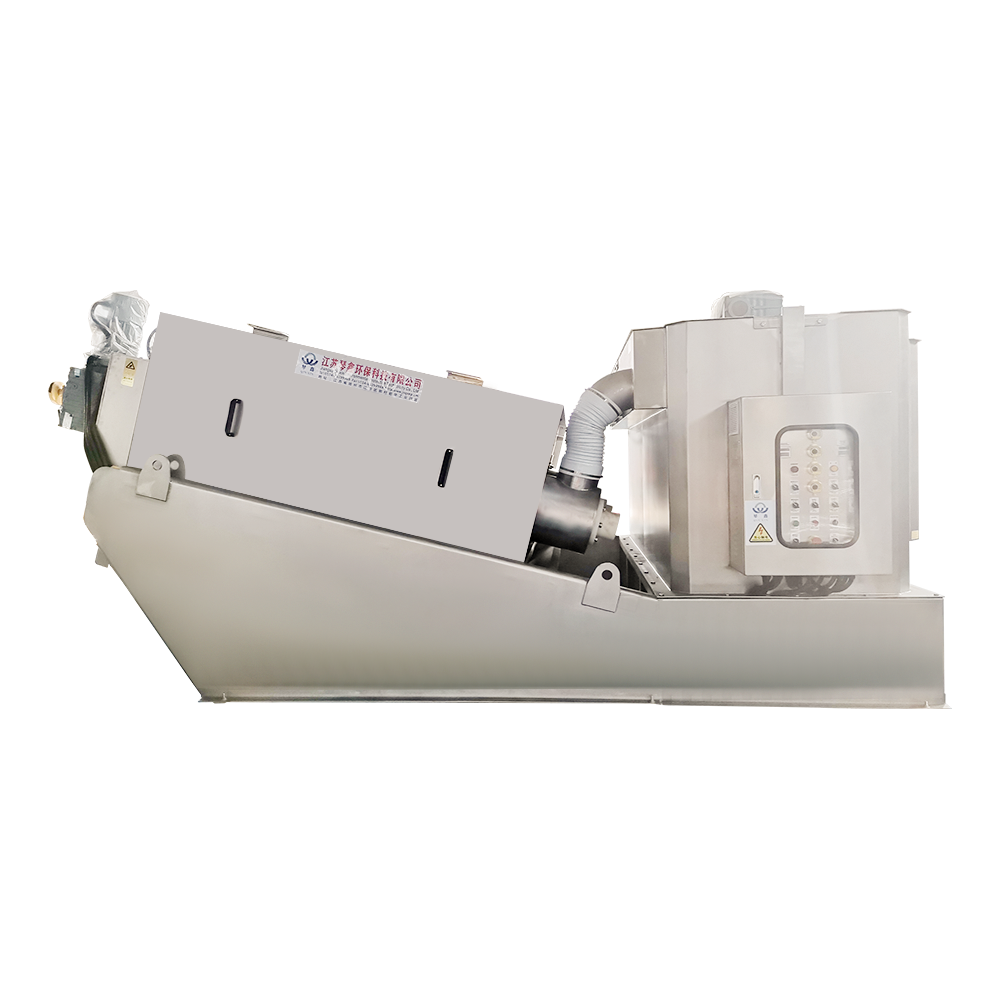
Wastewater plants spend more on sludge disposal than almost any other line item, and disposal cost scales directly with how much water is left in the cake. A sludge screw press is built to strip out that water continuously, with a fraction of the energy draw of older dewatering technology.
How the Dewatering Process Works
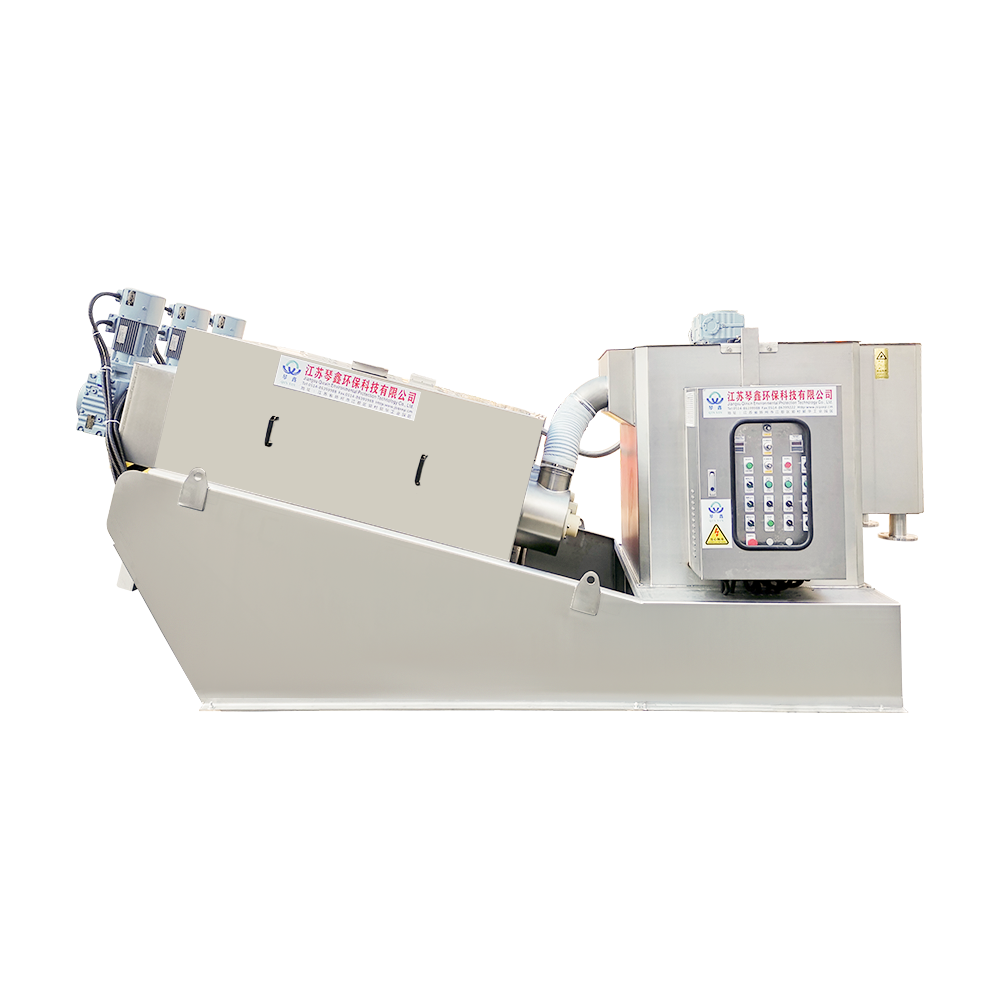
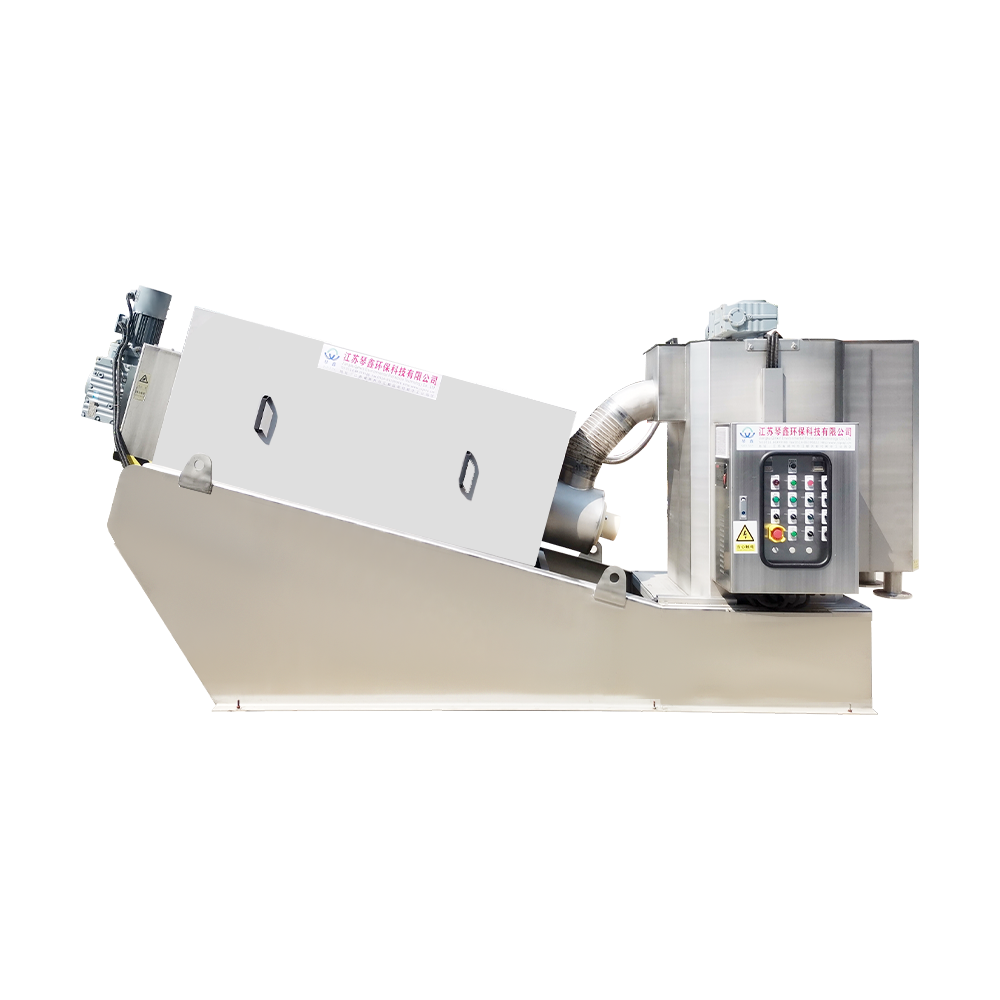
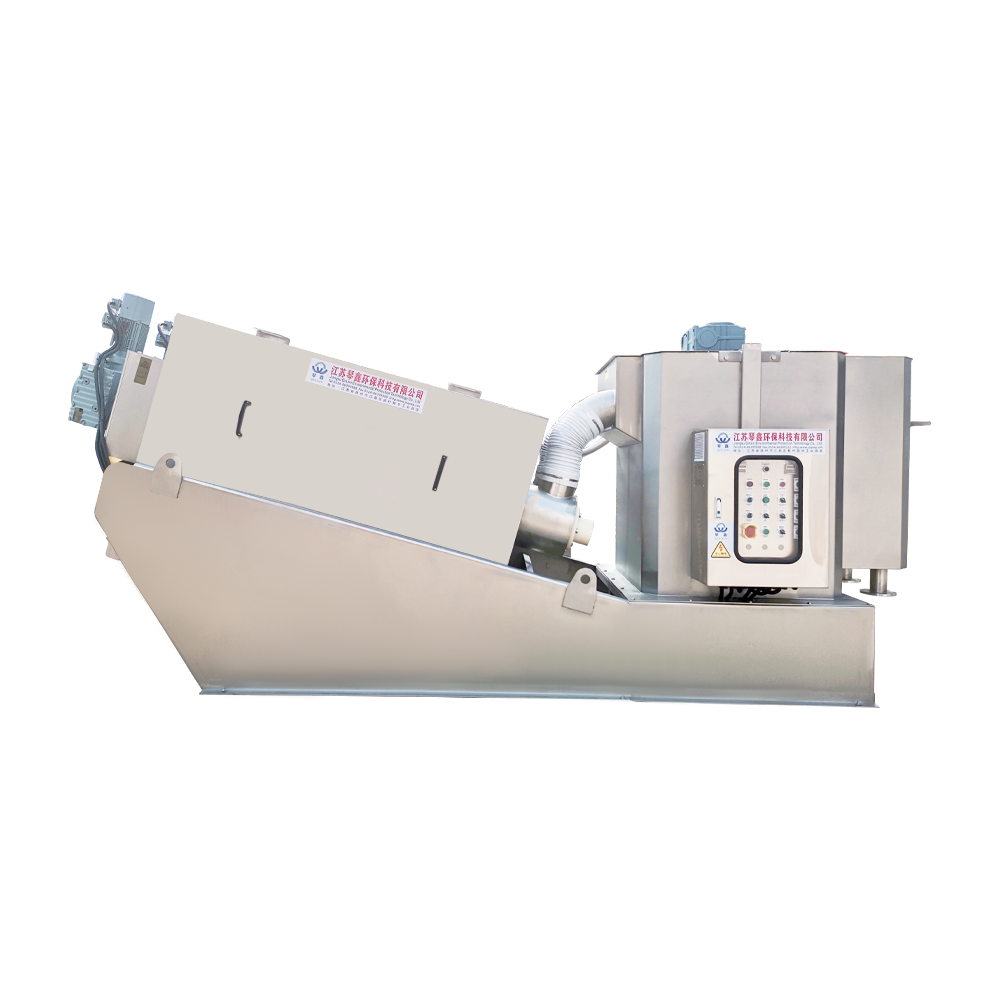
A sludge screw press moves sludge through a rotating screw inside a filtration cylinder, gradually increasing pressure as the channel narrows and forcing water out through the screen while solids are compacted into a dischargeable cake.
Sludge thickening
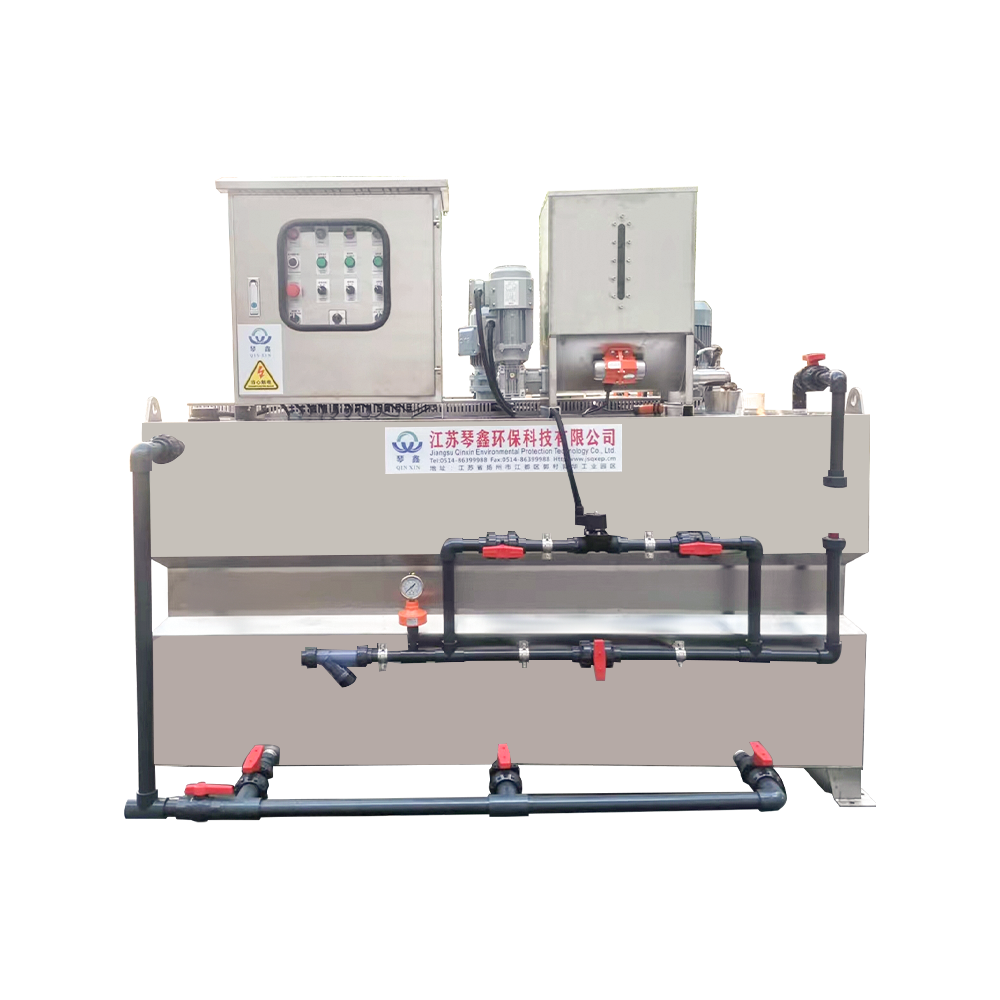
Incoming sludge is conditioned and thickened before entering the press cylinder.
Screw conveying
The rotating screw shaft moves sludge steadily through the filtration cylinder.
Pressure filtration
A narrowing screw pitch builds pressure, forcing free water through the filter screen.
Cake discharge
Compacted, dewatered sludge cake is discharged continuously at the press outlet.
Why Screw Presses Outperform Older Dewatering Methods
Beyond the headline volume reduction, a sludge screw press offers three further advantages over belt presses and centrifuges:
- Continuous operation with minimal manual intervention once flocculation is tuned
- Lower energy consumption than centrifugal dewatering, since the screw runs at low RPM
- Fewer wear parts and simpler maintenance than belt-based filtration systems
Where Screw Presses Are Used
Municipal Treatment
Handles daily activated sludge volumes at sewage treatment plants.
Industrial Wastewater
Processes factory effluent sludge across varied industrial sectors.
Food Processing
Dewaters organic sludge from food and beverage production lines.
Paper and Textile
Manages high-volume process sludge from mill and dye operations.
Screw Press vs Other Dewatering Equipment
| Equipment | Energy Use | Maintenance | Operation |
| Screw press | Low | Low, few wear parts | Continuous |
| Belt filter press | Moderate | Moderate, belt wear | Continuous |
| Centrifuge | High | High, precision parts | Continuous |
Selecting the Right Screw Press
Matching a sludge screw press to a site starts with sludge characteristics, not equipment size:
- Confirm sludge type and solids concentration entering the press
- Size processing capacity to peak daily sludge volume, not just average flow
- Set target cake moisture content based on downstream disposal requirements
- Specify stainless steel grade based on sludge corrosivity and chemical exposure
- Decide automation level needed for unattended or lightly staffed operation
Frequently Asked Questions
How much does a sludge screw press reduce sludge volume?
Most systems reduce sludge volume by 60-80%, depending on sludge type, conditioning, and target cake dryness.
Is a sludge screw press more energy efficient than a centrifuge?
Yes, because the screw operates at low rotational speed, energy consumption is typically much lower than centrifugal dewatering equipment of similar capacity.
What types of sludge can a screw press handle?
Municipal activated sludge, industrial waste sludge, organic sludge, and high-concentration sludge can all be processed, with settings adjusted per sludge type.
How much maintenance does a sludge screw press require?
Screw presses generally need less maintenance than belt or centrifugal systems, since they have fewer high-wear moving parts operating at low speed.

 TOP
TOP