
 ENG
ENG
 English
 русский
 Español
 Tiếng Việt
 ไทย
ไทย
Article Directory
Choosing between a sludge screw press and a belt filter press determines how much energy, water, and labor a treatment plant spends every single day for the next decade. This guide breaks down the real operating differences so engineers and plant managers can match equipment to sludge conditions instead of guessing.
What Separates a Sludge Screw Press From a Belt Filter Press
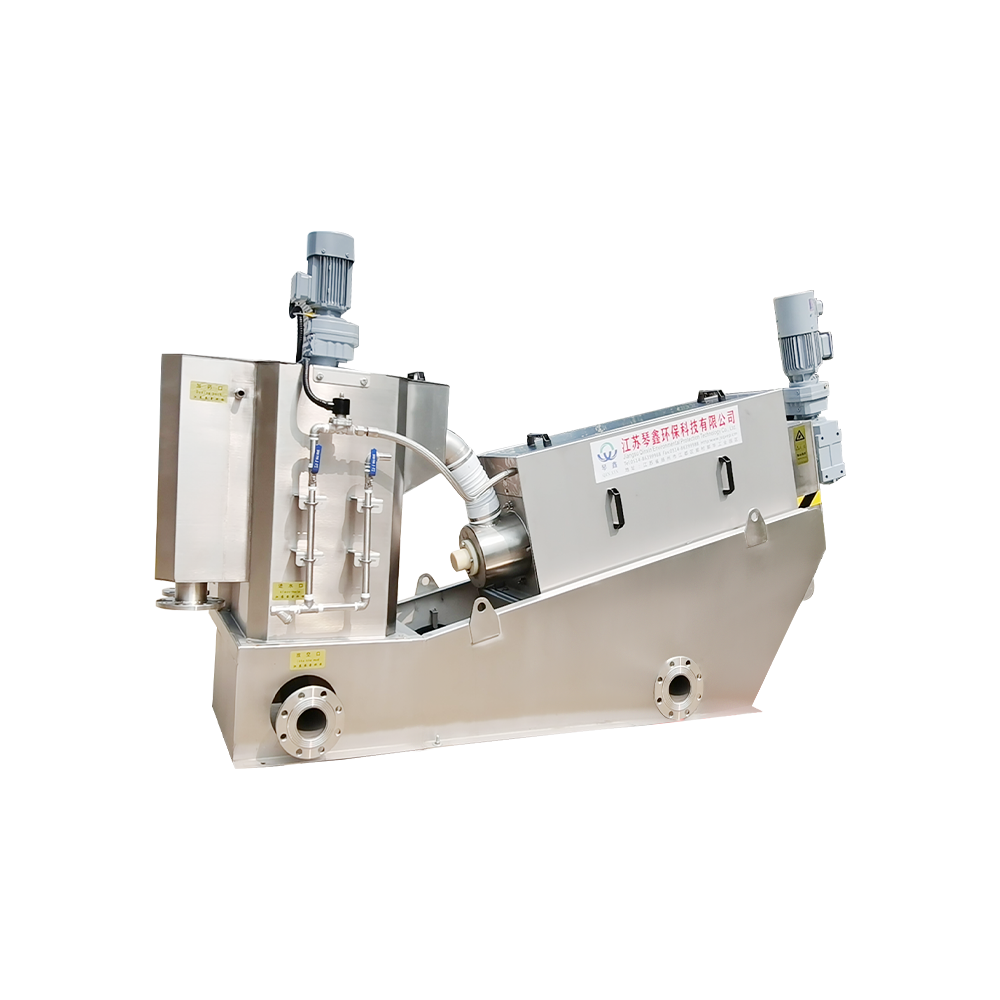
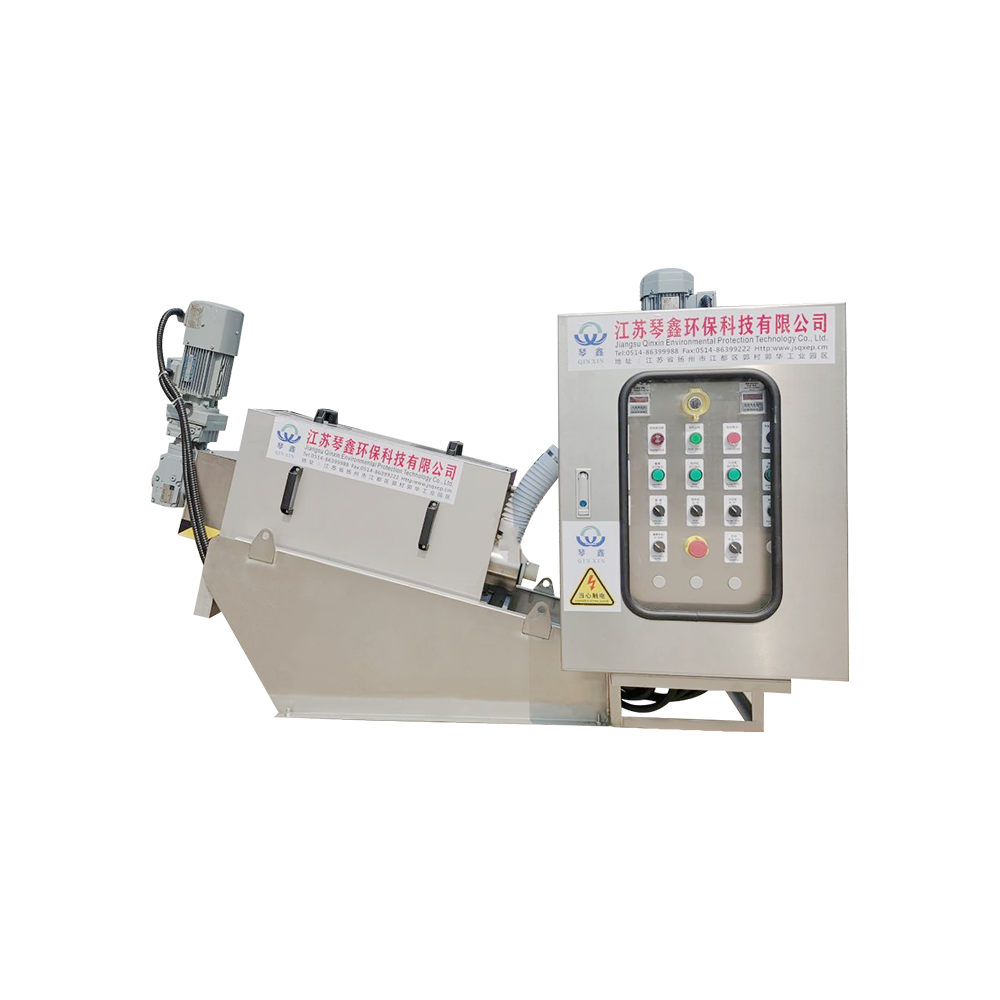
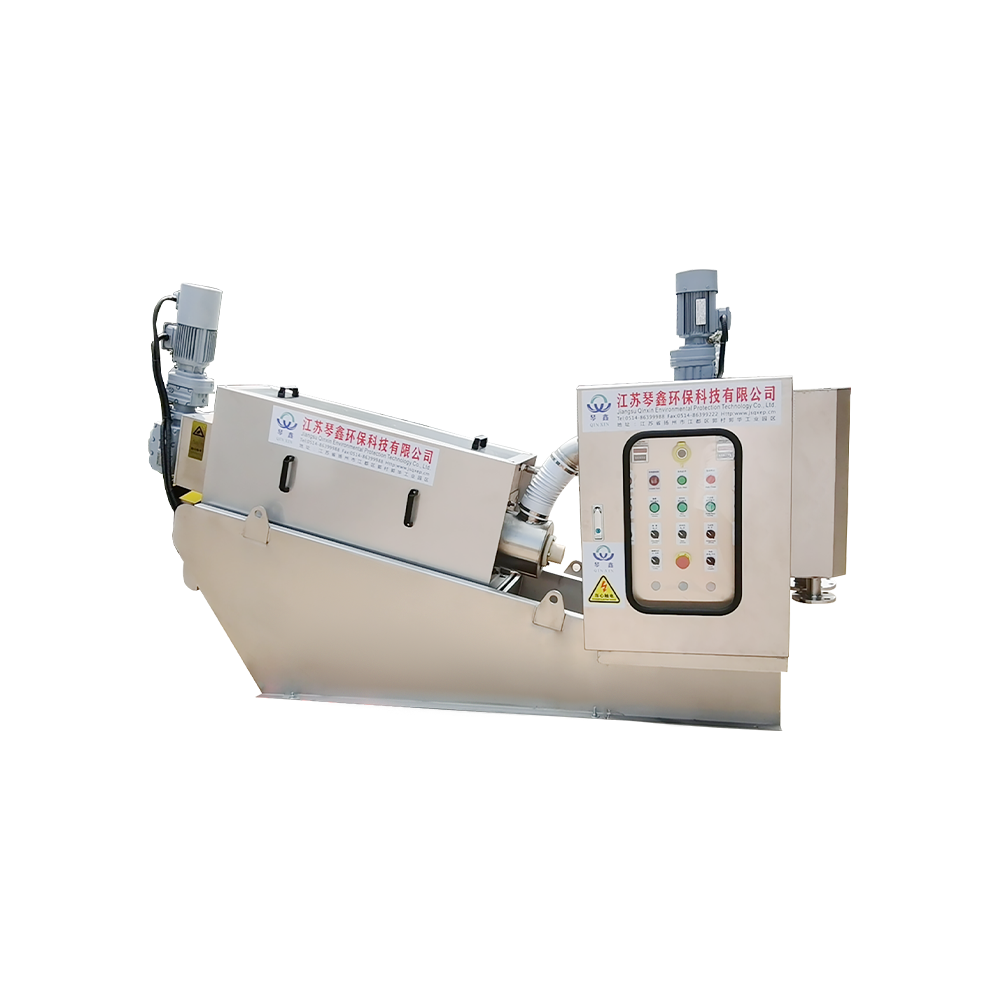
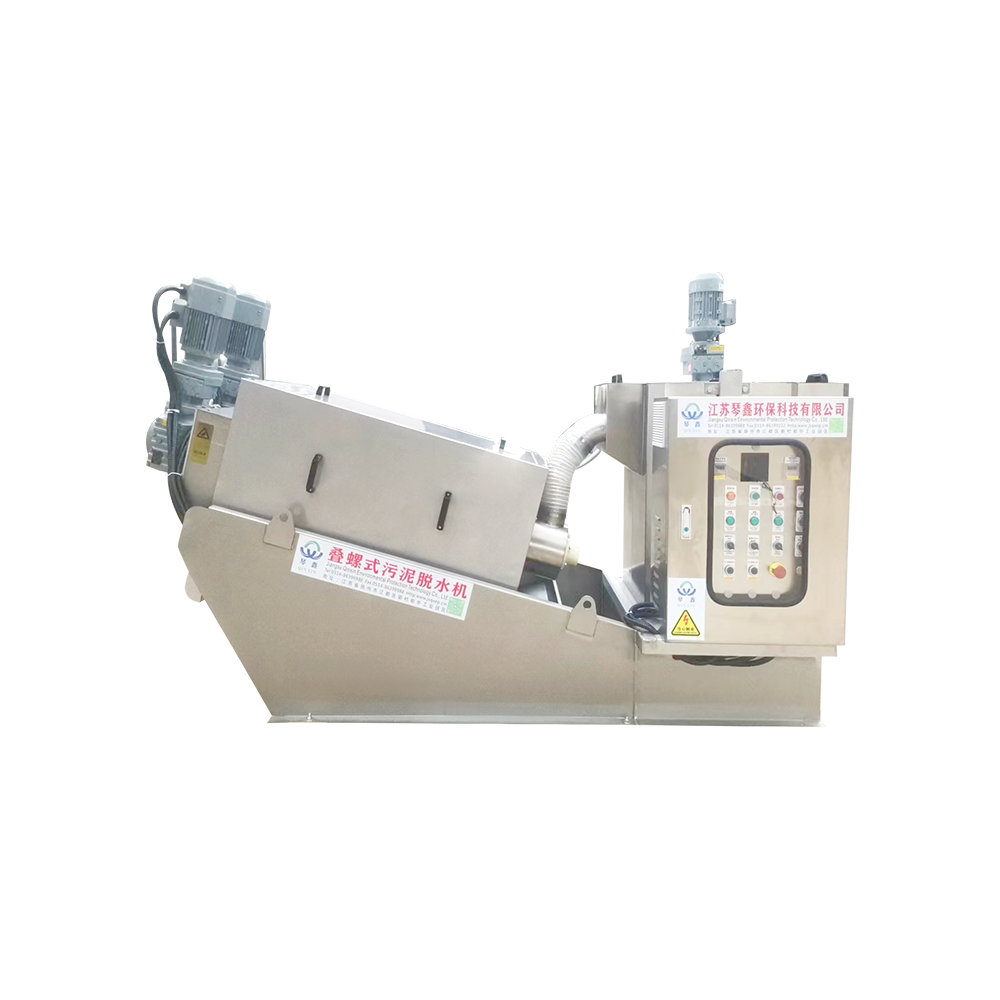
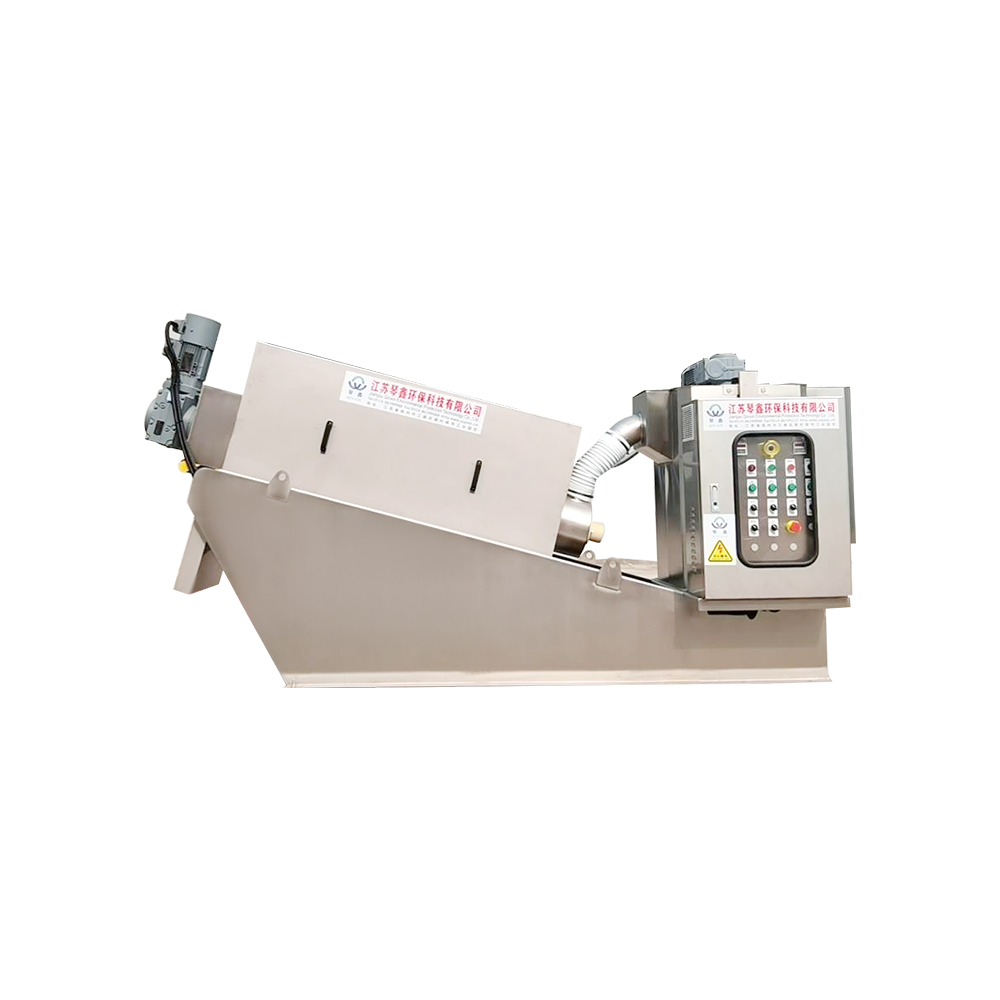
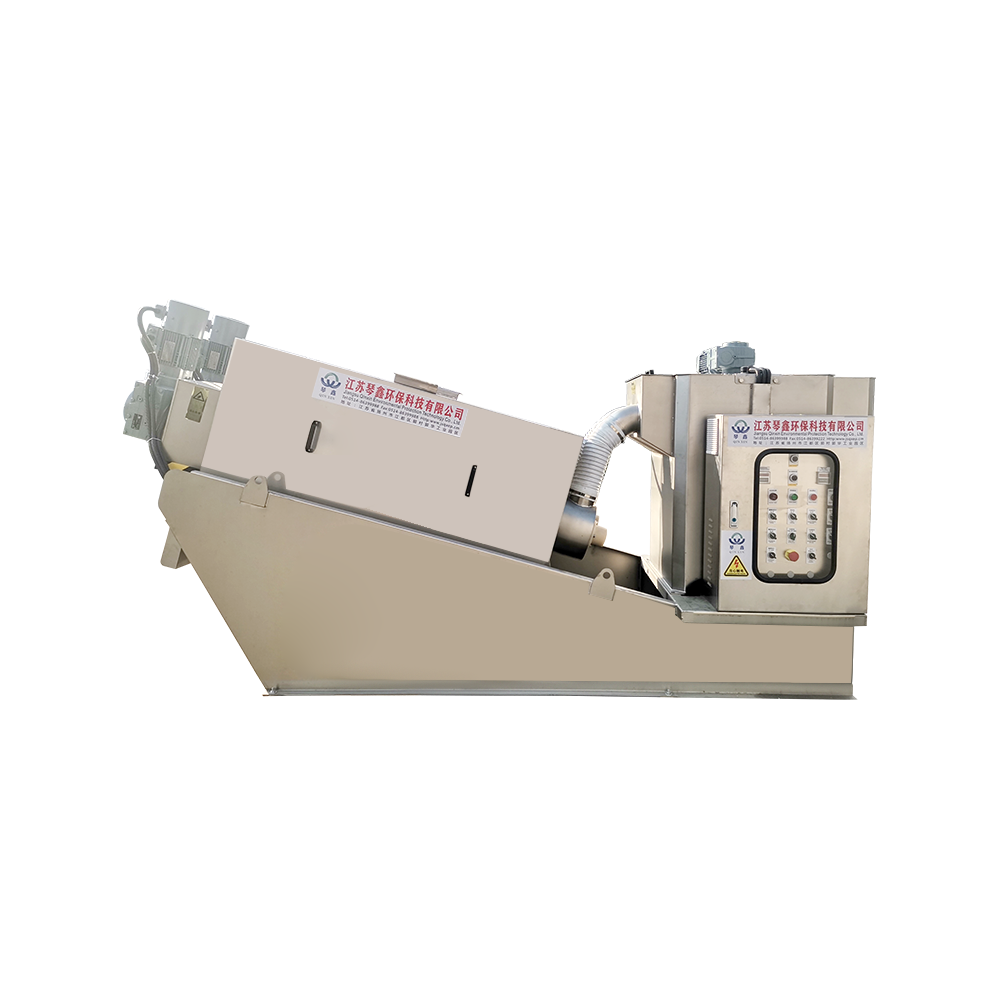
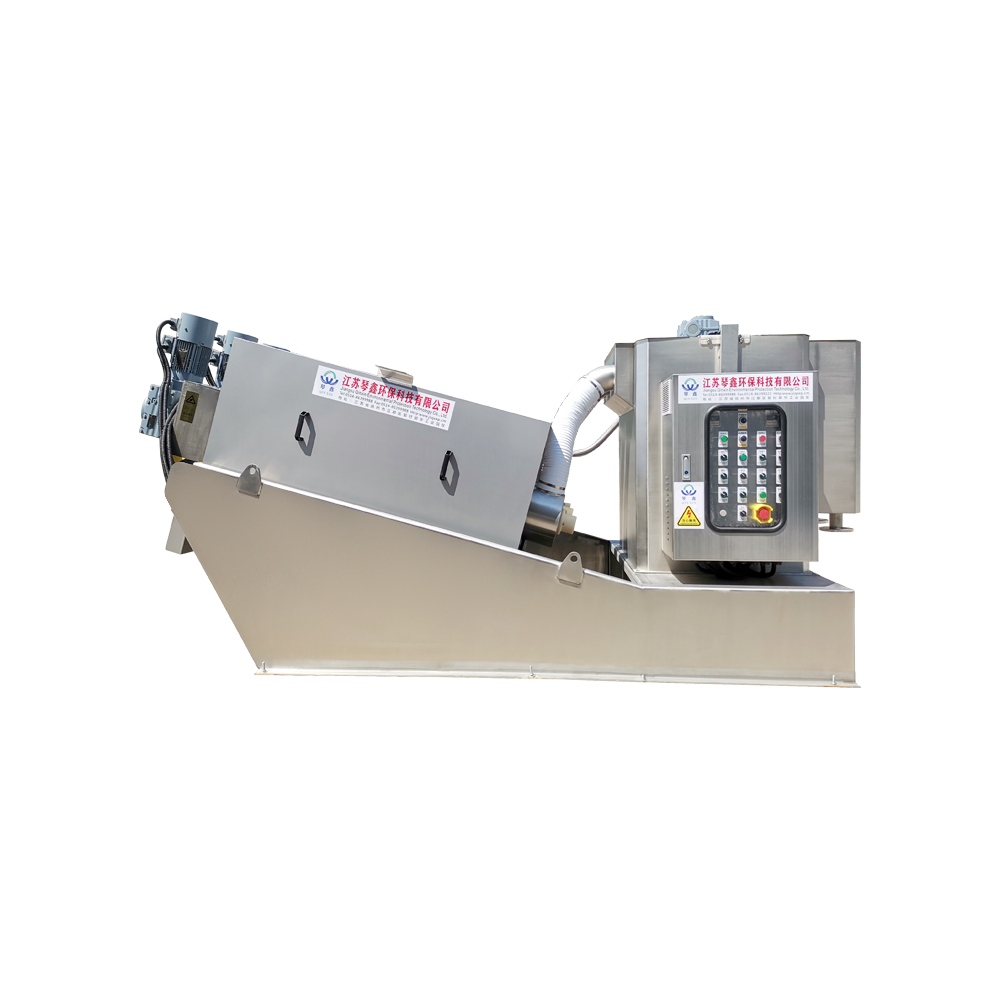
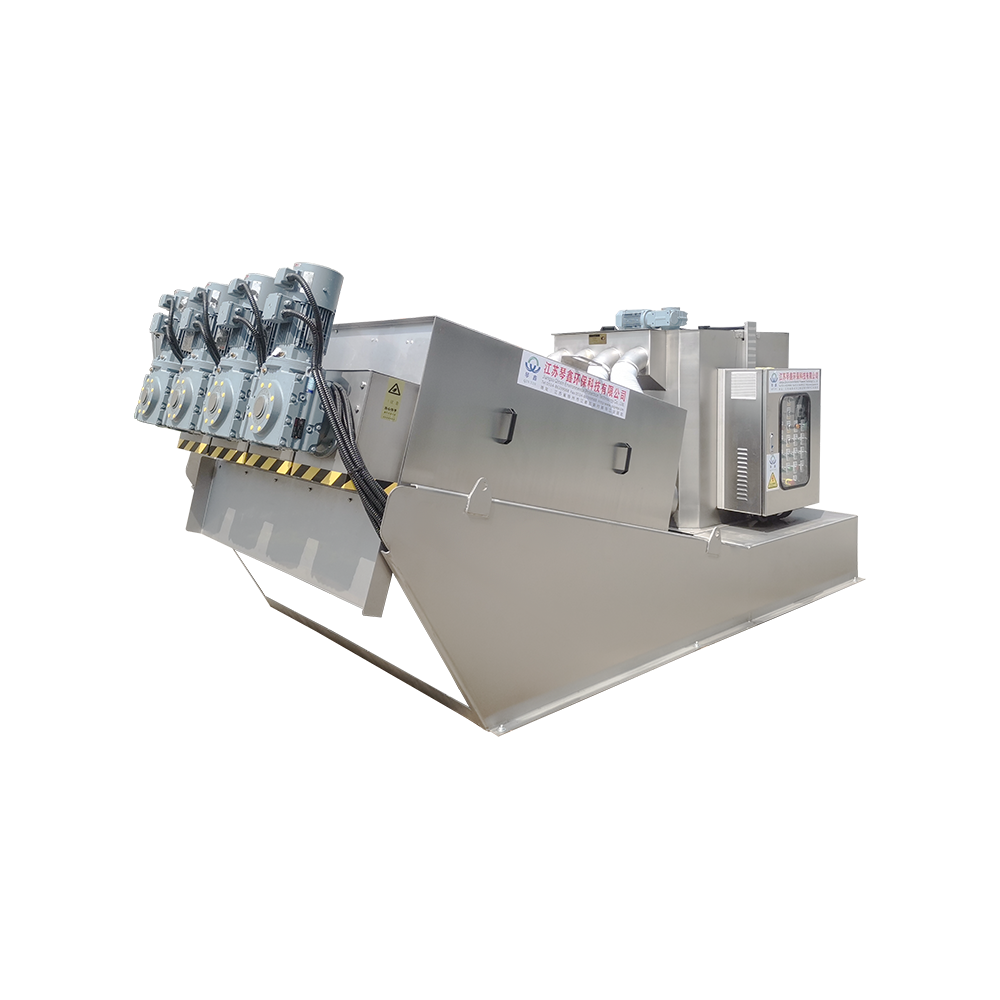
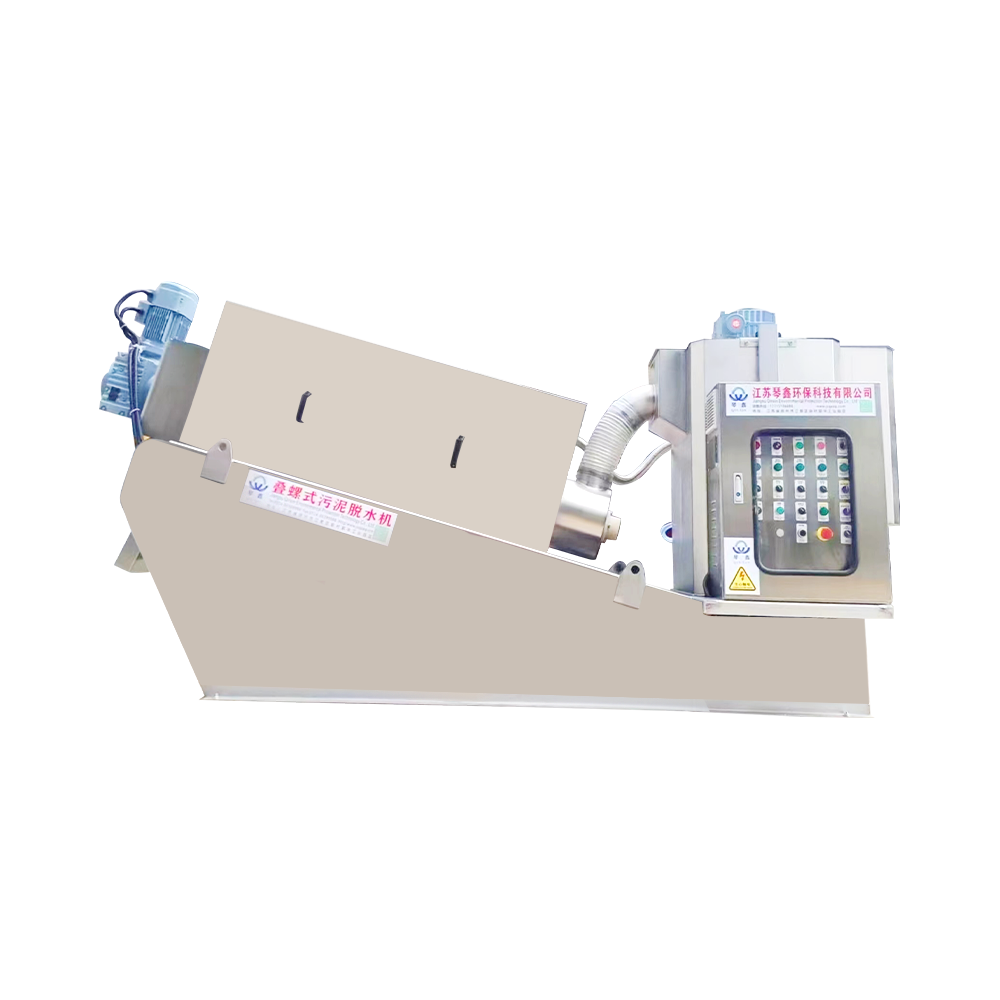
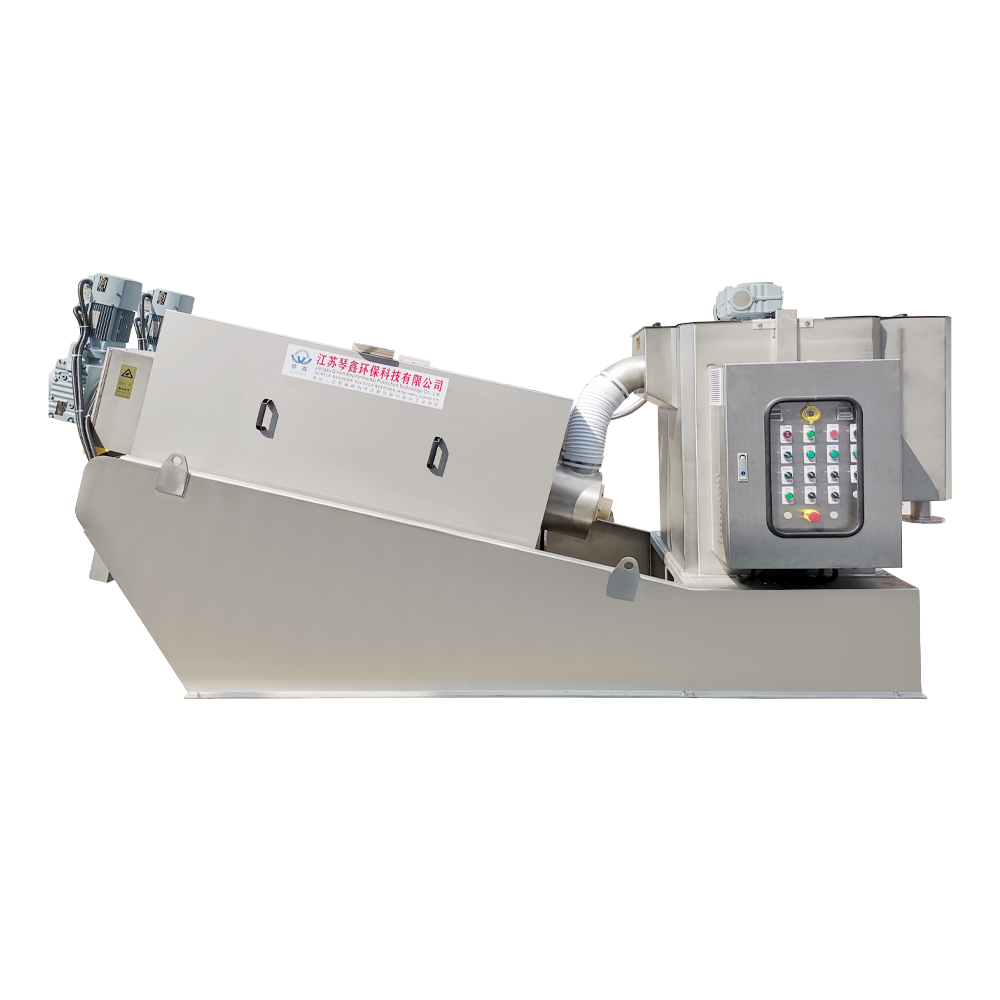
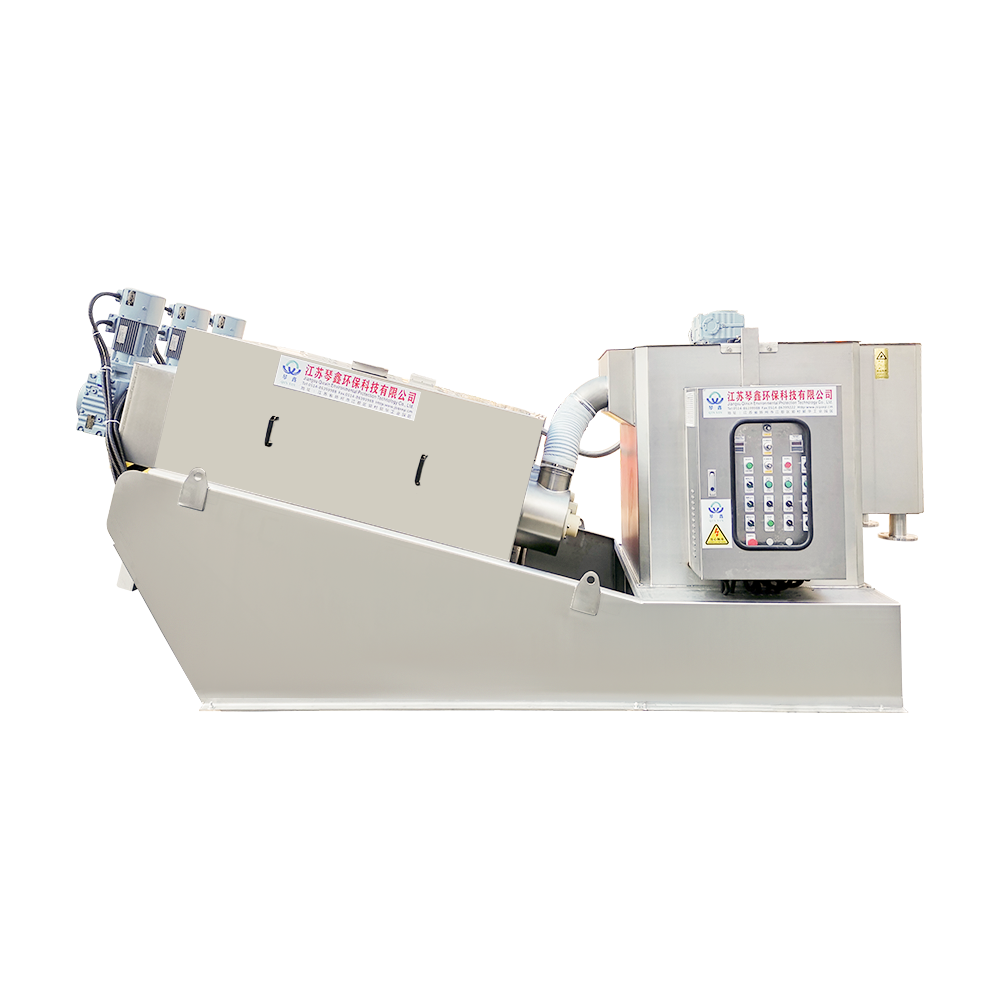
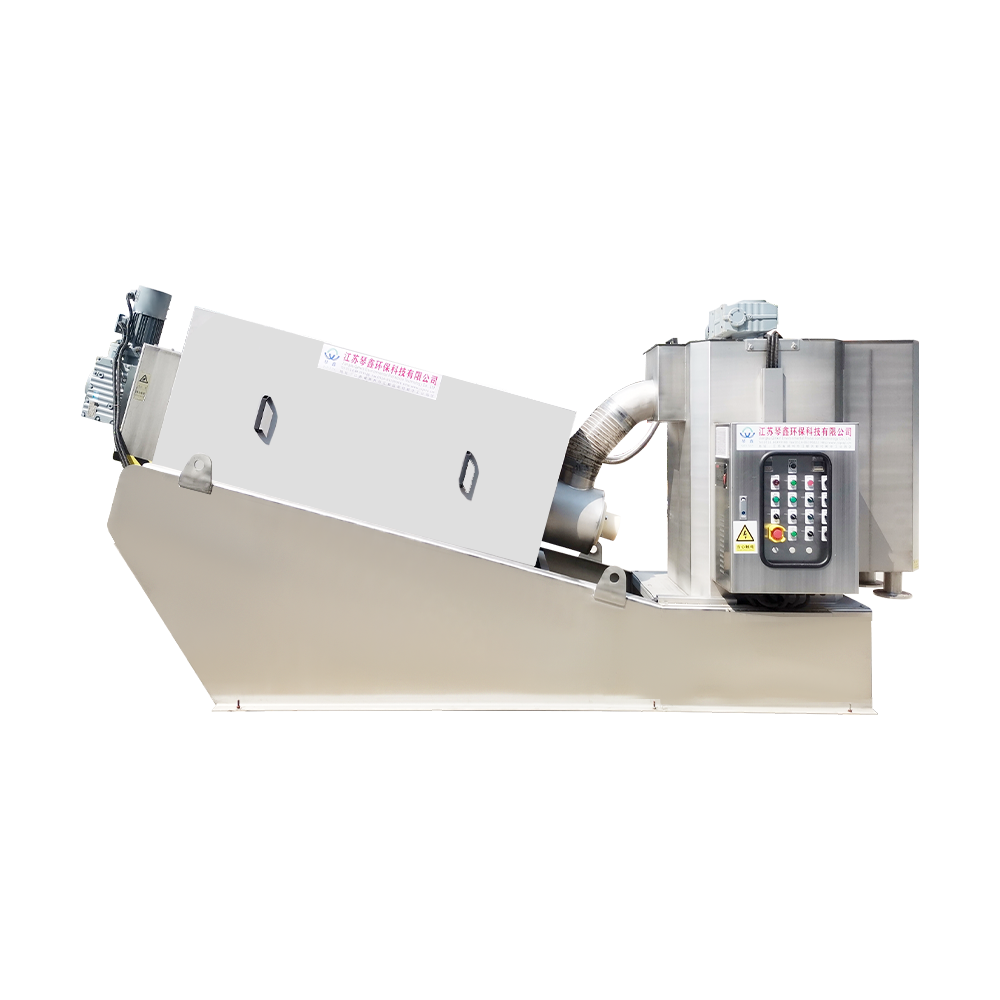
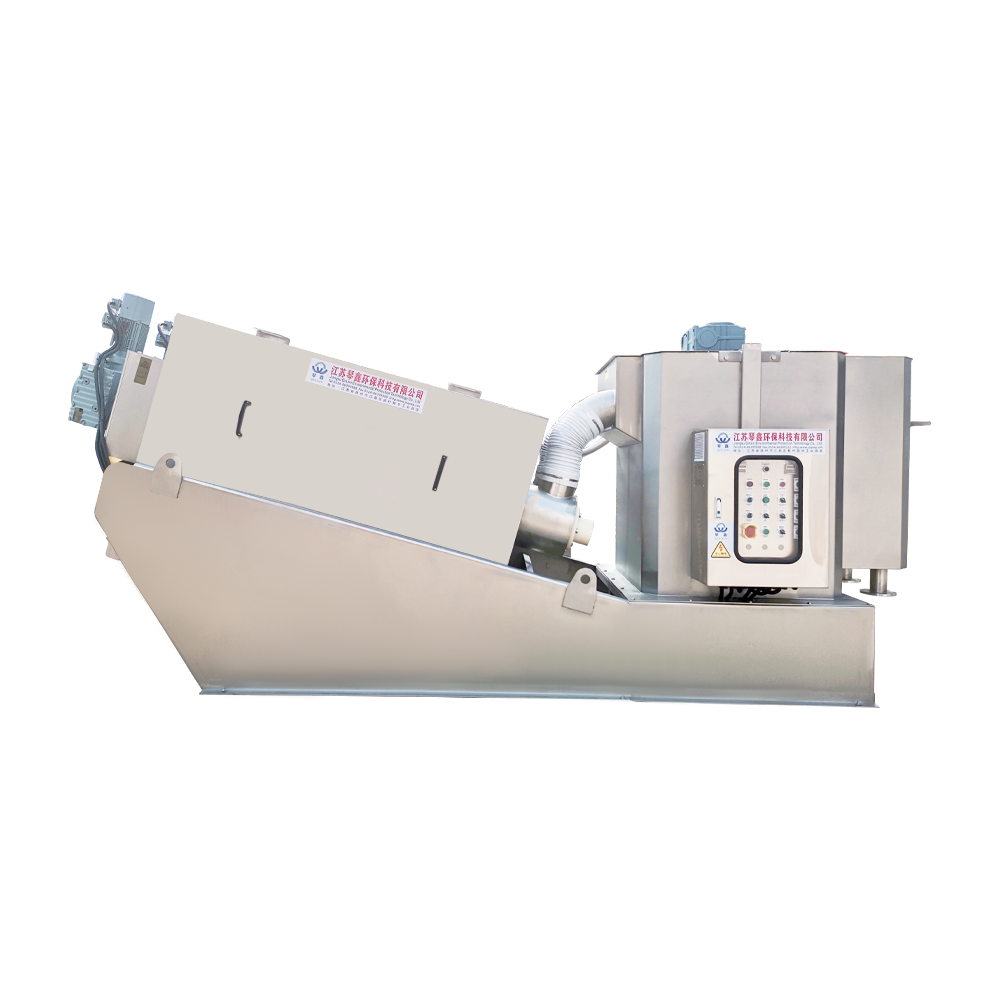
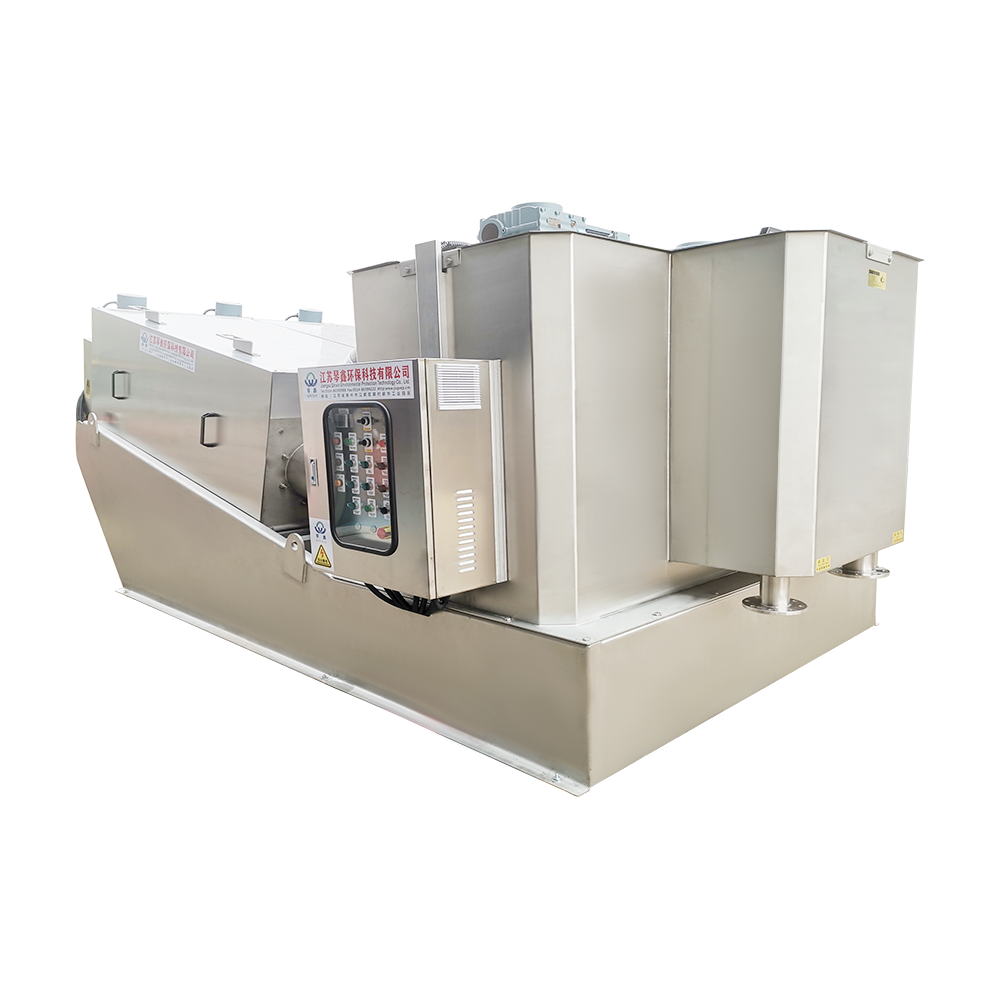
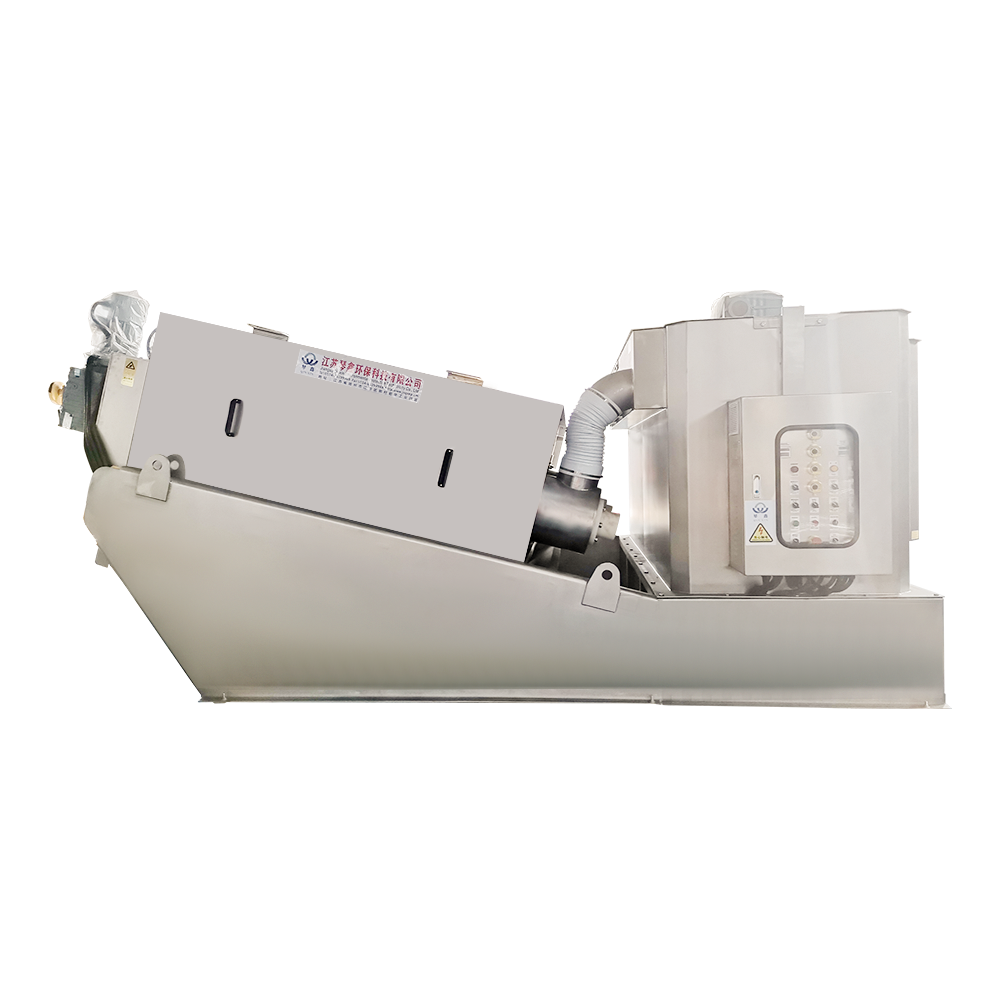
A sludge screw press is a continuous dewatering machine built around a slow-rotating screw inside a cylindrical screen, which gradually compresses sludge and forces water out through the mesh. A belt filter press instead runs sludge between two tensioned belts and rollers, relying on gravity drainage followed by mechanical squeezing. Both machines raise solids concentration, but the mechanism, footprint, and running cost diverge sharply once you look past the marketing brochure.
Dewatering Principle: Screw Compression vs Belt Pressing
The sludge screw press pushes sludge through a chamber where clearance narrows step by step, building pressure gradually and gently, which suits fibrous, oily, or fluctuating-concentration sludge. Belt filter presses depend on chemical conditioning first, then gravity drainage, then roller pressure, meaning performance swings whenever polymer dosing drifts even slightly off target.
- Screw press: gradual pressure buildup, low disturbance, stable output regardless of minor feed variation
- Belt press: fast throughput but highly dependent on correct chemical conditioning
- Screw press: fewer moving parts exposed to abrasive sludge solids
- Belt press: higher raw capacity, better suited to very large continuous flows
Energy and Water Consumption Compared
Because the screw rotates at low speed, a sludge screw press typically draws a fraction of the power a belt system needs to run rollers, drives, and continuous belt-washing pumps. Water usage follows the same pattern: belt presses need constant belt washing to prevent blinding, while the self-cleaning screen structure on a screw press sharply reduces washwater volume and the wastewater generated from cleaning cycles.
Sludge Screw Press
Low-speed motor, minimal washwater, compact footprint, high automation, low labor input, gentle on fibrous or oily sludge.
Belt Filter Press
Higher throughput ceiling, mature large-scale technology, but higher energy draw, more washwater, and more skilled operator time.
Maintenance, Footprint, and Operating Complexity
A screw press has a simpler mechanical layout with fewer wear components, so routine maintenance is usually limited to screen inspection and screw checks. Belt filter presses require ongoing attention to belt alignment, tension, roller wear, and the washing system, which adds up to noticeably higher labor hours over a year. Installation space follows the same trend: a screw press fits into tight rooms at smaller plants, while a belt press needs dedicated space for belt travel and washing equipment.
| Feature | Sludge Screw Press | Belt Filter Press |
| Energy Consumption | Lower | Higher |
| Water Usage | Lower | Higher |
| Maintenance Requirement | Low | Moderate to High |
| Installation Space | Compact | Larger |
| Processing Capacity | Medium | High |
How to Choose the Right Dewatering Equipment
Plants with limited space, tight energy budgets, or fluctuating sludge feed generally get more consistent results from a sludge screw press. Large centralized municipal plants processing very high sludge volumes around the clock still lean on belt filter presses for raw capacity, provided they can support the added chemical dosing, water use, and staffing.
Assess Sludge Characteristics
Identify fiber content, oil content, and concentration variability before comparing equipment.
Calculate Real Operating Costs
Compare energy, water, polymer, and labor cost per ton of dry solids over a full year, not just capital price.
Match Footprint to Available Space
Confirm room for belt travel and washing systems, or select a compact screw press for tight sites.
Plan for Long-Term Maintenance
Factor in wear part replacement frequency and required operator skill level before finalizing a decision.
Frequently Asked Questions
Is a sludge screw press cheaper to run than a belt filter press?
Yes. Lower energy draw, reduced washwater demand, and fewer wear parts typically make a screw press cheaper to operate on a per-ton basis, though a belt press may still win on raw throughput at very large plants.
Can a screw press handle the same sludge volume as a belt filter press?
A screw press suits small to medium volumes well; for very high continuous flow, multiple screw press units or a belt press with larger capacity may be required.
Which system needs less operator skill?
A screw press generally needs less operator involvement thanks to higher automation, while a belt press requires ongoing chemical conditioning and belt monitoring by trained staff.
Does sludge type affect the choice between the two systems?
Yes. Oily, fibrous, or fluctuating sludge tends to dewater more consistently on a screw press, while belt presses perform best with sludge that is properly and consistently conditioned.
 |
 |

 TOP
TOP