
 ENG
ENG
 English
 русский
 Español
 Tiếng Việt
 ไทย
ไทย
Article Directory
- 1 Start With Sludge Characteristics, Not the Machine
- 2 Match Capacity to Real Throughput
- 3 Dewatering Performance Is the Real Test
- 4 Design Features That Actually Reduce Downtime
- 5 Automation Level Should Match Staffing Reality
- 6 Selection Checklist Before You Buy
- 7 Common Applications
- 8 Frequently Asked Questions
Two treatment plants can install the same brand of dewatering equipment and get completely different results, because the machine was never the variable that mattered most — the sludge was. Choosing the right Sludge Screw Press starts with understanding what is actually flowing into the system, not with comparing spec sheets first.
Start With Sludge Characteristics, Not the Machine
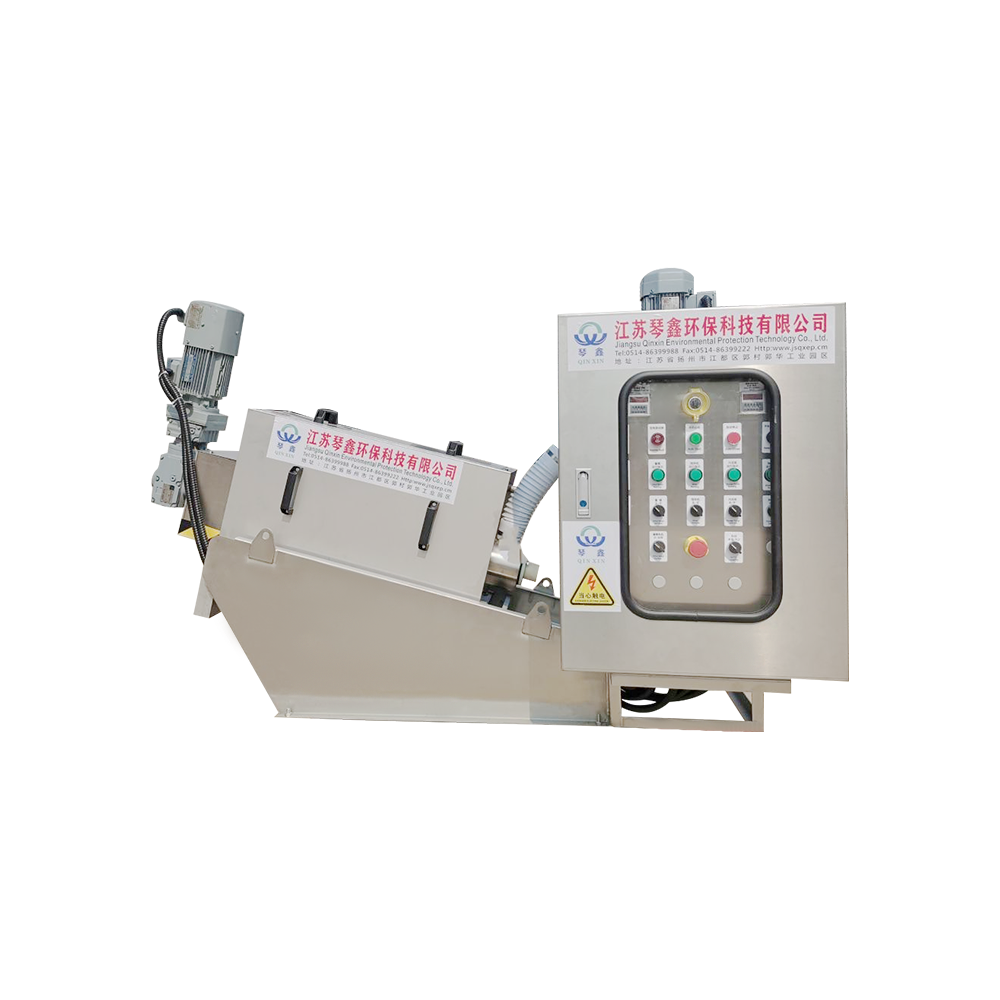
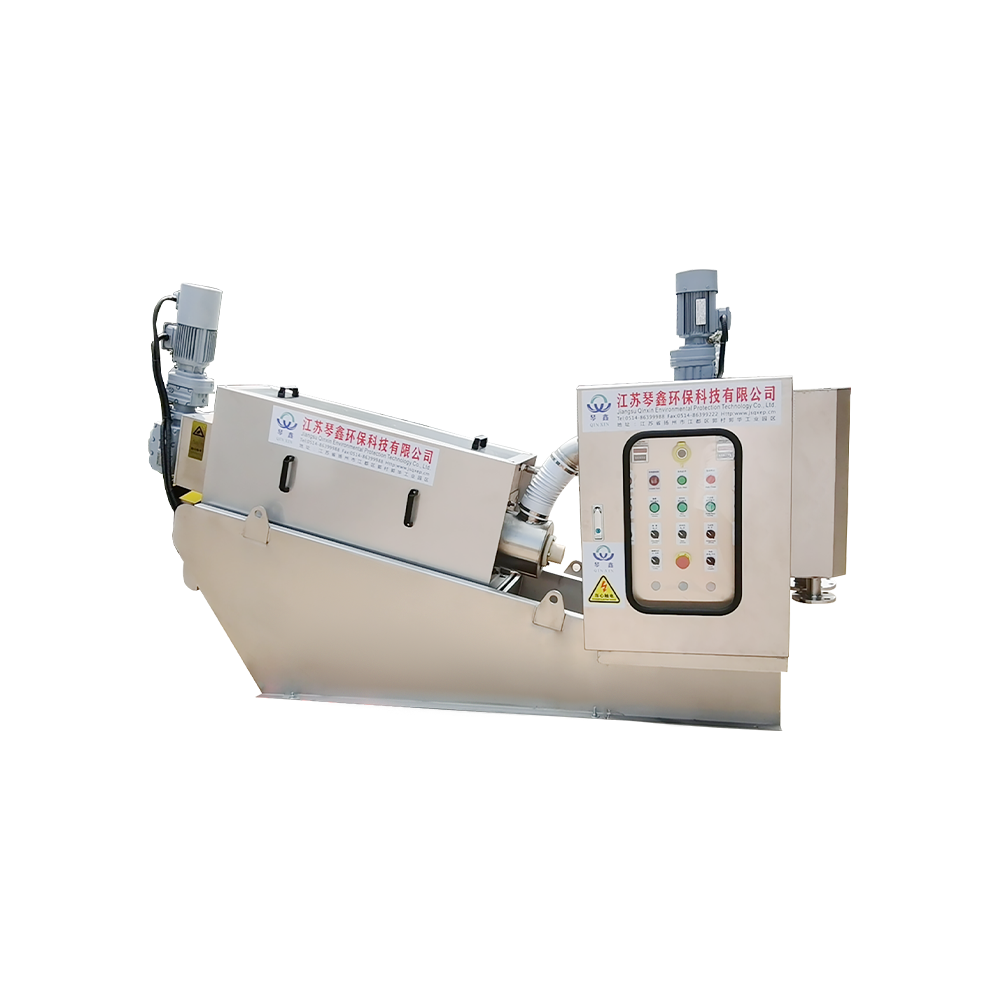
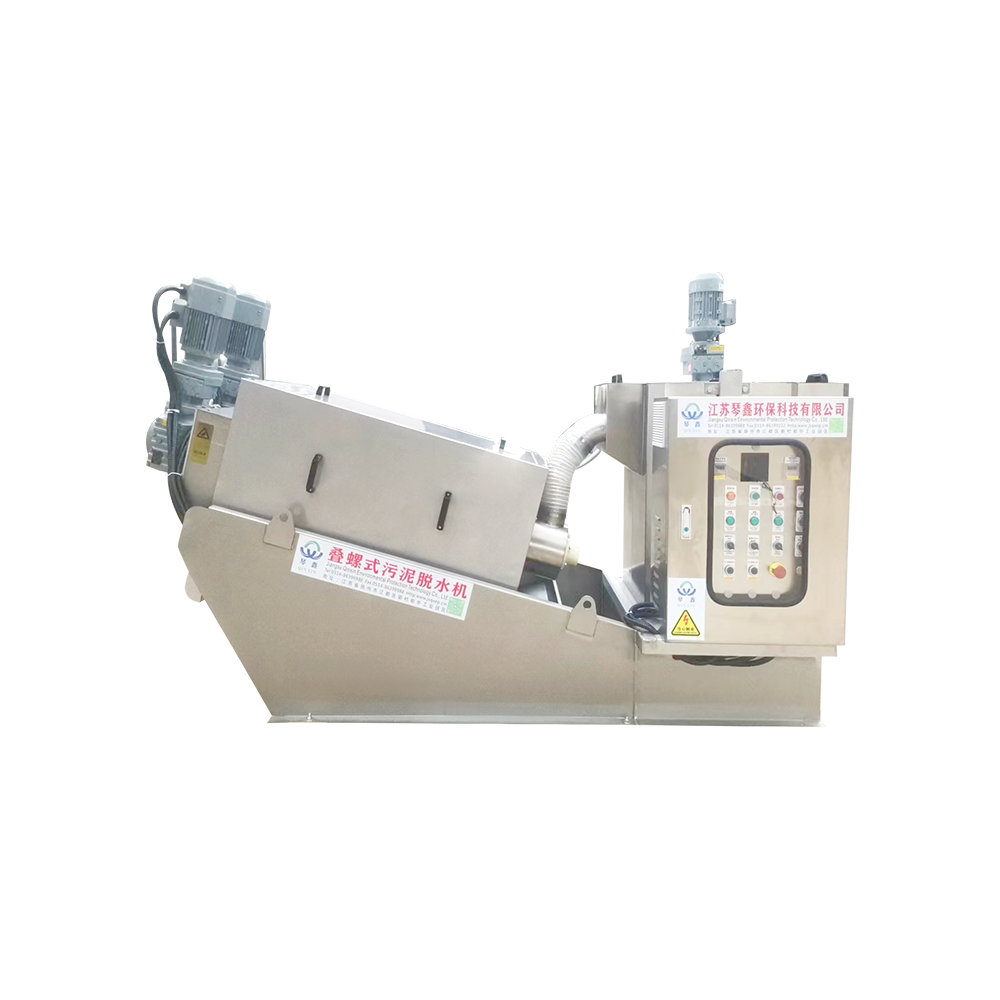
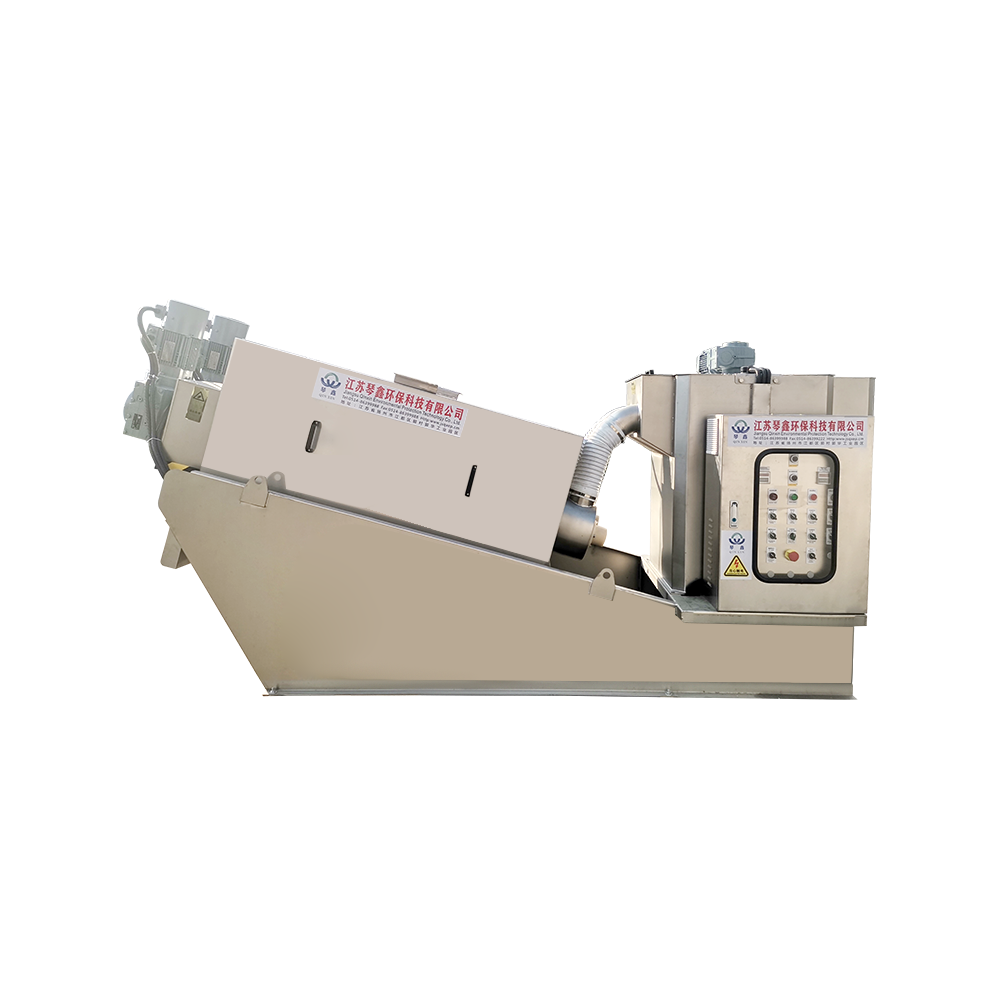
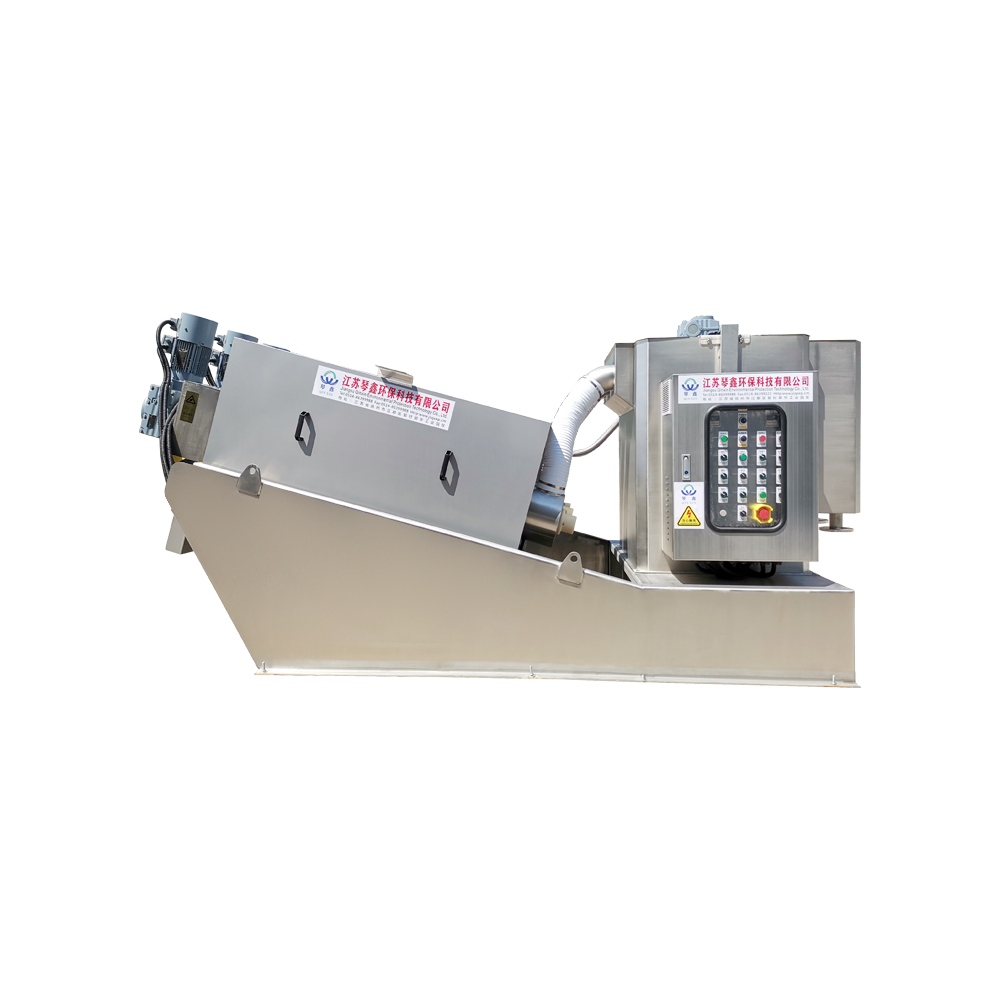
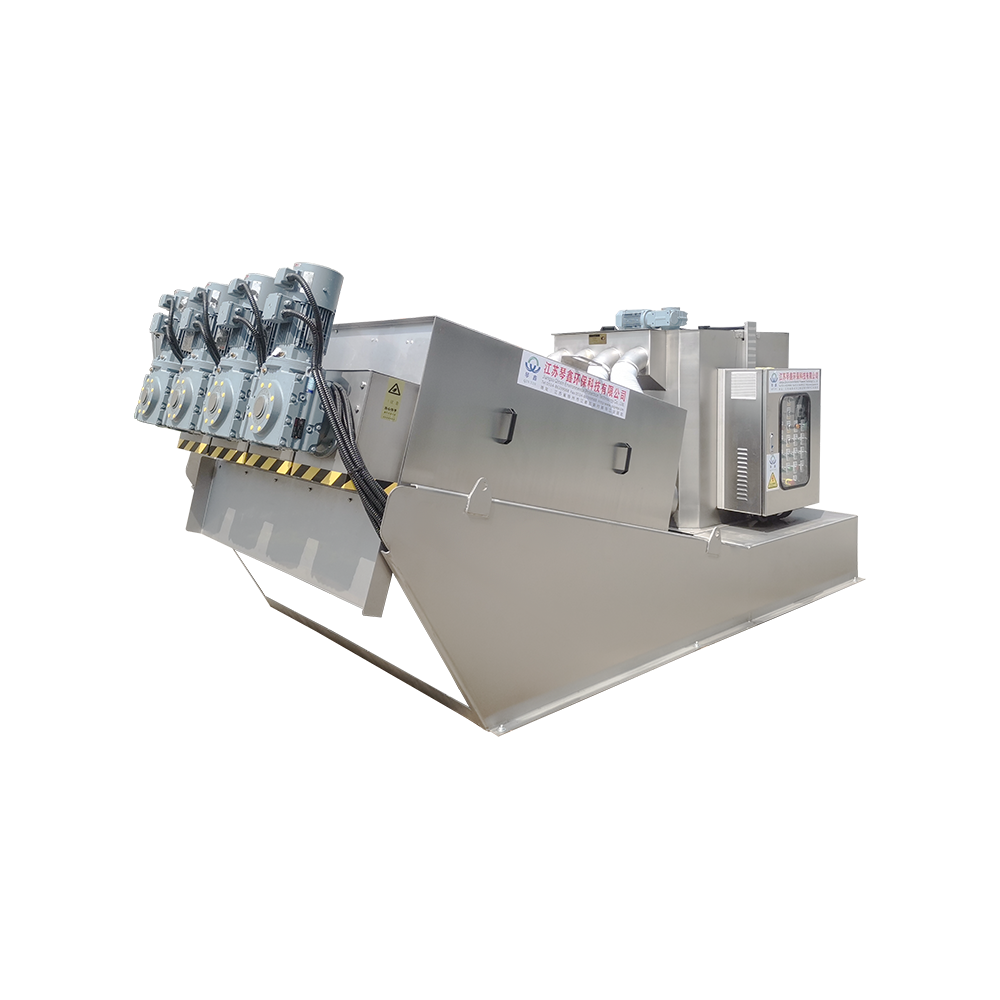
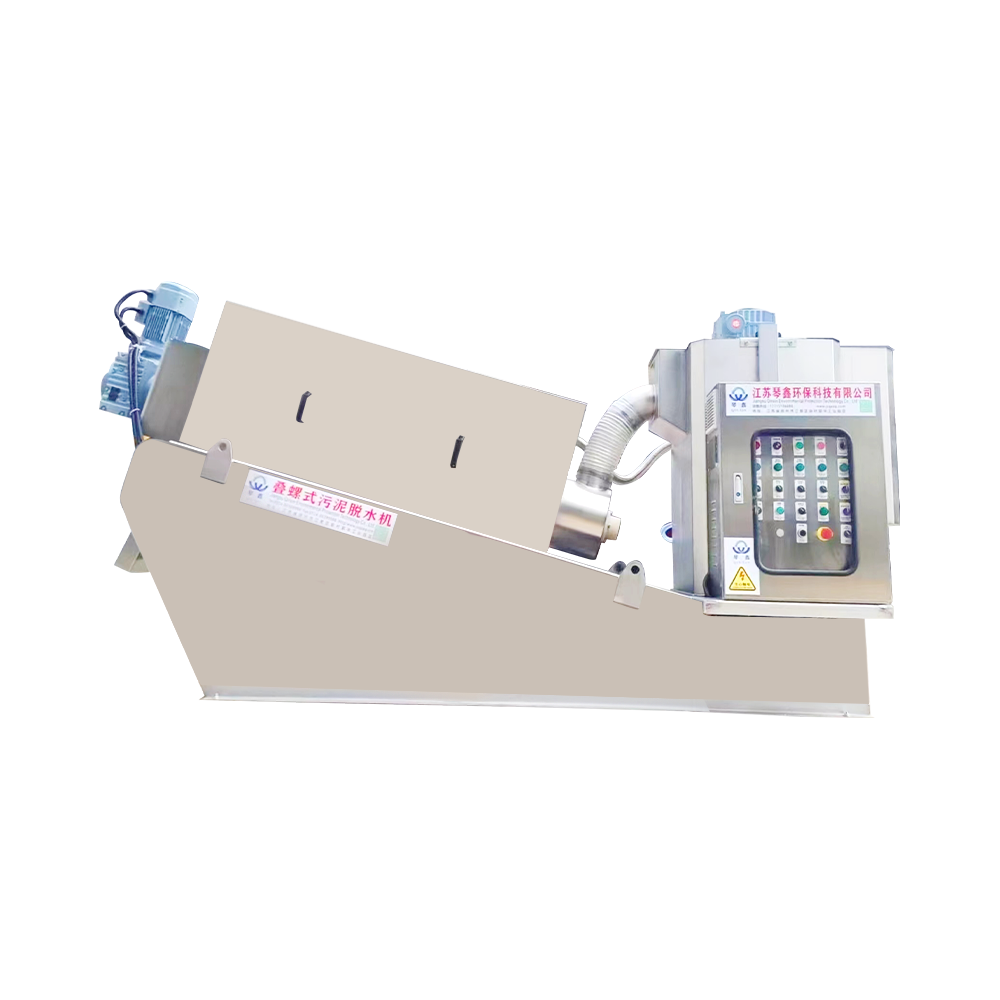
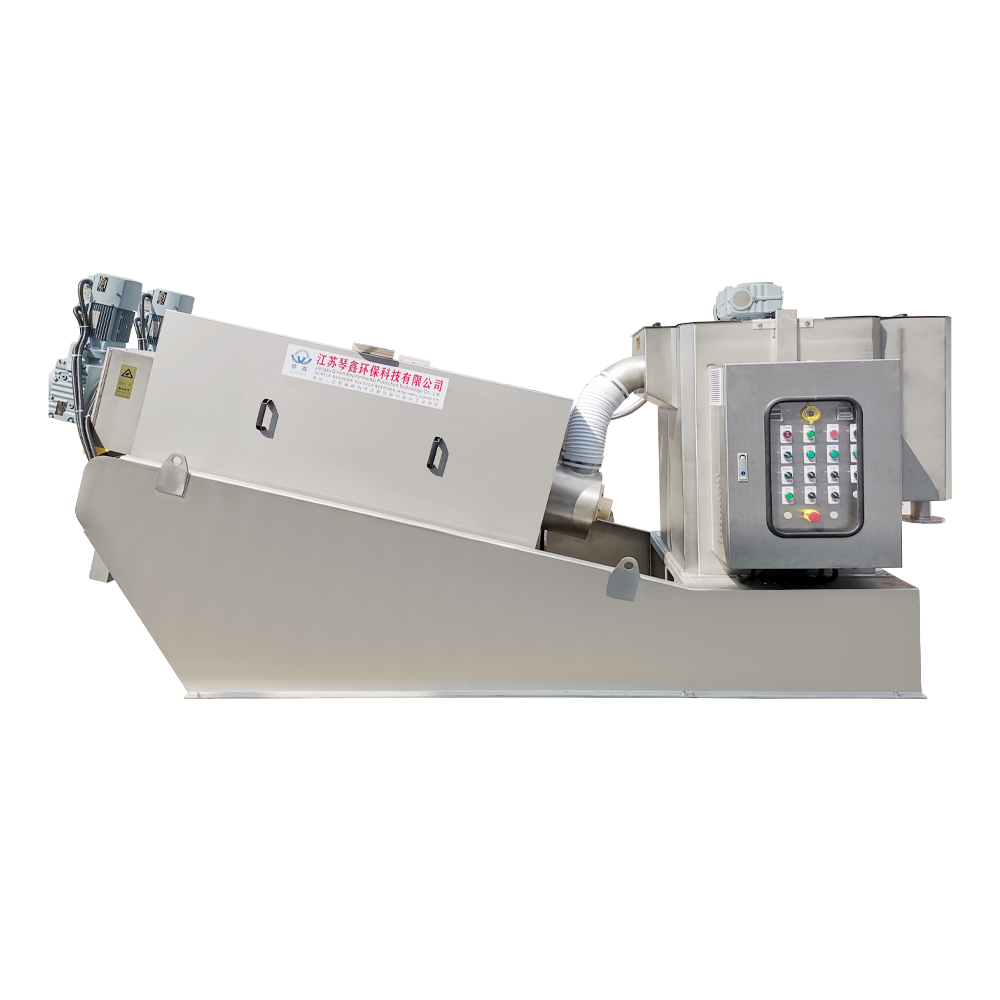
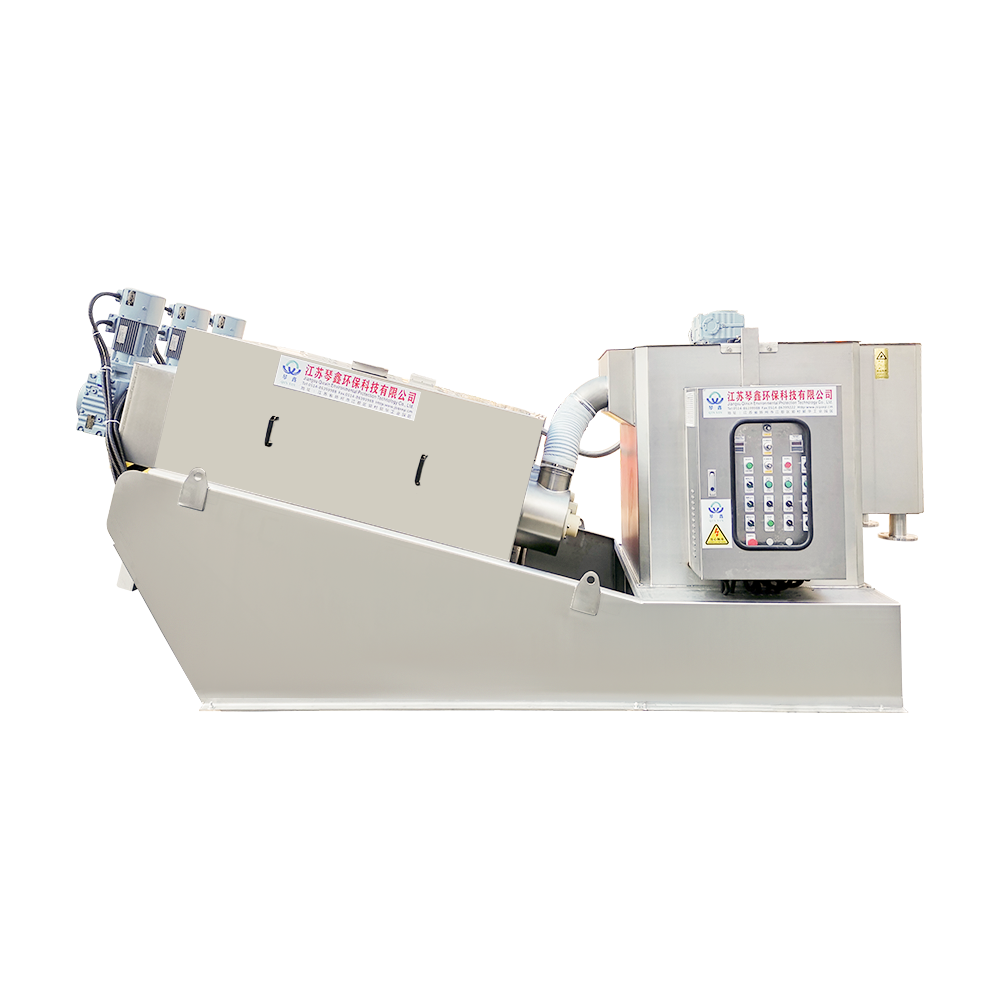
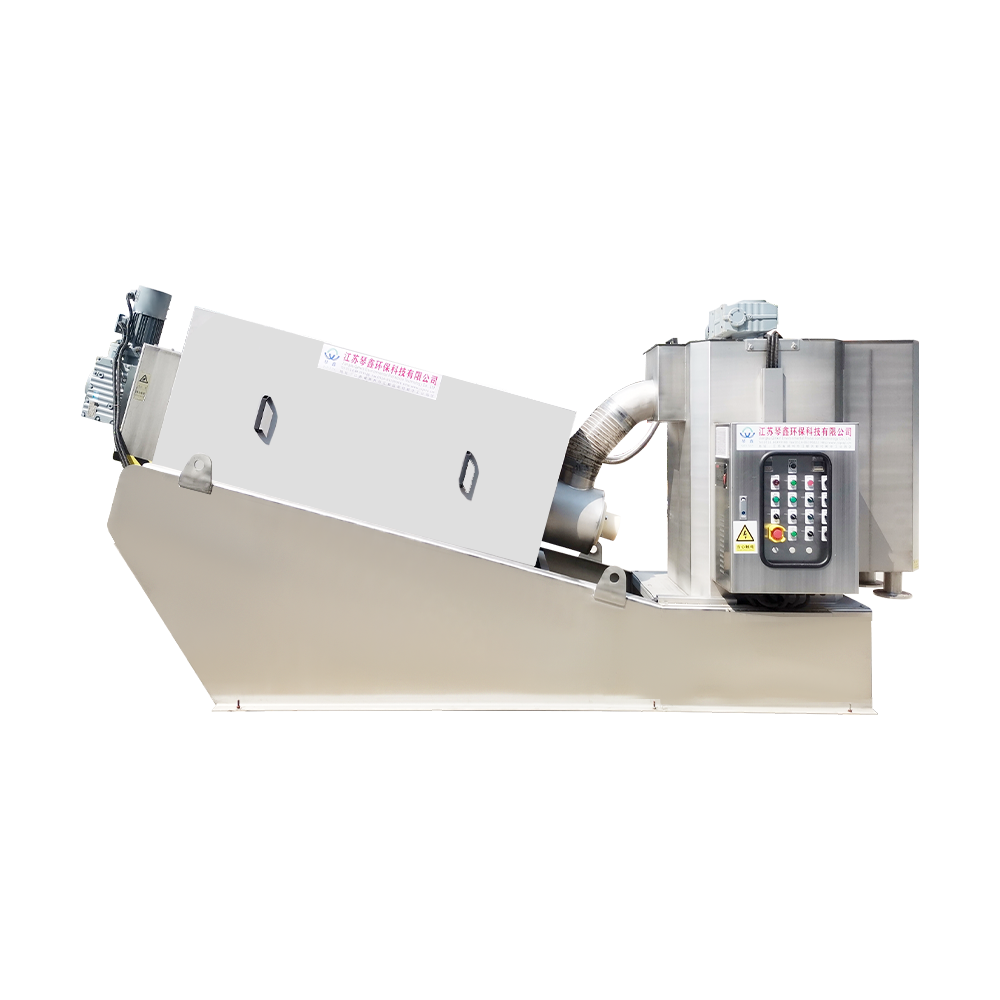
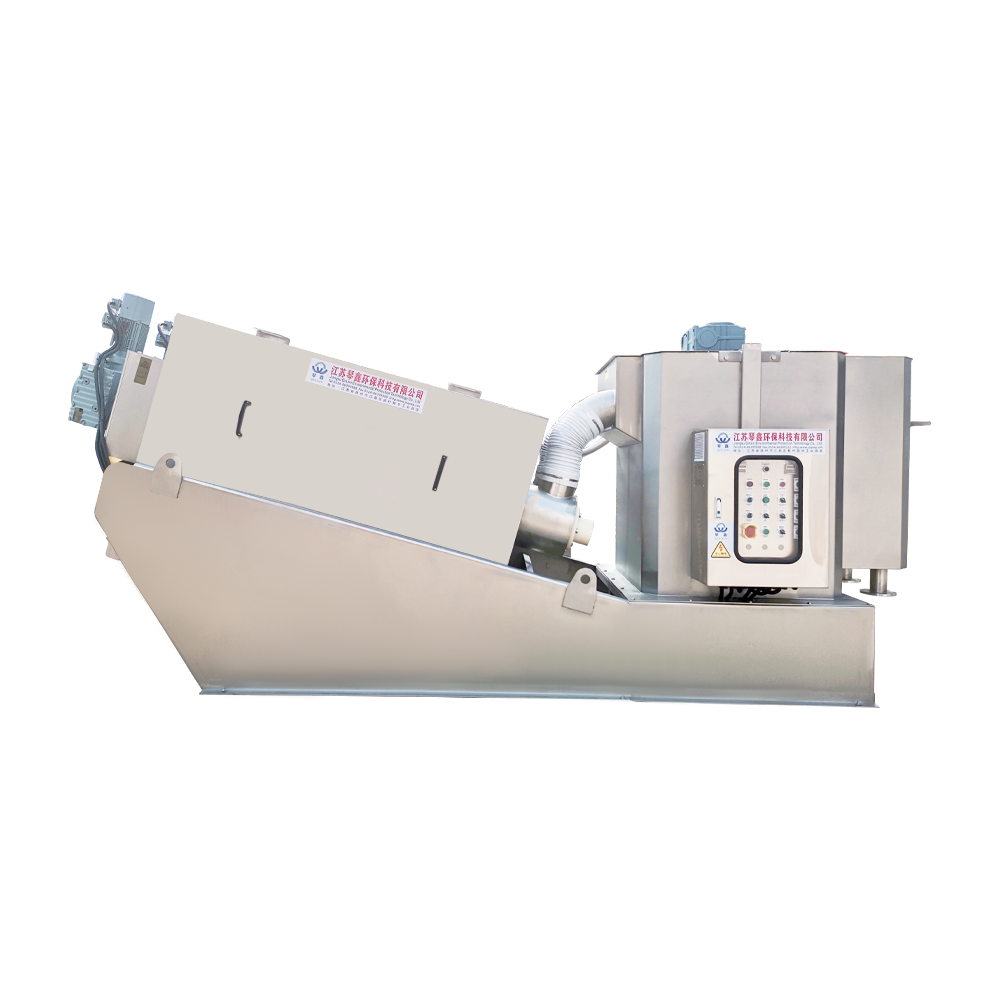
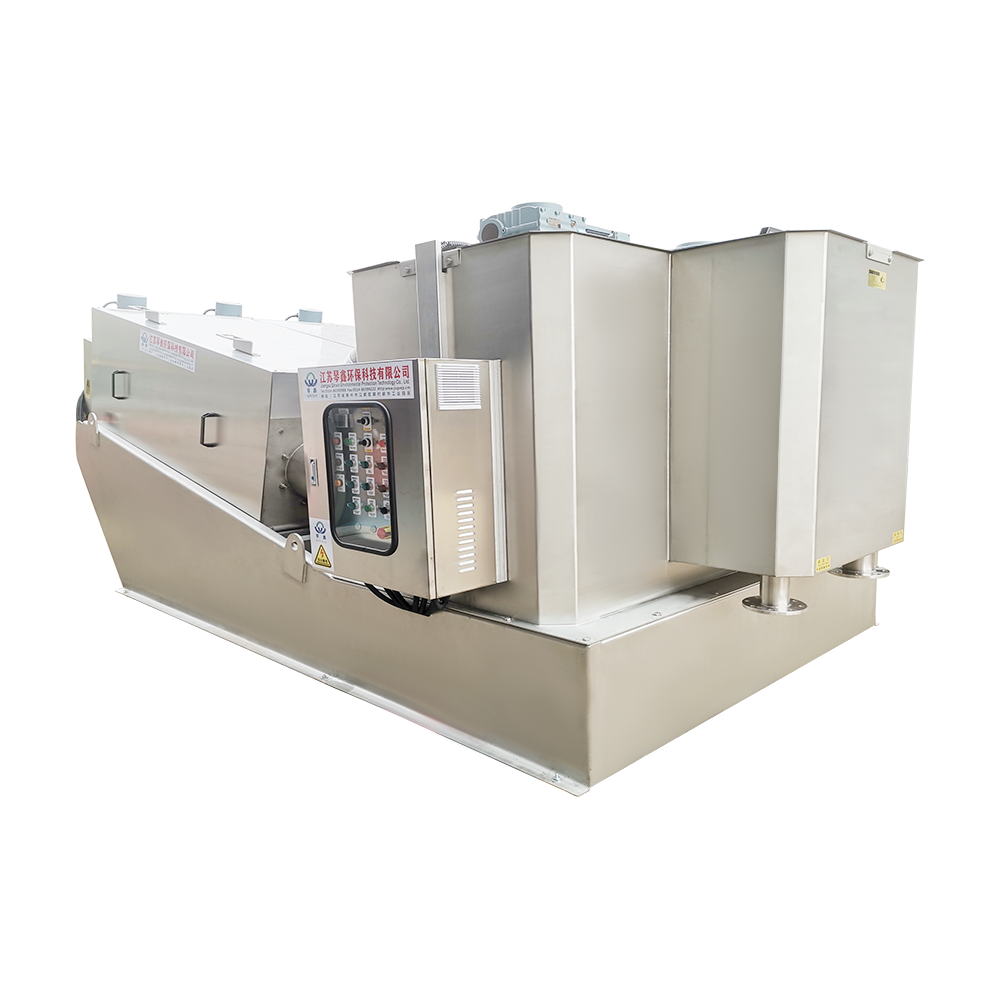
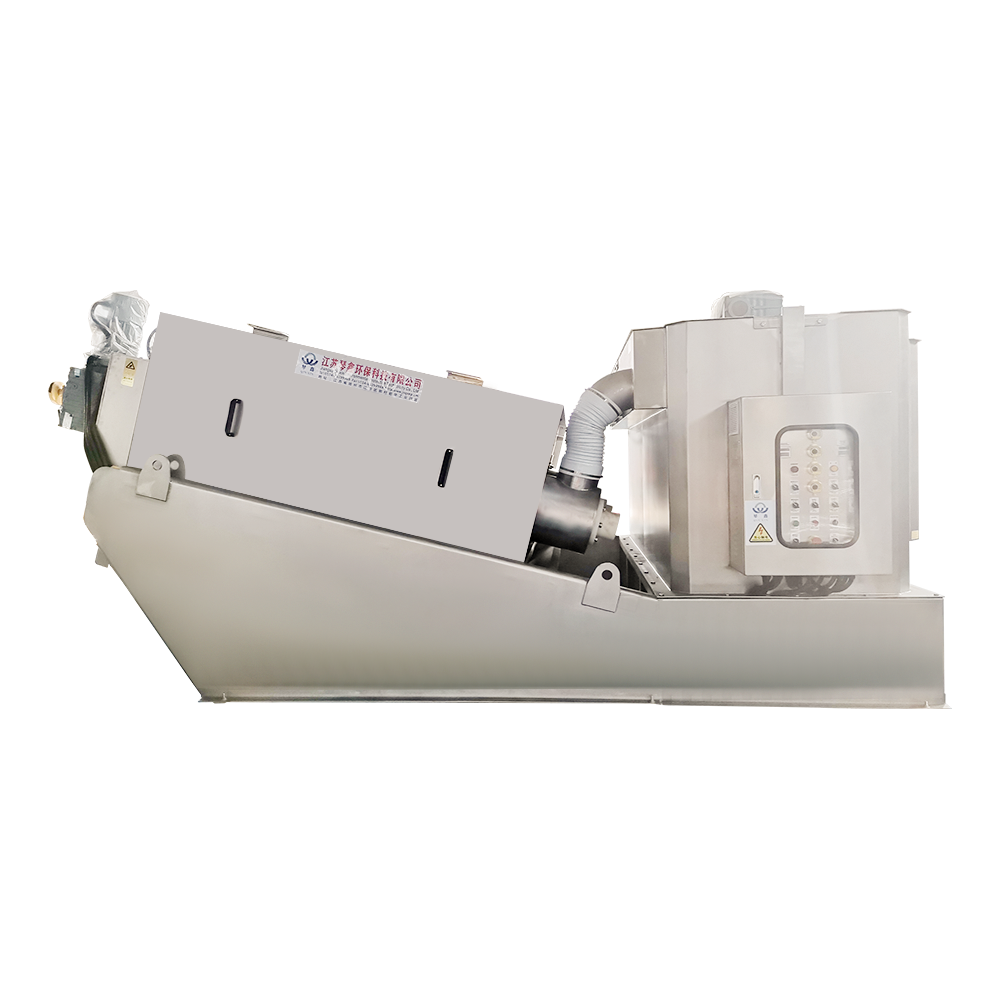
A sludge screw press dewaters biosolids by gradually compressing sludge through a rotating screw within a screen cylinder, separating water from solids to reduce volume before disposal. Its performance depends entirely on matching the press to the sludge's moisture content, fiber content, and organic composition — the same machine handles municipal sludge and food-processing sludge very differently.
Match Capacity to Real Throughput
Undersizing a screw press causes overload and inconsistent dewatering, while oversizing it wastes capital that could go toward better automation or materials. Sizing should come from daily sludge production and operating hours, not from a generic capacity tier.
Typical Capacity Range by Facility Type
Relative throughput demand, not an absolute TPH figure
Dewatering Performance Is the Real Test
Solids recovery rate, sludge cake moisture content, and filtrate quality are the three numbers that actually indicate whether a press is performing, regardless of how it looks on a spec sheet.
Moisture Content Reduction Through Dewatering Stages
Illustrative moisture reduction curve across a multi-stage press
Design Features That Actually Reduce Downtime
- 1
Multi-Stage Dewatering StructureGradual pressure increase improves compression and dewatering stability.
- 2
Self-Cleaning Screen SystemReduces clogging and maintenance demands, supporting continuous operation.
- 3
Integrated Thickening and DewateringSaves installation space and simplifies the overall treatment process.
Automation Level Should Match Staffing Reality
- Manual monitoring and adjustment
- Lower upfront equipment cost
- Requires consistent operator attention
- Remote monitoring and automatic feeding adjustment
- Automatic cleaning reduces manual labor
- Best fit for facilities with limited operators
Selection Checklist Before You Buy
Common Applications
| Sector | Typical Use |
| Municipal Wastewater | Sewage sludge reduction, disposal preparation |
| Food and Beverage | Organic sludge treatment, by-product management |
| Industrial Wastewater | Chemical sludge, manufacturing wastewater |
| Agricultural and Bioenergy | Organic waste processing, volume reduction |
Frequently Asked Questions
How do I know what capacity sludge screw press I need?
Base sizing on daily sludge production, operating hours, and required treatment flow rate rather than a generic capacity tier from a spec sheet.
Why is stainless steel construction recommended?
Wastewater environments contain chemicals, salts, and organic substances that accelerate corrosion, so stainless steel components extend equipment service life.
Does automation reduce operating costs for a sludge screw press?
Yes, automatic feeding, monitoring, and cleaning reduce labor requirements and support more stable operation, especially for facilities with limited staff.
What causes a sludge screw press to underperform?
The most common causes are mismatched sludge characteristics, undersized capacity, or insufficient screen cleaning leading to clogging over time.

 TOP
TOP