
 ENG
ENG
 English
 русский
 Español
 Tiếng Việt
 ไทย
ไทย
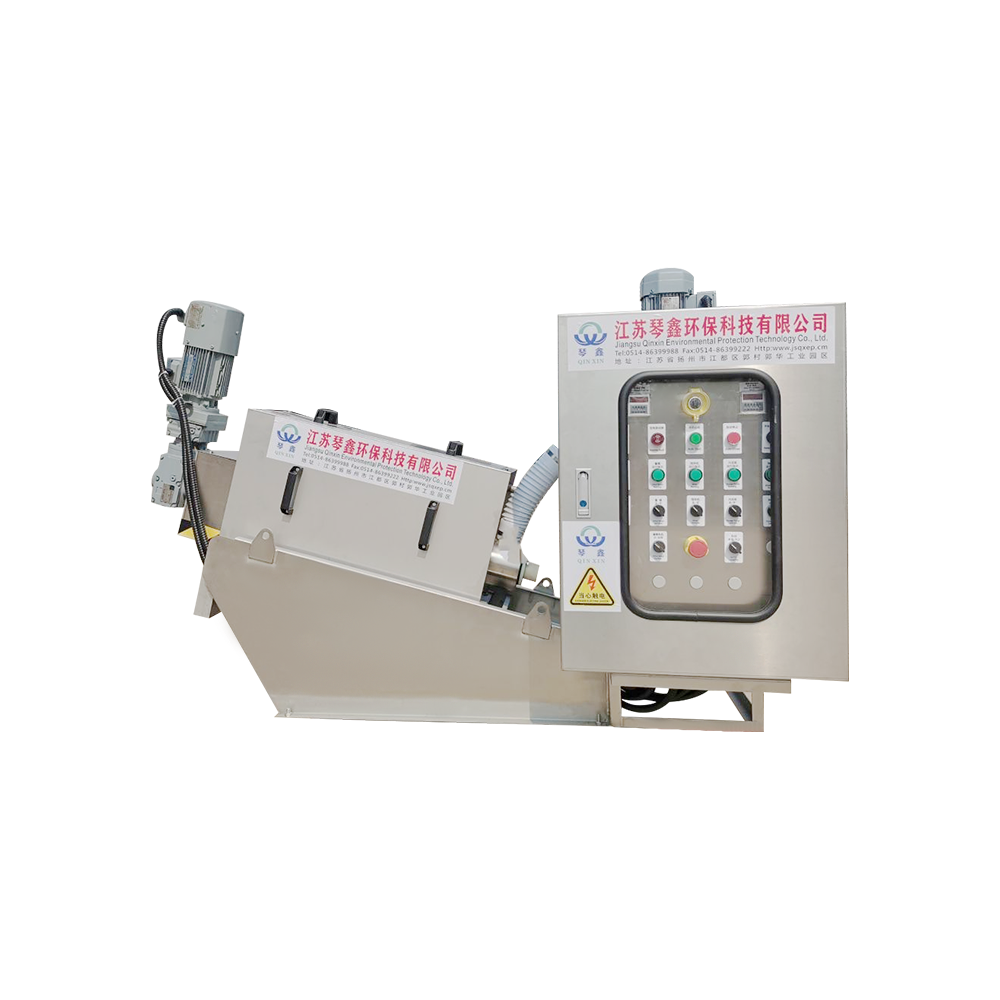
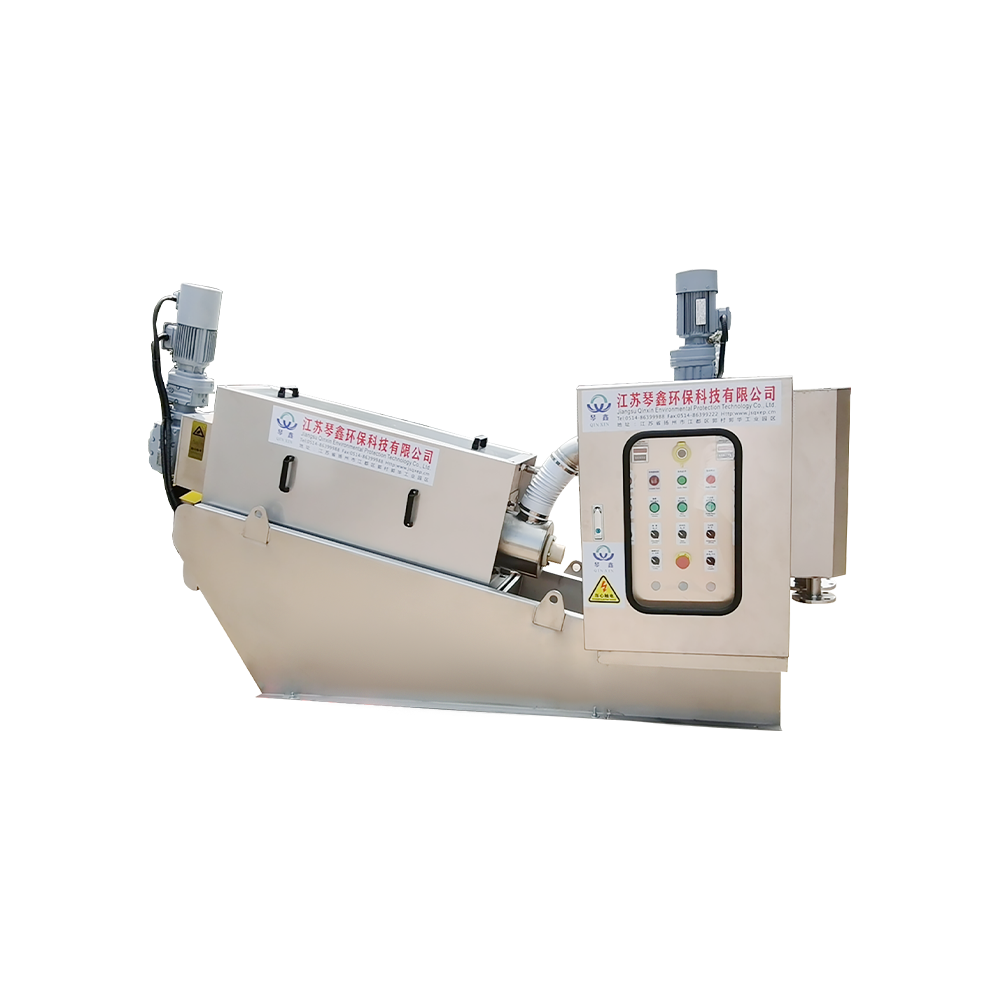
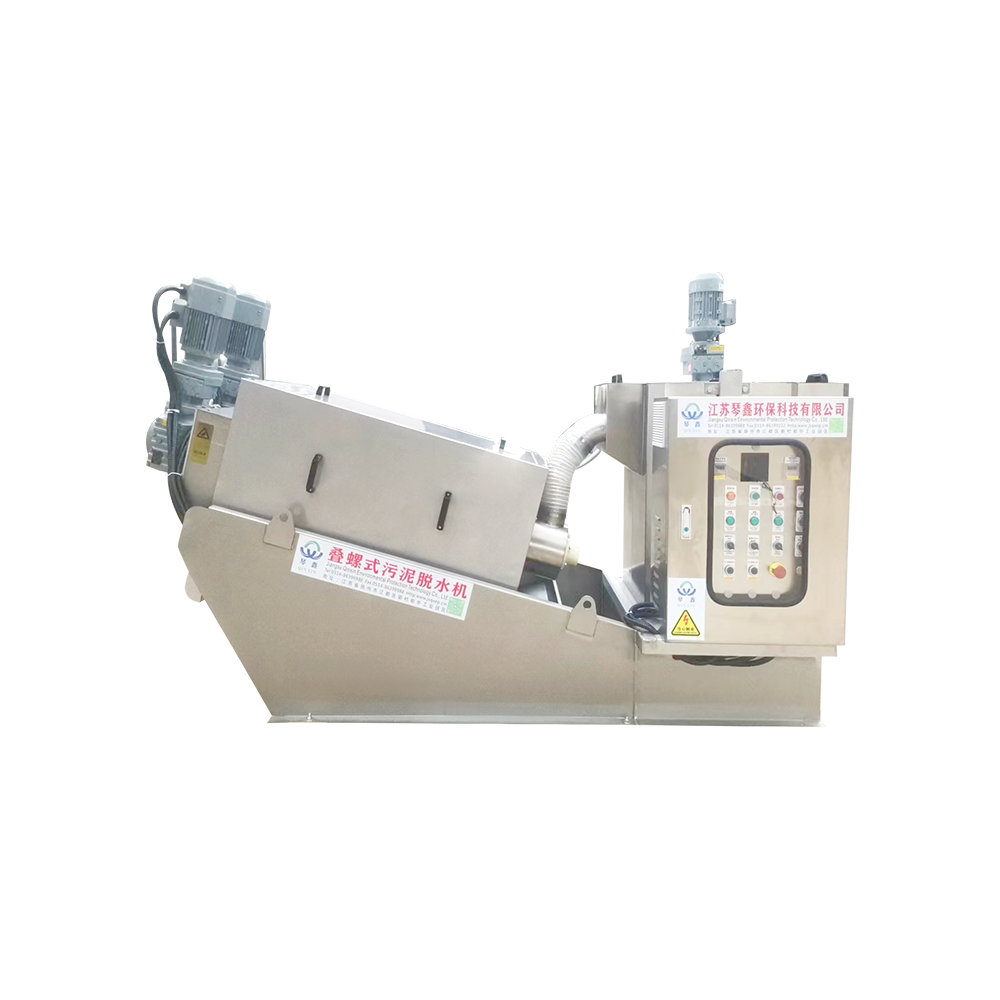
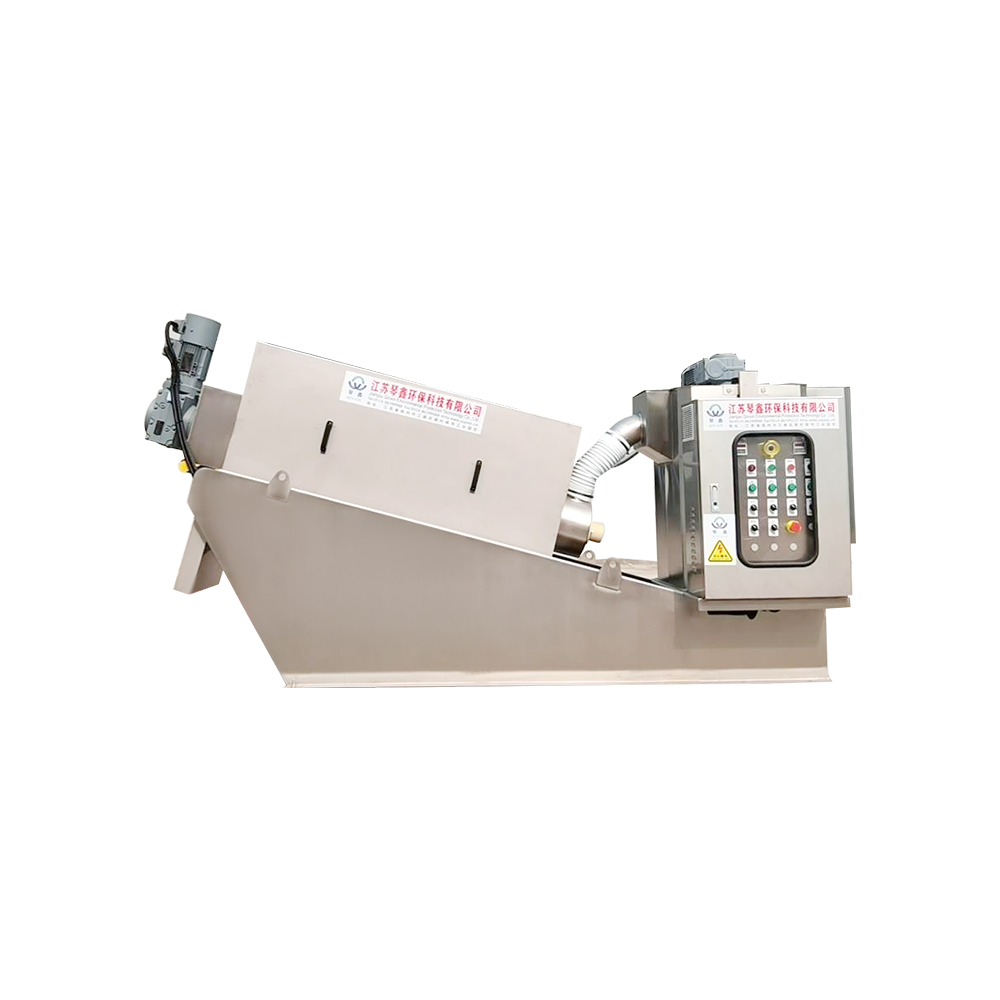
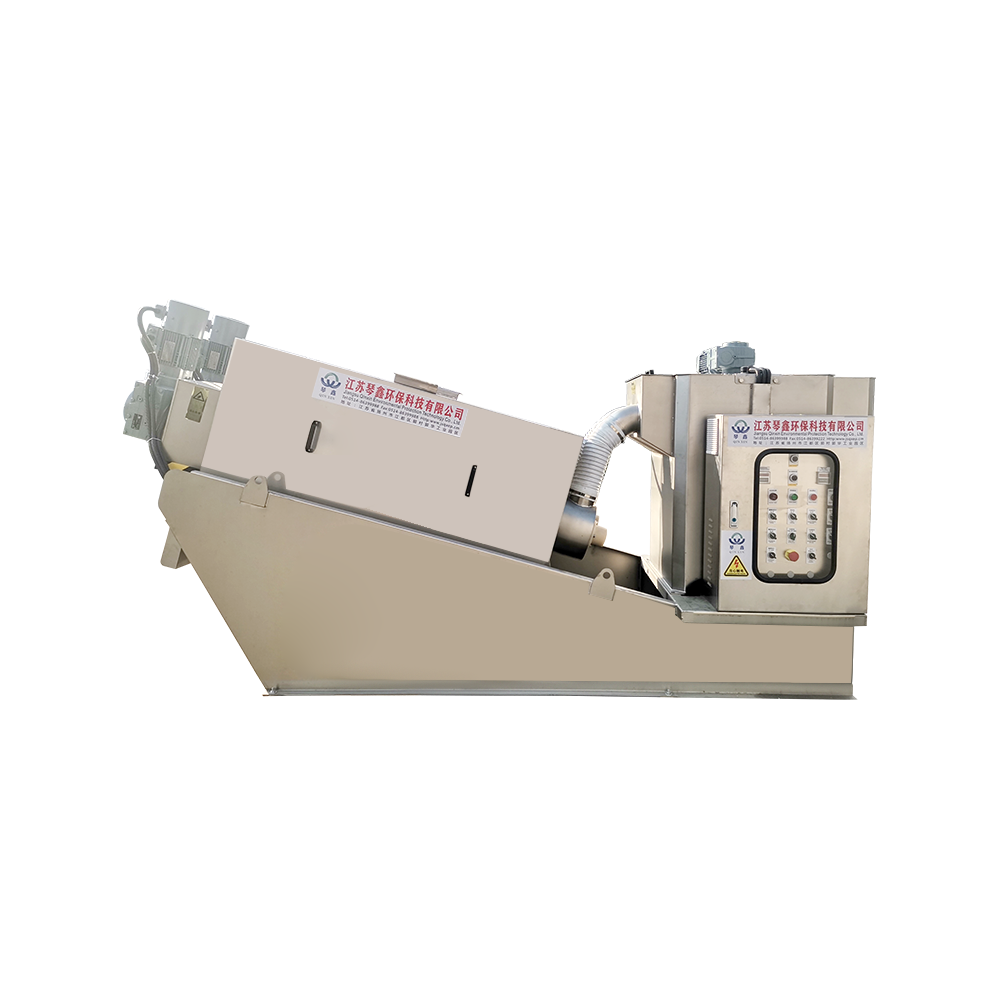
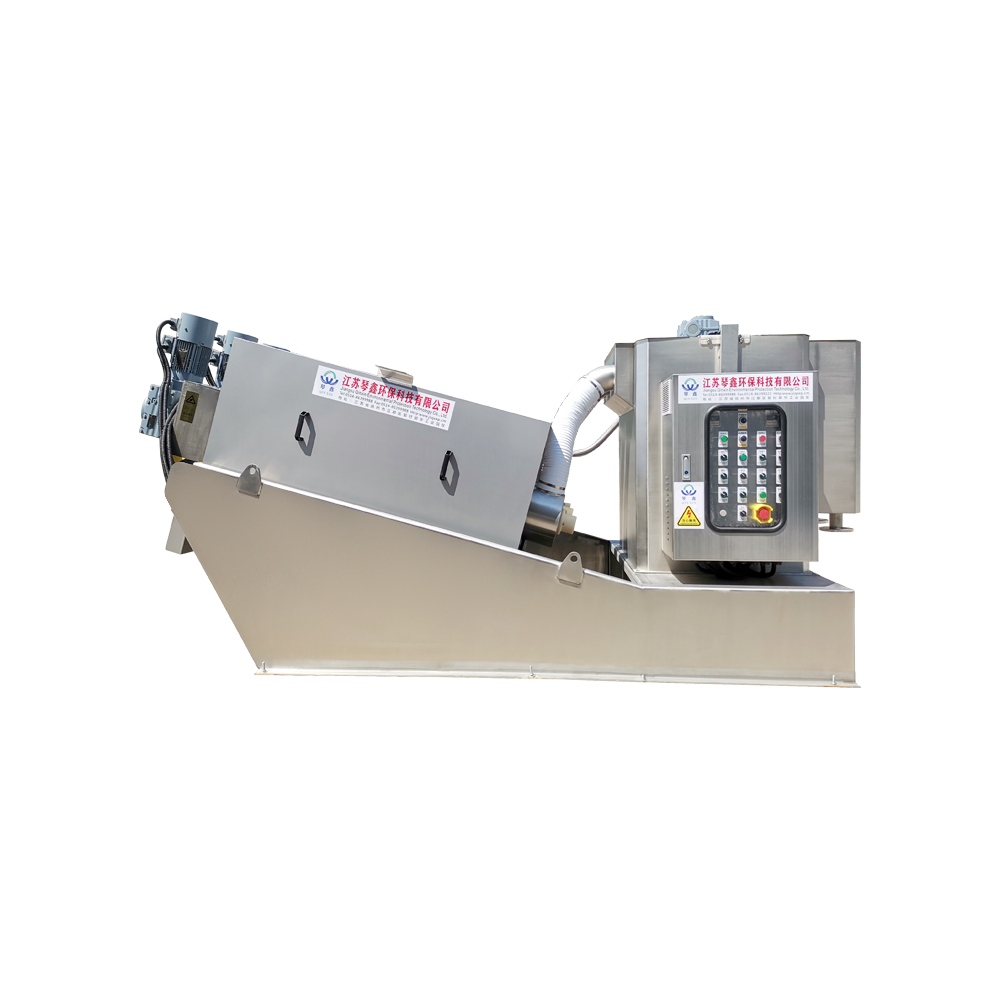
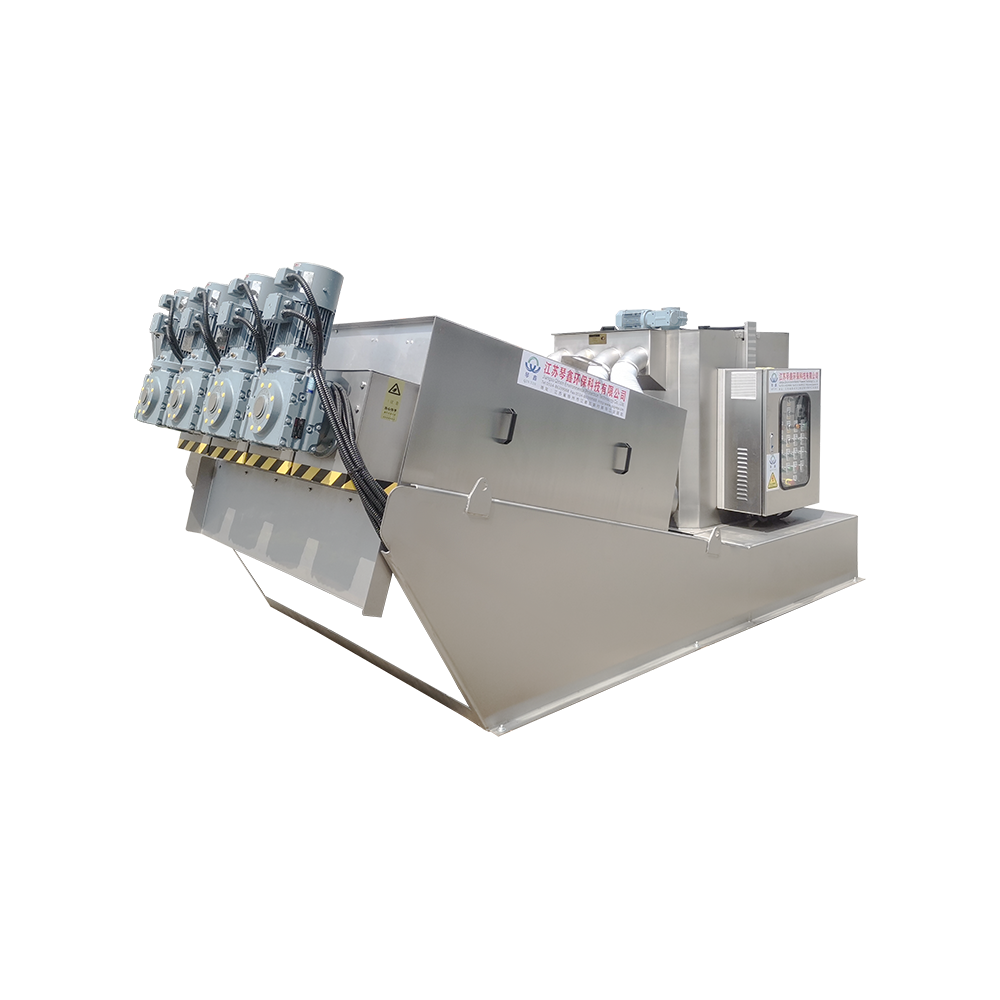
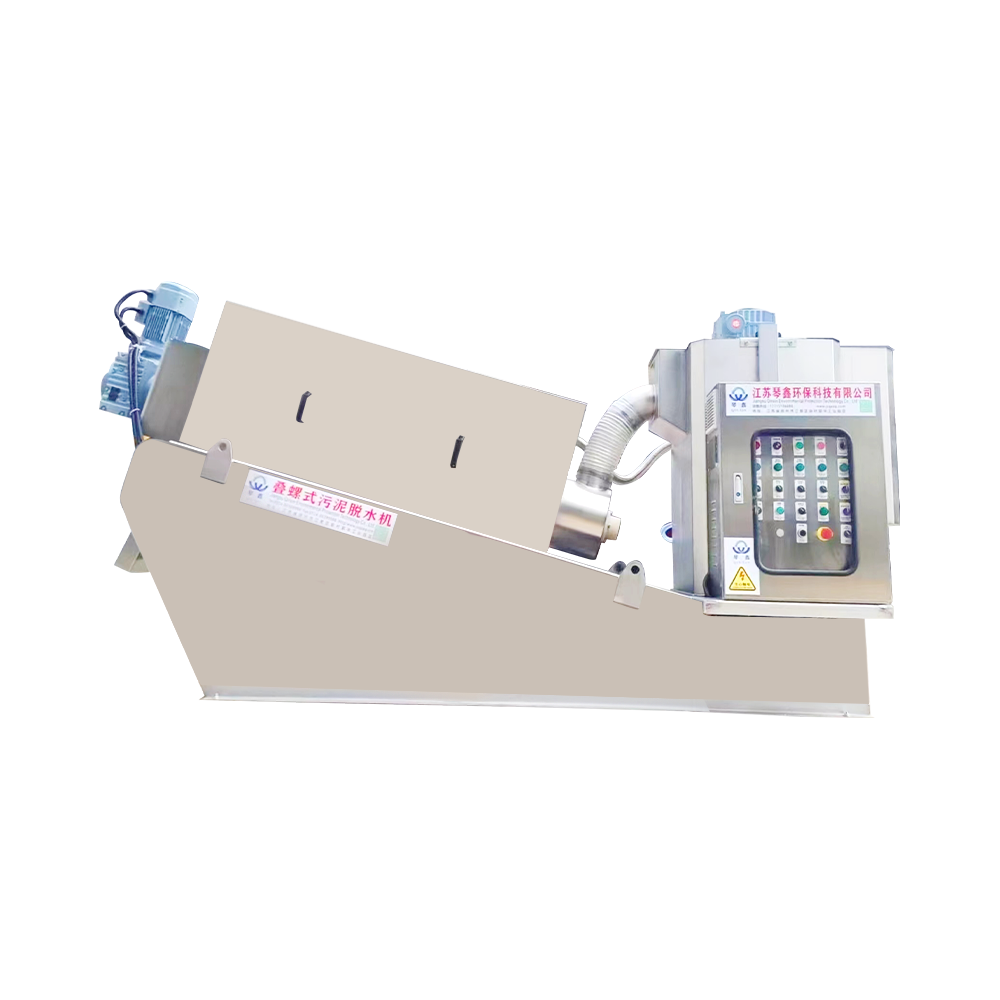
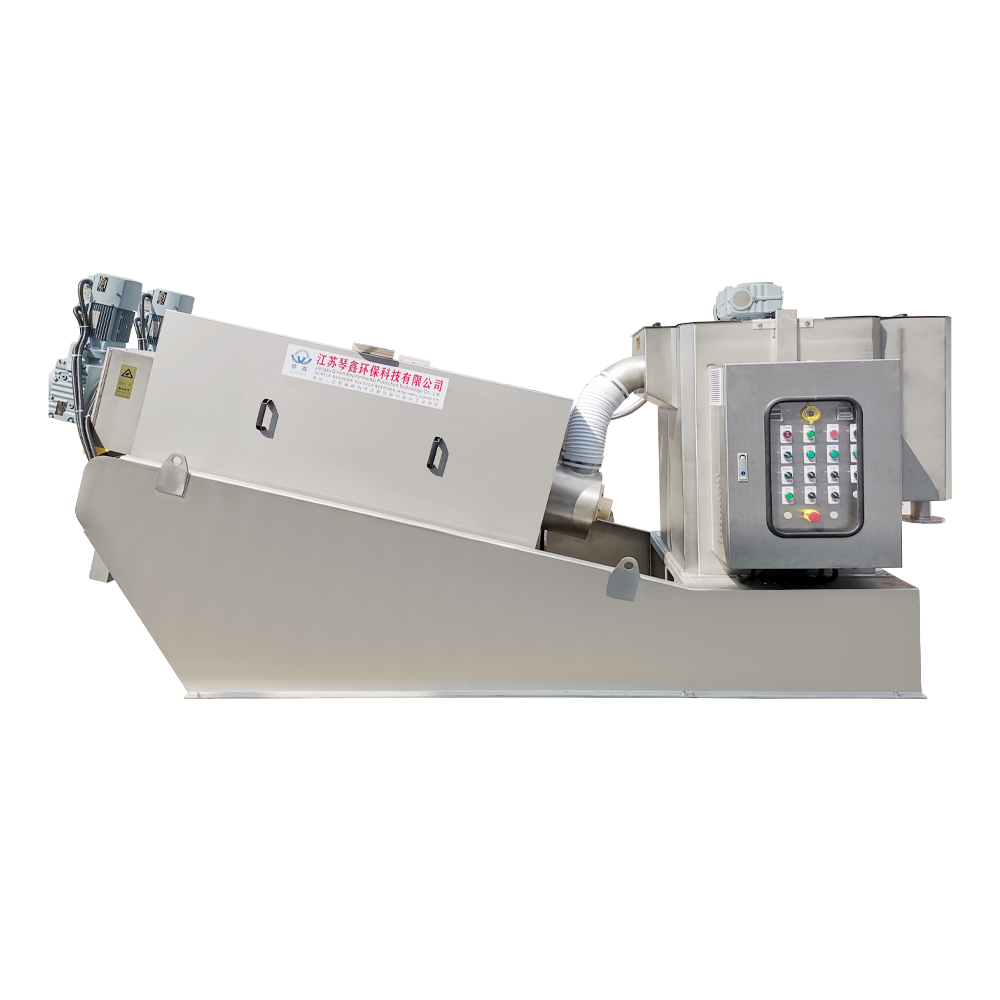
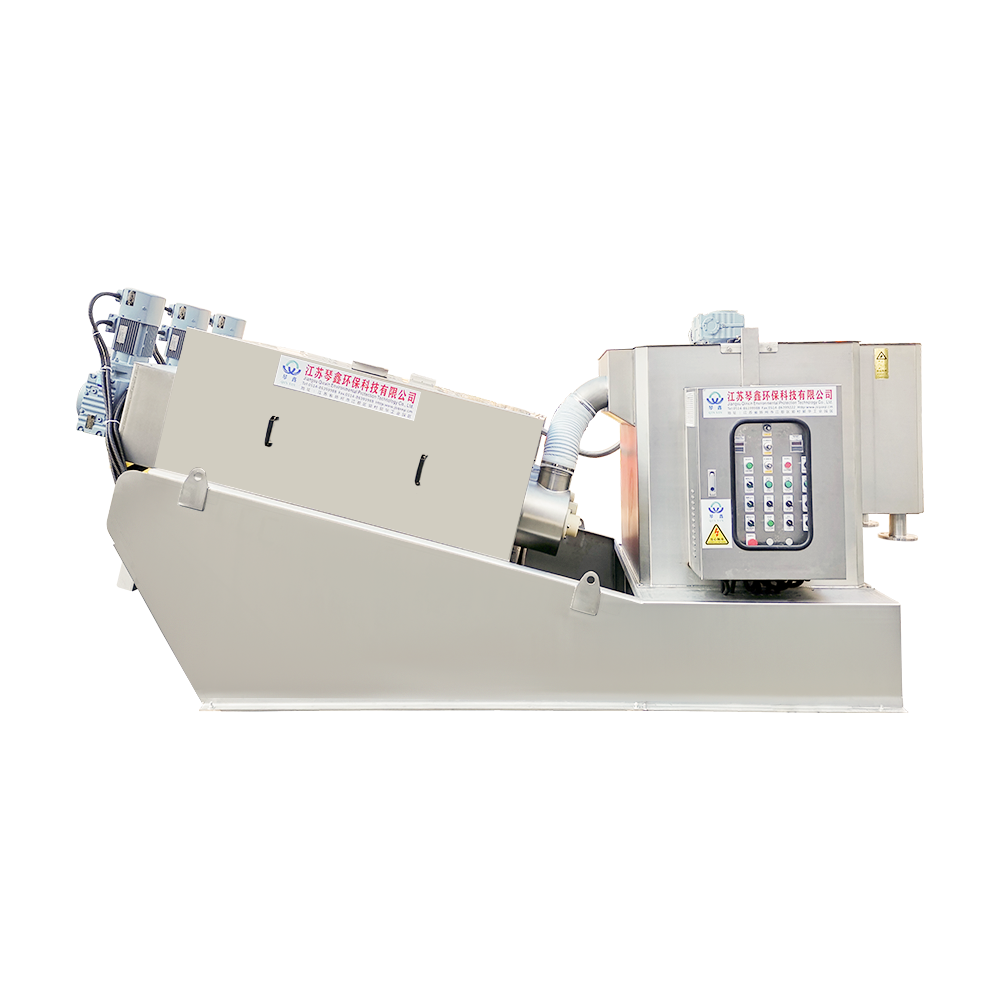
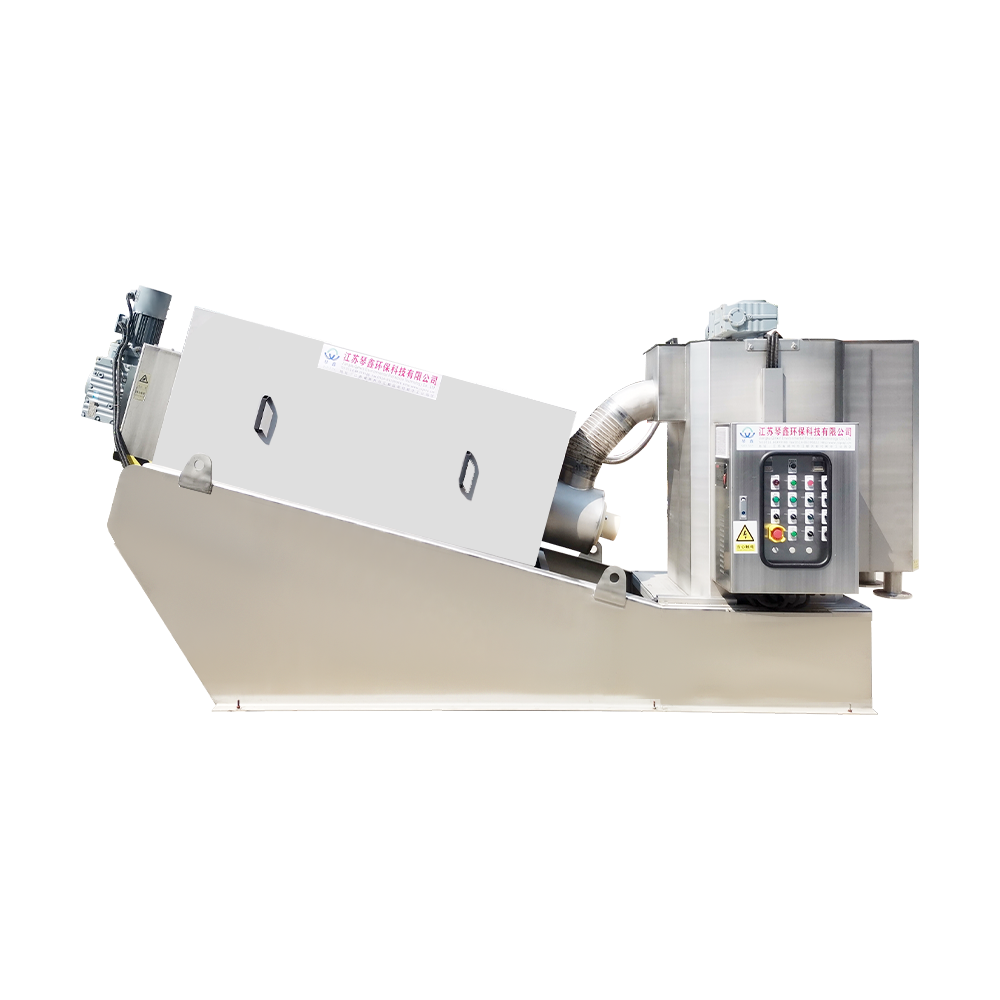
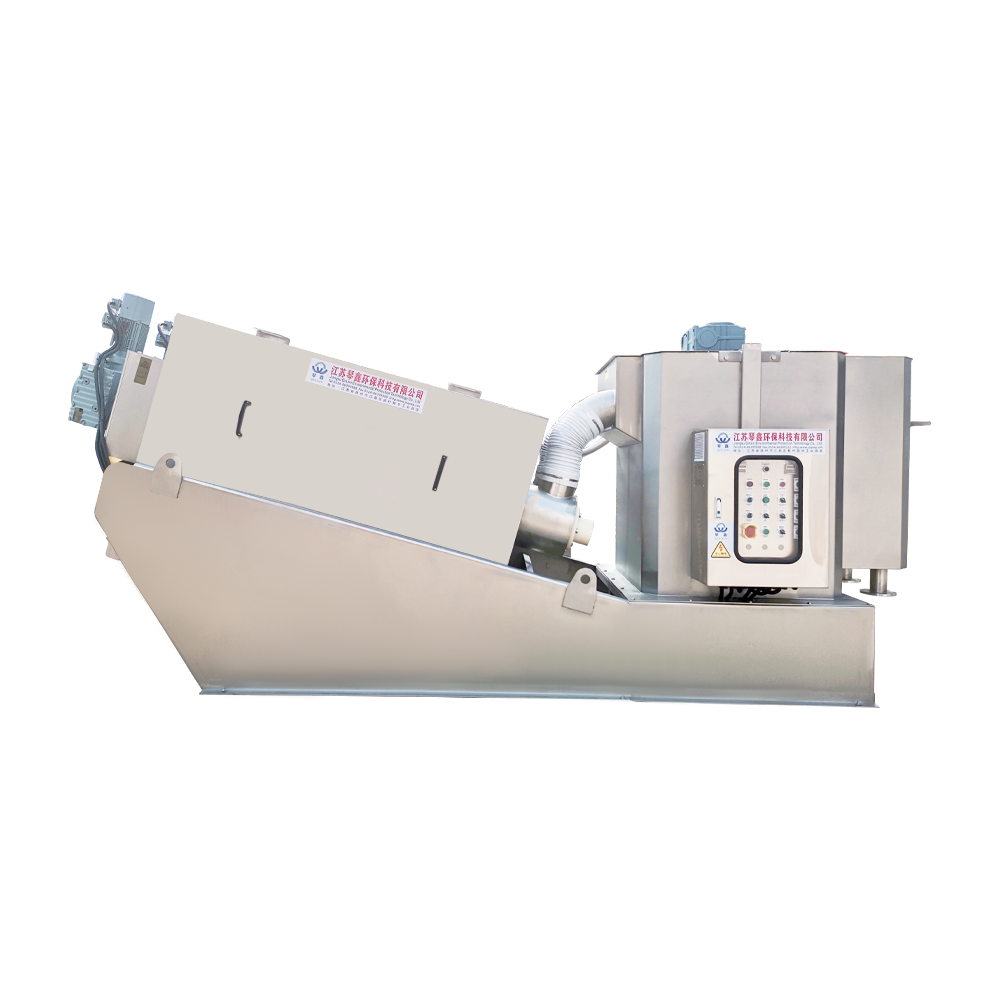
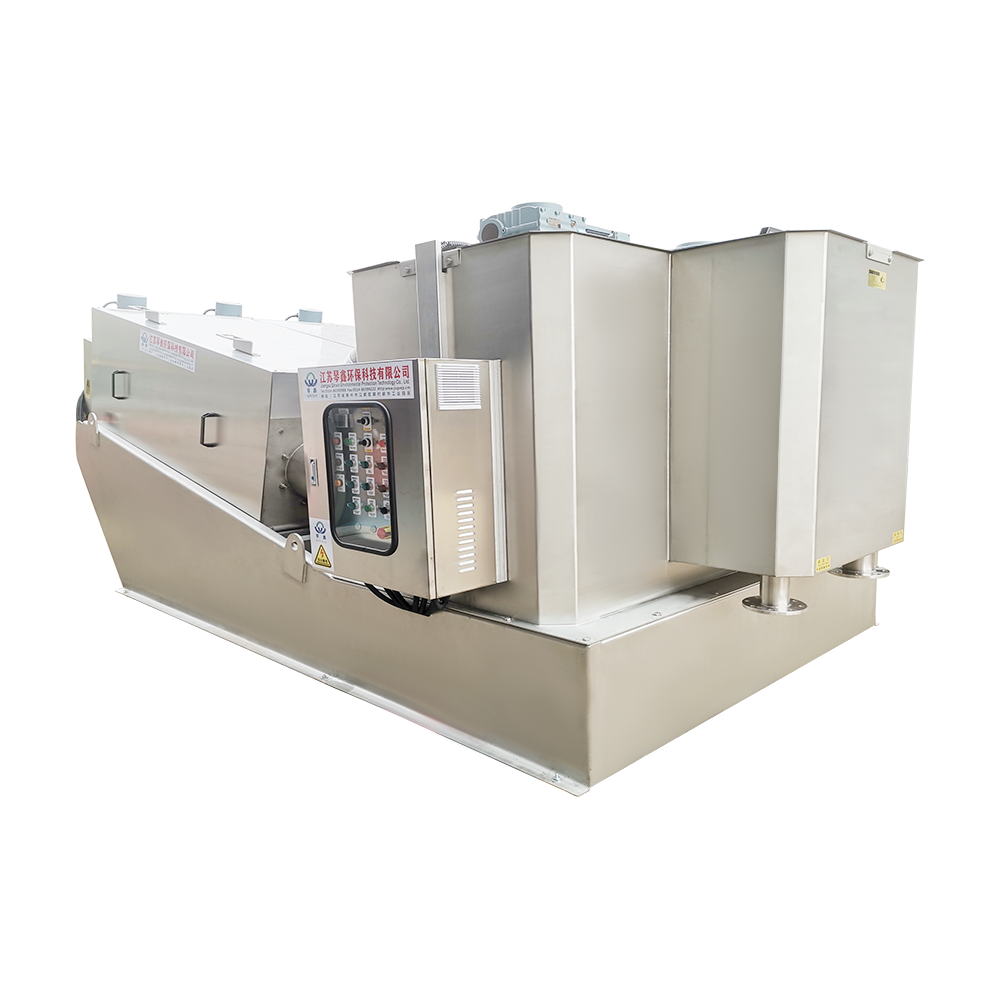
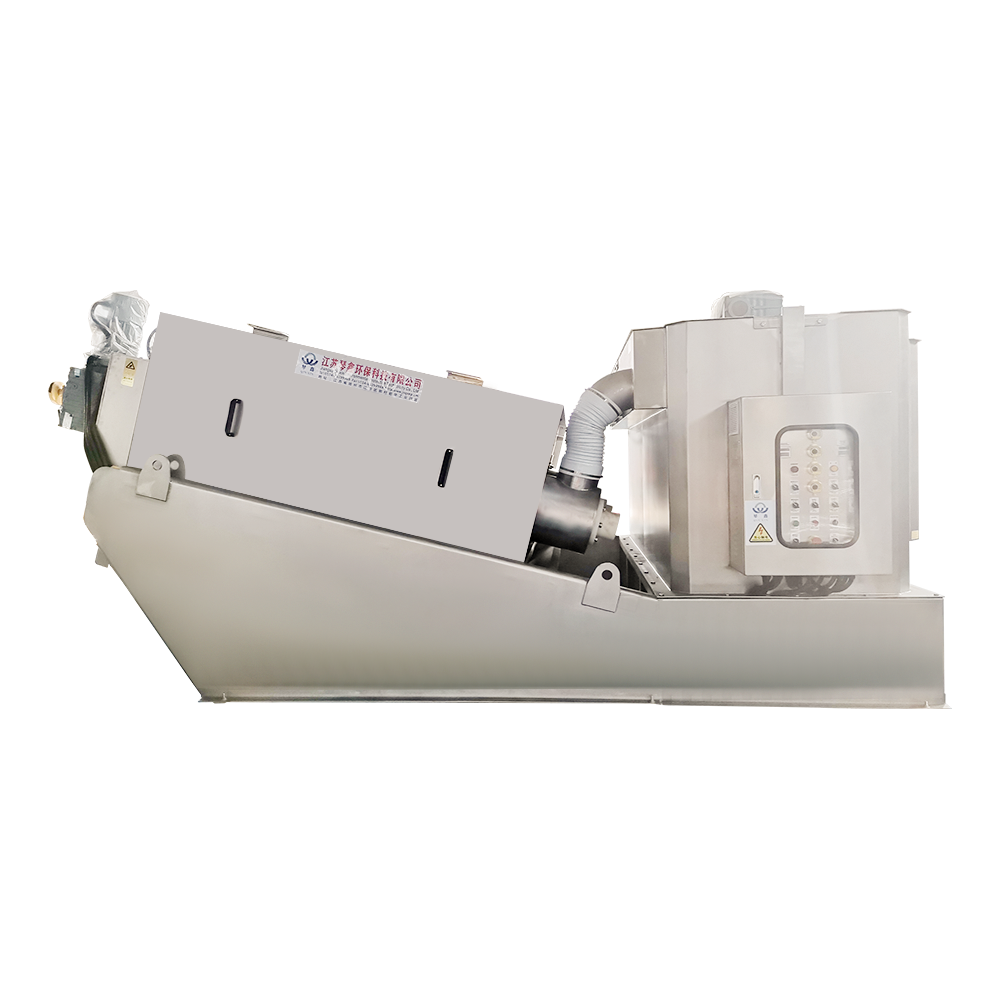
A Screw Press Sludge Dewatering Machine is an advanced solid-liquid separation system designed to concentrate and dehydrate sludge through a unique self-cleaning, non-clogging filter structure. By utilizing a screw shaft that passes through multiple fixed and moving rings, the machine achieves high-efficiency dewatering with minimal energy consumption. For industrial and municipal wastewater treatment, the Screw Press Sludge Dewatering Machine represents the most sustainable alternative to traditional belt presses and centrifuges.
The Core Mechanism: How It Works
The dewatering process is driven by the internal pressure generated as the screw pitch and depth decrease toward the outlet. Unlike traditional filters that require high-speed rotation or high-pressure washing, this machine operates on a continuous, low-speed mechanical principle.
Sludge enters the gravity thickening zone first. Here, the filtrate is discharged through the gaps between the rings, rapidly increasing the solid concentration before entering the compression stage.
As the screw diameter increases and the pitch narrows, the internal volume shrinks. This physical compression forces the moisture out through the moving rings.
The final sludge cake is pressed against a back-pressure plate at the outlet, ensuring a consistent moisture content (typically between 75% and 80%) before discharge.
Efficiency Comparison: Screw Press vs. Traditional Methods
Operational data shows that the screw press design offers significant advantages in resource conservation. Specifically, the water and power consumption are drastically lower than those of belt filter presses or decanter centrifuges.
| Performance Metric | Screw Press Machine | Belt Filter Press | Decanter Centrifuge |
| Power Usage | 0.1 - 2.0 kWh | 2.0 - 5.0 kWh | 10.0 - 25.0 kWh |
| Rinsing Water | Minimal (Self-cleaning) | High (Constant high-pressure) | Moderate |
| Noise Level | Low (<60 dB) | Moderate | High |
| Operating Speed | 2 - 4 RPM | Variable | 2000 - 4000 RPM |
Key Practical Advantages for Industry
The adoption of screw press technology is largely due to its ability to handle "oily" sludge, which typically clogs other filtration media. The continuous movement of the rings prevents blockages, making it ideal for food processing and petrochemical industries.
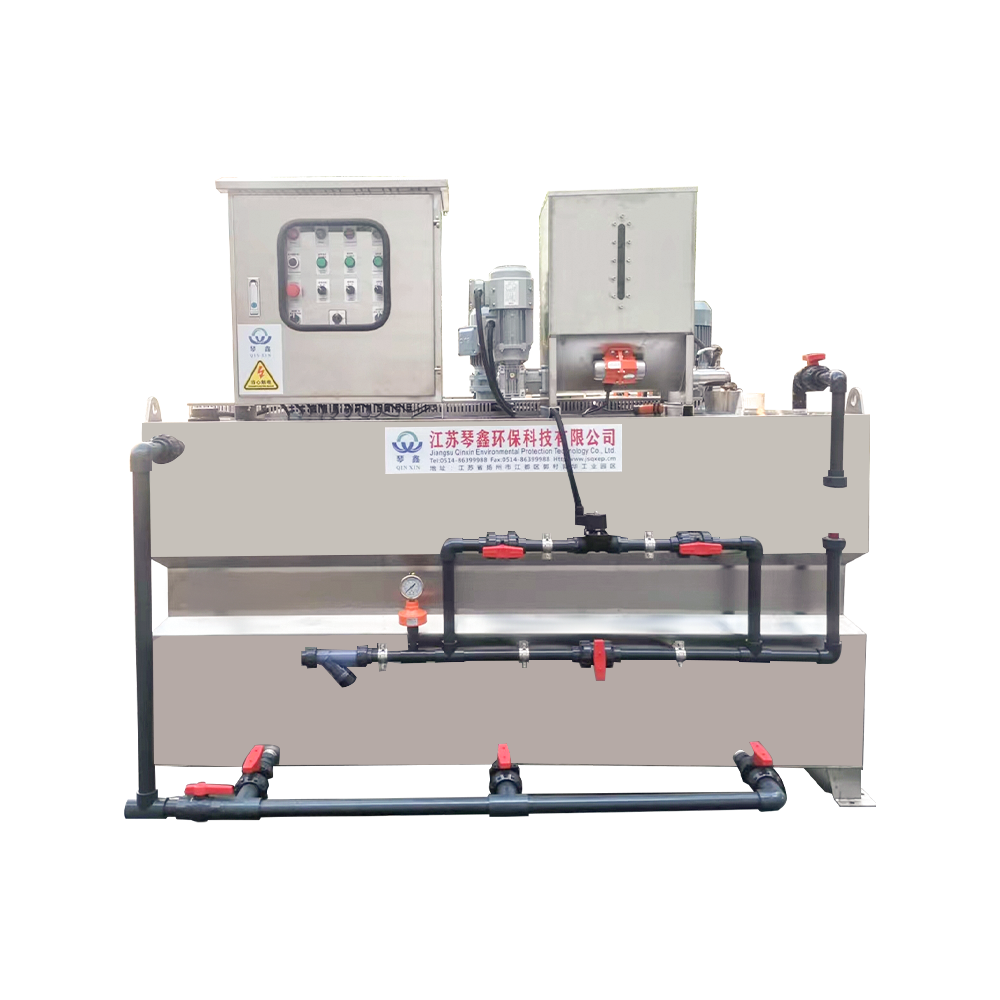
- Automated 24/7 Operation: Integrated control systems allow the machine to run fully unattended, from sludge feeding to polymer dosing and cake discharge.
- Low Vibration and Noise: Due to the ultra-low rotation speed (usually 2-4 RPM), the structural wear is minimal, leading to a service life often exceeding 10 years.
- Compact Footprint: The all-in-one design combines thickening and dewatering, reducing the need for separate thickening tanks and saving up to 40% in civil engineering costs.
- Chemical Efficiency: Advanced flocculation tank designs ensure optimal polymer mixing, reducing chemical consumption by approximately 15% to 20% compared to open systems.
Maintenance and Operational Sustainability
Sustainability in wastewater treatment is measured by the total cost of ownership (TCO). The Screw Press Sludge Dewatering Machine minimizes TCO through reduced replacement parts and lower labor requirements.
In a standard municipal plant processing 50 cubic meters of sludge daily, a screw press requires only about 1 hour of maintenance per month for inspection. In contrast, belt presses require daily high-pressure cleaning and frequent belt realignments to prevent tracking issues.

 TOP
TOP