
 ENG
ENG
 English
 русский
 Español
 Tiếng Việt
 ไทย
ไทย
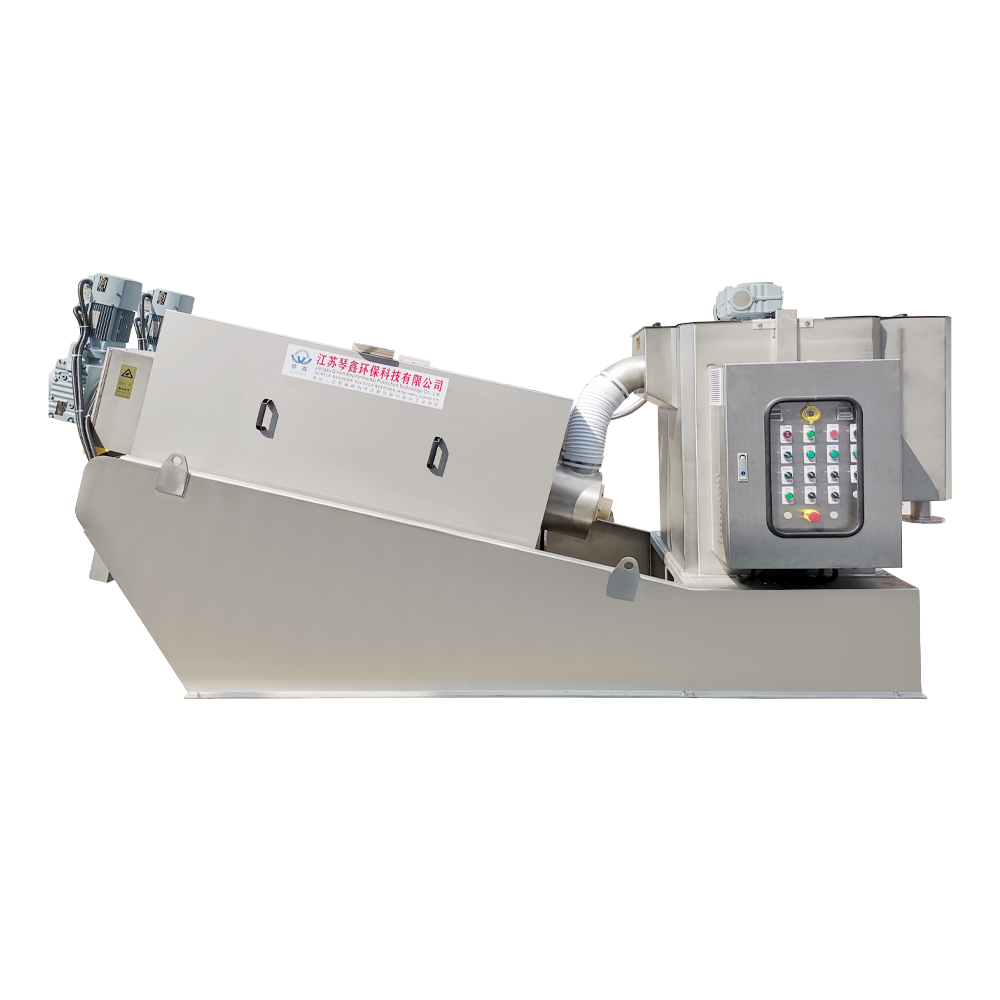
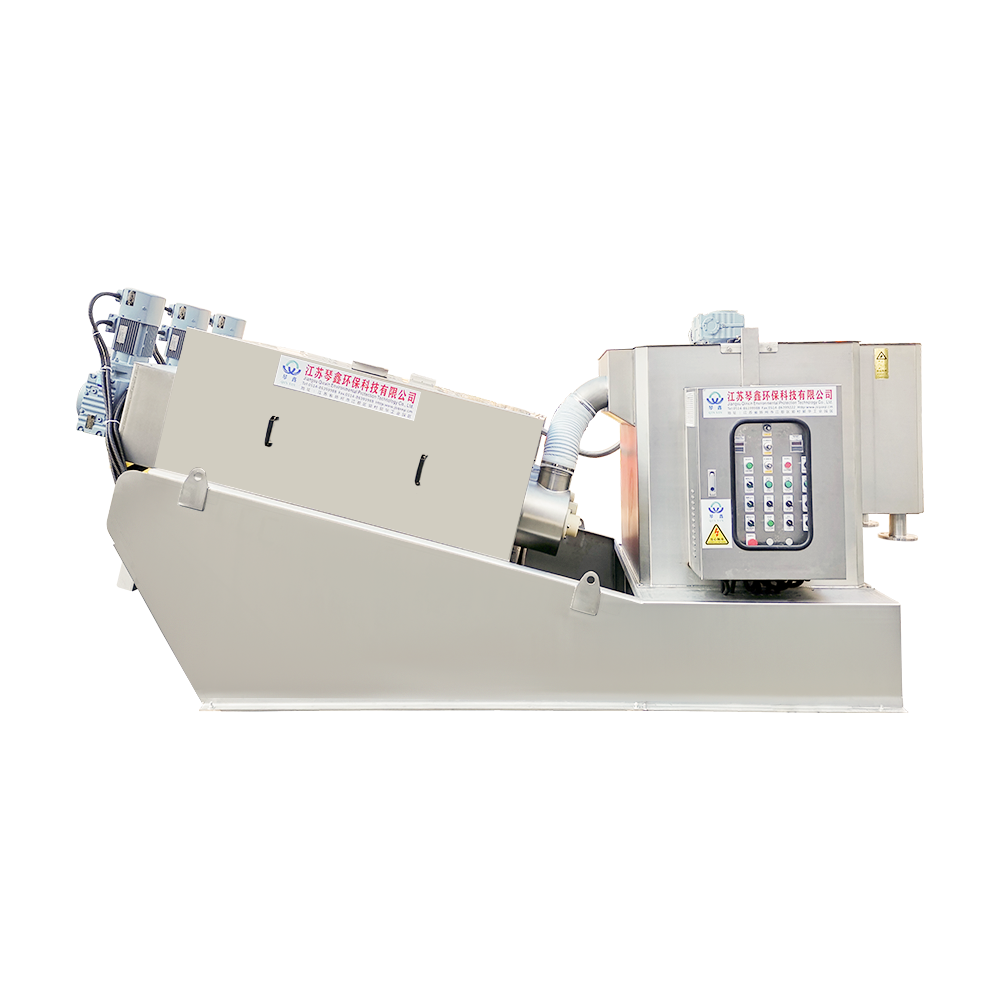
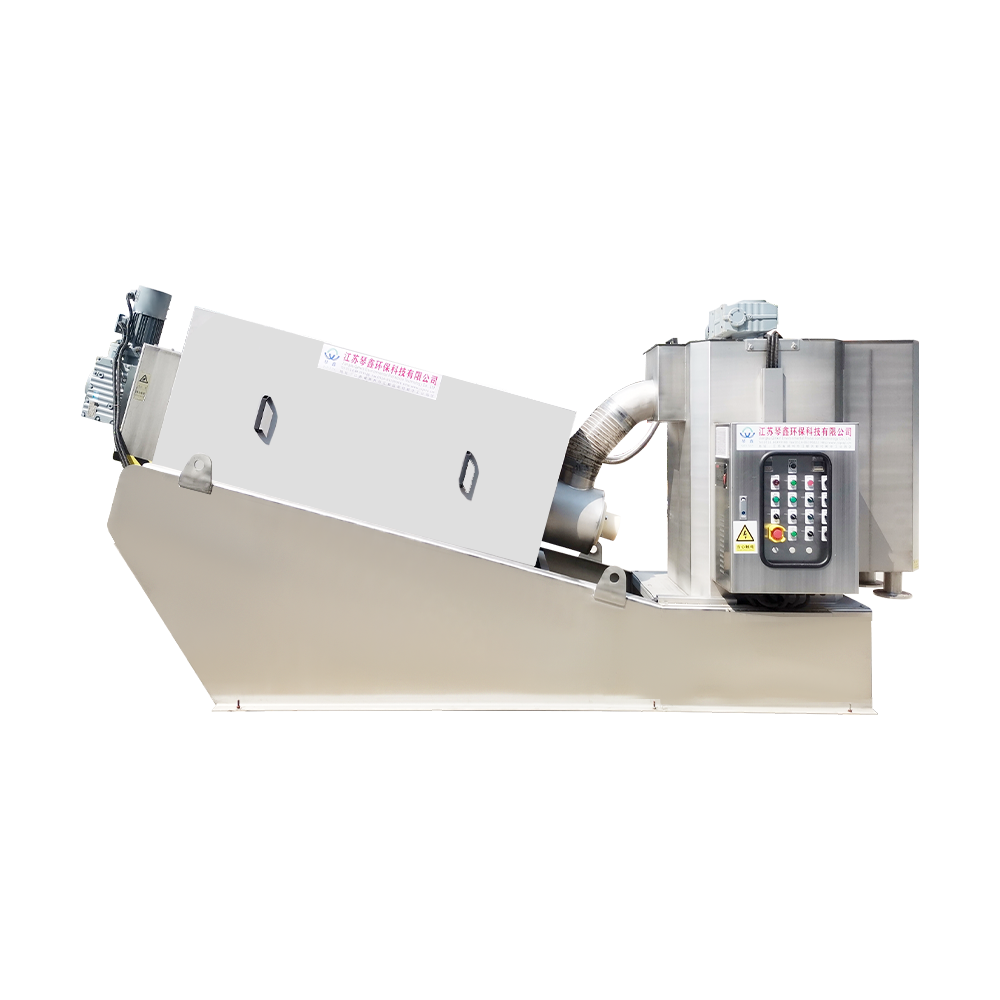
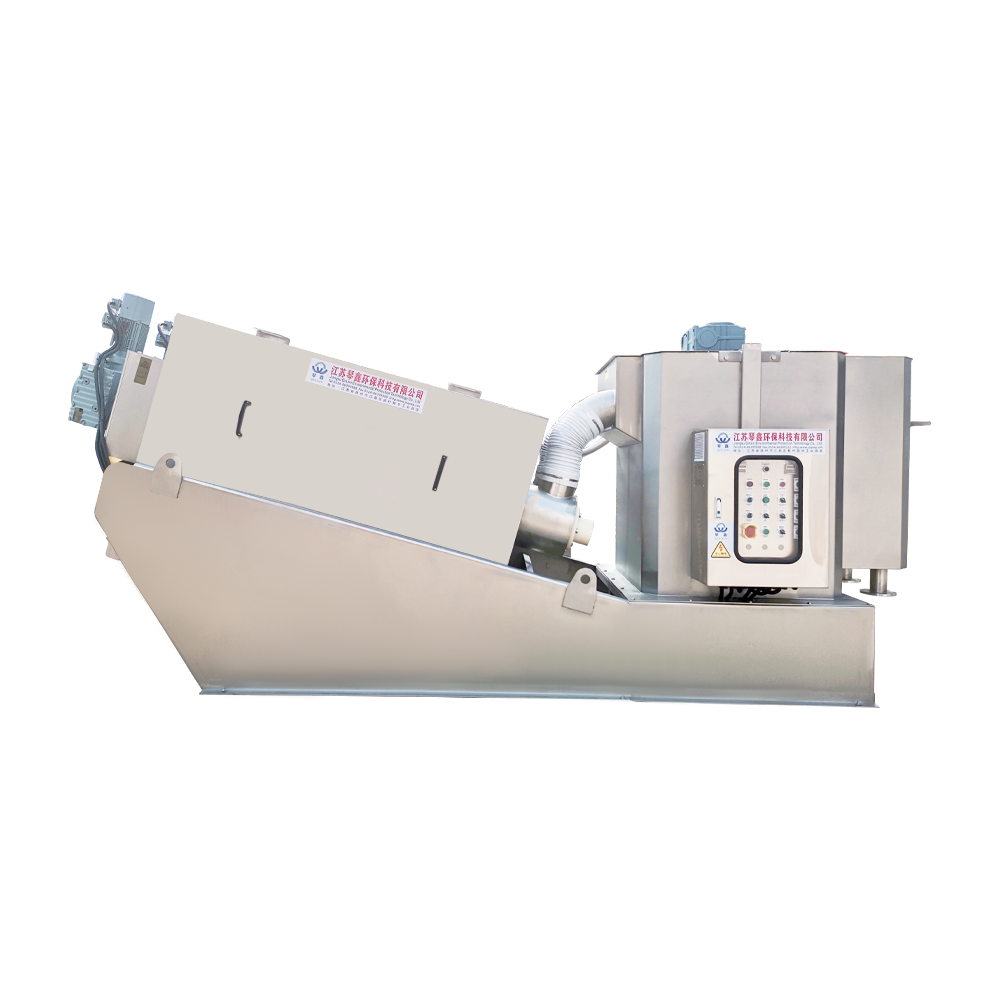
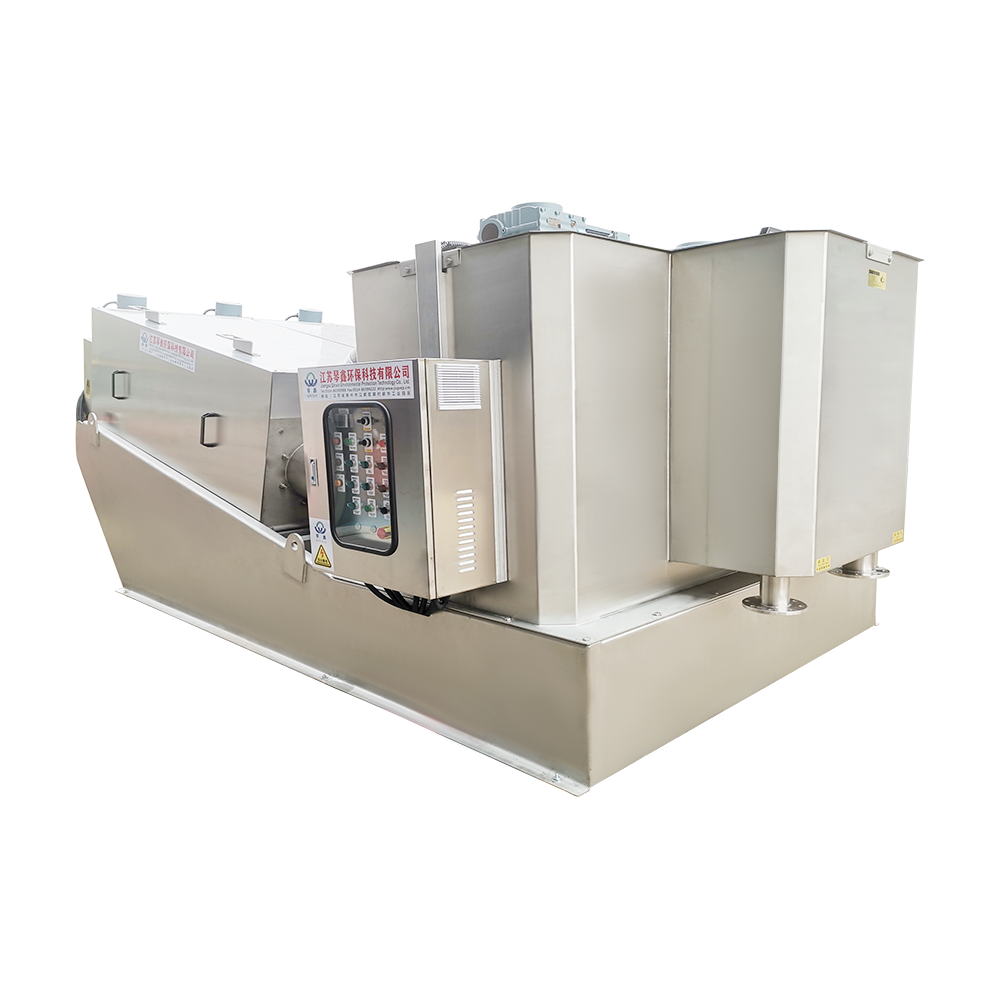
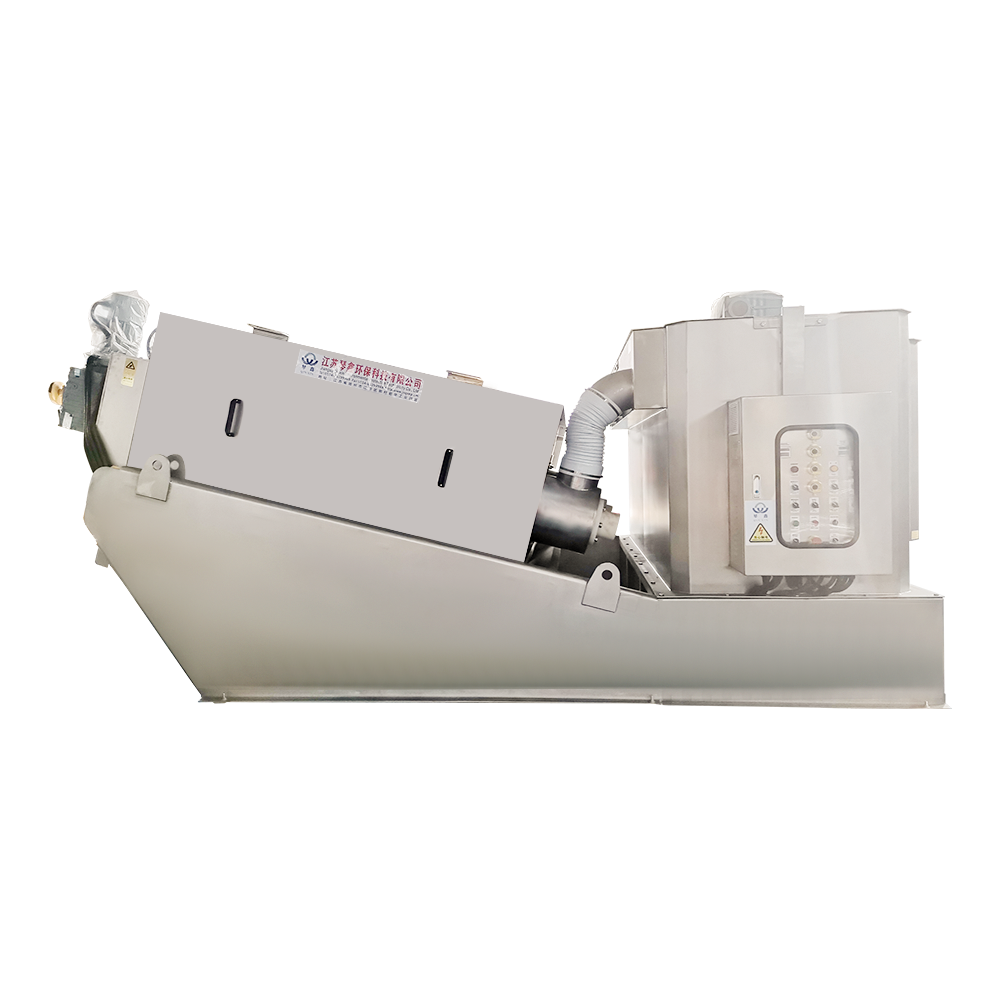
A Screw Press Sludge Dewatering Machine works by feeding sludge into a cylindrical screen drum where a rotating helical screw gradually compresses the material against a fixed end plate, forcing water out through the screen gaps while advancing the dewatered sludge cake toward the discharge outlet. The result: continuous, low-energy dewatering that consistently achieves a cake solid content of 15–30% DS (dry solids) depending on feed sludge type.
What Is a Screw Press and What Is It Used For?
A screw press is a mechanical dewatering device used in wastewater treatment, food processing, and industrial sludge management to separate liquids from solids. In water and wastewater applications, the primary use is sludge dewatering: reducing the water content of biological, municipal, or industrial sludge before disposal, drying, or composting.
Common application areas include:
- Municipal sewage treatment plants (activated sludge, digested sludge)
- Food and beverage processing wastewater (brewery, dairy, slaughterhouse)
- Paper and pulp mill effluent
- Aquaculture and fishery wastewater
- Chemical and pharmaceutical plant effluent
- Livestock and agricultural manure processing
Because screw presses operate continuously and unattended, they are frequently chosen over belt filter presses or centrifuges in facilities where low operator involvement and low energy consumption are priorities.
How Does a Screw Press Work — The Core Mechanism
Understanding how a screw press works requires looking at four sequential zones inside the machine:
| Zone | What Happens | Key Parameter |
|---|---|---|
| Feed / Concentration Zone | Conditioned sludge enters and is initially thickened by gravity drainage through the screen | Feed solids concentration: 0.2–1% |
| Compression Zone | Decreasing pitch or increasing screw diameter progressively squeezes the sludge cake | Screw pitch ratio: 2:1 to 4:1 |
| Pressure Zone | Sludge presses against the back-pressure plate; maximum water expulsion occurs here | Back pressure: adjustable 0.01–0.05 MPa |
| Discharge Zone | Dewatered cake exits through the adjustable gap; filtrate drains to collection tank below | Cake DS: 15–30% |
The screw shaft rotates very slowly — typically 1–5 RPM — which is one reason power consumption is dramatically lower than a centrifuge. A 55 mm diameter screw press unit consumes approximately 0.01–0.05 kWh per kilogram of dry solids processed, compared to 0.05–0.2 kWh/kg for a decanter centrifuge.
The Role of Polymer Conditioning
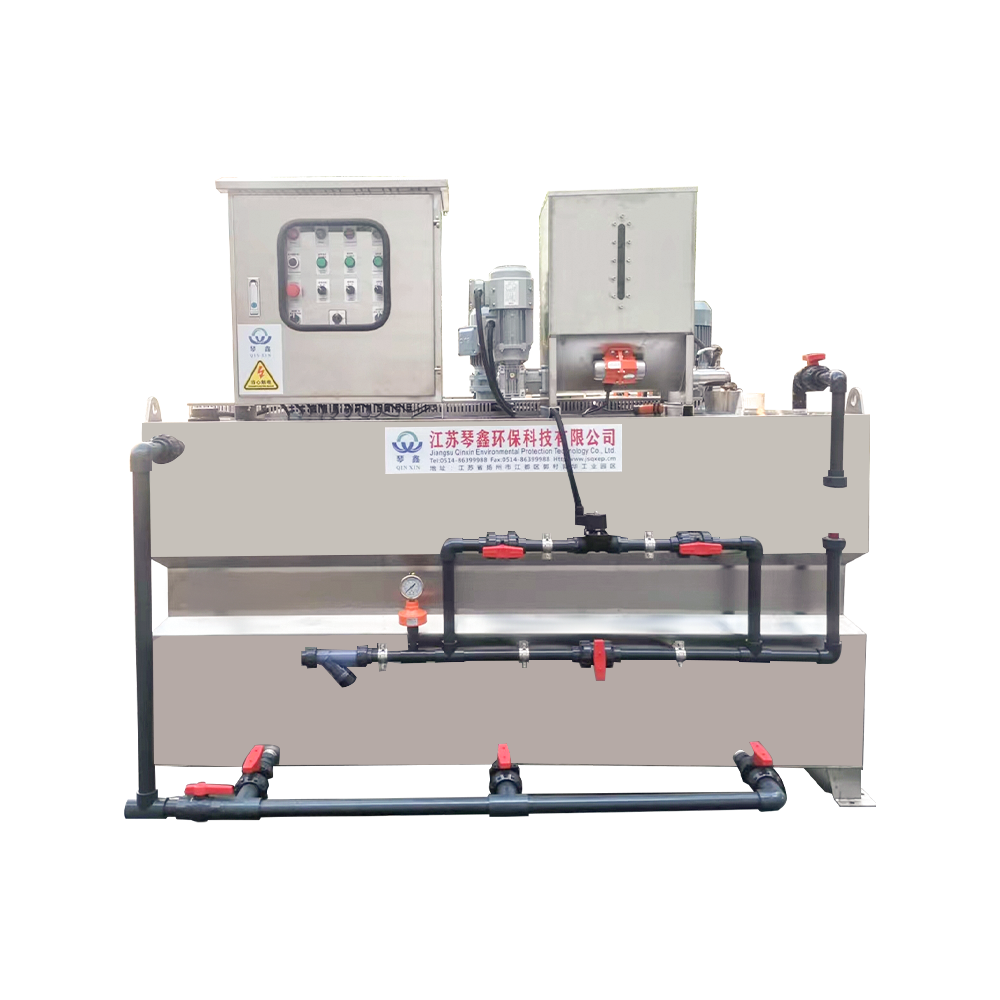
Before sludge enters the screw press, a polymer flocculant is dosed into the feed pipe. The polymer causes fine suspended particles to aggregate into larger, stronger flocs. Without adequate conditioning:
- Fine solids pass through the screen gaps, reducing filtrate quality
- Cake solids content drops by 5–10 percentage points
- Screen blinding and wash intervals increase
Typical polymer dosages range from 3–8 kg of active polymer per tonne of dry solids (kgAP/tDS) for municipal activated sludge, and 1–4 kgAP/tDS for anaerobically digested sludge.
Stacked Screw Design — How It Differs from a Single-Screw Press
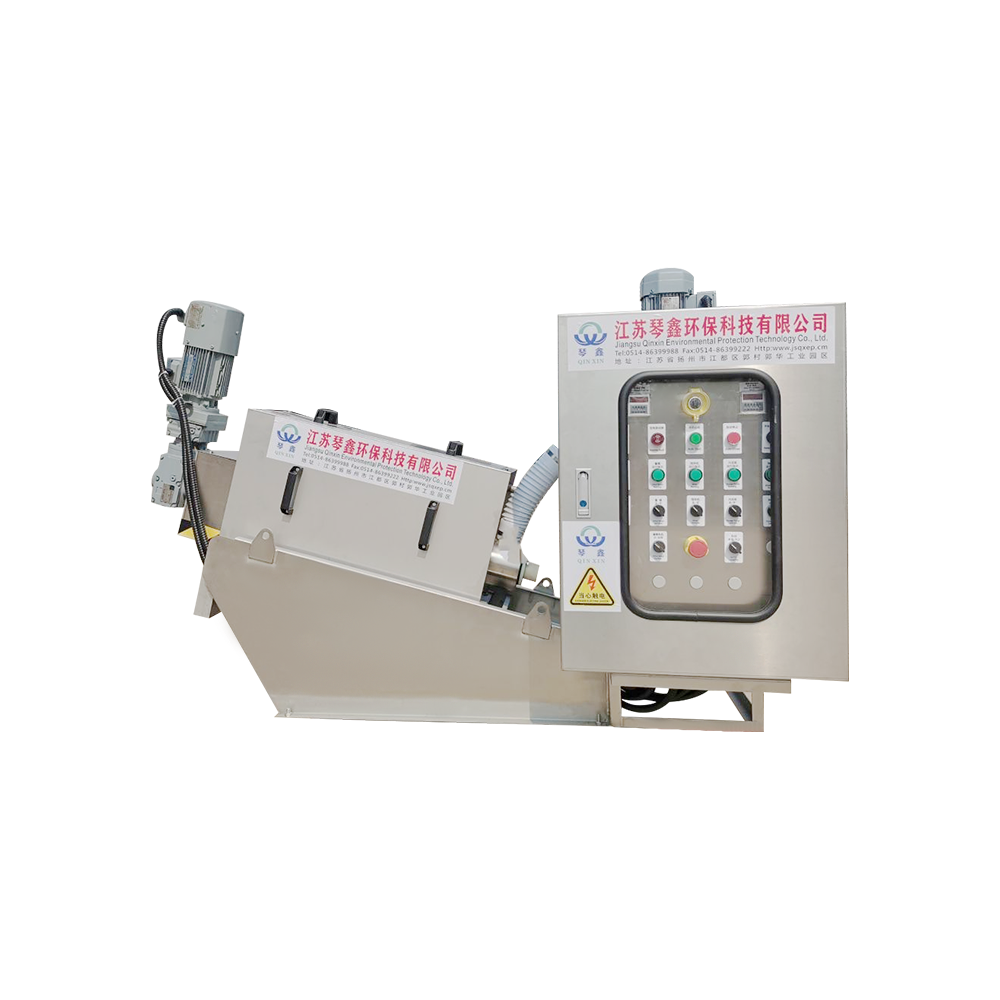
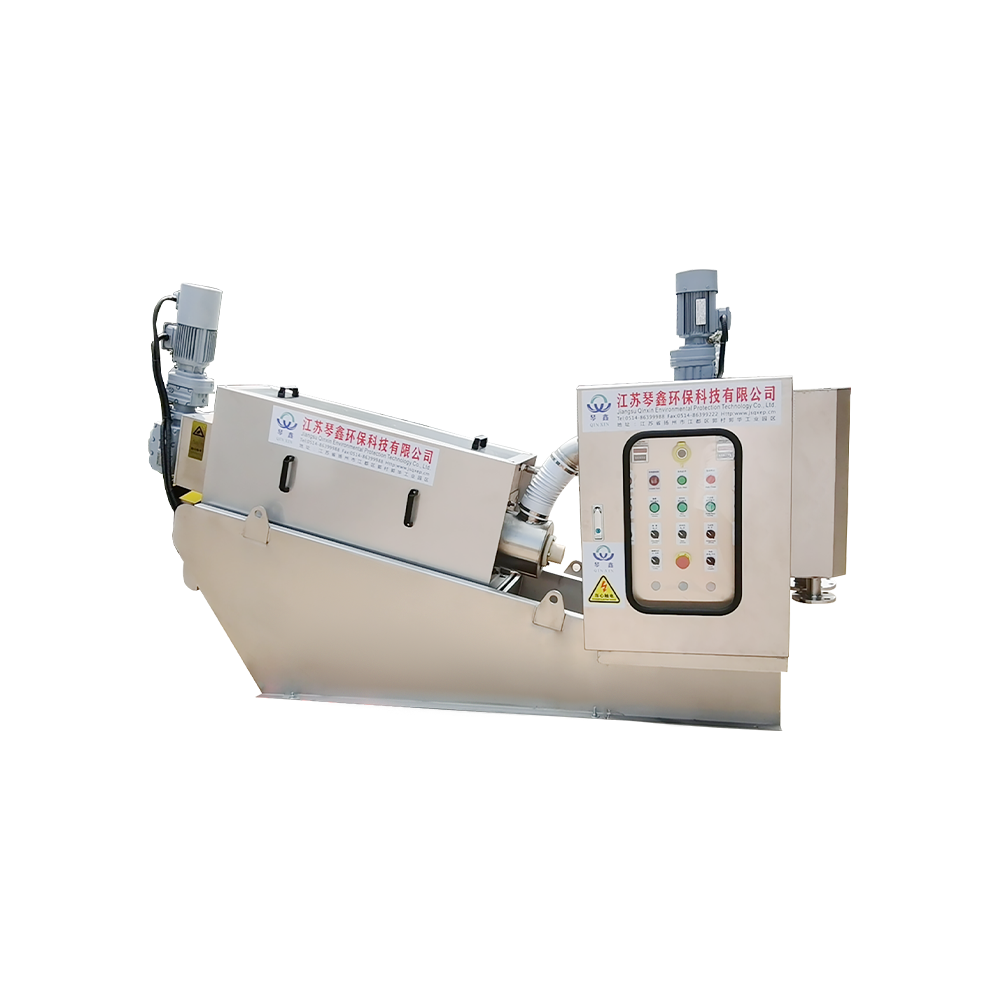
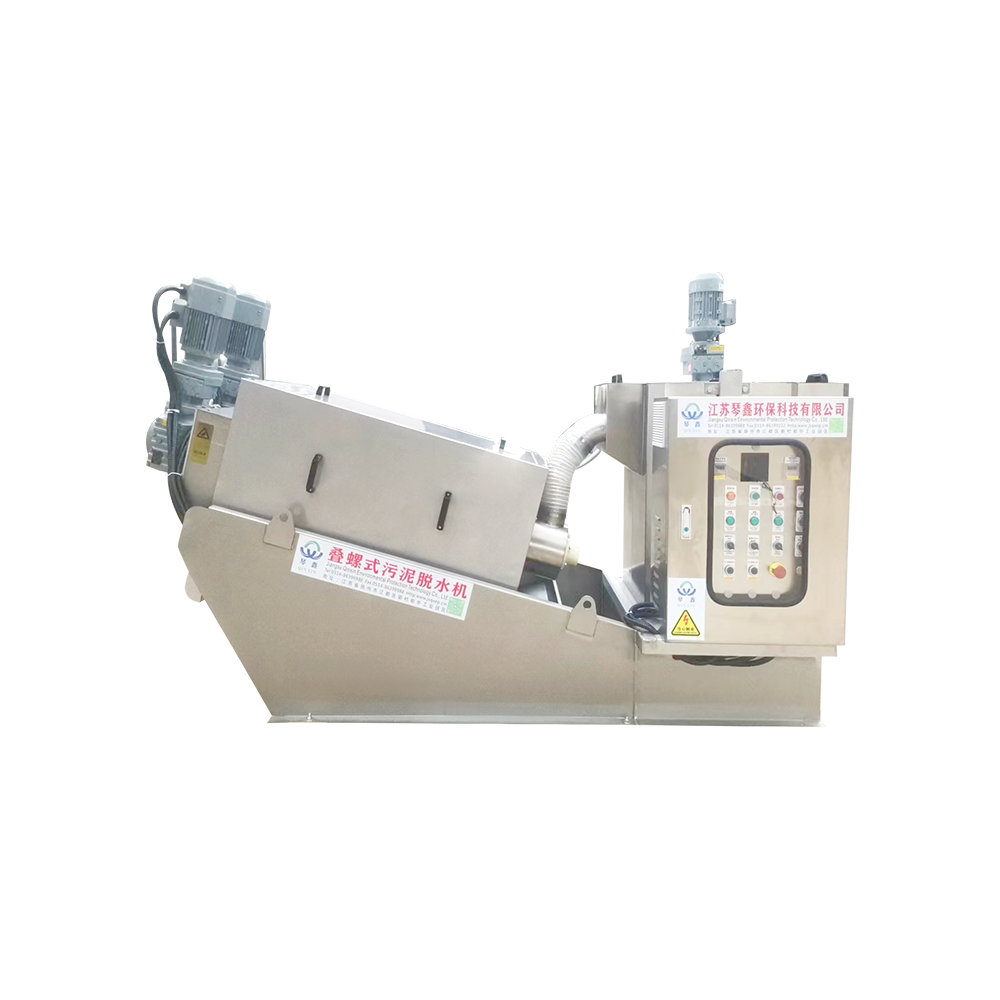
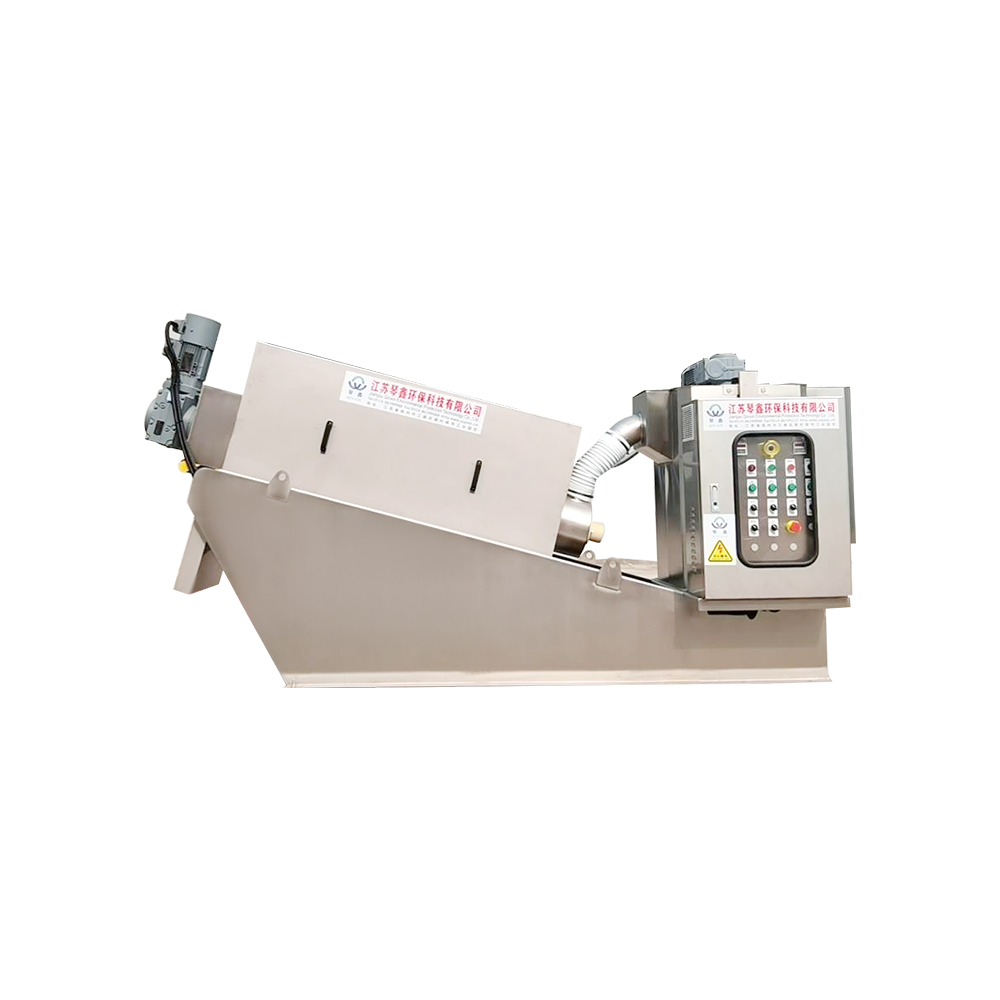
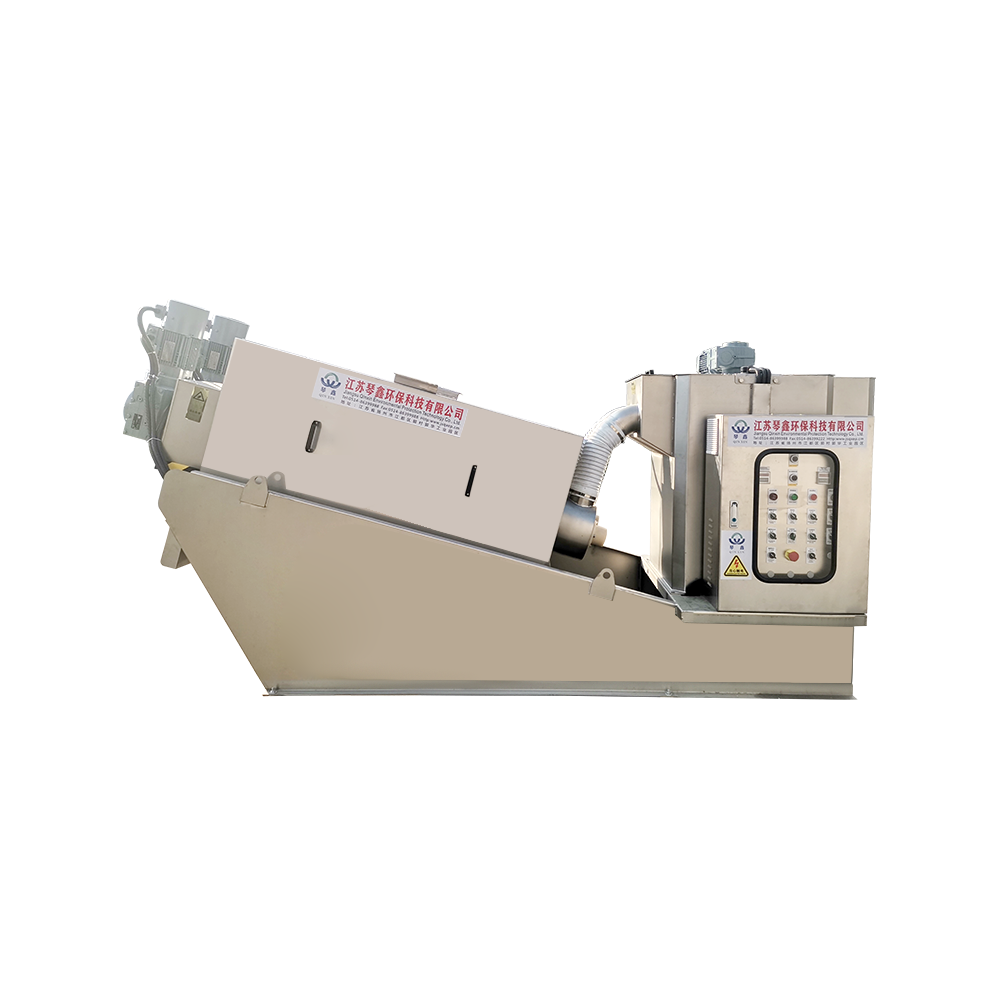
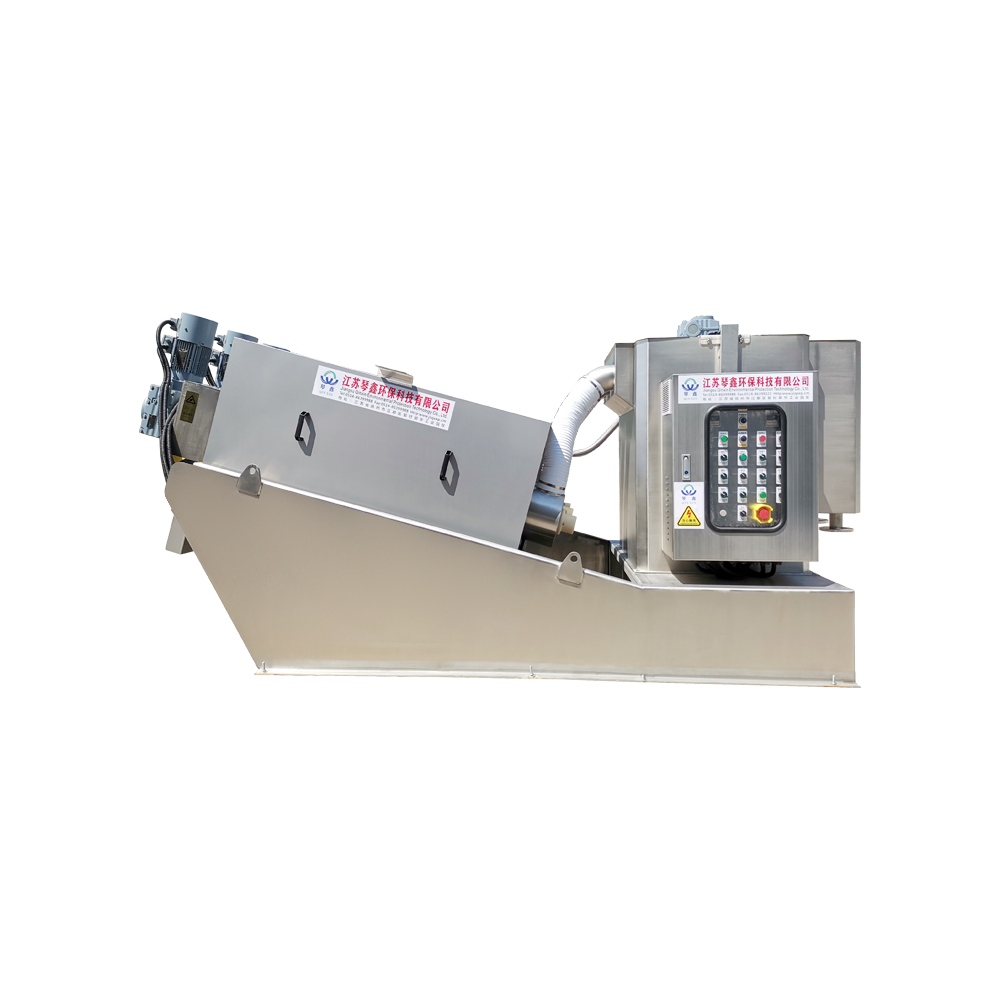
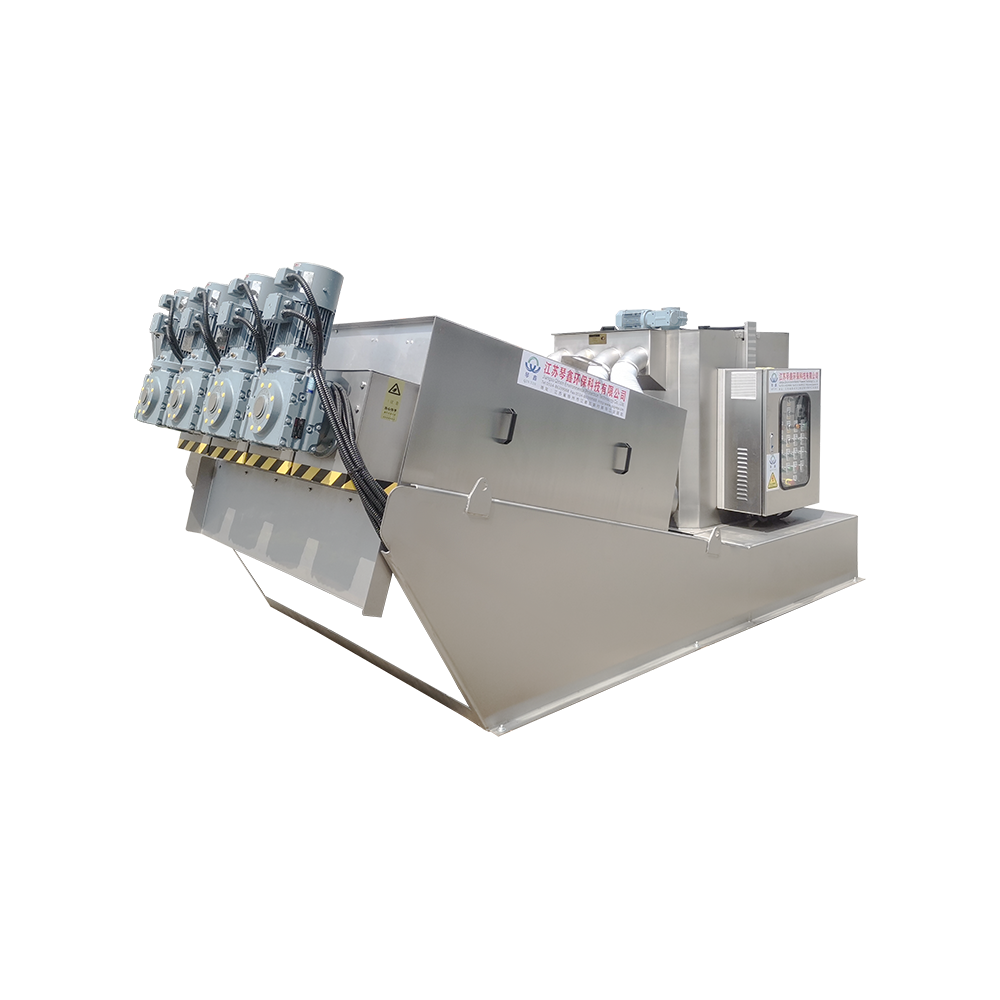
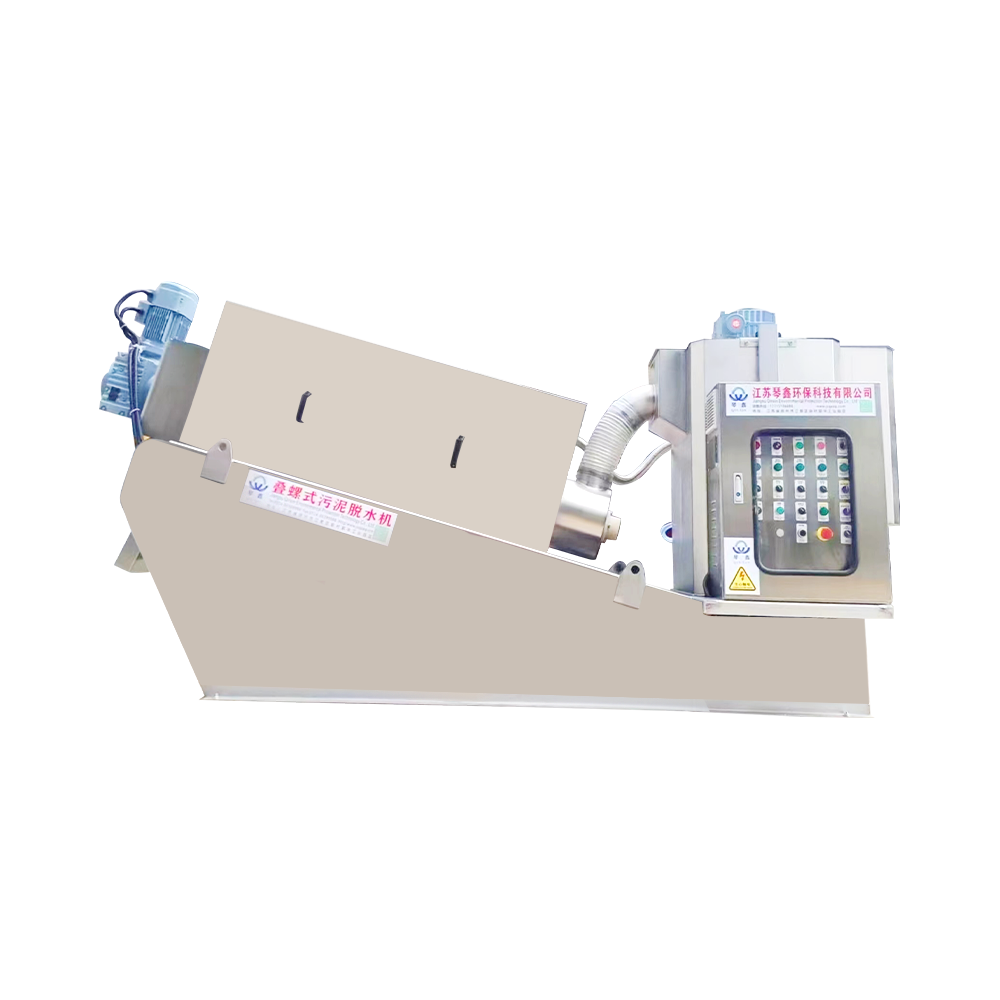
The most widely adopted screw press configuration in modern wastewater plants is the stacked screw (or lamella screw) design, where the cylindrical screen is replaced by alternating fixed and moving rings stacked along the screw shaft.
As the screw rotates, the moving rings shift slightly relative to the fixed rings, creating a self-cleaning wiping action that prevents blinding — eliminating the need for continuous spray-wash water that belt presses require. A single stacked screw unit uses less than 1 L/min of wash water, versus 5–20 L/min for a belt press of equivalent capacity.
Additional advantages of the stacked screw design:
- No clogging downtime: The dynamic ring gap prevents solid bridging, allowing unattended 24/7 operation
- Low noise: Operating noise is typically below 60 dB(A) at 1 m distance
- Small footprint: A unit handling 30 kg DS/hr occupies roughly 0.3 m² of floor space
- Handles fibrous and oily sludge: The wide ring gap (0.2–1.2 mm adjustable) accommodates difficult materials that jam conventional screens
Performance Data: What to Realistically Expect
Actual dewatering performance varies with sludge type and polymer selection. The table below shows representative results from full-scale installations:
| Sludge Type | Feed Concentration | Cake DS (%) | Solids Capture (%) |
|---|---|---|---|
| Municipal WAS (aerobic) | 0.5–1.0% | 16–22% | 90–95% |
| Mixed sludge (primary + WAS) | 1.0–2.5% | 20–28% | 93–97% |
| Anaerobically digested sludge | 2.0–4.0% | 22–30% | 94–98% |
| Food processing sludge | 0.5–2.0% | 18–26% | 88–95% |
| Paper mill sludge | 1.0–3.0% | 25–35% | 92–97% |
Solids capture above 95% is achievable with optimised polymer dosing, which directly impacts filtrate quality and the volume returned to the treatment headworks.
Energy and Operating Cost Comparison
One of the most cited reasons facilities switch to screw presses is the total cost of ownership. Compared with alternative dewatering technologies:
| Technology | Power (kW per unit) | Wash Water (L/min) | Maintenance Interval | Operator Attention |
|---|---|---|---|---|
| Stacked Screw Press | 0.2–0.75 | <1 | Annual bearing/seal check | Low (auto-operation) |
| Belt Filter Press | 2–7 | 5–20 | Belt replacement every 2–4 yrs | Continuous |
| Decanter Centrifuge | 15–55 | 0–2 | High (bearing wear) | Moderate |
| Plate-and-Frame Filter Press | 3–15 (feed pump) | 10–40 | Cloth replacement every 1–3 yrs | High (batch operation) |
How a Screw Press Works in a Complete Treatment Line
A screw press does not operate in isolation. In a typical municipal plant, it sits at the end of a sludge handling train:
- Sludge storage/thickening tank — gravity or dissolved air flotation thickening to 0.5–2% DS
- Polymer dosing unit — inline static mixer or flocculation tank
- Screw press feed pump — progressive cavity or peristaltic pump, flow-controlled
- Screw press — dewatering to target cake DS
- Cake conveyor or skip — transport to storage, composting, or landfill
- Filtrate return pipe — gravity return to inlet works or secondary treatment
The entire sequence from sludge pump start to cake discharge can be automated with PLC control, enabling unmanned night operation — a significant operational advantage for small-to-medium treatment works with limited staffing.
Sizing: Key Parameters to Get Right
Selecting the correct screw press size depends on three primary inputs:
- Daily dry solids load (kg DS/day): Derived from plant flow rate and sludge production rate. Typical activated sludge plants produce 60–100 g DS per population equivalent per day.
- Operating hours per day: Most installations run 8–16 hours/day; a unit rated at 30 kg DS/hr handles 240–480 kg DS/day in that window.
- Peak factor: Allow a 1.3–1.5 safety factor over average daily load to handle peak sludge production periods.
Multiple smaller units running in parallel are often preferred over one large unit, providing redundancy and the ability to match throughput to actual sludge volumes without running at very low load fractions.
Maintenance and Service Life
Screw presses have fewer wearing parts than centrifuges or belt presses. Routine maintenance tasks include:
- Bearing lubrication or replacement — typically every 20,000–30,000 operating hours
- Inspection of fixed and moving rings for wear — usually first replacement after 5–8 years in municipal service
- Shaft seal inspection — annually
- Back-pressure plate gap re-calibration — every 6–12 months
Published service life for the screw shaft and ring stack in clean municipal sludge applications routinely exceeds 10 years with correct polymer conditioning, because abrasive contact between solid particles and the screen surface is minimised by the soft floc structure.

 TOP
TOP