
 ENG
ENG
 English
 русский
 Español
 Tiếng Việt
 ไทย
ไทย
Article Directory
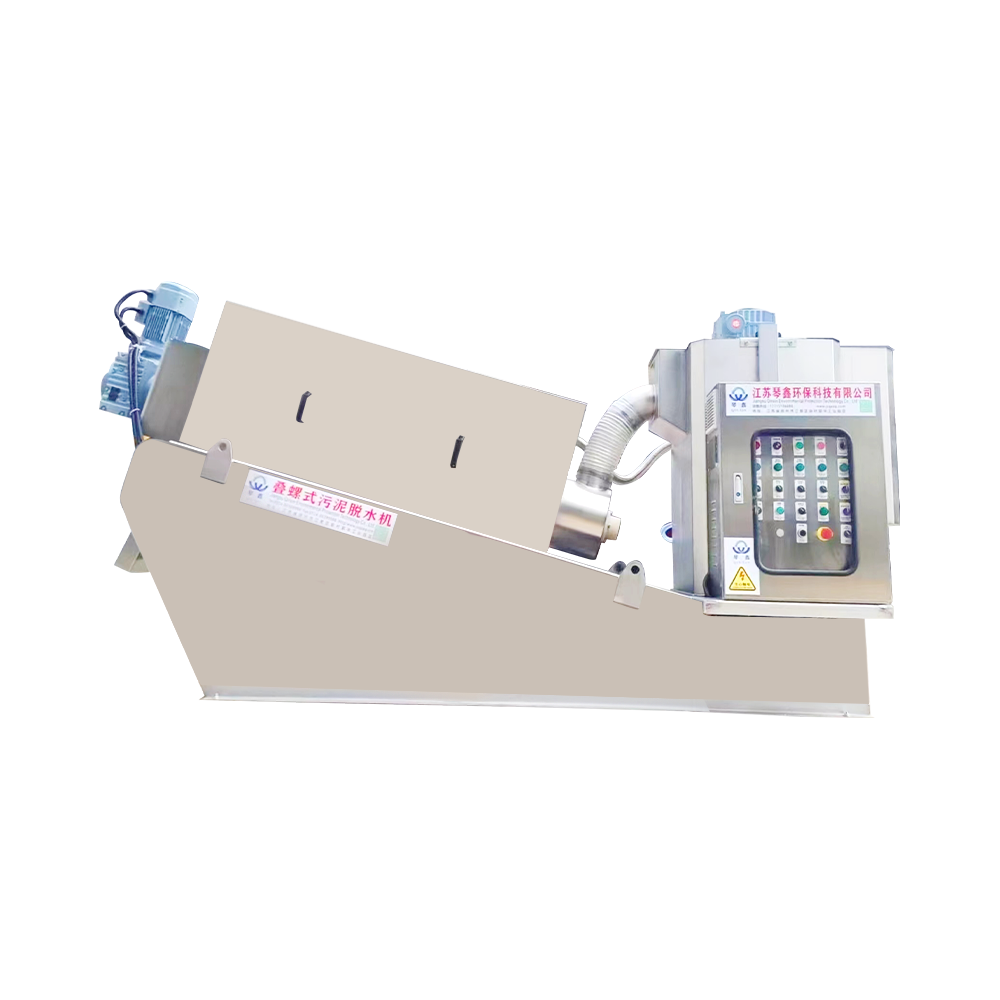
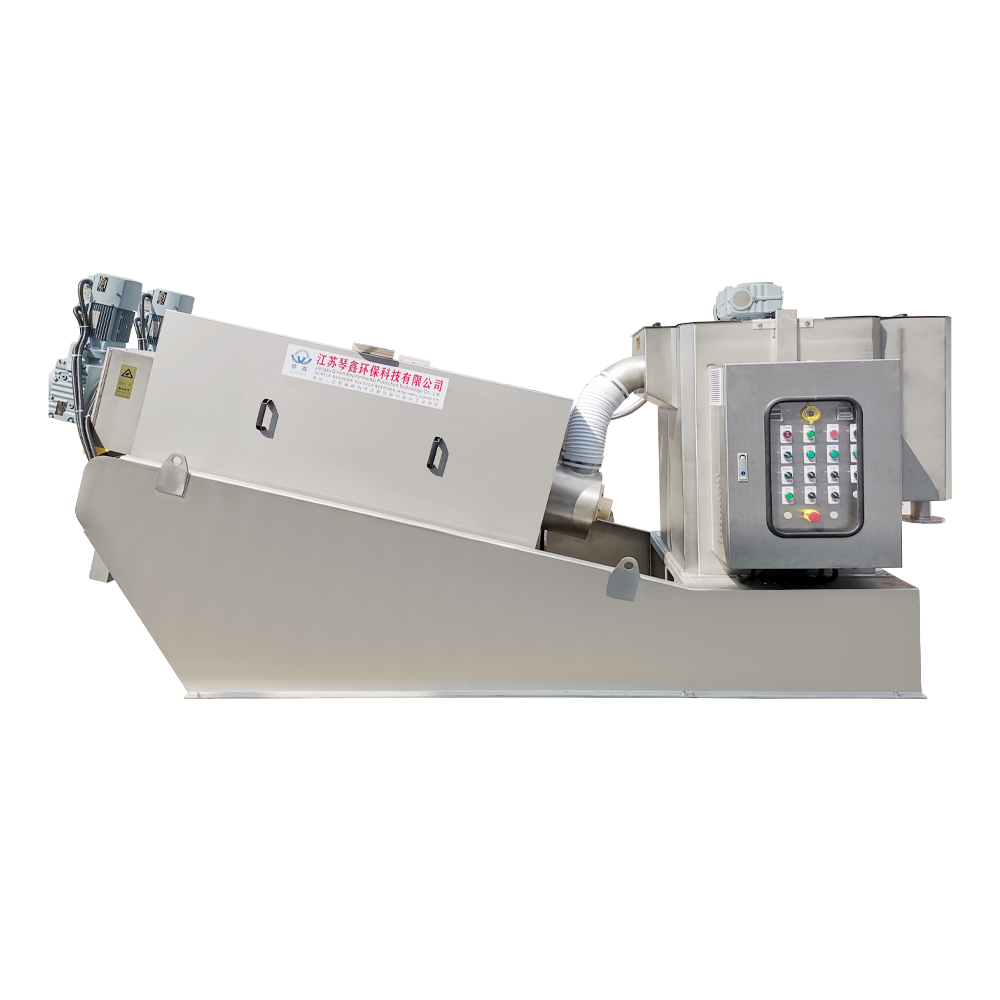
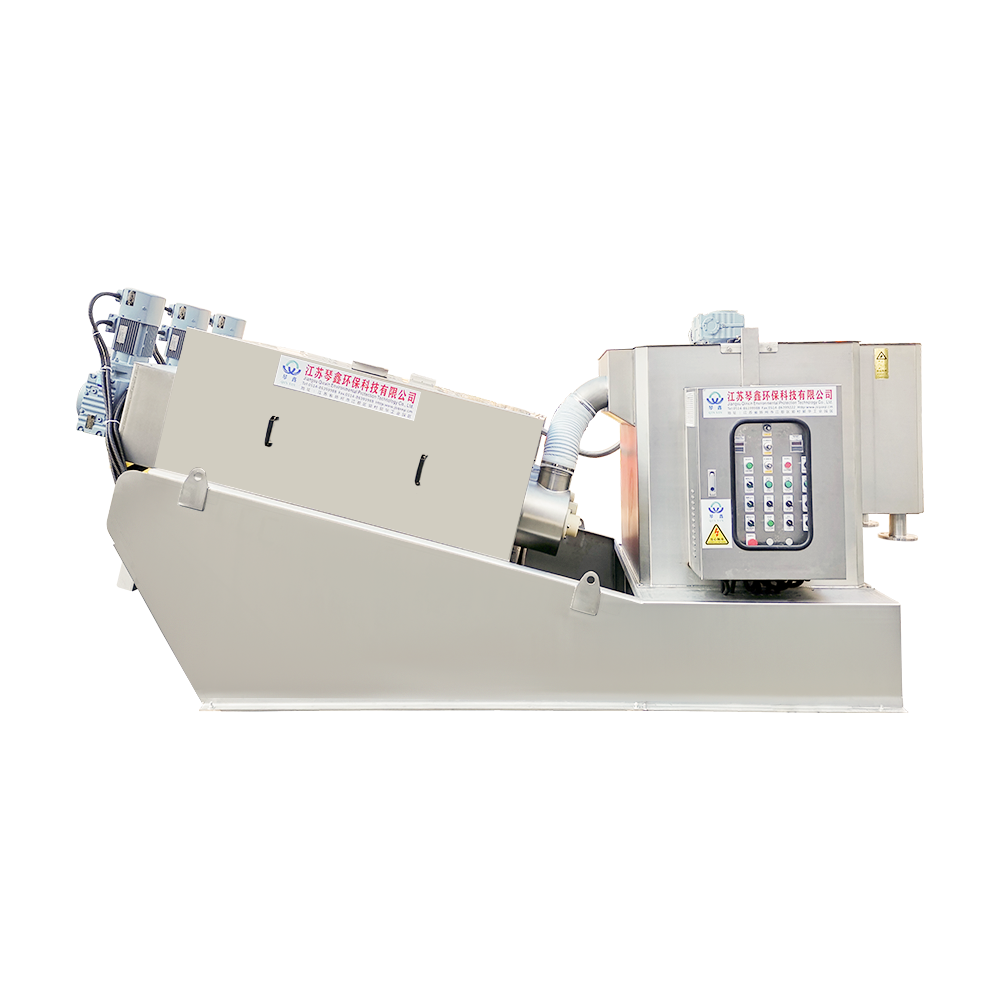
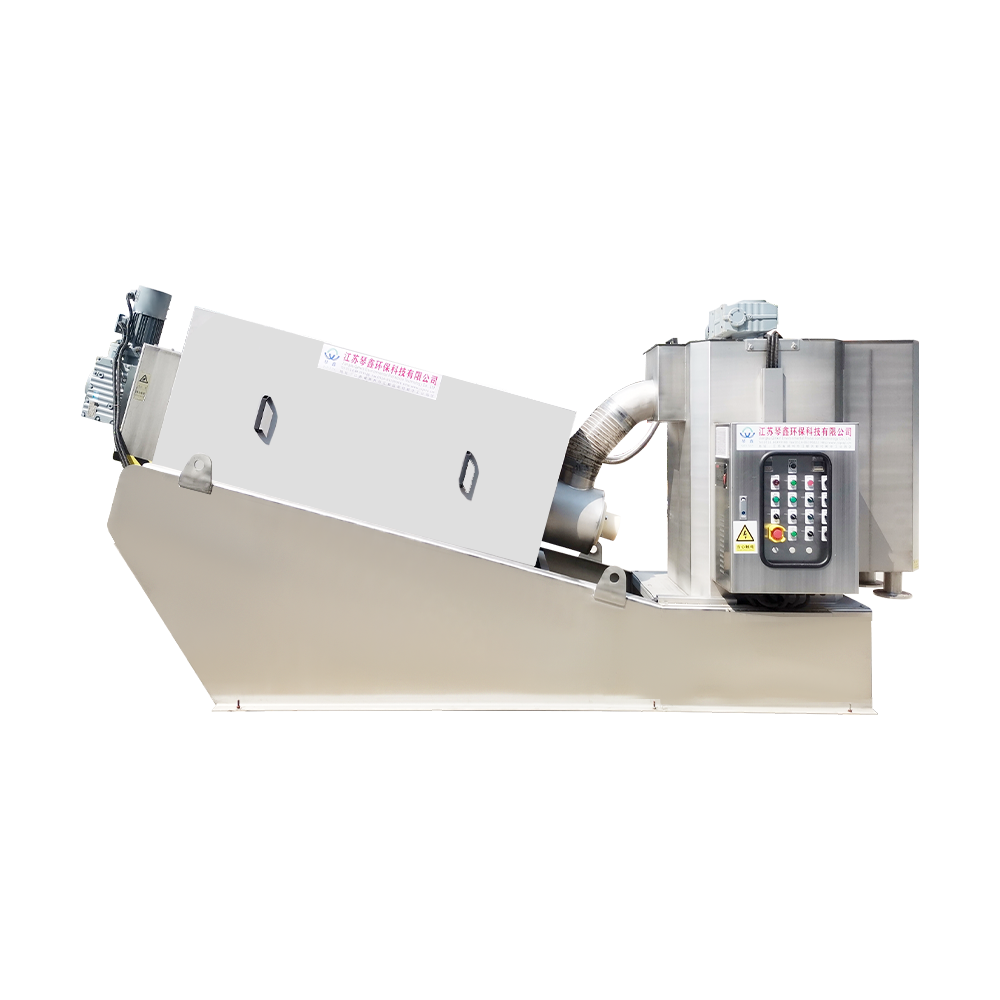
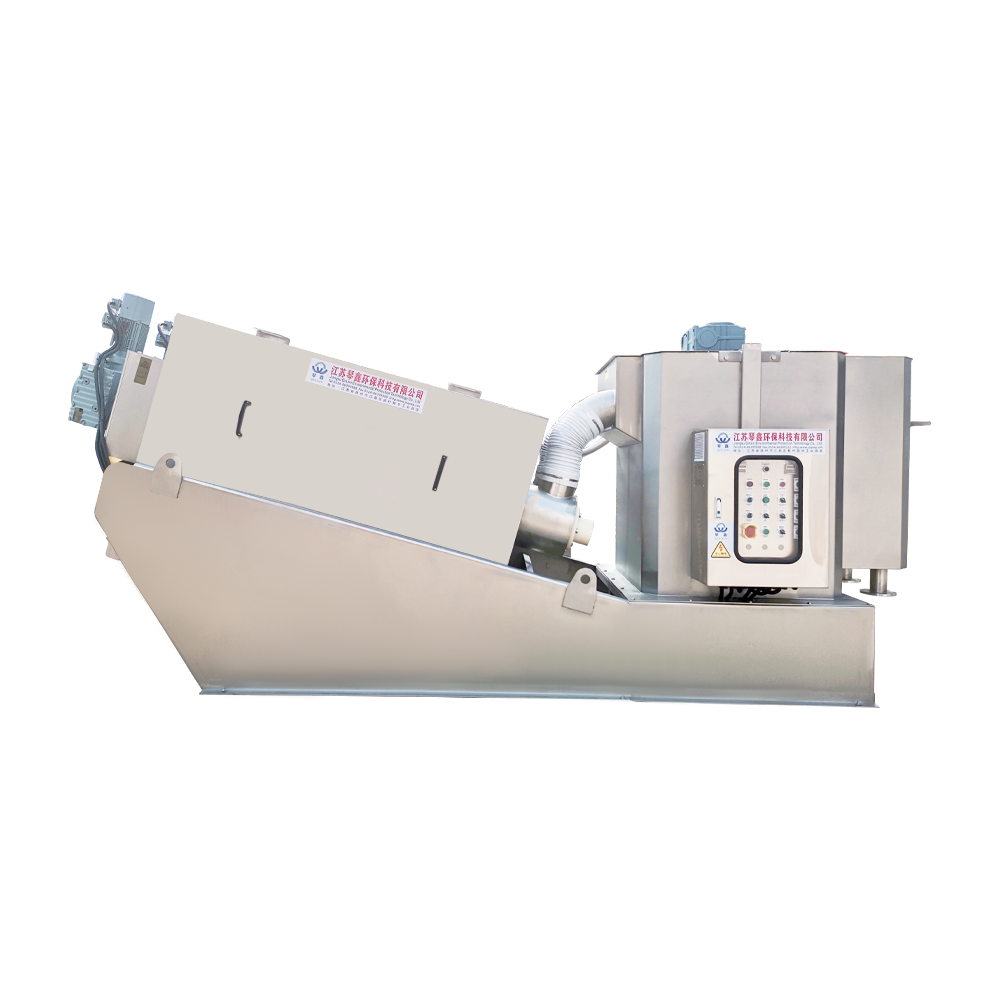
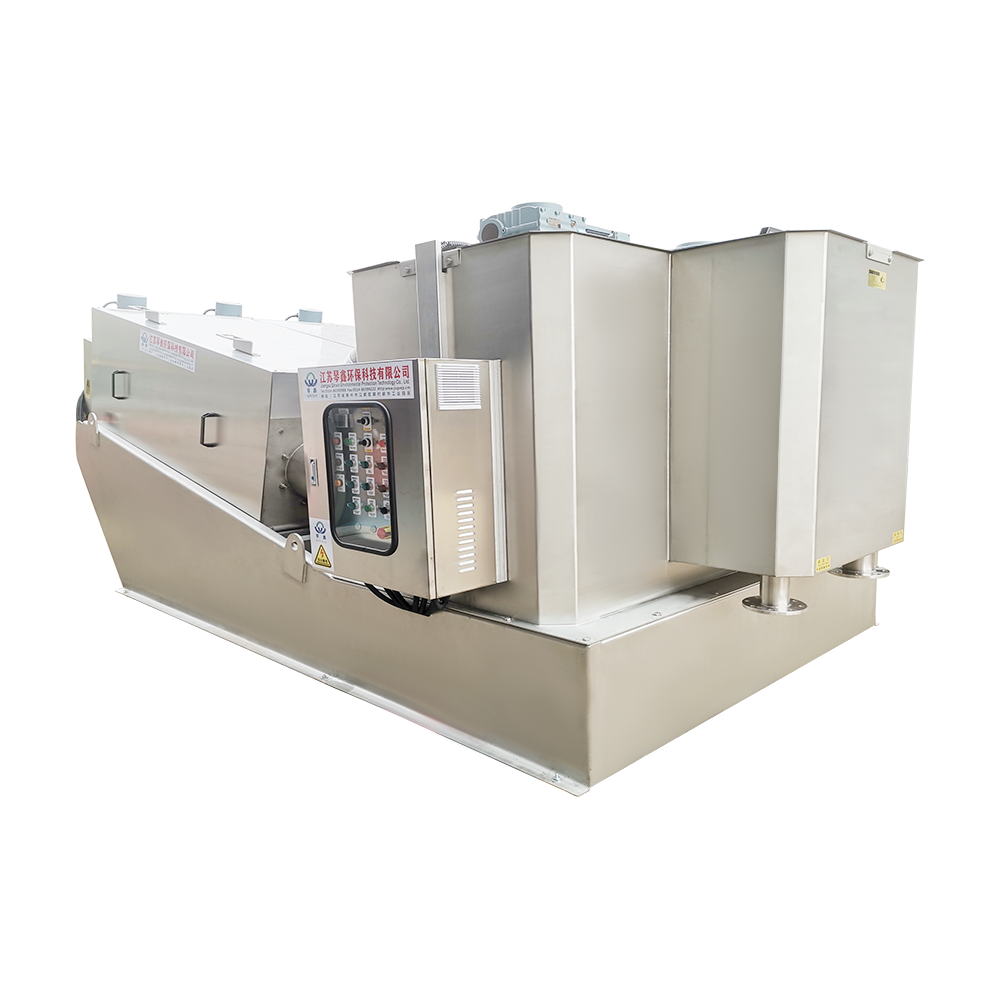
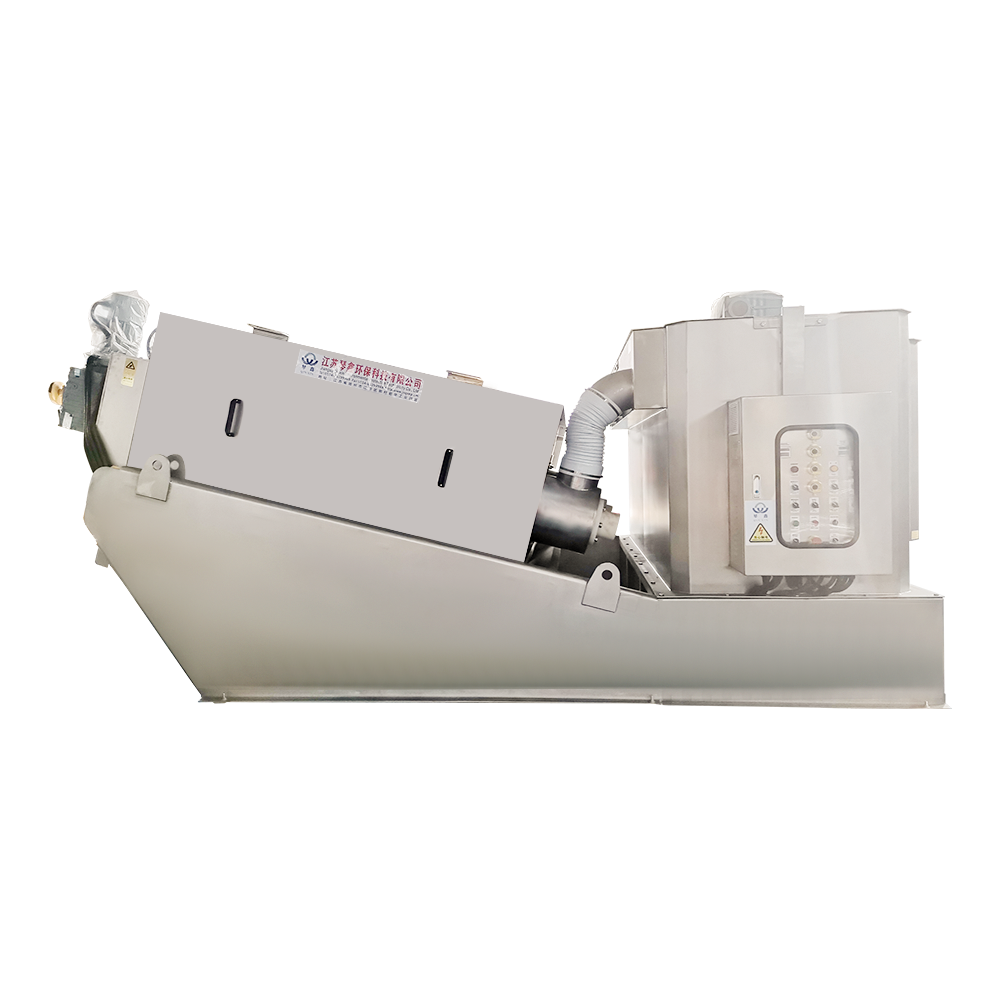
In the evolving landscape of industrial wastewater management, the efficiency of sludge thickening and dewatering directly impacts operational costs and environmental compliance. Engineers and plant managers are increasingly replacing traditional filtration methods with the screw dewatering machine to optimize results. Yangzhou Qinxin Environmental Protection Technology Co., Ltd., an industry-and-trade integrated enterprise, has been at the forefront of this transition. Specializing in stacked screw sludge dewatering machines and integrated dosing systems, we serve global markets—particularly in Southeast Asia—with patented technology designed for high-performance solid-liquid separation across the petrochemical, pharmaceutical, and municipal sectors.
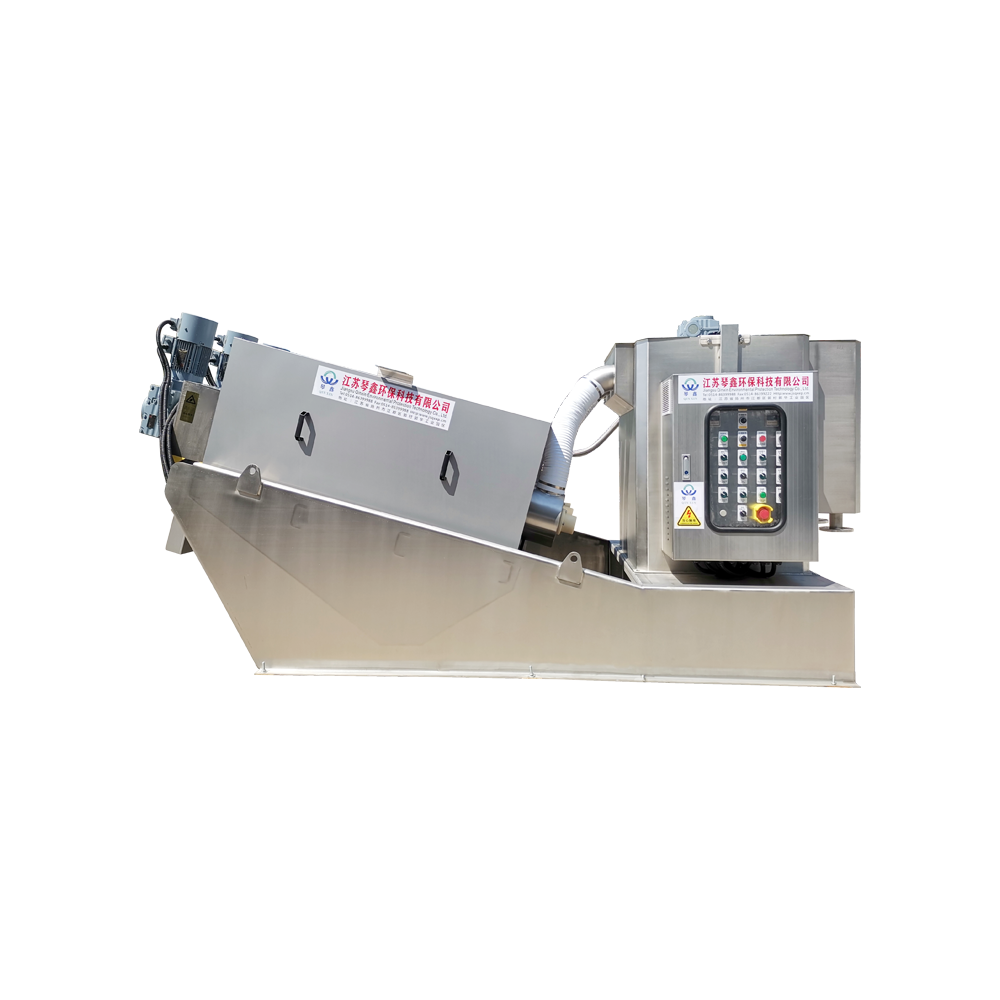
Advanced Mechanical Compression and Multi-Stage Pressure Zones
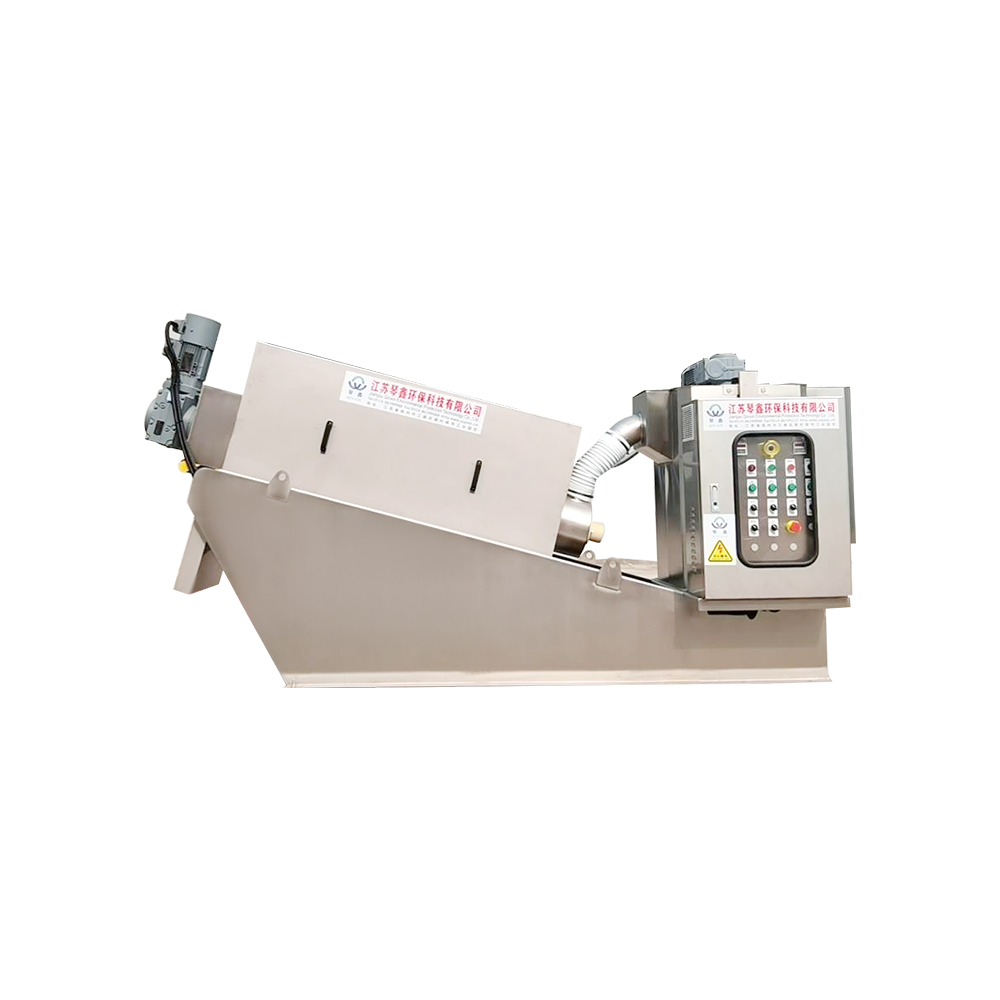
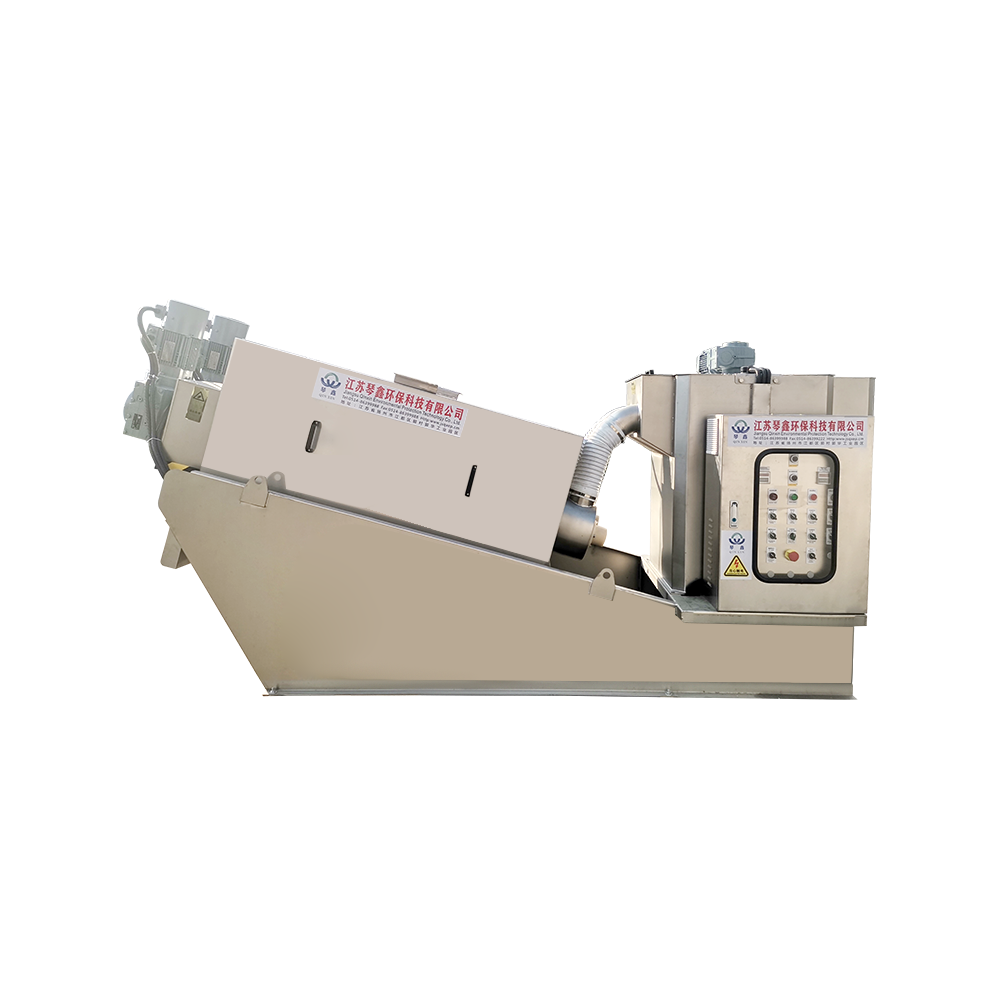
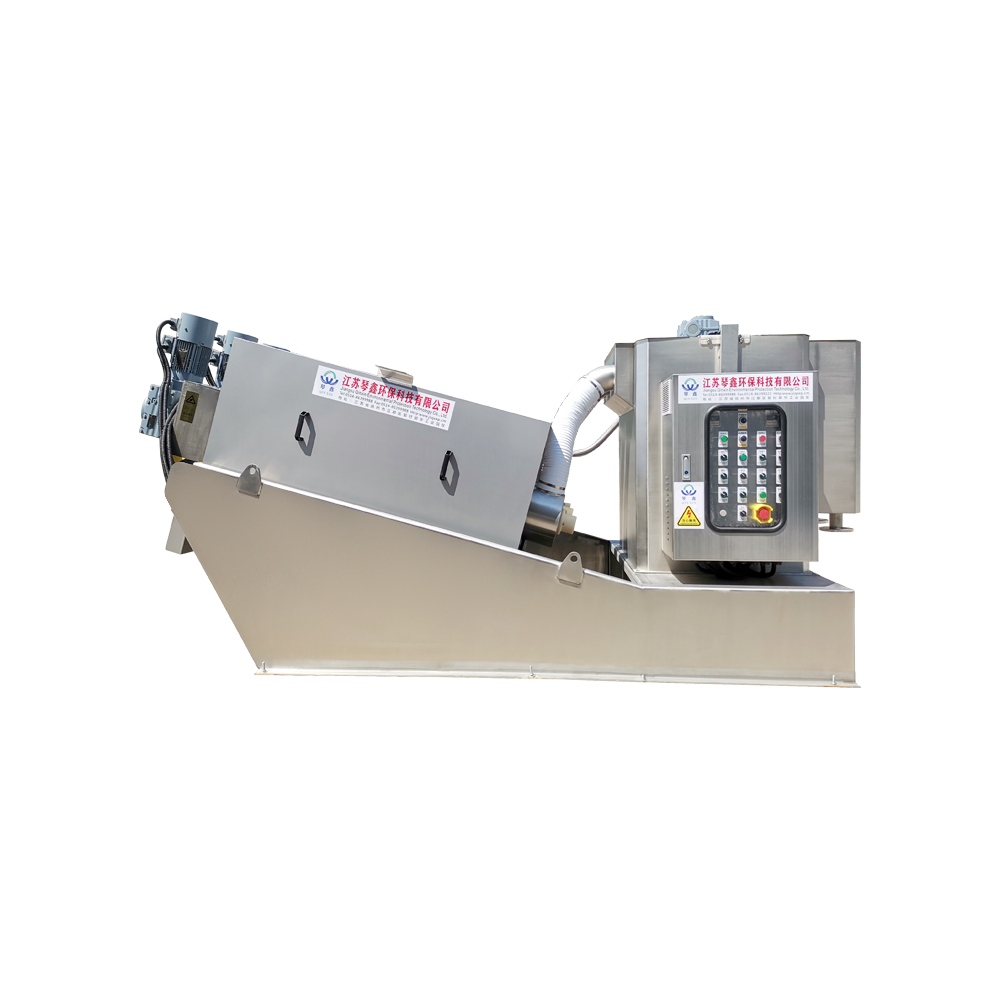
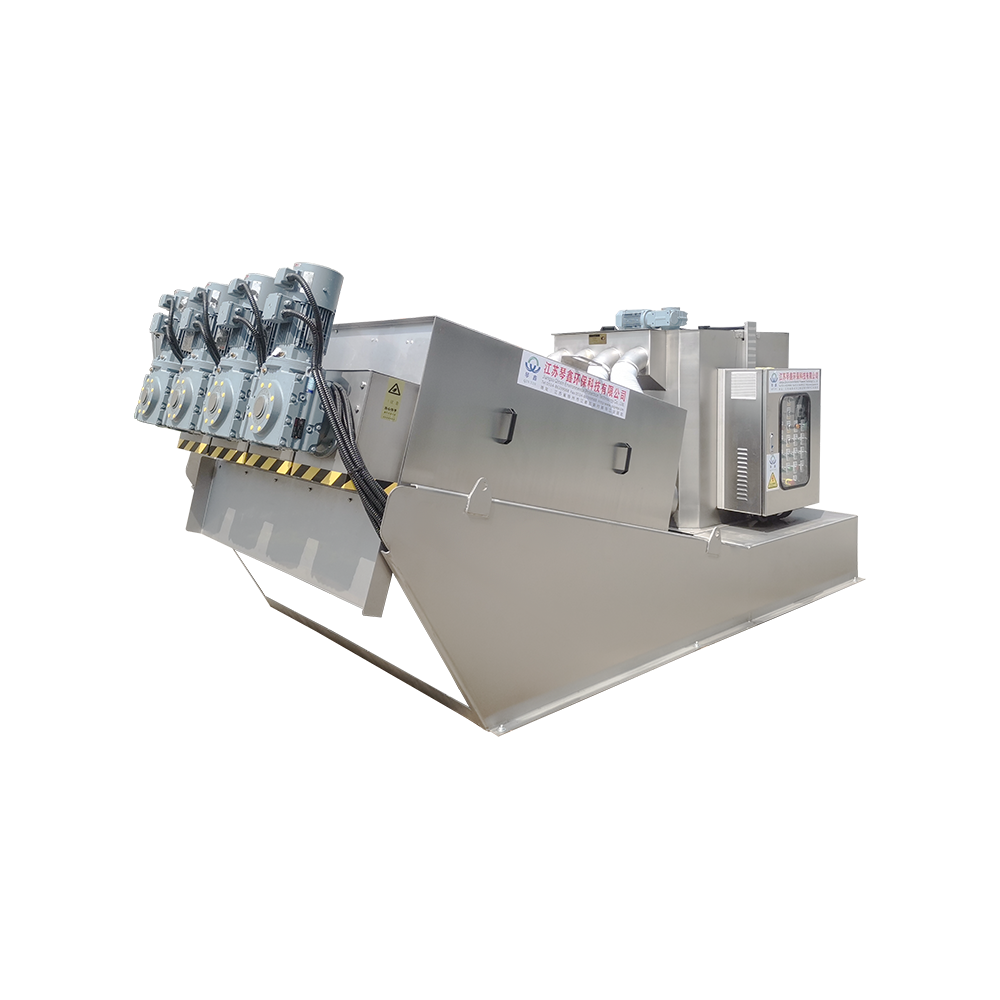
The primary reason a screw dewatering machine achieves superior cake dryness lies in its mechanical architecture. Unlike a belt press, which relies on tension between two filter belts to squeeze out water, the screw press utilizes a variable pitch screw and a tapered shaft. As the sludge moves from the thickening zone to the dewatering zone, the volume between the screw blades and the rings decreases, generating significant internal pressure. According to the 2024 Global Water Technology Review by the International Water Association (IWA), the transition to high-torque, slow-speed internal compression systems has improved moisture reduction efficiency in oily sludge by up to 25% compared to gravity-dependent belt systems.
Source: International Water Association - Innovations in Sludge Treatment Technology 2024
Structural Comparison: Pressure Generation and Distribution
While the belt press depends on external mechanical tension which can be inconsistent, a multi disc screw press for oily sludge creates a confined, high-pressure environment that forces interstitial water out of the sludge structure more effectively.
| Feature | Traditional Belt Filter Press | Screw Dewatering Machine |
| Pressure Mechanism | Linear tension between rollers and belts | Volume reduction and back-pressure plate |
| Pressure Consistency | Variable (subject to belt wear/stretch) | Constant and Progressive |
| Shear Force | Low (Risk of sludge extrusion from sides) | High (Effective for breaking cellular water) |
| Operational Stability | Requires frequent belt tracking/adjustment | Fully enclosed, self-regulating pressure |
Clog-Free Self-Cleaning and Continuous Filtration
Cake dryness is significantly influenced by the cleanliness of the filter media. Belt presses require high-pressure wash water to keep the mesh open, often leading to "re-wetting" of the sludge. In contrast, a volute screw press for municipal wastewater utilizes a series of fixed and moving rings that are cleaned by the rotation of the screw itself. This self-cleaning mechanism allows for continuous operation without the need for high-volume cleaning water. Research published in the 2025 European Water Association (EWA) Technical Bulletin highlights that the elimination of high-pressure cleaning cycles not only reduces water consumption but also maintains a higher solids concentration in the final cake by preventing dilution during the final squeeze phase.
Source: European Water Association - Sustainable Sludge Management Standards 2025
Comparison: Cleaning Requirements and Moisture Impact
The automatic screw press for food waste and other high-organic materials excels because it maintains an open filtration path without the cooling or diluting effects of a constant wash-water stream.
| Operational Aspect | Belt Filter Press | Screw Dewatering Machine |
| Cleaning Method | Intermittent High-Pressure Water Spray | Continuous Mechanical Self-Cleaning Rings |
| Wash Water Usage | High (Up to 10-20 m³/h per meter of belt) | Minimal (Used for periodic rinsing) |
| Re-wetting Risk | High (Moisture often migrates back to cake) | None (Enclosed dry-discharge) |
| Filtration Speed | Affected by mesh blinding | Steady-state due to continuous ring motion |
Optimizing Flocculation and Energy Consumption
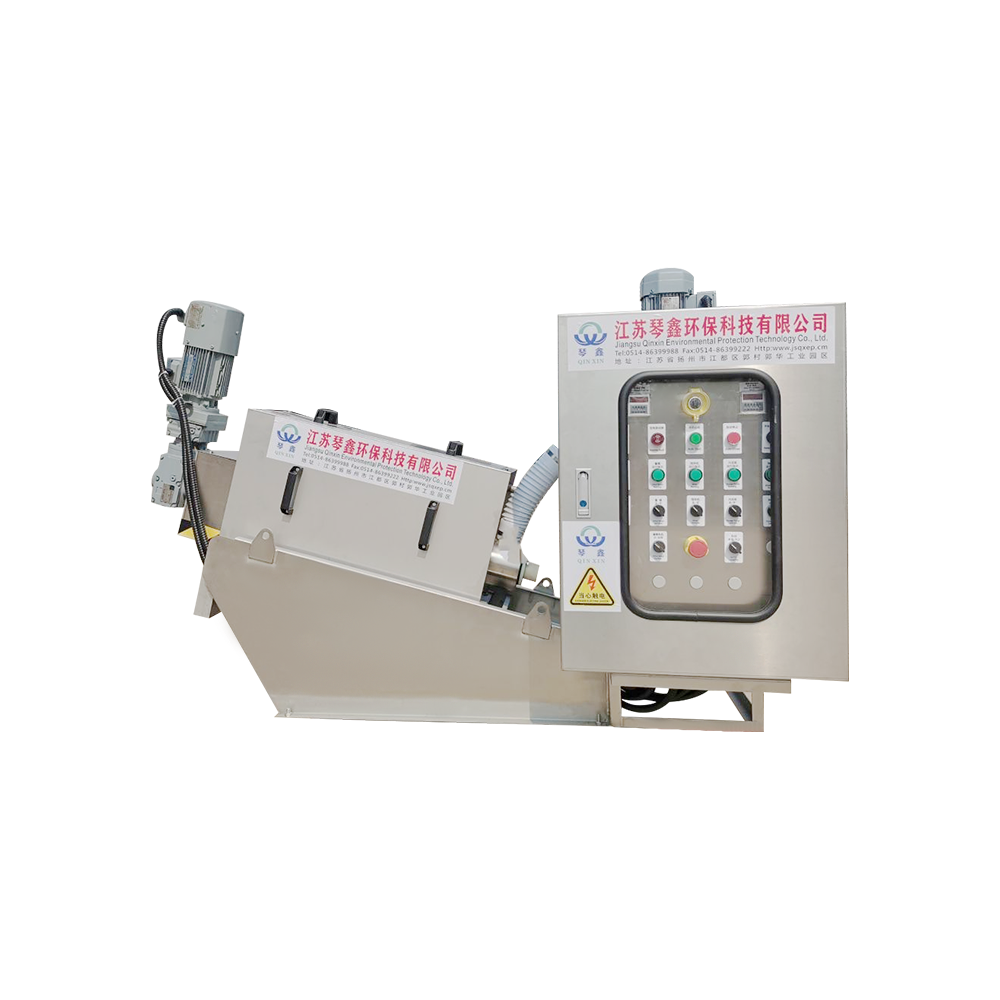
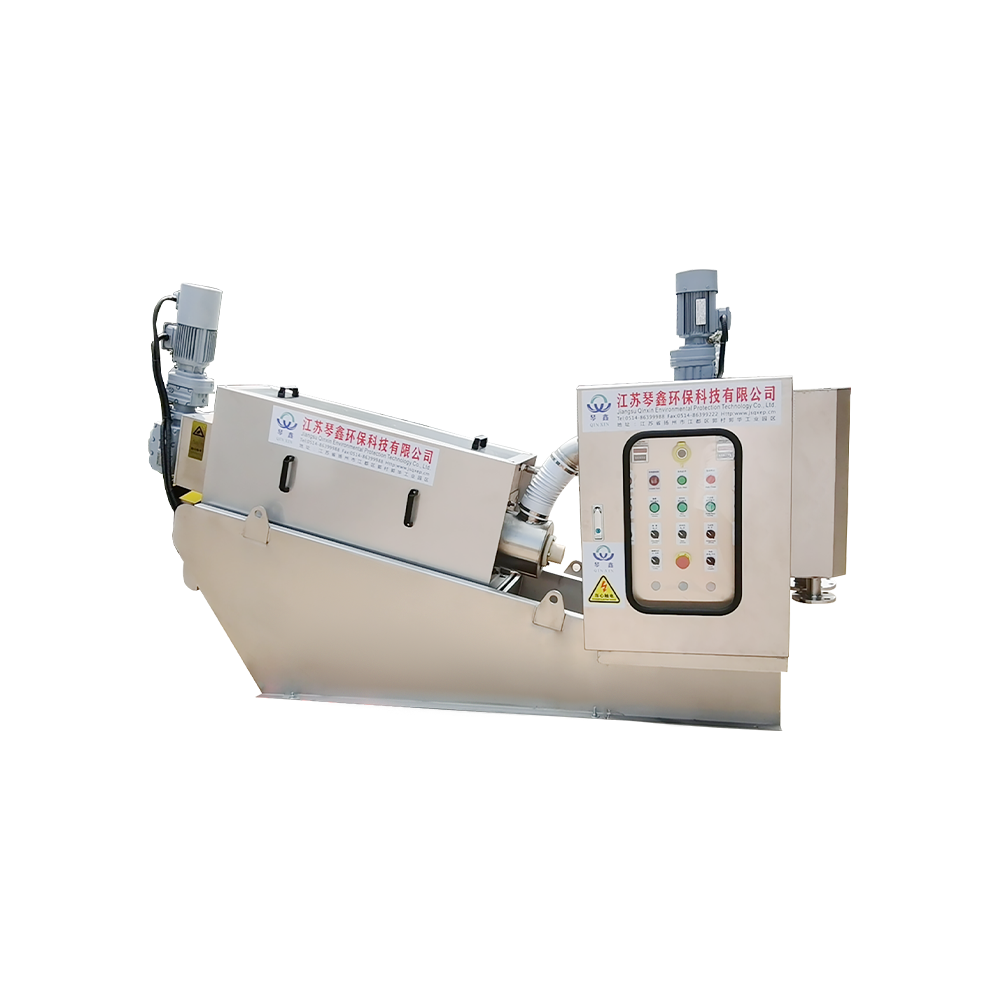
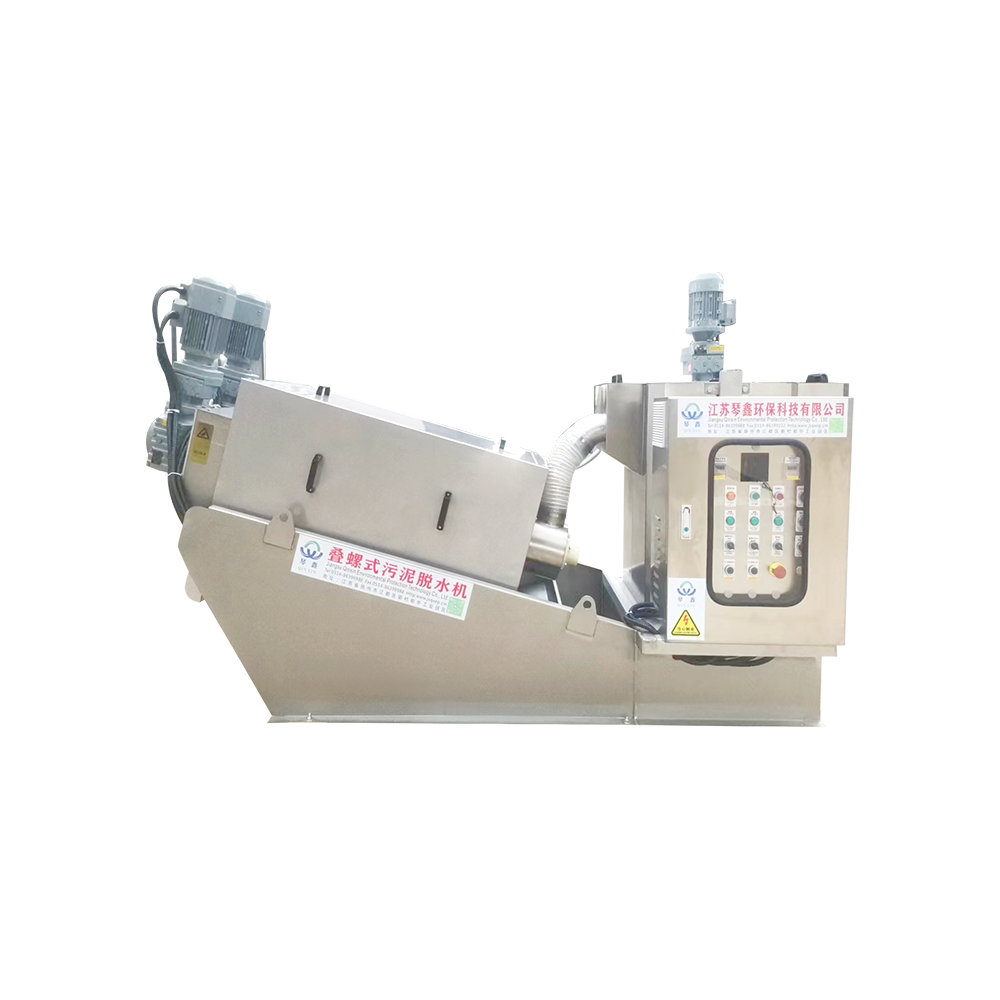
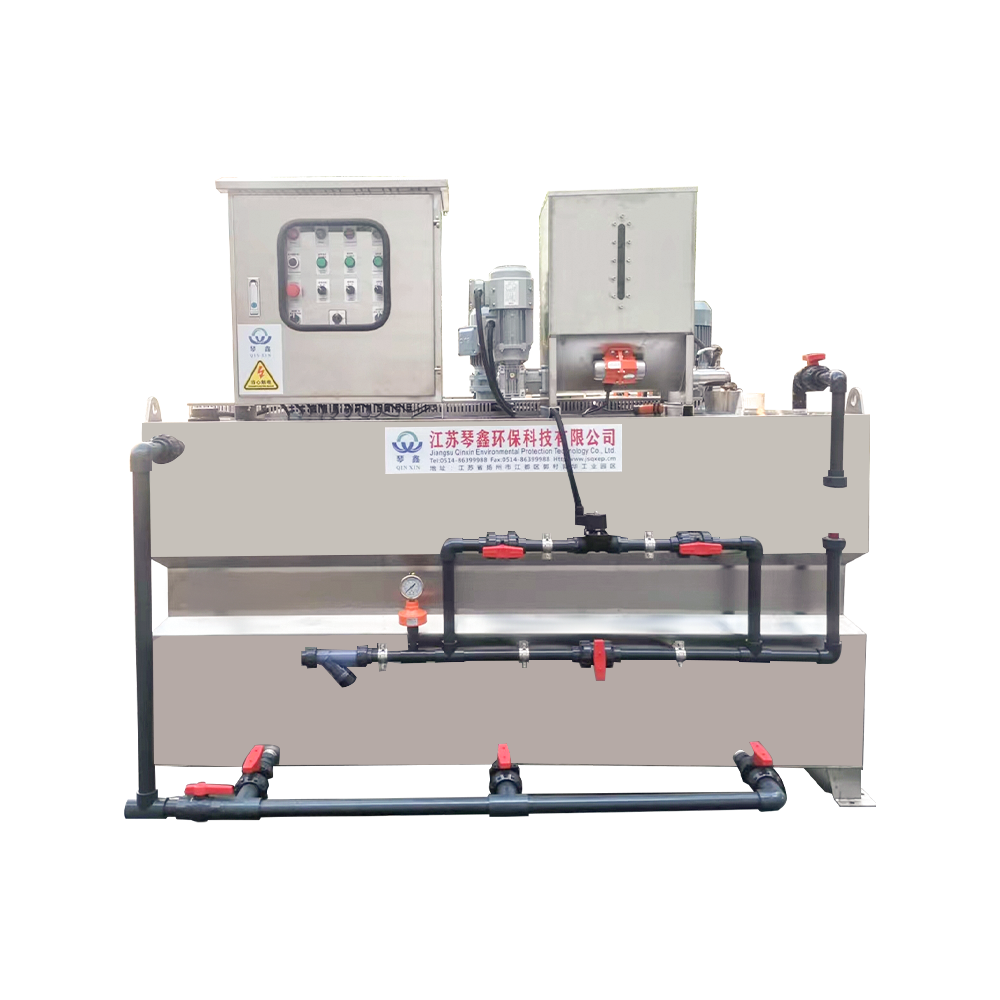
Achieving maximum cake dryness requires a synergistic approach between chemical dosing and mechanical force. Yangzhou Qinxin integrates sludge dewatering equipment with PAM dosing systems to ensure precise polymer application. By creating a stable "floc" before the sludge enters the screw, the machine can exert higher pressures without the sludge "leaking" through the rings. Furthermore, the low energy screw press for paper mill sludge operates at extremely low speeds (2-4 RPM), which preserves the floc structure better than the high-speed centrifugal or high-tension belt methods. This structural integrity of the floc is vital for reaching the highest possible dry solids (DS) content in the discharge.
- High Efficiency: Capable of handling low-concentration sludge (from 2000mg/L) directly from the aeration tank.
- Compact Design: Combines thickening and dewatering in a single unit, reducing the footprint by up to 60%.
- Low Maintenance: Fewer moving parts compared to belt presses, with no belts to replace or track.
- Automated Operation: Fully PLC-controlled to adjust back-pressure and screw speed for varying sludge types.
Frequently Asked Questions (FAQ)
1. What is the typical cake dryness range for a screw dewatering machine?
Depending on the sludge type, a screw dewatering machine can typically achieve 15% to 25% dry solids for municipal sludge and up to 30% or more for certain industrial and paper mill sludges.
2. Can it handle oily sludge effectively?
Yes, the multi disc screw press for oily sludge is specifically designed for these applications. The self-cleaning rings prevent the oily material from blinding the filter, which is a common failure point for belt presses.
3. How much power does the machine consume?
The low energy screw press for paper mill sludge consumes roughly 1/10th of the energy of a centrifuge and significantly less than a belt press because it operates at very low rotational speeds.
4. Does it require constant operator supervision?
No. Our automatic screw press for food waste is designed for 24/7 unattended operation with built-in safety sensors and automated PAM dosing integration.
5. Is the machine suitable for municipal wastewater plants?
Absolutely. The volute screw press for municipal wastewater is the preferred choice for modern municipal plants due to its low noise, low odor, and minimal wash-water requirements.

 TOP
TOP