
 ENG
 English
 русский
 Español
 Tiếng Việt
 ไทย

Article Directory
- 1 01Inspect Key Components on a Regular Schedule
- 2 02Clean the Press and Monitor Operating Parameters
- 3 03Maintain the Polymer, Motor, and Drive Systems
- 4 04Prevent Corrosion and Replace Wear Parts Proactively
- 5 05Build a Preventive Maintenance Schedule
- 6 06Use Data Monitoring to Catch Problems Early
- 7 Frequently Asked Questions
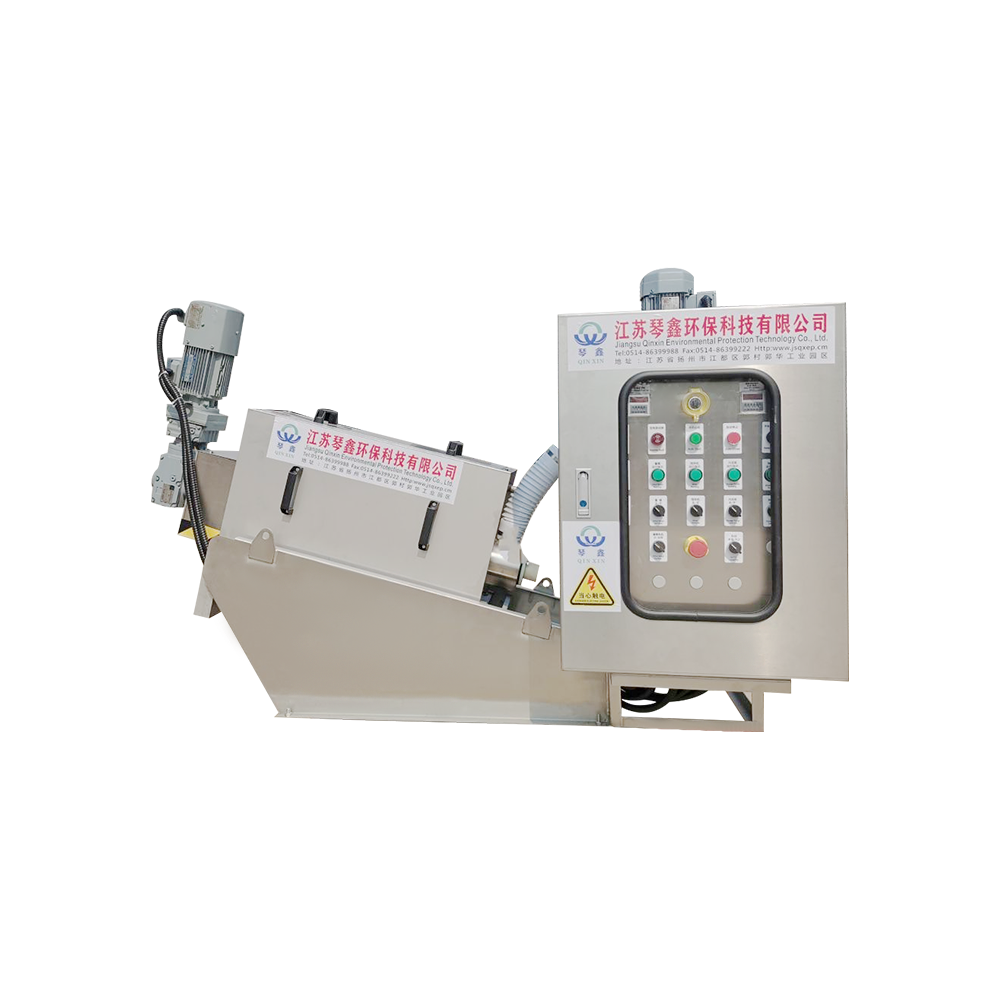
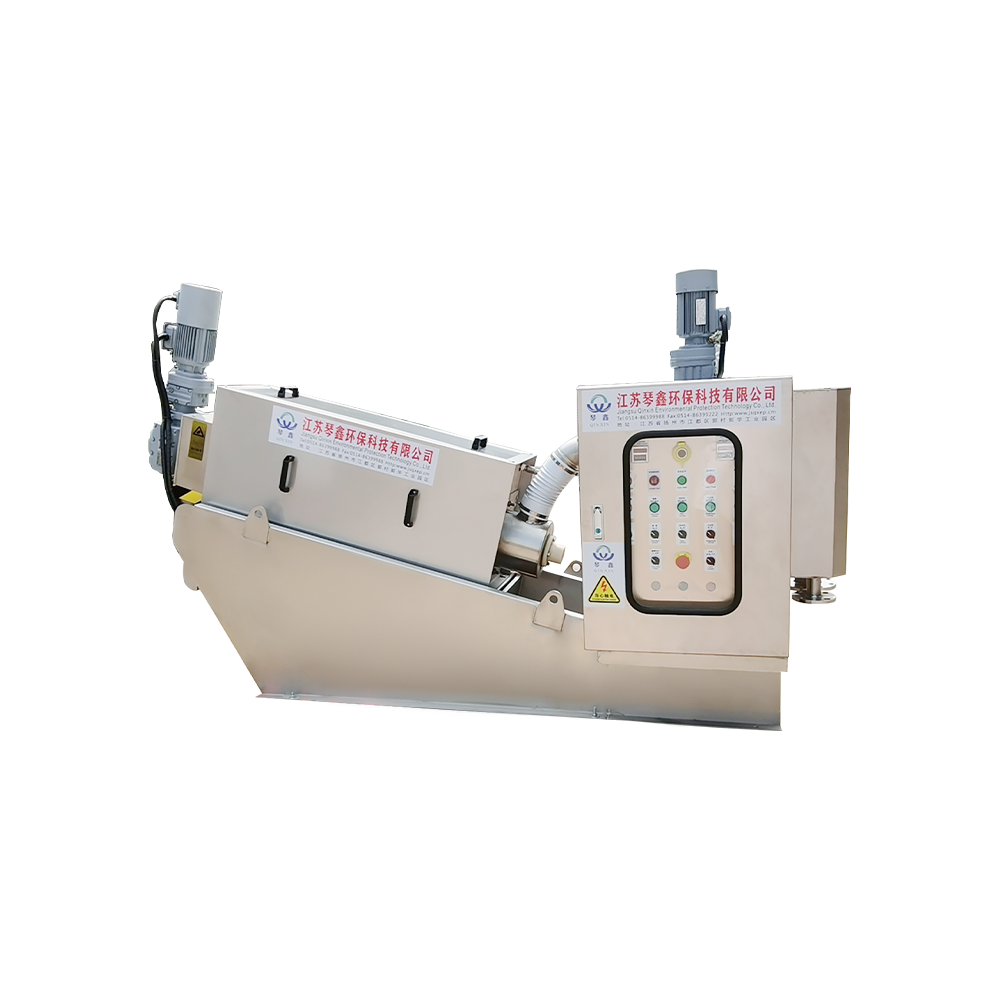
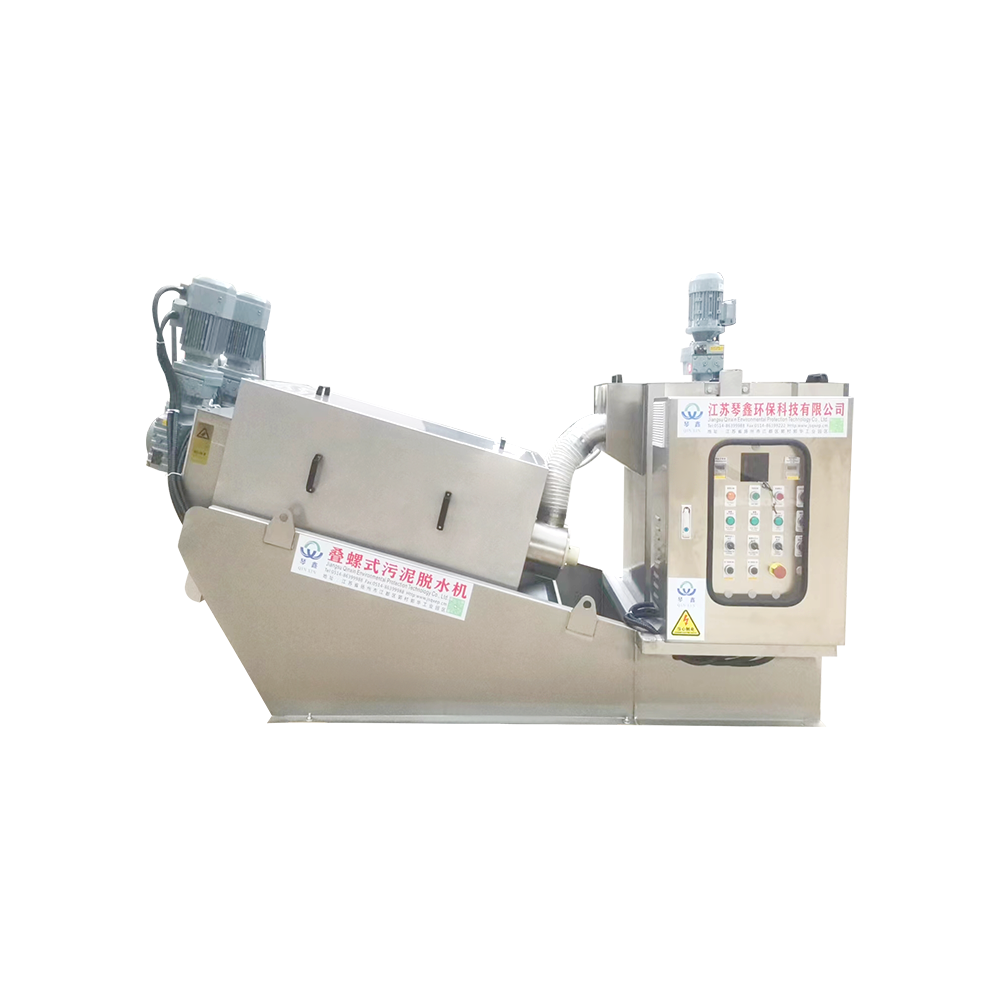
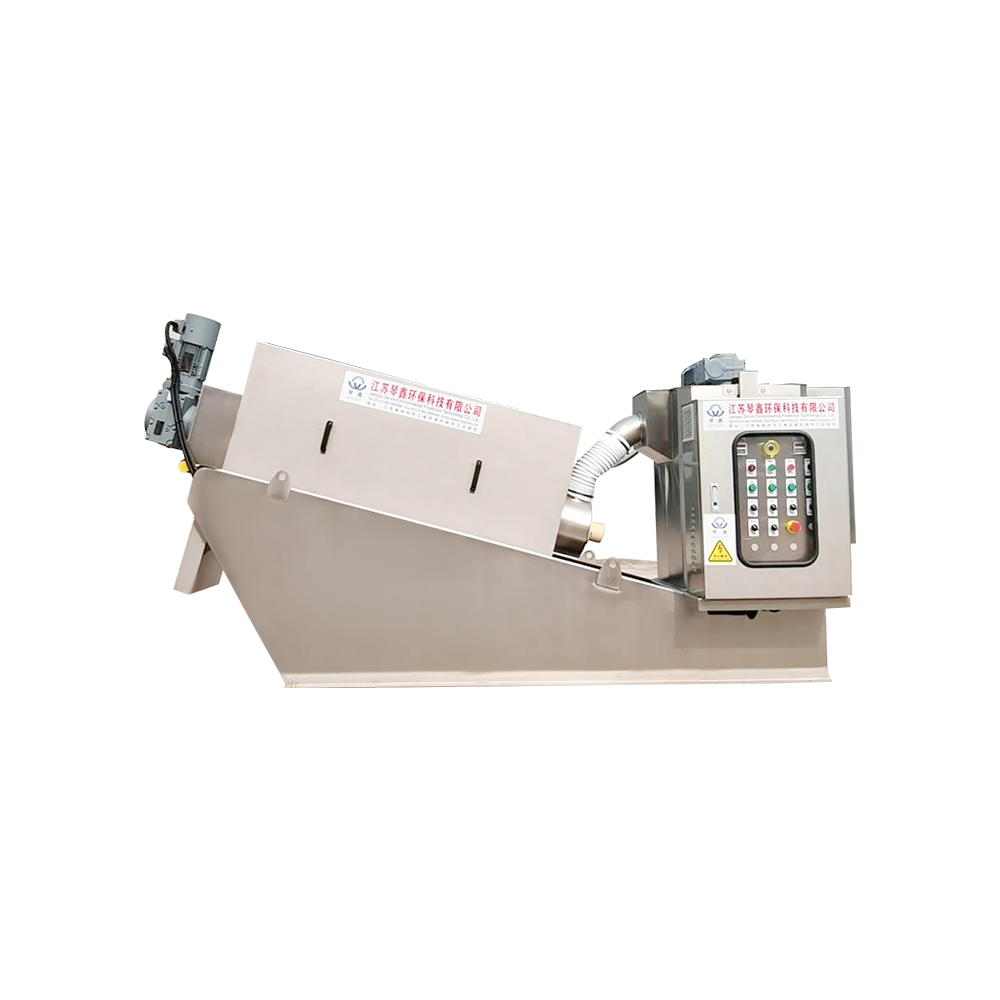
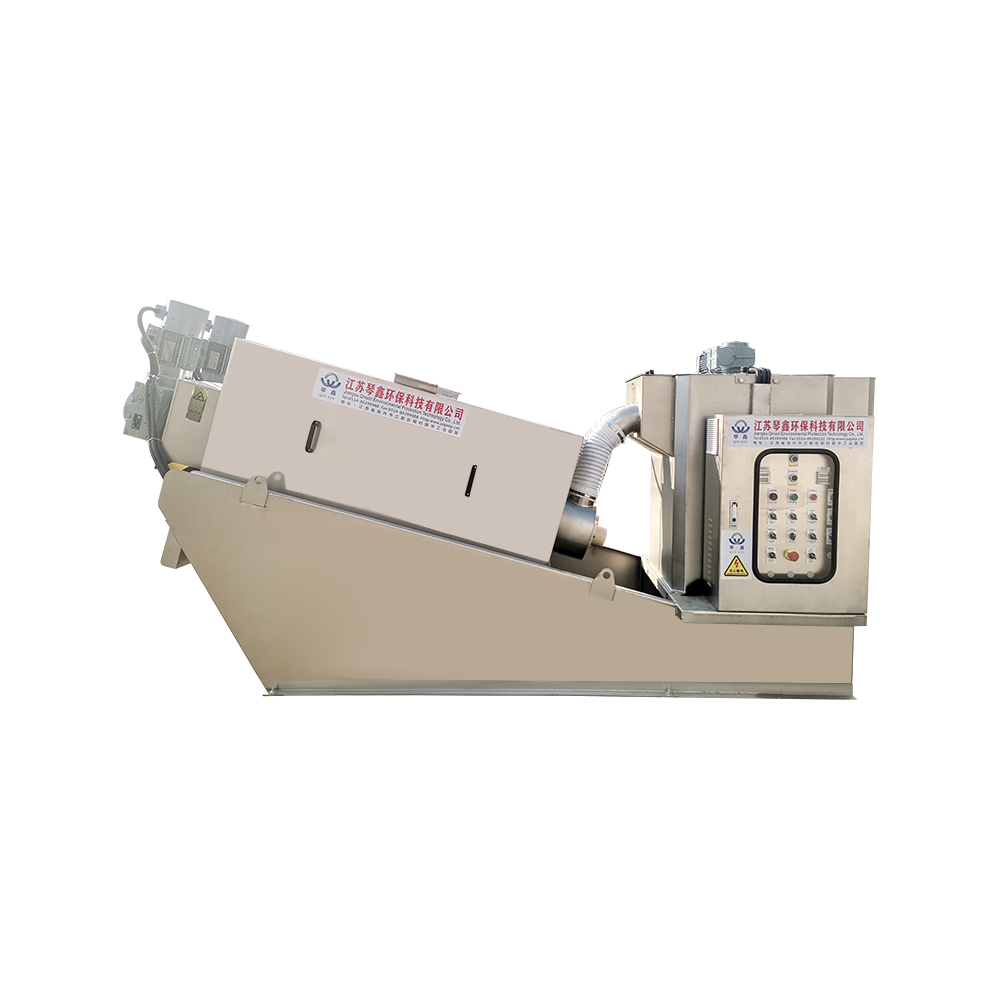
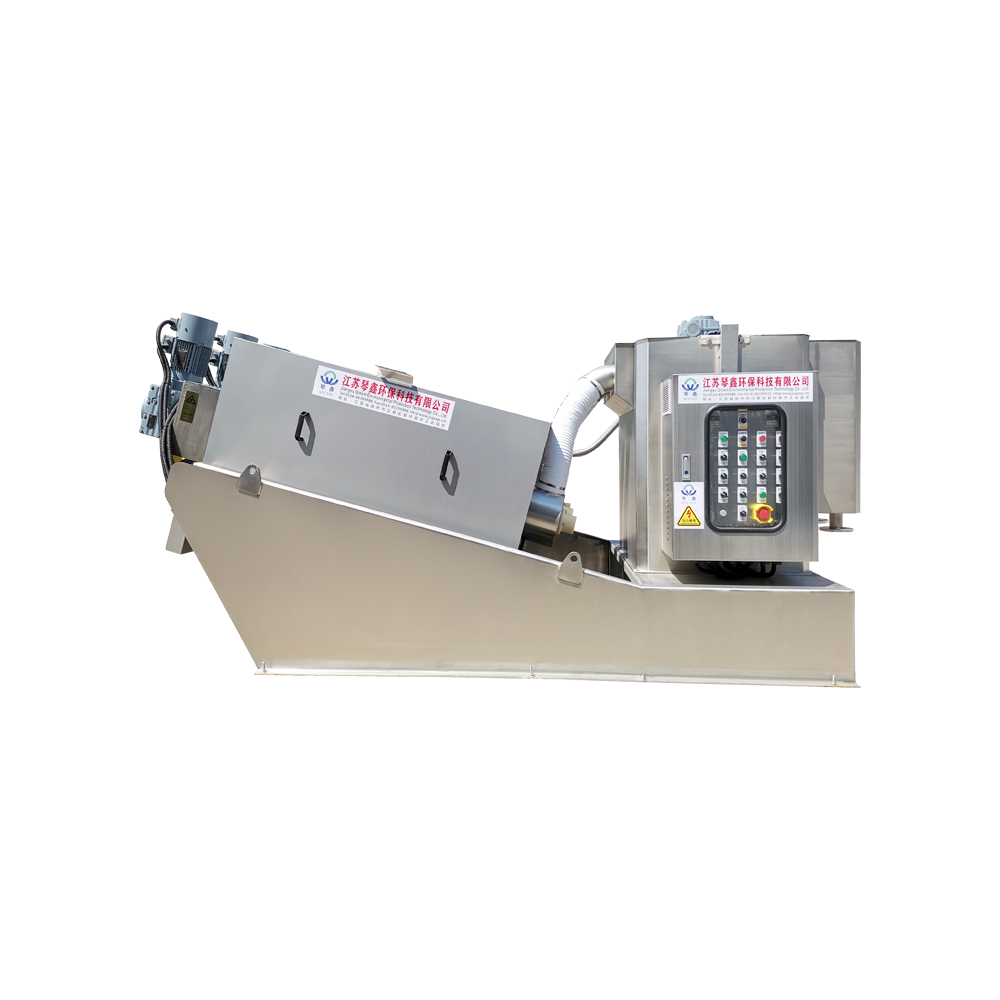
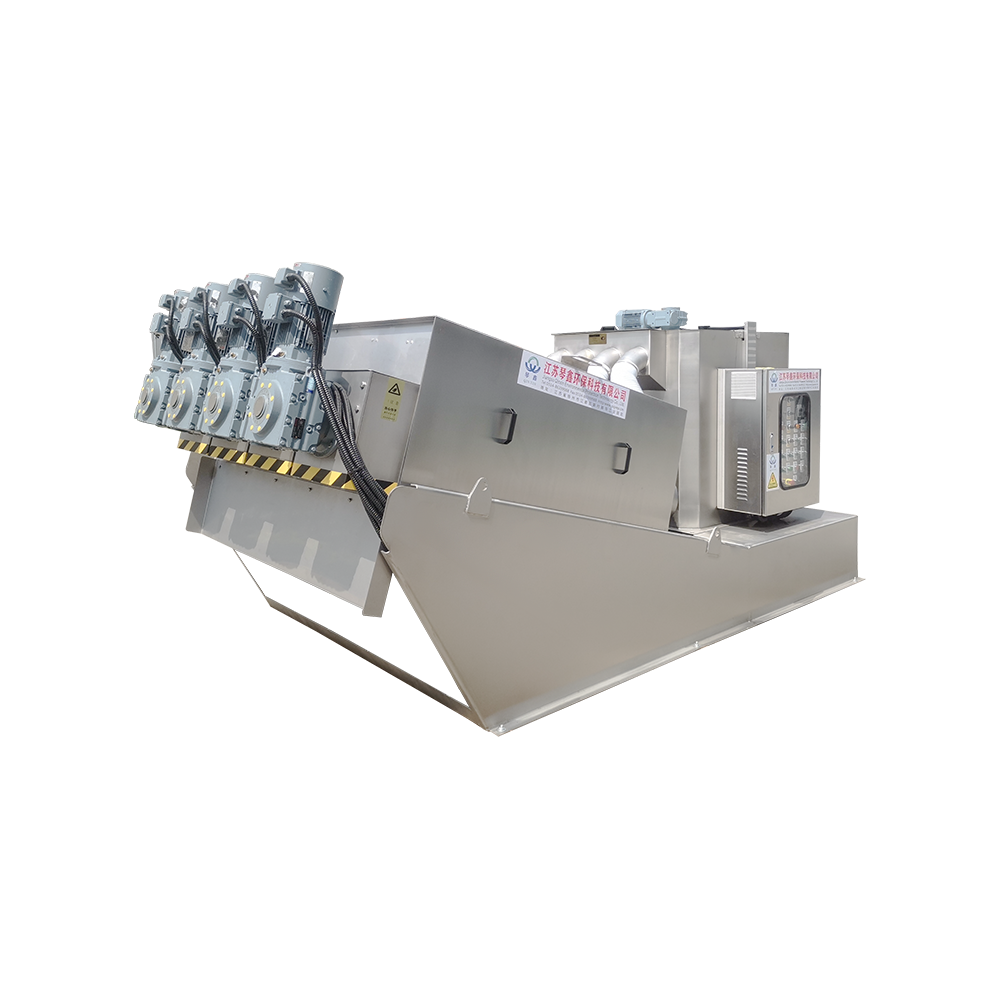
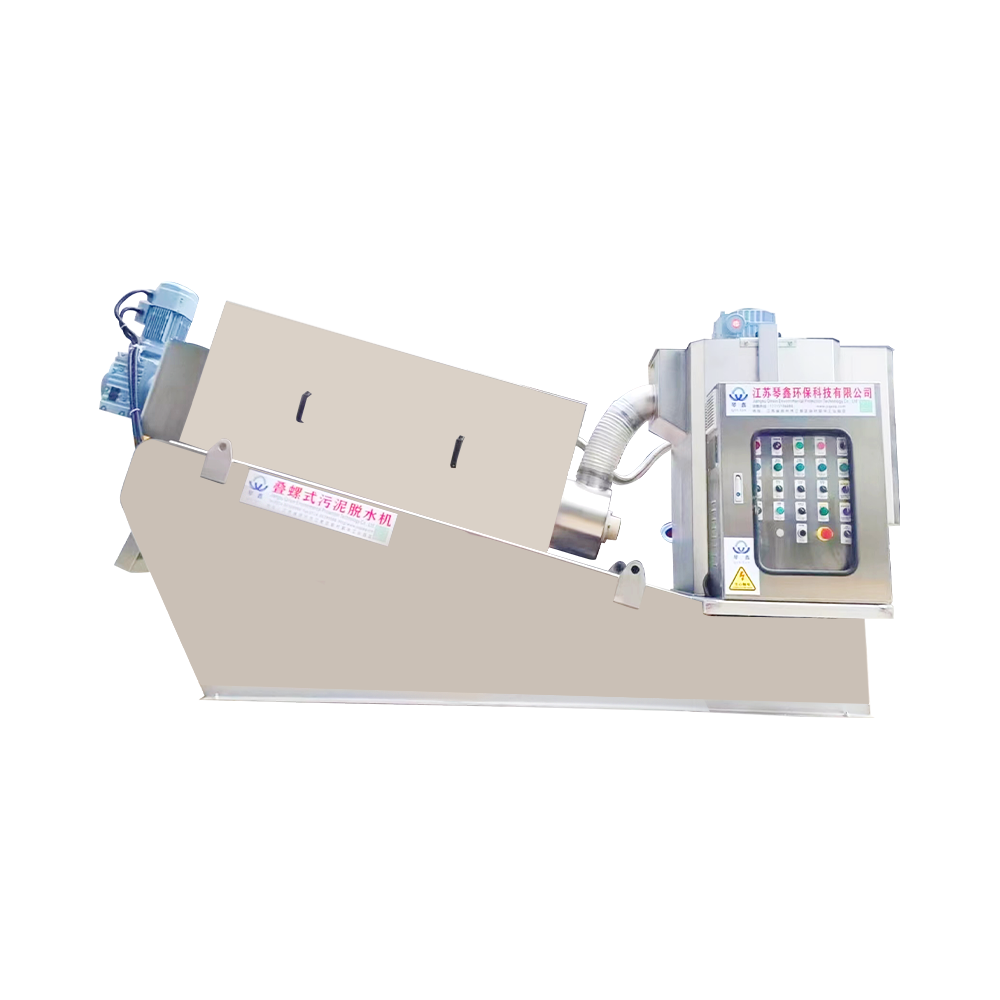
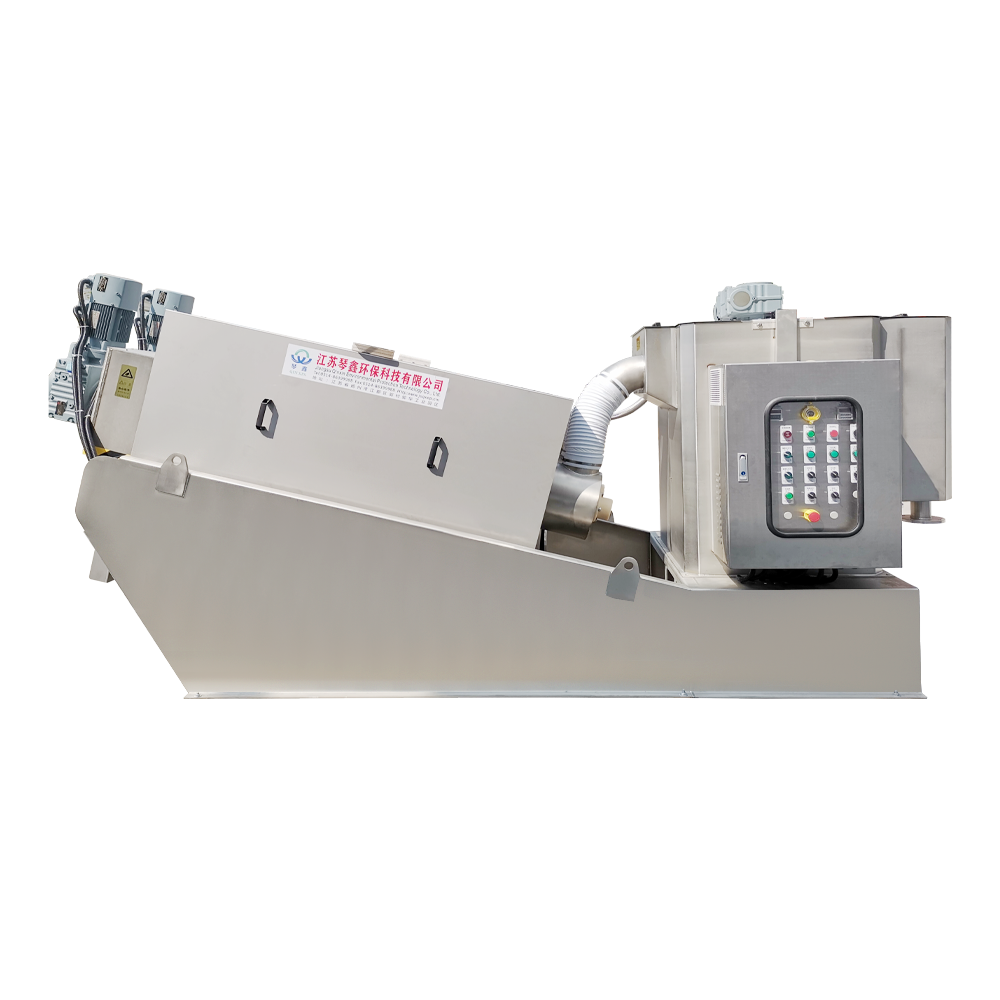
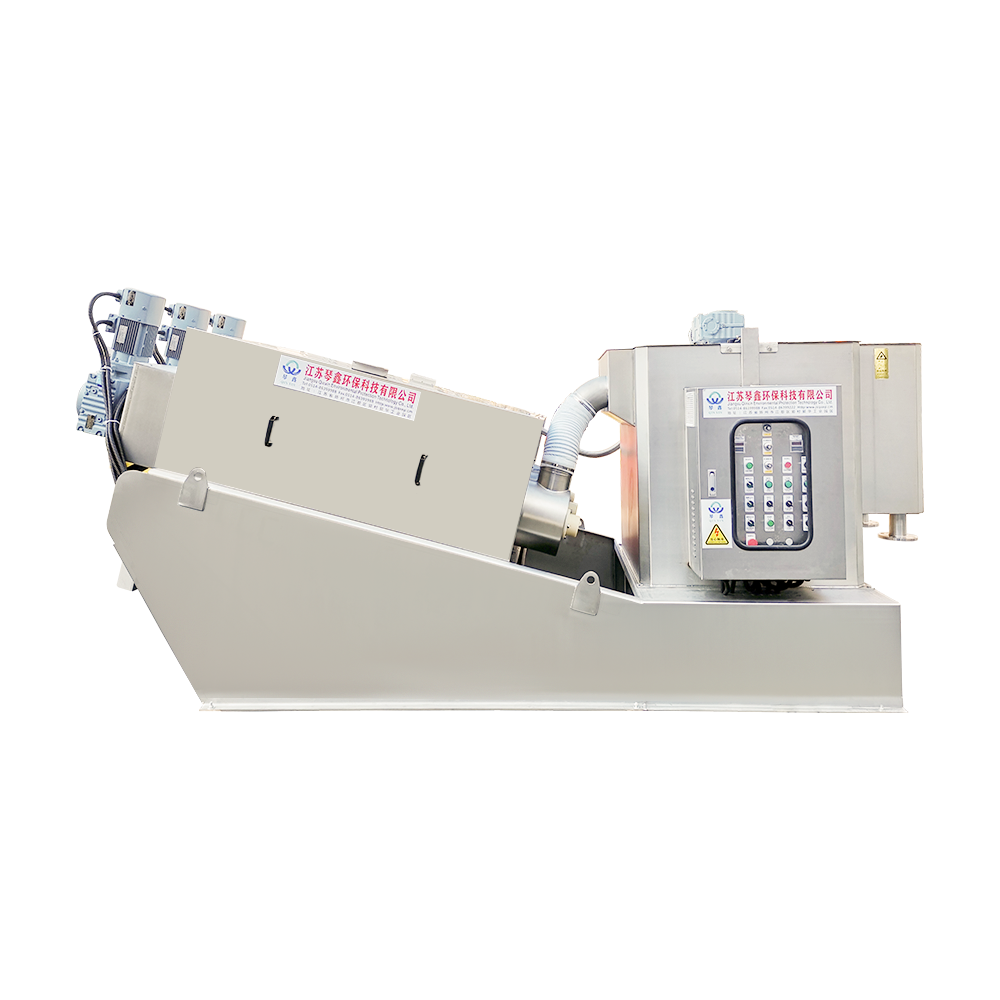
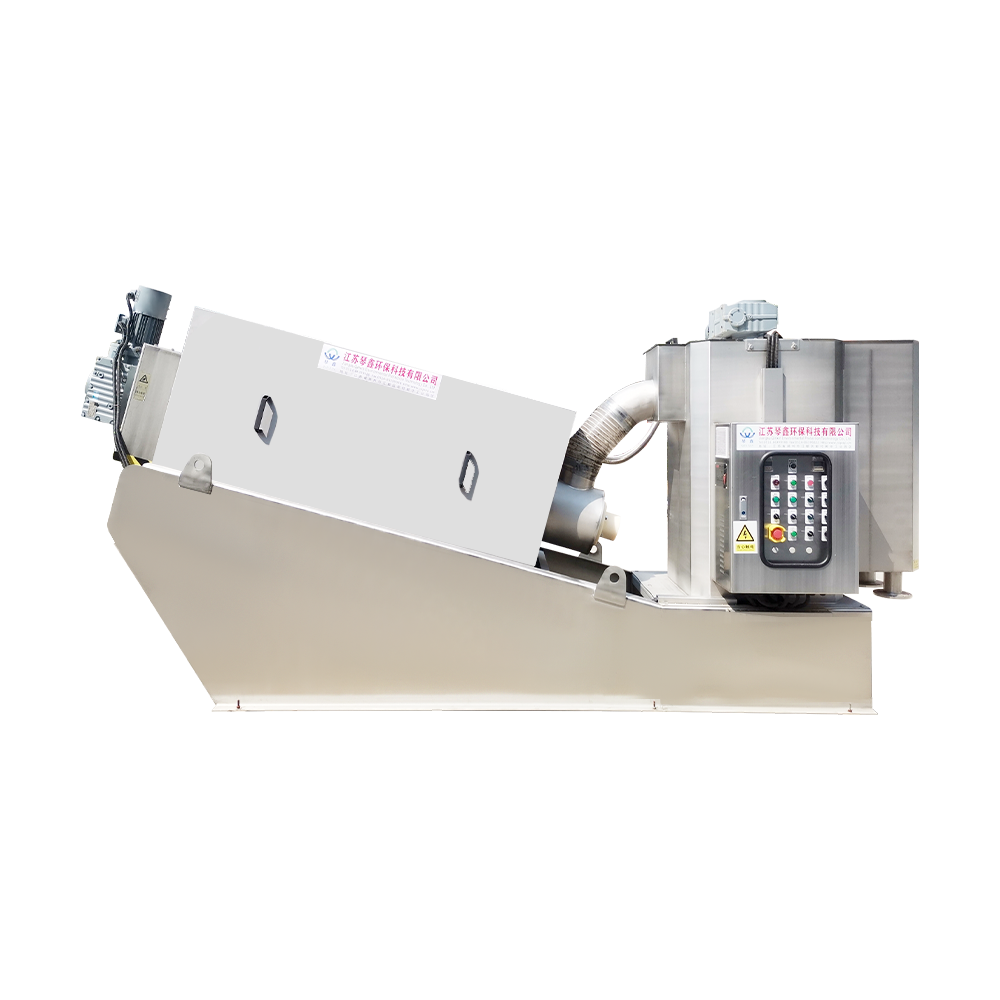
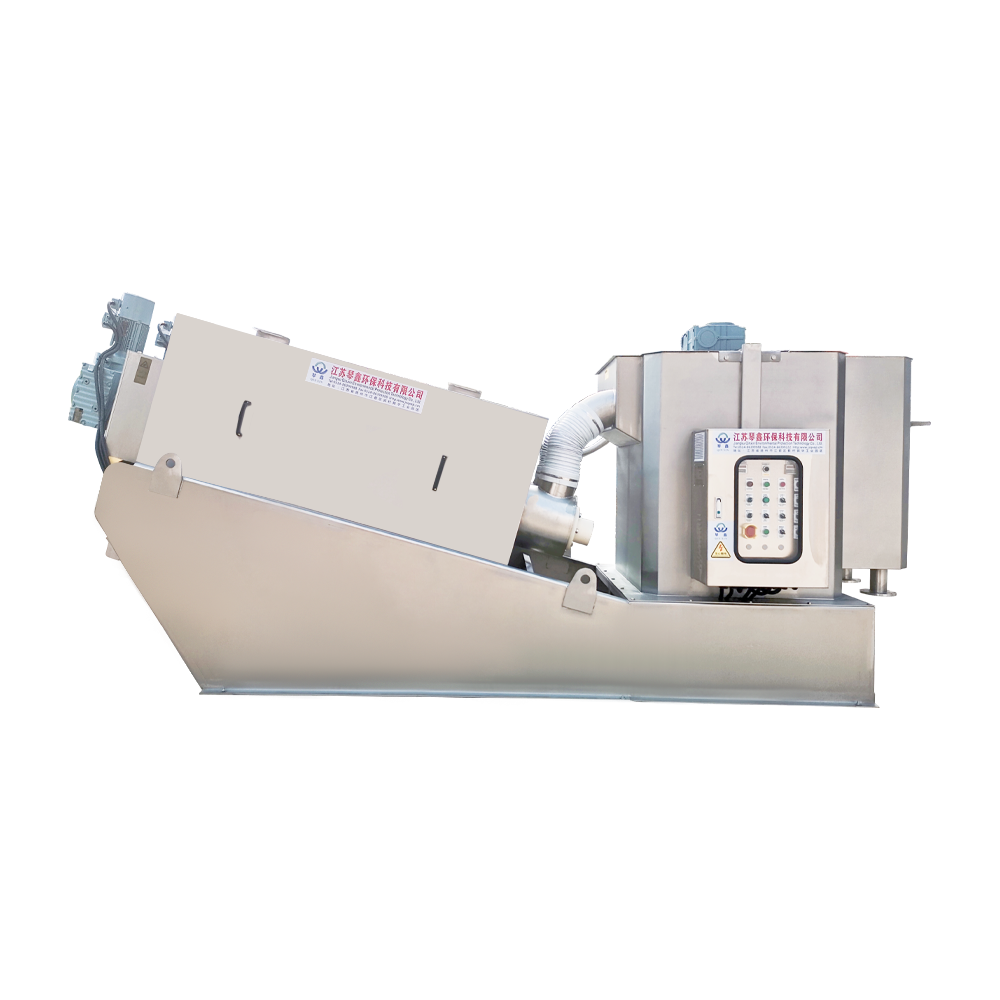
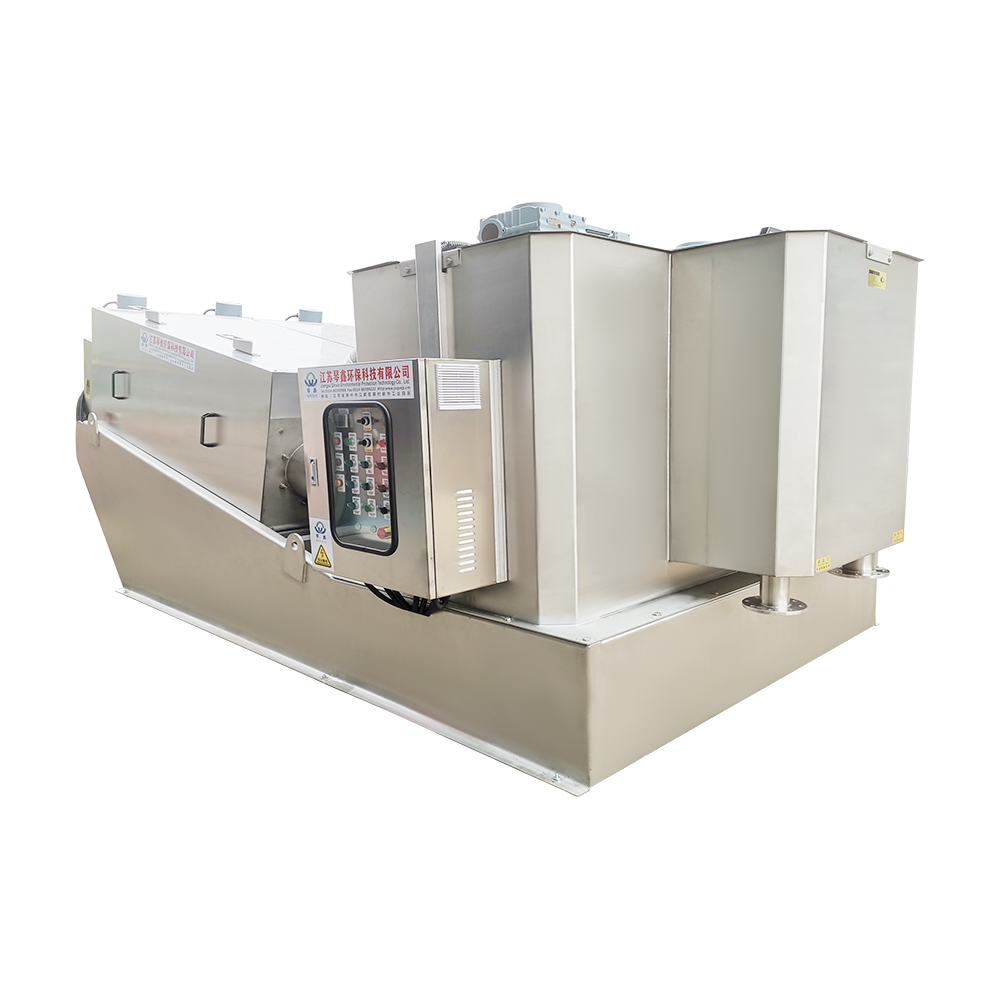
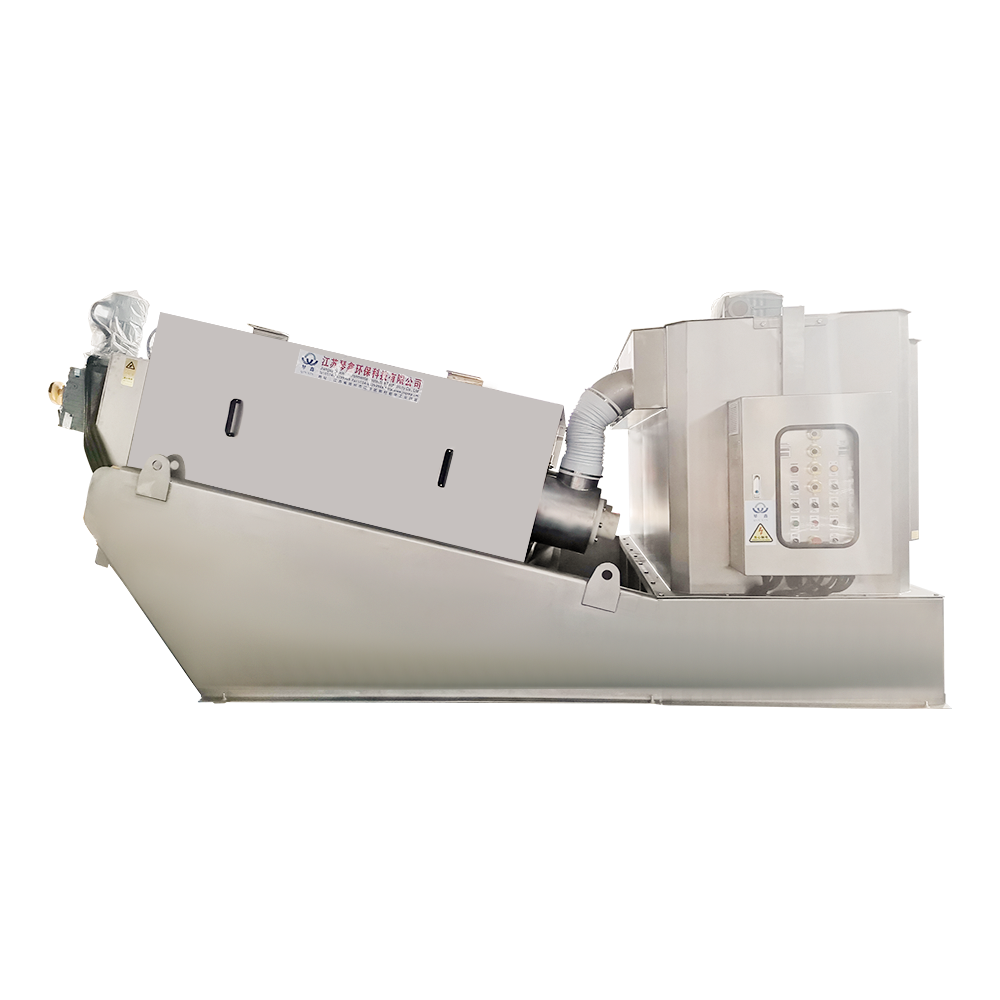
Sludge Screw Press Maintenance is the routine inspection, cleaning, lubrication, and component monitoring program that keeps a screw press dewatering sludge at consistent performance over years of continuous operation. Skipping it does not cause immediate failure — it shows up gradually as wetter sludge cake, higher energy draw, and eventually an unplanned shutdown, which is why Sludge Screw Press Maintenance works best as a scheduled program rather than a reaction to visible problems.
of unplanned sludge screw press downtime traces back to deferred inspection or cleaning rather than a sudden mechanical failure — meaning most stoppages are preventable with a routine schedule.
01Inspect Key Components on a Regular Schedule
The screw shaft and screen cylinder do the actual dewatering work, so both need direct inspection rather than performance monitoring alone. Screw flight wear reduces conveying efficiency and dewatering pressure before it becomes visible in output data. A clogged or damaged screen raises operating pressure and cuts treatment capacity well before it fails outright.
- Screw shaft: wear on flights, surface damage, abnormal vibration, deformation
- Screen cylinder: blockage, surface damage, reduced filtration performance
02Clean the Press and Monitor Operating Parameters
Self-cleaning functions reduce manual cleaning but do not remove the need for it. Spray nozzles, cleaning water pressure, and residual sludge buildup should still be checked on a routine basis to protect filtration performance. Screw rotation speed, feeding rate, back pressure, and polymer dosage all directly affect dewatering results — incorrect settings drive up moisture content, lower solids recovery, and waste energy.
Equipment Reliability: With vs Without a Preventive Maintenance Schedule
Illustrative reliability trend over five years of operation, with and without a preventive maintenance program.
03Maintain the Polymer, Motor, and Drive Systems
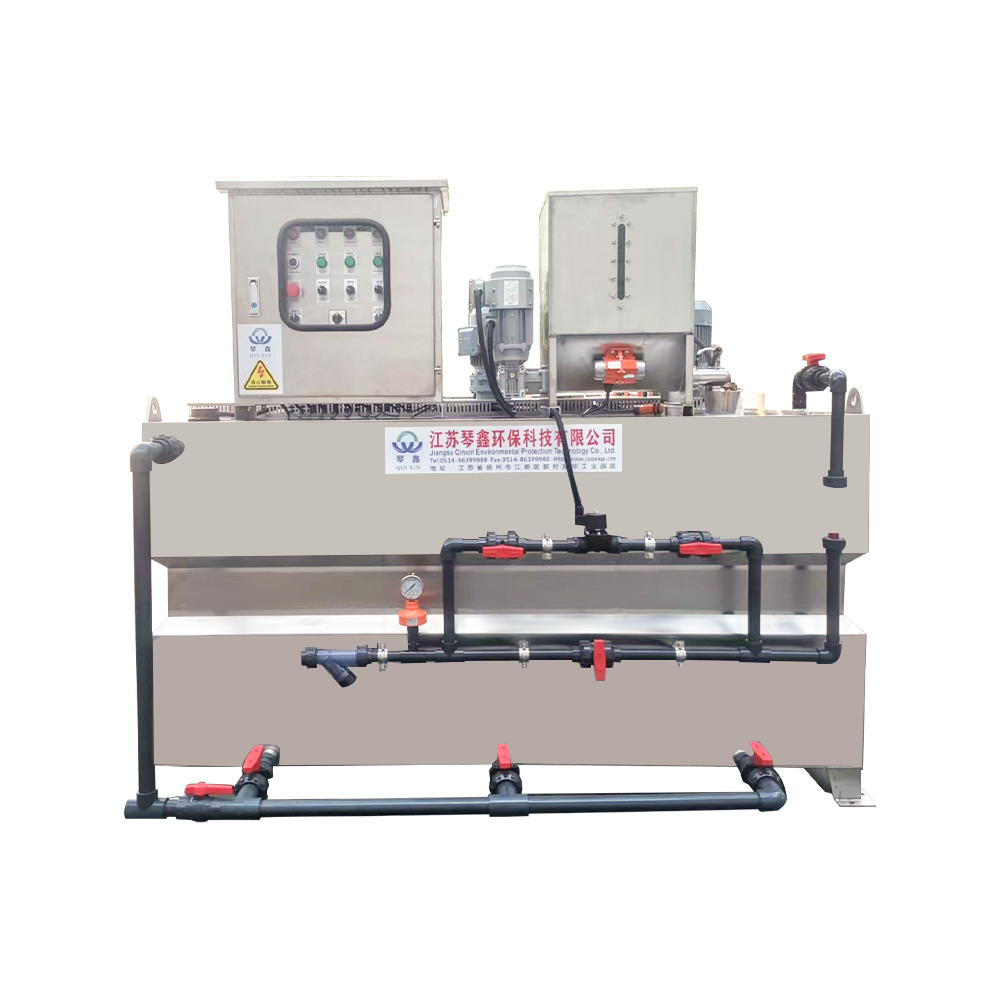
Polymer conditioning improves floc formation and water separation before sludge reaches the screw, so checking concentration, dosing pump function, and dosage adjustment belongs in the routine, not just the initial setup. On the drive side, motor temperature, noise, vibration, and electrical performance need regular checks, alongside gear reducer lubricant level, oil quality, and leakage — problems here are what typically cause unplanned shutdowns rather than the screw press itself.
04Prevent Corrosion and Replace Wear Parts Proactively
Wastewater environments carry chemicals, salts, and organic material that accelerate corrosion, so stainless steel surfaces, welded areas, and exposed components need regular inspection and cleaning. Wear parts — screw shaft components, screen sections, bearings, seals, and cleaning nozzles — should be replaced on a preventive schedule, since planned replacement is consistently more cost-effective than emergency repair after a failure interrupts production.
Most Common Root Causes Behind Screw Press Issues
Share of maintenance tickets attributable to each root cause across typical screw press operations.
05Build a Preventive Maintenance Schedule
| Frequency | Recommended Tasks |
| Daily | Operation status, sludge output, abnormal noise |
| Weekly | Screen, cleaning system, polymer system |
| Monthly | Motor, gearbox, lubrication points |
| Quarterly | Wear parts and electrical components |
| Annually | Complete system inspection and evaluation |
Common Problems and Solutions
| Issue | Likely Cause | Solution |
| Low sludge dryness | Incorrect pressure or dosage | Adjust operating parameters |
| Screen blockage | Poor cleaning performance | Inspect cleaning system |
| Excessive vibration | Mechanical wear | Check screw and bearings |
| Unstable output | Irregular sludge feeding | Stabilize feed flow |
06Use Data Monitoring to Catch Problems Early
Modern sludge screw presses can track operating hours, motor load, sludge flow, and alarm conditions continuously. That data lets operators identify developing problems before they affect output, optimize operating parameters against real conditions, and improve energy efficiency — capabilities that a purely manual inspection schedule cannot match on its own.
Frequently Asked Questions
How often should a sludge screw press be inspected?
Operation status and output should be checked daily, with screens and cleaning systems weekly, motor and gearbox monthly, wear parts quarterly, and a full system evaluation annually.
What causes most sludge screw press downtime?
Irregular sludge feeding and incorrect polymer dosage are the most common root causes, ahead of mechanical wear, cleaning gaps, and drive system overload.
Why does polymer dosing matter for maintenance, not just operation?
Polymer conditioning affects floc formation and water separation directly, so dosing pump function and concentration need the same routine checks as mechanical components.
Is preventive part replacement more cost-effective than emergency repair?
Yes. Replacing wear parts like screw shaft components, screens, bearings, and seals on a preventive schedule typically costs less than emergency repair after a failure interrupts production.

 TOP