
 ENG
 English
 русский
 Español
 Tiếng Việt
 ไทย

Article Directory
Sludge dewatering is typically the most expensive single step in a wastewater treatment plant's operation. The machine you choose determines cake disposal cost, polymer consumption, energy draw, and shift labor for years to come. The first practical conclusion is therefore simple: evaluate the sludge, the disposal route, and the site before comparing price lists. A machine that saves 20% on purchase price but consumes 10% more polymer will erase that advantage within the first operating year.
This guide explains the selection variables that separate reliable projects from costly ones, and shows where a multi-disc screw press fits relative to belt presses, centrifuges, and plate-and-frame filters.
Start with the Sludge, Not the Machine Brand
Every dewatering machine interacts with the same sludge in a different way. If you specify the equipment before you characterize the feed, you risk blinding screens, burning out drives, or consuming polymer at double the expected rate. Collect four pieces of information first:
- Sludge type. Municipal biological sludge, industrial chemical sludge, oily sludge, livestock manure, and food processing waste each have distinct flocculation and pressing behavior. A solution that works for paper-mill waste can fail completely on food waste.
- Feed solid content. Multi-disc screw presses accept thin sludge around 2,000 to 5,000 mg/L and thicken it inside the dewatering zone. Belt presses prefer pre-thickened feed at 2% to 4% DS, while decanter centrifuges need a steady density to avoid load-related trips.
- Particle behavior. Fibrous material from paper, livestock, or food plants helps a screw press form a stable cake but can blind filter cloth and accelerate wear in rotating parts. Grit and sand are abrasive in every technology.
- Chemical response. Run a jar test with two or three PAM polymer types. If the floc releases water under gentle shear, you will use less polymer; if it needs strong conditioning, your operating cost profile changes completely.
Measure the feed concentration, perform that jar test, and note how quickly the sludge releases water. Those results will eliminate entire machine families before you ask for quotes.
Set a Realistic Cake Dryness Target
Cake dryness is a contract with the downstream process, not a marketing number. Landfill operators normally require a cake that passes the paint filter test or reaches about 20% dry solids. Incinerators reward higher dryness because every kilogram of water consumes fuel. Agricultural and composting routes impose their own pathogen and odor limits. Write down the required % DS before opening brochures, and compare only machines that can reach it.
In commercial practice, a multi-disc screw press delivers 20% to 25% DS for municipal mixed sludge, a belt press 18% to 25%, a decanter centrifuge 22% to 30%, and a plate-and-frame press 30% or more when conditioned with lime or iron salts. Above 35% DS, you are selecting a thermal dryer, not a mechanical dewatering machine.
Common dewatering technologies at a glance
| Technology | Typical cake dryness | Energy use | Polymer demand | Footprint | Best suited for |
|---|---|---|---|---|---|
| Multi-disc screw press | 20–25% DS | Low | Low to medium | Compact | Thin, oily, fibrous sludge; continuous operation in tight spaces |
| Belt filter press | 18–25% DS | Low | High | Large | Pre-thickened municipal sludge with steady flow |
| Decanter centrifuge | 22–30% DS | High | Medium | Medium | High-throughput plants with consistent feed |
| Plate-and-frame press | 30–45% DS | Medium | High with conditioning | Large, tall | Batch operation and very high dryness targets |
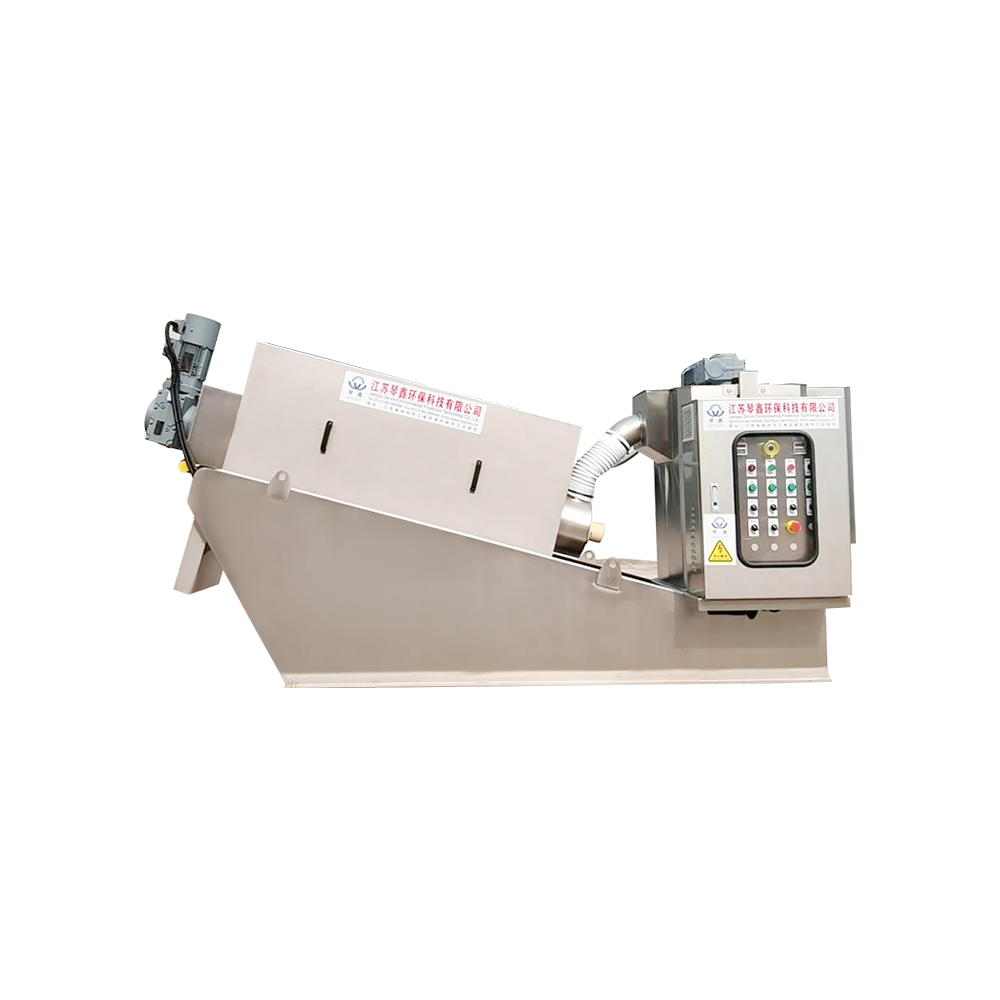
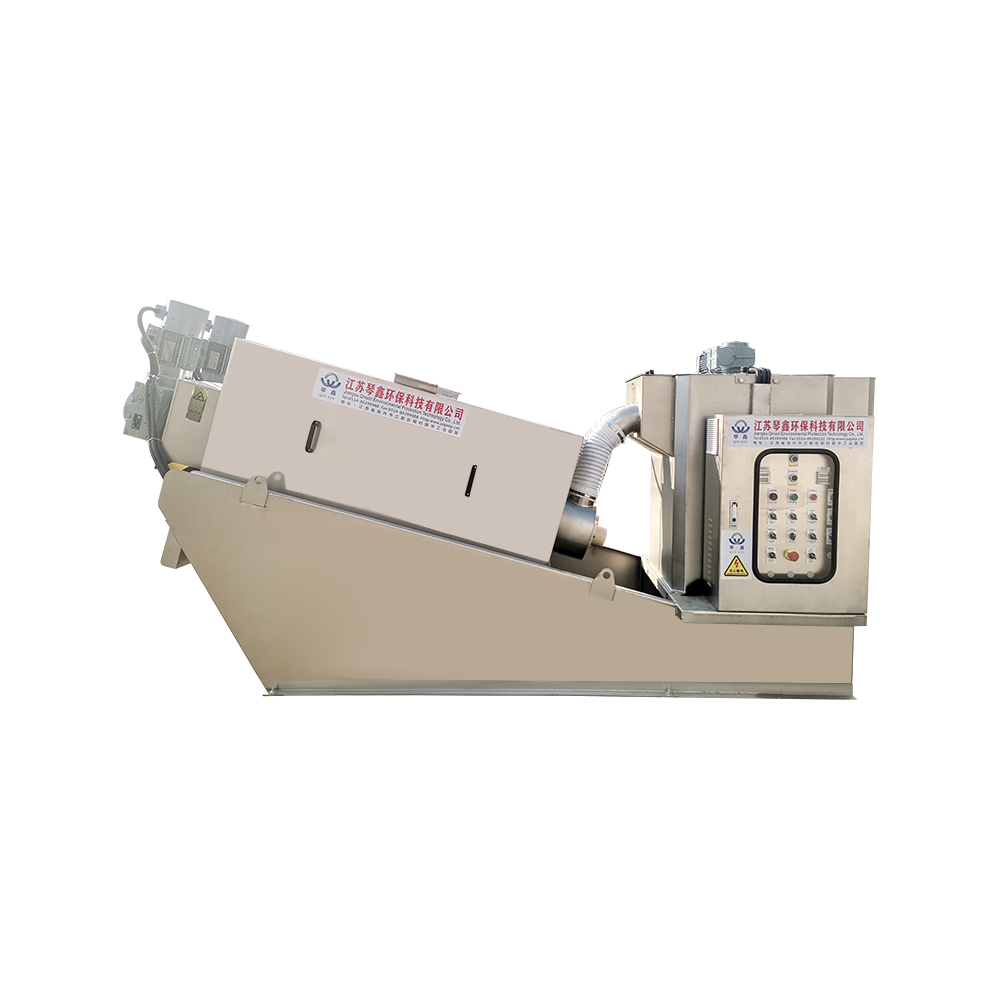
Use the table as a screening tool. It will not replace a pilot trial, but it will tell you which machine family deserves one. If the project requires continuous duty, low noise, and a compact footprint, the comparison usually narrows to the screw press versus the centrifuge. For the mechanical detail behind that comparison, read this complete guide to screw press sludge dewatering machines, which explains how the stacked-disc design builds and discharges cake.
Size the Machine on Dry Solids, Not Flow Alone
Datasheet flow rates in cubic meters per hour are useful for piping design but misleading for sizing, because they are normally based on thin feed. A machine that handles 50 m³/h at 1% DS will handle far less when the feed thickens to 3%. Size the dewatering unit on kilograms of dry solids per hour and on the conditioned-feed concentration your operators can realistically deliver.
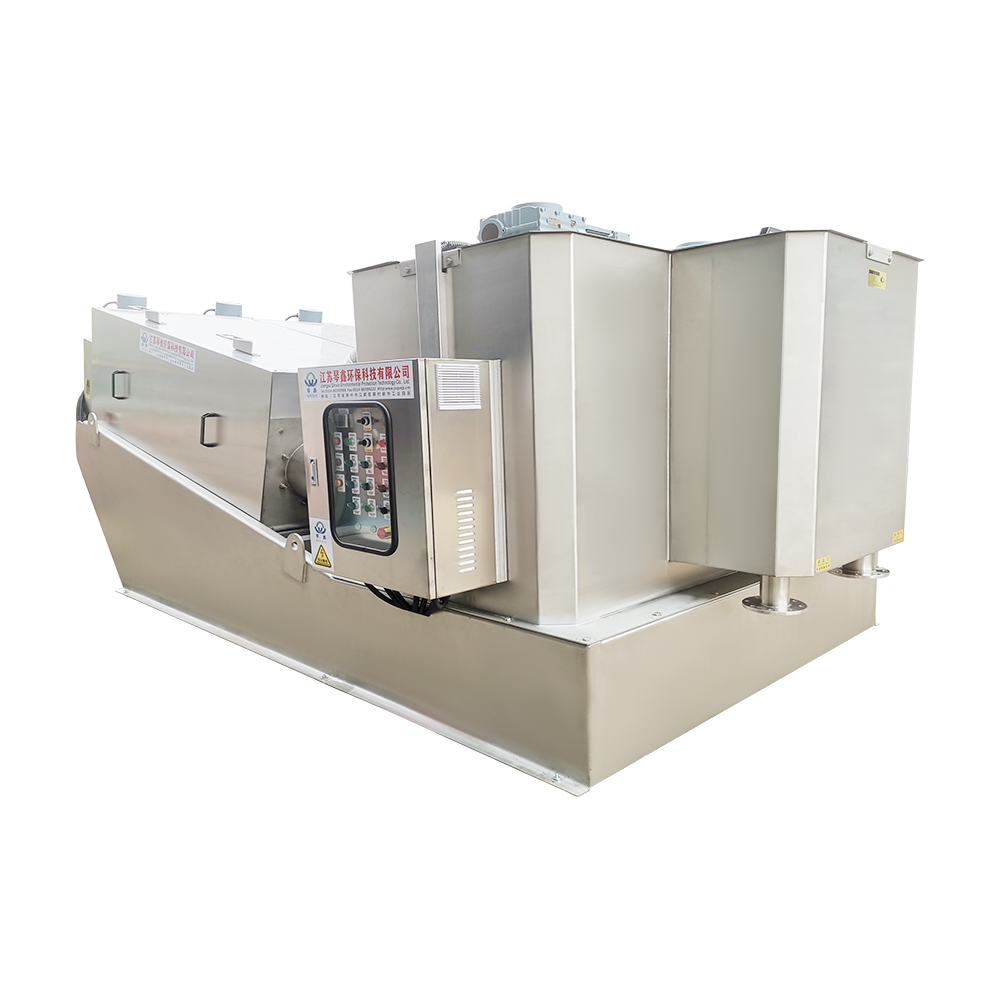
Site constraints matter as much as throughput. A filter press needs tall headroom for plate opening, a belt press needs floor area for its cloth and wash system, and a centrifuge needs acoustic treatment in enclosed spaces. A multi-disc screw press fits a compact footprint and can be fully enclosed to control odor. In an older plant, that often makes it the only retrofit that avoids structural work.
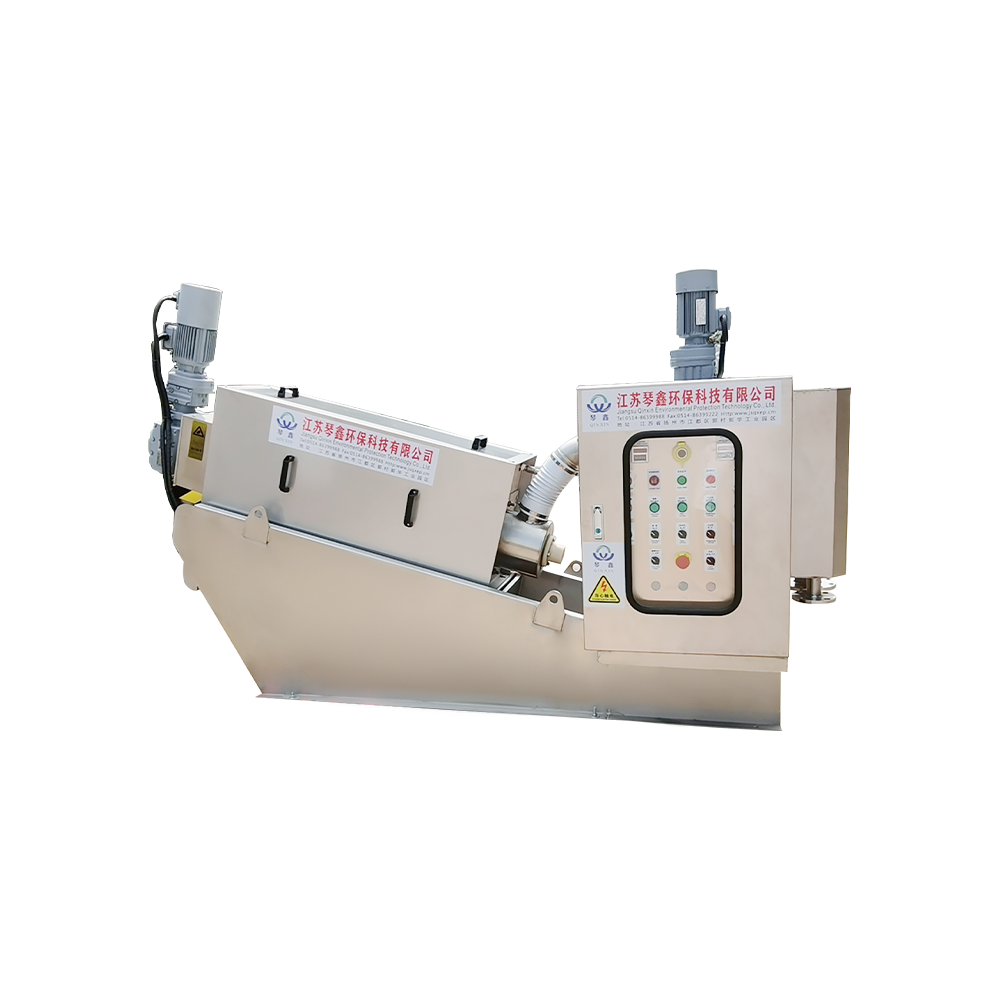
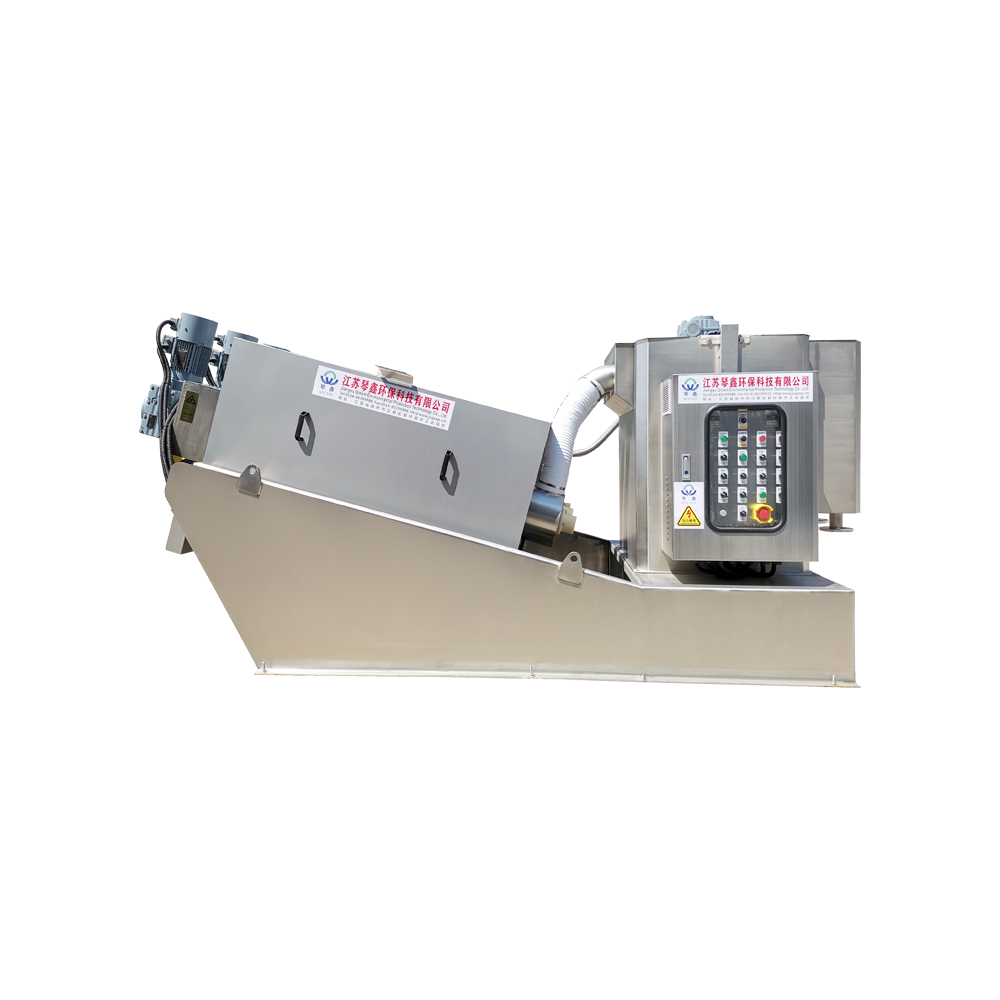
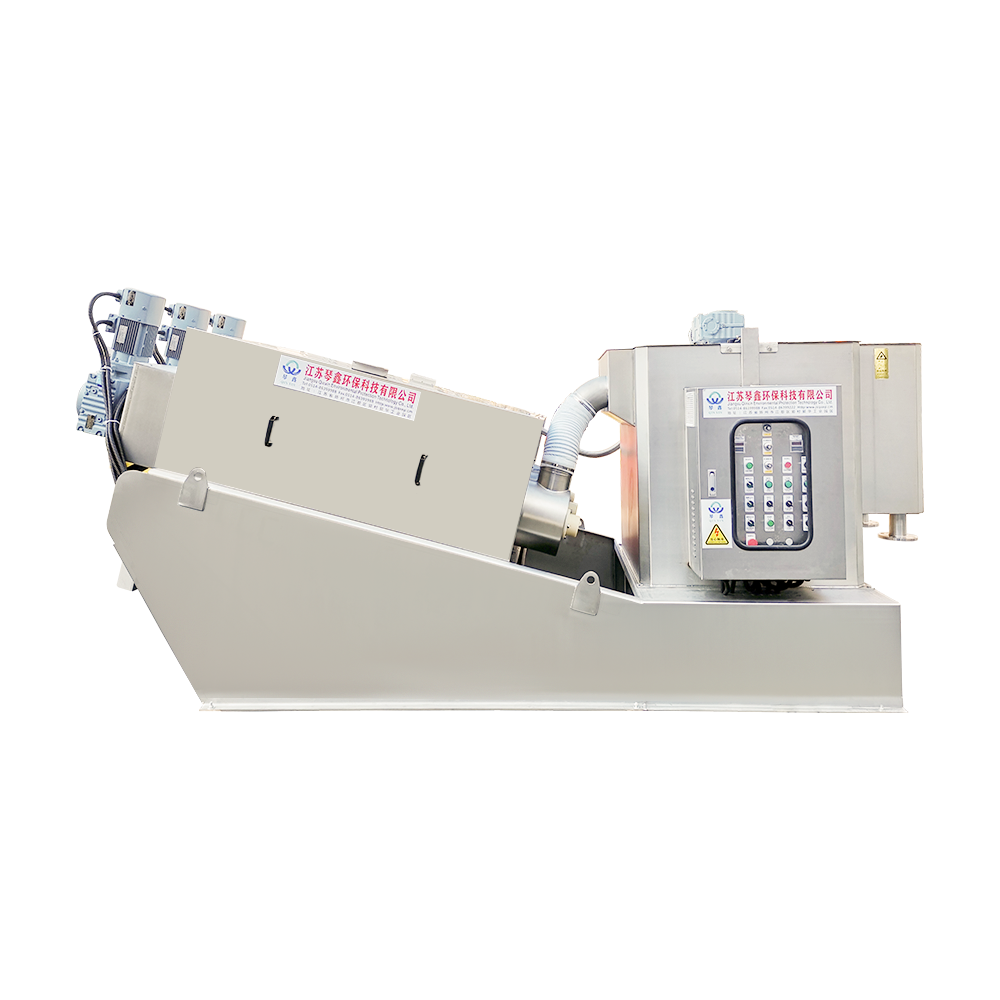
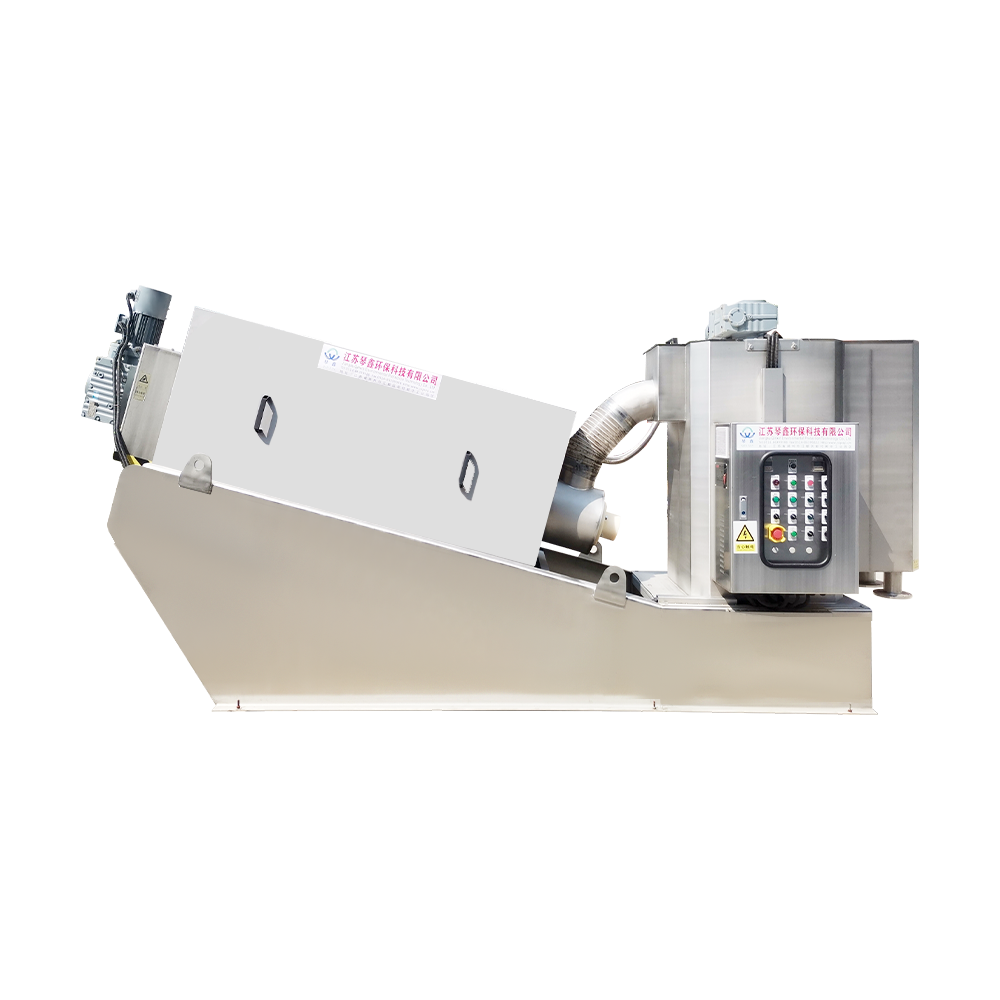
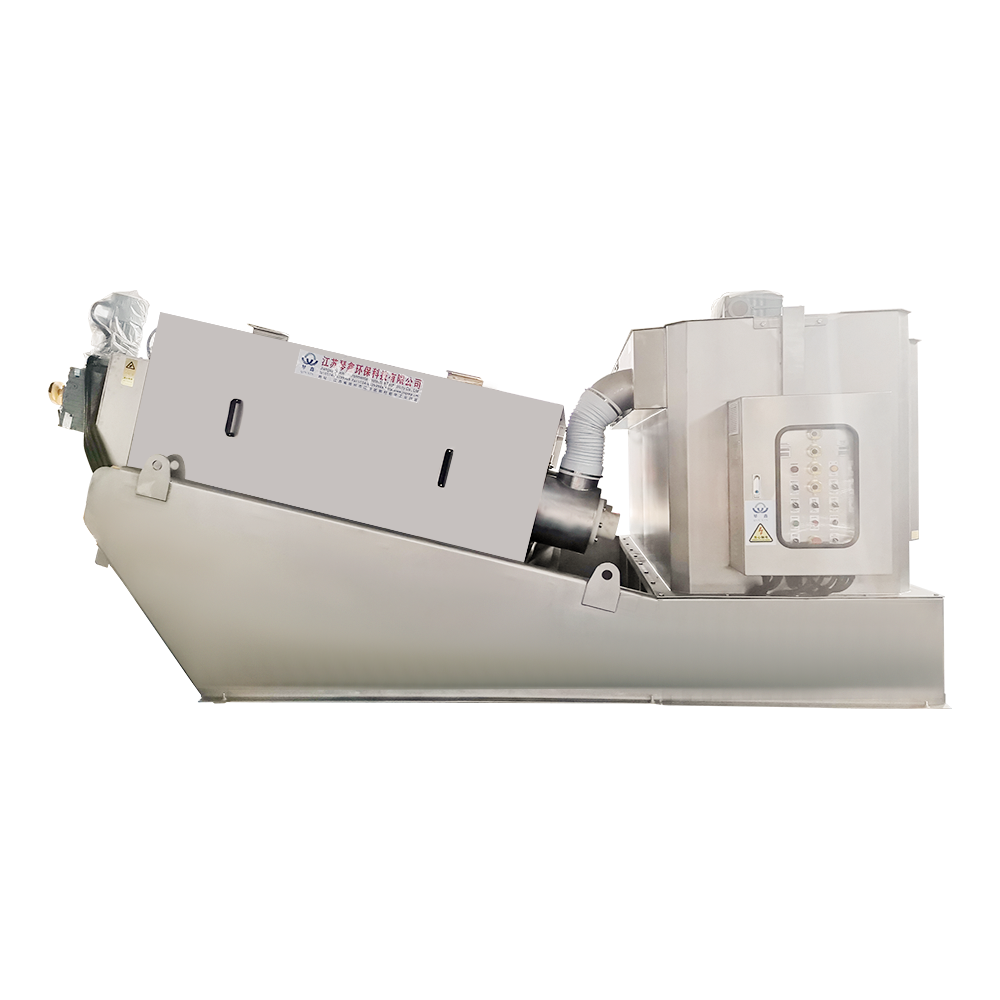
For general municipal or industrial effluent with fluctuating solids, the QXDL304 multi-disc screw press processes thin sludge directly and keeps discharge stable without a pre-thickening tank.
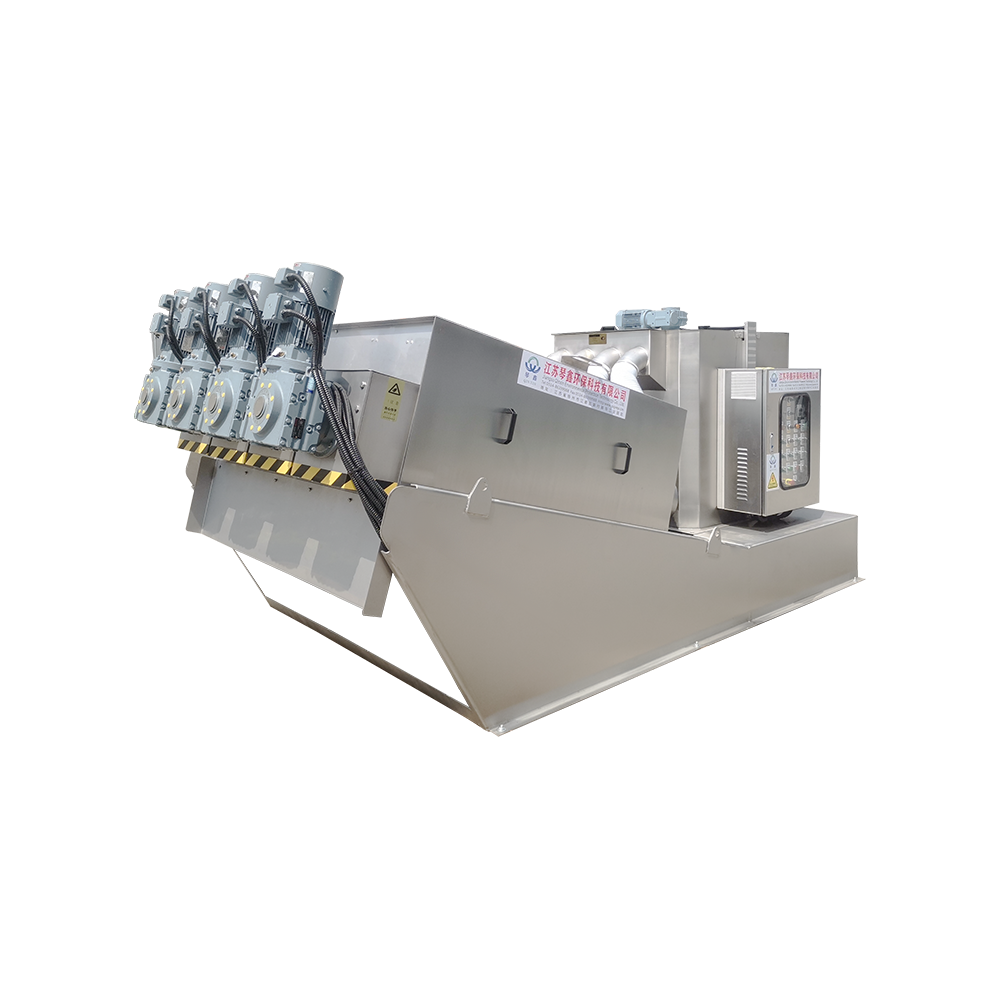
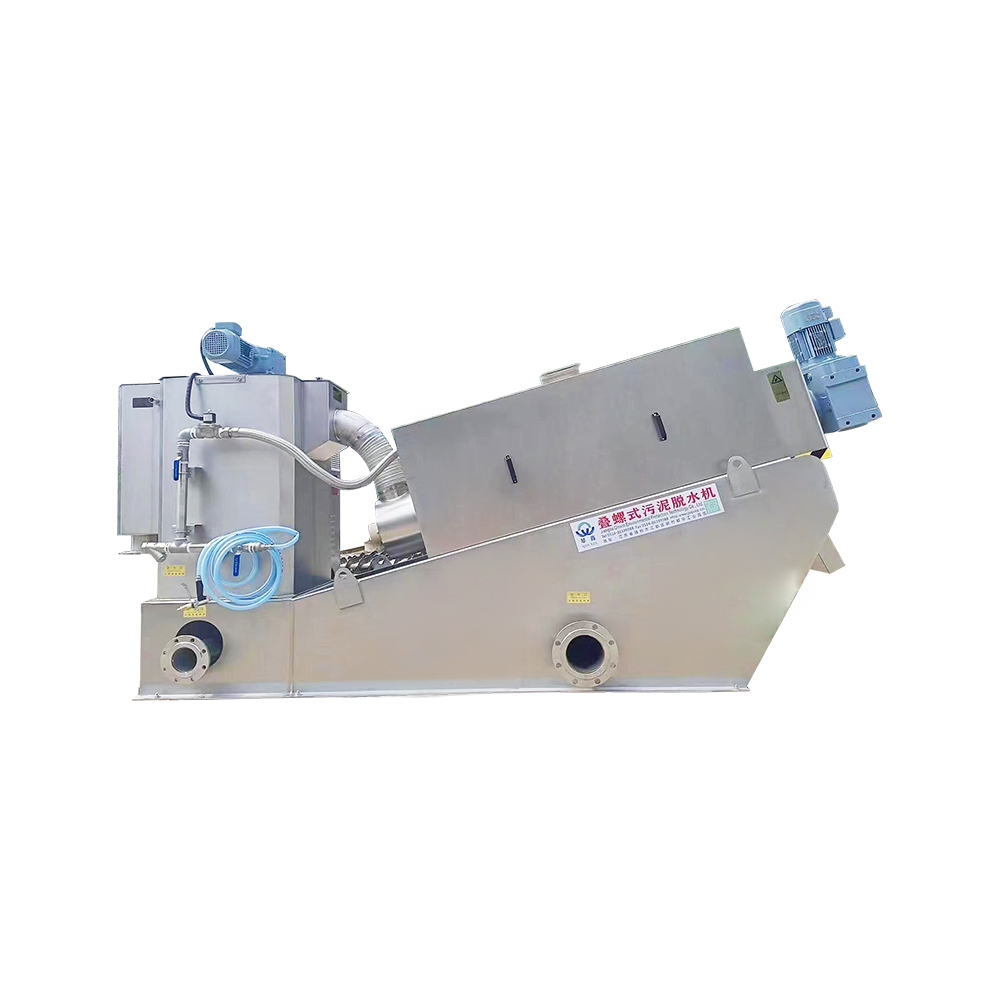 High-Efficiency Spiral Screw Sludge Dewatering Machine QXDL-351 for Textile EffluentThis unit is built for printing and dyeing wastewater with high COD and variable pH. Its corrosion-resistant shaft and SS316L ring stack handle fiber residues, while the VFD-driven torque control keeps cake dryness stable under fluctuating feed.View Product →
Compare Operating Costs, Not Just the Purchase Price
Polymer is usually the largest variable cost in mechanical dewatering. Belt presses can use 60% to 80% more flocculant than screw presses on the same sludge because the cake must survive squeezing between cloths. The gentle, low-shear conveying action of a multi-disc screw press keeps flocs intact with less chemical. Centrifuges draw two to three times the power of a screw press for similar throughput, which matters where electricity is expensive. Wash water, screen or cloth replacement, and bearing and seal maintenance add quieter but predictable costs.
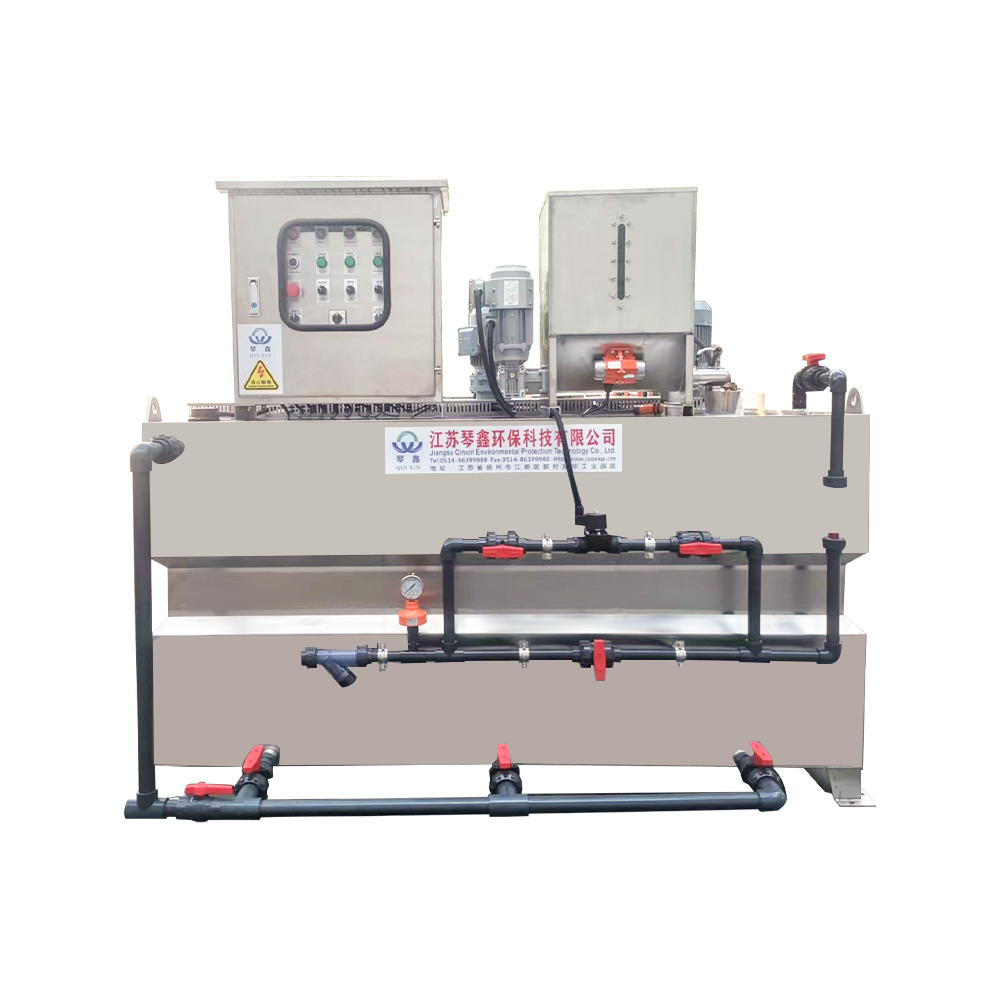
Automatic polymer make-up removes another source of waste. An integrated variable-frequency dosing device dissolves powder polymer continuously and meters it in proportion to feed flow, keeping floc quality stable through an entire shift. Plants that standardize on a screw press usually match it with a dosing unit rather than mixing polymer by hand. The Integrated Polymer Dosing Variable Frequency Dosing Device QXYTH3000L, sized to a multi-press train, keeps dosing consistent even when feed concentration varies.
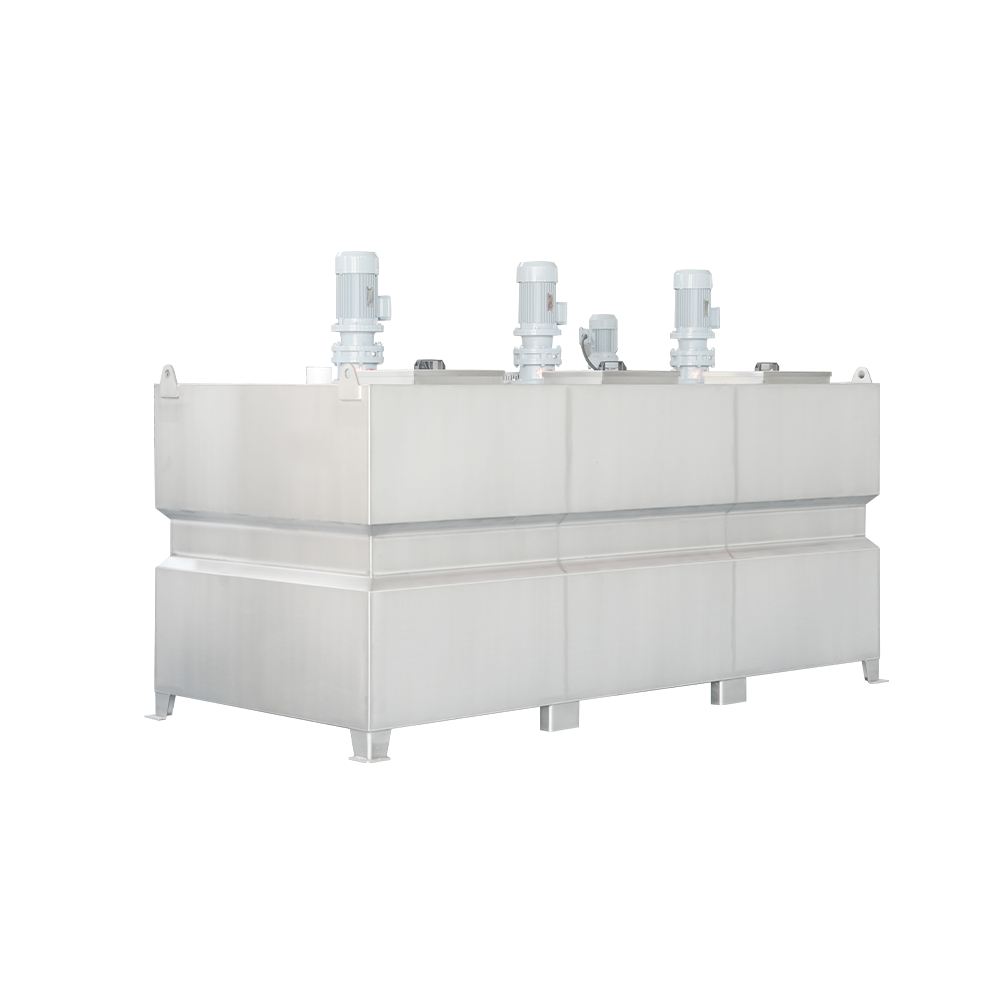 Automatic Integrated Powder Dosing System QXYTH-4000L for Polymer PreparationWith a 4000L capacity and variable frequency control, this dosing device automates polymer preparation and metering. It reduces manual mixing waste and maintains consistent floc quality across long shifts, especially when feed concentration varies.View Product →
Self-cleaning behavior is the last cost factor. Screw presses with back-pressure control clear most blockages simply by continuing rotation, while belt presses and filter presses typically need manual cleaning. For sticky or oily sludge, this difference can decide whether one operator runs three machines or spends the shift with a hose.
Match the Machine to the Application
The right machine depends on who operates it and what it receives. Municipal wastewater plants run around the clock and need robust equipment that tolerates weekend concentration swings. Food processing plants need stainless steel surfaces that resist cleaning chemicals and prevent cross-contamination. Livestock farms handle thin, fibrous manure that plugs many pumps but dewaters well in a screw press.
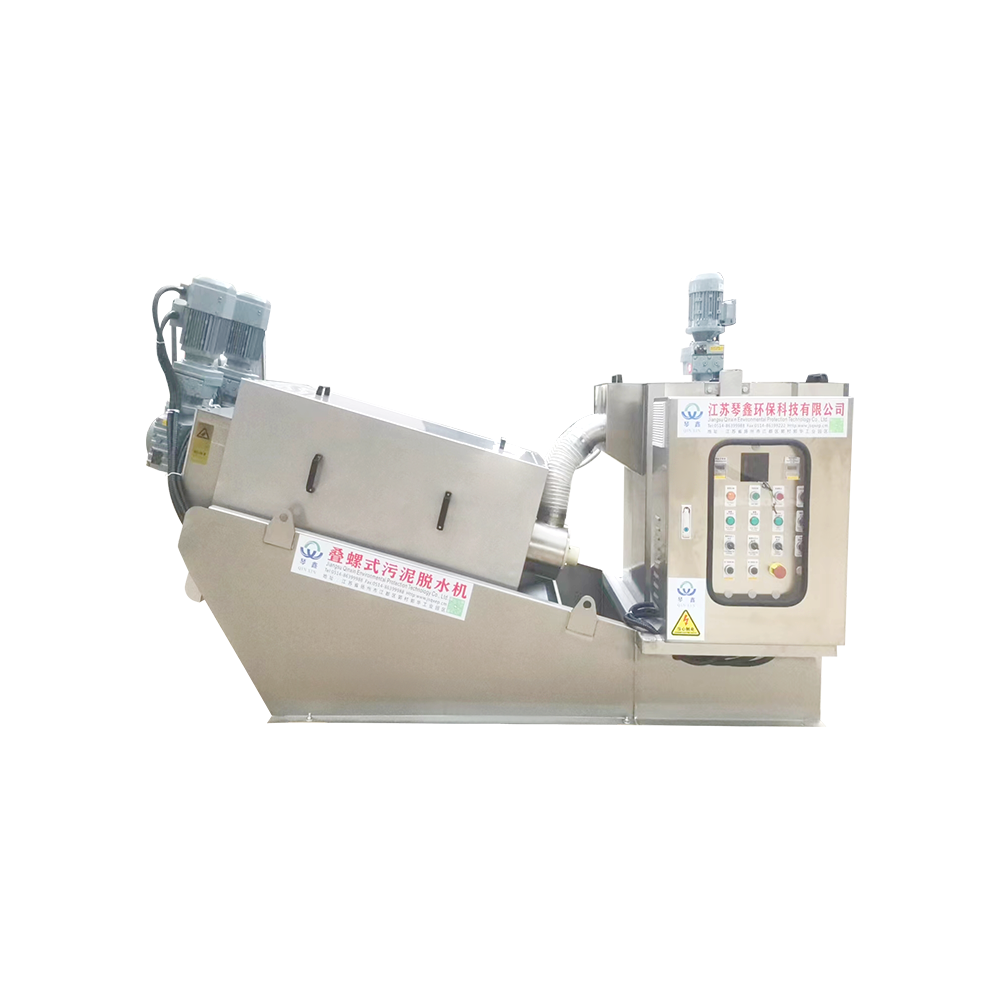
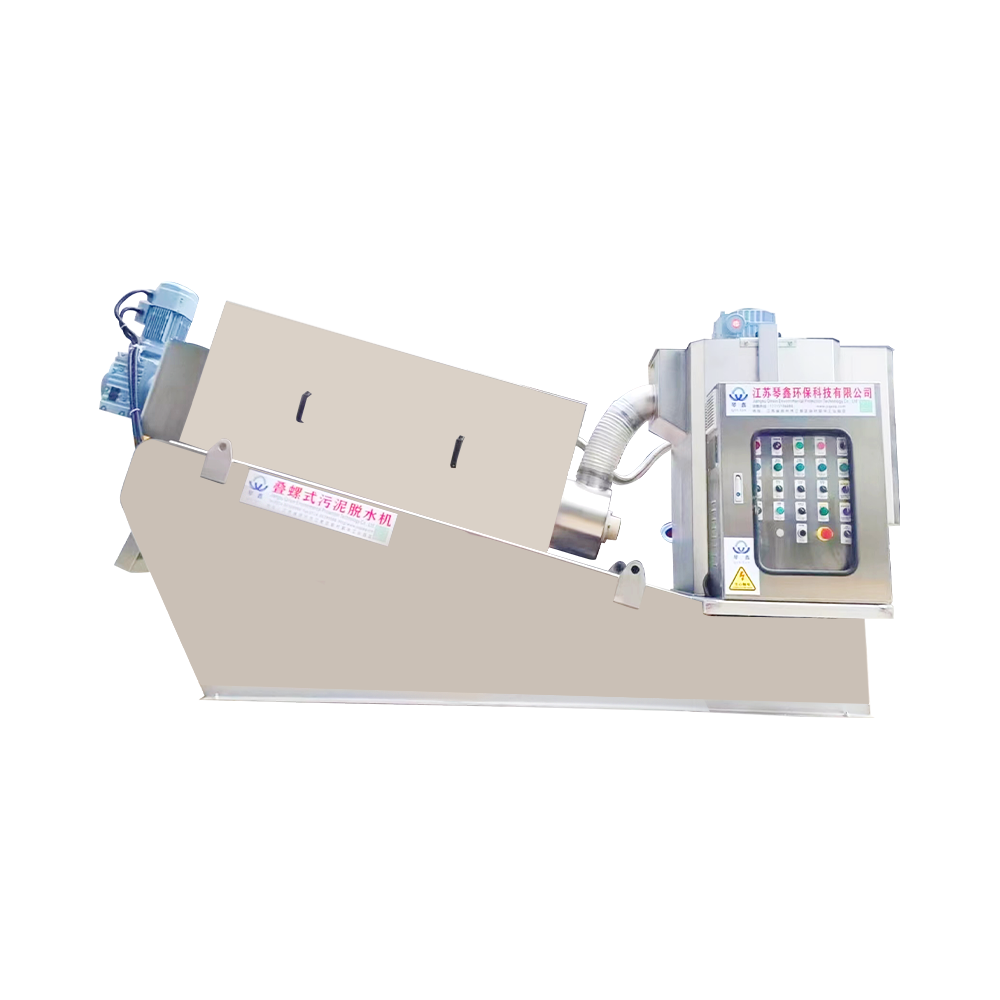
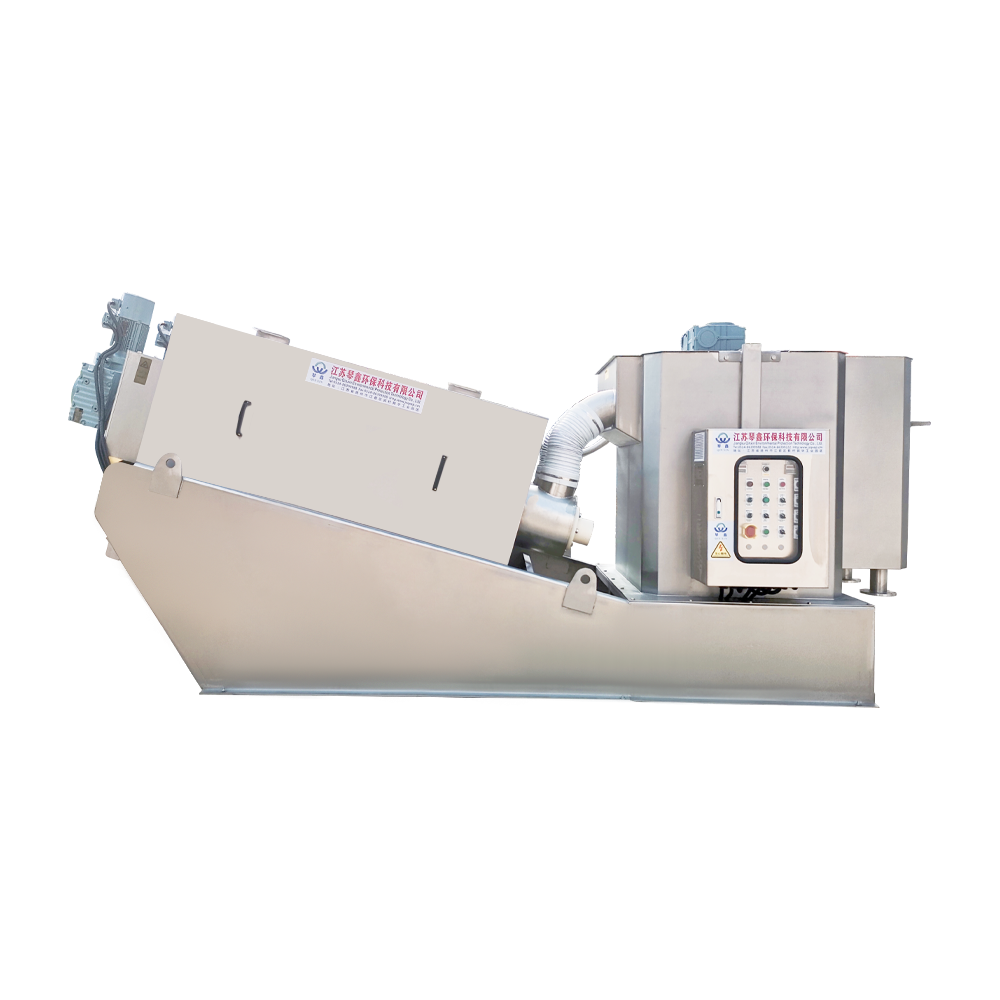
Stacked-disc screw technology matches most of these profiles: continuous operation, acceptance of low and variable feed concentration, lower polymer and energy demand, and few wearing parts. For livestock wastewater, the Automatic Livestock Wastewater Treatment Screw Press Sludge Dewatering Machine QXDL401 handles high-fiber manure streams without blinding. Chemical and printing-and-dyeing plants, in contrast, should verify the material compatibility of wetted parts against their specific pH and solvent load before ordering; the same dewatering principle may require a different alloy.
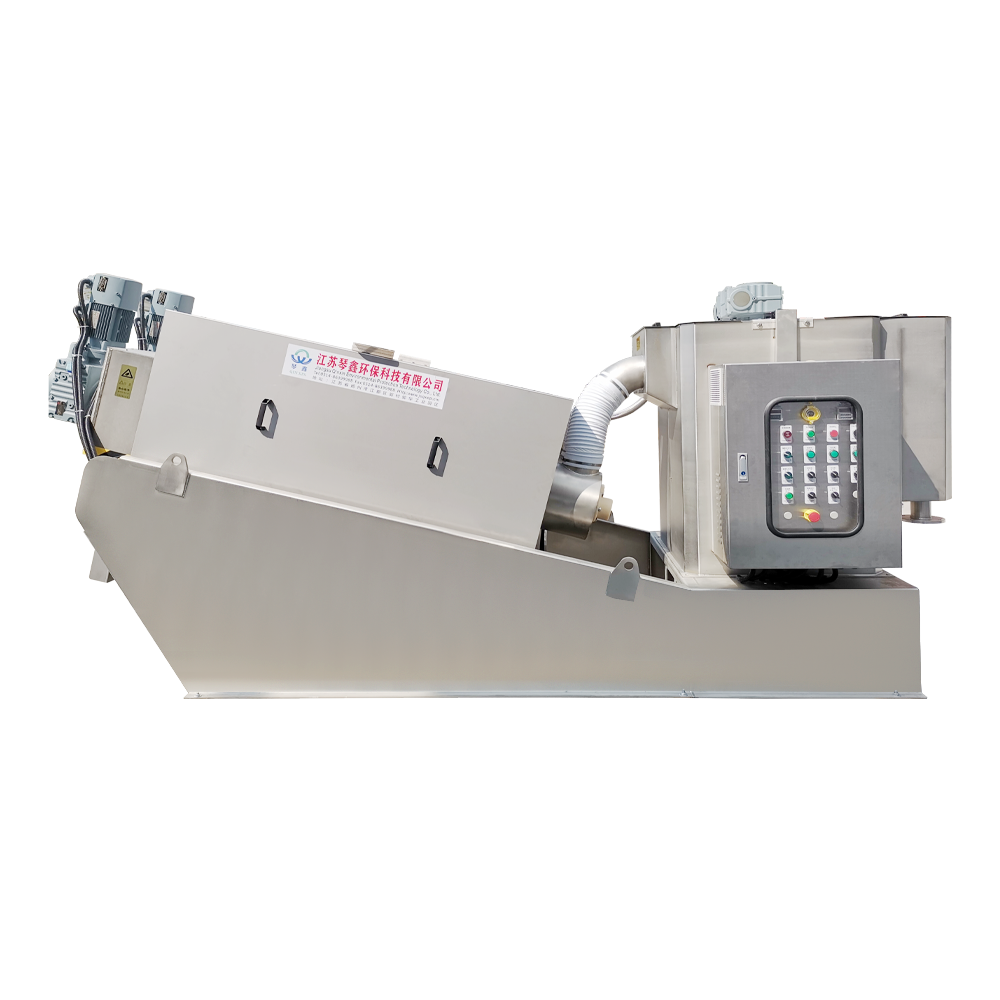
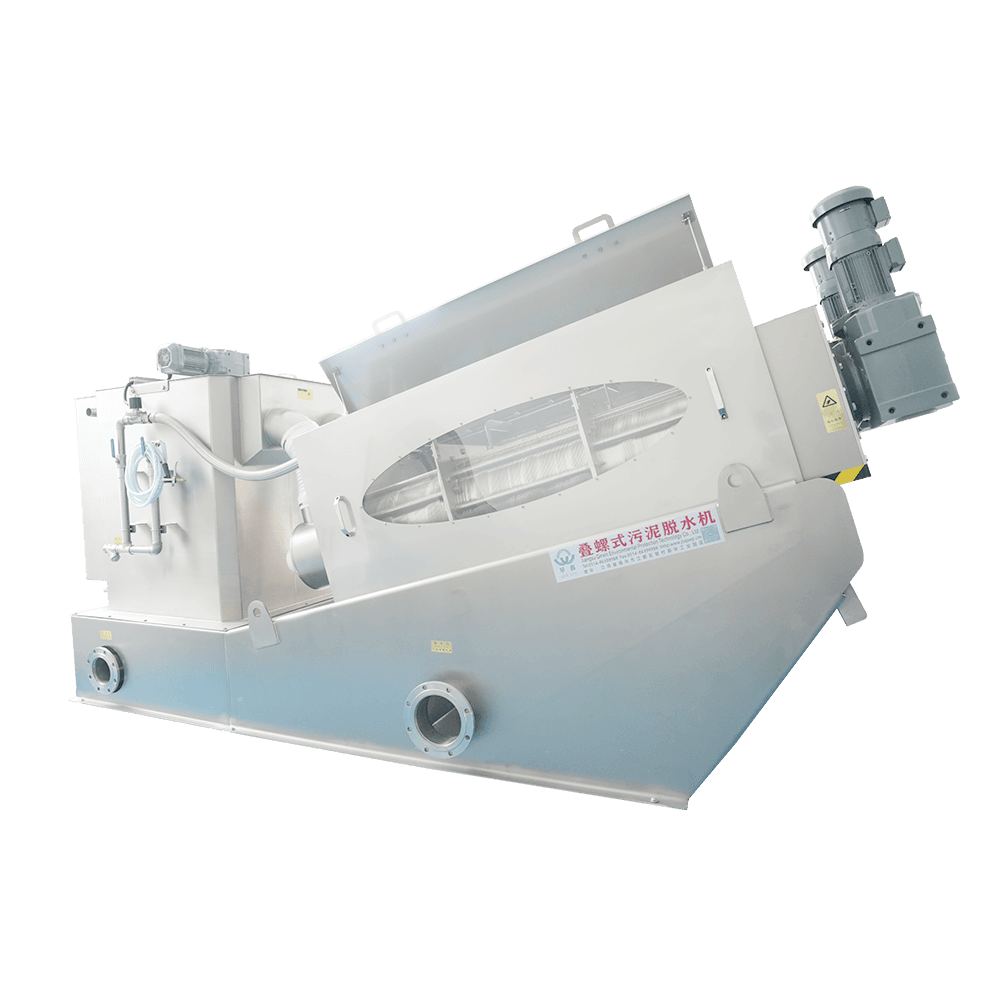 Heavy-Duty Screw Press Livestock Sludge Dewatering Machine QXDL-402Designed for intensive pig, cattle, and poultry farms, this unit processes high-fiber manure streams without blinding. The extended screw and quadruple-layer ring stack deliver 22–30% cake dryness, and the self-cleaning mechanism suits continuous harsh conditions.View Product →
A Short Checklist Before You Send the Enquiry
Run through these points, and most projects will narrow themselves down to two machine families.
- Confirm the sludge source, the feed concentration range, and the jar-test result with the polymer you plan to use.
- Write the required cake dryness in % DS and check the disposal route's acceptance criteria.
- Define capacity in kg DS/h, not only in m³/h.
- Measure the available footprint, headroom, wash water supply, and drainage.
- Compare polymer demand, energy draw, and spare part intervals, not only the quoted price.
- Ask the manufacturer for installations handling a similar sludge family.
Work through the checklist honestly, pilot the shortlisted machines with real sludge, and include operator feedback in the final decision. If you want to compare the complete equipment range, from multi-disc screw presses to polymer dosing systems and cake conveyors, start from the main products page.

 TOP