
 ENG
 English
 русский
 Español
 Tiếng Việt
 ไทย

Article Directory
Every treatment plant operator knows the frustration of a dewatering line that runs well in the morning and poorly by the afternoon. The sludge looks the same, the machine settings have not changed, yet the floc breaks apart and the cake comes out wetter. In most cases the real problem is the chemical feed. Hand-mixed polymer batches age differently, concentration drifts, and the dose rate has no direct connection to the incoming flow. Automatic dosing systems take over preparation, aging, and injection, and that single change is usually enough to stabilize the whole treatment train.
What an Automatic Dosing System Does
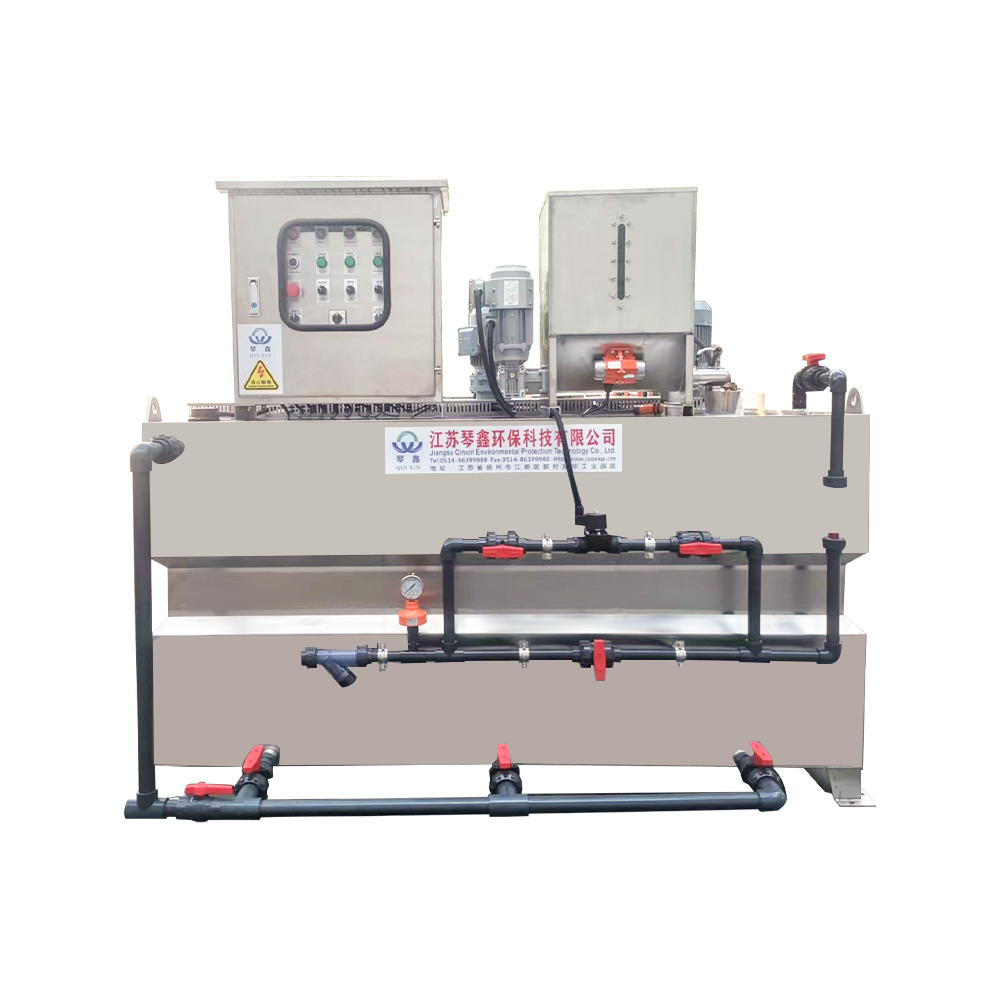
An automatic dosing system is a self-contained chemical preparation and feed unit. It mixes dry or liquid polymer with dilution water, agitates the solution for the required activation time, and stores the aged solution in a holding tank. From there, a dosing pump injects the polymer into the wastewater or sludge stream at a controlled rate. Integrated variable-frequency dosing devices go one step further: the mixing pump, transfer pump, and dosing pump all run on frequency converters, so the controller can change the dose instantly when flow or sludge concentration changes.
Flow-proportional control is the part that matters most. The system reads the flow signal from the treatment line and adjusts the polymer feed continuously. When the flow climbs, more polymer is injected immediately. When it drops, the feed slows down. The floc that forms in the morning is the same as the floc that forms at night, which is exactly what downstream equipment such as screw presses need.
Why Manual Chemical Management Breaks Down
Manual make-up and feed are not simply inconvenient; they create predictable failure modes that show up directly in chemical cost and effluent quality.
- Concentration drift. Hand-mixed batches rarely match each other, so the active polymer concentration changes across the day.
- Overdosing and underdosing. An operator who is unsure of the correct dose usually adds extra polymer to prevent poor flocculation, which wastes chemical and increases sludge volume.
- Slow response to process changes. Flow can change within minutes, while an operator may be busy elsewhere for an hour.
- Safety exposure. Handling polymer powder and concentrated chemical solutions exposes staff to dust and spills.
- Missing records. Without dosing data, it is impossible to troubleshoot, optimize, or prove what was fed to the process.
Each of these problems has a cost. Over a year, they add up to higher polymer spend, more maintenance on dewatering equipment, and unnecessary risk for operators.
How Automatic Dosing Improves Chemical Management
Automatic dosing turns chemical management from a daily guessing exercise into a controlled, measurable process. Six improvements matter most in practice:
- Precision. A calibrated dosing pump holds the feed rate within a few percent of the setpoint.
- Consistency. Every make-up batch has the same concentration and aging time.
- Lower consumption. Plants that switch from manual dosing typically reduce polymer use by 10-30 percent.
- Rapid response. Flow-proportional control corrects the dose in seconds rather than hours.
- Better dewatering. Stable floc translates into drier cake and fewer press adjustments.
- Safety and traceability. Chemical handling is contained, and dosing data is logged for review.
| Operating factor | Manual make-up and feed | Automatic dosing system |
|---|---|---|
| Dosing accuracy | Varies with each batch and operator | Held within a few percent of setpoint |
| Polymer consumption | Tends to drift upward | Typically 10-30% lower |
| Response to flow changes | Waits for operator action | Adjusts automatically with flow signal |
| Operator time | 1-2 hours per shift | Minutes for monitoring |
| Batch consistency | Batch-to-batch differences | Identical mix every cycle |
| Dose records | Notes or memory | Logged automatically |
Taken together, these improvements pay for themselves quickly, especially in plants that run continuous shifts. Chemical savings multiply by every operating hour, and the operator time freed from mixing can be used for sampling, maintenance, and process checks.
Matching System Size to Your Treatment Line
Choosing the right capacity is the first step. An undersized unit forces repeated make-up cycles and leaves no buffer when flow surges. An oversized tank takes up floor space and keeps polymer in aging longer than necessary. A practical rule is to size the system so it can produce one full shift of aged solution without a new make-up cycle.
| Model family | Tank volume | Typical application |
|---|---|---|
| QXYTH500L | 500 L | Pilot lines and small batch treatment |
| QXYTH1000L | 1000 L | Small to mid-size industrial plants with one screw press |
| QXYTH1500L | 1500 L | Mid-size plants with steady flow |
| QXYTH2000L | 2000 L | Continuous municipal or industrial lines |
| QXYTH3000L | 3000 L | Large plants with high polymer demand |
A 1000 L integrated unit suits an industrial plant running one screw press on a moderate sludge flow. It is large enough for a full shift and small enough to keep the polymer fresh.
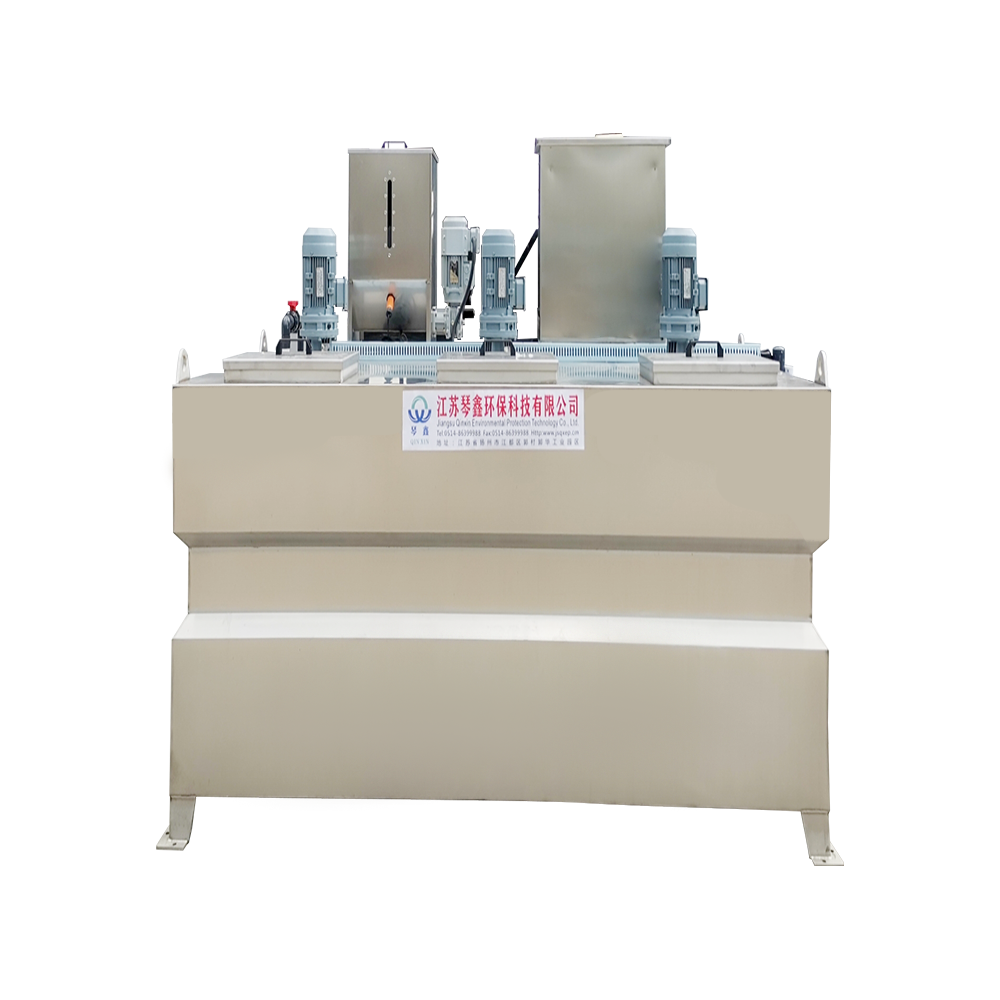 QXYTH-1500L Integrated Automatic Chemical Powder Dosing Machine with VFDThis 1500L integrated dosing system suits a single screw press with moderate sludge flow, offering precise powder feeding and variable frequency control to keep polymer fresh and minimize waste.View Product →
Continuous plants with multiple dewatering lines or high solids loading should step up to the 2000 L or 3000 L models, which include automatic powder feed and a longer aging time.
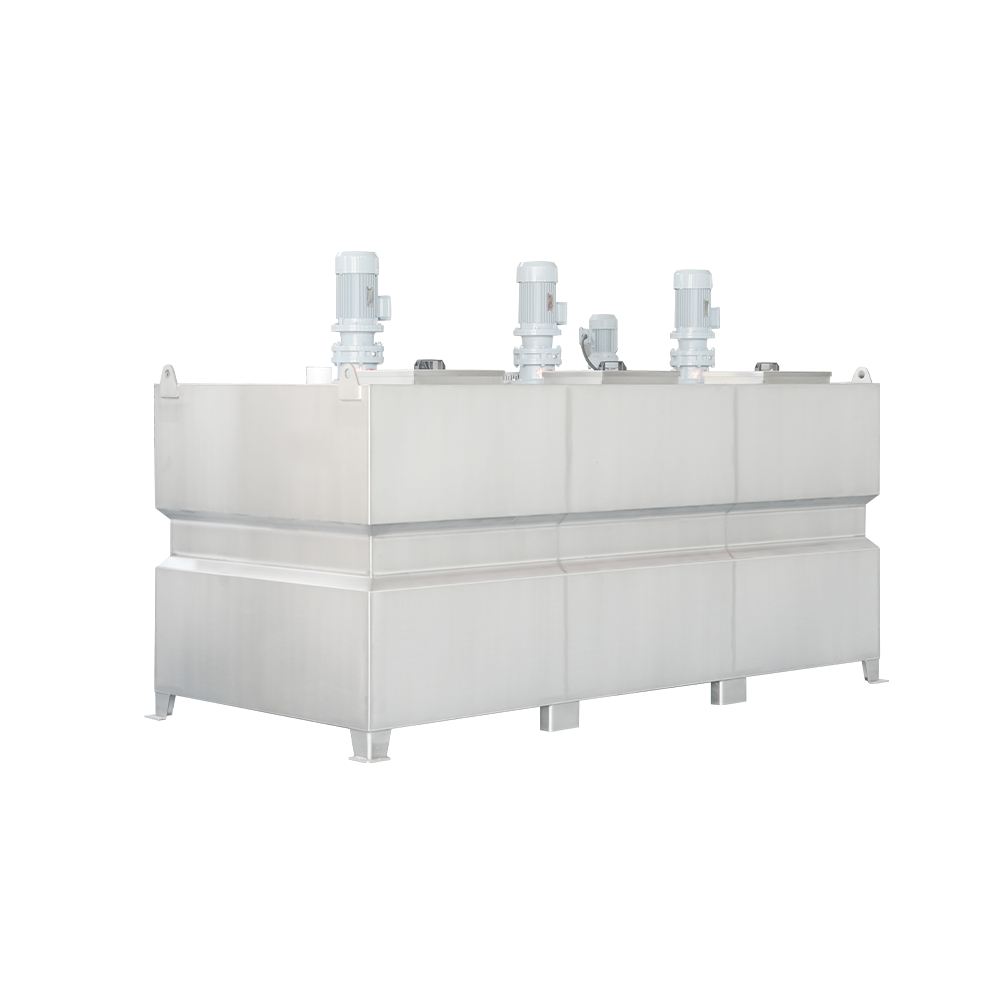 QXYTH-4000L Automatic Integrated Powder Chemical Dosing SystemDesigned for continuous plants with multiple dewatering lines, the 4000L model delivers high-volume automated dosing with variable frequency control, ensuring consistent polymer feed for stable screw press operation.View Product →
Integrating Dosing with Sludge Dewatering
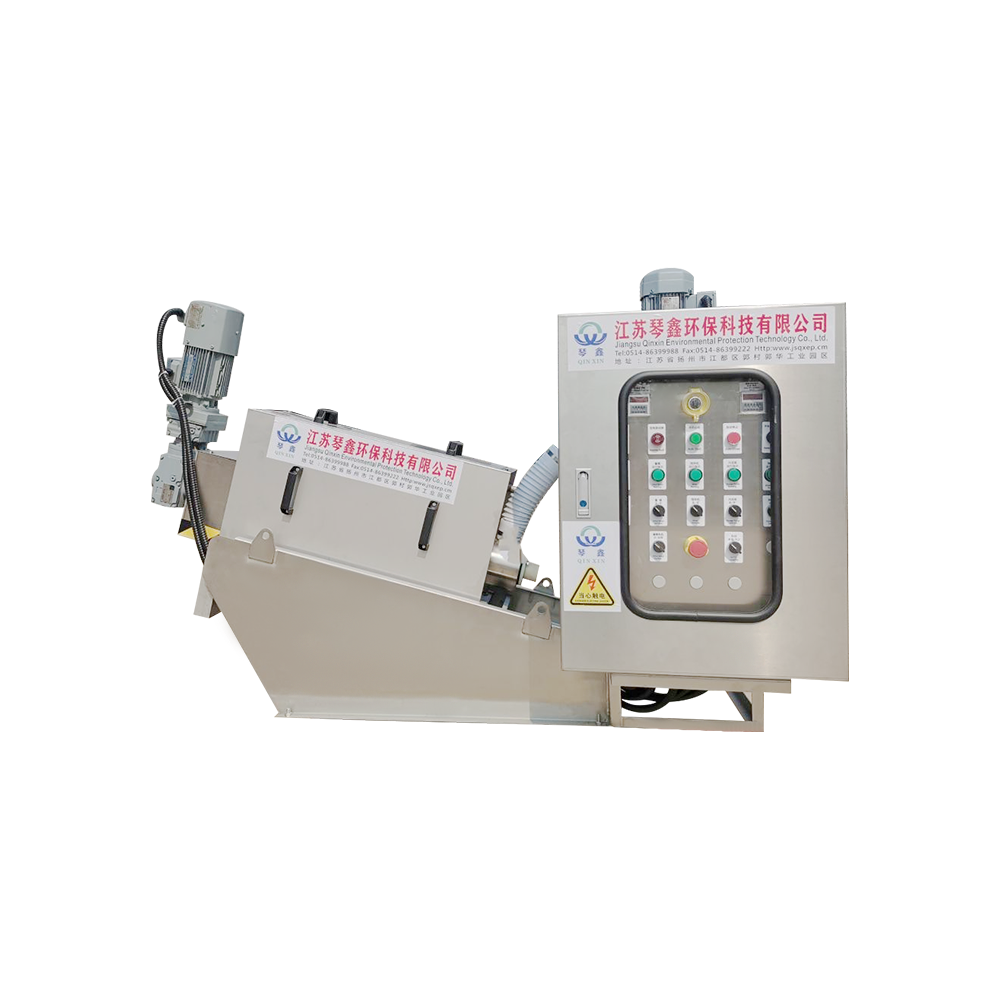
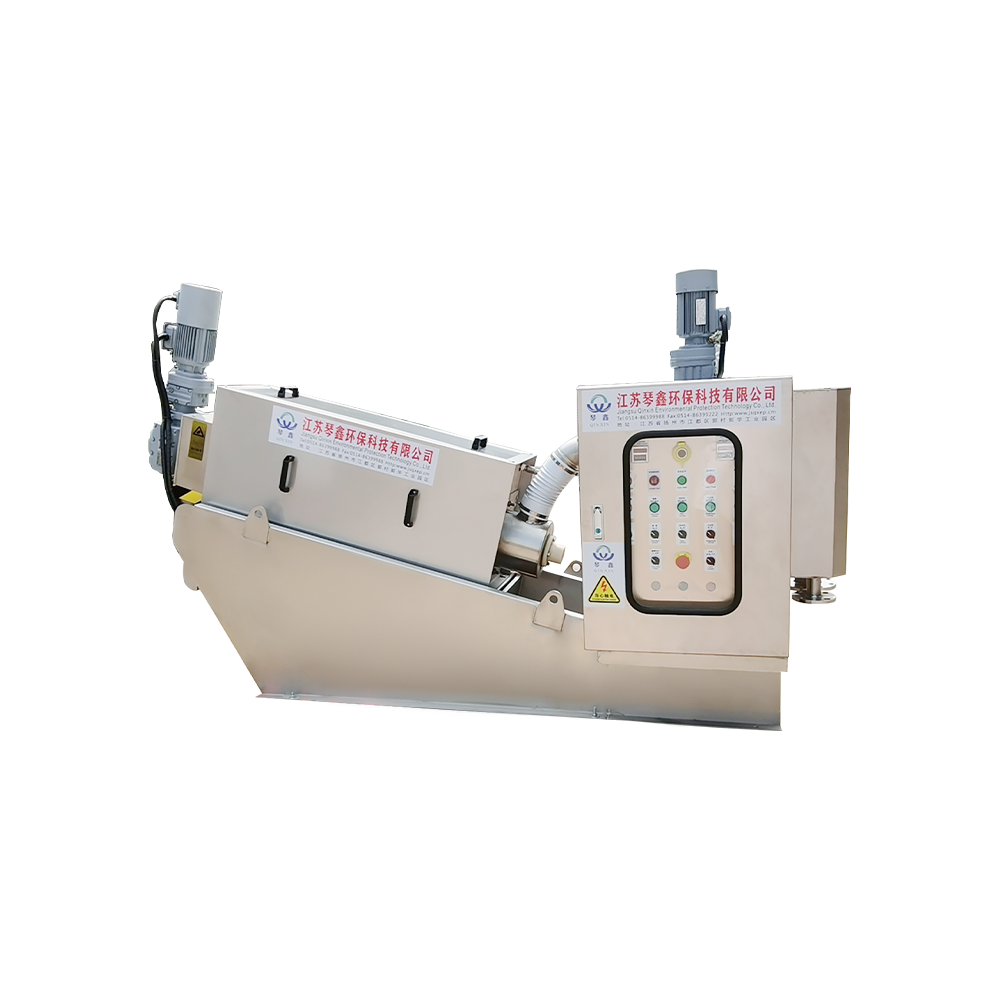
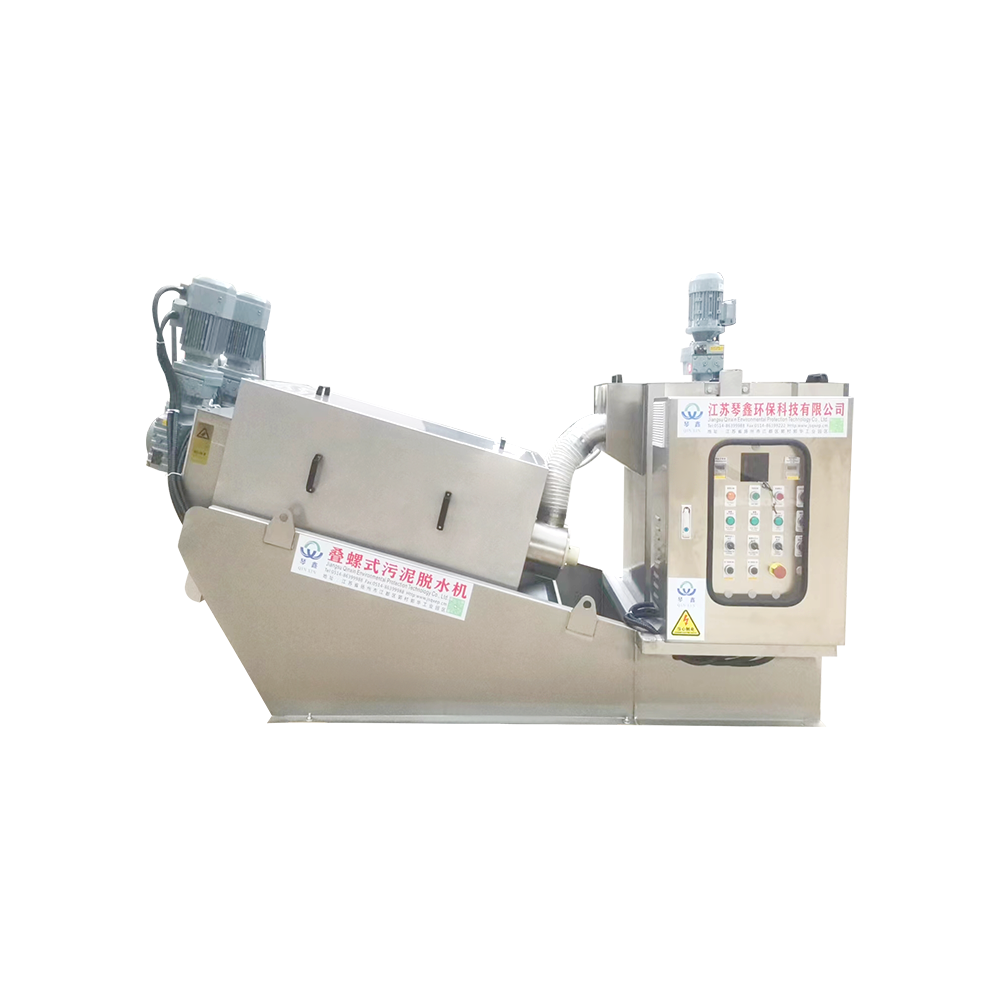
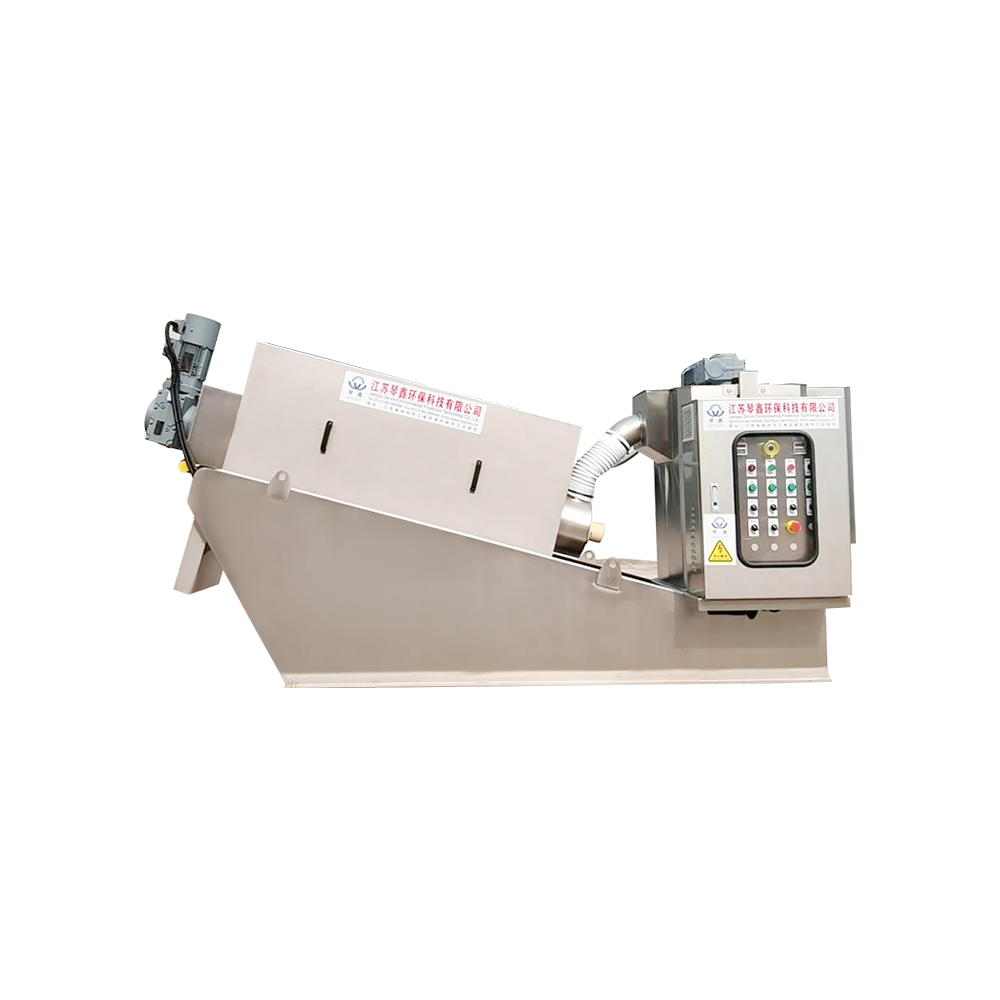
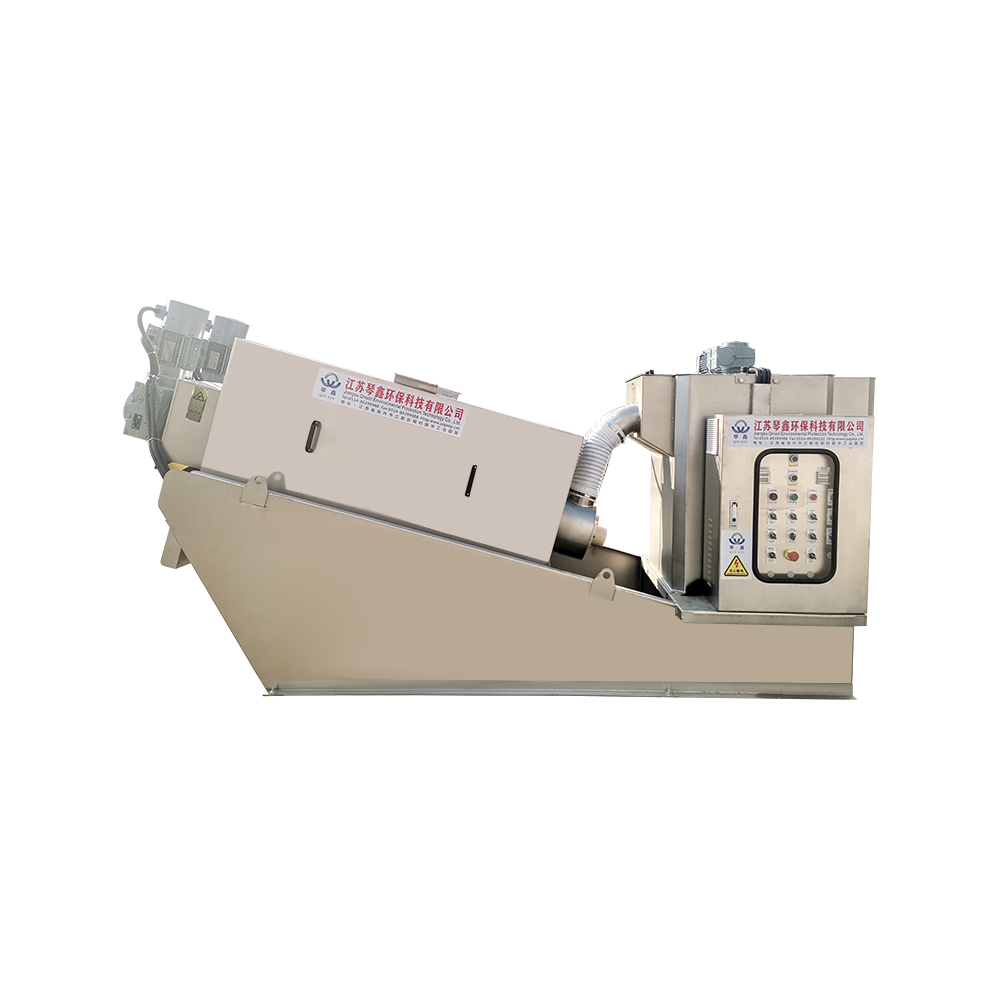
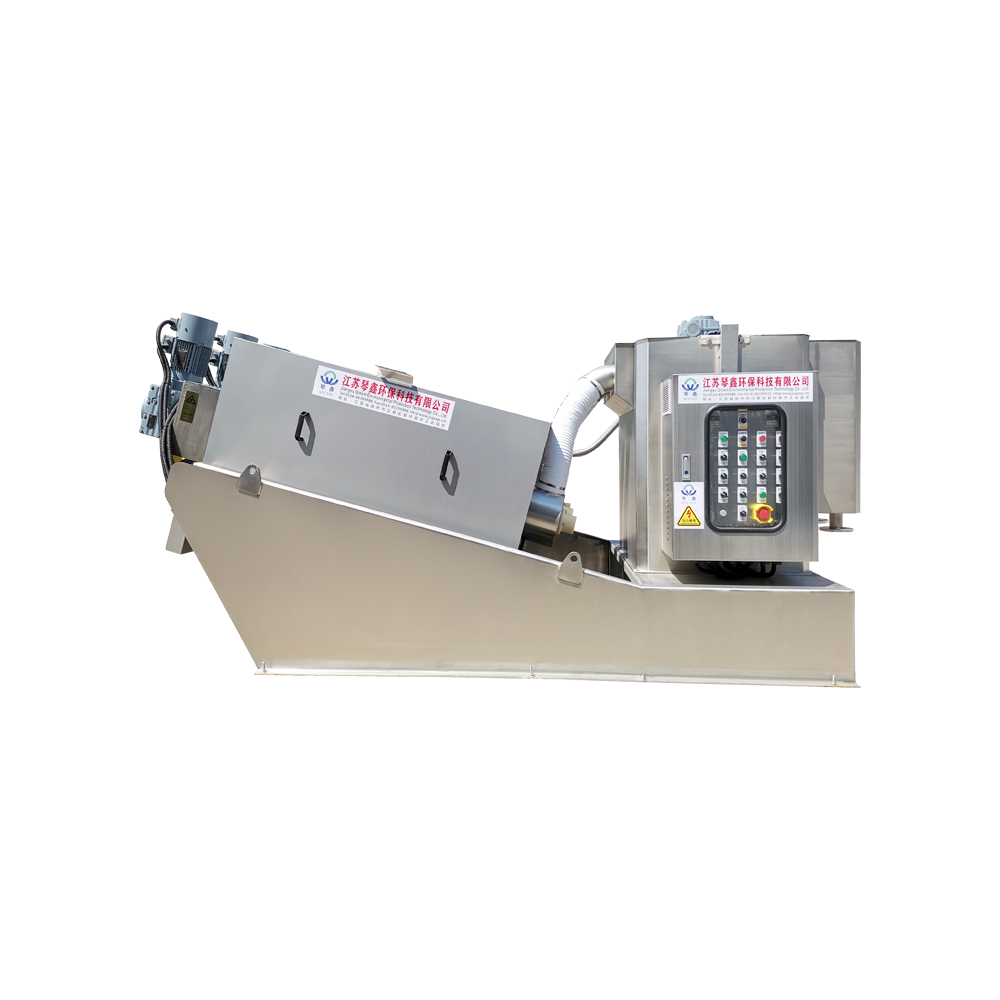
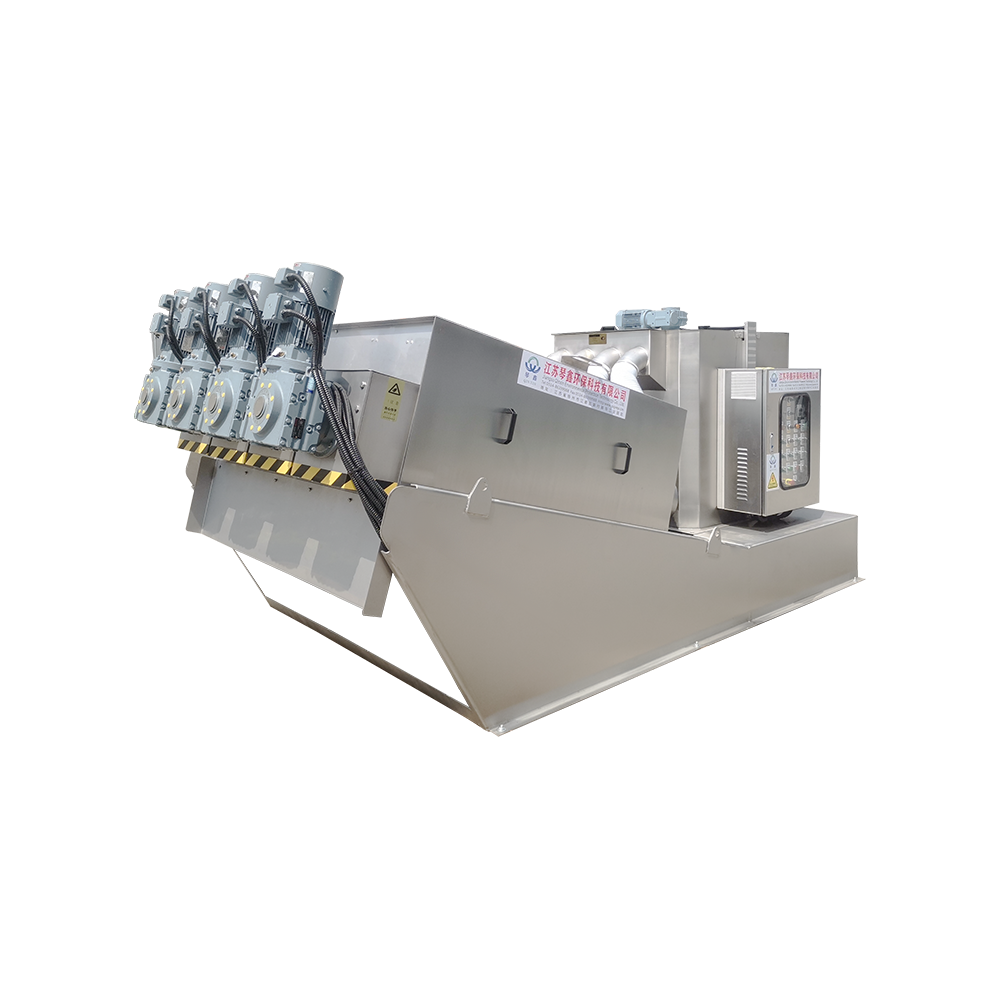
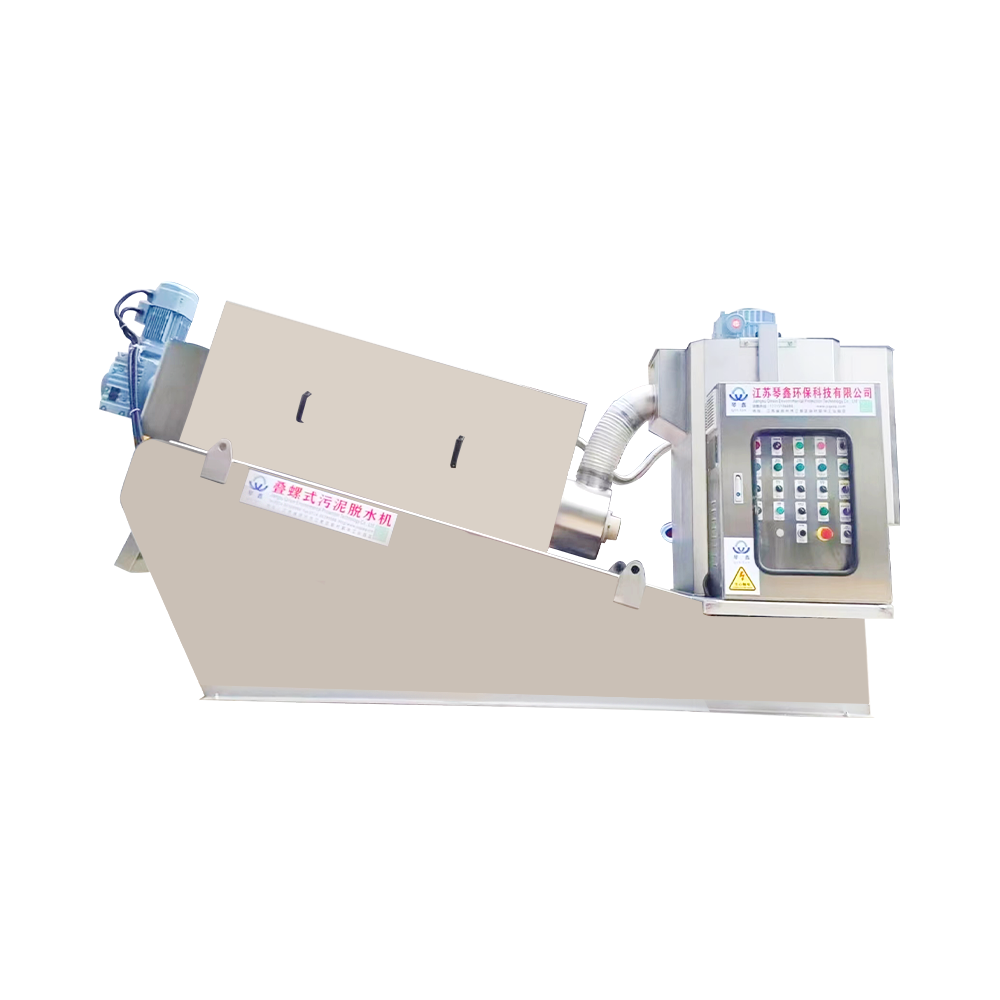
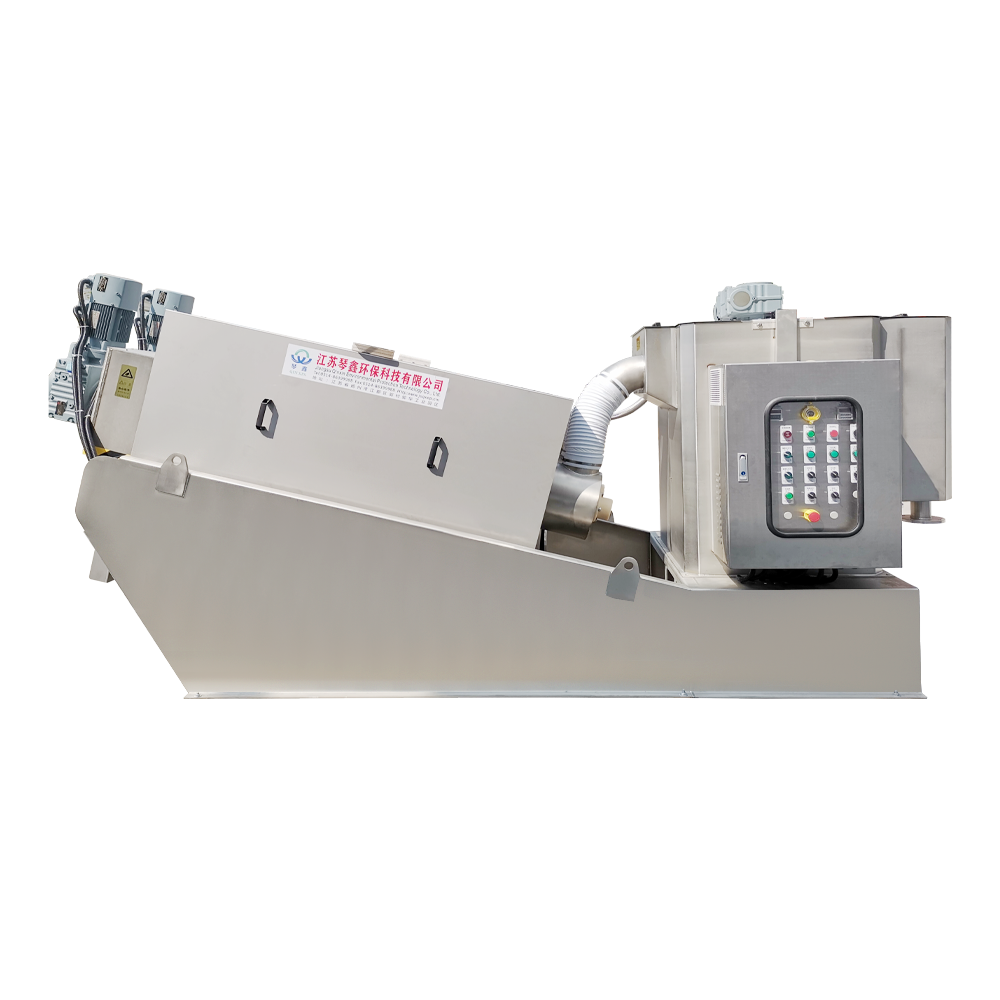
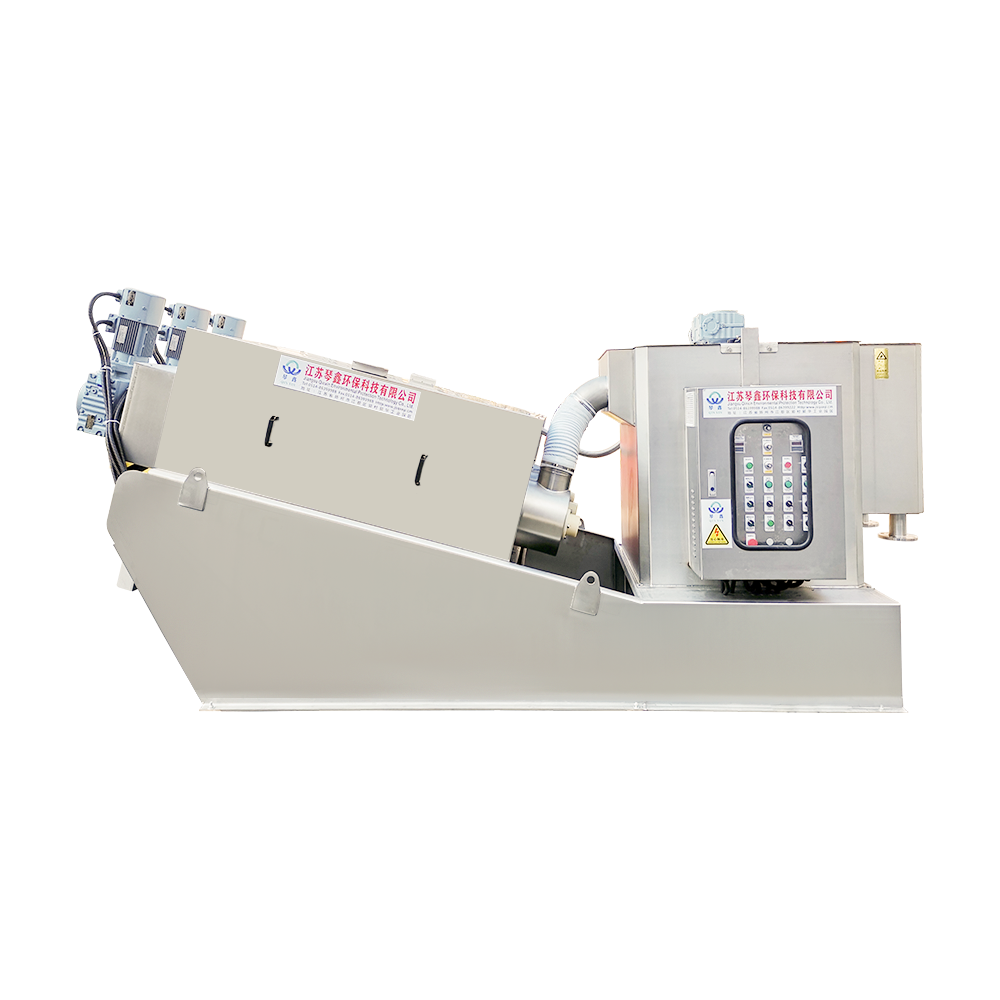
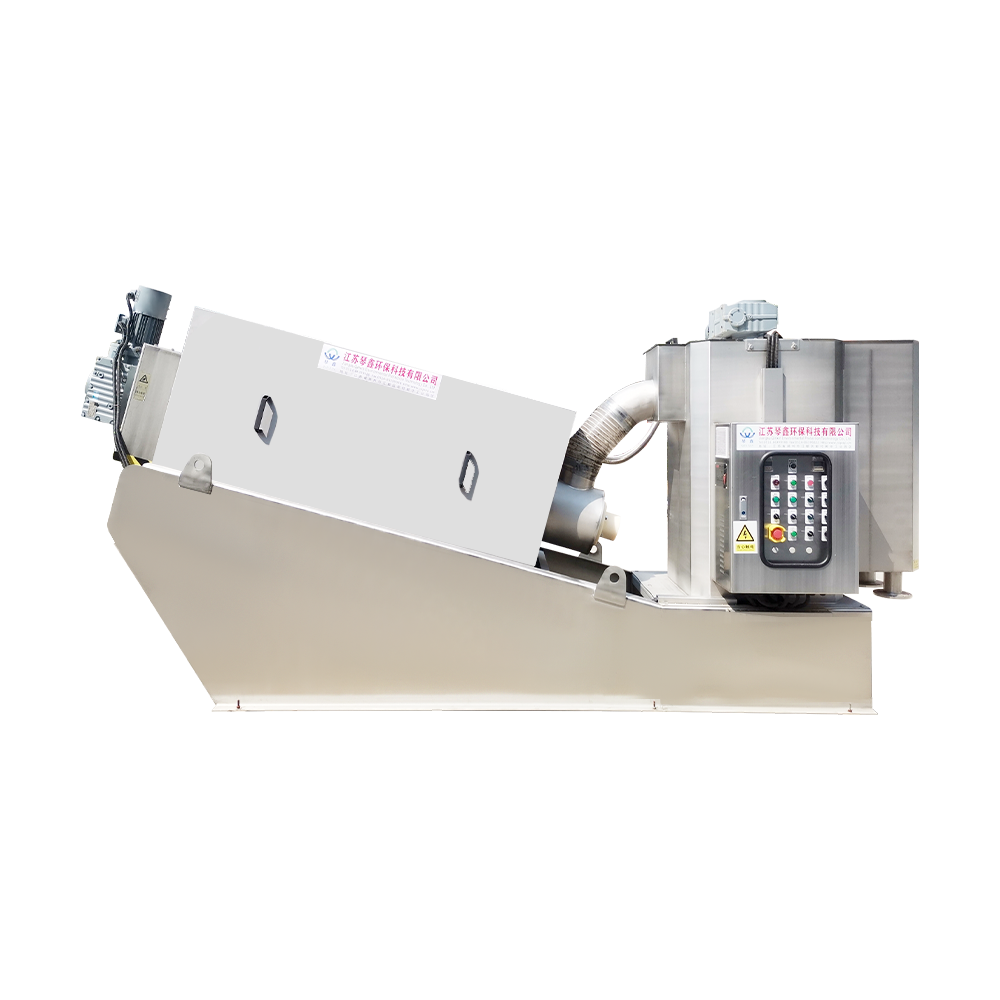
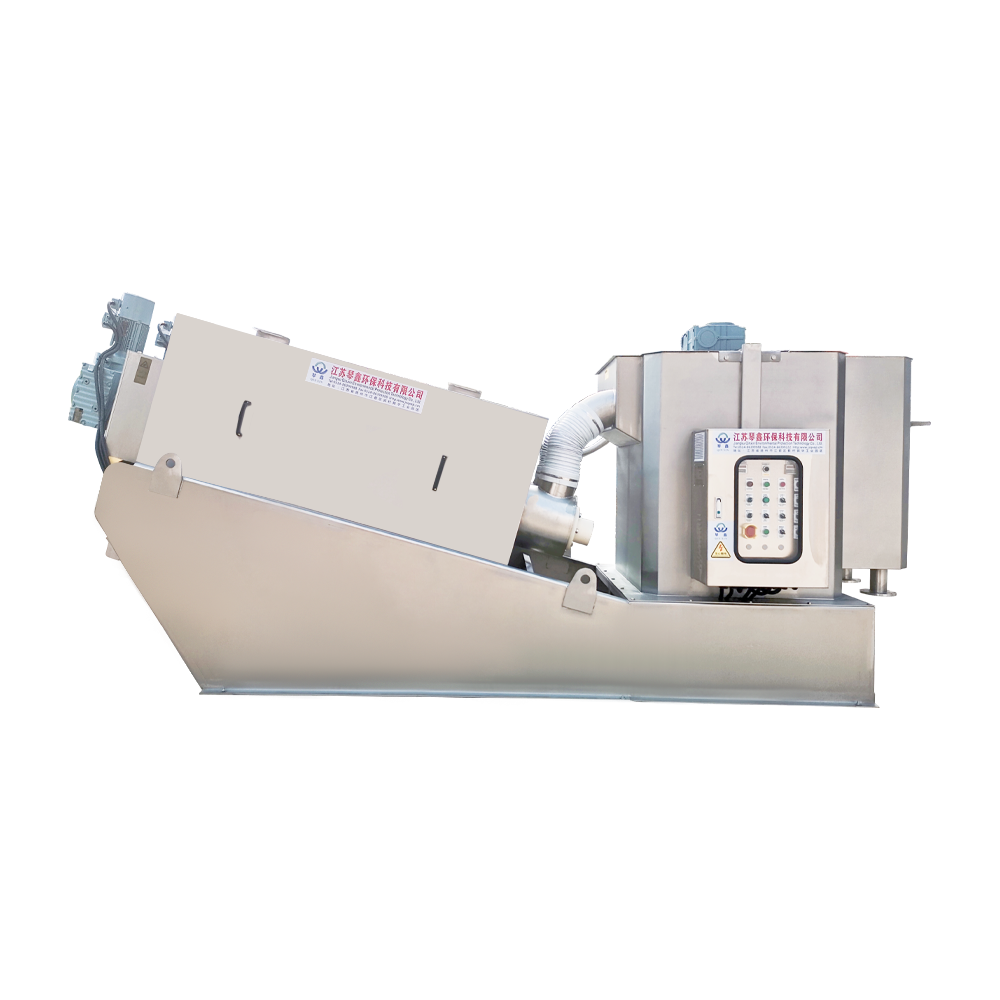
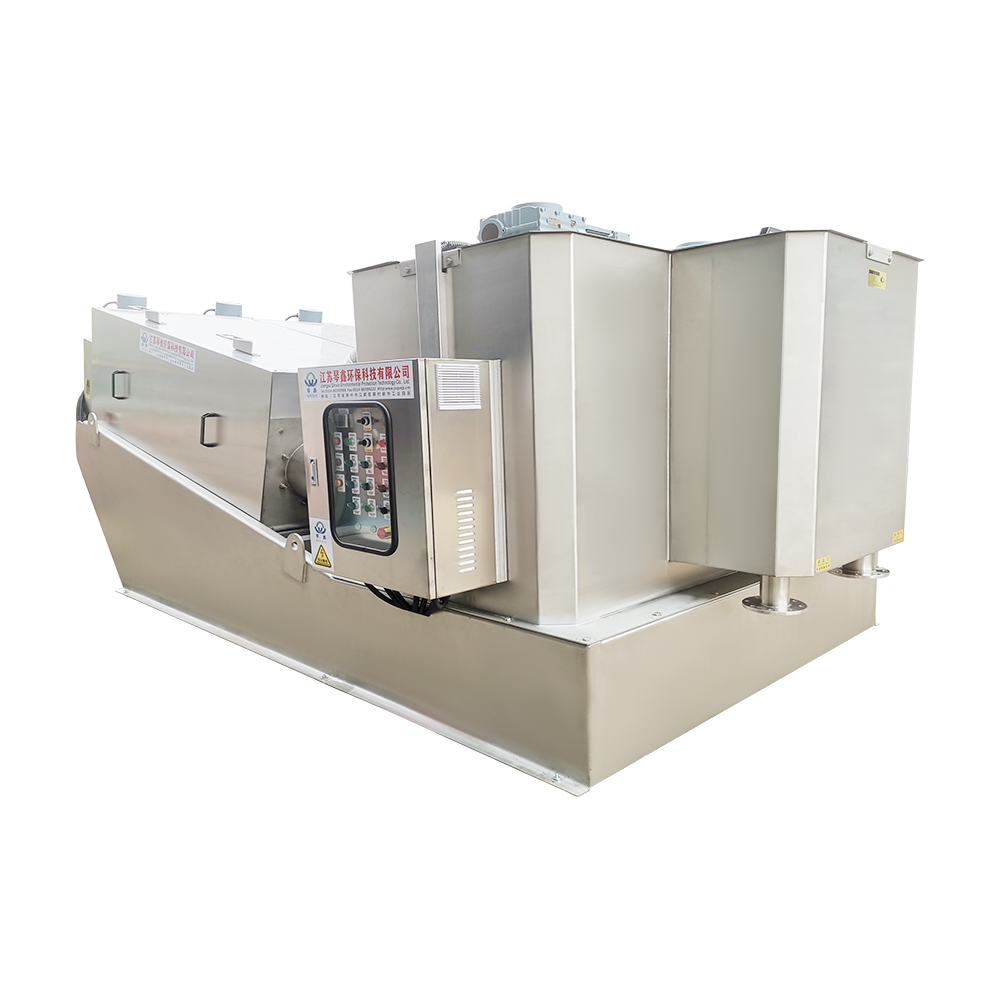
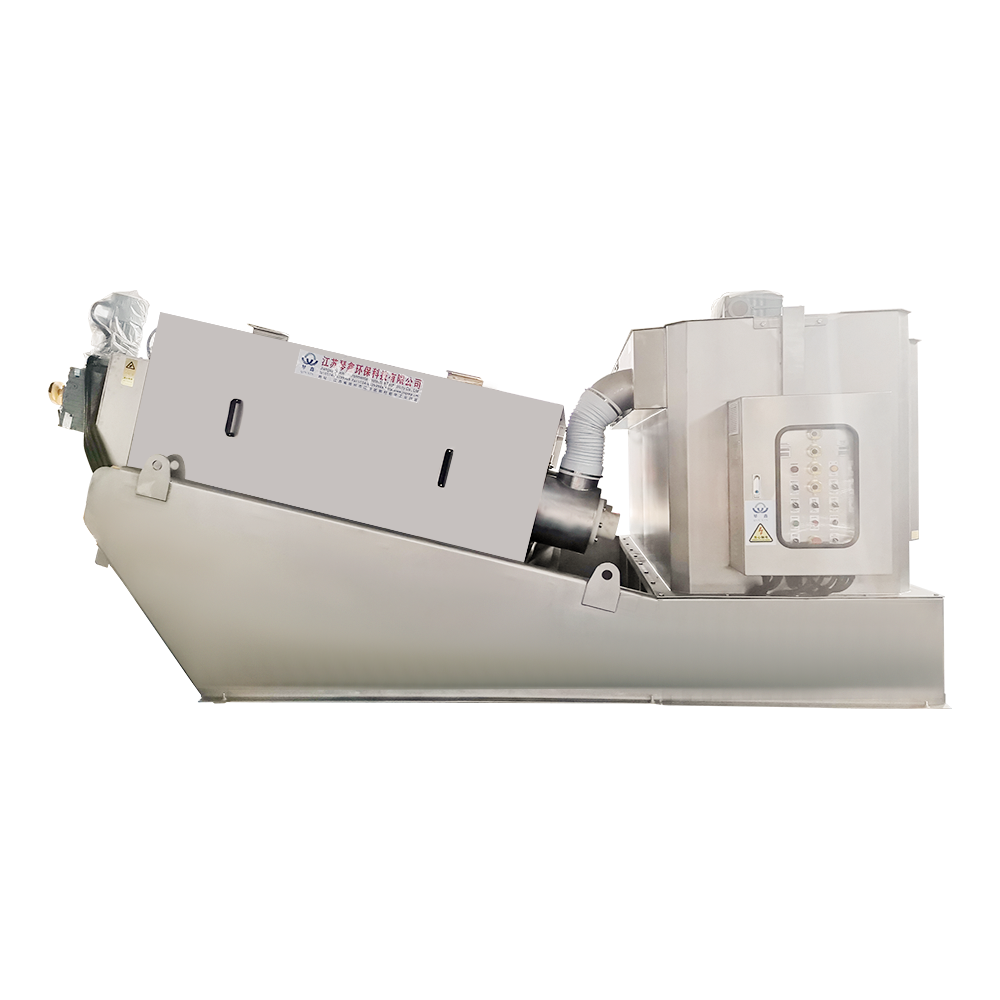
An automatic dosing system produces its strongest results when it feeds a screw press dewatering machine. Screw presses are sensitive to polymer dose: too little polymer creates weak floc and a wet cake, while too much wastes chemical and can overload the press. A flow-proportional feed keeps the floc entering the unit consistent, so the press runs at steady throughput and the cake stays dry.
Operators who previously watched the floc and adjusted the dose by eye can now supervise a setpoint and respond to alarms. For a closer look at the chemistry and control loop, this practical guide to PAM dosing systems covers how polymer make-up and feed work in treatment facilities.
Plants with larger polymer demand often choose a powder polymerization unit, which automatically batches dry polymer and produces the same quality of solution every cycle. That configuration suits sites running several presses in parallel or treating sludge with a high solids content.
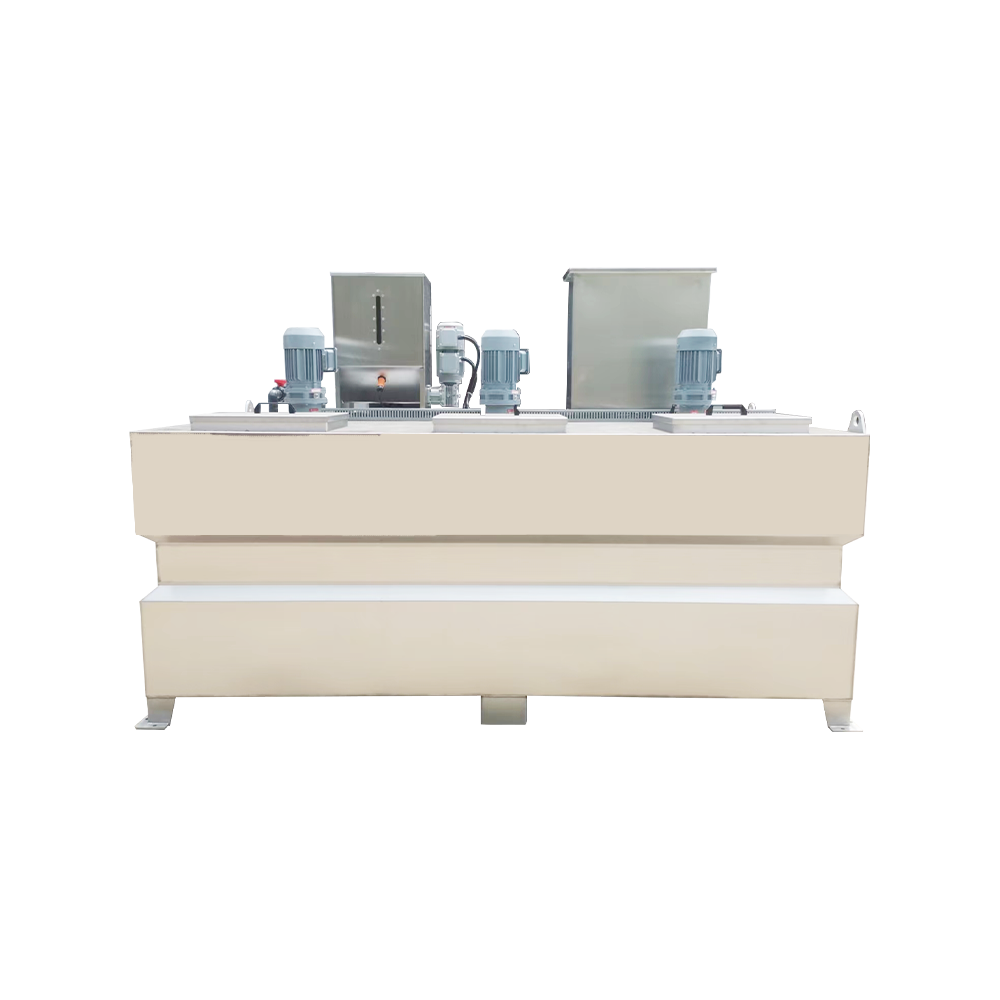 QXYTH-3000L Integrated Polymer Preparation Unit with VFD DosingFor sites running several presses or high-solids sludge, this 3000L unit automates polymer batching and dosing, reducing chemical consumption and labor while improving flocculation efficiency.View Product →
Cost Considerations and Payback
The investment in an automatic dosing system is modest compared with the savings it generates. Polymer is one of the largest variable costs in sludge dewatering, so a 10-30 percent reduction in consumption has an immediate effect on monthly operating cost. Add the labor time returned to operators, fewer clogged lines and worn pumps, and a drier cake that lowers disposal or hauling cost, and the payback period is usually a few months.
Maintenance is straightforward. The mixing tank and dosing lines are designed to be flushed, frequency-conversion pumps run at lower average speed, and routine checks are limited to pump calibration, level sensors, and feed mechanisms.
What to Ask Before Buying
Before specifying a system, clarify three points: the polymer type and concentration used, the maximum sludge flow the line can produce, and the automation level the site can maintain. A dosing system that matches the existing dewatering equipment will always outperform a larger or smaller unit installed without context.
Qinxin Environmental Protection, a wastewater treatment equipment manufacturer that builds both dosing systems and screw press dewatering machines, can match the two halves of the process in a single coordinated layout. Buying from one supplier avoids the common problem of a dosing train that is sized for a different sludge, polymer, or press than the one installed on site.
Automatic dosing will not remove the operator from the process, but it moves the operator from repetitive mixing work to real process control. The same team can handle more throughput, react faster to upsets, and report chemical consumption with confidence. That is the practical definition of better chemical management in a water treatment plant.

 TOP